Photo credit: The Avid Outdoorsman
A quiet neighborhood dispute can turn into something else in a hurry when firearms get dragged into it—especially when kids are involved. That’s what one family says happened after an afternoon of bike riding and playing near a property line ended with a call to law enforcement and a whole lot of finger-pointing.
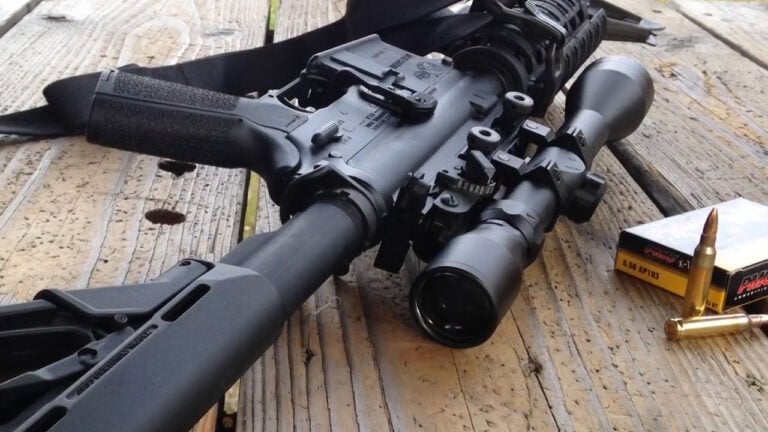
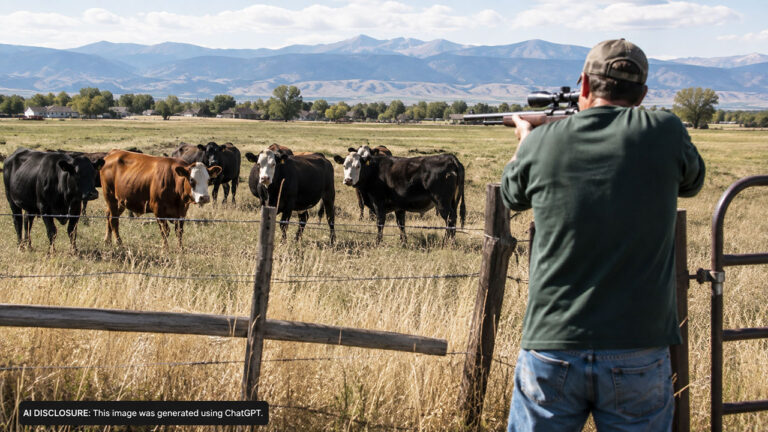
According to the family, a nearby homeowner stepped onto a porch holding a rifle and aimed it in the direction of their children. The parents say they were close enough to see what was happening and rushed the kids back toward the house. The homeowner, for their part, reportedly denied pointing a gun at anyone and framed the whole thing as a misunderstanding tied to ongoing issues around boundaries and trespass.
The day started like a normal kid-in-the-yard afternoon
The kids were outside doing what kids do—riding a small dirt bike in a yard, cutting through a strip of grass near a fence, and drifting a little farther than their parents would have liked. In a lot of rural and semi-rural neighborhoods, that “little farther” is where the trouble starts. One property has a marker. The next property has an old fence line. The kids don’t see any of it.
Neighbors in the area had reportedly had minor gripes before: tire tracks too close to a driveway, kids retrieving a ball from a ditch, noise at the wrong hour. Nothing that should end with a rifle coming out. But those little irritations can stack up, and when someone’s already on edge, it doesn’t take much.
The rifle allegation changed the whole tone
Once the family believed a gun had been pointed toward their children, it wasn’t a “go talk to the neighbor” issue anymore. It became a safety issue. Most hunters and gun owners understand that difference instantly. There’s a world of difference between a homeowner stepping out to see what’s going on with a firearm slung safely or carried at low ready versus someone leveling a muzzle where people are.
The family described the moment as quick but clear: a neighbor on the porch, a long gun in hand, and the barrel oriented toward the kids. Whether it was an intentional threat or a panicked attempt to scare kids away is the part everyone argues over. But either way, when the muzzle covers a person—especially a child—you’ve crossed into a line that doesn’t have many good excuses.
The homeowner reportedly claimed they were checking their property after hearing noise and had no intention of threatening anyone. In rural places, it’s common for folks to grab a rifle when they think coyotes are around, when they’ve had theft, or when they hear something they can’t place. The problem is that “I had a reason to have a gun” doesn’t automatically answer “where was it pointed.”
Police ran into the hard part: proving what happened
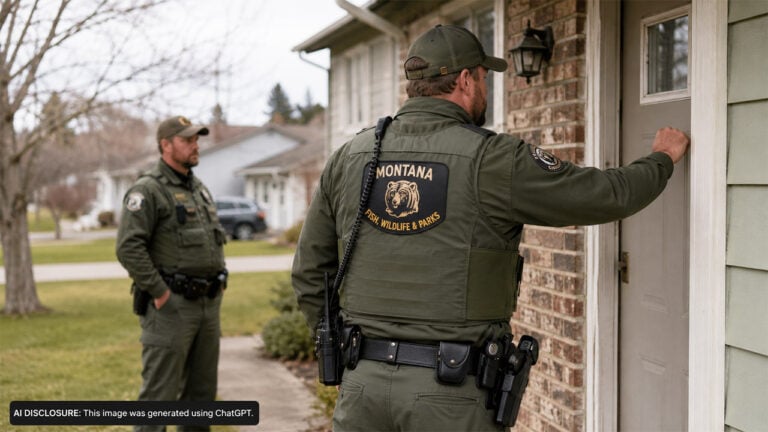
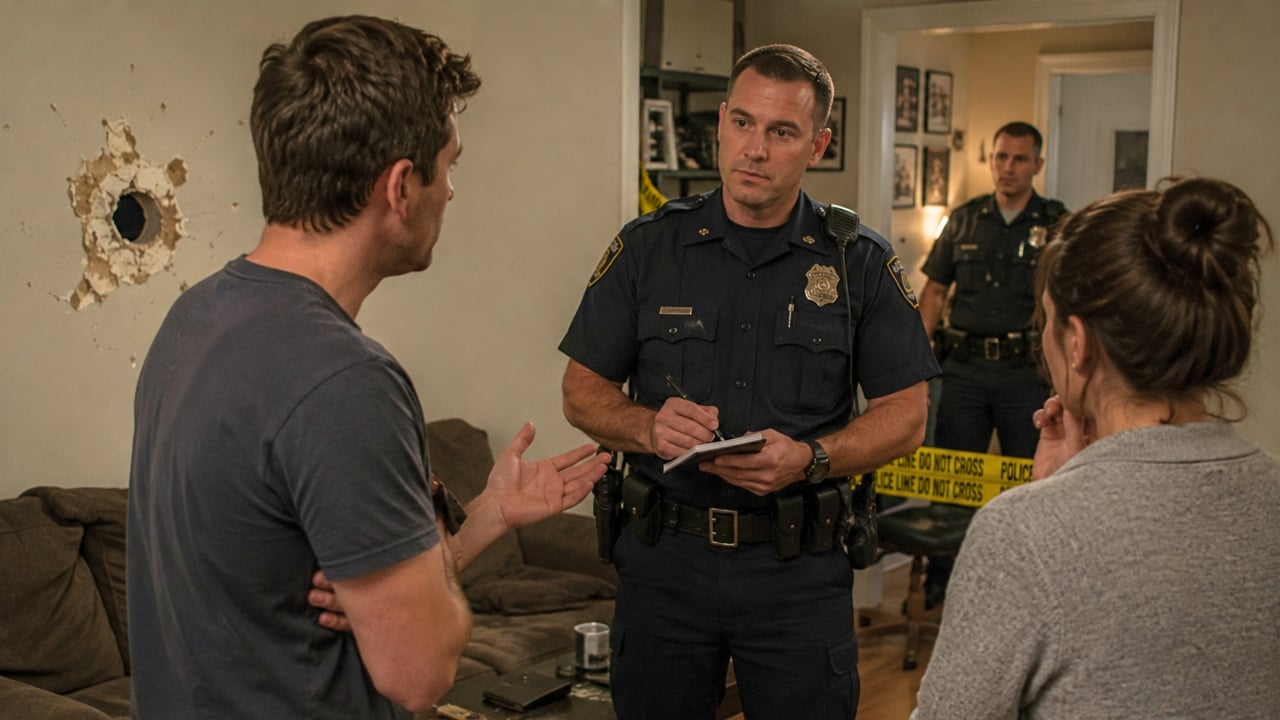
When officers arrived, the dispute wasn’t about whether the kids were outside or whether someone owned a rifle. It was about the exact movement of the firearm for a few seconds—something that can be tough to lock down without video, independent witnesses, or physical evidence.
Police reportedly said they couldn’t find anyone who could independently confirm the children were being aimed at. That doesn’t mean the family is lying, and it doesn’t mean the neighbor is innocent. It means the case sits in that frustrating zone where a serious allegation depends on viewpoint, distance, and memory—plus whatever biases come with an already-sour neighbor relationship.
In situations like this, investigators tend to look for the basics: Where was everyone standing? What’s the line of sight from the porch? How far away were the kids? Was the firearm described consistently? Did anyone else hear yelling, a rack of a bolt, or see a person on the porch? If the neighbor’s porch faces a street or another home, sometimes a doorbell cam across the way is what decides the whole thing.
The outdoorsman lesson: property disputes and gun handling don’t mix
If you own land, you’ve probably dealt with trespass at some level. If you’ve got kids, you’ve probably had them wander where they shouldn’t. The clean way to handle it is boring and simple: talk, mark the line, and if it doesn’t stop, document and call it in. The messy way is to confront people while you’re hot, and that’s where bad choices get made.
From a gun-safety standpoint, the rules are old but they hold up because they keep you out of prison and keep people alive. Don’t point a firearm at anything you’re not willing to destroy. Know what’s beyond your target. Keep your finger off the trigger. Even if a homeowner believes they’re “just holding” a rifle to make a point, that muzzle doesn’t get to drift.
There’s also the reality that kids don’t read intentions. A child who sees a neighbor with a rifle pointed their way is going to remember that for a long time. And the parent who witnesses it will treat it like the threat it looks like, because that’s their job.
Commenters fixated on cameras, fences, and “why were the kids there?”
Whenever a story like this makes the rounds, you can predict the split in reactions. One camp focuses on the firearm and says there’s no scenario where a muzzle should be covering kids, period. The other camp zooms in on the property angle and asks why children were close enough to spark a confrontation in the first place.
The practical voices in the middle usually land on the same two tools: clear boundaries and clear documentation. A good fence line, fresh “no trespassing” signs where legal, and a couple of cameras facing the problem area solve a lot of these issues without anyone having to argue about what they saw from 60 yards away.
And for parents, the same principle applies. If your kids are riding bikes or small ATVs near someone else’s yard, get ahead of it. Walk the boundary with them. Tell them exactly where they can and can’t go. Most neighbors will meet you halfway if they see you’re trying.
What this family and this neighbor can actually do now
In the short term, law enforcement typically can’t do much without corroboration beyond advising both sides to avoid contact and keep things calm. That can feel like a non-answer when emotions are running high, but it’s the reality of incidents that hinge on a momentary action.
From here, the smart move for everyone is to lower the temperature and increase the clarity. Parents can keep kids out of that corridor, even if it feels unfair, while they work out the line issue. The homeowner can keep firearms put away when addressing neighbor problems and stick to calling it in if trespass is happening. If either side continues pushing into confrontation, the next call won’t be about a complaint—it’ll be about someone getting arrested or worse.
Out in the country, we all want the same thing: to be left alone, to keep our families safe, and to enjoy our piece of ground. That’s exactly why this kind of dispute is so dangerous. Once a rifle shows up in a neighbor argument, it stops being about a yard line and starts being about whether everyone makes it home without tragedy.