Photo credit: Robert Sachowski/Unsplash.com
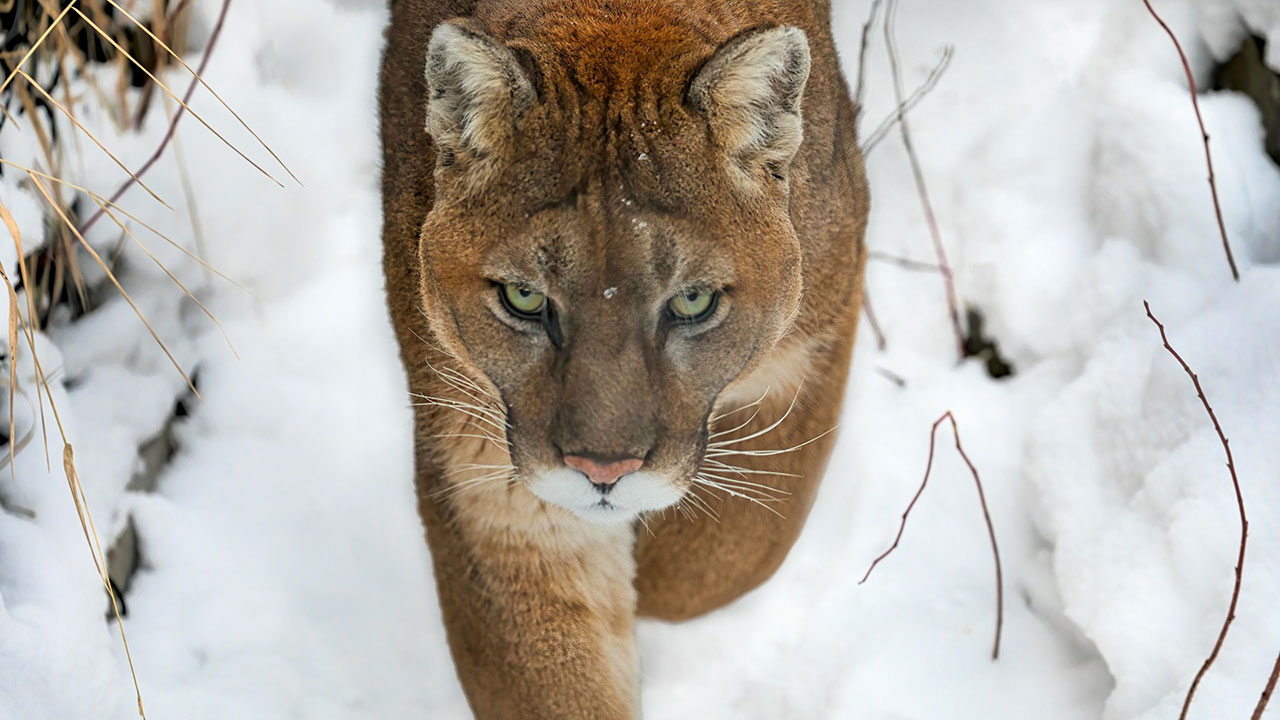
If you spend enough time on trails in the right country, you’ll eventually run into mountain lion sign—or at least hear about it from somebody who did. The big thing people misunderstand is that lions don’t need deep wilderness to be present. They need cover, prey, and travel routes. Trails often cut through exactly that: deer habitat, canyon edges, timbered draws, and ridgelines that predators already use.
“Most likely to show up” doesn’t mean you’re guaranteed to see one. Lions are good at being invisible. It means the state has a strong lion presence and the habitat and recreation overlap that puts hikers, runners, and hunters in the same zones lions use.
Colorado

Colorado is prime lion country because it has huge stretches of mule deer habitat and mixed mountain terrain where lions thrive. Trails often run along the same edges lions use—timber lines, rocky draws, and ridgelines that give them cover and a view of movement. The overlap between high recreation use and strong prey base is what makes Colorado a state where lion sightings near trails are a real possibility. Most encounters are quick or never noticed, but when they happen, they tend to happen where deer are common. If you’re trail running in lion country at dawn or dusk, that’s the window where awareness matters. Colorado’s terrain creates countless “lion lanes” that hikers and bikers also love.
California

California has big cat habitat all over the state, from coastal ranges to foothills to mountain zones. The reason California stands out is that there’s a lot of trail use close to urban and suburban edges, and mountain lions use those same green corridors because deer use them. That means lions can show up closer to people than many expect. A lion doesn’t need to be deep in the backcountry to be near a trail. It needs cover and food. California provides both in many zones, and the trail network is massive. The result is that hikers and bikers can cross into lion travel areas without realizing it. Most of the time nothing happens. The point is that the overlap is real and consistent.
Washington

Washington has strong habitat for lions in forested mountain zones and foothills, and it also has heavy trail use. That combination matters. Lions often use ridgelines and timber edges to travel, and a lot of popular trails run right through those same features. Washington also has plenty of deer, which is the main driver. Where deer go, lions can follow. In some parts of the state, you also get that “near neighborhoods” overlap, where trail systems connect into larger public-land blocks. That’s the zone where people get surprised by lion sightings. If you hike a lot in Washington’s wooded country, lion presence is something to respect even if you never see one.
Oregon

Oregon is similar to Washington in that it has a strong lion population, thick cover, and tons of trail systems that cut through prime deer habitat. Lions use brushy draws, timber pockets, and canyon edges—exactly the places trails like to weave through for scenery. Oregon also has a lot of recreational hunters and hikers using the same spaces, so sightings and tracks get reported more often than people expect. It’s not that lions are suddenly more aggressive. It’s that people are out there more, and cameras are everywhere. In certain Oregon zones, especially where deer are thick and cover is dense, trails can basically be shared travel corridors without anyone realizing it.
Arizona

Arizona has mountain lions across many of its higher-elevation and canyon regions, and trails often run right through that kind of terrain. Lions like rocky country, broken cover, and places where they can stalk deer. Arizona has all of that, plus heavy hiking use in scenic areas where people are close to lion habitat without thinking about it. The desert reputation fools people, but a lot of Arizona trail systems are in foothills, pine zones, and canyon country where lions live comfortably. Encounters are still rare, but the potential is higher in places where prey and cover are stacked. If you’re hiking near deer-rich drainages and thick brush, you’re in the right kind of lion country.
Utah

Utah has a lot of rugged lion habitat: canyon systems, foothills, and mountain zones with deer and thick pockets of cover. Trails in Utah often run along scenic edges—exactly the kind of travel lanes lions can use. Utah also has a strong hunting culture, which means more eyes on the ground and more reports. The “near trails” part matters because lions don’t avoid trails the way people assume. They avoid people, but they’ll cross trails, use them for travel at night, and hunt near them if deer patterns put prey there. Utah’s mix of rugged terrain and prey base makes it a state where lion sign around trails isn’t unusual if you know what to look for.
New Mexico

New Mexico has big stretches of lion habitat in mountainous and forested zones, and a lot of trail use in those same areas. The terrain often provides exactly what lions want: broken cover, rocky features, and deer-rich slopes. Trails that cut along ridges, drainages, and canyon edges are essentially running through lion country by default. New Mexico also has areas where trail systems connect to less-trafficked public land, which gives lions room to move while still being close to human activity. Most people never see a lion because lions are good at staying unseen, but New Mexico’s habitat makes sightings near trails more plausible than many visitors expect.
Nevada

Nevada surprises people because they think “desert” and assume no lions. But Nevada has lots of mountain ranges and rugged basins that support deer and provide cover. That’s lion country. Trails in those mountain zones can be isolated and run through classic ambush terrain—rocky draws, brushy pockets, and ridge systems. Nevada’s lower human density in many areas also means lions can move with less disturbance. When a lion shows up near a trail here, it often feels like it came out of nowhere. In reality, it’s been using the same terrain features long before the trail was built. Nevada is a sleeper state for lion presence in the right zones.
Idaho

Idaho has a strong lion presence and a lot of rugged terrain with heavy cover and prey. Trails in Idaho often run through timbered mountains and along drainages where deer and elk move. Lions aren’t always hanging right on the trail, but they’re using the same country and crossing those routes. Hunters in Idaho are used to seeing lion tracks in snow or spotting sign in the right areas, and hikers can stumble into those same zones without realizing it. The overlap is especially noticeable in winter and early spring when tracks show up and people start connecting the dots. If you’re on an Idaho trail in deer-rich timber, assume lions are part of that ecosystem.
Montana

Montana’s mountain lion presence varies by region, but in many parts of the state the habitat is perfect: big prey base, rugged cover, and huge spaces for lions to live. Trails in Montana often cut through those zones because that’s where the scenery and public land are. The “near trails” risk is usually tied to dawn/dusk movement and places where deer concentrate—winter range edges, south-facing slopes, and foothill corridors. Montana is also a place where people are out there alone more often, which changes the feel of any encounter. Lions typically avoid humans, but in strong lion country, you should treat a trail like it’s part of the same travel network predators use.
Wyoming

Wyoming has lion habitat across many of its mountain ranges and foothills, and trails in those areas naturally intersect with lion travel lanes. The overlap is most noticeable where mule deer and elk are common, because lions don’t hang out where there’s no food. Wyoming’s rugged terrain gives lions plenty of cover and vantage points, and popular trails often follow ridges and drainages for the same reasons. The result is that you can be near lions more often than you realize. Actual sightings are rare, but lion sign isn’t. In Wyoming, hunters and hikers both benefit from paying attention to tracks, scat, and deer behavior changes on and near trails.
South Dakota

South Dakota is often overlooked, but the Black Hills region is a place where mountain lions have been a major topic for years. The habitat there—timber, rugged pockets, prey—supports lions, and trails run all through it. That makes it a state where lion sightings near trails are more plausible than most people think. The “surprise factor” is high because some hikers don’t expect lions in that region. But the conditions are there. When you combine that with heavy recreation and relatively concentrated habitat blocks, you get more opportunities for overlap. If you’re in the Hills, don’t assume you’re too close to civilization for lions to be present.
Texas

Texas isn’t a “lion behind every cactus” situation, but lions are present in certain parts of the state, especially in rugged, remote regions where prey and cover exist. The reason Texas makes sense here is that trail systems in some of those regions intersect with lion habitat in a way that surprises people who assume lions are only a western mountain state thing. When lions show up, it often feels like a random headline because sightings can be sporadic and spread out. But in the right Texas country—canyons, brushy mountain pockets, deer-rich zones—the ingredients are there. If you hike those areas regularly, treat lions as a possibility, not a myth.
Florida

Florida is really about panthers, but the practical trail overlap idea is similar: big cats using cover and prey corridors that humans also walk through. In certain parts of Florida, people hike trails through habitat that supports big cats and the prey base they rely on. The difference is that Florida’s big cat situation is more region-specific, but where it exists, the overlap can be real. Many folks don’t expect it because the terrain doesn’t look like “lion country,” but thick cover and prey movement matter more than mountains. If you’re hiking in known panther zones, awareness is smart even if you never see anything.
South Carolina

South Carolina isn’t widely known for established mountain lion populations, but it’s one of those states where reports and rumors flare up because habitat and prey corridors exist and people spend time on trails. In the Southeast, misidentification happens a lot, and confirmed presence is a complicated topic. But from a “where do big cat sightings near trails happen?” standpoint, South Carolina is a state that sees frequent public claims, especially in rural and wooded areas. The practical advice isn’t panic—it’s awareness. If you’re in deer-rich wooded terrain, you’re in the kind of environment that attracts predators, even if the exact cat species in question is debated locally.
Like The Avid Outdoorsman’s content? Subscribe to our newsletter so you never miss an article.
Here’s more from us: