Photo credit: Tracy Jentzsch/Unsplash.com
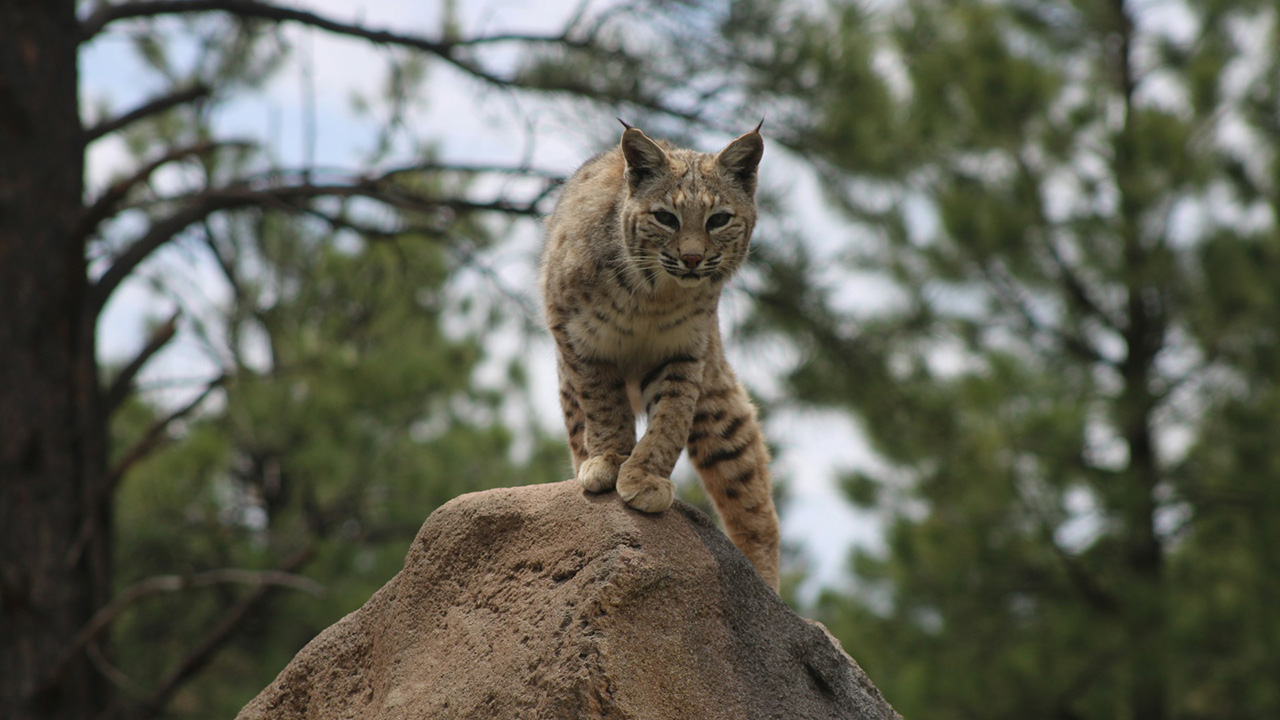
First thing: a bobcat out in daylight isn’t automatically “rabid” or “starving.” Bobcats are usually most active around dawn and dusk, but they can be moving and hunting any time of day—especially during mating season, when females are feeding kittens, or when they’re pushing through fragmented habitat and suburb edges.
The reason folks feel like daytime bobcat sightings are up is pretty simple: more people are living and recreating along the wildland edge, cameras are everywhere, and in some states the report numbers really have jumped in the last few years.
Connecticut

Connecticut is one of the clearest “daylight sightings feel normal now” states because the reporting data exploded. CT DEEP sighting reports have climbed from a few hundred back in 2010 to thousands per year recently, and local reporting has pointed out just how dramatic the increase looks on the agency’s sightings viewer. That means more bobcats near neighborhoods, and more people bumping into them during normal daytime life—school drop-offs, dog walks, backyard chores.
Daylight sightings also track behavior. DEEP biologists have noted that people are more likely to see bobcats (especially females) in summer when they’re hunting to feed young—exactly when they may show up earlier in the day and closer to cover lines near homes. The state’s patchwork of brushy edges, hedgerows, and suburban green strips is basically perfect for bobcats to travel unseen—until they aren’t.
New Hampshire

New Hampshire has had recent, direct messaging that bobcat sightings are up. WMUR reported wildlife officials saying bobcat numbers are rising, and that ecosystem fragmentation can lead to more cats showing up in people’s backyards. When that overlap increases, daylight sightings increase too—not because bobcats “want” to be seen, but because people and bobcats are using the same edges at the same times.
And daylight bobcats aren’t strange, biologically. Bobcats are crepuscular, but research shows they can have meaningful movement in daytime depending on conditions, prey activity, and light levels. In NH, the combo of heavy woods + residential pockets creates endless “quiet lanes” where bobcats can cruise and hunt rabbits or squirrels, then get spotted when they cross a yard or a road at 2 p.m.
Texas

North Texas has been pumping out the most obvious “people are seeing them more” headlines lately. Dallas-area reporting (and a syndication recap) described bobcat sightings rising in parts of the DFW suburbs, with officials and experts warning residents to keep pets supervised and reduce attractants. When bobcats start using neighborhood creek corridors and greenbelts, daylight sightings happen because that’s when people are outside too—especially in mild weather.
Texas Parks & Wildlife also flat-out notes bobcats may be spotted during the day (including perched up watching from cover), which lines up with what people are seeing on ring cams and during daytime dog walks. Add seasonal behavior—mating season and kitten-rearing—and you’ll get stretches where bobcats are simply moving more, and getting caught in the open more often than people expect.
Massachusetts
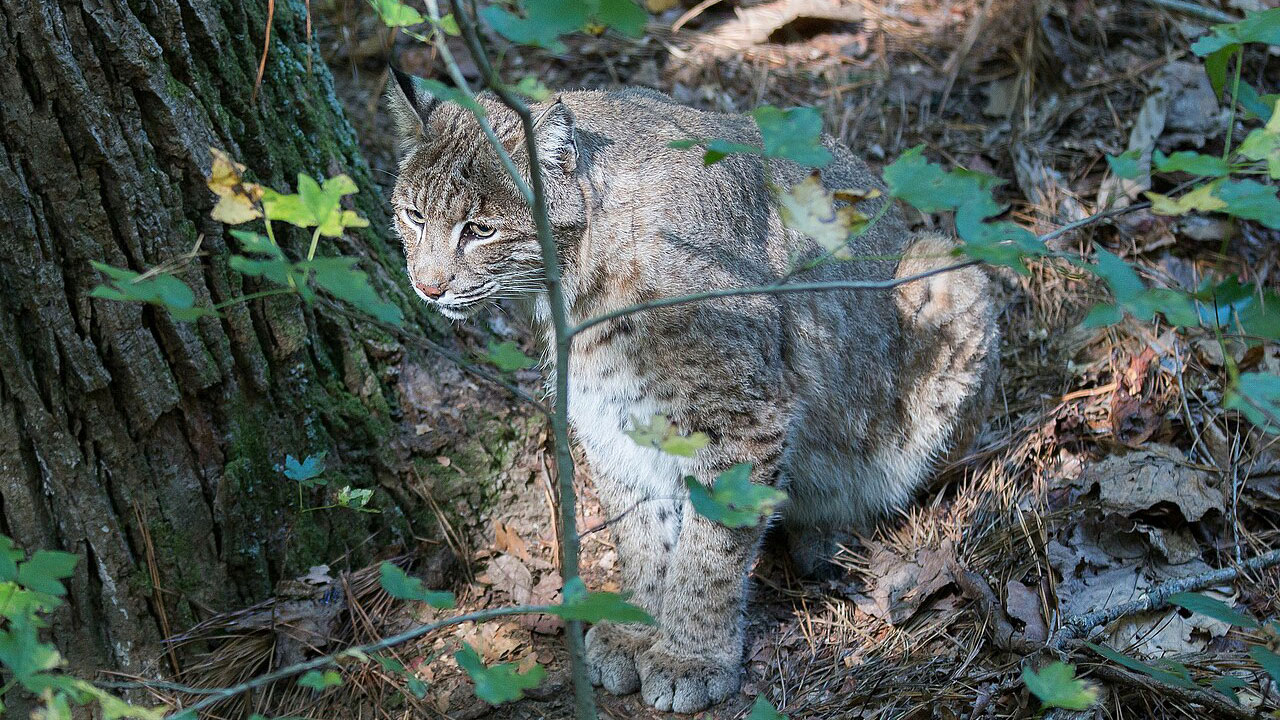
Massachusetts is classic “suburb meets habitat,” and that’s the whole story for daytime bobcat sightings. Bobcats don’t need a huge wilderness block; they need cover, prey, and travel corridors. In MA, those corridors are everywhere—woodlot strips behind neighborhoods, swamp edges, and conservation land threaded through towns. That’s how you get a daylight sighting that feels shocking but is really just a bobcat doing normal bobcat stuff in a landscape full of edges.
And it helps to remember the behavior baseline: bobcats are crepuscular but can be active in daylight and may be seen at any hour. In states like MA, where people are outdoors a lot during daytime (walks, runs, yard work), the odds of crossing paths go up even if bobcats aren’t “more aggressive”—just more overlapped.
New York

New York has a long-running “take attractants seriously” approach because coyotes, bears, and bobcats all overlap with people across big chunks of the state. The daylight bobcat factor is mostly about where people live and recreate: edges of parks, brushy creek corridors, and the back sides of subdivisions near cover. Those are the places bobcats can hunt rabbits and squirrels and still slip away fast.
Also, don’t overread daylight as abnormal. The Smithsonian notes bobcats may be active during all hours even though they trend crepuscular. In New York, especially across upstate and the Hudson Valley edges, daytime sightings are often a “right place, right time” event—someone catches one crossing a road or walking a hedgerow mid-morning.
Pennsylvania

Penn State Extension puts it plainly: bobcats are crepuscular, with activity that often stretches into early morning after sunrise and again in the evening—so “daylight” sightings, especially in the morning hours, fit the normal pattern. Pennsylvania has a ton of that habitat overlap—wooded ridges, farm edges, brushy creek bottoms—plus lots of people outdoors in those same windows.
And because PA has strong prey populations (rabbits, squirrels, rodents) around human landscapes, bobcats can hunt without needing to be deep in the woods. When you mix in trail systems and public land access near towns, it’s easy to see why sightings get talked about more: more eyes, more cameras, more people moving through bobcat lanes at all hours.
New Jersey

New Jersey is another state where the landscape forces overlap: thick cover and green corridors sit right up against dense neighborhoods. That’s perfect for bobcats to travel and hunt along edges, then get spotted when they cut across an open area in daylight. The sightings “feel” like they’re up because more people live right on top of the travel routes, and people are paying attention (and recording everything).
The practical part is the same as other states: bobcats usually avoid people, but they’ll stick around if there’s prey—especially rodents drawn in by outdoor food. That’s why the attractant messaging matters even in states where bears and coyotes get more attention: if you indirectly feed the prey, you invite the predator.
Vermont

Vermont has the kind of habitat where bobcats can stay hidden almost all the time—until they don’t. Brushy cover, swamp edges, and hedgerows give them stalking lanes close to human homes, and a daylight crossing can happen when they move between patches. The “more often” part is usually a mix of increased attention, more cameras, and more people outside during daylight—especially in shoulder seasons when folks hike and run more.
And again, daytime activity isn’t weird in itself. Studies have documented meaningful bobcat movement during day periods depending on light and conditions. In a state like VT, a bobcat slipping along a field edge at 10 a.m. is a normal predator doing normal predator work.
Maine

Maine’s big woods plus scattered housing creates a lot of edge habitat, and that’s prime bobcat territory. When you’ve got rabbits and rodents near human spaces (woodpiles, barns, brush piles, bird seed spill), bobcats can hunt close to homes—sometimes in daylight—especially in the early morning stretch that’s still “daytime” to us but part of their active window.
Maine also has a strong outdoor culture, which matters: more hikers, hunters, trappers, and dog walkers equals more sightings. Even if bobcat density stays steady, the number of human “observers” goes way up, and that alone makes daylight sightings feel like a trend.
Virginia

Virginia has a ton of wooded suburban sprawl, which creates the exact “fragmented-but-perfect” habitat bobcats use. The cats can travel creek corridors and brushy buffers, and show up in daylight when they’re moving between cover patches or checking prey-rich edges. If you live near a greenway, swampy bottom, or thick hedgerow behind houses, you’re basically living next to a hunting lane.
The bigger point is consistent: bobcats can be active at all hours, and crepuscular doesn’t mean “never daytime.” In VA, a midday bobcat sighting is usually just a bobcat that got caught in the open—then vanishes again for weeks.
West Virginia

West Virginia’s terrain—steep, wooded, and full of brushy transitions—makes it easy for bobcats to stay out of sight while still living close to people. Daylight sightings pop up when they cross roads, cut open hollows, or move along ridgelines during the day window, especially when hunting conditions are good or prey is active.
A lot of WV sightings also happen because people are outside during the same “edge hours” bobcats use: early morning chores, mid-morning hikes, daytime hunting seasons, and afternoon dog walks. The overlap creates visibility, even if bobcats are still mostly doing their best to avoid direct contact.
North Carolina

North Carolina has big bobcat habitat and a rapidly growing wildland-urban interface in many regions. That means more neighborhoods pushed into cover, and more green corridors threading into towns. Daylight sightings often happen during normal movement windows—morning after sunrise or late afternoon—when people are out too, which makes it feel like “they’re suddenly everywhere.”
The behavior piece holds: crepuscular animals still get seen during the day, and movement can shift with conditions. In NC, especially where rabbit and rodent prey is common along the edges, bobcats don’t need to go deep to eat.
Indiana
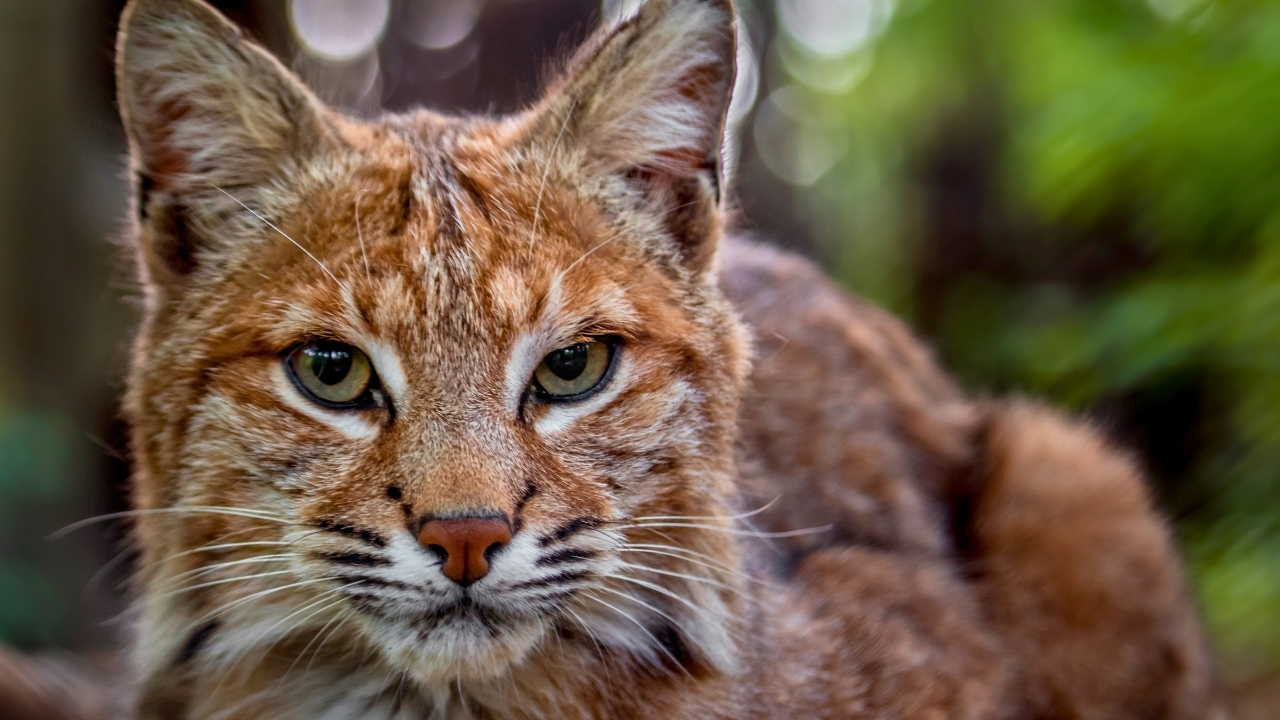
Indiana is worth calling out because its DNR guidance gets practical: if you want a bobcat to move on, remove attractants—especially things that draw rodents, like pet food or bird feeders. That’s the suburban daylight sighting pipeline in one sentence: rodents show up, bobcats show up, and then somebody sees one crossing the yard at noon.
Indiana also highlights how bobcats typically avoid people, which is why daylight sightings tend to be brief and non-confrontational. But once bobcats start using a neighborhood corridor, sightings can cluster—people see the same cat multiple times because it’s working the same prey-rich route.
Michigan

Michigan has been getting louder about bobcats in recent years, and public discussion has included the idea that sightings have increased over decades as populations recovered in some areas. When you combine that with modern reality—trail cameras everywhere, people hiking more, and more suburban expansion into habitat—daylight sightings get reported and shared fast.
Michigan’s “daylight” sightings also track seasonal behavior. When prey is active and humans are out, you get overlap. The cat may still be mostly crepuscular, but you only need one clean daylight crossing to make a neighborhood feel like bobcats are suddenly common.
Wisconsin

Wisconsin fits the same pattern as other upper Midwest states: lots of cover, lots of prey, and lots of human activity along habitat edges. Where you see daytime bobcat talk pick up is often around rural-suburban transitions—woodlots near subdivisions, river corridors near parks, and farm edges near housing. Those places create prey concentrations, and predators follow prey.
And since bobcats can be active any time, a midday sighting is not the alarm bell people assume it is. In WI, the real risk angle usually isn’t people—it’s unattended small pets and backyard poultry in the wrong place at the wrong time.
Like The Avid Outdoorsman’s content? Subscribe to our newsletter so you never miss an article.
Here’s more from us: