Photo credit: Barrett's Outdoor Adventures/Youtube
Every once in a while a cartridge shows up with a very specific job in mind. Somebody wanted a little more reach on one critter, or a little less recoil so a kid could stay in the scope, or a flatter arc because they were tired of guessing holdover. Then hunters being hunters start using it on whatever else is in season, and the round either falls apart fast or it finds a second life doing something it was never supposed to do.
What follows are calibers that started out aimed at one animal and ended up earning their keep on another. Not because of internet hype, but because they actually work in the field when the wind is wrong, the light is fading, and you’ve got one chance to put it where it belongs.
1. .22 Hornet
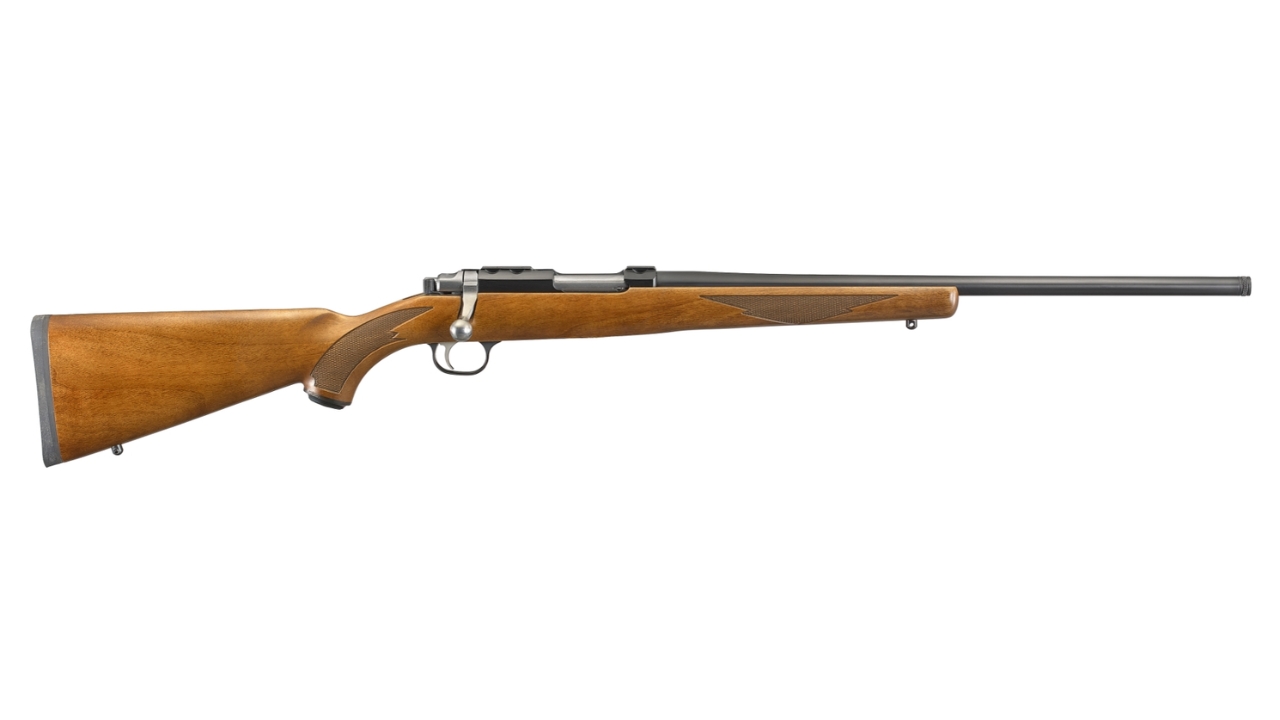
The Hornet was built around small varmints and farm-country pest control, and it still does that job with less noise and less fuss than a lot of modern speed demons. It’s the kind of cartridge that makes sense when you’re trying not to rattle every neighbor within a mile.
Where it surprised folks was on close-range whitetails in the hands of careful shooters in places that allow it. With good bullets and strict range limits, it can be a clean killer on small-bodied deer. It’s not a “make up for bad hits” round, and it’s not for everybody, but it’s a lot more capable than the jokes it catches at the gun counter.
2. .222 Remington
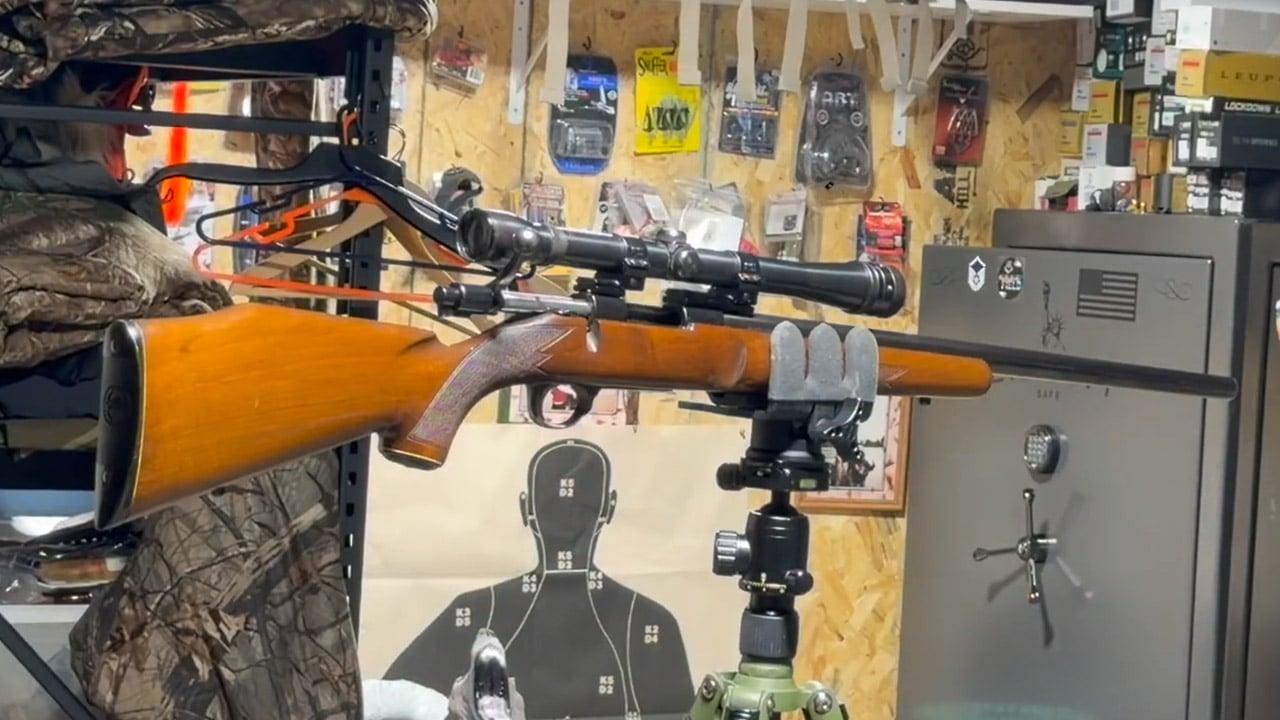
This one was a classic varmint and predator cartridge long before half the current options existed. Mild recoil, easy accuracy, and it just plain shoots. Benchrest shooters loved it for good reason.
Then it became a “walk-around” round for smaller deer species in some countries and for folks who wanted a light rifle that didn’t beat them up. It’s not a sledgehammer, but with proper bullets and sane distances, it does a tidy job on medium game. The real shame is it got overshadowed, not because it stopped working, but because marketing moved on.
3. .223 Remington / 5.56 NATO
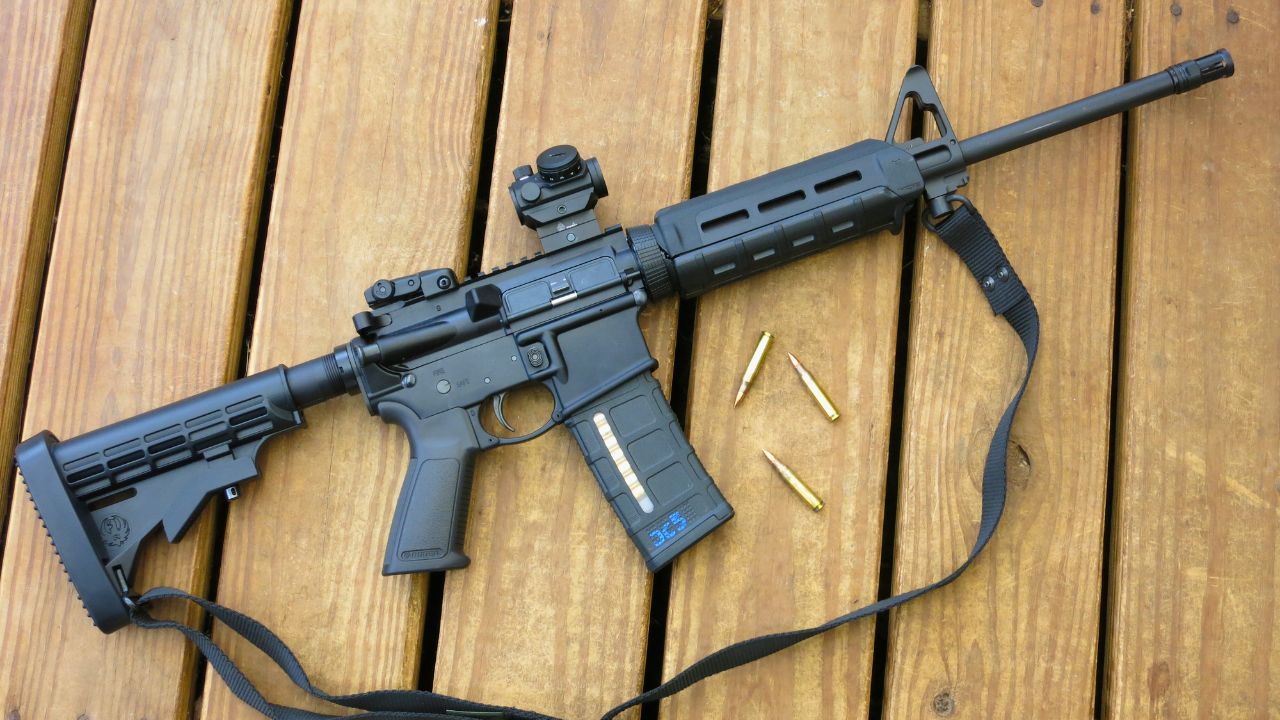
Originally, this was never a deer cartridge in most hunters’ minds. It was a small-caliber, high-velocity idea that leaned military and varmint, and for years it lived in the “coyotes and groundhogs” lane.
Now it’s one of the most common whitetail rounds in a lot of camps, mostly because ARs are everywhere and bullet construction has come a long way. A tough 60–77 grain hunting bullet through the lungs doesn’t care what the internet argues about. The catch is you’ve got to pick the right load and keep your angles honest. If you treat it like a .30 caliber, it will humble you.
4. .22-250 Remington

This was born to be fast and flat for varmints, and it still vaporizes prairie dogs like it’s mad at them. It’s also hard on barrels if you get trigger-happy, but it’s a joy to shoot when it’s set up right.
It accidentally became a serious coyote cartridge in open country where shots stretch out and wind is always a factor. Plenty of rounds kill coyotes; the .22-250 just makes the “hold hair and send it” reality a lot more forgiving at longer ranges. If you’ve ever tried to thread a shot through gusts with a slower .22, you get it.
5. .220 Swift
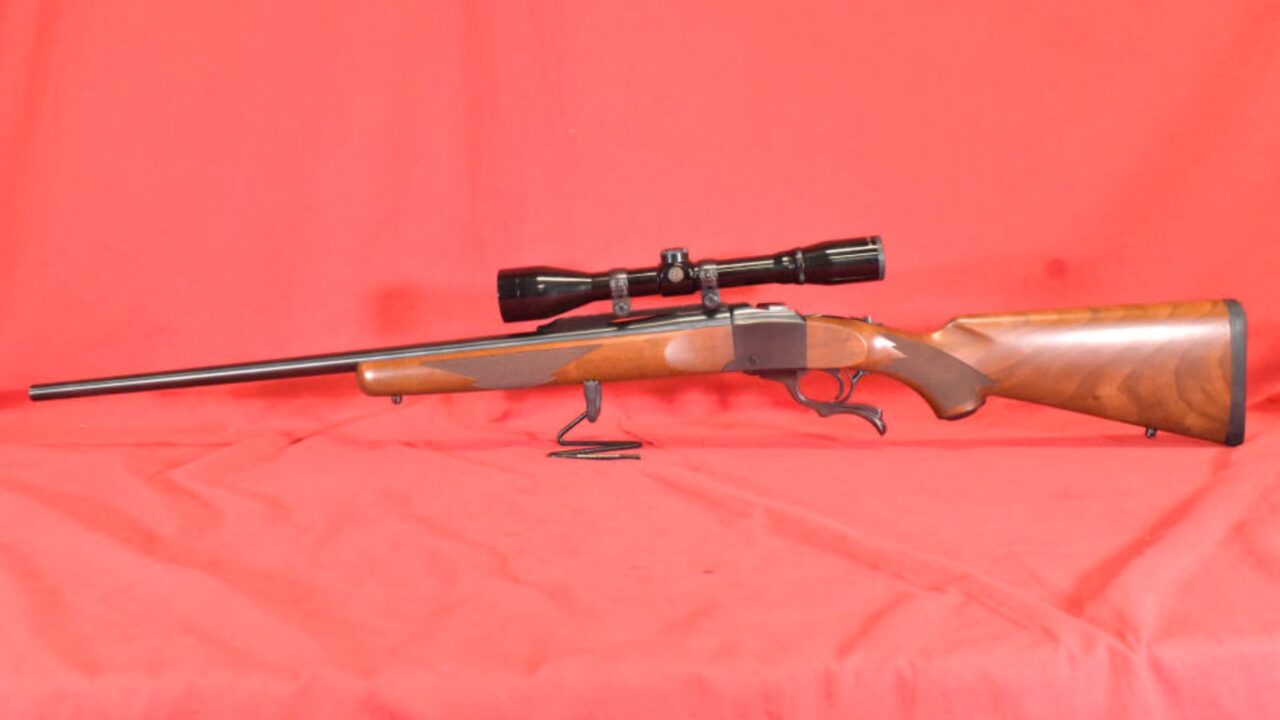
The Swift was always about speed and bragging rights, a hot rod varmint cartridge from an era when “fast” was the whole point. It shoots flatter than it has any right to, and it can be incredibly accurate.
Its second act has been as a long-range predator tool for guys who spend more time glassing than walking. It’s not the most practical round to feed, and it’s not gentle on throats, but it puts coyotes down hard when distance and wind are trying to ruin your day.
6. .204 Ruger

The .204 showed up as a purpose-built varmint laser, and it’s a fun one. Minimal recoil, watch-your-own-impact shooting, and it’s easy to hit with when the rifle likes the load.
Where it really became “perfect” was on fox and bobcats for hunters who want clean kills without tearing hides up. With the right bullet choice and reasonable shot placement, it can be surprisingly fur-friendly compared to some bigger .22 centerfires. Not always, but often enough that it earned a real following.
7. .17 HMR
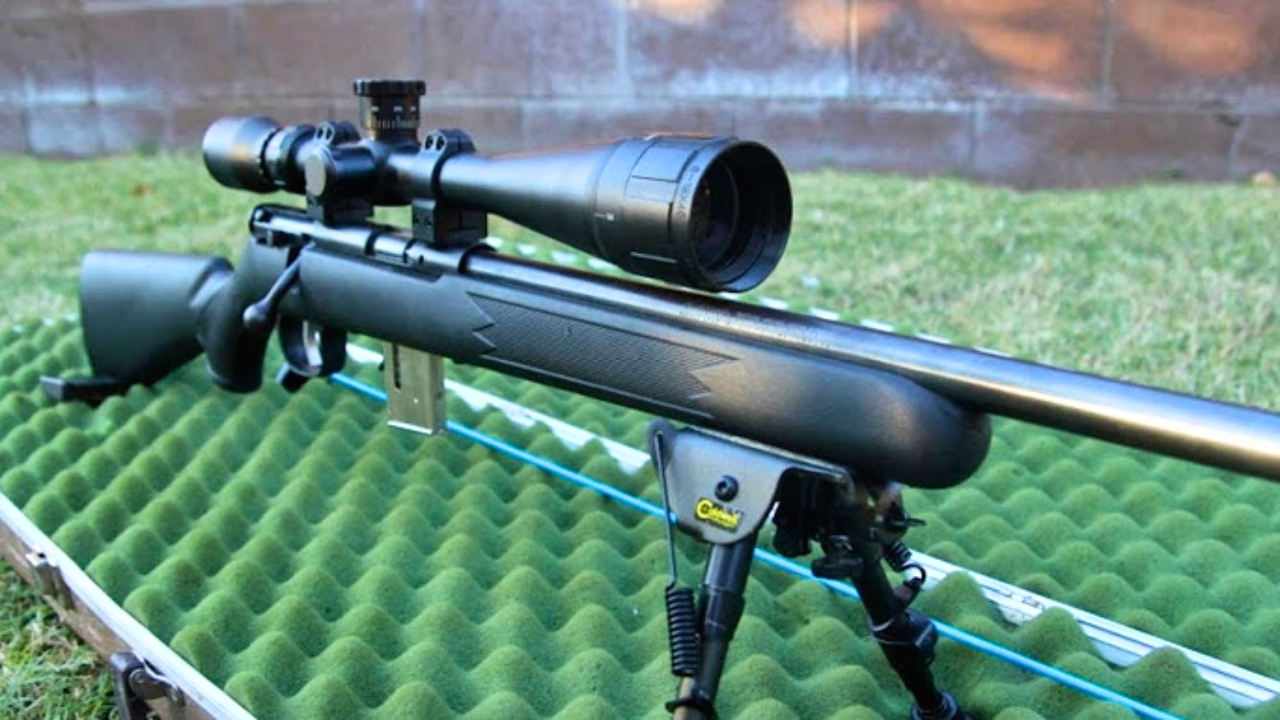
This one was basically designed to make rimfire varminting feel like cheating. It’s flat for a rimfire, accurate in decent rifles, and it turns small critters inside out when you hit them right.
Then trappers and callers started using it for close-range raccoons and similar pests where a .22 LR was a little marginal and a centerfire was too much. It’s not a magic wand, and wind can shove those tiny pills around, but on calm evenings it’s a very effective “barn and brushline” tool.
8. .17 Hornet
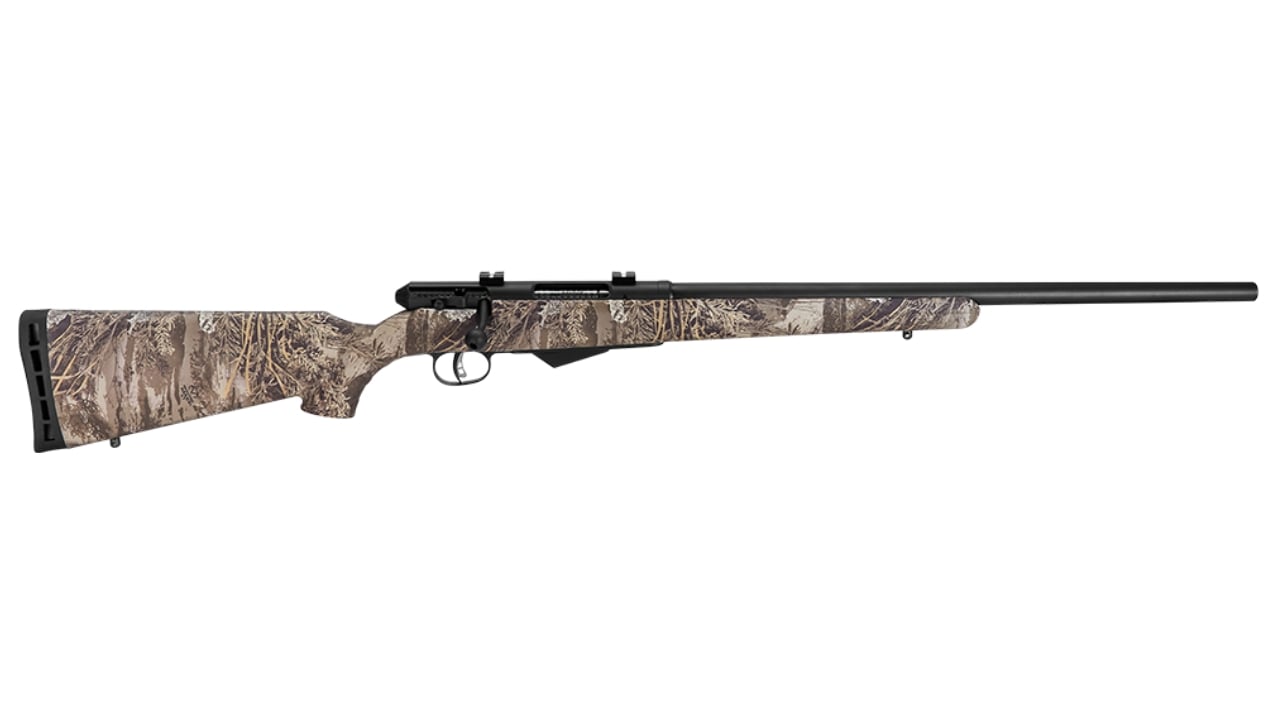
The .17 Hornet exists for one reason: small varmints with minimal recoil and a lot of reach for the size. It’s polite compared to bigger centerfires, and it’s a tack-driver in rifles that are set up for it.
It turned out to be a near-perfect round for crows and nuisance birds where legal, because it’s accurate and doesn’t carry the same downrange risk as heavier, faster bullets. Farmers like rounds that solve a problem without creating a new one. This one often fits that bill.
9. .243 Winchester
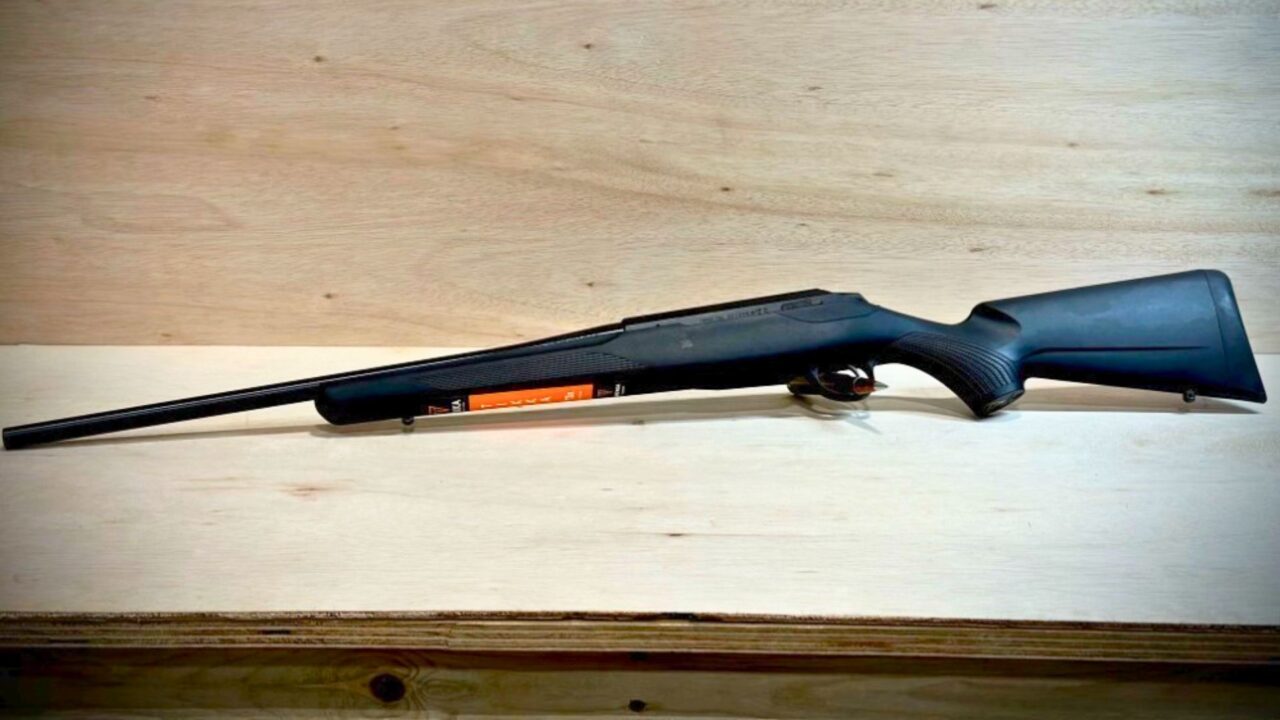
The .243 was always the classic “dual-purpose” round, pitched hard as a varmint and deer cartridge. Most of us have seen one as a first deer rifle because it’s easy to shoot well and still hits hard enough.
But it turned out to be a real standout on pronghorn. Antelope hunting is a lot of walking, a lot of wind, and a lot of shots that don’t feel as close as they look through binoculars. The .243’s flat trajectory and mild recoil help you stay steady, and with a good bullet it’s lights-out on speed goats.
10. 6mm Remington
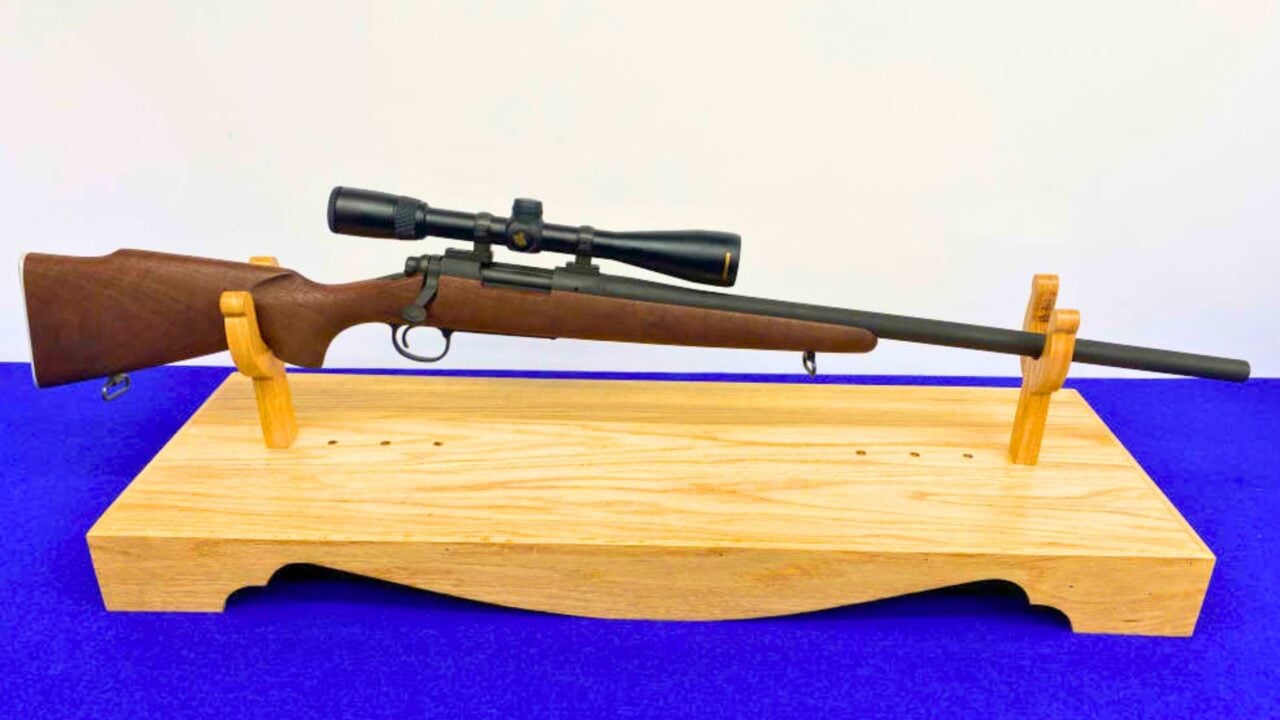
Like the .243, the 6mm Rem. came into the world with varmints on the brain and deer on the side. It never got the same market love, which is a shame because it’s a great shooter.
Where it quietly shines is again on pronghorn and open-country mule deer. It carries velocity well, bucks wind a touch better with certain bullets, and it’s still easy on the shoulder. If you stumble onto a good 6mm rifle at a fair price, don’t act too cool to buy it.
11. .257 Roberts
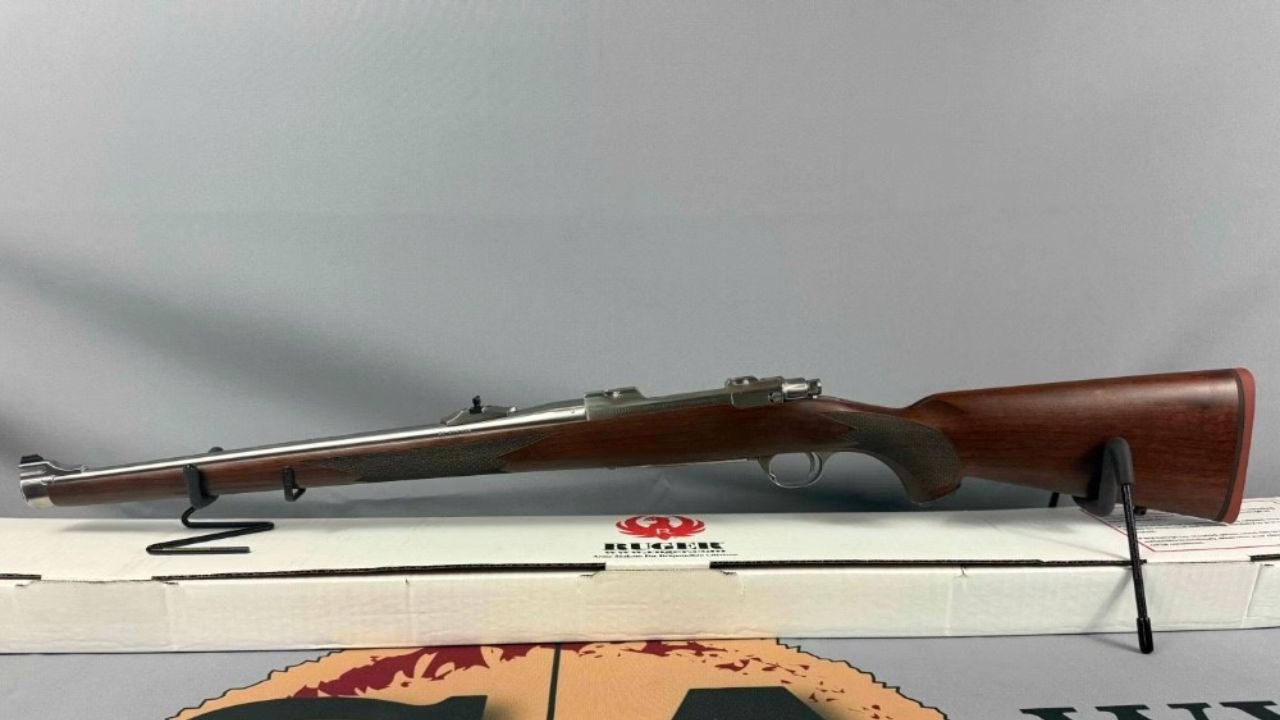
The Bob has always had a “deer round” reputation, and it earned it with mild recoil and good performance. It’s one of those cartridges that feels classy even in a plain rifle.
What surprised a lot of folks was how well it fits pronghorn and mountain deer hunts where you’re carrying a rifle all day. It’s not just about killing power; it’s about a rifle you don’t dread packing, and a cartridge that doesn’t punish you in awkward field positions. That combination matters more than people admit.
12. .25-06 Remington

This one was a flat-shooting deer and open-country cartridge from the start, and it still works like it always has. It’s fast, it hits hard for the caliber, and it’s very forgiving on range estimation inside sane hunting distances.
Its “other animal” ended up being coyotes, and not in a gentle way. For winter calling where you might see a dog hang up way out there, the .25-06 lets you reach without lobbing bullets. It can be hard on hides, so fur guys may not love it, but if the goal is dead right there, it delivers.
13. .270 Winchester

The .270 was basically built to be a deer and open-country cartridge, and it’s still one of the most honest rounds ever sold. It shoots flat, it hits with authority, and ammo is everywhere.
Then it became an elk cartridge for a lot of hunters who weren’t interested in magnums, especially with modern controlled-expansion bullets. Plenty of elk have been taken cleanly with a .270 by people who put the bullet where it belongs. The key is discipline: good angles, good bullets, and no ego shots.
14. 7mm-08 Remington
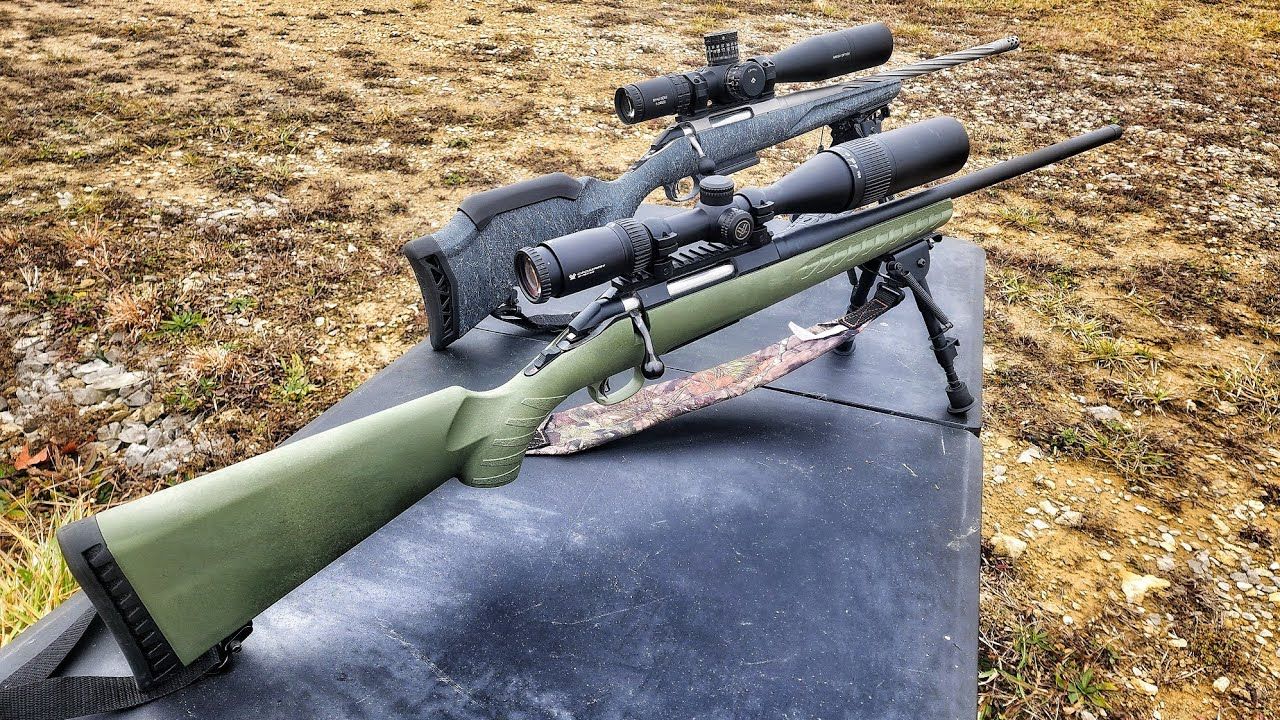
This cartridge was basically a polite way to get 7mm performance in a short action with manageable recoil. It’s a fantastic deer round in light rifles, and it doesn’t beat up new shooters.
Its surprise role has been as a “one rifle for everything” round on black bear in the woods. It penetrates well with the right bullet and doesn’t cause the flinch issues that show up with harder-kicking guns. In thick cover, where the shot happens fast, being able to shoot calmly matters.
15. .308 Winchester
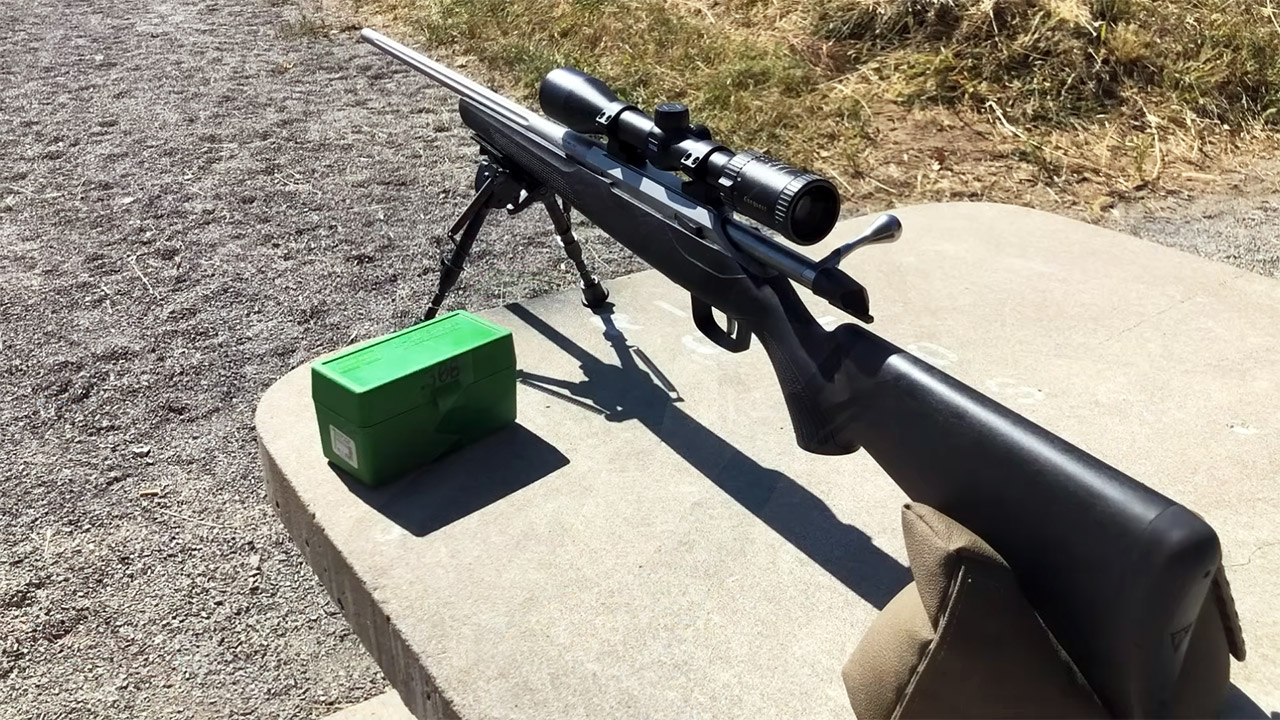
The .308 started life with military roots, then became a default hunting cartridge because it just works. It’s accurate, efficient, and it doesn’t need a long barrel to behave.
Where it turned out perfect was on hogs, especially in semi-autos and short, handy bolt guns. Hogs don’t always give you a clean broadside, and a .308 with a tough bullet will break shoulders and keep driving. Also, ammo availability is real life, not a forum topic, and .308 is rarely hard to find.
16. .30-30 Winchester
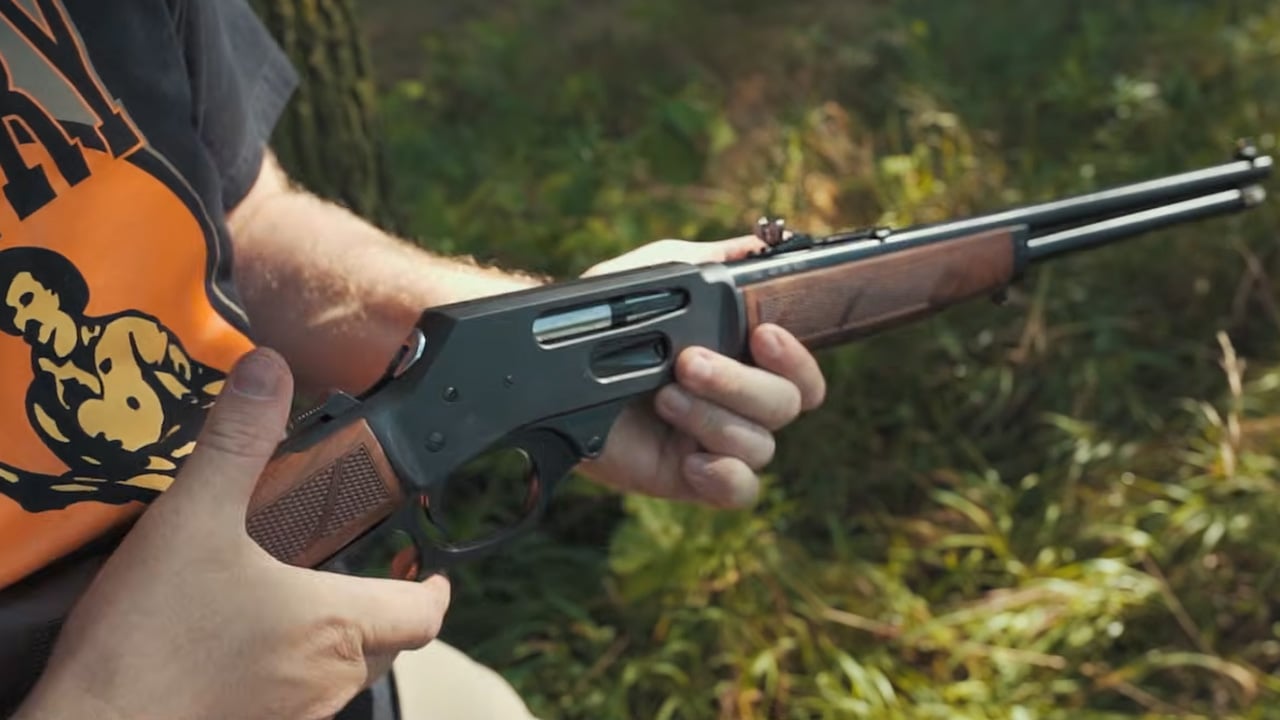
The .30-30 was built for deer in the timber, plain and simple. Lever guns, iron sights, quick handling, and shots that happen inside 100 yards when you’re slipping through oak and laurel.
But it turned into one of the best black bear cartridges in thick country. It penetrates well at close range, the rifles carry like a dream, and follow-up shots are fast without getting sloppy. There is nothing fancy about it, and that is kind of the point.
17. .30-06 Springfield
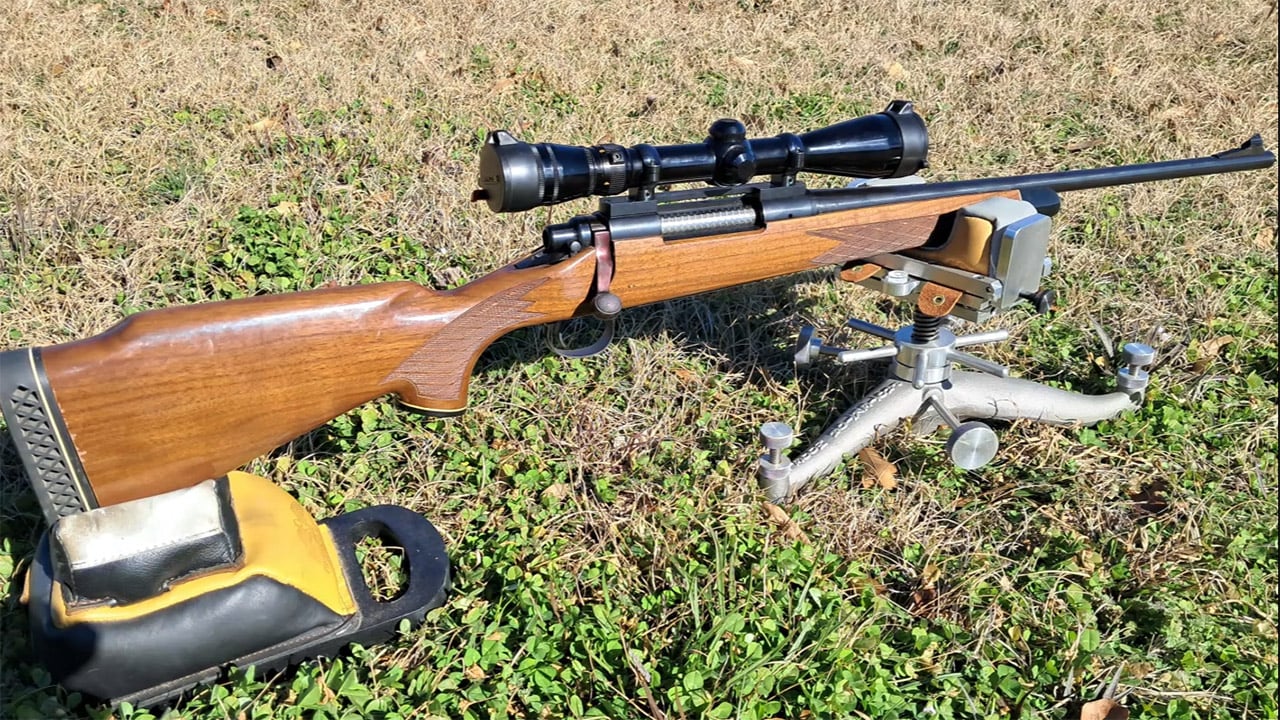
This one’s the old hammer that keeps hanging around because it never stopped being useful. It was a service cartridge that became a hunting standard, and it’ll run everything from light deer loads to heavy bullets that mean business.
Its “other animal” is moose for a lot of hunters. Not because it’s the biggest option, but because it penetrates, it’s widely available, and most hunters shoot it well. A moose hunt is expensive and stressful enough without chasing boutique ammo. A plain .30-06 in a rifle you trust is hard to argue with.
18. .45-70 Government
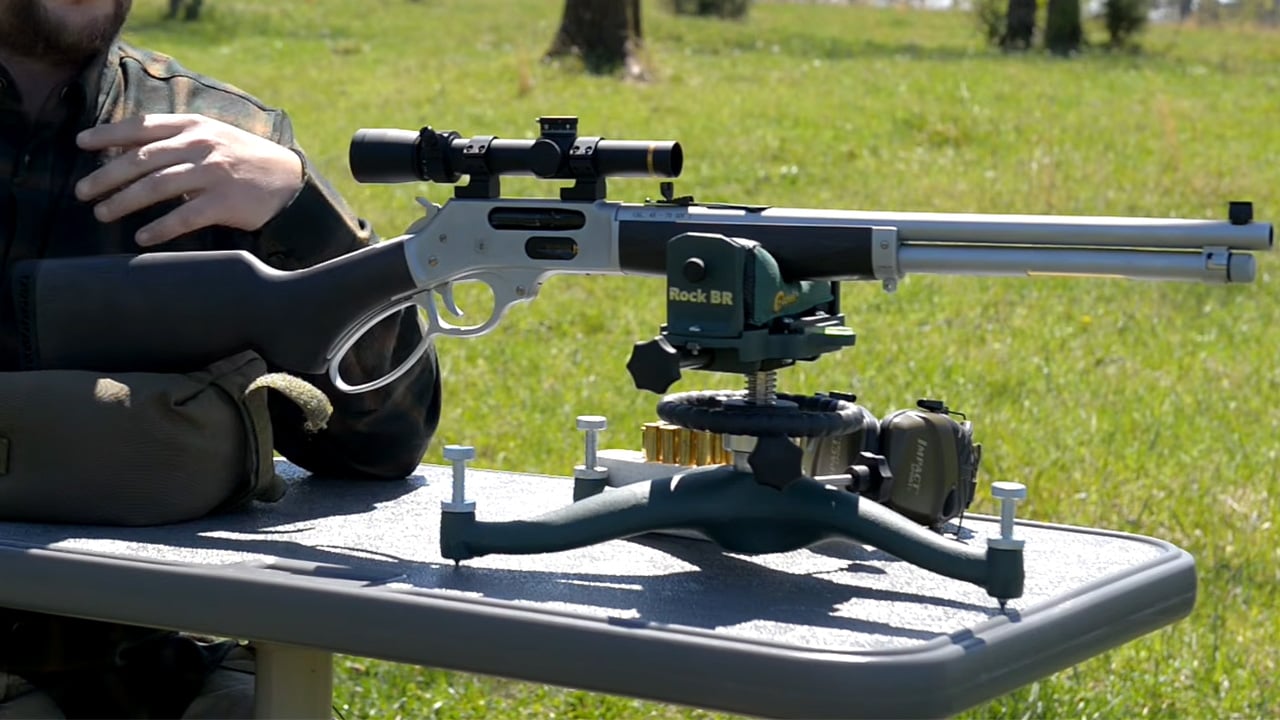
The .45-70 is an old cartridge that keeps getting rediscovered by every new generation. It started as a military round and evolved into a big-bore hunting staple, especially in lever guns.
Where it feels almost tailor-made now is for hogs and black bear in nasty cover where shots are close and things can go sideways fast. Heavy bullets at moderate speed penetrate like crazy, and the rifles point quick. Recoil can be stout in light guns, so don’t pretend it’s a kitten, but it’s effective in a way numbers on a box don’t explain.
19. .357 Magnum (from a carbine)

Most folks think of .357 as a handgun round first. It was built for defensive use and law enforcement history, then spent decades riding in revolvers and nightstands.
Out of a lever-action or a handy bolt gun, it becomes a legitimate deer cartridge at close range with the right loads. It’s quiet-ish compared to rifle rounds, recoil is easy, and it’s a sweetheart for kids or anyone who just shoots better without getting rocked. Ask me how I know: a calm shooter with a mild gun beats a flincher with a cannon every season.
20. 10mm Auto
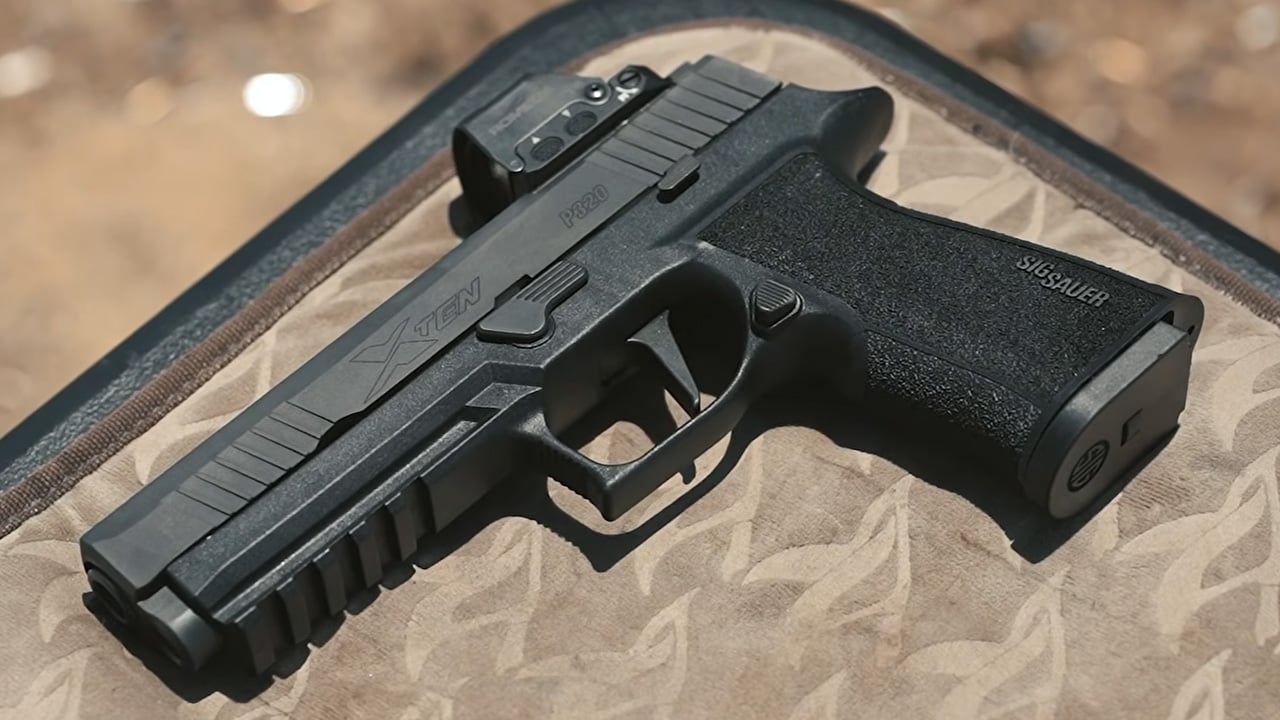
The 10mm was born from a fight between power, speed, and control, and it never really fit the mainstream until the backcountry crowd adopted it. It’s not cheap to feed, and not every pistol runs it equally well, especially when you start talking hard-cast loads.
Its “other animal” ended up being hogs and as a sidearm for bear country. In a solid pistol with magazines you can actually find and a holster that doesn’t flop around, it’s a practical tool. It’s still a handgun, so don’t expect rifle results, but for close work and peace of mind it does its job better than a lot of options that are easier to talk about than to carry.
Cartridges don’t care what they were “intended” for. They care about bullet construction, impact speed, and whether the shooter can put it where it needs to go. If you’ve got a round that shoots easy, feeds reliably, and you can buy ammo for without a scavenger hunt, it’ll usually find more than one place in your season.
Like The Avid Outdoorsman’s content? Subscribe to our newsletter so you never miss an article.
Here’s more from us: