Photo credit: WHO_TEE_WHO/Youtube
There’s a certain kind of gun that tricks you. It’s sitting there on the used rack with a tag that looks like pocket change compared to whatever hot new thing is in the glass case. You figure you’ll try it, learn on it, maybe use it as a “truck gun,” and if it’s not your style you’ll just move it along.
Then you go to sell it. Or you trade it. Or you let it go during a “safe cleanout” because you’re being practical. And a year later you realize what you actually did: you got rid of something that was cheap to buy but expensive to replace—because the replacement cost isn’t just dollars. It’s the time to find another good one, the little quirks you already had sorted out, and the fact that the new version doesn’t feel the same.
1. Ruger 10/22 Carbine
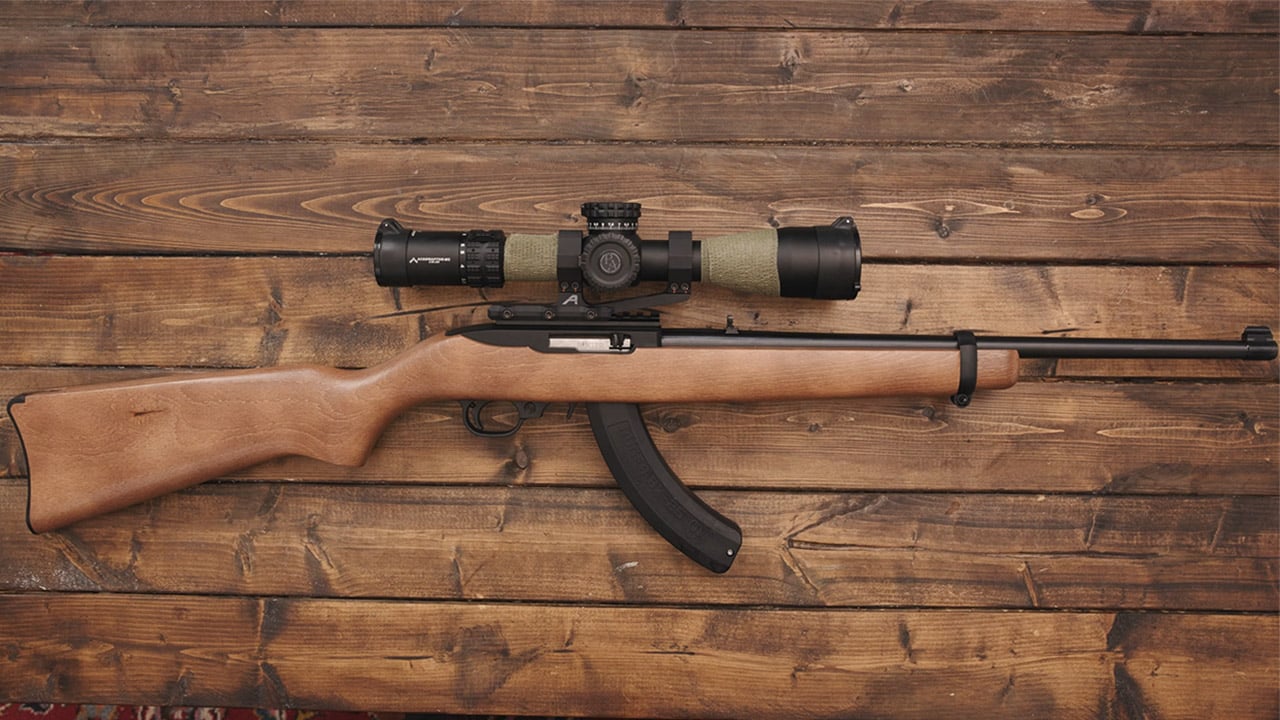
The 10/22 is usually the first .22 that gets bought and the first one that gets undervalued. They’re common, they’re not fancy, and because they’re everywhere, folks assume another one will always be easy to snag. Then you go looking for one that runs right, feeds every kind of bulk ammo you throw at it, and doesn’t have a mushy trigger that feels like stepping on a rotten stick.
If you’ve got an older, plain-jane carbine that’s been boringly reliable for years, it’s worth more than it looks like. It’s the gun you hand to a kid, the gun you toss behind the seat for camp, the gun you use to keep varmints honest around the barn. Letting one go rarely feels smart later.
2. Marlin Model 60
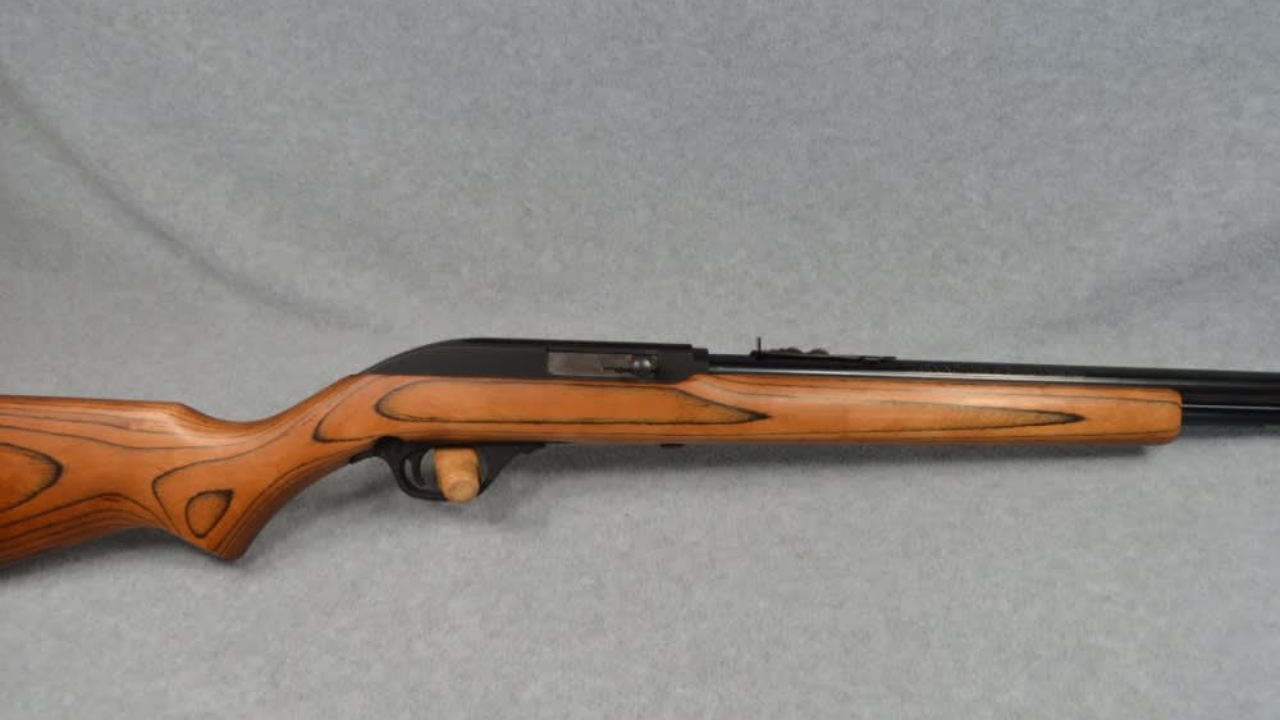
There’s nothing tactical about a Marlin 60, and that’s why it gets sold. Tube-fed, skinny, simple—guys dismiss it as “just a .22.” Then you remember it will shoot all afternoon without asking much of you besides a little cleaning now and then.
When you find a good one that cycles smooth and prints tight groups with cheap ammo, you hang onto it. Replacement sounds easy until you’re standing at a gun counter cycling the action on three different used ones that feel like they were stored in a damp tackle box.
3. Savage Mark II FV
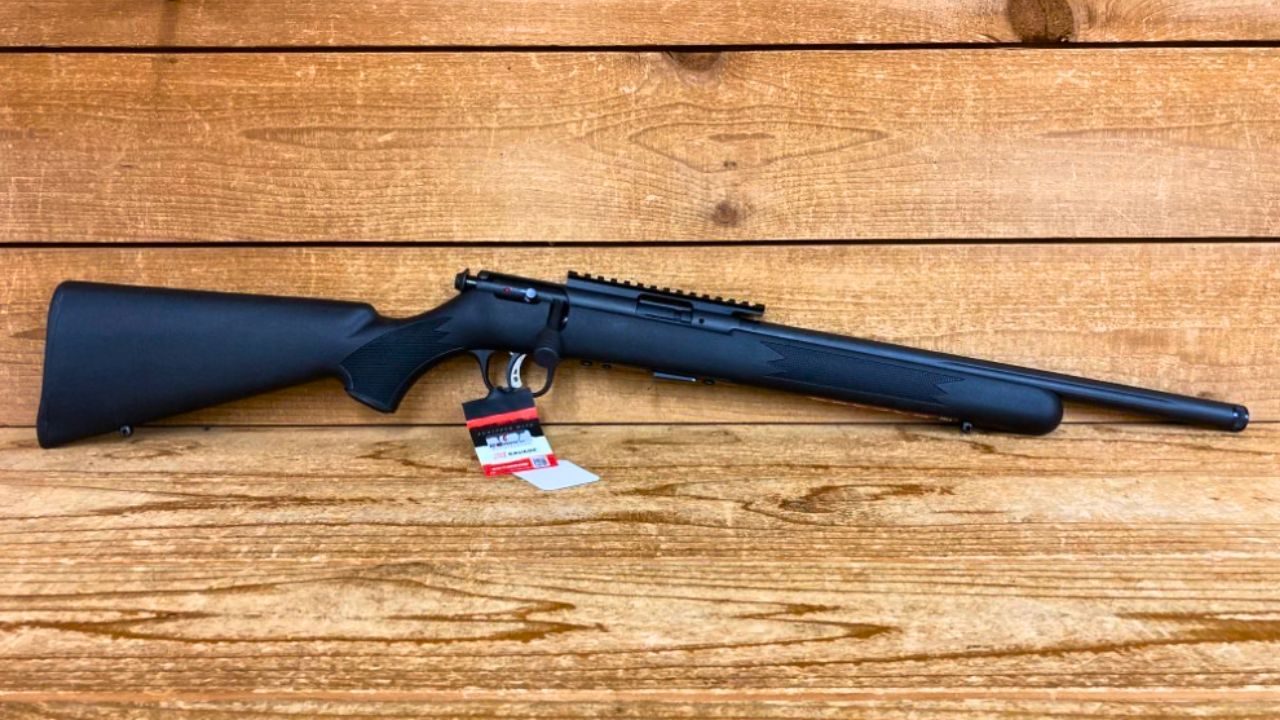
This is the rifle that makes a new shooter look better than they are. The Mark II FV isn’t glamorous, but when you put it on bags and start ringing steel at 50 and 100, it’ll humble pricier rifles if you do your part.
They get sold because they’re “just a bolt .22,” and everybody thinks they’ll upgrade later. Then later comes, and you realize the “upgrade” costs triple, plus new rings, plus time chasing accuracy you already had.
4. Mosin-Nagant 91/30 (wartime)
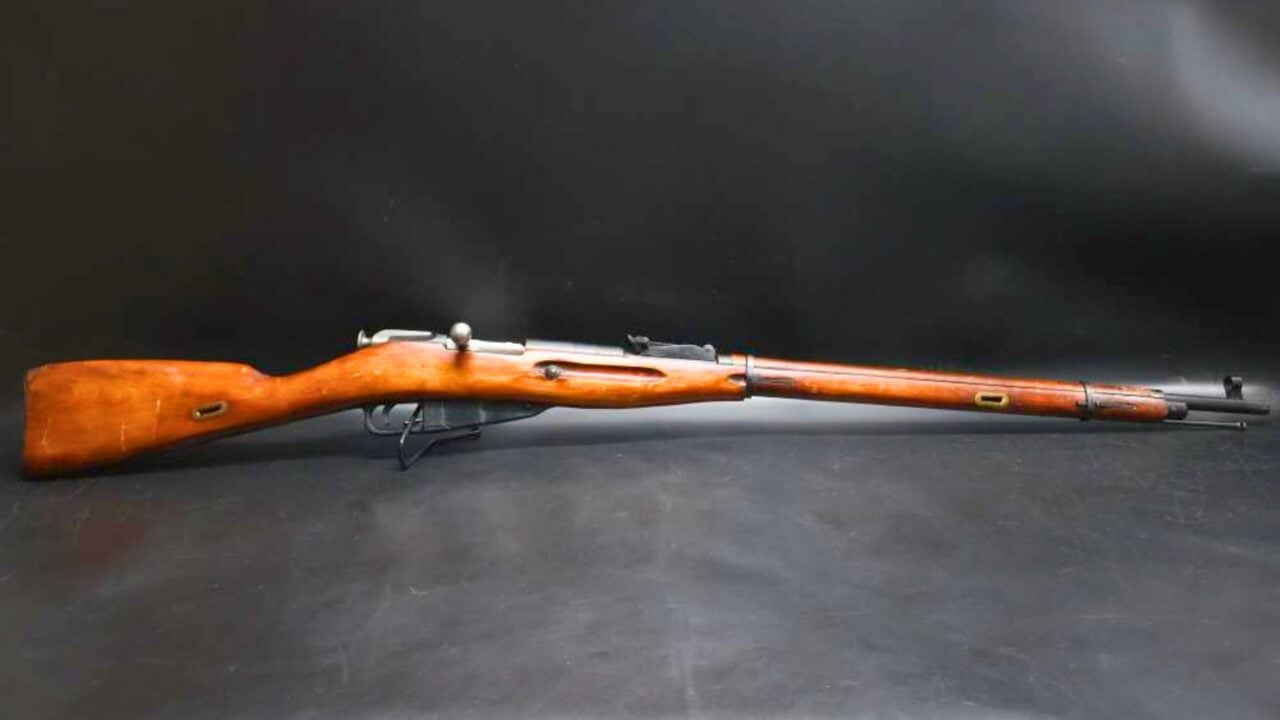
For years these were the cheap beater rifles stacked like cordwood. Guys grabbed one because it was a rifle you could afford after buying tags and gas, and it was fun to touch off a full-power round. The kick is real, the bolt can feel like you’re dragging it through gravel, and the sights are what they are.
Still, when you sell one you’re selling a chunk of history, and you don’t get that back. The cheap crates dried up, ammo isn’t the deal it used to be, and the decent ones aren’t sitting on every table at the local show anymore.
5. SKS (Norinco/Chinese)

The SKS is the classic “I’ll grab it because it’s cheap” rifle. It runs, it’s handy, and it doesn’t demand that you baby it. Then somebody decides they need detachable magazines and rails and sells the SKS to fund something modern.
A clean, matching rifle that feeds slick and has a decent trigger is harder to replace than folks think. And for ranch chores, woods walking, and just plain fun, the SKS is hard to beat in the real world.
6. Ruger Mini-14 Ranch Rifle (older 180/181/182 series)
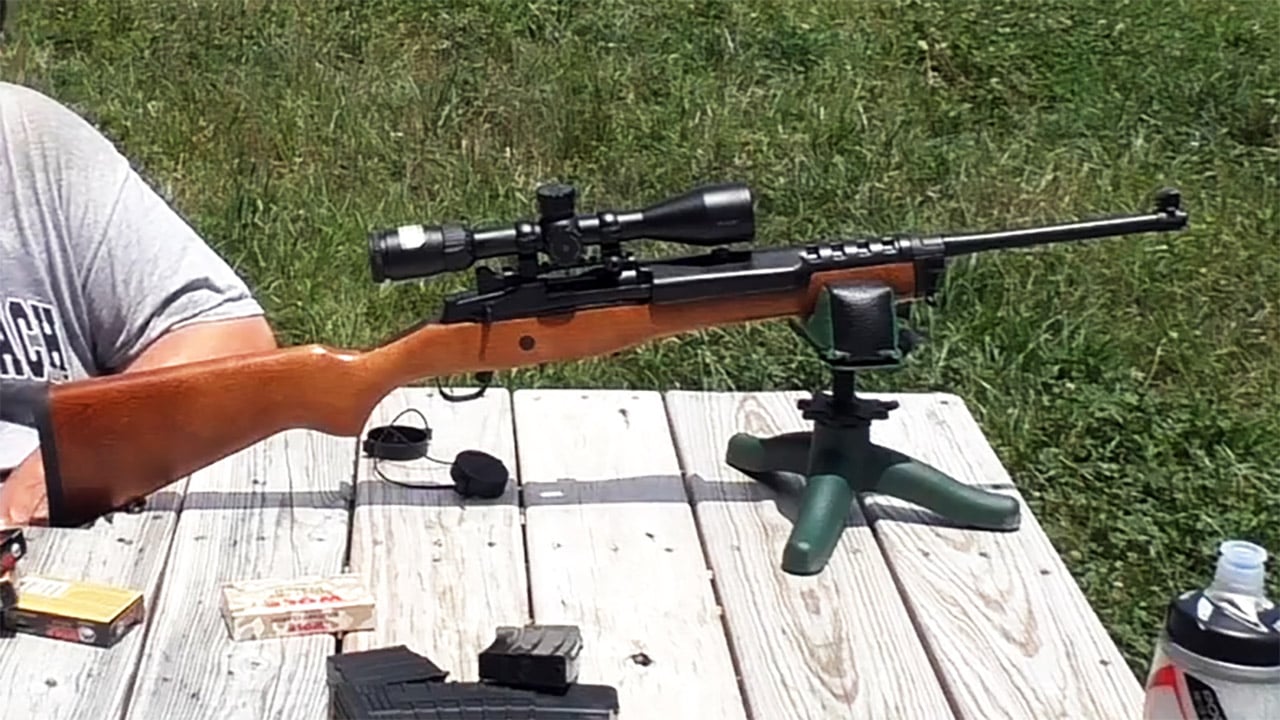
Mini-14s get trashed online, and some of it is deserved. Some older ones string shots when they heat up, and the factory magazines can be a whole conversation by themselves. But the Mini carries like a dream, points fast, and doesn’t scream “range toy” when it’s riding in a truck.
The ones that run well and shoot acceptably are the ones you miss after they’re gone. Try replacing one and you’ll quickly learn that not all Minis are equal, and the price jump on nice examples can sting.
7. Glock 19 (Gen 3)
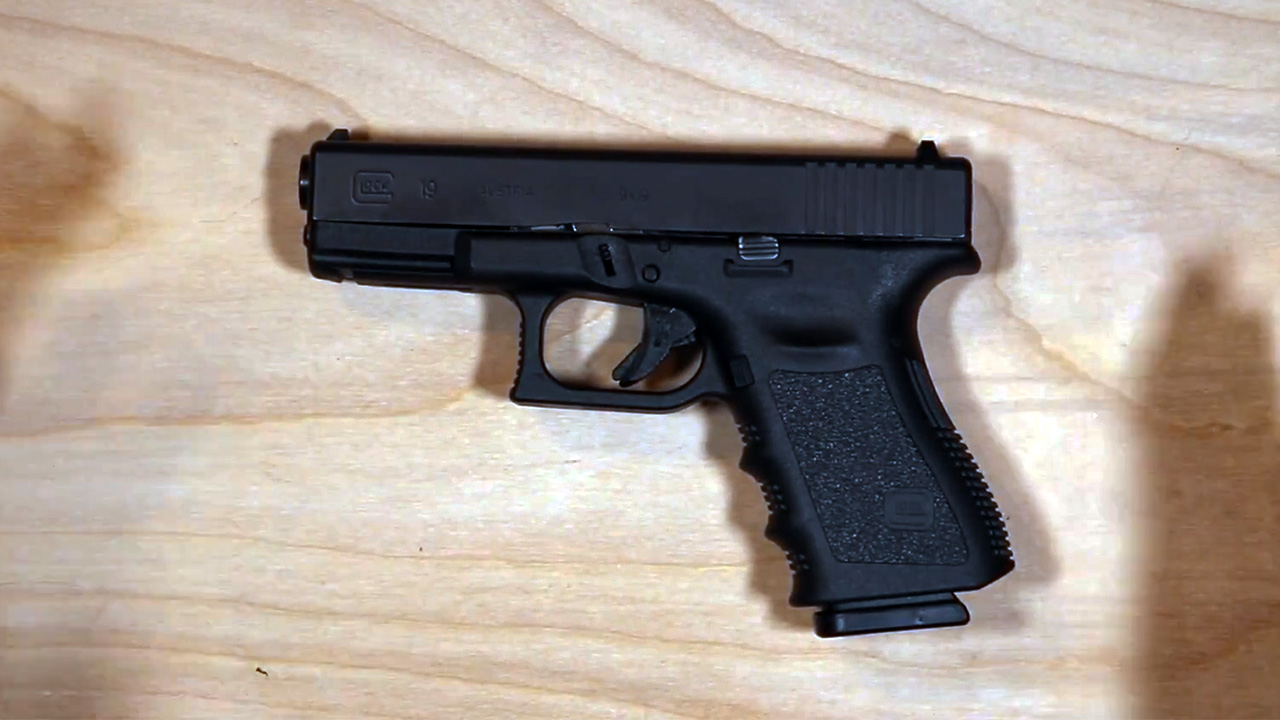
Plenty of folks buy a Gen 3 Glock 19 because it’s the default answer for a do-it-all handgun. Then they get bored. They chase a slimmer carry gun or a trigger that feels like a competition piece, and the Glock gets traded away for something “more exciting.”
Problem is, the Glock 19 just works. Mags are everywhere, holsters are everywhere, parts are everywhere, and it’s a size that actually fits a lot of real carry and home defense roles. It’s not romantic, but it’s dependable in a way you appreciate later.
8. Smith & Wesson Model 10

The Model 10 is the kind of revolver that feels plain until you shoot one that’s been cared for. The double-action can be smooth as creek stones, and .38 Special is still one of the most useful cartridges ever made for practice and knocking around the woods.
Guys sell them because they’re “old cop guns” or because they want a snubnose. Then they try to buy another clean Model 10 with tight lockup and a good bore, and the price isn’t what it used to be—especially for the nicer older ones.
9. Ruger GP100 (4-inch)
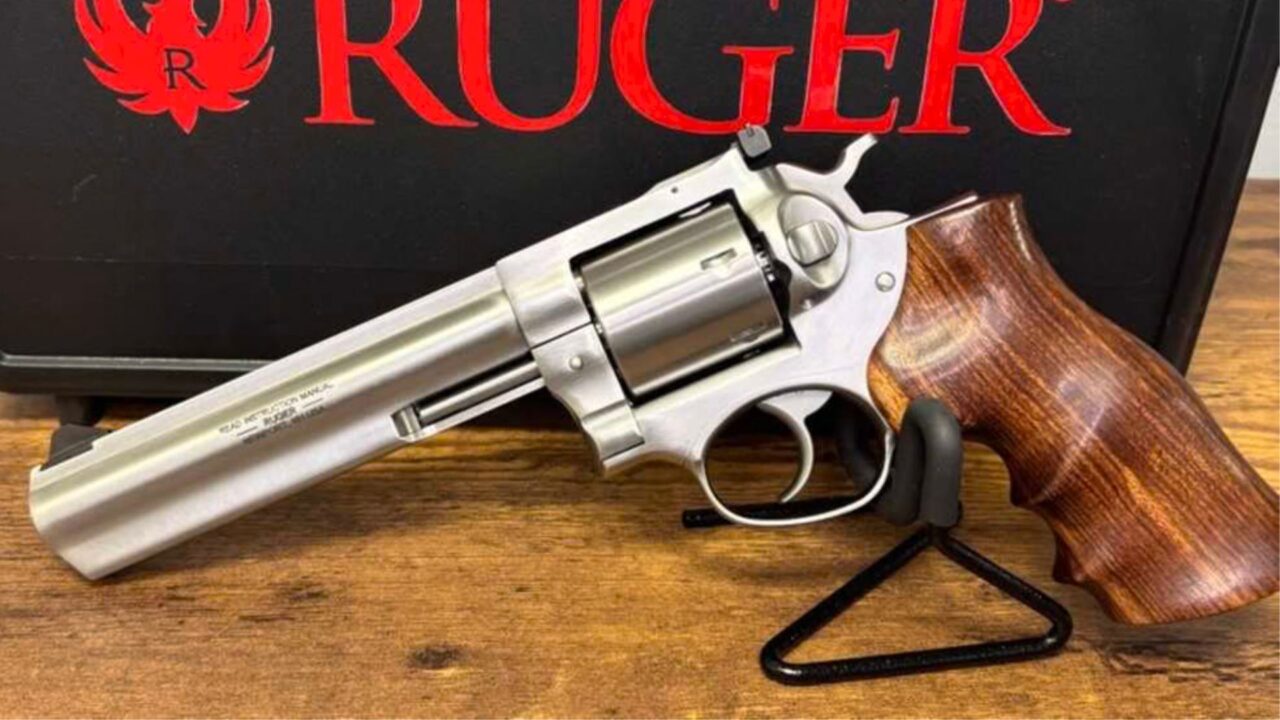
The GP100 is not a light revolver. If you buy one thinking you’ll carry it every day, you might change your mind after a few weeks. But as a woods gun, a range gun, and a revolver that takes steady use without getting loose, it’s a tank.
They’re often bought used at a fair price, then sold to chase something lighter or trendier. Later, when you want a .357 you can shoot a lot without beating up your hands, you’ll wish you’d kept the Ruger.
10. Remington 870 Wingmaster (older)

An older Wingmaster has a feel that new pump guns struggle to match. The action is slick, the balance is right, and it carries through brush like it was born there. People let them go because “it’s just a pump,” or because they want a semi-auto.
Then duck season rolls around, or a kid needs a first shotgun, and you realize the Wingmaster you sold was the one you should’ve kept. Not every 870 is special, but a good older one is.
11. Mossberg 500 (field models)

The Mossberg 500 is the opposite of precious. It gets used, banged around, leaned in a corner, and still runs. The tang safety is a big deal if you shoot with gloves or swap shoulders, and the gun is easy to live with.
Because they’re common, they get traded off like they’re disposable. Then you go to replace it and remember why yours was set up just right: the right barrel, the right stock, the right wear pattern that made it yours.
12. Maverick 88 (12 gauge)

This is the one that really fits the theme. The Maverick 88 is often the cheapest decent shotgun on the rack, and plenty of folks buy it as a starter. It’s not refined, and the finish isn’t trying to impress anyone.
But they run. If you get a good one, it’ll keep running through range days, camp trips, and muddy season. When someone sells it, they usually don’t get much back, and then they’re shocked at what even “budget” shotguns cost when they need one again.
13. Ruger LCP (original)
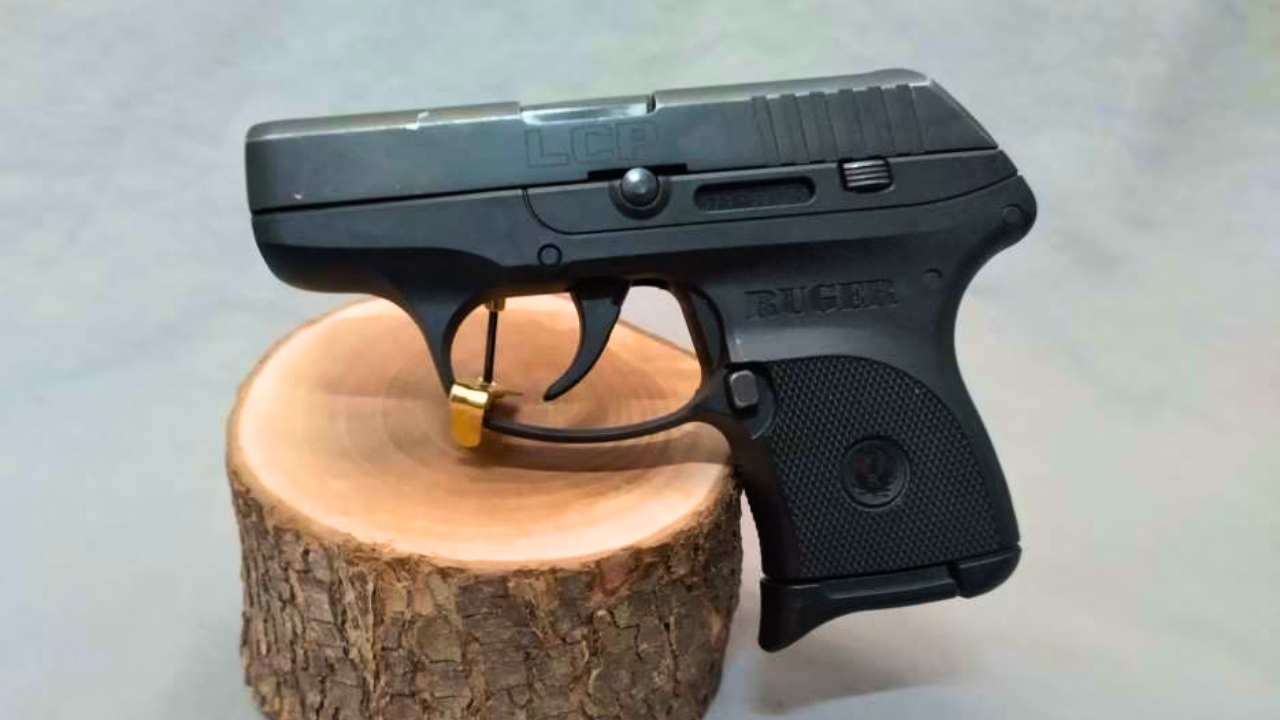
The original LCP is snappy and not fun for long range sessions. That’s why it winds up in a drawer, then on a trade-in shelf. But it’s also the kind of pistol that actually gets carried because it disappears in a pocket when a bigger gun stays home.
If you had one that ran your carry ammo without drama, selling it can be a mistake. The “fortune” part here is comfort and convenience—replacing that easy-carry option usually means spending more, testing more, and still not carrying as often.
14. Smith & Wesson Bodyguard 380
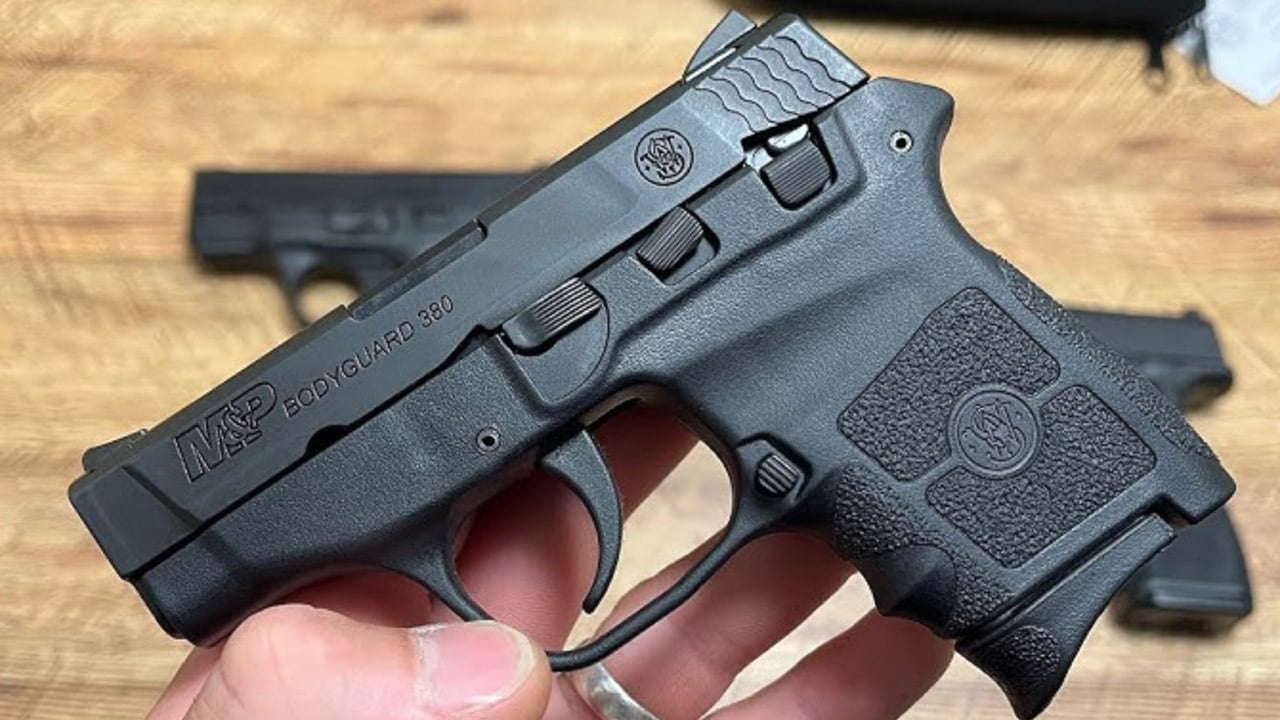
The Bodyguard 380 gets a lot of eye-rolls because the trigger isn’t great and the gun isn’t pretty. But for a small .380 with real sights and a usable manual safety option, it fills a niche for certain folks—especially those who want a little extra control on a pocket gun.
They get dumped when someone decides to “go 9mm or nothing.” Then summer hits, light clothes are back, and a pocket-sized .380 suddenly makes sense again. Ask me how I know.
15. Taurus G2C
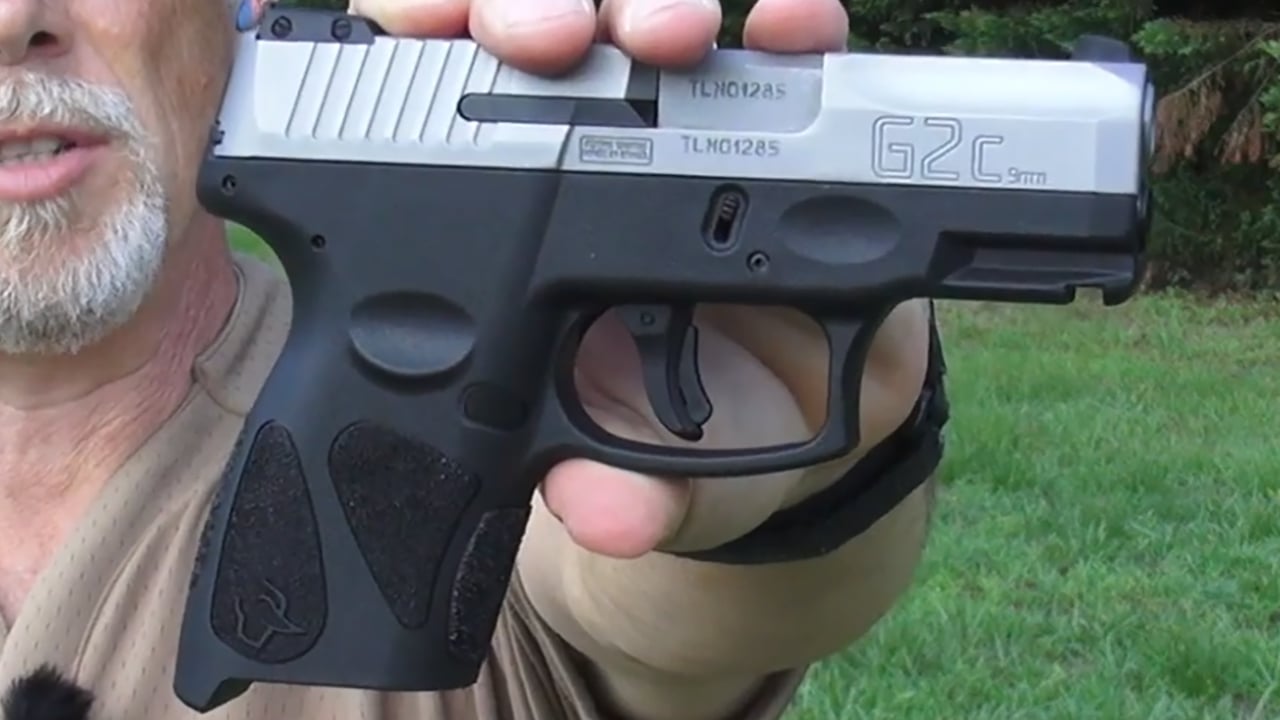
These have been bought by the truckload because they’re affordable and, in many cases, they run fine. They’re not premium, and the brand reputation makes folks nervous, so they’re easy to trade away when a sale pops up on something else.
But when you find one that’s been reliable for a couple thousand rounds, with mags that work and a trigger you’ve gotten used to, it becomes a practical tool. Selling it for peanuts and then trying to replace that “known good” pistol can be frustrating.
16. Hi-Point C9
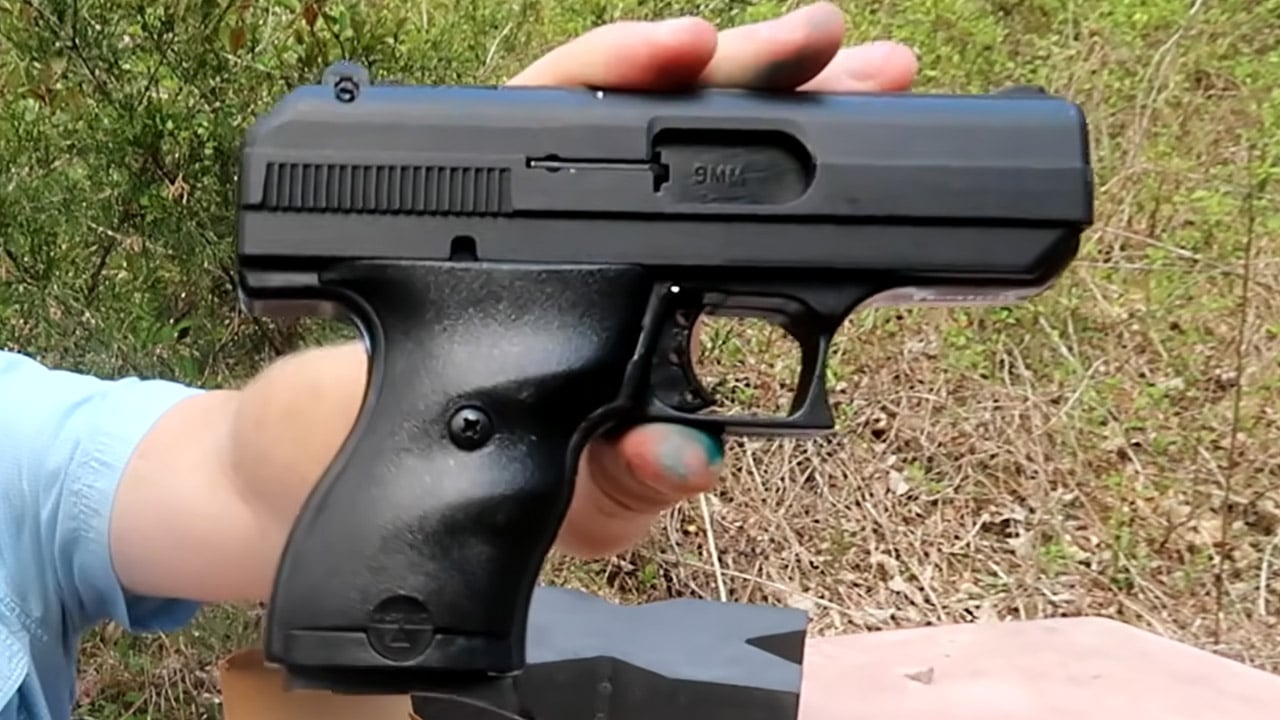
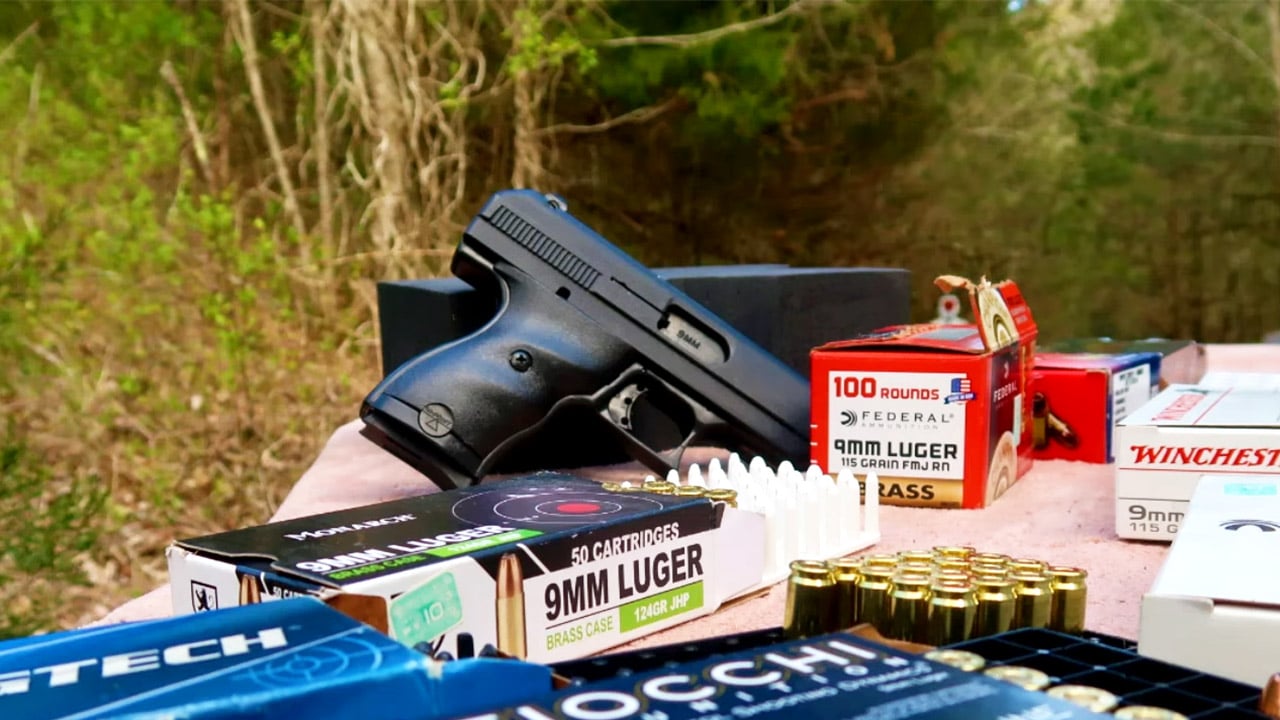
It’s heavy. It’s clunky. It’s not winning any beauty contests. The Hi-Point C9 is also the gun that proves a point: a cheap gun that actually functions can still be useful. They’re often bought as a stopgap, then sold because nobody wants to admit they kind of liked it.
What costs you later isn’t collectability—it’s the role it filled. A beater 9mm that you don’t worry about in a tackle box or a farm truck has value. Replace it with something “nicer,” and you might baby it too much to use it the same way.
17. Ruger American Rimfire

Ruger’s American Rimfire is one of those rifles that doesn’t get enough credit because it’s not old-school cool. It’s light, accurate enough to matter, and it has modern features that make it easy to set up for squirrels, steel, or just quiet afternoons punching paper.
They’re often sold to “upgrade” to a pricier bolt gun. Then the pricier gun turns into a safe queen and the Ruger is the one you miss because it was the one you didn’t mind actually using.
18. CZ 452 (any of the common variants)
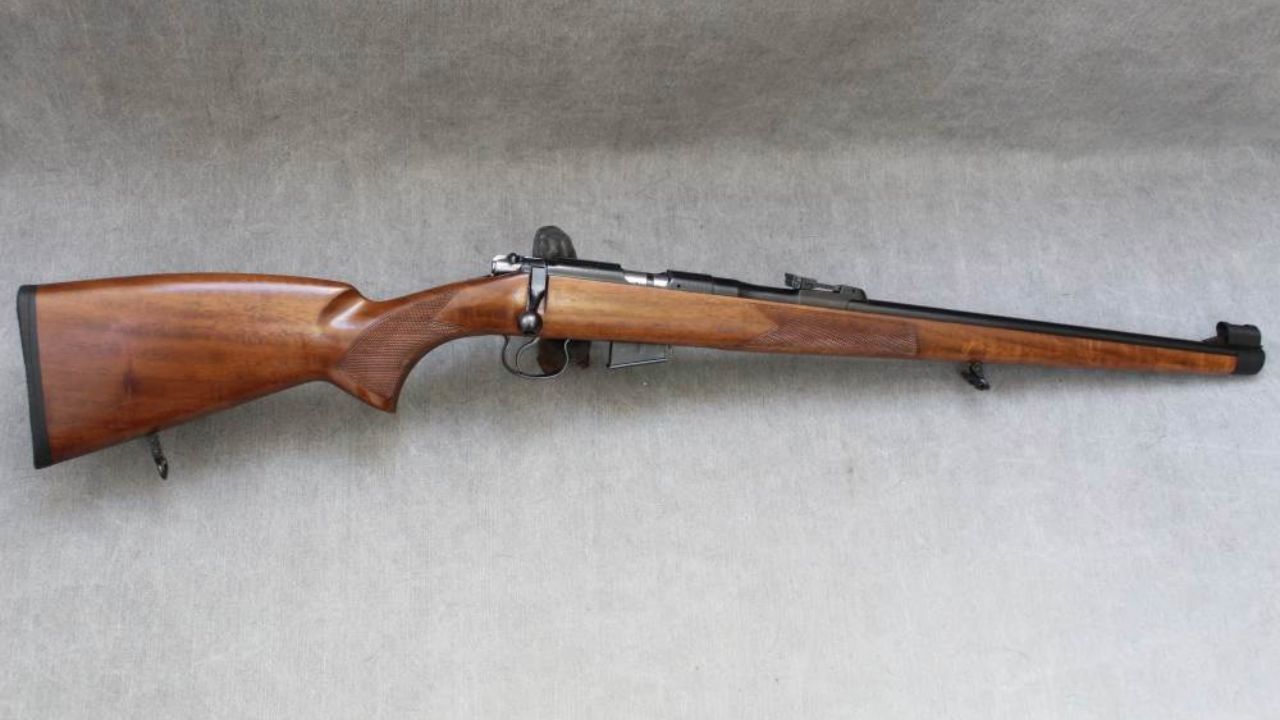
If you’ve owned a CZ 452 that shot little bugholes, you already know why this one stings. They used to be one of the best deals in rimfire rifles—nice wood, a good trigger, and accuracy that made you look around like you were cheating.
Guys sell them because they can. They’re desirable and usually easy to move. Then you go to buy another and realize the market caught up, the model is discontinued, and the “cheap Czech .22” era is over.
19. Remington Model 700 ADL (older used deer rifle)
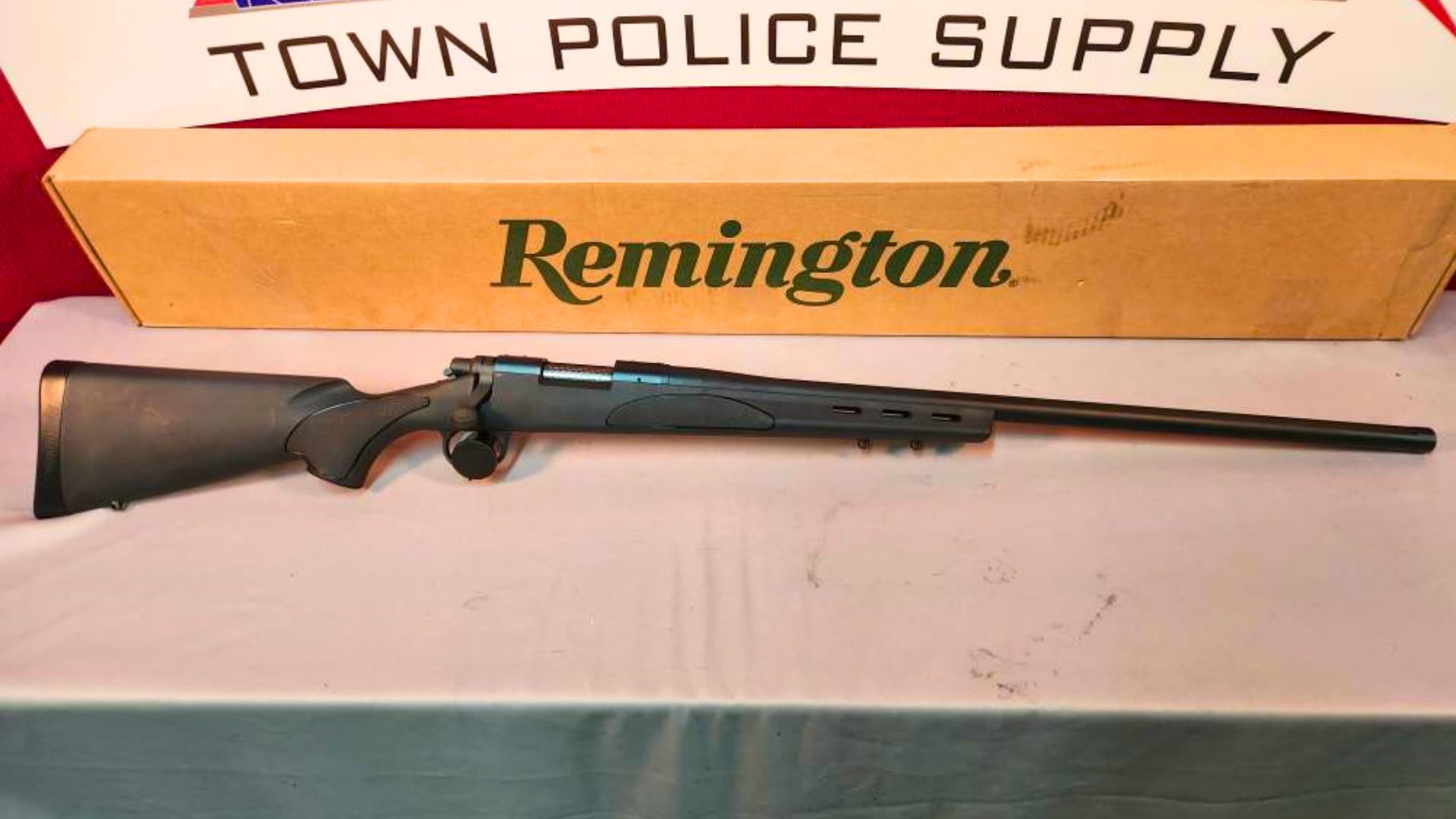
There are a lot of Model 700 discussions that get heated fast, and I’m not interested in internet shouting. What I’ll say is this: plenty of older ADL rifles have filled a lot of freezers, and they still do. They’re often the working man’s deer rifle—plain stock, basic finish, and a scope that’s seen a few seasons.
They get sold to fund a new rifle with a fancy stock and a dial-up turret system. Then November comes, and you miss the rifle you knew—how it carried, where it hit at 200, and how it felt when you slid it off your shoulder in the dark.
20. Stevens Model 311 (side-by-side)
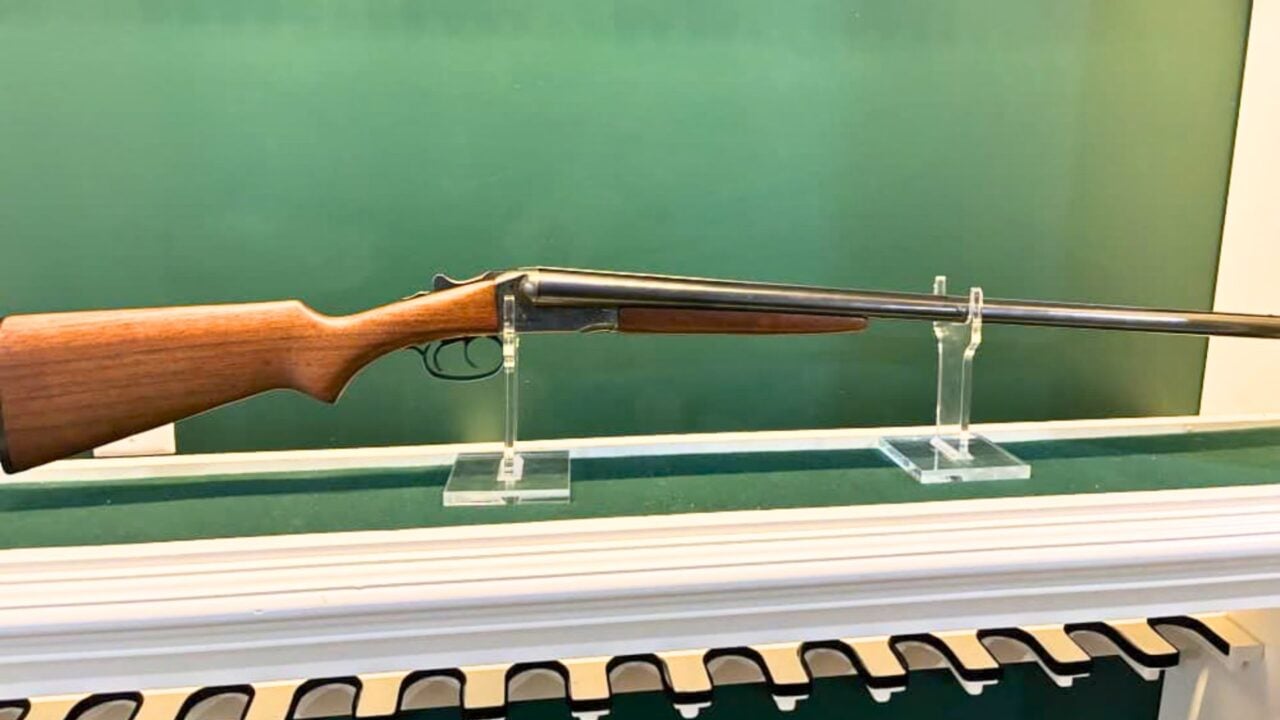
Side-by-sides like the Stevens 311 aren’t trendy, and they’re not always gentle. They can be a little chunky, the triggers can be stiff, and they don’t have the slick feel of high-dollar doubles. But they are honest shotguns that work, and they have a way of becoming family guns without anyone planning it.
They also have a habit of appreciating quietly while everyone’s looking the other way. When you sell one for “not much,” you’re usually selling memories you haven’t made yet—rabbit hunts, grouse walks, and that simple two-barrel feeling that never really goes out of style.
If you’re staring at your safe thinking about what to move along, I’m not saying hoard everything. I’m saying be careful with the boring guns that always show up and always work. The cheap part is the purchase price. The expensive part is realizing later that the gun you let go was the one that actually fit your life.
Like The Avid Outdoorsman’s content? Subscribe to our newsletter so you never miss an article.
Here’s more from us: