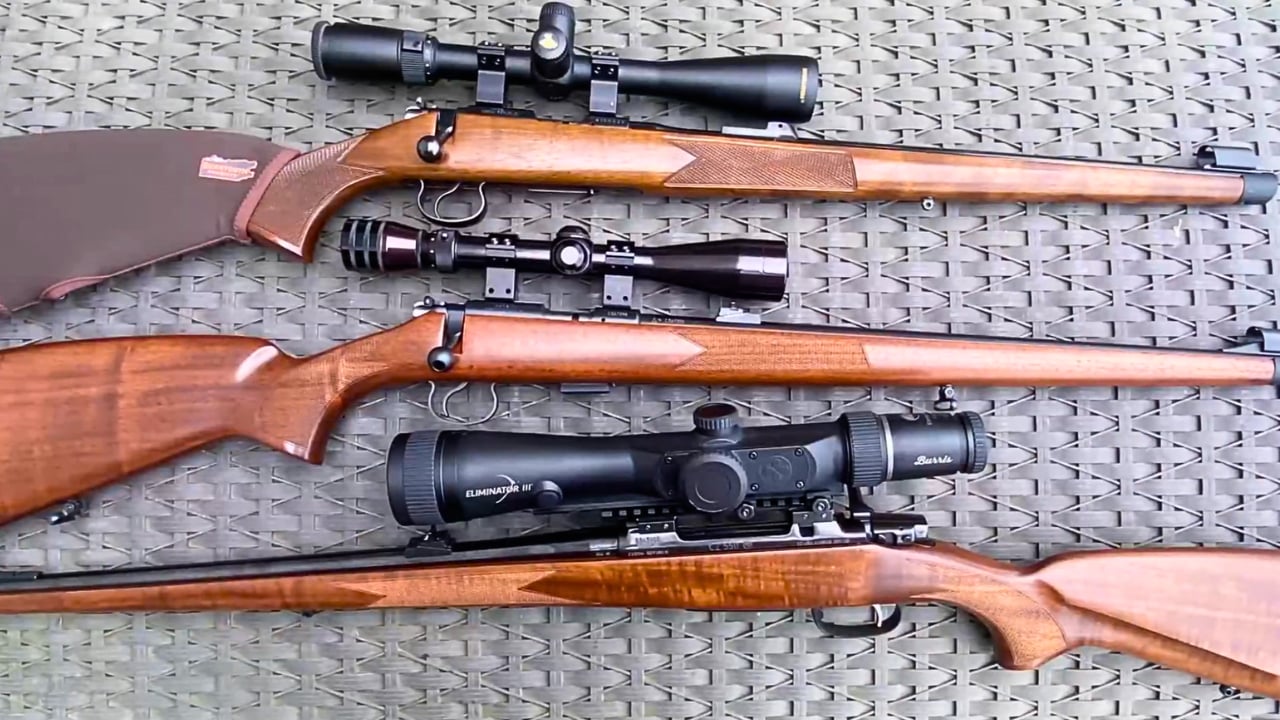
Photo credit: farleyjj1/YouTube
There are rifles you buy and rifles you enjoy, and then there are rifles that stick to you because you didn’t buy them. I’m not talking about the ones that were outrageously priced or beat to death. I mean the ones that were right there, in reach, and you talked yourself out of it for reasons that sounded smart at the time. Later, you realize you weren’t being disciplined. You were being cheap, or stubborn, or you were listening to the wrong guy at the counter.
These are twenty rifles I can still picture like snapshots—where they were sitting, what the light looked like, what season it was, and exactly what excuse I used while I set them back down.
1. Winchester Model 70 Featherweight (pre-’64)

It was in a small-town gun shop on a rainy afternoon, the kind of place with pegboard walls and a bell on the door. The tag was tied to the trigger guard with string, and it was priced high enough to make me swallow hard but low enough to be “possible” if I quit pretending I was only browsing. The rifle had honest wear at the carry points, not abuse—exactly what you want on something built to hunt, not sit.
I should’ve bought it for the way it felt when I ran the bolt. That controlled-round-feed action isn’t magic, but it’s confidence you can feel. The Featherweight balances like it wants to be carried up a ridge, and it points quick when a buck steps out and you don’t have time to admire your own shooting form. I told myself I’d find another. That one hurts, because “another” isn’t the same rifle.
2. Remington Model 700 BDL (older walnut/blue)
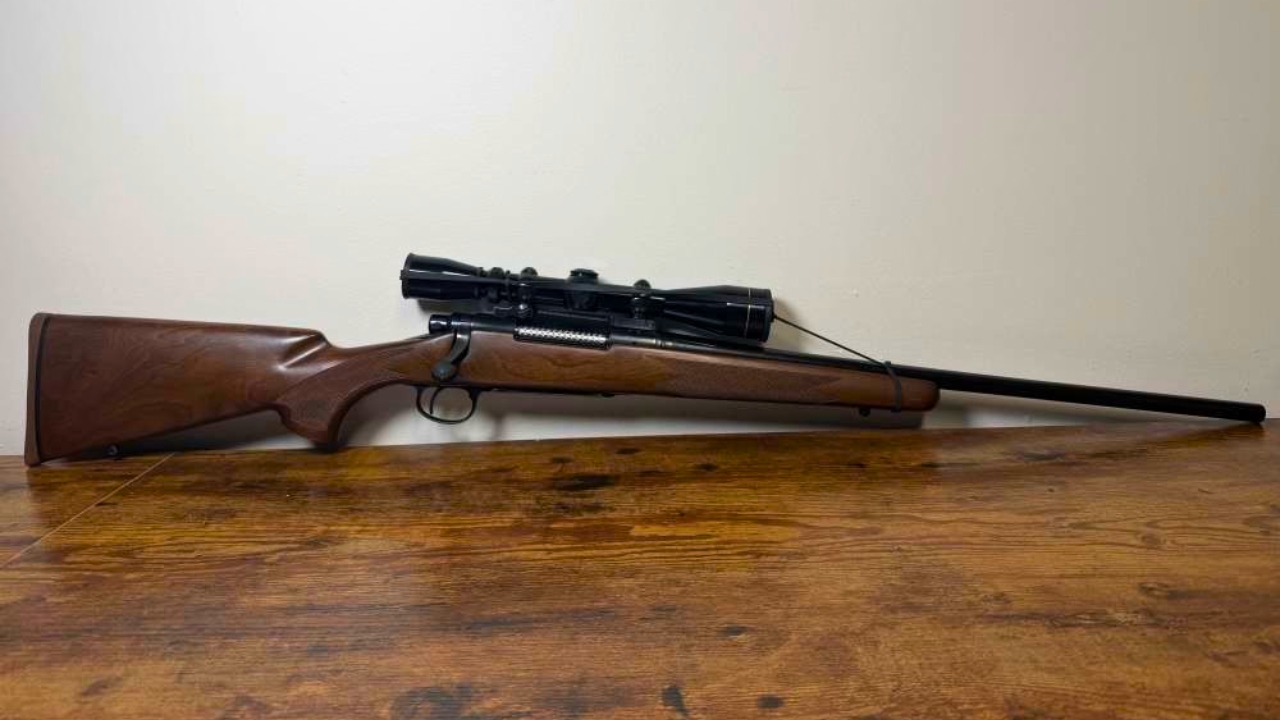
This one was leaning in a corner rack at a farm consignment sale, half-hidden behind a stack of dusty soft cases. The floor was slick from tracked-in snow, and I remember looking over my shoulder like someone else might see what I was seeing. Deep bluing, shiny but not gaudy, and that classic BDL walnut with the kind of grain you don’t get on new rifles unless you pay for it.
I passed because I already had a 700 at home and didn’t “need” another. That was the lie. Older 700s have a feel that’s hard to explain until you’ve cycled a few hundred bolts on different rifles. They’re boring in the best way, and boring is what you want when it’s cold and your fingers don’t work. I could’ve turned that rifle into a lifetime deer gun with a simple scope and never looked back.
3. Ruger M77 Mark II (stainless/synthetic)

I saw it at a big-box used rack, the one everyone walks past because it’s not trendy. It wore rings that looked like they’d been swapped a few times, and there were little scratches in the stock from bouncing around behind a seat. I picked it up and immediately thought, “This is a working rifle.” It wasn’t trying to impress anybody.
I didn’t buy it because the trigger felt heavy, and I was in my “everything needs a crisp trigger” phase. Looking back, that was dumb. The M77 Mark II is the kind of rifle you take when you might fall down in shale or get caught in a downpour and you don’t want your rifle to become a project. Parts and mags aren’t the point here; reliability is. It would’ve been a perfect loaner rifle too—one you can hand to a buddy without a long lecture.
4. Savage Model 99 (in .300 Savage)
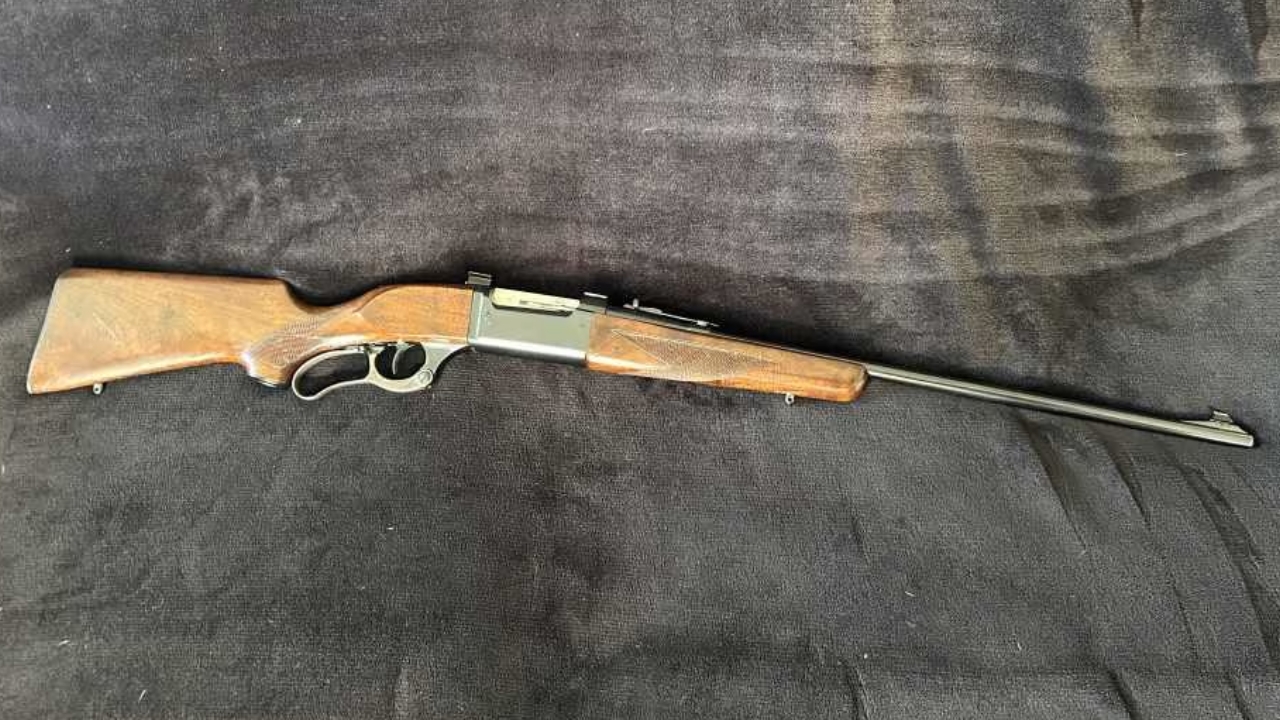
It was at a gun show, under fluorescent lights that make everything look a little tired. The seller had it laid on green felt, and it had that classic lever-gun profile that looks fast even sitting still. I remember the rotary magazine counter window catching the light, and the checkering worn smooth where hands had carried it for decades.
I talked myself out of it because I didn’t reload and I didn’t want to chase .300 Savage ammo. Fair point, except I’ve chased ammo for rifles I liked a whole lot less. The 99 carries like a bird gun and hits like a deer rifle, and it’s about as “woods hunting” as it gets. It also has a mechanical charm you don’t appreciate until you realize modern stuff all starts to look the same. I walked away and spent that money later on something forgettable. Ask me how I know.
5. Marlin 336 (JM-stamped, .30-30)

This one was on a used rack in a pawn shop with a hunting license sign taped to the glass. It had a simple 2-7 scope in low rings and sling swivels that looked like they’d been there forever. The action felt slick, not loose. It had been used, not neglected, and there’s a difference you can feel immediately.
I passed because I already had a .30-30 and figured one lever gun is the same as another. Not true. The older JM-stamped rifles have a fit and finish that makes them feel like tools made by people, not by a schedule. A good 336 disappears in the hands when you’re slipping through timber, and it’s one of the easiest rifles in the world to actually carry all day. Today, the price gap between “then” and “now” is enough to make you wince.
6. CZ 527 (in 7.62×39)

I remember this one because it was in a glass case, which is not where you usually see a little bolt gun that looks like it belongs in the field. It had that mini-Mauser action and a detachable magazine that stuck down just enough to look slightly awkward. I should’ve taken that as a sign it was built to function, not to win a beauty contest.
I didn’t buy it because I thought 7.62×39 was for cheap steel-case blasting, not hunting. Then I shot a buddy’s 527 and realized how handy a light bolt gun can be, especially with mild recoil and a cartridge that works fine inside normal woods ranges with the right ammo. It feeds like it means it, and the whole rifle feels trim instead of bulky. They’re not getting easier to find, and the ones that show up used tend to disappear fast.
7. Tikka T3x Lite (in .308)
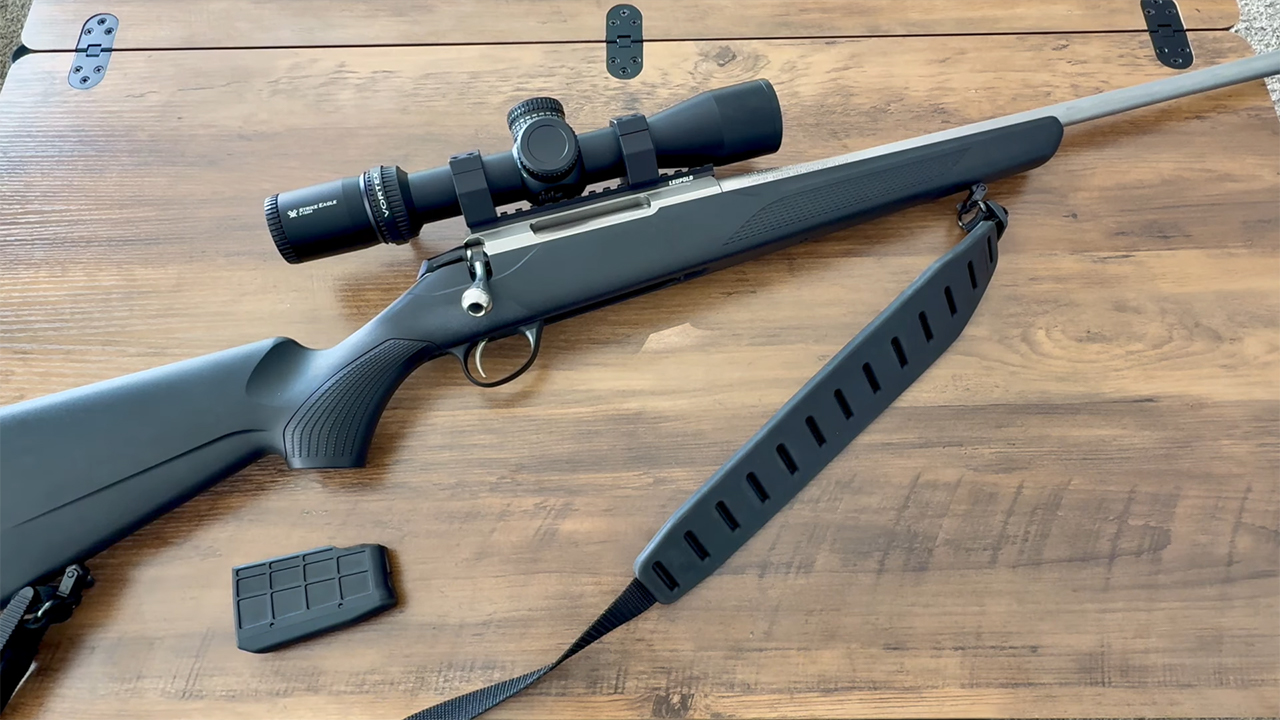
This one sat on a rack at a sporting goods store during a pre-season “sale,” and I had it in my hands while my cart had things like propane canisters and sock liners. The bolt felt like it was running on oiled glass. The stock was plain, no thrills, and that’s what made it dangerous—nothing to distract you from how well it actually worked.
I put it back because it felt too light, like it might be whippy. Later I learned light isn’t a problem if the rifle balances right, and Tikkas balance right. In .308, it’s a do-everything setup with ammo everywhere and recoil most people can manage without developing bad habits. The magazines aren’t as cheap as some platforms, but they’re reliable. If you hunt in real weather and you don’t want drama from your rifle, that’s a hard combination to beat.
8. Browning X-Bolt Micro Midas (youth/compact)

I saw it while shopping for a scope, not even thinking about buying a rifle. It was a compact model with a shorter length of pull, and it immediately made sense. It wasn’t a toy. It was a real rifle sized for smaller shooters, which is something we pretend doesn’t matter until we watch a kid struggle behind a full-size gun.
I passed because my kids were “not ready yet,” which is a phrase that can turn into years if you’re not careful. A good youth rifle isn’t about making the kid tough. It’s about fit, confidence, and good habits. The X-Bolt points naturally, the safety is positive, and the whole setup encourages a shooter to stay on the stock instead of fighting it. Now I look at what compact rifles cost and I think about the seasons I could’ve had them practicing comfortably instead of improvising with spacers and bad positions.
9. Ruger American Rifle Ranch (in 7.62×39)

This one was on a used shelf with a hand-written tag, and it looked like the previous owner bought it, shot two boxes, and forgot it. Threaded muzzle, short barrel, handy overall length. I picked it up and thought, “This would live behind a truck seat and never complain.”
I didn’t buy it because I was being picky about aesthetics. The Ruger American is not a beauty queen. It’s a tool. The Ranch version, especially, makes sense for hogs, coyotes, and general property work where you’re not trying to ring steel at half a mile. It takes common ammo, and with decent hunting loads it does more than the internet gives it credit for. Also, it’s the kind of rifle you’re not scared to scratch. That matters more than you think.
10. Howa 1500 (heavy barrel in .223)
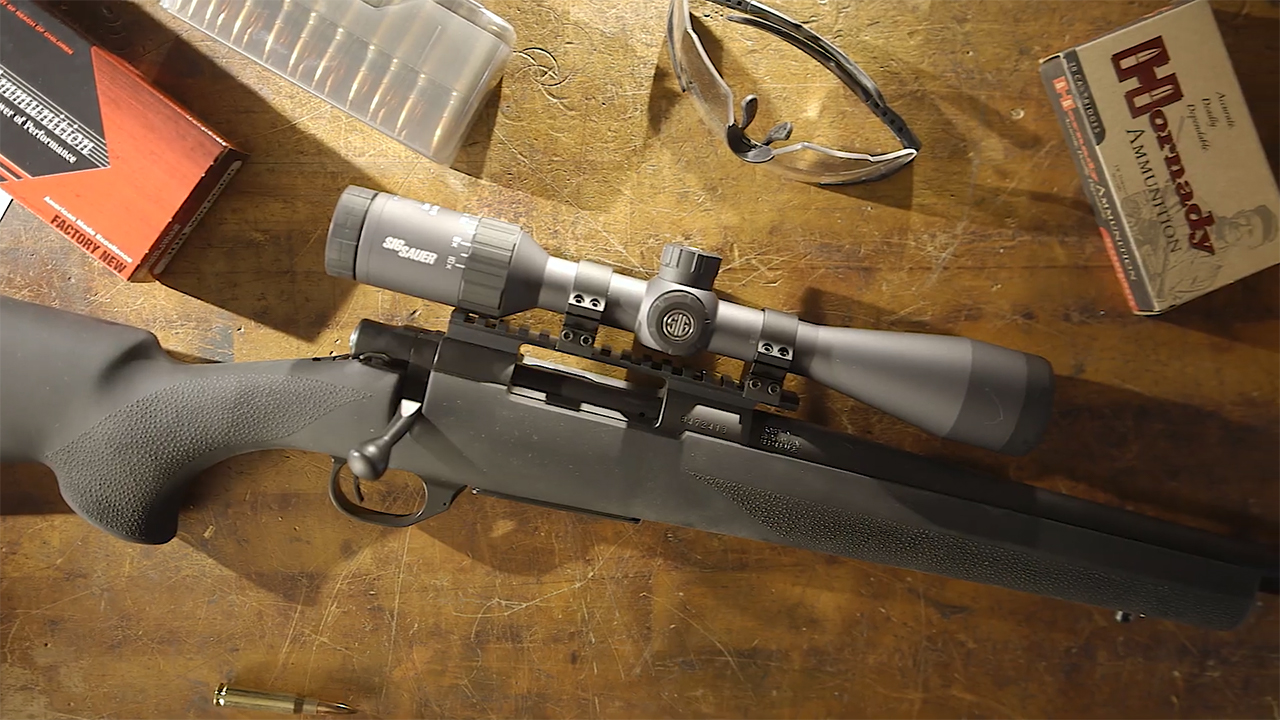
I saw it at a range swap meet leaning against a folding table next to a pile of mismatched rings and old bipods. It was heavier than I “needed” and wore a basic scope with turret caps scratched up. I ran the bolt and immediately liked it. Howa actions feel solid, like there’s real steel there, because there is.
I walked away because it wasn’t a lightweight coyote rig and I didn’t want another “bench rifle.” Except a .223 heavy barrel rifle is one of the best trainers you can own. Cheap-ish to feed, low recoil, and it shows you what your fundamentals are doing without punishing you. It’s also a legitimate varmint rifle if you’re sitting over a field edge. The 1500 doesn’t get the hype of other names, but it’s dependable, accurate, and easy to live with. I bought a lighter rifle later that was a lot more finicky.
11. Sako 85 (in .270 Winchester)

This was at an estate sale preview, laid out on a dining room table like it was still Sunday best. The metalwork looked too clean to be real, and the bolt felt like it locked up with authority. I remember thinking, “This is what a nice rifle is supposed to feel like,” and then immediately thinking, “I can’t justify it.”
Here’s the thing: you don’t justify a Sako on paper. You justify it after you’ve carried mediocre rifles long enough to appreciate smooth feeding, consistent ejection, and a stock that fits without you fighting it. .270 Winchester is not trendy, but it’s still one of the cleanest deer-and-elk cartridges ever made for normal hunting ranges. A rifle like that would’ve become an heirloom by accident, just through use. Instead, I watched someone else buy it like they were picking up a lamp.
12. Springfield Armory M1A Standard
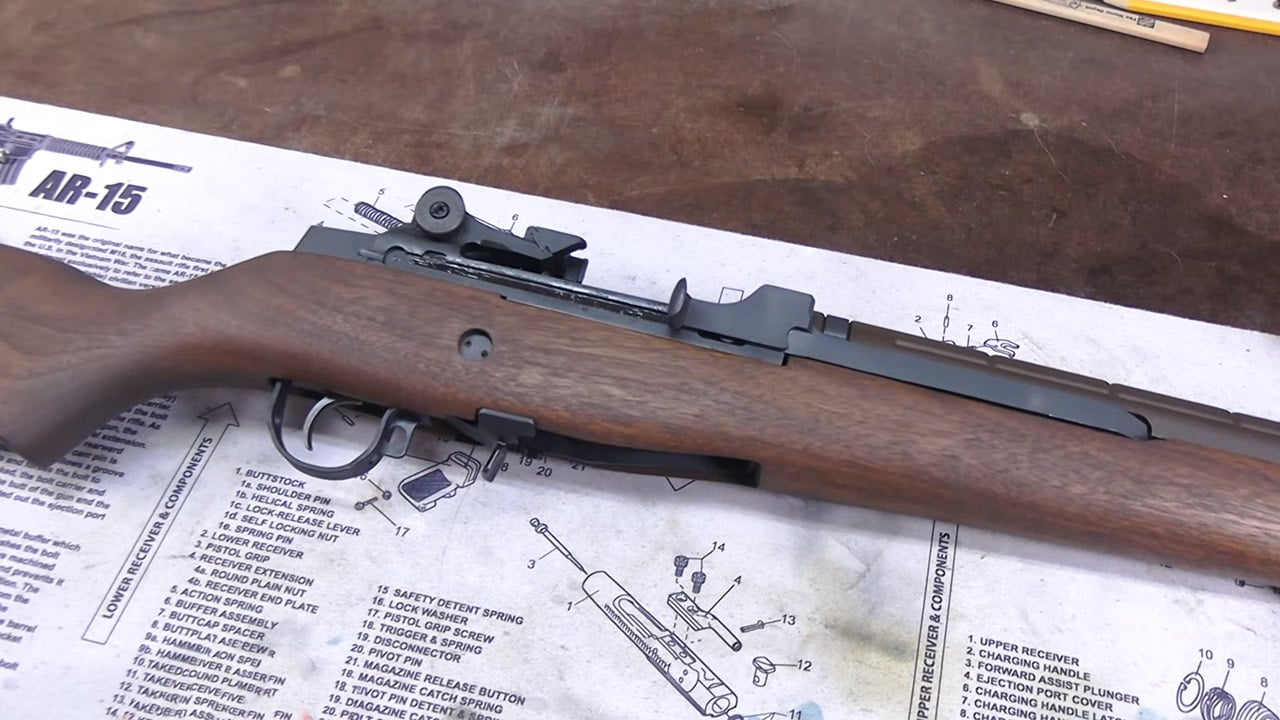
I was at a shop that had one on the wall, and I stood there longer than I should have, staring at it like a kid looking at a dirt bike. Walnut stock, iron sights that actually mean something, and that unmistakable profile that makes you think of ranges and match days even if you’re just a deer hunter.
I didn’t buy it because I convinced myself it was impractical. Heavy, not cheap to feed, magazines to buy, optics mounting that can turn into a rabbit hole. All true. Still, there’s a place for a rifle that’s fun to shoot well and rewards you for slowing down. The M1A isn’t the best answer to every question, but it’s a solid answer to “What rifle will I actually take to the range and enjoy for decades?” I went home with nothing and later spent the same money in smaller pieces on stuff I barely remember.
13. Ruger Gunsite Scout Rifle (in .308)

This one was sitting in a used rack with the factory muzzle brake installed and a forward rail that had a little wear on it, like someone tried the concept and moved on. I picked it up and liked how it carried. Short, handy, and it felt like it wanted to be slung and forgotten until you needed it.
I passed because scout rifles get talked about like they’re either the greatest idea ever or a gimmick. The truth is in the middle. The Ruger version is a practical “general purpose” rifle if you keep your expectations normal. .308 is available, it runs on detachable mags, and it’s compact enough for tight brush or getting in and out of a truck without snagging everything. It’s not a mountain rifle, and it’s not a long-range rig. It’s a rifle you can actually live with, and that’s why I still think about it.
14. Thompson/Center Contender Carbine (in .30-30)
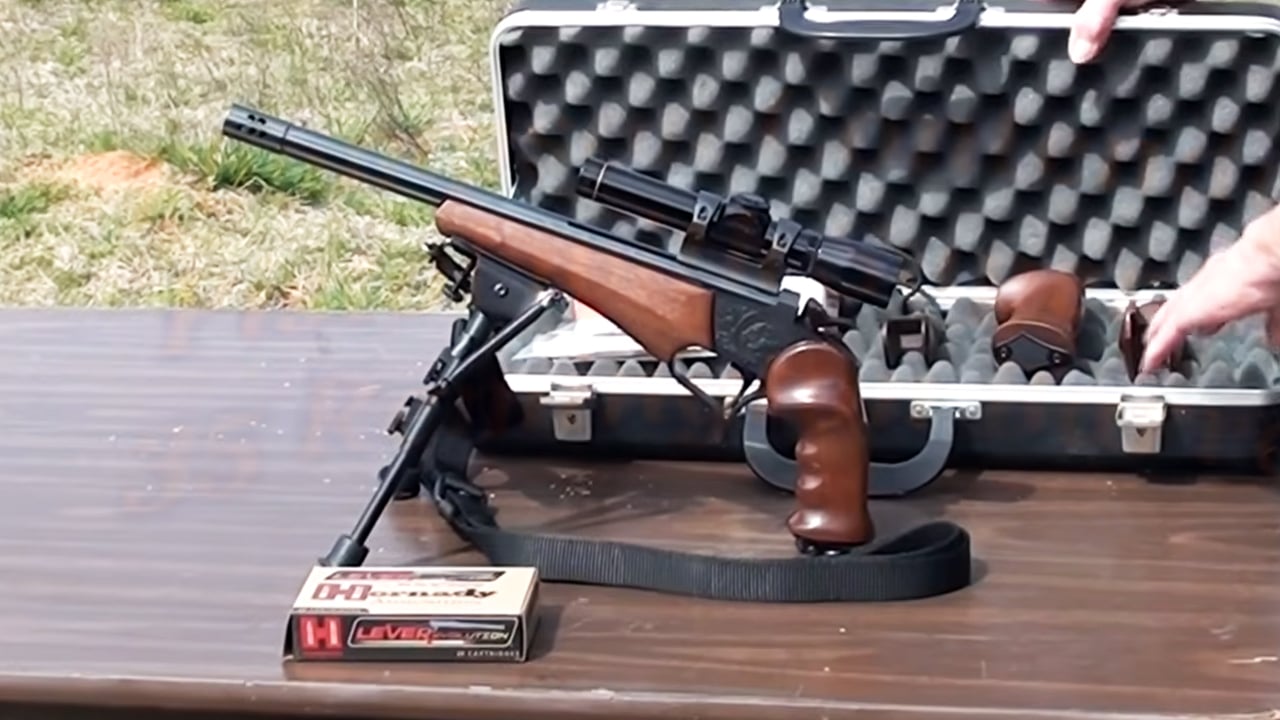
I saw it at a gun show on a quiet Sunday when the crowd thinned out. It was one of those setups that looks odd until you shoulder it. Single-shot, break-open, simple as a hammer. The seller had extra barrels behind the table, and that should’ve been my sign that the platform is addictive in a practical way.
I didn’t buy it because I didn’t “need” a single-shot rifle. That’s missing the point. A Contender carbine makes you shoot like every shot matters, because it does. It’s also lighter than a lot of lever guns, easy to clean, and incredibly straightforward to maintain. For a stand hunter in thick woods, a .30-30 single-shot is more effective than people want to admit. And if you’re the kind of person who enjoys tinkering within legal, safe limits, the barrel options turn into a whole hobby. I left it there and still remember the price tag exactly.
15. Henry Long Ranger (in 6.5 Creedmoor)
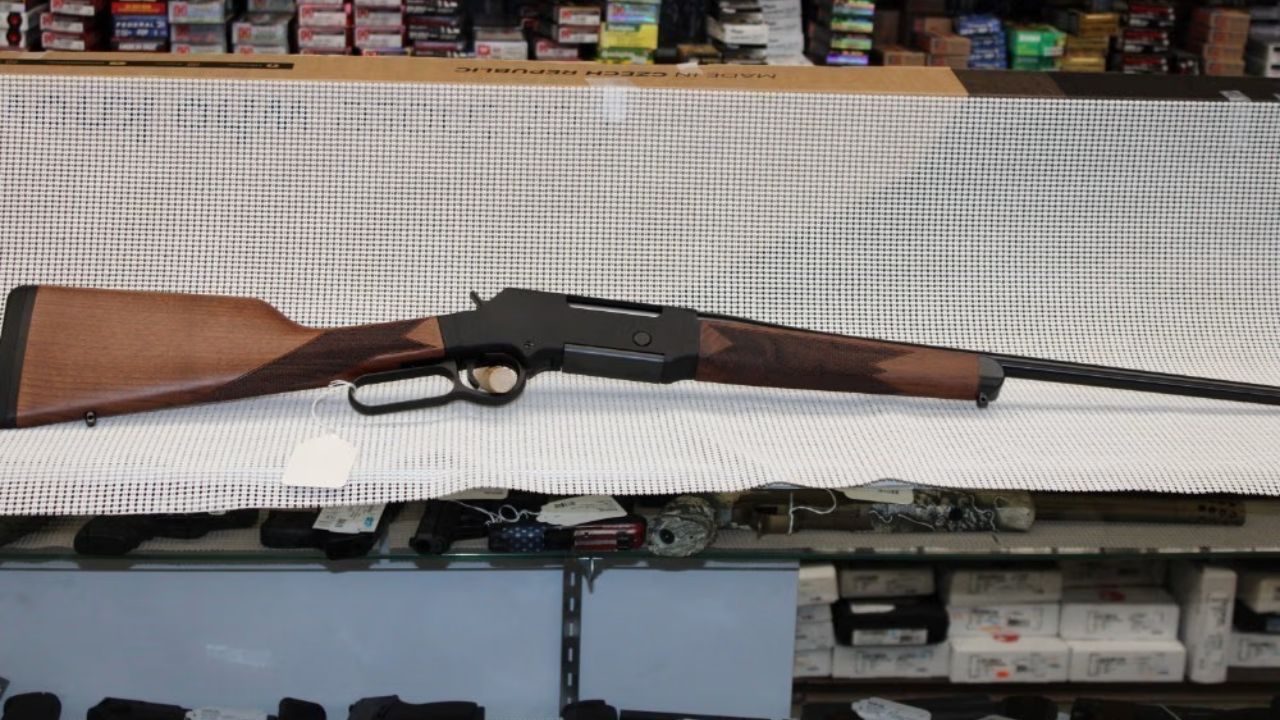
This was at a shop where I went in for ammo and ended up handling rifles for an hour. The Long Ranger is not your granddad’s tube-fed lever gun. It’s a box-magazine lever rifle, and when you run it, you realize it’s built for modern cartridges without trying to be something it’s not.
I set it down because I wasn’t sure what problem it solved. Later, I realized it solves the “I want a fast-handling rifle that still reaches” problem. 6.5 Creedmoor is easy to shoot well, and in a lever action that feeds clean and locks up strong, it’s a legitimate deer rifle out to sensible distances. It also carries flatter against the body than a lot of bolt guns with big knobs and tall optics. It’s not cheap, and it’s not for everyone, but it’s one of the few modern lever concepts that feels like it’ll still be around in twenty years.
16. CZ 550 (Full Stock)

I saw it in a used rack at a shop that smelled like Hoppe’s and old leather slings. Full-length Mannlicher-style stock, iron sights, and that old-world look that makes you want to hunt somewhere with steep hills. I shouldered it and it came up naturally, like it was carved to be carried.
I didn’t buy it because I worried the full stock was just extra wood to swell and warp. Maybe. But the CZ 550 is a serious controlled-round-feed rifle, and the full stock versions have a kind of balance that’s hard to fake. They feel alive in your hands, not dead weight. They’re also not being made forever, and once they’re gone, they’re gone. I’ve bought rifles since then that were “better on paper,” but none of them made me grin the way that one did just standing there in the aisle.
17. Remington Model 7600 (in .30-06)

This one was in a rack behind the counter at a small shop where the owner liked pump rifles more than he liked bolt guns. It had a no-nonsense scope mounted low and a fore-end worn smooth where hands had slid it back and forth in the woods. If you’ve hunted thick cover where shots happen fast, you already understand why the 7600 has a following.
I passed because I told myself pump rifles were an odd niche. That’s internet thinking. In the real world, a 7600 in .30-06 is a serious deer rifle that lets you stay on target and run the action without lifting your head off the stock. It also feels familiar to anyone who’s carried a pump shotgun for birds. Magazines are something you need to stay ahead of, and the market can be annoying, but the rifles themselves flat-out work. A good one doesn’t sit long when it shows up used.
18. Weatherby Vanguard (in .257 Weatherby Magnum)

I ran into this rifle at a trade-in counter. It was a Vanguard with a muzzle brake and a scope that looked like it had seen open country. The tag mentioned the caliber, and I remember thinking, “That’s a lot of cartridge for a guy who probably just wanted to shoot deer.” The rifle itself, though, felt stout and well put together.
I didn’t buy it because I didn’t want to feed a Weatherby magnum. Fair concern. But the .257 Weatherby is one of those cartridges that shoots flat, hits hard enough for deer and pronghorn, and does it with less punishment than the big .300s that everybody thinks they need. The Vanguard action is dependable, and the rifles tend to shoot. If you hunt big fields, windy ridges, or cutovers where shots stretch, a setup like that makes things simpler. I let it go and later spent money trying to make another rifle shoot as well as that one probably did right out of the box.
19. FN SCAR 17S

This was at a shop that rarely had anything interesting, which made it stand out even more. It sat on the wall like it knew it didn’t belong with the usual hunting rifles. I asked to handle it, felt the balance, and immediately understood the appeal. Lightweight for what it is, and it feels like a modern tool built to run.
I didn’t buy it because the price felt irresponsible. It probably was. Still, it’s one of the few modern .308 semiautos that has a reputation for being genuinely reliable while staying relatively light. Magazines are available, parts support exists, and if you’re the kind of shooter who actually trains, a rifle like that can make sense. Where it doesn’t make sense is buying it to lean in a corner and brag about it. I walked away, and I don’t regret being responsible, but I do remember exactly how it felt in my hands—and that doesn’t happen with most rifles.
20. Ruger No. 1 (in .45-70 Government)

I saw it at a local shop right before deer season. It was in the rack like a piece of furniture, blued steel and nice wood, with that single-shot profile that looks classy without trying. I opened the action and it snapped shut with a clean, positive feel. Not fancy in a flashy way—just well-made.
I passed because I told myself a single-shot .45-70 was a novelty. Then I spent a couple seasons hunting in thick stuff where shots are close and quick and you’re crawling over deadfall. A Ruger No. 1 carries differently than a bolt gun. It’s short for its barrel length, handy in brush, and it makes you slow down enough to place the shot instead of just sending lead. .45-70 ammo isn’t the cheapest, but it’s common enough, and it does what it’s supposed to do on deer and bear at normal ranges. I still think about that rifle when I see one, which is exactly why it made this list.
If you notice a pattern here, it’s not that I missed “the perfect rifle.” It’s that I ignored what my hands were telling me because my brain was busy doing math and making excuses. I’m not saying buy everything you like. I am saying this: when a rifle fits, and it’s useful, and it makes you want to go hunt or go shoot, that’s rarer than we admit. Sometimes the smart move is to quit circling and just bring it home.
Like The Avid Outdoorsman’s content? Subscribe to our newsletter so you never miss an article.
Here’s more from us: