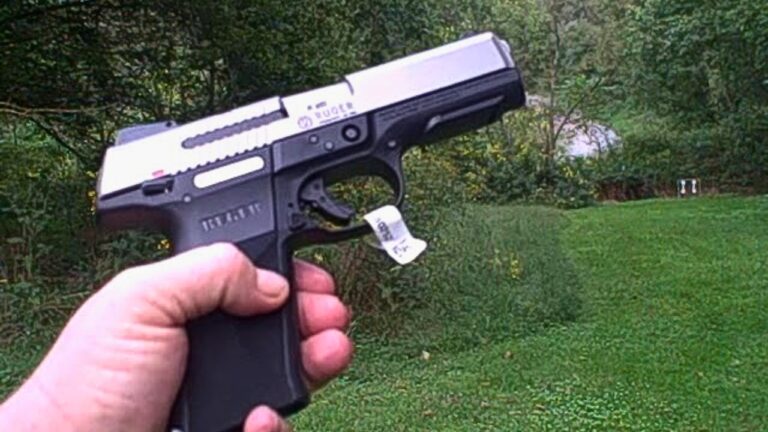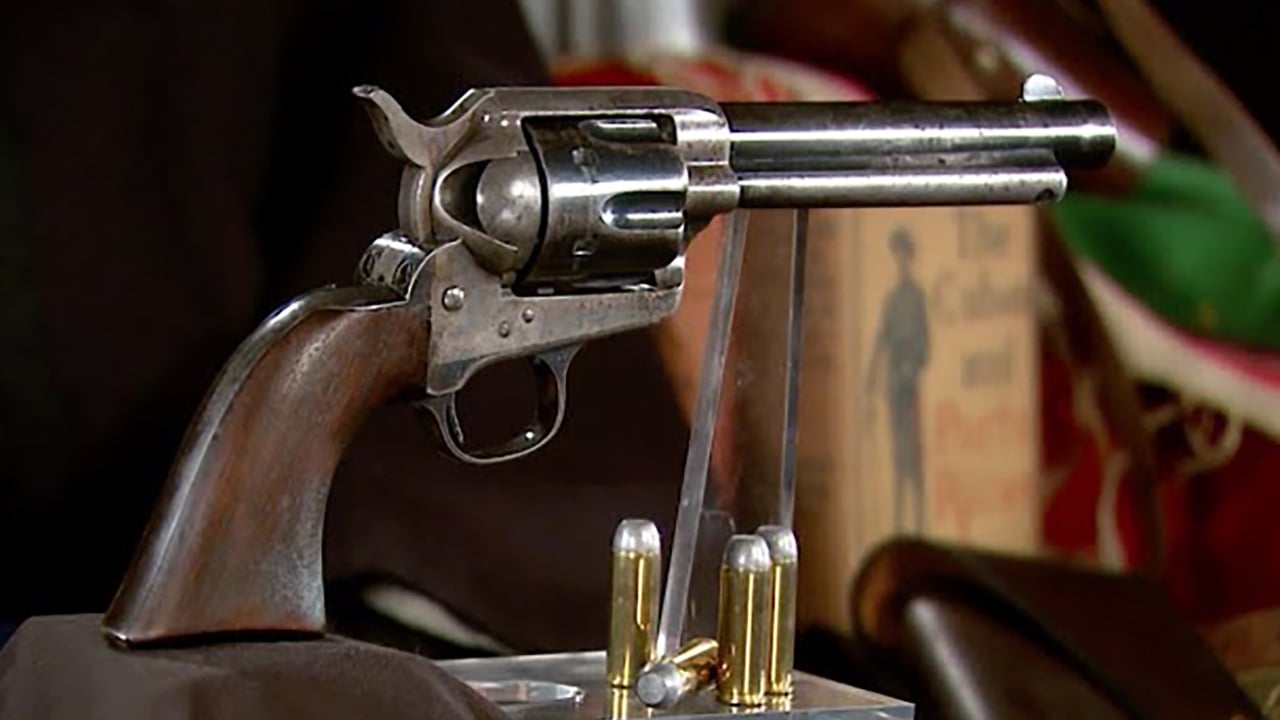
Photo credit: Shooting USA/YouTube
Anybody who’s spent time around rural pawn counters knows the look. A guy comes in with a hard case or an old sock over a rifle, eyes on the floor, and he’s not there because he wants a new holster. He’s there because the fridge is empty, the truck needs a part, or life just got expensive all at once.
Most of those trades are forgettable. But every so often, a gun goes across the glass that shouldn’t have. The kind that later ends up behind velvet ropes, or at least under museum lighting, with a placard explaining why it mattered. Here are 20 firearms I’ve seen folks dump for grocery money that now live in the “wish I hadn’t” category.
1. Winchester Model 1894 (pre-64)

This is the classic deer woods lever gun, and the early ones have a feel you can’t fake. The action on a good pre-64 is slick without being loose, and it carries like it belongs in your hands instead of on a sling. It’s not a benchrest rifle, and it doesn’t need to be.
These were once “grandpa guns” that sat in closets until somebody needed cash fast. Now, clean examples don’t sit long anywhere, and the ones with honest wear are often more desirable than refinished safe queens. That trade for a week of groceries turns into a lifetime of wishing.
2. Colt Single Action Army (1st or 2nd Generation)
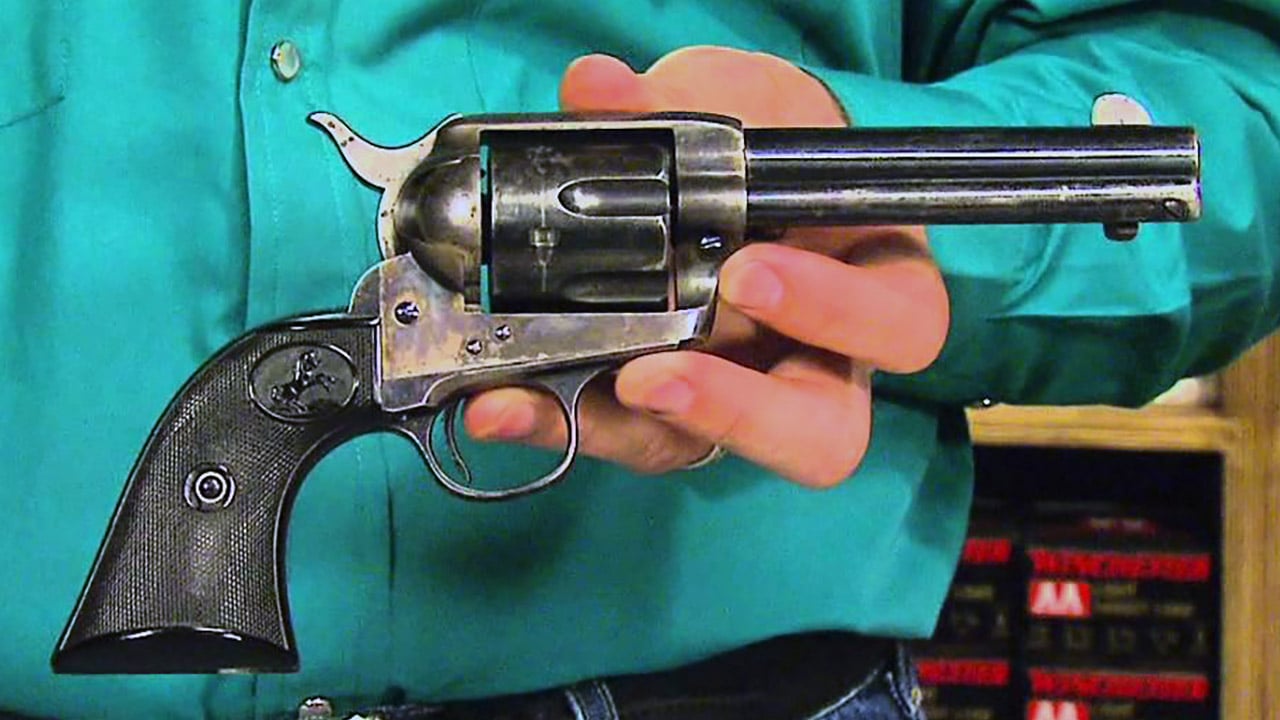
A real Colt Peacemaker is a different animal than the many good clones out there. The balance is right, the lockwork has its own rhythm, and the markings alone tell a story. Most folks don’t buy one because it’s practical; they buy it because it’s a piece of American history you can still shoot.
Hard times make a man practical in a hurry, and a big old revolver that “just sits there” becomes easy to liquidate. Then later you realize the new ones aren’t the same, and the old ones aren’t getting cheaper.
3. Springfield Armory M1 Garand (CMP-era bargains)
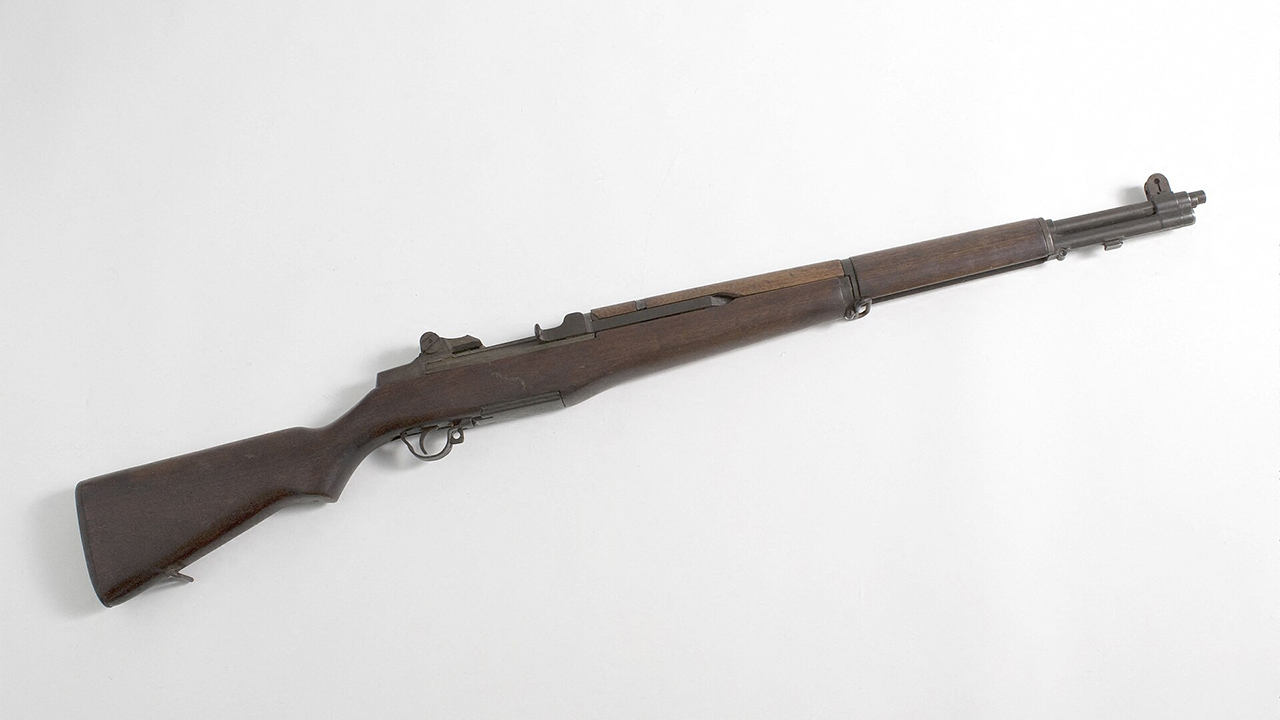
There was a time when you could get a service-grade Garand for what a modern polymer pistol costs today. Heavy, yes. Loud, yes. But that rifle points naturally, runs with boring reliability when it’s fed decent ammo, and it makes a range day feel like something more than punching paper.
When bills stack up, a Garand looks like “extra.” Then you go to replace it and realize the days of easy mail-order pricing are gone. Parts are still out there, but the rifle itself has crossed over into collectible territory in a way most people didn’t predict.
4. Winchester Model 70 (pre-64)
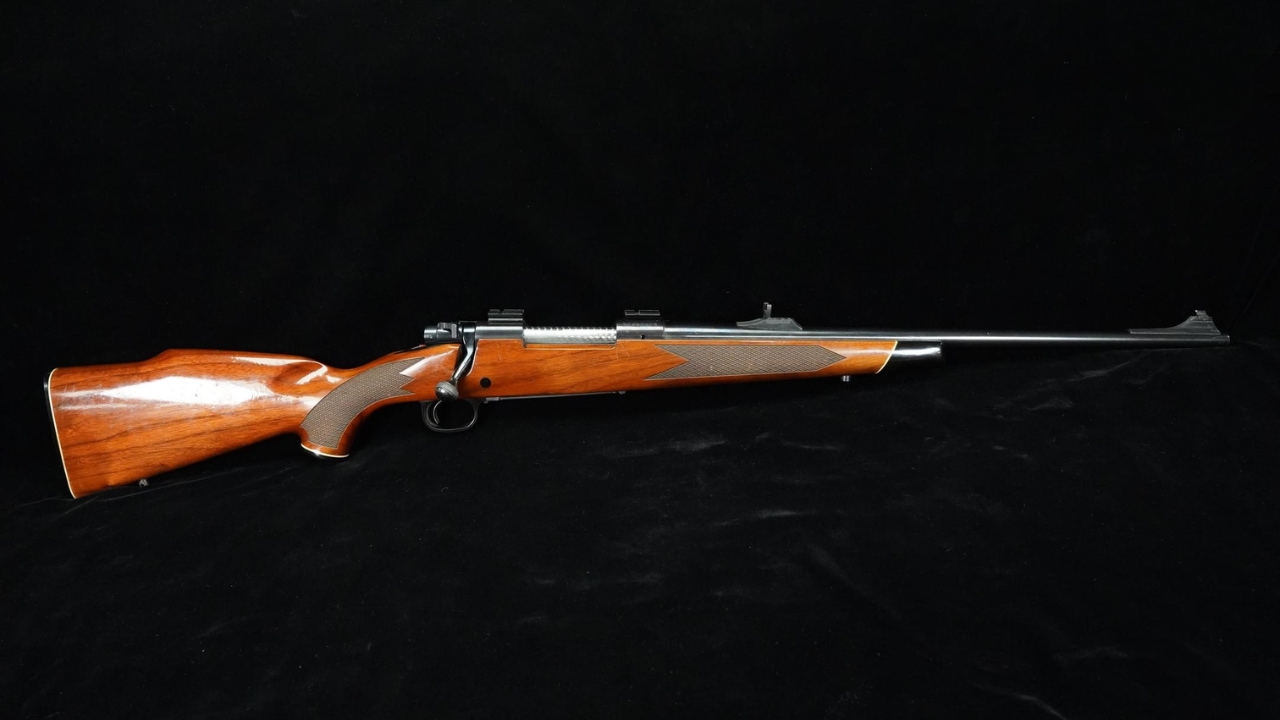
Pre-64 Model 70s earned the “Rifleman’s Rifle” nickname for a reason. The controlled-round-feed action is smooth, the safety is positive, and the whole thing feels like it was built to be dragged through elk country and still come out working. They’re not light, and they’re not trendy.
I get why someone sells one during a rough patch, especially if it’s in a “normal” caliber like .30-06 and looks replaceable. The problem is, the old ones aren’t just older. They’re a different standard of fit and finish, and collectors noticed a long time ago.
5. Remington Model 700 BDL (older production)
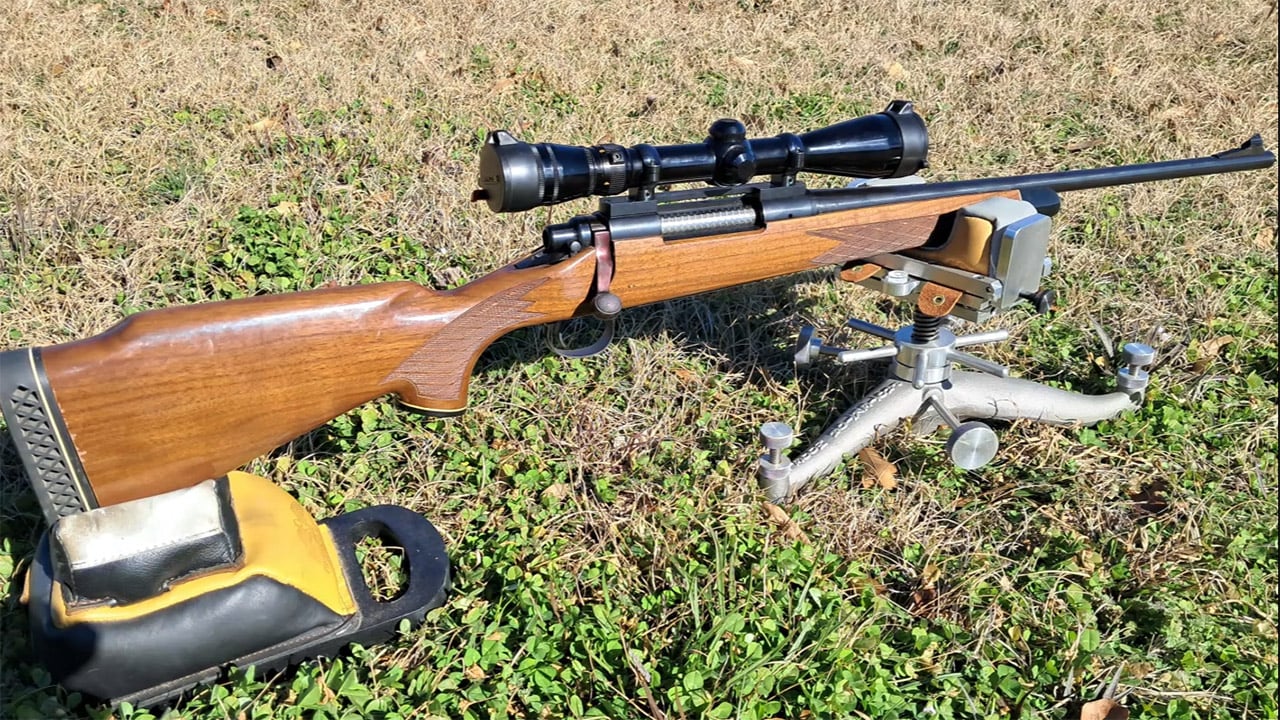
Not every 700 is sacred, and the internet has argued that rifle into the dirt. Still, an older BDL with a good barrel is a serious hunting tool, and the aftermarket support is basically endless. The floorplate, the walnut, the feel of that bolt lift—there’s something about them.
These were the “default deer rifle” for decades, which made them seem common. Common doesn’t mean disposable. When the nice ones get sold off, they don’t always come back.
6. Marlin Model 336 (JM-stamped)
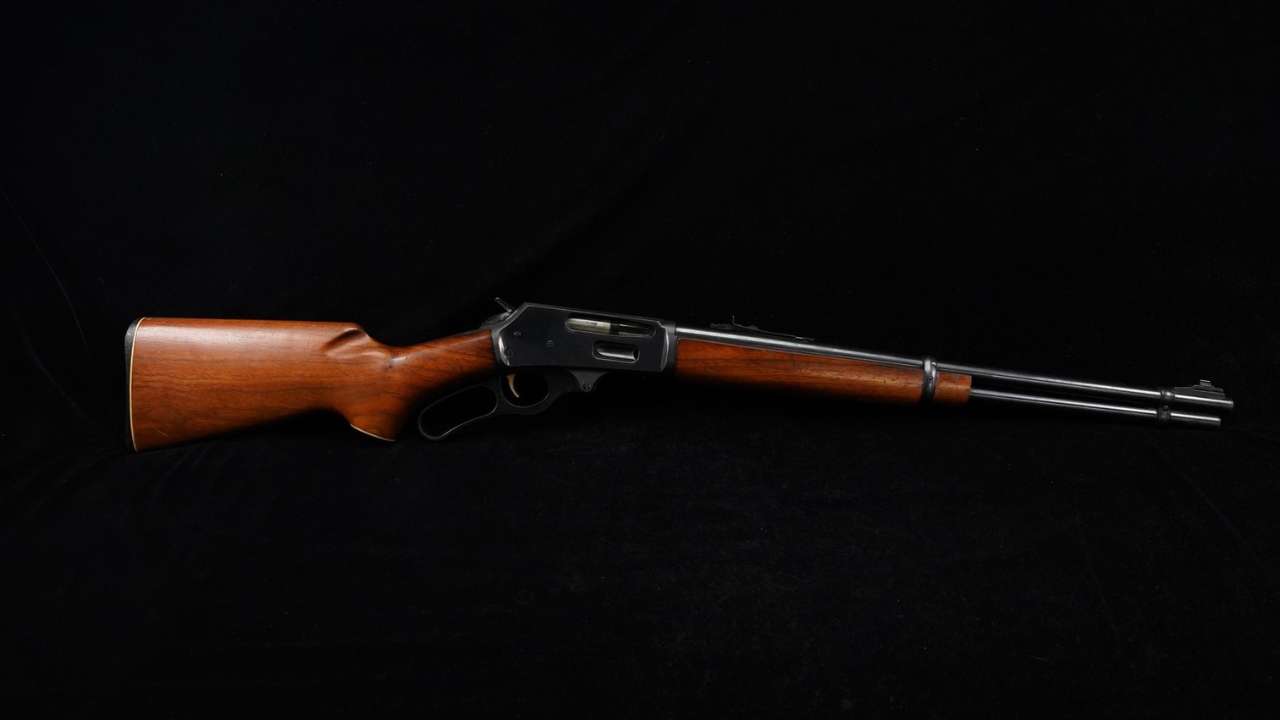
A good 336 in .30-30 is as useful as a shovel, and about as romantic. It carries flat, comes up quick, and it’s hard to beat inside 150 yards in thick cover. The JM-stamped guns have a reputation for a reason, especially when you compare them to some of the rougher years that followed.
Guys sell these because they think they’ll just buy another later. Then “later” shows up and the price tag is double, the rack is empty, or the new one doesn’t feel the same.
7. Colt Python (1970s–1980s)
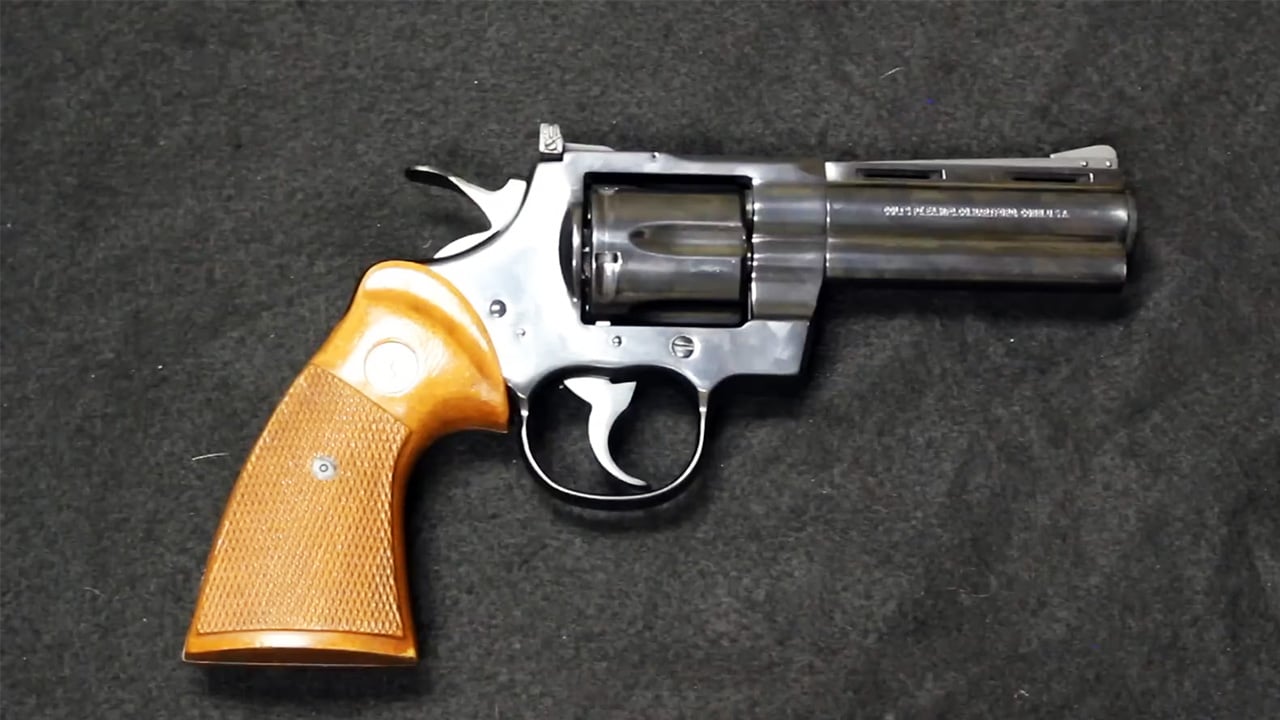
The Python went from “nice revolver” to “cultural artifact” in a hurry. The old ones have that bank-vault lockup and a trigger that makes you understand why people fell in love with wheel guns. They’re also the kind of gun that gets babied, which is part of why so many are still clean.
When someone needs money, a flashy revolver is easy to justify selling. Later, you realize you didn’t just sell a handgun—you sold a time capsule.
8. Smith & Wesson Model 29 (pinned and recessed)
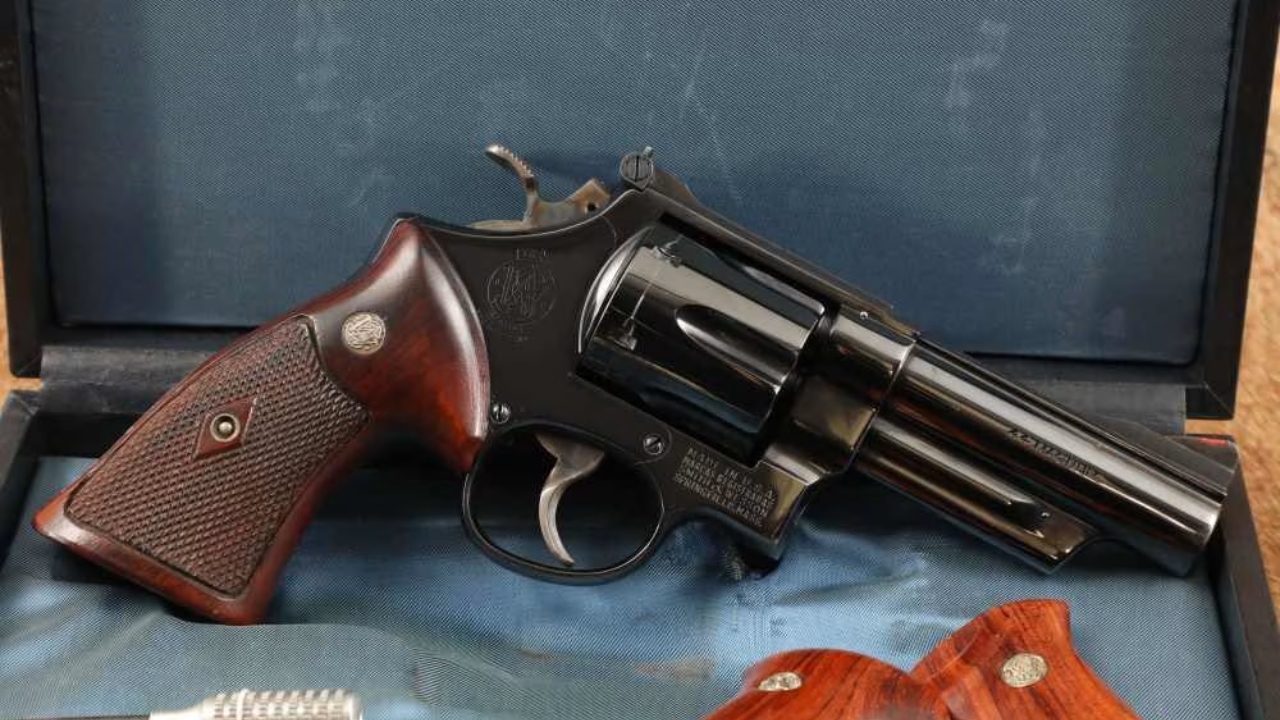
Dirty Harry did a lot for this revolver, but the gun stands on its own. The older pinned-and-recessed examples have details you don’t see much anymore, and the whole package feels like it was built by craftspeople who cared. It’s a lot of gun, and .44 Magnum isn’t cheap to feed.
That cost-to-shoot factor is exactly why some of them got dumped. Then later, when you want one for the collection or just to scratch that itch again, you find out the old production features are what everyone is chasing.
9. Browning Auto-5 (Belgian production)
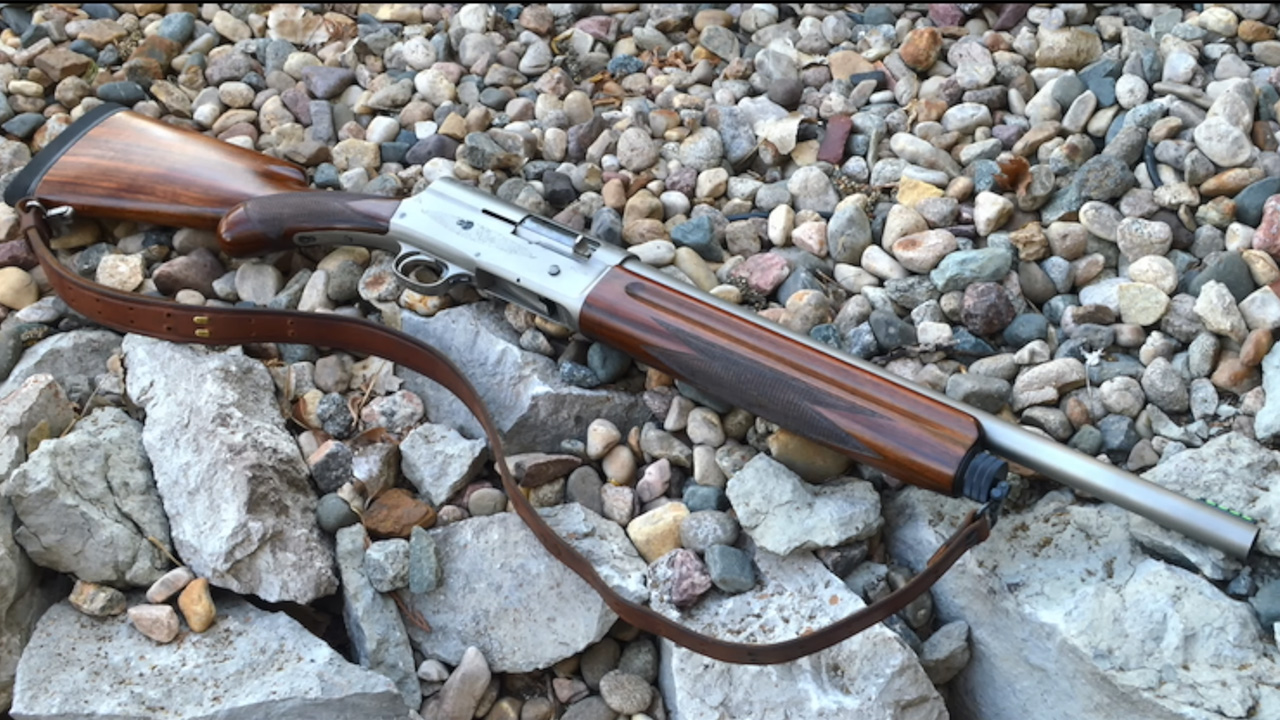
The humpback shotgun isn’t for everybody. It recoils with authority in the lighter setups, and it has its own maintenance quirks. But a Belgian Auto-5 has a feel that modern shotguns don’t really match, and they run and run if you keep the friction rings set right.
A lot of these got sold because they were “old” and somebody wanted a newer 3-inch semi-auto. Now the old Brownings have slid into that sweet spot of nostalgia and craftsmanship that collectors love.
10. Remington Model 11 (early semi-auto classic)
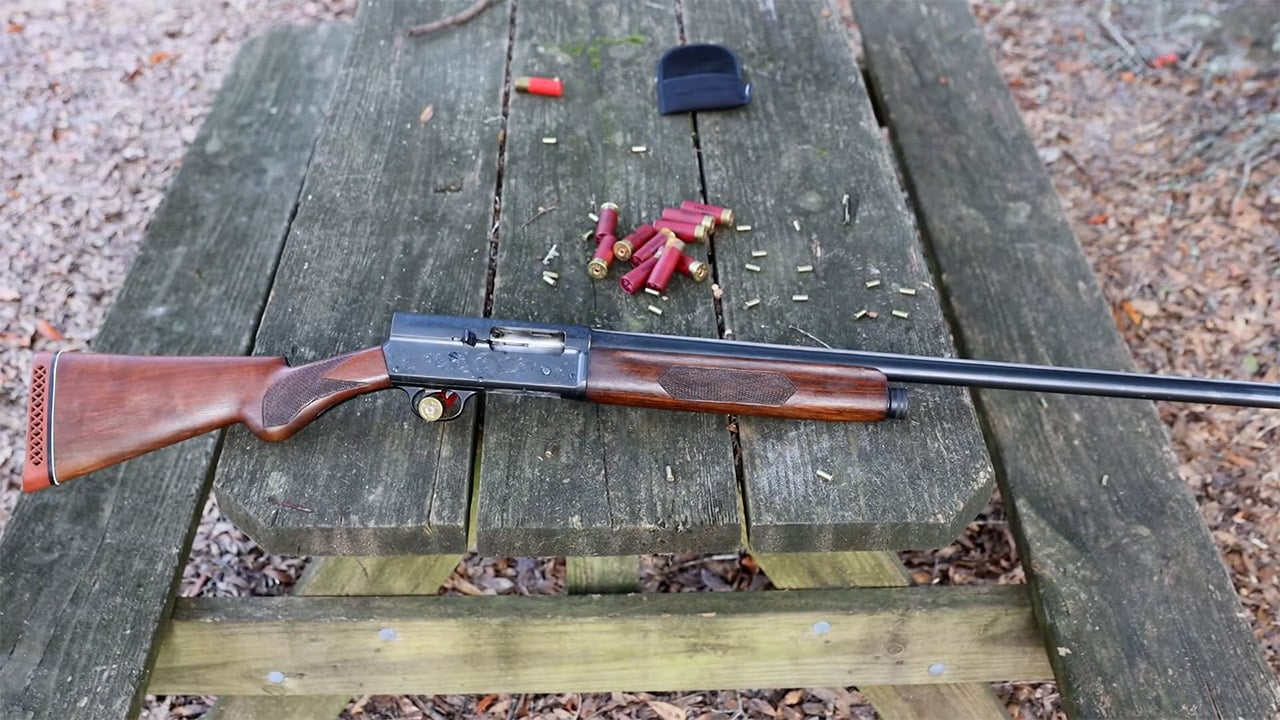
The Model 11 doesn’t get the same love as the Auto-5, but it’s part of that same long-recoil family tree. It’s the kind of shotgun you see behind kitchen doors on old farms—worn bluing, smooth wood, and a history you can’t buy new.
When money gets tight, a “weird old semi-auto” becomes a target. The regret usually shows up when you realize how few truly original examples are left that haven’t been chopped, reblued, or turned into parts guns.
11. Winchester Model 12 (12 gauge)
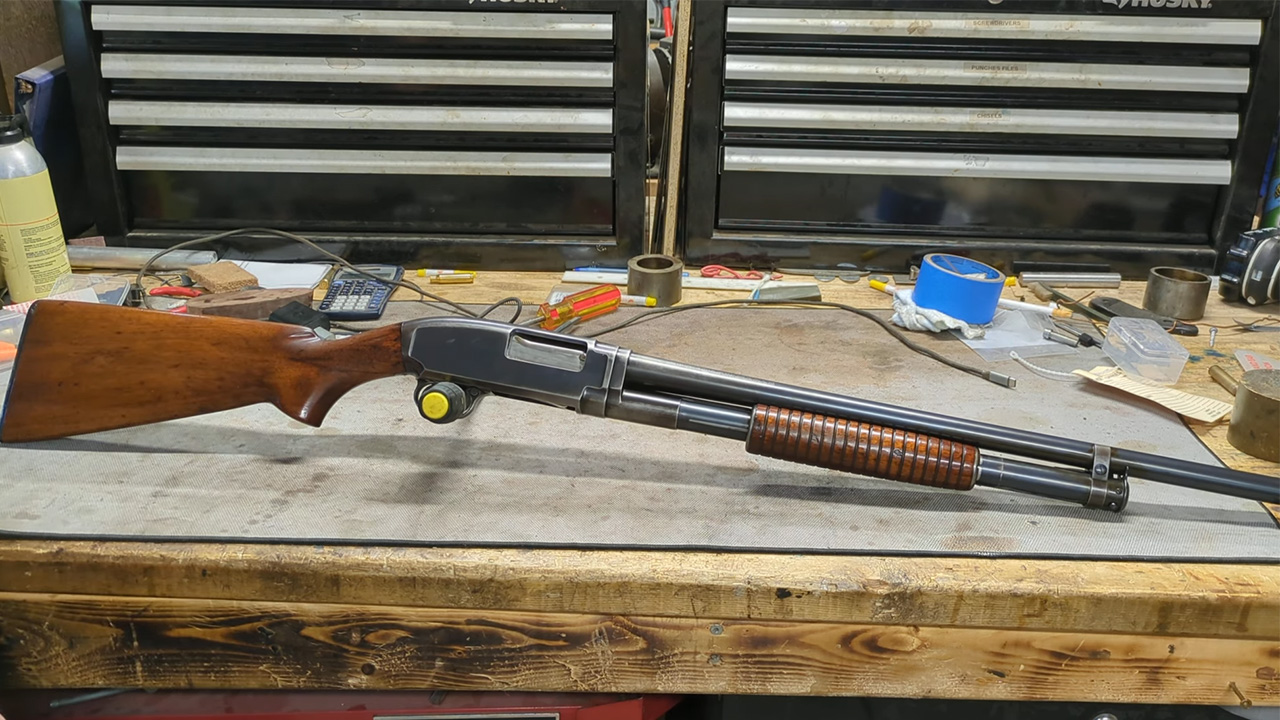
If you’ve ever run a well-worn Model 12, you know why people call it “the perfect repeater.” The slide action feels like it’s on oiled rails, and it shoulders naturally. It’s not light, and it’s not cheap to restore if it’s abused.
But that smoothness is exactly what makes it hard to replace. Folks sell them because they’re “just a pump.” Then they go buy a modern pump and wonder why it feels like dragging a cinder block through gravel.
12. Ithaca 37 (pre-1975, slick bottom-eject)

The Ithaca 37 is one of the best walking shotguns ever made. Bottom ejection keeps hulls out of your face, it carries well in the uplands, and the older ones are famously smooth. They also tend to fit people well, especially in the common field configurations.
These got traded off when 3-inch chambers and screw-in chokes became the fashion. A fixed-choke 37 doesn’t look exciting on paper, but in the field it’s a different story.
13. Savage Model 99 (lever action in “modern” cartridges)
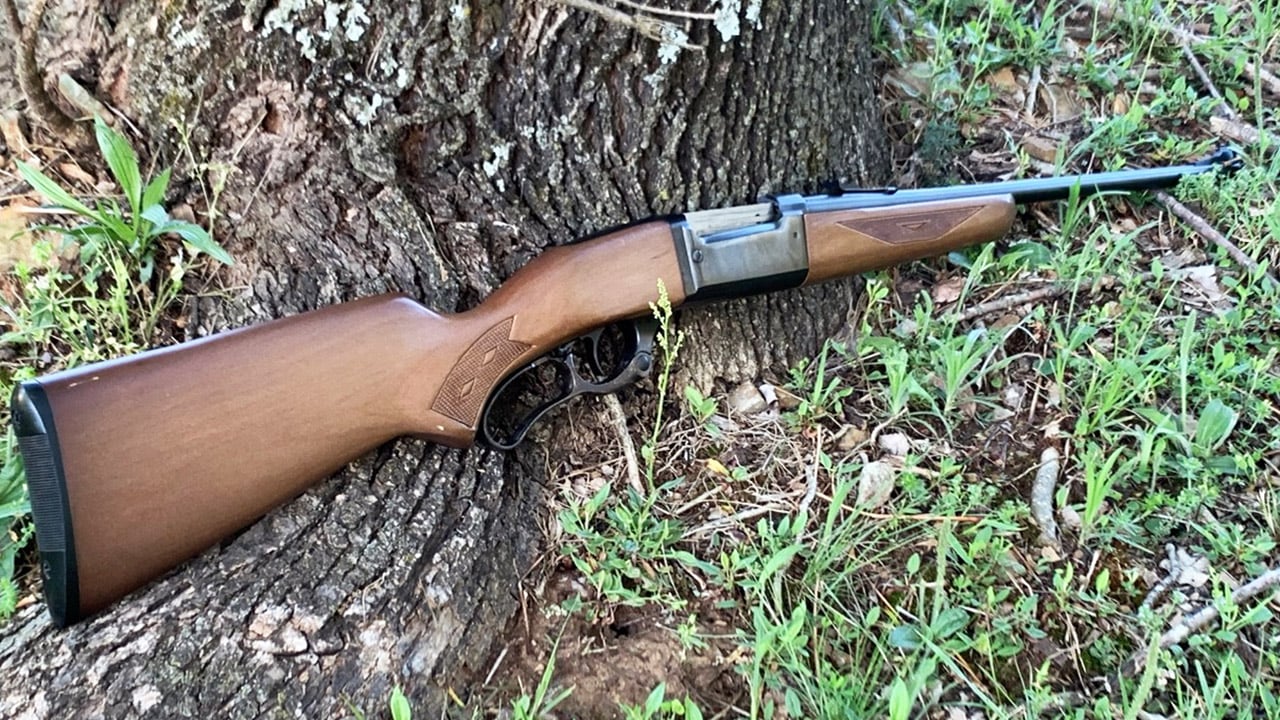
The Savage 99 is one of those rifles that makes you stop and stare when you see one on a rack. Lever action, rotary magazine, and chamberings like .300 Savage that still make sense for deer. The balance is excellent, and they carry like they were designed for still-hunting all day.
These were often treated like oddballs—neither a classic tube-mag lever gun nor a bolt action. That confusion got a lot of them sold cheap. Now collectors and hunters both want them, and the clean ones are getting scarce.
14. Colt Woodsman (classic .22 auto)

A good .22 pistol is a lifetime tool, and the Woodsman is one of the finest ever built. The grip angle and trigger make it feel alive in your hand, and it’s the kind of gun that turns tin cans into an afternoon. There’s nothing tactical about it, and that’s kind of the point.
When someone needs quick cash, .22s get treated like toys. Later, you realize the old Woodsman isn’t just a plinker. It’s craftsmanship you can actually afford to shoot—if you didn’t sell it.
15. High Standard Supermatic Trophy (target .22)

These were serious competition pistols, and they still shoot like it. A Supermatic with the right ammo will make you look like a better marksman than you are, and the trigger is usually the star of the show. Magazines can be a pain, and not all aftermarket mags run right.
That magazine issue is part of why some got sold off as “finicky.” But when you find one that’s set up correctly, you understand why they’re now collector pieces and why the good original mags are guarded like gold.
16. FN Browning Hi-Power (Belgian or early production)

The Hi-Power sits in that sweet zone: slim grip, points naturally, and carries flatter than plenty of double-stacks that came later. It’s not a modern striker gun, and it doesn’t have the same out-of-the-box trigger as a tuned 1911, but it has soul.
For years, these were priced like “just another 9mm.” Those days are gone. Between collectability and the simple fact that they’re genuinely nice to carry and shoot, the older ones aren’t staying cheap.
17. Luger P08 (original military pistols)
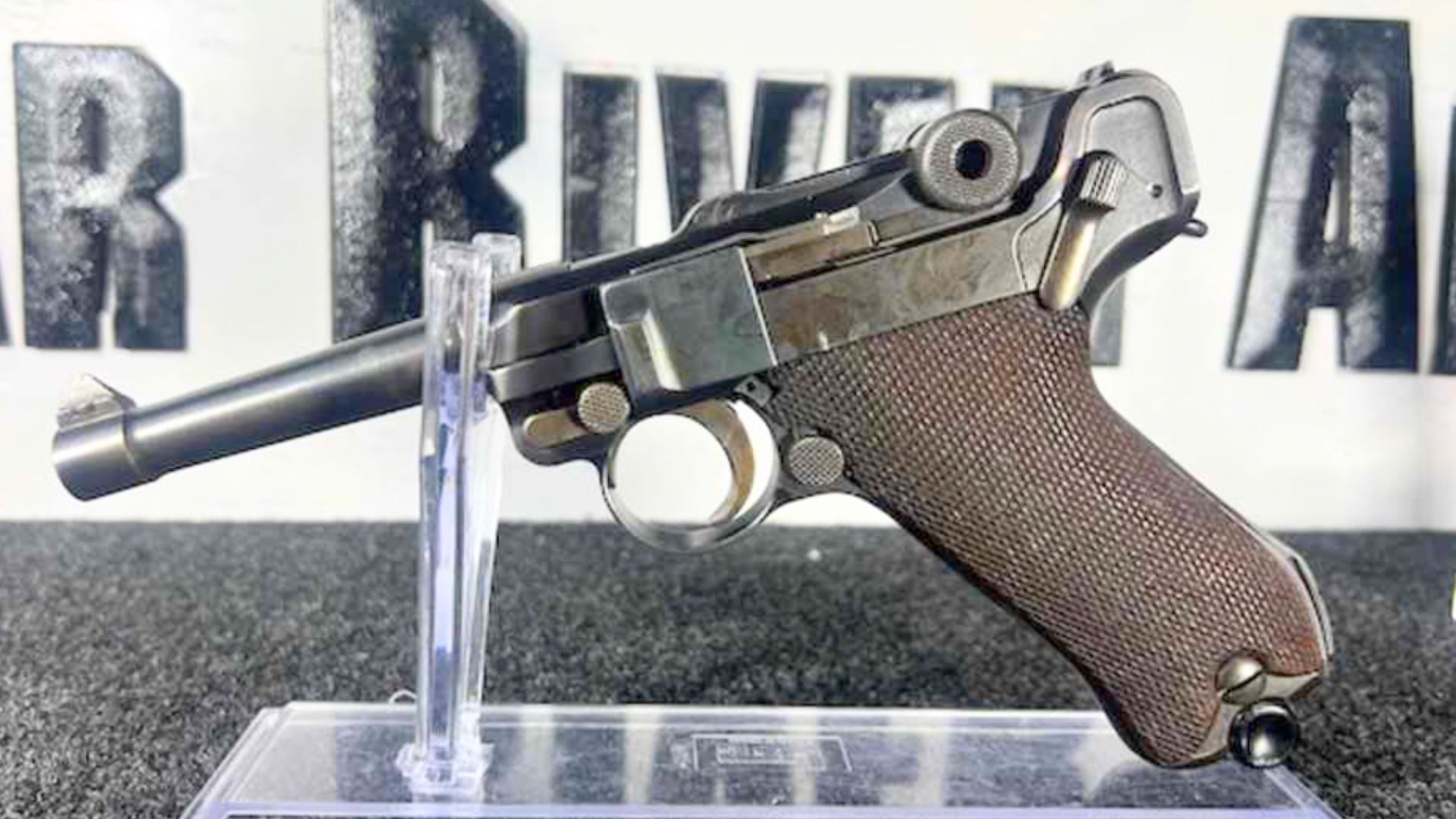
The Luger is not the gun you want if your only goal is a hard-use shooter. They can be picky, parts aren’t as easy as modern handguns, and the toggle action is its own thing. But as a historical piece, it’s hard to top.
These are classic “pawn shop desperation” sales because they look like an antique you can live without. Then you see one behind glass at a museum display and realize you used history to buy hamburger and milk.
18. Walther PPK (pre-war or early post-war)
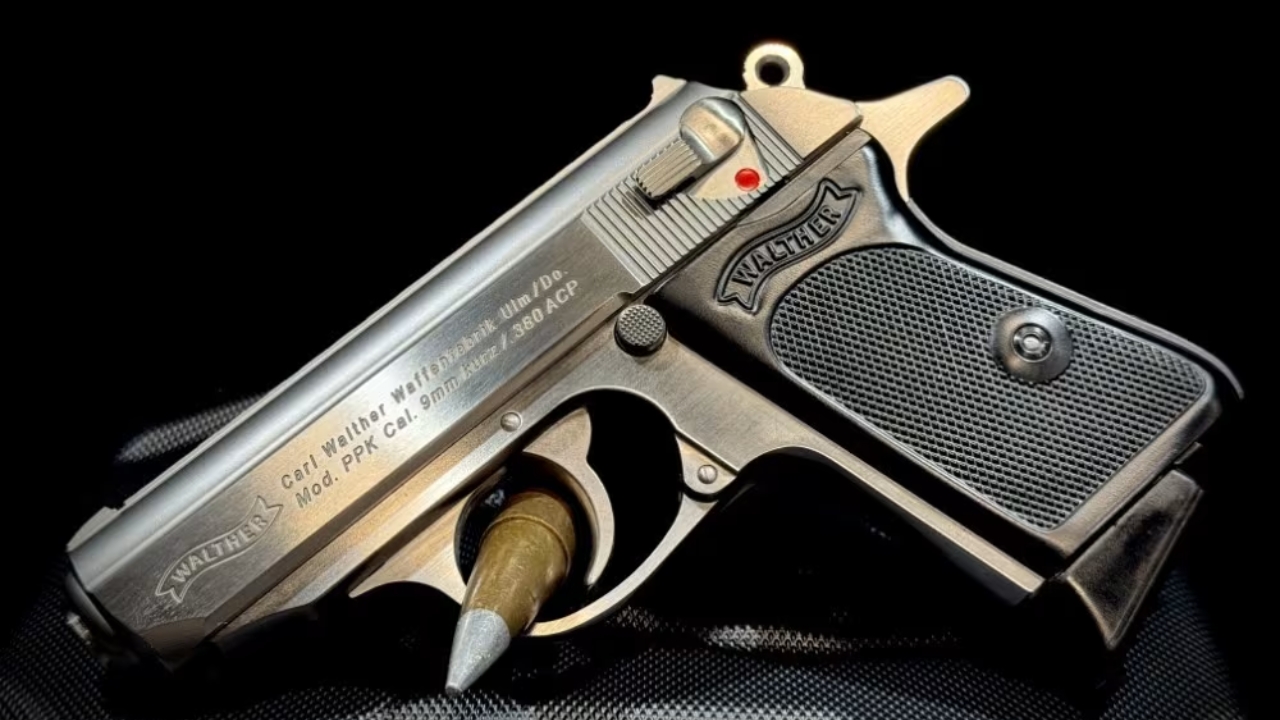
Small, sleek, and famous for reasons beyond pure performance. The PPK isn’t the most comfortable .380 to shoot, and it can bite if you’re not careful. Still, the old ones have fit and finish that modern pocket pistols don’t even try to match.
They’re easy to sell because they’re recognizable and liquid. That’s also why they disappear into collections fast, especially the earlier production runs with the details collectors look for.
19. Mauser C96 “Broomhandle” (original)

This is one of those guns that doesn’t feel real until you hold it. The shape is strange, the grip is distinct, and the whole package screams early 20th century engineering. It’s not ergonomic by modern standards, and it’s not a casual purchase when ammo and condition are considered.
But as a piece of firearms history, it’s museum-grade stuff. When someone lets one go for a quick stack of bills, it usually wasn’t because they didn’t like it. It’s because they didn’t know what they had, or they didn’t have a choice.
20. Winchester Model 1886 (lever action big-bore)
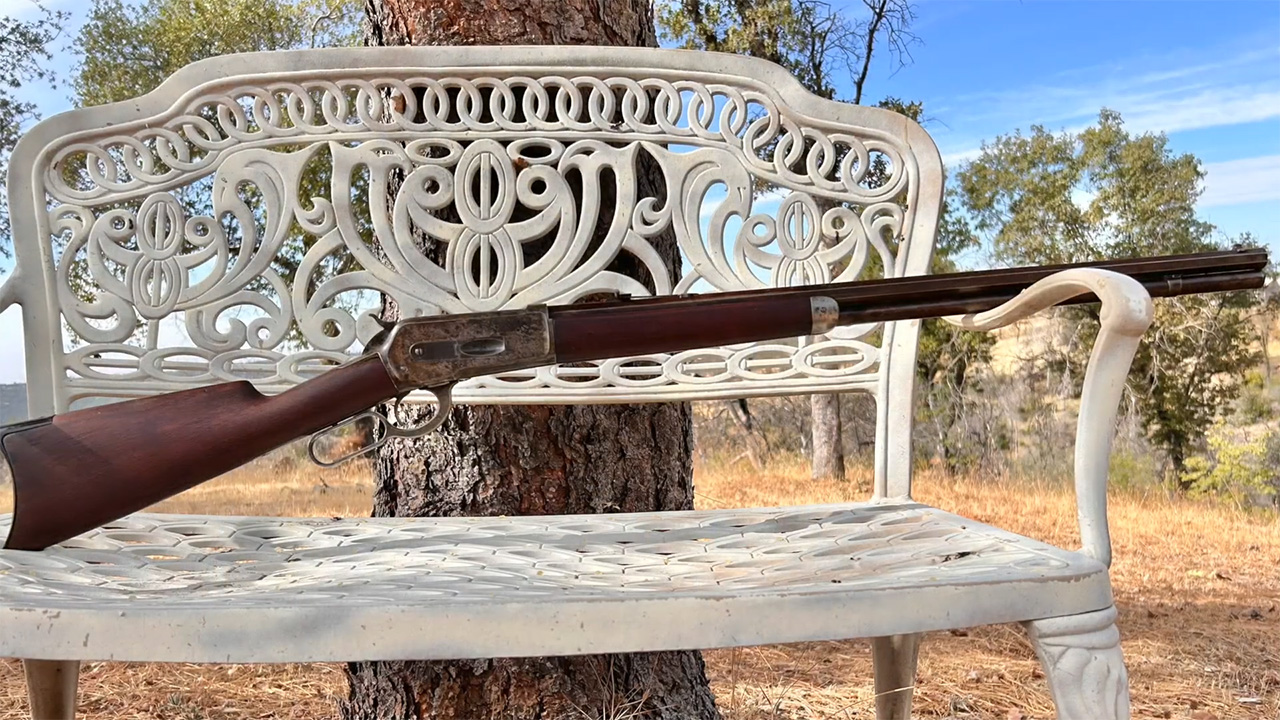
The Model 1886 is one of those rifles that makes you respect the era it came from. Big receiver, strong action, and built for cartridges that were meant to settle arguments with heavy animals. It’s not light, and you don’t buy one to save money on ammo.
When these got sold cheap, it was often because they were “too old to hunt with” or “too heavy to bother.” Funny how that changes when you see one displayed as a landmark design, or when you finally realize that old steel and walnut was built to outlast generations.
I’m not saying never sell a gun. Sometimes you’ve got to keep the lights on, and I won’t shame anybody for doing what they have to do. I am saying this: before you trade away an old firearm that runs, handles right, and has a story attached to it, slow down and think. There are plenty of new guns you can buy twice. A real piece of history is usually a one-time offer.
Like The Avid Outdoorsman’s content? Be sure to follow us.
Here’s more from us: