Photo credit: BATJAC J.W/Youtube
Anybody can find “a” version of a popular gun. What’s getting tougher is finding the version everybody actually remembers—the one with the right barrel length, the right sights, the right stock, the right finish, and the right little details that made it iconic in the first place. Walk into a shop today and you’ll see plenty of close-enough models, “tribute” runs, and updated variants with rails, optics cuts, and modern coatings.
That’s not automatically bad. But if you grew up with certain rifles and handguns in your head—what they looked like in a deer camp rack, behind a truck seat, or on a hip in an old holster—then you already know the sting of trying to replace one and realizing the famous configuration is the one that’s thinned out.
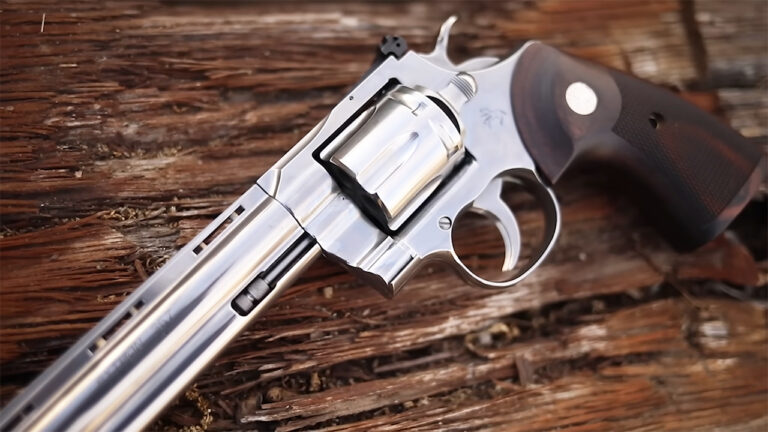
1. Colt Python (4-inch blued)

The 4-inch blue Python is the revolver everyone pictures, even if they claim they want the 6-inch for “better sight radius.” It balances right, carries like a real sidearm, and points fast. New production Pythons scratch the itch, but the old-school look and feel is what most folks are chasing.
Finding an original 4-inch in honest condition that hasn’t been “improved” with aftermarket grips, refinishing, or a home trigger job takes patience. When one shows up, it’s usually priced like a family heirloom. And to be fair, that’s what a lot of them have become.
2. Smith & Wesson Model 29 (6.5-inch, blued)

This is the classic big-bore wheelgun profile—long barrel, deep blue, and that heavy frame that makes you respect what’s in the cylinder. Plenty of .44 Mag revolvers exist, and plenty shoot great. Still, the 6.5-inch Model 29 is the one people mean when they say “the” .44.
The hard part is finding one that hasn’t been carried hard, shot loose, or “cleaned up” into a shiny refinish. Original boxes and tools drive the price, but even a plain honest gun is getting scarce in this exact setup.
3. Colt Detective Special (2-inch, blued)
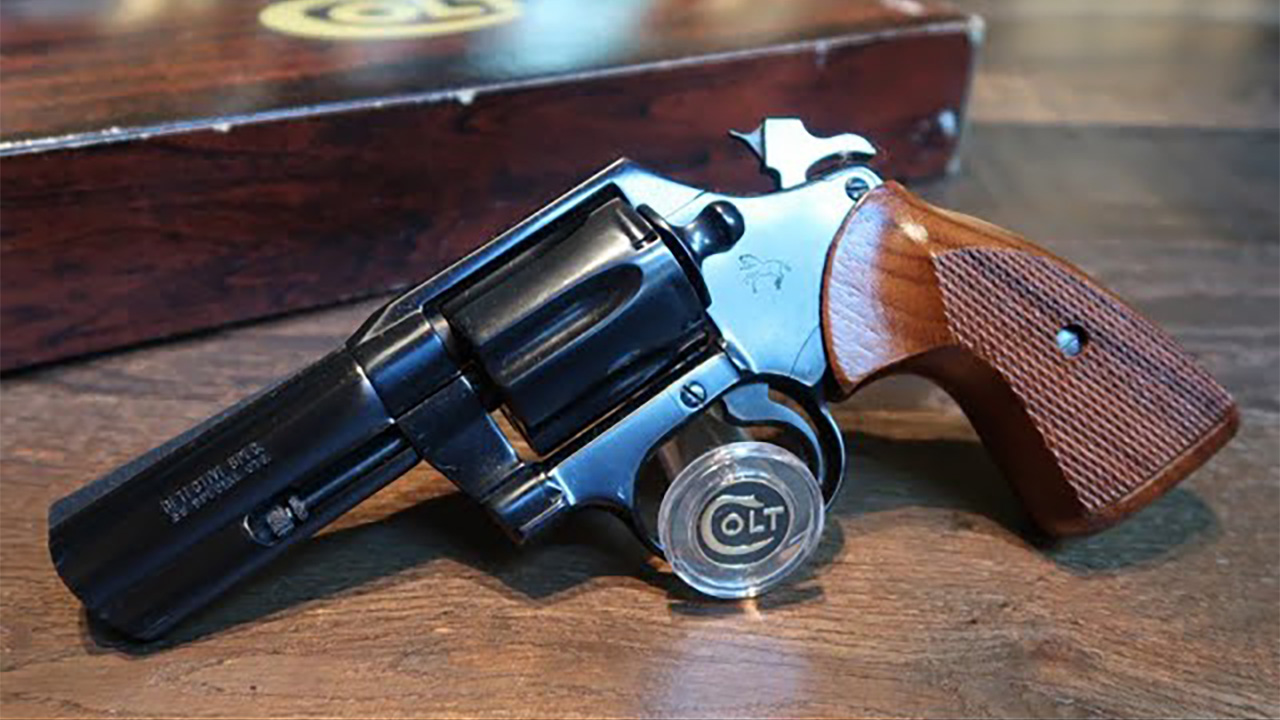
A real Detective Special has a particular feel—small enough to conceal, big enough to shoot like a grown-up revolver. A lot of folks drifted away from snub-nose revolvers once micro 9mms took over, and many of these got sold off cheap years ago.
Now the classic blued 2-inch with original-style grips is harder to find than it should be. You’ll see plenty of modern snubs, and you’ll see older Colts with swapped parts. But the famous configuration is a narrower slice than people think.
4. Heckler & Koch MP5 (true A2 fixed stock look)
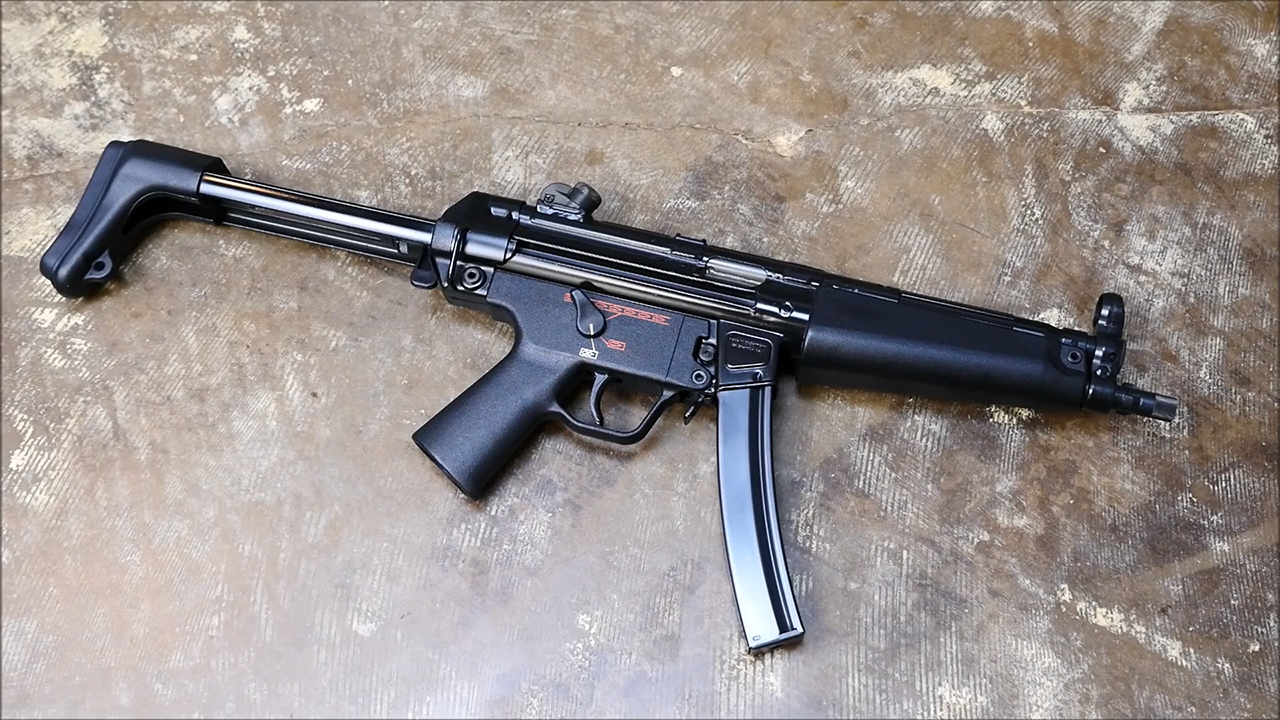
Most shooters will never own a real-deal MP5, but the iconic configuration still matters because it’s what the clones are trying to mimic. The fixed-stock “A2” profile is the one burned into everyone’s memory—simple, clean, and compact without looking like a science project.
The market is full of “MP5-style” guns, but getting the right furniture, correct sight setup, and overall vibe without a pile of sourcing and swapping can be a chore. Even then, some clones run great and some don’t, and it’s not always obvious at the counter.
5. FN Herstal FAL (50.00 pattern with fixed stock)
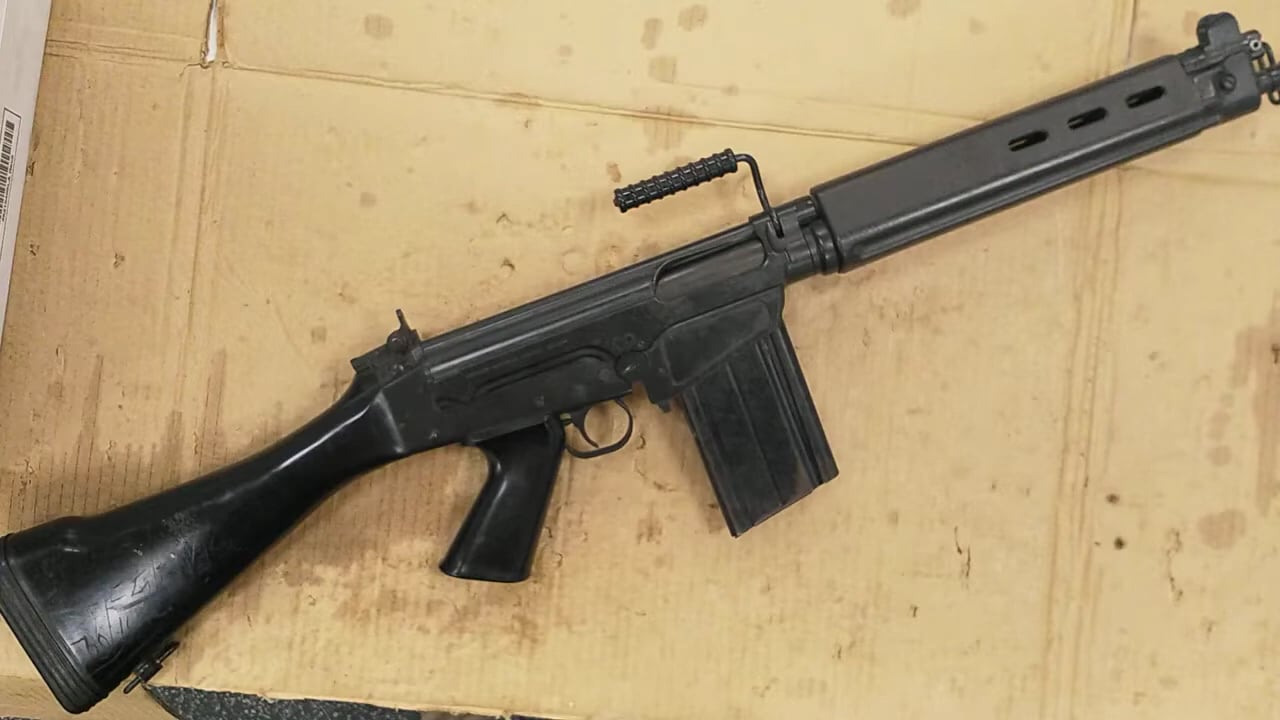
The FAL is one of those rifles that feels like it should be everywhere, because it’s famous and it’s tough and it looks like a battle rifle should look. But the classic fixed-stock, full-length configuration is not what you see most often anymore.
Between parts builds, mixed-pattern guns, and modern “improvements,” finding one that matches the famous silhouette—without a bunch of compromises—takes hunting. Mags are out there, but a clean, correct rifle is a different story.
6. Springfield Armory M1A (walnut stock, irons only)
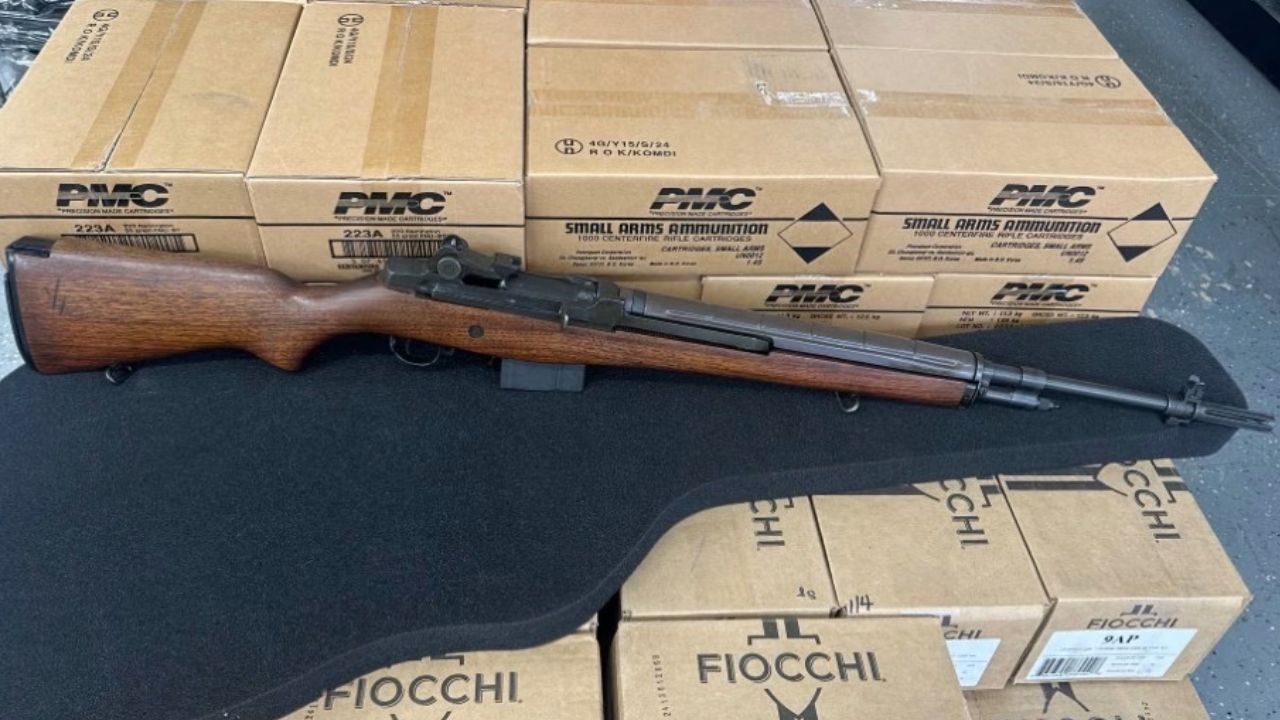
The walnut-stock M1A with iron sights is what folks picture when they talk about a civilian M14-style rifle. No optic, no chassis, no adjustable everything—just that classic line and the satisfying feel of a good aperture sight.
There are plenty of M1As around, but the “famous” setup gets chopped up fast once someone decides it needs a rail, a giant scope mount, and a modern stock. A clean, traditional rifle with decent wood and no extra holes drilled is getting harder to stumble onto used.
7. Ruger Mini-14 (early 180-series with wood and thin barrel)
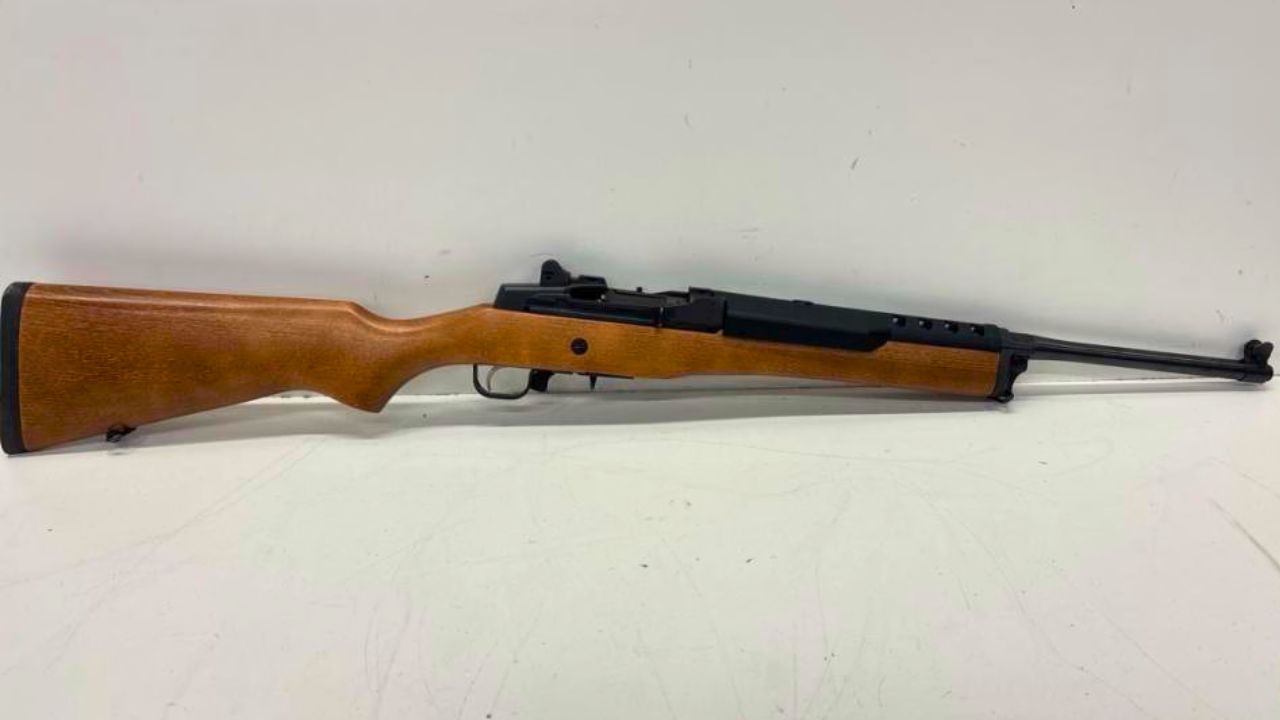
Yes, the newer Minis are often more accurate. Yes, the heavier barrels make sense. But the Mini-14 most folks remember is that older thin-barrel rifle with wood furniture that rode in trucks and leaned in corners for decades.
Those older rifles are still around, but they get scooped up by Mini fans and ranch rifle types fast. Also, many got modified with folding stocks and assorted gadgets, which is fun until you’re trying to find an un-messed-with example.
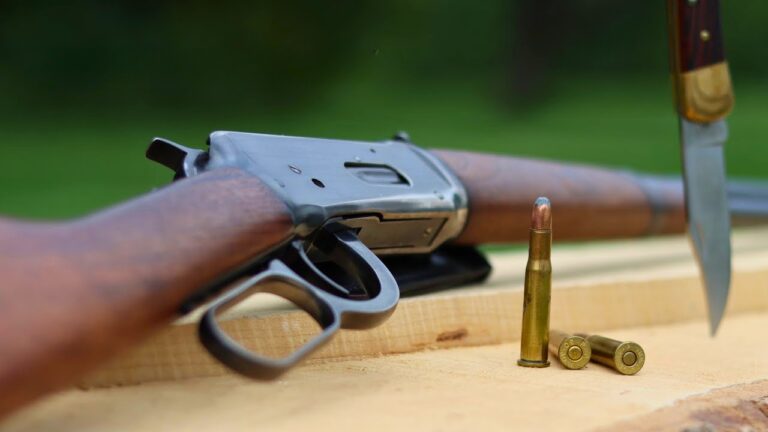
8. Winchester Model 94 (pre-64, .30-30, 20-inch carbine)

If you’ve carried a Model 94 in the woods, you know why it’s famous. It’s light, it carries flat, and it comes to the shoulder like it’s got a mind of its own. The classic pre-64 carbine in .30-30 is the version everybody wants to recreate.
There are newer Model 94s and there are other lever guns, but the feel and finish of the older rifles is what drives the hunt. Finding one with a good bore, honest bluing, and a stock that hasn’t been sanded into a two-by-four is the trick.
9. Marlin 336 (JM-stamped, .30-30, straight grip)
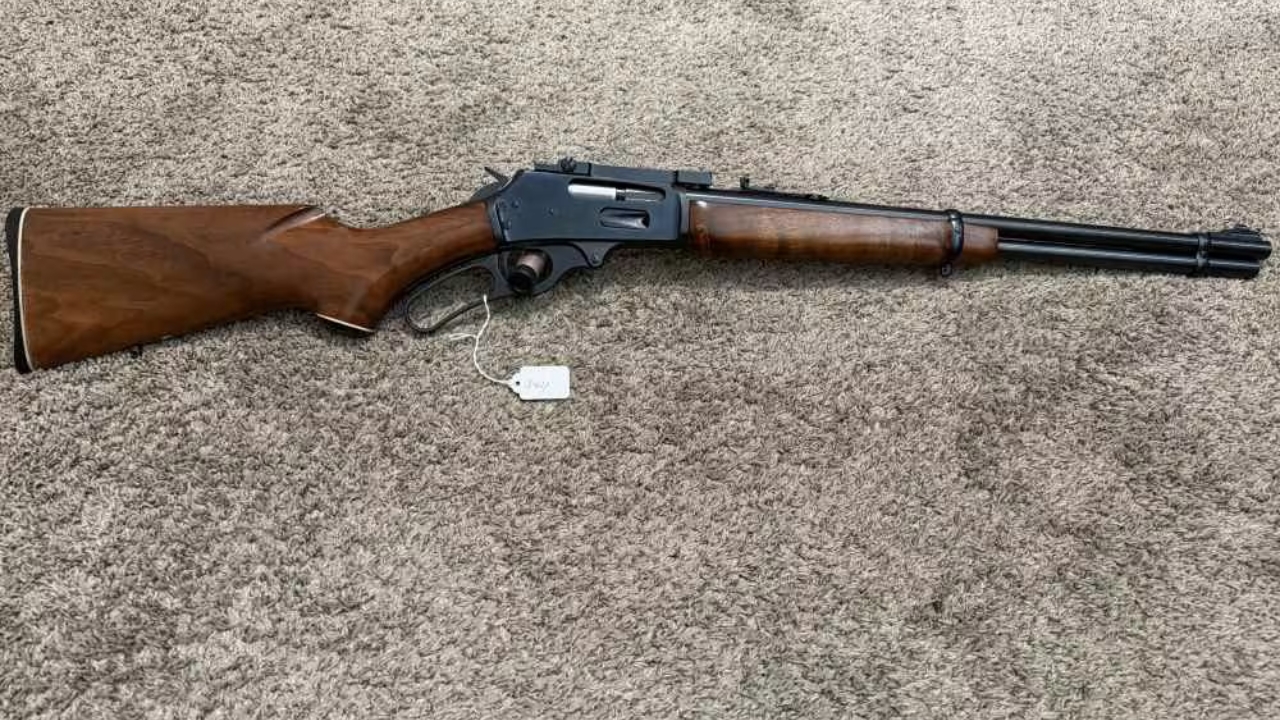
The “JM” stamp has become a shorthand for the Marlin era a lot of hunters trust, whether that’s totally fair or not. The famous configuration is a plain .30-30 with a simple walnut stock, not a tactical lever gun with M-LOK everything.
These get bought and kept. When they show up, they’re often wearing a bargain scope in high rings and a set of dings from saddle scabbards and four-wheelers. I’ll take honest wear all day, but a clean, classic setup doesn’t sit long.
10. Remington 870 Wingmaster (blued steel, walnut)
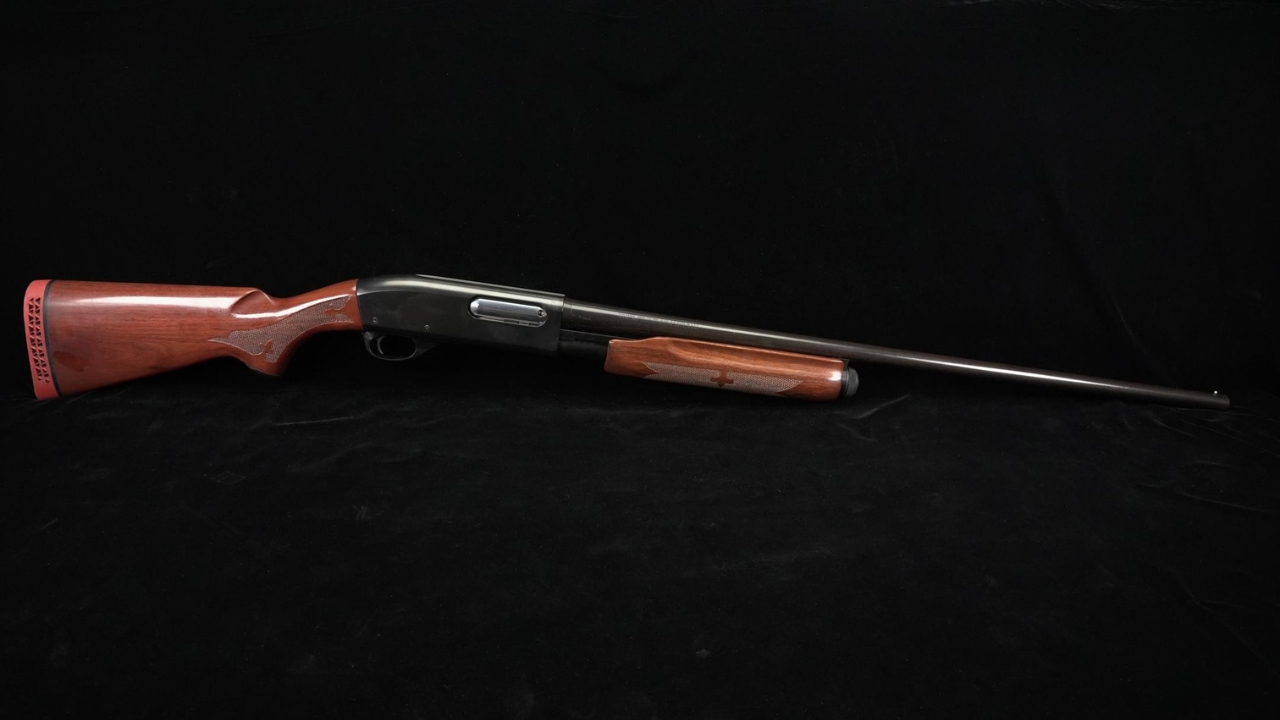
The Wingmaster is the pump shotgun a lot of us judge other pumps against. Smooth action, solid feel, and that deep bluing that looks like it belongs in a duck blind or a closet by the back door.
You can still find 870s, but the specific Wingmaster vibe—older finish, nice wood, and no “tactical package”—isn’t as common as it used to be. A lot of them are staying in families, and I get it.
11. Ithaca Model 37 (corncob forend, 20-inch “riot” style)

The bottom-eject Ithaca has a following for a reason. It carries slick, it’s handy, and the famous short-barrel configuration looks like something a rural deputy would’ve kept in the cruiser decades ago.
Most Model 37s you run into are field guns with longer barrels. The short, classic setup—especially with the old-school forend—takes some searching. When one pops up, check condition carefully, because many lived hard lives.
12. Browning Auto-5 (humpback, 12 gauge, Belgian-made feel)
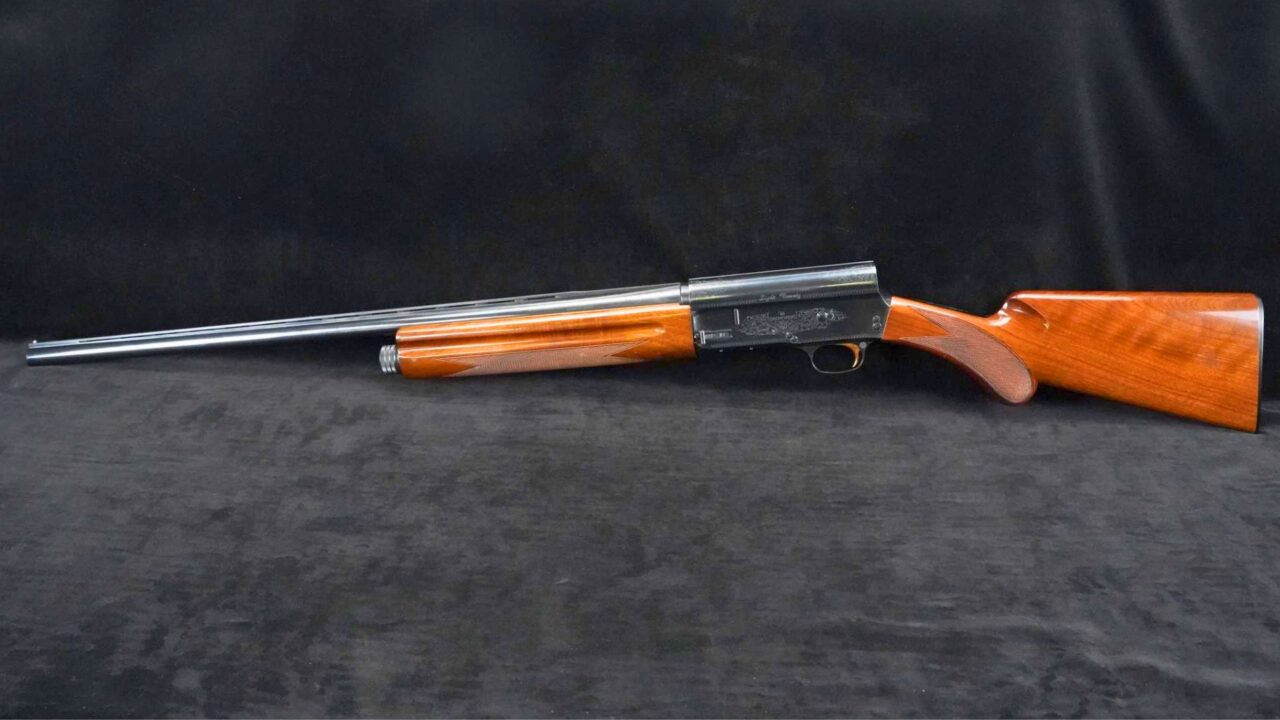
The A5 is an attitude. That humpback receiver is instantly recognizable, and the gun has a particular recoil impulse and rhythm that newer autoloaders don’t replicate, even if they’re “better” on paper.
The famous configuration most folks want is a traditional blued-and-walnut 12 gauge, not a modernized remake. Finding a clean older Browning that hasn’t been neglected or cobbled with odd parts is harder than it used to be, and the good ones bring real money.
13. Colt AR-15 SP1 (20-inch, “slickside” look)
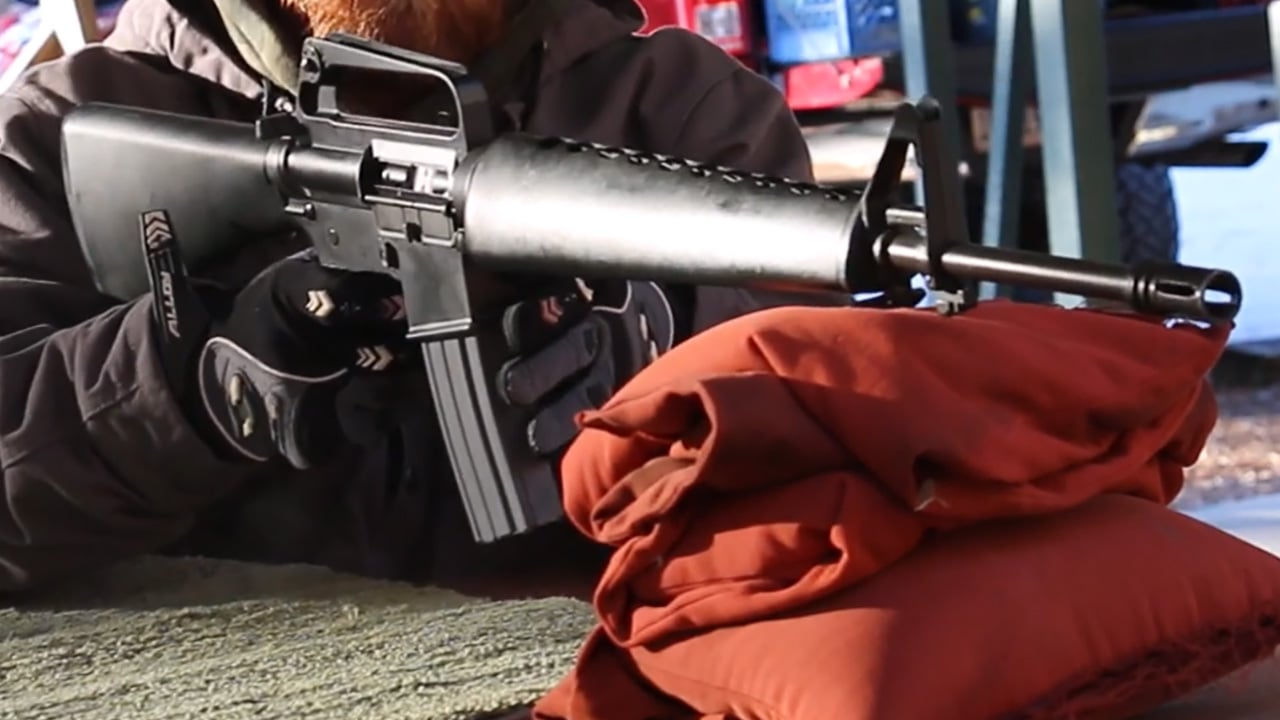
If you want the early civilian AR look, the SP1 is the one. Lightweight 20-inch barrel, old-school furniture, and that clean upper profile that just screams “original era.” It’s not the most practical AR setup for everybody, but it’s famous for a reason.
A lot of rifles have been pieced together to resemble one, and some are nice. Still, original SP1s in correct configuration don’t show up every day, and when they do they tend to vanish into collections.
14. IMI Uzi (full-size carbine profile)
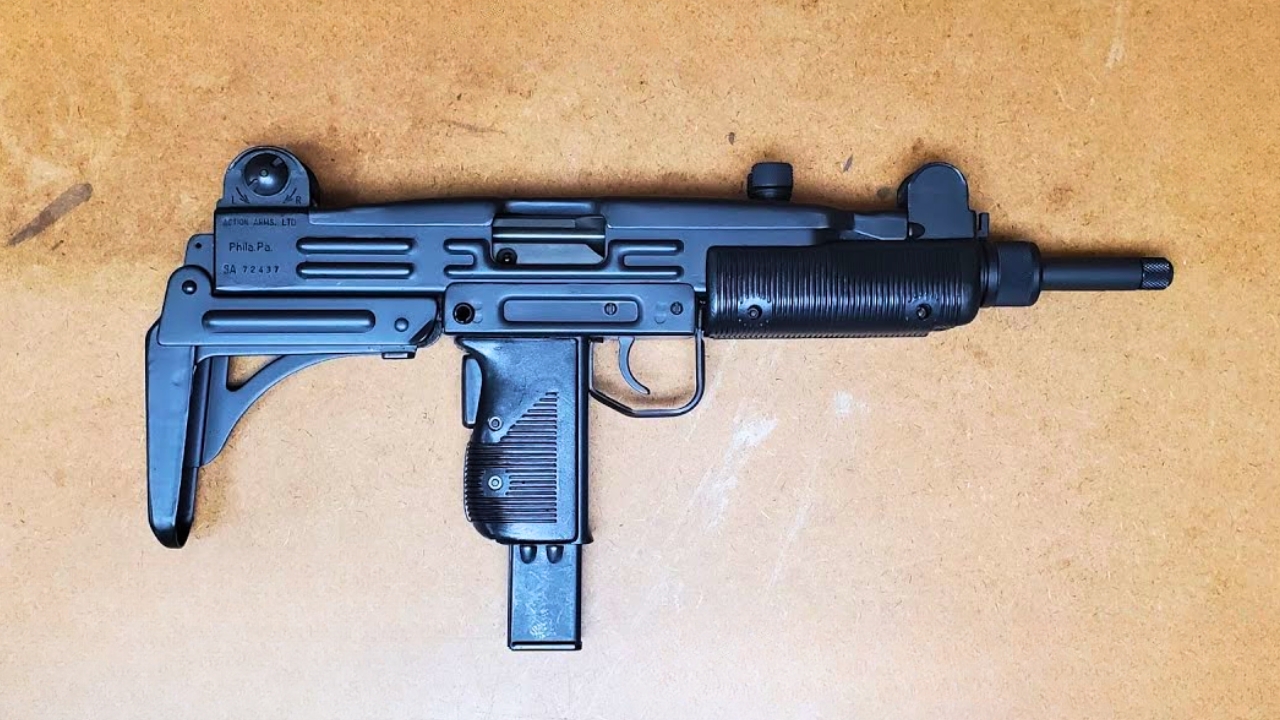
The full-size Uzi look is pure nostalgia: chunky, simple, and unmistakable. Even folks who don’t want one can identify it from across a gun show aisle.
The original-style configuration—correct profile, correct furniture, not a pile of mismatched aftermarket parts—is the hard part. You can find Uzi-pattern guns, but the “this is the one I remember” version takes more digging than you’d expect.
15. Ruger 10/22 (early walnut carbine with barrel band)
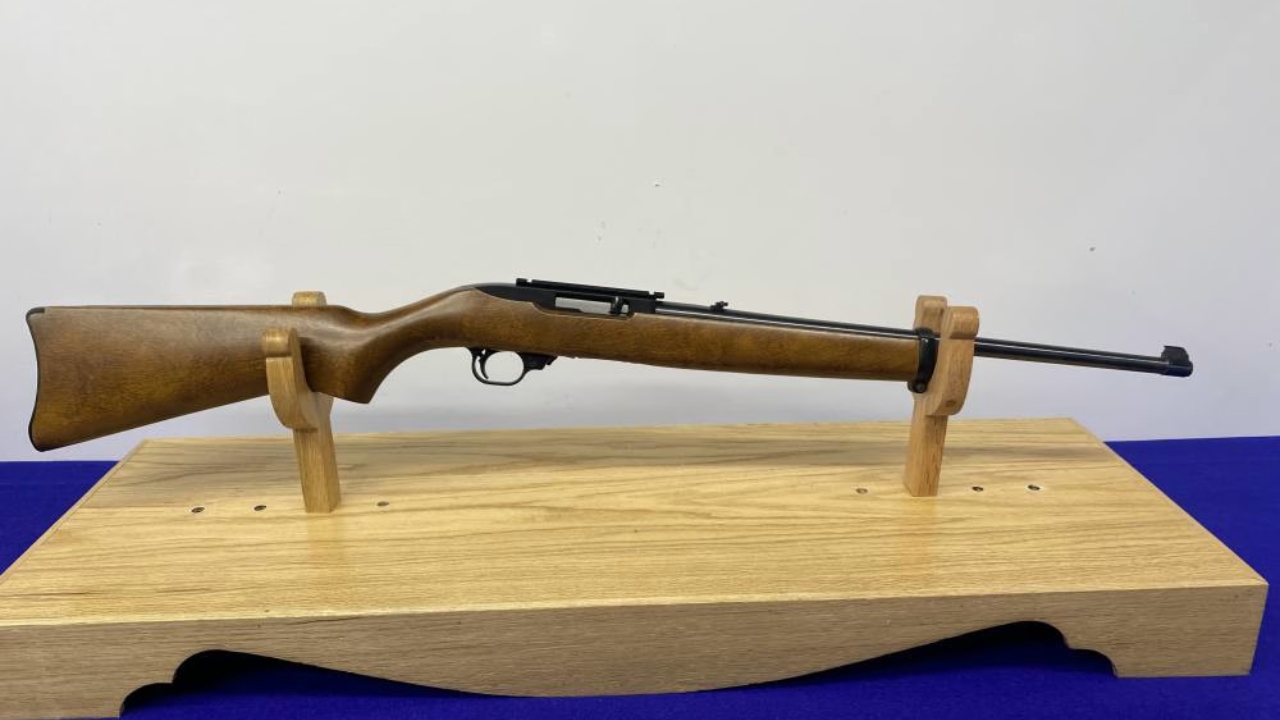
Everybody has an opinion on the 10/22, and half those opinions involve modifying it into something else entirely. But the version that made it famous was a plain little walnut carbine with a barrel band that rode behind a truck seat and ate cheap .22 all afternoon.
Early, clean examples are getting tougher because so many were used hard, cut up, or turned into project guns. There’s nothing wrong with a project gun, but if you want that classic look, you may end up paying more than you planned.
16. Walther PPK (blued, traditional configuration)
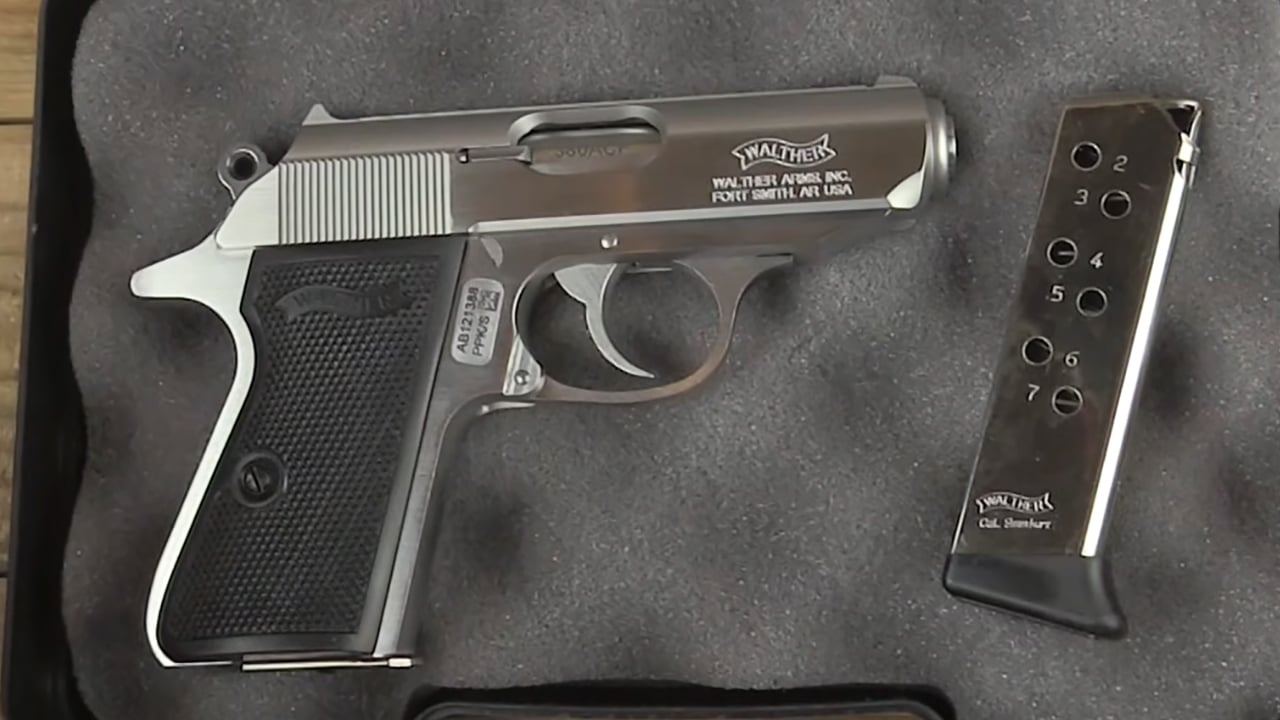
The PPK has been copied and reissued and “updated” a dozen ways, but the traditional blued version is the one that sticks in people’s minds. It’s slim, it’s classy, and it feels like a different era.
Finding one that hasn’t been beat up, refinished poorly, or plagued by reliability quirks can take time. Also, the used market can be a little wild on these, because condition matters a lot and photos don’t always tell the truth.
17. Browning Hi-Power (Belgian pattern, classic sights and finish)

The Hi-Power points like it was shaped by somebody who actually shoots handguns. The famous configuration is the traditional one—steel frame, classic lines, and that feel in the hand that modern polymer pistols just don’t have.
You can find clones and modern takes, but the older Browning-marked guns in the classic setup are drying up. Some got modified for competition, which is fine, but it’s not what most folks are looking for when they want a Hi-Power.
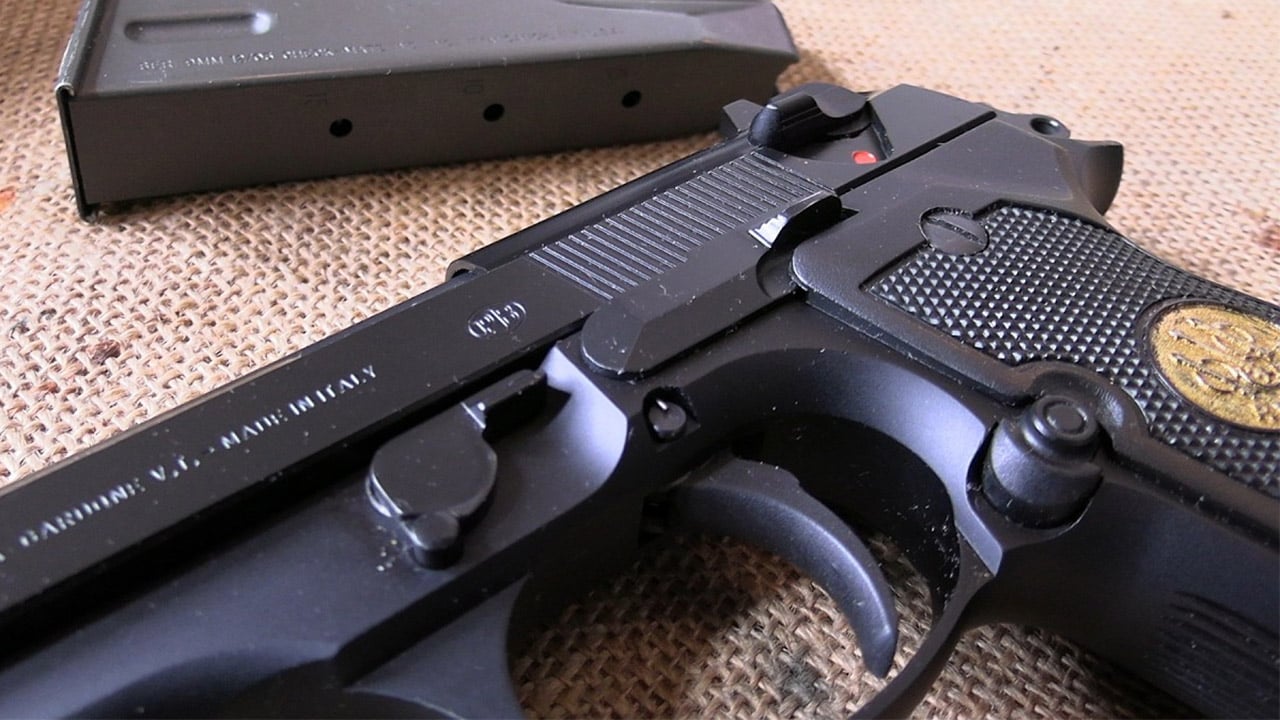
18. Beretta 92FS (Italian-made, classic black, standard profile)
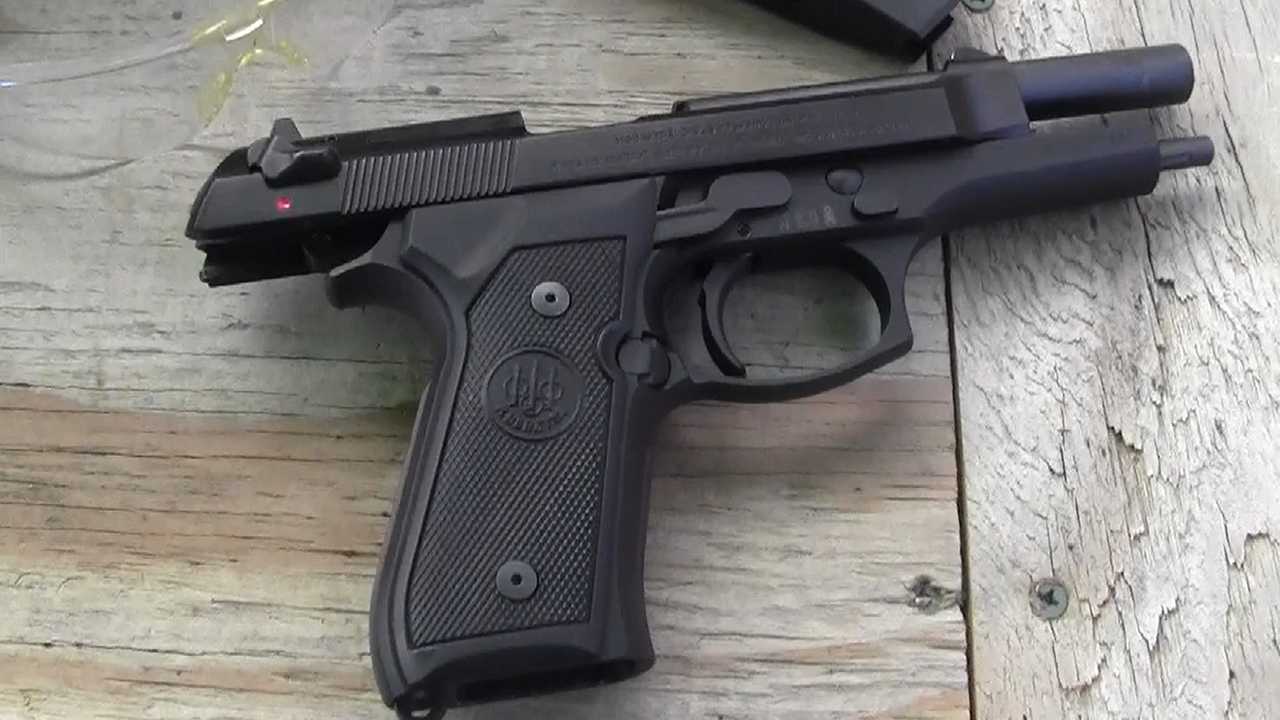
The 92FS is one of those pistols that feels bigger in the hand than it does on your belt, and for some folks that’s a deal-breaker. Still, the classic black 92 profile is iconic, and it shoots soft for a 9mm with that weight out front.
There are lots of 92 variants now—rails, different grips, different cuts. If you’re chasing the famous “service pistol” look, you’ll find them, but the exact older-style configuration in clean condition gets snagged quickly, especially if it comes with correct magazines and no weird alterations.
19. Smith & Wesson Model 19 (4-inch, blued, K-frame .357)

A 4-inch Model 19 is about as close to a perfect “do everything” revolver as many of us will ever handle. It carries well, points naturally, and doesn’t feel like a boat anchor on your hip.
The problem is, a lot of them were carried a lot and maintained… just enough. Timing and lockup matter on these, and the clean ones in the classic configuration don’t sit around. When you find a good one, you understand why guys hang onto them.
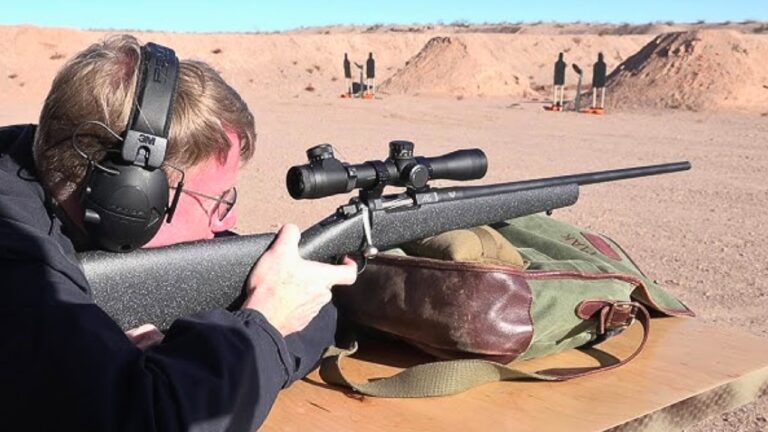
20. Remington Model 700 BDL (walnut stock with glossy finish)
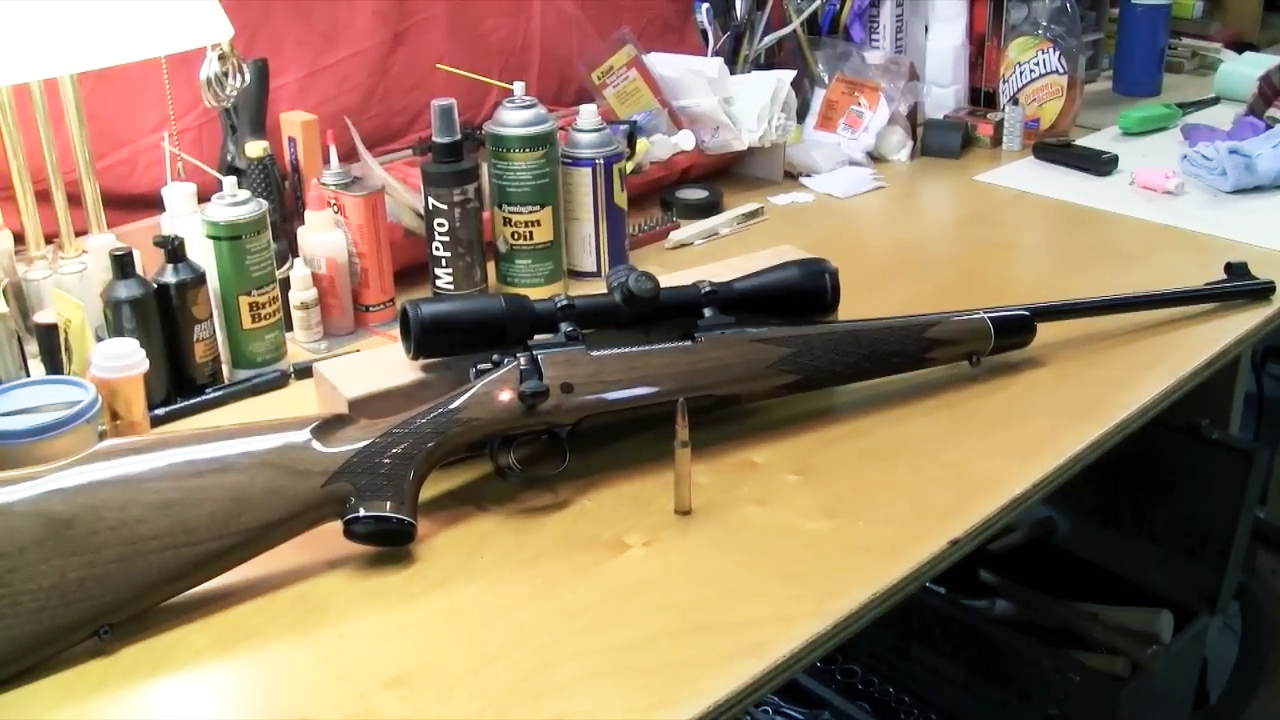
The 700 BDL with shiny walnut and that classic checkering is the deer rifle image in a lot of hunters’ heads. Not the most weatherproof, not the most tactical, not the newest anything—just a good-looking rifle that has filled more freezers than any internet argument ever will.
Today, you’ll see plenty of 700s in synthetic stocks and various modern trims. But the famous glossy BDL style gets scarce in nice shape because they were hunting rifles, not safe queens. Dings happen, and a lot of stocks got “touched up” in ways that hurt more than help.
If you’re chasing one of these, the best move is slowing down and being picky about the details that actually matter to you. A close-enough substitute might shoot fine, but the whole point of these famous configurations is the way they feel and carry, not just the name on the receiver. And if you already own one in the setup everybody wants, I would not be quick to let it go. Ask me how I know.
Like The Avid Outdoorsman’s content? Be sure to follow us.
Here’s more from us: