Photo credit: 1957Shep/Youtube
Most of us have done it. You’re staring at the safe, you’ve got a new rifle build in mind, or a kid needs tires, and you start doing the mental math. “What can I move that I don’t really need?”
The funny part is how certain pistols feel more “sellable” right up until you actually carry them another season, shoot them another year, or realize you can’t replace them without paying a whole lot more than you expected. Some are classics. Some are just boringly dependable. A few are pure nostalgia. But they all have one thing in common: the longer they sit in your rotation, the harder it is to let them go.
1. Glock 19 (Gen 3/Gen 5)
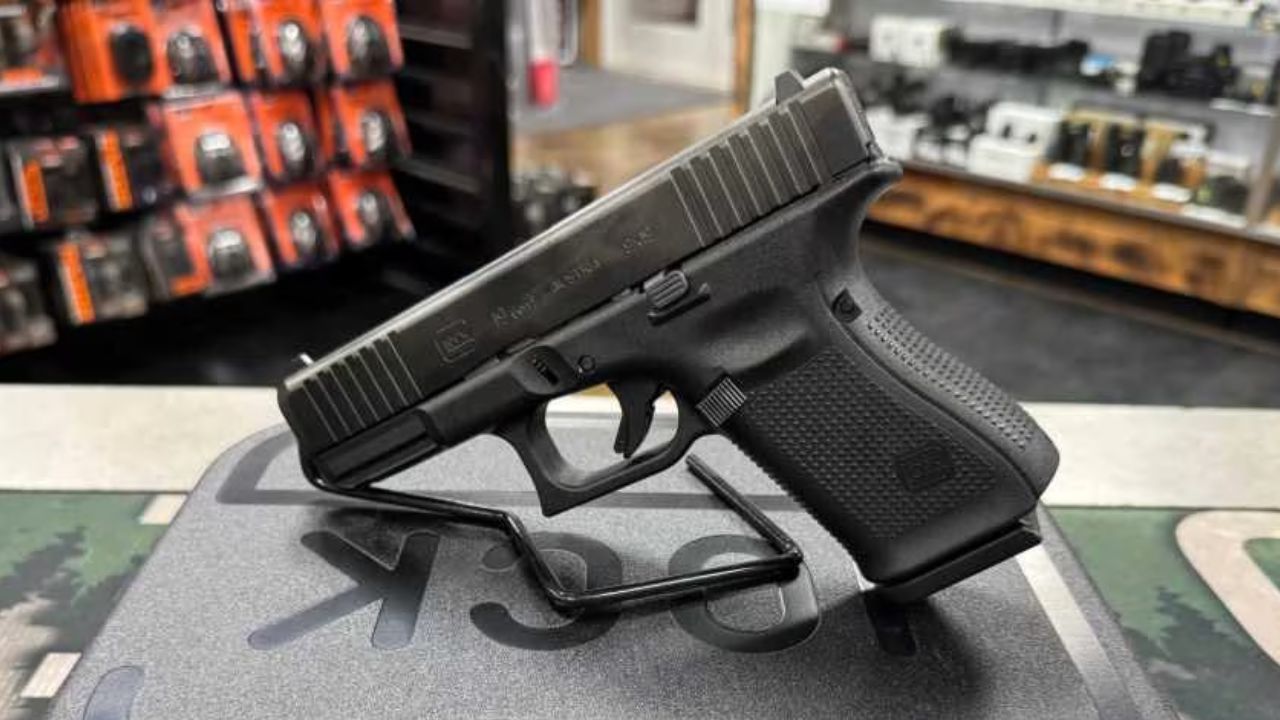
The Glock 19 is the pickup truck of handguns. It isn’t the prettiest thing in the parking lot, and nobody buys one to feel special. They buy it because it runs, carries, and shoots well enough that you stop thinking about it.
Keep one for a few years and you realize the real value: magazines are everywhere, parts are everywhere, holsters are everywhere, and every range day feels the same in a good way. When you sell it, you don’t feel the loss until you need a “known-good” pistol and you no longer have one.
2. SIG Sauer P365

I get why guys flip these. They buy the base model, then the XL, then the Macro, then something else catches their eye. But the original P365 earned its reputation by being small enough to actually carry and big enough to actually shoot.
After a year of real carry, it becomes the pistol that’s always there when you “don’t feel like strapping on a brick.” And the longer you own it, the more you end up with spare mags, different grip modules, and a holster drawer that makes it annoying to start over.
3. Smith & Wesson M&P 2.0 Compact
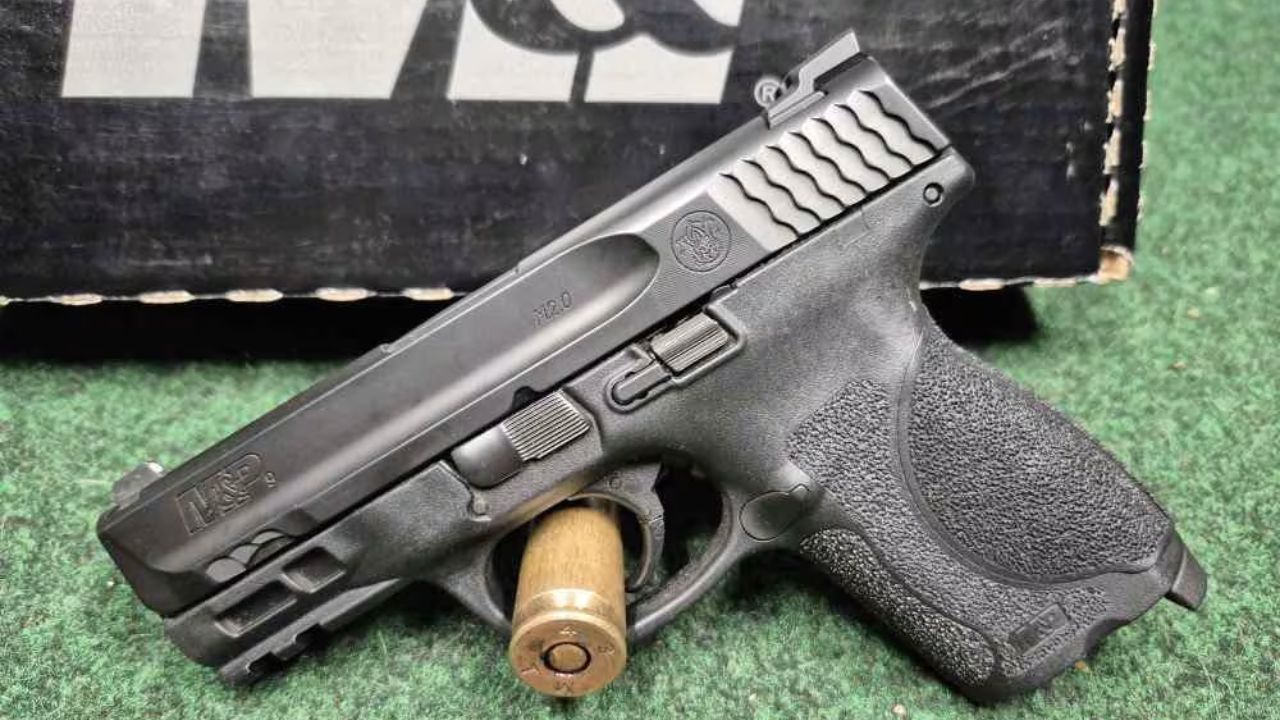
The M&P 2.0 Compact is one of those guns that sneaks up on you. It doesn’t have the internet hype of some brands, but it points naturally, the texture actually locks in your hands when you’re sweaty, and it shoots flatter than you’d expect.
It’s also the kind of pistol you can run hard without babying. Once you’ve carried it through summers, dust, and range days where you’re not feeling your best, you start trusting it. Trust is hard to sell.
4. Ruger SP101 (2.25-inch)
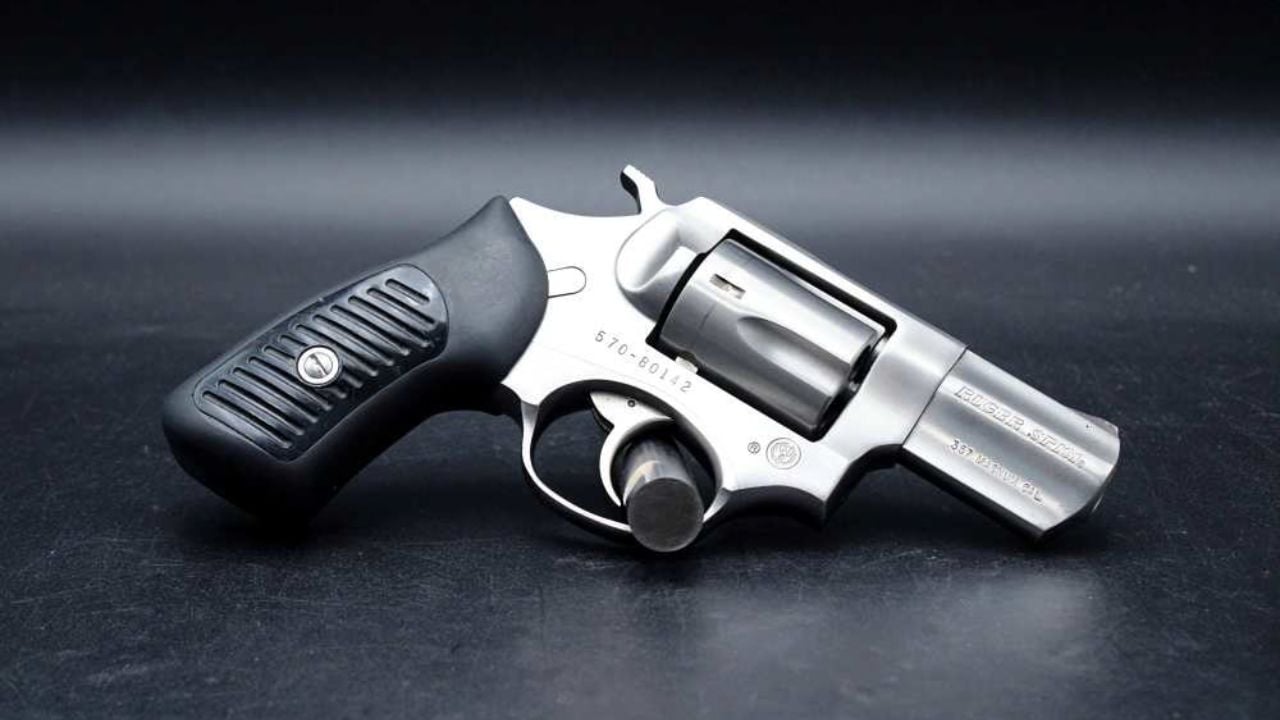
There’s a reason this one stays. The SP101 is heavy for its size, and that’s exactly why it works. It soaks up .357 better than most small revolvers, and it’ll handle .38 all day without shaking loose.
It’s not the slickest carry option, but it’s the revolver you keep because it’s honest. It’s also the “hand it to someone new at camp” gun when you want simple controls and zero drama.
5. Smith & Wesson Model 686 (4-inch)

Every year you own a 686, it becomes more of a reference point. Trigger feel, balance, accuracy—other revolvers get compared to it. If you’ve got a good one, you’ll notice the difference when you handle a rougher example later.
It’s not a light belt gun, but it’s one of the easiest revolvers to shoot well. And if you ever decide you want to hunt with a wheelgun or just spend an afternoon ringing steel like you mean it, this is the one you wish you hadn’t let go.
6. Ruger Mark IV (Target or 22/45)
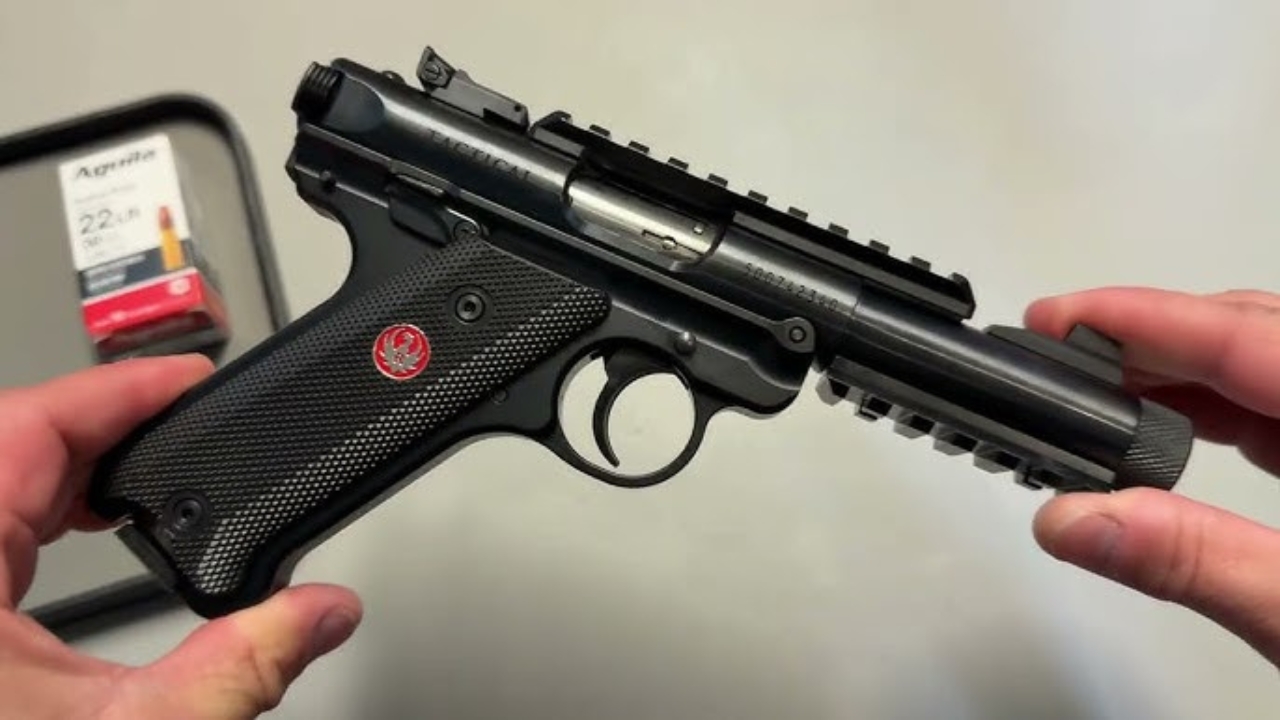
Everybody “needs” a .22 pistol, but the Ruger Mark series turns into the gun you shoot the most. It’s cheap practice, it’s small-game handy, and it makes introducing new shooters way easier than handing them a snappy micro-9.
The Mark IV’s takedown is the clincher. Older .22 pistols get sold because cleaning them is a chore. This one gets kept because you can actually maintain it without feeling like you’re solving a puzzle.
7. Browning Buck Mark
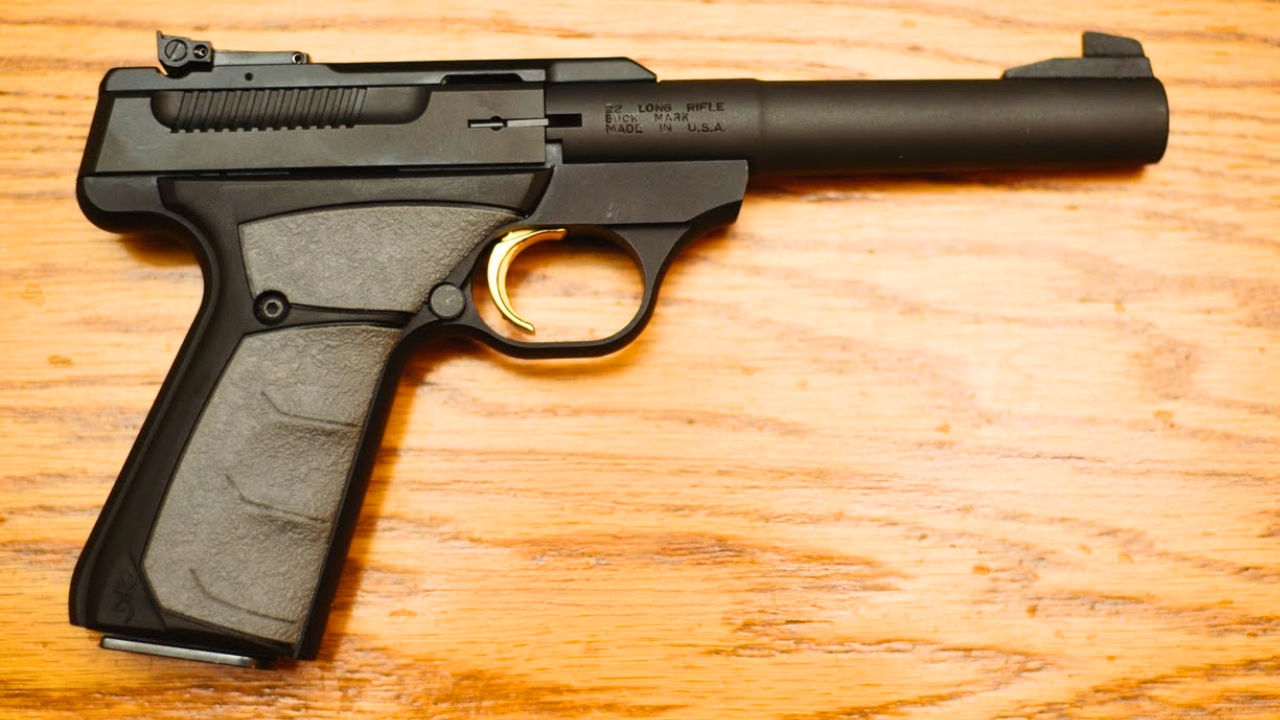
If you’ve got a Buck Mark that runs, you tend to hang onto it. The grip angle feels right, the trigger is usually solid out of the box, and it tends to shoot better than the guy behind it on most days.
It’s also one of those pistols that becomes a “range friend.” You bring it along even when you didn’t plan to, because it makes a quick session fun instead of work.
8. CZ 75B

The CZ 75B has that old-world steel feel that polymer pistols just don’t. It sits low, points naturally, and the weight makes 9mm feel like nothing. If you’ve ever run one side by side with a lighter gun, you know what I mean.
It’s not the most practical daily carry for everyone, but it’s one of the easiest pistols to shoot well. Over time you start to appreciate that more than “lightweight.”
9. CZ P-01
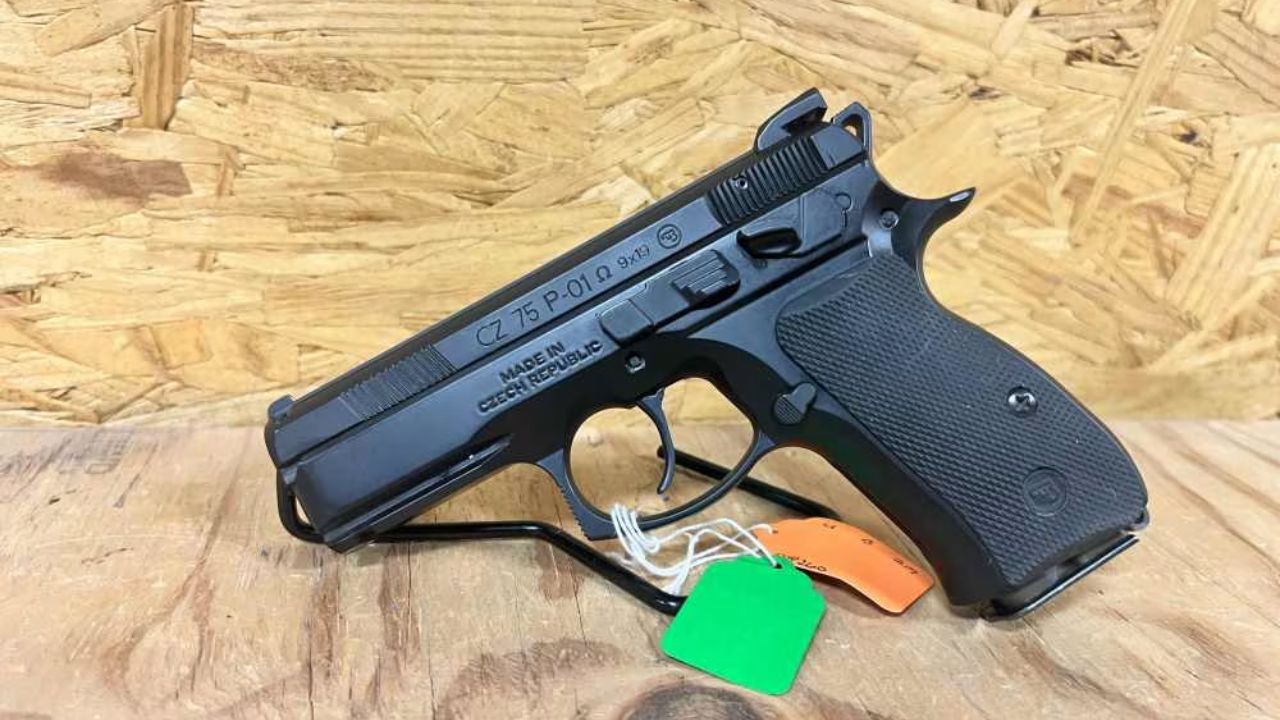
The P-01 is the working man’s CZ. Alloy frame, good balance, and it carries better than a full steel gun while still shooting like a real pistol instead of a toy.
Once you get a dependable setup—mags, a good belt holster, maybe night sights—it becomes a do-it-all piece. Selling it feels like selling a tool that already fits your hand.
10. Beretta 92FS

This is one of the easiest pistols to justify selling when you’re being “practical,” because it’s big. Then you take it to the range and remember it’s basically cheating. Soft recoil, long sight radius, and a smooth slide that just feels right.
The other thing is longevity. A 92FS that’s been cared for will run for a long time. After a few years, it stops being “that old service pistol” and turns into the gun you hand to a buddy who’s having a rough day with his compact.
11. Heckler & Koch USP Compact
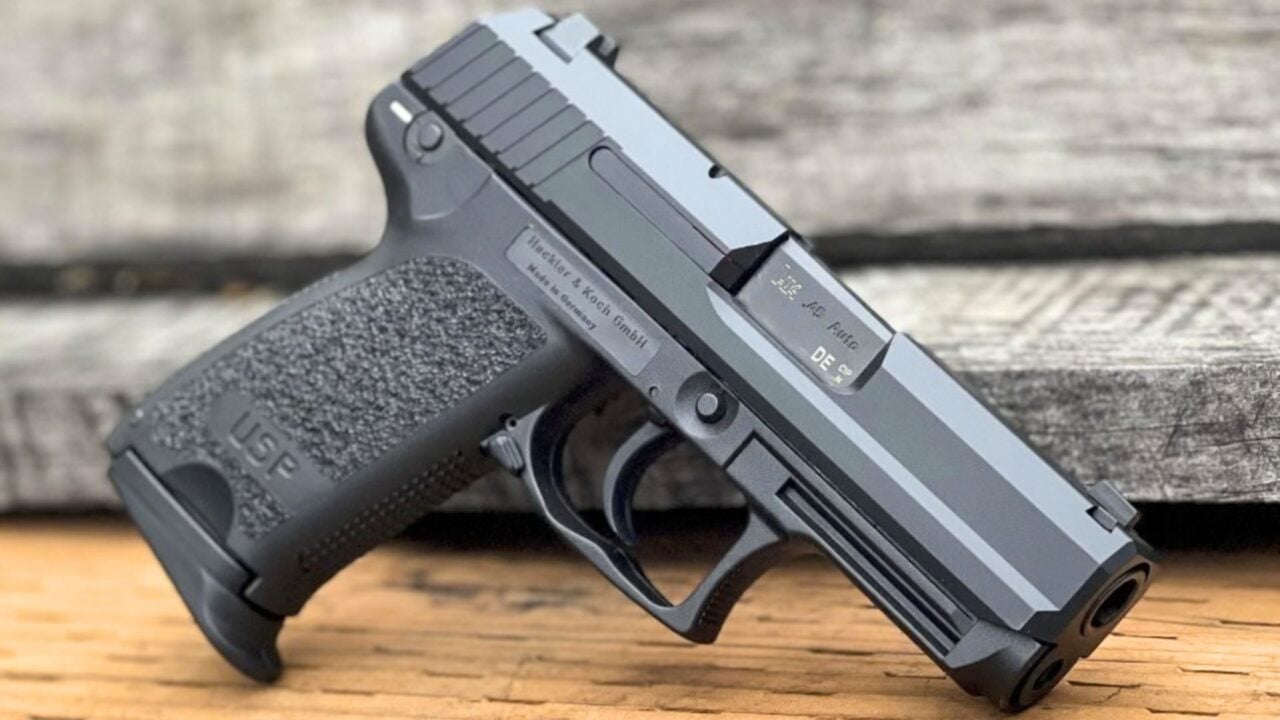
The USP Compact isn’t cheap, and that’s why it gets sold. Somebody buys it, realizes magazines cost more than they’re used to, and decides to “simplify.”
But if you keep it, you start to see why it’s respected. It’s overbuilt, reliable in ugly conditions, and it has a certain no-nonsense feel. The longer you own one, the less you want to go back to something that feels less substantial.
12. Walther PPQ (M2)

Walther nailed the trigger on the PPQ, and it’s hard to un-know that once you’ve shot one. It’s the pistol that makes you look better than you are on a good day, and shows you exactly what you’re doing wrong on a bad day.
It’s not as “standardized” as a Glock in the accessory world, but it’s close enough that it doesn’t matter much. If yours is reliable, you’ll think twice every time you consider letting it go.
13. Walther PDP Compact
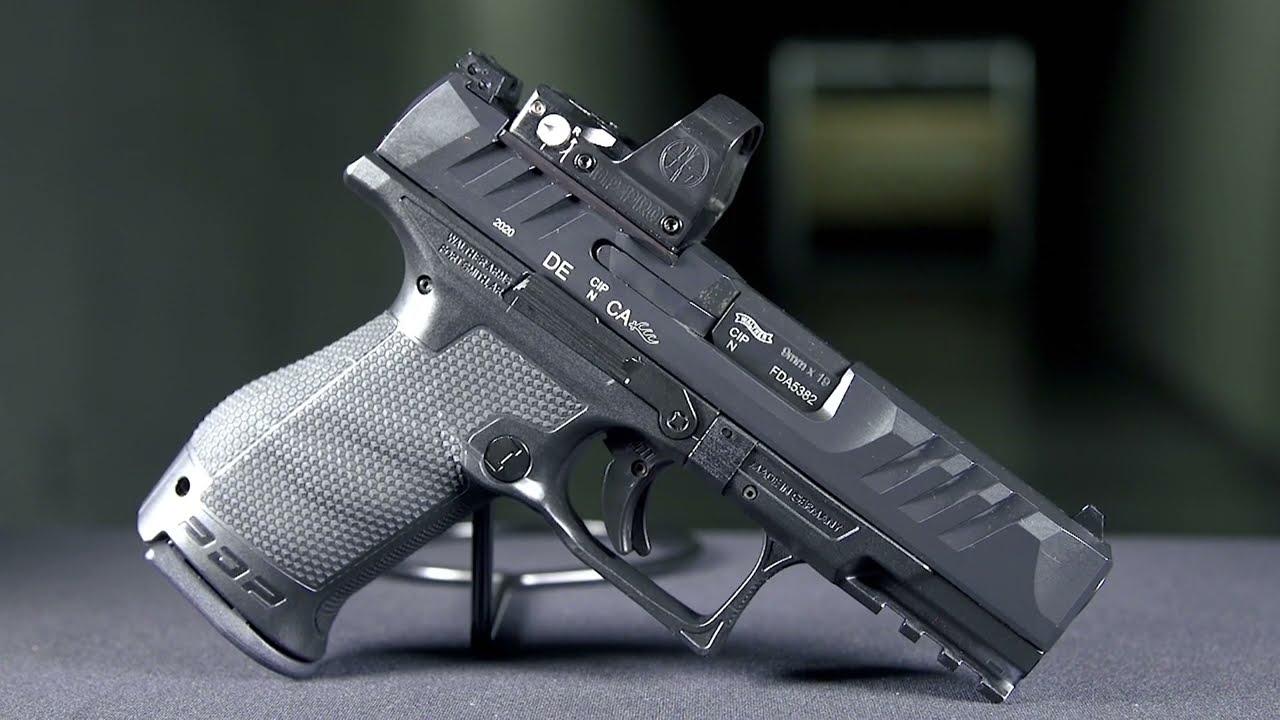
The PDP is the modern evolution of “this just fits.” Great grip, good sights depending on the variant, and it runs fast without needing a pile of upgrades. For a lot of shooters, it’s the first striker-fired pistol that doesn’t feel mushy.
Over time it becomes the gun you grab for classes, cold-weather carry, and “I want to shoot well today.” You can replace it, sure, but you’ll probably spend money doing it.
14. Springfield Armory 1911 Loaded

A decent 1911 is a relationship. Some folks don’t want that. They want a pistol they can ignore. But a good Springfield Loaded tends to be reliable enough for normal use, and it scratches the itch of steel, trigger, and tradition.
Keep it long enough and it becomes the pistol you slow down with. It’s not about capacity. It’s about that clean trigger break and the way it makes you focus. That’s hard to put a price on.
15. Colt Commander (Series 70/80)
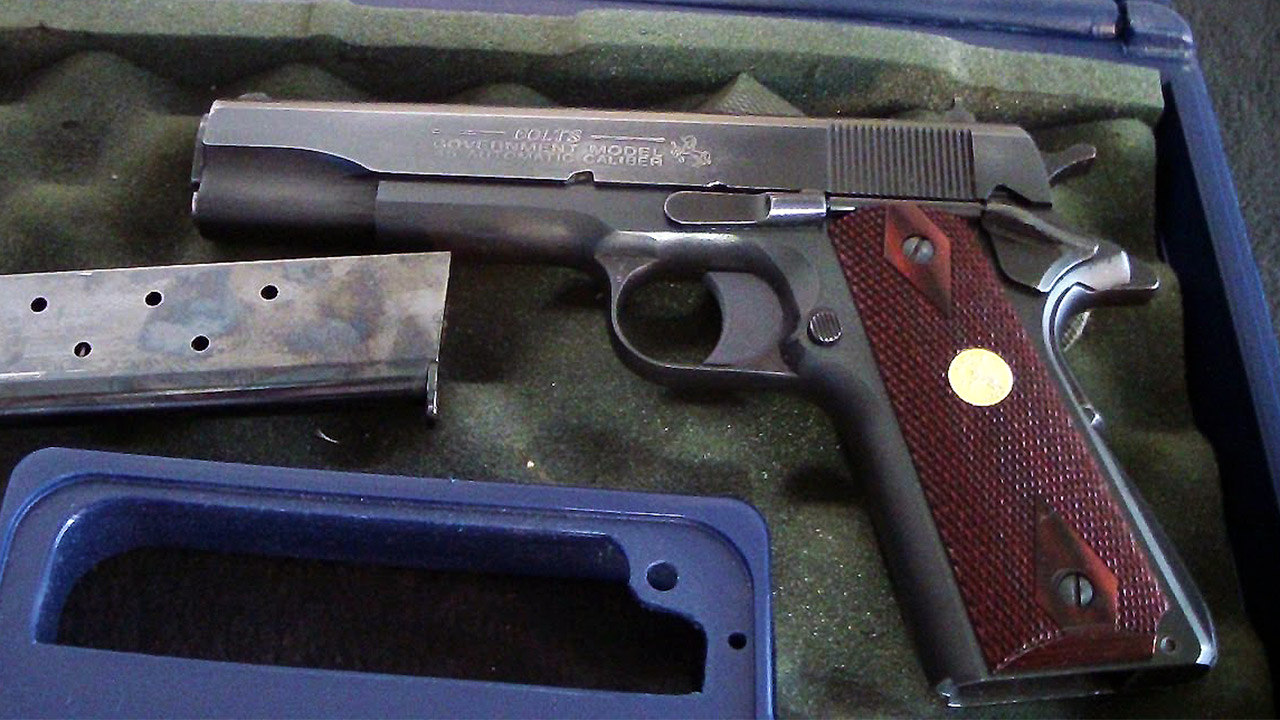
Commanders get sold because they’re “just another 1911,” until you go shopping for one again. Then you learn what they cost now, and how many examples feel like they’ve lived a hard life.
A solid Colt has a way of staying relevant. It carries better than a Government model, still shoots like a real 1911, and it’s one of those guns that becomes part of your personal history without you trying.
16. Ruger GP100 (4-inch)

The GP100 is not elegant. It’s a hammer. And in the woods, that’s not a bad thing. It’s the revolver you keep around because it’s forgiving of neglect and doesn’t mind full-power loads.
Guys talk themselves into selling these when they “go semi-auto,” then later want a sturdy trail gun again. By then, the GP100 they find isn’t quite as smooth as the one they broke in themselves.
17. Smith & Wesson J-Frame 642
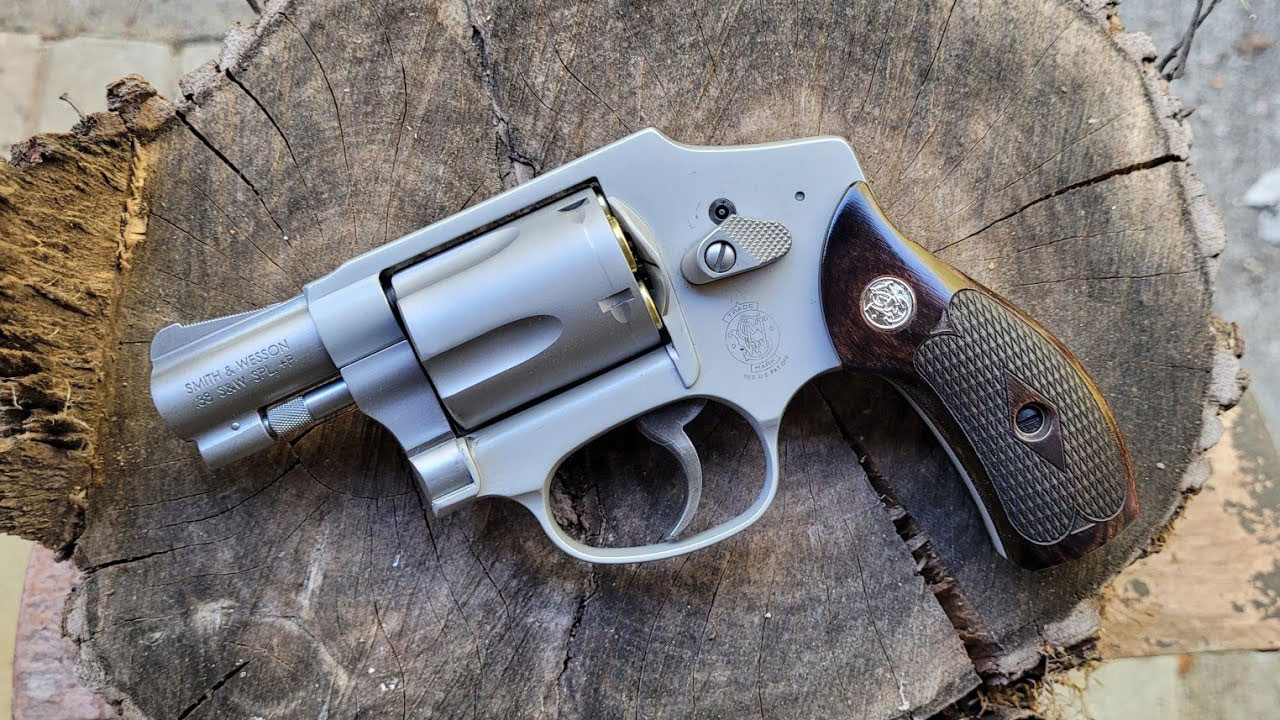
Small revolvers aren’t fun on the range. That’s the truth. But the 642 keeps finding its way back into pockets and ankle rigs because it’s light, simple, and it works when lint, sweat, and daily life are involved.
Every year you keep one, you get more comfortable with it. You learn the trigger. You learn the draw. You learn what ammo it actually likes. Selling it resets all that.
18. Ruger LCP (original or LCP II)
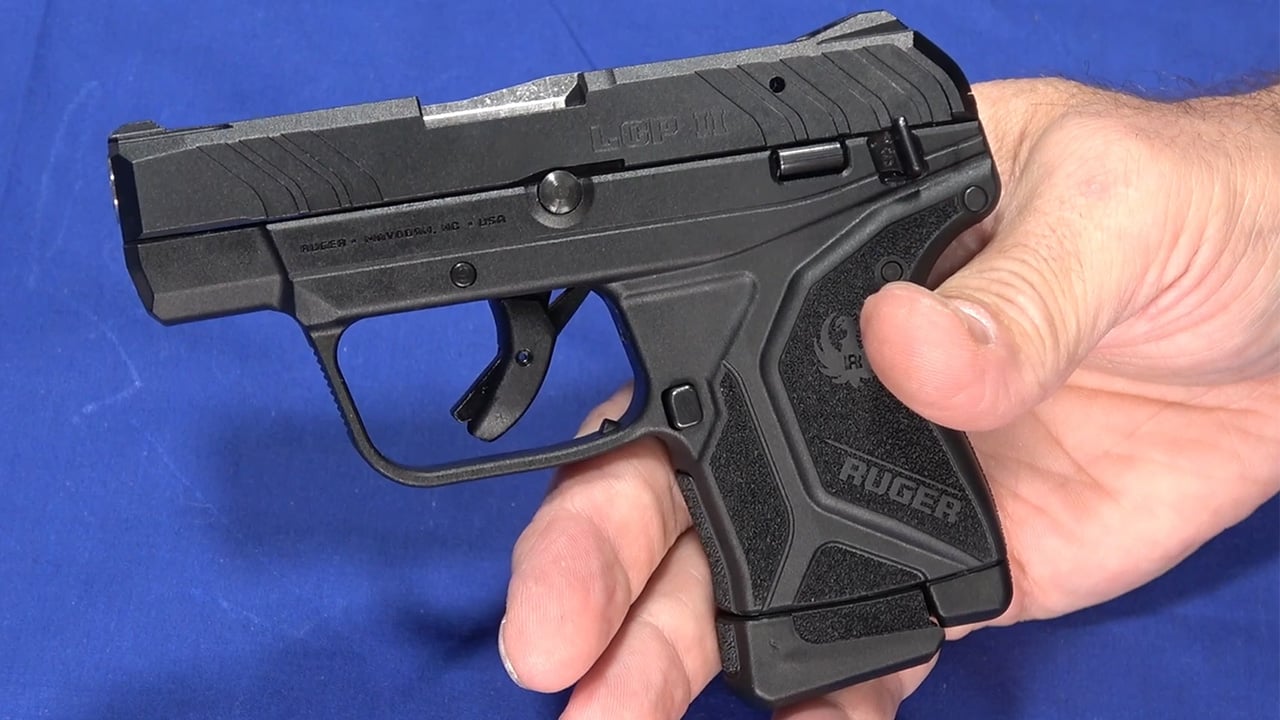
The LCP is easy to hate until you actually need it. It’s not a “range pistol.” It’s a “I’m running to town for ten minutes” pistol, and that’s where a lot of real life happens.
Keep one long enough and it becomes the gun that fills the gaps. If you sell it, you’ll probably end up buying another tiny .380 later anyway, and wishing you’d just left well enough alone.
19. FN Five-seveN

This one gets sold because the ammo bill makes a man question his choices. I understand. Still, the Five-seveN is unique, and unique guns are always harder to replace later—especially when the market swings.
It’s light, it holds a lot, recoil is mild, and it’s accurate enough to be interesting. If you’ve owned one long enough to set up mags and ammo, it starts to feel less like a novelty and more like a tool you simply can’t duplicate with anything else.
20. Ruger Single Six
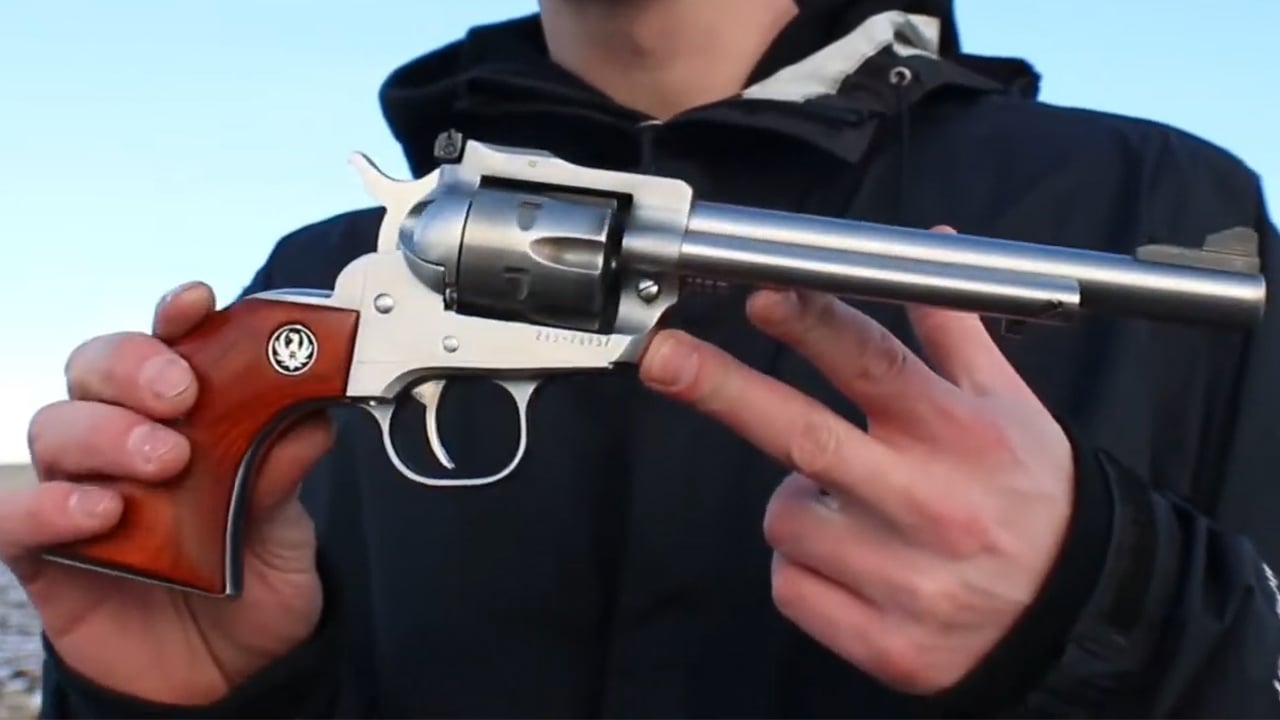
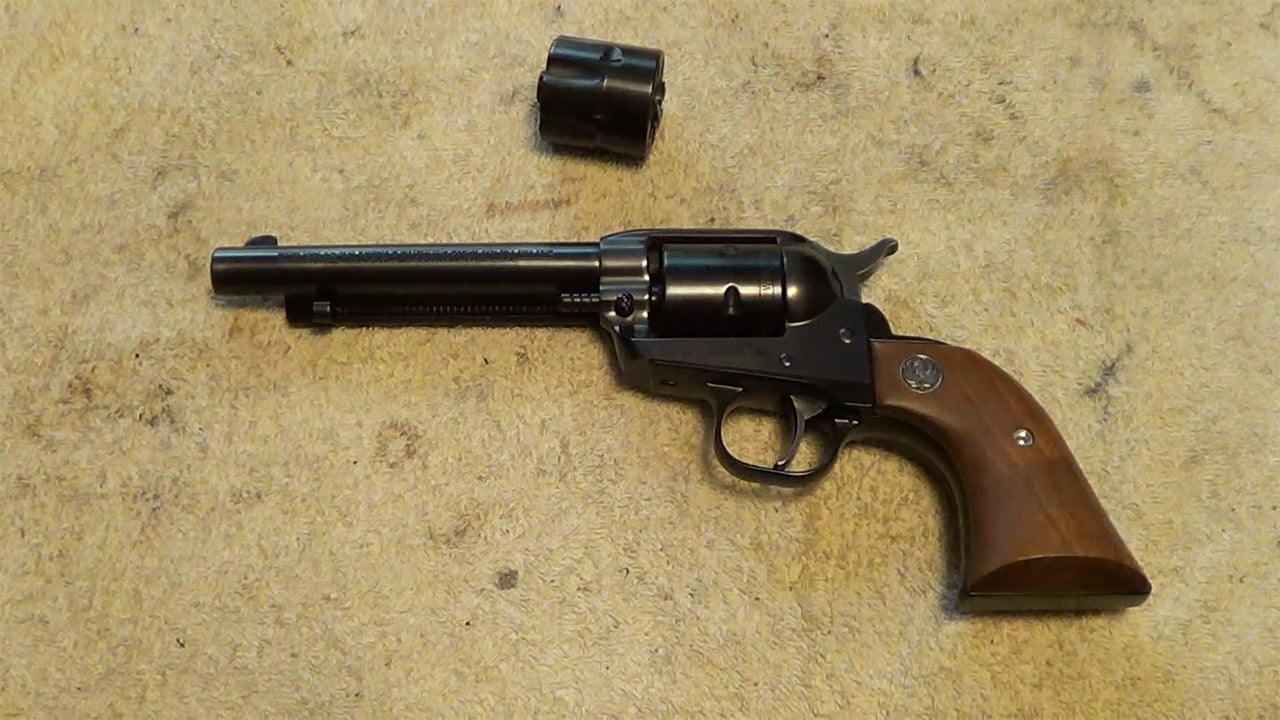
There’s nothing fancy about a Single Six, and that is kind of the point. It’s the gun you toss in the tackle bag for plinking, or bring to camp for tin cans and teaching kids to run a handgun safely.
Over time it becomes a family gun. Not because it’s expensive, but because it’s tied to afternoons that mattered. Selling one feels like trading away memories to solve a problem that probably could’ve been solved another way.
I’m not saying never sell a pistol. Sometimes you’ve got to. Just be honest about which ones you’re actually done with and which ones are quietly holding down the fort. The older you get, the more you realize the pistols you keep aren’t always the coolest ones—they’re the ones that keep showing up when you need them.
Like The Avid Outdoorsman’s content? Be sure to follow us.
Here’s more from us: