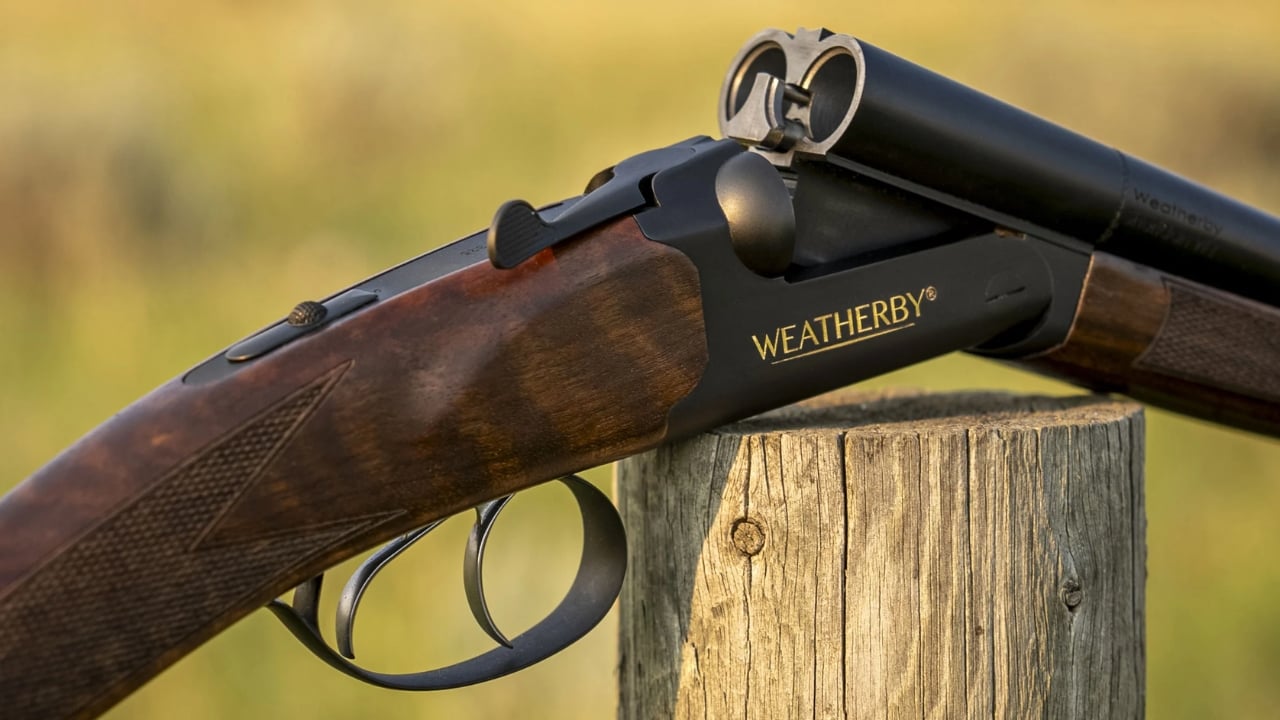
Photo credit: Weatherby, Inc.
Not every gun disappears because the manufacturer officially kills it. Sometimes the warning signs are much quieter. Dealers stop dedicating shelf space to it, distributors carry fewer configurations, buyers migrate toward hotter categories, and eventually a firearm you used to see regularly becomes something you have to order.
That is the angle here. Several of these guns are still in current manufacturer lineups as of 2026, so this is not a disguised discontinued-gun list. Instead, these are firearms occupying increasingly specialized corners of the market where seeing one sitting on the rack is becoming less of a guarantee. Winchester, Browning, Henry, Benelli, and Savage all still maintain some surprisingly traditional or specialized designs alongside their higher-volume offerings.
Winchester Model 1885

Single-shot centerfire rifles simply do not command much gun-store real estate anymore. The Winchester 1885 remains in the current lineup, including upscale Low Wall configurations, but it is the sort of rifle you are much more likely to deliberately seek out than randomly encounter beside the bolt guns.
That is unfortunate because the falling-block action offers something genuinely different. There is no detachable magazine, chassis, or attempt to maximize firepower. You get a beautifully traditional rifle that makes every shot deliberate. As stores concentrate on faster-selling bolt and semiautomatic rifles, guns like the 1885 are exactly what I expect to see less often without necessarily disappearing from production.
Benelli R1 Endurance
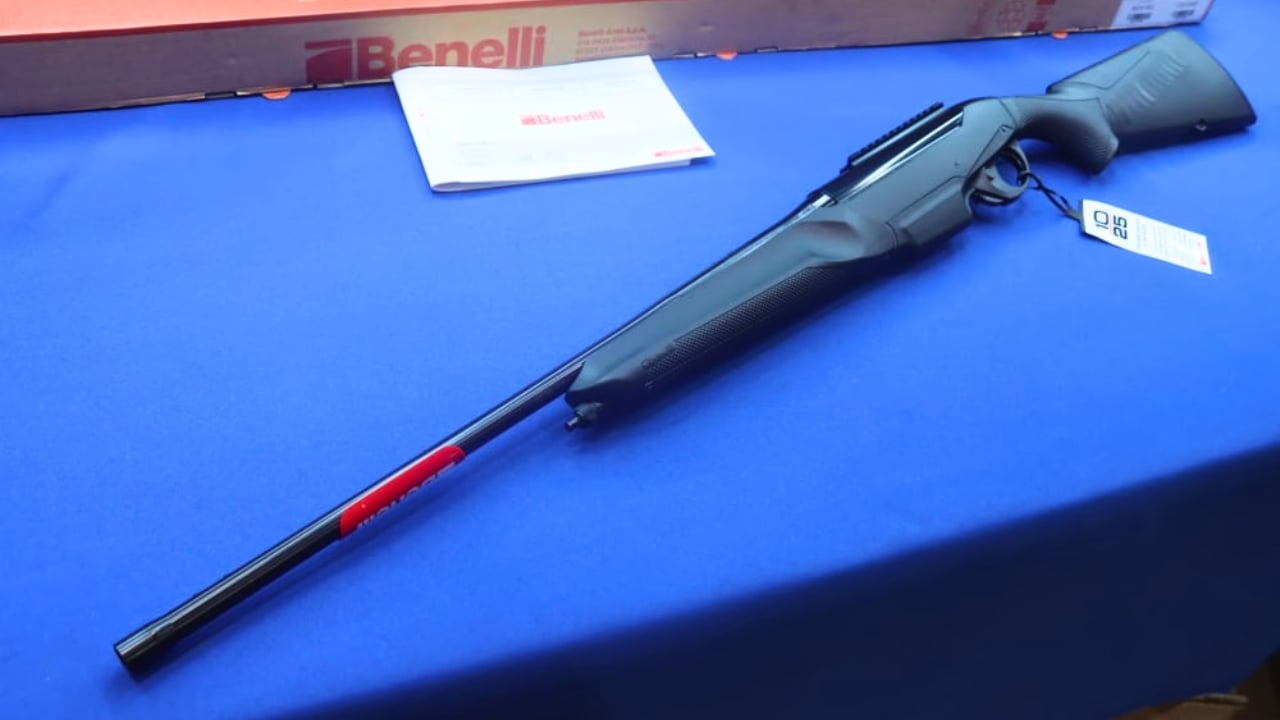
Ask most shooters what Benelli makes and shotguns will dominate the answers. That leaves the R1 semiautomatic hunting rifle sitting in a very unusual corner of the market.
Benelli still lists R1 Endurance models in cartridges including .308 Winchester and .30-06, using the company’s ARGO gas system. The problem is shelf competition. A dealer can stock several inexpensive bolt rifles or another AR for the space occupied by an expensive semiautomatic hunting rifle. The R1 has not stopped being useful, but it has become the kind of gun many shooters may never see unless they specifically ask for one.
Tikka T3x Arctic
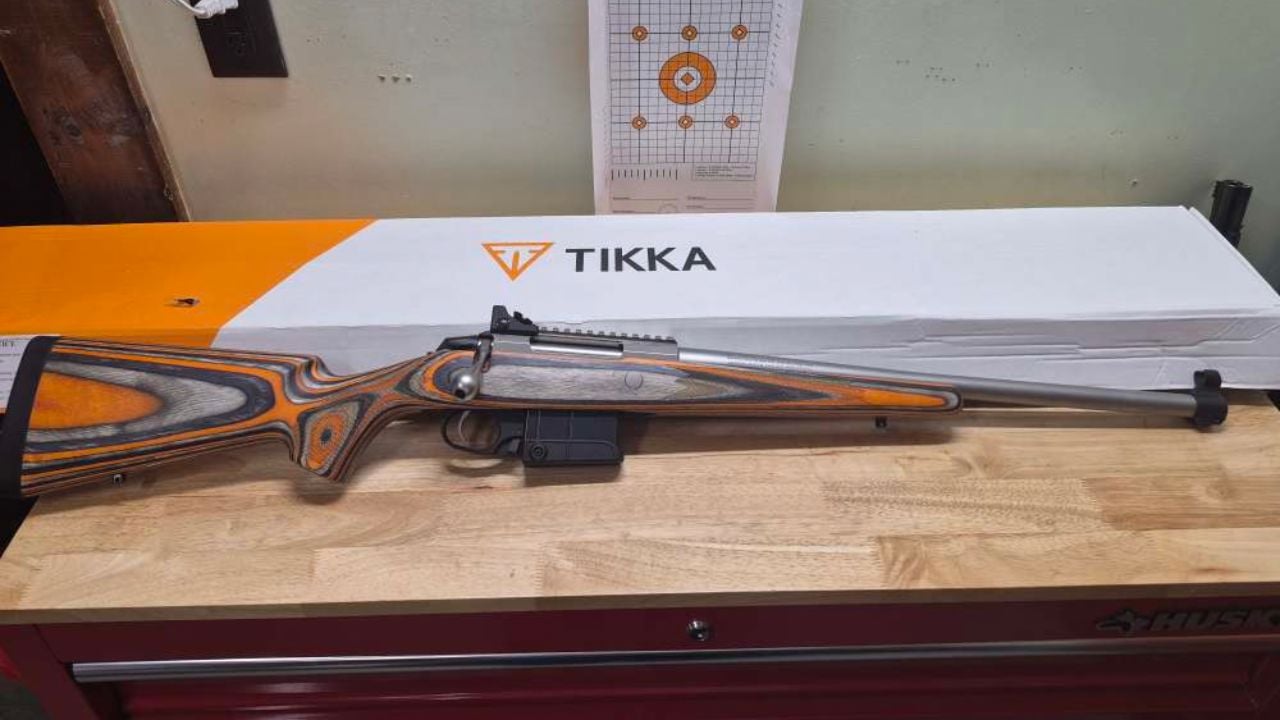
The T3x Arctic is not an ordinary Tikka. It was developed as a rugged cold-weather rifle and remains part of Tikka’s current T3x family.
Its specialized nature is also why you rarely encounter racks full of them. Most American buyers shopping for a Tikka want a Lite, CTR, or another conventional hunting configuration. The Arctic’s iron sights, laminated stock, and utilitarian setup appeal to a much narrower audience. That makes it exactly the sort of excellent rifle dealers hesitate to inventory deeply. When one actually appears locally, I would not assume another will replace it immediately after it sells.
Savage 220 Harvester
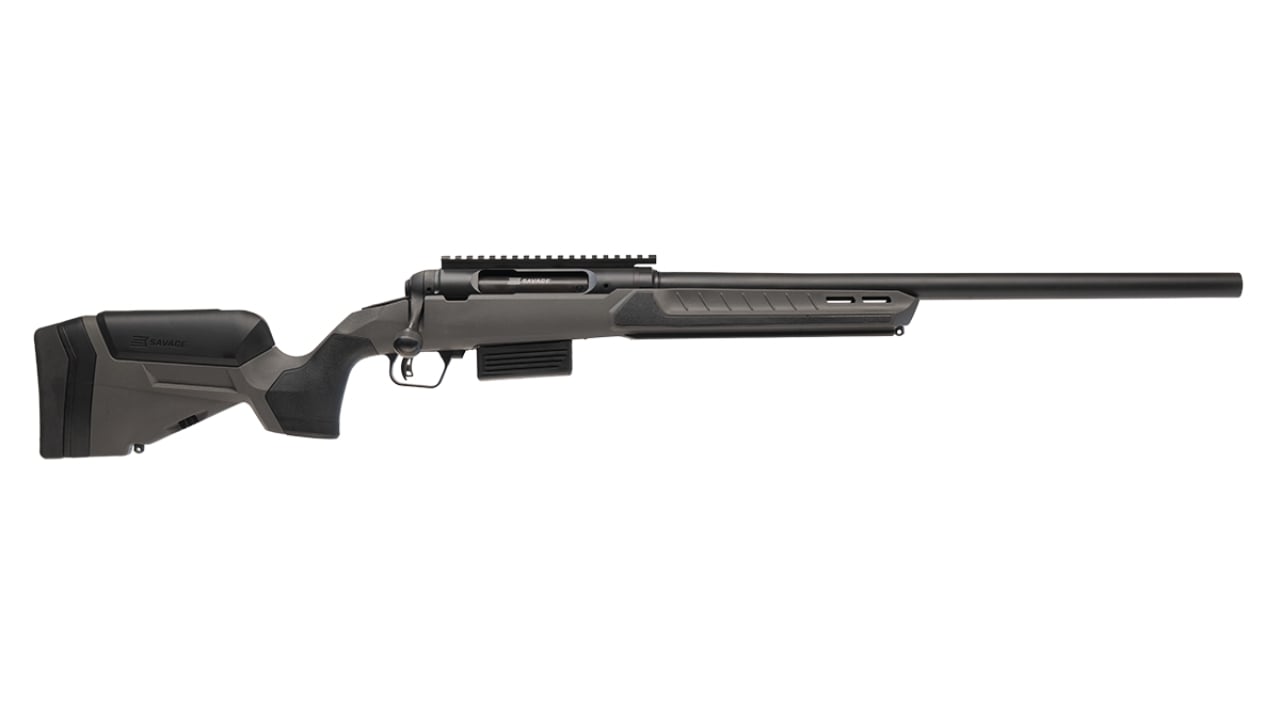
The bolt-action slug gun used to have a much more obvious place in American deer hunting. Straight-wall rifle legalization in many areas has changed that market dramatically.
Savage has not abandoned it. In April 2026, the company announced updated 212 and 220 Harvester slug guns with its AccuFit V2 stock system, and the 220 remains a fully rifled 20-gauge bolt-action platform.
That does not mean your local store will stock one. Slug guns have become geographically specialized products. If you live where they still make sense, seeing a 220 on the rack is becoming much less routine than it was when shotgun-only deer zones drove stronger demand.
Browning T-Bolt
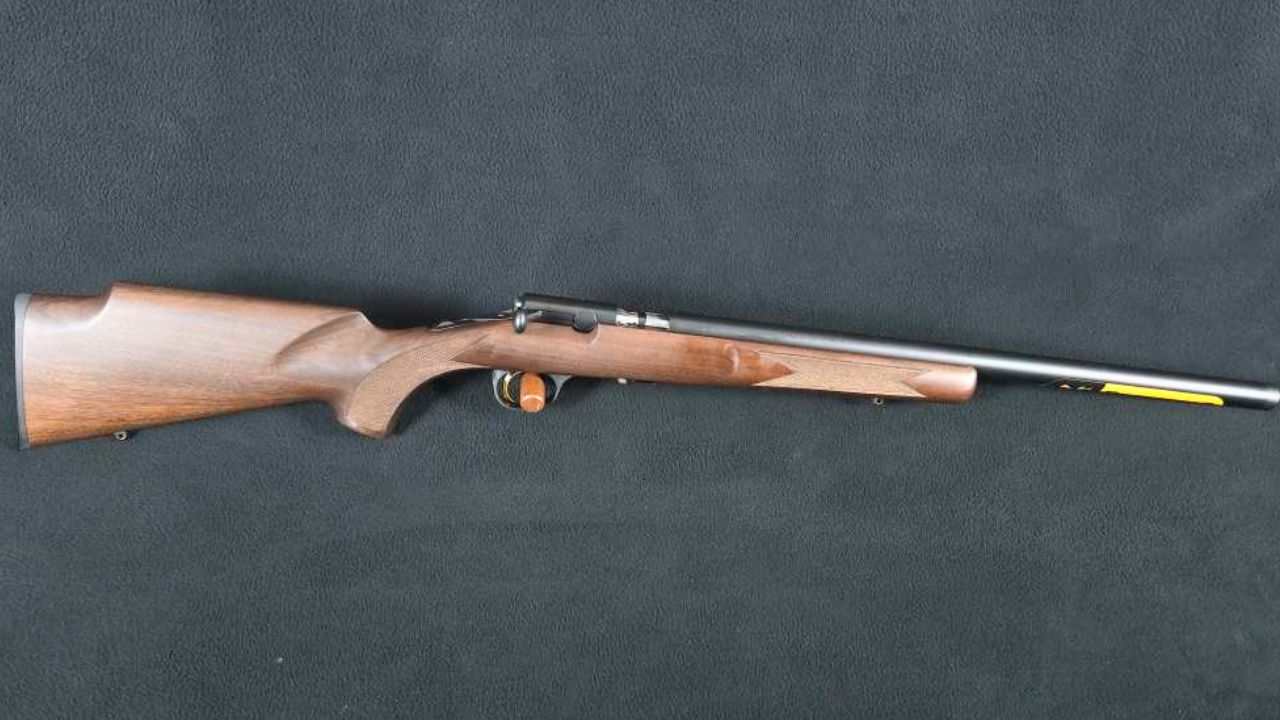
Straight-pull rimfire rifles have never been a huge American category, and the T-Bolt survives in a market dominated by cheaper conventional bolt actions and semiautomatics.
Browning still lists the T-Bolt as a current rifle family, but the company also maintains an extensive page of T-Bolt configurations that have already left production, specifically noting that discontinued versions may only remain at limited dealers.
That is exactly why I pay attention when an interesting T-Bolt appears. The platform may continue, but individual barrel lengths, stocks, chamberings, and finishes can come and go. Waiting for the identical version later may not work nearly as well as buyers expect.
Henry Frontier Pump
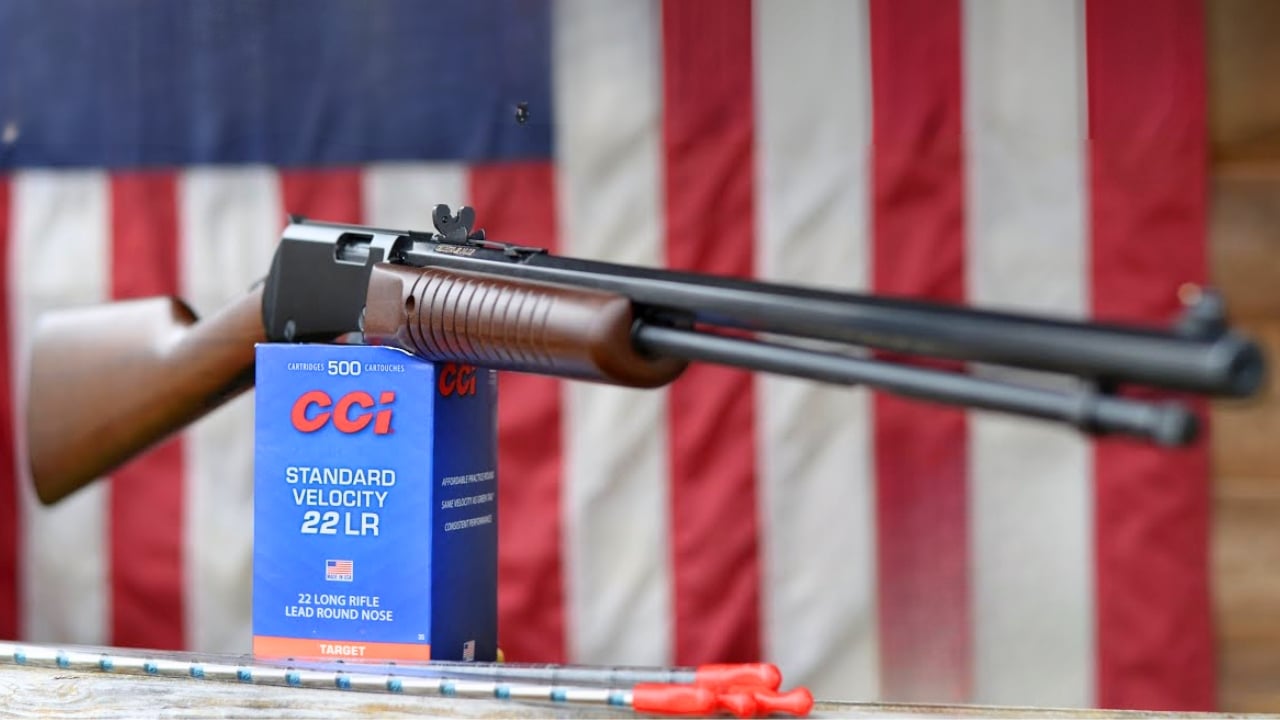
Lever actions get nearly all the attention when Henry comes up, which makes the Frontier Pump one of the easiest rifles in the company’s catalog to forget.
Henry still offers the pump-action rimfire in .22 S/L/LR and .22 WMR. Yet walk into most stores and you are far more likely to find rows of semiautomatic .22s and several Henry lever guns than a pump rimfire.
That is a shame because pump .22s provide a completely different shooting experience. The design is fast, entertaining, and compatible with the sort of recreational shooting that made manually operated rimfires popular in the first place. It is a current gun that already feels uncommon.
Winchester SXR2

Semiautomatic hunting rifles have become a niche within a niche. AR-pattern rifles dominate semiautomatic centerfire sales, while traditional hunters overwhelmingly buy bolt actions.
Winchester still lists the SXR2 among its current rifle families. But that does not guarantee prominent shelf space. A traditional semiautomatic sporting rifle costs more and appeals to a narrower audience than the ubiquitous bolt gun.
That makes the SXR2 precisely the kind of firearm that can remain technically available while becoming increasingly invisible locally. Hunters who specifically prefer a traditional semiautomatic should pay attention when one actually appears instead of assuming every dealer will keep them stocked.
Browning Silver

The Silver occupies an awkward place because Browning already has the A5 and Maxus II competing for semiautomatic-shotgun buyers.
Browning nevertheless continues to list the Silver as one of its active semiautomatic shotgun families. The challenge is convincing a dealer to dedicate rack space to every Browning autoloader when certain models generate more attention.
That makes the Silver easy to lose sight of despite being a useful field shotgun. It is not necessarily disappearing from Browning, but I would not be surprised to see fewer stores maintaining multiple Silver configurations when they can put the same money into faster-moving waterfowl guns.
Henry Single Shot Rifle
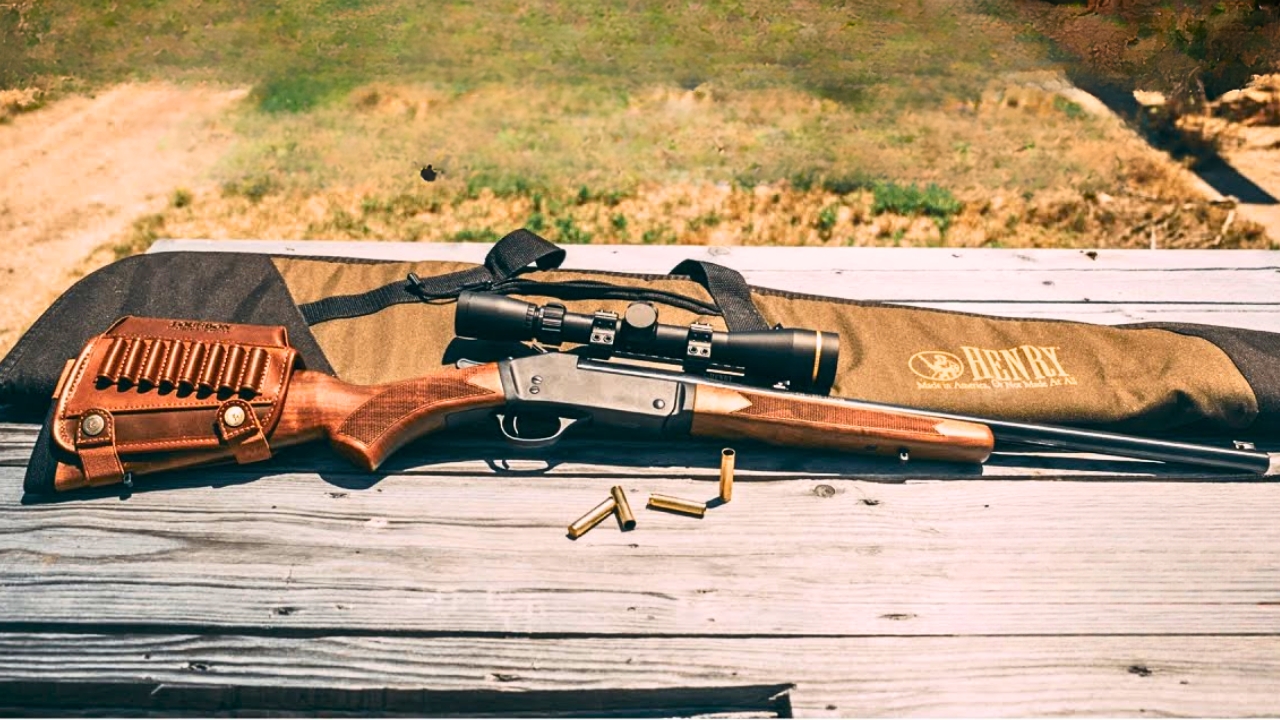
There was a time when inexpensive single-shot rifles were a regular part of the gun-store landscape. Today’s rifle wall looks considerably different.
Henry still offers its H15 Single Shot Rifle in a broad selection of chamberings, including .223, .243, .30-30, .308, .350 Legend, .357 Magnum, .360 Buckhammer, .44 Magnum, .450 Bushmaster, and .45-70.
That is a surprisingly broad lineup for such an old-school concept. The problem is that customers often walk past a one-shot rifle for an inexpensive bolt action holding several rounds. That can make these far less visible in physical stores than Henry’s lever guns.
Winchester Model 1895
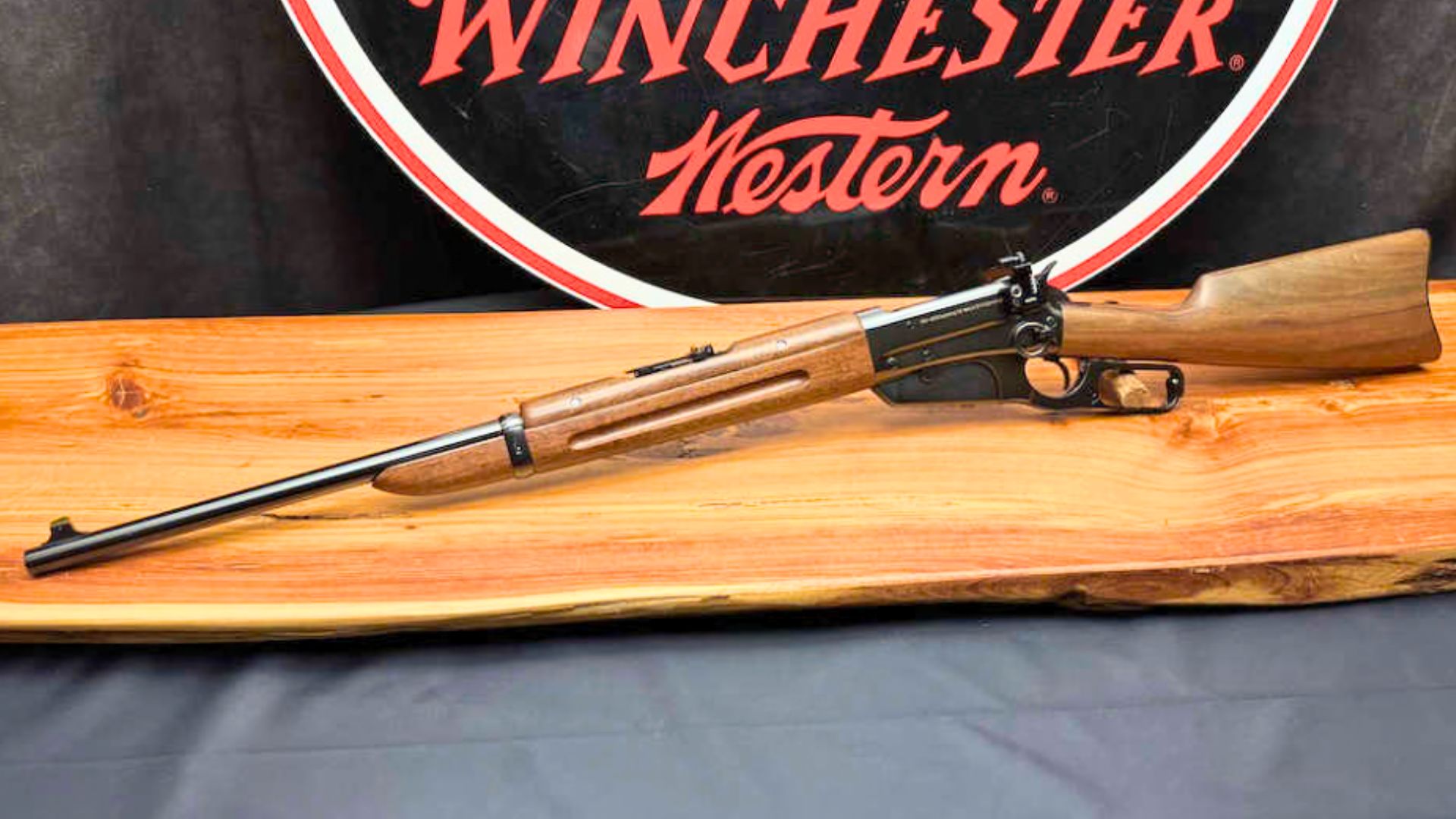
The 1895 survives because there is simply nothing else quite like it. The box-magazine lever action lets the rifle use cartridges and bullet shapes that traditional tube-fed lever guns cannot accommodate in the same way.
Winchester still includes the Model 1895 in its current rifle lineup. That does not make it a high-volume shelf gun. It is expensive, traditional, and purchased by people who usually know what a Model 1895 is before they enter the store.
Those characteristics make it vulnerable to becoming an order-it-if-you-want-it rifle. When I actually see one sitting on a dealer rack, I pay attention because there may not be another behind it.
Weatherby Orion SxS
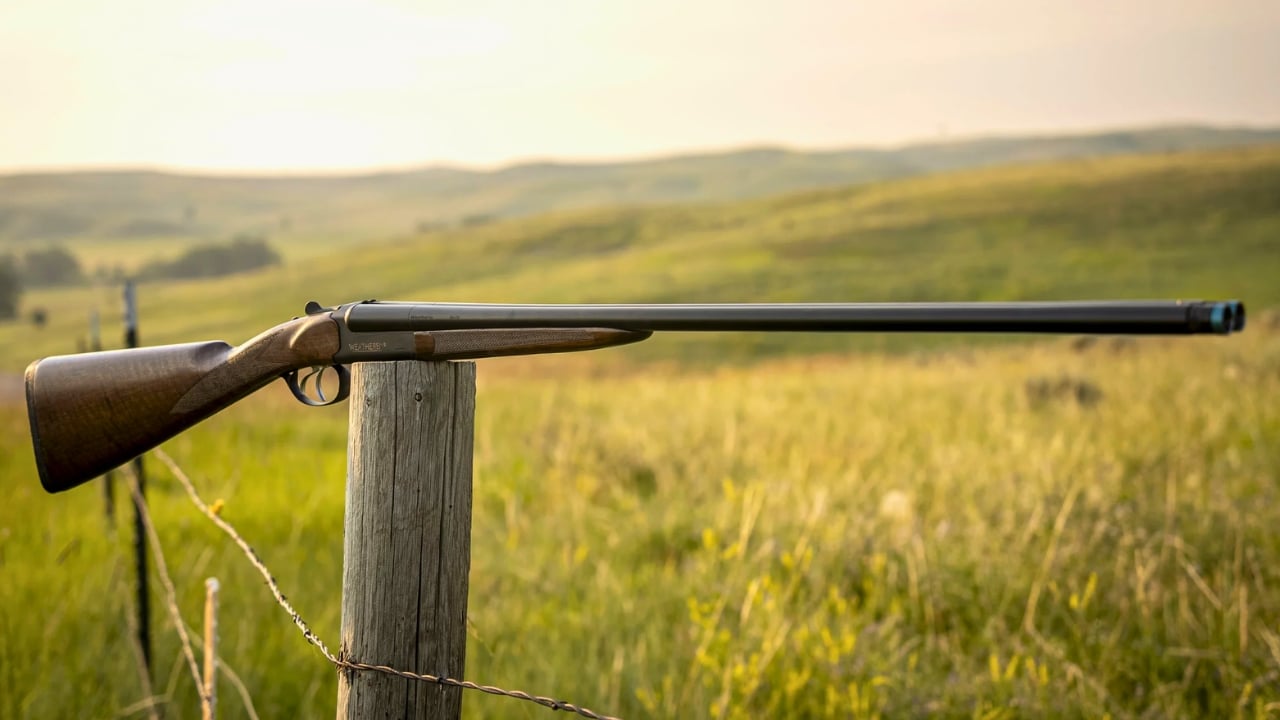
Side-by-side shotguns have largely vanished from ordinary American gun-store racks unless you are shopping at a store that caters specifically to wingshooters.
Weatherby is still fighting that trend with the Orion SxS, which remains a current walnut-stocked double with 28-inch barrels.
That makes it one of the more interesting guns here. It is not an antique and it is not a five-figure bespoke shotgun. It is a modern production side-by-side trying to survive in a market that overwhelmingly prefers pumps, semiautomatics, and over-unders. I would not take its continued presence for granted.
Browning Cynergy
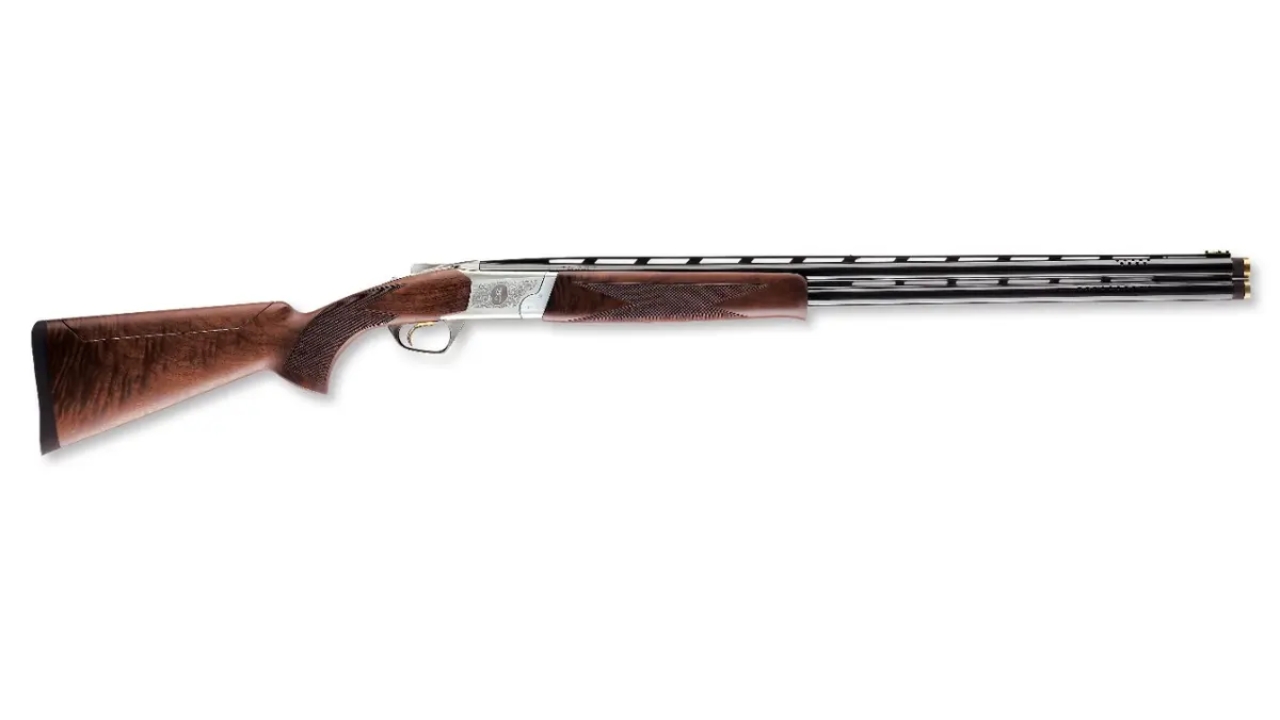
The Cynergy was supposed to demonstrate that an over-under did not need to follow the exact traditional formula used for generations.
Browning continues to list it alongside the Citori families in its current shotgun lineup. Yet the Citori name carries enormous recognition, while inexpensive imported over-unders attack the other end of the market.
The Cynergy therefore occupies a strange middle ground. Shooters who like it often really like it, but it is not necessarily the gun every dealer believes must be on the wall. That is how good firearms gradually become less common in stores even while technically remaining available.
Henry Garden Gun
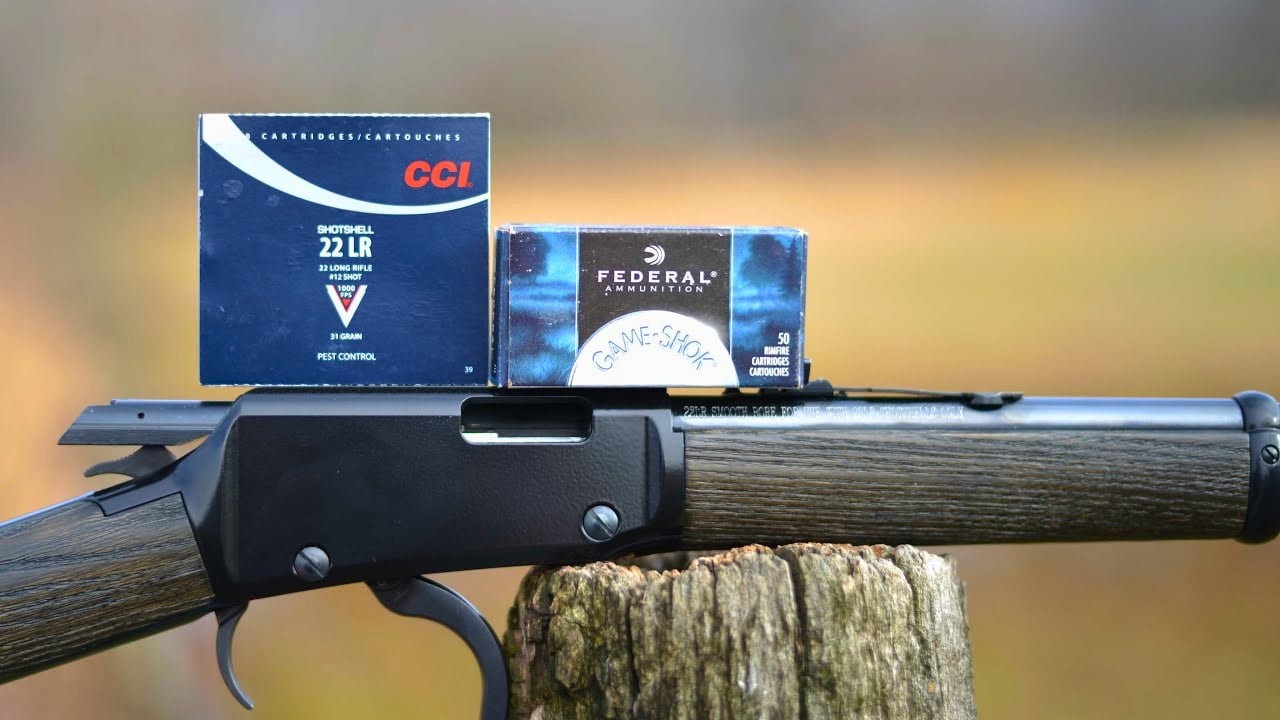
This may be one of the strangest current-production Henrys. The Garden Gun is built specifically around .22 LR shotshell ammunition rather than conventional rimfire rifle use.
Henry continues to list it in its current firearms catalog. The problem is obvious: that is an extremely specialized role.
A dealer can reasonably expect a basic .22 rifle to appeal to almost anyone. A smoothbore .22 shotshell gun is something a customer usually buys because he has a very specific pest-control job in mind. Specialized firearms like that rarely receive unlimited shelf space. If the concept interests you and you see one locally, I would not count on another store having three more.
Benelli Montefeltro Ultra Light

Lightweight upland shotguns are valuable to the people who actually spend hours walking behind dogs. They are much less exciting to the broader shotgun market.
Benelli still includes the Montefeltro Ultra Light within its Montefeltro family. But today’s high-visibility shotgun market leans heavily toward waterfowl guns, tactical semiautomatics, and competition models.
The Ultra Light is therefore the sort of specialized field gun that may never receive much physical inventory. It solves a real problem exceptionally well, but only for a relatively specific customer. Those are exactly the firearms that tend to vanish from ordinary stores first.
Savage 212 Harvester
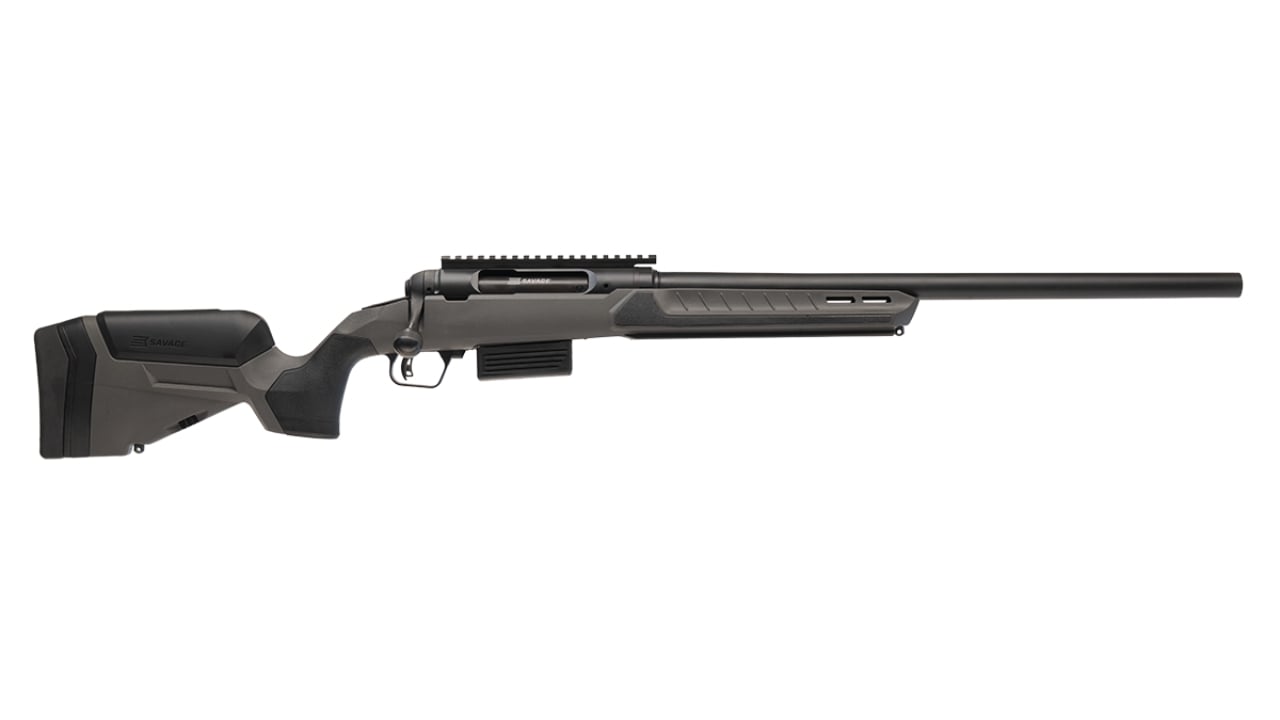
The 212 is the 12-gauge side of Savage’s bolt-action slug-gun family, and its market challenges are even more obvious than the 220’s.
Savage refreshed both the 212 and 220 Harvester lines for 2026 rather than abandoning them. That is important because it shows the difference between a gun disappearing from shelves and disappearing from production.
The 212 still has a job for hunters who want a dedicated rifled 12-gauge slug platform. There simply are fewer places where that job is necessary than there used to be. That makes local inventory increasingly dependent on regional hunting regulations.
Winchester Model 101
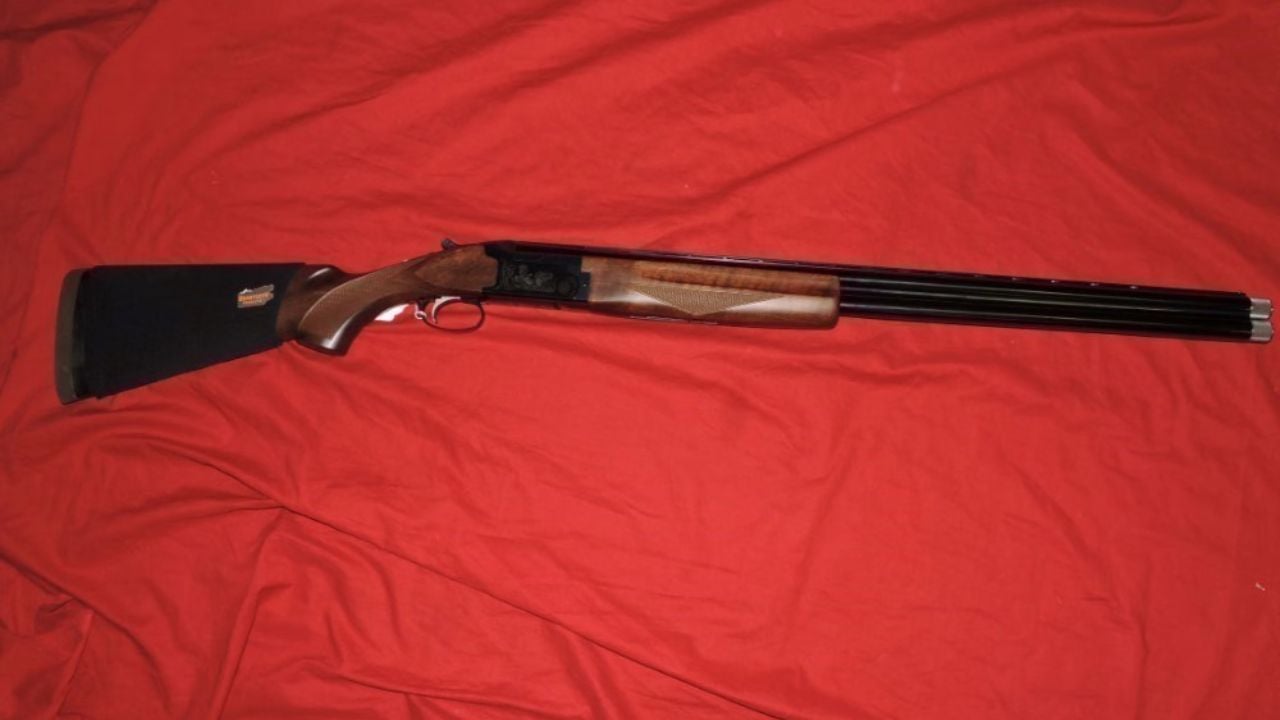
An over-under that costs real money requires a very different buyer from an inexpensive pump shotgun, which immediately narrows how many stores want to keep several around.
Winchester nevertheless continues to list the Model 101 as one of its current shotgun families. It remains a traditional sporting gun in a market where budget Turkish doubles and expensive Browning and Beretta guns attract much of the attention.
That middle position can be difficult. The 101 has not stopped being a legitimate field and sporting shotgun. It has simply become the kind of gun you may need a better-stocked dealer to encounter.
Browning 1911-22
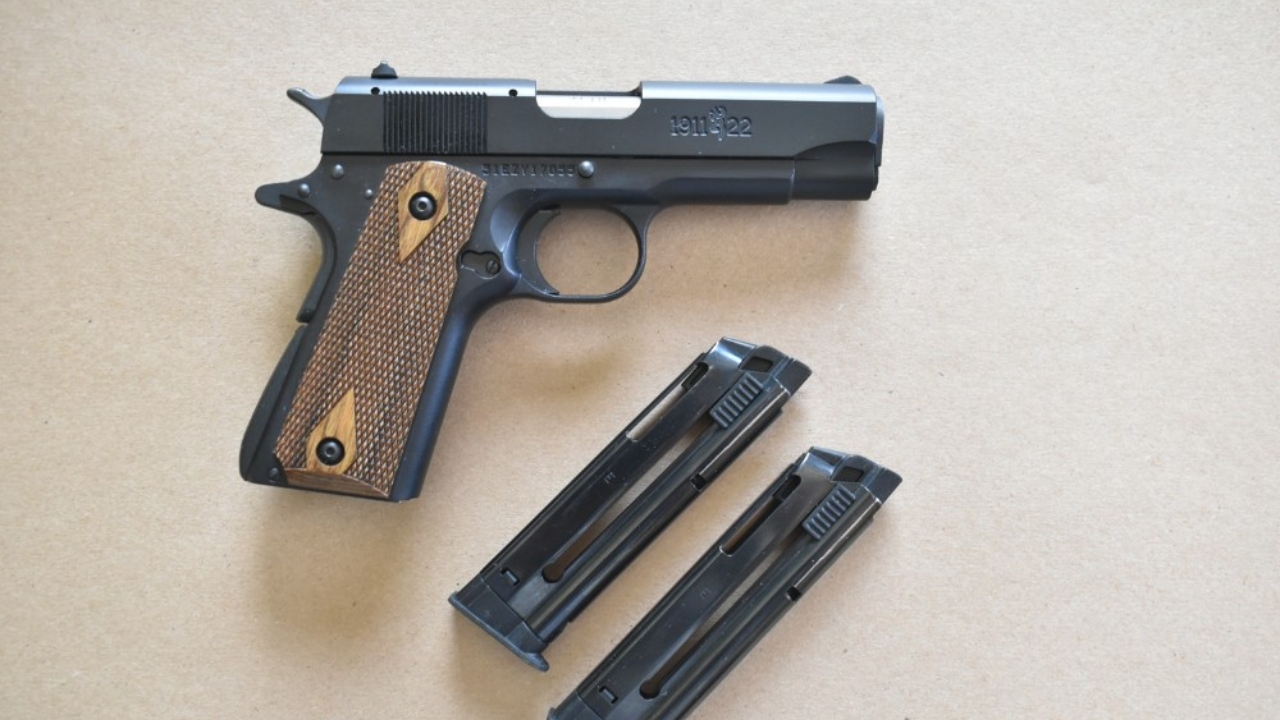
Rimfire pistols remain hugely popular, but today’s attention tends to go toward inexpensive polymer pistols, suppressor hosts, and optics-ready trainers.
Browning still lists the 1911-22 as part of its current handgun family. Its scaled-down metal 1911 concept occupies a much more traditional niche.
That makes it easy for stores to skip over when several cheaper .22 pistols may sell faster. The 1911-22 is not obsolete. It simply appeals to someone who specifically wants the feel and controls of a miniature 1911. That narrower audience naturally makes it less likely to show up everywhere.
Weatherby Orion I

The basic Orion I sits in one of the toughest sections of the shotgun market. It is an over-under for someone who wants more than the cheapest double available but does not necessarily want to spend several thousand dollars.
Weatherby still offers the Orion I with 12- and 20-gauge configurations and 26- or 28-inch barrels.
The problem is shelf economics. Many casual hunters buy pumps or semiautomatics, while committed over-under buyers often jump directly toward established premium names. The Orion can get squeezed between them despite offering exactly the kind of straightforward field double many hunters actually need.
Henry Single Shot Slug Barrel Shotgun
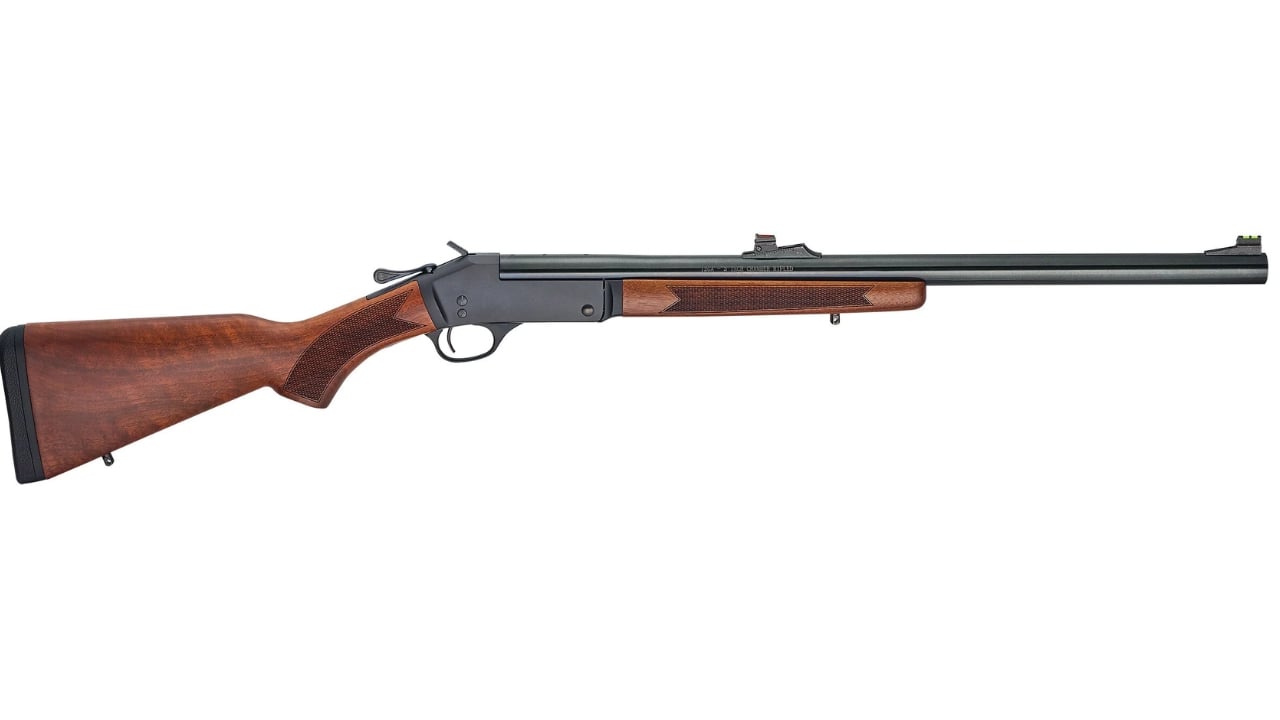
A dedicated single-shot slug shotgun might be one of the most specialized long guns still sitting in a major manufacturer’s catalog.
Henry currently lists its 12-gauge Single Shot Slug Barrel Shotgun alongside the broader H15 family. That is impressive considering how dramatically deer-gun preferences have changed.
It is inexpensive compared with elaborate dedicated slug platforms and about as mechanically straightforward as a firearm gets. But straight-wall cartridges have given hunters in many regions another option, making the dedicated slug gun less essential. That is exactly the sort of market shift that makes a gun slowly disappear from local racks before the manufacturer necessarily gives up on it.
Browning T-Bolt Left-Hand and Specialty Variants
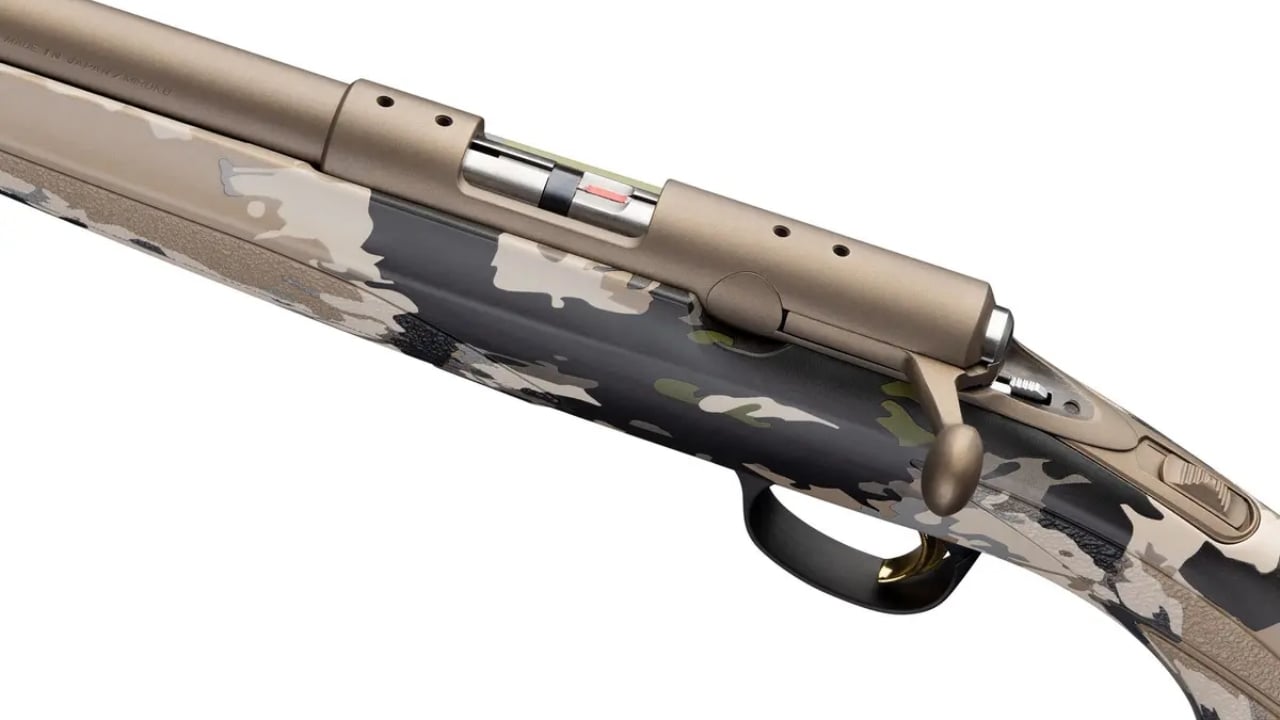
The last gun is really a warning about configurations rather than an entire firearm family. With something like the T-Bolt, the model name can survive while individual versions quietly vanish.
Browning explicitly maintains a discontinued T-Bolt archive and notes that those versions may remain only at limited dealers after production ends. That matters for left-handed rifles, specialized stocks, unusual chamberings, and other lower-volume combinations.
A shooter can see the T-Bolt name in Browning’s current catalog and assume his exact preferred version will always be obtainable. That is not necessarily how modern firearm catalogs work. Sometimes the gun does not disappear. The version you actually wanted does.
Like The Avid Outdoorsman’s content? Subscribe to our newsletter so you never miss an article.
Here’s more from us: