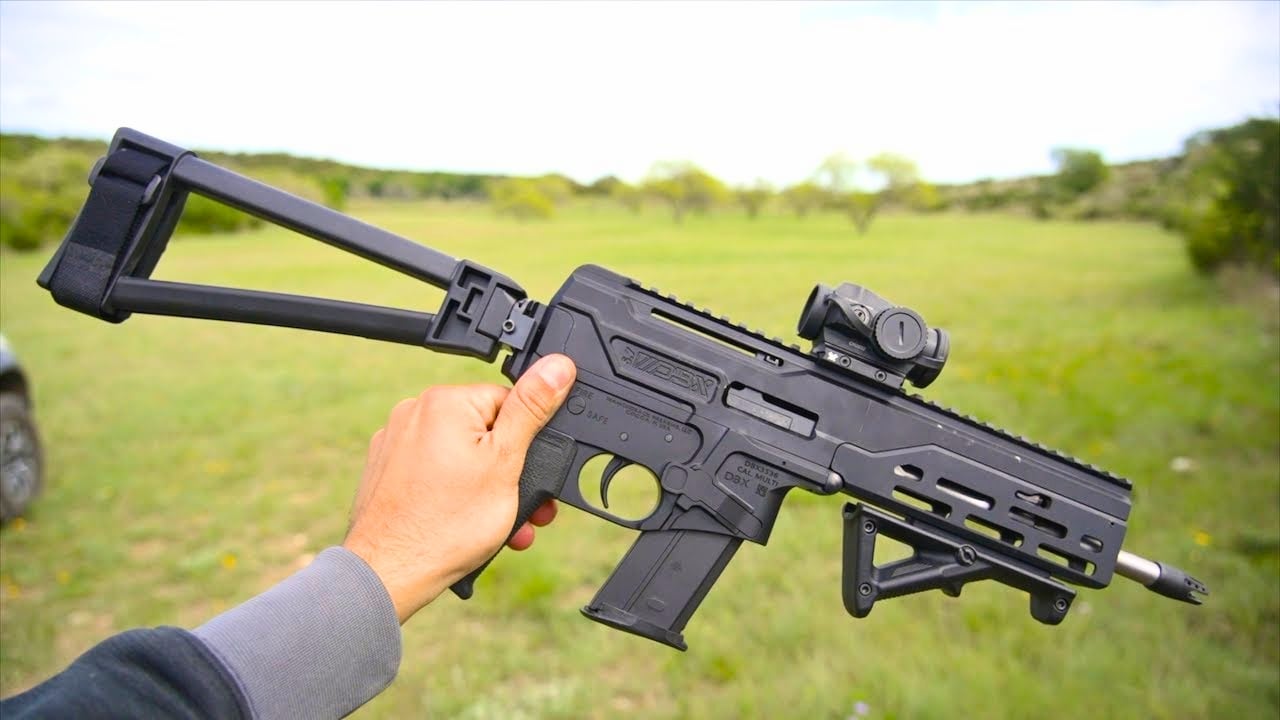
Photo credit: Texas Plinking/YouTube
The easiest collectible guns to recognize are usually already expensive. Everyone knows about the famous Colts, old Winchesters, military surplus rifles, and discontinued pistols that collectors have been chasing for years.
The more interesting guns are the ones nobody is taking seriously yet. They are still viewed as ordinary shooters, strange experiments, short-lived models, or inexpensive guns from manufacturers that do not currently inspire collector excitement. That can change quickly once production dries up and owners realize there was nothing else quite like them. These 20 firearms do not scream collectible today, but I would not be surprised if clean original examples become much more desirable down the road.
Beretta ARX100

The ARX100 never became the major American-market rifle Beretta probably hoped it would. Its unconventional appearance, extensive polymer construction, and competition from the AR-15 made it easy for buyers to dismiss.
That may eventually work in its favor. The rifle has a genuinely unusual operating system, extensive ambidextrous controls, quick-change barrel capability, and unmistakable styling. More importantly, it represents Beretta making a serious attempt at a modern modular rifle that never became commonplace. Strange discontinued military-inspired rifles have a habit of becoming much more interesting once everyone realizes how few are actually circulating.
SIG Sauer P556
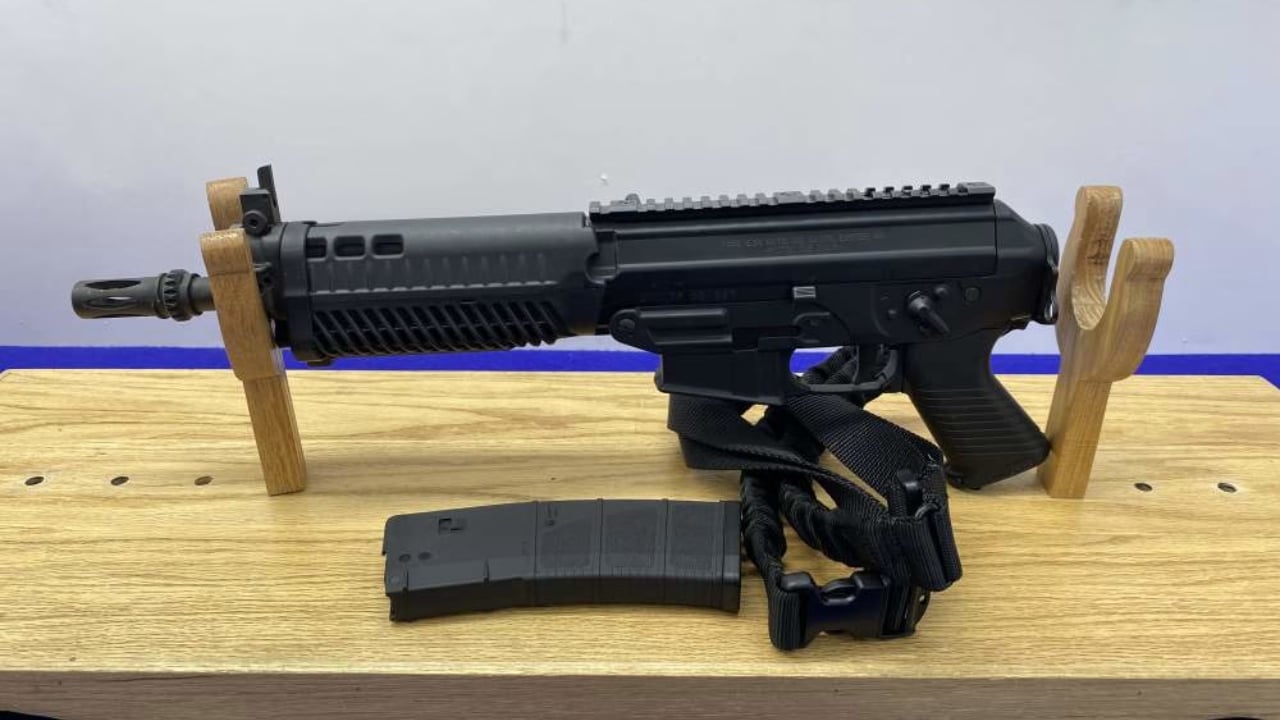
The P556 was an unusual American pistol adaptation of SIG’s 55X rifle family. At the time, it seemed like another oversized rifle-caliber pistol competing in a rapidly growing category.
Years later, that Swiss-influenced operating system and distinctive appearance give it far more personality than another generic AR pistol. The market has moved through several generations of compact rifle-caliber firearms since then, but the P556 remains recognizably its own thing. Clean examples with original equipment could eventually attract shooters who want a piece of SIG’s pre-MCX American catalog.
Remington R1 Enhanced
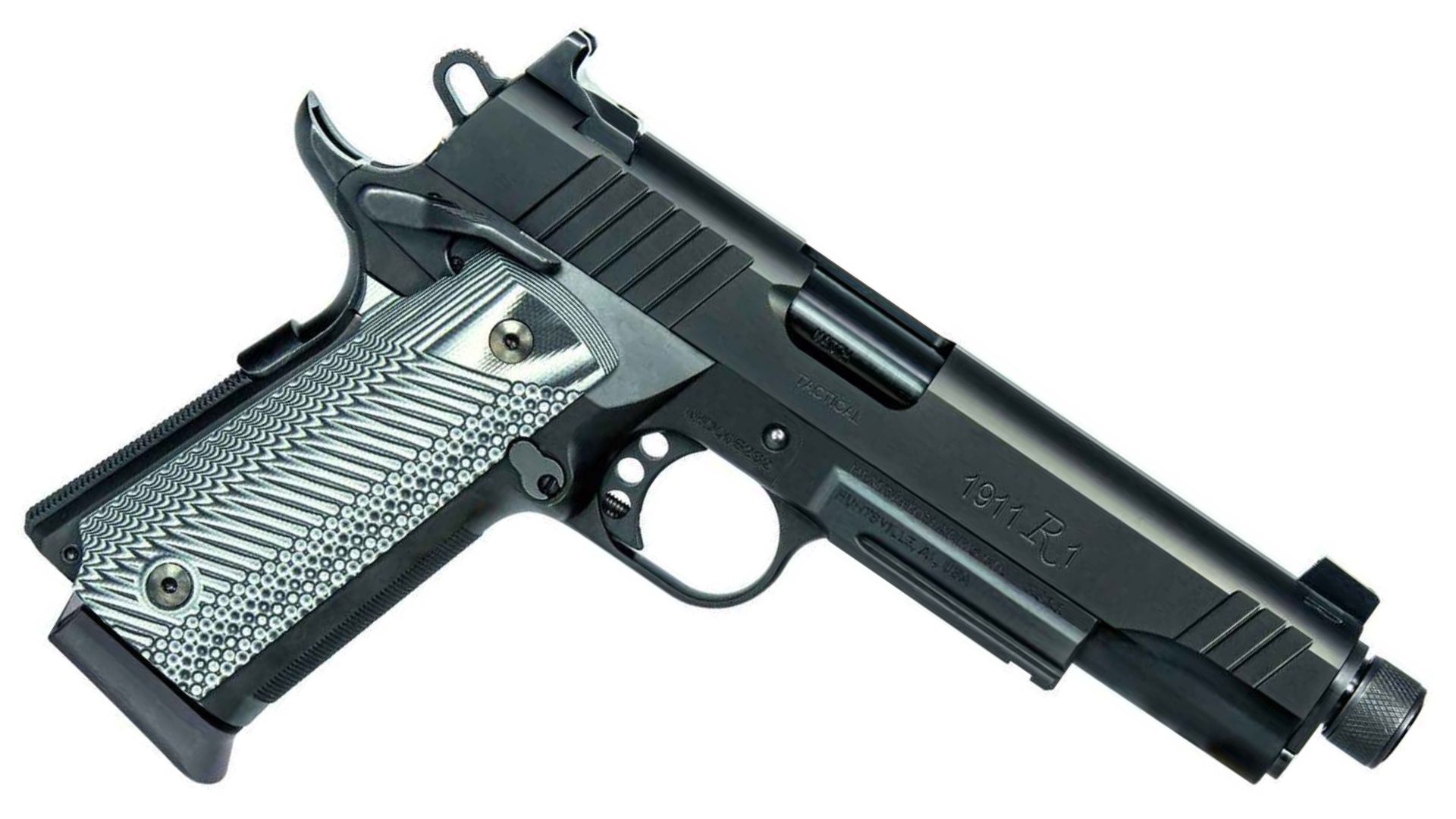
The R1 arrived during Remington’s modern attempt to return to the 1911 market. At the time, it was simply another production 1911 in an already crowded category.
Its future appeal may come from the Remington name and the relatively short period when the company was building these pistols. The Enhanced versions are particularly interesting because they represent a more fully equipped factory configuration rather than a bare GI-style gun. Nobody is treating ordinary R1s like major collectibles today, but discontinued firearms tied to a vanished period of an iconic American manufacturer have a way of aging differently than expected.
Ruger SR556
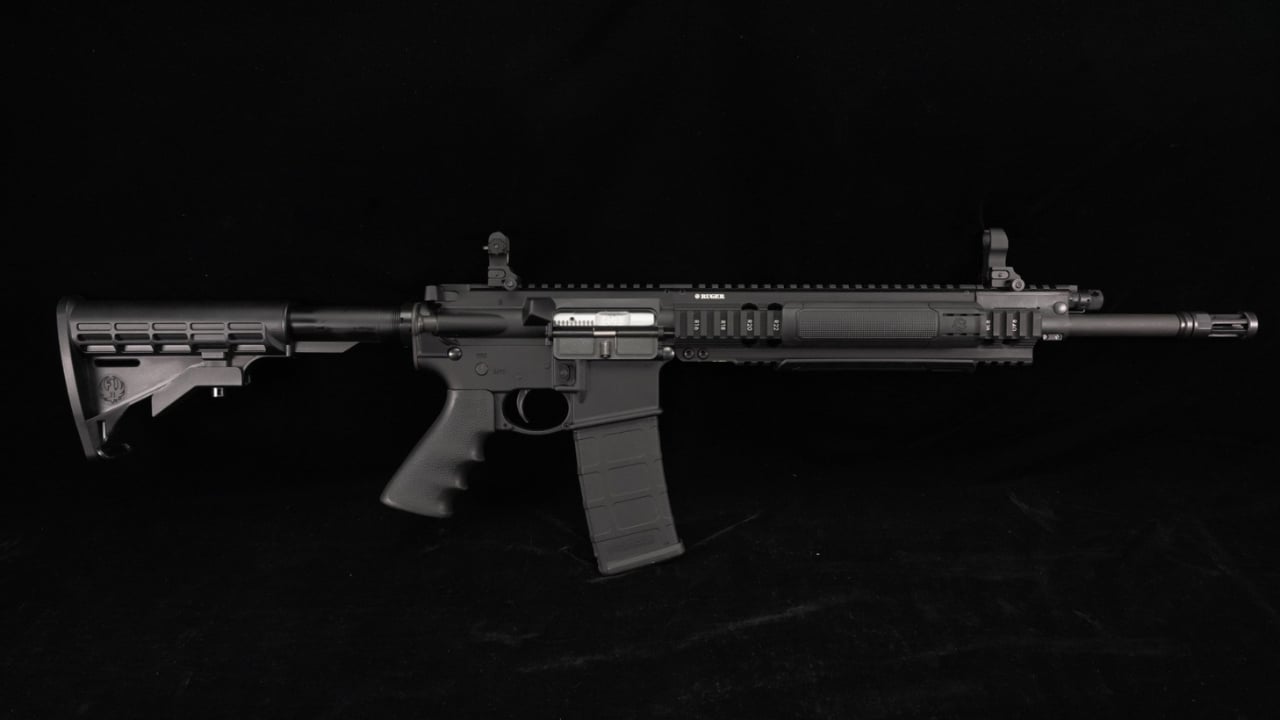
Ruger’s piston-driven SR556 entered the AR market when piston rifles were being promoted as the next major evolution of the platform.
The market eventually decided that ordinary direct-impingement ARs were good enough for most shooters, and the SR556 faded away. That leaves a distinctive Ruger rifle with a recognizable piston system, factory configuration, and a relatively short place in the company’s history. Ruger collectors eventually seem to notice almost every unusual model the company discontinues. I would not be surprised if clean original SR556 rifles eventually follow that pattern.
Smith & Wesson M&P15-22 Performance Center
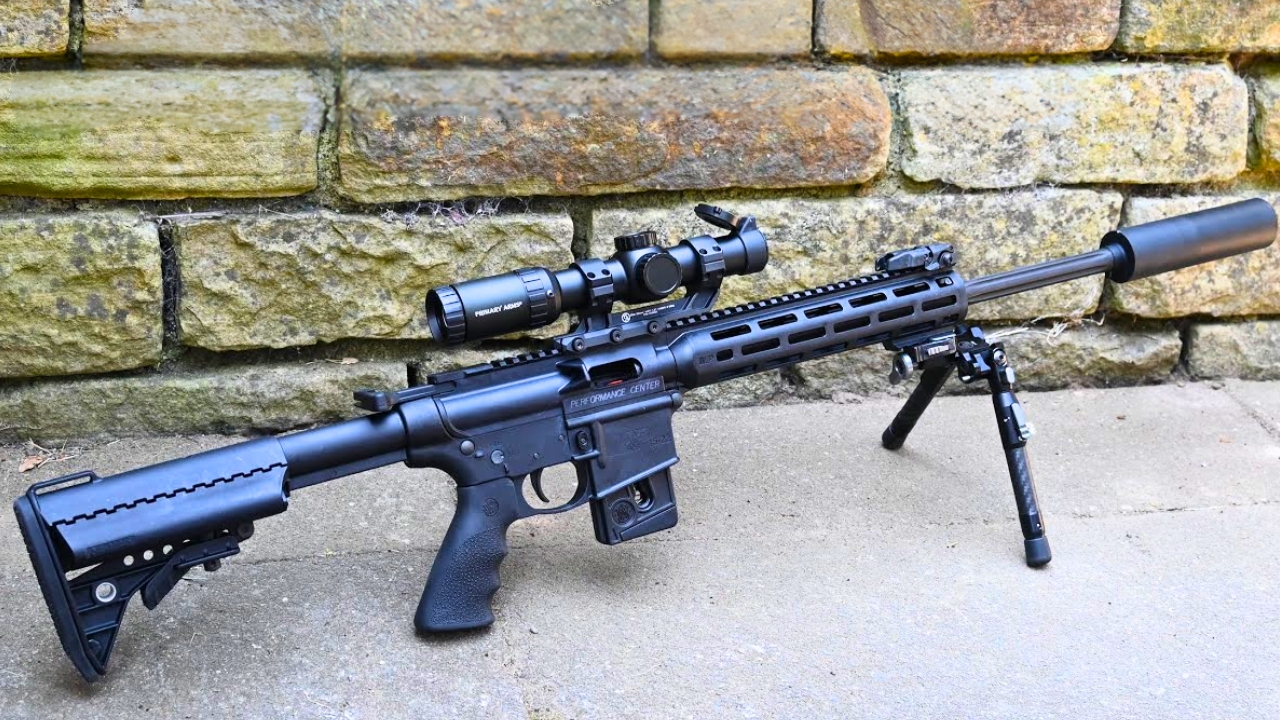
The standard M&P15-22 is far too common to feel collectible, which is exactly why the Performance Center variants are easy to overlook.
Specialized factory configurations often matter later because far fewer survive in completely original form. Owners modify rimfire AR-style rifles constantly, changing stocks, triggers, handguards, optics, and barrels without thinking twice. A less-common Performance Center model that stays factory-correct could eventually stand apart once particular versions disappear from production.
Mossberg MVP Patrol
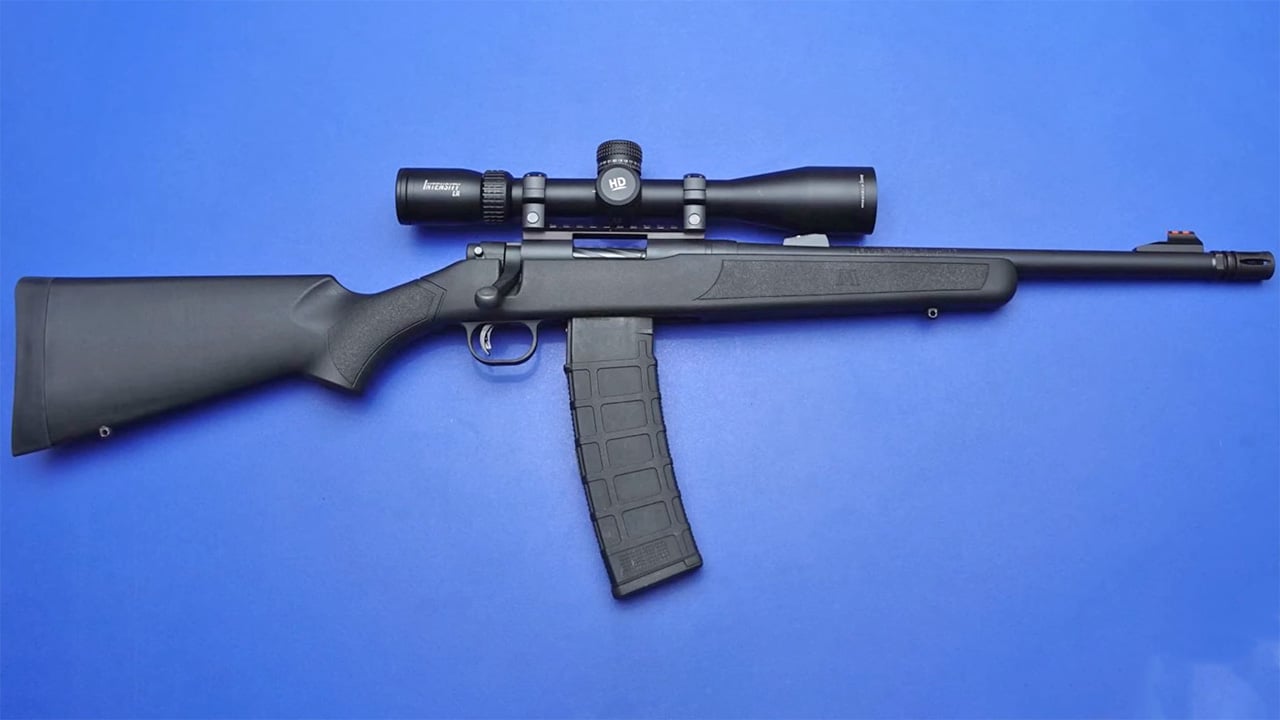
The MVP Patrol never looked like a future collector rifle. It was a practical bolt action designed around detachable magazines and common cartridges.
That functional oddness is precisely what might make it interesting later. Bolt rifles accepting AR-pattern or other widely available magazines were much less normal when the MVP family appeared, and Mossberg approached the concept differently from most competitors. If the platform eventually disappears completely, clean early Patrol rifles could become representative examples of a period when manufacturers were trying to merge bolt-action simplicity with modern magazine compatibility.
Savage Model 25 Walking Varminter
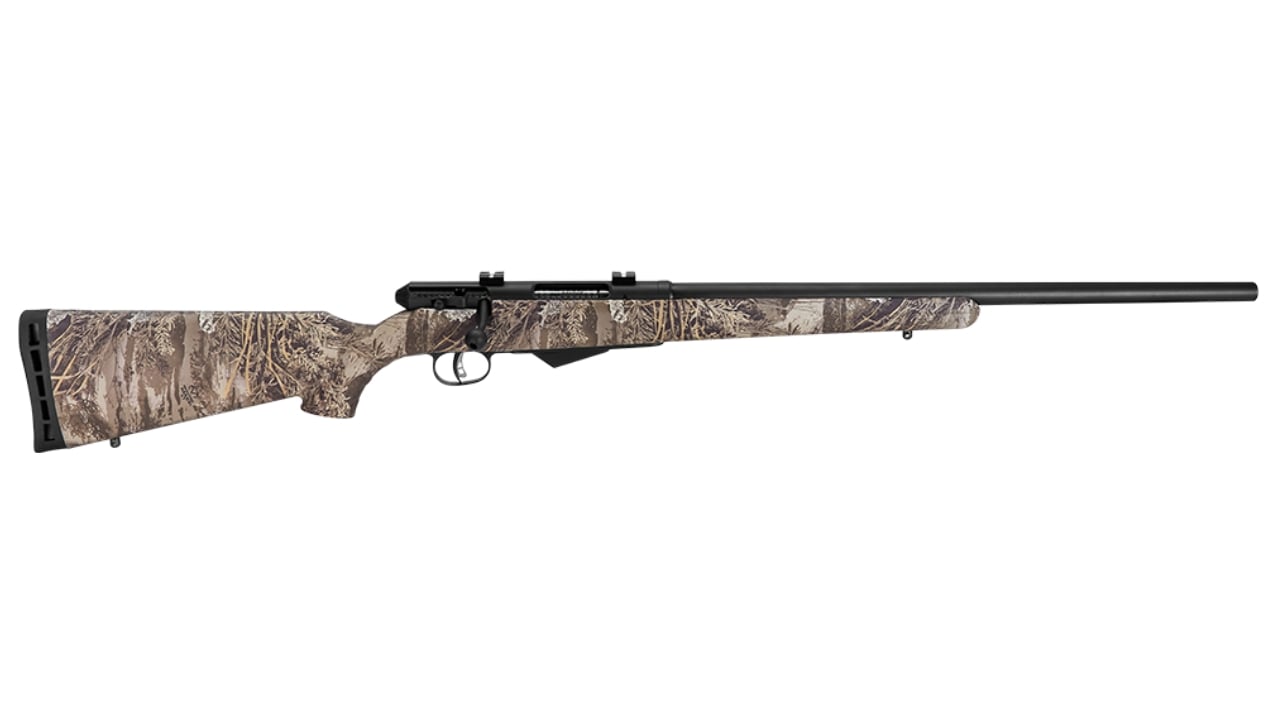
The Model 25 has never generated the enthusiasm surrounding Savage’s larger 110-family rifles. It is a relatively modest lightweight varmint rifle that many shooters barely notice.
That is why unusual chamberings and clean factory configurations could become interesting later. Small-action varmint rifles often get heavily modified, rebarreled, or simply used hard. If particular chamberings disappear, original guns can suddenly become difficult to locate. Collectors frequently become interested in the exact models everyone ignored while they were readily available.
Browning Buck Mark Rifle

A rifle built around the Buck Mark pistol concept has always been unusual, yet it has never received widespread collector attention.
The design is visually distinctive, lightweight, and completely unlike the endless field of conventional semiautomatic .22 rifles. That difference matters once production becomes inconsistent or stops. There are millions of ordinary rimfires available. There are far fewer factory rifles that look and operate like a stretched Buck Mark. Oddball rimfires often take years to become appreciated, but once they do, clean examples disappear quickly.
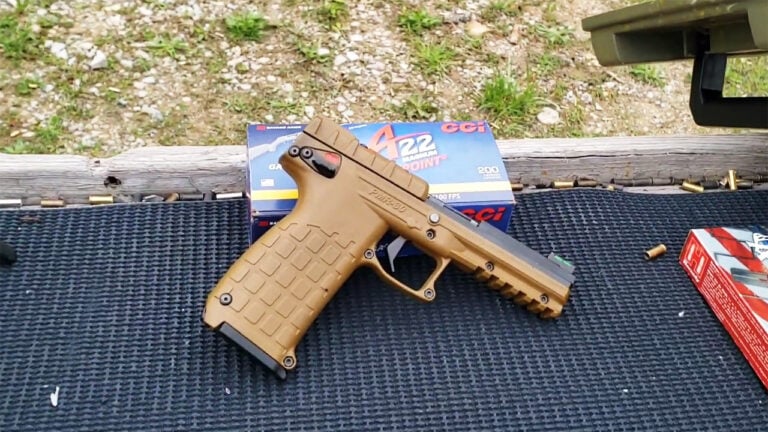
KelTec RFB

The RFB still looks more like an engineering experiment than something collectors would preserve. Its bullpup layout, forward ejection, and .308 chambering make it one of the stranger mainstream rifles produced in recent decades.
That is exactly the recipe that can create future interest. If KelTec eventually replaces it or stops production, there is unlikely to be another rifle that perfectly recreates what the RFB does. Guns that were considered weird when new frequently become fascinating once the market standardizes around more conventional designs.
KelTec SU-16

The SU-16 was designed as a lightweight utility rifle rather than a premium collectible. Polymer construction, folding features, and the ability to use common magazines made practicality the entire point.
That also makes it representative of a very specific era in rifle design. Before compact AR variants became as widespread as they are now, the SU-16 offered a different way to build a portable 5.56 rifle. If the family eventually disappears, original early variants could become surprisingly interesting to collectors who remember when these rifles were common gun-show material.
FN FNS-40 Longslide
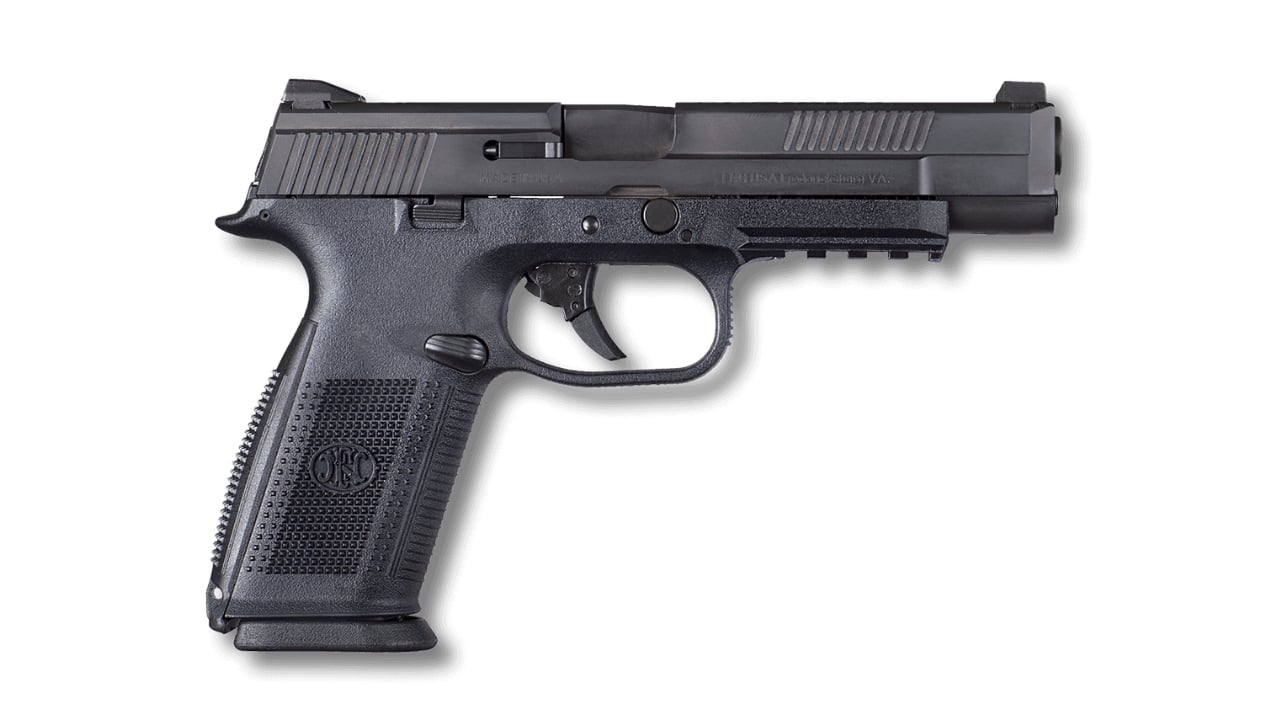
The FNS family was replaced before it ever developed the kind of following Glock, M&P, or SIG pistols enjoy. The .40-caliber Longslide is even easier to overlook because both the platform and cartridge have fallen from mainstream favor.
That combination could become valuable to collectors later. A discontinued handgun, uncommon barrel length, declining cartridge, and major manufacturer make a good recipe for future scarcity. Most owners are not preserving these as collectibles now, which means original examples may become noticeably harder to find once people actually start looking.
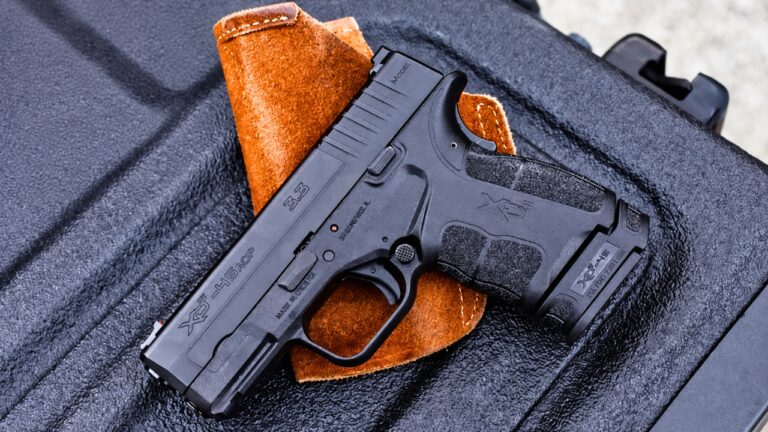
Springfield Armory XD(M) 5.25 Competition .45 ACP
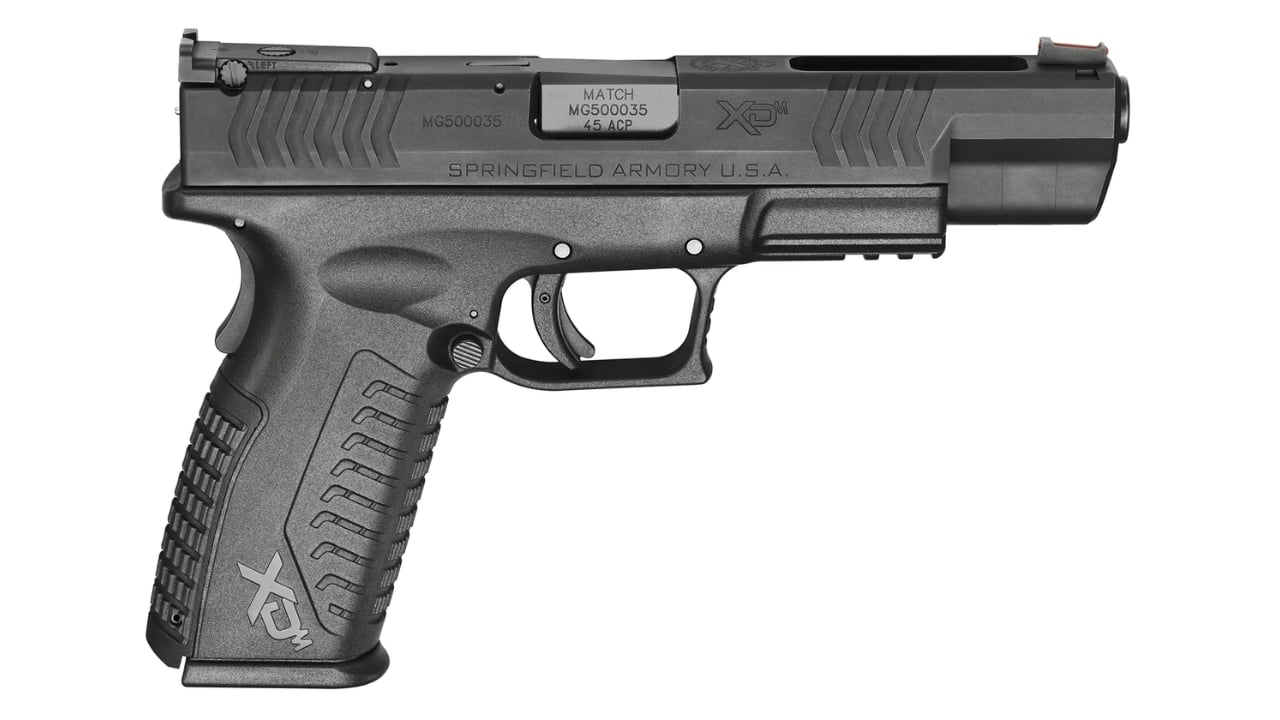
The long-slide XD(M) competition pistols were once normal catalog guns for shooters who wanted something ready for matches straight from the box.
The market has moved toward optics-ready pistols, steel-frame strikers, and double-stack 1911s. That leaves a long-slide .45-caliber polymer competition pistol looking almost like a product from another era already. Distinctive factory performance models often gain appeal after their category disappears, and the 5.25-inch XD(M) variants are exactly the sort of guns owners may eventually wish they had kept original.
Ruger Charger Takedown
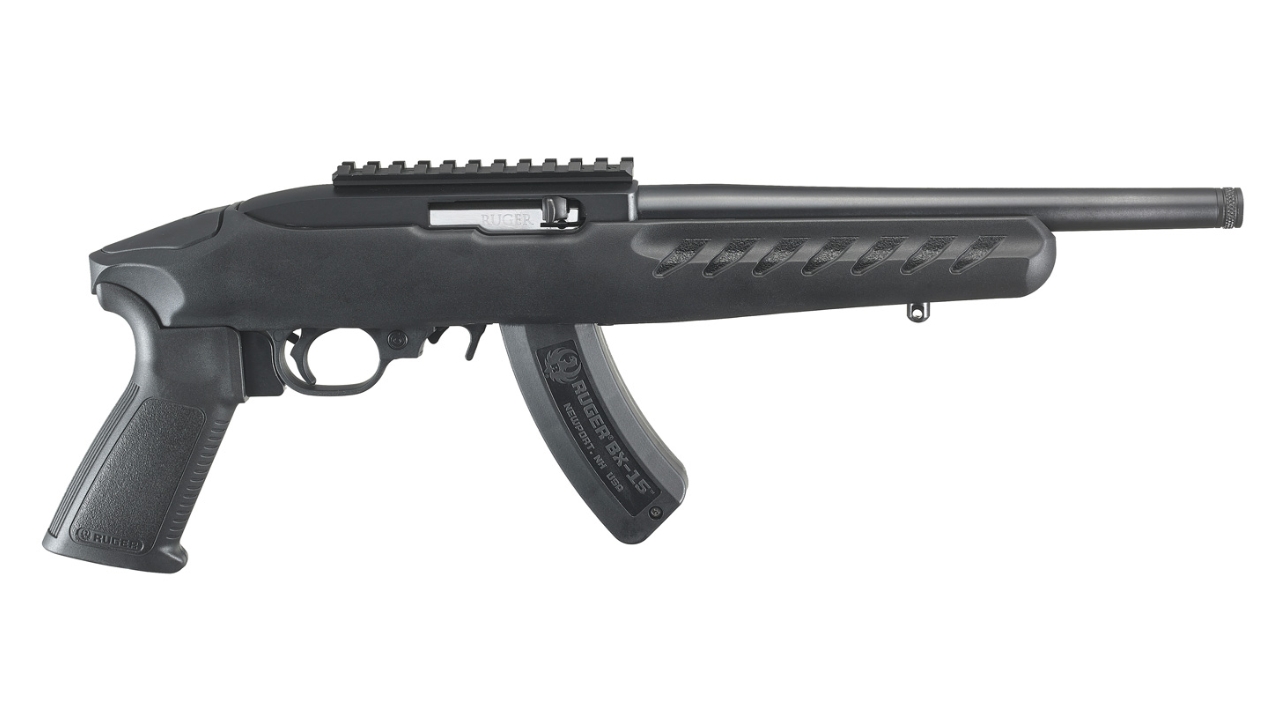
The Charger has always sat in an odd space between pistol, rimfire carbine concept, and endlessly customizable 10/22 platform.
The Takedown versions add another layer of mechanical identity. Because owners tend to modify Chargers heavily, a completely factory-original example of a discontinued or unusual configuration may become much harder to find than expected. Ruger has produced enough variations over the years that future collectors will almost certainly start separating generations and configurations rather than treating every Charger as interchangeable.
Walther CCP M2 .380
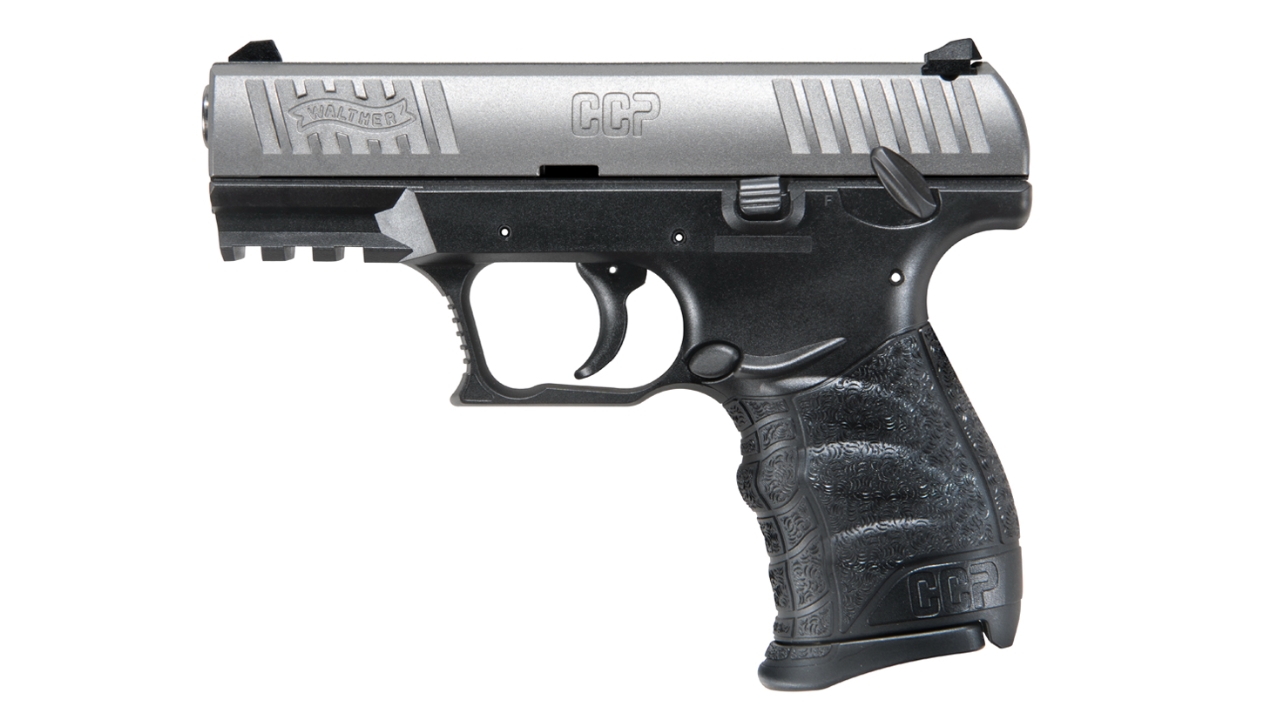
The CCP has never been one of Walther’s headline pistols, and the .380 version occupies an especially narrow niche.
Its gas-delayed operating system makes it mechanically different from most compact .380s, while the model’s relatively low profile means very few people are preserving them for future collectors. If Walther eventually leaves the concept behind completely, the CCP could become one of those pistols people revisit simply because manufacturers stopped building anything comparable.
Kimber Micro 9 Rapide

The Micro 9 family is still viewed mainly as a carry-gun line, and elaborate Rapide configurations can look like cosmetic variations rather than future collectibles.
That may change once specific finishes and configurations disappear. Kimber produces enough short-run visual variations that keeping track of them can become difficult, and that is exactly how particular versions later become surprisingly scarce. An untouched factory Rapide with its original box and magazines could become far more interesting than the average heavily carried Micro 9.
Diamondback DBX57
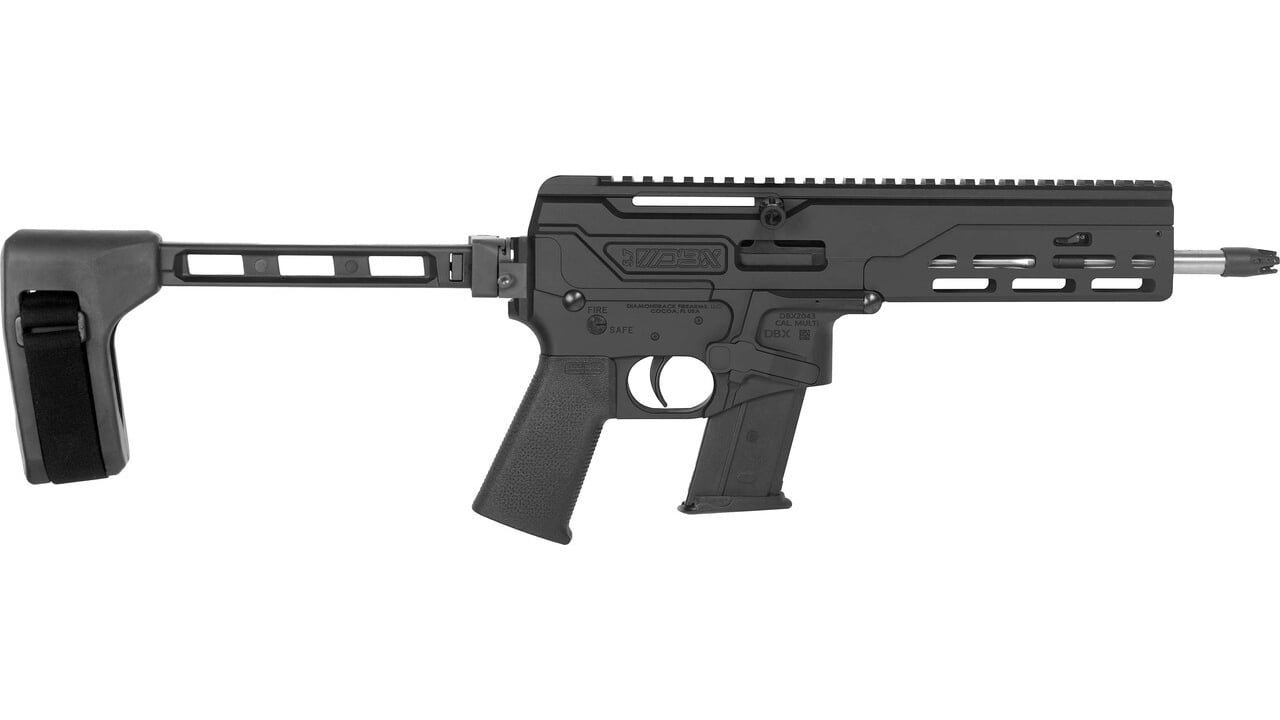
The DBX57 is hard to categorize, which is usually bad for mass-market success and potentially good for future collectibility.
It is a compact 5.7x28mm firearm with a layout that does not closely resemble the conventional pistols or carbines around it. Whether the platform survives long term remains less important than the fact that it represents a distinct experiment from a smaller manufacturer during the rapid expansion of the 5.7 market. Unusual guns tied to short-lived trends often become the pieces collectors hunt later.
Bond Arms Bullpup9
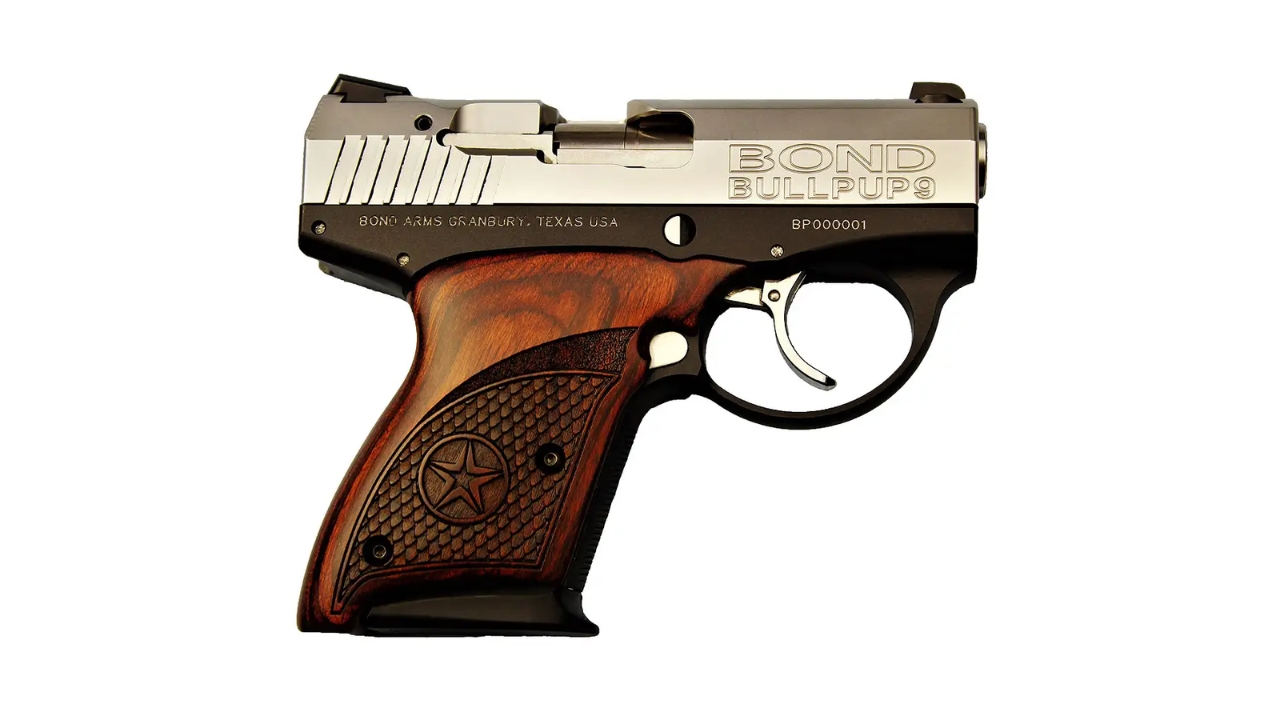
The Bullpup9 is nothing like the derringers most shooters associate with Bond Arms. Its compact dimensions and unconventional feeding system make it mechanically distinctive even in a crowded concealed-carry market.
That novelty has not translated into mainstream popularity, but it could make the pistol much more interesting later. If production eventually ends, there will not be dozens of comparable designs to choose from. The guns that become collectible are often not the ones that were objectively best. They are the ones that were different enough to be remembered.
Ruger American Pistol Competition
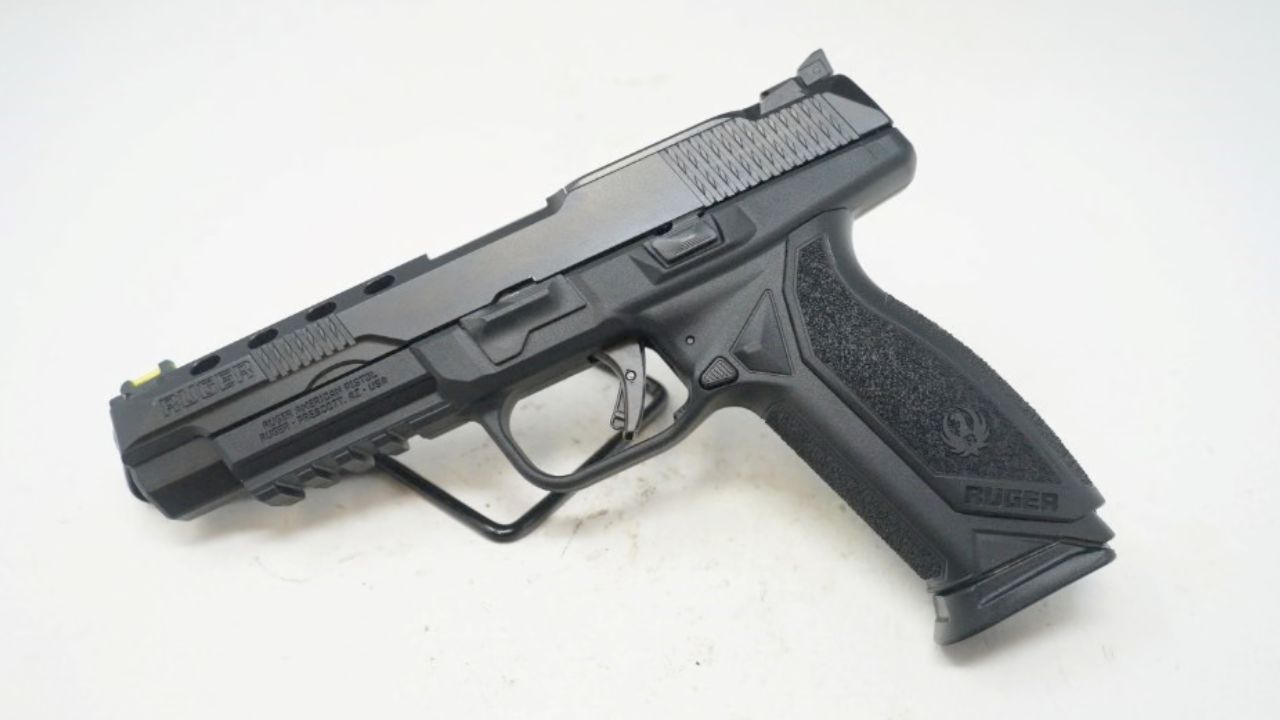
The Ruger American Pistol never became the company’s answer to Glock or the M&P, and the competition-oriented versions are even less visible today.
That is precisely why I would keep an eye on them. Ruger collectors have a long history of becoming interested in commercial experiments that failed to dominate while new. A specialized long-slide version of a short-lived service-pistol platform fits that description nicely. Right now, it looks like an overlooked used pistol. A decade from now, the story may be different.
Smith & Wesson SW22 Victory Performance Center
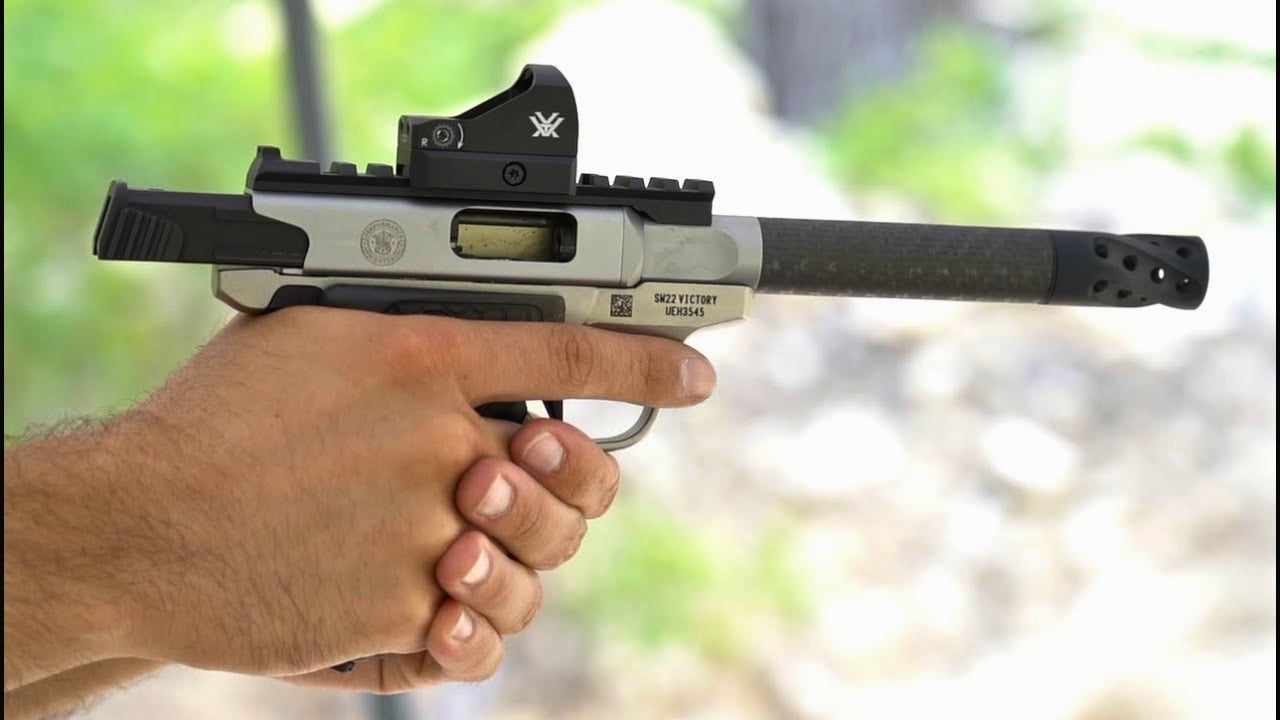
The ordinary Victory is a practical modern rimfire, but Performance Center variants create the kind of factory specialization that can matter later.
Most shooters buy .22 pistols to modify and use heavily. Barrels, grips, optics, and controls get swapped without any concern for maintaining original configuration. That means a less-common factory Performance Center version kept complete could become much harder to locate once specific variants leave the catalog. Collectors often become interested only after everyone has already modified the surviving guns.
Henry U.S. Survival AR-7

The AR-7 has been produced in various forms for decades, so the basic design does not look rare or particularly collectible.
Henry’s versions could become interesting precisely because of the changing configurations, finishes, and branding surrounding the platform. The rifle is already mechanically distinctive with its ability to store major components inside the stock and float when properly assembled. If particular Henry variants eventually disappear, clean examples may become representative pieces of one of the longest-lived unusual survival-rifle concepts in America.
Like The Avid Outdoorsman’s content? Subscribe to our newsletter so you never miss an article.
Here’s more from us: