Photo credit: Texas Gun Vault/YouTube
Some guns become collectible so loudly that everybody notices. Prices jump, auction houses start talking about them, and owners suddenly realize the rifle or pistol they bought years ago is now something people actively hunt for.
The more interesting guns are the ones disappearing quietly. They are not always historically important, beautifully finished, or even especially expensive yet. They simply stopped being made, were imported in relatively modest numbers, or belonged to a category manufacturers have mostly abandoned. Every year, more clean examples settle permanently into collections and fewer return to ordinary gun-store racks. These 20 firearms are exactly the kind I would pay attention to before everybody else notices how scarce they have become.
Remington Model 673 Guide Rifle
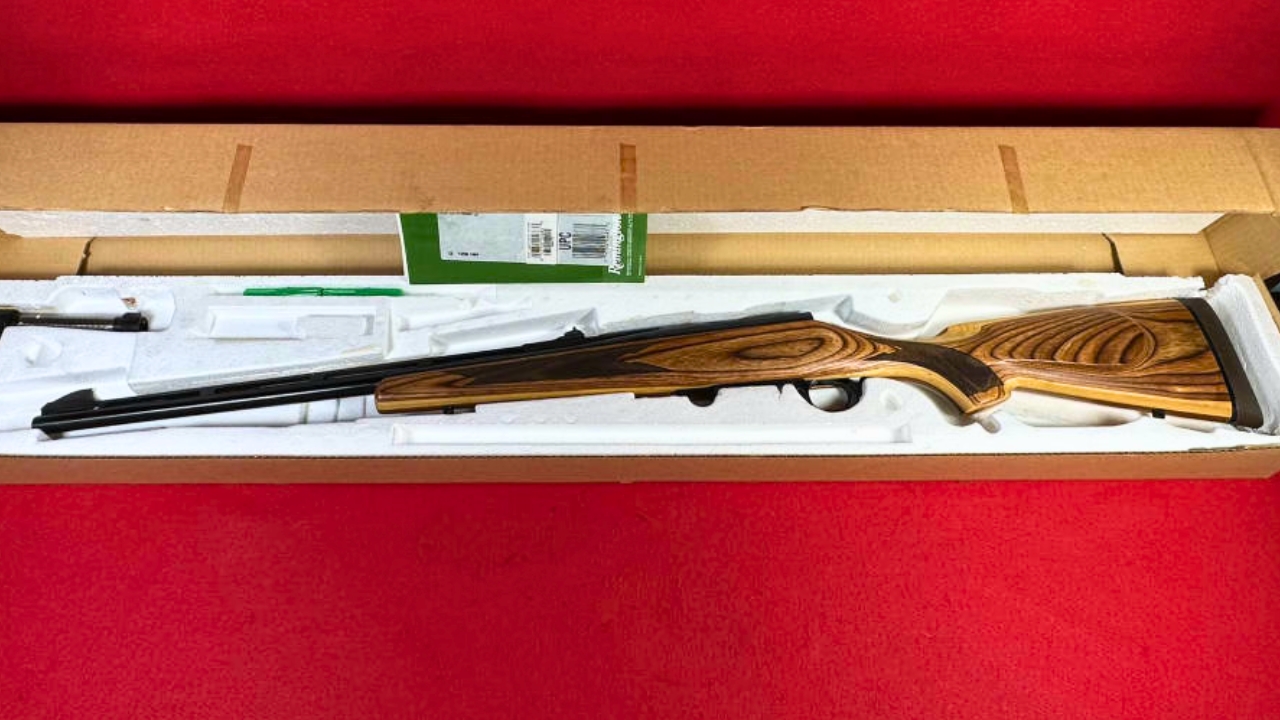
The Model 673 Guide Rifle never had enough time to become a truly common hunting rifle. Remington brought back some of the character of the old Model 600 and 660 family with a short barrel, laminated stock, vented rib, and chamberings aimed squarely at hunters who wanted a compact rifle with real authority. It was unusual without being ridiculous, and that may actually have worked against it when buyers could walk into the same store and buy a more conventional Model 700. Production did not last long, which means there simply are not endless examples waiting to be rediscovered.
Today, the 673 occupies a strange place where hunters, Remington collectors, and people who simply like short woods rifles all want the same guns. Once a clean example lands with somebody who understands what it is, it usually does not come back quickly.
Winchester Model 70 Classic Stainless
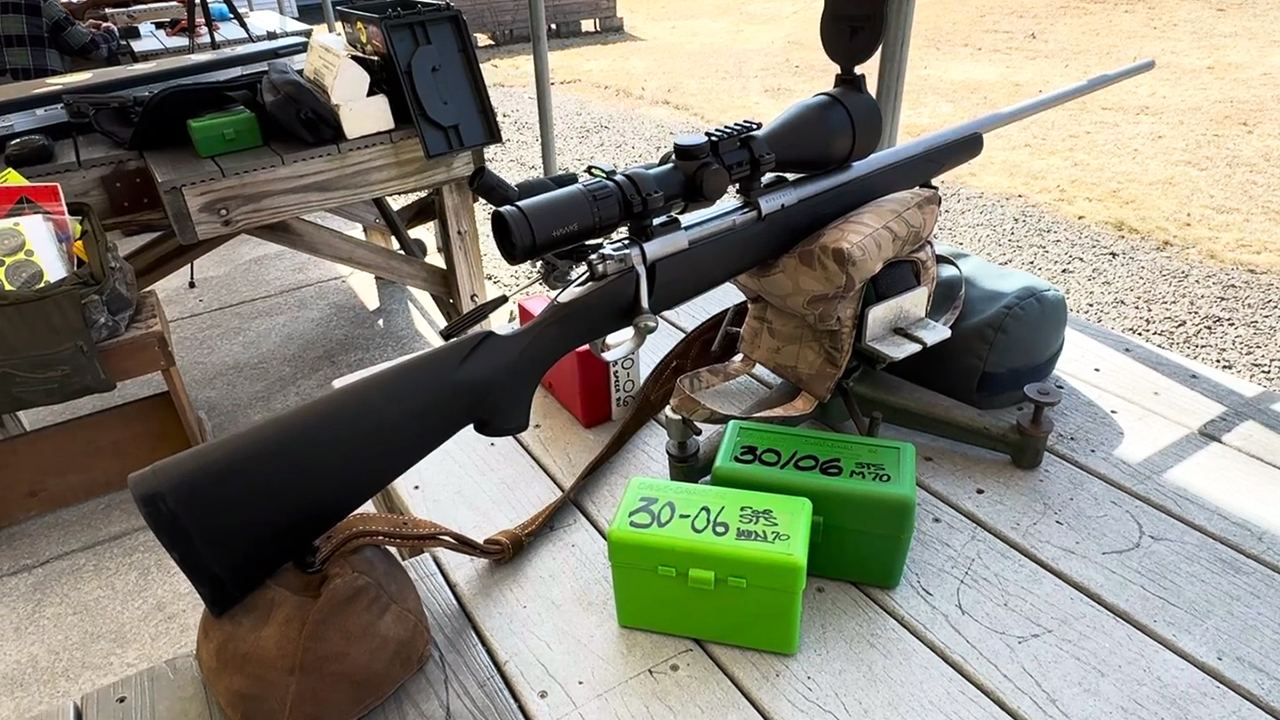
The Classic Stainless versions of the Model 70 combined controlled-round feeding with stainless construction at a time when hunters were becoming much more interested in rifles that could handle ugly weather. They were practical guns rather than presentation pieces, which means many were actually carried hard instead of preserved. That matters now because truly clean examples are becoming noticeably less common. The current Model 70 lineup may cover similar hunting roles, but collectors and longtime Winchester shooters still distinguish the older Classic-era rifles from later production.
The stainless versions are particularly appealing because they sit at the intersection of traditional Winchester design and modern field durability. Plenty were made, but plenty were also hunted with for decades. Condition is increasingly what separates an ordinary used rifle from one people immediately grab.
Ruger M77 Mark II Compact
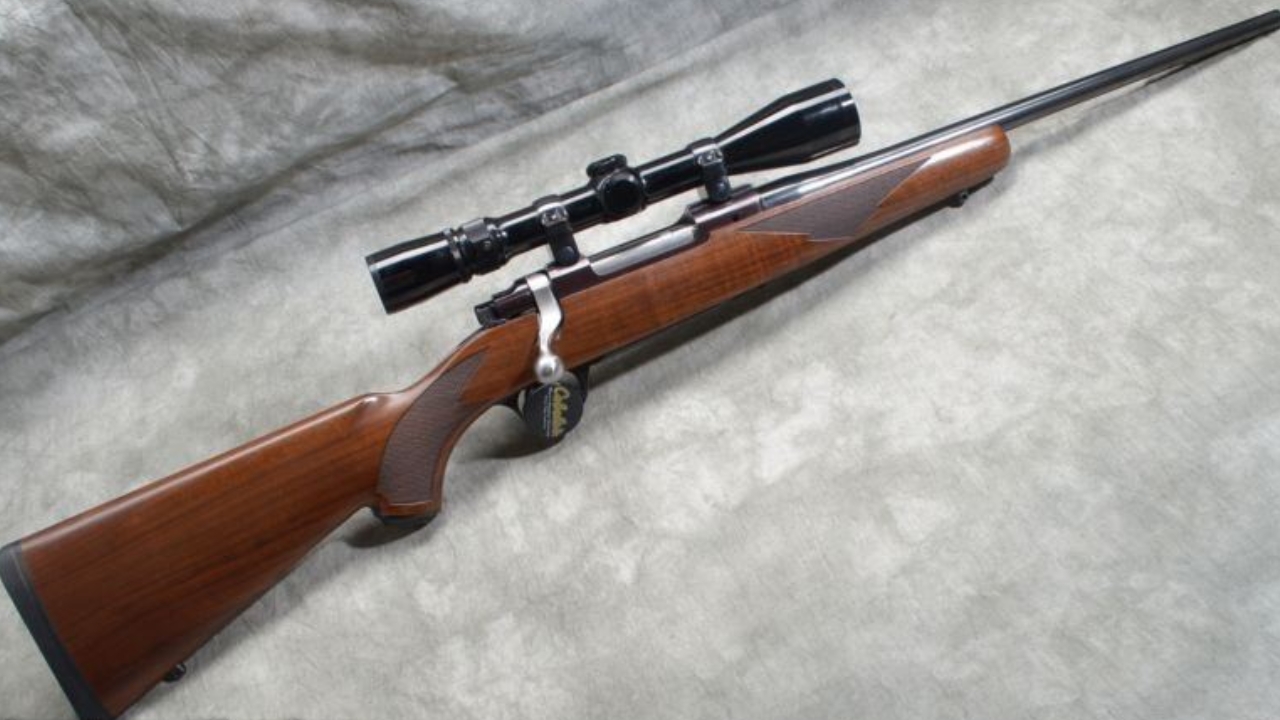
Compact bolt rifles have become popular again, but Ruger had already figured out the formula years ago with short, handy M77 Mark II configurations. The Compact models combined the older controlled-round-feed-style action with shortened stocks and barrels that worked extremely well in thick woods or for smaller-framed hunters. Unlike many modern youth rifles, they still felt like scaled-down versions of a serious hunting gun rather than inexpensive starter rifles that owners would eventually outgrow.
That is exactly why good examples disappear so quickly. Adults now recognize how useful short rifles are in blinds, trucks, and heavy cover, while people who grew up with one often want another. There is no endless new supply replenishing what leaves the used racks.
Remington Model Seven Stainless

The Model Seven has always lived in the shadow of the Model 700, but the compact stainless versions may eventually be the ones people regret ignoring. They gave hunters a short, lightweight bolt rifle built around a familiar Remington action without forcing them into a full-size platform. The stainless construction made sense for rifles likely to be carried through wet woods, and the compact dimensions made them especially useful for stands, brush hunting, and long days on foot.
The problem now is that the Model Seven is no longer something you can assume will be sitting in every sporting-goods store. Hunters who actually used them know how handy they are, and clean examples tend to get absorbed quickly. This is exactly the kind of rifle that becomes expensive after everybody realizes nothing quite replaced it.
Sako Finnlight 75

The Sako 75 Finnlight came from an era when lightweight hunting rifles were becoming more refined but had not yet turned into today’s carbon-fiber arms race. The rifle combined a slick Sako action, excellent trigger, detachable magazine, and lighter field-oriented construction without losing the substantial feel that makes a hunting rifle easy to shoot. It never became cheap enough for casual buyers to flood the market with used examples, and owners who paid Sako money in the first place often kept them.
That combination makes the supply feel smaller every year. There are newer Sakos and plenty of modern lightweight rifles, but the 75 generation has its own following. A clean Finnlight in a desirable hunting chambering is becoming the kind of gun you remember seeing rather than something you can easily replace next month.
Browning A-Bolt Stainless Stalker
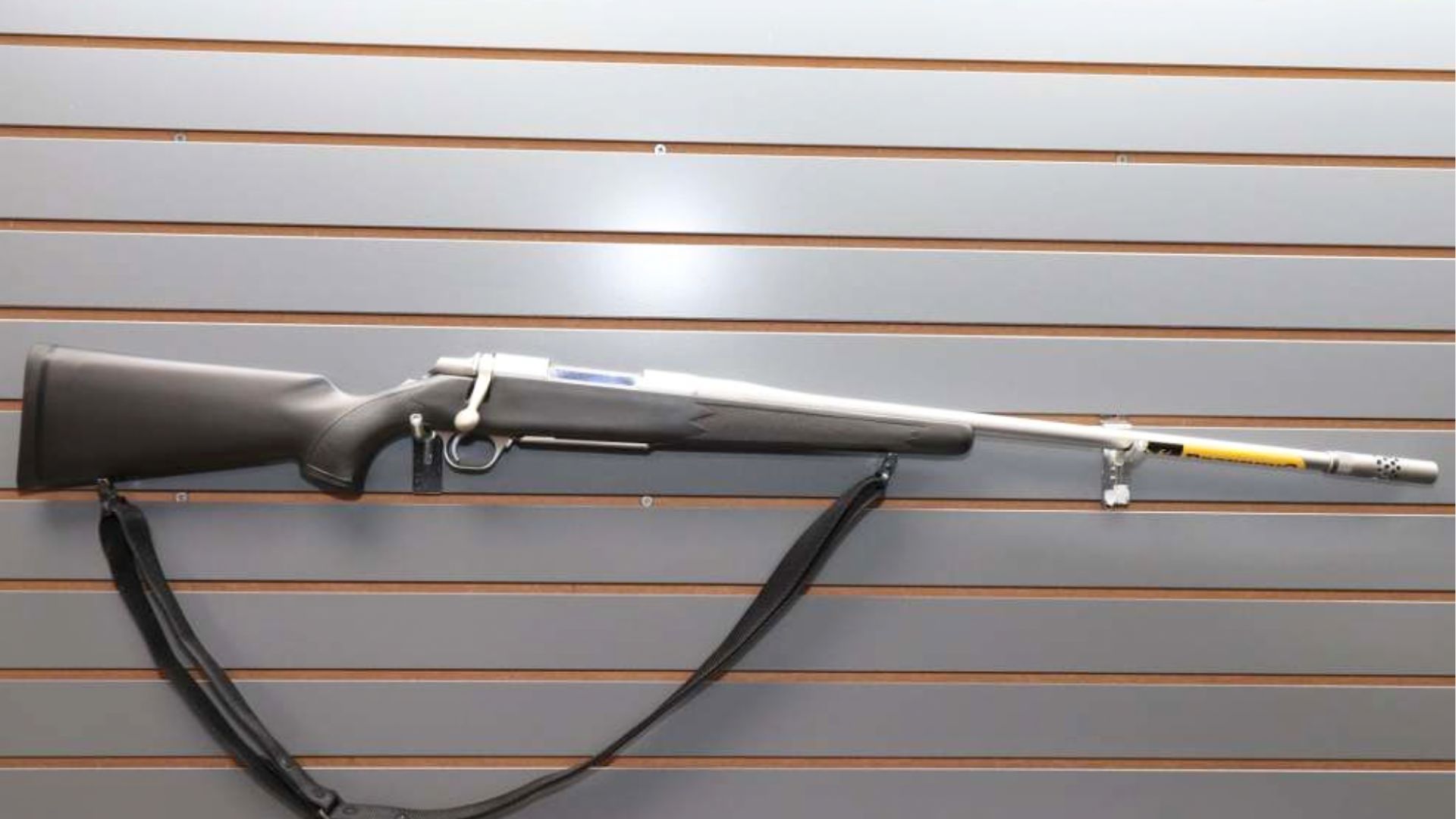
The A-Bolt Stainless Stalker was once just another dependable Browning hunting rifle. That ordinary reputation may be exactly why so many shooters failed to notice what disappeared when Browning moved on to newer bolt-action platforms. The A-Bolt action is slick, the tang safety is excellent for a hunting rifle, and the stainless synthetic configuration is about as practical as a bad-weather deer rifle gets. Many were purchased to be used hard, so pristine examples were never going to remain everywhere forever.
Hunters who prefer the older A-Bolt now have to compete with collectors and people trying to replace rifles they foolishly sold years ago. They are not impossibly rare, but the best examples no longer linger very long when priced sensibly.
CZ 550 American
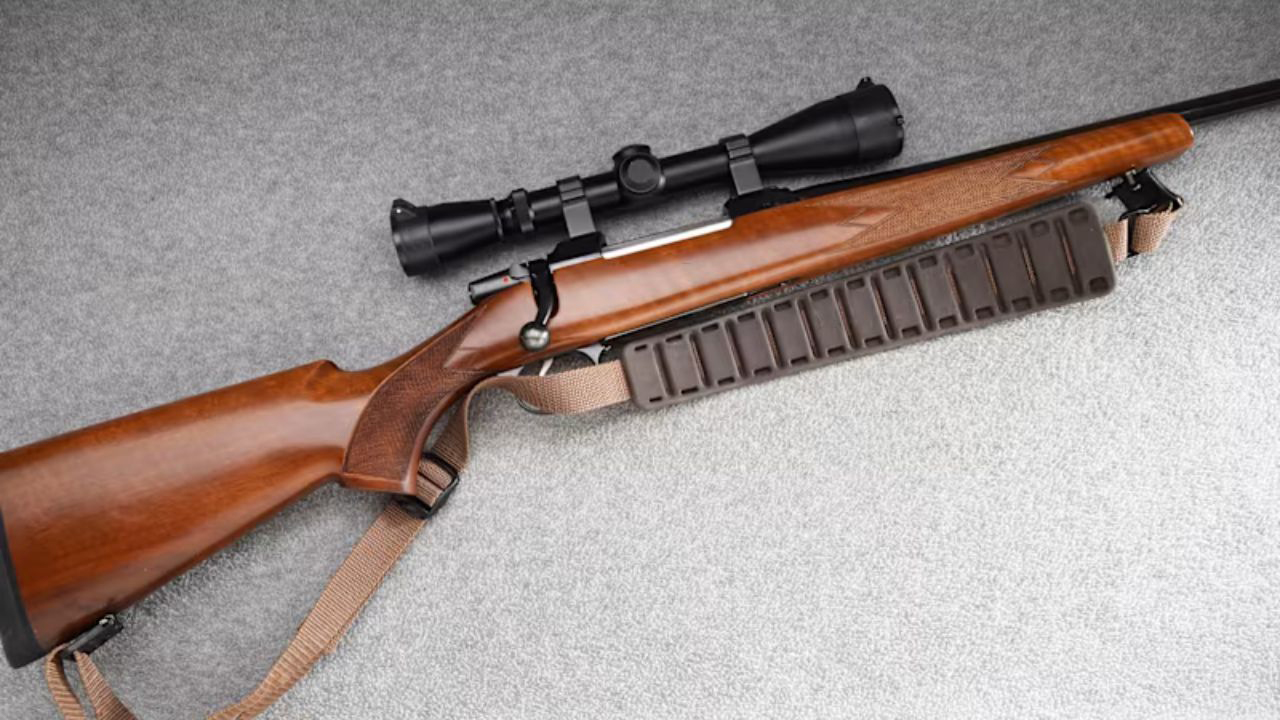
The CZ 550 American was a straightforward bolt rifle that combined a Mauser-style action with a more familiar American stock profile. At the time, it was easy to take for granted because CZ offered several excellent centerfire rifles and buyers assumed something similar would always be available. That turned out to be a poor assumption. The 550 line eventually disappeared, and the replacement rifles went in a noticeably different direction.
The old 550 now appeals to hunters who want controlled feeding, substantial steel construction, and a traditional rifle that does not feel optimized around weight savings. Magnum and unusual chamberings get most of the attention, but even ordinary American versions are becoming harder to stumble across. Owners increasingly know what they have.
Ruger 77/22 Hornet
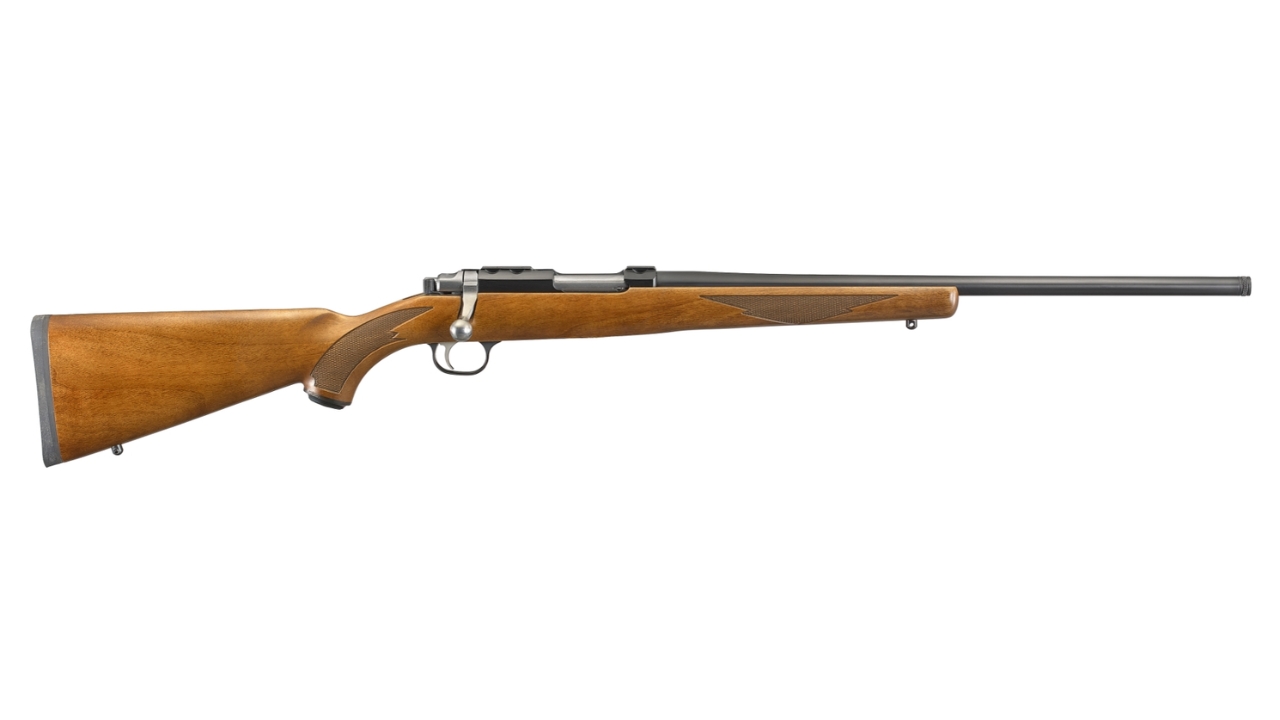
The 77/22 family covered several useful rimfire and small-centerfire roles, but the Hornet version was especially interesting. It gave you a compact bolt rifle chambered for .22 Hornet in a platform that handled more like a serious centerfire than a lightweight varmint gun. The rotary magazine kept the underside clean, while the cartridge made the rifle useful for predators, varmints, and property work without the noise or appetite of larger .22 centerfires.
Today, rifles chambered in .22 Hornet are not exactly filling dealer racks, and Ruger’s older 77-series guns have developed a loyal following of their own. Put those two factors together and good 77/22 Hornets become surprisingly difficult to replace after you sell one.
Remington Model 700 Titanium

The original Model 700 Titanium arrived before ultralight hunting rifles became the enormous category they are today. Remington used titanium in the action to cut weight dramatically while keeping the familiar Model 700 architecture. These rifles were expensive when new, produced in far smaller numbers than ordinary 700s, and often purchased by serious mountain hunters who actually carried them. That is not a recipe for plentiful mint-condition survivors decades later.
Modern lightweight rifles may outperform them in certain areas, but that does not matter to collectors who specifically want an original Titanium. It represents a distinctive period in Remington production and an early attempt at a factory ultralight rifle that was genuinely different mechanically, not just fitted with a lighter stock.
Winchester Model 9422 XTR
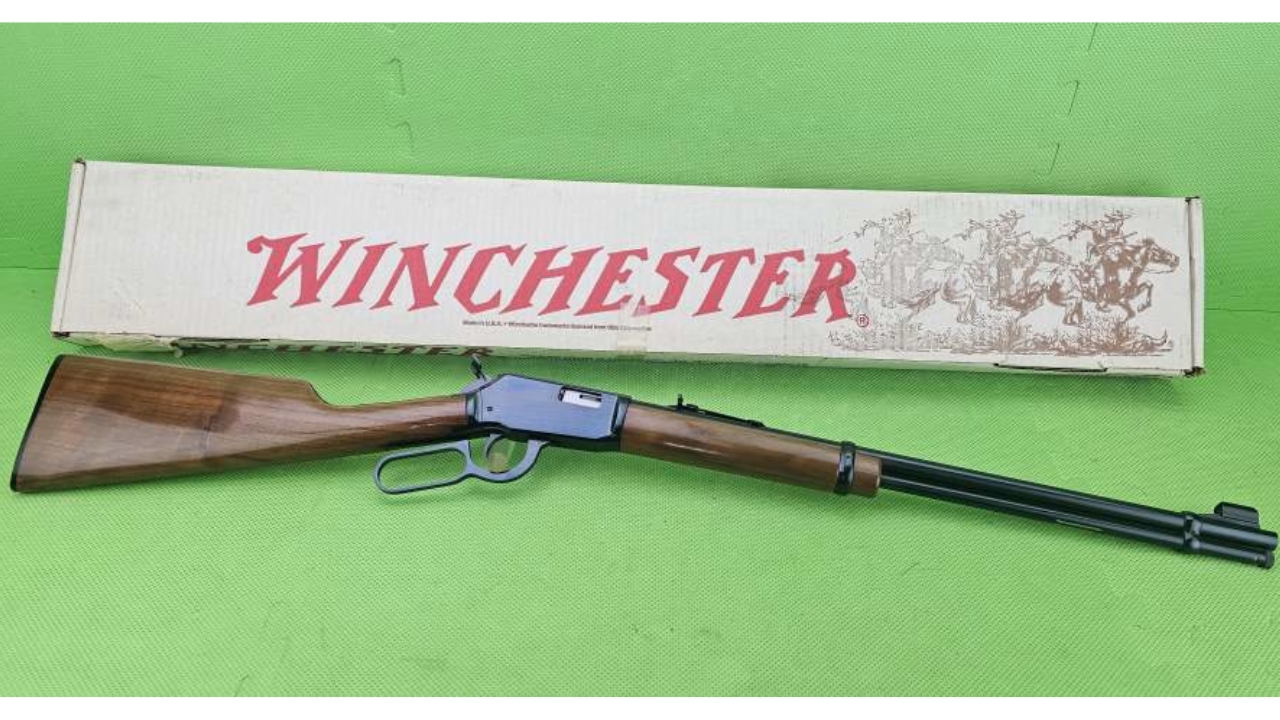
The 9422 XTR is exactly the kind of rimfire people regret treating like an ordinary plinker. Winchester gave the 9422 excellent proportions, a smooth lever action, and construction that felt more like a centerfire rifle than a cheap .22. The XTR versions added nicer finishing and wood, which made them attractive without turning them into fragile display pieces. Plenty were shot heavily because owners bought them before collectible values became a concern.
There is no modern flood of rifles built exactly like this to replace the survivors. Every clean 9422 that goes into a permanent collection makes the remaining market a little tighter. The premium versions are especially likely to keep disappearing from normal used-gun circulation.
Browning B-92 .44 Magnum
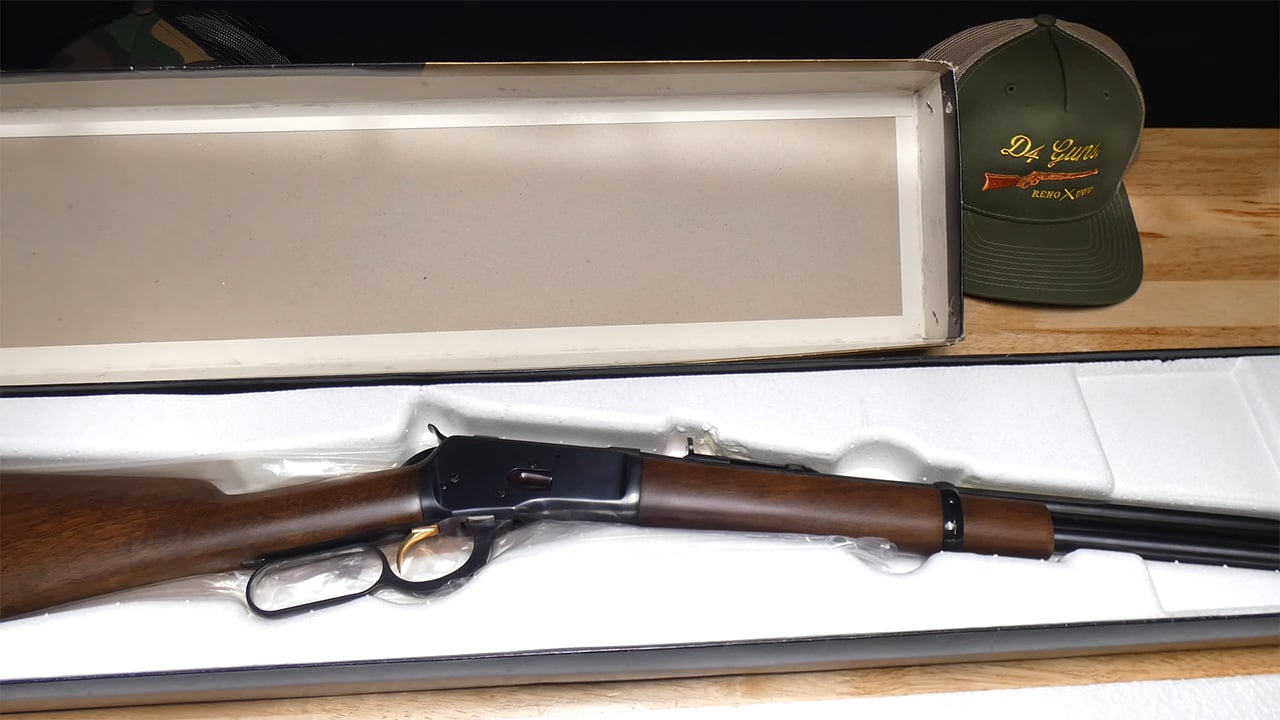
The Browning B-92 was a beautifully made interpretation of the Model 1892 action, and the .44 Magnum versions offered a combination that still makes enormous practical sense. The rifle was compact, slick, well finished, and powerful enough for close-range deer or hog hunting without becoming a heavy centerfire lever gun. Browning did not keep producing them forever, and many people failed to pay attention because lever-action pistol-caliber rifles were not nearly as fashionable then as they are now.
That has changed completely. Demand for compact .357 and .44 lever guns is high, and shooters who discover the B-92 quickly realize how nicely it was made. There are only so many original examples to go around, which makes every clean rifle harder to replace.
Marlin 336 Marauder
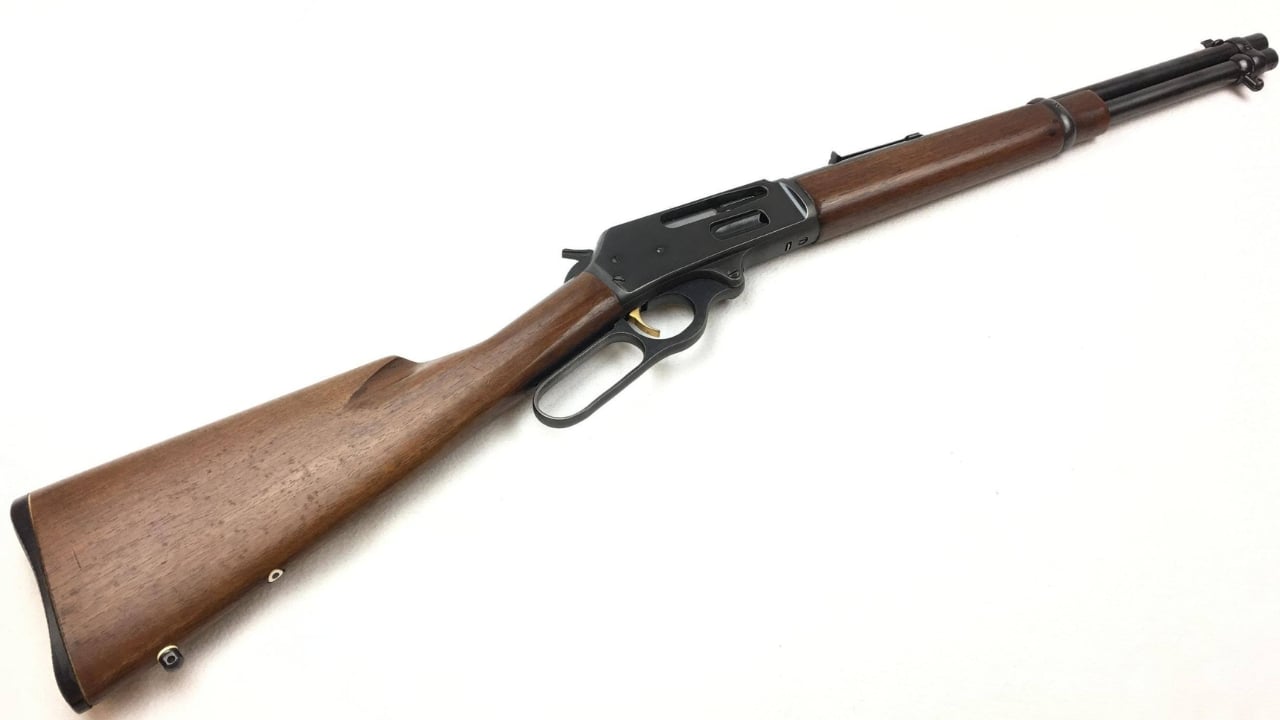
The Marauder is one of the more interesting short-barreled Marlin lever guns because it anticipated today’s fascination with compact carbines decades early. It combined the basic 336 action with a shorter barrel and handy dimensions that made enormous sense in thick timber. At the time, however, buyers were not treating short hunting rifles as something special, and production was limited compared with ordinary 336 configurations.
Today, everyone seems to understand why a short .30-30 is useful. That realization came long after the original Marauders stopped being readily available. Collectors know the model, hunters appreciate the configuration, and every original gun that gets locked into a serious Marlin collection removes another one from ordinary circulation.
Remington Nylon 76
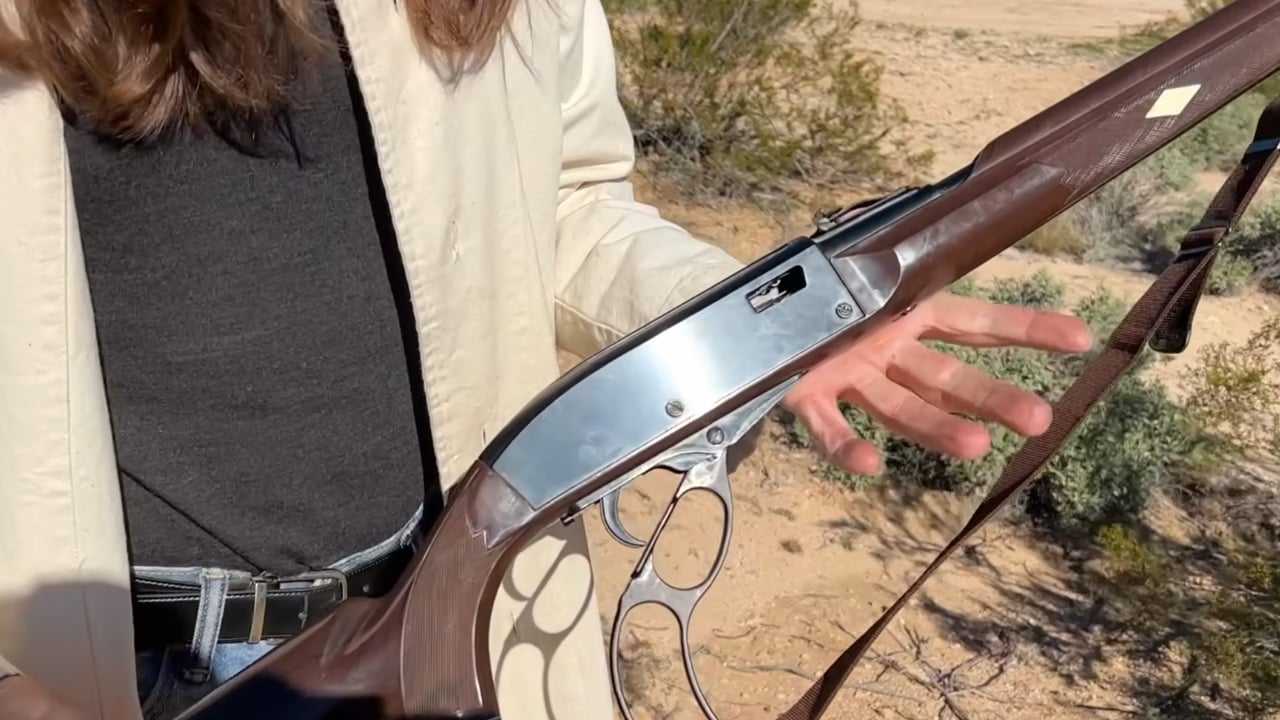
The Nylon 76 is overshadowed by the much more famous Nylon 66, which is precisely why it deserves attention. Instead of being semiautomatic, the 76 used a lever action while retaining the unusual synthetic-stock construction that made the Nylon family so distinctive. Production was relatively limited, and it never became the ubiquitous farm and plinking rifle that the Nylon 66 did.
That makes the 76 much harder to casually find today. Rimfire collectors, Remington collectors, and people assembling complete Nylon-family sets all compete for the same rifles. A decent example can disappear quickly because buyers already understand there is no large reserve of them waiting in closets forever.
Winchester Model 88 Carbine
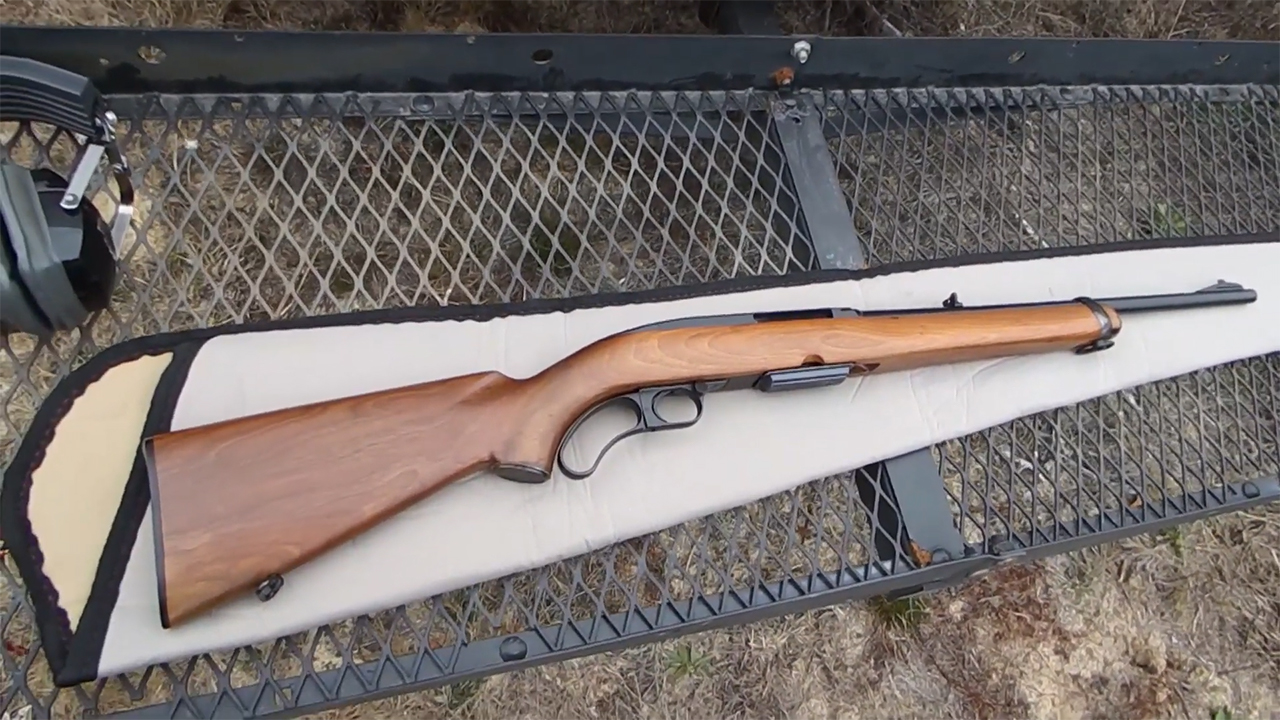
The Model 88 was one of Winchester’s attempts to combine lever-action handling with modern high-powered cartridges and a box magazine. The Carbine versions made that already interesting concept even handier by shortening the rifle into something especially useful in woods country. They are mechanically unlike the traditional tubular-magazine Winchester lever guns most people immediately picture, and that difference is part of their appeal now.
They were real hunting rifles, which means many surviving examples show years of honest use. Finding one is not impossible, but finding a clean Carbine in a desirable chambering is another matter entirely. These are the rifles people buy after years of searching, not guns they casually trade away afterward.
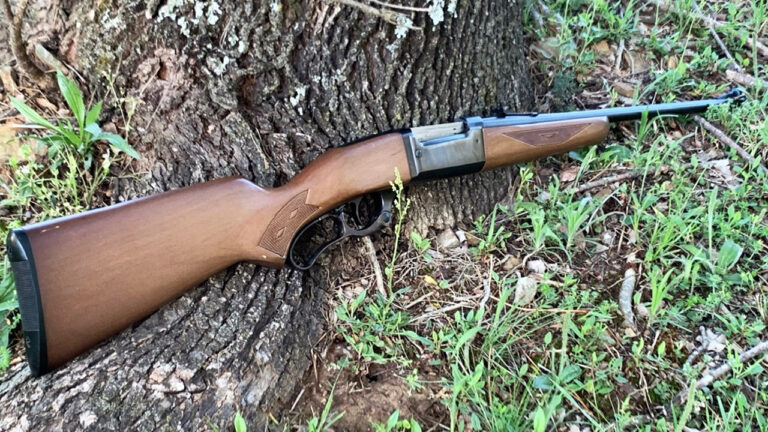
Savage Model 24V
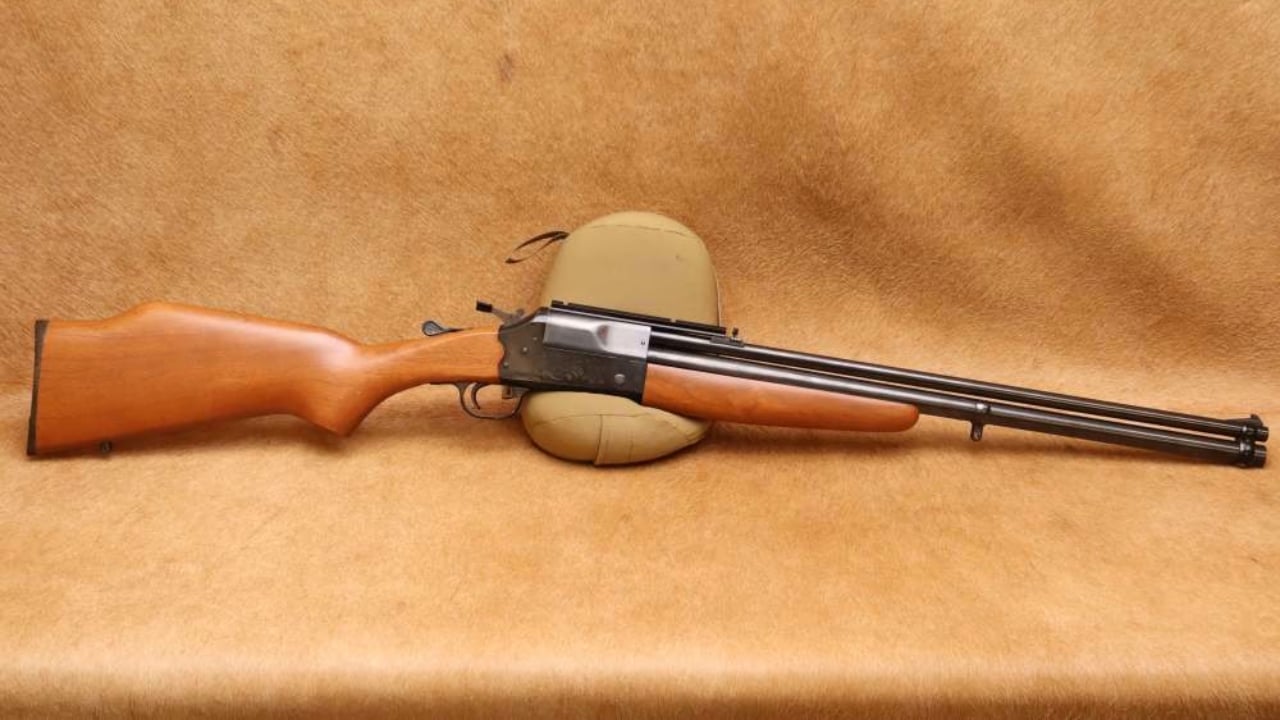
The Model 24 family offered one of the most useful rural-gun concepts ever sold in significant numbers: a rifle barrel over a shotgun barrel. The 24V centerfire versions made the concept even more versatile because hunters could pair a useful rifle cartridge with a shotgun shell in the same compact firearm. For walking property, calling predators, or carrying one gun when several kinds of game were possible, the setup made real sense.
Combination guns never became a mainstream American category, and Savage eventually moved away from the old 24 design. Good examples now have to satisfy collectors and practical users at the same time. That is why the useful chambering combinations seem to vanish first whenever they appear.
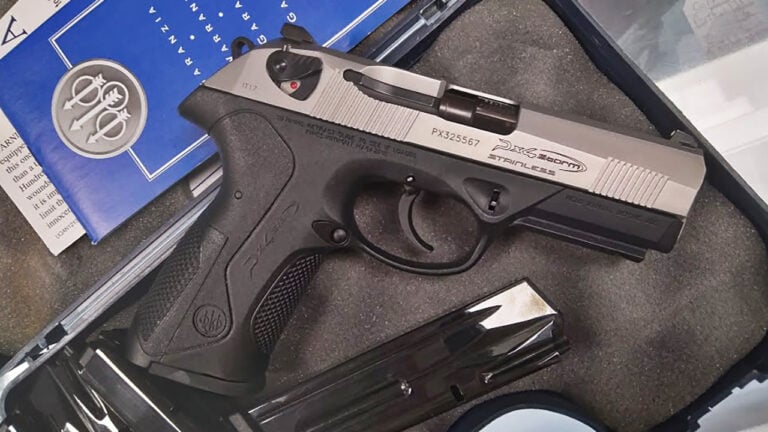
Beretta 1201FP

The 1201FP was a lightweight semiautomatic defensive shotgun built around an inertia-style operating system related to designs that helped establish Benelli’s reputation. It was fast, light, and mechanically straightforward, but it never developed the enormous following of later tactical semiautomatics. For years, that kept used prices modest and allowed people to treat them like ordinary old police-style shotguns.
The supply is not being replenished, though, and shooters increasingly recognize what the 1201FP offers. Clean examples with original furniture and accessories are becoming noticeably more interesting than they were when newer tactical shotguns first pushed them aside.
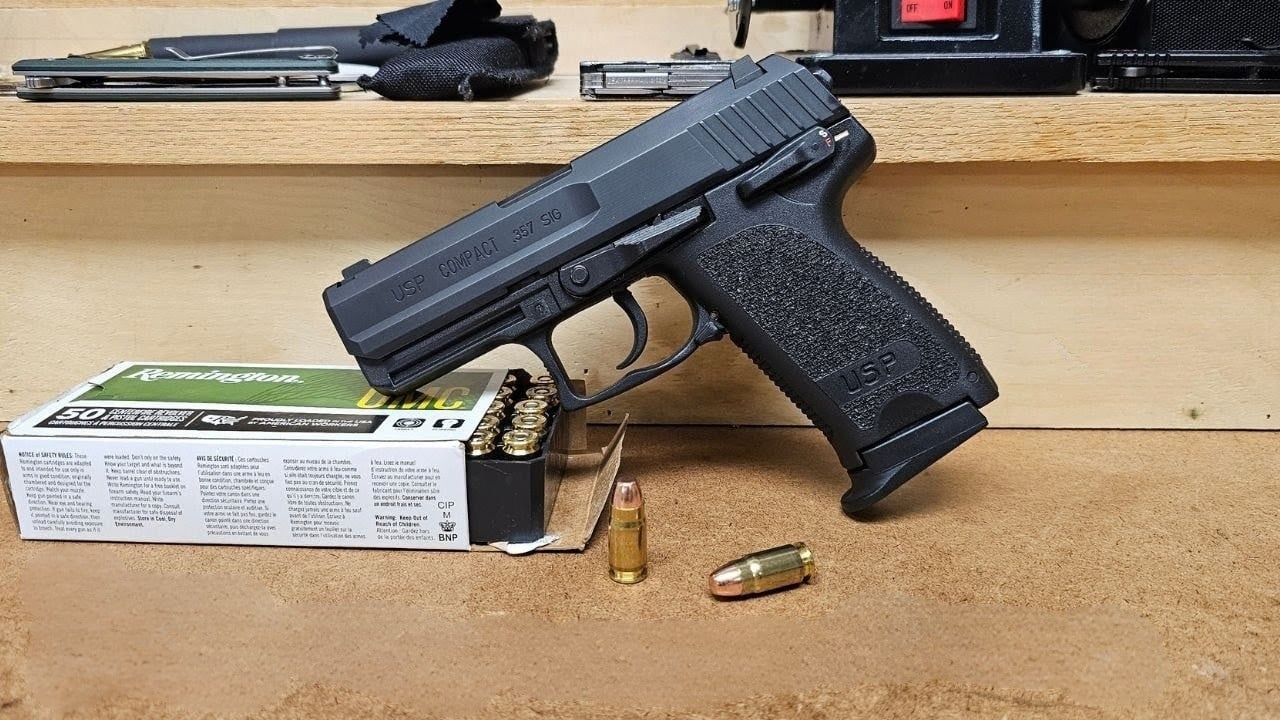
HK USP Compact .357 SIG
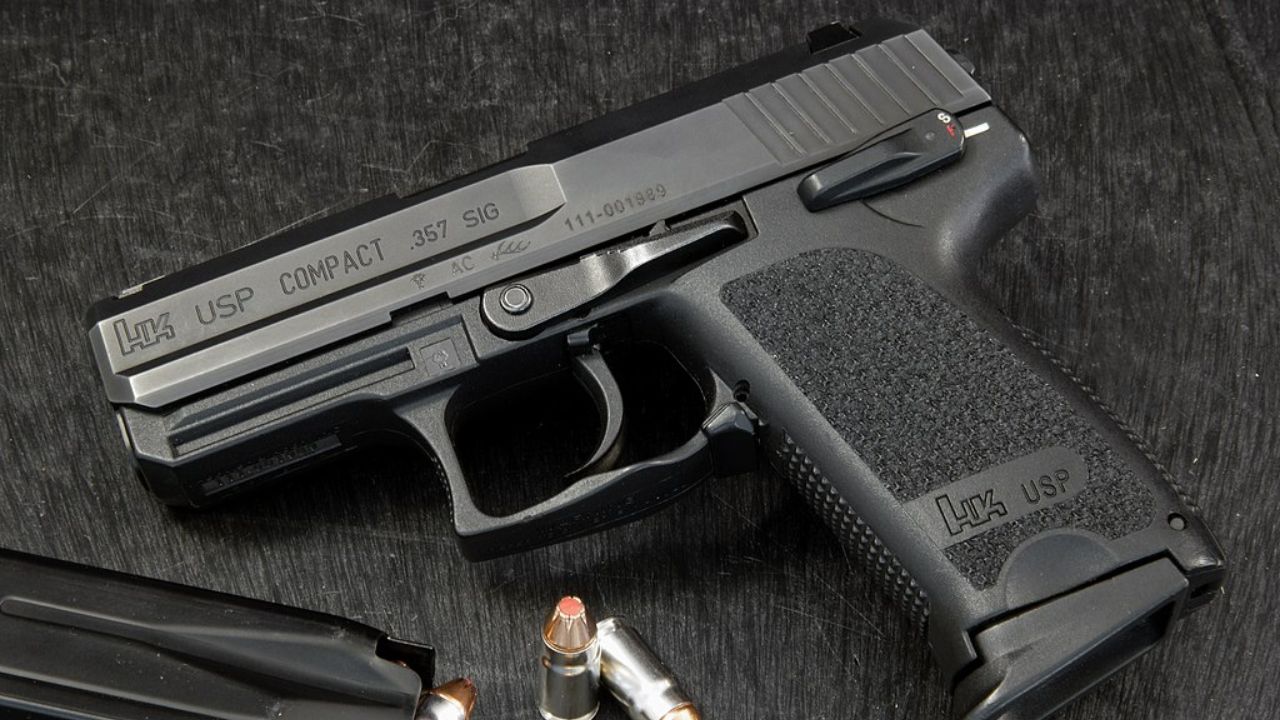
The USP Compact is not rare as an entire family, but the .357 SIG chambering changes the equation considerably. The cartridge never became as dominant as some expected, and manufacturers gradually reduced the number of pistols chambered for it. That makes unusual factory combinations increasingly appealing to collectors who like service pistols from the 1990s and early 2000s.
The USP Compact itself is also from a design era that feels very different from today’s optics-ready striker guns. Put that older HK construction together with an increasingly uncommon chambering and you have exactly the kind of pistol that quietly becomes difficult to replace. Common versions will always be easier. Odd factory combinations are where the hunt gets interesting.
SIG Sauer P245
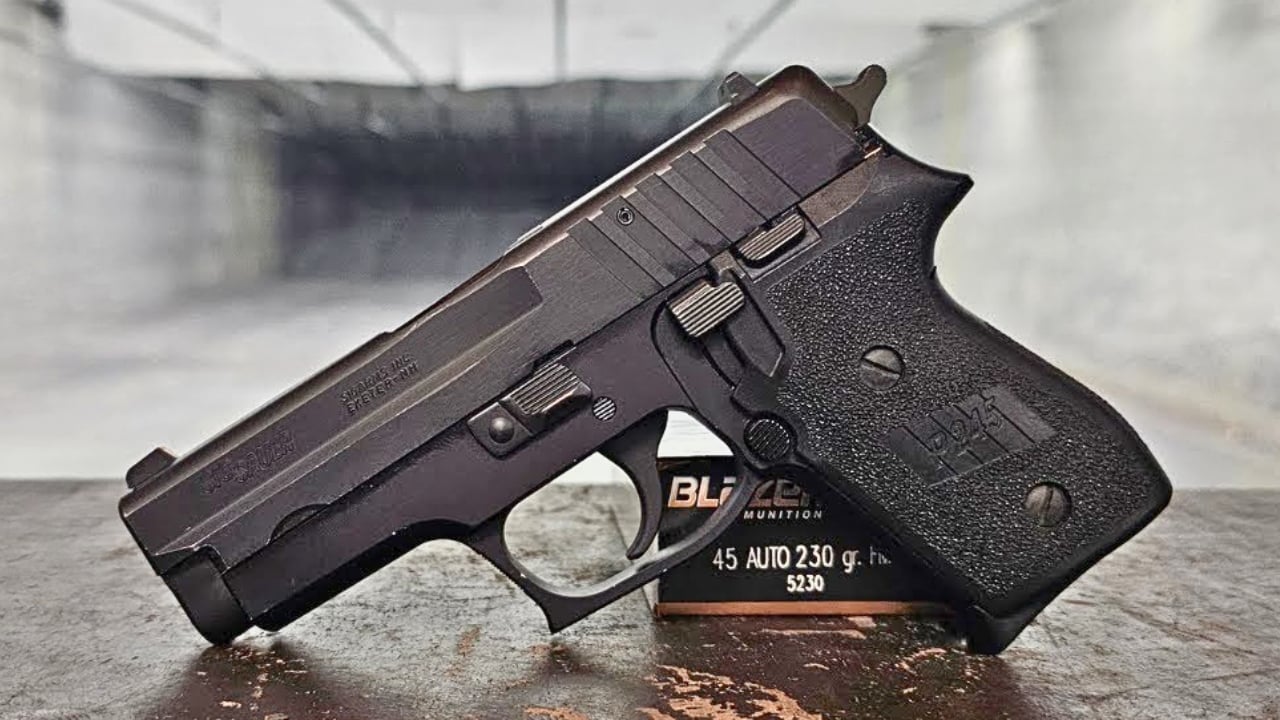
The P245 was SIG’s compact .45 ACP built during the company’s classic metal-frame era. It shortened the P220 concept into a more carryable package while retaining the traditional DA/SA trigger and alloy-frame construction. It never became nearly as common as the P220 or P229, partly because compact .45s occupied a much smaller market than compact 9mm pistols eventually would.
That limited production matters now. Shooters who like old SIGs increasingly want examples representing every branch of the classic lineup, and the P245 fills a slot that later pistols never quite duplicated. Good magazines and clean original pistols are especially worth paying attention to because neither is becoming more plentiful.
Smith & Wesson Model 3566
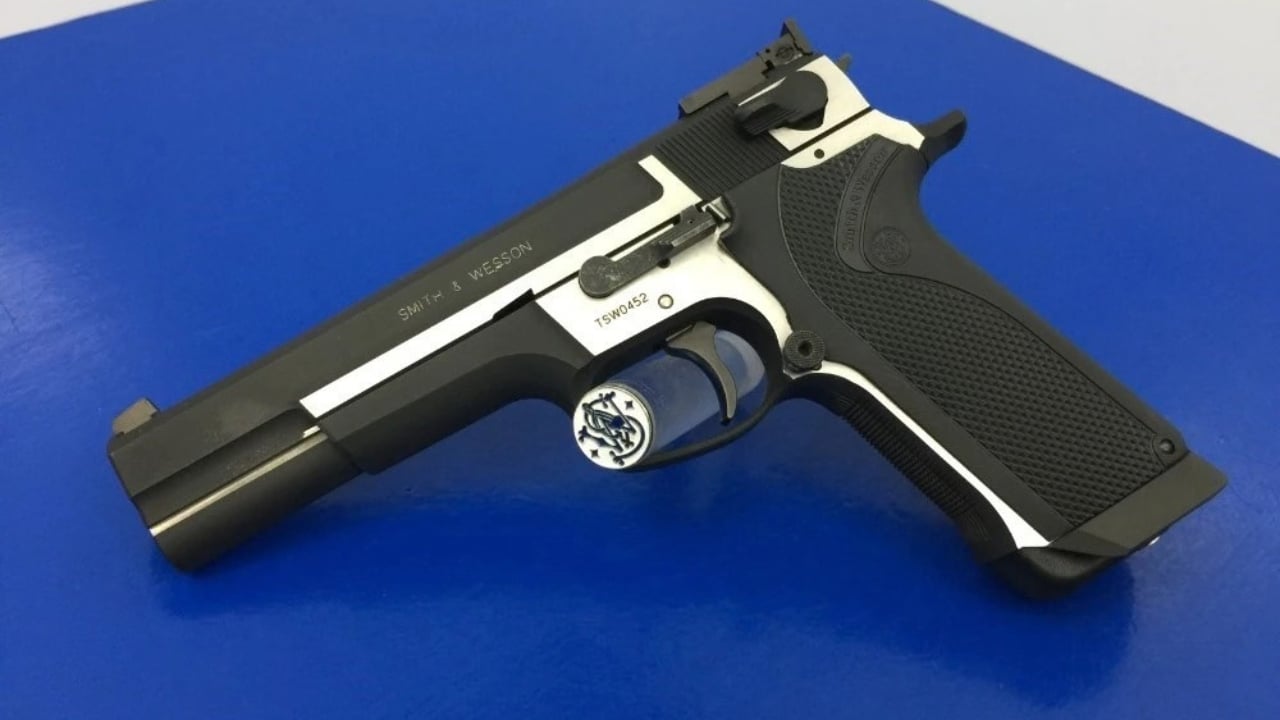
The 3566 is the kind of third-generation Smith & Wesson pistol even people familiar with old S&W autos may never have handled. It was built around .356 TSW, a cartridge tied closely to competition and designed to deliver more performance from the traditional 9mm-sized platform. The pistol itself used the heavy stainless construction that made the third-generation Smiths feel almost indestructible compared with today’s lighter service guns.
Limited production and an uncommon cartridge ensured these were never ordinary pistols. That also means the surviving examples are increasingly concentrated among collectors who understand exactly what they are. Finding another once you let one go is unlikely to become easier.
Colt Double Eagle Officer’s Model
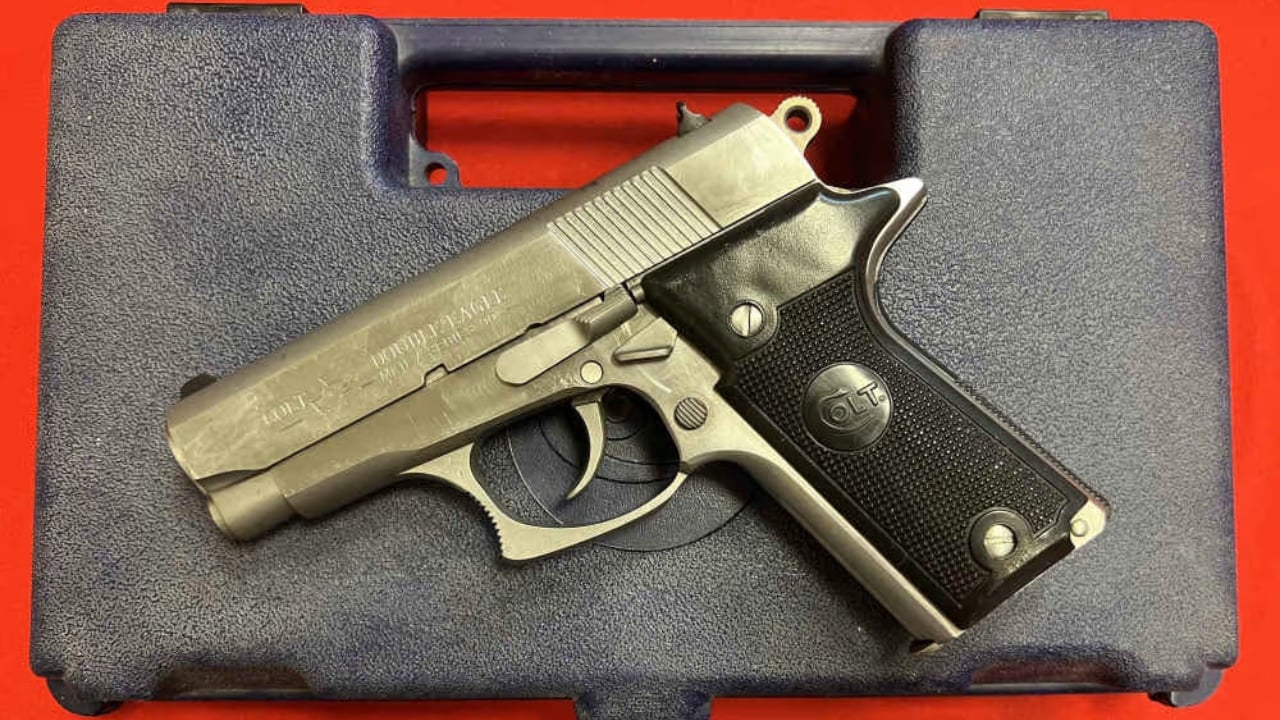
The Double Eagle never achieved the reputation of Colt’s traditional 1911s, but the compact Officer’s versions are exactly the kind of odd production gun that becomes scarce almost without anyone noticing. The design used a double-action system in a pistol that still carried unmistakable Colt and 1911-family styling. It was complicated, unconventional, and ultimately short-lived, all of which prevented it from becoming a mainstream success.
Those same traits now make the compact guns interesting. Colt collectors eventually chase the strange models too, and there were never enough Officer’s Double Eagles around to create a deep used market. It is not necessarily the pistol I would choose for daily carry, but scarcity and practical perfection are two completely different things.
Like The Avid Outdoorsman’s content? Be sure to follow us.
Here’s more from us: