Photo credit: J_C_Hunt/Youtube
Pawn shops will teach you two things fast: what a gun is really worth in the real world, and how quick “I’ll think on it” turns into “well, it’s gone.” I’ve handled a lot of good iron under bad fluorescent lights, with a tag tied on by a twist of string and a clerk watching you like you’re about to walk out with the whole display case.
These aren’t all unicorns. A few were just honest work guns at honest prices, and that’s exactly why they stick in my head. When ammo gets expensive, when election-year panic hits, when you see the same model online for double, these are the ones that come back to haunt a guy.
1. Ruger SP101 (2.25-inch, .357 Magnum)

I remember the timing more than anything. It was sitting in the case like it had been there forever, and the price tag was the kind of “yeah, that seems fair” number you don’t see much anymore. Tight lockup, no endshake to speak of, and the trigger felt like it had already been smoothed out by a previous owner who actually shot it.
SP101s aren’t glamorous, but they’re the sort of revolver that makes sense in the woods. Throw .38s in it for practice, carry .357s when you’re cutting firewood or checking cameras. That one hurts because the replacement price climbed while I was busy “being responsible.”
2. Smith & Wesson Model 10 (heavy barrel)

There’s a certain look an old police trade-in has, even when it’s not marked up as a “collectible.” Blued finish worn thin at the muzzle, grips that have seen a thousand holsters, and an action that feels like a door hinge on a hundred-year-old farmhouse—smooth because it’s been used.
It wasn’t fancy, and it wasn’t rare. It was just right. A Model 10 is about as practical as it gets for a nightstand revolver or a simple range gun, and .38 Special is still one of the easiest cartridges to live with.
3. Remington 870 Wingmaster (older, walnut)
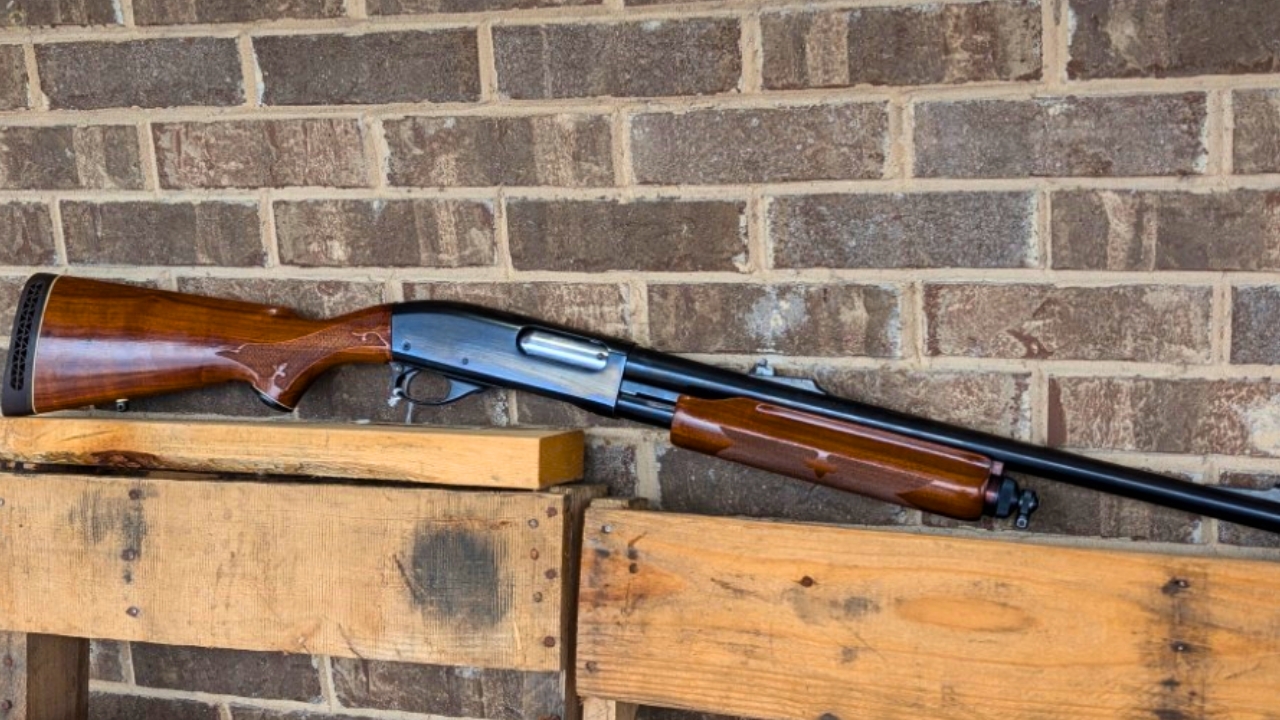
I picked it up and cycled it, and the action had that slick “buttery” feel folks talk about. The wood wasn’t perfect, but it was real walnut and it fit the gun. The bluing looked like it had been carried in a truck rack for years and never babied.
Sure, you can still find 870s, but the older Wingmasters have a different vibe, and I’ll leave it at that. This one would’ve been a lifetime pump gun for squirrels, rabbits, ducks, and the occasional home-defense role without turning into a science project.
4. Marlin 336 (JM-stamped, .30-30)

It’s hard to explain to a non-hunter how “right” a lever gun can feel. That Marlin shouldered like it belonged there, and the sights were set up like somebody actually used it in the deer woods instead of letting it sit in a closet.
JM-stamped 336s don’t stay cheap, and they don’t stay on shelves. A .30-30 is still one of the best answers for thick timber hunting, and I’ve watched the prices climb every season since I left that one behind.
5. Winchester Model 94 (pre-safety, .30-30)
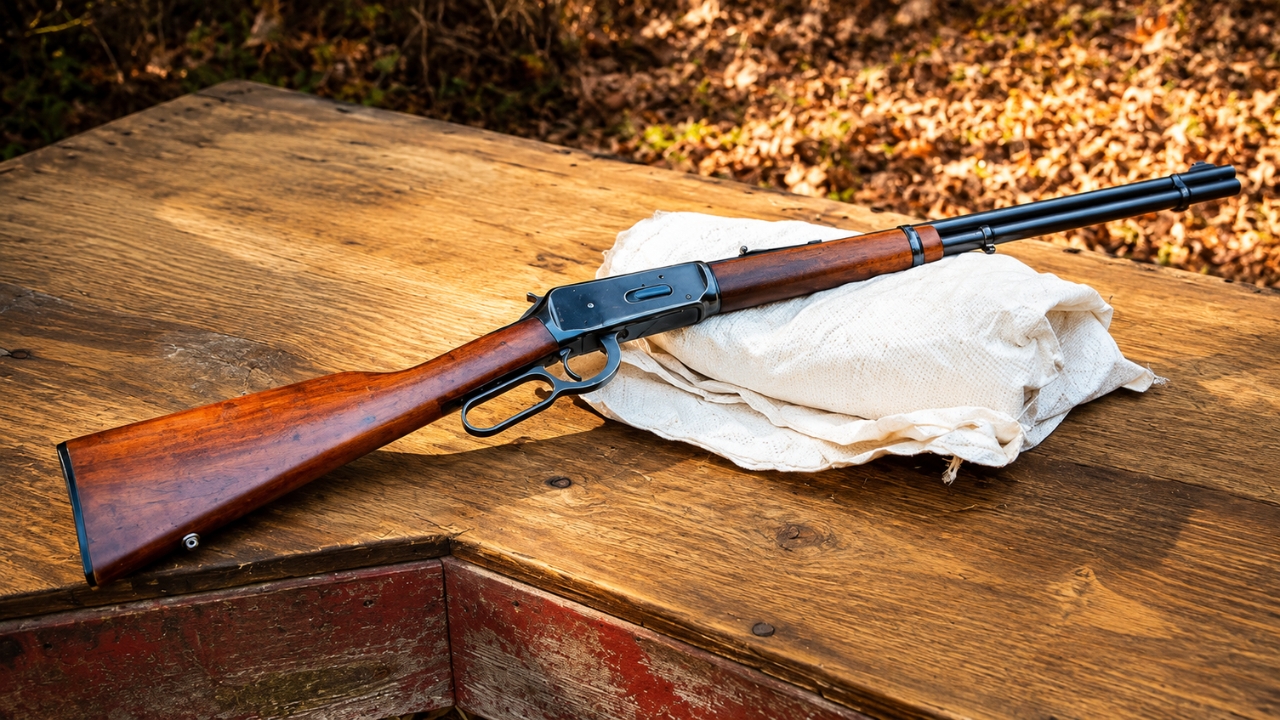
This one had honest wear and a little bit of “cowboy movie” to it, but not in a cheesy way. It had the kind of patina that comes from saddle scabbards and rainy days, not from somebody rubbing it with sandpaper to look old.
Model 94s are common until you go shopping for one that’s straight, timed right, and not beat to pieces. I could’ve bought it, cleaned it, and had a rifle that would still be working when my grandkids are grown.
6. Ruger Mini-14 Ranch Rifle (older, 180/181-series)

It wasn’t a tack driver, and nobody pretends those early Mini-14s are match rifles. But it was light, handy, and it pointed like a bird gun. The sights were simple and usable, and the whole rifle felt like it was made to ride in a ranch truck.
What I didn’t appreciate then was how the market swings on “ban talk.” Mini-14s are the kind of rifle that get expensive fast when folks get nervous, and Ruger mags aren’t getting any cheaper either.
7. Glock 19 Gen3 (with night sights)
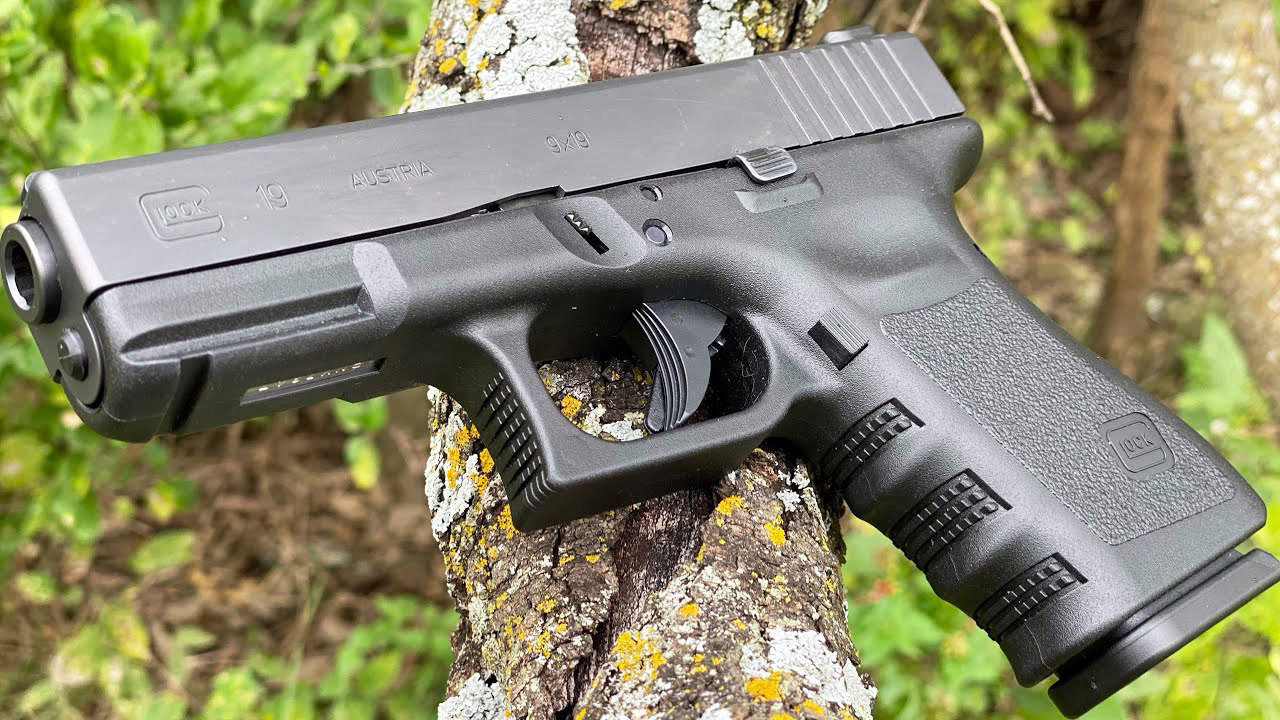
There was a time when used Glock 19s with decent sights were all over the place. This one looked like it had been carried, not abused, and the price was low enough that I started doing the math in my head on spare mags and a holster.
It’s a boring answer, and that’s the point. A Glock 19 is useful every week of the year, not just on range day, and it’s one of those guns that becomes a baseline for “what works.” I should’ve grabbed it.
8. SIG Sauer P226 (West German marked)
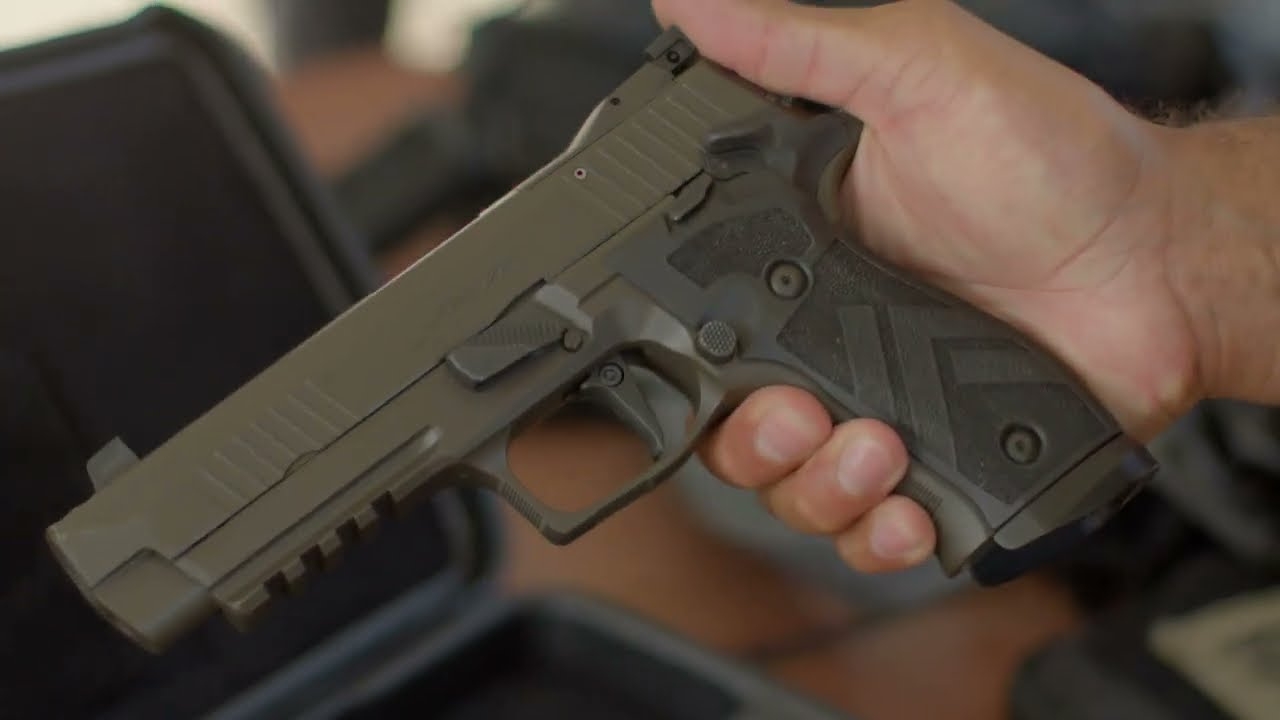
I picked it up and immediately felt the weight—more service pistol than carry gun. The double-action pull was long but clean, and the single-action break felt crisp. It had that old SIG feel where everything is solid without being chunky.
Those older markings and that era of build quality have their own following. Even if you don’t care about collectability, a P226 that runs is a serious pistol. When prices jump, they jump hard.
9. Beretta 92FS (Italian)
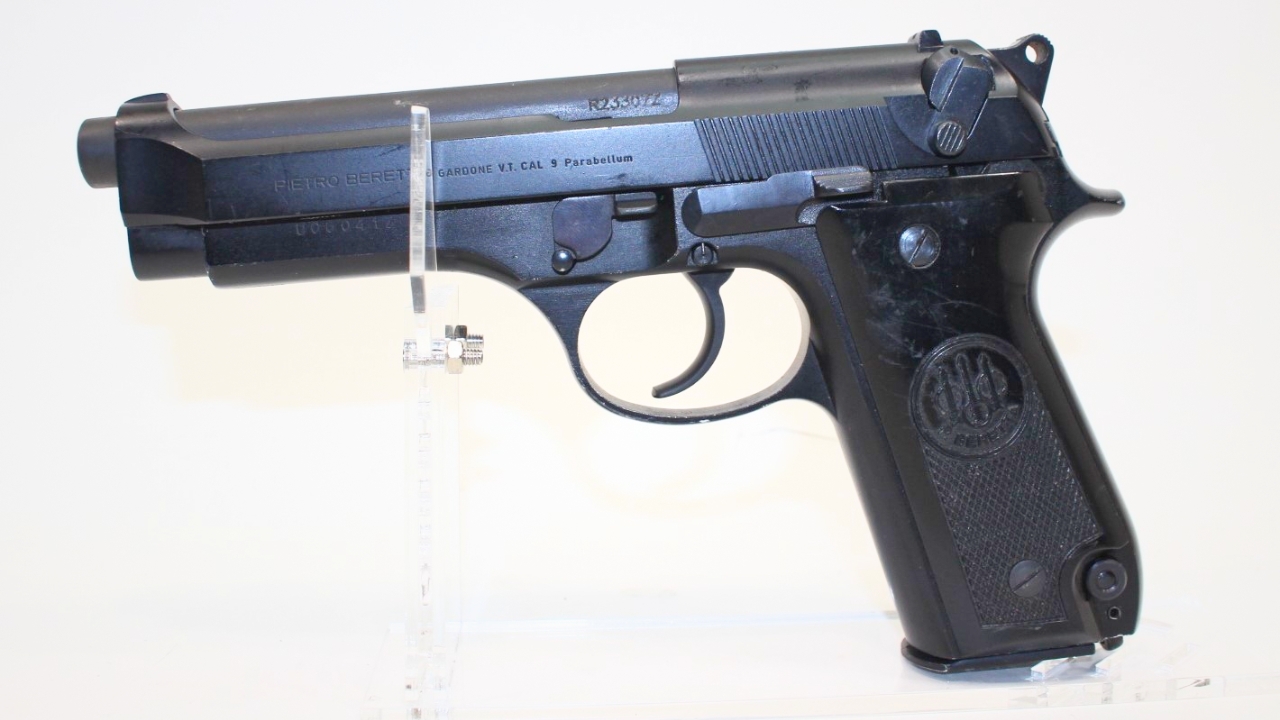
This one was smooth, and the slide felt like it was on rails. The grip is big for some hands, but it’s also one of the easiest 9mms to shoot well if you do your part. The sights weren’t amazing, but it wasn’t a gun built for internet arguments.
I passed because I already had “enough” 9mms at the time. Funny how “enough” changes when you see used 92s priced like collector pieces and magazines cost more than they used to.
10. Ruger Mark II (target model)
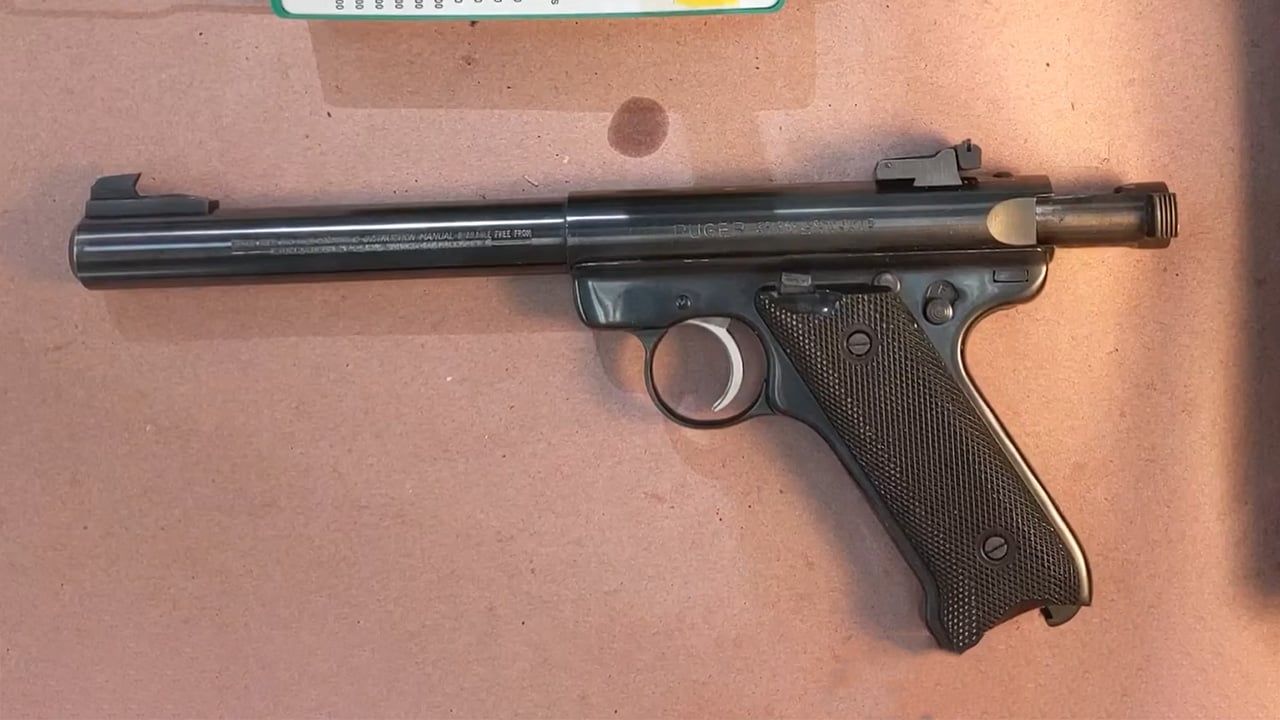
It was a little beat up, and the owner had clearly shot it a lot. That’s exactly what you want in a .22 pistol. The bore looked good, the bolt ears weren’t rounded off from abuse, and it balanced like a proper target gun.
Ruger .22s are the kind of tool you don’t appreciate until you’re trying to teach a kid, confirm a new shooter isn’t flinching, or just put in cheap trigger time. The older Mark IIs have a loyal crowd, and I get it.
11. CZ 75B (9mm)

It was one of those moments where you rack the slide and immediately understand why people talk about CZs. Low slide rails, solid lockup, and it sat in the hand like it was designed by somebody who actually shoots.
I hesitated because magazines weren’t as common in my area back then. Now they’re everywhere, and the prices aren’t what they used to be. A CZ 75 is a shooter’s pistol, not a safe queen.
12. Browning Hi-Power (Mk II)
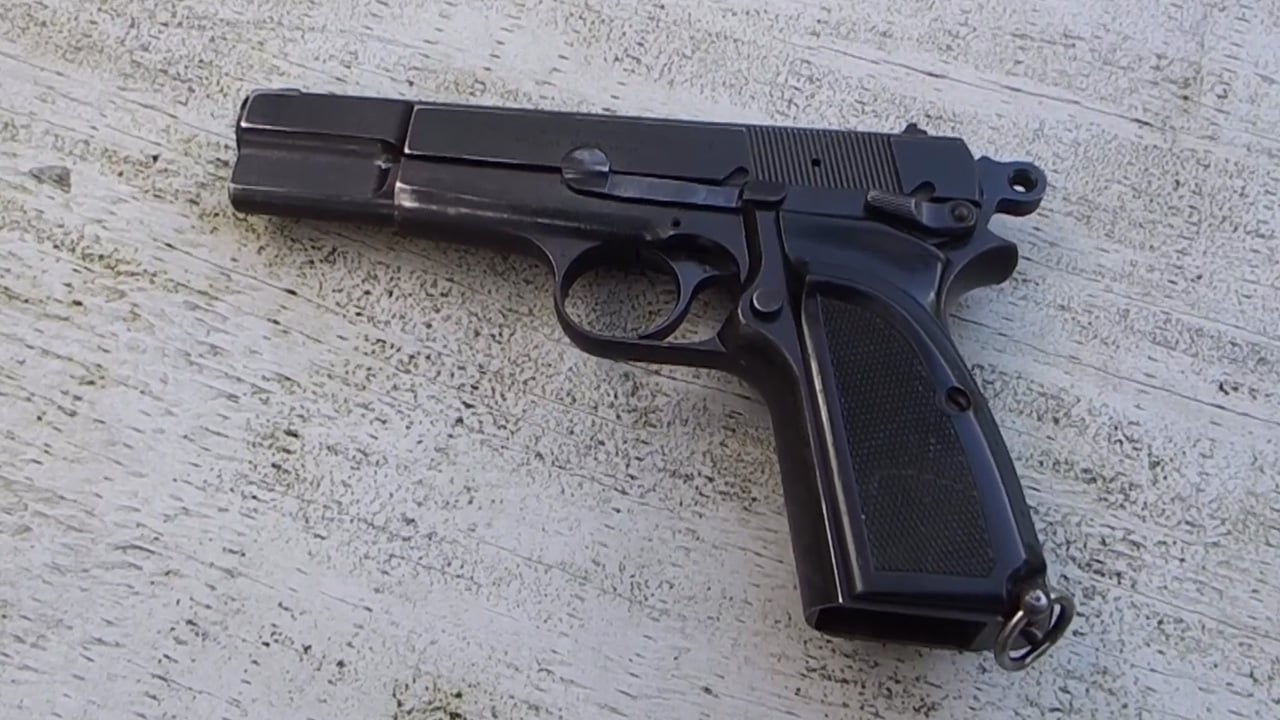
The Hi-Power had that classic profile, and the one I handled had just enough wear to prove it wasn’t a re-finish job. The trigger wasn’t perfect, but it was consistent. It felt like a piece of history that still made sense.
I told myself I didn’t need another steel 9mm. That was before I watched Hi-Power prices climb and supply dry up. Even the “plain” ones aren’t plain anymore.
13. Colt Detective Special (older, .38 Special)
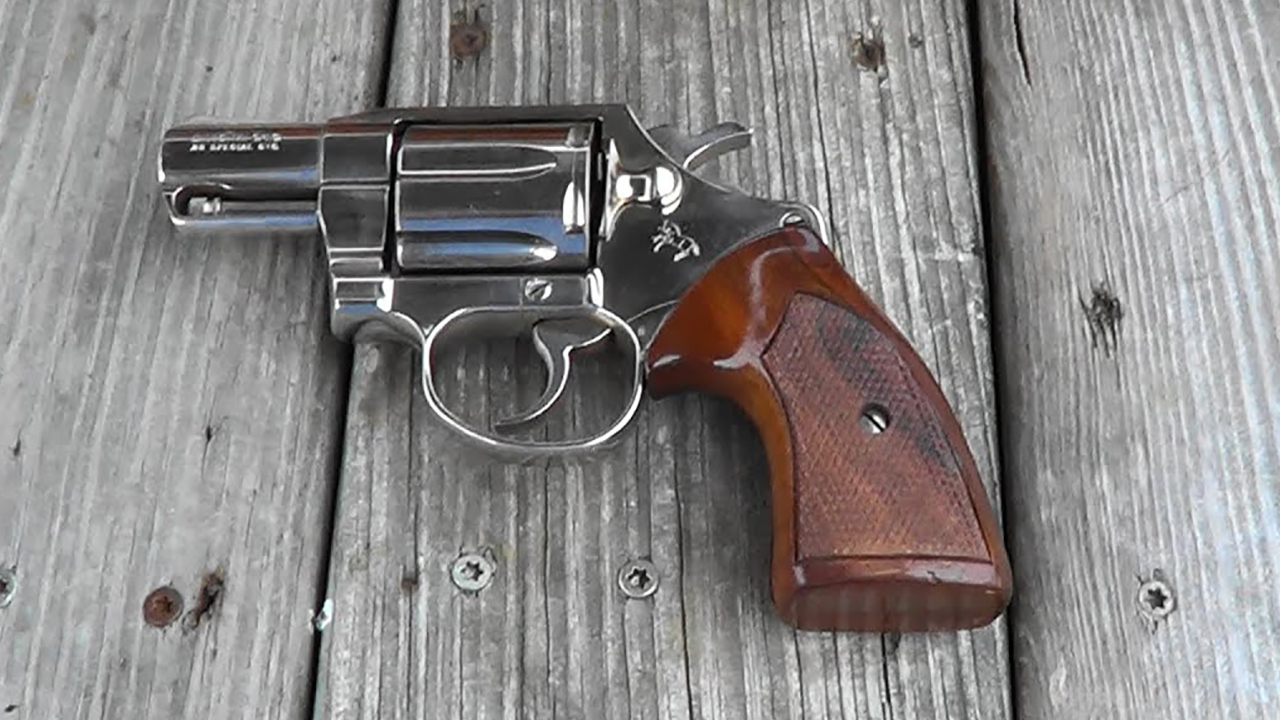
Small revolvers are easy to dismiss until you carry one. This Detective Special had the kind of timing and tightness you check twice because you don’t expect it in a pawn shop. The finish was worn, but the gun felt mechanically right.
Six shots in a small frame is still a nice thing to have. Colt revolvers have their own market, and it’s not getting cheaper. I walked away and immediately knew I’d think about it later.
14. Smith & Wesson Model 19 (blued, 4-inch)
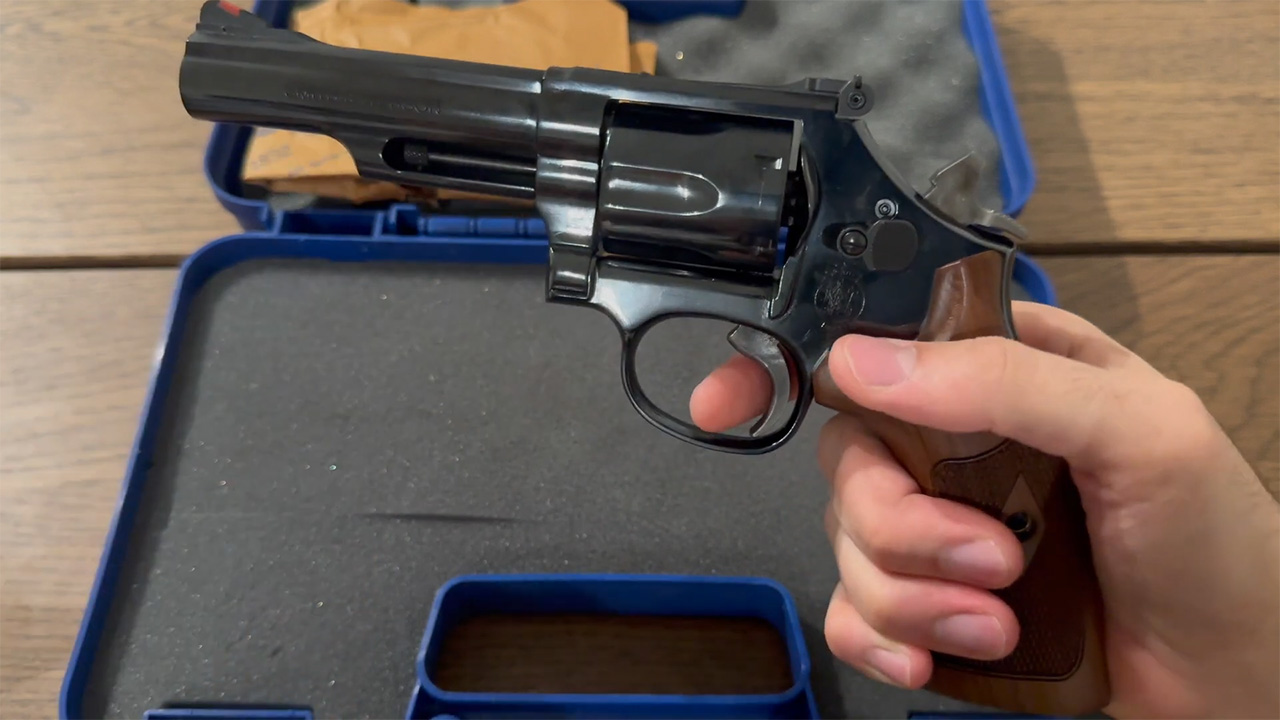
The Model 19 is one of those revolvers that just looks correct. This one had a little holster wear and a set of grips that didn’t match, but the cylinder locked up like a bank vault. The sight picture was clean and quick.
K-frames in .357 have a sweet spot for carry and field use, and they’re not making old ones anymore. I don’t need to romanticize it—if you’ve shot a good Model 19, you know.
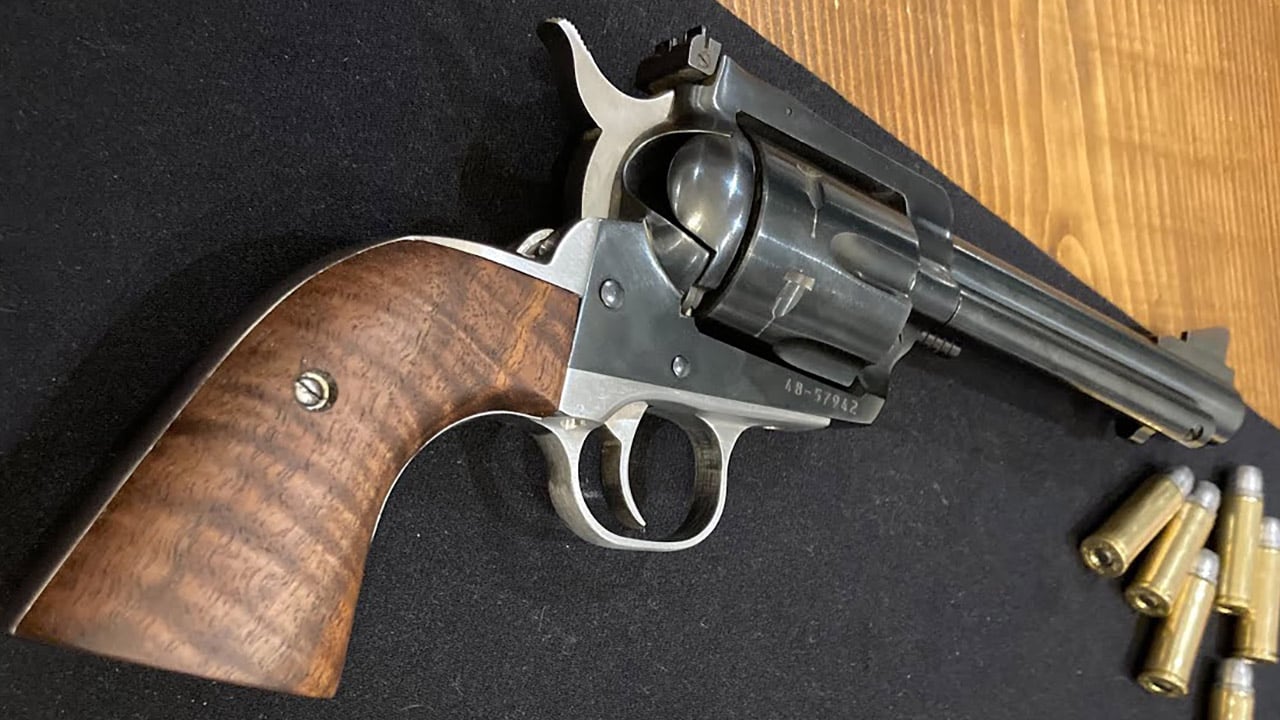
15. Ruger Blackhawk (old model, .45 Colt)
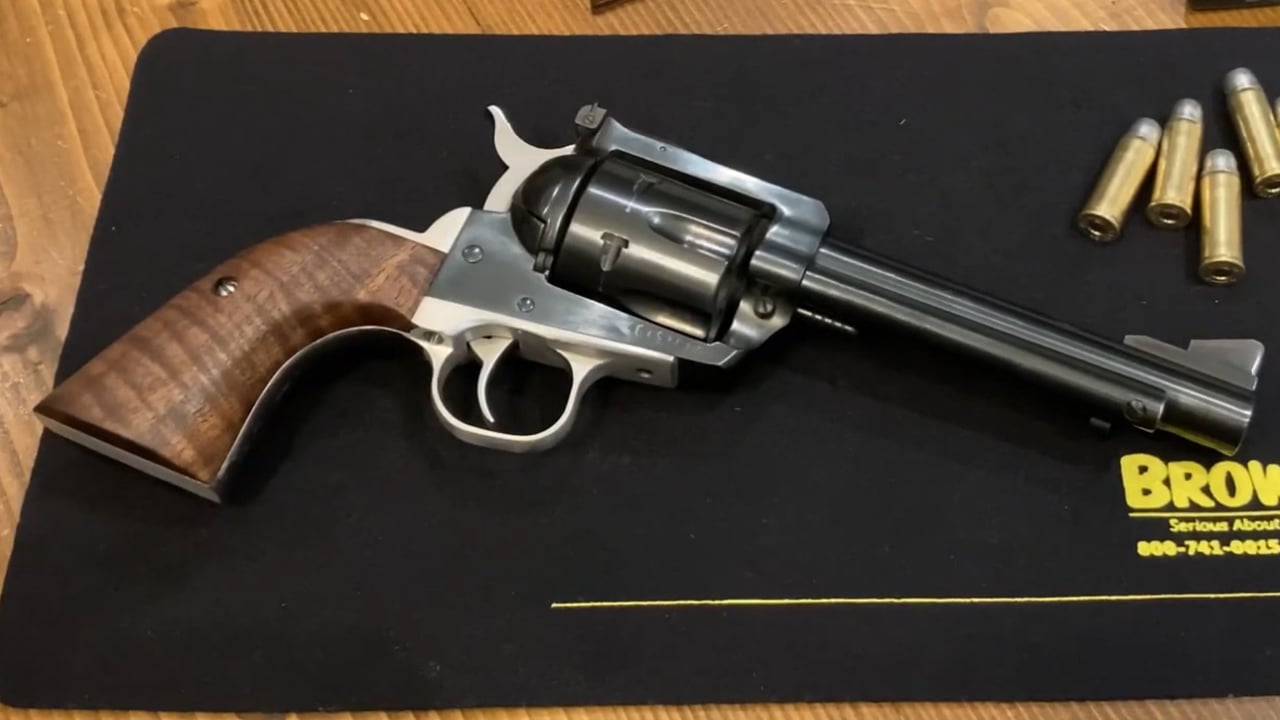
Single-actions aren’t for everyone, but this one had character. The finish was worn at the edges, and the grip frame showed it had been carried more than it had been displayed. It felt like a gun that rode in a truck during fence checks.
.45 Colt isn’t the cheapest habit, but it’s a great woods cartridge in the right loads, and the Blackhawk is built to last. These old Rugers don’t seem to go down in price, even when everything else does.
16. Mossberg 590A1 (20-inch)

Most pawn shop shotguns have seen some questionable “customizing.” This 590A1 hadn’t. It was heavy the way a duty shotgun is supposed to be heavy, with controls that made sense and a barrel that looked straight and true.
It’s not a delicate gun, and that’s why it’s good. When scattergun prices climb, the solid, no-nonsense models get snapped up first because folks know they’ll run with whatever shells you feed them.
17. Ruger 10/22 (older carbine, wood stock)
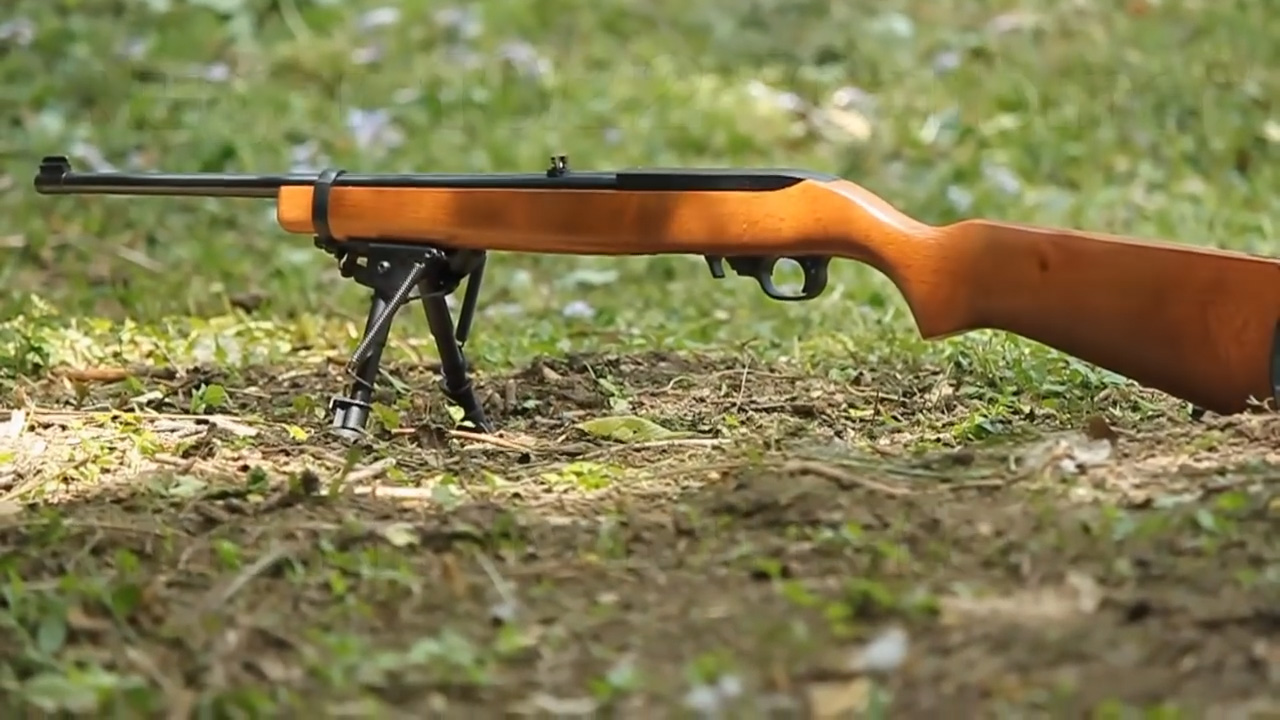
It looked like it had lived behind a kitchen door on a farm. Dings in the stock, a little wear on the receiver, but clean where it mattered. The bolt face didn’t look chewed up and the rotary mag fit like it should.
Everybody has a 10/22 story, and most of them involve the rifle doing its job without drama. When new prices get goofy, that plain older carbine starts looking real smart.
18. Savage Model 99 (300 Savage)

This was one of those “handle it and pause” guns. The lines are different, the action is different, and it feels like a rifle from a time when engineers weren’t trying to make everything look tactical. The lever closed with authority.
300 Savage isn’t stacked on every store shelf, but it’s a real deer cartridge and the Model 99 has a following for a reason. I passed because I didn’t want to chase ammo. Now I chase the rifle instead.
19. Remington Model 700 ADL (older, .30-06)

It was the plain-jane ADL with the basic stock, nothing to brag on. But it had a clean bore, decent crown, and the bolt felt smooth. It was exactly the kind of rifle you could mount a simple scope on and hunt with for the next 20 years.
There’s been plenty of internet noise around the 700 over the years, and I’m not here to re-litigate all that. I will say an older, well-kept 700 in .30-06 is hard to beat for a do-it-all hunting rifle, and “cheap” ones don’t last.
20. Tikka T3 Lite (7mm-08)
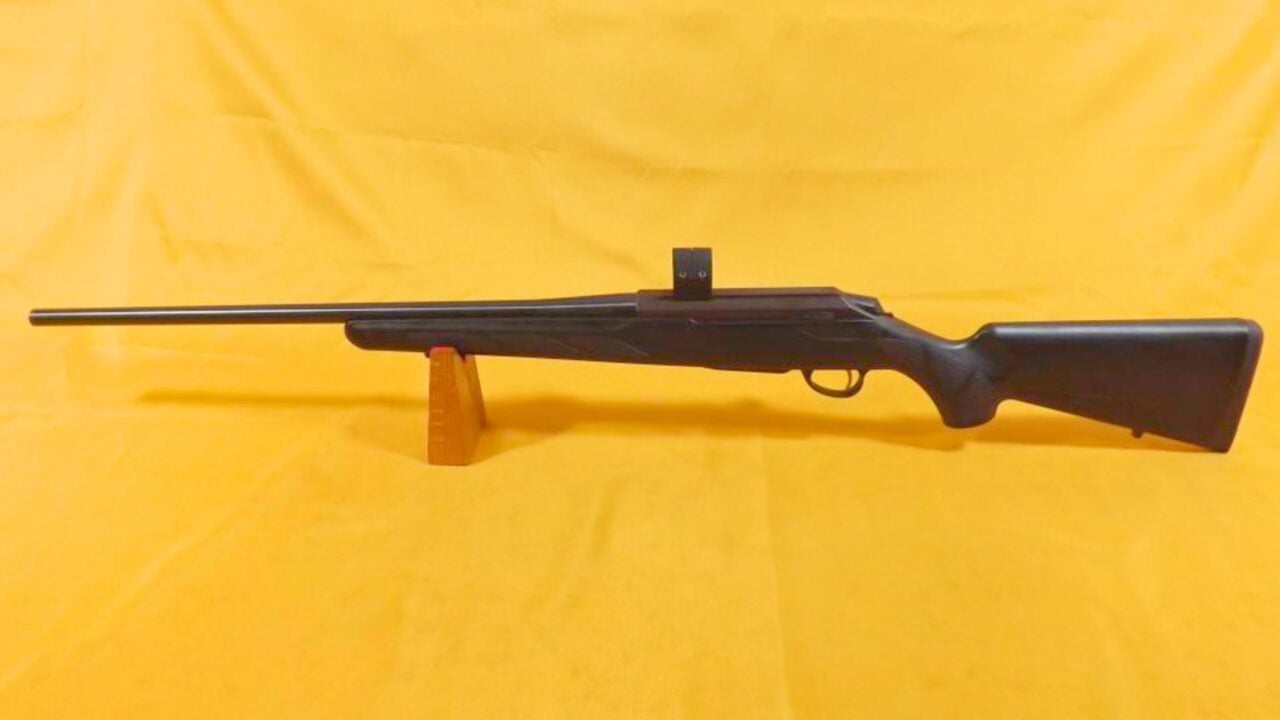
I still remember how light it felt when I picked it up. Not toy-light—just the kind of weight you appreciate halfway up a ridge. The bolt lift was easy, the action was slick, and it had that “this will shoot” vibe before you ever fire a round.
7mm-08 is a deer cartridge that flat-out works without punishing you, and Tikkas have a reputation for accuracy that isn’t just talk. I thought I’d find another one anytime. I didn’t.
I’m not saying you should impulse-buy every halfway decent gun you see behind pawn shop glass. But I am saying the good ones don’t sit around waiting for you to finish your coffee and come back next week. If the mechanics are sound, the price is right, and it fills a real role—carry, hunting, training, or just a solid “works every time” tool—sometimes the smart move is to stop overthinking it.
Like The Avid Outdoorsman’s content? Be sure to follow us.
Here’s more from us: