Photo credit: 1957Shep/YouTube
Some revolvers make more sense used than new because there simply is no true new equivalent anymore. Older Smith & Wessons, discontinued Rugers, forgotten Colts, and a handful of other revolvers were built during periods when manufacturers were doing things differently. In some cases the finish was better. In others the design itself disappeared.
That does not mean every old revolver sitting under glass is worth buying. Timing, lockup, bore condition, forcing-cone wear, and amateur gunsmithing all matter. But when I find a clean example of one of these 20 at a reasonable price, I pay attention. These are revolvers worth hunting for rather than settling for whatever happens to be new on the shelf.
Ruger Security-Six
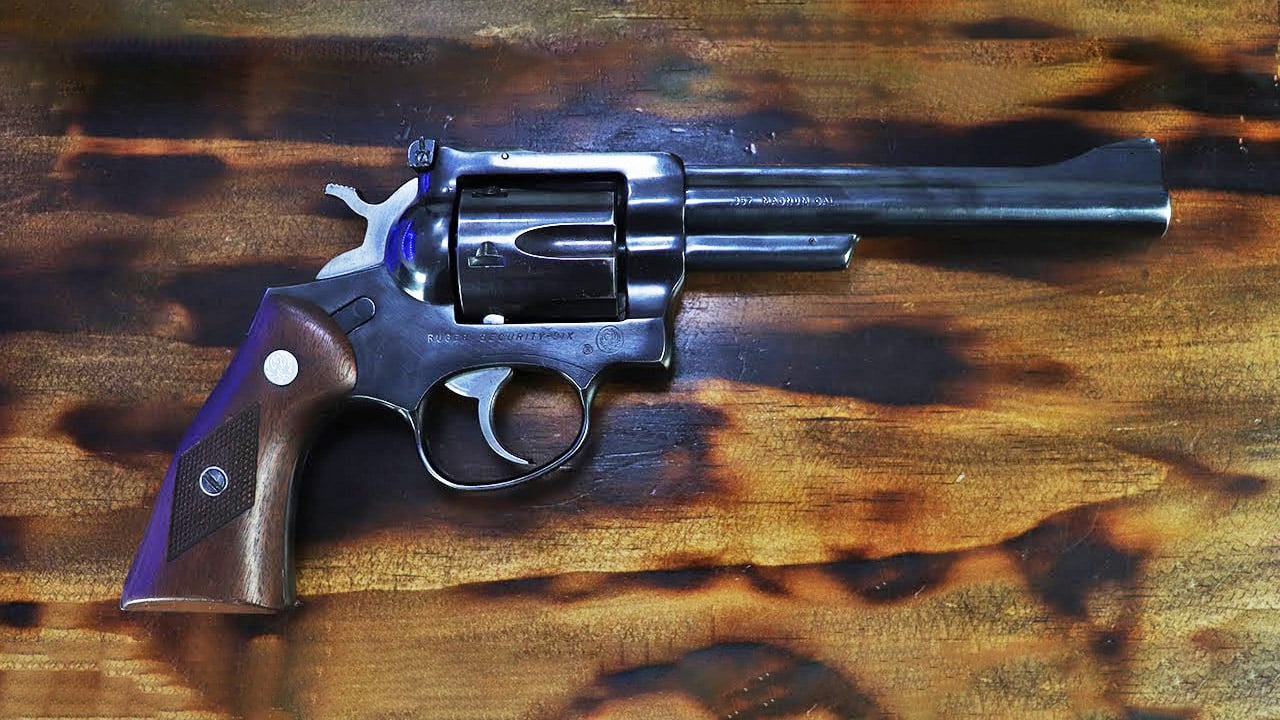
The Security-Six might be the first revolver I would look for if I wanted an older .357 Magnum that I could actually shoot hard. Ruger built these before the GP100 replaced the line, and they have a leaner, handier feel than the larger revolvers Ruger sells today.
They are strong without feeling unnecessarily bulky, and good examples can still be found with honest holster wear rather than serious mechanical abuse. I would check timing and cylinder play like any used revolver, but cosmetic wear would not bother me. A four-inch Security-Six makes an excellent range gun, woods revolver, or general-purpose .357. Prices have climbed because more shooters have figured out what they are, but I still think a clean one is worth chasing.
Smith & Wesson Model 28 Highway Patrolman

The Model 28 gave shooters much of the strength of the famous Model 27 without the highly polished finish and extra decoration. That made it a working revolver from the beginning, and many of them were carried by law enforcement officers rather than sitting untouched in boxes.
That history means you will see plenty with finish wear, but I would rather own an honest shooter than pay a huge premium for one that looks untouched. The big N-frame handles .357 Magnum extremely well, and the weight makes extended shooting far more pleasant than it is with smaller revolvers. Check the forcing cone, timing, lockup, and whether someone has messed with the action. Find a mechanically sound Model 28, though, and you are getting an old-school magnum revolver that still feels serious today.
Colt Trooper Mk III
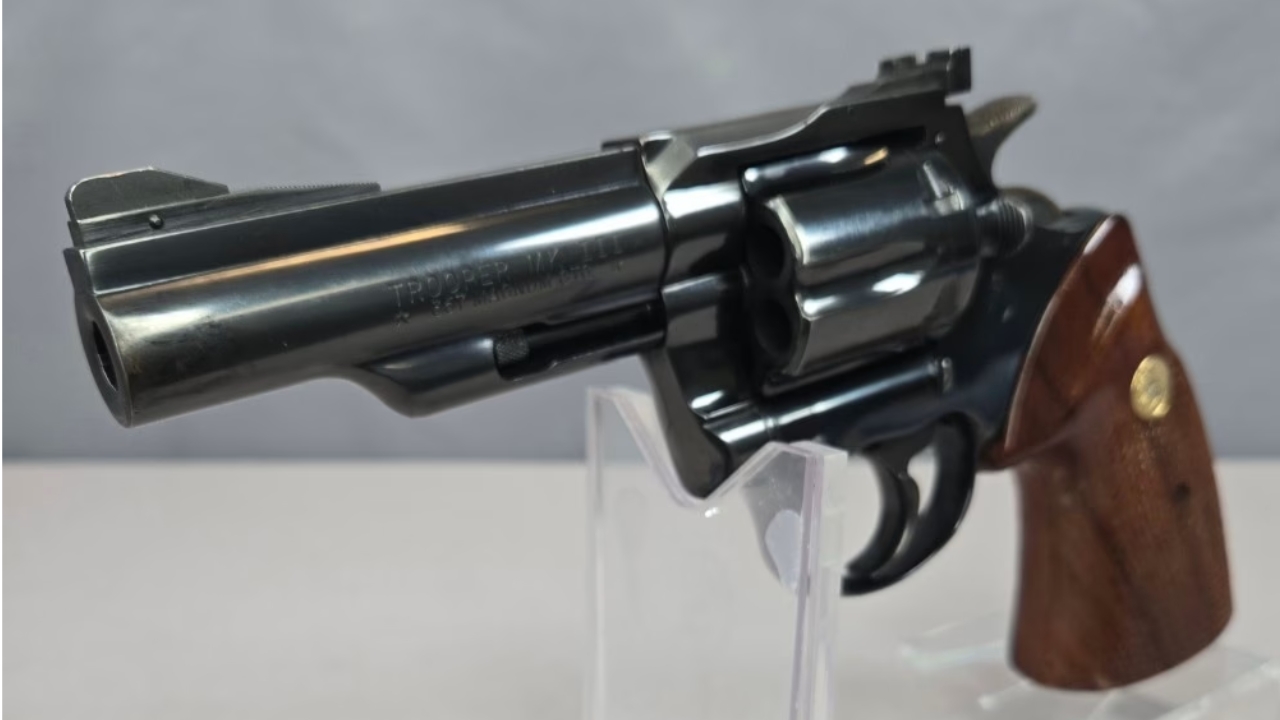
The Trooper Mk III spent years living in the shadow of more famous Colt revolvers, which is exactly why I like looking for them used. They were built as rugged working guns and lack some of the collector baggage that surrounds Pythons.
A good Trooper Mk III gives you a substantial .357 Magnum revolver with excellent balance and classic Colt styling without immediately forcing you into Python money. The action feels different from older Colt designs, but it is durable and well suited to regular shooting. I would avoid guns that have obviously been mistreated or improperly worked on because replacement parts and knowledgeable gunsmiths are not as easy to find as they once were. A clean four- or six-inch example, however, is one of the smartest older Colts to actually use.
Smith & Wesson Model 65
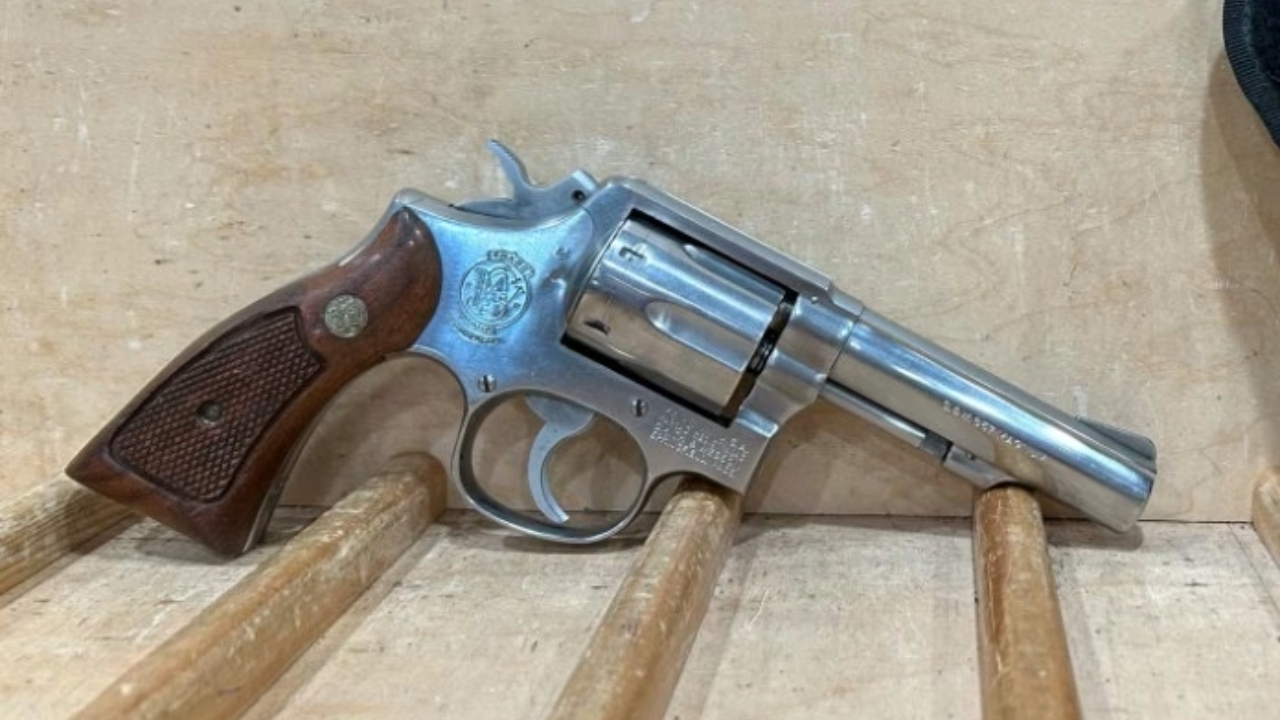
The Model 65 is essentially the kind of revolver people constantly say they want today: stainless steel, fixed sights, manageable dimensions, and .357 Magnum capability. Smith & Wesson built it on the K-frame, which gives it a noticeably handier feel than larger magnum revolvers.
Used Model 65s often show up with police-style wear, and that would not automatically scare me. I care far more about the mechanical condition than scratches on stainless steel. These are excellent carry and property revolvers, especially with a three- or four-inch barrel. I would inspect the forcing cone carefully and avoid any gun that appears to have lived entirely on a diet of extremely hot magnum ammunition. Find a good one, though, and it fills a role that surprisingly few modern revolvers match as well.
Ruger Speed-Six
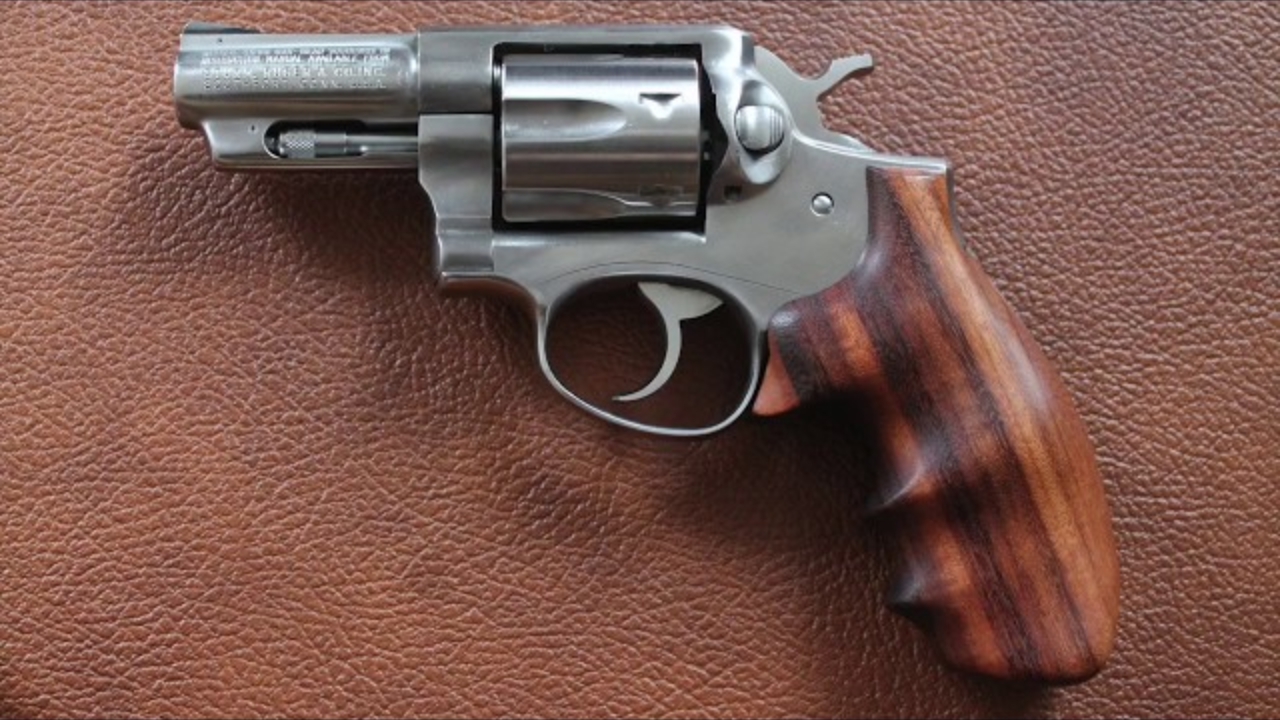
The Speed-Six took the basic strength of Ruger’s Six-Series revolvers and put it into a round-butt package that made more sense for carry. It is one of those discontinued Rugers that becomes more appealing every time you handle one next to something newer and bulkier.
The .357 Magnum versions are especially desirable, but I would not overlook a good .38 Special example if the price were right. These guns have a reputation for toughness, and their fixed sights make them well suited to a revolver that is actually going to be carried. The challenge is simply finding one that has not already been snapped up by someone who knows what it is. A little holster wear only adds character. Mechanical problems are another matter, so I would still give the cylinder and action a careful inspection before buying.
Smith & Wesson Model 13
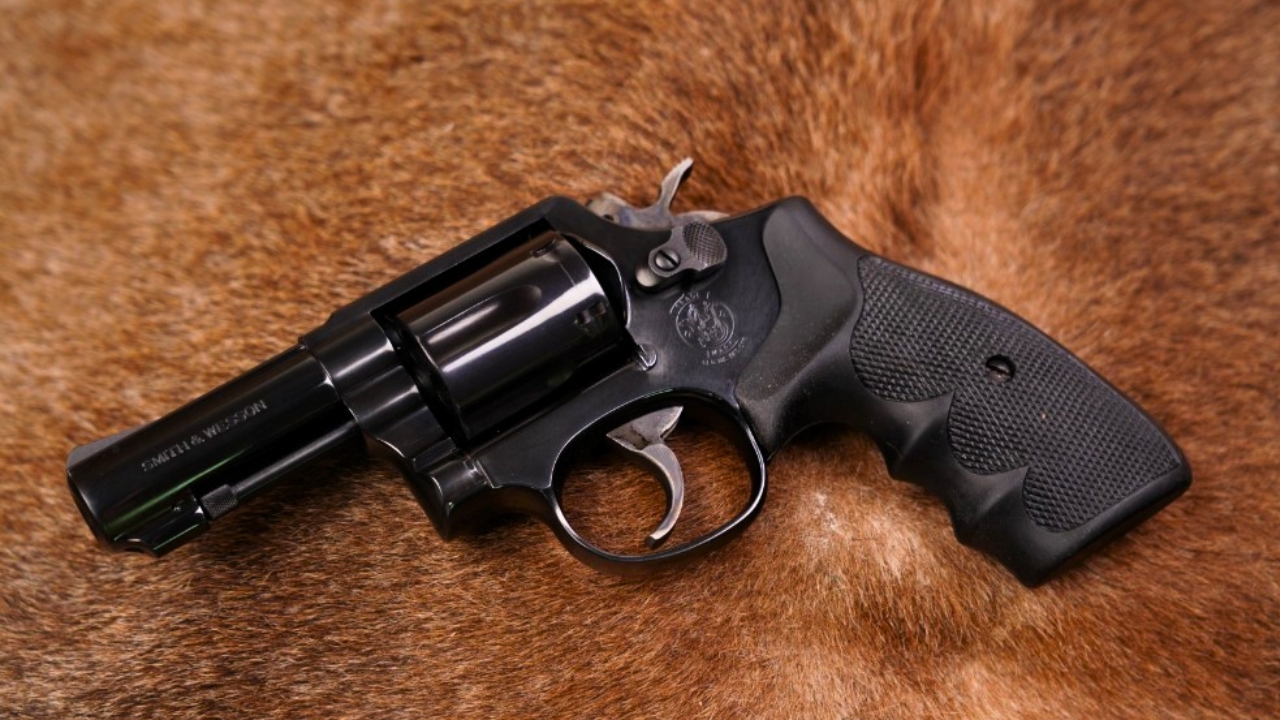
The Model 13 was a straightforward fixed-sight .357 Magnum built on Smith & Wesson’s K-frame. Nothing about it was flashy, and that is a big part of why it worked so well. It carried like a medium-frame .38 but gave its owner the option of magnum ammunition.
Three-inch examples are particularly desirable because they hit an excellent balance between concealability and shootability, although prices on those have become steep. Four-inch guns can still be fantastic shooters and often make more financial sense. Like other K-frame magnums, I would examine the forcing cone and overall timing carefully before buying. If the gun checks out, the Model 13 remains one of the finest examples of a fighting revolver built before manufacturers started making everything larger and heavier.
Dan Wesson Model 15-2

The Model 15-2 offers something almost no mainstream revolver gives you today: the ability to change barrel assemblies and substantially alter the gun without buying another revolver. That alone makes good used examples interesting.
Dan Wesson revolvers also developed a strong reputation for accuracy, and the tensioned barrel system was a big reason why. Some guns appear as complete pistol packs with several barrels, while others show up as a single revolver with one barrel installed. I would gladly buy either if the price reflected what was included. Check that the barrel gap is set correctly and make sure the special tools have not disappeared if you are buying a multi-barrel setup. A complete 15-2 package is one of the coolest revolver finds you can stumble across used.
Smith & Wesson Model 15 Combat Masterpiece
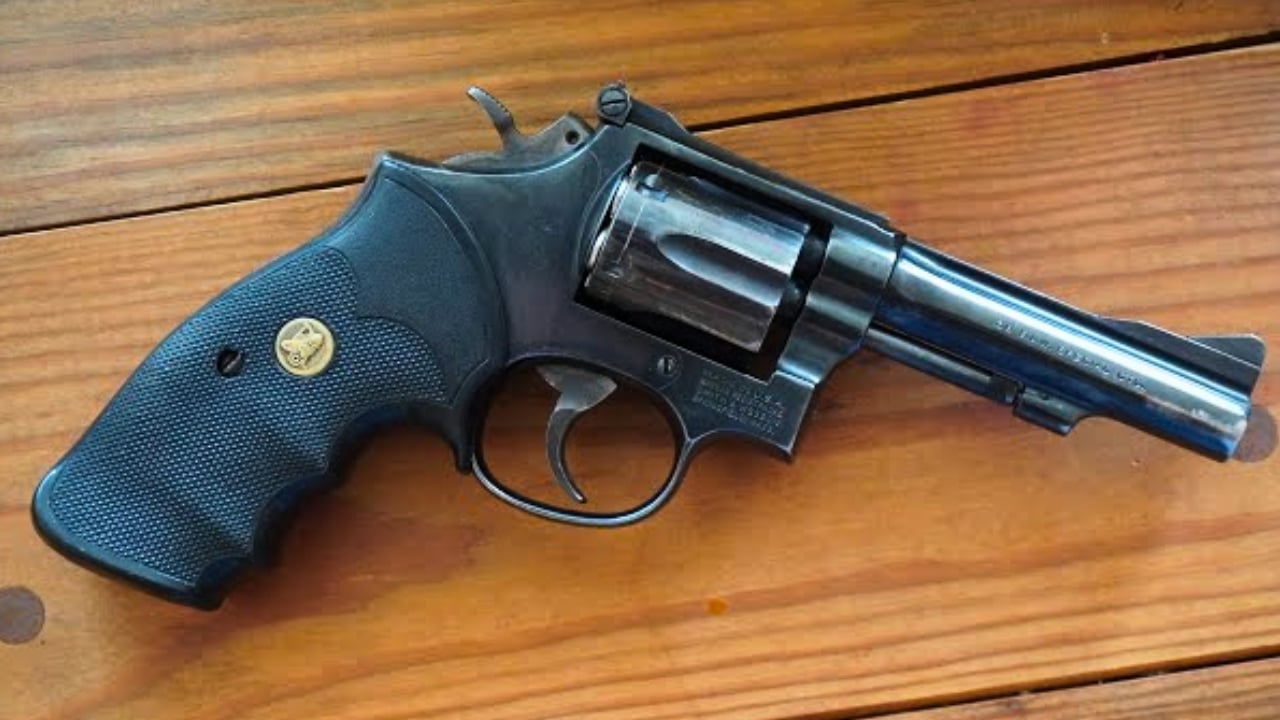
The Model 15 never needed magnum power to earn its reputation. It was a refined .38 Special K-frame with adjustable sights and excellent handling, and it became closely associated with police, military, and target shooting.
Today, it makes an outstanding range revolver and one of the best ways to experience what made older Smith & Wesson actions so popular. Recoil is mild, the balance is excellent, and a good double-action trigger can make newer shooters understand why revolver people become obsessed with old K-frames. I would rather have a mechanically excellent Model 15 with some finish wear than an overpriced pristine example I would be afraid to shoot. These revolvers were made to be used, and that is exactly what I would do with one.
Ruger Service-Six
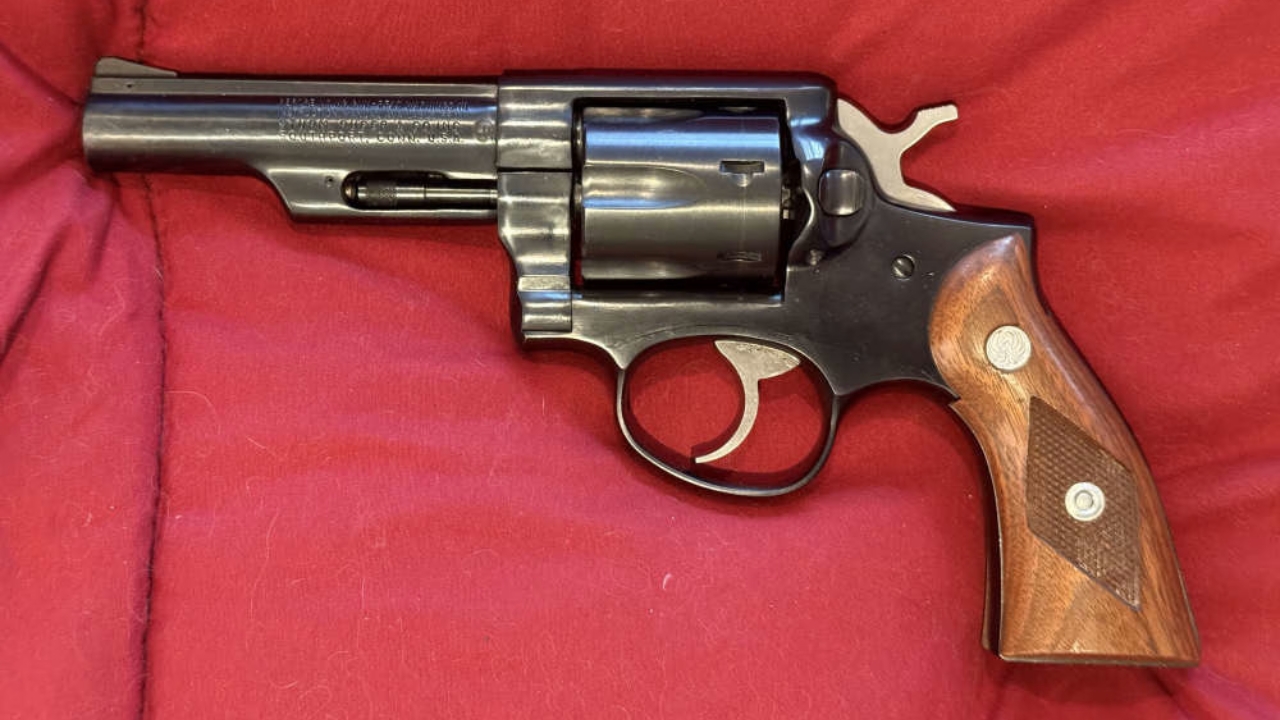
The Service-Six was the square-butt, fixed-sight working member of Ruger’s old Six-Series family. It does not have the collector recognition of many classic Smith & Wessons, but that is part of what has made it such a worthwhile used revolver.
This is a gun I would be comfortable buying with plenty of exterior wear if the internals were healthy. Many were purchased for police and security work, so a worn finish does not necessarily mean the gun is worn out. The design is strong, straightforward, and noticeably slimmer through the frame than a GP100. A four-inch .357 Service-Six is about as practical as an older revolver gets. If you find one priced like an outdated duty gun instead of a collectible Ruger, it deserves a very close look.
Colt Lawman Mk III
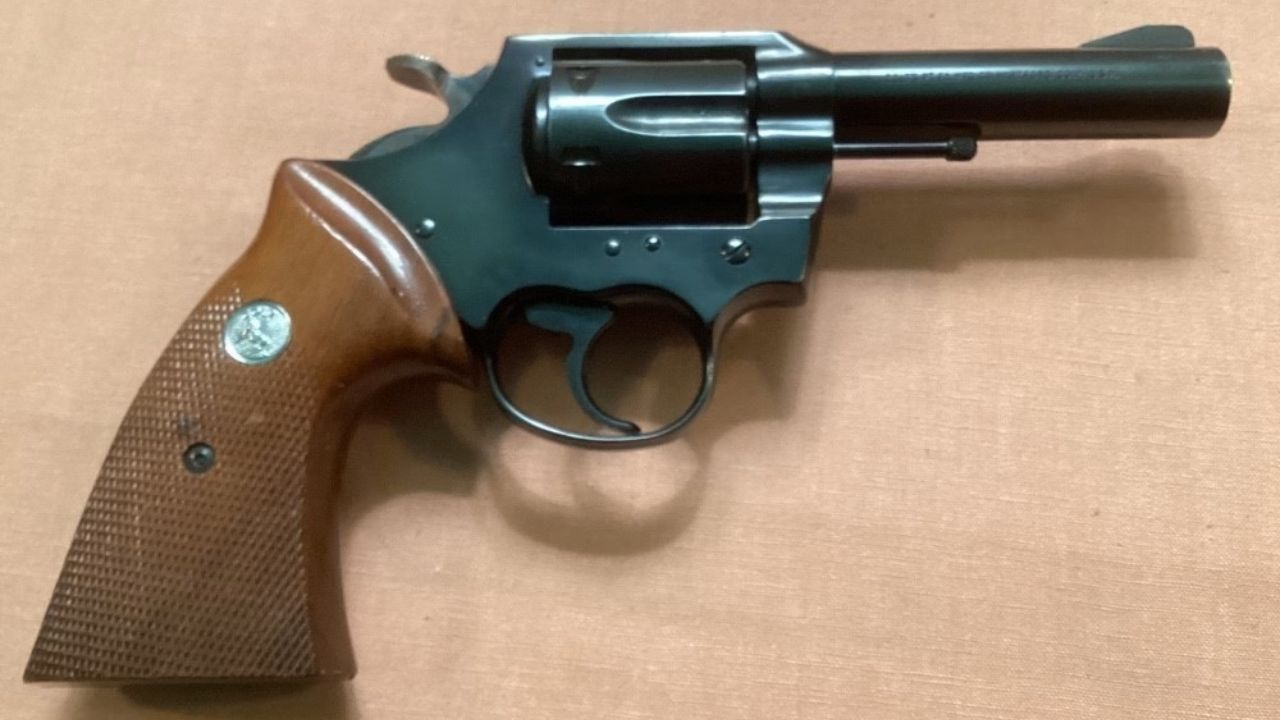
The Lawman Mk III was never intended to be glamorous. It was Colt’s fixed-sight working revolver in the Mk III family, and that utilitarian role makes it especially interesting now.
The gun gives you a robust .357 Magnum action without the premium attached to more famous Colt names. Two-inch versions have a tough, compact appearance, while the four-inch guns make excellent general-purpose revolvers. You need to shop carefully because Colt revolver parts and competent service can be more difficult to find than support for common Smith & Wessons or Rugers. That said, a Lawman that locks up correctly and has not been altered by an amateur is a fantastic piece of Colt history that you can actually take out and shoot regularly.
Smith & Wesson Model 10
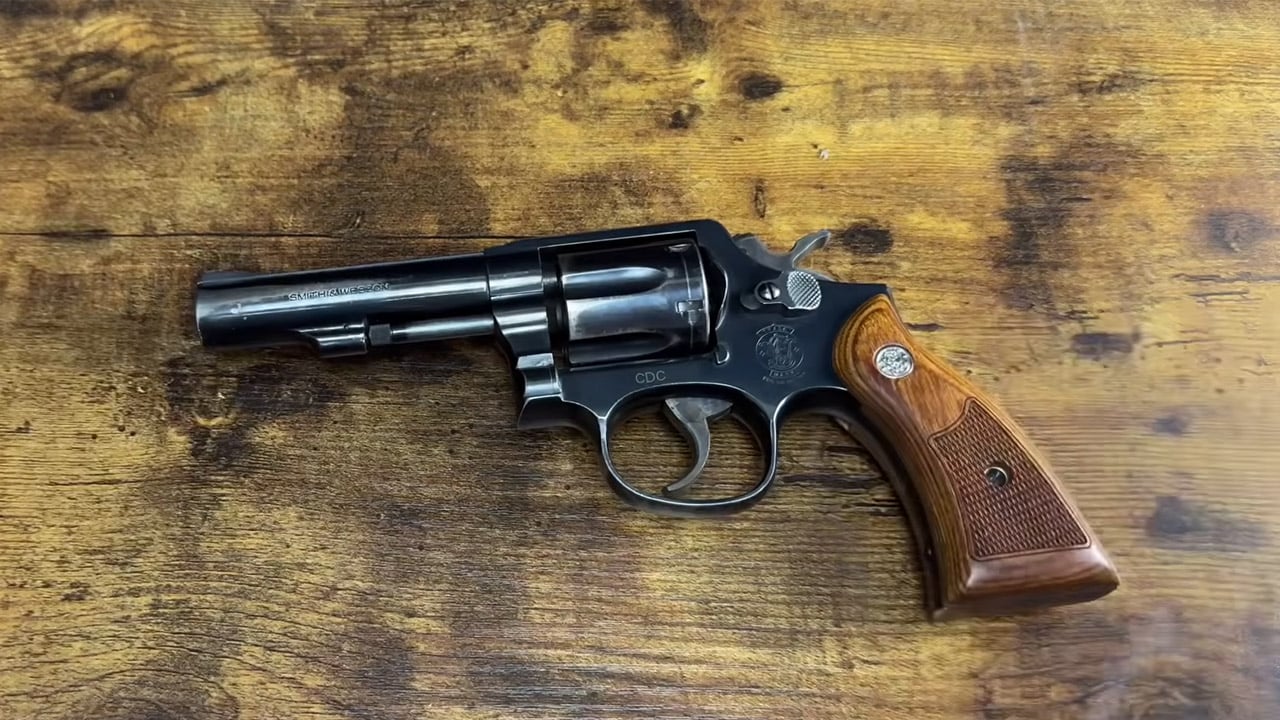
Millions of Model 10s were produced, and that abundance caused people to treat them as ordinary for decades. A really nice older Model 10 reminds you just how good an ordinary revolver used to be.
The fixed sights are basic, and .38 Special will never impress the magnum crowd, but the Model 10 is beautifully balanced and easy to shoot. Older examples can also have remarkably smooth double-action triggers after years of normal use. I particularly like the four-inch heavy-barrel versions as range and property guns. Because so many were carried professionally, condition varies enormously. I would pass on a mechanically tired example, but I would not hesitate over worn bluing. A sound Model 10 is still one of the best affordable ways into classic Smith & Wesson revolvers.
Colt Official Police
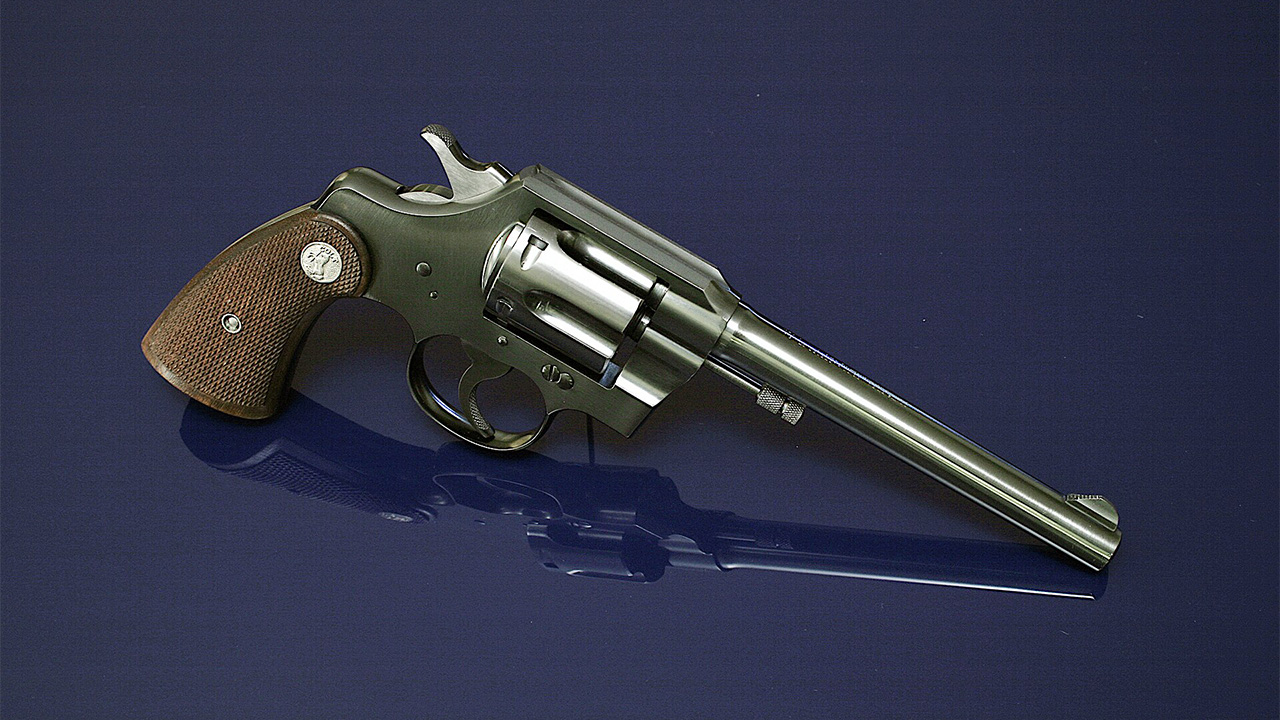
The Colt Official Police comes from an era when a full-size .38 Special was considered a serious duty handgun. Huge numbers served with police departments and other agencies, and that history means used examples range from extremely nice to thoroughly worn.
What appeals to me is the old Colt craftsmanship without the insane pricing attached to the company’s most famous revolvers. The long sight radius and substantial frame make these extremely pleasant shooters with standard-pressure .38 ammunition. I would not buy one as a platform for hot loads or heavy modification. That misses the point. A clean Official Police is something to shoot and appreciate for what it represents. If you want an older Colt revolver without immediately entering Python territory, this is one of the first models I would hunt down.
Smith & Wesson Model 64
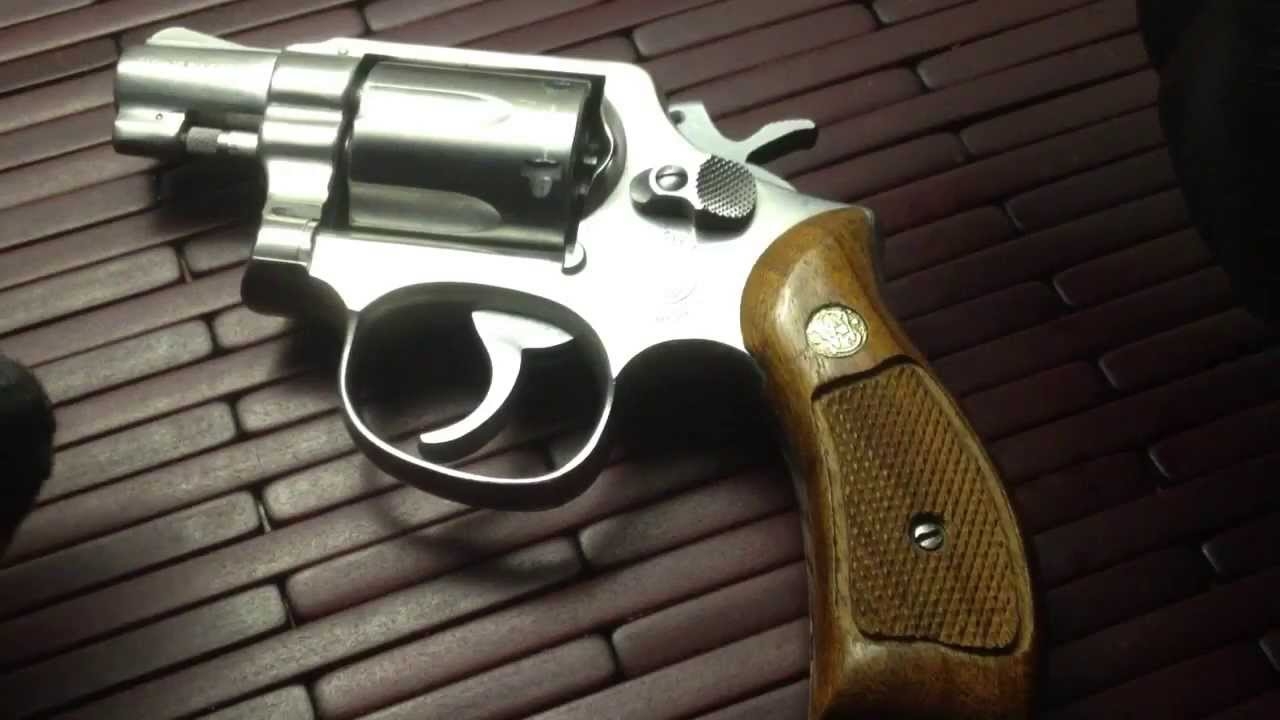
The Model 64 is essentially a stainless-steel working revolver built around the proven K-frame and .38 Special cartridge. For years, that made it a favorite of agencies and institutions that wanted durability more than flash.
Used examples often look boring in the display case, which can work in your favor. Stainless steel hides years of handling better than blued finishes, and the fixed sights leave little to knock out of adjustment. I particularly like examples with heavy barrels because they settle nicely in the hand during rapid double-action shooting. Police trade-ins can be excellent buys when you find one with good timing and a clean bore. The Model 64 may never become the most glamorous revolver in your safe, but it might become one of the ones you shoot most often.
H&R Model 999 Sportsman
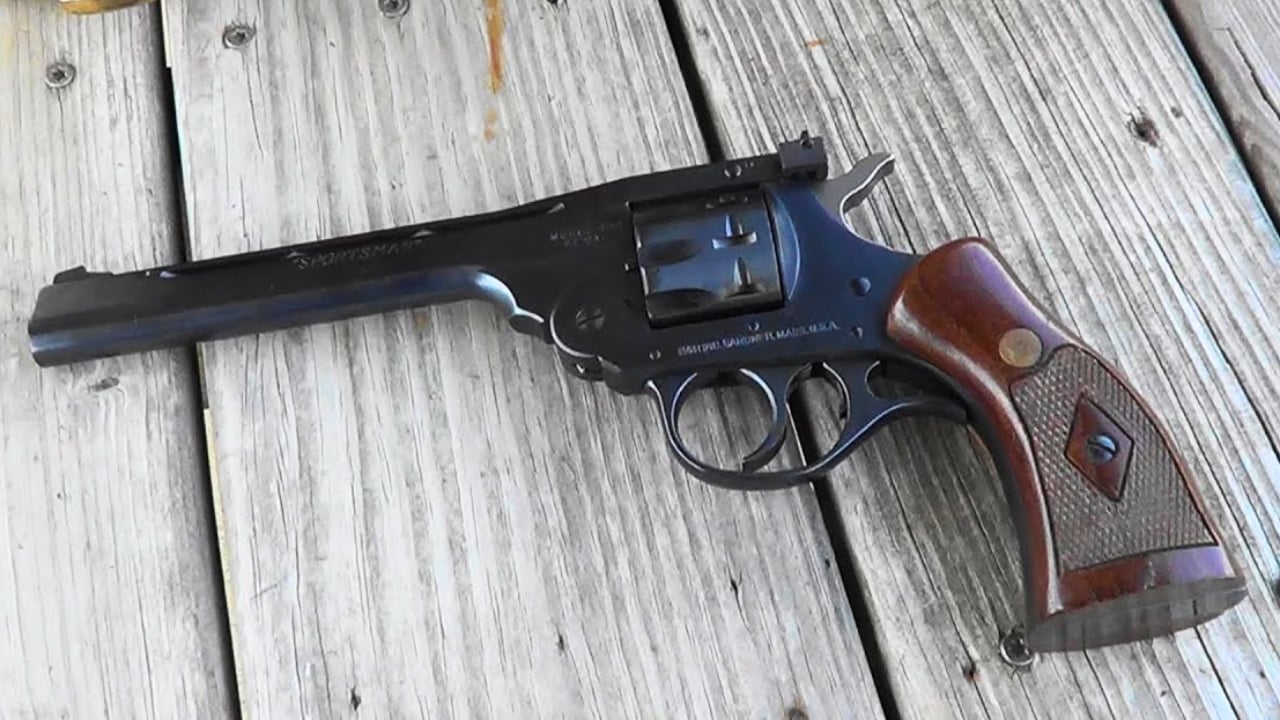
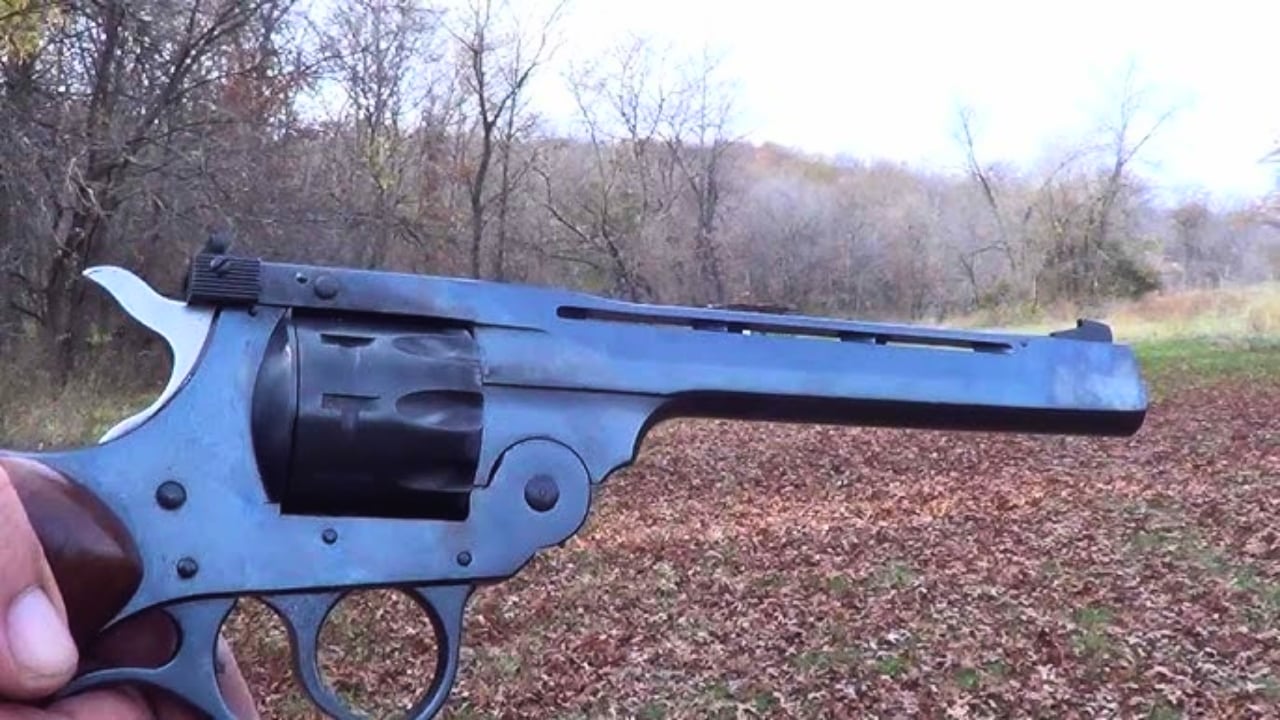
The Model 999 Sportsman is exactly the kind of revolver that becomes more interesting after production ends. It is a nine-shot .22 LR with a top-break action, which makes it completely different from nearly every modern rimfire revolver.
Press the latch, tip the barrel forward, and the extractor lifts the empty cases. It makes the gun fun to shoot and unusually quick to reload for an old .22 revolver. Condition matters because many Sportsmans were inexpensive working guns and saw decades of use. I would check the latch, cylinder alignment, and lockup carefully. A healthy one, however, is an excellent plinker and small-game revolver with far more personality than most new rimfire handguns. I would grab a good example before prices climb further.
Smith & Wesson Model 27
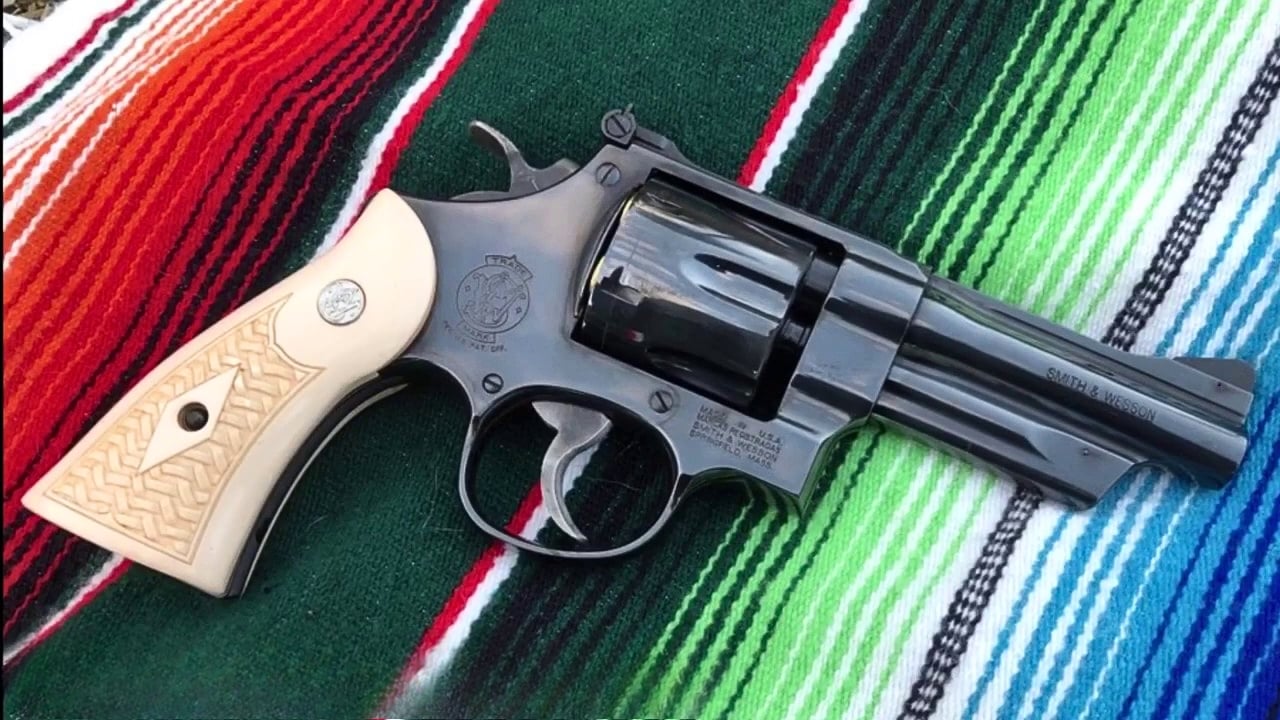
The Model 27 is the polished, premium side of Smith & Wesson’s classic .357 Magnum history. Older examples can become expensive, but shooter-grade guns with honest wear are far more appealing to me than pristine specimens carrying collector premiums.
The large N-frame makes full-power .357 Magnum loads much more manageable, and the older revolvers often have the kind of fit and finish people associate with Smith & Wesson’s best years. Barrel lengths ranged widely, which means you can hunt for everything from relatively handy configurations to long-barreled range guns. I would avoid overpaying just because somebody calls an ordinary used gun rare. But if a well-maintained Model 27 appears at a fair price, it is absolutely worth considering. There is a reason these revolvers still command so much respect.
Colt Police Positive Special
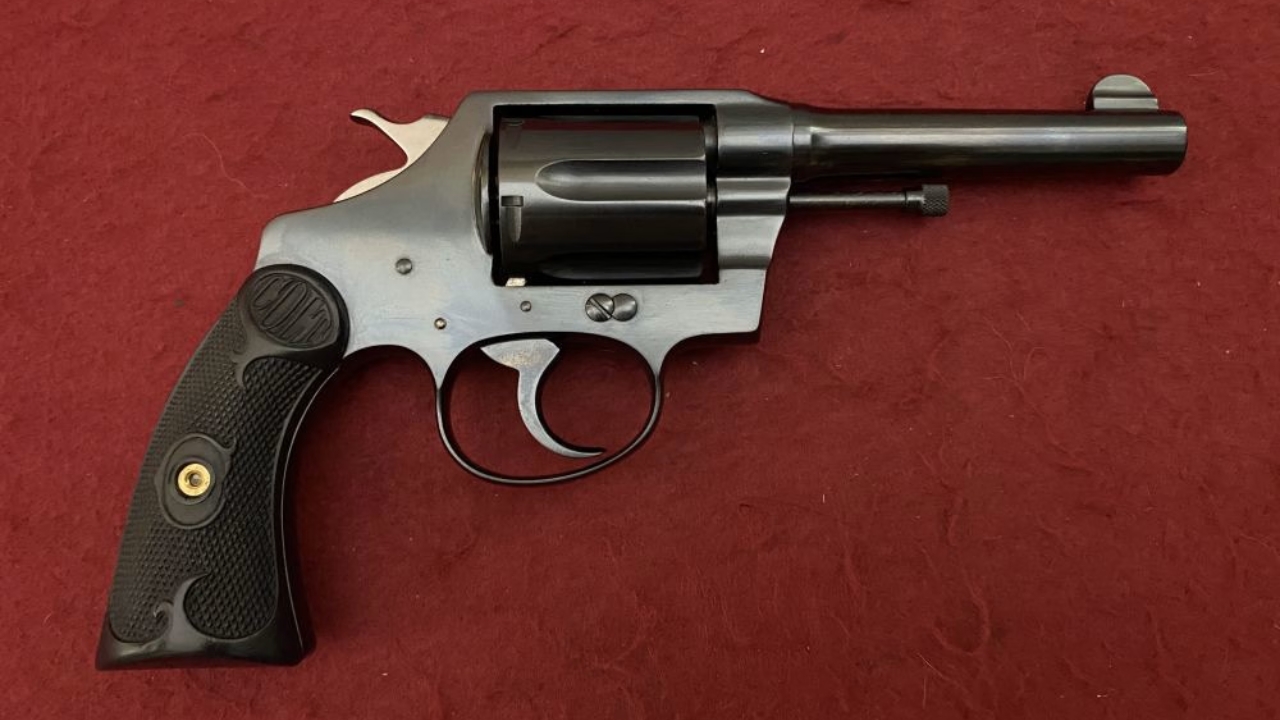
The Police Positive Special is a reminder that compact revolvers existed long before today’s lightweight snubs. Colt built these for decades, and many were chambered in .38 Special while remaining noticeably trim compared with larger service revolvers.
They are especially appealing if you enjoy older Colt actions and want something that does not cost a fortune simply because of the name on the barrel. Many examples are now genuinely old, so condition is everything. I would be cautious about excessive cylinder play, questionable timing, or evidence that someone tried to improve the action at home. A sound gun, however, can be an enjoyable range revolver and an interesting piece of American handgun history. The nicest part is that plenty of shooters still overlook them while chasing more famous Colts.
Smith & Wesson Model 14
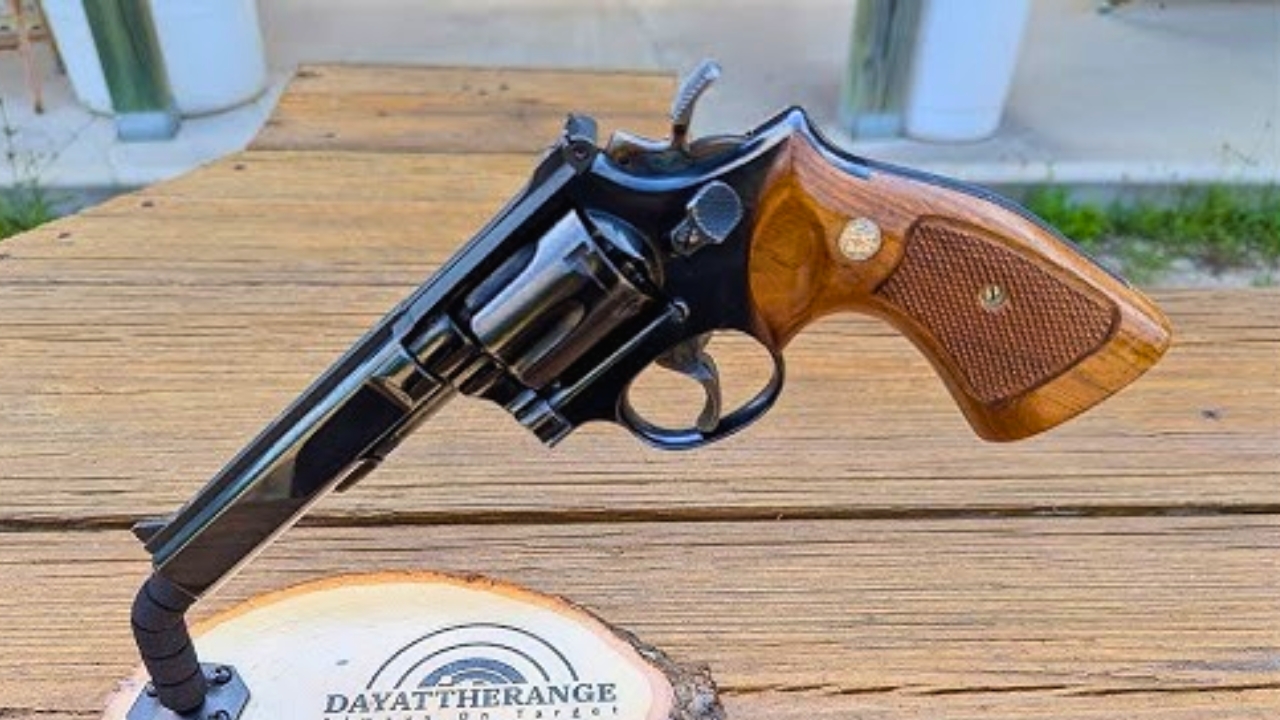
The Model 14 was built around accuracy rather than defensive carry. Long barrels, adjustable sights, and the excellent K-frame action made it a favorite among target shooters for decades.
That specialization is exactly why I would hunt one down today. Modern handgun buyers spend huge amounts of money trying to build pistols that make precision shooting easier, while a good Model 14 gives you a beautifully balanced .38 Special revolver that was designed for that job from the beginning. Six-inch examples are especially common, although other lengths exist. Check the action and bore carefully, then look for signs of hard competition use. A good Model 14 is one of those revolvers that can make an ordinary afternoon of slow-fire shooting surprisingly addictive.
Ruger Old Model Blackhawk
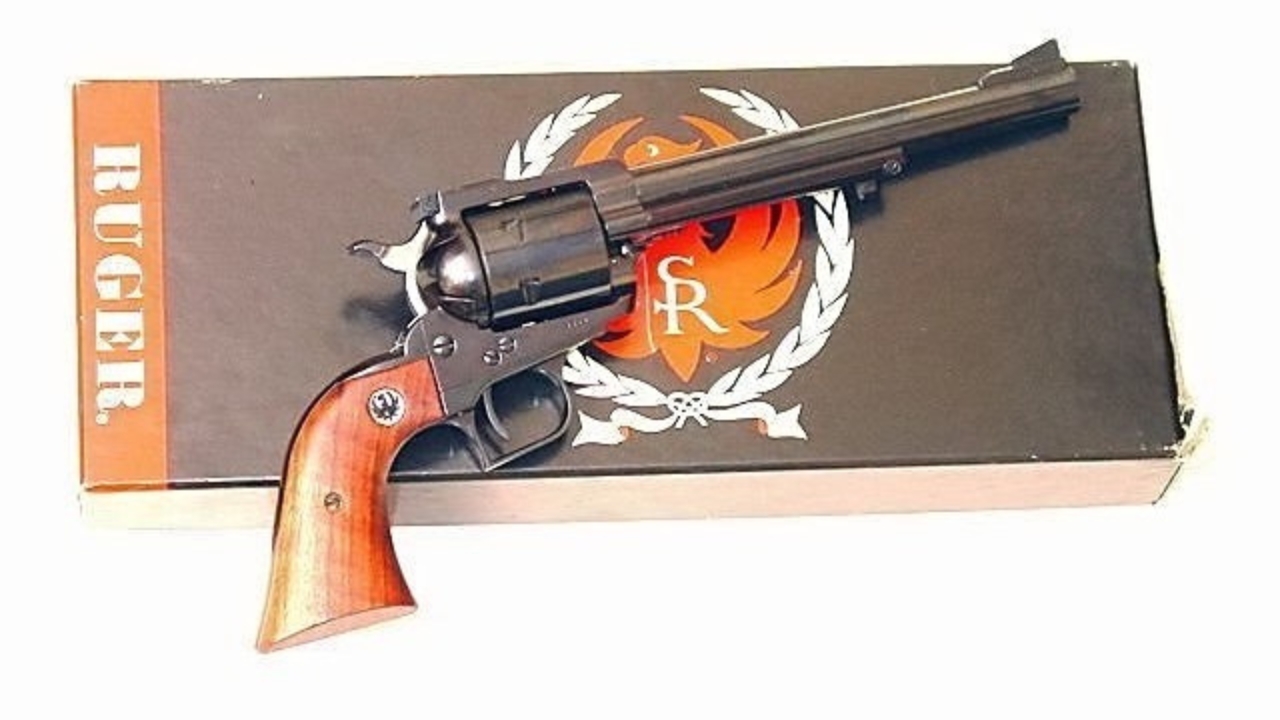
The early Blackhawk revolvers have an entirely different feel from the modern single-actions filling dealer shelves today. They are slimmer, more traditional in appearance, and tied closely to Ruger’s early rise as a major handgun manufacturer.
Original guns used the old-style action without the later transfer-bar system, although many were converted under Ruger’s safety update program. Collectors can have strong opinions about which configuration is preferable, so know what you are looking at before paying premium money. For me, the appeal is finding an honest shooter rather than a museum piece. A well-maintained Old Model Blackhawk in .357 Magnum or one of the larger chamberings gives you classic Ruger character and a revolver that remains immensely satisfying to shoot.
Smith & Wesson Model 67
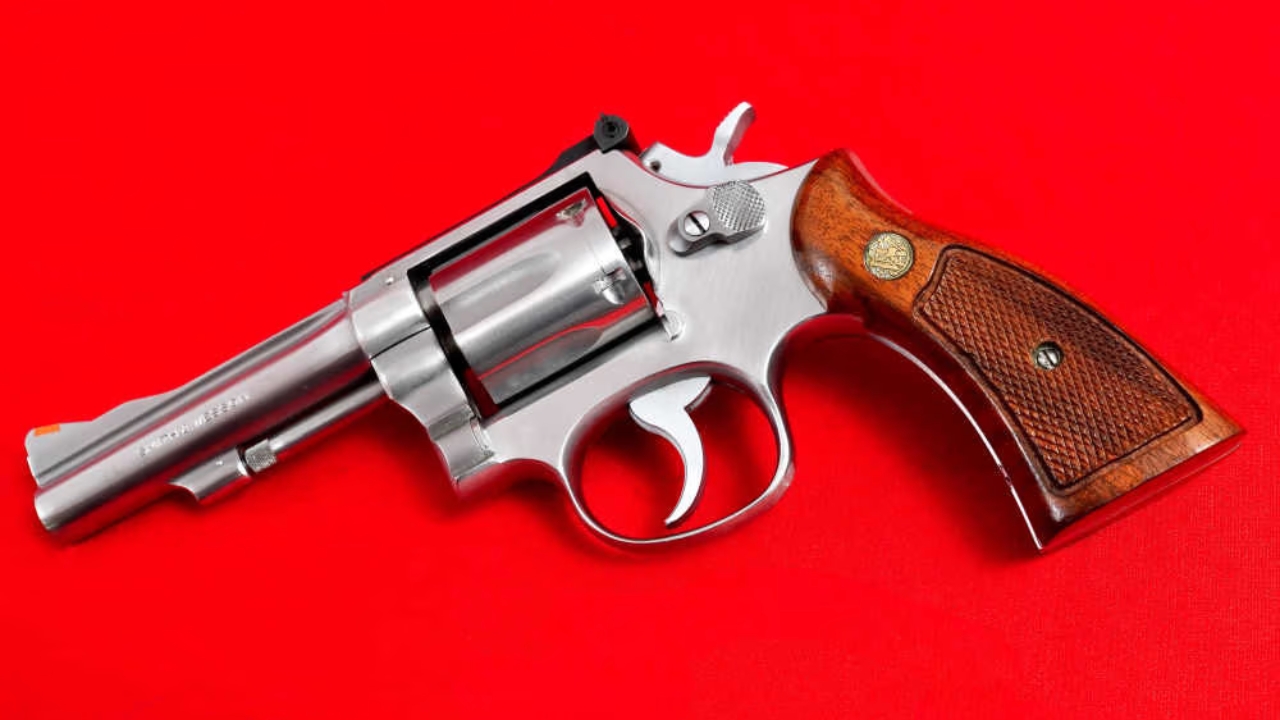
The Model 67 is basically the stainless counterpart to the adjustable-sight Model 15, and that combination makes it one of the better older .38 Special revolvers to actually use.
Stainless construction means you do not have to obsess over every handling mark, while the adjustable sights make the gun more versatile than fixed-sight service revolvers. The four-inch barrel balances beautifully, and the K-frame remains one of the easiest revolver sizes to shoot well. These are not usually cheap anymore, but they can still slip under the radar next to .357 Magnum models. If you primarily shoot .38 Special anyway, there is no need to treat that as a disadvantage. A clean Model 67 can be a better range revolver than plenty of more expensive new guns.
Colt Detective Special
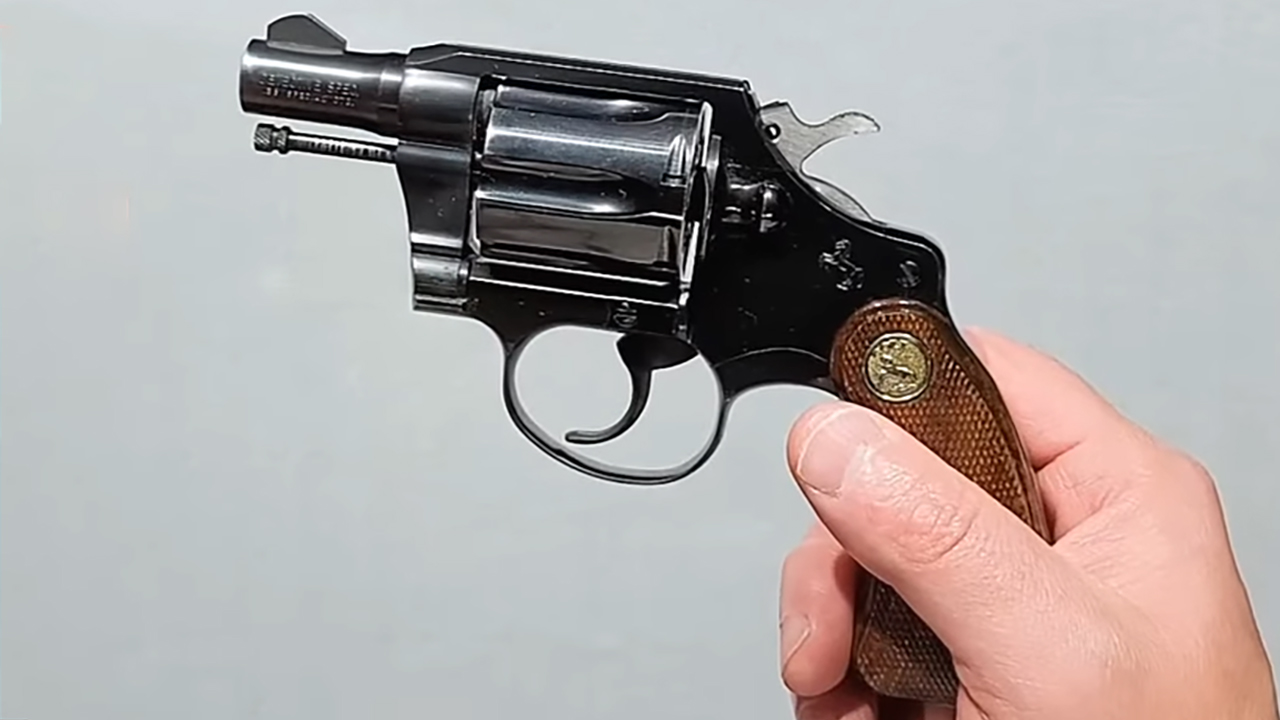
The Detective Special is one of the classic concealed-carry revolvers and one of the few older snubs that still feels genuinely useful rather than merely historical. Its six-shot cylinder gave it an advantage over many competing small-frame revolvers that held only five rounds.
Earlier generations have become increasingly collectible, but later shooter-grade examples can still make sense if you find one at the right price. I would pay close attention to timing because older Colt actions require someone who knows what they are doing when repairs become necessary. I would also avoid paying an absurd premium for a gun simply because it says Colt. But a mechanically excellent Detective Special with some holster wear is exactly the kind of revolver I would rather own than a pristine example that never leaves the safe.
Like The Avid Outdoorsman’s content? Subscribe to our newsletter so you never miss an article.
Here’s more from us: