Photo credit: sootch00/YouTube
The easiest guns to collect are the ones everybody already wants. The problem is that by the time a firearm earns obvious collector status, the cheap examples are usually long gone.
The more interesting question is which guns people are still treating like ordinary shooters today. Short production runs, unusual chamberings, failed product lines, distinctive factory configurations, and firearms that represent a particular moment in the industry can all become desirable later. None of these are guaranteed investments, but they have the ingredients that often create collector interest once the supply dries up.
Ruger LC Charger
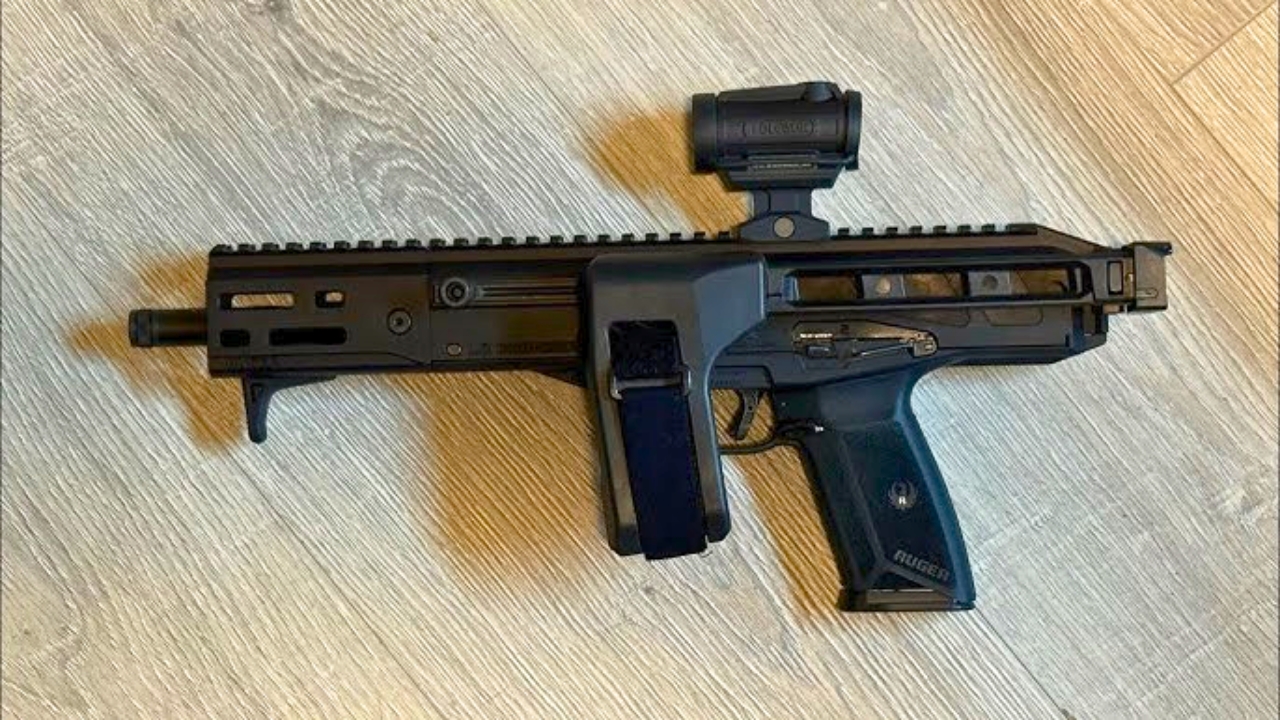
The LC Charger occupies a strange place in Ruger’s lineup. It takes the LC Carbine concept and packages it into a large-format pistol chambered in 5.7x28mm, giving it a look and role unlike most traditional Ruger firearms.
That weirdness could eventually matter. Ruger collectors have always paid attention to unusual models once production stops, especially guns that do not have an obvious successor. If the LC Charger eventually becomes a short chapter in Ruger history rather than a long-running platform, clean factory examples could become much more interesting than they look today.
Smith & Wesson M&P12

The M&P12 is not subtle. Smith & Wesson took the bullpup shotgun concept, added twin magazine tubes, and created something completely unlike the company’s traditional shotgun offerings.
It may never become a mainstream sporting gun, but that could help future collectibility. Distinctive designs tied to short-lived trends often age better than generic firearms because there is nothing else quite like them. If Smith eventually abandons the platform, an original M&P12 could become one of those guns people suddenly want because it represents an unusually experimental period for the company.
Springfield Armory SA-16A2

The SA-16A2 looks deliberately old-fashioned in a market packed with short barrels, free-float handguards, red dots, and suppressor-ready rifles.
That is exactly why it could age well. Shooters are already becoming more interested in retro AR configurations, and a factory-built A2-style rifle from a major manufacturer gives collectors something easier to authenticate than a parts build. If Springfield eventually changes or drops the model, untouched examples could become desirable representatives of the current retro-rifle revival.
Henry Homesteader

The Homesteader entered an already crowded pistol-caliber carbine market, yet Henry approached the concept with traditional styling rather than copying the tactical formula everyone else uses.
That could be important later. A wood-stocked 9mm semiautomatic carbine from a company famous for lever guns is unusual enough to stand out. If Henry eventually decides the PCC market is not central to its business, early Homesteaders could become interesting simply because they represent such a different direction for the company.
Beretta PMXs
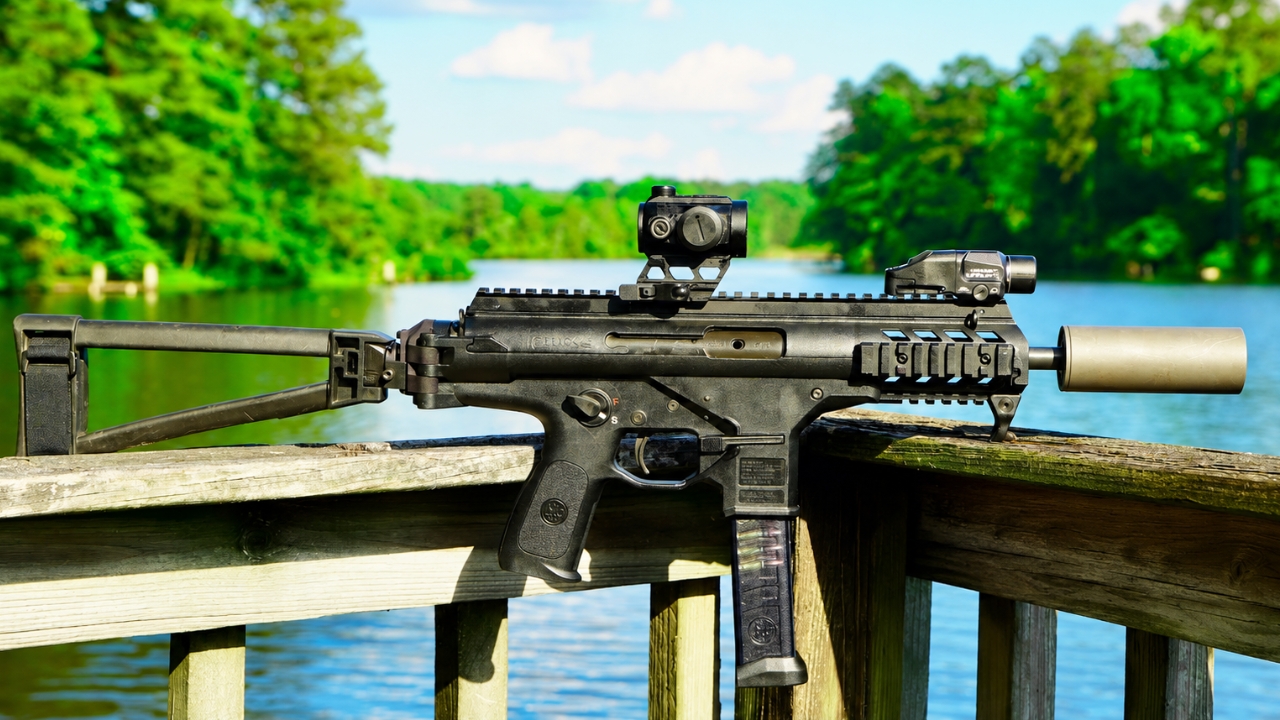
The PMXs has a distinctive European subgun appearance that separates it immediately from ordinary AR-pattern pistols and carbines.
Civilian versions of military-derived designs have a habit of becoming desirable once imports or production stop. The PMXs also comes from Beretta, which gives it a recognizable manufacturer attached to a firearm that does not resemble the company’s usual civilian products. If the American run proves relatively short, people may eventually wonder why they passed on them when they were readily available.
Smith & Wesson Response
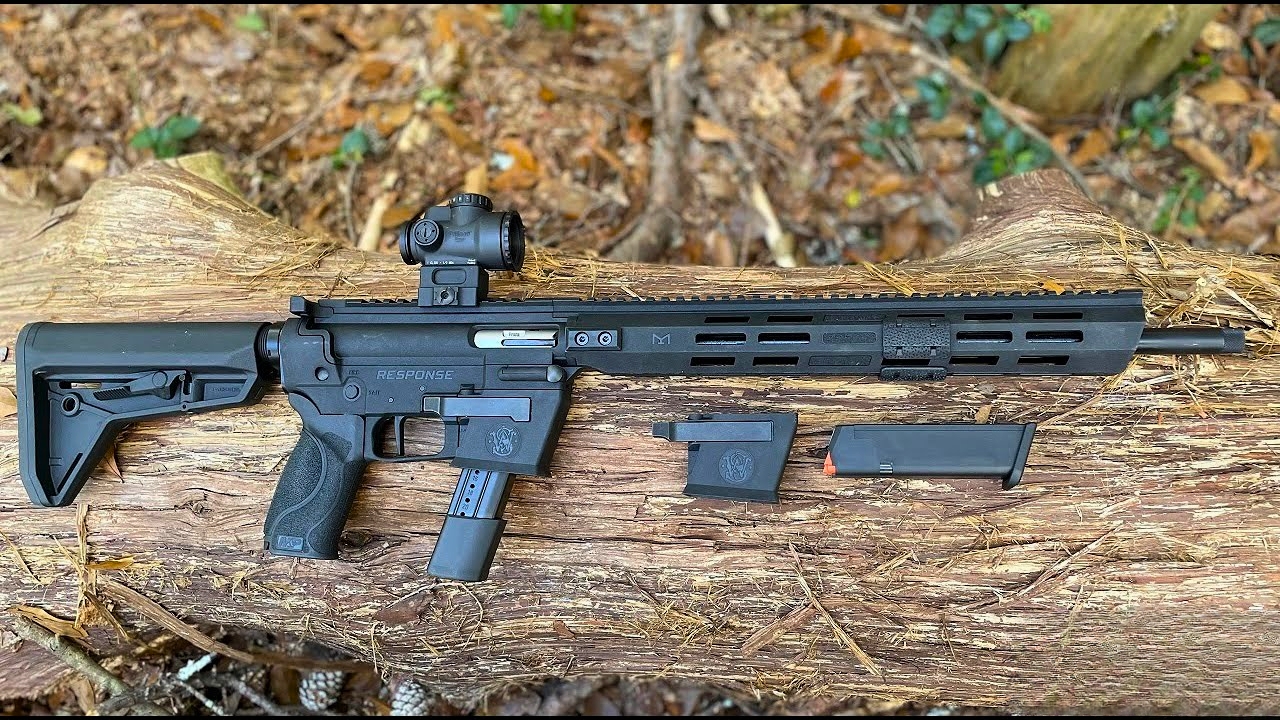
The Response entered a crowded 9mm carbine category without much fanfare, which is exactly the sort of environment where an unusual gun can disappear before collectors notice it.
What makes it potentially interesting is Smith & Wesson’s attempt to create a modern PCC around modular magazine compatibility and familiar AR-style handling. If the platform evolves quickly or gets replaced, early configurations may become snapshots of the company’s first serious move into this particular category.
Savage 110 PCS

The 110 PCS is essentially a bolt-action pistol built around Savage’s familiar centerfire rifle action.
That is weird enough to give it long-term potential. Bolt-action handguns have always occupied a tiny niche, and manufacturers rarely keep them around forever. A factory firearm that combines rifle cartridges, a short barrel, and a chassis-style handgun configuration could become much more interesting once Savage eventually moves on to something else.
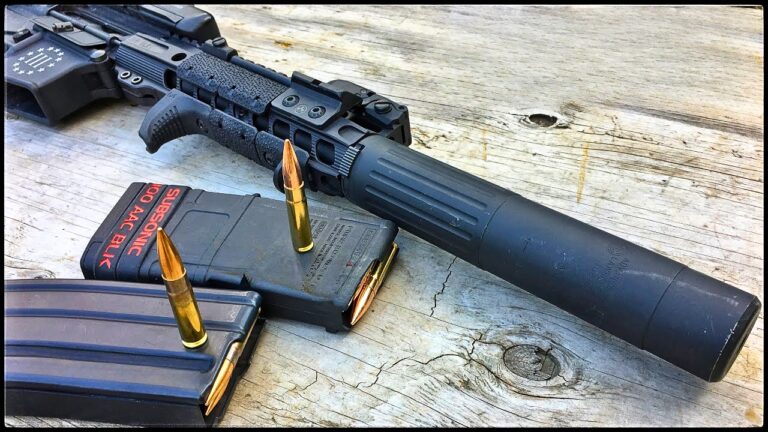
CZ 600 Trail .300 Blackout
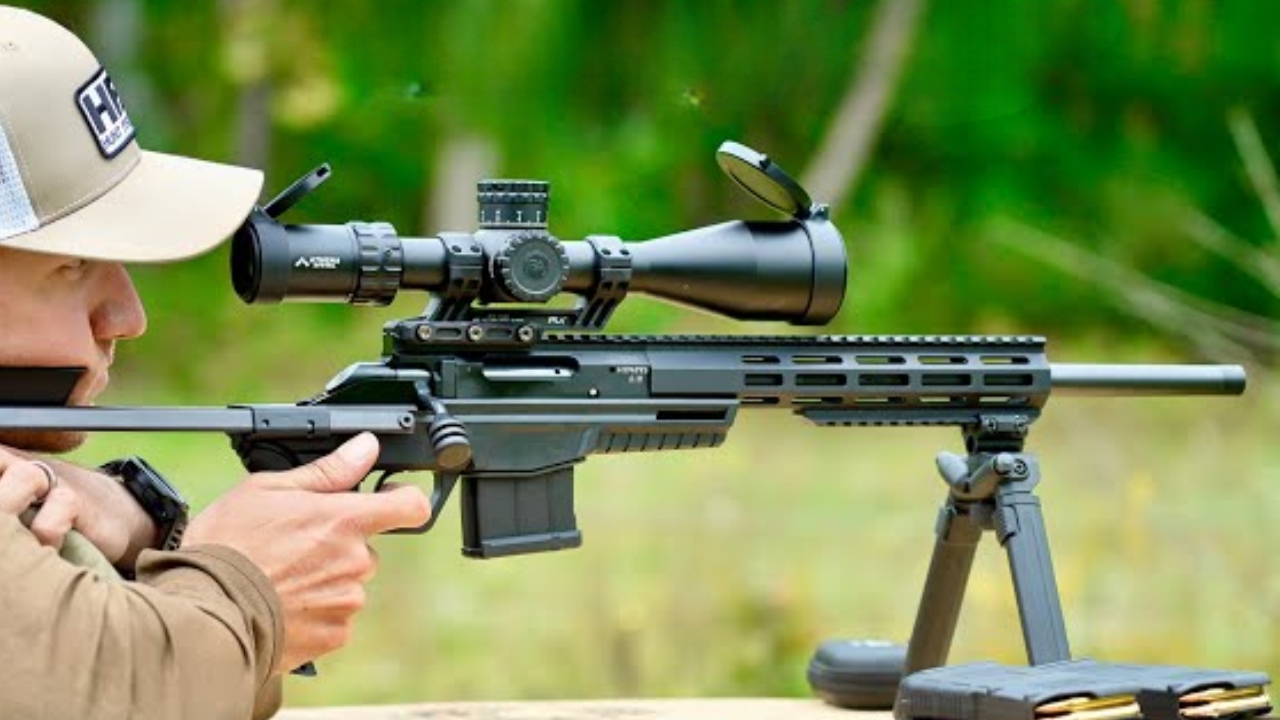
The 600 Trail already looks like a firearm designed for a very specific moment in the market. It combines a compact bolt action, collapsible stock, detachable magazine, and modern controls in a package far removed from the traditional hunting rifle.
The .300 Blackout version is particularly interesting because it aligns with suppressed and compact-rifle trends. If CZ eventually changes the platform substantially, early Trail rifles may become collectible as one of the company’s more radical departures from classic European sporting rifles.
Mossberg 464 SPX
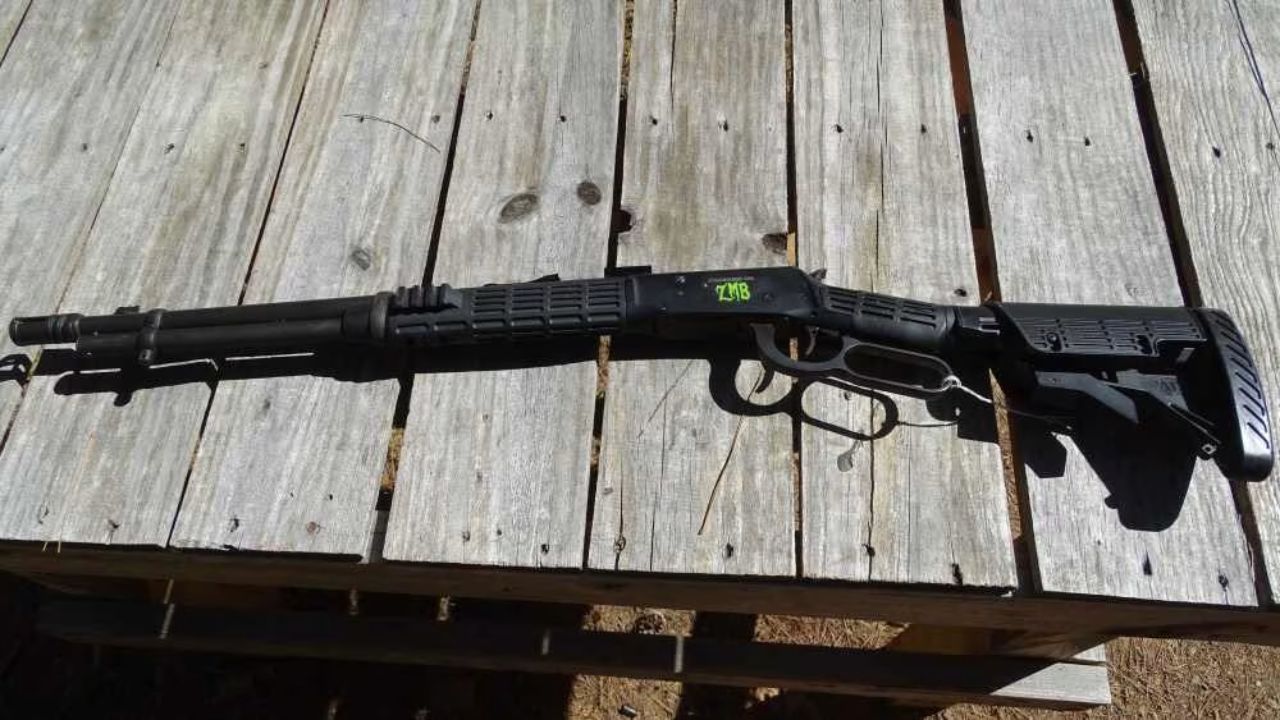
The 464 SPX was mocked by plenty of shooters because it took a traditional lever rifle and surrounded it with tactical furniture.
That reaction could eventually become part of the appeal. Firearms that look absurd when new often become collectible once they are associated with a specific period of industry experimentation. The SPX represents the early days of trying to modernize lever guns before the current tactical-lever market became far more accepted.
Remington 700 CP
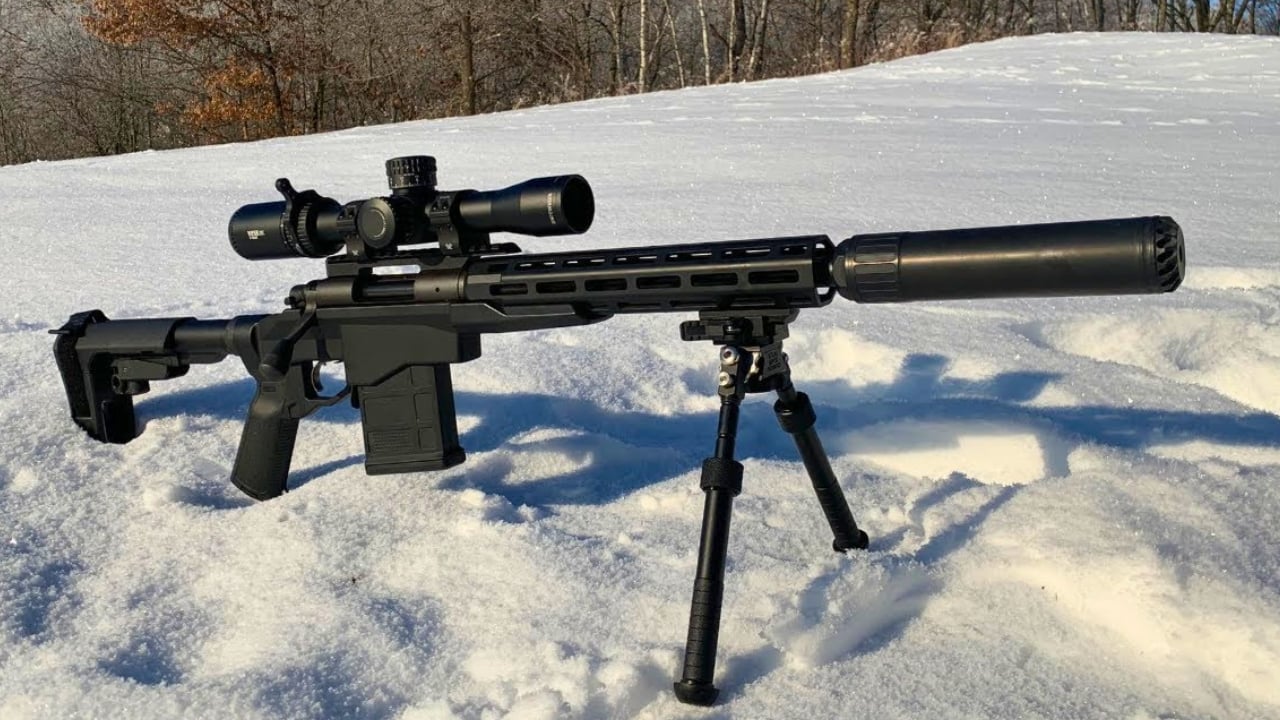
The 700 CP took the familiar Model 700 action and turned it into a chassis-equipped bolt-action pistol.
It was never going to be a mass-market handgun, but unusual factory Remingtons are exactly the sort of guns collectors revisit after production ends. The bankruptcy-era history surrounding modern Remington only adds another layer. Years from now, the 700 CP could represent a very specific and turbulent chapter of the company’s product history.
Thompson/Center Dimension
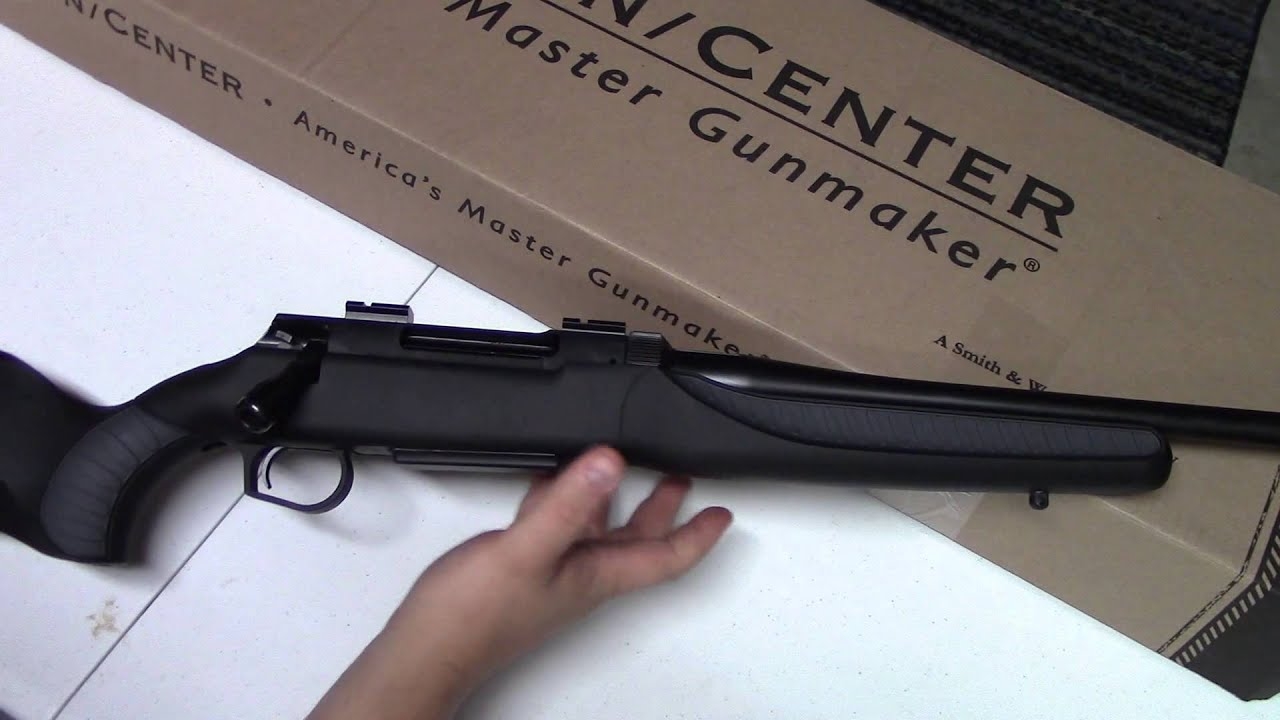
The Dimension was one of the more ambitious attempts to make a mainstream bolt rifle truly modular.
Its interchangeable barrels, bolts, and magazine components were supposed to let one rifle cover multiple cartridge families. The idea never became dominant, and that commercial disappointment may ultimately help it. Failed modular systems become fascinating once nobody is trying to sell you on the concept anymore. Complete Dimension setups with multiple factory components could become particularly interesting.
Browning BLR Black Label Takedown
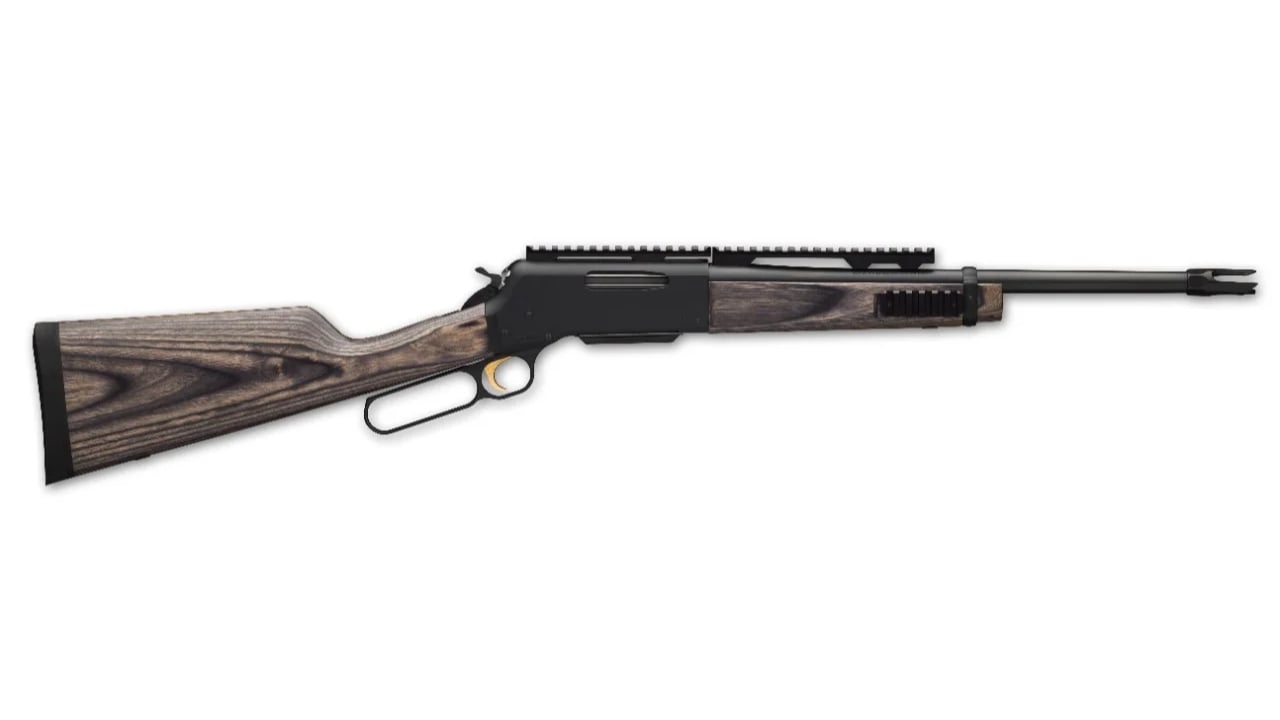
The tactical-looking Black Label treatment was a major departure from what shooters traditionally expected from the BLR.
That makes it exactly the kind of factory configuration collectors may separate from ordinary BLRs later. Takedown capability, modern furniture, and lever-action mechanics combine into something that feels tied to a particular period when manufacturers were experimenting aggressively with modernized lever guns. Limited configurations tend to become more interesting after they vanish.
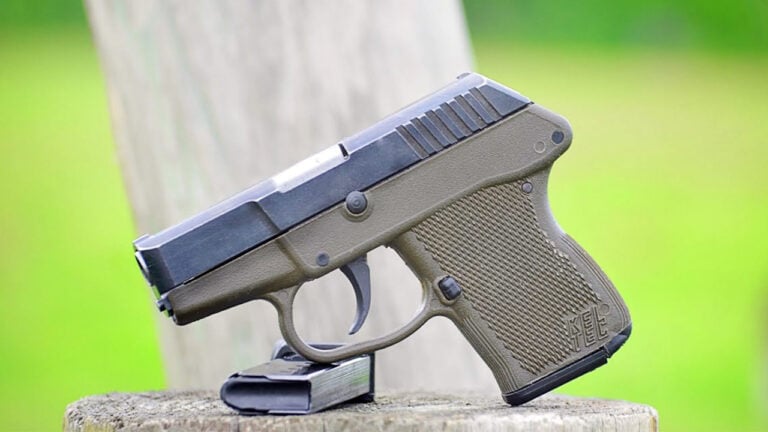
KelTec KS7
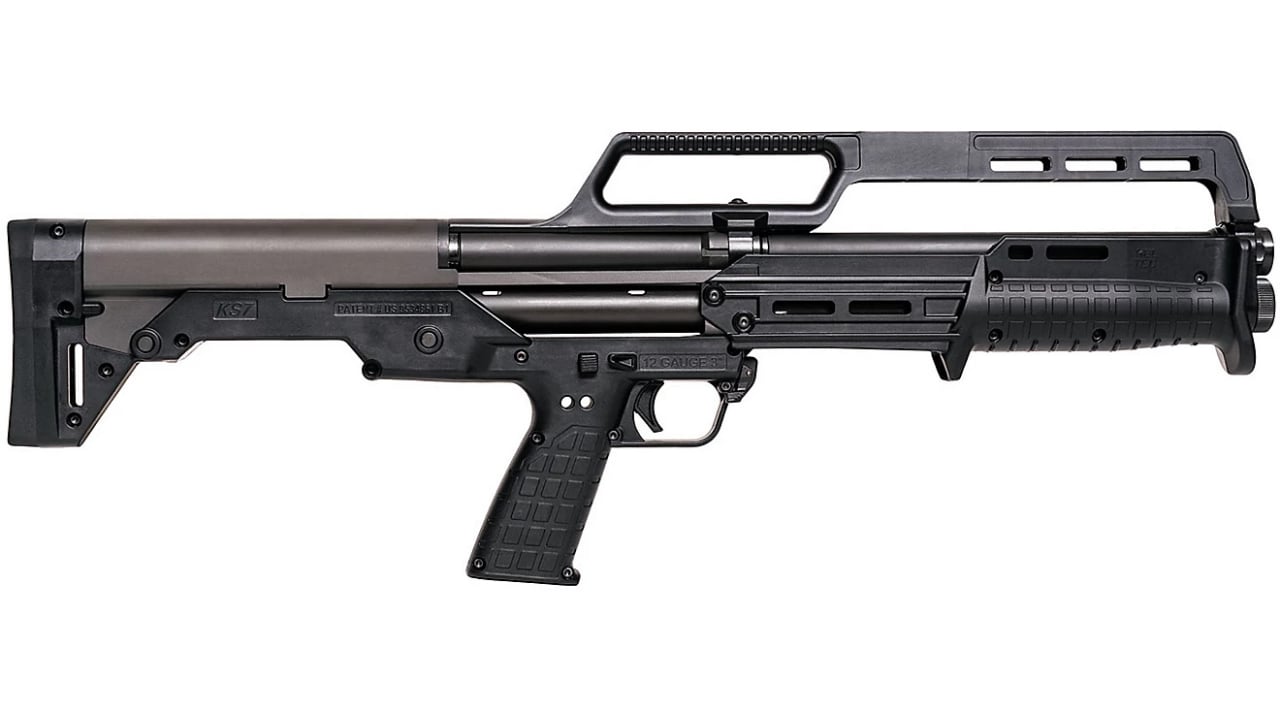
The KS7 is easy to treat as simply a cheaper and slimmer relative of KelTec’s better-known bullpup shotgun designs.
Its single-tube configuration and extremely compact profile give it its own identity, though. KelTec has produced enough unconventional firearms that future collectors will probably end up chasing specific generations and variants rather than simply buying anything with the name. An early clean KS7 may eventually represent one of the company’s more successful minimalist experiments.
Diamondback SDR

Diamondback entering the revolver market is already unusual enough to make the SDR worth watching.
Small-frame defensive revolvers from major established manufacturers are common. A modern wheelgun from a company better known for semiautomatic pistols and rifles is not. If the SDR becomes the beginning of a long revolver line, early guns could matter. If the experiment ends quickly, scarcity could make them even more interesting.
Savage Renegauge

The Renegauge was Savage’s ambitious attempt to enter the premium semiautomatic shotgun market with its own gas system and distinctive design.
It never became as culturally important as Benelli or Beretta semiautomatics, but that does not make it uninteresting. If Savage eventually decides premium autoloading shotguns are not worth pursuing, the Renegauge could become an unusual one-generation design from a company overwhelmingly associated with rifles.
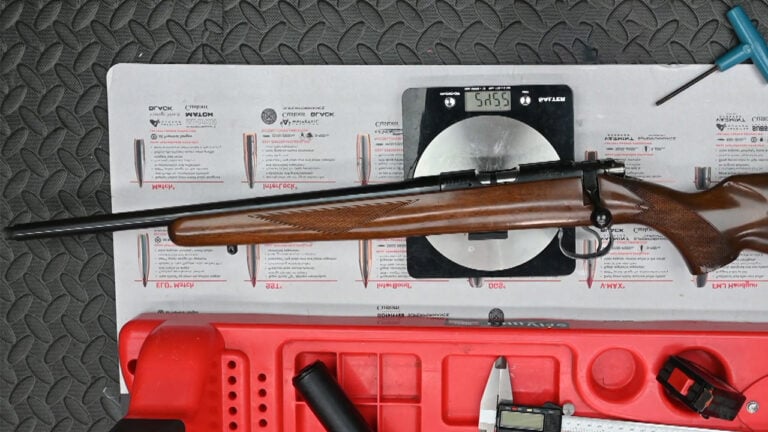
Winchester Wildcat SR

The Wildcat is currently viewed as a practical modern rimfire, not a future collector gun.
Specialized factory variants can change that. Suppressor-ready models, unusual stocks, and early configurations could eventually become far less common than the basic rifle. Rimfires are also frequently modified, meaning untouched examples of discontinued factory setups can become surprisingly difficult to find once collectors start separating the variations.
Chiappa Triple Threat
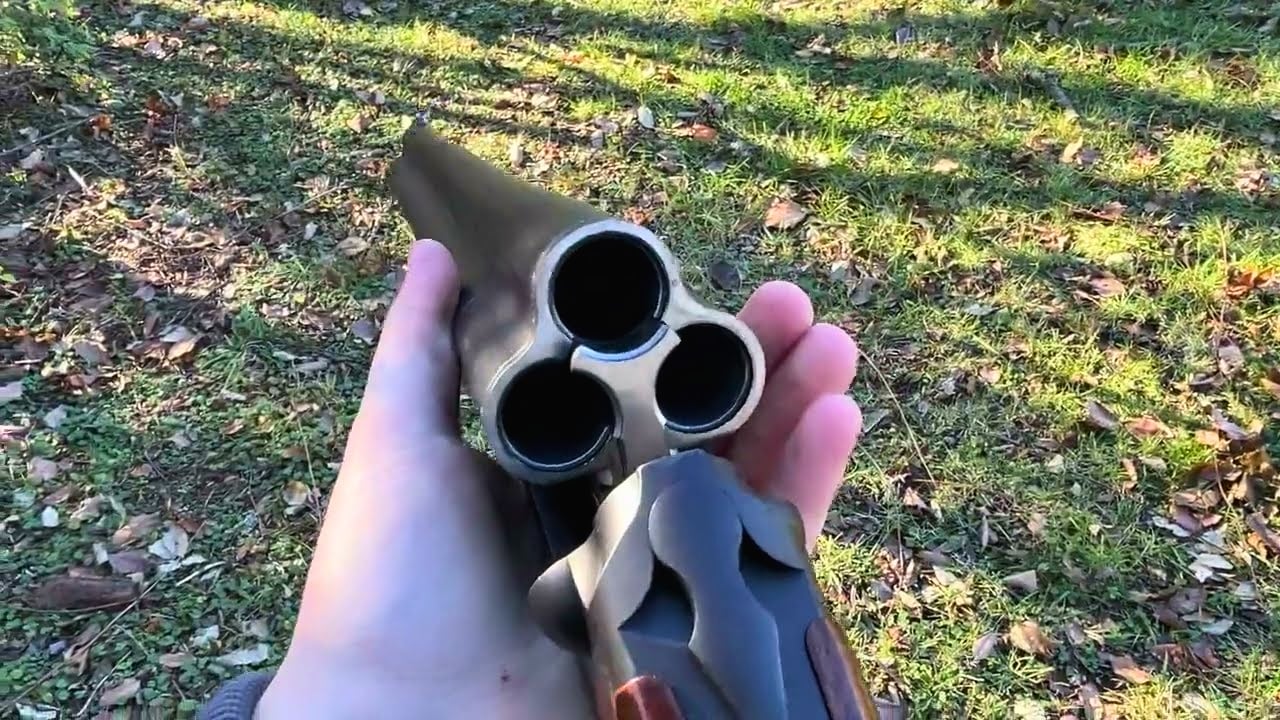
A three-barreled break-action shotgun sounds like something dreamed up to get attention at a trade show.
Chiappa actually built it, and that alone gives the Triple Threat long-term personality. It is expensive, unusual, mechanically distinctive, and far too specialized to sell in enormous numbers. Those are not necessarily great ingredients for commercial dominance, but they are excellent ingredients for a future conversation that begins with, “Remember when somebody actually made these?”
Standard Manufacturing DP-12
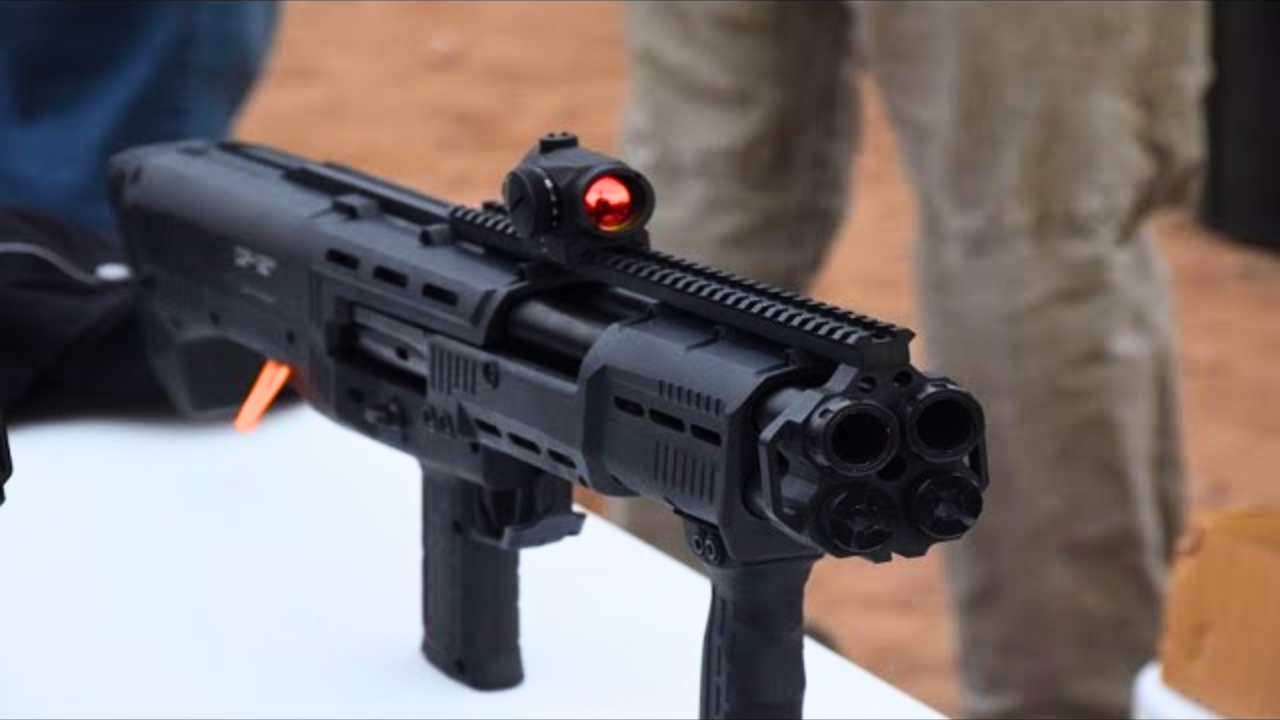
The DP-12 is another firearm that looks permanently tied to the era that produced it. Twin barrels, twin magazine tubes, and bullpup construction make it impossible to mistake for an ordinary pump shotgun.
If Standard Manufacturing eventually stops producing it, I would expect collector interest to increase simply because there is no conventional replacement. Firearms with instantly recognizable silhouettes often age better as collectibles than technically superior but visually generic competitors.
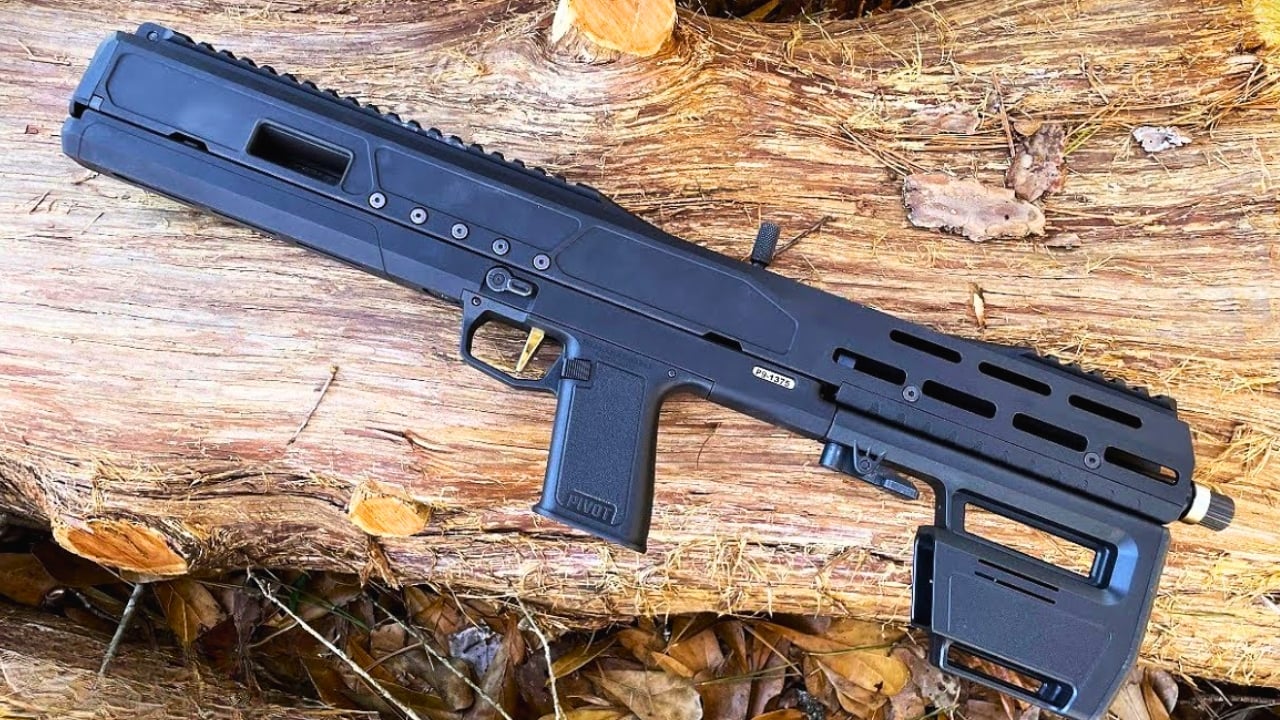
Trailblazer Pivot
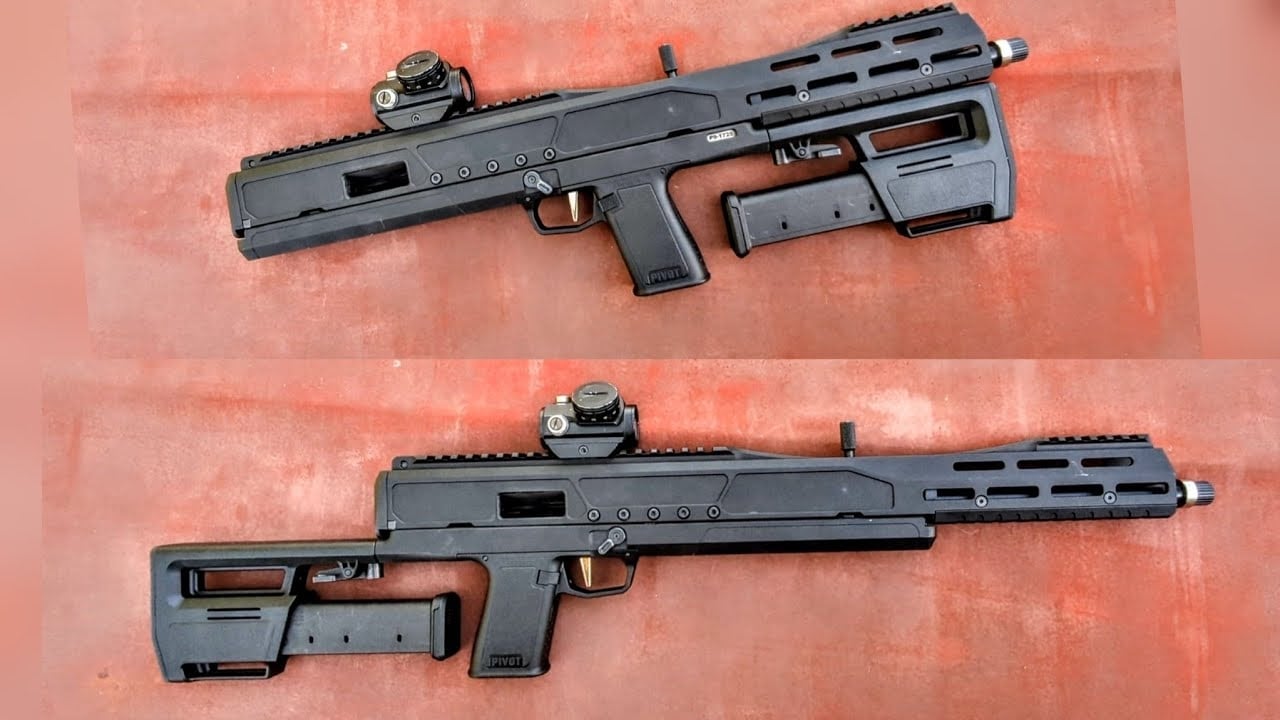
The Pivot takes the folding-firearm idea farther than most mainstream carbines by building the entire platform around compact storage.
That sort of engineering can become collectible whether or not the market ultimately decides it was necessary. If the design remains niche and production totals stay relatively modest, complete early guns may eventually become interesting examples of the current obsession with packable firearms and unconventional storage systems.
Like The Avid Outdoorsman’s content? Subscribe to our newsletter so you never miss an article.
Here’s more from us: