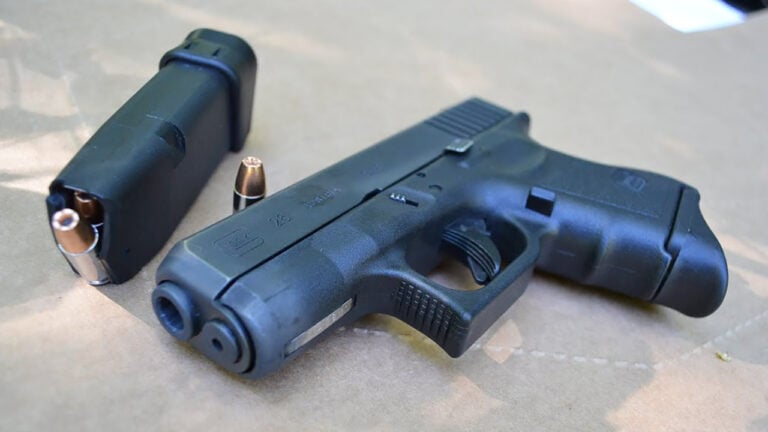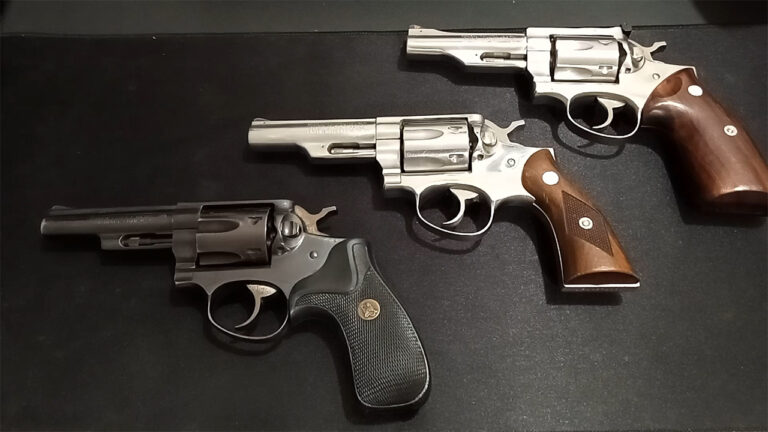
Most guns will look good on a clean bench with a fresh target at seven yards. The trouble starts when you add dust, cold fingers, wet gloves, steep angles, cheap ammo, a bumpy truck ride, and a holster full of lint. Real conditions have a way of turning “runs great at the range” into “why is this thing doing that right now?”
This isn’t about brand-bashing for sport. Plenty of these models have fans, and some can be made to run fine with the right ammo, magazines, and maintenance. But if you’re buying a working gun for carry, for a truck, for the back forty, or for hunting season, these are the ones that have a habit of acting different once they leave the controlled environment.
1. Remington 597

On a calm range day, a 597 can feel like a bargain .22 that shoots “good enough.” Then you take it squirrel hunting, bump it around in a soft case, and suddenly you’re chasing feeding issues that weren’t there last weekend.
The magazine setup is the common sore spot. When a rimfire semi-auto gets picky about mags, dirt, and ammo, it stops being a fun plinker and starts being a distraction in the woods. Rimfires already need more cleaning than people admit, and this one punishes you when you get lazy.
2. Remington 770
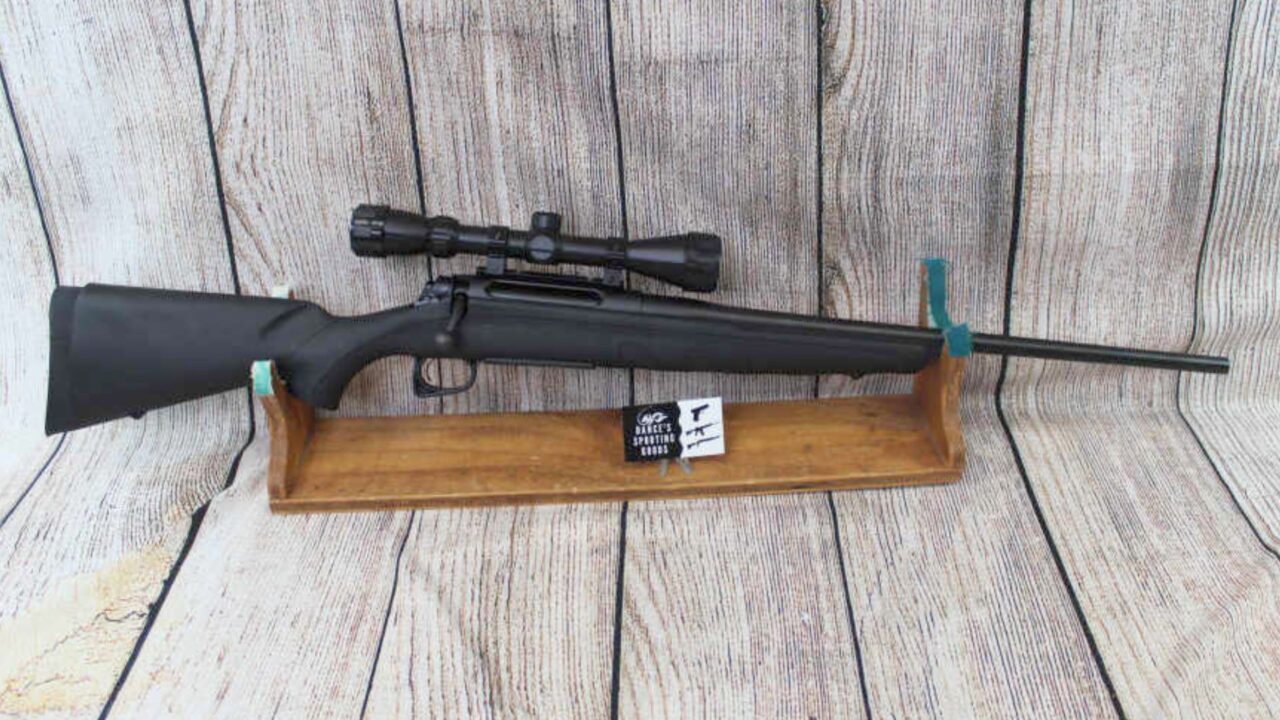
I get why these sold. They were on the rack, they had a scope, and the price was right. From a bench, they’ll often shoot a decent group and make a guy feel set for deer season.
But in real weather and real handling, the action can feel rough, the stock is hollow and flexy, and the overall build just doesn’t inspire confidence when you’re climbing into a stand in the dark. A hunting rifle doesn’t have to be fancy, but it has to feel solid when you run it hard and fast.
3. Remington R51

This one hurts because it was supposed to be a smart carry pistol: slim, classic lines, and a neat concept. A lot of them were fine on the first box of ammo… until they weren’t.
Once you get away from perfect grip, perfect lube, and perfect ammo, the R51’s reputation for inconsistent reliability shows up quick. A carry gun should not be a “range-only” confidence builder. It needs to be boringly dependable.
4. Kimber Solo

Small 9mms are always a tradeoff. The Solo, though, has a history of being more finicky than most, especially with lighter practice loads. On the range with the “right” ammo, it can feel smooth and classy.
Then you try to run cheap ball, or you limp-wrist it one time under stress, and it reminds you it’s a tight little pistol with preferences. In the real world you don’t get to pick the perfect conditions, and you might not be carrying premium ammo that month.
5. Taurus PT-22

These little tip-up .22s are handy… right up until you actually need one to fire when your hands are cold and you’re dealing with rimfire ammo that isn’t always consistent. At the range, you can baby it and keep it clean.
In a tackle box, a glove compartment, or a coat pocket, lint and grime find their way in. Combine that with tiny sights and a small grip and you’ve got a gun that’s easy to own but hard to trust when conditions aren’t polite.
6. Taurus Judge (2.5-inch models)

I’ve shot a bunch of these, and the appeal is obvious if you like novelty and big-bore noise. They can be fun on the range with .45 Colt, and they’re a conversation starter every time.
But off the range, the short-barrel versions can be a handful. They’re bulky to carry, slow to reload, and the mixed ammo concept gets messy when you’re actually trying to solve a problem, not just make a loud bang. The real world rewards simplicity.
7. Charter Arms Undercover (older production)

A light snub revolver feels like the perfect “grab it and go” gun. The trouble is, not all snubs are created equal, and some older Undercover guns can show timing and trigger issues once you put real rounds through them.
On the range you might not notice a little spitting or a cylinder that starts to feel rough. In the field, dirt and a few fast strings of fire can make small problems bigger. Revolvers are not immune to maintenance, no matter what folks say.
8. SCCY CPX-2

These are tempting because they’re affordable, lightweight, and easy to find. If you only shoot a magazine or two at the range, you can convince yourself it’s “just as good.”
When you start carrying one daily, you learn what a heavy trigger feels like under pressure and why magazine sensitivity matters. Some run fine, some don’t, and the inconsistency is the issue. A defensive pistol shouldn’t be a coin flip based on which magazine you grabbed.
9. Kel-Tec PF-9

The PF-9 was one of those guns that made sense in the era before everyone perfected the micro-9. It’s thin and light, and it disappears on you. That’s the good part.
The bad part is it can be snappy, less forgiving of grip, and not as tolerant of neglect as newer designs. If you don’t practice often, the recoil and trigger can make it a “carry a lot, shoot a little” gun, and that’s backwards.
10. Kel-Tec PMR-30
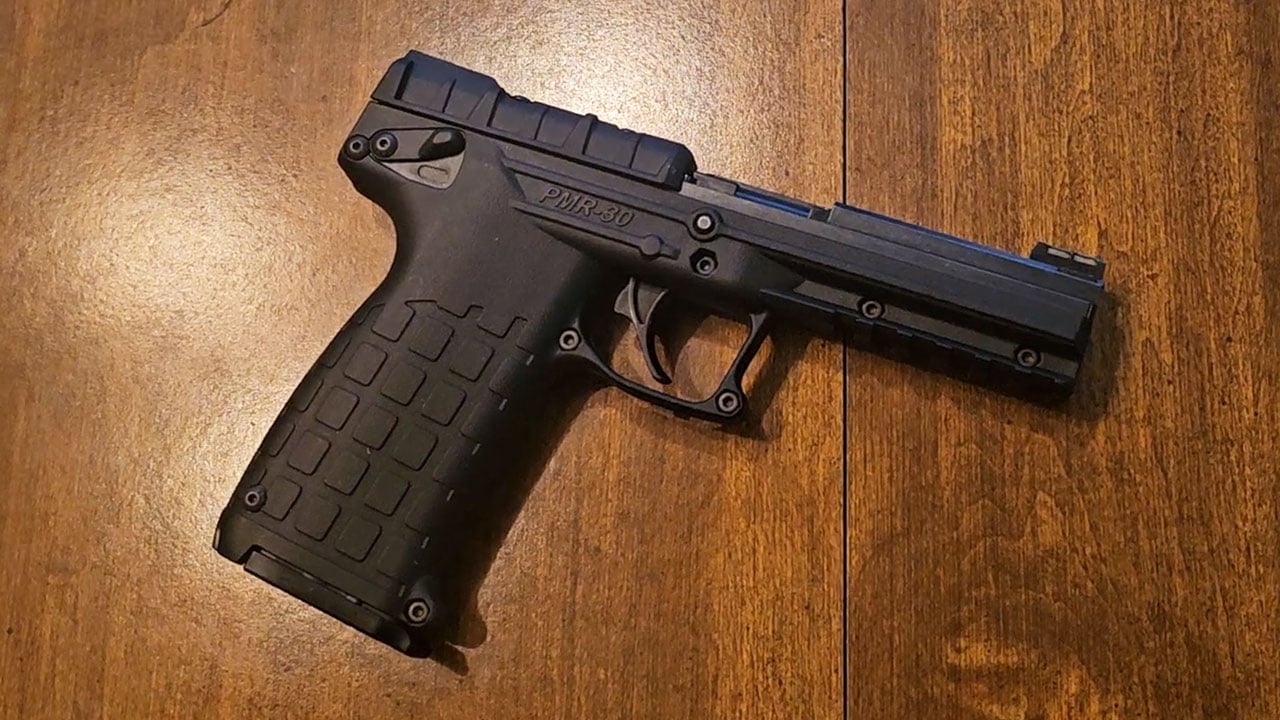
When a PMR-30 is running, it’s a blast. Thirty rounds of .22 WMR in a featherweight pistol makes range days interesting. It also makes you think it’s a handy trail gun.
In real conditions, rimfire magnum ammo can be inconsistent and the magazine loading and rim stacking issues can bite you. Add dust, cold, or a little neglect, and it turns into a troubleshooting session. A trail gun needs to be simple and dependable, not a science project.
11. SIG Sauer Mosquito

This is one I’ve watched frustrate new shooters more than it should. You buy it as a trainer, it looks the part, and on the range it might behave with the exact ammo it prefers.
Then you switch bulk ammo, get a little dirty, or put a new shooter behind it, and the malfunctions start. A .22 trainer should build confidence, not teach you how to clear jams every other magazine.
12. Walther P22
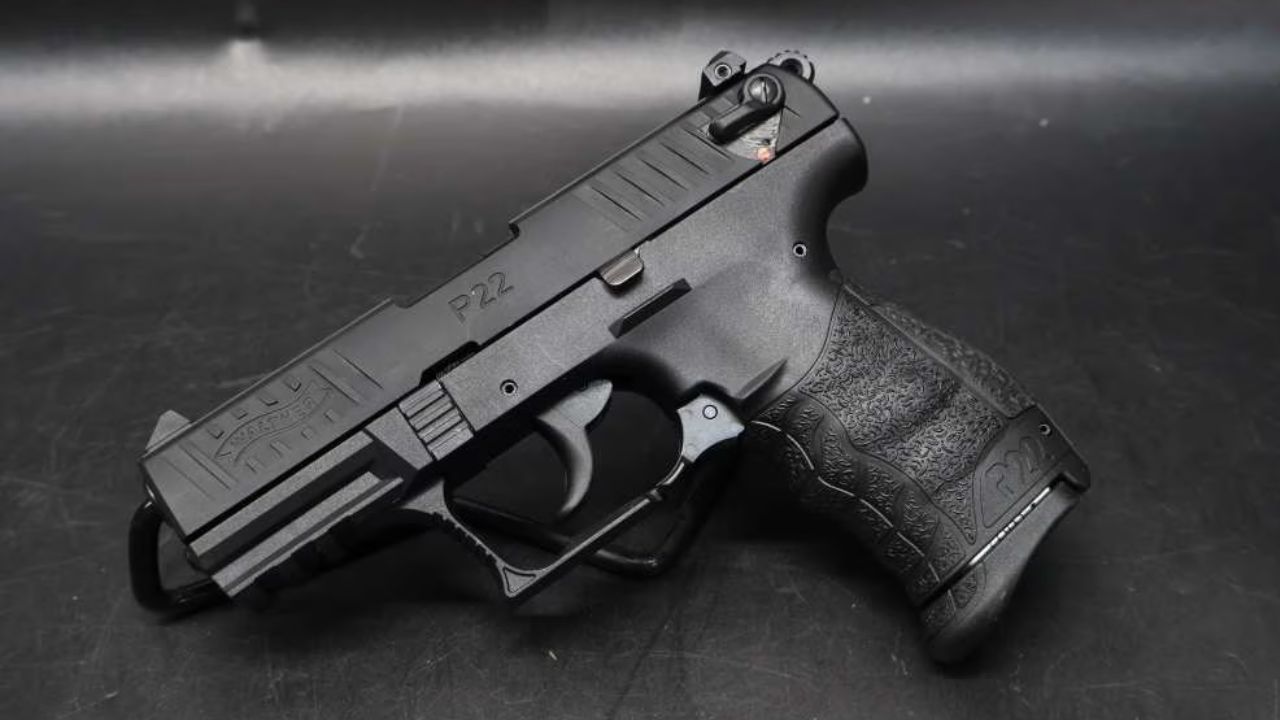
Same story as a lot of “tactical-looking” rimfires. They’re fun, the controls feel familiar, and they’re handy with a suppressor when everything lines up.
But out in the real world—where you might shoot mixed ammo, go longer between cleanings, or deal with grit—the P22 can get temperamental. If you want a working .22 pistol, pick one that eats anything and keeps going.
13. Ruger LCP (original .380)
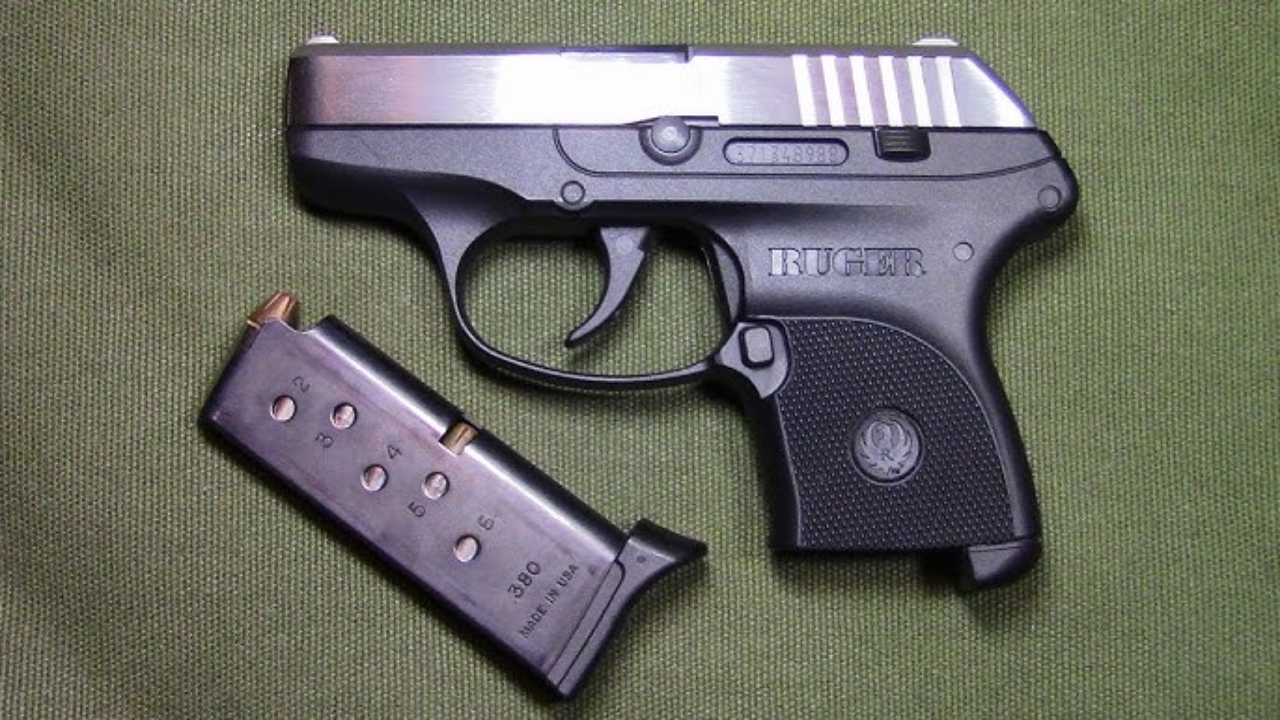
The original LCP changed the pocket-carry game, no question. It’s light, flat, and you can actually carry it when you wouldn’t carry anything else.
But the tiny sights and short grip show their limits fast outside the range lane. Under stress, with real concealment garments, it’s easy to fumble your draw or shoot worse than you expected. It can work, but it takes honest practice, not just “I shot a box once.”
14. Springfield Armory XD-S (early 9mm models)

When these hit, a lot of folks wanted a slim single-stack that still felt like a duty gun. On a clean range, they can shoot well and point naturally.
In daily carry, some examples have shown they’re more sensitive than you’d like to maintenance and recoil spring schedule. Small guns run hard, and if you ignore wear items, they’ll tell on you. The field is less forgiving than the bench.
15. Colt Mustang Pocketlite

I like the idea of these more than I like living with them. They’re classy little pistols with good ergonomics for their size, and they can shoot nice groups when you’re taking your time.
But small, older-pattern .380s can be picky about magazines and ammo, and they don’t always love being carried dirty. If you’re going to trust one, you need proven mags and a maintenance routine. Otherwise, it’s a range toy that rides in a holster.
16. Rossi Circuit Judge
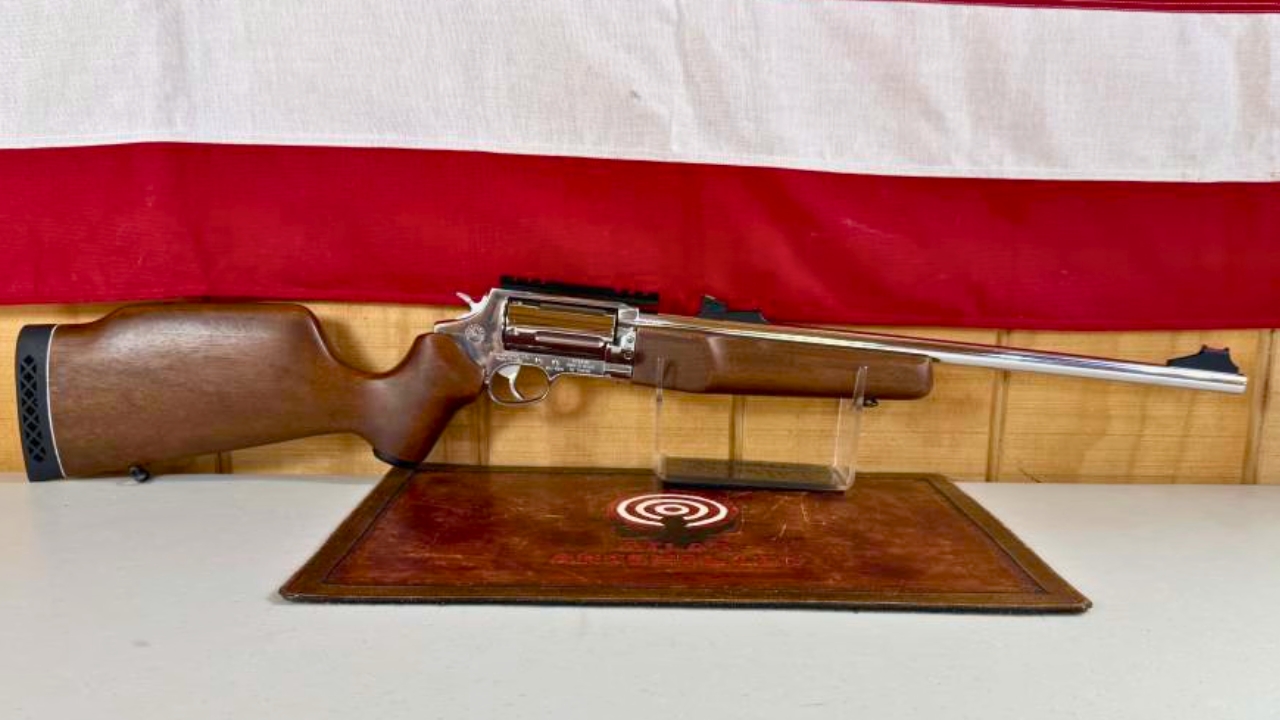
The Circuit Judge looks like the answer to a question nobody asked, but I understand why it ends up in carts. It’s neat. It’s different. It’s “multi-purpose.”
Then you try to make it a serious tool. Accuracy and point of impact can vary depending on what you feed it, and the whole platform is a compromise. In the field, compromises pile up fast, especially when you need predictable performance.
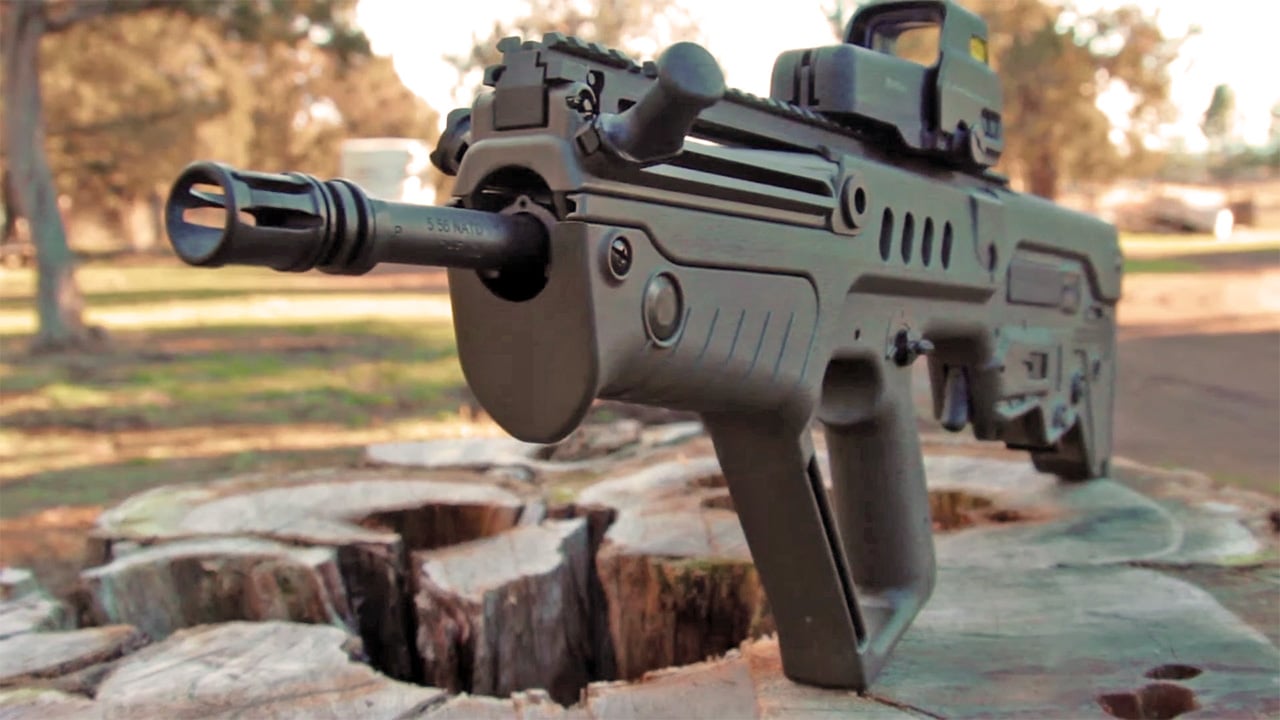
17. IWI Tavor SAR (early gas setting and ammo sensitivity)

Bullpups can be great in tight spaces, and the Tavor has a lot going for it. On the range, it often runs like a sewing machine with the ammo it likes.
But bullpups magnify small annoyances: balance, trigger feel, and how they behave when dirty. If you’re used to an AR’s ergonomics and easy troubleshooting, the Tavor can feel less friendly when something goes sideways in the field. It’s not junk; it’s just not as simple as folks pretend.
18. Century Arms C39V2

AKs have a reputation for shrugging off abuse, and that reputation sells a lot of rifles. On the range, a C39V2 might seem like a budget way into the AK world.
In harder use, the concerns that have been talked about for years—materials, long-term durability, and parts wear—are what matter. If you want an AK as a working rifle, buy once and cry once, because “maybe it’ll be fine” isn’t a plan.
19. DPMS Oracle (early budget builds)

The Oracle got a lot of people into ARs. With decent mags and decent ammo, plenty of them shoot fine on a flat range. That’s why they sold by the truckload.
But real conditions expose the weak links of bargain ARs: extraction that gets iffy when the gun is hot and dirty, gas key staking that should’ve been better, and parts that wear faster. If it’s your only rifle, you’ll learn quickly why quality control matters more than a fancy handguard.
20. Winchester SXP (lightweight pump models)
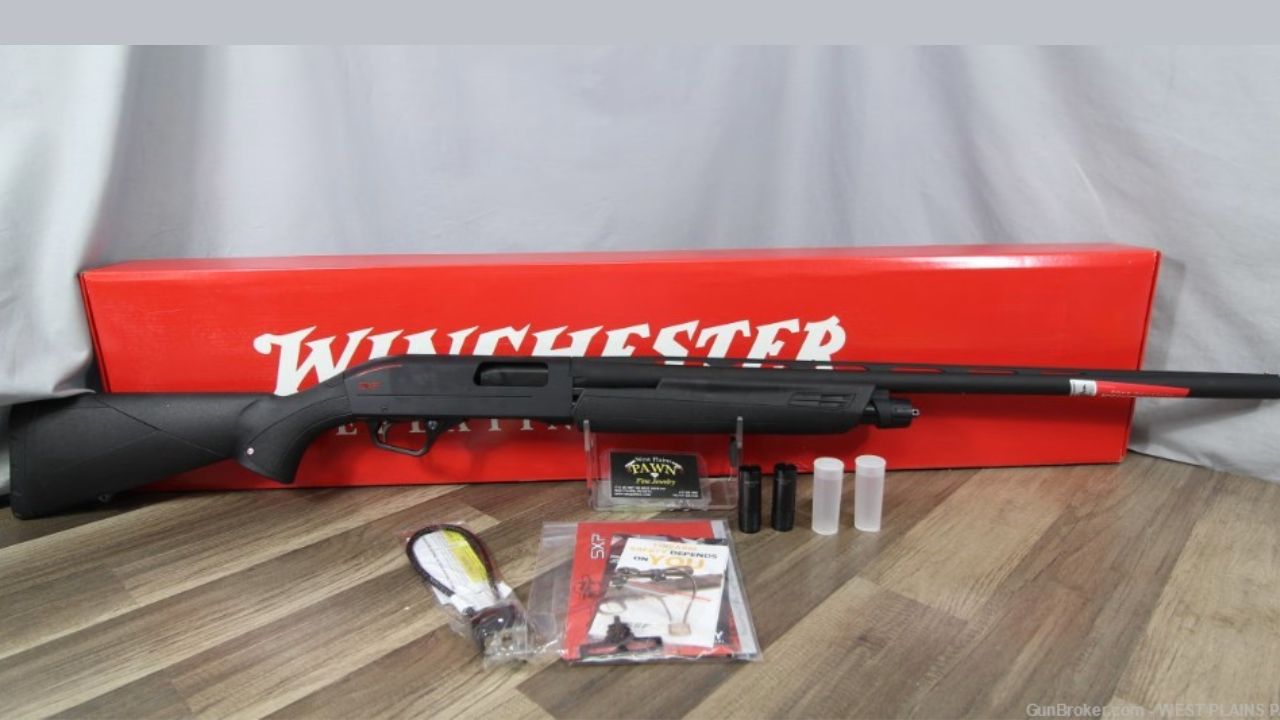
Fast pump shotguns are fun on clays, and the SXP can be slick when it’s clean. For a budget waterfowl or turkey setup, it’s tempting.
Then you bring it into mud, cattails, cold rain, and layout blinds. Pumps live and die by how they handle grit, and some SXPs start to feel rough or bind when conditions get ugly. A field shotgun needs to run when it’s wet and dirty, not just when it’s oiled and pampered.
If you own one of these and it’s been perfect for you, I’m not here to argue with success. But if you’re shopping for a gun that’s supposed to work when you’re tired, cold, and in a hurry, don’t judge it by the first 50 rounds on a sunny afternoon. Shoot it dirty. Shoot it with your carry ammo and your practice ammo. Carry it for a month. The real world is the only range that counts.
Like The Avid Outdoorsman’s content? Be sure to follow us.
Here’s more from us: