Photo credit: The Levergun Bum/YouTube
Some guns are good enough that owners forgive almost everything about them. The action is reliable, accuracy is excellent, or the gun simply fits a role so well that selling it never seriously enters the conversation. That does not mean the irritating part disappears. In fact, the better the gun is, the more frustrating it can be when one design decision keeps reminding you that nothing is perfect.
That is the theme here. These are not necessarily bad guns, and several are among the best firearms in their categories. Each simply has one characteristic owners tend to notice repeatedly after the excitement of buying it wears off. Sometimes it is an awkward control. Sometimes it is excessive weight, expensive magazines, or recoil that turns a great idea into something you do not shoot as often as expected. You can learn to live with every flaw below. Ignoring it completely is harder.
Beretta 92FS — That Slide-Mounted Safety

The Beretta 92FS is smooth, reliable, soft-shooting, and far more accurate than people who dismiss it as an old military pistol often expect. The aluminum frame provides enough mass to keep 9mm pleasant, while the open-slide design gives spent cases an enormous path out of the action. I can understand why people keep these pistols for decades. The problem is that the safety and decocker sit on the slide exactly where many shooters would rather not have them.
That location can become especially annoying during malfunction clearance or aggressive slide manipulation. A shooter reaching over the slide can unintentionally move the lever downward and place the pistol on safe. Training reduces the problem, and decocker-only conversions solve much of it, but the original 92FS arrangement remains a control system many owners tolerate rather than love.
HK USP — The Proprietary Accessory Rail
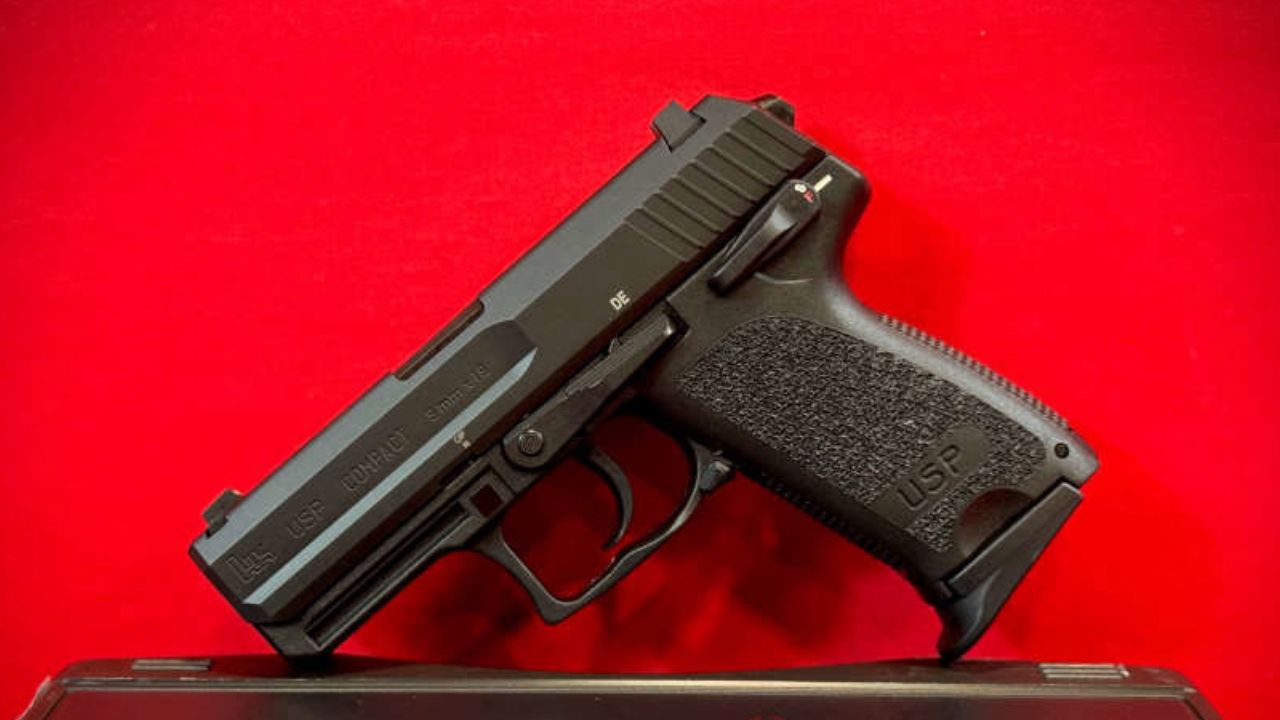
The USP has one of the strongest durability reputations in the handgun world. It feels overbuilt because it largely is, with substantial controls, a heavy slide, and internals designed around serious service use. The pistol can keep running long after its exterior starts looking ancient. Then you look underneath the dust cover and remember the design came from a different era.
The original USP accessory rail predates the near-universal Picatinny-style rails found on modern pistols. Mounting common lights often requires an adapter, adding cost and bulk to a gun that is already fairly chunky. That is hardly enough to ruin an otherwise excellent pistol, but it becomes difficult to ignore once you own several modern handguns where a light attaches directly in seconds. The USP is durable enough to outlast trends. Unfortunately, its rail proves that sometimes the trends were improvements.
CZ 75 B — The Tiny Amount of Slide to Grab

The CZ 75 B feels wonderful in the hand. Its all-steel frame absorbs recoil, the grip shape remains one of the best ever put on a service pistol, and the slide riding inside the frame rails keeps the bore line low. That internal rail arrangement contributes to the pistol’s excellent shooting characteristics, but it creates one annoyance that new owners notice immediately.
There simply is not much slide protruding above the frame to grab. Shooters accustomed to pistols with tall slides and aggressive serrations can fumble the CZ until they learn a more deliberate manipulation technique. It becomes less of a problem with familiarity, but it never completely disappears. The same architecture that helps the pistol shoot flat leaves you with less metal to grasp when loading, clearing, or checking the gun.
Glock 19 — The Grip Shape Never Works for Everyone
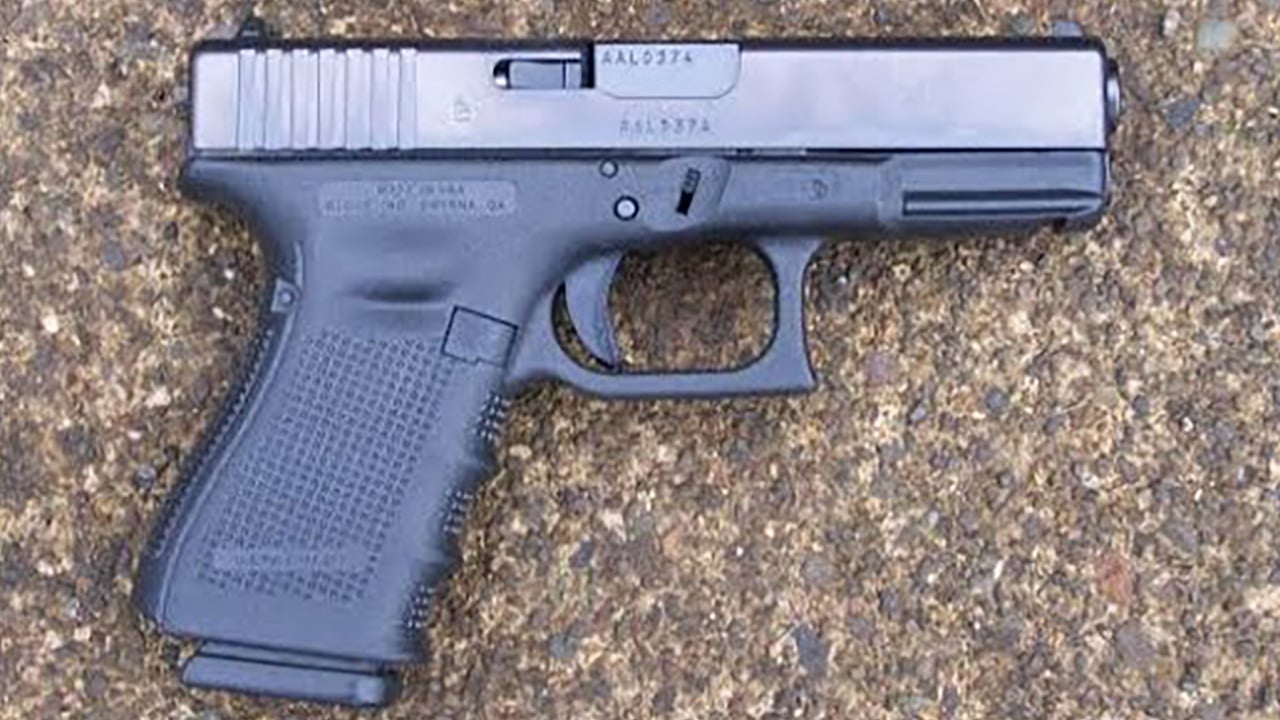
There is very little left to discover about the Glock 19. It is durable, compact without being tiny, easy to maintain, and backed by one of the largest magazine and parts ecosystems in the industry. It became a benchmark because it performs almost every practical handgun role reasonably well. Its greatest weakness is much more subjective but equally persistent: the grip simply does not agree with everyone’s hands.
The angle, pronounced backstrap shape, and Glock’s particular rectangular feel can make the sights naturally point high for shooters accustomed to other pistols. Plenty of people adapt quickly, while others spend years adding backstraps, grip reductions, or aftermarket frames trying to make the pistol feel natural. Reliability is rarely the complaint. The complaint is that a gun so universally recommended can feel surprisingly wrong in certain hands.
SIG Sauer P229 — The Weight

The P229 feels like a compact pistol until you wear one all day. Its aluminum frame and substantial slide give the gun a reassuringly solid feel, and that same mass helps make recoil exceptionally manageable. On the range, I appreciate almost every ounce. On a belt after several hours, I start remembering why polymer handguns took over the carry market.
That is the P229’s unavoidable trade. It provides service-pistol shootability in a relatively compact package, but it does not provide modern compact-pistol weight. Add a loaded magazine and perhaps a light, and the total becomes difficult to ignore. Owners who love the platform usually accept a better belt and holster rather than giving up the gun. The weight is part of what makes the P229 shoot so well, but that does not make it disappear.
Walther PPK/S — Slide Bite
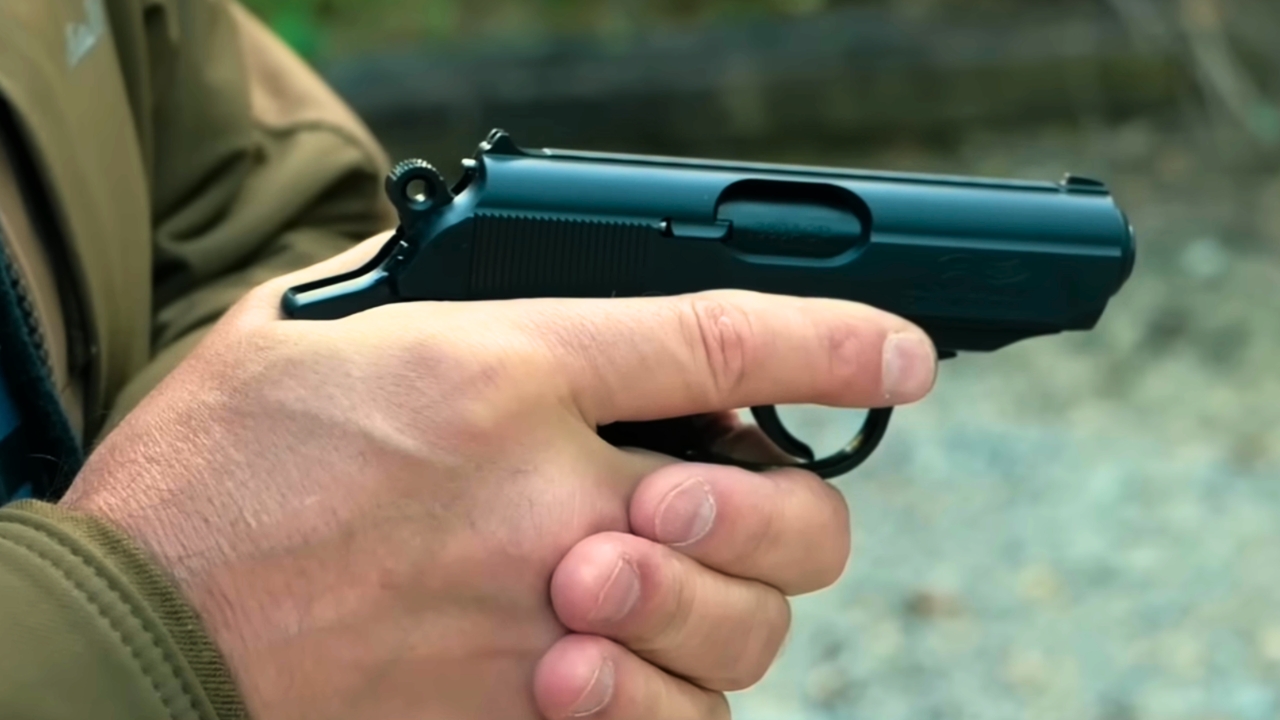
The PPK/S has enough history and visual appeal that almost everyone wants to shoot one at least once. The all-metal construction feels substantial, the DA/SA operation has classic European character, and very few compact pistols look as refined. Unfortunately, shooters with larger hands can discover one of its oldest complaints almost immediately.
The slide sits low enough that skin at the web of the hand can get pinched or cut during cycling if the grip rides too high. Not everyone experiences it, but those who do tend to remember the lesson. Modern grip tangs and beavertails exist for a reason. The PPK/S can still be an enjoyable pistol, but its elegant lines came from an era before manufacturers shaped every defensive handgun around protecting the shooter’s hand from the moving slide.
Ruger LCP — It Is Miserable to Shoot for Long
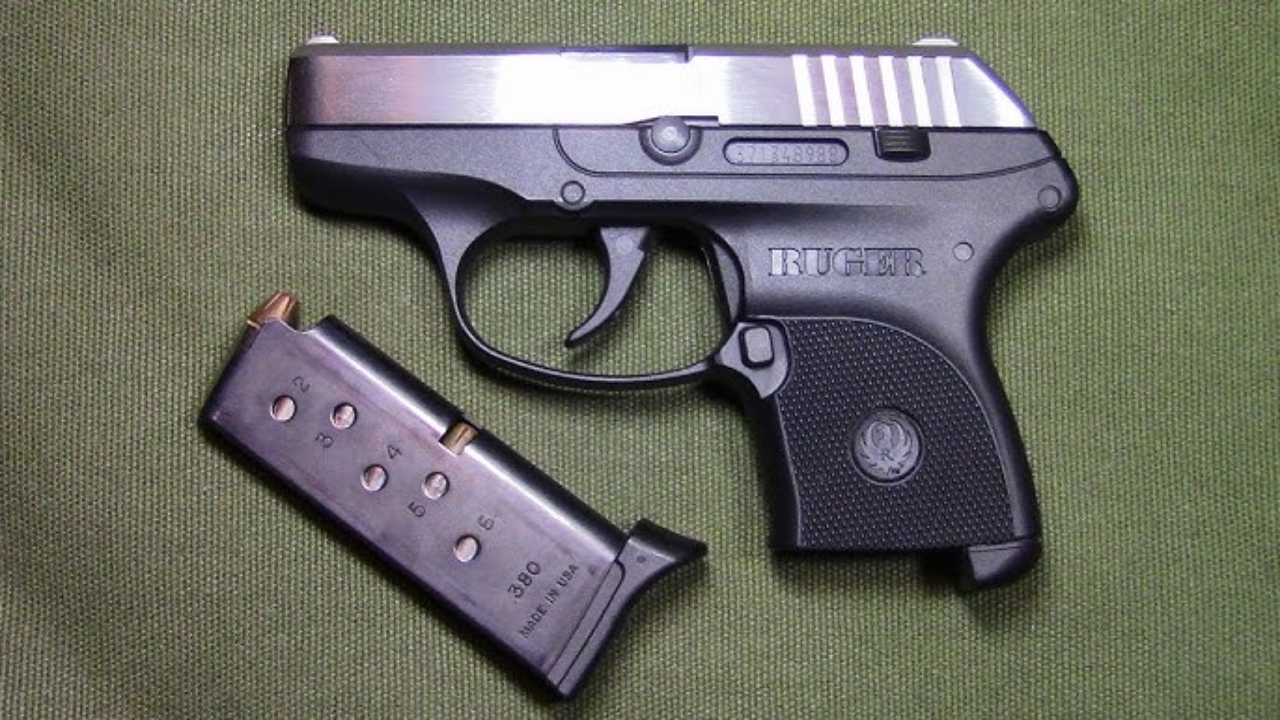
The original LCP succeeded because Ruger made concealment the priority and refused to let anything else get in the way. It is extremely light, very thin, and small enough to disappear into clothing that would never hide a conventional compact pistol. That makes it easy to carry. The same dimensions make it far less enjoyable once ammunition starts going through it.
There is very little grip to hold, very little mass to absorb recoil, and the small sights do not encourage relaxed precision shooting. The .380 ACP cartridge may sound mild, but it feels far less mild when fired through a pistol this light. Owners frequently love carrying the LCP and dislike practicing with it. That is a difficult flaw to ignore because a defensive pistol still needs regular practice.
FN Five-seveN — Ammunition Cost

The Five-seveN is one of the most interesting service pistols ever released to the civilian market. It is lightweight despite its large dimensions, carries a generous amount of ammunition, recoils softly, and fires a cartridge with very different characteristics from the usual handgun choices. The gun itself is fascinating enough that many buyers stop thinking about what feeding it will cost.
Then the ammunition bill starts accumulating. The 5.7x28mm market has improved substantially, but it remains a more specialized cartridge than 9mm. Someone who shoots frequently can burn through enough ammunition that the price difference becomes impossible to ignore. A pistol this enjoyable encourages shooting, which almost makes the problem worse. The Five-seveN is unusual for good reasons. Unfortunately, uncommon ammunition rarely competes with mainstream 9mm prices.
Kel-Tec SUB-2000 — The Cheek Weld
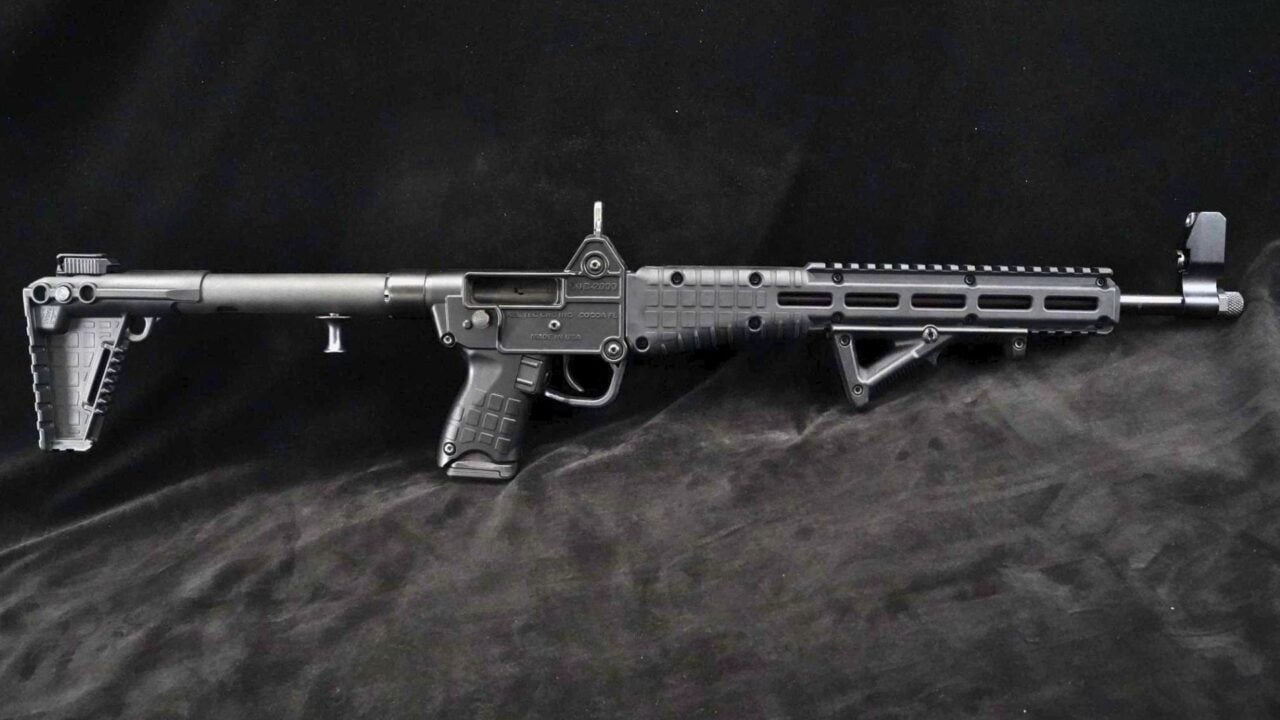
The SUB-2000 has one feature nobody can deny: it folds into an absurdly compact package. That ability made the carbine famous and remains the reason people buy it. The problem is that creating a folding carbine around that mechanism forces some compromises in the shooting position, particularly where your face meets the gun.
The stock tube can feel harsh and narrow against the cheek, and obtaining a comfortable sight picture is not nearly as natural as with a conventional stock. Aftermarket pads and accessories help, but they can interfere with the very folding capability that makes the rifle attractive. Owners tend to accept the uncomfortable cheek weld because no ordinary fixed-stock carbine folds in half. It is still the part you notice every time you settle behind the sights.
Ruger Mini-14 — Proprietary Magazines

The Mini-14 remains one of the most appealing semiautomatic rifles for people who prefer traditional styling. It handles quickly, looks at home in a truck or ranch setting, and modern examples shoot considerably better than the oldest rifles that gave the platform an inconsistent accuracy reputation. The magazine situation is where ownership becomes more irritating.
The rifle does not use the inexpensive, nearly universal AR-pattern magazines that dominate the 5.56 market. Quality factory Mini-14 magazines tend to cost more, and the aftermarket has historically been inconsistent enough that many owners stick with Ruger magazines rather than gambling on cheaper alternatives. If you only need a few, the problem is manageable. If you want a pile of proven magazines, the difference in cost becomes hard to ignore.
Springfield M1A — Mounting Optics Is More Trouble Than It Should Be
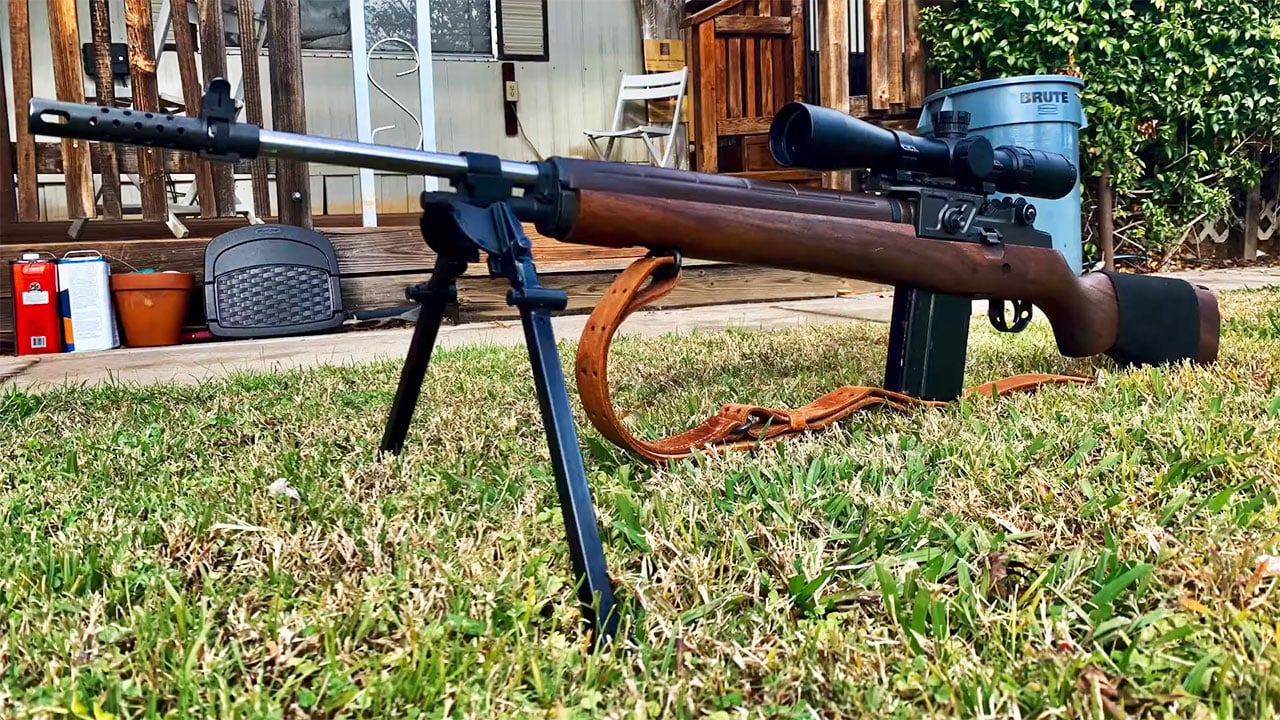
The M1A has tremendous character. Its traditional stock, exposed operating rod, reciprocating action, and connection to the M14 make it feel completely different from modern .308 semiautomatics. With iron sights, the rifle is wonderfully satisfying. The frustration tends to begin when someone decides to mount an optic.
The receiver was never designed around the full-length top rails modern shooters take for granted. Good mounts exist, but they can be bulky, expensive, and more complicated to install correctly than attaching rings to a conventional rail. Cheek height can then become another issue because the stock was designed around iron sights. None of this makes the M1A a bad rifle. It simply reminds you that adding modern glass to an older military architecture often requires more compromise than expected.
Steyr AUG — The Trigger
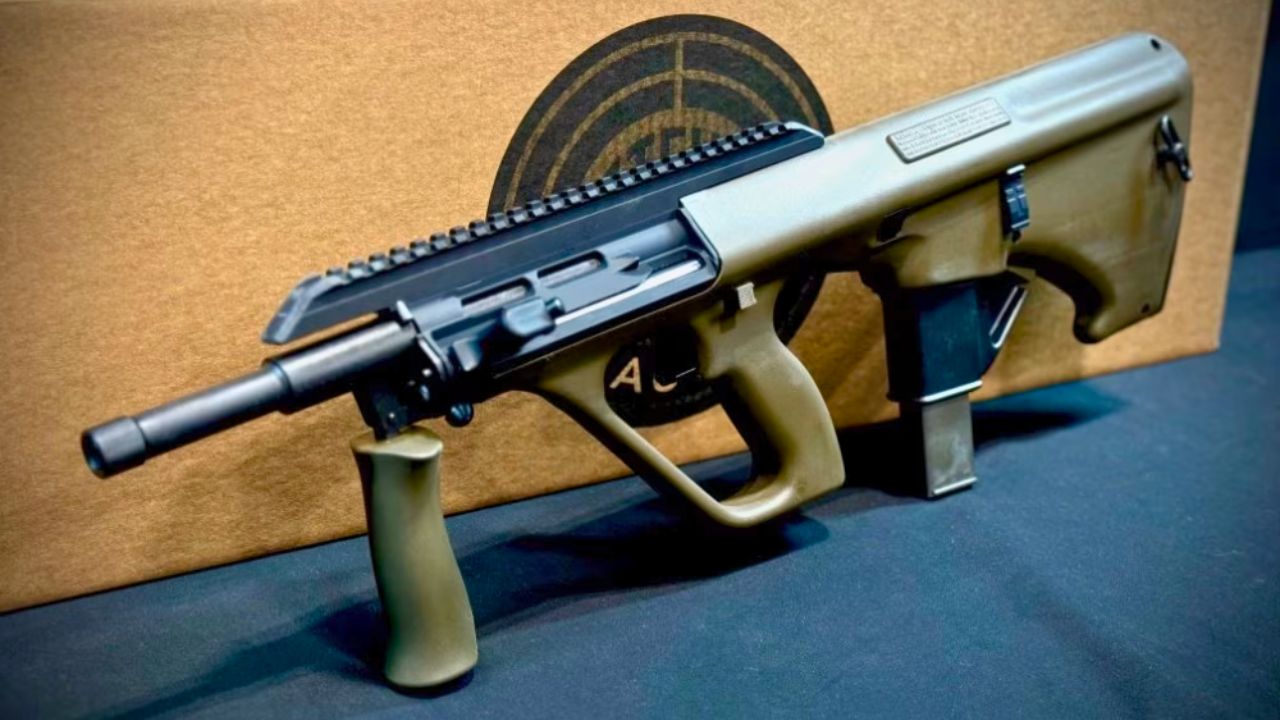
The AUG still looks futuristic despite being one of the oldest mainstream bullpup rifles on the market. Its compact overall length, excellent balance, and proven operating system are legitimate advantages. The trigger is the part that keeps reminding owners why bullpups have historically struggled to match conventional rifles in this area.
Because the trigger sits well forward of the action, mechanical linkage has to transfer the shooter’s input rearward. That makes achieving a crisp, light trigger more difficult than on a conventional rifle where the fire-control system sits almost directly above the trigger. Aftermarket improvements can help, and the factory trigger is perfectly usable. It simply never becomes the part of the AUG owners brag about. For such an otherwise clever rifle, that mediocre trigger stands out.
IWI Tavor X95 — The Weight Sits in the Rear

The X95 is compact in a way a conventional rifle with an equivalent barrel length cannot easily match. That is the entire bullpup advantage, and in confined spaces the design makes tremendous sense. The action, magazine, and much of the rifle’s mass sit behind the shooter’s firing hand, however, creating a balance point that feels strange to people accustomed to AR-style rifles.
Some shooters love that rearward balance because the muzzle feels light and quick. Others find the rifle feels dense against the shoulder and awkward during prolonged handling. The overall number on the scale does not tell the whole story. Where the weight sits changes how the rifle moves. Most owners adapt, but the X95 never stops reminding you that you are handling a bullpup rather than a conventional carbine.
Browning BAR MK 3 — Cleaning and Disassembly
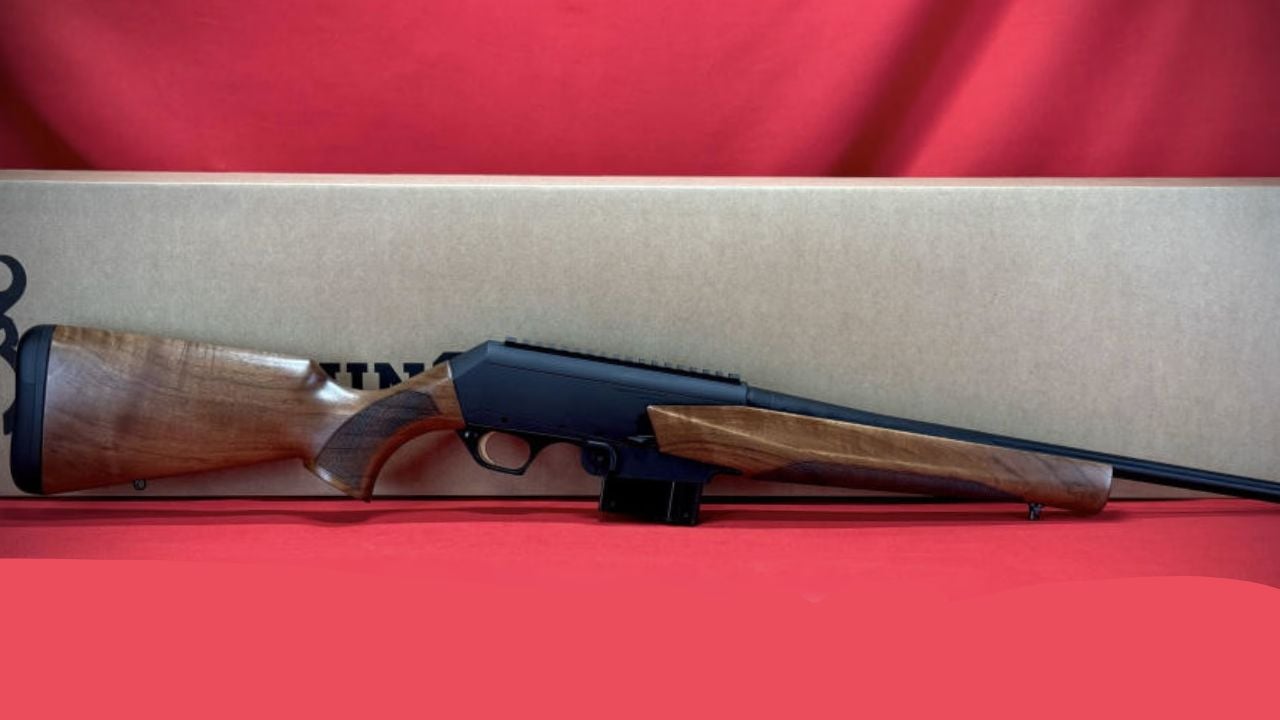
The BAR MK 3 is one of the best semiautomatic hunting rifles available for someone who wants quick follow-up shots without carrying a tactical-looking platform. It is accurate enough for serious hunting, handles like a sporting rifle, and offers chamberings capable of handling a wide variety of game. Maintenance is where the design reminds you that a semiautomatic hunting rifle can be much more complicated than a bolt gun.
Getting deeply into the action for cleaning is not something most owners approach as casually as removing a bolt and wiping down a conventional hunting rifle. The gas system and internal components require more attention and familiarity. For hunters firing relatively few rounds per season, that is manageable. Still, anybody accustomed to the simplicity of a bolt action will notice how much more involved the BAR becomes when it is time for serious maintenance.
Henry Big Boy — Tube Loading

The Big Boy is a wonderfully traditional lever action. The action is smooth, the rifle looks excellent in steel or brass configurations, and pistol-caliber chamberings make it genuinely enjoyable for recreational shooting and short-range hunting. The original tube-loading arrangement, however, can feel strangely inconvenient once you have used side-gate lever rifles extensively.
Loading requires working with the inner magazine tube rather than simply pushing cartridges through a receiver gate. It functions perfectly well, and newer Henry configurations have increasingly offered side-gate loading because buyers clearly wanted it. That change says plenty about the original system. Tube loading is not disastrous, but it becomes an annoyance when you are topping off ammunition or trying to reload without manipulating the magazine assembly. A good rifle can absolutely have an inconvenient loading system.
Winchester Model 94 Top-Eject — Scope Mounting
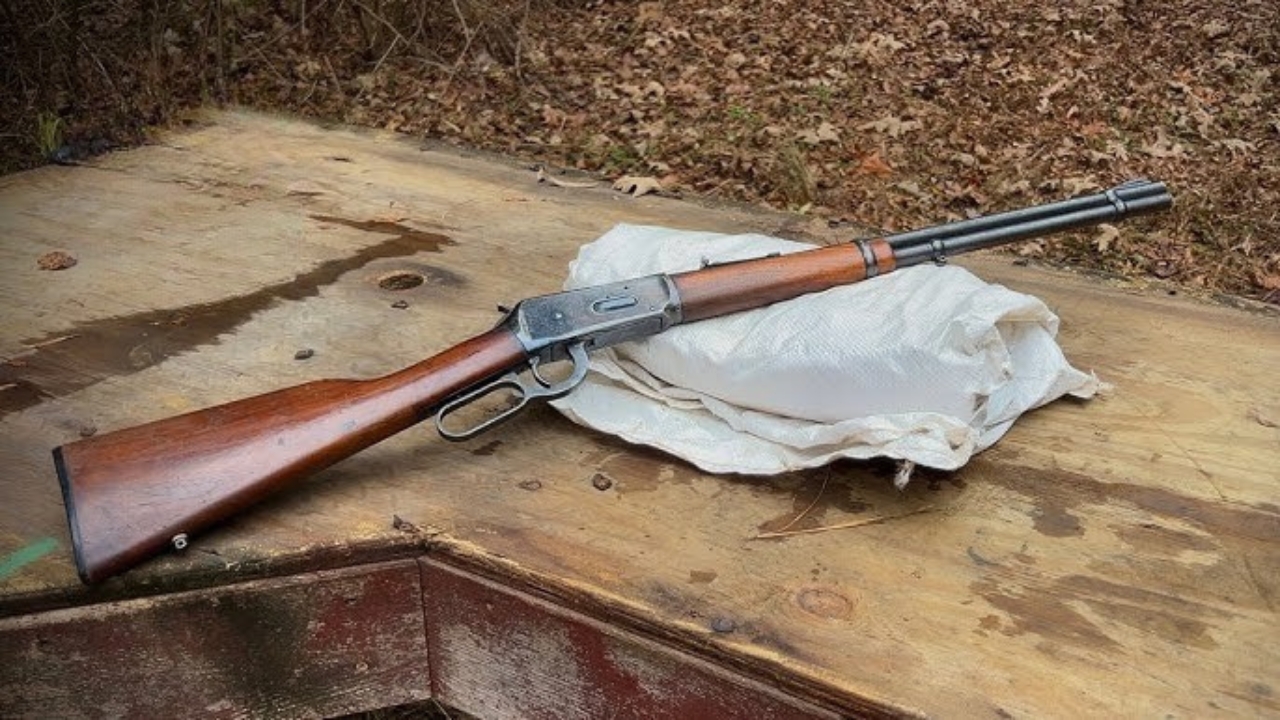
Older top-eject Model 94s are fantastic deer rifles in the woods. They are slim, light, quick to shoulder, and chambered for cartridges perfectly suited to the distances where these rifles earned their reputation. Their flaw only becomes obvious when the owner’s eyesight starts preferring glass over iron sights.
The action ejects cases upward through the top of the receiver, exactly where a conventional scope wants to sit. Side mounts and offset solutions exist, but they generally compromise the clean handling that makes the rifle so appealing in the first place. Winchester eventually moved toward angle-eject configurations partly to address this issue. If you are happy with irons or a receiver sight, the old setup is fine. If you want conventional optics, the design reminds you how old it really is.
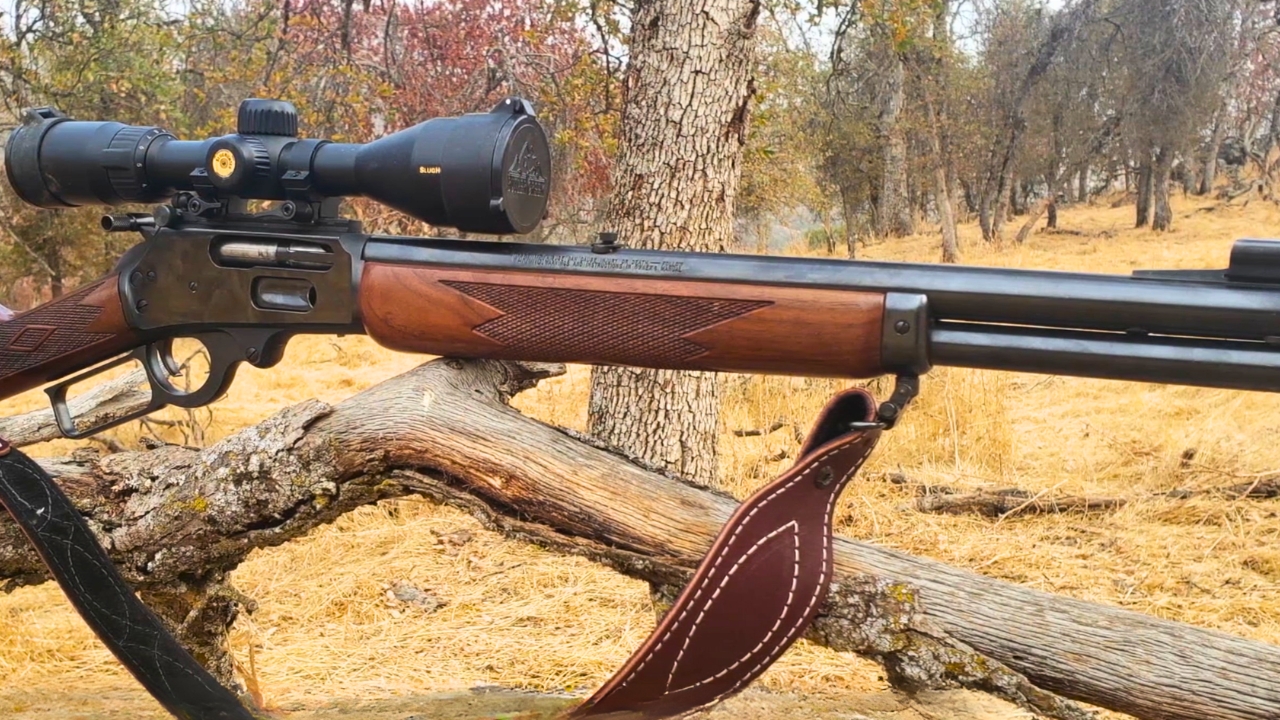
Marlin 1895 Guide Gun — Recoil
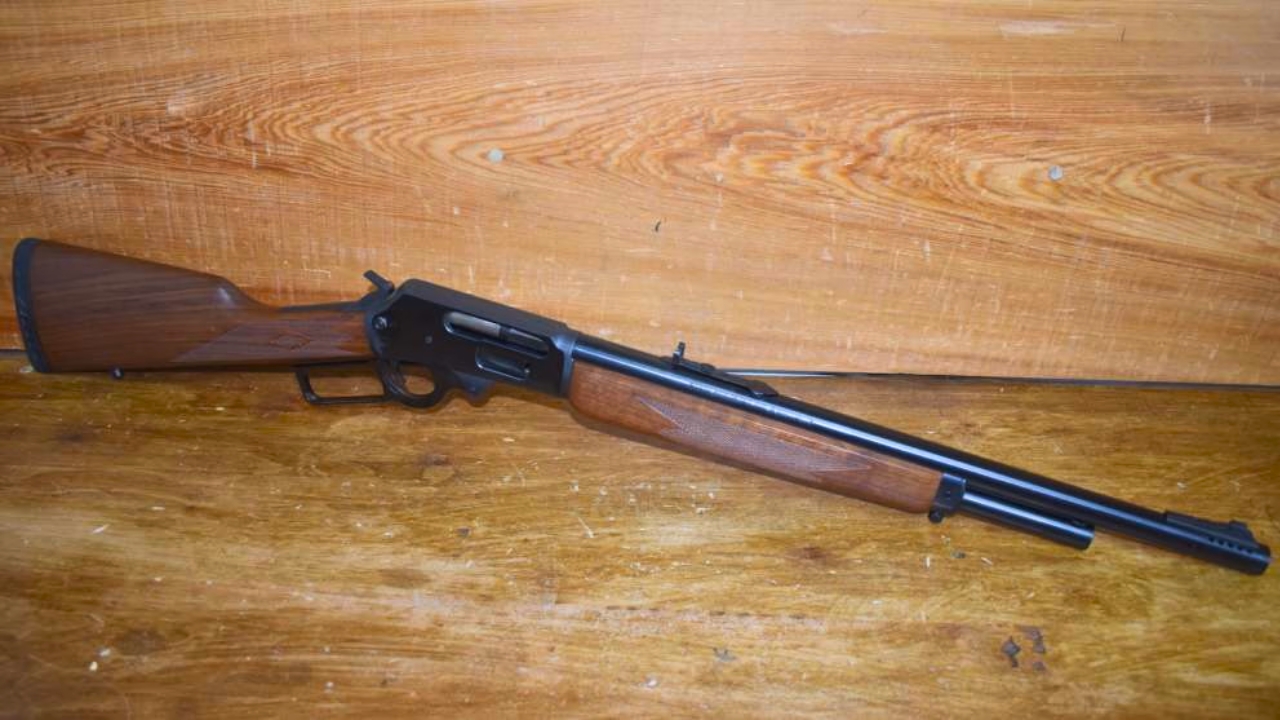
A short .45-70 lever rifle sounds nearly perfect for thick woods. The gun is compact, easy to carry, and capable of throwing very heavy bullets with serious authority at short range. Then you touch off a stout hunting load and remember that making the rifle lighter did not make the cartridge lighter.
Recoil can become the dominant feature of the experience, particularly with powerful modern .45-70 ammunition. Standard-pressure loads are far more pleasant, and good recoil pads help, but a short, relatively light rifle loaded toward the upper end will get your attention. This is one of those guns people love carrying and sometimes enjoy shooting less than expected. The recoil is not a defect. It is simply the unavoidable consequence of putting a large cartridge into a handy rifle.
Mossberg 500 — The Fore-End Rattle
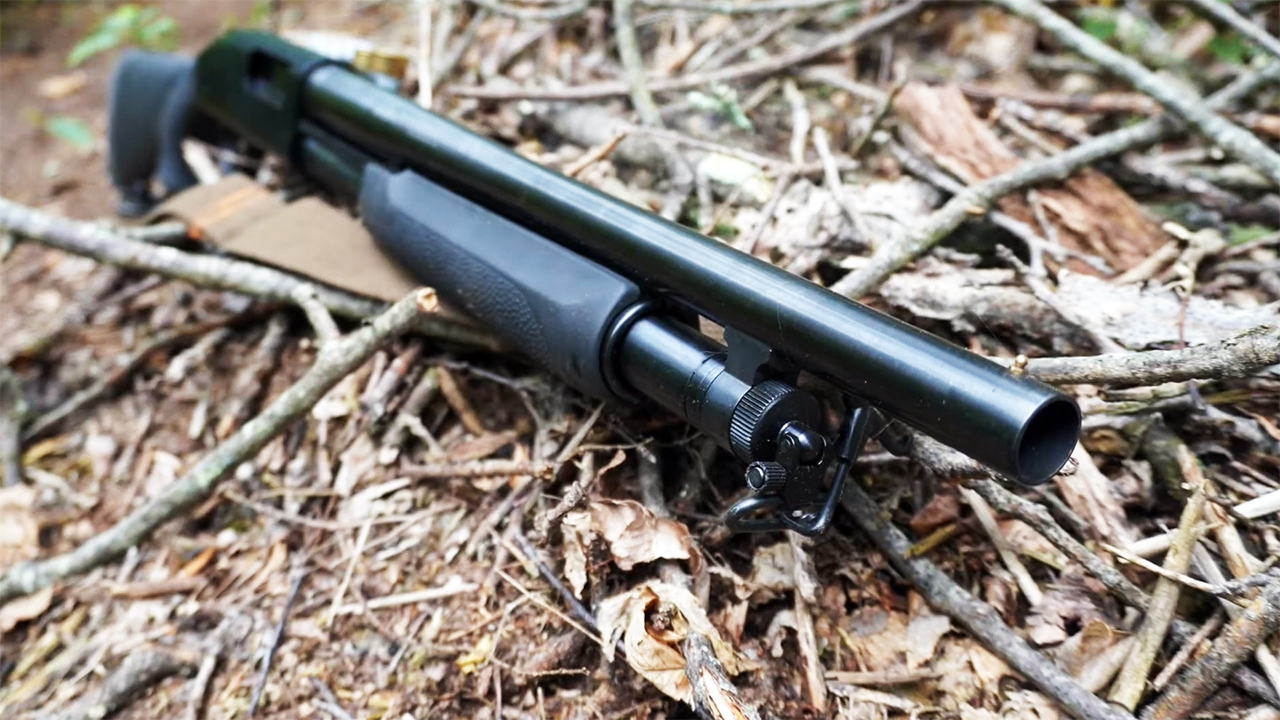
The Mossberg 500 has survived decades of hard use because it is straightforward, affordable, and durable. It has been a hunting gun, utility gun, police shotgun, and home-defense gun in countless configurations. Owners generally do not complain about whether the thing works. They complain about how loose it can sound.
The fore-end and action bars frequently have noticeable play, producing the familiar rattle when the shotgun is moved. That looseness does not necessarily hurt function and may even contribute to the gun’s ability to keep running when dirty. It simply makes the shotgun feel less refined than a tightly fitted pump. Some owners stop noticing it. Others never do. The 500 is a perfect example of mechanical reliability mattering more than mechanical elegance.
Remington 870 Express — Rust-Prone Finish

The 870 Express made the classic Remington pump available at a much lower price than the Wingmaster, and mechanically the design remained extremely capable. The rougher matte exterior finish was one of the ways Remington kept costs down. Unfortunately, many owners discovered that the finish could develop surface rust with surprisingly little encouragement.
A damp hunting trip followed by careless storage could produce orange spots quickly, particularly compared with the polished blueing found on older Wingmasters. Regular wiping with oil keeps the problem manageable, but that means the owner has to think about corrosion more than expected from a working shotgun. The Express can run for decades. Keeping it looking good may require considerably more attention than keeping it mechanically functional.
Smith & Wesson Model 329PD — Recoil That Borders on Punishment
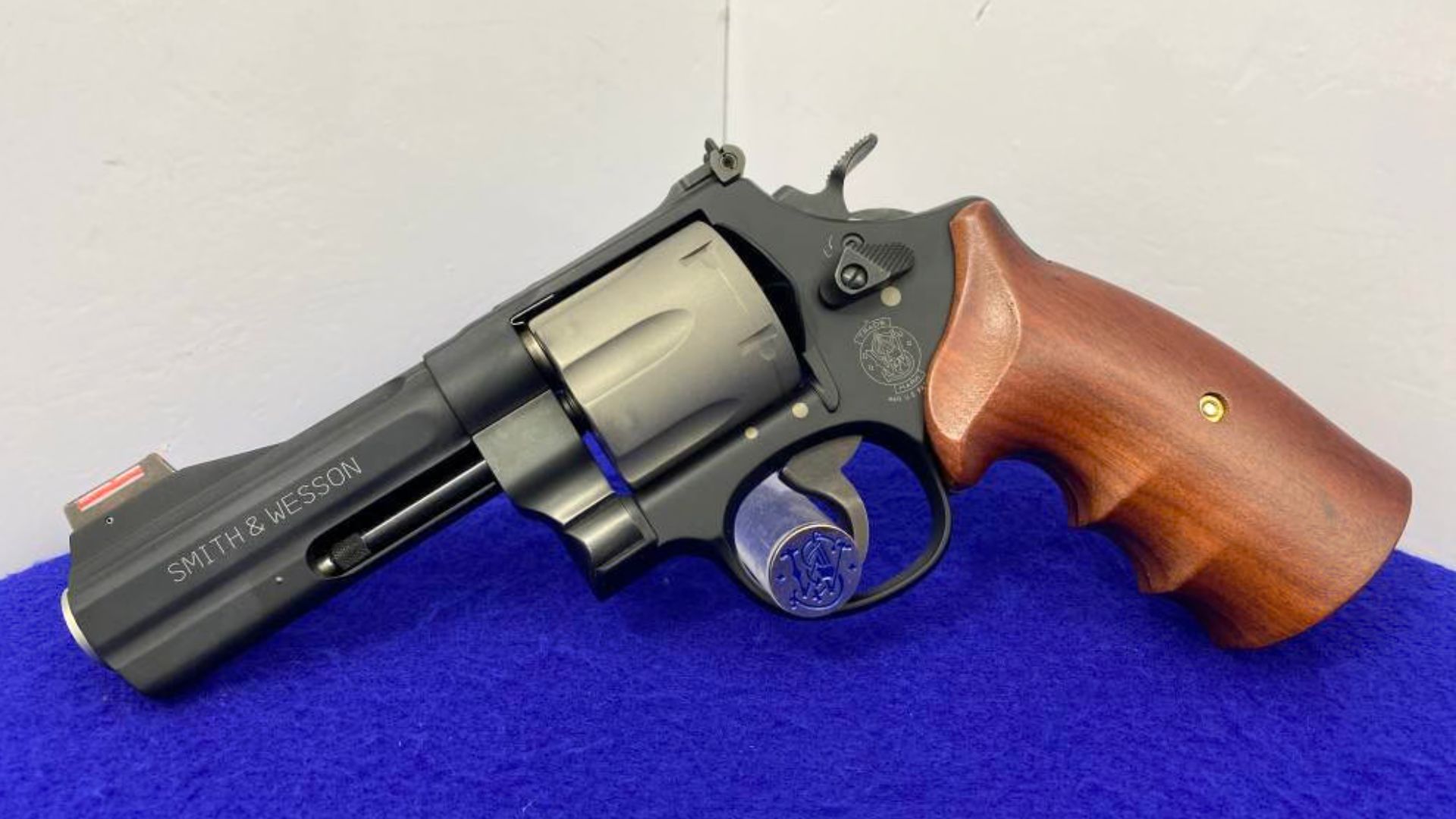
The 329PD solves one problem brilliantly: carrying a large .44 Magnum revolver without carrying the weight normally associated with an N-frame. Its lightweight construction makes it comfortable on the belt during long days outdoors. That sounds almost perfect until full-power magnum ammunition goes into the cylinder.
There is nowhere for the recoil to hide. The same missing mass that makes the gun pleasant to carry means far more of the cartridge’s energy reaches the shooter’s hand. Heavy loads can be brutal enough that many owners practice with .44 Special or reduced ammunition and reserve magnums for limited use. The 329PD still makes sense for someone who carries constantly and fires rarely. Anyone buying one because a lightweight .44 sounds pleasant is going to discover the flaw immediately.
Like The Avid Outdoorsman’s content? Subscribe to our newsletter so you never miss an article.
Here’s more from us: