Photo credit: SUNDAY GUNDAY/YouTube
Some pistols make an excellent first impression and never really change. Others are almost the opposite. The trigger starts a little heavy, the slide feels tight, the controls seem awkward, or the grip simply takes time to understand. Then you put a few hundred rounds through the gun, the moving surfaces settle in, and your hands start learning what the design wants.
That does not mean every pistol needs a mysterious “break-in period” before it can function reliably. A defensive handgun should work properly from the start. What often improves is smoothness, trigger feel, and the shooter’s ability to operate the pistol naturally. Some designs reward familiarity far more than others. These are 20 pistols I think tend to become more enjoyable after they have accumulated some honest range time.
Beretta 92FS
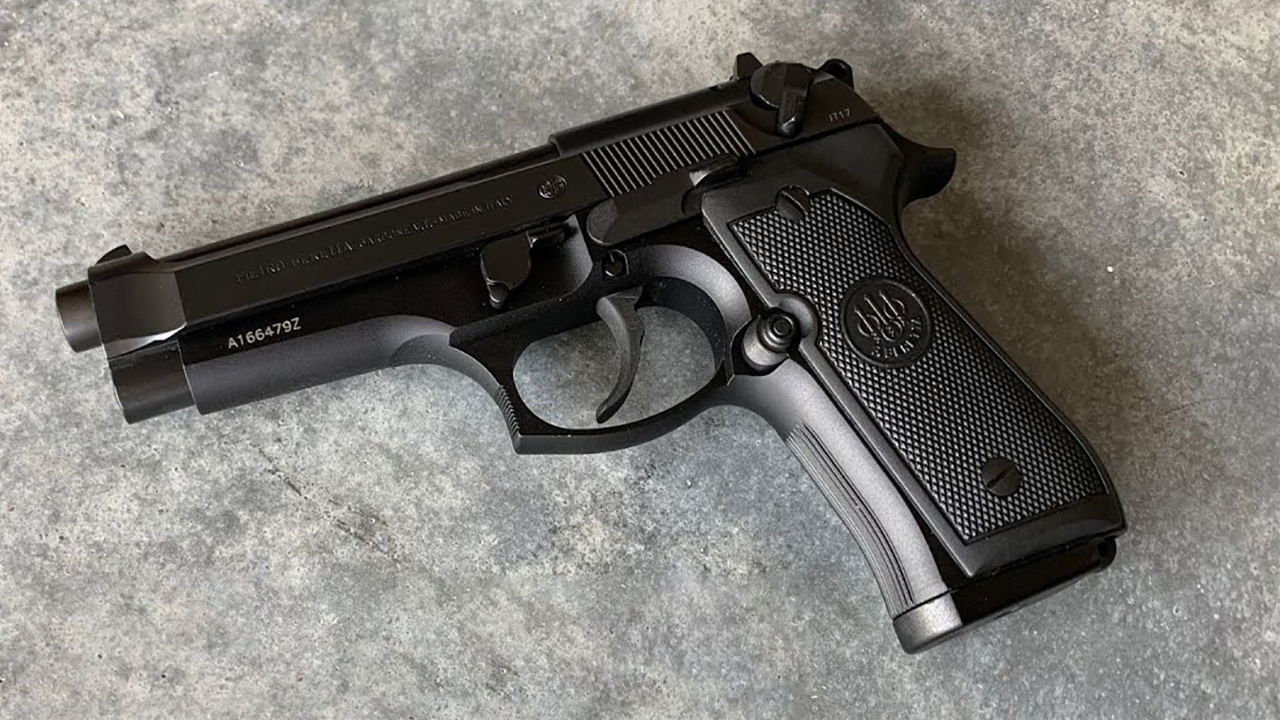
A new 92FS can feel like a lot of pistol. The grip is large, the first double-action pull takes real effort, and the slide-mounted controls feel strange if you grew up on striker-fired guns. None of those characteristics disappear completely, but they tend to become far less noticeable after serious practice. The trigger usually feels smoother with use, and the entire action develops the slick quality older Berettas are famous for.
The shooter changes too. Once the long first pull stops being a surprise, the pistol becomes remarkably fast in single action. The weight that initially feels excessive starts working in your favor by keeping recoil extremely mild. I have always thought the 92 is one of those guns that makes far more sense after a thousand rounds than it does after ten dry fires at a gun counter.
SIG Sauer P226
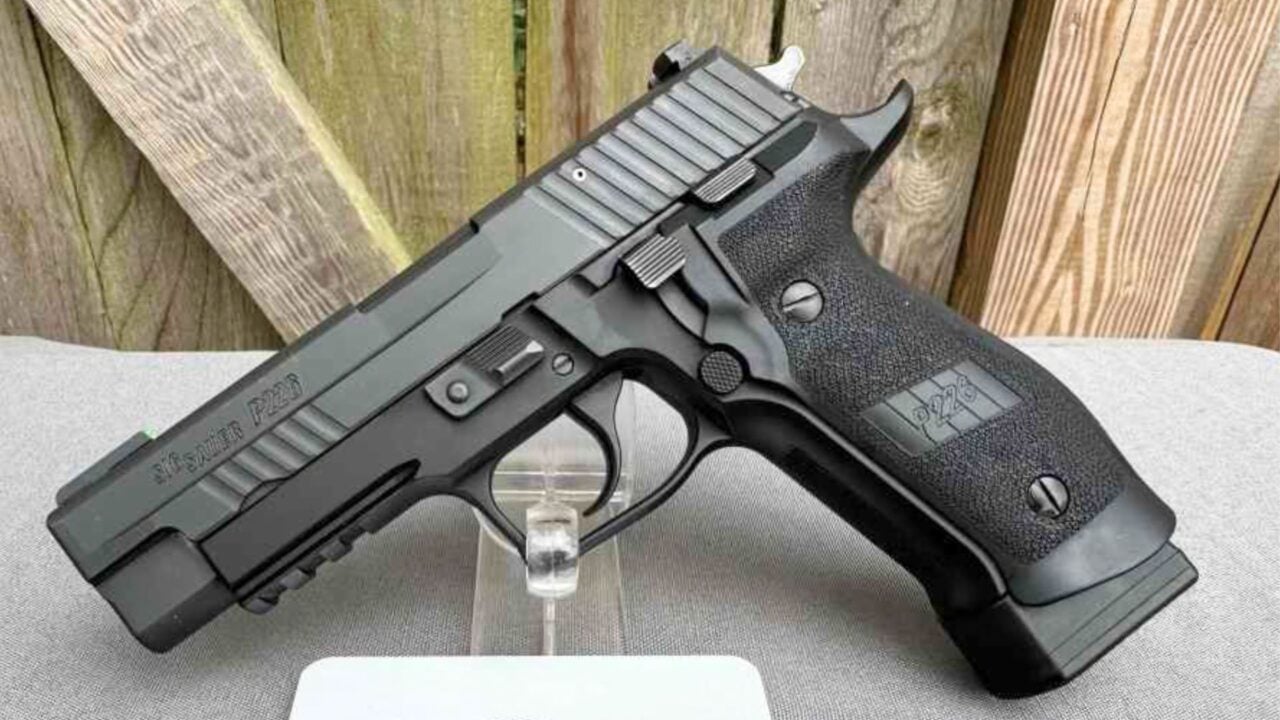
The P226 rewards exactly the kind of familiarity that traditional DA/SA pistols demand. The first trigger pull can feel heavy to someone coming from a striker gun, while the transition to the lighter single-action pull creates another thing to learn. At first, that seems like unnecessary work.
With practice, it becomes part of the appeal. The double-action stroke tends to feel smoother as the gun accumulates use, and the shooter gets better at rolling through it without disturbing the sights. The aluminum frame and substantial slide also make the pistol extraordinarily stable during sustained shooting. A new P226 can feel expensive and slightly old-fashioned. A well-used P226 that has been shot enough for the trigger and shooter to settle together can feel like one of the most natural service pistols ever made.
CZ 75 B

The CZ 75 B is one of the clearest examples of a pistol that seems to loosen up in all the right places. New guns can have fairly heavy double-action pulls, relatively stiff controls, and slides that do not feel as glassy as enthusiasts sometimes imagine.
After enough shooting, the basic action often becomes noticeably smoother. The trigger surfaces settle, the slide starts feeling slicker, and the shooter learns how little slide is available to grab because of CZ’s internal rail arrangement. What initially feels unusual becomes familiar.
The all-steel frame also makes the gun increasingly enjoyable as shooting volume rises. Recoil is mild enough that long range sessions are comfortable, which means you actually have the opportunity to build that familiarity. The CZ 75 is rarely at its best after the first box of ammunition.
Springfield Garrison 1911

A quality 1911 has a way of developing character as it gets used. The slide starts feeling smoother, the controls become second nature, and the shooter begins appreciating just how little movement is required from a good single-action trigger.
The Garrison is a particularly good example because it is traditional enough that the basic experience is not buried underneath competition hardware or oversized controls. At first, a new shooter may focus on the thumb safety, grip safety, and relatively low magazine capacity. After substantial practice, those things fade into the background while the trigger and grip start dominating the experience.
A properly functioning 1911 should not need hundreds of rounds simply to become reliable. What improves is the relationship between shooter and gun. Once you stop thinking about operating it, the platform becomes incredibly intuitive.
Colt Series 70 Government Model
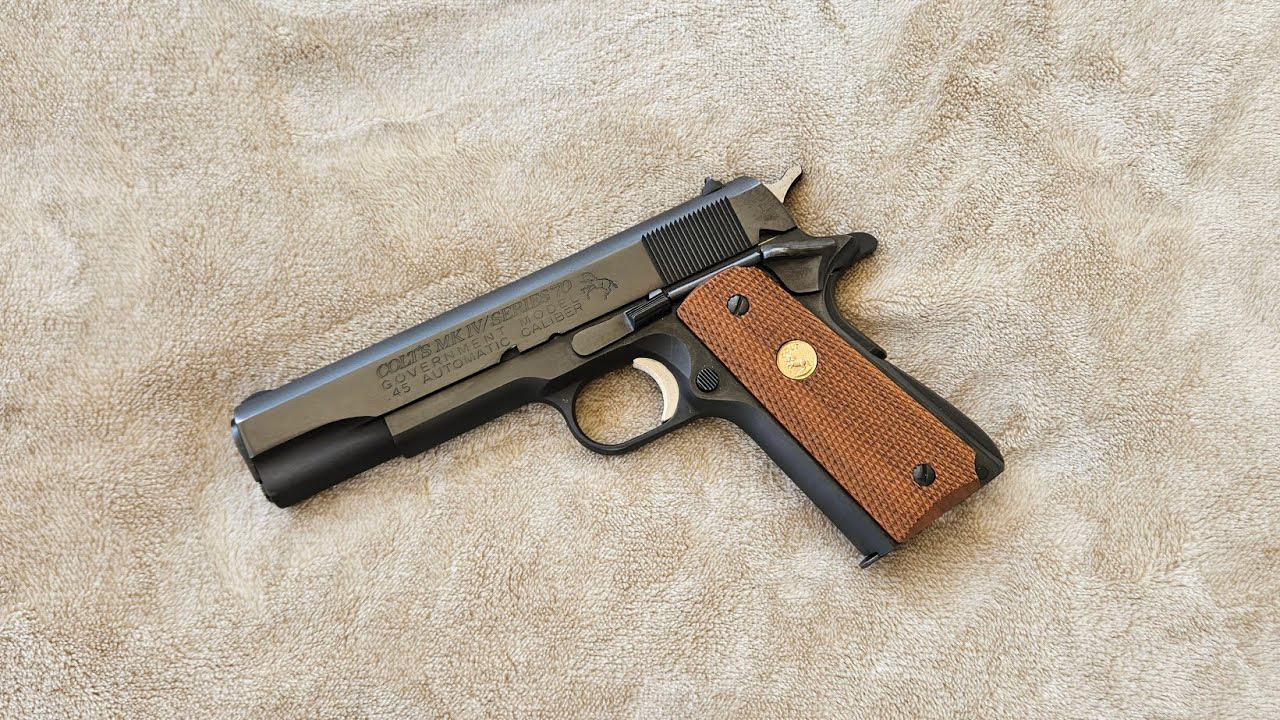
The Series 70 Government Model is another pistol that tends to make more sense after prolonged use. A new Colt can feel stiff, particularly compared with a heavily used 1911 that has had decades to smooth itself out. That should not be confused with sloppiness. A good pistol simply develops a more fluid feel as the bearing surfaces see normal use.
The shooter also starts understanding why the 1911 grip and trigger have survived so long. The manual safety becomes automatic with repetition, and the relatively heavy steel frame makes .45 ACP much easier to control than the cartridge’s reputation suggests.
This is not a pistol that wins modern capacity comparisons. It is a pistol that gets harder to dismiss the more time you spend actually shooting one.
Browning Hi-Power

The Hi-Power is one of those pistols that rarely reveals everything during the first magazine. The grip feels excellent immediately, but older examples can have triggers affected by the magazine disconnect, relatively small sights, and controls that require a bit of familiarity.
Once you start shooting one regularly, the balance becomes the attraction. The pistol points naturally, the steel frame keeps recoil manageable, and the thin slide makes the entire gun feel unusually lively for a full-size service pistol.
The trigger may smooth somewhat with use, but the larger improvement usually happens in the shooter. The Hi-Power rewards a consistent high grip and deliberate trigger work. It is one of those classic pistols that becomes less dated the more time you spend behind it.
SIG Sauer P229
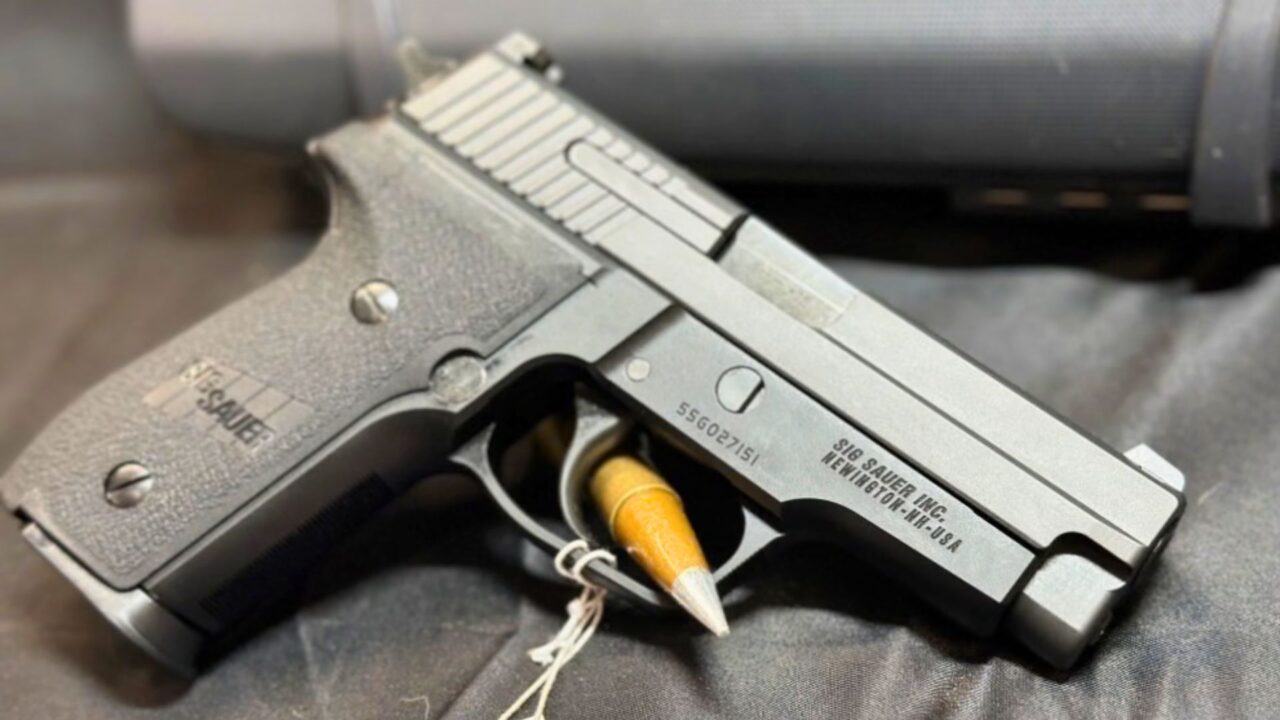
The P229 feels dense the first time you pick it up. Compared with today’s polymer compacts, there is a lot of metal packed into a relatively short pistol. After several hundred rounds, that weight starts looking less like a disadvantage.
The gun barely moves under normal 9mm recoil, and the DA/SA trigger becomes easier to manage as both the internal surfaces and the shooter’s technique settle in. A well-used P229 can have an exceptionally smooth double-action stroke, especially compared with a brand-new example.
Carry weight is still carry weight, but the range experience improves dramatically as the pistol gets familiar. This is one of the compact guns where additional shooting makes the owner understand why so many people tolerated the ounces for so long.
CZ P-01
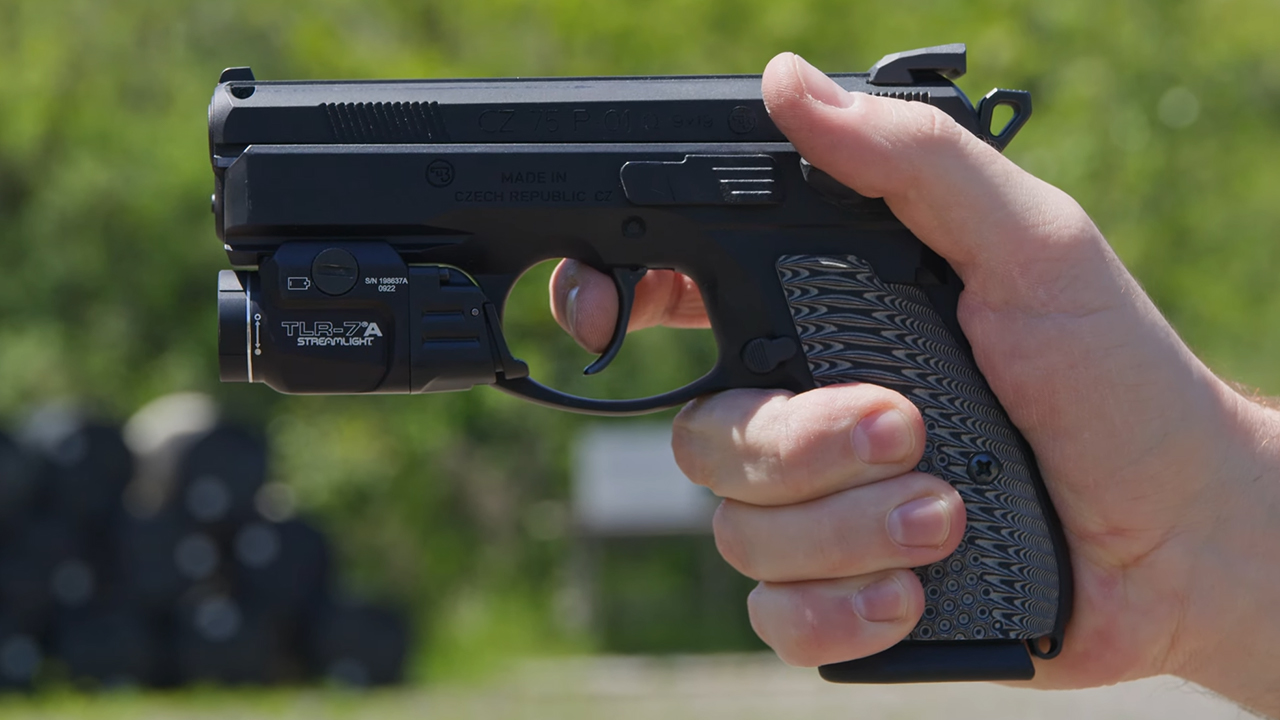
The P-01 can feel almost too tight and heavy-triggered when new, especially to shooters expecting the polished feel of a competition CZ. That impression changes quickly once the pistol starts seeing regular use.
The DA pull tends to smooth, the decocker becomes instinctive, and the compact alloy frame settles into the hand surprisingly well. The gun also rewards learning the CZ trigger reset rather than trying to shoot it exactly like a striker-fired pistol.
What I like most is that the P-01 does not become boring after the novelty disappears. It usually becomes more satisfying. The controls, grip, and recoil characteristics start fitting together as a complete system. A well-used P-01 often feels much better than one evaluated purely from a showroom dry-fire.
Beretta PX4 Storm
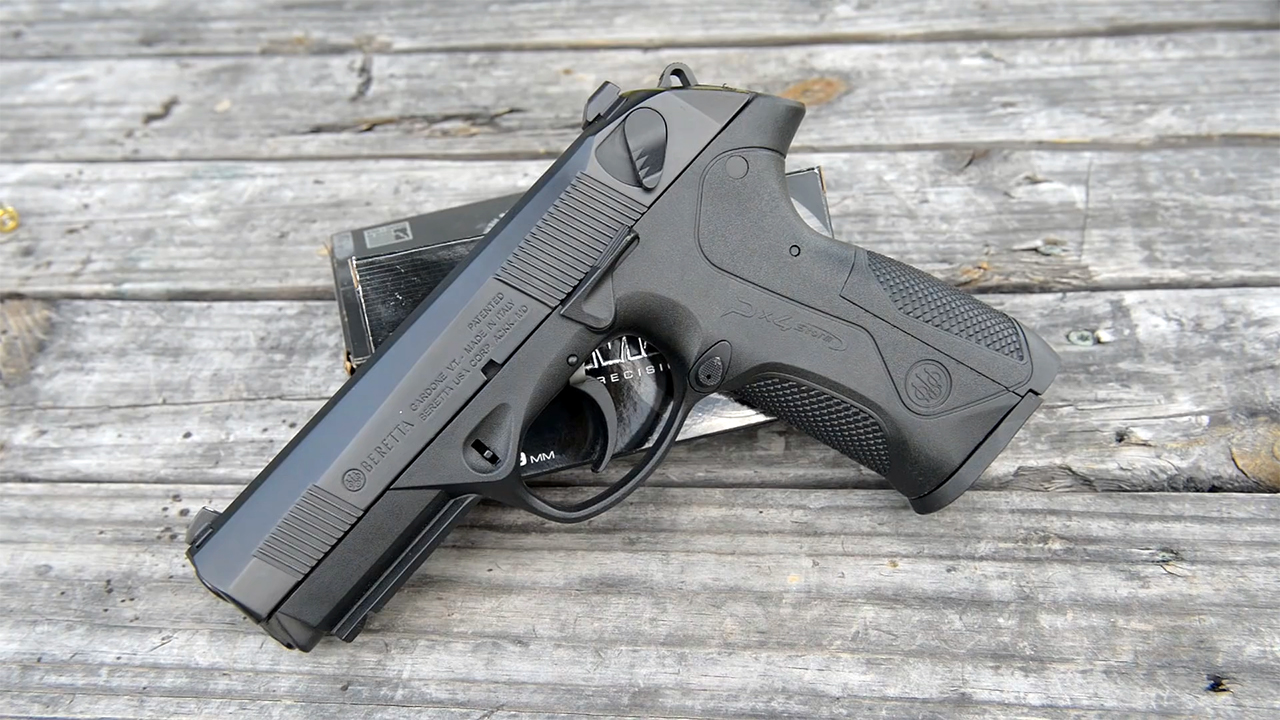
The PX4 can feel strange initially because the recoil impulse does not quite resemble most tilting-barrel pistols. The rotating barrel changes the way the gun moves, and the rounded grip and unusual styling take some adjustment.
After several range sessions, the design starts making much more sense. The pistol stays surprisingly flat, the DA/SA trigger becomes easier to run, and the shooter learns how smoothly the slide cycles through recoil. The gun itself may smooth slightly, but the bigger change is understanding its rhythm.
That is why PX4 owners often become more enthusiastic over time instead of less. It is not necessarily the pistol that impresses everyone immediately. It is the pistol that slowly convinces you it is doing things differently for a reason.
Heckler & Koch P30
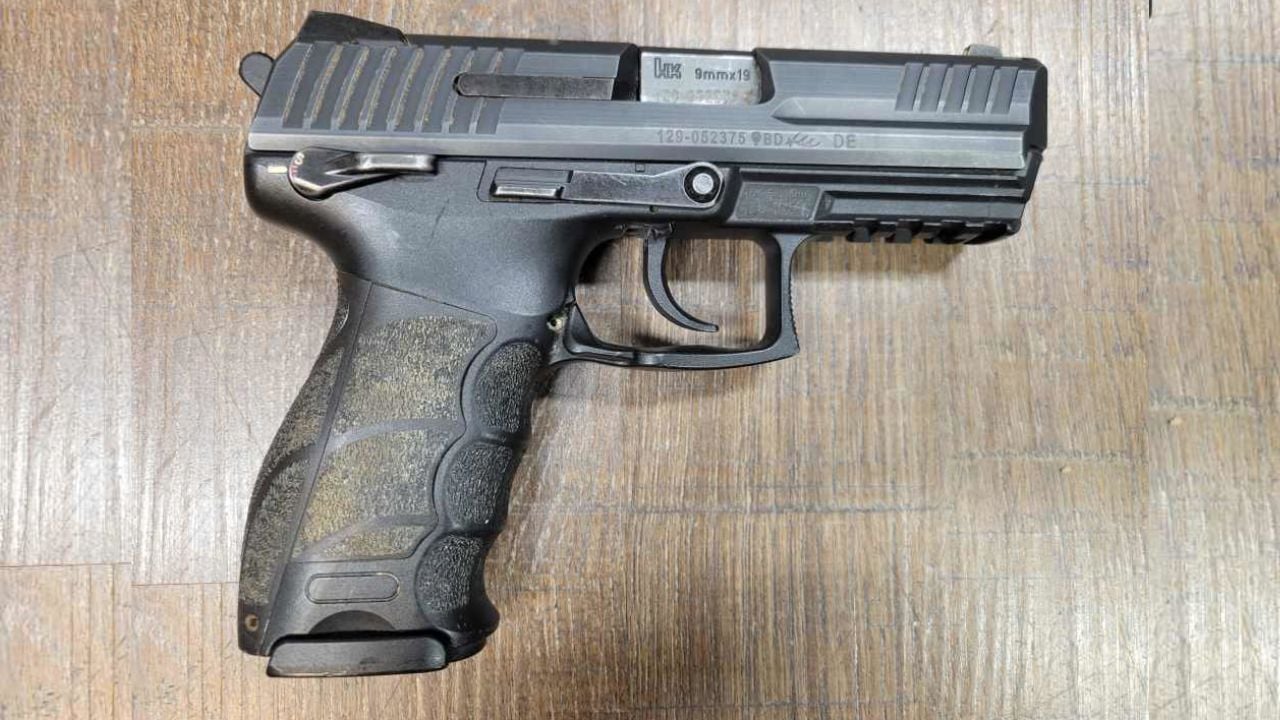
The P30 is famous for durability and ergonomics, but the standard trigger is not usually what sells the pistol. New examples can feel heavy and somewhat long in double action, while the single-action reset may not impress shooters accustomed to competition-oriented triggers.
Put time into one, however, and the trigger becomes much easier to understand. It can also smooth with use, while the shooter learns how to take advantage of the excellent grip fit and extremely controllable recoil.
I would rather have a durable pistol with a trigger I can learn than a fragile pistol with an amazing first impression. The P30 rewards exactly that mindset. The longer you shoot it, the less you think about the trigger and the more you appreciate how consistently the gun behaves.
Heckler & Koch USP
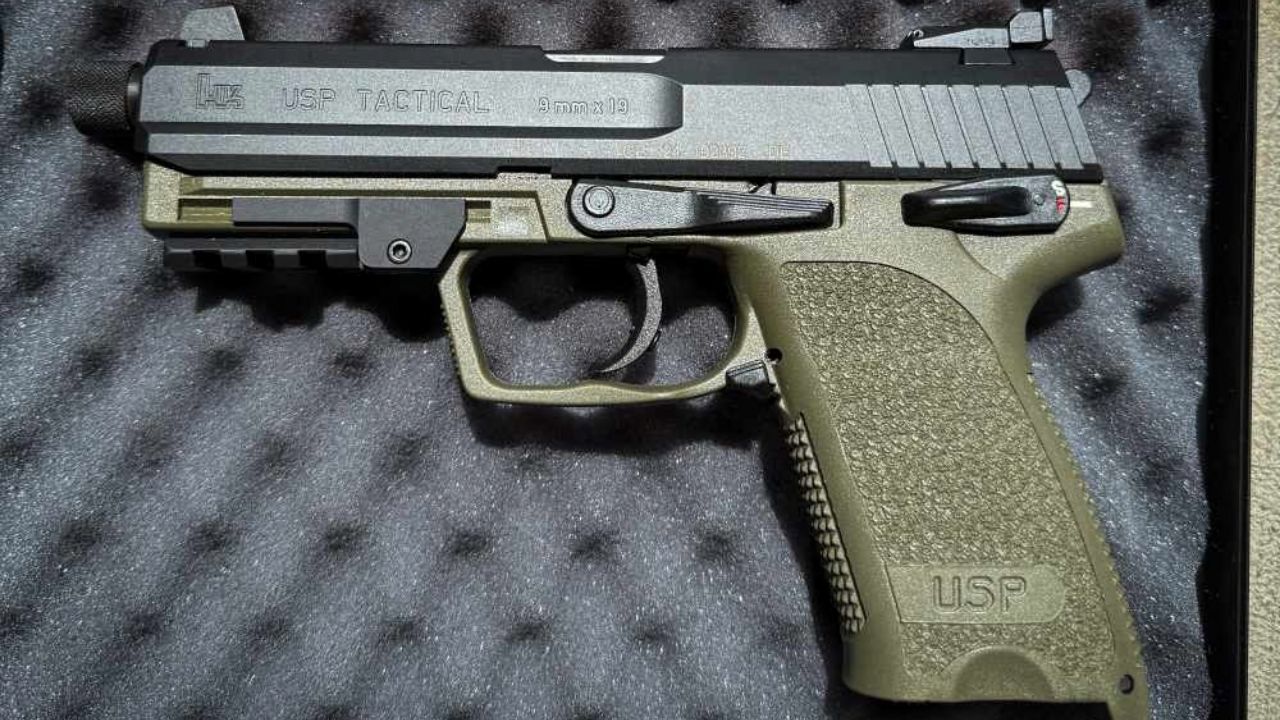
The USP is another pistol that can feel unnecessarily bulky during the first range trip. The grip is large, the controls are substantial, and the whole gun seems built around a durability requirement most civilian shooters will never approach.
Then you start shooting it more. The controls become natural, the slide starts feeling smoother, and the heavy-duty construction translates into a pistol that seems completely unfazed by repeated use. The trigger can also improve in feel as the gun sees more rounds.
The USP never becomes small or elegant. What changes is your understanding of why it was built that way. After enough use, the bulk starts feeling less like excess and more like a very large durability margin.
Smith & Wesson 5906
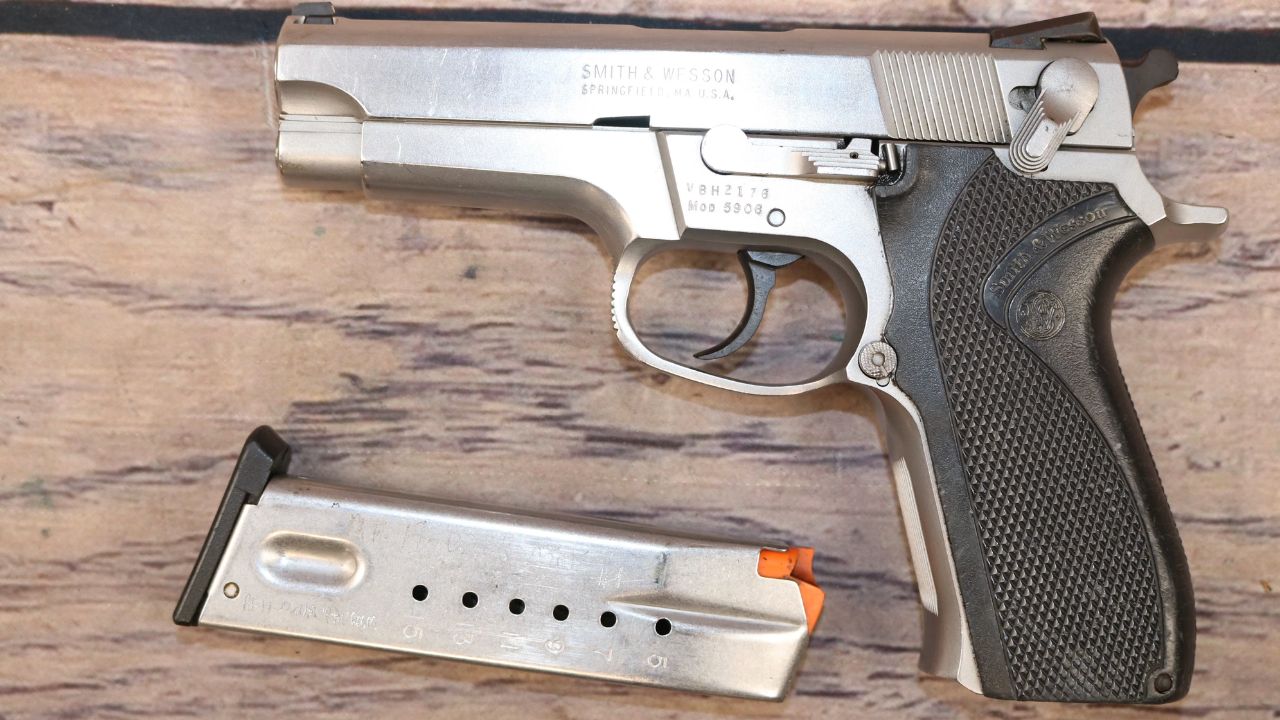
The 5906 is one of those pistols that can feel almost comically heavy until you shoot it fast. The stainless-steel frame absorbs so much recoil that the gun barely moves, and the weight that seems outdated on the belt becomes extremely pleasant at the range.
Older police trade-ins can be especially interesting because many already have the smooth, broken-in trigger feel people try to describe when talking about classic third-generation Smiths. The double-action pull can become remarkably fluid, and the single-action follow-up shots are extremely easy to control.
This is not a gun that becomes physically lighter with use. The shooter simply begins seeing the weight differently. Once you experience how flat a well-used 5906 shoots, the ounces start looking like part of the feature set.
Walther P99 AS
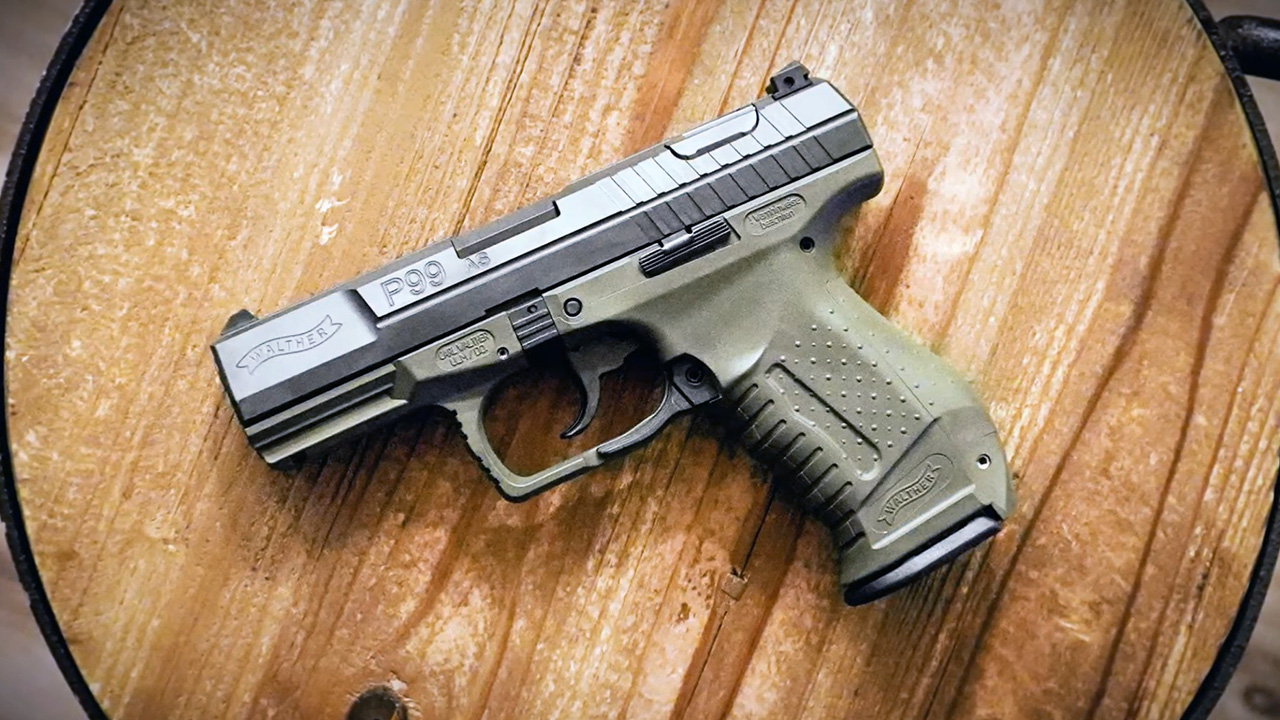
The P99 AS often confuses shooters initially because its trigger system does not behave exactly like a conventional striker pistol. The Anti-Stress mode, decocker, and different trigger states create a learning curve that disappears only after enough repetition.
That is precisely why the gun improves with familiarity. Once the shooter understands the trigger’s various conditions, the pistol becomes fast and intuitive. The ergonomics are excellent, recoil is manageable, and the gun feels much more sophisticated than it did during the first awkward range session.
The P99 also has one of those designs where the shooter adapts more than the mechanism changes. The pistol itself was always capable. The owner simply needed enough ammunition through it to stop thinking consciously about how it worked.
Ruger P90
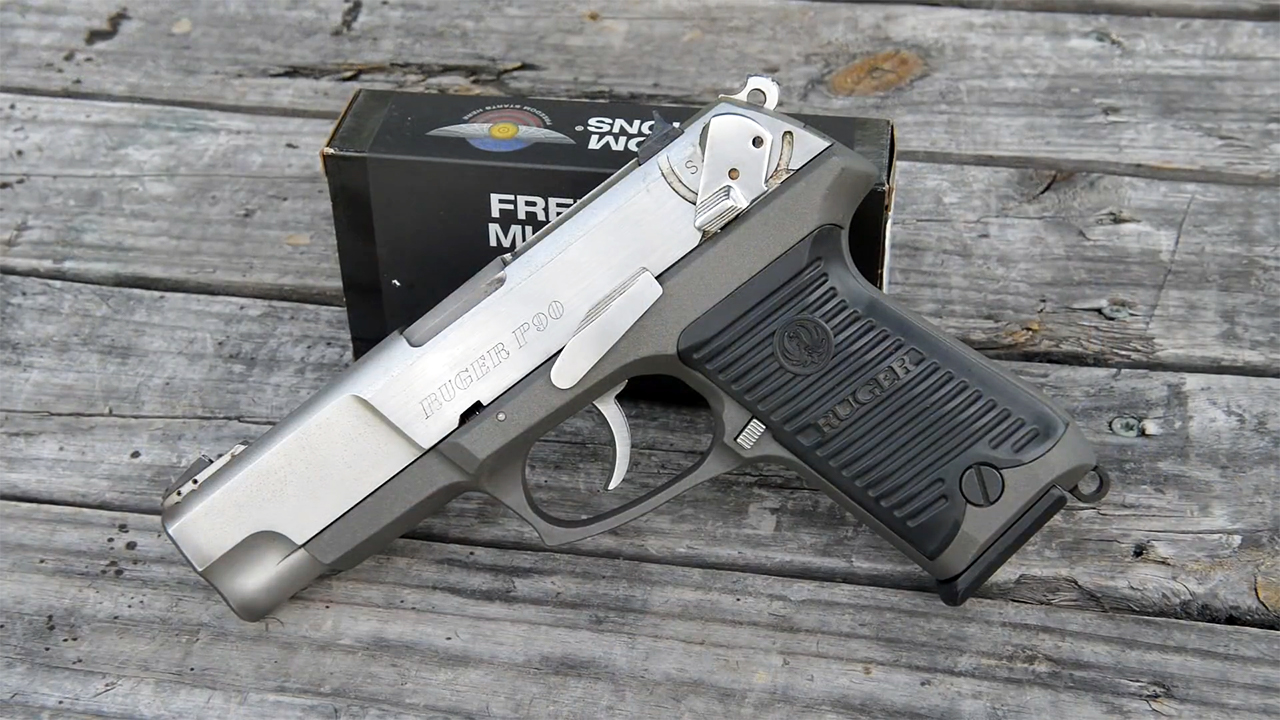
The Ruger P90 is never going to feel delicate. New or old, it is a large, utilitarian .45 built around simplicity and durability rather than elegance. What changes with use is how much smoother the action and trigger can become.
Older P90s that have been shot regularly often feel noticeably better than lightly used examples that spent decades sitting in a box. The controls loosen into a more natural rhythm, the DA trigger becomes easier to manage, and the shooter stops worrying about the pistol’s blocky proportions.
The P90 is one of those guns that earns respect slowly. It may not impress during the first five minutes at a counter, but after years of shooting it without drama, the owner tends to become much more forgiving of the appearance.
Tanfoglio Stock II
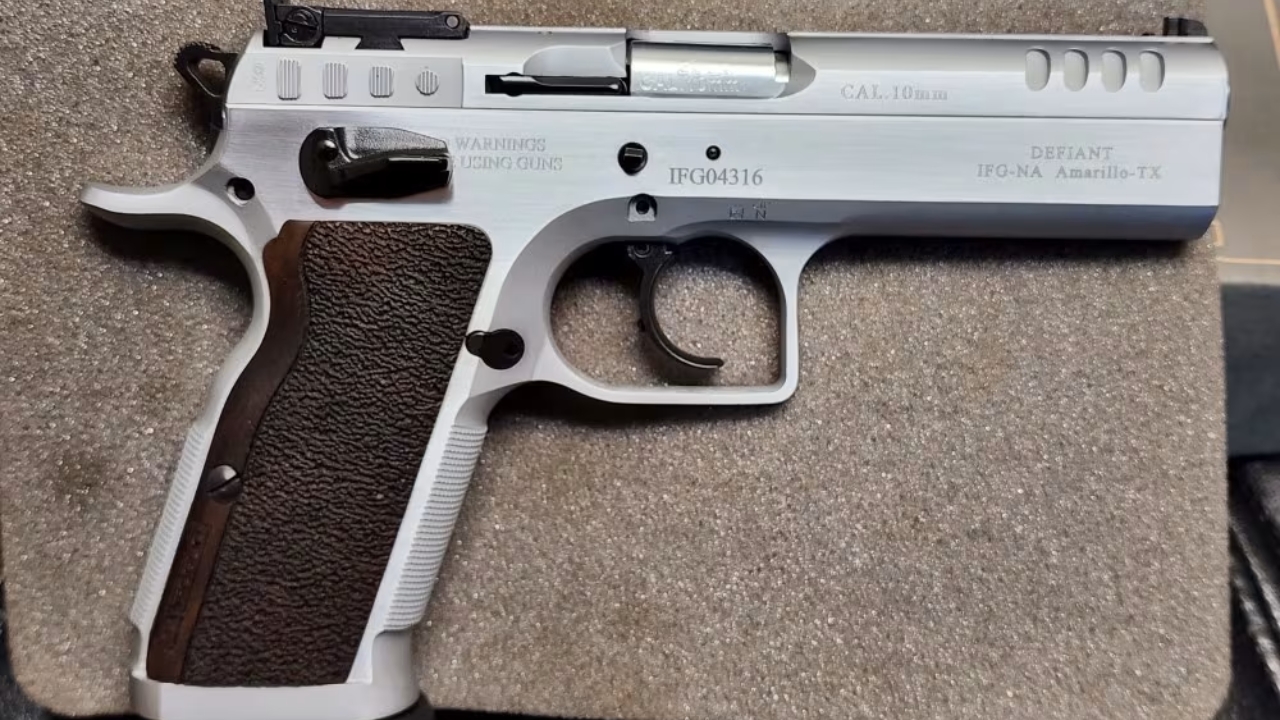
The Stock II is built around shooting volume, so it practically expects to improve as the owner puts time into it. The heavy steel frame, excellent grip, and DA/SA trigger make it a competition-oriented pistol that rewards refinement in both the mechanism and the shooter.
As the action sees use, the trigger can become even smoother, while the shooter learns exactly where the reset lives and how little the gun needs to move between shots. The substantial weight also means fatigue from recoil is minimal compared with lighter pistols.
A Stock II is good out of the box. After enough rounds, it starts feeling almost tailored to the person shooting it because every control and trigger movement becomes familiar. That is exactly what you want from a pistol built around high-volume practice.
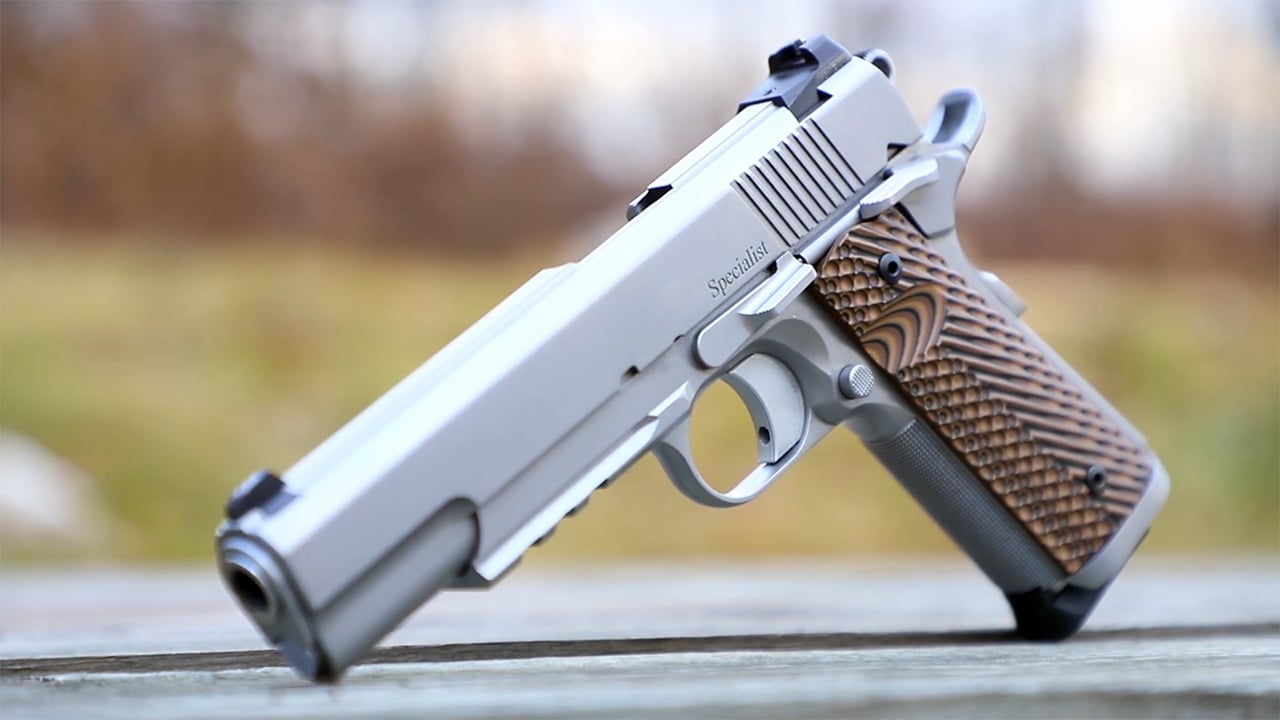
Dan Wesson Specialist
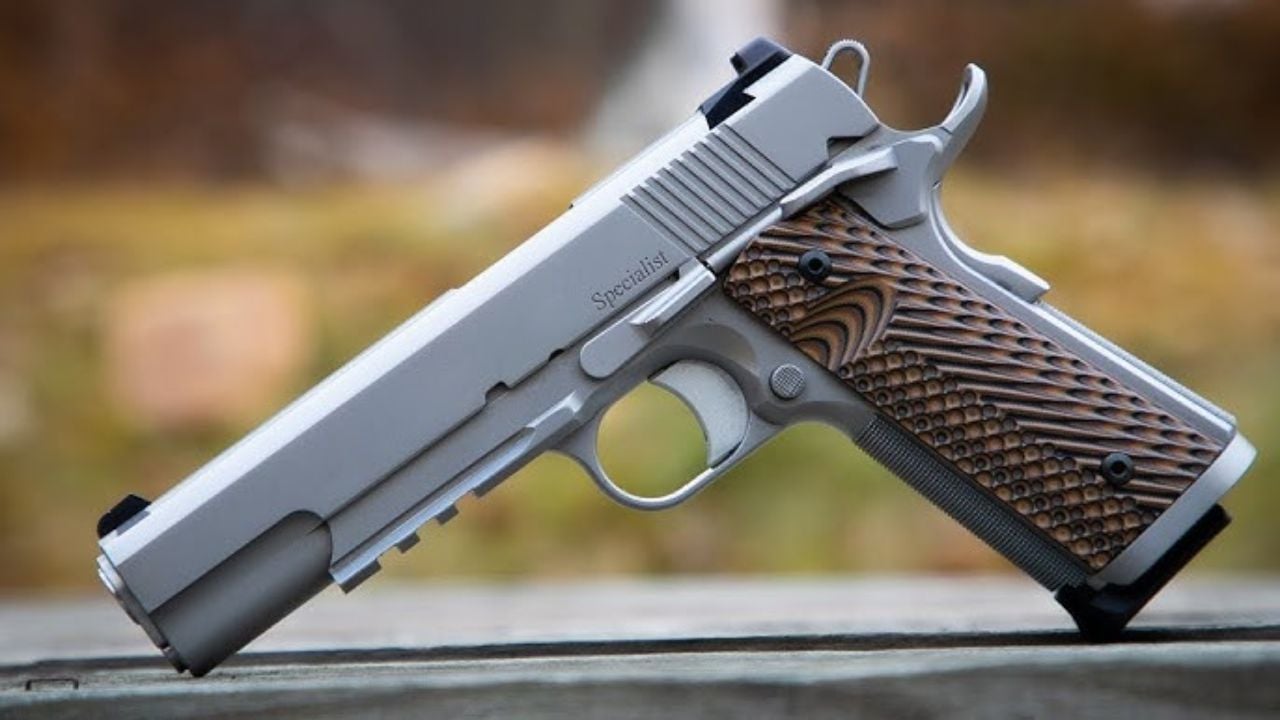
The Specialist is the kind of 1911 that starts with excellent fit and gets more enjoyable as the moving parts settle into normal use. The slide-to-frame fit can feel very tight initially, which is reassuring but not always as silky as the pistol will feel later.
After substantial shooting, the action becomes smoother while the trigger and controls remain extremely precise. The shooter also builds the muscle memory that makes a 1911 safety system feel almost effortless.
What I like about the Specialist is that it encourages use. It is premium enough to appreciate but robust enough that you should not be afraid to shoot it. A well-used Dan Wesson often feels better than a safe queen because the gun was built to have its surfaces work together under actual firing.
FNX-45

The FNX-45 feels huge until you learn how to use the size. The grip is broad, the controls are substantial, and the pistol carries a lot of .45 ACP. At first, smaller-handed shooters may wonder whether the gun is simply too much.
With repetition, the large frame becomes an advantage. There is plenty of surface to grip, recoil is surprisingly manageable, and the DA/SA trigger starts feeling much more natural once the shooter stops thinking about the first pull.
The pistol does not shrink as you shoot it. Your technique grows into it. This is a common theme with larger service handguns. Once the controls and trigger are completely familiar, the gun starts feeling far more manageable than the dimensions suggest.
Bersa TPR9
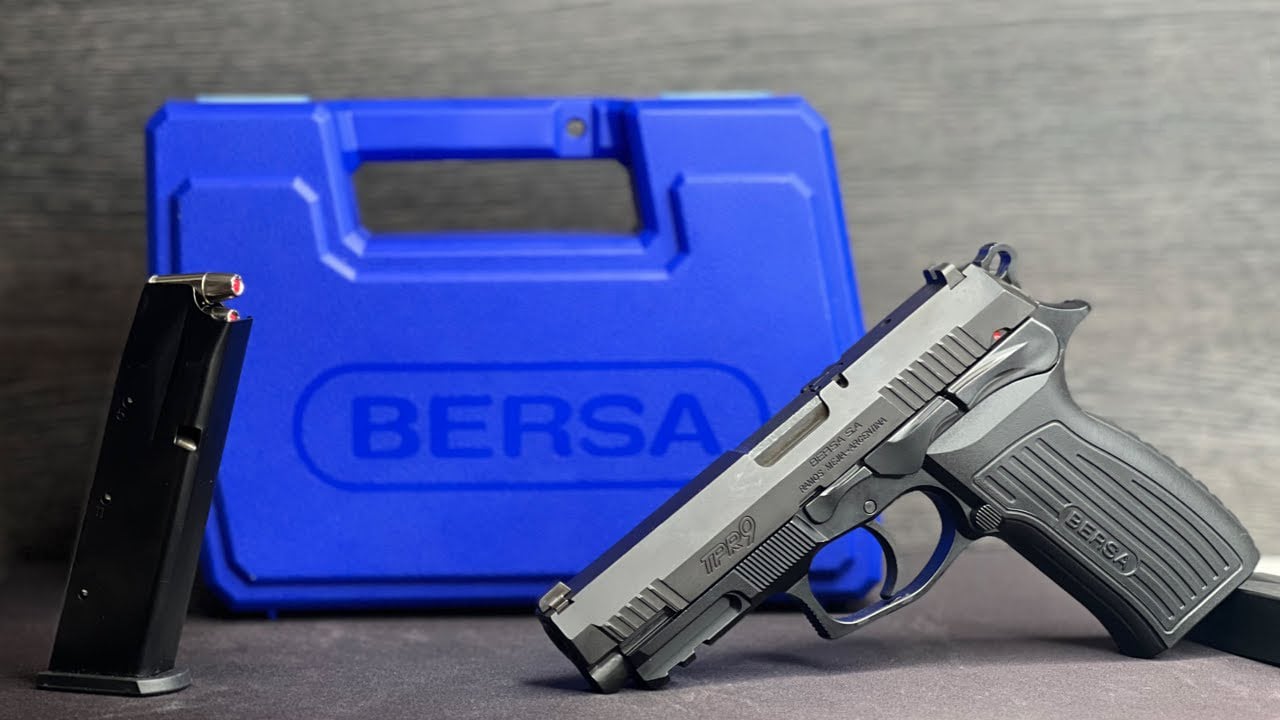
The TPR9 is one of those pistols that tends to surprise people because the trigger is better than expected for the price. Even so, new examples can feel a little stiff compared with pistols that have seen serious range use.
Put enough rounds through one and the DA pull can become smoother, the controls loosen into a more natural feel, and the shooter becomes much more comfortable with the metal-framed balance. The gun has enough weight that recoil is mild, making it easy to accumulate the practice needed to appreciate it.
That is part of why value-oriented metal pistols can be so satisfying. The initial purchase price may be modest, but the gun can actually become more pleasant as it gets used rather than feeling disposable once the novelty is gone.
Star Model B

The Star Model B is an older design that often feels much better after the shooter stops expecting it to be exactly like a 1911. The basic single-action trigger and all-steel construction make it a comfortable pistol to shoot, but the controls and internal design have their own quirks.
Older examples that were genuinely used can feel beautifully smooth, particularly in the slide and trigger. The weight also makes 9mm recoil almost irrelevant, which encourages long shooting sessions.
The more you shoot a Model B, the more you appreciate it as its own pistol rather than as a Spanish copy of something else. That shift in perspective is part of what makes the gun improve. Familiarity lets the design stand on its own.
Staccato P
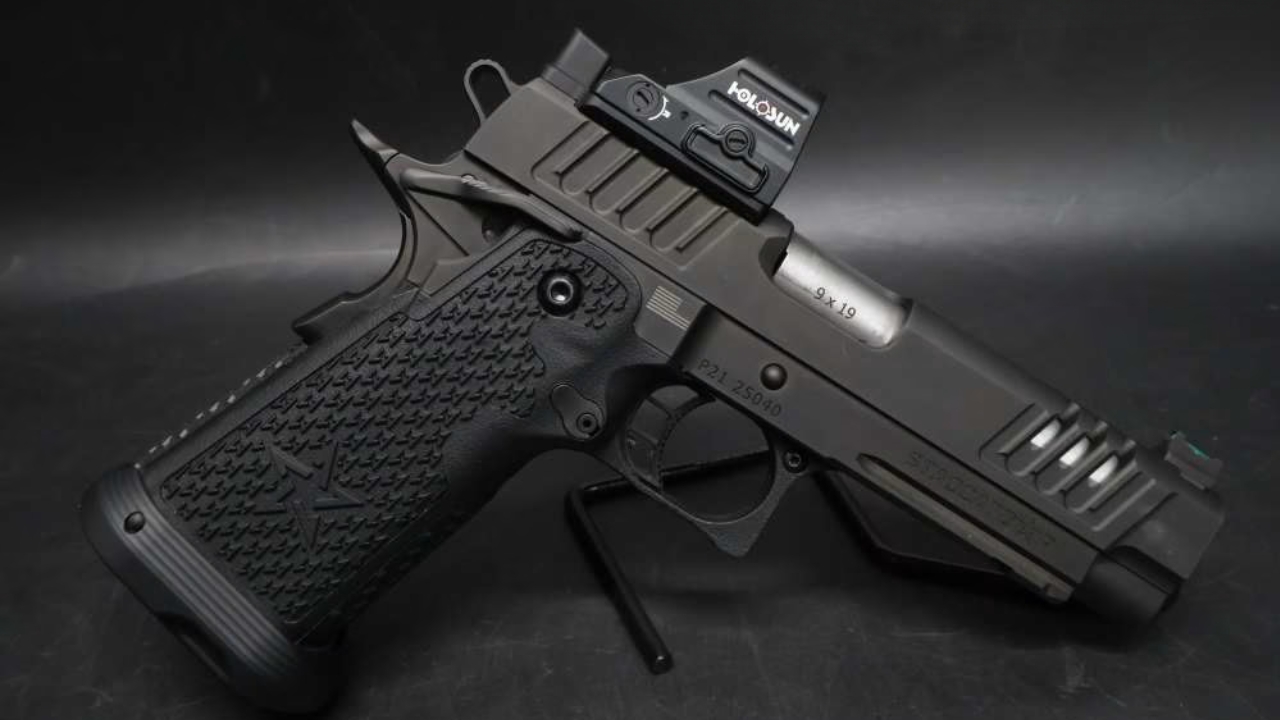
The Staccato P is already extremely shootable out of the box, so the improvement here is less about overcoming flaws and more about unlocking what the pistol can actually do. The single-action trigger, heavy-duty frame, and high-capacity 2011 layout give the shooter enormous potential for fast, accurate strings.
That potential becomes more obvious after serious practice. The safety manipulation becomes automatic, the shooter learns the short trigger reset, and the pistol’s weight starts working in harmony with recoil instead of simply feeling heavy.
A high-performance gun can only do so much by itself. The Staccato P gets more impressive as the person behind it becomes more familiar with the platform. After a few thousand rounds, the pistol can feel almost unfairly easy to shoot well.
Like The Avid Outdoorsman’s content? Subscribe to our newsletter so you never miss an article.
Here’s more from us: