Photo credit: BigDaddyHoffman1911/YouTube
Some guns become popular because they are genuinely exceptional. Others become popular because they arrived at exactly the right time, filled a strange niche, looked cool in a movie, or were cheap enough that buyers overlooked flaws they would never tolerate at a higher price. Once enough people own one, popularity can become self-sustaining. Accessories appear, friends recommend them, and the gun becomes part of the culture whether the original design was especially brilliant or not.
That does not mean the guns below are worthless. Several are dependable, historically important, or genuinely fun. What makes them interesting is how many compromises buyers have willingly accepted to keep buying them. Awkward triggers, excessive weight, dated ergonomics, questionable practicality, and highly specialized purposes somehow never stopped these 20 guns from becoming far more successful than you might expect after handling them objectively.
Taurus Judge
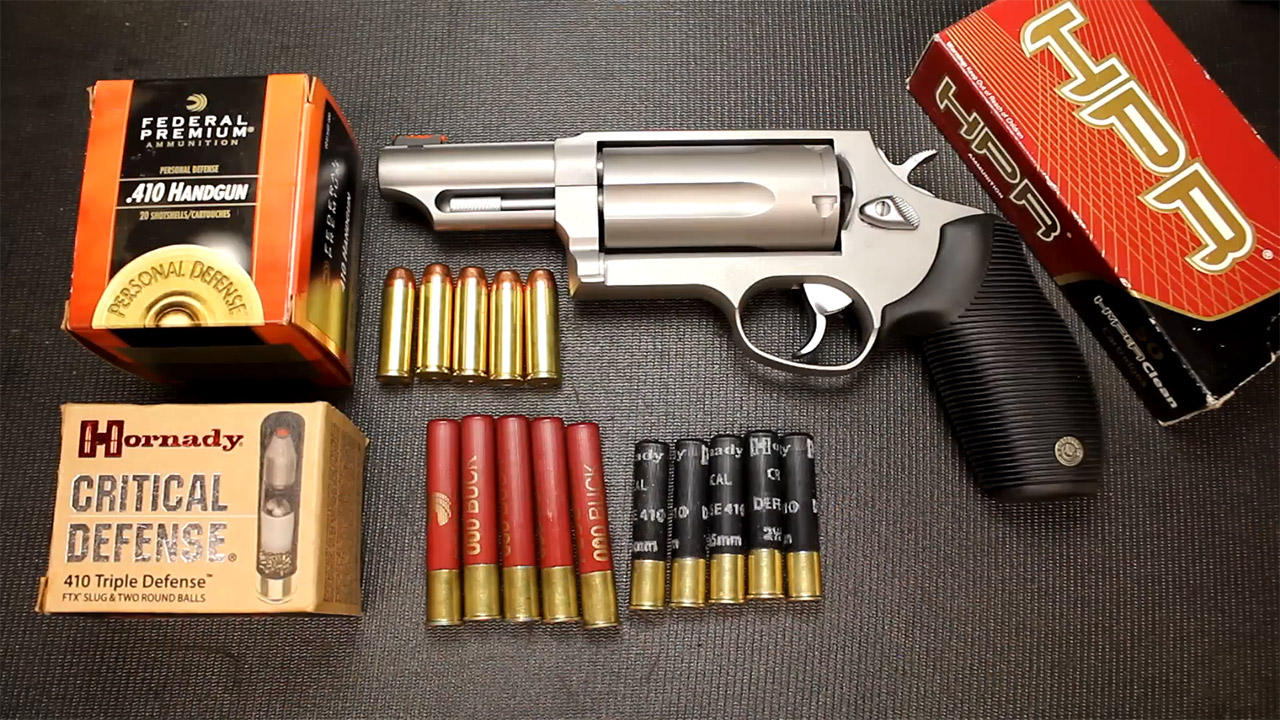
The Judge may be the ultimate example of marketing creating an entire category. Taurus combined a revolver capable of firing .45 Colt with the ability to chamber .410 shotgun shells, then sold the concept as a close-range defensive gun with enormous versatility. Buyers loved the idea immediately because the ammunition possibilities sounded impressive and the oversized cylinder gave the revolver a serious visual presence.
The strange part is how many compromises come with that versatility. The long cylinder makes the gun bulky, .410 performance from a short rifled barrel is very different from what people expect from a shotgun, and carrying one can be noticeably less convenient than carrying a conventional defensive revolver or semiautomatic. Yet the Judge became so successful that competitors eventually entered the same category. Sometimes an idea sells because it sounds useful long before anyone starts asking whether a simpler gun might do the job better.
Smith & Wesson Governor
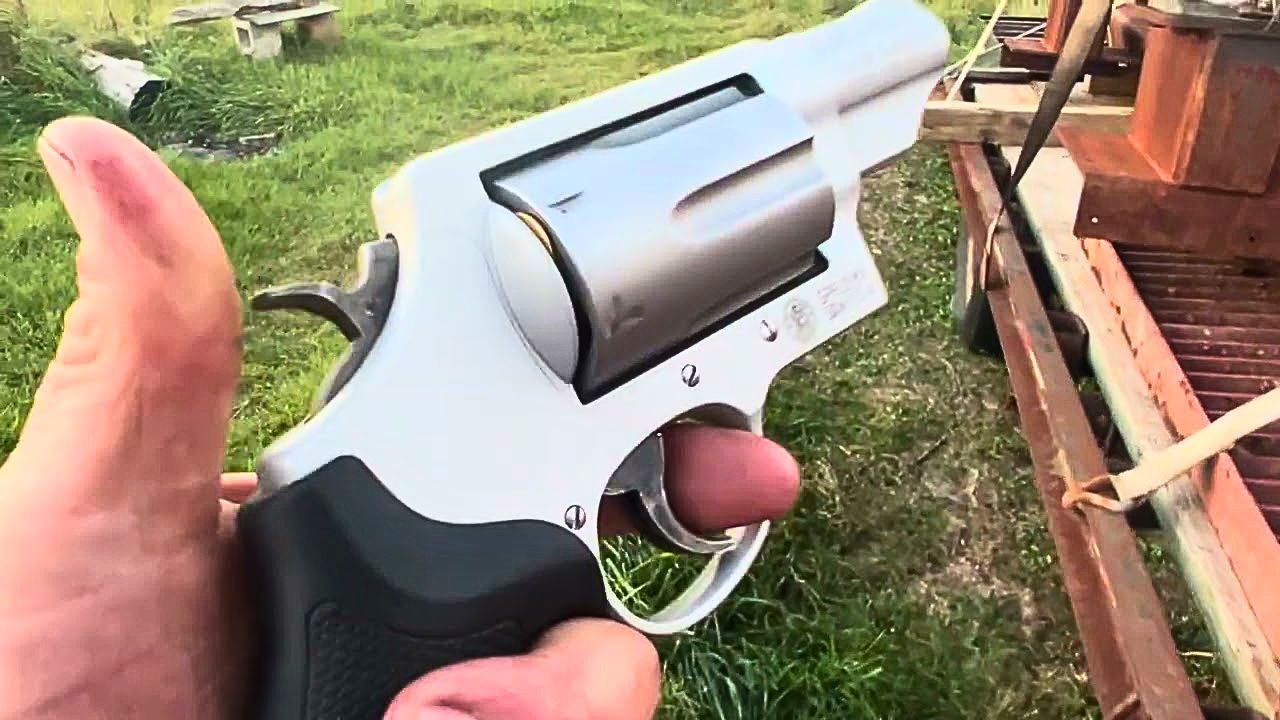
The Governor followed the basic Judge concept but added the ability to fire .45 ACP with moon clips alongside .45 Colt and .410 shells. On paper, that sounds even more versatile. In practice, it creates a large revolver whose biggest selling point is being able to fire three very different types of ammunition.
That is fascinating because most shooters normally want a handgun optimized around one cartridge rather than compromised around several. The Governor is bulky for concealed carry, expensive compared with many conventional revolvers, and still cannot turn a short rifled handgun barrel into a proper shotgun.
People buy it because versatility itself is appealing. There is something satisfying about one gun accepting several ammunition types even if most owners eventually settle on one or two. Smith & Wesson recognized that Taurus had uncovered a market people did not even realize existed until somebody built the first gun for it.
Magnum Research Desert Eagle Mark XIX
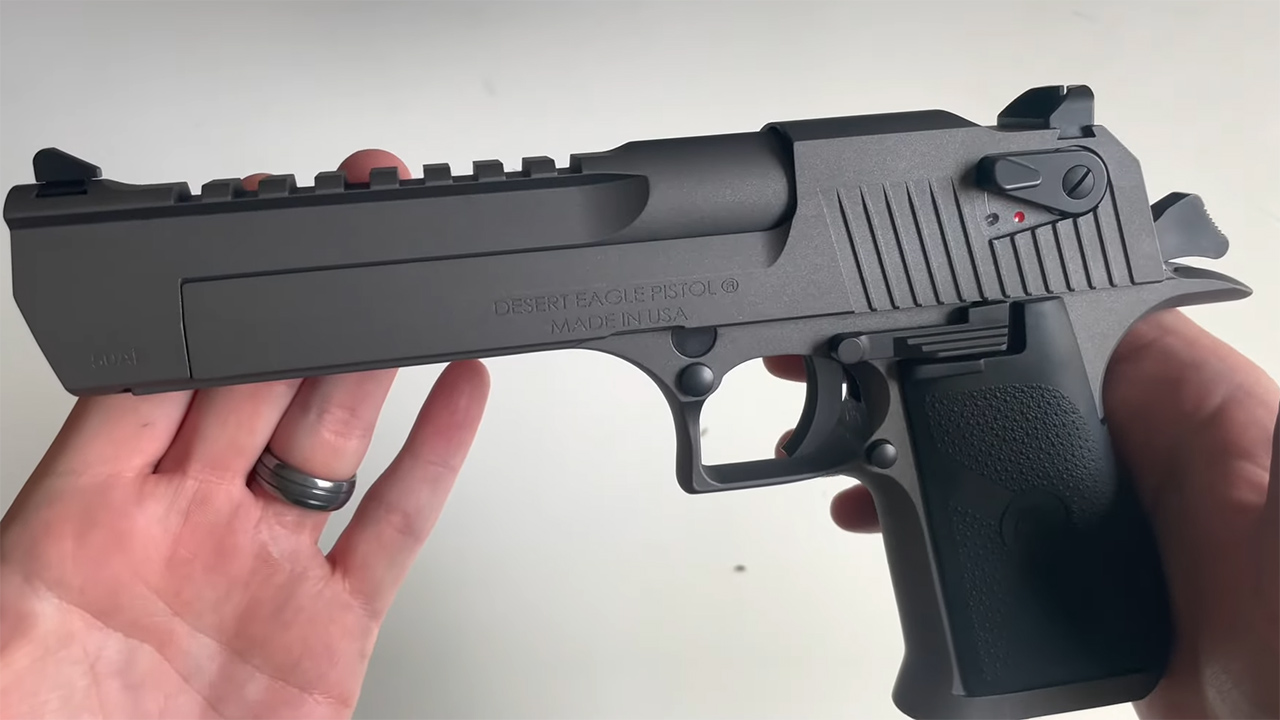
The Desert Eagle is enormous, heavy, expensive, and impractical for almost every ordinary handgun role. That somehow made it one of the most recognizable pistols ever produced. Movies, video games, and its ability to chamber cartridges such as .44 Magnum and .50 Action Express turned it into a symbol rather than merely another semiautomatic.
Once you actually handle one, the popularity becomes even stranger. The grip is huge, ammunition can be expensive, the gas-operated system requires more attention than a basic service pistol, and carrying one for any meaningful period borders on ridiculous.
None of that matters to the people who want one. Nobody buys a Desert Eagle because it is the logical answer to concealed carry or home defense. They buy it because there is nothing else quite like it. Sometimes popularity comes from being excessive enough that practicality becomes completely irrelevant.
Ruger Mini-14
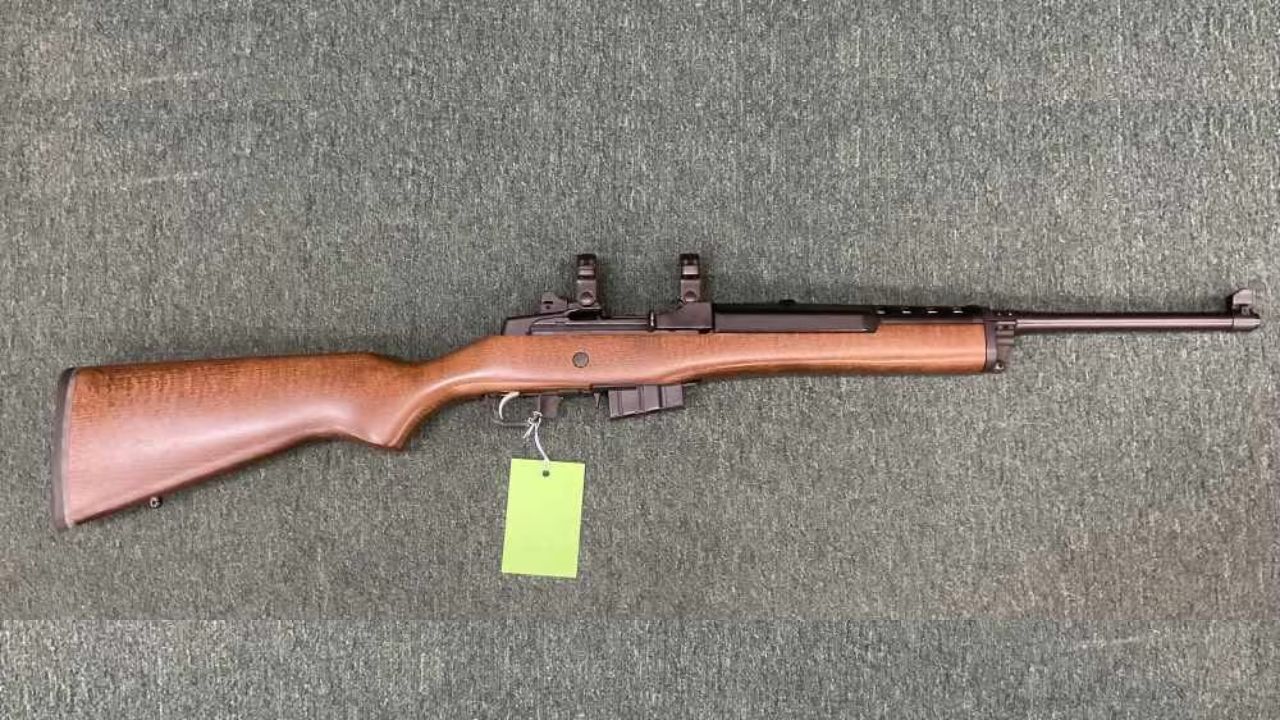
The Mini-14 became enormously popular because it offered semiautomatic .223 performance in a traditional-looking package at a time when AR-style rifles were far less dominant. Ranchers, law enforcement agencies, and ordinary shooters liked the familiar stock and Garand-inspired operating system.
The odd part is how long buyers tolerated the weaknesses of older Mini-14s. Accuracy could be inconsistent, especially as barrels heated, proprietary magazines were expensive, and mounting optics was historically less straightforward than on modern competitors.
Yet the Mini developed a loyal following strong enough to survive all of that. Ruger improved the rifle over time, but nostalgia and handling remain major parts of its appeal. It feels like a traditional sporting rifle even though it fills many of the same roles as a modern semiautomatic. Plenty of objectively more modular rifles exist, but the Mini’s personality has kept it alive.
Kel-Tec SUB-2000
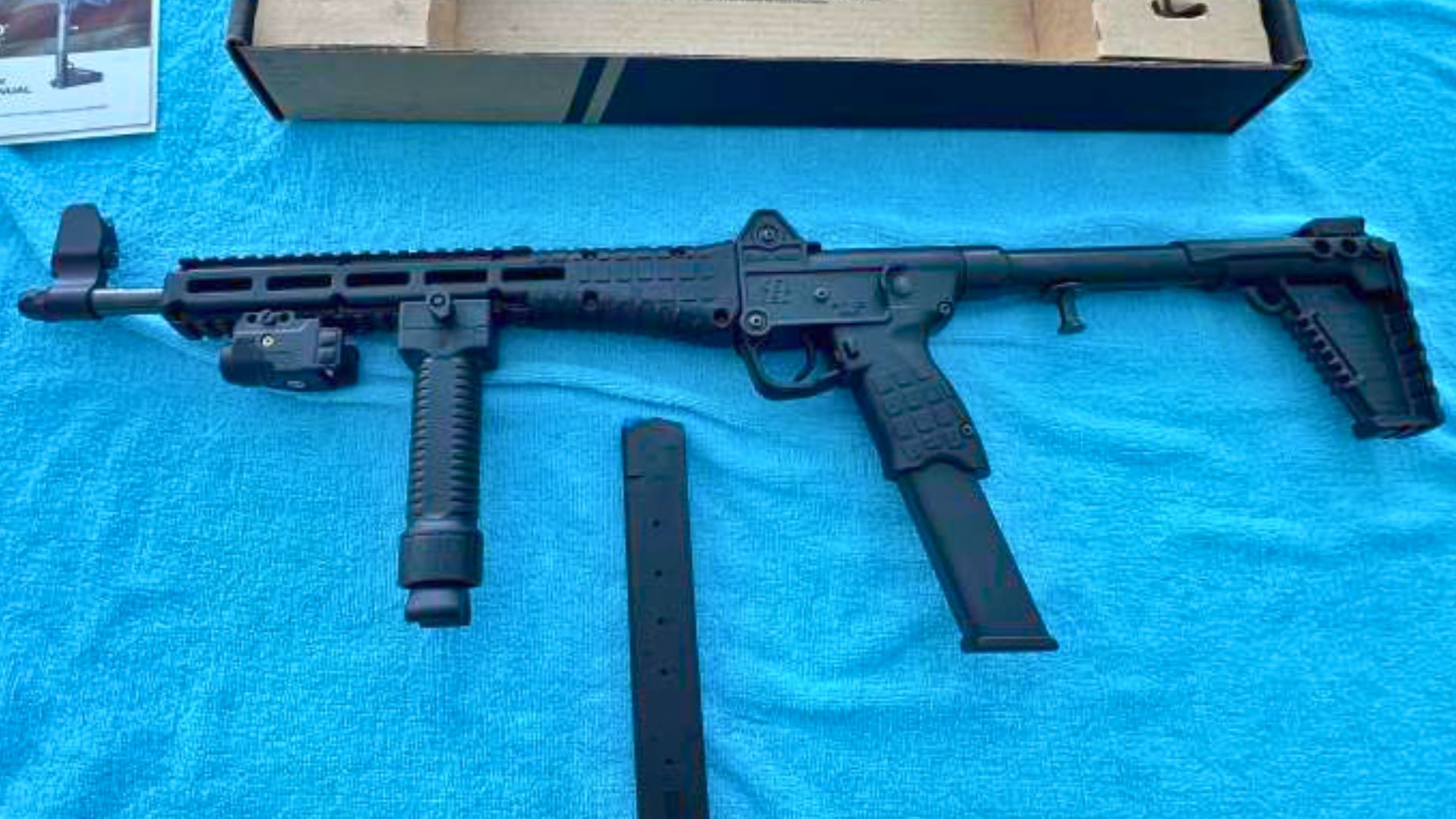
The SUB-2000 is one of those guns that makes far more sense as an idea than it does when judged like an ordinary carbine. It folds in half, accepts common pistol magazines depending on configuration, weighs very little, and can fit into spaces where most carbines cannot.
That folding capability explains the popularity. Everything else requires compromise. The sights sit low, the charging handle location is unusual, the stock can feel crude, and the shooting experience is nowhere near as refined as a more conventional pistol-caliber carbine.
Owners accept all of that because the SUB-2000 does one trick exceptionally well: it becomes very compact without requiring disassembly. That unique capability has carried the design for years. If Kel-Tec had built an ordinary fixed-stock 9mm carbine with the same ergonomics, I doubt anyone would still be talking about it.
Hi-Point 995TS

The Hi-Point carbine should not be as popular as it is. The styling divides people immediately, the magazines are relatively limited compared with many newer pistol-caliber carbines, and the entire gun carries the same inexpensive reputation as Hi-Point’s handguns.
Then people shoot one. Many discover that the carbine is soft-recoiling, surprisingly accurate, dependable, and inexpensive enough that expectations are easily exceeded. That combination built a following far larger than its appearance would suggest.
The 995TS is a perfect example of a gun succeeding because buyers forgive almost everything once it consistently works. Nobody confuses it with a premium carbine. The trigger and furniture remind you where the money was saved. But an affordable 9mm rifle that runs reliably can overcome an astonishing amount of aesthetic criticism. Function has kept these guns popular far longer than looks ever could.
Mossberg 590 Shockwave

The Shockwave became popular partly because it looked like something people assumed they were not allowed to buy. Its short barrel and bird’s-head grip created a compact package without following the conventional stocked-shotgun format, and that alone generated enormous curiosity.
The practical question is harder. Without a shoulder stock, controlling and aiming a 12-gauge firearm becomes more difficult. The compact size is useful in limited situations, but a conventional stocked shotgun is generally easier to handle accurately and comfortably.
None of that prevented buyers from wanting the Shockwave. Compactness, novelty, and the intimidating appearance became major selling points. It also helped that Mossberg based it around the proven 590 family, giving buyers familiar mechanical reliability underneath the unusual configuration. The popularity makes sense emotionally even if plenty of owners eventually realize a regular stocked shotgun is easier to shoot well.
Henry U.S. Survival AR-7

The AR-7 became famous because the entire rifle can be disassembled and stored inside its own stock. That is still an impressive trick. The floating stock and compact storage made the rifle appealing to pilots, campers, outdoorsmen, and anyone who liked the idea of having a self-contained survival gun.
As a conventional .22 rifle, though, the AR-7 has plenty of compromises. The stock feels large relative to the rest of the rifle, the sighting arrangement is basic, and handling never feels as natural as a traditional rimfire.
The design survived because portability is the whole point. Comparing it with a normal .22 misses why people buy it. Still, the AR-7 is a perfect example of buyers accepting a strange shooting experience for one compelling feature. The rifle’s popularity comes from what it does when taken apart almost as much as what it does assembled.
Ruger LCP

The original LCP was wildly successful because it solved a specific problem better than almost anything else at the time: it was extremely easy to carry. The pistol was thin, light, and small enough to disappear into clothing that would not hide a conventional compact handgun.
Everything else was a compromise. The sights were tiny, the trigger was long, the grip barely gave many shooters enough room to hold on, and firing more than a few magazines could become unpleasant.
None of that stopped the LCP because carry comfort mattered more than range comfort to the buyers choosing it. Ruger sold people a gun they would actually have with them. Modern micro-compact 9mms make the original LCP seem much more compromised today, but its popularity makes complete sense once you remember how few alternatives could match its size when it arrived.
Kel-Tec P-3AT

Before the Ruger LCP became a phenomenon, the Kel-Tec P-3AT showed that an extremely light .380 could be practical enough for ordinary concealed carry. It was tiny, inexpensive, and thin enough that people could carry it almost anywhere.
The shooting experience was never the main attraction. Recoil was sharp for such a modest cartridge, sights were minimal, the trigger was long, and the pistol felt more like emergency equipment than something anyone would choose for a relaxing range afternoon.
That did not matter. The P-3AT’s entire purpose was disappearing into a pocket, and it did that brilliantly. Its success also helped prove there was enormous demand for ultra-small defensive pistols, which pushed much larger manufacturers into the category. It may feel crude beside modern micro-compacts, but the market it helped create became enormous.
Bond Arms Snake Slayer
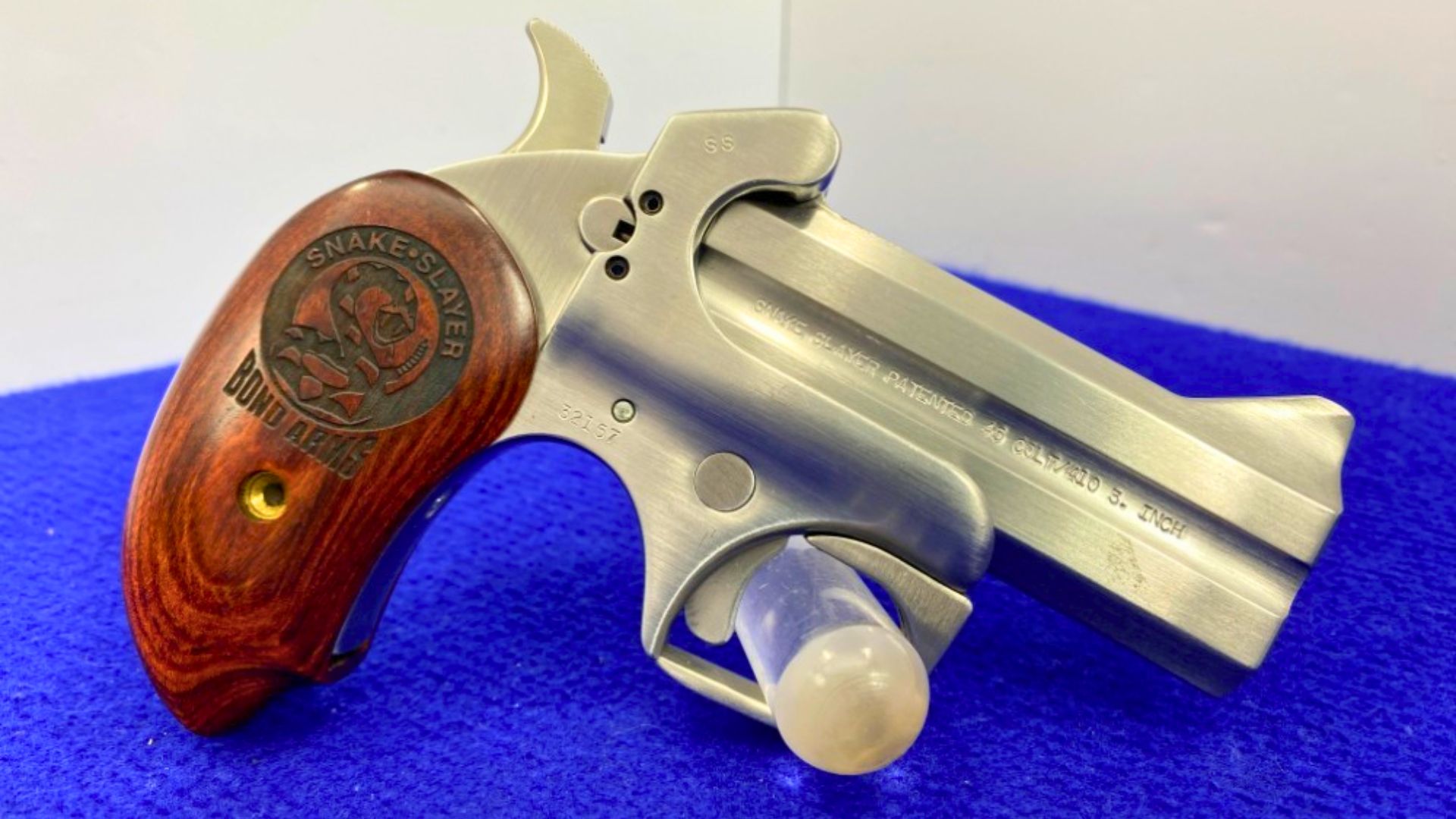
The Snake Slayer is essentially a modernized interpretation of the old derringer concept, yet it has developed an enthusiastic following despite being heavy for its capacity and limited to two shots before reloading.
That should make it a difficult sell in an era of tiny semiautomatics holding far more ammunition. Instead, the solid stainless construction, interchangeable barrels, big-bore chamberings, and distinctly old-school operating system created a niche that buyers genuinely enjoy.
The appeal is not efficiency. It is simplicity and character. A Bond Arms derringer feels substantial, looks different from everything else in the case, and offers cartridges that would seem absurd in something so short. People who approach handguns strictly through capacity and weight will probably never understand the popularity. People who like mechanical novelty immediately do.
Springfield XD Service Model

The original XD became tremendously popular despite entering a market already dominated by established polymer pistols. Its grip safety, tall slide, relatively high bore feel, and distinctively busy styling gave critics plenty to complain about.
Buyers did not care. Springfield offered a reliable striker-fired pistol with good capacity, an accessory rail, practical sights, and a package that often included more accessories than competing guns. The grip angle also felt natural to shooters who disliked Glock ergonomics.
The XD’s popularity makes more sense when viewed through timing. Polymer service pistols were exploding in popularity, and the XD offered a different feel without requiring buyers to abandon the basic striker-fired formula. It may not dominate conversations today the way it once did, but there was a period when gun-store counters seemed absolutely full of them.
Smith & Wesson Sigma SW9VE

The Sigma developed a huge presence despite one feature almost everyone complained about: the trigger. The SW9VE’s long, heavy pull became practically legendary, and shooters who tried one after using a lighter striker-fired trigger frequently wondered how anybody could shoot the thing well.
Price answered much of that question. Smith & Wesson offered a full-size 9mm from a major American manufacturer at a cost that made the gun extremely accessible. Police-style appearance, useful capacity, and straightforward operation attracted buyers who cared more about affordability than trigger refinement.
The Sigma eventually evolved into later budget Smith & Wesson lines, but its success proved something important. People will accept a lot from a handgun if the gun is affordable, dependable, and backed by a recognizable company. The trigger may have been criticized endlessly, but plenty of pistols still left dealers’ shelves.
Remington 770
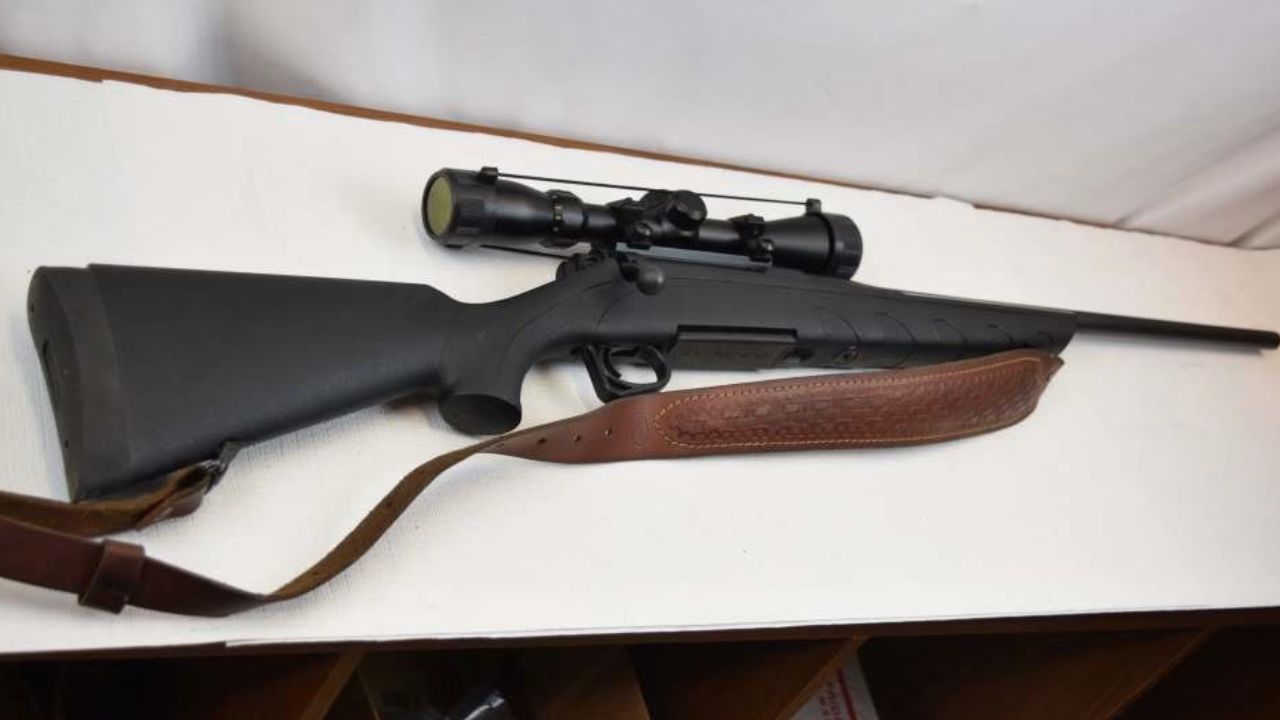
The Model 770 became popular because it put a scoped centerfire hunting rifle into the hands of people who wanted to spend as little as possible. Packages often came ready to hunt, eliminating the need to choose mounts, rings, and glass separately.
The low price came with compromises that were impossible to miss. The action could feel rough, the stock was basic, the magazine system never inspired much affection, and the rifle lacked the refinement associated with Remington’s better-known Model 700.
Yet the 770 did exactly what budget hunting packages are supposed to do. A person could walk into a store before deer season and leave with an affordable rifle that was basically ready to zero. It became popular not because experienced rifle enthusiasts loved it, but because it removed barriers for people who simply needed a deer rifle.
Rossi Circuit Judge
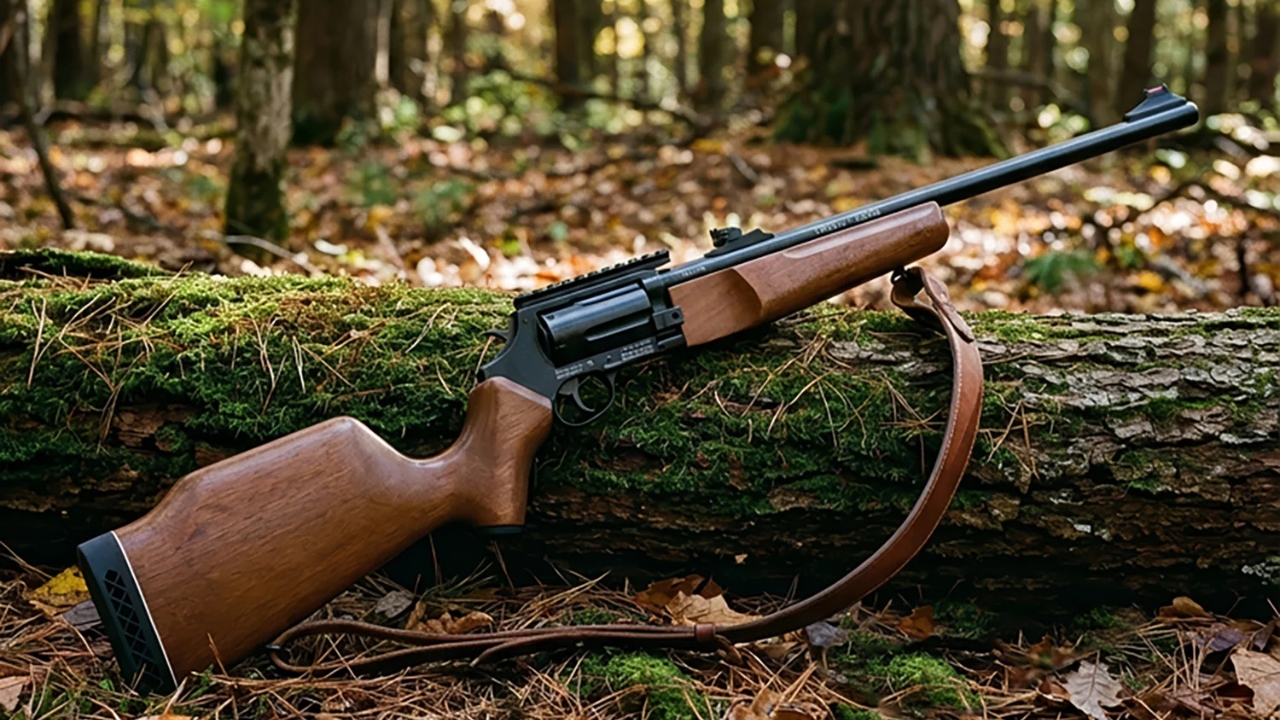
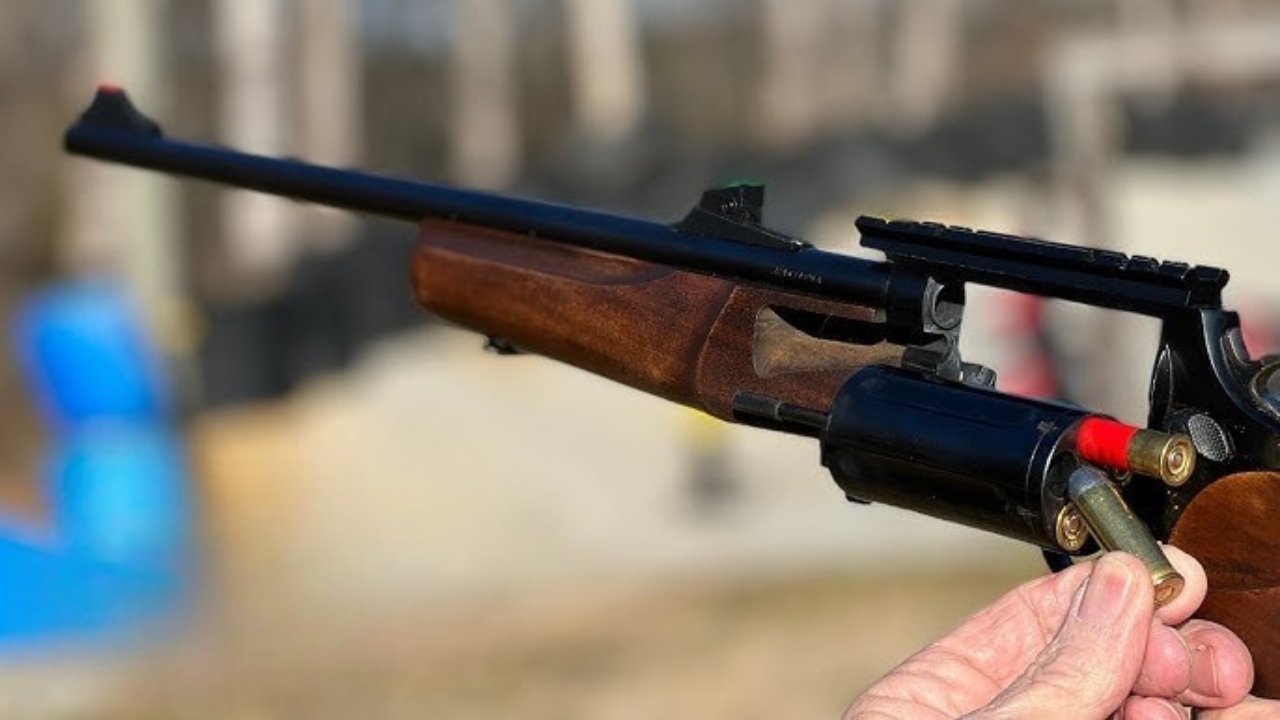
The Circuit Judge seems like something dreamed up after somebody asked whether the Taurus Judge concept could become even stranger. Rossi turned the basic revolving-cylinder idea into a shoulder-fired gun capable of handling .45 Colt and .410 shells.
That versatility made it instantly interesting, but the resulting firearm carries many of the same questions as its handgun relatives. It is not as efficient as a conventional rifle in .45 Colt, nor does a rifled barrel make it a replacement for a dedicated shotgun.
People bought it because efficiency was never the only attraction. The Circuit Judge looks unusual, operates differently from practically anything else in the rack, and offers owners several ammunition options. Novelty can be an incredibly powerful sales tool, particularly when the novelty is attached to a firearm that is genuinely fun to use.
Century WASR-10

The WASR-10 earned an enormous following partly because it was available when buyers simply wanted an affordable AK-pattern rifle. Early examples could have rough finishes, imperfect magazine wells, canted sights, and the sort of cosmetic quality that would cause outrage on a premium rifle.
Buyers kept purchasing them anyway. The underlying Romanian AK construction developed a reputation for durability, and once the rifles proved capable of running reliably, many owners stopped caring whether every rivet looked beautiful.
That is what makes the WASR story fascinating. A rifle can survive a rough reputation if it does the important mechanical job consistently. Later examples also improved enough that the model’s image became much better than it had been during the roughest import years. The WASR became popular partly because shooters eventually decided ugly and functional was an acceptable combination.
SKS
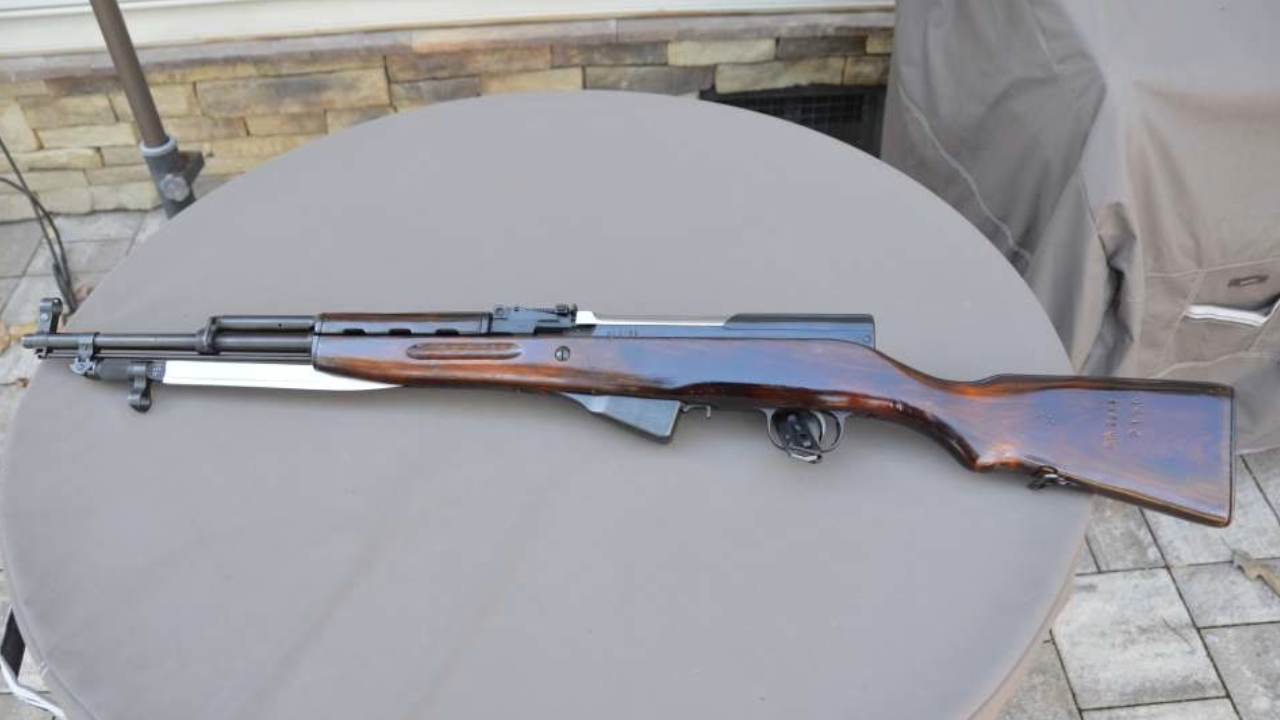
The SKS became incredibly popular in America for one overwhelming reason: it was ridiculously cheap. Surplus rifles arrived in huge numbers, ammunition was inexpensive, and buyers could get a durable semiautomatic centerfire rifle for less than many ordinary rimfires.
If the SKS appeared today as a brand-new design at a premium price, I doubt shooters would react the same way. The fixed ten-round magazine, awkward safety, stripper-clip loading, long overall length, and limited optics compatibility feel dated beside modern semiautomatics.
But that misses why people fell in love with it. The SKS was accessible, reliable, historically interesting, and inexpensive enough that nobody cared about its shortcomings. Once millions of shooters had memories tied to those cheap rifles, nostalgia did the rest. Popularity often starts with price and ends with affection.
Mosin-Nagant M91/30
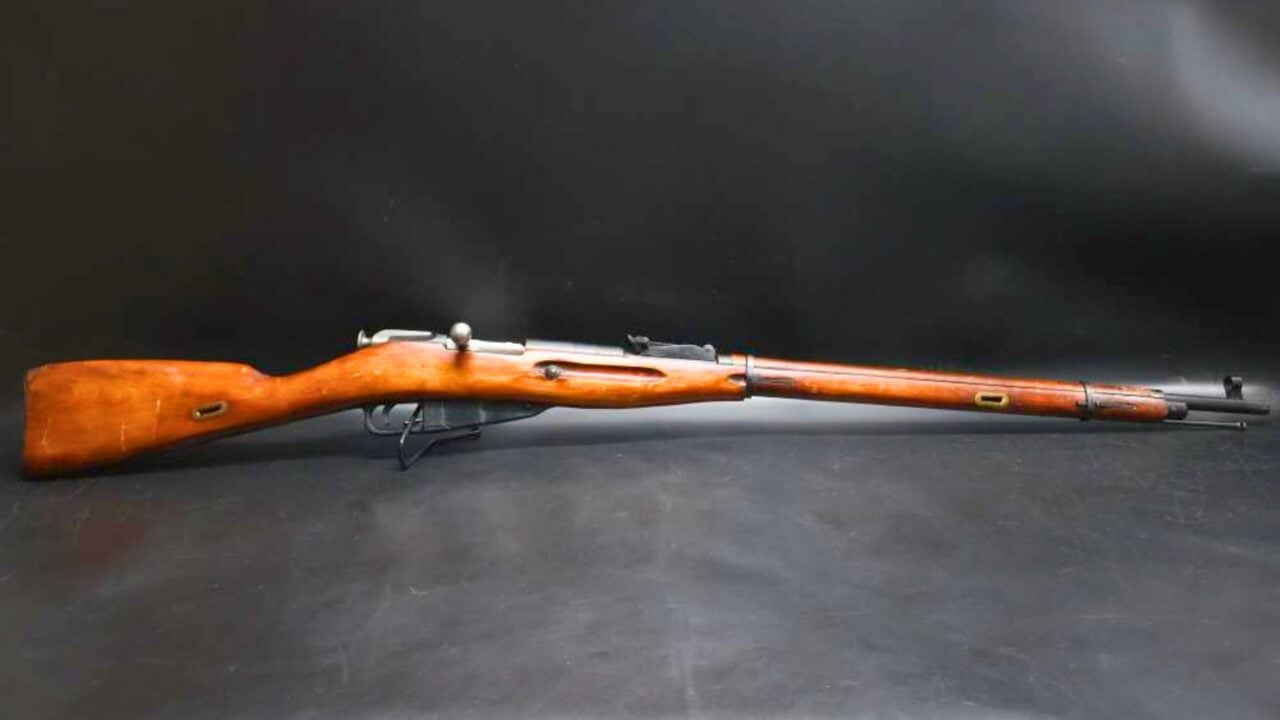
The Mosin-Nagant was not comfortable, refined, or especially convenient. The bolt could be stubborn, the safety is awkward, the trigger varies enormously, and firing surplus 7.62x54R through the steel buttplate quickly reminds you that Russian military ergonomics were not designed around recreational shooters.
Yet these rifles became wildly popular because they were once unbelievably cheap. Crates of them sat in gun shops, ammunition was affordable, and buyers could own a genuine military bolt action for very little money.
That affordability transformed flaws into personality. Sticky bolt? Part of the experience. Rough stock? History. Huge muzzle blast? Even better. The Mosin is proof that a low enough price can completely rewrite how people judge a firearm. Once the cheap supply ended, the same rifle suddenly became nostalgic rather than merely crude.
Beretta 92FS
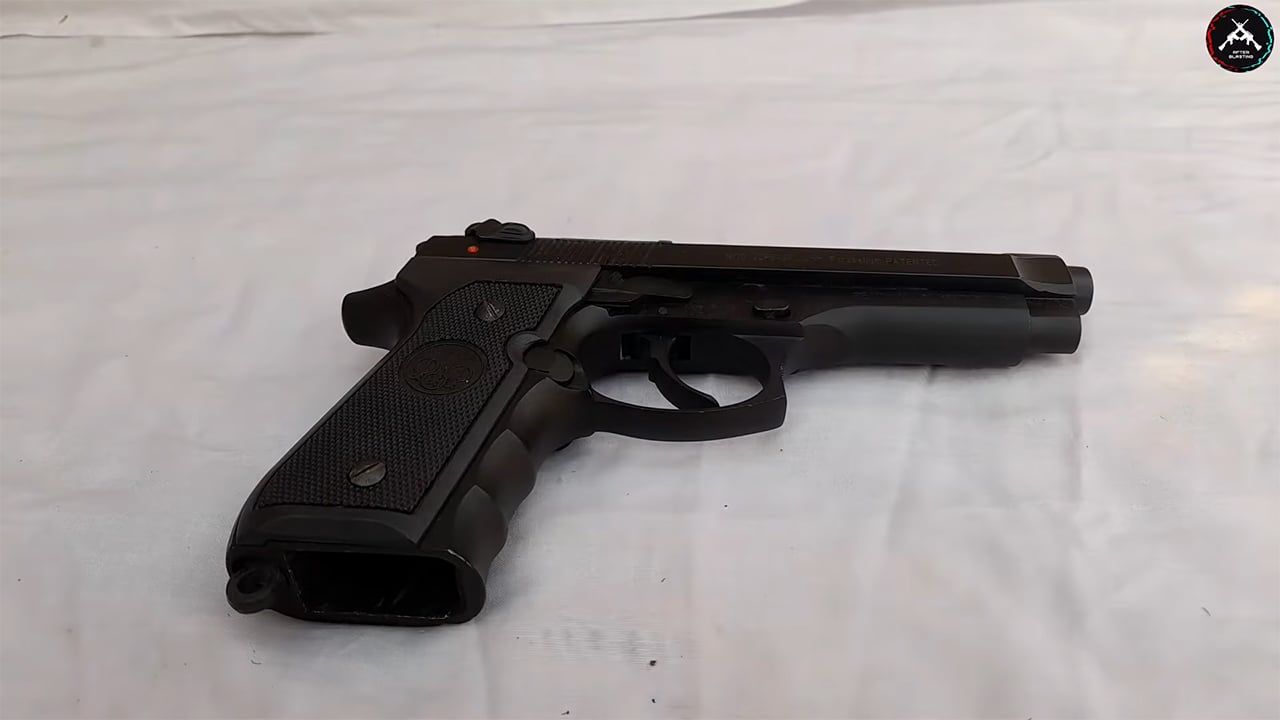
The 92FS is an excellent pistol, but its enormous popularity can still seem surprising when you consider the dimensions. It is big, the grip can be difficult for smaller hands, the slide-mounted safety or decocker is not everyone’s favorite, and the gun is relatively heavy for its magazine capacity by modern standards.
Military adoption explains much of its success. Once the U.S. armed forces adopted the M9, the Beretta became one of the most recognizable handguns in the country. Movies and television took care of the rest.
That cultural status allowed the 92 to remain popular long after lighter pistols became commonplace. It also helps that the gun shoots extremely well. The weight and long sight radius that make it cumbersome for carry also make it soft and pleasant on the range. Sometimes the flaws and advantages are the exact same features.
Colt Government Model Series 80
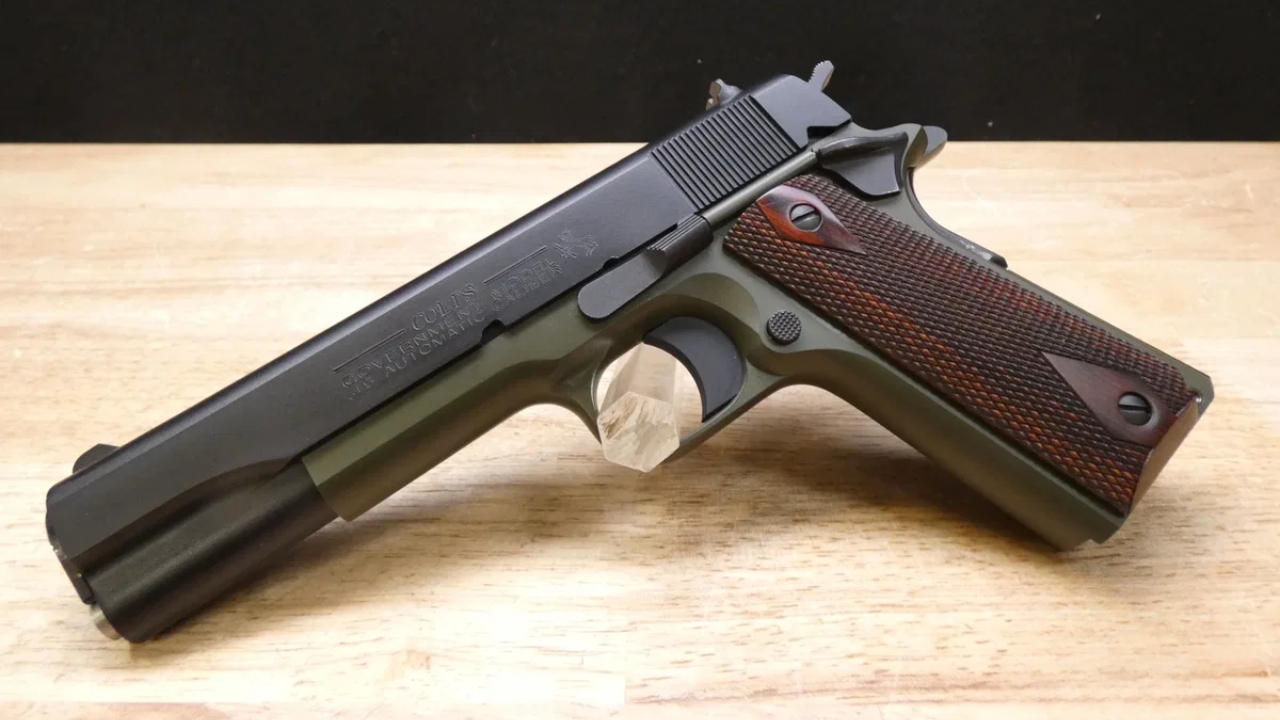
The traditional full-size 1911 remains astonishingly popular considering how much the handgun market has changed around it. A standard Government Model is heavy, relatively low in capacity, uses a manual thumb safety, and can require more attention to magazines and maintenance than many modern service pistols.
Yet shooters continue buying them because very few handguns duplicate what a good 1911 feels like. The trigger can be exceptional, the grip remains wonderfully natural for many hands, and the slim single-stack frame carries surprisingly well despite the weight.
The Series 80 Colt is especially interesting because it represents the design surviving into a modern commercial era without abandoning its fundamental architecture. Objectively, there are easier ways to get more capacity and less weight. Subjectively, a good 1911 has been convincing people to ignore those arguments for more than a century.
Like The Avid Outdoorsman’s content? Be sure to follow us.
Here’s more from us: