Photo credit: Elliott Delp/YouTube
Cheap handguns and high-value handguns are not the same thing. A cheap pistol reaches a low price by cutting as much cost as possible. A high-value pistol gives you features, construction, shootability, or reliability that normally seem like they should require spending considerably more. Those are the guns I am interested in here.
This market has also become surprisingly competitive. Optics cuts, good triggers, interchangeable grip systems, quality sights, and high-capacity magazines have worked their way into guns that would have been considered basic budget models not long ago. You can still spend $1,000 or more on a handgun and get something excellent. The question is how much better it really is once pistols like these are sitting at the other end of the counter.
Springfield XD Mod.3 OSP
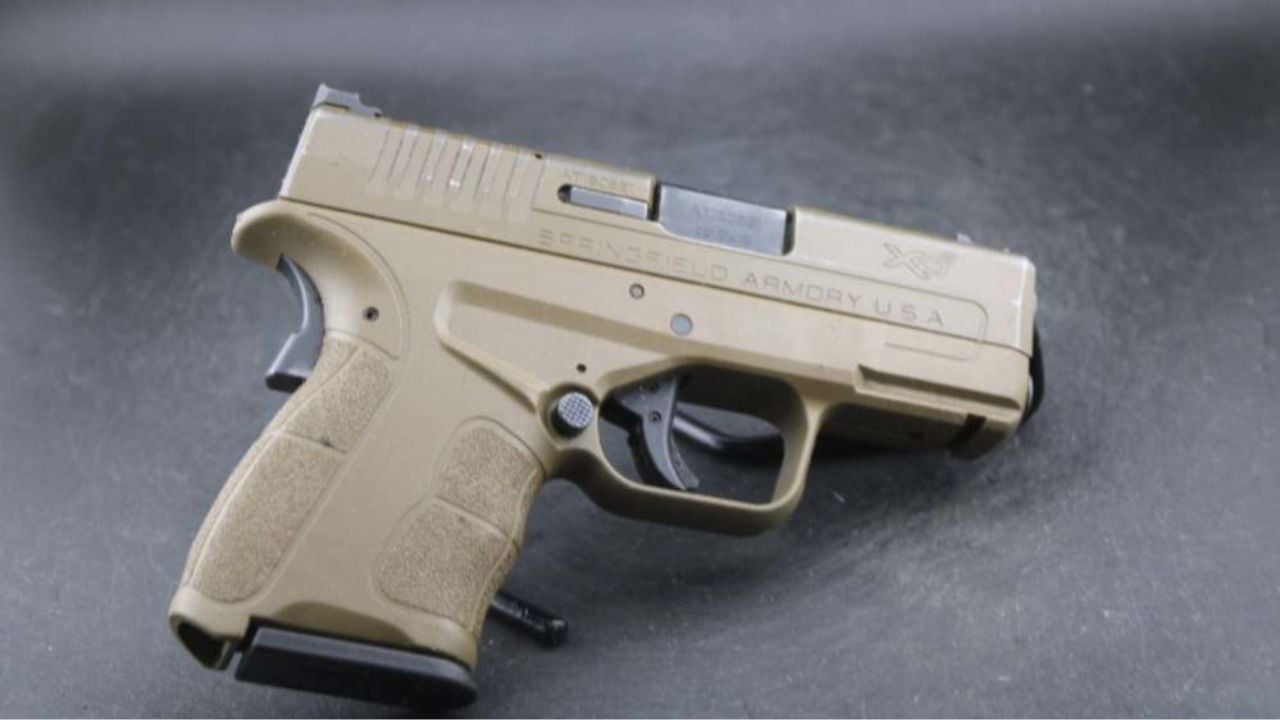
Springfield did something difficult with the XD Mod.3: it took a platform that had already been around for years and made the value proposition substantially stronger without turning it into an expensive premium model. The pistol has an optics-ready slide, steel sights with a fiber-optic front, a flat-faced trigger, a hammer-forged four-inch barrel, aggressive grip texturing, and a 16-round magazine. Springfield introduced the model with a $325 MSRP, which puts a remarkable number of modern features into a very inexpensive package.
At that price, I do not need the XD to win a beauty contest. I want a reliable full-size 9mm that has good sights, enough grip to shoot comfortably, and no immediate need for upgrades. The Mod.3 delivers exactly that. Someone who automatically skips it because the XD name has been around for years may be ignoring one of the stronger values in the current handgun market.
Ruger RXM
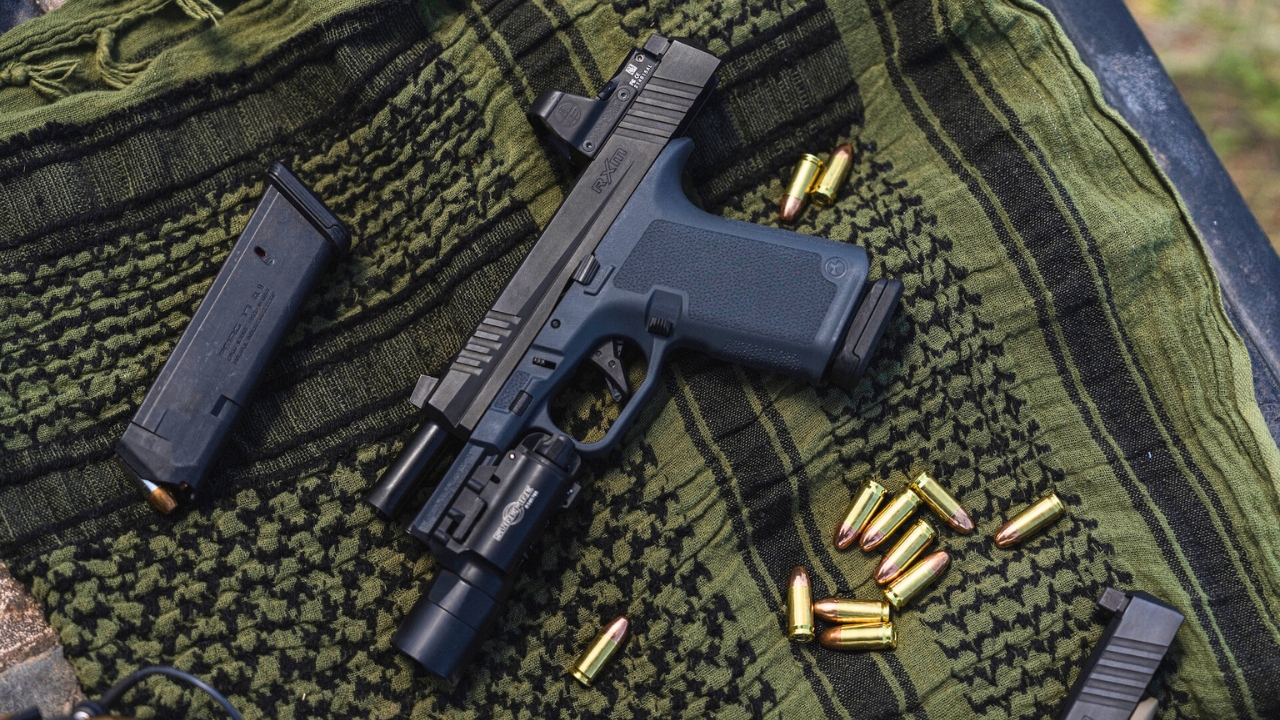
The RXM immediately became interesting because Ruger and Magpul did not build another completely closed polymer pistol. Ruger uses a removable stainless fire-control insert housed inside a replaceable Magpul grip module, while the slide supports direct mounting for several common optic footprints. It also uses widely available magazine architecture rather than forcing buyers into another expensive proprietary ecosystem.
That gives the RXM value beyond the price printed on the box. The owner gets a pistol that can evolve without immediately replacing the serialized core. Grip configurations can change, accessories have room to develop, and the basic platform already includes features people used to spend considerable aftermarket money adding. Ruger has built plenty of affordable handguns, but this one feels more like a platform than merely an inexpensive pistol.
Beretta APX A1 Full Size

The APX A1 has never received the attention I think it deserves because Beretta’s 92-series pistols dominate the brand’s handgun identity. Underneath the relatively plain exterior is a full-size striker-fired pistol with a 17-round magazine, removable stainless chassis, steel sights, and a 4.25-inch barrel. Beretta is even offering substantial rebates on the APX A1 family during the fall of 2026, making an already value-oriented pistol even more competitive right now.
What appeals to me is that Beretta is not some unknown company trying to establish whether it knows how to build service pistols. The APX simply happens to compete in an extremely crowded category. That lack of hype can work beautifully for the buyer. If the grip fits your hand and you like the trigger, you can end up with a very capable full-size gun while spending much less than the brand name might suggest.
CZ P-10 C
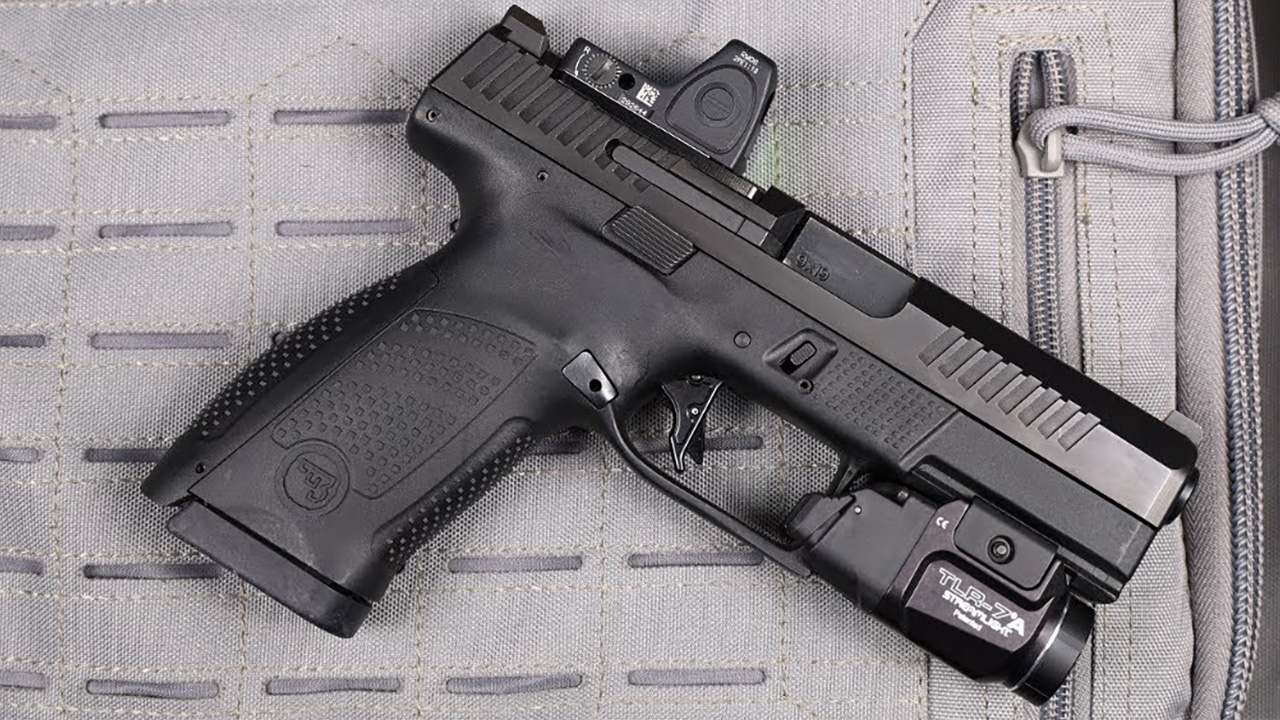
The P-10 C spent its early years being compared constantly with the Glock 19, which probably prevented some people from appreciating the pistol on its own terms. The grip angle, deep beavertail, aggressive texture, low bore relationship, and generally good striker-fired trigger make it an extremely easy compact 9mm to shoot well.
The real value becomes obvious when used and discounted examples enter the conversation. You are getting CZ ergonomics and a proven compact format without necessarily paying premium compact-pistol money. I would happily use a P-10 C as a range pistol, home gun, or concealed-carry pistol depending on configuration. When one handgun can fill that many roles while requiring almost nothing immediately from the aftermarket, the purchase price starts looking awfully small.
Canik METE SF

Canik has spent years forcing more expensive pistol manufacturers to explain what exactly the extra money buys. The METE SF is one of the better examples because it gives you a compact service-style pistol with excellent ergonomics, a very good striker-fired trigger, useful capacity, and an optics-ready system without moving into an expensive competition-gun price bracket.
The trigger is what usually gets people’s attention first, but I think the total package matters more. Canik tends to include useful accessories and make the gun feel finished straight out of the box rather than selling a bare pistol that immediately needs several hundred dollars in upgrades. If someone wants a range-friendly compact that could also serve for everyday use, the METE SF provides a lot of handgun before the price gets remotely uncomfortable.
Stoeger STR-9

The STR-9 may be one of the easiest pistols in this entire list to overlook because Stoeger is still associated much more strongly with shotguns. That works in the buyer’s favor. Stoeger currently lists the standard STR-9 and full-size STR-9F at starting prices around $329, yet the family includes interchangeable backstraps, respectable capacity, nitride-treated components, and conventional striker-fired controls.
This is the kind of pistol I would look at if I wanted a straightforward range or home handgun and had no interest in paying extra for brand prestige. It does not try to reinvent anything. That is part of the appeal. The money goes toward producing a conventional, usable pistol rather than convincing you the design is revolutionary. Sometimes familiar and inexpensive is exactly the combination I want.
IWI Masada

The Masada comes from a company better known in America for rifles such as the Tavor and Galil ACE, which may be why the pistol does not receive as much attention as it should. IWI built it with a cold-hammer-forged polygonal barrel, fully ambidextrous controls, replaceable backstraps, a low bore relationship, and a removable trigger housing. The current IWI US media catalog still includes the Masada family.
There is nothing bargain-bin about that feature set. The Masada simply exists in a category overflowing with excellent polymer 9mms, so it has to compete aggressively. That is good news for anyone willing to look beyond the handful of pistols everybody already recognizes. I would much rather buy an overlooked gun with strong engineering than pay extra solely because the more famous model has a larger marketing footprint.
SAR9

The SAR9 has always struck me as one of those guns people would take more seriously if a different manufacturer’s name were stamped on the slide. The grip is exceptionally comfortable, with interchangeable components allowing the shooter to tailor the fit much more than on many inexpensive pistols. The overall layout feels more refined than the price category would lead you to expect.
Turkey has a substantial firearms-manufacturing industry, but plenty of American buyers still approach Turkish handguns as automatically second-tier. That assumption can create bargains. I care more about whether the individual design shoots well, feeds reliably, and has reasonable support. A good SAR9 checks enough of those boxes that I would have no problem comparing it with polymer pistols costing noticeably more.
Arex Delta Gen.2
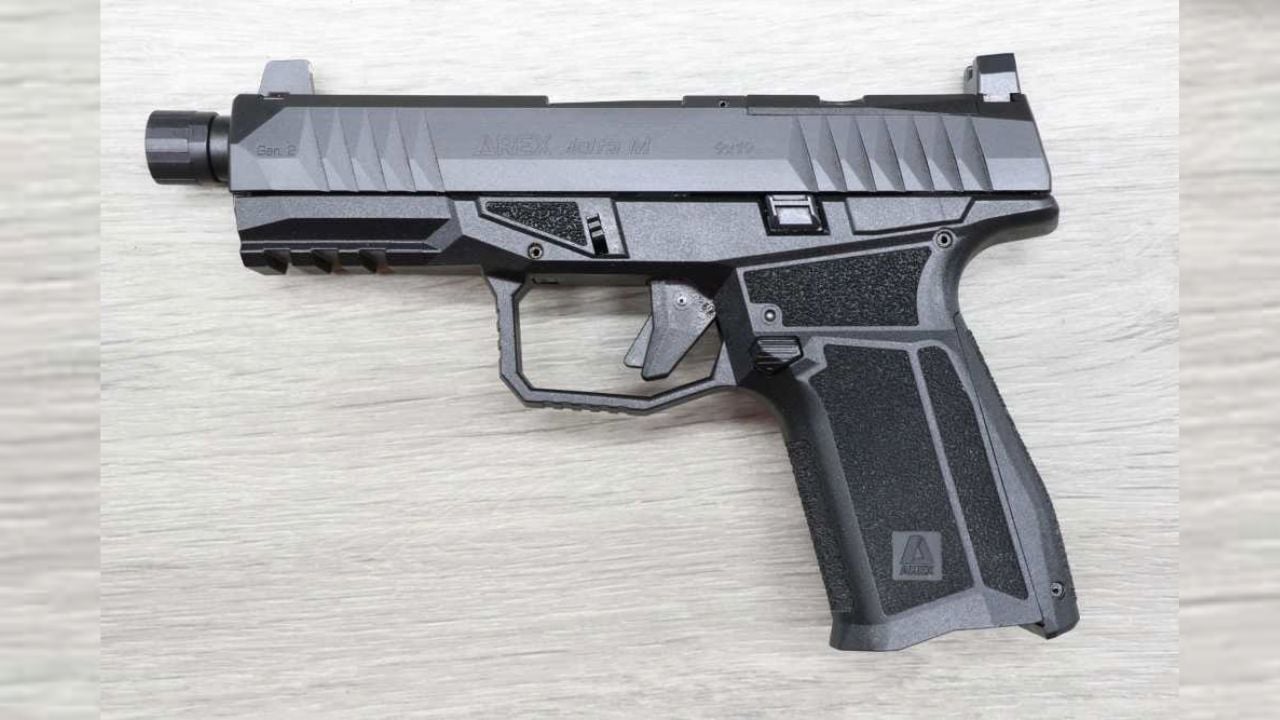
The Arex Delta Gen.2 does not receive much mainstream attention, but that may be its biggest advantage. It is thin, relatively light, optics-capable in appropriate configurations, and built by a Slovenian manufacturer with experience producing serious service-style handguns.
What I like about the Delta is how little wasted bulk there is. The pistol feels slimmer than many traditional double-stack designs while still giving you a useful grip and conventional controls. That combination makes it equally sensible as a carry gun or general-purpose pistol. Arex does not have the American name recognition of Glock, Smith & Wesson, or SIG Sauer, so the buyer is often paying for the gun rather than the reputation. That is usually exactly where strong value begins.
Tisas PX-9 Gen 3
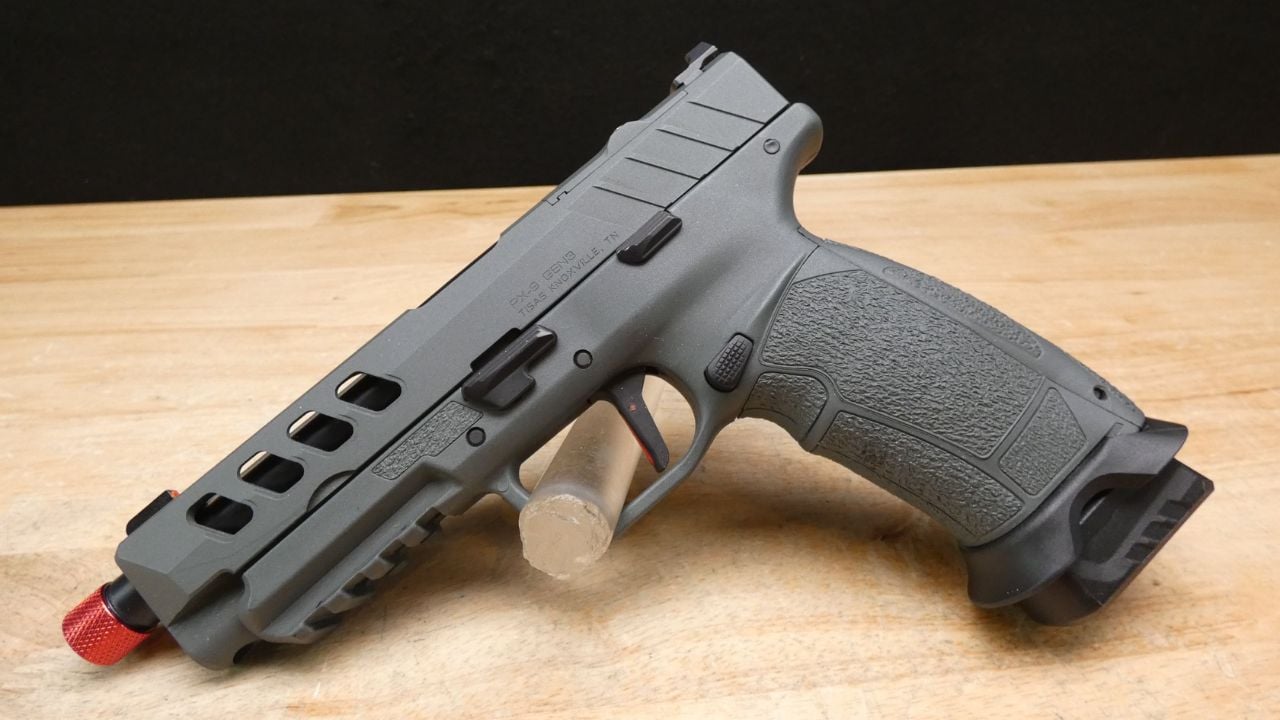
The PX-9 Gen 3 is a great example of how aggressively Turkish manufacturers are competing on features. Depending on configuration, these pistols can offer optics capability, interchangeable grip components, generous magazine capacity, accessory rails, and controls that feel much closer to a more expensive service pistol than a bare-bones budget gun.
Tisas has also developed enough of an American presence that the name no longer feels like an unknown importer appearing for one batch and disappearing the next year. That matters with any value handgun because low purchase price does little good if support vanishes. I would still inspect and shoot any pistol before judging it, but the PX-9 gives buyers a remarkable amount to evaluate before the conversation ever reaches price.
EAA Girsan MC P35
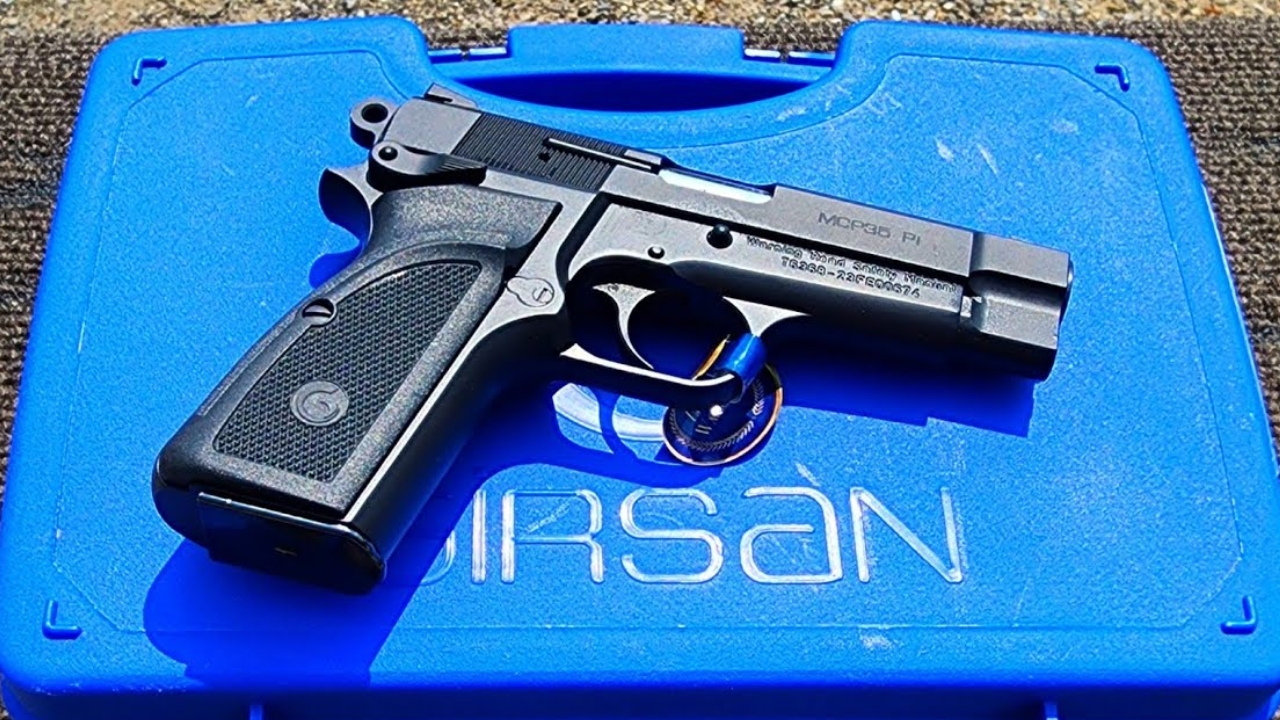
The MC P35 exists because original Browning Hi-Powers became too expensive and FN’s modern offerings moved into a very different price category. Girsan gives buyers a steel-frame, hammer-fired pistol based closely on one of the most famous handgun designs ever made. EAA continues to support the MC P35 family, including compact and updated variations.
That is an unusual amount of old-school handgun for the money. Instead of another polymer striker gun, you get steel construction, single-action operation, traditional proportions, and the basic feel that made the Hi-Power famous. It will not replace a collectible Belgian Browning, nor should it. What it does is let someone actually shoot and enjoy the design without treating every scratch like a financial emergency.
Rock Island Armory GI Standard FS
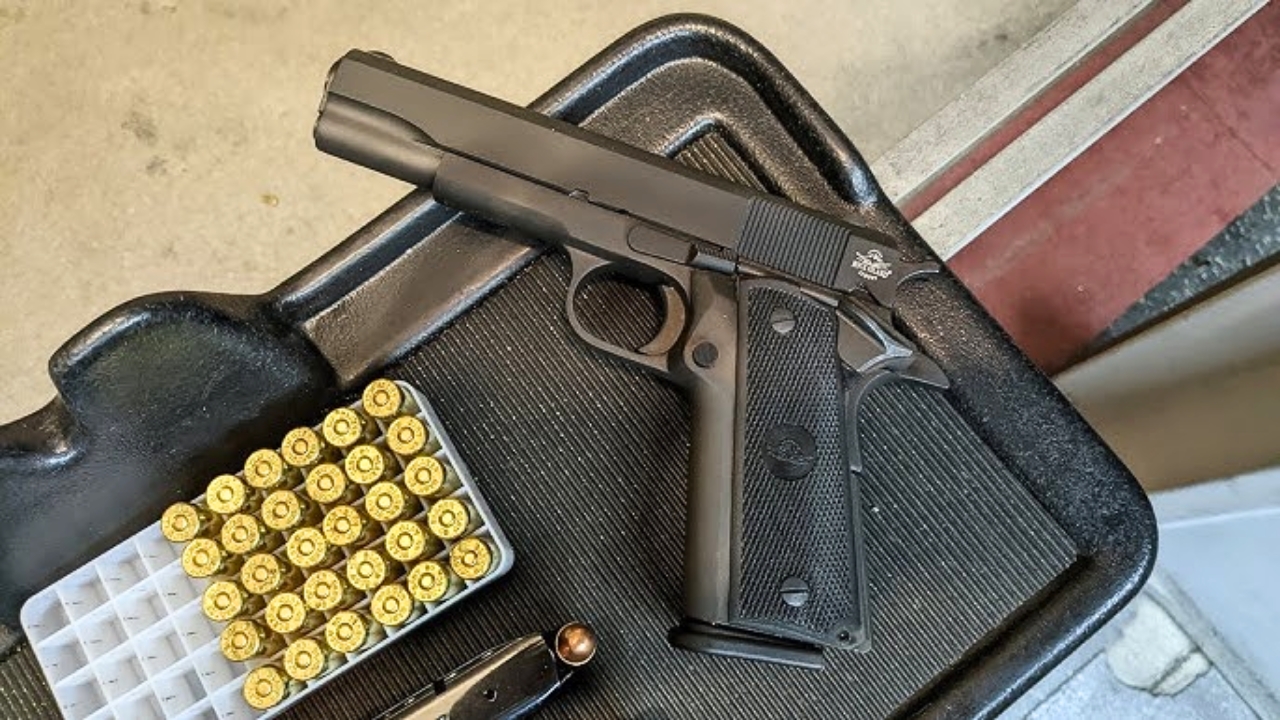
Rock Island’s full-size 1911s have spent years being the answer for shooters who want to know how cheaply they can get into a traditional steel Government Model without buying something completely questionable. The guns are not covered in premium machining or elaborate finishes, but the basic formula is there: steel frame, steel slide, single-action trigger, and familiar 1911 controls.
I think that makes more sense than buying an expensive 1911 before someone even knows whether he likes the platform. A Rock Island lets the owner learn the design, shoot it extensively, and decide what features actually matter. If you later want checkering, expensive sights, match fitting, and premium finish, there are plenty of places to go. As an entry into the 1911 world, though, the basic Rock Island gives you an enormous amount of traditional handgun for the money.
Taurus G3

The G3 is not trying to convince anyone it is a luxury service pistol. Taurus built it to provide a full-size grip, useful magazine capacity, a conventional accessory rail, and a striker-fired operating system while staying firmly in the affordable category.
That honesty is why I think the pistol works. It provides the basic capabilities most shooters actually need without forcing them to pay for premium cosmetics. Taurus quality has been debated for decades, and I would still evaluate the individual gun rather than buy solely on price. But a good G3 gives someone a full-size centerfire pistol that is comfortable to shoot and inexpensive enough that ammunition and practice can remain part of the budget. A cheap gun you can afford to train with may provide more real value than an expensive gun that empties the wallet.
Smith & Wesson SD9 2.0
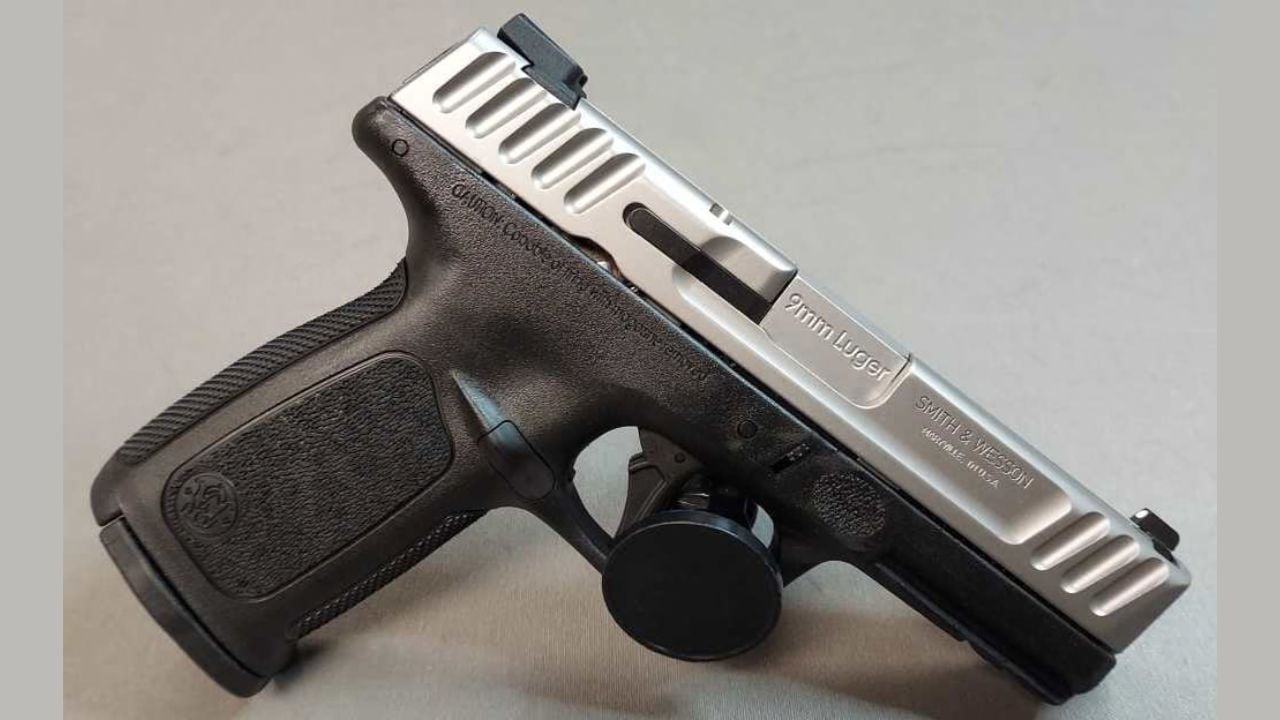
The original SD series always lived underneath the M&P family, and that positioning actually makes the newer SD9 2.0 interesting. Smith & Wesson already has a premium mainstream polymer line, so the SD can remain focused on buyers who want the basic service-pistol formula without paying M&P prices.
The current generation improves the areas that made older SD pistols feel especially budget-oriented, most notably the trigger and general ergonomics. You still get a straightforward 9mm from a major American manufacturer with established support and commonly understood controls. That matters to me more than decorative features. If someone’s goal is a dependable range or home pistol and the SD fits his hand, spending substantially more may improve the experience without changing the basic capability nearly as much as the price difference suggests.
Ruger Security-9
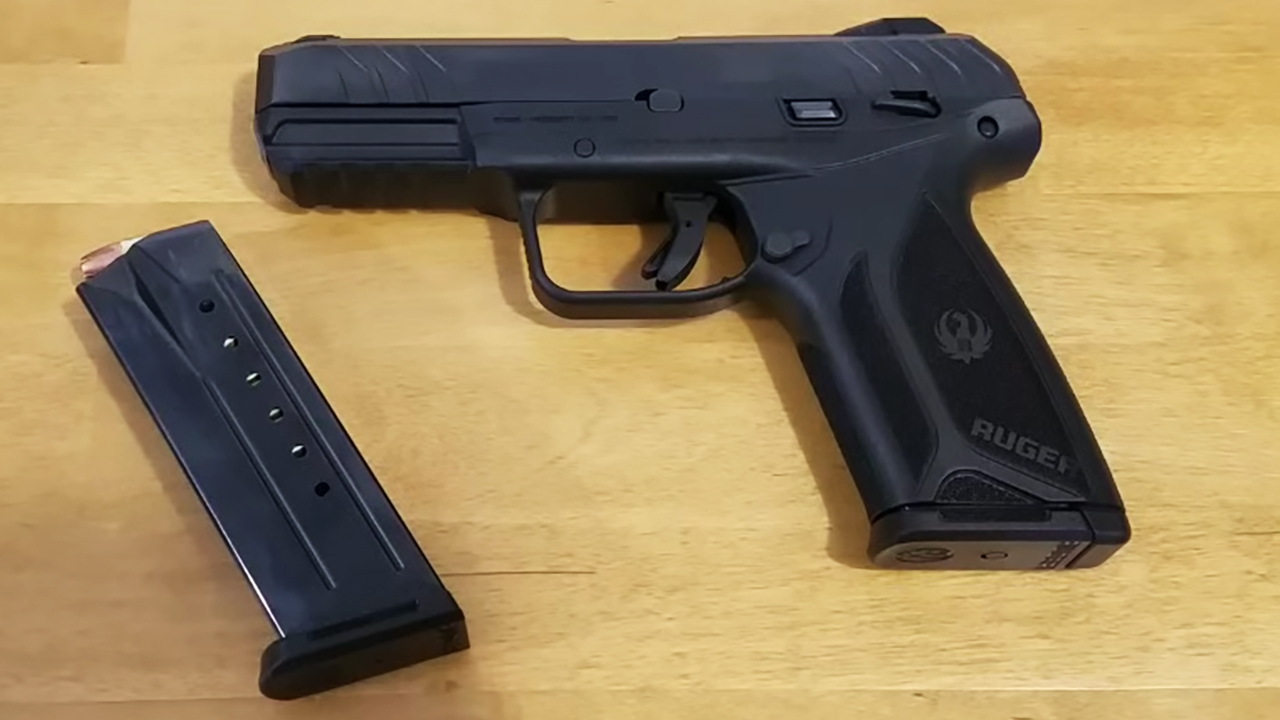
The Security-9 has always been interesting because Ruger approached the affordable compact market differently from most striker-fired competitors. Its internal hammer system gives the trigger a different feel while the exterior still operates much like a conventional modern semiautomatic.
Ruger also kept the gun focused on practicality rather than stacking features solely to make the specification sheet longer. The result is light, easy to understand, and generally priced where a first-time handgun owner does not have to make a major financial commitment. I would particularly like it for someone who wants something more substantial than the cheapest pistols available but has no desire to pay premium-brand money. A pistol does not have to be exciting to be an excellent value.
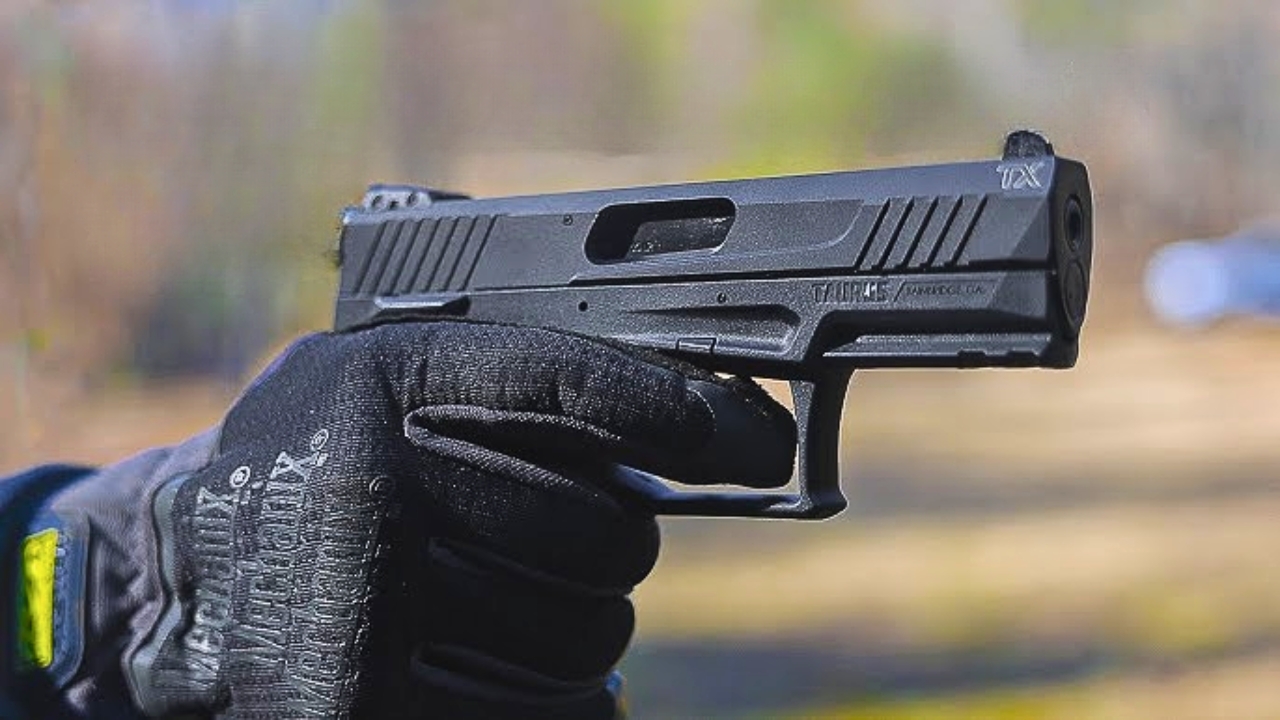
Taurus TX22
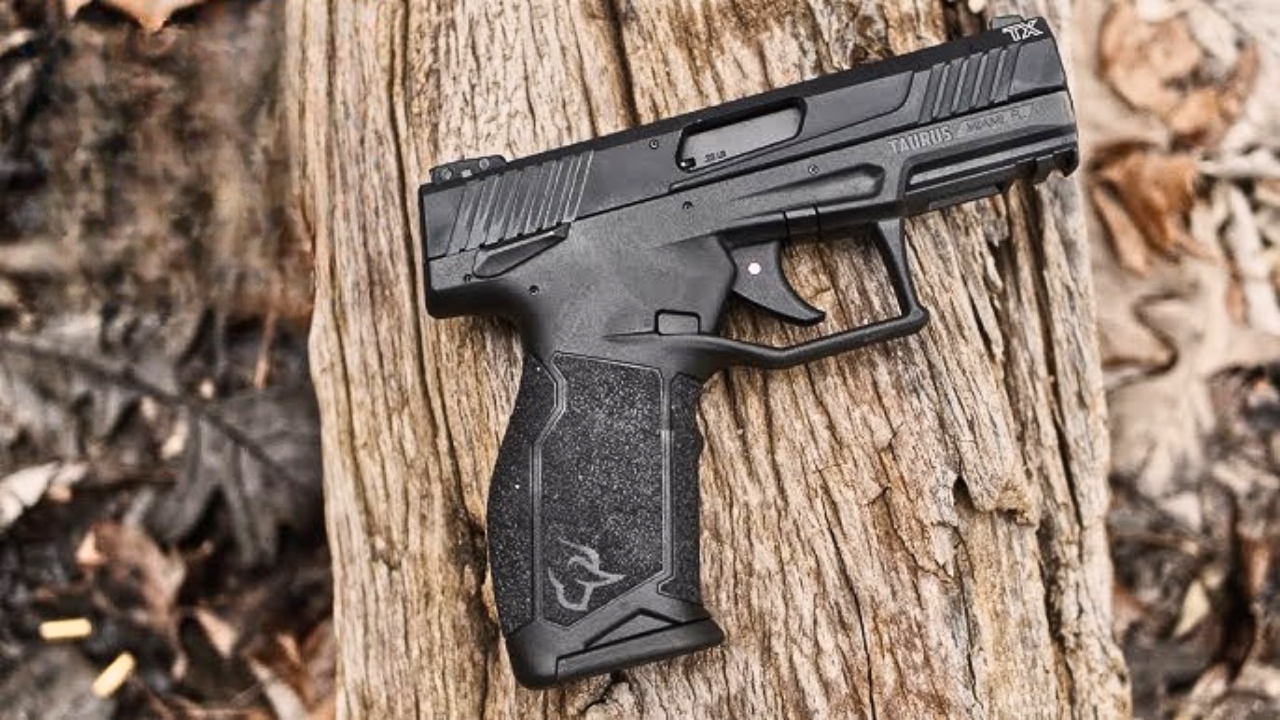
The TX22 may provide more pure shooting enjoyment per dollar than almost anything here. Taurus built a rimfire pistol that feels and operates much more like a centerfire defensive handgun than the traditional narrow-gripped .22 target designs many shooters learned on. The grip is comfortable, capacity is generous for a rimfire, and the trigger makes it genuinely enjoyable to shoot quickly.
That gives it enormous training value. Someone can practice sight tracking, trigger control, transitions, and general handgun manipulation while burning through inexpensive .22 LR instead of centerfire ammunition. I would happily own a premium rimfire target pistol too, but the TX22 serves a different purpose. It is affordable enough to use constantly and good enough that shooting it never feels like practicing with a toy.
Kel-Tec P17

The P17 looks almost absurd when you compare what it offers with what inexpensive rimfire pistols used to look like. It is extremely light, has useful magazine capacity, comes with a threaded barrel, and provides a much more practical grip and sighting setup than many tiny .22 pistols.
Kel-Tec keeps the price down with extensive polymer construction and a design that clearly prioritizes function over visual refinement. I am completely fine with that in a recreational rimfire. The whole point is to own something inexpensive enough to shoot constantly without worrying about it.
A P17 is not a handcrafted target pistol. It is a remarkably capable little range gun that leaves plenty of money for ammunition. For a new shooter, farm gun, or casual plinker, that may be a much more useful kind of value.
Ruger Wrangler
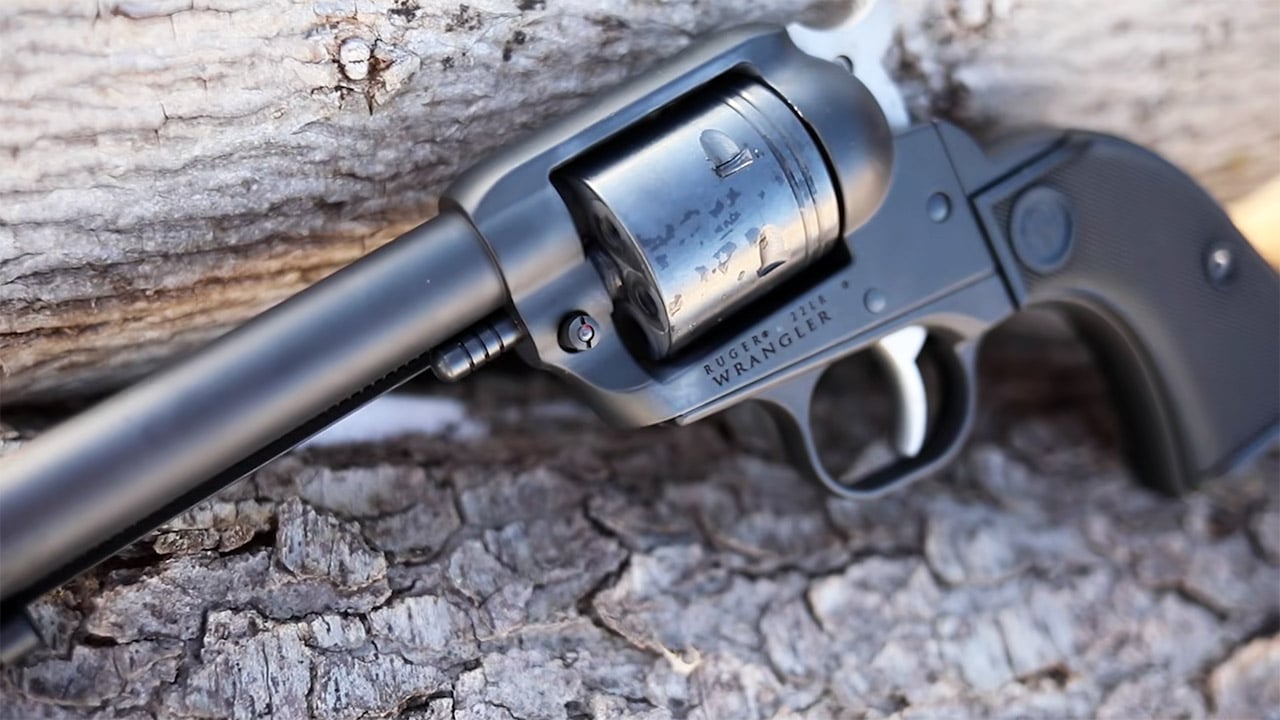
The Wrangler took the basic single-action rimfire concept and stripped away nearly everything necessary to make it expensive. Ruger uses an aluminum-alloy frame, durable finish, and fixed sights instead of trying to duplicate the more refined Single-Six at a bargain price.
That was the correct decision because the Wrangler does not pretend to replace the Single-Six. It gives you the same basic recreational experience of loading a single-action .22, cocking the hammer for every shot, and spending an afternoon shooting cans without making the purchase financially serious.
For teaching basic handgun handling or simply slowing down at the range, I think the Wrangler offers an enormous amount of entertainment. There are nicer single-action .22s. There are not many that make the entire category this accessible while still coming from Ruger.
Bersa Thunder 380
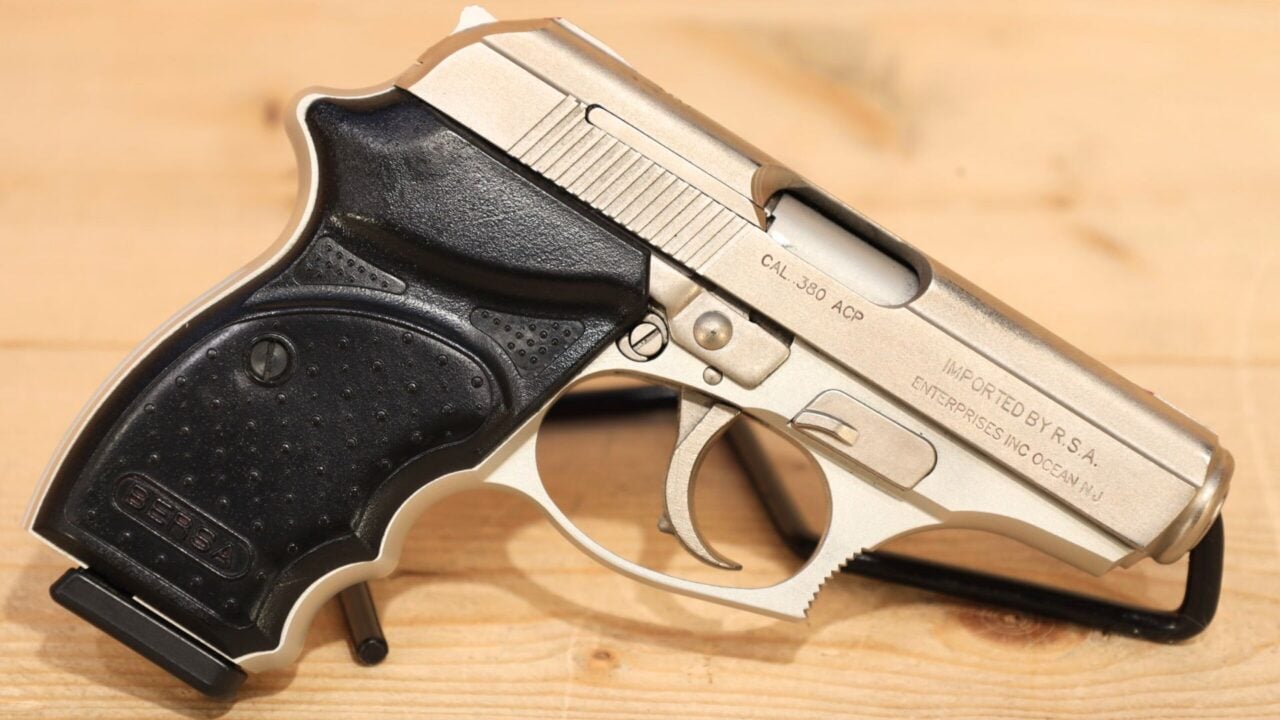
The Thunder 380 has survived because it offers something increasingly uncommon at an attainable price: a traditional DA/SA metal-framed compact pistol. Its basic layout clearly belongs to the classic European blowback-pistol family, but Bersa made the concept inexpensive enough for ordinary shooters to use rather than collect.
The blowback action means recoil can feel sharper than the pistol’s modest cartridge suggests, and capacity does not compete with modern micro-compacts. Those are real limitations. But the Thunder remains thin, straightforward, comfortable for many shooters, and mechanically interesting in a market dominated by polymer striker guns.
If someone specifically likes hammer-fired pistols and does not care about chasing maximum capacity, the Bersa can deliver a surprisingly enjoyable ownership experience for relatively little money.
EAA Girsan Regard MC
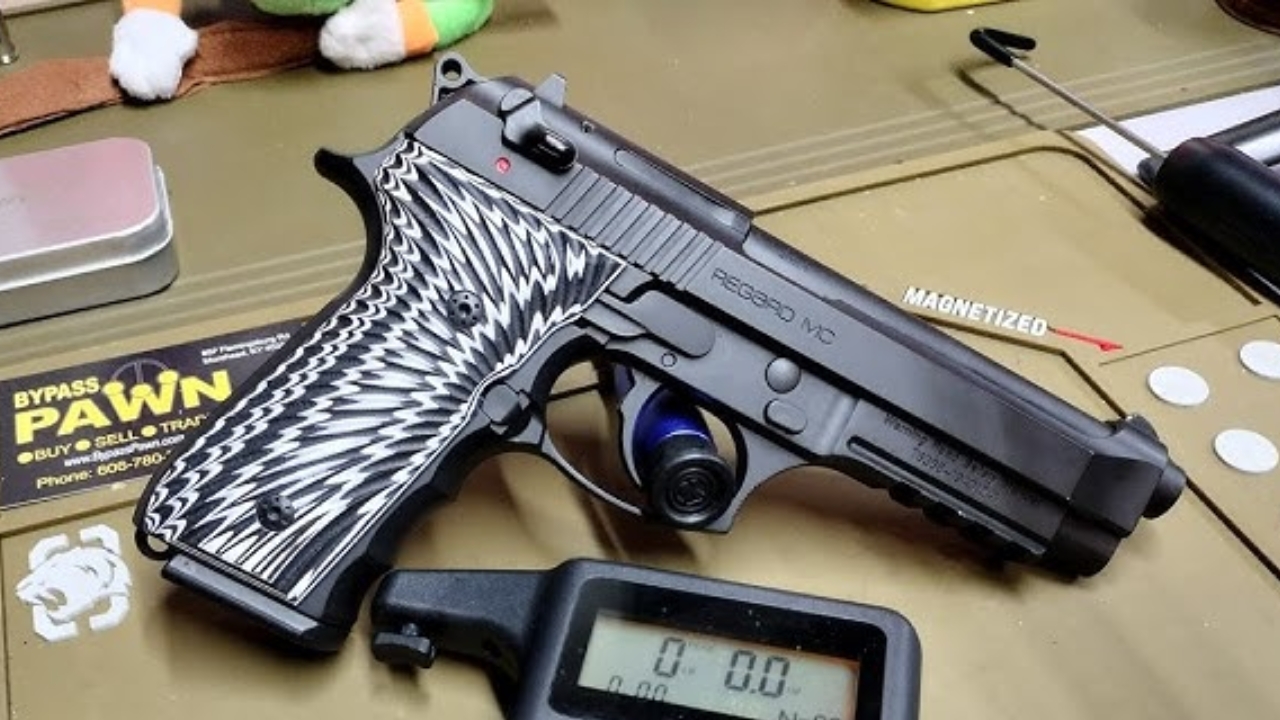
The Regard MC is another handgun that benefits from copying a very good basic formula. Its lineage is obvious when you look at it: a full-size, metal-frame, DA/SA pistol heavily inspired by the Beretta 92 family. That gives the shooter a large grip, open-slide architecture, traditional hammer, and the soft-shooting character people expect from a substantial 9mm.
Where the Regard becomes interesting is price. Building an all-metal service-size pistol usually pushes a gun above the cost of basic polymer competitors, yet Girsan manages to keep the platform relatively accessible.
I would not pretend it carries the same historical value or finish appeal as an Italian Beretta. It does not need to. If somebody simply wants the experience of a full-size metal service pistol and plans to shoot it heavily, the Regard can provide a tremendous amount of gun without forcing the owner into collector-level spending.
Like The Avid Outdoorsman’s content? Be sure to follow us.
Here’s more from us: