
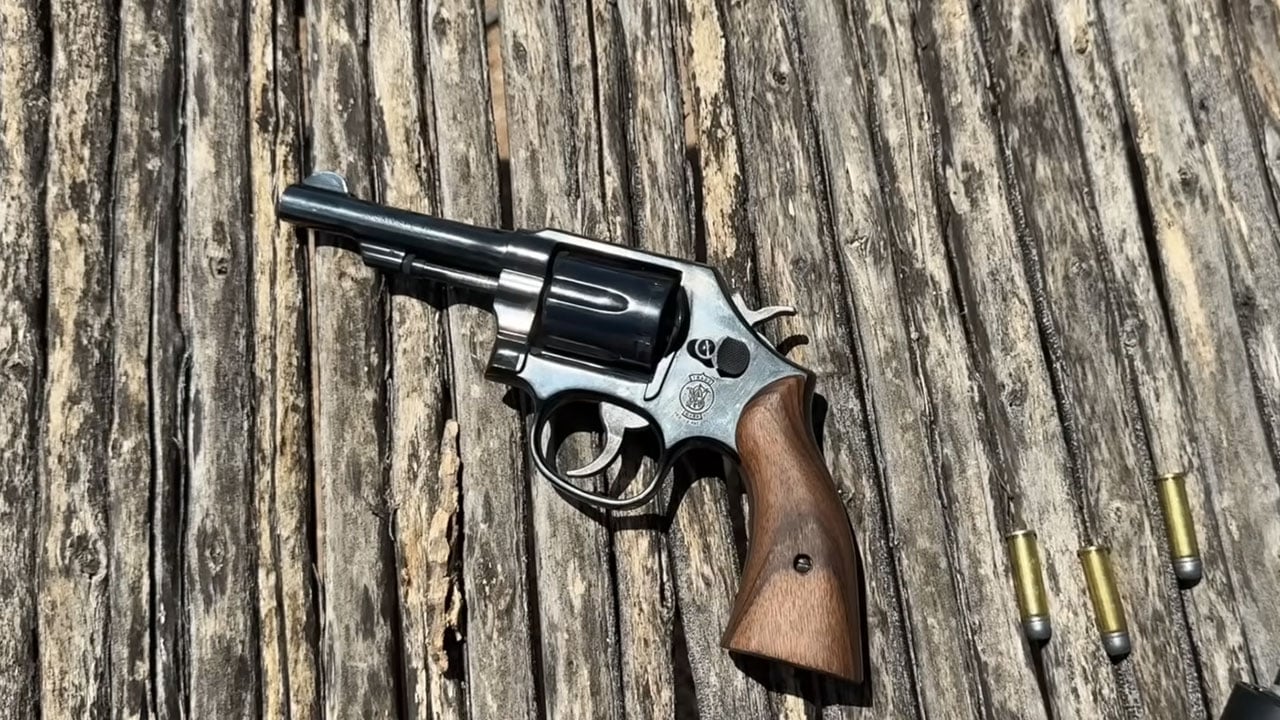
Photo credit: InRangeTV/Youtube
There’s a point most recoil-sensitive shooters hit where the arguing stops. They’ve tried to make a snappy little micro-9 behave, they’ve bought the lightest possible .38 and loaded it with “just in case” ammo that still stings, and they’ve burned a pile of money chasing the idea that more capacity fixes everything.
Then they pick up a decent revolver, run a cylinder of sensible loads, and finally admit what their hands already knew. A good wheelgun doesn’t have to be a punishment. It has to be shootable, predictable, and the kind of gun you’ll actually practice with instead of dreading.
1. Ruger SP101 (2.25-inch)
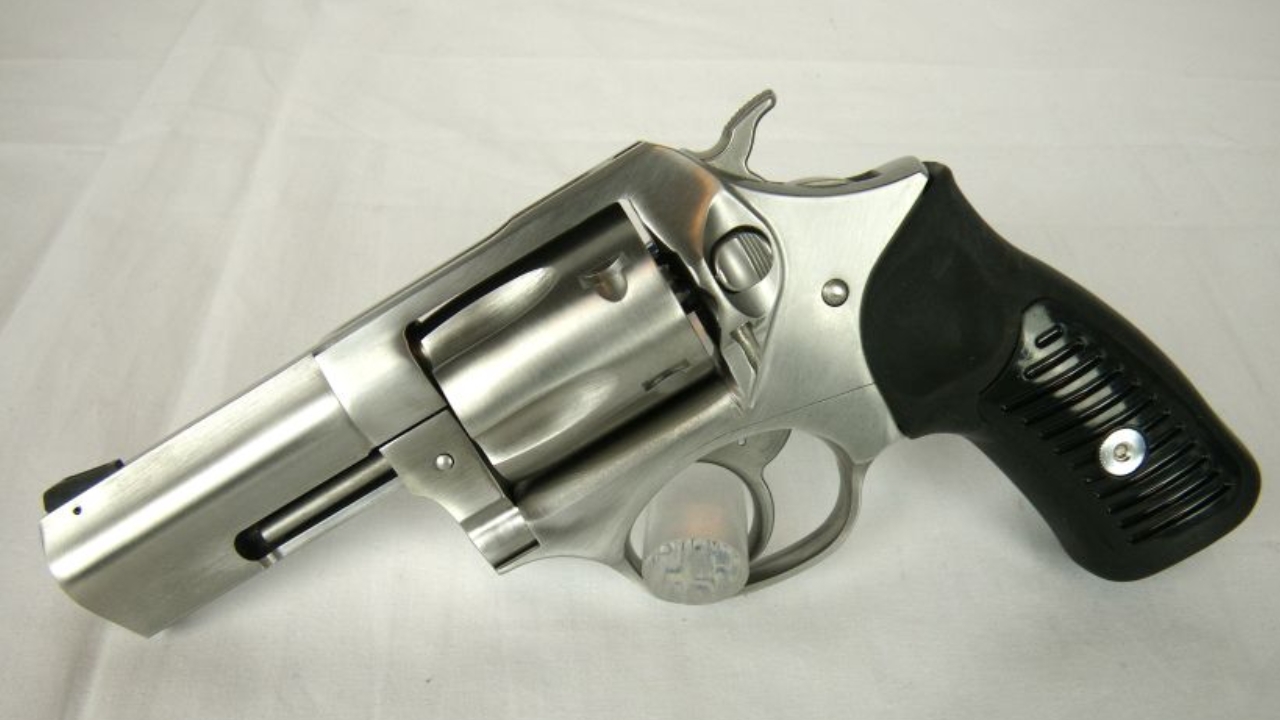
This is the revolver a lot of folks land on after they realize ultralight snubs are a trick played on the inexperienced. The SP101 has enough steel to take the sting out of .38 Special, and it’s still small enough to carry without feeling like you strapped on a brick.
It’s not a featherweight, and the factory trigger can feel a little gritty until it’s shot in. But it points well, it holds up, and with standard-pressure .38s it’s downright friendly. If you want a small revolver that doesn’t teach you to flinch, this one is a safe bet.
2. Smith & Wesson Model 10 (4-inch)
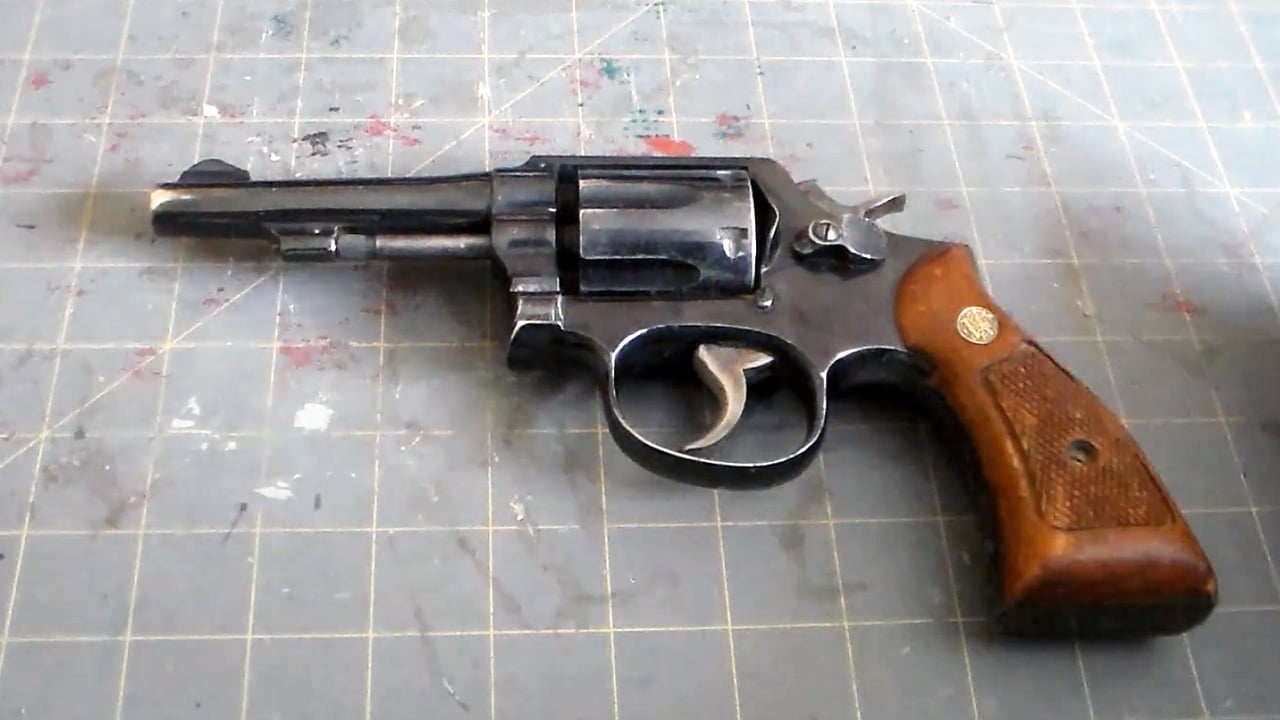
There is nothing fancy about a Model 10, and that is kind of the point. A K-frame with a 4-inch barrel and .38 Special is about as “easy mode” as handguns get while still being useful.
The balance is what sells it. It hangs steady, the sights are simple, and the recoil impulse is a push instead of a slap. Used ones are still out there, and a good Model 10 will outlast your interest in trendy carry guns.
3. Smith & Wesson Model 15 (4-inch)
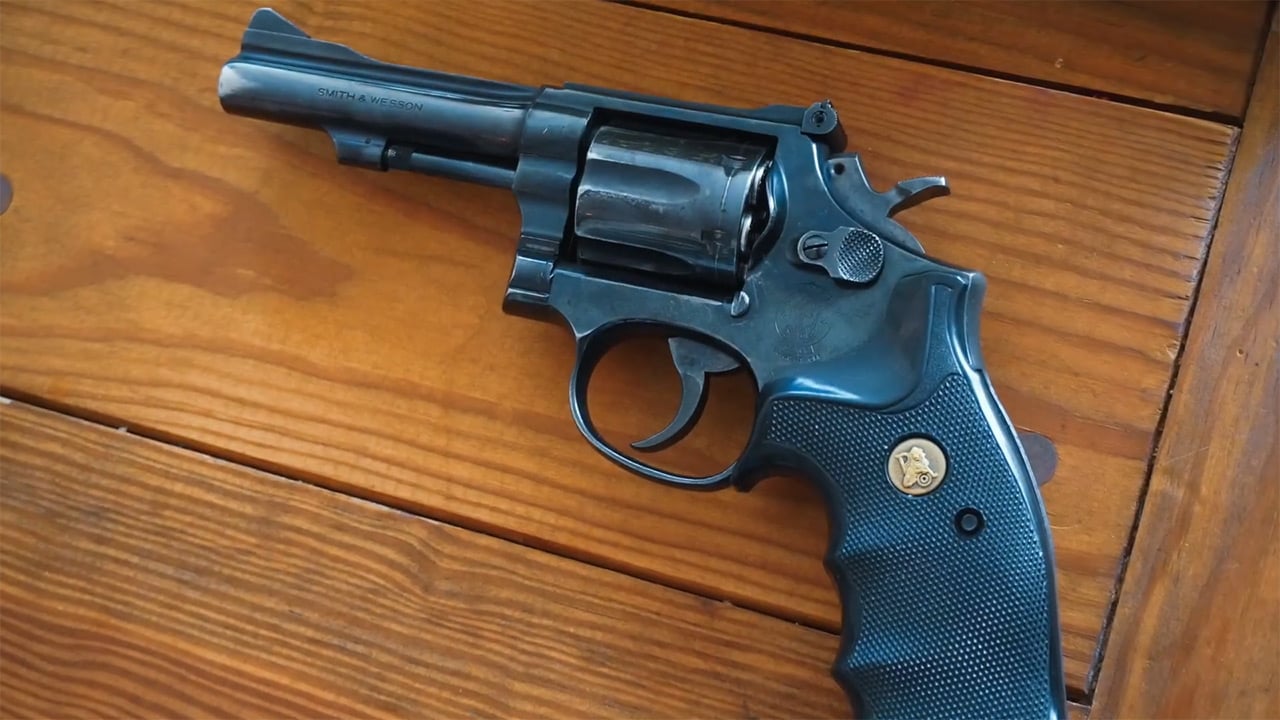
Take the Model 10 idea and add better sights, and you’ve got the Model 15. Recoil-sensitive shooters like it because it makes hitting easy, which makes practice feel rewarding instead of stressful.
A clean Model 15 is one of those revolvers that makes you wonder why you fought revolvers in the first place. It’s also a great “new shooter” gun that won’t scare somebody off the range on day one.
4. Ruger GP100 (4.2-inch)
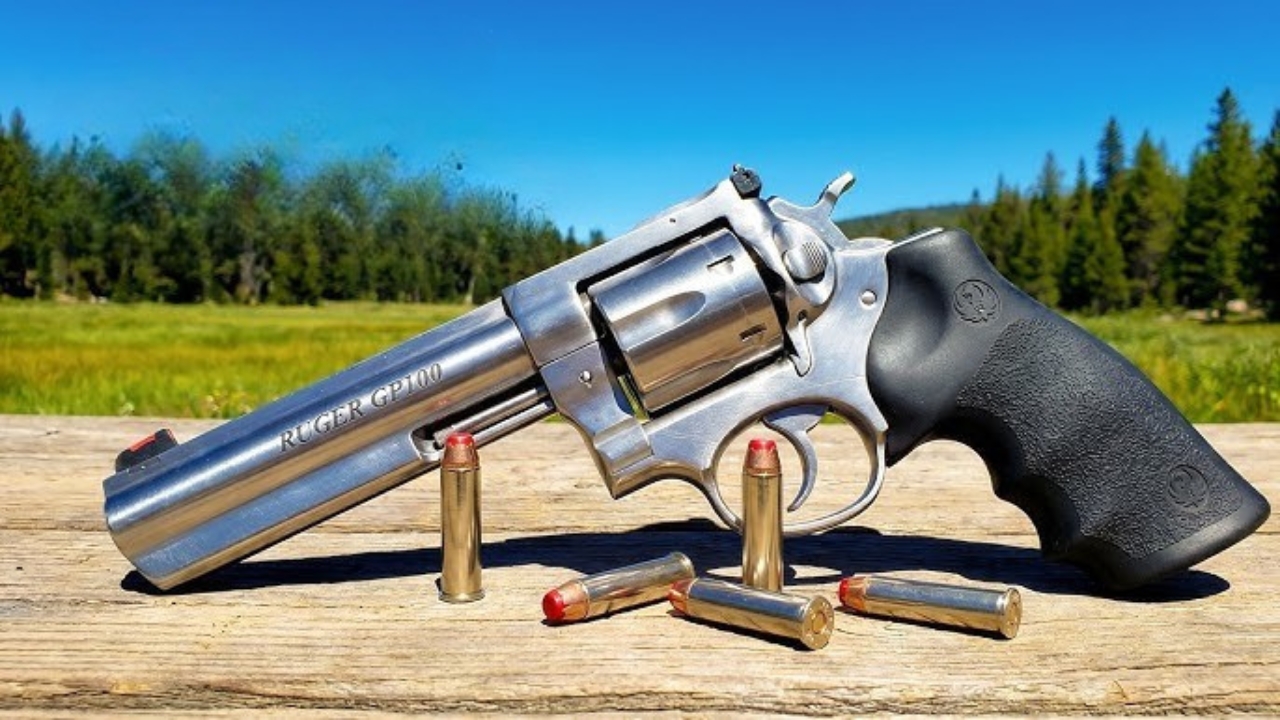
If you want a revolver that feels like it’s built out of farm equipment, the GP100 is it. That weight is your friend when recoil is the issue, and it soaks up .38s like they’re nothing.
Yes, it’s bigger than most folks want to carry daily. But as a house gun, range gun, or “I want to get good with a revolver” gun, it’s hard to beat. And it will digest a lifetime of shooting without getting loose.
5. Smith & Wesson Model 686 (4-inch)
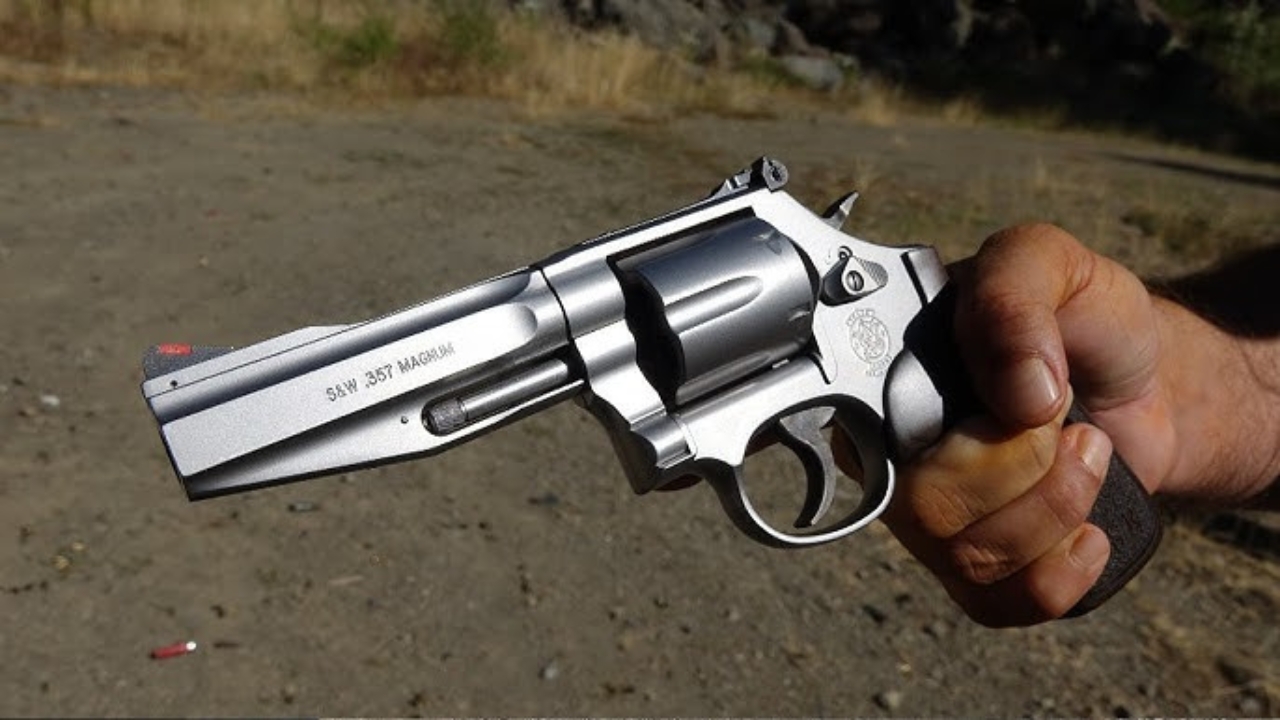
The 686 is what a lot of shooters end up buying after they’ve tried cheaper options and got tired of compromises. The L-frame size makes .38 Special feel mild, and even mid-range .357 loads are manageable for plenty of recoil-sensitive hands.
It also tends to have a smoother action than many out-of-the-box revolvers. That matters because a clean double-action pull helps people shoot without yanking the gun off target. If you can only own one “do it all” revolver, this is a strong candidate.
6. Ruger LCR
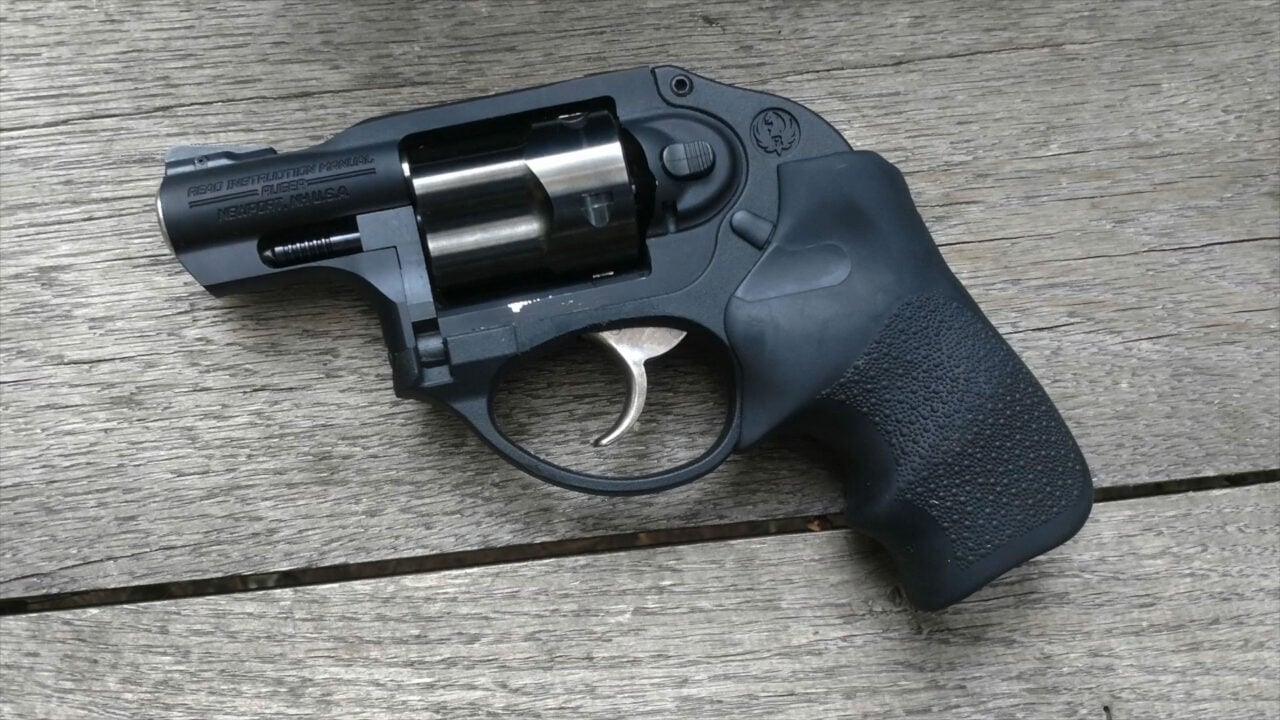
The LCR is light, and light usually means pain. But in .22 LR, the LCR becomes a legit tool for recoil-sensitive shooters who still want a real defensive-style trigger and a revolver they can carry.
It’s also a sneaky-good training revolver. You can practice draw, sight picture, and double-action work without developing a flinch. No, .22 isn’t everybody’s answer, but it’s better than a gun you won’t shoot.
7. Smith & Wesson 617 (4-inch or 6-inch)
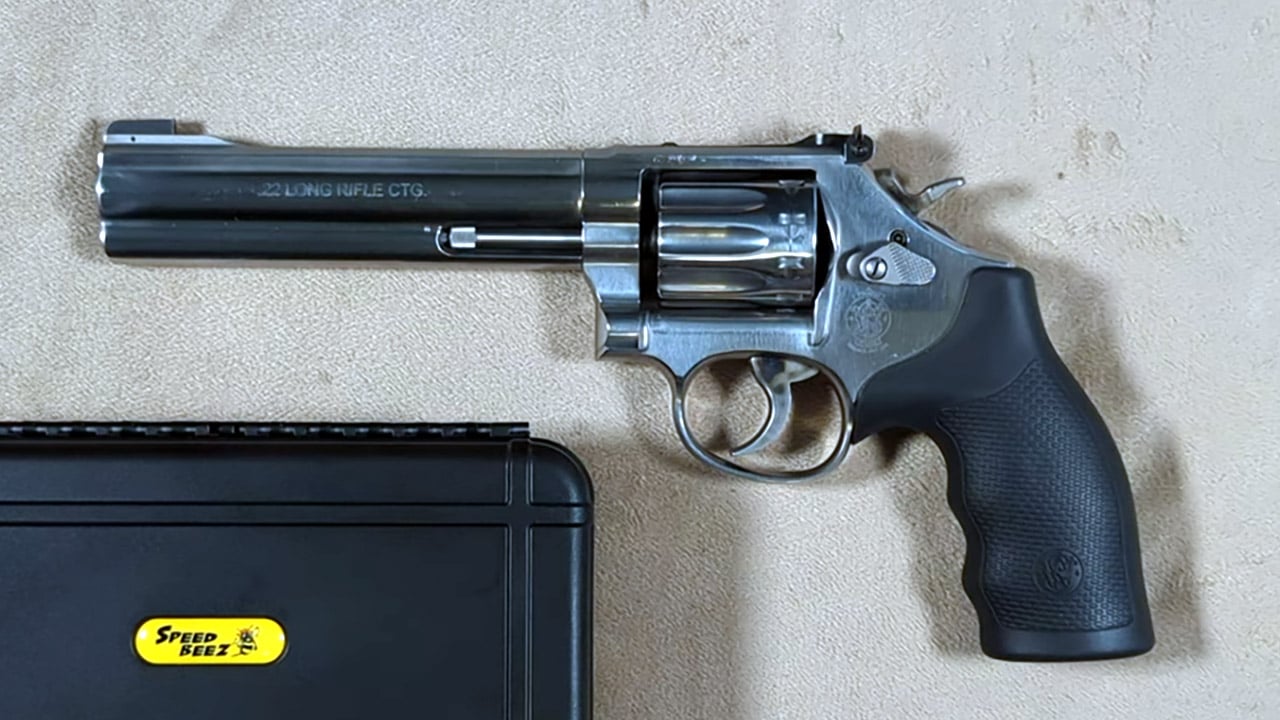
If you want to build skill without paying for it in recoil, the 617 is a classic move. A full-size .22 revolver has almost zero kick, and you can run it all day without getting beat up.
The 617 is also heavy enough that it feels like a “real gun” in the hands, not a toy. The downside is cost—nice ones aren’t cheap. Still, it’s one of the easiest ways to get serious about double-action revolver shooting.
8. Ruger Mark IV? No—Ruger Wrangler (Single-Action .22)

I know, single-action isn’t everybody’s first thought for defensive practice. But recoil-sensitive shooters reach for the Wrangler because it’s fun, it’s simple, and it gets them shooting again.
For folks who get rattled by noise and snap, a .22 single-action is a confidence builder. It’s also a good “camp revolver” that rides easy and handles pests without drama.
9. Smith & Wesson Model 43C (.22 LR J-frame)

A .22 J-frame sounds odd until you meet the shooter whose hands just aren’t interested in recoil anymore. The 43C gives them a small revolver format with minimal kick, and it still fits in pockets and small holsters.
It’s not a target gun, and the sights are basic. But the whole point is having something you’ll actually carry and actually practice with. For certain shooters, that matters more than caliber debates.
10. Ruger Security-Six (4-inch)
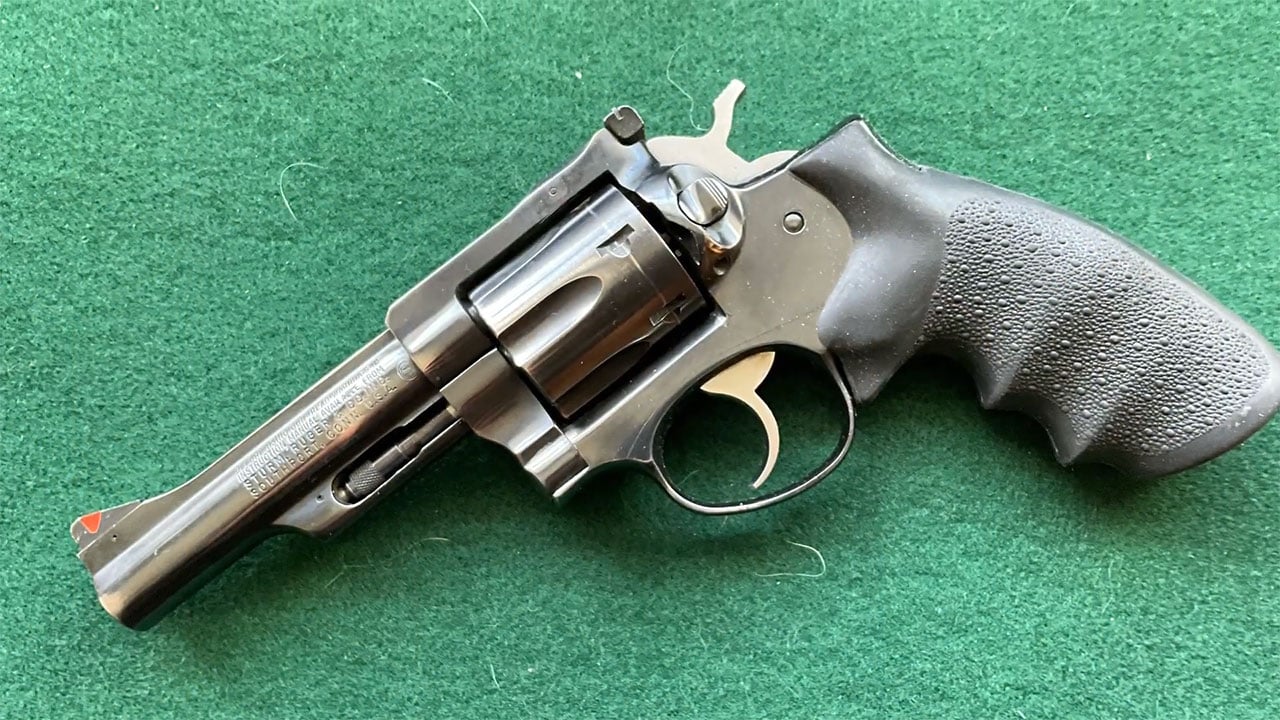
The old Six series doesn’t get the same attention as newer models, but they’re workhorses. A Security-Six in good shape has a great feel in the hand, and it’s heavy enough to make .38 Special comfortable.
They also tend to be “honest guns.” No frills, no gimmicks, just a solid revolver you can run. Parts and support aren’t as universal as current production, but these guns have a way of just keeping on.
11. Smith & Wesson Model 64 (4-inch)

Stainless, fixed sights, .38 Special. The Model 64 is one of those revolvers that shows up used with holster wear and a smooth action, and that’s usually a good sign.
For recoil-sensitive shooters, it’s a practical choice because you’re not tempted to “upgrade” into sharper recoil. You load sensible .38s, you shoot, you get better. Simple is good.
12. Colt King Cobra (3-inch)
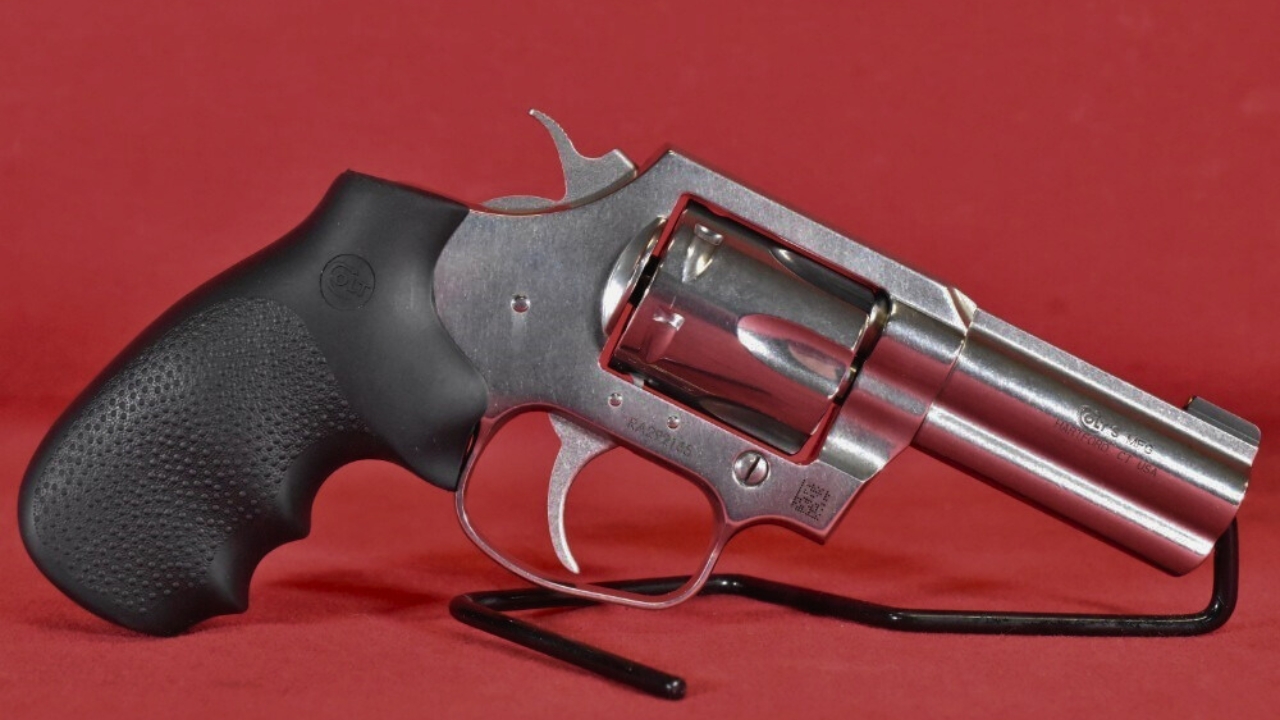
The 3-inch King Cobra hits a sweet spot: enough barrel and weight to calm things down, but still compact enough to carry without hating life. The sights are generally better than your typical snub, too.
It’s not cheap, and Colt prices can make you swallow hard. But the gun carries well and shoots softer than the tiny revolvers that look similar on the shelf. That one hurts if you buy the wrong snub first.
13. Colt Cobra (2-inch)
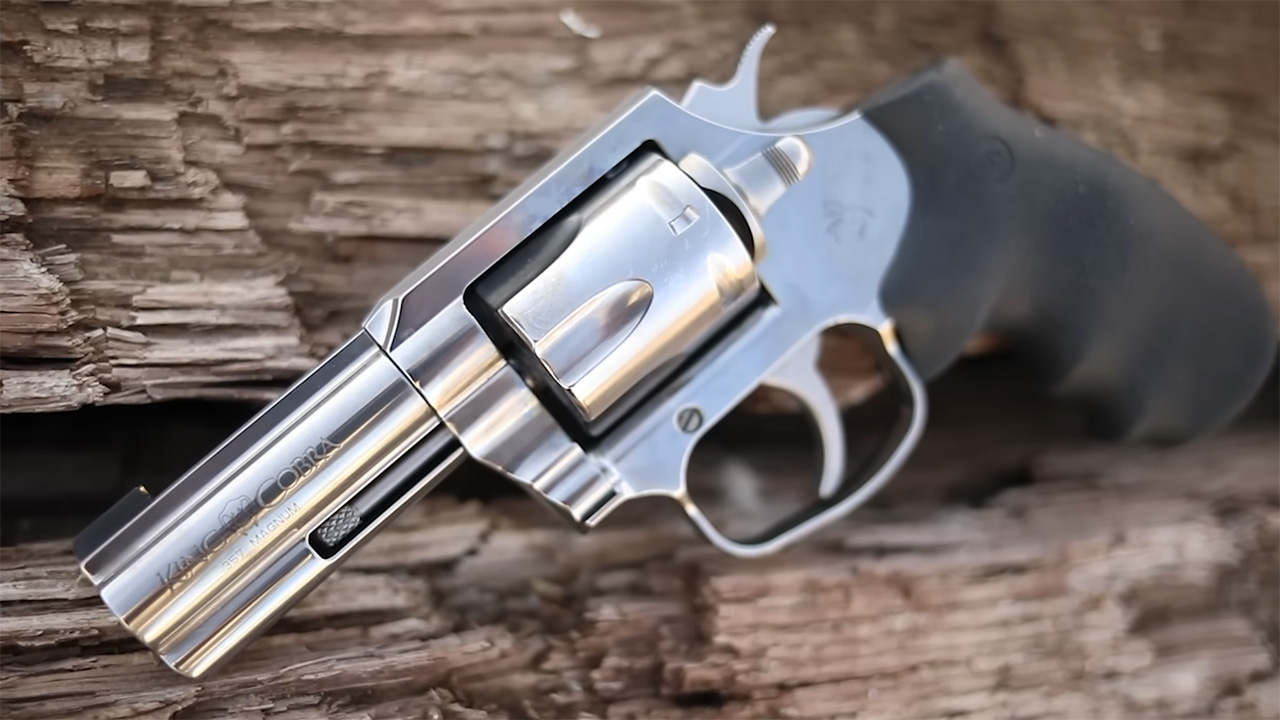
The modern Colt Cobra is a “snub” that doesn’t feel like it’s trying to punish you. It’s still a small revolver, so physics is physics, but with .38 Special it can be surprisingly civilized compared to the airweight crowd.
It’s also one of the better choices for folks who want a small revolver but don’t want to spend the rest of the afternoon rubbing their palm. Pair it with sane loads and good grips and it can be a steady companion.
14. Smith & Wesson Model 60 (3-inch)
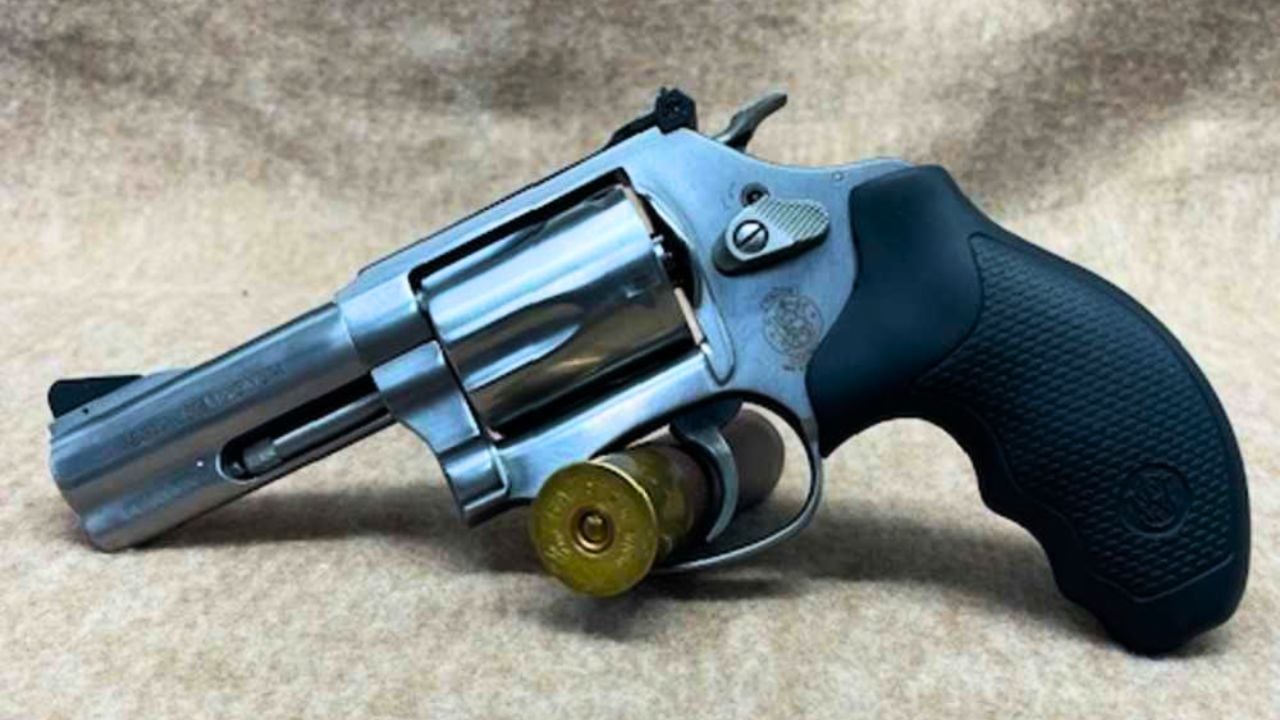
The 3-inch Model 60 is another “stop fighting it” gun. It gives you adjustable sights, a little more barrel, and a little more weight than the classic 2-inch version.
That extra ounce or two matters when recoil sensitivity is the whole game. Loaded with .38 Special, it’s comfortable enough to practice. That’s the real win. Carrying a revolver you’re confident with beats owning a hotter gun you don’t shoot.
15. Smith & Wesson Model 63 (.22 LR, 3-inch)
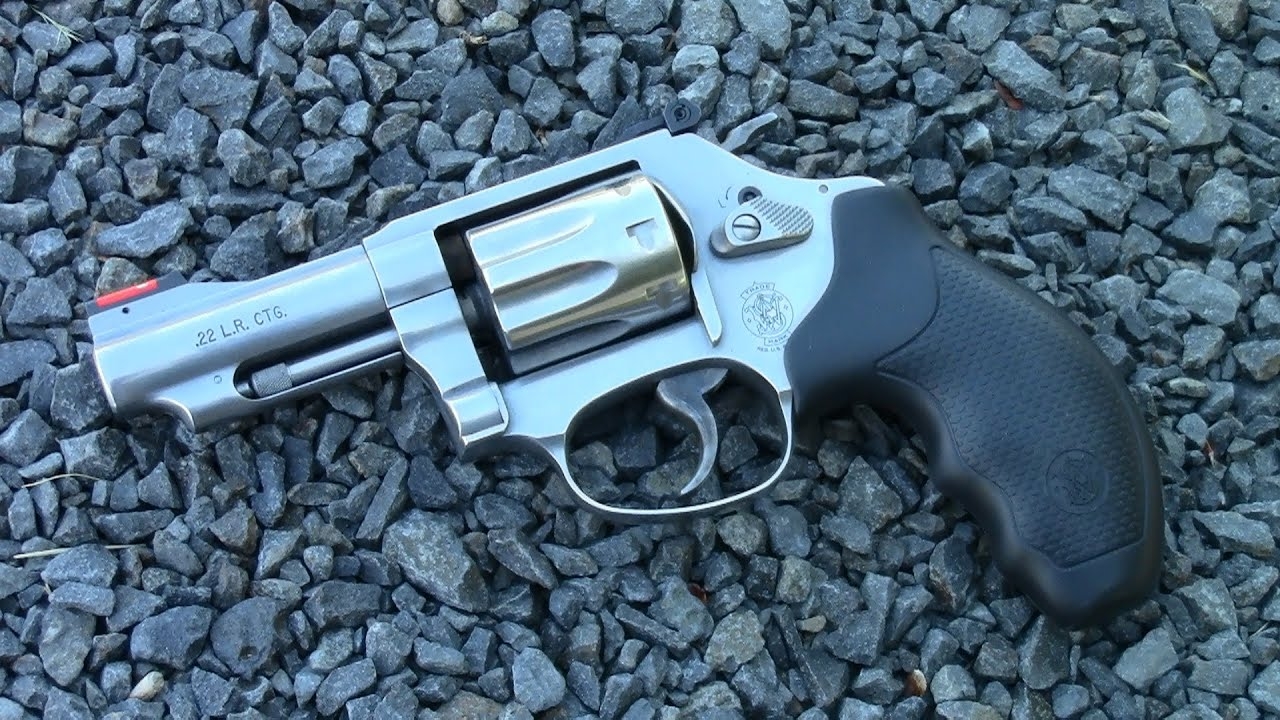
The Kit Gun concept still makes sense: a small .22 revolver that’s easy to pack, easy to shoot, and useful around a property. Recoil-sensitive shooters love the Model 63 because it’s light without being abusive.
It’s also the kind of gun you actually bring along. Tackling, traps, trail cameras, camp chores—having a little .22 revolver that doesn’t beat you up is handy in real life.
16. Taurus 856 (3-inch Defender)
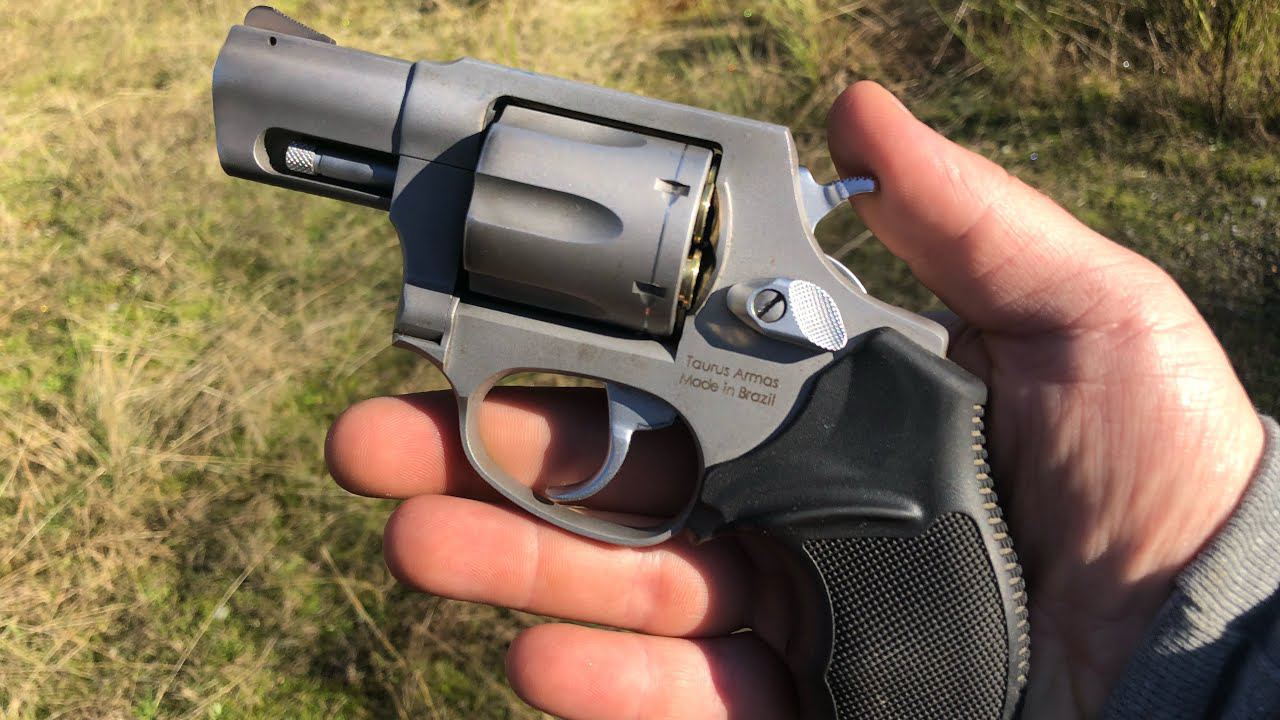
Taurus has had its ups and downs, and I get why some folks won’t touch them. Still, the 856 in a 3-inch configuration has become a real-world choice for shooters who want affordable, shootable, and not too light.
The 6-shot cylinder is a nice bonus, and the longer barrel helps with both recoil feel and sight picture. If you inspect it carefully, run it, and it behaves, it can be a good “working man’s revolver.”
17. Charter Arms Undercover (2-inch, .38 Special)
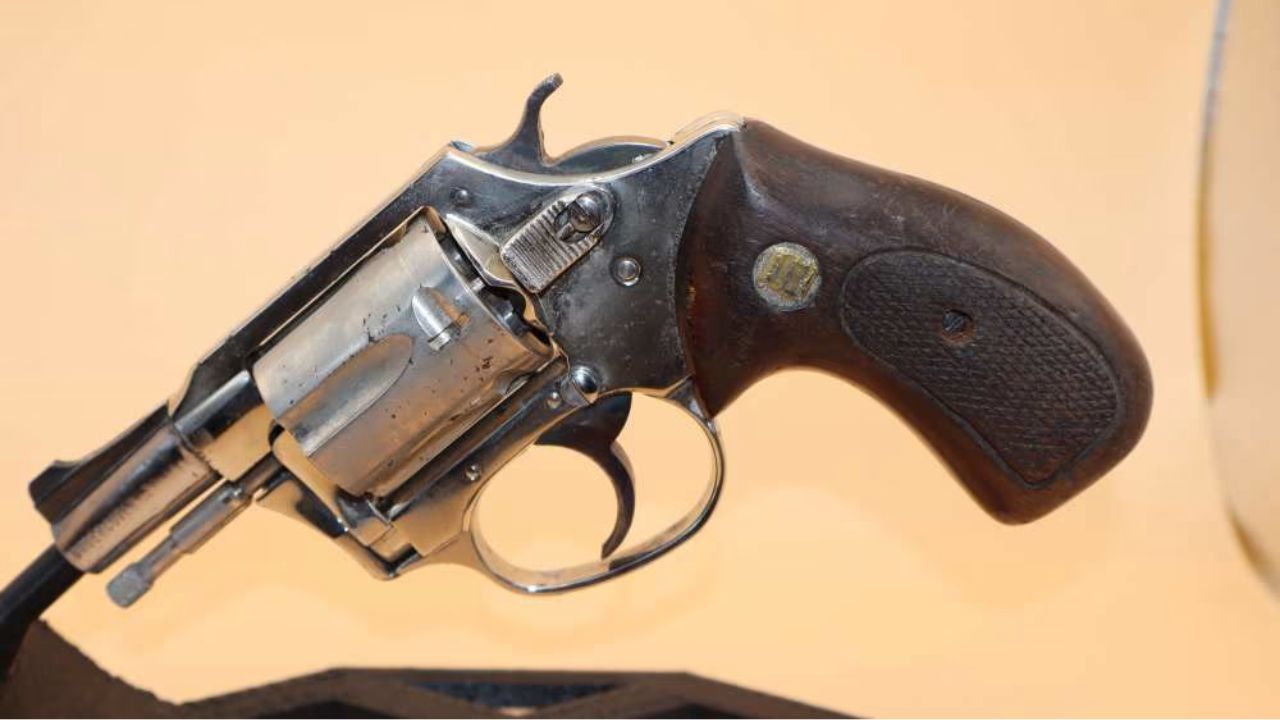
Charter Arms is not a luxury brand, and they don’t pretend to be. But the Undercover has a following because it’s simple, reasonably priced, and generally lighter on the wallet than many alternatives.
Recoil-sensitive shooters do best here with standard-pressure .38 loads and grips that fit their hand. The gun isn’t refined, but it can do the job. The trick is being honest about what you can shoot well.
18. Ruger Redhawk (4.2-inch, .44 Magnum—run .44 Special)
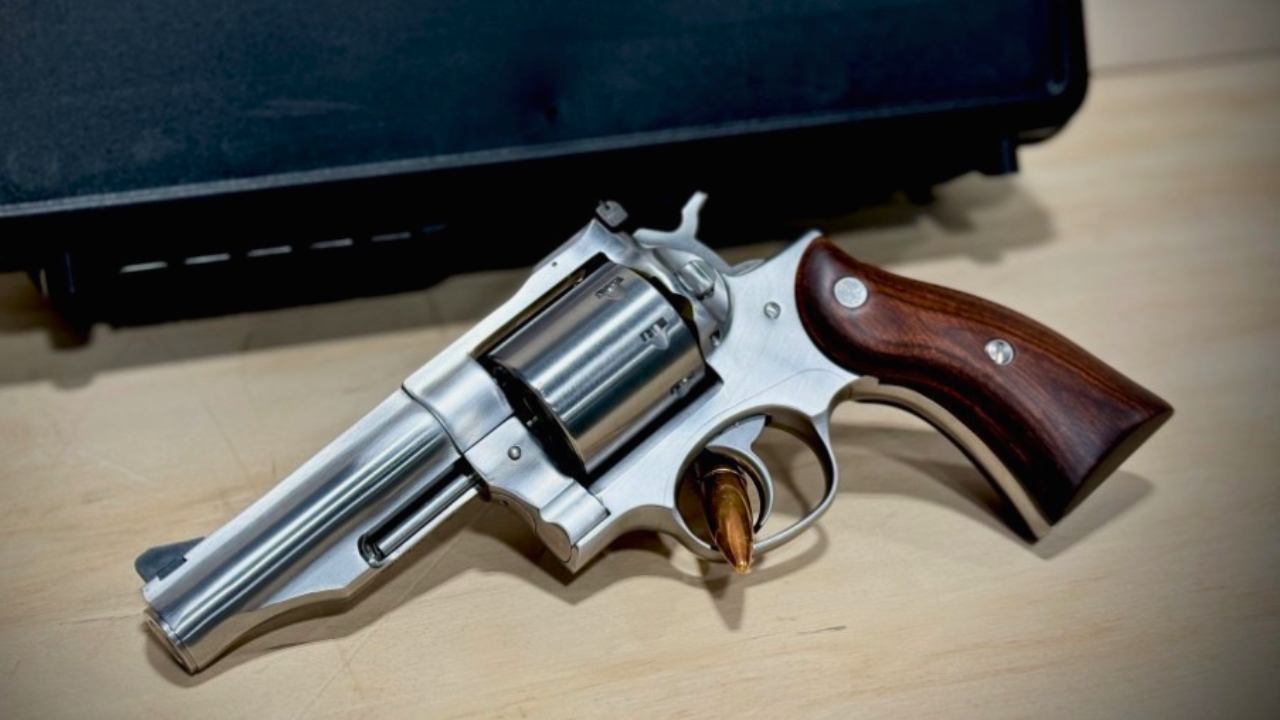
This is the “I finally figured out the cheat code” entry. A big revolver running mild loads can feel softer than a small revolver running “normal” loads. A Redhawk with .44 Special is a gentle shove, not a sharp smack.
Is it big? Absolutely. Is it a daily carry gun for most people? Not even close. But for woods carry, a farm truck, or a range gun that makes recoil-sensitive shooters smile again, it’s hard to argue with.
19. Smith & Wesson Model 629 (4-inch, .44 Magnum—run .44 Special)
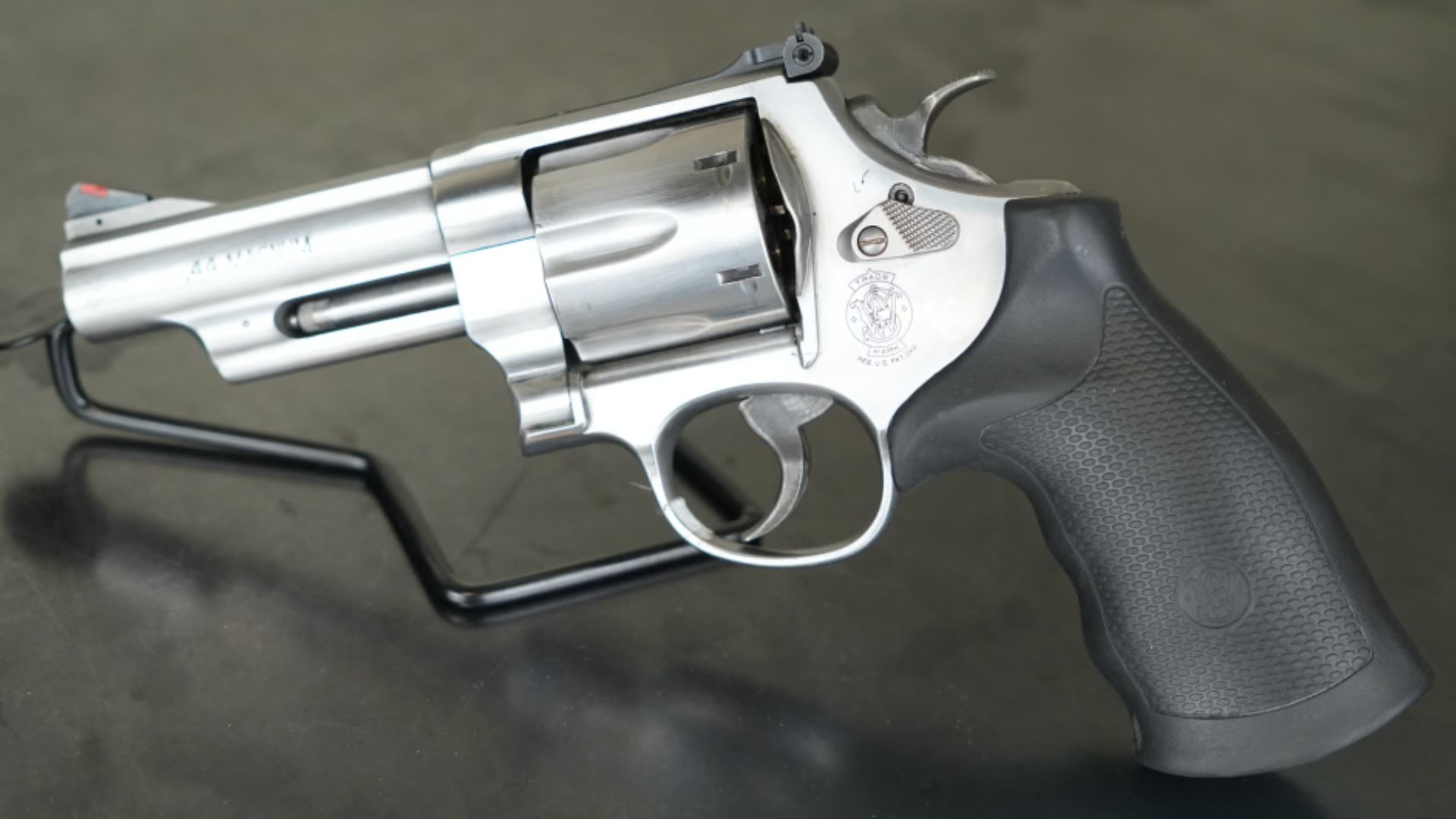
Same idea as the Redhawk, just in the S&W flavor. A 629 loaded with .44 Specials is shockingly comfortable, and the ergonomics fit a lot of hands well.
This is also where a lot of recoil-sensitive shooters land after years of trying to be “tough.” They realize they don’t need the hottest load on the shelf. They need a gun they can control and shoot straight when it counts.
20. Smith & Wesson Model 327 (N-frame, 8-shot .357—run .38 Special)
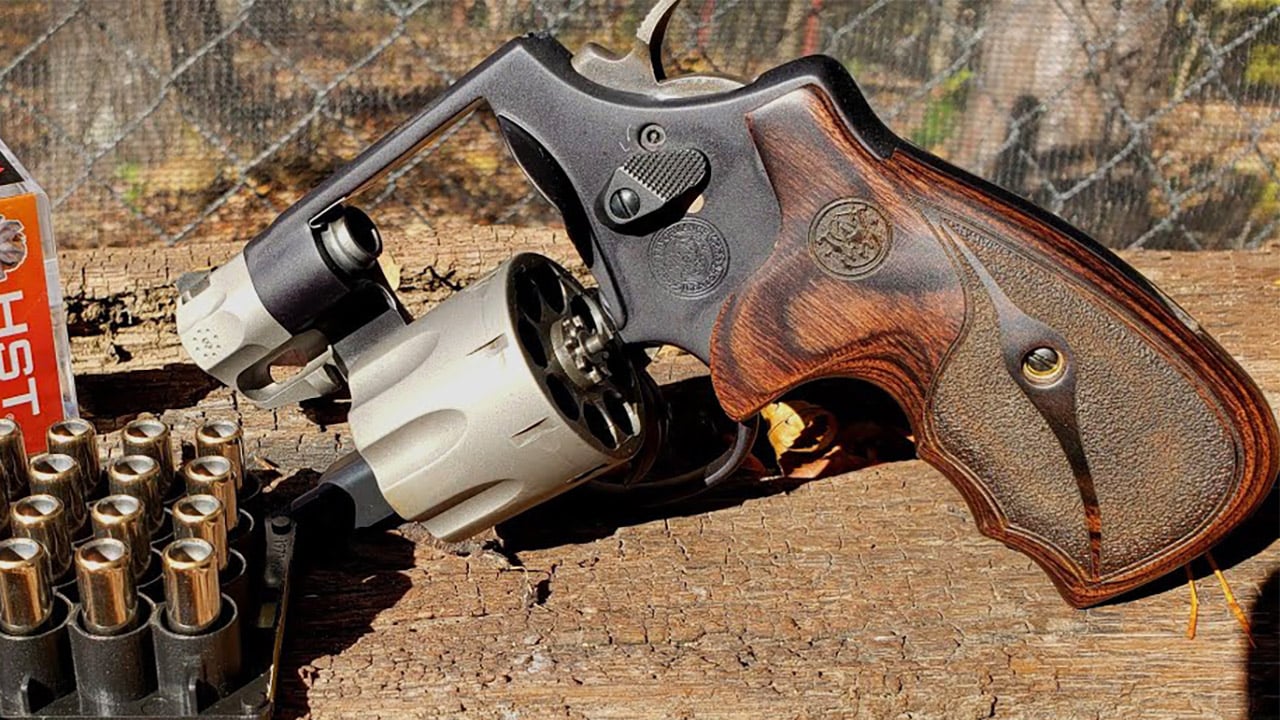
An eight-shot N-frame sounds like an odd solution until you shoot one with .38s. Big frame, long sight radius options, and a lot of weight where it matters. The recoil becomes almost an afterthought.
It’s not cheap, and it’s not subtle. But if your goal is a revolver that lets you practice a lot, shoot fast double-action strings without getting battered, and still keep a serious gun in the mix, it makes a kind of sense that’s hard to unsee.
Recoil sensitivity isn’t weakness. It’s information. Once you stop trying to “win” against physics, the choices get simpler: more gun, more grip, more weight, better trigger, and loads you can actually control. The best revolver is the one that makes you want to shoot another box instead of calling it early.
Like The Avid Outdoorsman’s content? Subscribe to our newsletter so you never miss an article.
Here’s more from us:


