Photo credit: Nleb19/Youtube
Anybody who’s been around guns for more than a couple seasons has watched it happen: the “cheap” rifle at the pawn shop becomes a four-figure auction gun, and the old police trade-in you passed on starts showing up in display cases with collector tags. Sometimes it’s politics. Sometimes it’s a movie or a war. Most of the time it’s just supply drying up and nostalgia kicking the market in the teeth.
Here are 20 firearms that used to be easy to justify on a working man’s budget, but now tend to make your wallet hurt when you find one that hasn’t been abused.
1. SKS (Russian and early imports)
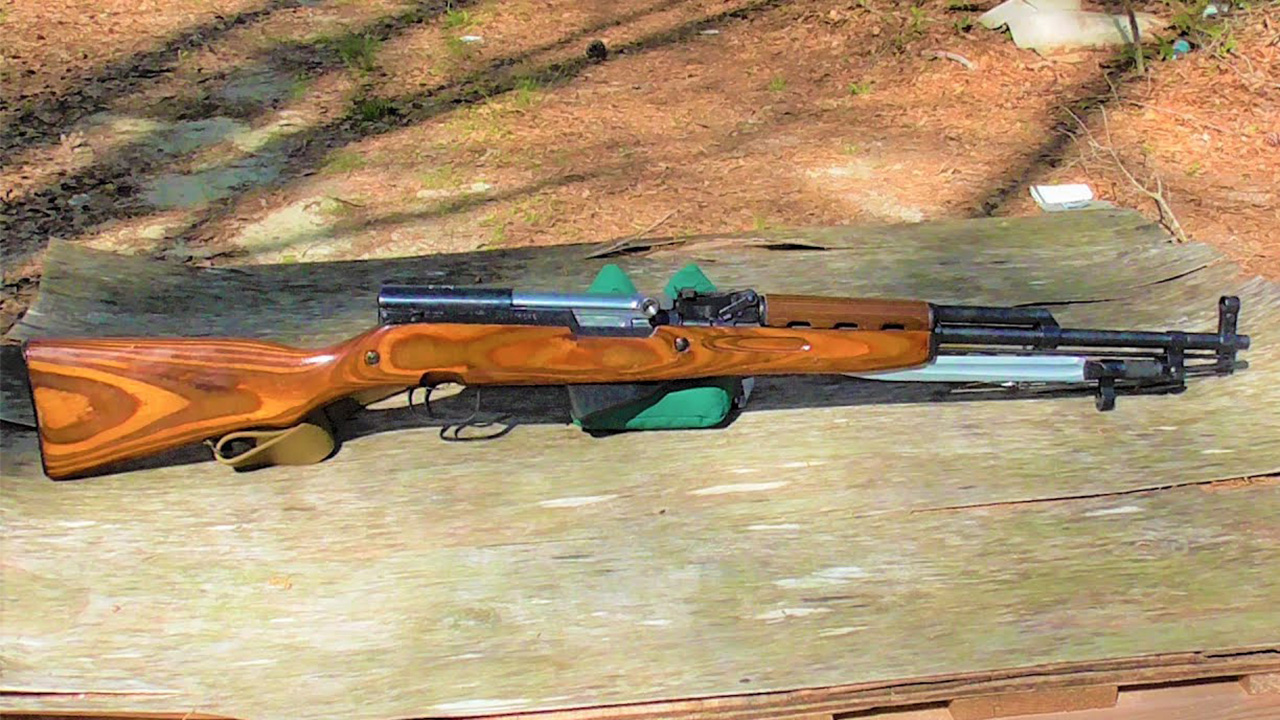
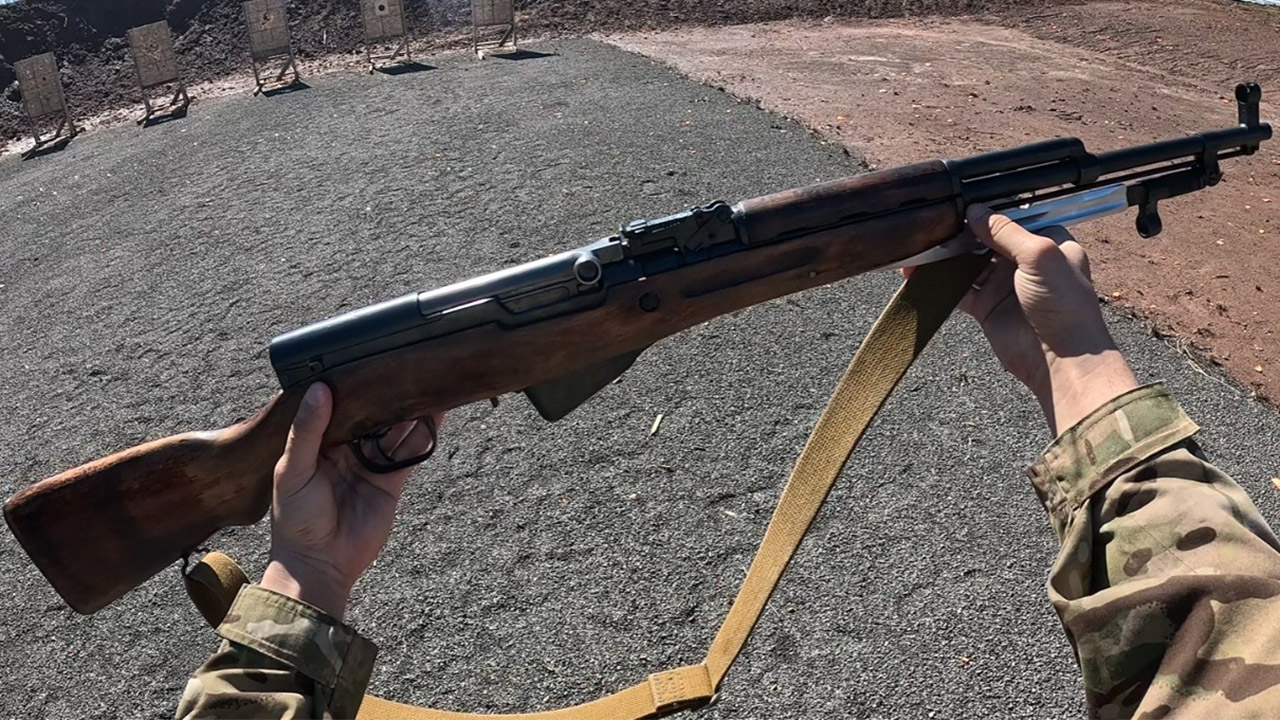
There was a time when SKSs were stacked like cordwood at gun shows, priced closer to a weekend grocery bill than a serious purchase. The better Russian and early-import examples, especially with matching numbers and decent stocks, have gotten steadily harder to find.
The practical consequence is you’re paying “collector money” for what is, at its heart, a rugged utility rifle. They still run and they still drop hogs and whitetails inside sane distances, but at today’s prices you start comparing them to modern rifles with better optics mounting and better ammo selection.
2. Mosin-Nagant 91/30

The classic crate gun used to be the Mosin. Folks bought them as first rifles, truck guns, and “just because” guns. The cheap surplus has largely dried up, and clean examples are now priced like real hunting rifles.
That stings because the Mosin is long, rough, and not exactly polite at the shoulder. It’ll shoot and it’ll survive hard use, but if you’re buying one now, you’d better want that history and not just a cheap way into a centerfire rifle.
3. Chinese Norinco AK-47 (pre-ban and early imports)

Once upon a time, a Chinese AK was a practical choice for a ranch rifle or range beater. Imports changed, availability tightened, and now those Norinco rifles are treated like “the good old stuff.”
The hard part is the new price doesn’t automatically buy you new-gun support. If something breaks, you’re hunting parts and paying a gunsmith who understands older variants, and you’ll think twice about beating it up the way folks used to.
4. Ruger Mini-14 (early 180-series and clean Ranch rifles)

The Mini-14 lived for years in that “good enough, not too expensive” lane. These days, older Minis in nice shape and certain runs bring surprising money, partly because they’re handy rifles and partly because they’ve become their own little collector niche.
Practically speaking, you’re paying more for a rifle that may not shoot as tight as a budget AR. It’s still a great grab-and-go ranch gun with the right mags, but at today’s cost you start demanding better accuracy than some of the older ones deliver.
5. Colt Python

For a long stretch, the Python was “expensive,” but still attainable if you saved and hunted around. Then the collector market went wild, and even well-used examples can command a price that makes a man blink twice.
The consequence is a lot of folks stop treating them like revolvers and start treating them like heirlooms. That’s fine, but it means if you want a hard-use .357 for the woods, there are better choices that won’t make you baby it every time you crawl into a stand or bounce down a logging road.
6. Colt Detective Special
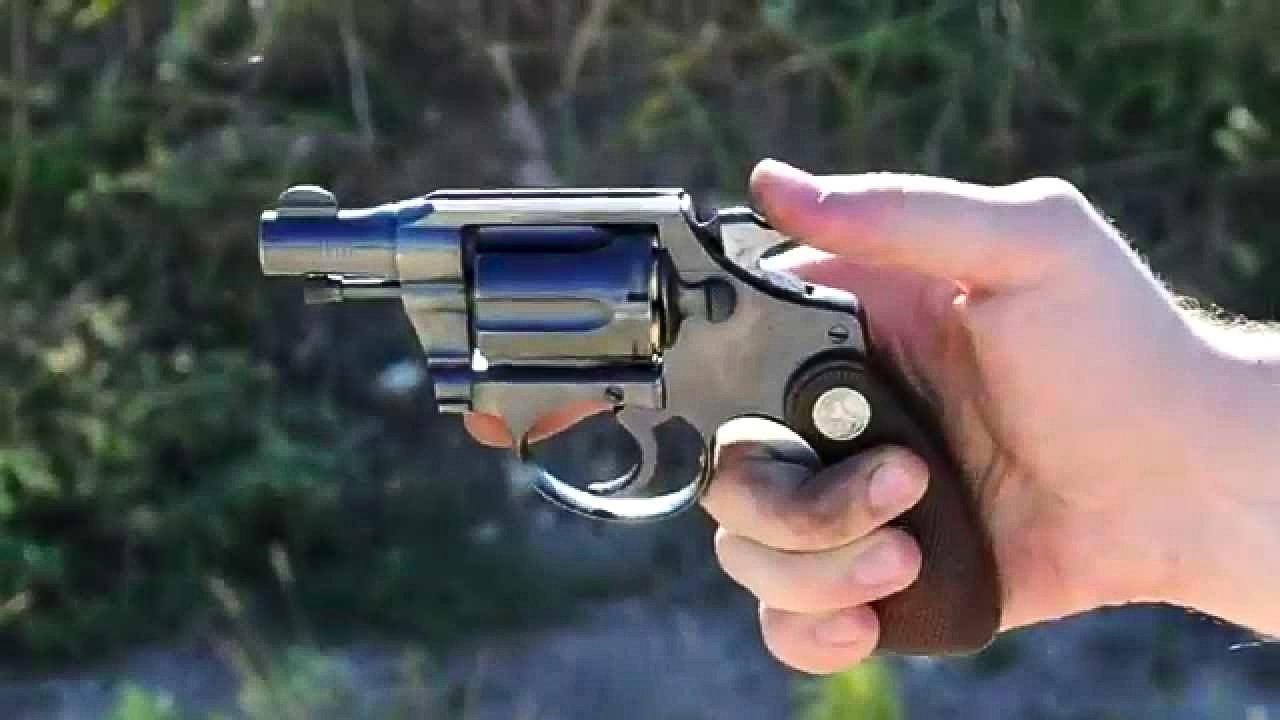
These were common carry revolvers back when snub-noses ruled the world. Police trade-ins and estate guns used to show up cheap. Now, good examples are scarce, and Colt’s older double-actions have become a collector game.
On the practical side, you’re buying an older gun with older sights and older metallurgy expectations. It’ll do its job, but you’ll want to inspect timing and lockup carefully and understand it isn’t a high-round-count range toy unless it’s been cared for.
7. Smith & Wesson Model 19 (pinned and recessed classics)
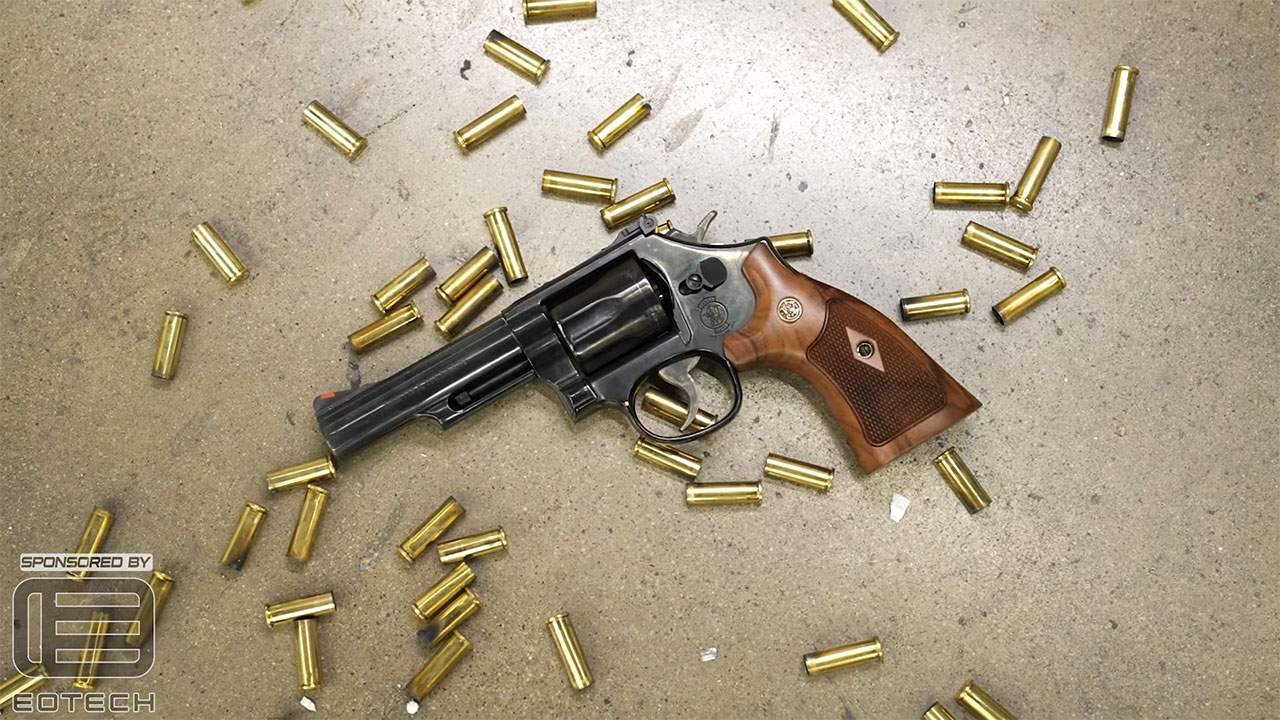
The Model 19 used to be the kind of revolver you’d find in a nightstand, glove box, or duty holster without much ceremony. The “pinned and recessed” era guns especially have climbed, because they represent a particular kind of old-school S&W fit and finish.
At modern prices, you’re often paying more for nostalgia than capability. They’re sweet-handling revolvers, but steady diets of hot .357 loads aren’t what most owners want to feed them, which matters if you’re buying it as a hard woods gun.
8. Smith & Wesson Model 29

The .44 Magnum legend has been printing money for decades, and the Model 29 rode that wave. Years ago you could find shooter-grade guns without taking out a loan. Now, even worn examples can be priced like premium hunting rifles.
The real-world issue is many folks discover they don’t actually enjoy shooting full-house .44s all afternoon. If you’re buying one at today’s numbers, make sure you’re buying it for hunting, defense in big-country, or collecting—not just because it looks cool in the safe.
9. Browning Hi-Power (original Belgian and desirable variants)
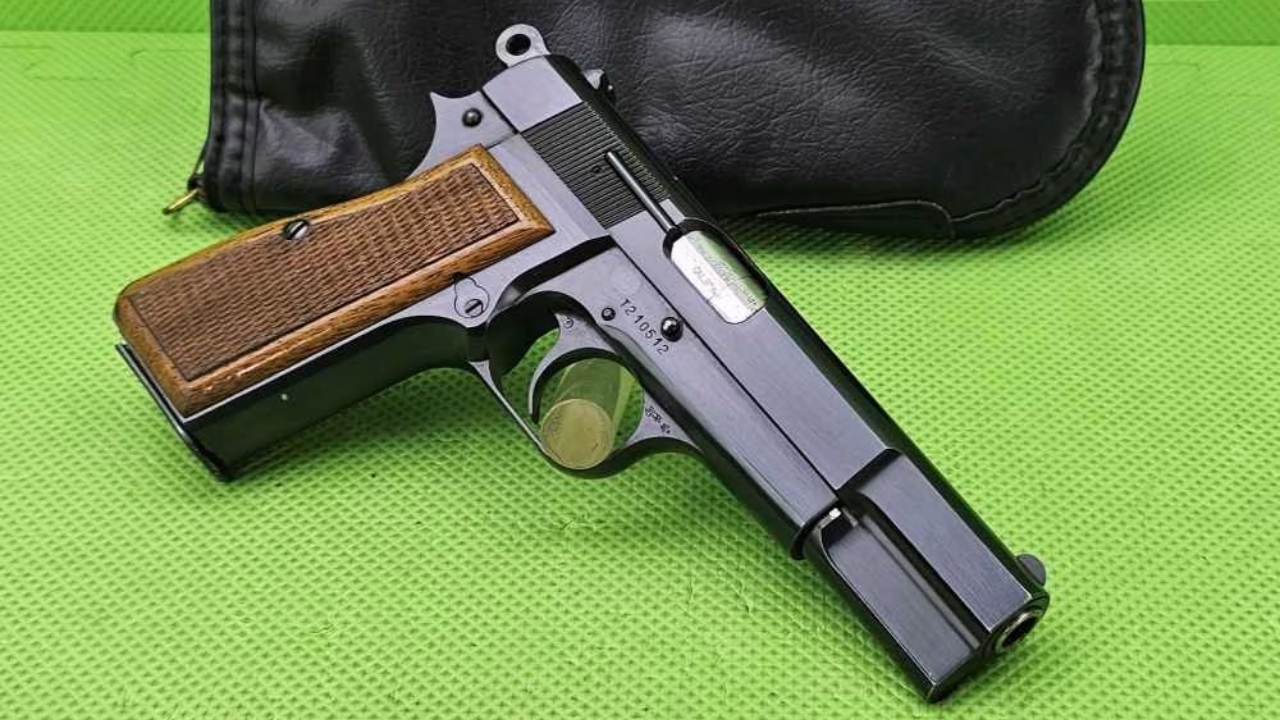
The Hi-Power used to be the classy 9mm you bought because it felt right in the hand. Surplus and imports kept prices reasonable. Then production shifts and collector demand moved in, and the nice ones started disappearing.
Functionally, it’s still a great pistol, but it’s also an older design with older ergonomics and, in some cases, a trigger setup people either love or hate. At current prices, it’s harder to justify as a “beat it up” carry gun compared to modern 9mms with better sights and support.
10. CZ 75 (pre-B and early imports)

There was a golden period when CZ 75s were the quiet bargain—serious pistol, fair price, built like a tank. Early examples and certain imports have become more collectible, and clean ones aren’t sitting around unloved anymore.
In practical terms, you’re paying for an all-steel pistol that shoots great but weighs more than most folks want for daily carry. If you’re buying it for range time, it’s worth it. If you want a light, simple carry gun, you’ll feel that weight by lunchtime.
11. M1 Garand (CMP-era “easy buys” are gone)

A lot of American shooters remember when you could mail-order a Garand and feel like you got away with something. Those days have cooled off, and prices for good service grades and correct rifles can get serious.
Owning one is still special, but the consequence is you’re more likely to baby it, and you’re also more likely to care about ammo choice and maintenance. Garands can be reliable workhorses, but you want to run them the way they were meant to be run, not just feed them whatever is cheapest on the shelf.
12. M1 Carbine (U.S. GI)
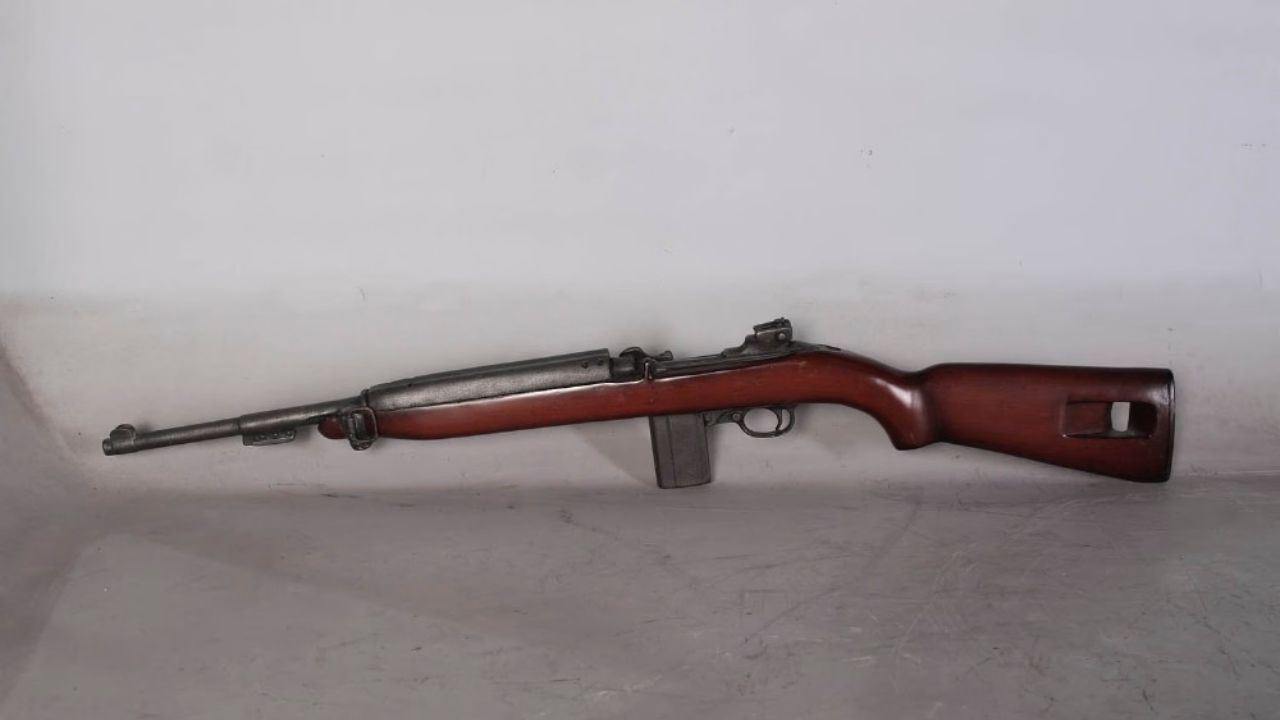
The little carbine used to be an affordable piece of history. Then collectors started sorting parts, manufacturers, and markings, and the price followed. A legitimate U.S. GI carbine with correct features can now cost more than a modern defensive carbine.
Practically, it’s light and handy, but .30 Carbine ammo isn’t always cheap, and some aftermarket mags can cause headaches. If you buy one, plan on sticking to good mags and understanding it’s a handy rifle, not a long-range hammer.
13. Springfield M1903 (and 1903A3)

These rifles used to be the “grandpa deer rifle” you could pick up at a fair price. As surplus dried up and collectors chased condition and originality, the cost jumped, especially for nicer examples.
In the field, they’re still solid rifles, but you’re dealing with iron sights unless you’re willing to alter history, and most folks aren’t. If your goal is simply to hunt with a bolt gun, modern rifles do it cheaper and often more comfortably with optics.
14. Enfield No. 4 Mk I

For years, the Enfield was the other surplus deal—smooth bolt, good sights, and usually decent accuracy. Then .303 British became less common, and clean rifles got picked over, pushing prices up.
What matters now is parts and ammo. An Enfield can run like a sewing machine, but if you need magazines or specific spares, you may be chasing them, and feeding it can cost more than folks expect if they’re used to common calibers.
15. Swiss K31

K31s used to be the “smart guy surplus buy.” Straight-pull action, excellent barrels, and surprising accuracy for the money. That secret got out, and the nicer ones with matching accessories aren’t bargain-bin guns anymore.
The practical side is they’re accurate and fun, but the rifle has its own personality—length of pull, straight-pull feel, and ammo considerations. If you’re paying modern prices, make sure you actually like shooting it and aren’t just chasing internet hype.
16. HK P7

Police trade-in P7s were once the ultimate “weird but awesome” deal. Then people realized they weren’t making more of them, and prices went from quirky to painful.
In use, they’re accurate and easy to carry, but they also heat up fast during range sessions and aren’t as simple to support with mags and parts as common pistols. At today’s prices, most owners treat them like collector pieces, not daily carry workhorses.
17. HK SP89 / early HK94-pattern guns

There was a time when certain HK pistols and carbines were expensive but still within reach for a serious shooter. Import changes and collector demand turned them into “buy once, cry forever” guns.
The consequence is you’ll think hard about what you want out of the platform. They can be excellent, but support gear is expensive, and you’re often paying as much for the rollmark and rarity as you are for practical performance.
18. Ruger 10/22 (older walnut-stock carbines and special runs)
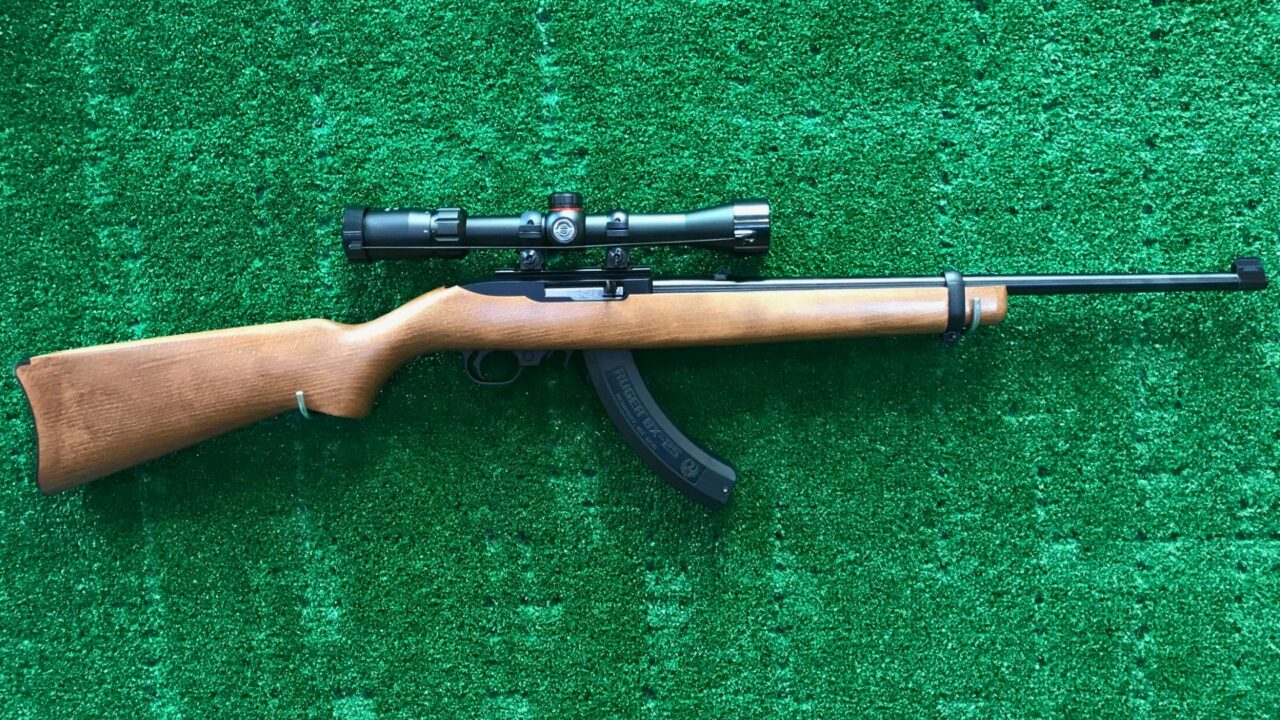
The 10/22 is still sold new, but certain older walnut guns and special editions have climbed in a way that surprises people. The “cheap .22 rifle” idea doesn’t always apply when collectors start chasing condition and details.
Functionally, a 10/22 is a 10/22—reliable and useful for small game and farm chores. The practical issue is whether you want to pay a premium for an older variant when a new one will do the same job, especially if it’s going to live behind a truck seat.
19. Marlin 336 (pre-Remington production)
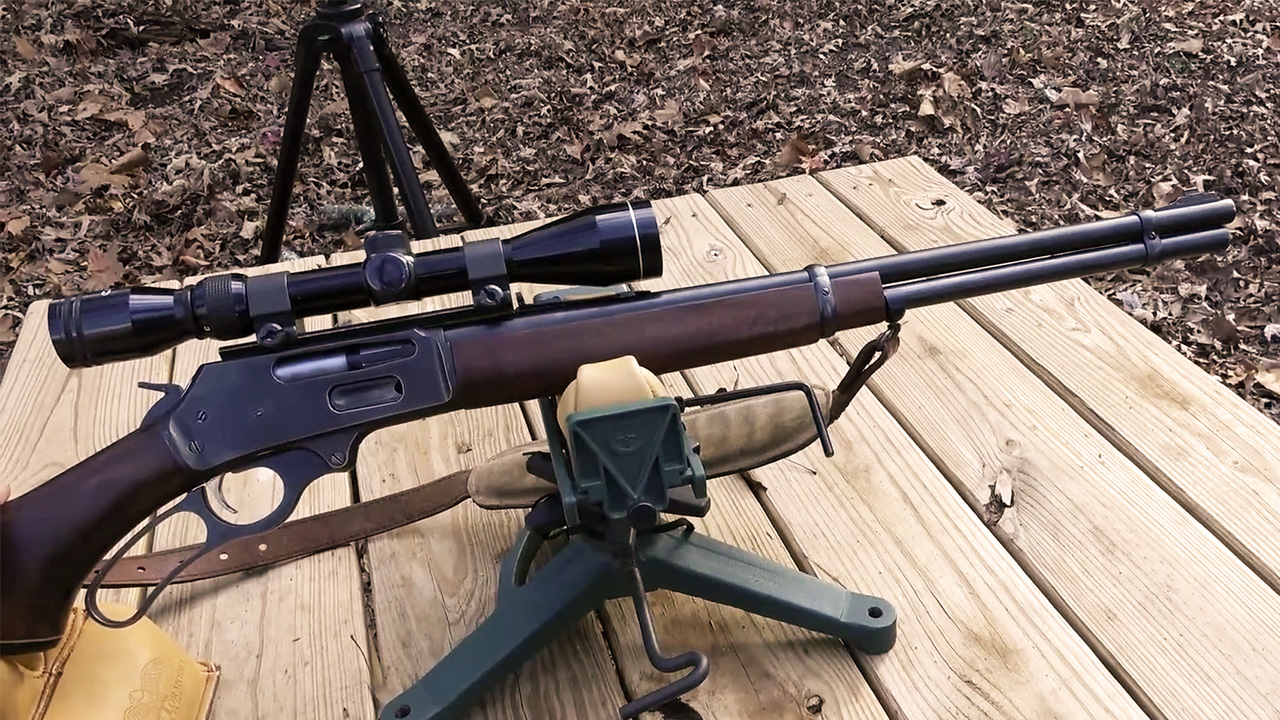
Lever guns went from “every deer camp has three” to “try finding one that isn’t overpriced.” Pre-Remington Marlin 336 rifles, especially in good condition, have become a hot commodity as folks chase that older fit and finish.
In the woods, they’re still about as practical as it gets for thick cover, but the modern price changes how you treat it. A lever gun is meant to be carried, bumped, and used. Paying top dollar makes people hesitant to hunt it hard, which defeats the whole point.
20. Winchester Model 94 (pre-1964)
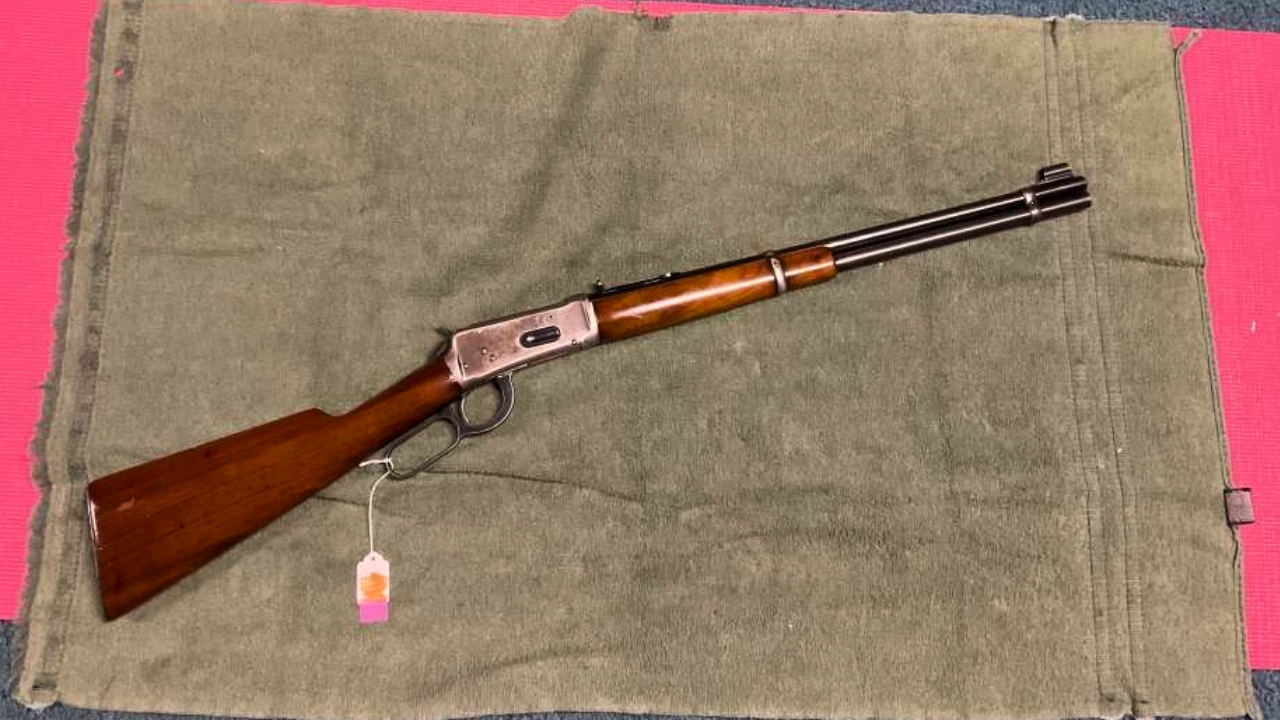
For a long time, the Model 94 was the definition of a common deer rifle. Then pre-’64 nostalgia and collector interest did what it always does, and the nicer rifles climbed out of the “working man” bracket.
Practically, a good Model 94 still carries like a dream and points fast, but don’t confuse price with magic. You’re still dealing with traditional sights unless you set it up carefully, and you’ll want to check function and bore condition because a lot of these rifles earned every scratch honestly.
The funny thing about “cheap once” guns is that they’re rarely cheap because they were bad. They were cheap because there were plenty of them. If you’re shopping this market now, be honest about whether you’re buying a tool or a piece of history, and don’t let nostalgia rush you past basics like bore condition, parts availability, and how you’ll actually use the thing when it’s not sitting in the safe.
Like The Avid Outdoorsman’s content? Be sure to follow us.
Here’s more from us: