Photo credit: Misha's Guns/YouTube
Replacing a successful firearm is harder than designing a new one. The incoming model may be lighter, cheaper to manufacture, easier to accessorize, or more modern on paper. None of that guarantees shooters will accept it.
A legendary gun usually earned its reputation through decades of field use, military service, competition, or simple owner loyalty. Its replacement has to be clearly better without abandoning the qualities people already trusted. These 20 firearms were expected to move the market forward, but they never fully escaped the shadow of the guns they were meant to replace.
Remington Model 887 Nitro Mag

Remington intended the Model 887 Nitro Mag to offer a more weather-resistant alternative to the Model 870. Its steel receiver and barrel were covered with a thick polymer coating designed to protect the shotgun from rain, mud, scratches, and hard use in duck blinds.
The idea made sense, but the 887 never felt as solid or natural as the 870 it was supposed to improve upon. The bulky exterior, unusual appearance, and less refined action made it feel cheaper despite its rugged marketing. A major recall involving certain 887 shotguns damaged confidence even further. Remington eventually discontinued the model, while the older 870 remained the pump shotgun buyers continued asking for.
Remington Model 710
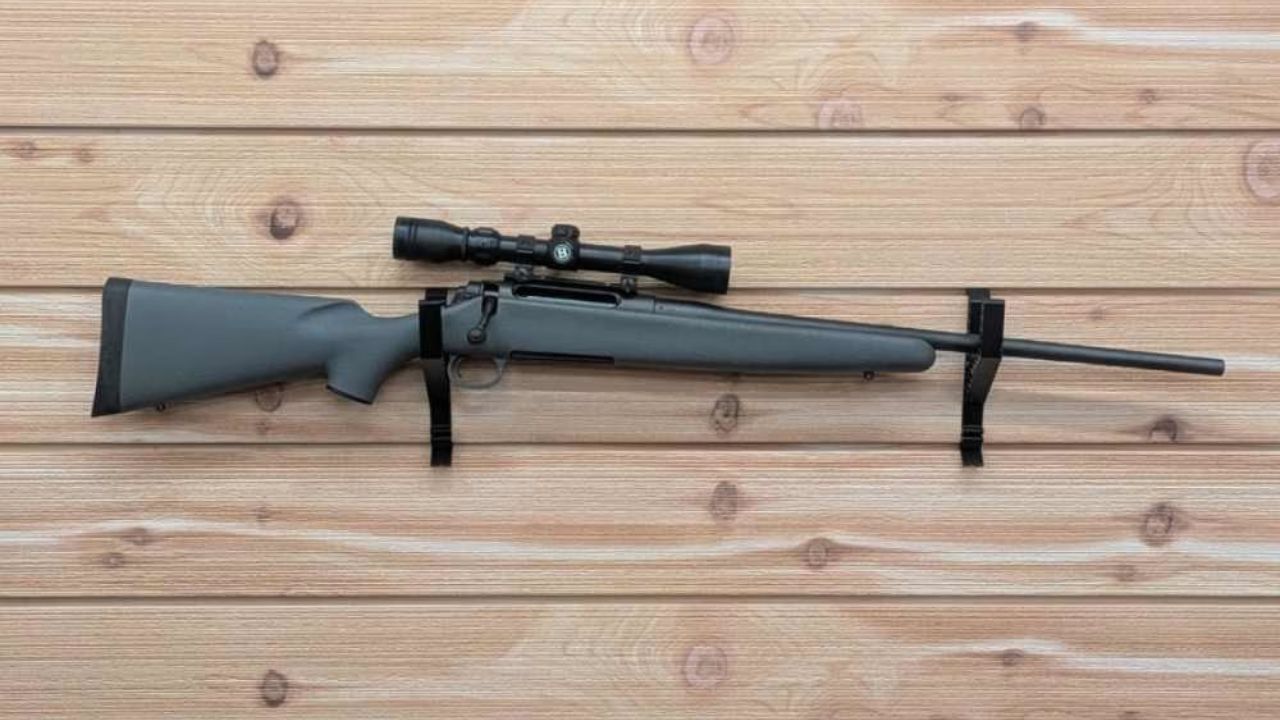
The Model 710 was meant to give ordinary hunters a modern, affordable alternative to the Model 700. It arrived as a package rifle with a factory-mounted scope, synthetic stock, and enough accuracy for typical deer-hunting distances.
The problem was that almost every visible part reminded buyers where money had been saved. The receiver used a permanent barrel arrangement, the magazine and small components felt inexpensive, and the action lacked the smoothness and upgrade potential of the Model 700. Hunters could buy it cheaply, but they could not easily improve it or expect it to become a lifelong rifle. The Model 700 remained the Remington bolt action people actually wanted.
Winchester Model 100
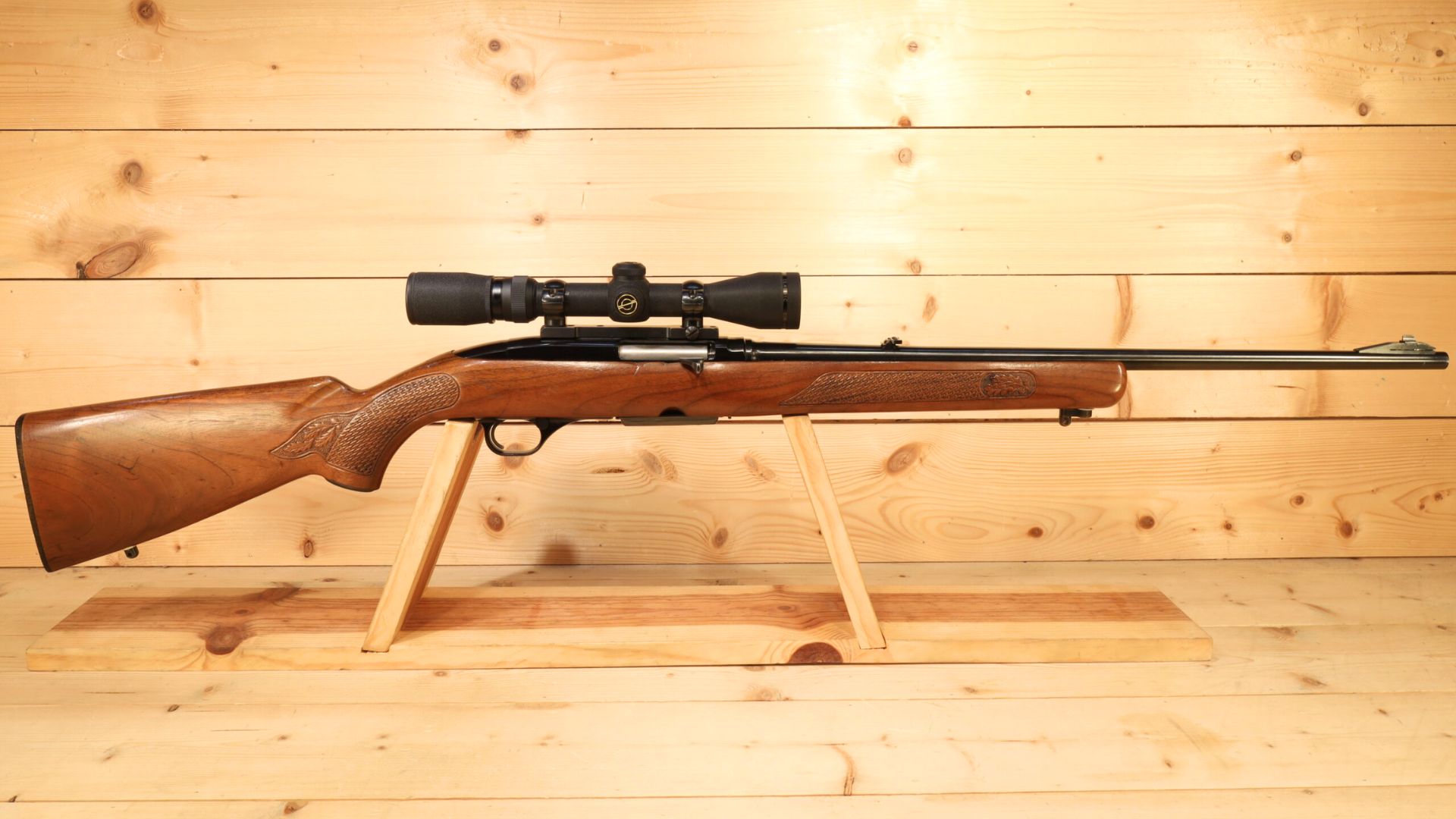
The Winchester Model 100 was developed as a semiautomatic companion to the lever-action Model 88 and a modern alternative to traditional deer rifles. It offered detachable magazines, familiar hunting cartridges, and quicker follow-up shots than a bolt action.
It never achieved the dependable reputation needed to replace established Winchester hunting rifles. The design became associated with firing-pin safety concerns, and affected rifles required modification. Magazines became expensive, parts support weakened, and the rifle’s accuracy rarely separated it from simpler alternatives. The Model 100 remains collectible, but it never became the defining Winchester deer rifle its designers may have expected.
Winchester Model 88
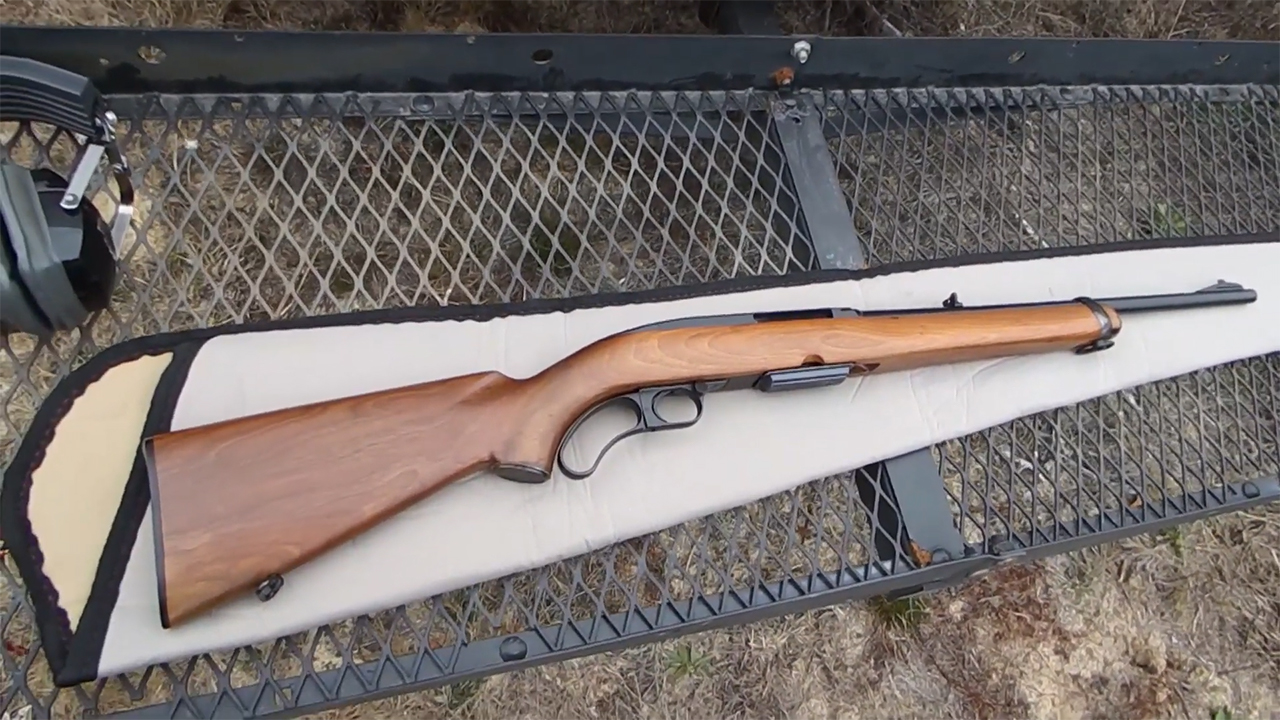
The Model 88 was Winchester’s attempt to modernize the lever-action rifle. It used a rotating bolt, detachable box magazine, and cartridges such as .308 Winchester that could use pointed bullets without the limitations of a tubular magazine.
Mechanically, it was advanced. Shooters still preferred the handling and simplicity of the Model 94 or moved toward ordinary bolt-action rifles. The Model 88’s trigger moved with the lever and was difficult to improve, while the action was more complicated than traditional lever guns. It became an interesting side branch rather than the future of Winchester hunting rifles.
Colt All American 2000

Colt introduced the All American 2000 during the early 1990s as a modern high-capacity 9mm that could compete with Glock, Beretta, SIG Sauer, and Smith & Wesson. The design had respected names behind it and arrived when police agencies were rapidly replacing revolvers and older pistols.
The production gun failed to live up to that promise. Shooters complained about poor accuracy, awkward ergonomics, heavy trigger pulls, and inconsistent quality. The pistol did not feel competitive with the proven service guns already dominating the market. Colt discontinued it after only a short production run, and the company returned to relying on its 1911s and revolvers instead of establishing a new duty-pistol legend.
Colt Double Eagle
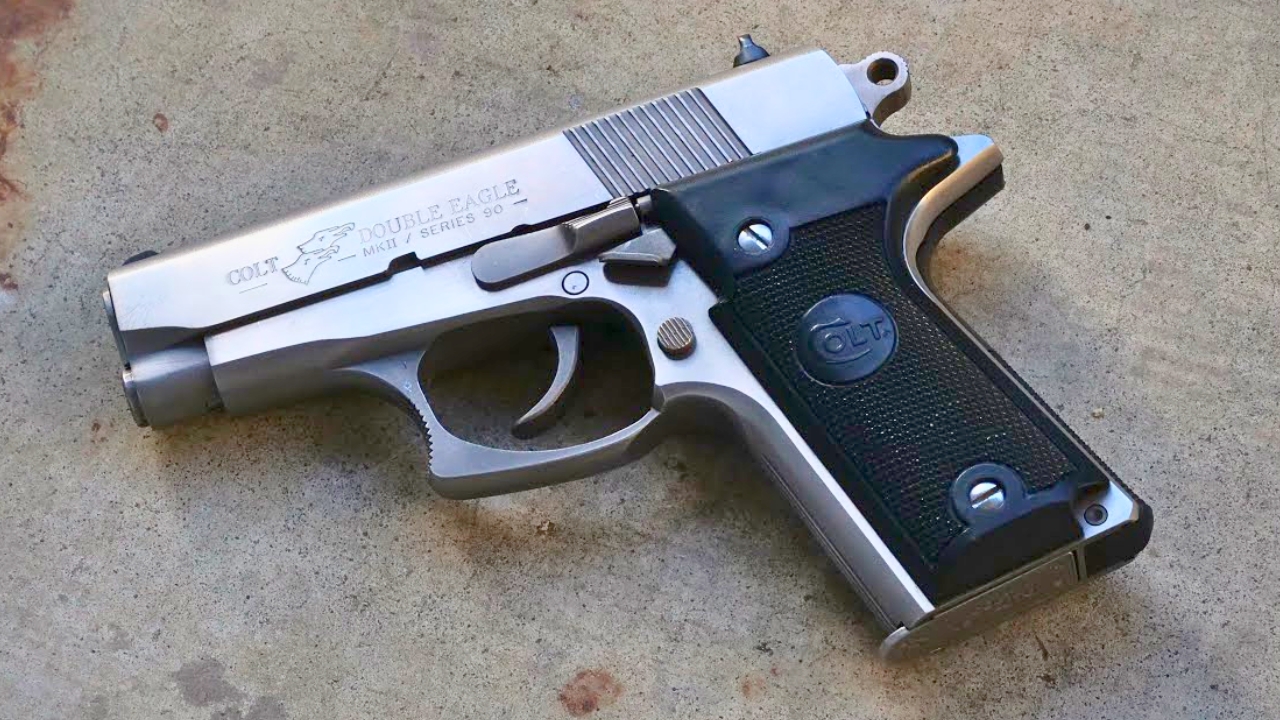
The Double Eagle was supposed to bring the 1911 into the double-action era. It retained the general shape, cartridge options, and single-stack magazine of the Government Model while adding a traditional double-action first trigger pull and decocking controls.
The result lacked the clean simplicity that made the 1911 popular. The trigger system was more complicated, small internal parts could shift during disassembly, and the first-shot-to-second-shot transition offered little advantage over better-established SIG and Smith & Wesson pistols. Shooters who wanted a 1911 bought a real 1911. Those who wanted double action usually chose something else.
Colt Z40
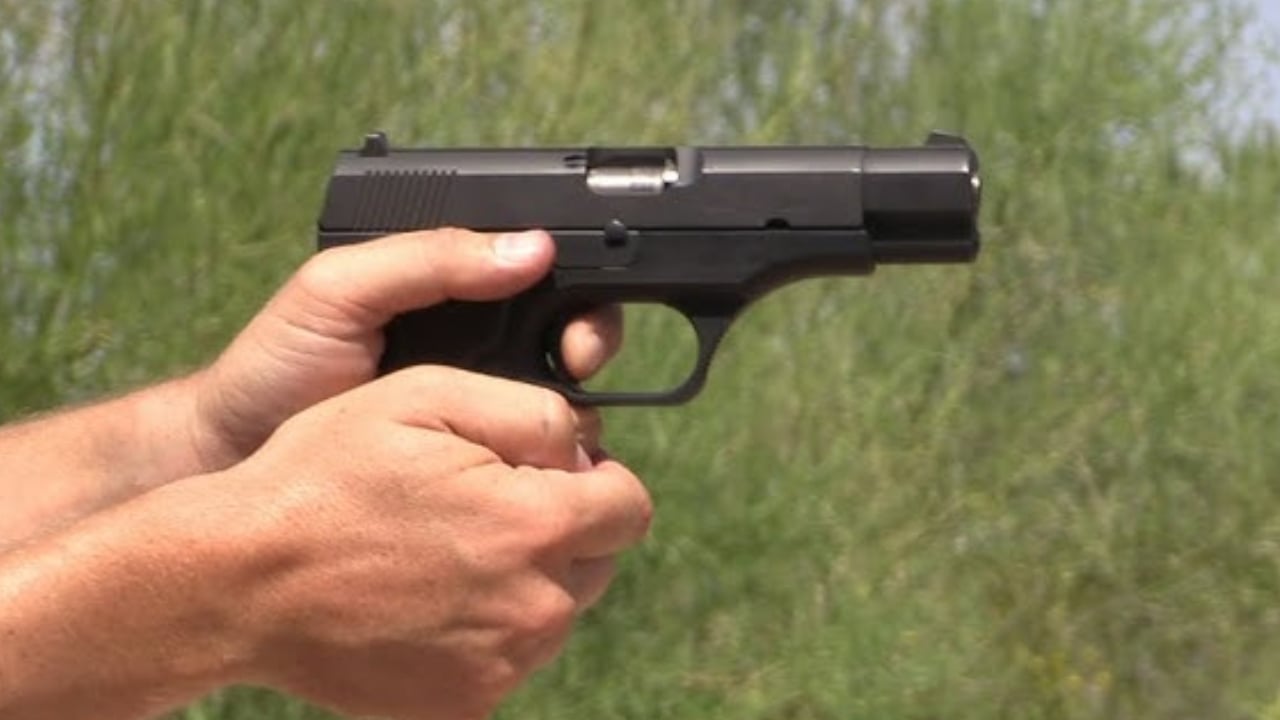
The Colt Z40 was developed with CZ and was expected to give Colt a serious modern service pistol chambered in .40 S&W. Its design borrowed heavily from the CZ 75 family and offered a metal frame at a time when polymer duty pistols were becoming dominant.
The project never gained meaningful momentum. Colt sold relatively few pistols, the design lacked a clear identity, and it entered a crowded market without a strong law-enforcement contract or civilian following. Instead of becoming Colt’s answer to the SIG P229 or Smith & Wesson’s third-generation pistols, the Z40 became a short-lived curiosity that most shooters forgot existed.
Smith & Wesson Sigma SW9F
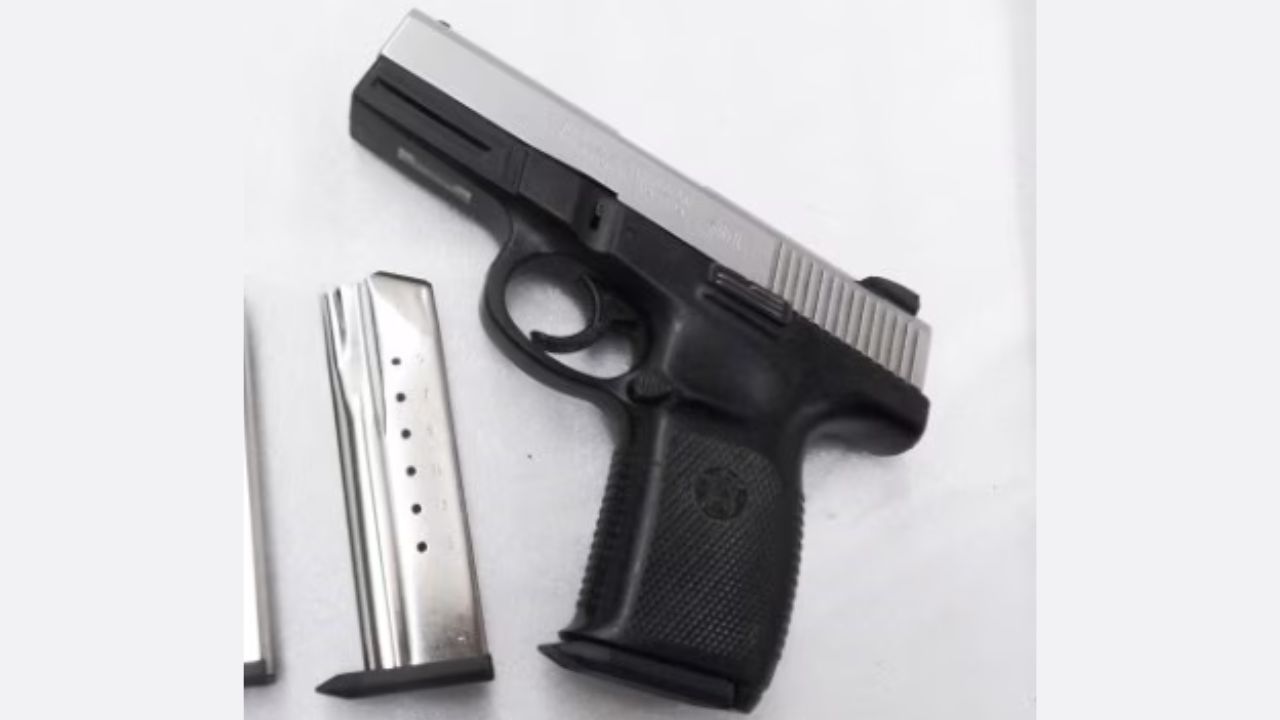
The Sigma SW9F was Smith & Wesson’s early attempt to answer the Glock 17. It offered a polymer frame, striker-fired action, high-capacity magazine, and a lower price than many traditional metal-framed service pistols.
Its heavy trigger and uneven reputation prevented it from replacing Smith & Wesson’s established duty handguns or taking meaningful ground from Glock. The pistol also became involved in a legal dispute over design similarities. Later Sigma and SD models improved, but the original SW9F never became the modern American service-pistol standard Smith & Wesson needed at the time.
Smith & Wesson SW99
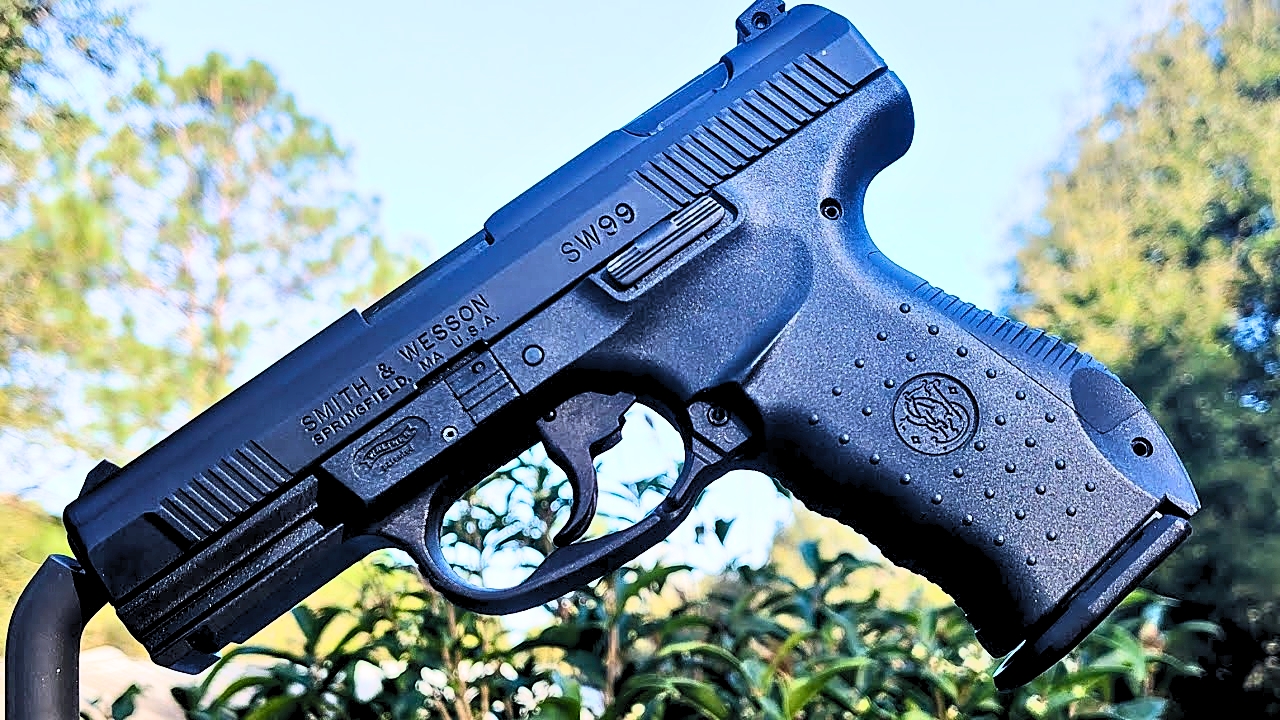
The SW99 paired a Walther-designed polymer frame and operating system with Smith & Wesson manufacturing and branding. It was positioned as a modern replacement for the company’s aging metal-framed semiautomatic pistols.
The gun was capable, but buyers never fully embraced its unusual trigger modes, paddle-style magazine release on some versions, and mixed identity. Walther fans preferred the original P99, while Smith & Wesson customers often stayed with familiar third-generation pistols or later moved to the M&P. The SW99 filled a temporary catalog gap without becoming a legend of its own.
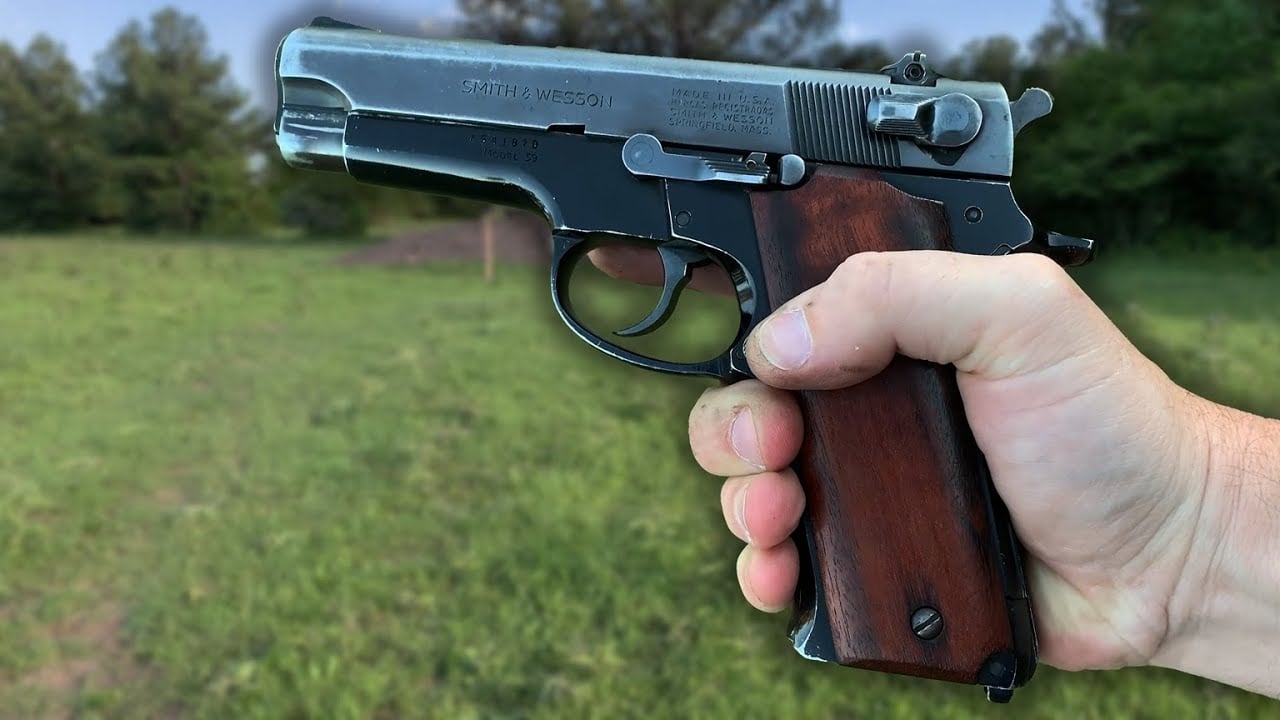
Smith & Wesson Model 59
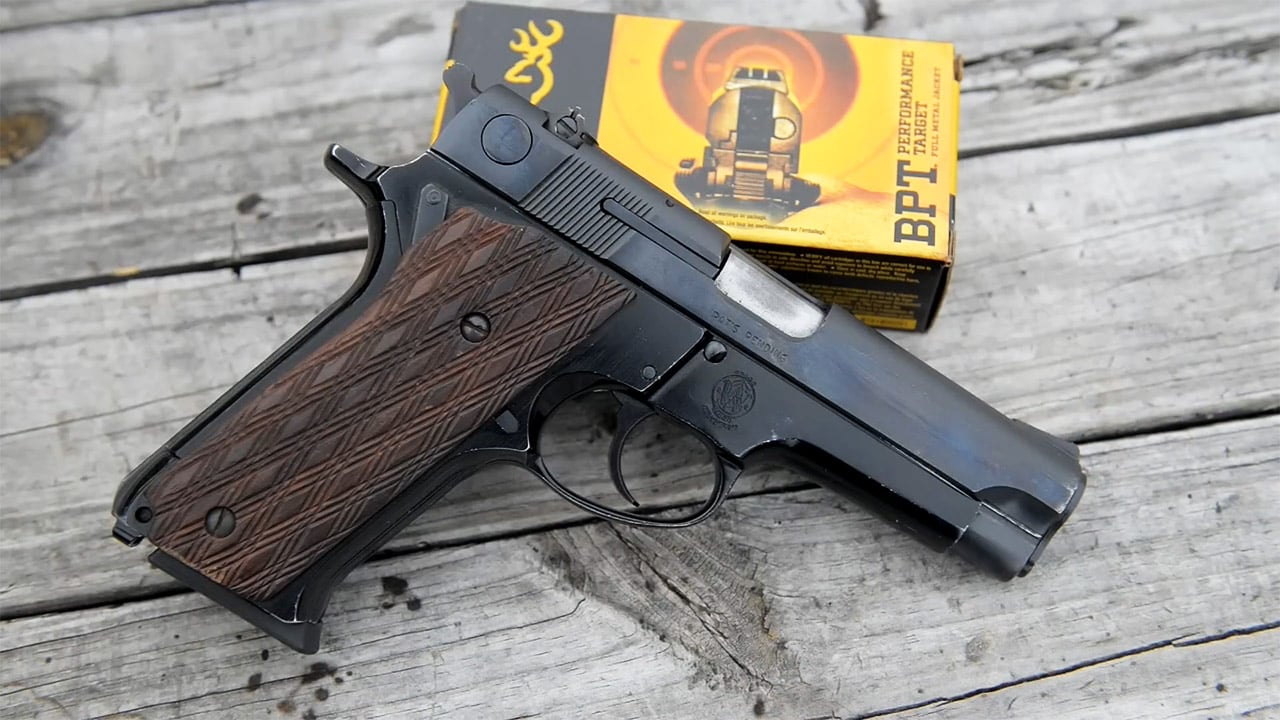
The Model 59 expanded the earlier Model 39 into a high-capacity double-stack 9mm. It offered 14 rounds at a time when many American police officers still carried six-shot revolvers or single-stack semiautomatics.
It was important, but it did not immediately replace the revolver as Smith & Wesson hoped. The grip was wide, the trigger transition required training, and early American law-enforcement agencies remained cautious about high-capacity semiautomatics. Later second- and third-generation Smith & Wesson pistols refined the formula, but the original Model 59 was more of a stepping stone than the definitive replacement for the Model 10 revolver.
Ruger Hawkeye Pistol
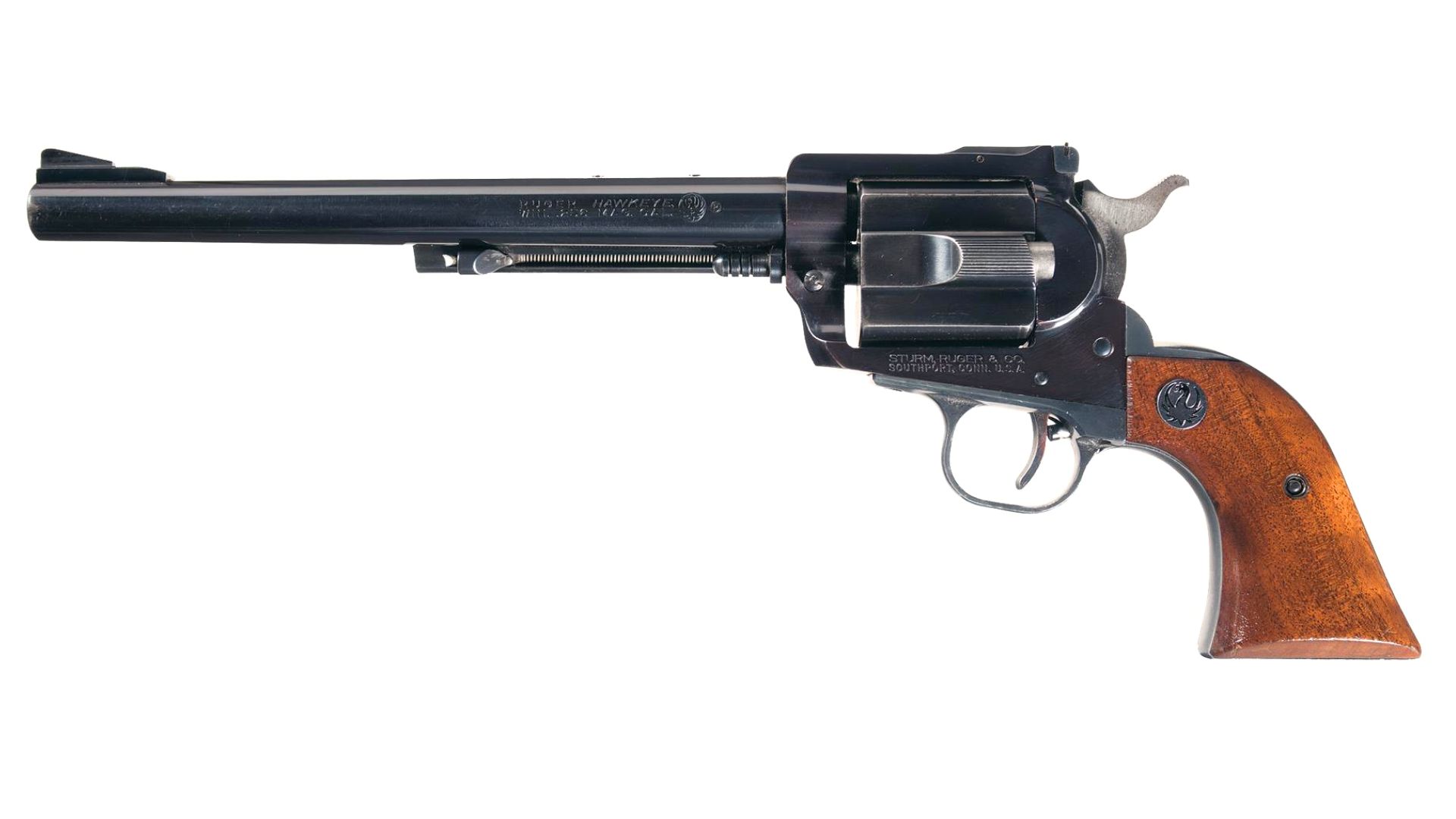
The Ruger Hawkeye was intended to expand Ruger’s successful single-action handgun line into a new type of hunting pistol. It used a rotating breechblock and chambered the powerful .256 Winchester Magnum cartridge.
The pistol was accurate and mechanically interesting, but its single-shot layout and unusual cartridge limited its appeal. Hunters who wanted a revolver stayed with the Blackhawk, while shooters interested in single-shot handguns soon had broader options from Thompson/Center. The Hawkeye disappeared after a short production run and never replaced Ruger’s traditional revolvers as the company’s dominant hunting handgun.
Ruger P85
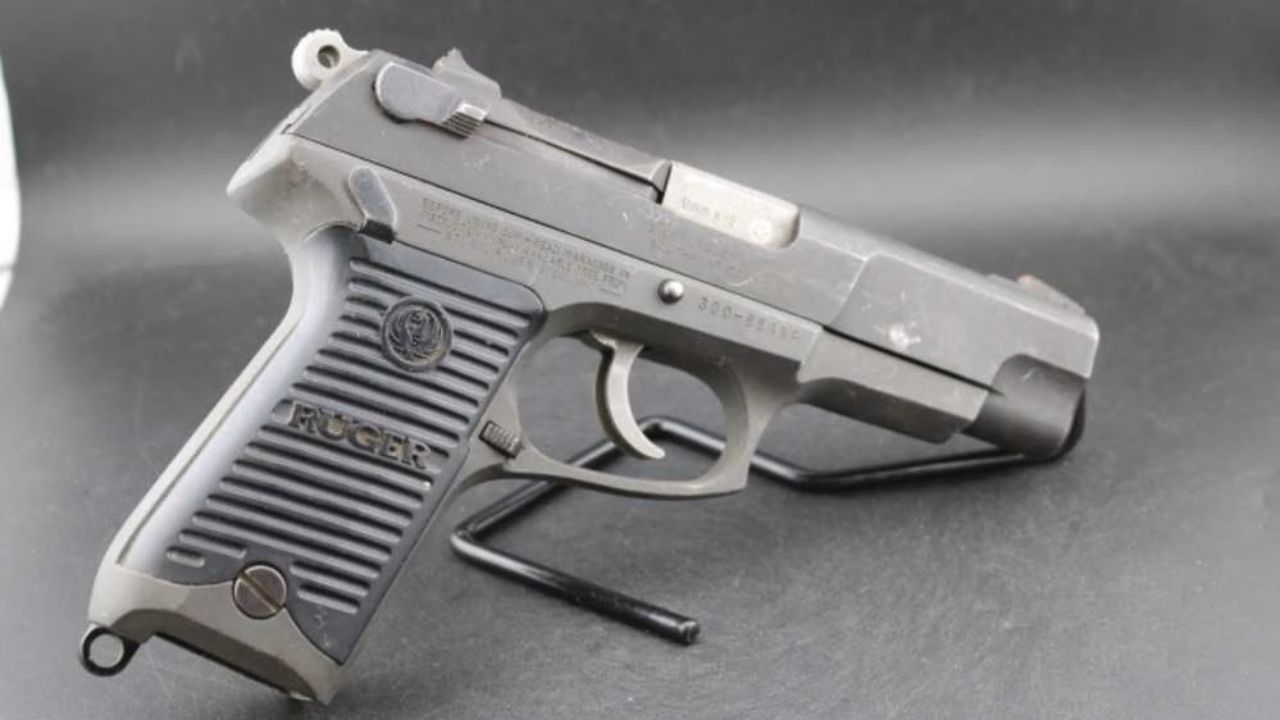
The P85 was Ruger’s first centerfire semiautomatic pistol and was built with military service trials in mind. It offered a double-stack magazine, traditional double-action trigger, and the rugged construction buyers expected from Ruger.
It was durable, but it was also bulky, heavy, and crude beside the Beretta 92, SIG P226, and later polymer pistols. The P-series developed a loyal following, yet the P85 never became the new American service-pistol legend Ruger hoped to create. It eventually became known more as an affordable, nearly indestructible range gun than a true replacement for the dominant military and police pistols of its era.
Beretta 9000S

The Beretta 9000S was designed to bring Beretta into the compact polymer-framed carry market. It was supposed to offer the traditional double-action operation of the 92 series in a smaller, lighter package.
Instead, the pistol felt thick, awkward, and unnecessarily complicated. The grip was short but bulky, controls were difficult for some shooters to reach, and the trigger did not provide the smoothness buyers expected from a Beretta. It never replaced compact versions of the 92 or established itself against newer carry pistols. Beretta discontinued it and moved on to more successful compact designs.
Beretta 90-Two
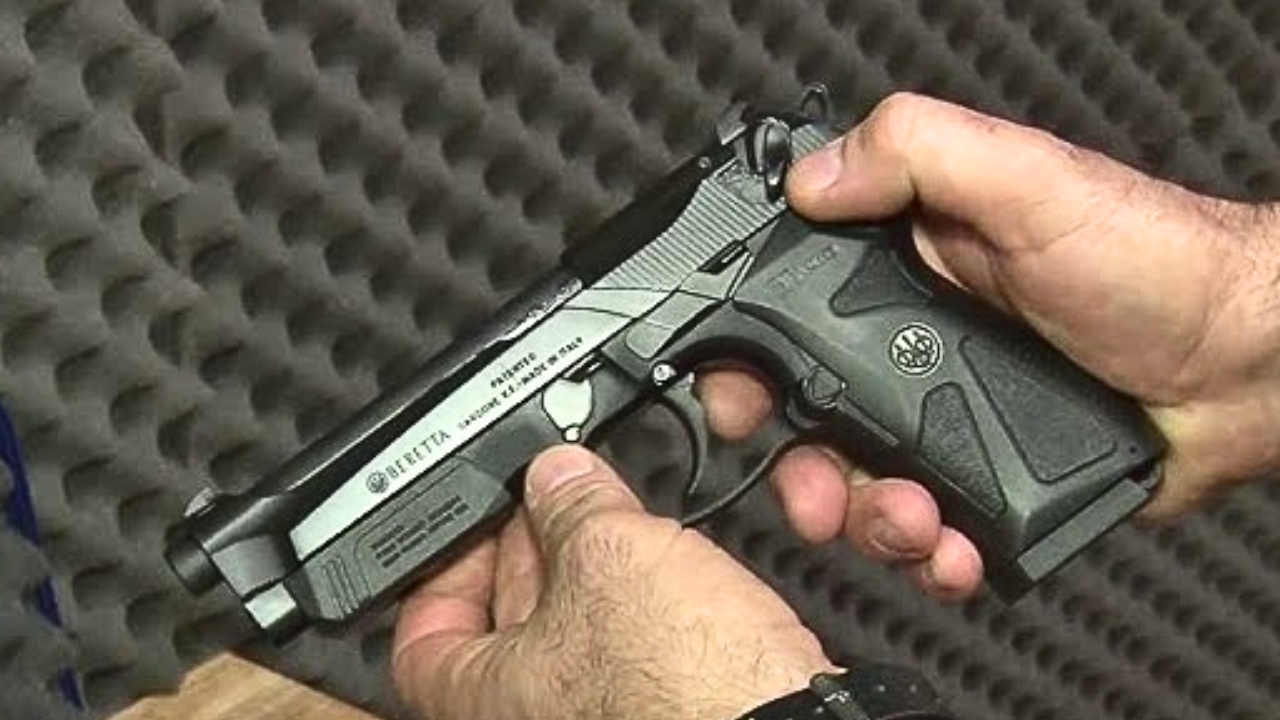
The 90-Two was intended to modernize the Beretta 92 with smoother styling, an accessory rail, updated grip system, and internal improvements. It looked futuristic and arrived when many police and military buyers were adding weapon lights and modern accessories.
Shooters did not connect with the redesign. The removable grip sleeve felt less natural than conventional grip panels, the styling divided opinion, and the slide-mounted controls remained unchanged. The 92FS continued selling because buyers preferred its familiar lines. Beretta eventually returned to more traditional-looking 92 variants, proving the legend did not need to be visually reinvented.
SIG Sauer P250

The P250 was supposed to introduce a new modular handgun system built around a removable fire-control unit. Users could change frame sizes, slides, barrels, and calibers while retaining the same serialized internal chassis.
That concept was years ahead of the market, but the pistol’s long double-action-only trigger prevented broad acceptance. Police agencies and civilian shooters increasingly preferred consistent striker-fired triggers, and the P250 felt slow beside them. SIG reused the modular chassis idea in the P320, which became far more successful. The P250 proved the concept but failed as the gun expected to carry it forward.
Heckler & Koch VP70

The VP70 introduced a polymer frame and striker-fired mechanism years before Glock made those features mainstream. It was developed as a high-capacity military pistol and could fire bursts when attached to a special shoulder stock in its military configuration.
The civilian VP70Z was burdened with one of the heaviest and least pleasant triggers ever placed on a service-size pistol. Its unconventional sights, bulky grip, and poor practical accuracy kept it from replacing pistols such as the Browning Hi-Power or Walther P38. It was technologically important, but being first did not make it successful.
Heckler & Koch P9S
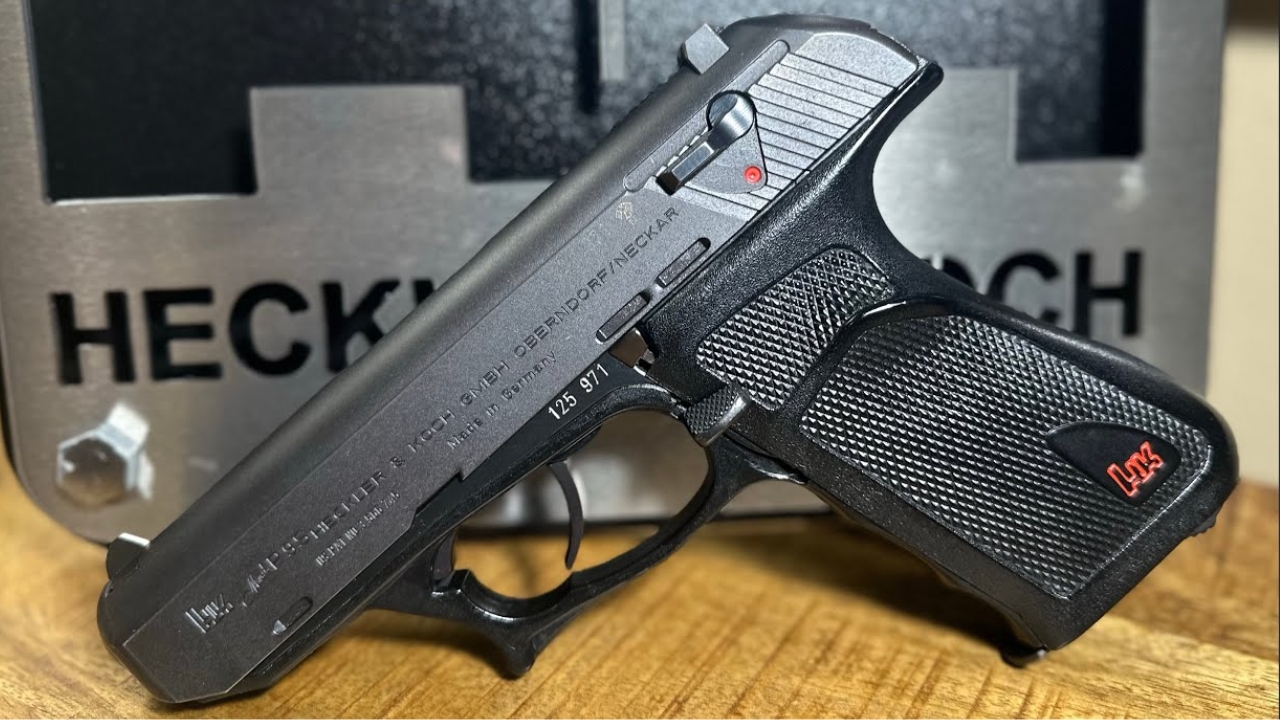
The P9S used roller-delayed operation and a fixed barrel to produce excellent accuracy with a soft recoil impulse. HK offered it in 9mm and .45 ACP, positioning it as a refined service and target pistol.
The design was expensive to manufacture and complicated compared with locked-breech pistols. Its unusual cocking and decocking controls required explanation, and magazine capacity was limited. The P9S never replaced traditional service pistols in large numbers, and HK eventually moved toward the more rugged and commercially successful USP family.
FN FNC

The FN FNC was developed as a lighter, less expensive successor to the FN FAL. It used an intermediate cartridge, accepted modern magazines, and followed the global movement toward compact assault rifles.
It never came close to replacing the FAL’s international reputation. Several countries adopted it, but the rifle entered a market already dominated by the M16, AK variants, and domestic designs. Civilian imports were limited, and the FNC became far less recognizable than the rifle it followed. It was competent without becoming iconic.
FN FS2000

The FS2000 offered American shooters a futuristic bullpup rifle based on FN’s F2000 military design. It had fully ambidextrous operation, forward ejection, enclosed controls, and a compact overall length without using a short barrel.
Its thick body, unusual trigger, awkward magazine access, and limited accessory support kept it from replacing conventional carbines. The rifle also carried a premium price and used a proprietary approach to several basic functions. Shooters who wanted a modern FN rifle generally gravitated toward the SCAR, while the FS2000 became a collectible oddity.
Steyr Scout
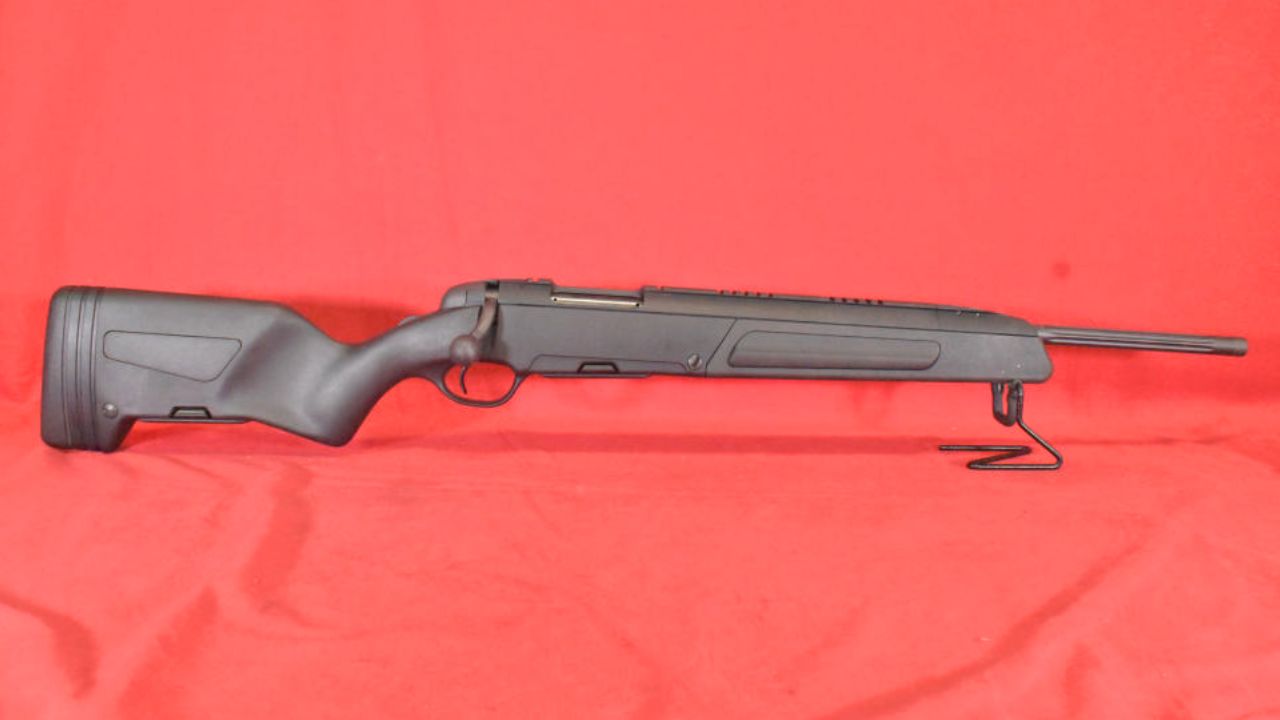
The Steyr Scout was built around Jeff Cooper’s vision of a lightweight, general-purpose rifle. It included a forward-mounted optic position, built-in bipod, spare-magazine storage, and enough accuracy for hunting or defensive use.
It was supposed to establish a new standard for the one-rifle owner. Instead, most hunters continued choosing ordinary bolt actions with conventional scopes. The Scout was expensive, its synthetic construction felt unusual, and the forward optic never gained broad acceptance. The rifle remains clever and capable, but it failed to replace classic hunting rifles as the universal tool Cooper imagined.
Remington Model 105 CTi

The Model 105 CTi was intended to become Remington’s premium modern semiautomatic shotgun. It used a carbon-fiber and titanium receiver, bottom loading and ejection, and a gas-operated action designed to reduce weight and improve handling.
The first version suffered serious reliability problems, particularly with feeding and ejection. Remington introduced a revised CTi II, but the damage was already done. Buyers continued trusting the Model 1100, 11-87, and competing Benelli and Beretta shotguns. The expensive, advanced replacement disappeared while the older Remington designs kept their reputations.
Like The Avid Outdoorsman’s content? Be sure to follow us.
Here’s more from us: