Photo credit: GUNSnWATCHES/Youtube
I have watched it happen a dozen times at gun counters and in buddy-to-buddy trades. A guy walks in with a pistol he’s “tired of,” and he’s expecting to dump it like an old holster. Then the shop owner flips it over, checks the markings, looks at the box, and suddenly the conversation changes. Not every handgun is an “investment,” but a handful of them have a funny habit of getting harder to find and more expensive the minute you bring them home.
A lot of this comes down to simple stuff: discontinued models, certain production runs, imported guns that don’t come in anymore, and pistols that have a cult following because they actually work. Condition matters. Box, papers, spare mags, and the right grips matter. And if you “customize” one with a Dremel and bargain-bin parts, you can ruin the whole thing. If you want pistols that tend to hold value (or climb) right after the purchase, these are 20 worth knowing.
1. Colt Python (modern production)
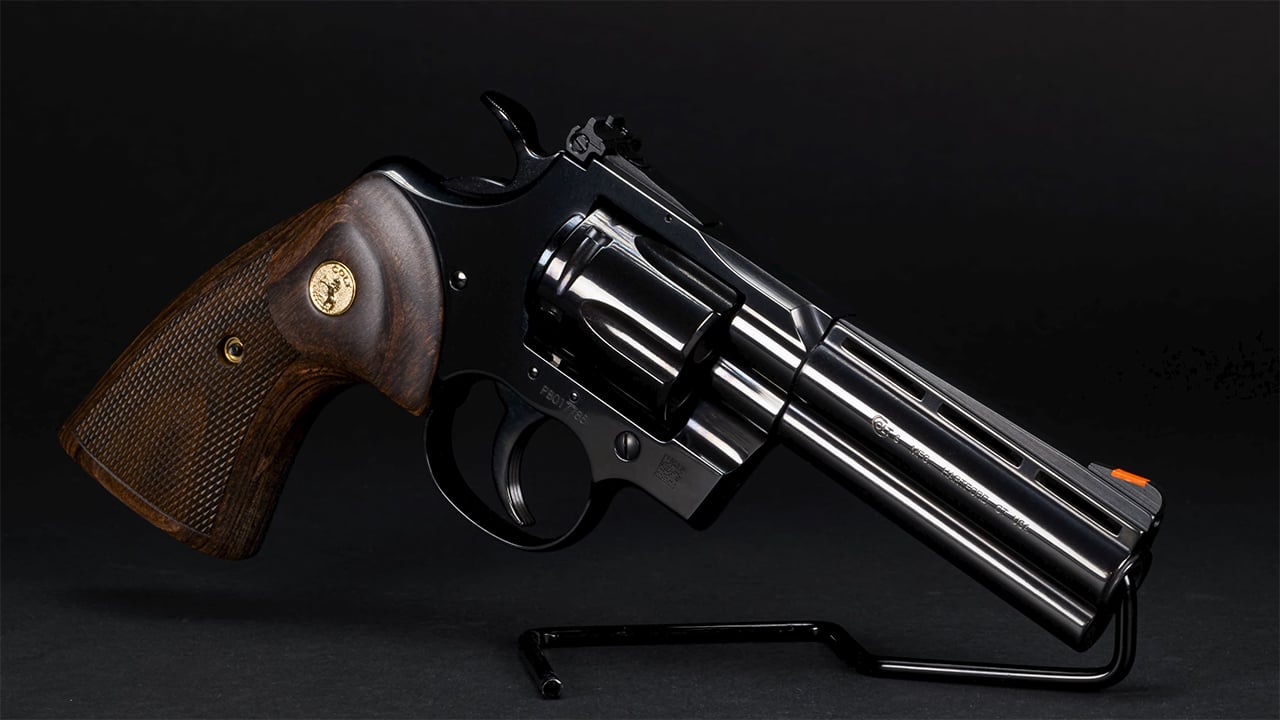
Even the new ones tend to get “instant value” just because they’re a Python and folks still treat that name like it’s magic. The fit and finish is usually what sells it—smooth action, handsome lines, and that classic revolver balance that points like it wants to hit.
They’re not cheap, and they’re not for everyone. Still, the day after you buy it, you’ll understand why you see them locked up behind glass and why used ones don’t sit long. Keep it clean, keep the box, and don’t go doing kitchen-table trigger jobs on it.
2. Colt Anaconda (2021-present)
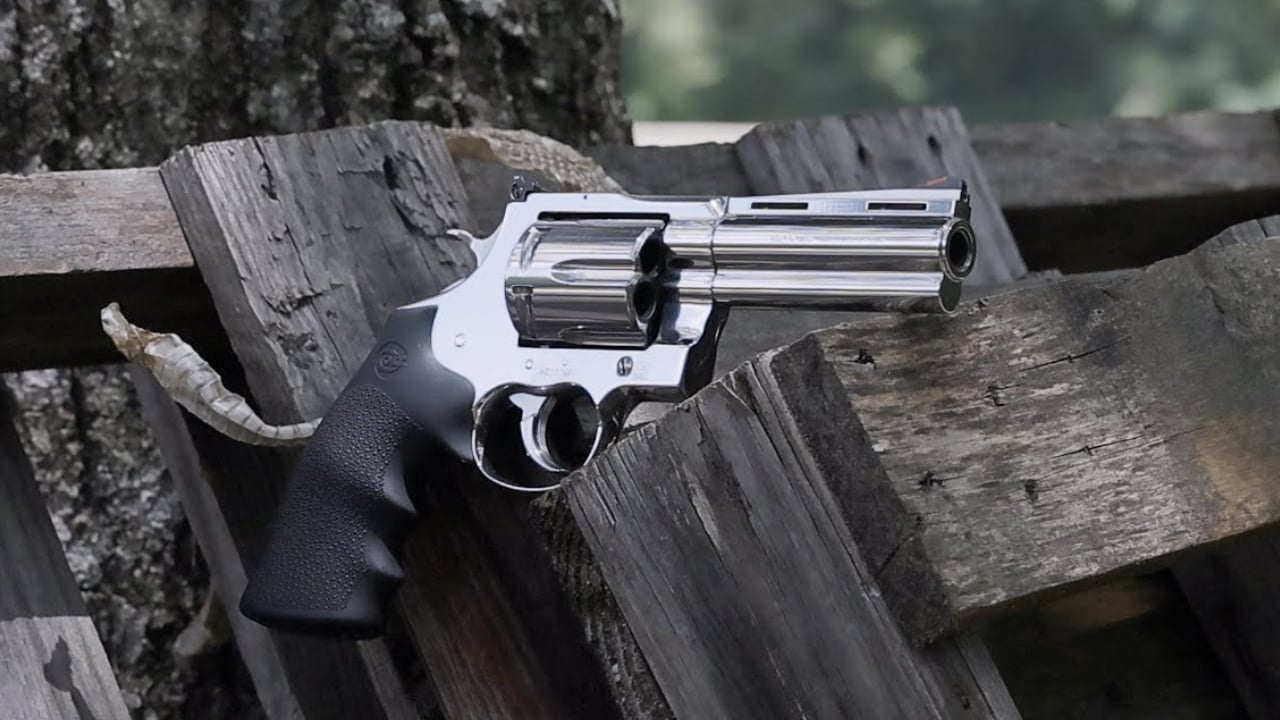
Big-bore revolvers are a smaller market, but it’s a committed market. The Anaconda is one of those guns that gets bought by guys who already know what they like, and they’re not usually dumping them at a loss a month later.
It’s heavy, it’s loud, and full-house loads aren’t “fun range ammo.” But it’s a real hunting-sidearm option and a legit backcountry revolver for folks that actually practice. When a shop gets one on trade in nice shape, it tends to move.
3. Smith & Wesson Model 29 (pinned-and-recessed era)

This is one of those “boring until you hold it” revolvers. Older pinned-and-recessed Model 29s carry a kind of mechanical pride you don’t have to explain to a revolver guy. The lockup, the polish, the way the cylinder feels—there’s a reason.
The trick is buying the right one: honest wear is fine, but don’t pay a premium for one that’s been tinkered with. If it’s clean, original, and timed right, it’s the sort of revolver you can own for years and not get burned on.
4. Smith & Wesson Model 19 (blued, classic K-frame)
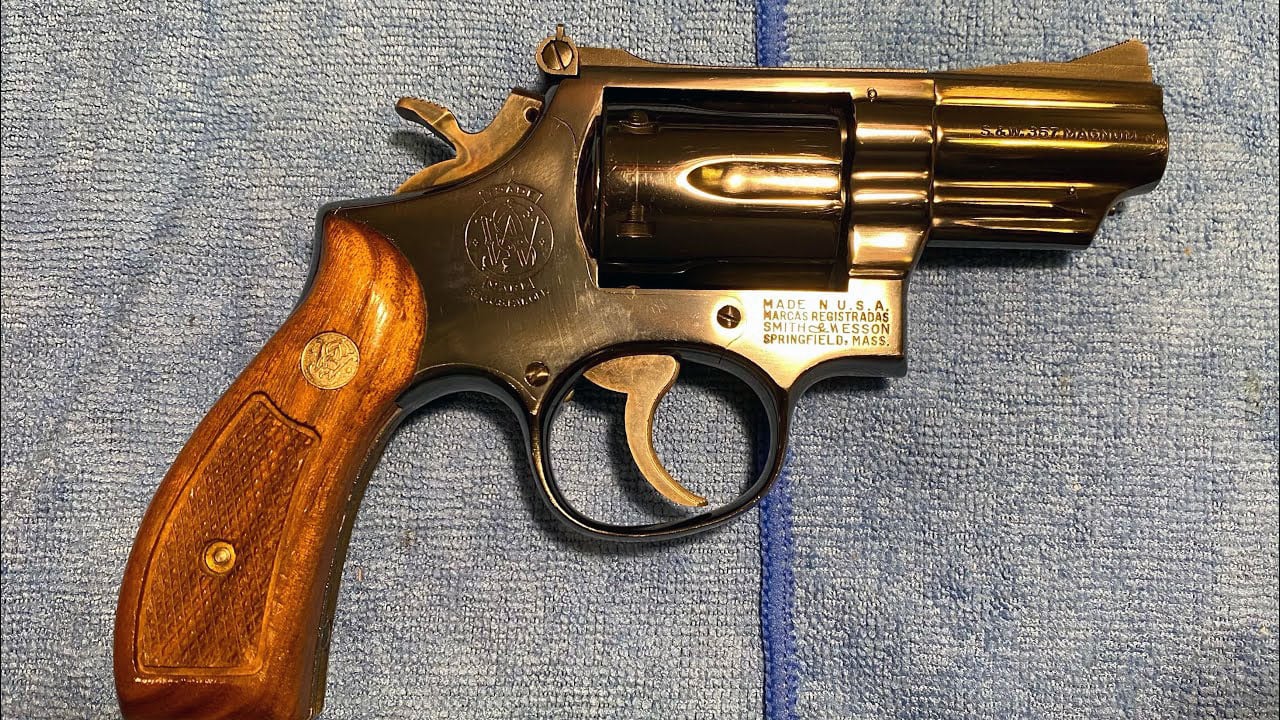
The Model 19 is about as “useful” as a revolver gets—easy to carry, easy to shoot well, and good looking without being gaudy. The old blued guns in particular have a following that never seems to cool off.
It’s not a .357 you want to feed a steady diet of the hottest loads forever, and most folks who know them understand that. But in the real world, with sensible ammo, it’s a woods companion that holds value because it earned its reputation.
5. Ruger GP100 (stainless 4-inch)
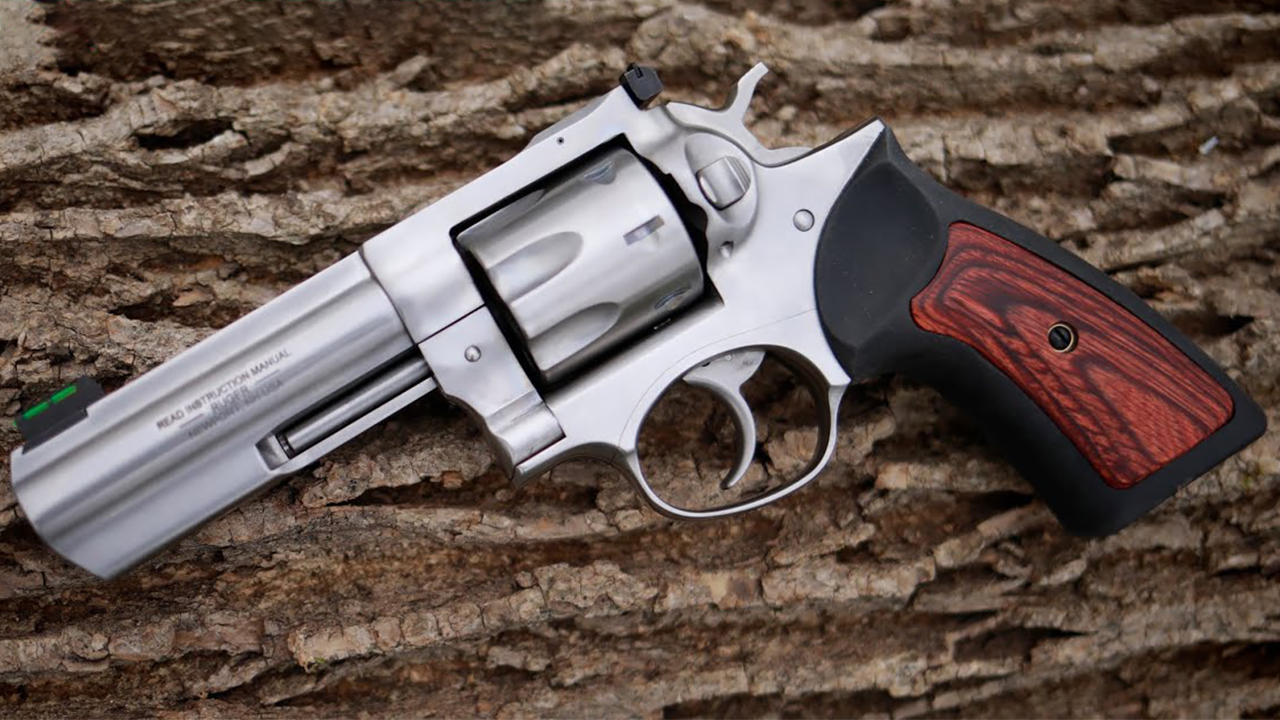
There is nothing fancy about a GP100, and that is kind of the point. They’re tanks, they digest ammo, and they don’t punish you with fragility. A clean stainless 4-inch is one of those “always tradable” guns.
It won’t spike like a collectible Colt, but it tends to be money you can get back. And when you see what used ones sell for during the busy seasons, you start to realize the new-gun price wasn’t as painful as it felt.
6. Ruger Mark II (especially Government Target models)

The Mark II is one of those pistols that disappears from a safe and then you miss it every time you want to shoot .22 for cheap. Great trigger potential, great accuracy, and it runs dirty longer than a lot of modern rimfires.
They’re not the quickest to field strip if you’ve never done it. Ask me how I know. But a clean Mark II with original mags is the kind of .22 that sells itself the second it hits the used case.
7. Browning Hi-Power (FN or Browning-marked originals)
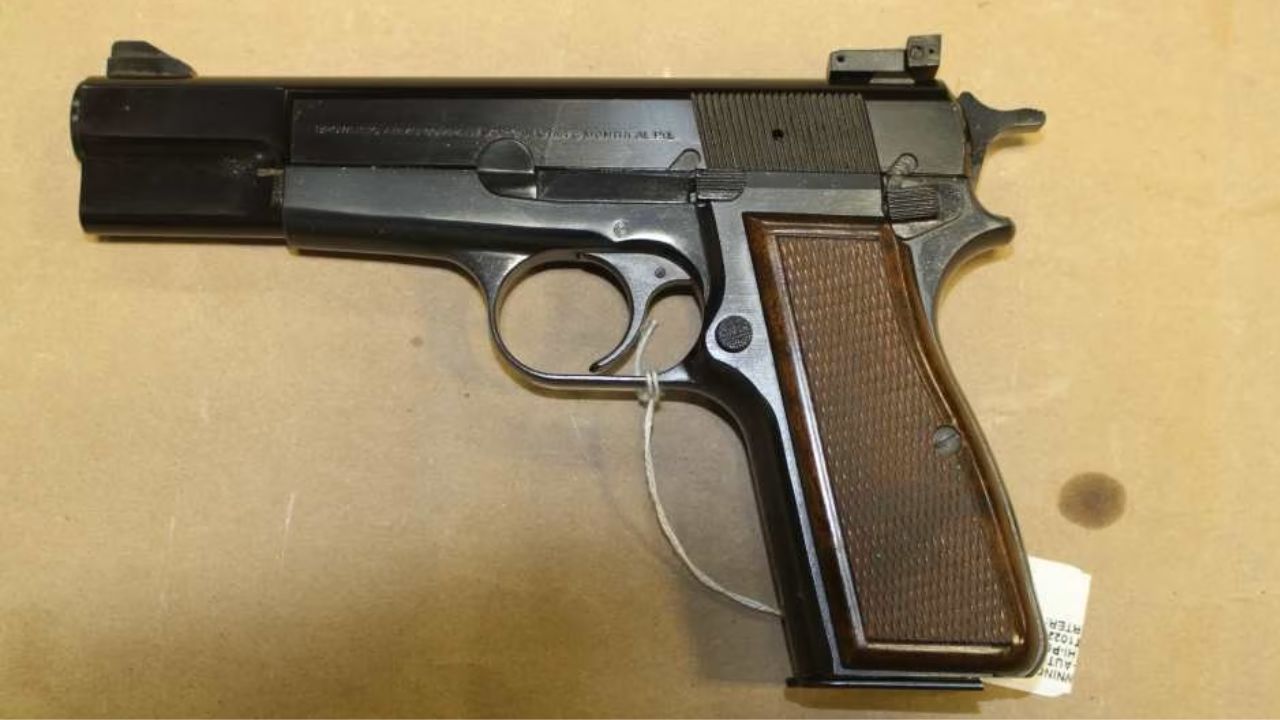
The Hi-Power has class, history, and it shoots flatter than it has any right to for a “classic” design. Originals with matching parts and decent finish draw buyers who don’t care what the latest micro-compact weighs.
Some have small safeties, some bite hands, and some triggers are just okay until you get work done. But the demand stays steady, and that’s what keeps prices up. Extra factory mags help a lot.
8. Heckler & Koch P7 (PSP and P7M8)

The first time you shoot a P7, you’ll either love it or you’ll think it’s weird. The squeeze-cocker is the whole deal, and the gun feels like it was built by engineers who didn’t care about cost.
They’re discontinued, they’re collectible, and they’re not getting cheaper. The heat buildup is real if you’re doing long strings, but most buyers already know that. If you find one with the box and tools, don’t expect it to be a “deal” for long.
9. Heckler & Koch USP (USP45 and USP Compact)
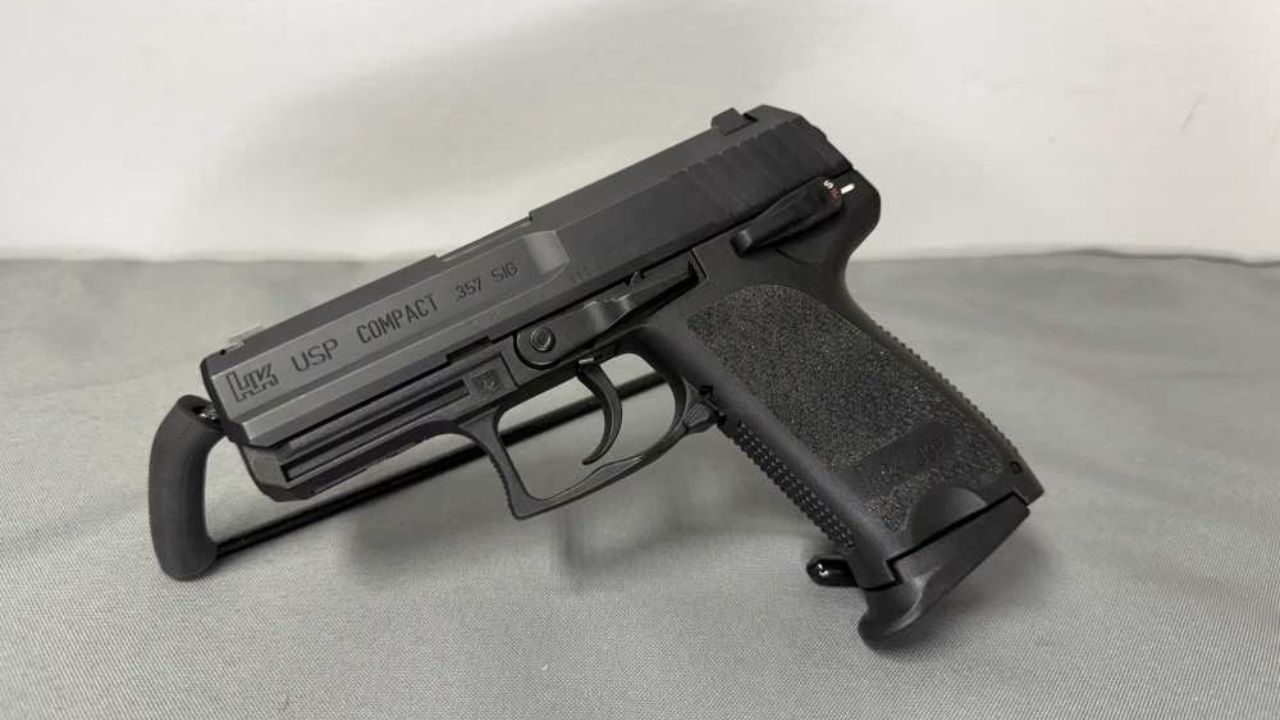
The USP isn’t trendy, and it’s not trying to be. It’s big for its capacity, a little blocky, and it still feels like a service pistol from an era when durability was the headline.
That’s exactly why good examples keep value. It’s also one of those platforms where factory mags and correct variants matter. If you buy the right USP and keep it original, it’s usually money you can park without regret.
10. SIG Sauer P210 (Swiss or German production)

The P210 is one of those pistols that makes you slow down. The slide-to-frame fit, the way it tracks, the accuracy potential—it’s a “serious shooter” gun that also pulls collector attention.
They’re not common, and most owners aren’t dumping them for rent money. Buy one clean, avoid mystery modifications, and it’s the kind of pistol you can shoot sparingly and still have folks asking what you want for it later.
11. SIG Sauer P226 (West German frame, classic roll marks)

Not every P226 is special, but the older West German-marked guns have a following. They feel a little different in the hand, and the nostalgia factor is real for guys who grew up when this was the “serious” 9mm.
You want intact markings, good rails, and a gun that hasn’t been abused by a thousand dry fires with no snap caps. With the right example, you’re buying something that’s both usable and steadily desirable.
12. Glock 19 Gen 3 (early Austrian imports, clean and unmolested)
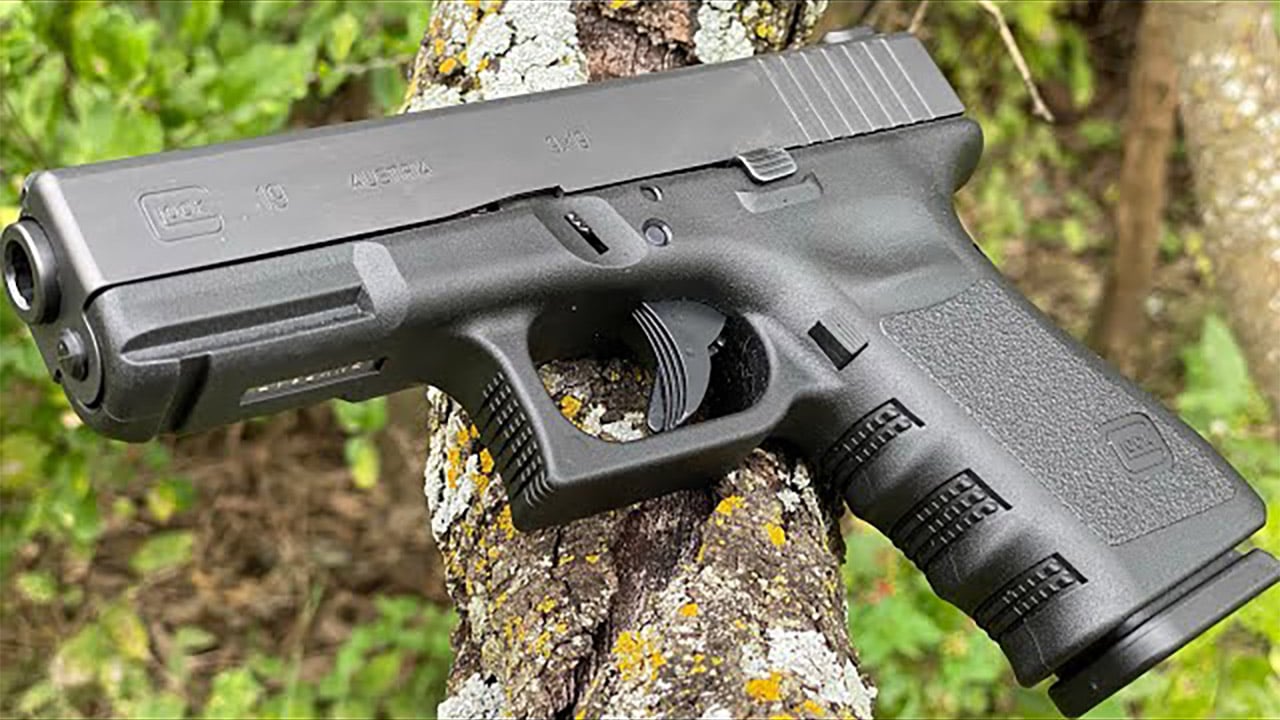
This one surprises people because it’s “just a Glock.” The thing is, Gen 3 Glock 19s are a sweet spot—simple, proven, and supported forever. Certain early import markings and original configuration matter to collectors more than you’d think.
What kills value is turning it into a science project. Keep the original parts, don’t stipple it like a cheese grater, and hang onto the mags. A clean Gen 3 is the definition of easy to sell and hard to replace at the same price later.
13. Glock 17 (Gen 2 “Tupperware” era)
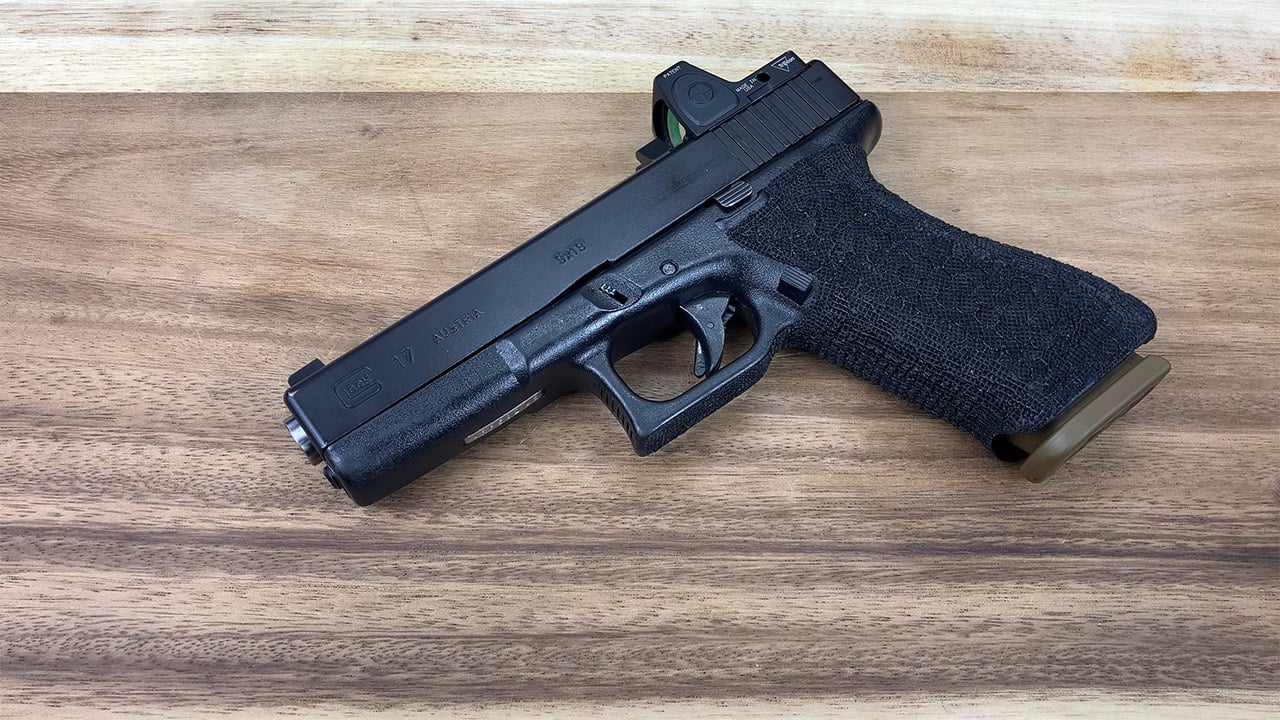
Gen 2 Glock 17s have that old-school cool now, especially with the right box and period-correct accessories. They’re also dead-nuts reliable, which is why so many of them are still around and still running.
They aren’t rare like a P7, but clean examples are getting less common because these were working guns. If you stumble into one that hasn’t been butchered with home stippling and random slide cuts, it tends to hold.
14. Beretta 92FS (Italian production)

The 92FS is a big pistol that carries like a brick, but it shoots soft and flat and it has a feel that’s hard to fake. Italian-made examples, especially in nice shape, have a strong market because there’s a lot of nostalgia and a lot of trust.
Mags are everywhere, parts are easy, and the platform is understood. That matters. If a pistol is easy to keep running for decades, buyers aren’t scared of it on the used shelf.
15. Beretta 92G Brigadier
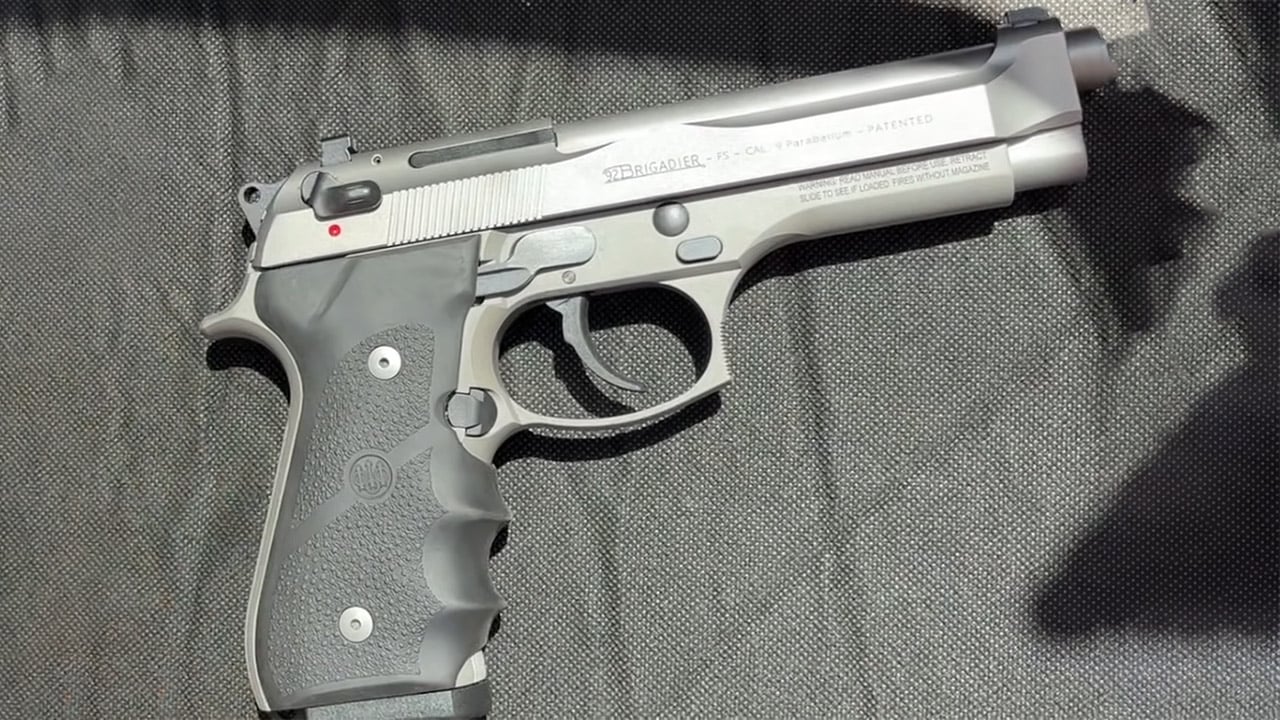
The Brigadier slide and the G-decocker setup make this one a “know what you’re looking at” Beretta. It’s not the cheapest 92 you can buy, but the people who want them really want them.
It’s also one of those pistols you can actually shoot a lot without feeling like you’re risking a fragile collectible. Find one with the right markings and factory parts, and it tends to be worth at least what you paid, sometimes more if availability dries up.
16. CZ 75 Pre-B (early import guns)
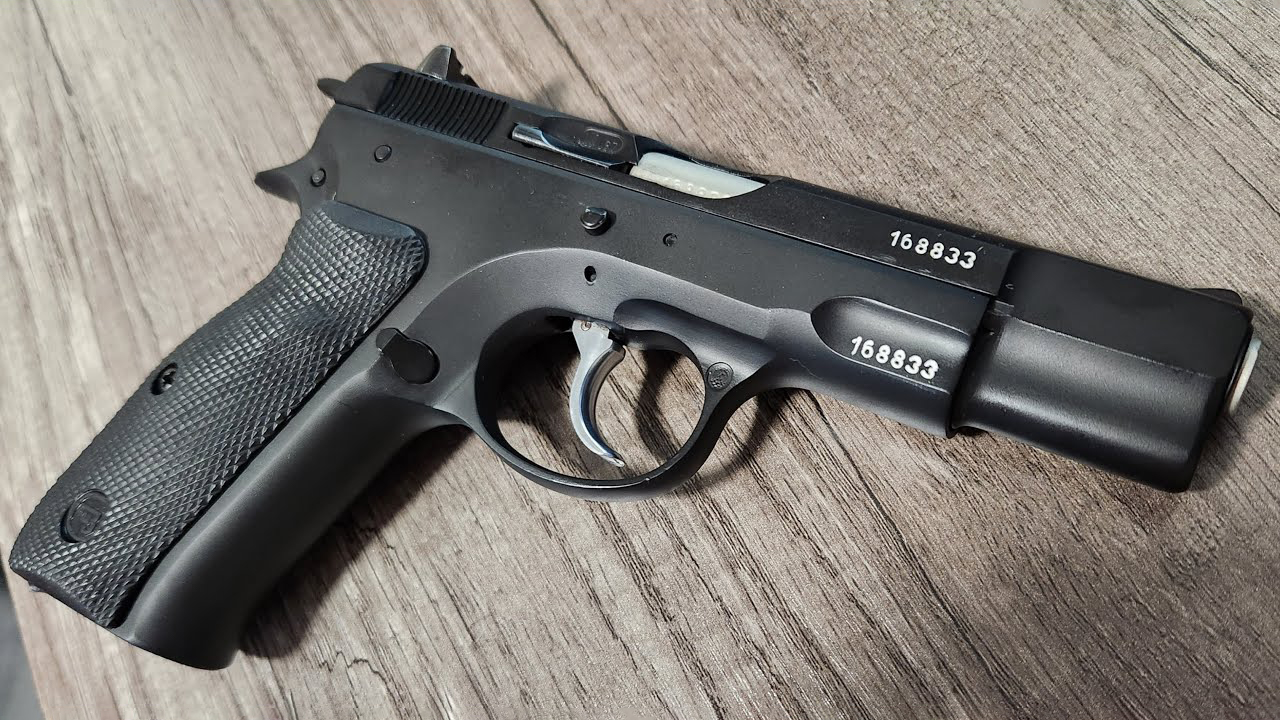
CZ guys are their own tribe. The early CZ 75 pre-B pistols—before the firing pin block—have a smoothness and a collector pull that the newer ones don’t always scratch.
They point naturally, they shoot well, and they’re still practical, not just “safe candy.” Condition and originality matter a lot here, and factory mags and grips help. A clean pre-B usually doesn’t sit long when priced fairly.
17. CZ 97B (.45 ACP)
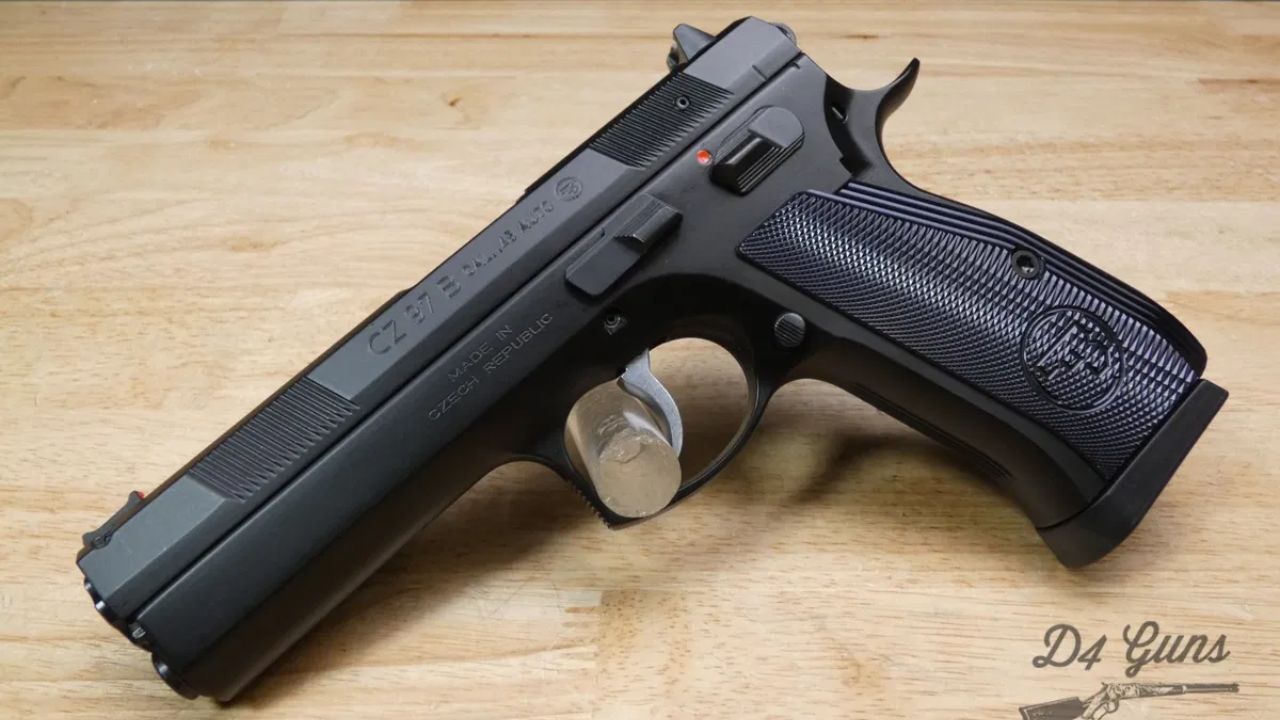
The CZ 97B is a big, heavy .45 that never got the fame it deserved, and then it got discontinued. That’s a recipe for values creeping up, especially for pistols that weren’t used as “project guns.”
It’s not a carry pistol for most folks, but as a range .45 with a great feel, it’s easy to love. When something like that disappears from shelves, the used market starts acting different in a hurry.
18. Walther PPK (German or early Interarms imports)

The PPK is more about romance than performance. By modern standards, it can be snappy, and the sights aren’t exactly generous. Still, the classic lines and certain production eras pull buyers every single time.
What you want is a clean gun with clear markings and no sketchy “refinish” work that looks like it was done in a garage. If it’s the right variant and the finish is honest, the value tends to stick.
19. Springfield Armory 1911 TRP (non-railed, classic configuration)
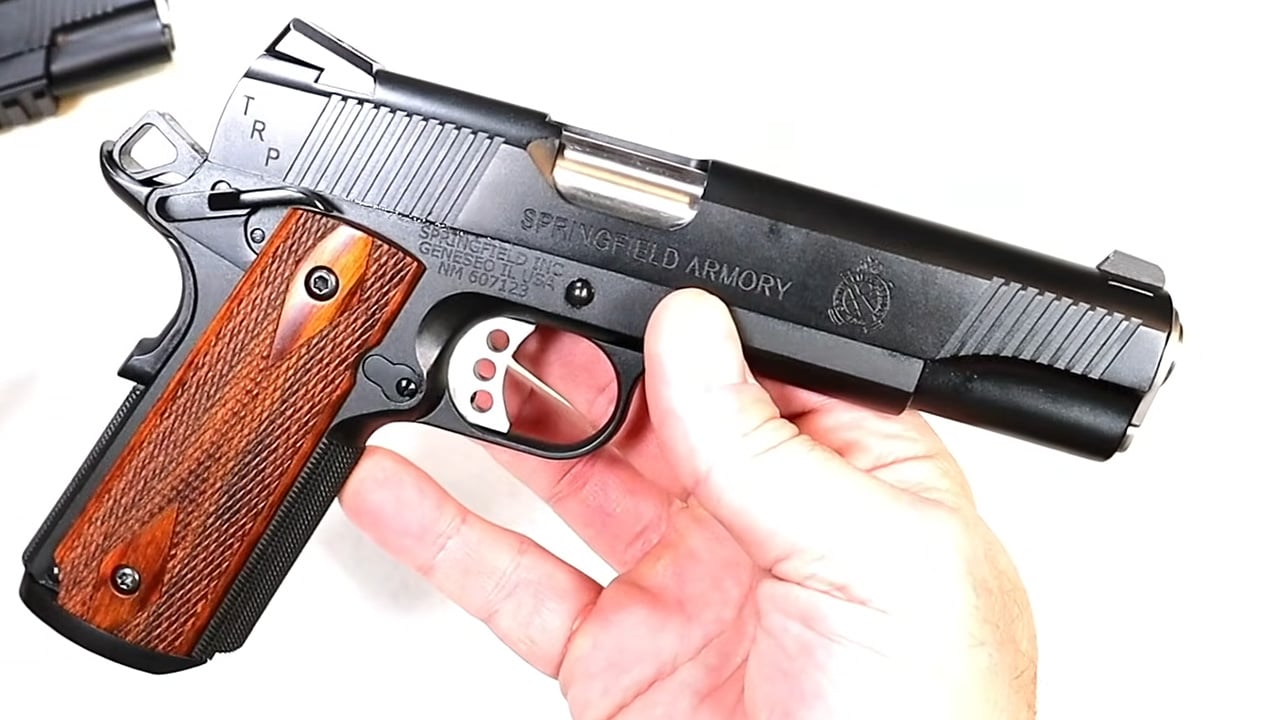
Some 1911s are pure gambling. The TRP is usually not. It’s one of those models that a lot of serious 1911 shooters respect because it tends to run, and it’s built with enough attention to detail to justify the price.
The non-railed TRP hits a sweet spot for folks who want a hard-use 1911 that still looks right. Keep the factory parts, keep it maintained, and don’t do weird cosmetic changes. TRPs are a safe bet in the used market.
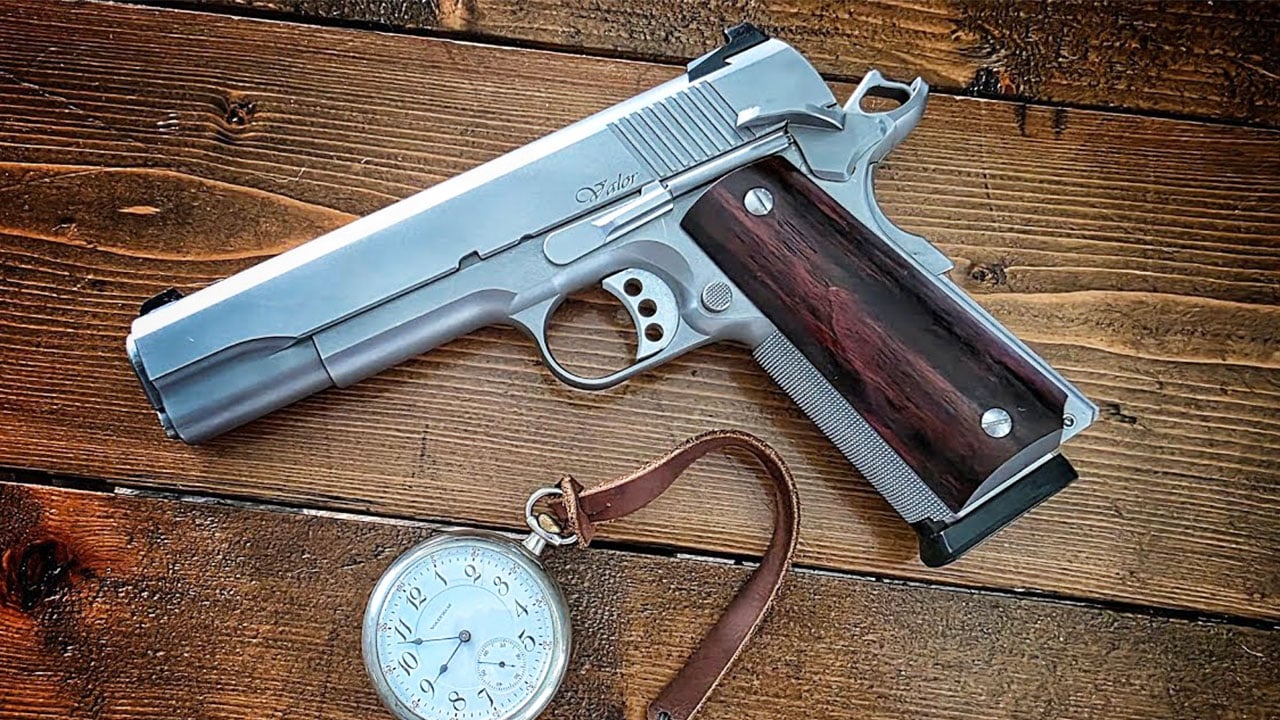
20. Dan Wesson Valor (especially in stainless)
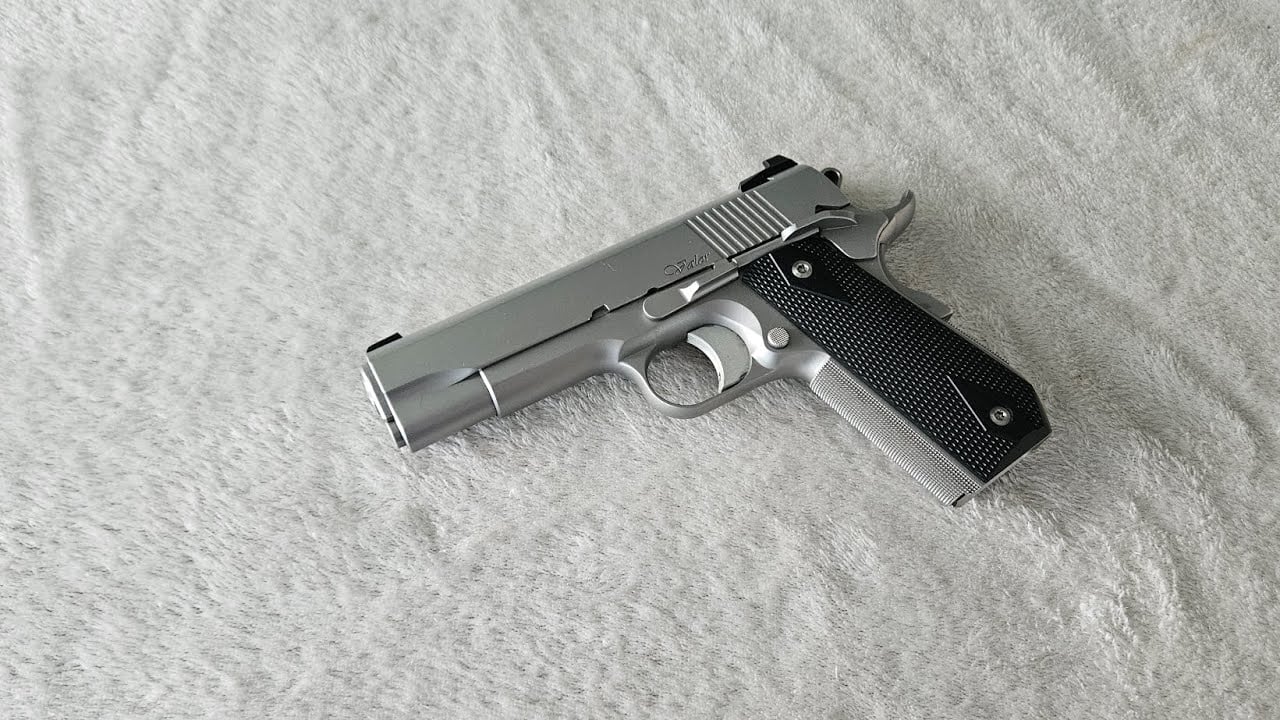
If you’ve ever handled a Valor next to a bargain 1911, you understand why the Dan Wesson name carries weight. The fit is tight without being finicky, and the overall feel is “this was built by people who care.”
They aren’t impulse buys, and that helps values. Owners tend to hang onto them, and when one pops up in great condition, it gets attention fast. If you buy one right, it’s one of those pistols that rarely makes you feel like you overpaid.
The honest truth is this: the pistols that seem to “gain” value overnight usually aren’t magic. They’re just the ones that stay desirable after the new-gun smell wears off. Buy clean examples, keep the factory parts, save the box, and don’t turn everything into a custom experiment. You’ll still have a pistol you can use, and you won’t get punished later when you decide to trade, upgrade, or thin the safe.
Like The Avid Outdoorsman’s content? Subscribe to our newsletter so you never miss an article.
Here’s more from us: