Photo credit: NRApubs/YouTube
There is a big difference between a cheap handgun and a good-value handgun. A cheap gun can save you money at the counter and then immediately start costing you patience through mediocre magazines, rough triggers, poor sights, or questionable durability. A genuinely good value gives you most of what more expensive pistols offer while cutting costs in places that do not matter nearly as much.
That is what I am looking for here. I want handguns that shoot well, use sensible controls, have dependable magazine systems, and do not require another few hundred dollars in parts before I actually like them. Some are straightforward defensive pistols, others are range guns, revolvers, or traditional metal designs. None needs to be the cheapest gun available. They simply need to make you wonder what spending substantially more would actually accomplish.
Canik TP9SF
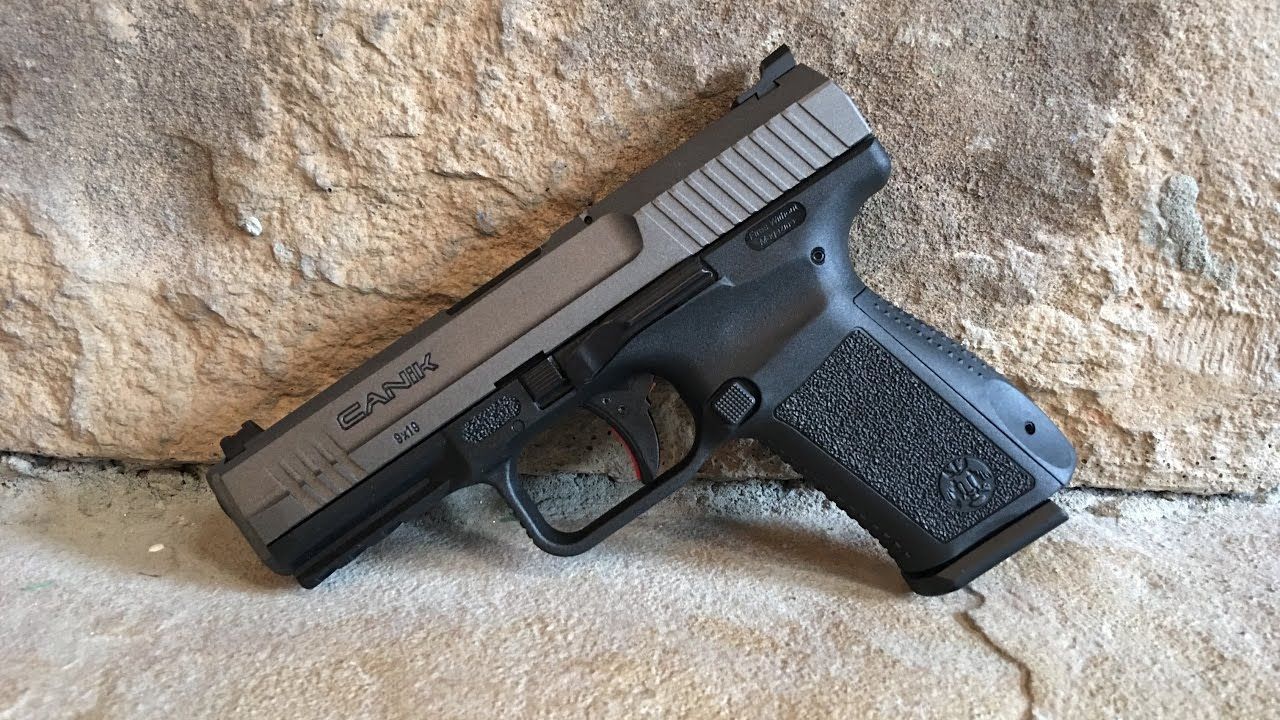
The TP9SF helped establish Canik’s reputation in the American handgun market because it gave shooters an excellent striker-fired trigger, full-size capacity, and a very usable grip without charging premium-duty-pistol money. Even after newer Canik models appeared, the basic TP9SF remained compelling because it already had the important parts figured out.
The trigger is the feature most shooters notice immediately. It is lighter and cleaner than many pistols in the same general price category, which makes the gun easier to shoot accurately without spending money on aftermarket trigger parts. The full-size frame also keeps recoil mild and gives both hands plenty of room.
You can buy newer Caniks with more features, but if the goal is simply getting a capable 9mm that shoots extremely well for the money, the TP9SF still makes a very strong case.
CZ P-09

The P-09 gives you a tremendous amount of full-size DA/SA pistol without getting into the prices associated with premium metal-frame guns. The polymer frame keeps manufacturing cost and weight reasonable, while the hammer-fired operating system gives you a traditional double-action first pull followed by lighter single-action shots.
The grip is large, which will not suit every hand, but that same size provides excellent control and substantial magazine capacity. The trigger usually gets smoother with use, and the pistol feels far more expensive once you start shooting it than it does when you first look at the price.
For someone who specifically wants a hammer-fired pistol rather than another striker design, the P-09 has always been difficult to ignore. You get a service-size gun with proven CZ engineering without paying classic SIG or HK money.
Beretta APX A1 Compact

The APX A1 Compact is one of those pistols that can get overlooked because Beretta’s metal-frame guns attract so much attention. That works in the buyer’s favor. The APX line gives you a robust striker-fired operating system, interchangeable grip components, good capacity, and modern optics-ready configurations without necessarily carrying the same price as the company’s more famous models.
The Compact size also makes sense. It is small enough to carry but still large enough that shooting does not feel like a compromise. There is enough grip to control recoil properly, and the slide has sufficient mass that the pistol behaves more like a service gun than a pocket gun.
It may not have the aftermarket support of a Glock, but if you are willing to leave the pistol mostly factory, the APX A1 Compact gives you a lot for the money.
Ruger American Pistol Compact
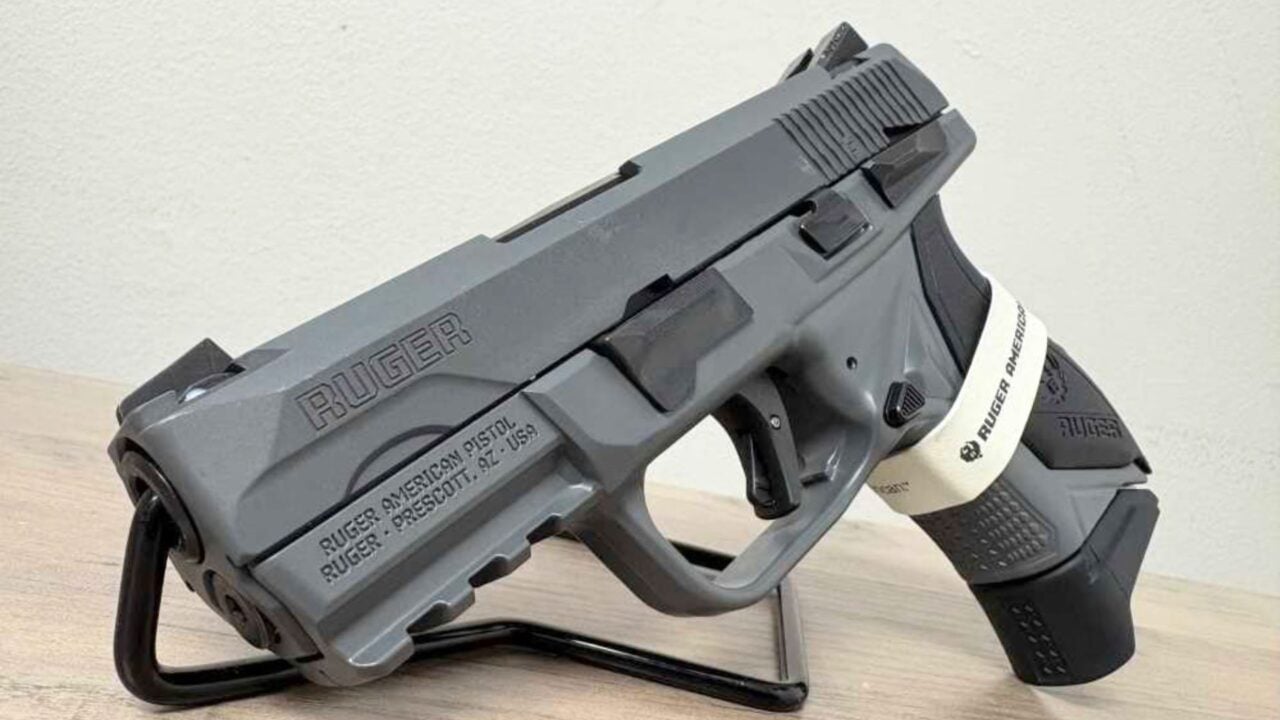
The Ruger American Pistol never became the huge success Ruger probably hoped for, but that does not mean the design was poor. In fact, the Compact version gives you a substantial, durable striker-fired pistol with interchangeable grip modules and a chassis-style internal system at prices that can be surprisingly attractive on the used market.
The gun is not especially light or thin, and the styling never inspired much enthusiasm. None of that matters once you start shooting. The pistol feels solid, recoil is manageable, and Ruger designed the platform around service use rather than maximum concealment.
I especially like it as a value proposition because its lack of popularity keeps enthusiasm—and therefore prices—lower than its actual capability deserves. Sometimes the best bargains are the guns the market simply forgot to get excited about.
Taurus G3C
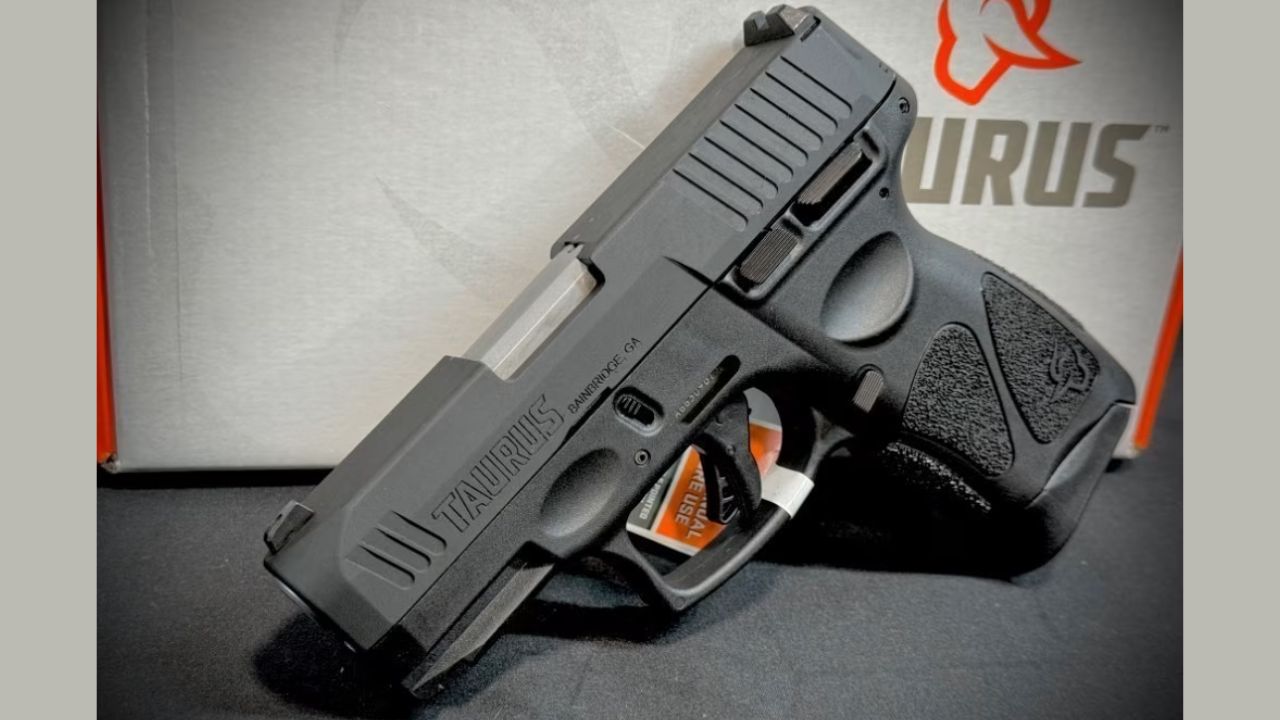
The G3C is one of the better examples of Taurus learning from earlier generations and producing a compact pistol that offers a surprisingly complete feature set for relatively little money. You get useful capacity, decent sights, aggressive grip texture, and a size that works for both concealed carry and range use.
The trigger has a longer feel than some more expensive striker pistols, but it is absolutely workable once you learn it. The important part is that the pistol does not feel stripped down simply because it occupies the budget end of the market.
I would still test any individual defensive pistol thoroughly before depending on it, regardless of brand. Once a G3C proves itself, though, it provides an awful lot of practical handgun for someone who would rather spend the remaining money on ammunition and practice.
SAR9

The SAR9 does not receive as much attention as Glock, SIG, or Smith & Wesson, but the basic pistol has a lot going for it. The grip is extremely adaptable, the full-size frame controls recoil well, and the striker-fired operating system is straightforward.
What makes it especially interesting is how comfortable the gun can be in the hand. The grip shape borrows ideas from some of the best European service pistols, providing excellent support-hand contact without requiring an expensive modular chassis. The pistol also feels substantially built rather than cheaply hollow.
Brand recognition is the main thing working against it in the American market. If you are less concerned with what logo is on the slide and more concerned with how much pistol you get for the money, the SAR9 deserves much more attention than it usually receives.
Arex Delta M Gen 2
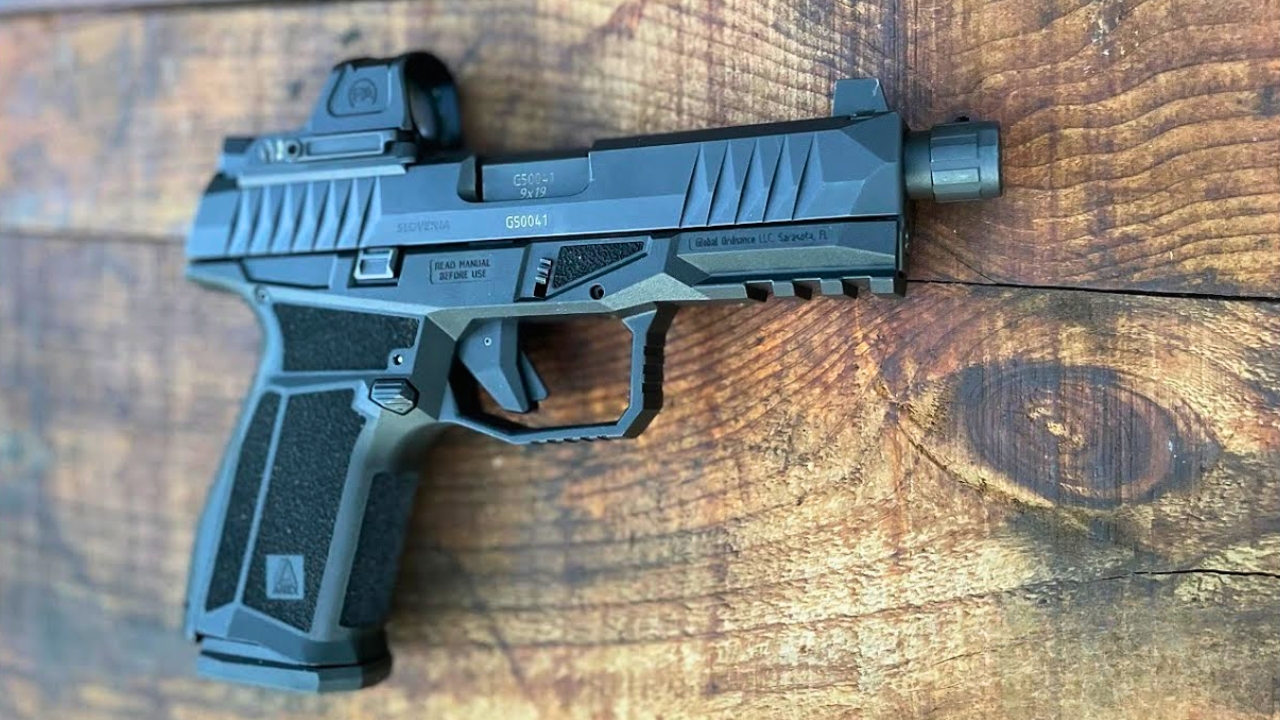
The Arex Delta M is one of those guns people often discover only after they have already bought several more famous striker-fired pistols. The design is thin, relatively light, optics-friendly in appropriate versions, and built by a Slovenian manufacturer with serious experience producing service-grade firearms.
The grip is particularly good for shooters who dislike thick compact pistols. You still get useful magazine capacity without the frame feeling like a block in your hand. The trigger is not a competition trigger, but it is predictable and completely appropriate for a defensive handgun.
What keeps the Delta appealing is that Arex tends to give you features that often appear on more expensive pistols without pushing the gun into premium pricing. It may not have the massive aftermarket of a Glock, but a good factory pistol should not require half a catalog of upgrades anyway.
Stoeger STR-9

The STR-9 is easy to dismiss because Stoeger is primarily associated with shotguns, but the pistol itself is far more competent than the name recognition suggests. It is a straightforward striker-fired 9mm with familiar controls, good ergonomics, and enough size to make recoil easy to manage.
There is nothing revolutionary about the design, which is actually part of the appeal. Stoeger did not attempt to reinvent the service pistol. It simply produced a practical polymer handgun at a price where many competitors start cutting obvious corners.
The STR-9 makes the most sense for someone who wants a basic defensive or range pistol without paying extra for features he may never use. You are buying the gun for what it does rather than for prestige, and that usually is where the best value lives.
Tisas 1911A1 Service
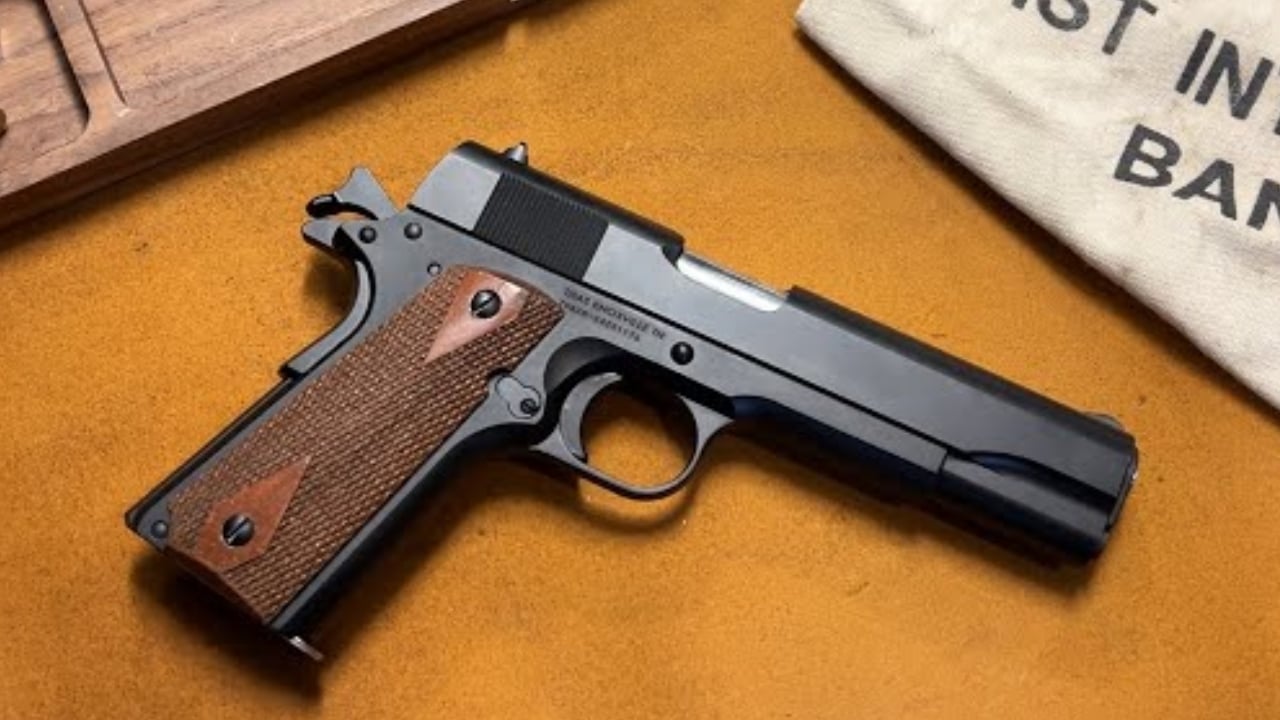
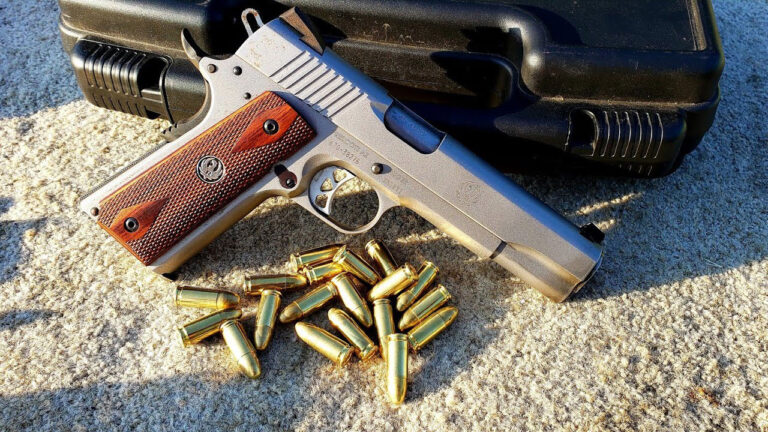
A traditional steel 1911 used to require either a substantial budget or a willingness to accept truly rough construction. Tisas changed that equation by offering forged-frame 1911-style pistols at prices that made the classic platform accessible to shooters who did not want to spend premium money just to find out whether they liked it.
The Service-style guns keep things straightforward. You get the familiar single-action trigger, steel construction, narrow grip, and .45 ACP chambering without a pile of decorative upgrades. The sights and controls are basic, but that is consistent with the military-inspired concept.
For the money, the important part is that the fundamental 1911 experience is there. You can always spend far more on a semi-custom pistol, but a Tisas gives you a surprisingly legitimate starting point without requiring a major financial commitment.
Rock Island Armory M1911A1 FS
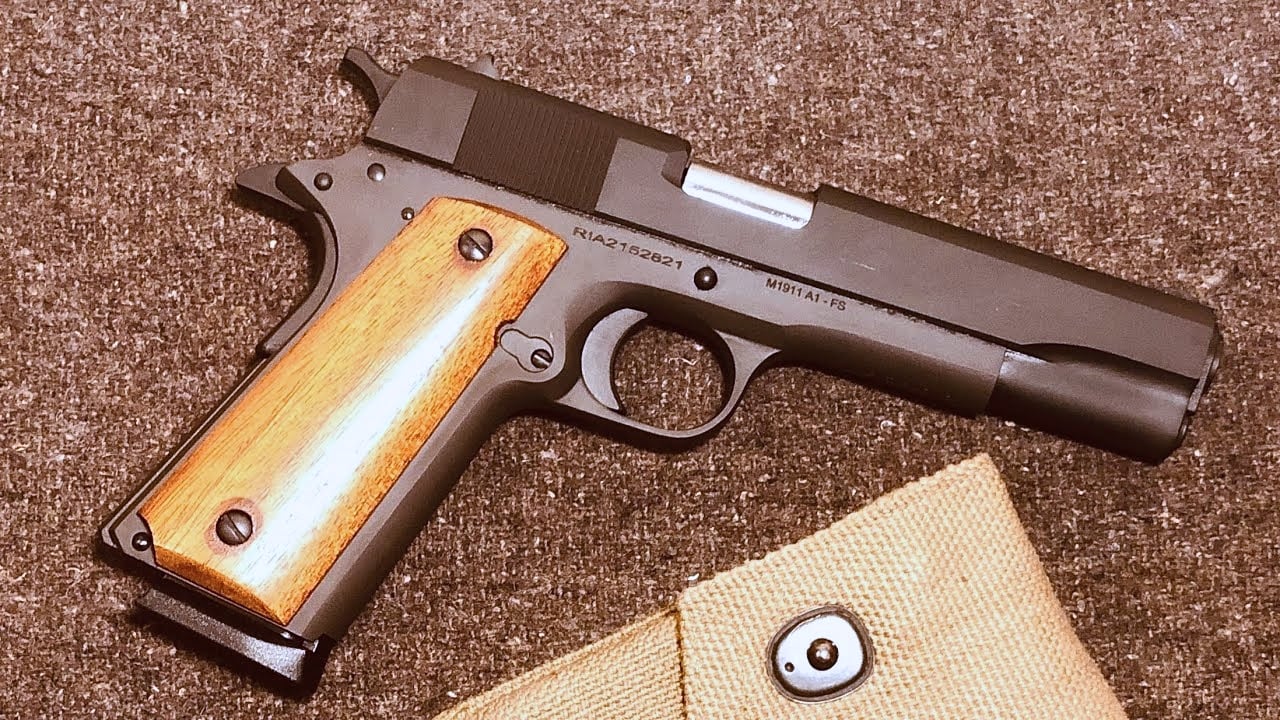
Rock Island Armory has spent years making the 1911 available to shooters who care more about function than polished finishes. The full-size M1911A1-style pistols are plain, heavy, and traditional, which is exactly what many buyers want.
The all-steel frame makes .45 ACP recoil extremely manageable, and the single-action trigger still provides the core reason people remain interested in the 1911 after more than a century. Finish quality and small details may not match a premium Springfield, Colt, or Dan Wesson, but neither does the price.
I especially like these guns for someone who wants a working 1911 rather than a collectible one. Scratches are easier to accept, parts are widely available, and the platform can be learned without feeling as though every range trip is putting wear on an expensive safe queen.
Free for gun owners: If something happened to you tomorrow, would your family know where the guns are, who has the safe combination, or what to do first? Our free Gun Owner’s Family Checklist walks them through it. It takes about 15 minutes to fill out. Get your free copy here.
Ruger Security-9
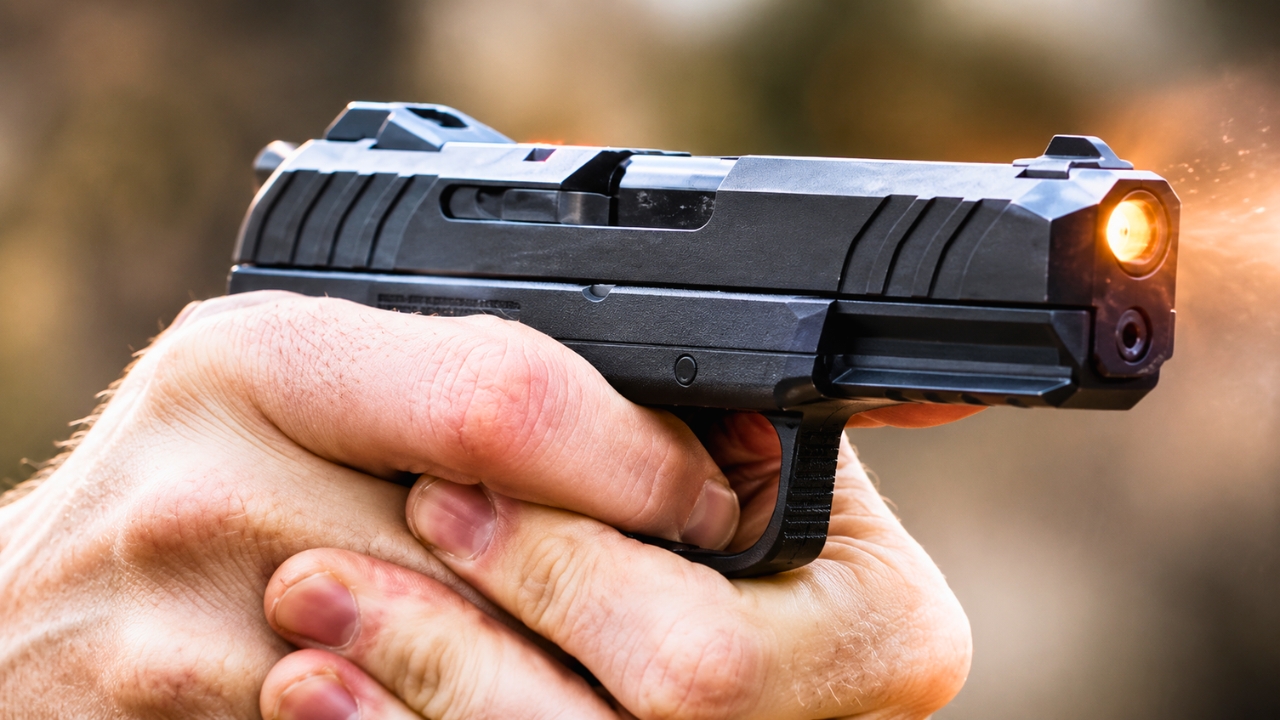
The Security-9 sits in an interesting position because it looks like another striker-fired polymer gun but actually uses an internal hammer system. Ruger built it around affordability and straightforward defensive use, which means the pistol avoids a lot of expensive features while still giving you a comfortable grip and respectable capacity.
The trigger is one of its stronger qualities. It has a relatively light, clean feel compared with some budget striker pistols, and the gun’s full-size proportions make it easy to control. The Compact version is useful too, but the larger pistol gives you the most shootability for the money.
It is not designed to impress someone shopping for premium optics-ready duty guns. It is designed to work as an affordable practical handgun, and in that narrower mission the Security-9 remains extremely difficult to criticize.
Smith & Wesson SD9 2.0
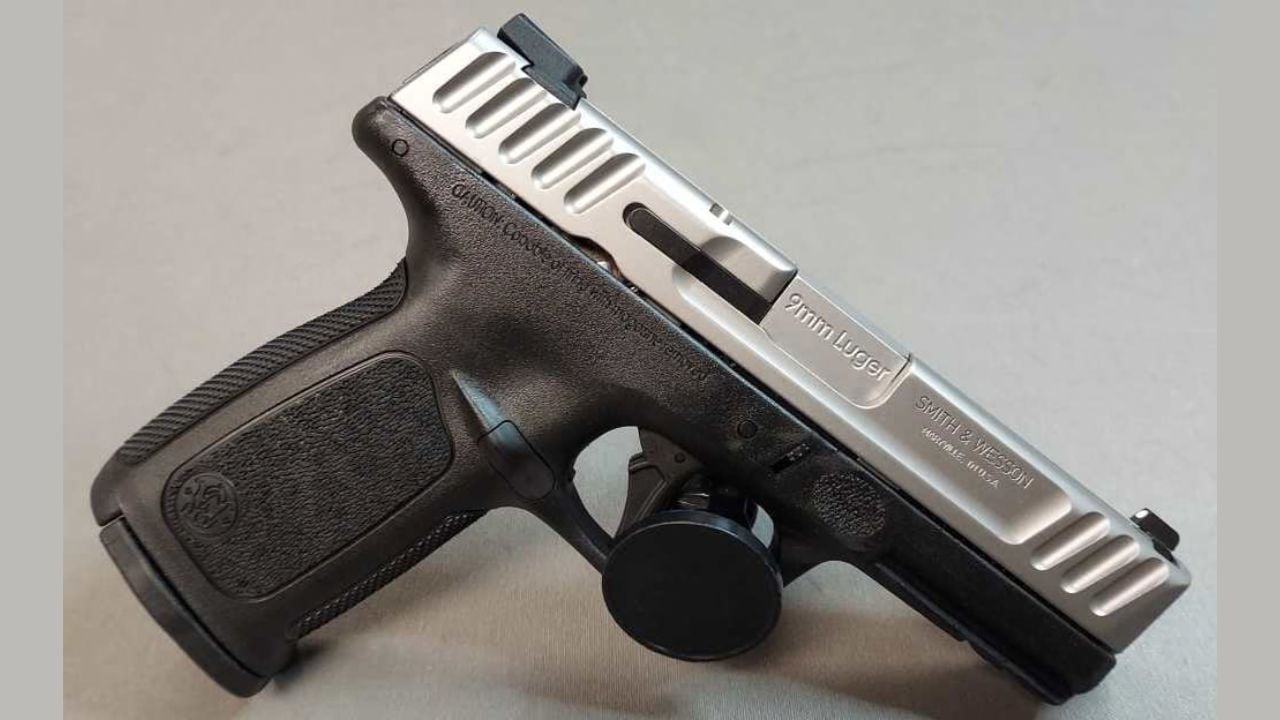
The original SD-series pistols were often criticized for their heavy triggers, but the basic guns developed a reputation for being straightforward and dependable. The 2.0 generation improves the package while preserving the value-oriented philosophy.
That makes the SD9 2.0 especially interesting for someone who wants the backing of a major American manufacturer without paying M&P money. The grip is full enough for good control, the gun uses a familiar striker-fired layout, and there is very little about the operating system that requires explanation.
You give up some refinement compared with Smith & Wesson’s more expensive pistols. That is fine. A value gun should cut cost where the shooter can tolerate it while protecting the things that actually matter. The SD9 2.0 does a much better job of that than the old reputation might lead you to believe.
Bersa TPR9C
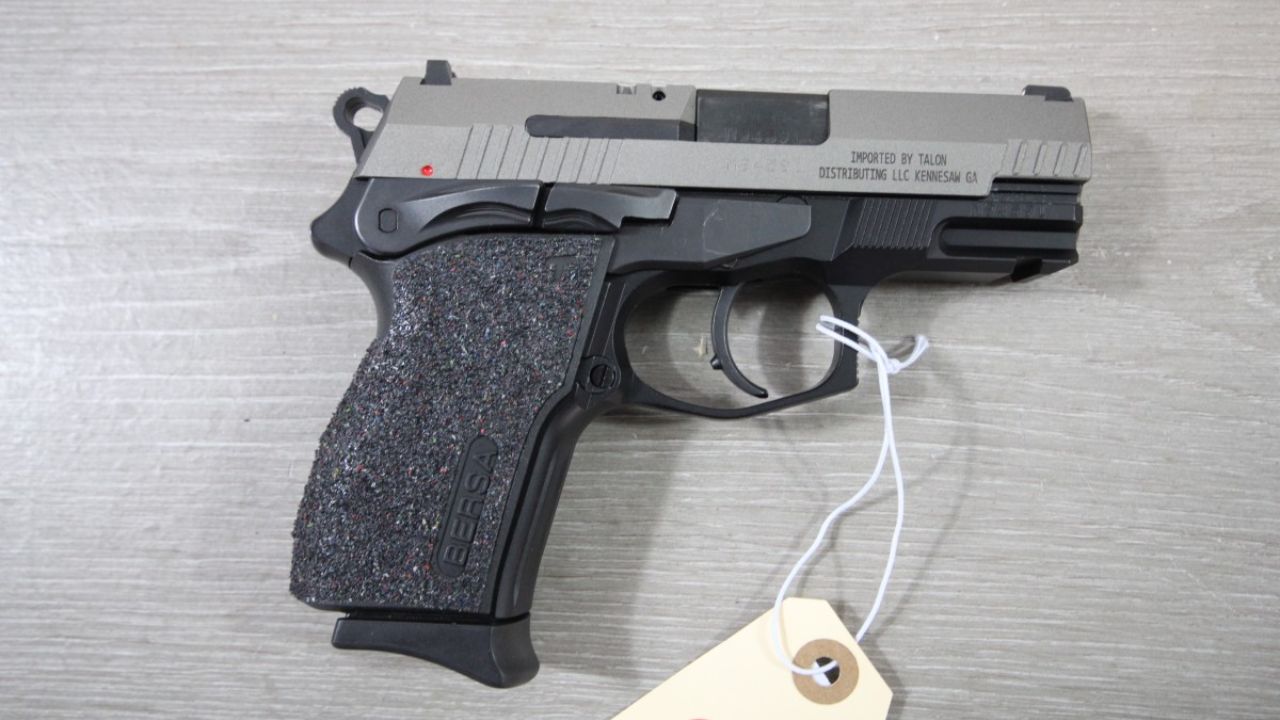
The TPR9C is one of the least obvious value pistols because Bersa is still strongly associated with inexpensive .380s. The compact TPR is a different kind of gun entirely. It uses an alloy frame, traditional hammer-fired DA/SA operation, and controls that make it feel much closer to a compact service pistol than a budget pocket gun.
The trigger is the part that surprises people. The single-action pull can be remarkably good for the money, while the weight of the metal frame helps keep recoil under control.
It is thicker and heavier than a modern micro-compact, but that is precisely why it shoots so much better. If somebody specifically wants a compact metal DA/SA pistol without paying used SIG prices, the TPR9C can be an unusually strong value.
EAA Girsan MC P35
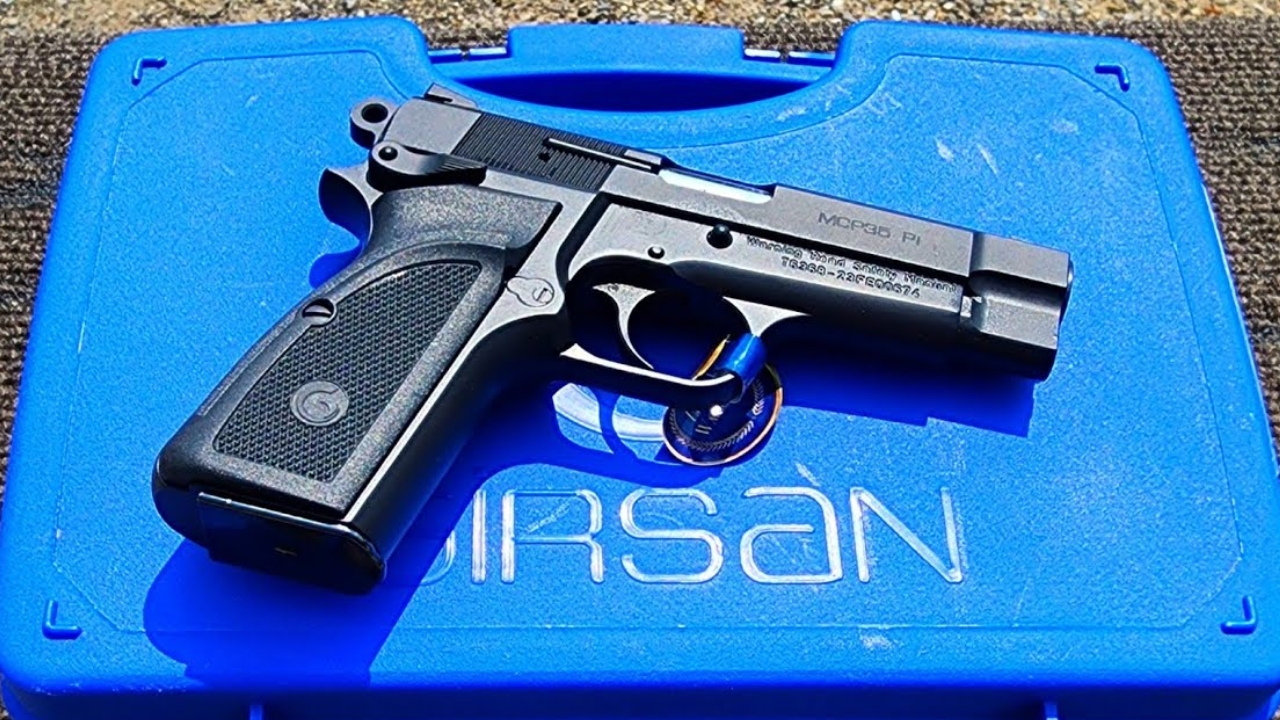
The MC P35 gives shooters access to the classic Hi-Power concept without paying collector-level prices for older Belgian guns. You get the slim double-stack grip, single-action trigger, steel construction, and general proportions that made the original design so influential.
The appeal is not that the Girsan magically equals every historic Browning in fit and finish. It is that the fundamental shooting experience is available at a much lower entry point. The steel frame controls recoil beautifully, and the grip still feels remarkably modern despite the design’s age.
For someone interested in a traditional metal pistol but unwilling to spend heavily on a collectible original, the MC P35 is hard to overlook. It gives you something genuinely different from another polymer striker gun while staying within a reasonable budget.
Taurus 856

Value is not limited to semiautomatics. The Taurus 856 gives you a six-shot .38 Special revolver in a relatively compact frame, which immediately distinguishes it from many small five-shot alternatives.
That extra round is useful, but the real appeal is how straightforward the gun is. There are no magazines to buy, no recoil springs to monitor, and no complicated operating system. Load the cylinder, close it, and you have a very conventional double-action revolver.
Fit and finish will not match a premium Smith & Wesson or Colt, but that is reflected in the price. For someone who wants a practical revolver rather than a collectible one, the 856 provides a lot of function per dollar. The money saved can go toward grips, ammunition, and actually learning to shoot double action well.
Ruger EC9s

The EC9s is not glamorous, but that is almost the entire reason it remains compelling. Ruger stripped the compact 9mm concept down to fixed sights, straightforward controls, and a slim frame that is easy to conceal.
The pistol is light enough that recoil is noticeable, and the basic sights are not ideal for precision work. At the same time, you are getting a genuine centerfire carry pistol from an established manufacturer without paying for optics cuts, replaceable sight systems, or features many buyers will never use.
I would choose something larger for heavy range use, but as an inexpensive concealed-carry gun the EC9s makes a lot of sense. Not everyone needs a premium micro-compact. Some people simply need a slim pistol that works and leaves enough money in the budget to practice.
Taurus TX22
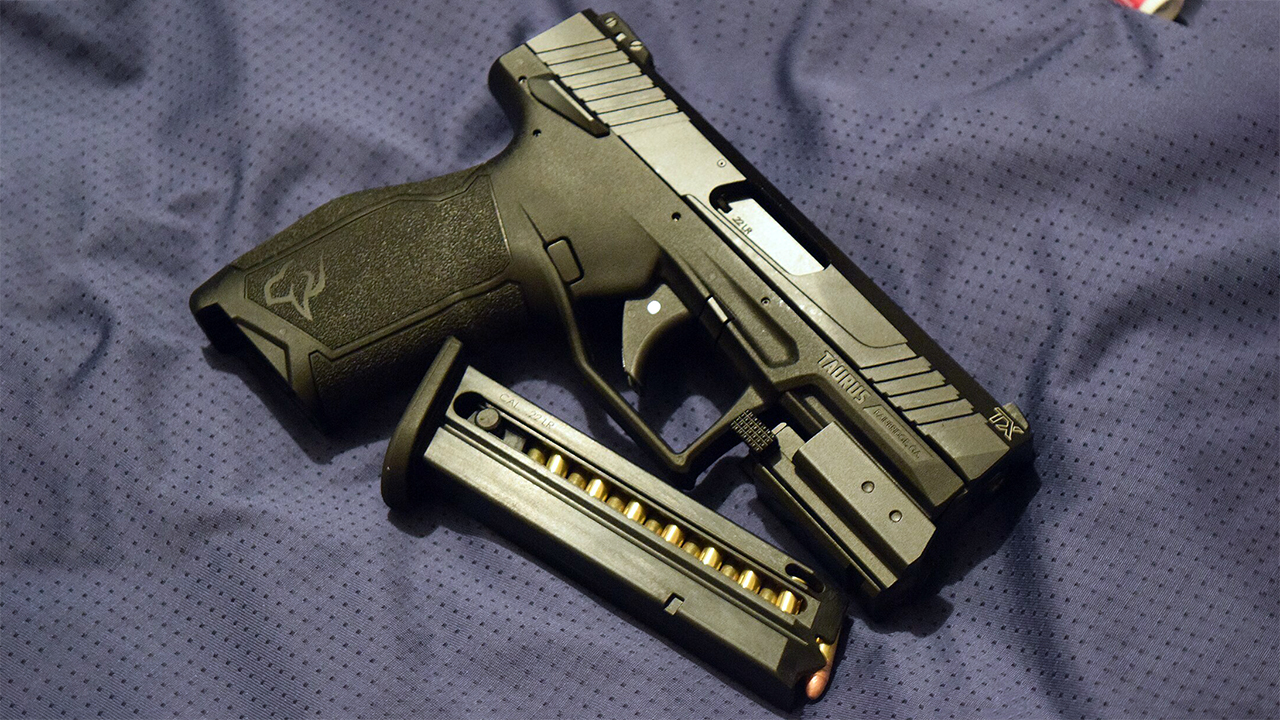
The TX22 is one of the strongest values in rimfire pistols because Taurus did not treat .22 LR as an excuse to build something tiny, awkward, or obviously cheap. Instead, the pistol has full-size ergonomics, good capacity, a comfortable trigger, and controls that make it useful as an actual training gun.
That is enormously valuable for someone who wants to shoot a lot. Rimfire ammunition allows far more practice for the same money, and the TX22 feels enough like a centerfire service pistol that the repetitions still have meaningful crossover.
It is also simply fun. That matters because a gun that encourages regular range trips tends to provide more value than something that spends years untouched in the safe. Few pistols give you this much shooting enjoyment for the total cost of ownership.
Ruger Mark IV 22/45
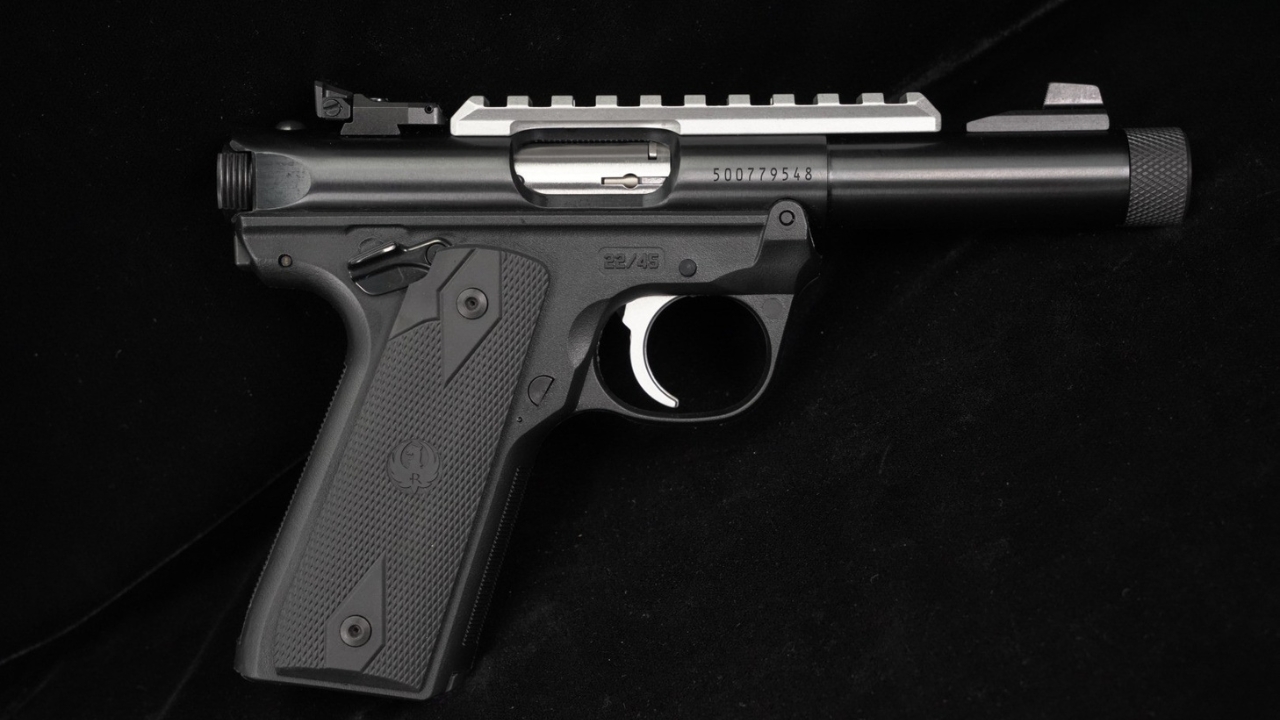
The Mark IV 22/45 costs more than the cheapest rimfire pistols, but value is not always about the lowest purchase price. Ruger gives you a proven fixed-barrel rimfire design, excellent practical accuracy, 1911-like grip angle, and the drastically improved one-button takedown system introduced with the Mark IV generation.
The gun can serve as a trainer, plinker, small-game pistol, or entry-level target gun without feeling badly suited to any of those jobs. It is also supported by a massive aftermarket if you eventually decide to change grips, triggers, sights, or uppers.
That versatility is what makes it such a good value. You can buy one pistol and continue finding new uses for it years later. A handgun does not have to be inexpensive to be money well spent.
Taurus 327 Defender TORO
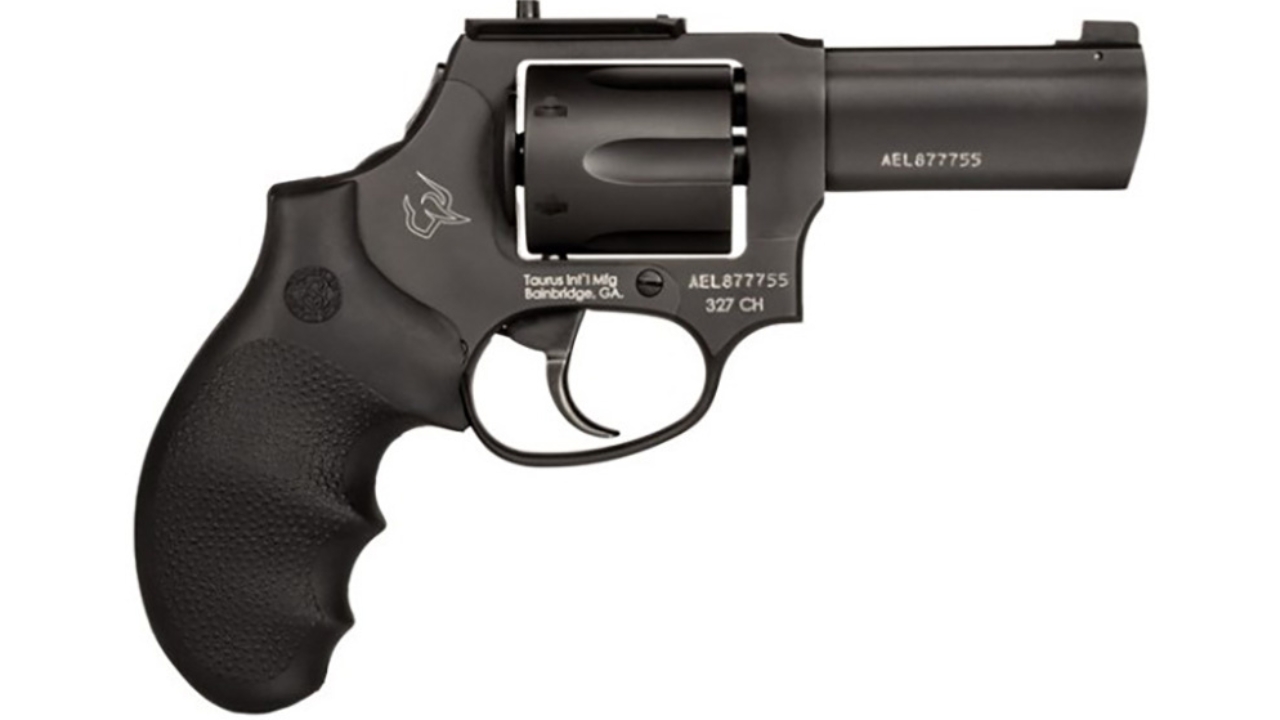
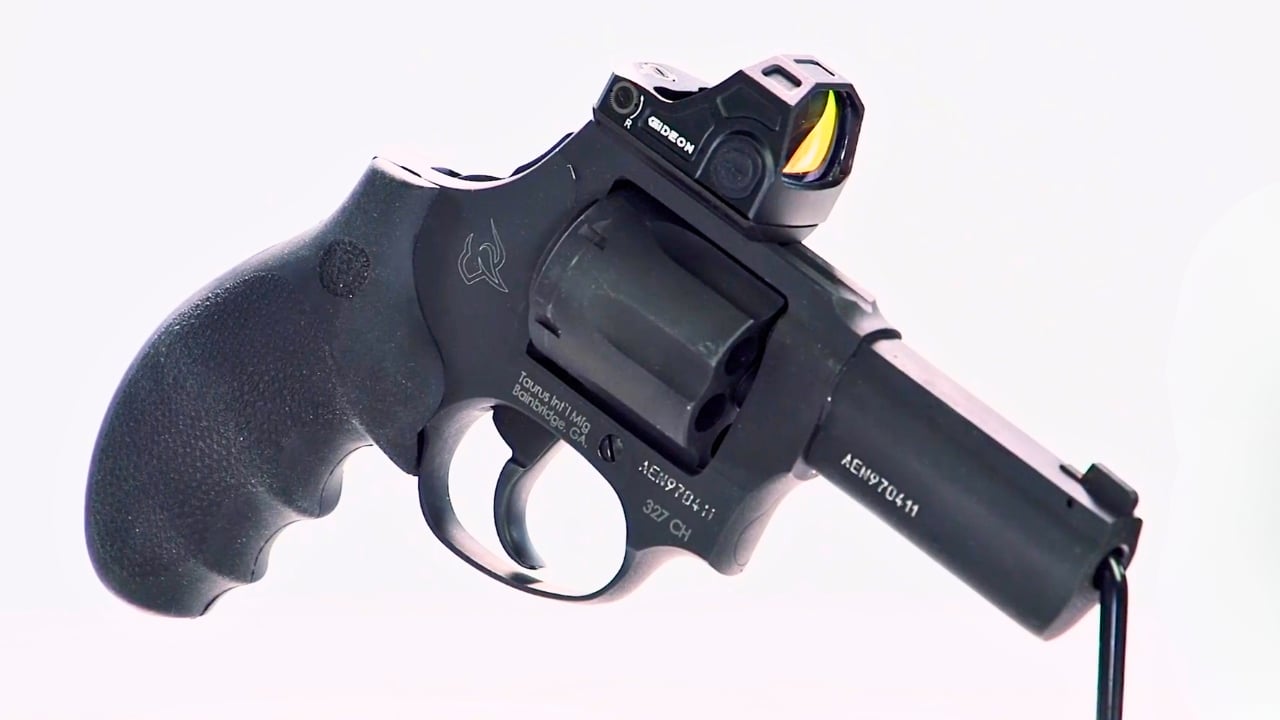
The .327 Federal Magnum is one of the most interesting revolver cartridges for people who want substantial performance without immediately jumping to .357 Magnum recoil. Taurus offering compact revolvers chambered for it creates an affordable path into a cartridge that can also use several lower-powered .32-caliber loads depending on the specific chambering.
That flexibility is what makes the concept so appealing. You can tailor the ammunition to recoil tolerance and purpose while retaining more capacity than a comparable large-bore small-frame revolver often provides.
The TORO optics-ready versions add another unusual feature to a category that rarely gets much modernization. You do not have to mount an optic for the gun to make sense, but getting that capability without entering premium revolver pricing gives the buyer even more for the money.
Canik METE MC9
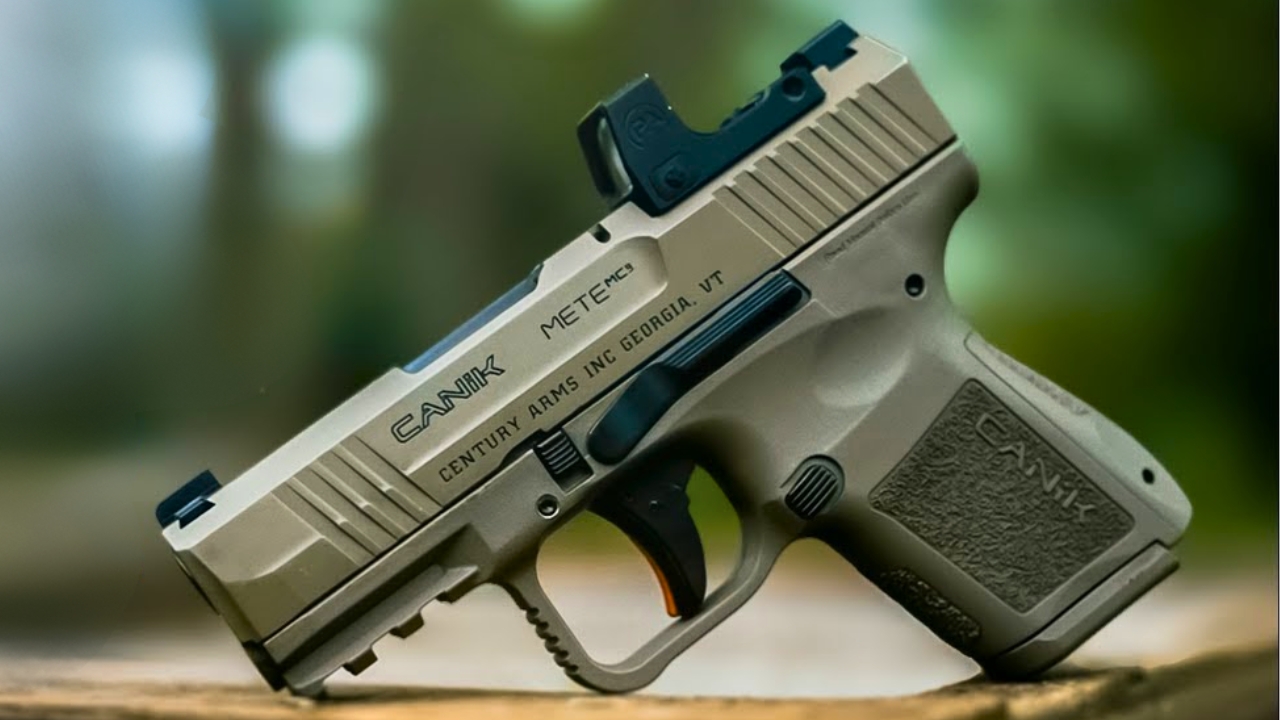
The METE MC9 takes many of the qualities that made larger Canik pistols successful and compresses them into a much more concealable package. You get a good trigger, useful capacity, optics-ready capability, and a grip that still feels like a serious handgun rather than a novelty-sized pocket pistol.
Micro-compacts are crowded with excellent choices, which makes price matter. The MC9 has generally been positioned aggressively enough that buyers can get features normally associated with more expensive carry pistols without making the same jump in cost.
The small size means it will never shoot as softly as a full-size TP9, but that is unavoidable physics rather than poor value. If you need something genuinely easy to conceal and still want a strong factory feature set, the MC9 gives you a lot of pistol for the money.
Like The Avid Outdoorsman’s content? Subscribe to our newsletter so you never miss an article.
Here’s more from us: