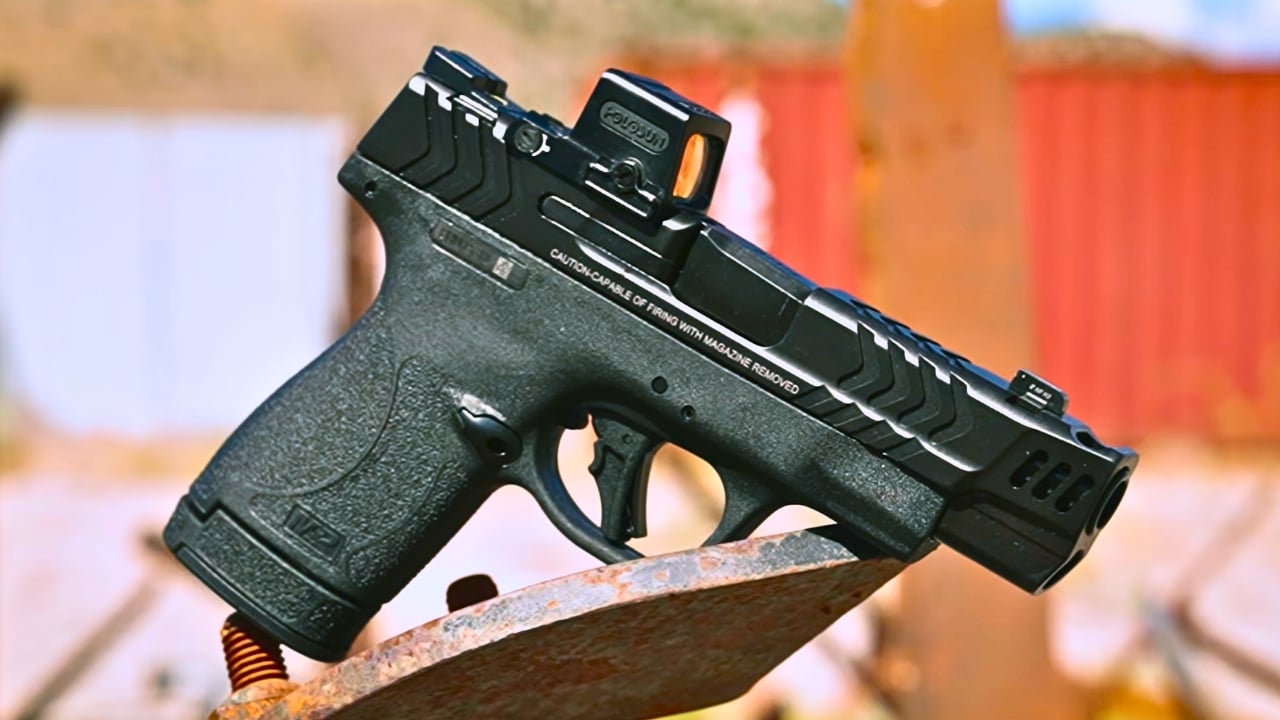
Photo credit: RDR GEAR/YouTube
There is a point where making a carry pistol smaller stops being helpful. The gun disappears under clothing, but the grip becomes too short, the slide gets lighter, and ordinary 9mm ammunition starts feeling far sharper than it does through a larger pistol. That might not matter for a magazine or two, but it matters when you are trying to practice enough to become genuinely comfortable with the gun.
For this list, I am willing to accept a little extra size or weight in exchange for a pistol I actually enjoy shooting. A longer grip, more slide mass, softer operating system, aluminum frame, or even stepping down to .380 can completely change the experience. Several of these are still impressively small, while others sit at the larger edge of concealed carry. Every one offers a better balance between concealability and shootability than the smallest pistol you can possibly stuff into a holster.
Beretta PX4 Compact Carry 2

The PX4 Compact Carry 2 is one of the first pistols I would try if somebody told me compact 9mms always felt too sharp. Beretta’s rotating-barrel operating system gives the PX4 a noticeably different recoil impulse from the tilting-barrel pistols that dominate the market. Beretta still lists the Compact Carry 2 as a current PX4 model and specifically credits the rotating barrel with reducing recoil.
The gun is thicker than a micro-compact, but that is part of why it works. There is enough grip to control it, enough slide and barrel mass to calm the cartridge, and enough overall pistol that you never feel as though 9mm is overwhelming the platform. The DA/SA trigger takes practice, but this is a carry gun I could comfortably spend an afternoon shooting instead of merely tolerating during qualification.
SIG Sauer P365-AXG Legion
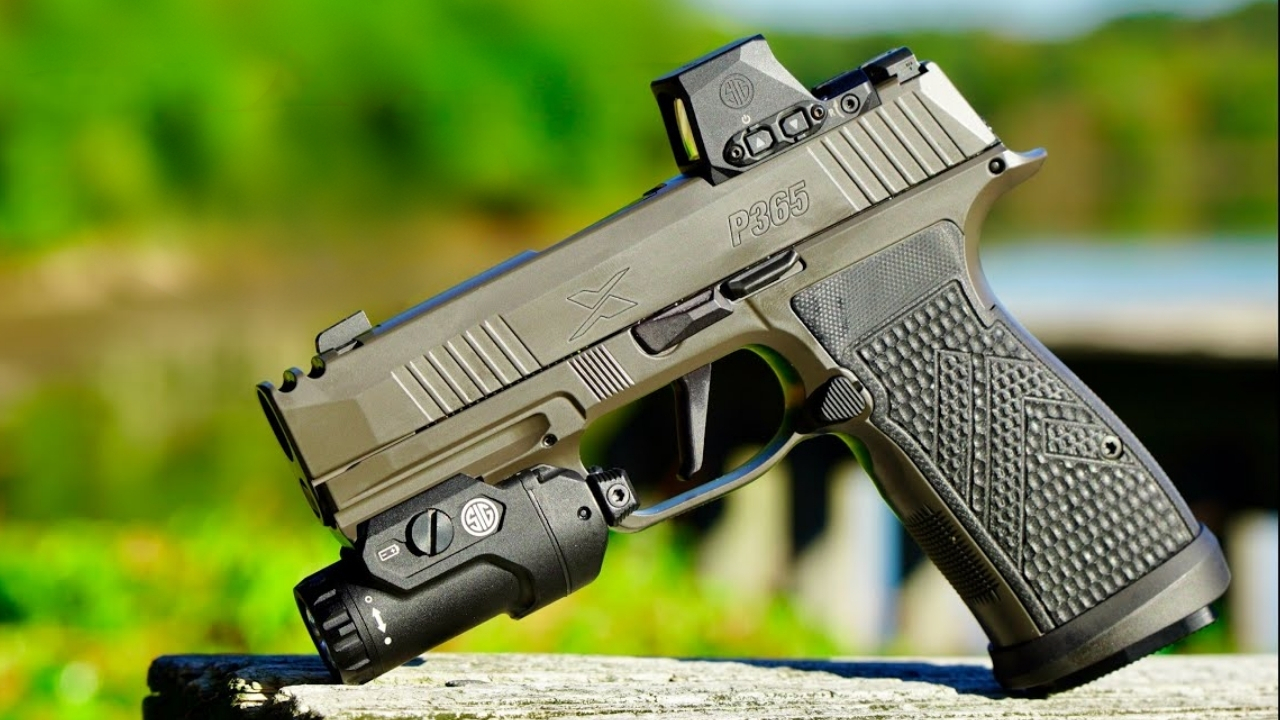
The standard P365 demonstrated how much ammunition could fit into a tiny pistol. The AXG Legion takes the opposite approach and asks how shootable that same general carry platform can become without losing its slim profile. SIG uses an aluminum grip module and an integrated compensated slide, adding weight where a tiny polymer pistol normally has very little. SIG currently describes that extra frame weight and compensation as measures intended to improve recoil management.
That makes an enormous difference during longer practice sessions. The pistol is still narrow enough to conceal well, but it no longer has the hyper-light feeling that makes some micro 9mms jump around in the hand. You pay for the premium configuration, but if somebody loves the P365 concept and hates the snappy feel of the smallest versions, this is the one I would want him to shoot.
Smith & Wesson Shield Plus Carry Comp
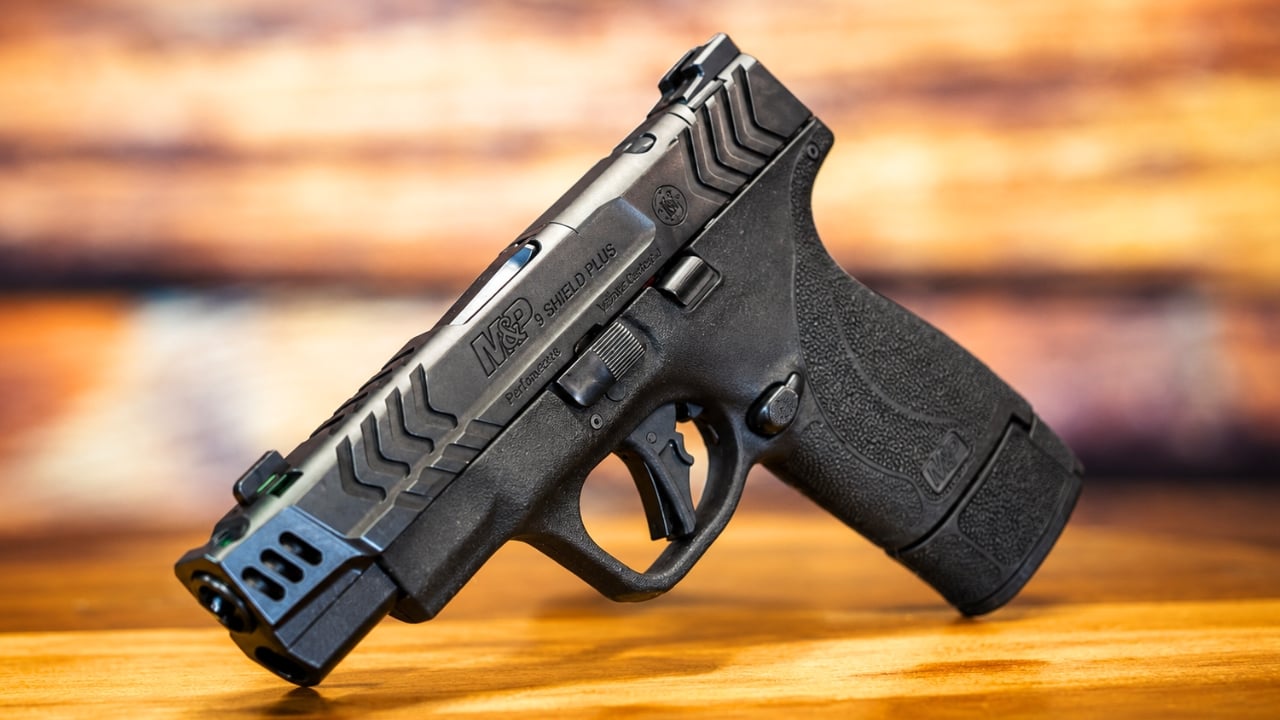
The original Shield became popular because it was thin and easy to carry, but the shortest versions could still remind you that you were firing 9mm through a relatively light pistol. The longer Shield Plus configurations give the shooter more gun to work with, and the Carry Comp versions push that idea further by using the slide and barrel setup to reduce muzzle movement.
What I like about the Shield Plus platform is that it remains genuinely slim. You are not suddenly carrying a full-width duty pistol simply because you wanted something pleasant at the range. The grip is long enough for solid hand contact, the trigger is much better than early Shield triggers, and the extra length does not make concealment dramatically harder. This is the kind of carry pistol that makes sense for somebody who wants micro-compact width without micro-compact punishment.
Springfield Hellcat Pro Comp

The original Hellcat was impressive for its capacity and dimensions, but it was still a very small 9mm and could feel lively during extended shooting. The Hellcat Pro already improved that situation with a longer slide and substantially more grip area. Springfield specifically noted that the Pro’s added slide and barrel mass reduced muzzle flip compared with the smaller platform.
The compensated version takes another step toward making the pistol easier to shoot quickly. What matters to me most, though, is the full grip. Your pinky is not hanging underneath the magazine, your support hand actually has somewhere to go, and the narrow frame still conceals exceptionally well. If somebody likes the Hellcat concept but does not enjoy the smallest model’s recoil impulse, the Pro is where the platform starts becoming much more pleasant.
Glock 48 MOS

The Glock 48 is a great example of why thin does not necessarily need to mean tiny. It has the narrow profile people want from a concealed-carry gun but stretches the slide and grip closer to dimensions that allow the shooter to actually control the pistol comfortably. That longer grip is especially important because it gives the support hand much more contact than a short micro-compact frame.
Recoil is still more noticeable than in a heavy Glock 19-sized pistol, but the 48 feels far less abrupt than many shorter slim-line 9mms. I also like the longer sight radius and extra slide length for practical accuracy. The gun disappears under clothing surprisingly well because thickness is often more noticeable during carry than barrel length. If I wanted a straightforward slim carry Glock that I could still enjoy during a 200-round practice session, the 48 would be my choice.
Heckler & Koch P30SK
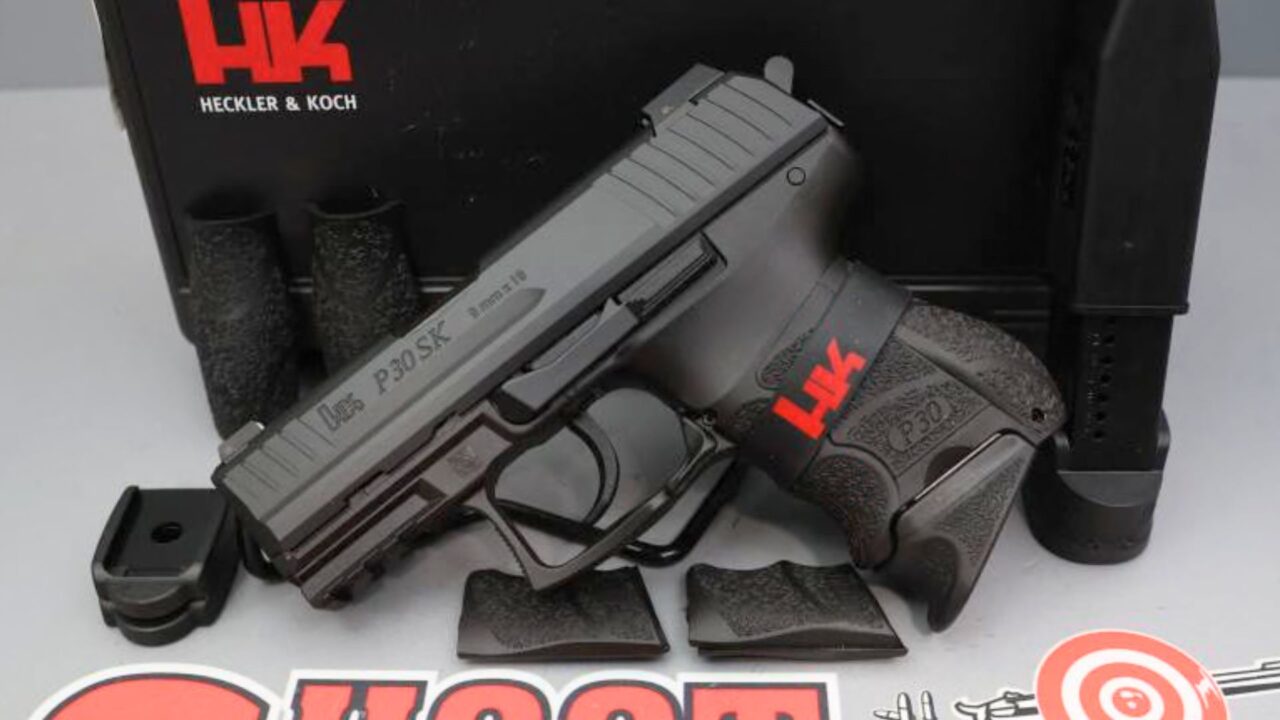
The P30SK is heavier and thicker than the smallest carry pistols, and that is precisely why it shoots so well. HK gives you interchangeable backstraps and side panels, which allow the grip to fit the shooter’s hand far more precisely than most compact pistols. A grip that actually fills your palm can make recoil feel dramatically less irritating.
The pistol also retains the substantial service-gun feel of the larger P30. It does not seem as though HK simply cut everything down until the gun barely functioned. There is enough slide mass, enough grip width, and enough frame to make 9mm feel predictable. Magazine extensions can provide additional room for the little finger without making the gun dramatically harder to conceal. The trigger systems require more learning than a basic striker gun, but I would gladly trade that for the comfortable shooting characteristics.
Walther PDP F-Series 3.5-Inch

The F-Series was developed around ergonomics that work better for smaller hands, but plenty of shooters with average-size hands may appreciate the changes too. The reduced trigger reach makes it easier to establish proper finger placement without rotating the hand around the grip, while the frame still provides far more control than an ultra-small pocket pistol.
That matters because comfort is not only about recoil energy. A pistol that forces your hand into an awkward position can feel much harsher than one that fits correctly. The 3.5-inch PDP F-Series remains short enough to conceal easily while giving you a proper grip and an excellent striker-fired trigger.
It has enough slide and frame to feel like a compact handgun rather than something designed entirely around winning a smallest-gun contest. For shooters who find thick service-pistol grips uncomfortable, this is one I would absolutely try.
FN Reflex
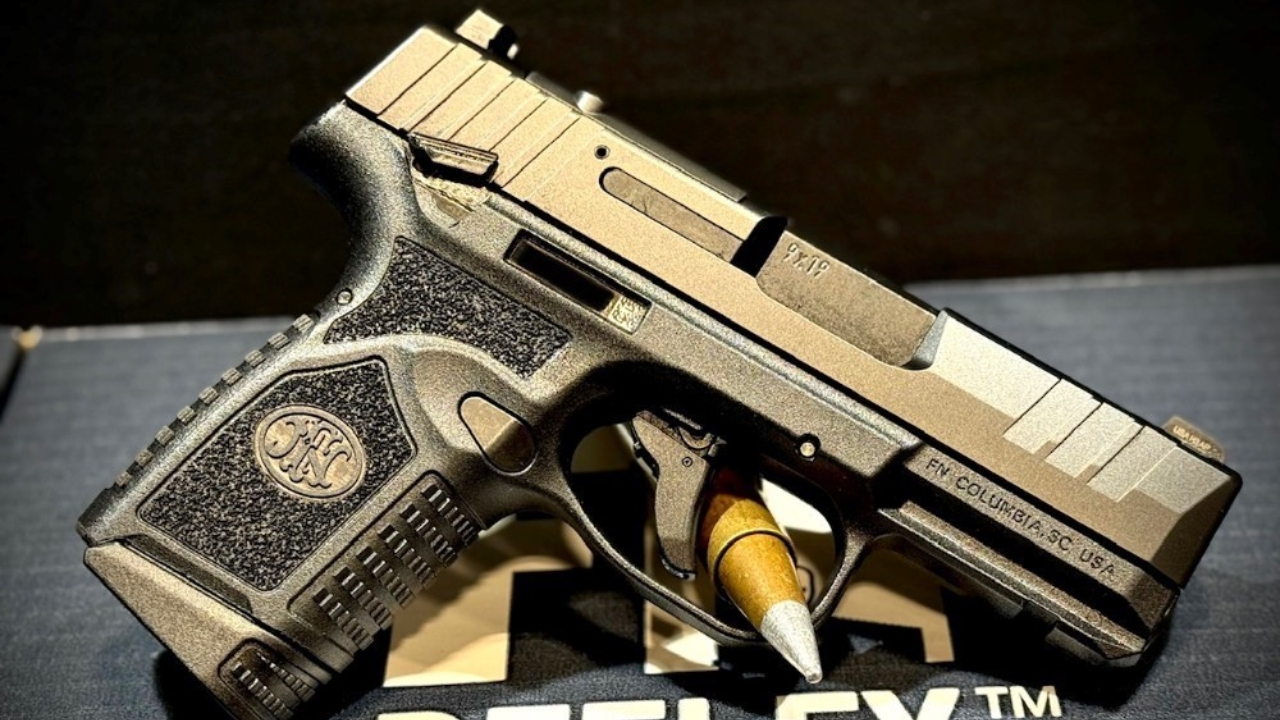
The Reflex manages to be extremely small without relying on the exact same operating feel as most micro-compacts. FN uses an internal hammer-fired system and specifically designed the grip, texture, and low bore axis around controlling recoil. FN also gives the standard magazine a pinky extension so most shooters can obtain more complete hand contact.
I would not call any pistol this small as comfortable as a heavy compact, but the Reflex does a better job than its dimensions suggest. The trigger is another major advantage. Instead of fighting a heavy or gritty trigger while the little pistol moves in your hands, the shooter gets a relatively clean break that makes accurate shooting easier.
For deep concealment where a larger gun simply will not work, the Reflex strikes a strong balance between genuinely small dimensions and a shooting experience that does not feel like punishment.
Beretta 80X Cheetah
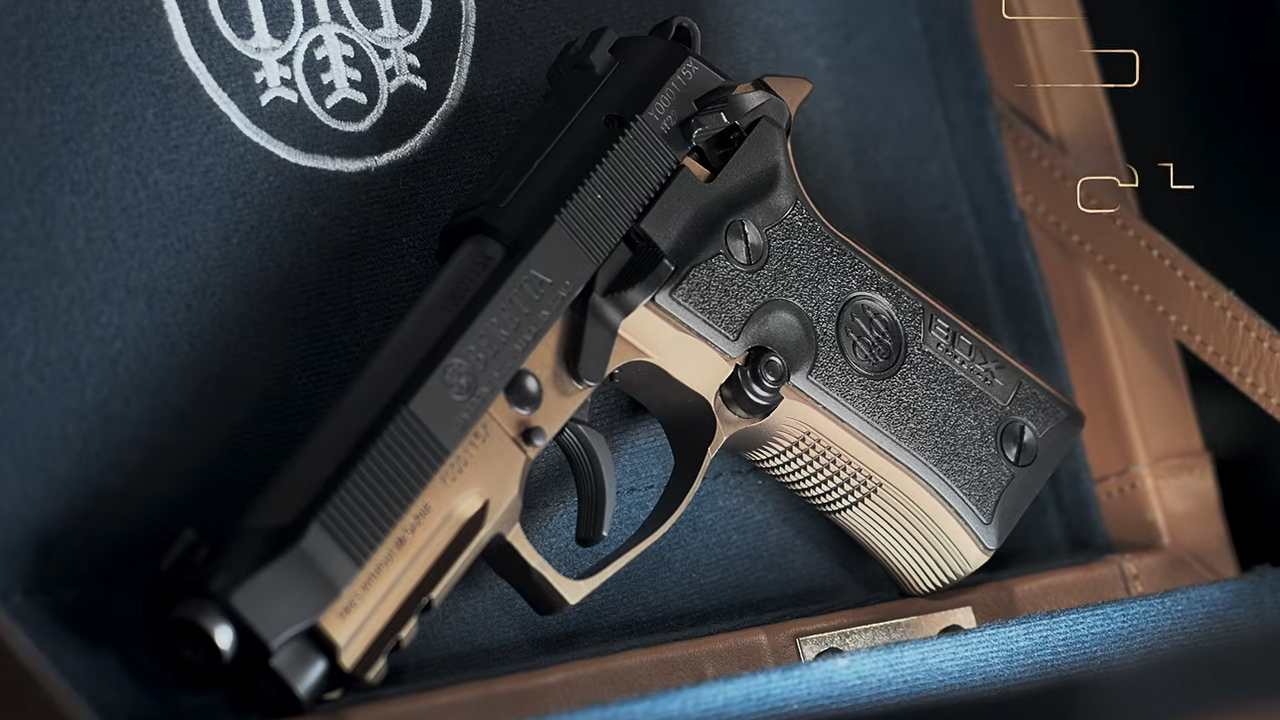
The 80X Cheetah is almost the opposite of today’s smallest .380s. Instead of shrinking the cartridge into a featherweight pocket pistol, Beretta gives you a substantial metal frame with enough grip to hold properly. That makes the relatively mild .380 ACP cartridge feel as mild as people assume it should.
The extra size may seem inefficient when tiny .380s exist, but efficiency is not the only consideration. If a shooter can carry the 80X comfortably, the reward is a pistol that can actually be enjoyable for long practice sessions. The metal frame provides useful mass, the grip gives the support hand space, and the DA/SA operating system adds the traditional Cheetah personality.
I would choose this over a tiny blowback .380 every time if shooting comfort mattered more than absolute pocket dimensions. It is the kind of carry pistol people actually want to practice with.
Staccato C2

The C2 is expensive, but the price does buy something meaningful for recoil-sensitive shooters. The 2011-style frame gives you an excellent grip, the single-action trigger requires very little disturbance of the sights, and the overall mass is substantially greater than the tiny polymer pistols that dominate concealed carry.
That translates into a pistol that shoots more like a downsized performance gun than an enlarged pocket gun. The slide movement feels controlled, muzzle rise is modest, and rapid follow-up shots require surprisingly little effort. You do have to be comfortable carrying a single-action pistol with a manual safety, which means the platform is not ideal for everyone.
If somebody already understands that operating system and wants one concealed-carry pistol that can make a range session feel almost unfairly easy, the C2 is one of the strongest examples available.
Smith & Wesson Equalizer

The Equalizer is easy to overlook because it is often marketed around easy manipulation, but those same features make it unusually comfortable for people who dislike fighting with compact pistols. Smith & Wesson gives it a relatively easy-to-rack slide, a grip safety, and enough grip length that the shooter can maintain actual control rather than pinching the gun between a few fingers.
The 9mm cartridge still produces more recoil than .380, but the Equalizer’s dimensions give it an advantage over the smallest micro-compacts. It also works particularly well for shooters who have reduced hand strength and therefore struggle both with heavy recoil springs and with maintaining a crushing grip.
I would rather see somebody carry a slightly larger gun that he can rack, grip, and practice with confidently than choose a tiny pistol purely because it looks easier to conceal.
Walther CCP M2

The CCP M2 uses a gas-delayed system that distinguishes it from most compact carry pistols. That system allows Walther to use a relatively light recoil spring while also spreading out the recoil impulse differently from a conventional locked-breech compact.
The pistol’s grip is another strong point. It has enough length and circumference to distribute recoil across the hand rather than concentrating everything into a tiny contact area. The result is a carry gun that can feel much less abrupt than its relatively slim dimensions suggest.
There are tradeoffs. The operating system is more unusual, and cleaning around a gas system is different from maintaining the basic tilting-barrel guns most shooters already understand. If comfort is a priority, though, those complications may be worthwhile. The CCP is one of those guns that makes more sense after you actually fire it than it does on a specification sheet.
Ruger Security-380

The Security-380 may be one of the best choices for someone who genuinely dislikes recoil rather than merely wanting the latest compact 9mm. Ruger specifically developed the pistol with its Lite Rack system, a relatively easy-to-manipulate slide, and a grip large enough to distribute recoil better than extremely small .380 pistols. Ruger describes it as being designed for extended range training with reduced fatigue.
That larger grip changes the entire experience. Instead of trying to hold a two-finger pocket gun, you can actually control the pistol and concentrate on the sights. The locked-breech design and .380 chambering also make the recoil extremely approachable.
It is larger than an LCP, but that is exactly the point. If you want a carry gun you can shoot frequently without dreading practice, the extra size earns its keep.
CZ P-01

The P-01 is heavier than the current crop of polymer micro-compacts because it uses an aluminum frame and does not attempt to make every dimension as small as possible. Those characteristics make it considerably nicer to shoot. The compact CZ grip fills the hand well, the low slide arrangement keeps the gun stable, and the extra weight takes the edge off ordinary 9mm ammunition.
This is one of my favorite choices for somebody who would rather carry a slightly heavier pistol and actually enjoy practicing. The traditional DA/SA system does require learning two trigger pulls, but once you become comfortable with it the gun is exceptionally controllable.
The P-01 is also narrow enough through the slide that it does not feel excessively bulky inside the waistband. It represents an older definition of compact, and in many ways that older definition produces a better shooting pistol.
Mossberg MC2c
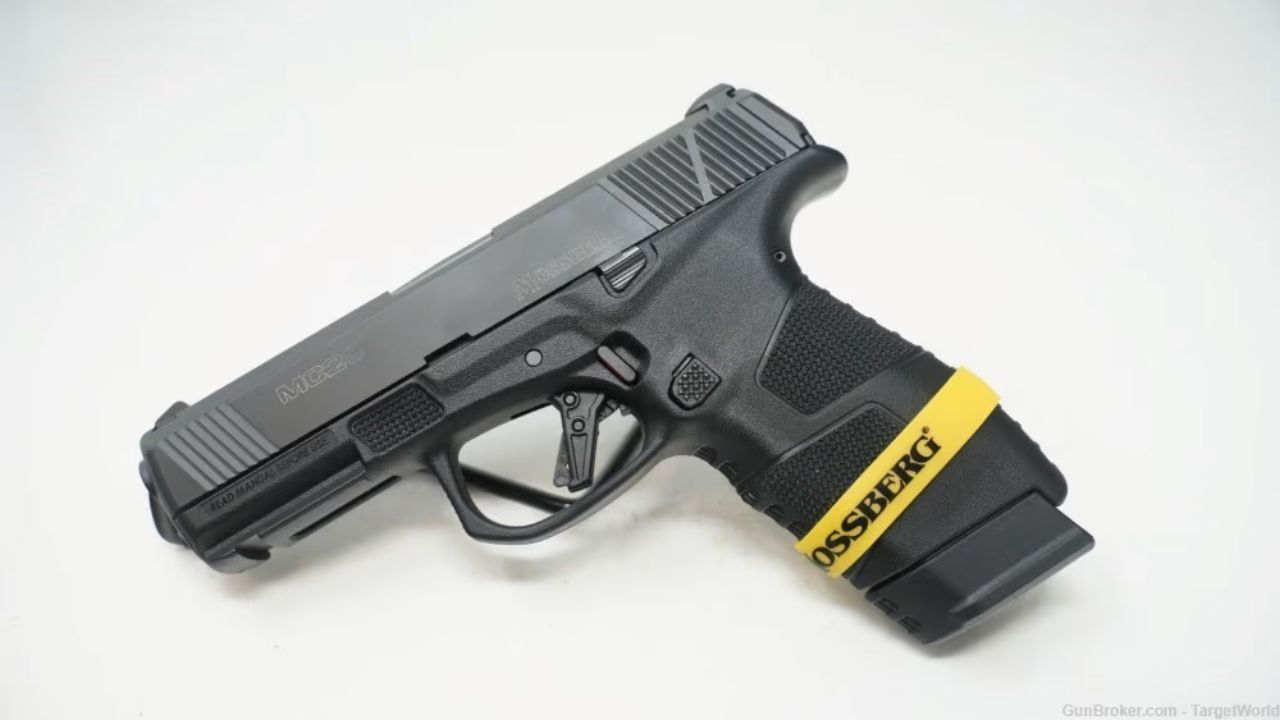
Mossberg’s MC2c is one of the less obvious carry pistols on the market, but its dimensions make a lot of sense for someone who wants something slim without shrinking all the way to micro size. Mossberg lists a 3.9-inch barrel, 21-ounce unloaded weight, and a 1.10-inch width, while specifically describing the grip’s palm swell and angle as features intended to improve comfort.
Those proportions put the MC2c into a very useful middle ground. It is thin enough that concealment is easy, yet the grip provides much more contact than a tiny pistol. The 13-round flush magazine keeps the package compact, while the extended magazine provides additional grip length.
It does not have the reputation of Glock or Smith & Wesson, but purely from a size-to-shootability standpoint, the MC2c deserves more attention than it usually receives.
IWI Masada Slim

The Masada Slim looks like another tiny striker-fired carry pistol until you start examining the dimensions and ergonomics more closely. IWI uses a 3.4-inch barrel, a 13-round magazine, and a relatively low barrel axis. The company specifically cites that low axis and enhanced grip texture as features intended to reduce perceived recoil and improve follow-up shots.
It is still light enough that you know you are shooting a compact 9mm, but the grip provides better control than many pistols in the same general size class. I also like that larger Jericho-pattern magazines can be compatible with the platform, giving the owner options for range use.
If I wanted something noticeably smaller than a traditional compact without stepping all the way down to a tiny two-finger gun, the Masada Slim would be worth a serious look.
Kahr K9
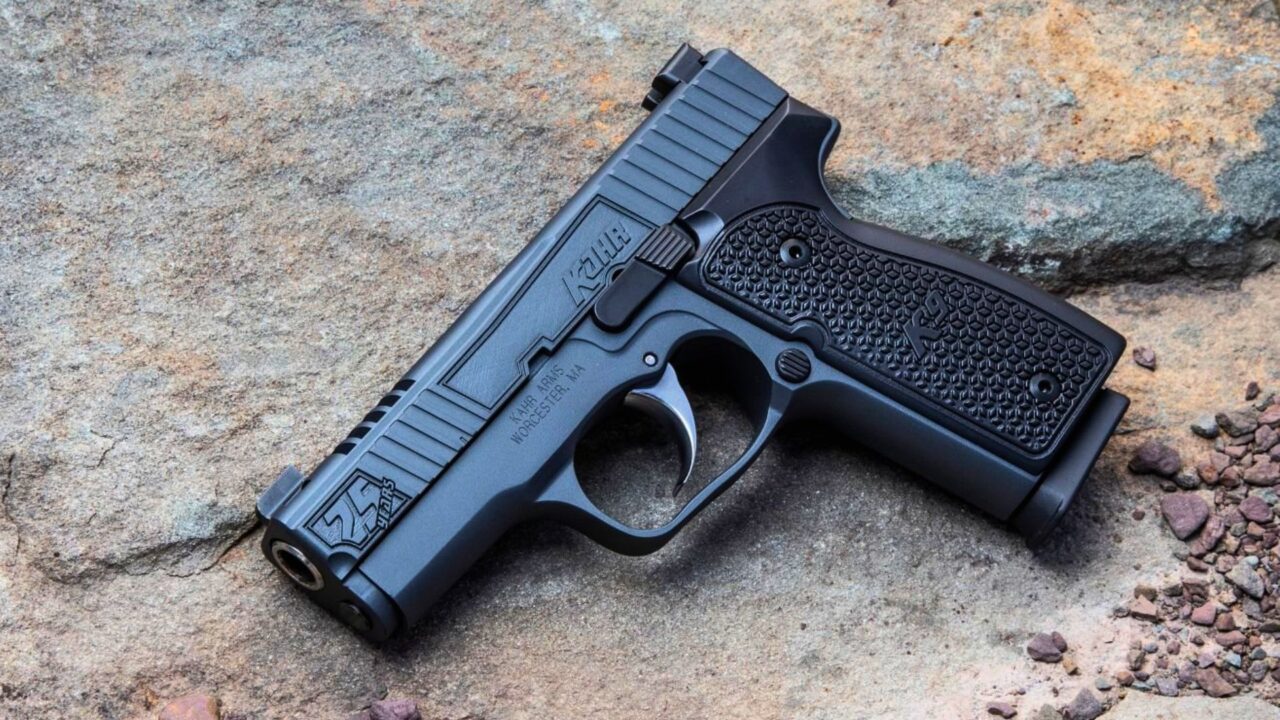
The K9 is old-fashioned in almost every way that makes it pleasant to shoot. It is a slim single-stack pistol with a steel frame, which means capacity looks unimpressive beside modern micro-compacts and weight looks excessive. The same steel that hurts it on a specification chart is exactly what makes the pistol so comfortable during practice.
The long, smooth Kahr trigger also encourages a deliberate shooting rhythm rather than the abrupt feel some tiny striker pistols produce. Recoil is mild for a handgun this narrow because there is enough weight to keep the gun settled.
I would not choose the K9 because it represents the maximum amount of ammunition for the minimum amount of space. I would choose it because it is one of the few genuinely slim carry pistols where shooting fifty or a hundred rounds feels completely normal.
Springfield Armory EMP 3-Inch 9mm
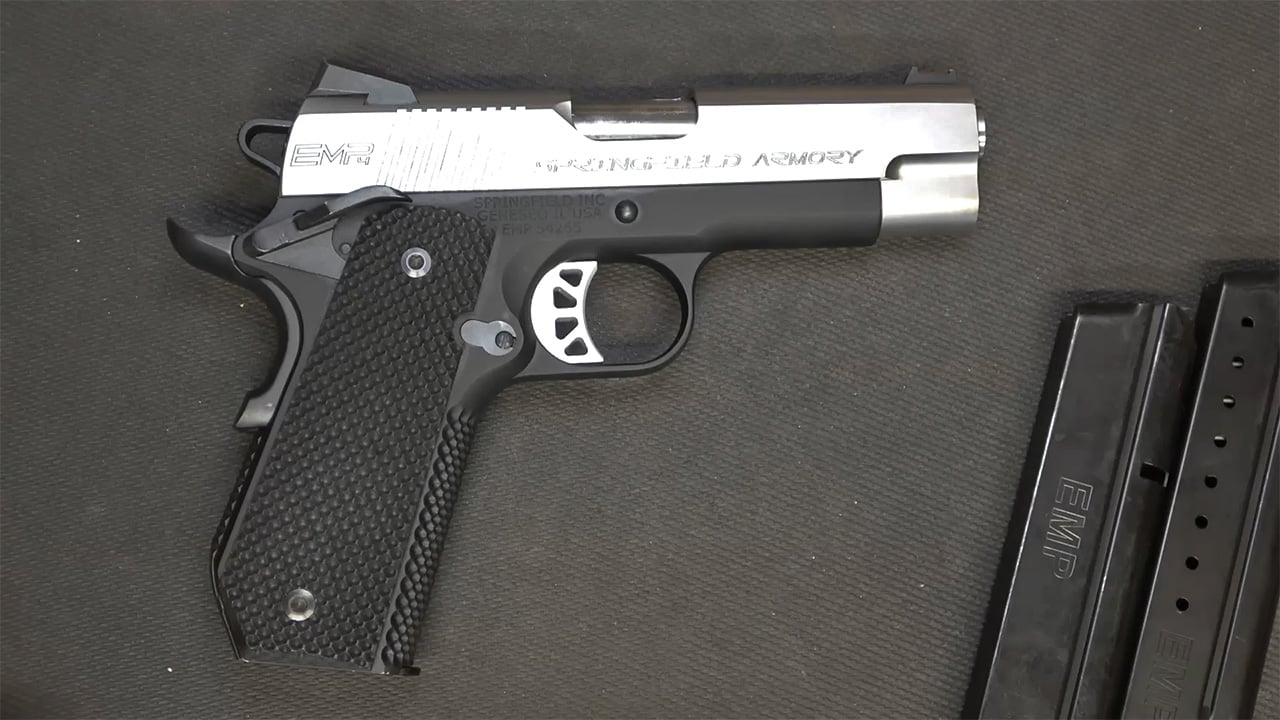
The EMP takes the familiar 1911 concept and scales key dimensions around shorter cartridges such as 9mm rather than simply chopping down a .45 ACP Government Model. That gives the pistol a wonderfully narrow grip and an excellent single-action trigger while keeping the overall package small enough for concealed carry.
The metal frame and 1911 grip geometry help make 9mm recoil much less irritating than it can be through a featherweight micro pistol. Even with the short barrel, there is enough gun in the hand that the shooting experience remains controlled.
The tradeoff is the manual safety and greater operating familiarity required by the 1911 platform. For somebody comfortable with cocked-and-locked carry, though, the EMP gives you a remarkably pleasant little pistol. It is proof that a carry gun can be thin without being unpleasant.
SIG Sauer P229
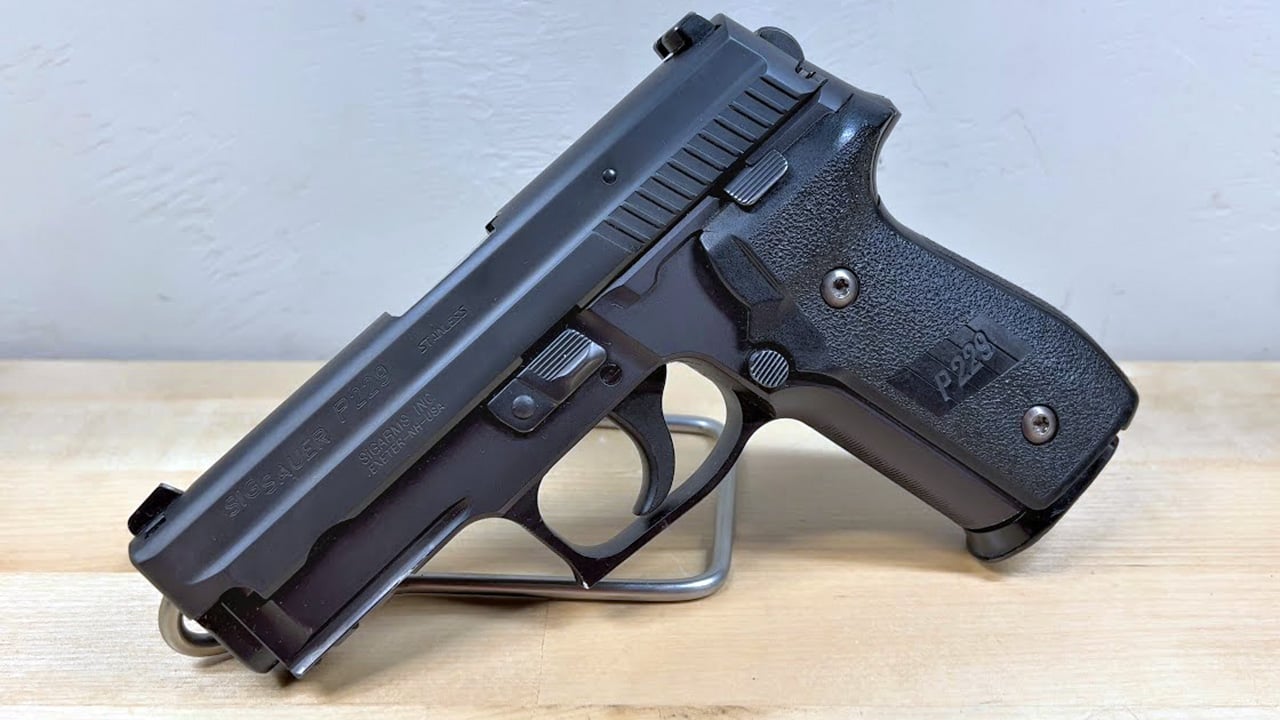
The P229 stretches the definition of a modern concealed-carry pistol because it is thick and fairly heavy. Put it in a good holster with a proper belt, however, and that weight suddenly becomes one of the best reasons to own it.
The aluminum frame and substantial slide make ordinary 9mm recoil almost boring. The grip gives you plenty of space, the pistol stays planted during fast strings, and a smooth DA/SA trigger becomes extremely enjoyable after you learn it. Compared with a micro-compact, the difference during a long practice session is enormous.
I would not choose the P229 for someone whose primary concern is carrying the least possible weight. For somebody who values shooting comfort enough to carry more gun, it remains one of the most satisfying compact service pistols ever made.
Heckler & Koch P2000 SK
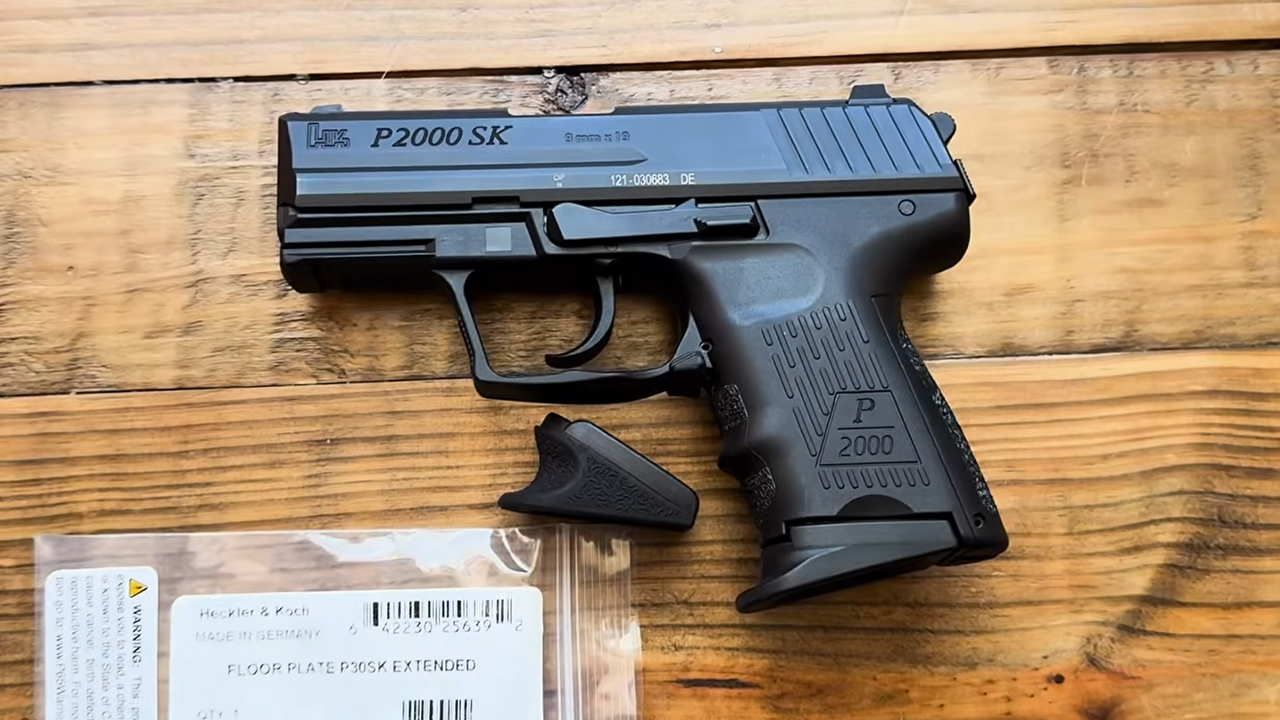
The P2000 SK occupies an excellent middle ground between the old USP Compact and newer ultra-small carry guns. It is short enough for easy concealment, yet the frame has enough width and substance that recoil does not feel concentrated into a tiny portion of the hand.
Interchangeable backstraps help the fit, while the traditional HK construction gives the gun a solid feeling despite its compact dimensions. Magazine extensions can add enough room for the little finger, which changes the shooting experience significantly without turning the pistol into a full-size handgun.
I particularly like it for shooters who prefer hammer-fired carry guns but find the USP Compact too bulky. The P2000 SK never became the fashionable choice, yet its size is almost ideal for somebody who wants real concealability without accepting the punishing feel of the smallest 9mms.
Like The Avid Outdoorsman’s content? Subscribe to our newsletter so you never miss an article.
Here’s more from us: