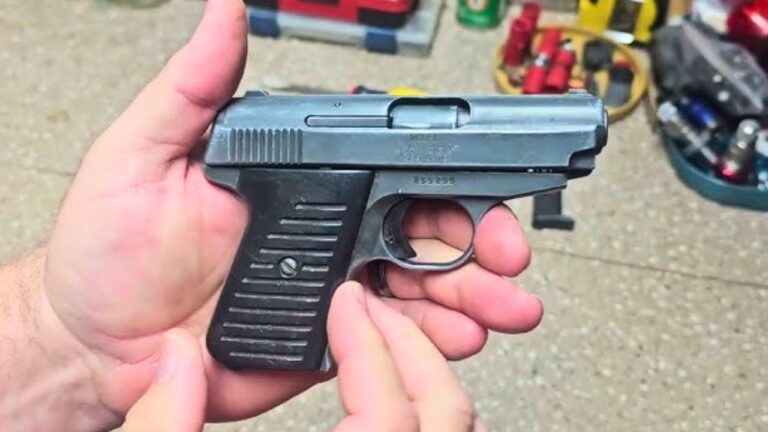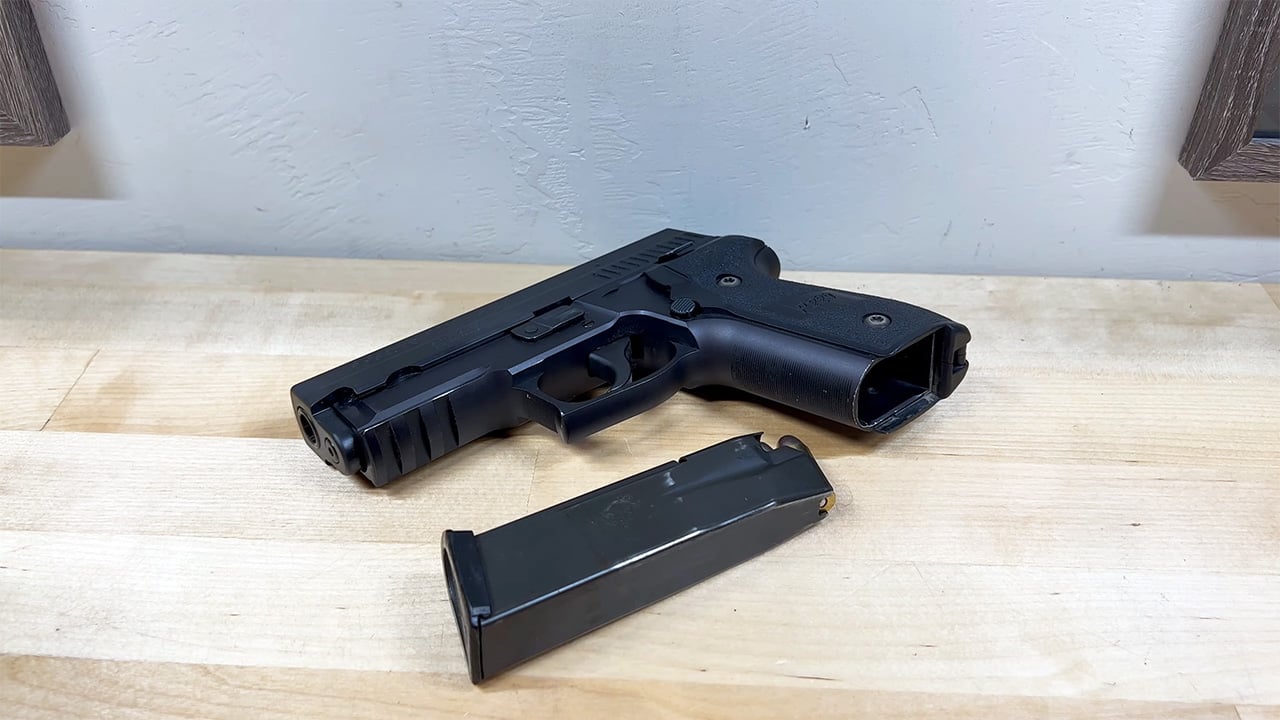
Photo credit: Icarryone/Youtube
Walk into any old-timer gun shop or poke around the back table at a local range, and you’ll see it: handguns with finish worn smooth on the corners, grips shiny from sweat, and actions that feel like they’ve been cycled a hundred thousand times. The funny part is those are usually the guns that still run. Thirty years is a long time for anything you bet your life on, and a handful of pistols and revolvers have earned their keep the hard way—holster wear, truck-console lint, rain in a deer camp, and thousands of rounds of cheap practice ammo.
Here are 20 handguns that routinely survive that kind of use. Not because they’re trendy, but because they’re built right, supported well, and simple enough that normal owners can keep them going without turning into a part-time gunsmith.
1. Glock 17

The Glock 17 is boring in the best way. It’s the pistol that shows up at the range with mismatched mags, a scuffed slide, and a trigger that feels the same every time. There’s a reason so many departments ran them hard for decades and so many private owners copied that choice.
What keeps them alive is parts and magazines. You can find springs, sights, mags, and holsters everywhere, and most wear items are cheap enough that folks actually replace them instead of “meaning to someday.” It’s not fancy, but it keeps working when the new-gun excitement wears off.
2. Glock 19

If the 17 is a work boot, the 19 is a work boot you can actually wear all day. For a lot of outdoorsmen it’s the do-everything size: big enough to shoot well, small enough to carry without constantly adjusting your belt.
After 30 years, the big advantage is how forgiving it is. It’ll run dirty, it’ll run with a wide range of ammo, and it doesn’t punish you for not babying it. Replace recoil springs on a normal schedule, use decent mags, and it just keeps punching.
3. SIG Sauer P226

The P226 has that “old service pistol” feel—solid, slightly heavy, and confidence-inspiring when you rack it. A lot of them have lived in duty holsters, been shot in qualifications, then carried for years afterward by the guy who bought it surplus or used.
They’re not light, and I get why some folks move on. Still, the lockup is stout, the reliability is real, and the gun points naturally for a lot of shooters. If you keep an eye on springs and use good magazines, they’re the kind of pistol that outlasts trends.
4. SIG Sauer P229
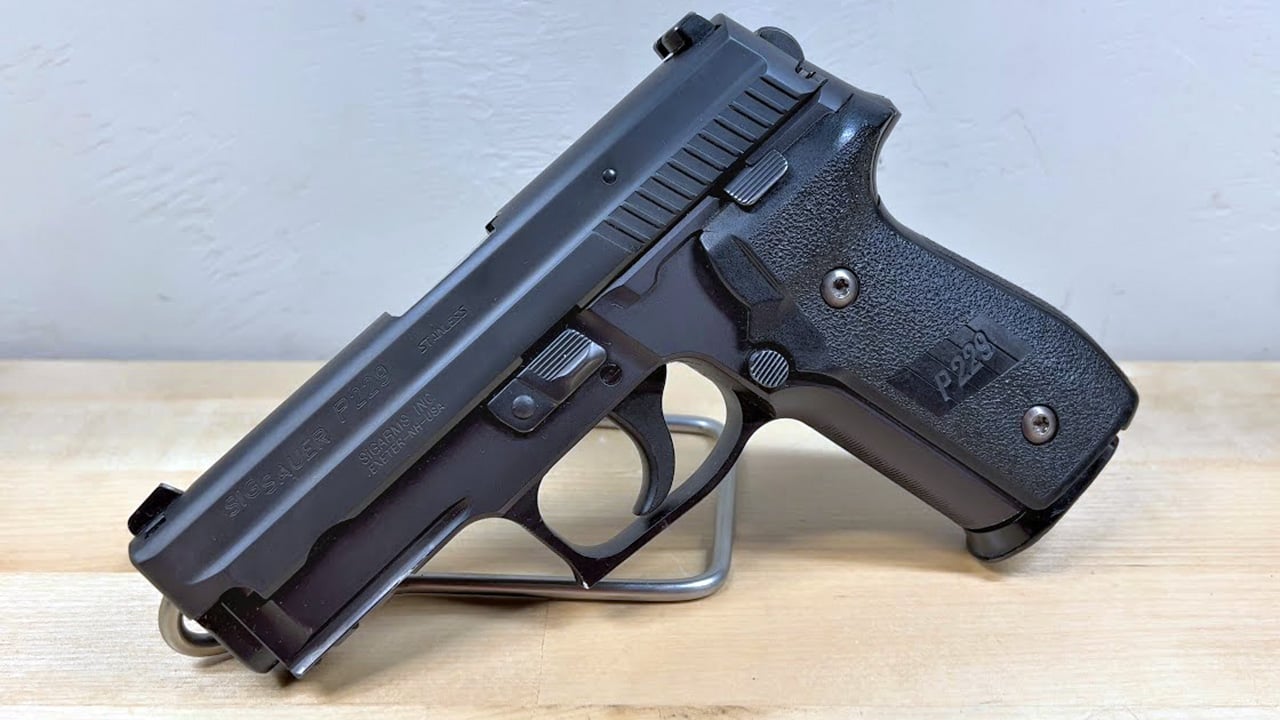
The P229 is the P226’s handier cousin. It carries better, especially if you’re the type who wants a real belt gun under a jacket during cold months, then a chest rig or pack carry when you’re hiking.
These guns tend to age well because they aren’t finicky. The DA/SA system isn’t for everyone, but it’s proven. The biggest “gotcha” is owners neglecting spring replacement for years because the pistol keeps running… until it doesn’t. Basic maintenance keeps it in the game.
5. Beretta 92FS / M9
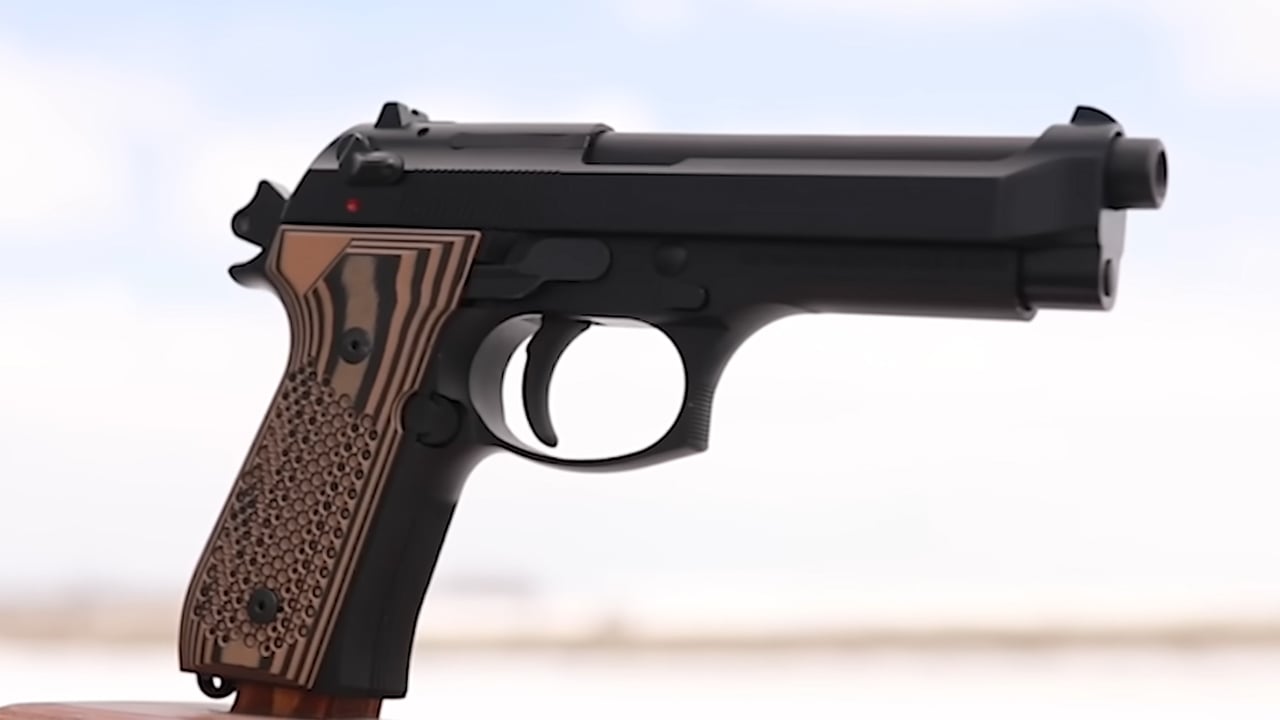
Say what you want about the size, but the Beretta 92 has been living a hard life since the late 1980s and it’s still here. Big grip, open-top slide, and a recoil impulse that feels softer than it has any right to in 9mm.
They do like to be lubricated, and some folks never warm up to the safety/decocker setup. But the design runs, magazines are common, and the guns tend to stay accurate even when they look rough. If you’ve got one that fits your hand, it’s hard to argue with the track record.
6. CZ 75B
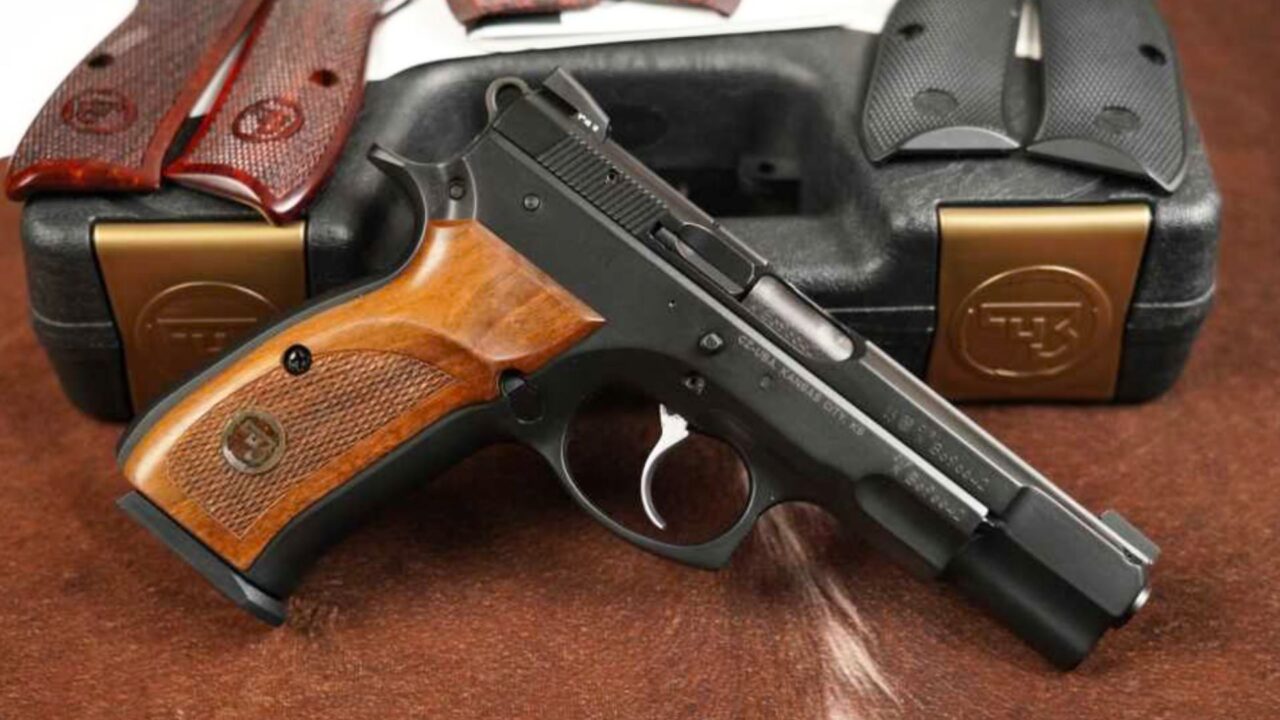
The CZ 75 is one of those pistols that surprises people the first time they shoot it. It sits low in the hand, the weight is friendly, and it tracks flat when you’re running drills instead of slow-firing at 7 yards.
Thirty years later, what stands out is durability paired with shootability. These guns get passed around families because they’re pleasant to shoot, and pleasant means they actually get practiced with. Parts support is better than it used to be, and a well-used CZ still feels tight where it counts.
7. Browning Hi-Power

The Hi-Power is classic, and yeah, some of that is nostalgia. But plenty of them have lived long lives because they’re slim, they carry well, and they shoot like a serious pistol.
They’re not as plug-and-play as a modern polymer gun. Some need attention to springs and magazines, and certain examples don’t love every hollow point design. Still, if you’ve got a good one and feed it mags it likes, it’ll keep running long after the “new hotness” is in the bargain bin.
8. Ruger GP100
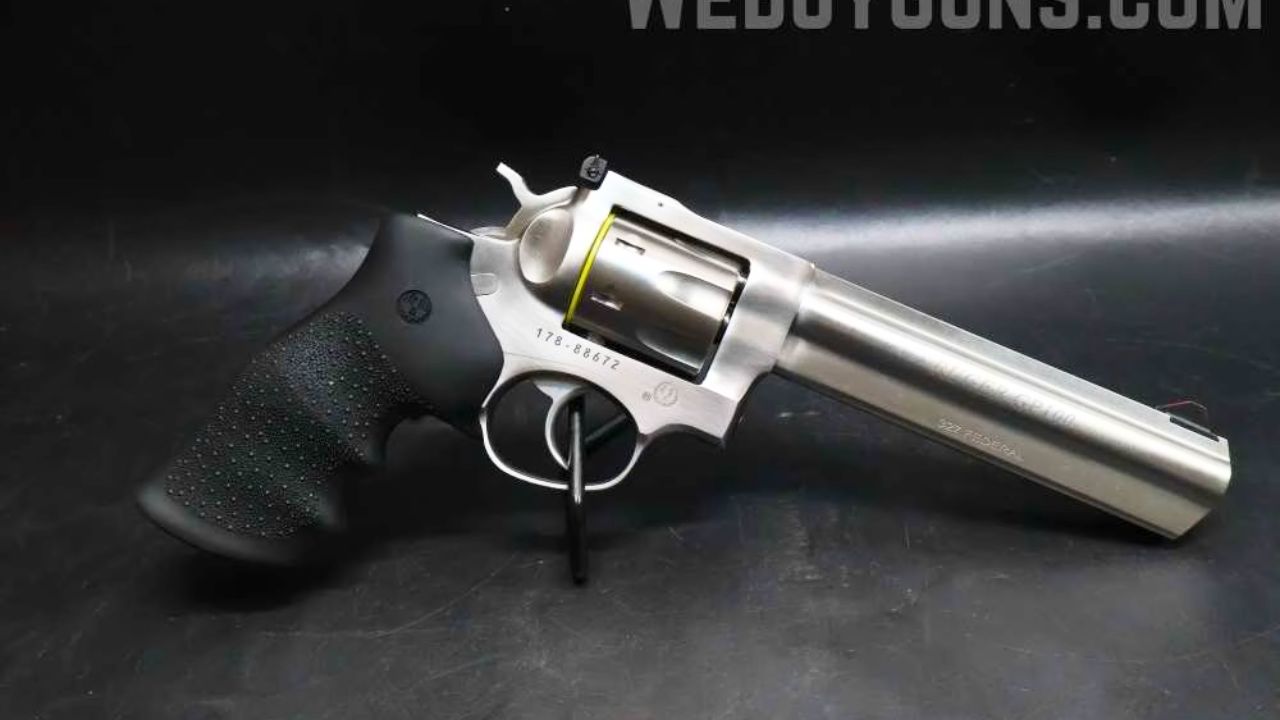
If you want a revolver that doesn’t feel delicate, the GP100 is the answer. It’s built like it was designed by someone who had to fix the previous model in the field and decided that was never happening again.
These things survive steady .357 use that would shake other guns loose over time. They’re not as svelte as some classics, but they take abuse, they’re easy to live with, and they’re one of the few revolvers I’d call “hard-use” without hesitating.
9. Ruger SP101

The SP101 is what a lot of folks buy when they want a small revolver but don’t want small-revolver fragility. It’s a tank for its size, and that shows up after a few decades when the timing is still right and the lockup still feels honest.
Is it fun with full-house .357? Not for most hands. But as a .38/.357 trail companion or glovebox revolver (stored safely, according to your local laws and common sense), it’s one of the better “always there” guns.
10. Smith & Wesson Model 686

The 686 has probably put more venison on the pole than people realize, mostly because it’s the revolver guys actually shot well. That full lug settles things down, and the gun just feels steady when you’re trying to hit something smaller than a paper plate.
They do need normal revolver care—keep it clean under the extractor star, don’t abuse it with sketchy reloads, and watch for endshake after a mountain of rounds. Treated like a tool instead of a science project, it’ll keep earning its place.
11. Smith & Wesson Model 10
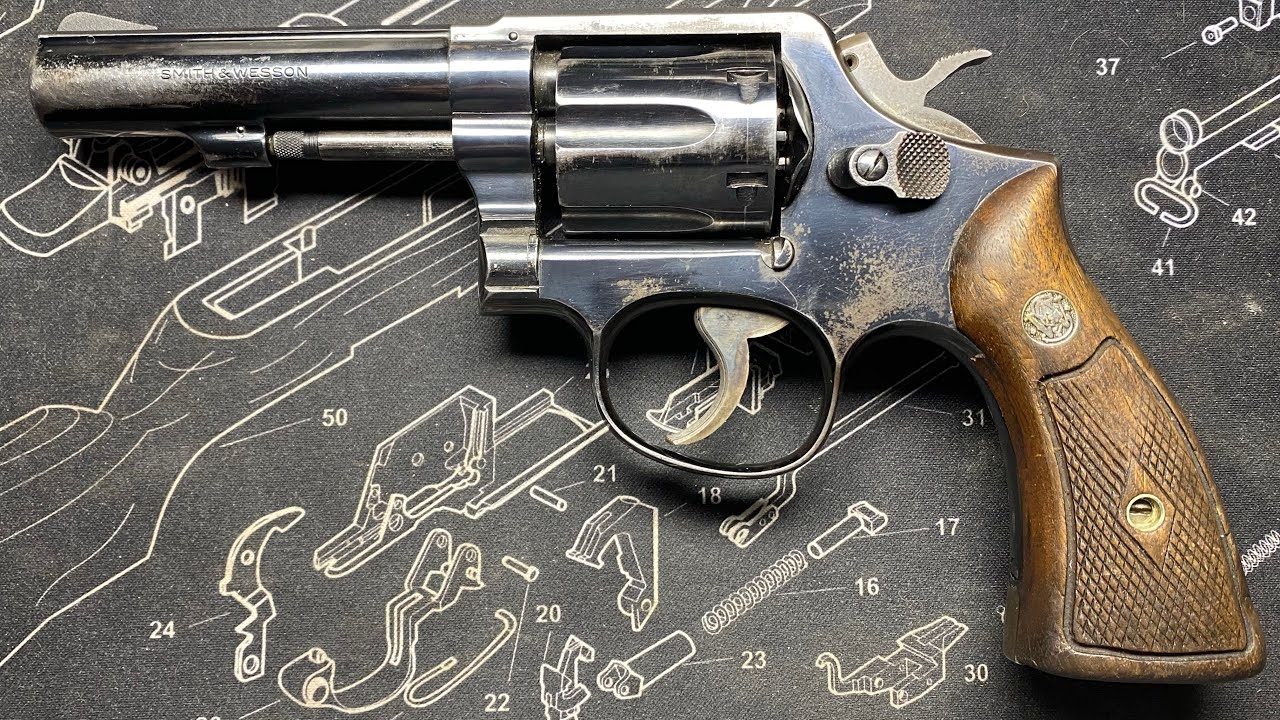
The Model 10 is the plain-jane .38 that just won’t go away, and that’s a compliment. You’ll find them in nightstands, tackle boxes, and old duty rigs, usually with a little holster wear and a lot of history.
They aren’t glamorous, and they aren’t high capacity. But they’re accurate, they’re simple, and they’re easy to keep running. If you ever inherit one, don’t be quick to trade it off for something “more modern.” That one hurts later.
12. Smith & Wesson J-Frame (Model 36/60/642 family)

J-Frames are still riding in pockets and ankle holsters because they work when people get lazy. No magazine to fail, no slide to push out of battery, and the shape carries in places where a small auto prints like a brick.
They can be unpleasant to shoot, and many owners don’t practice enough with them because of that. But mechanically, they last. Keep the screws snug, keep lint under control, and don’t expect it to feel like a range toy. It’s a get-home tool.
13. Colt Python

The Python is the revolver people baby, and that helps longevity. But plenty of older Pythons have also been shot a lot and still feel like a bank vault when you close the cylinder.
Here’s the honest part: they’re not the easiest revolvers to service compared to a Ruger, and parts/support can be a different game depending on the era. Still, if you’ve got one that’s been treated right, it’s a lifetime gun—and then some.
14. Colt King Cobra

The King Cobra doesn’t get the same spotlight as the Python, but it’s been quietly holding up for decades. It’s a serious .357 that balances well and feels a touch more “working revolver” than “collector revolver.”
Older Colts can be a little more particular about who works on them, and that’s worth remembering before you start chasing problems that don’t exist. But as a used-and-loved wheelgun, a good King Cobra can keep right on rolling.
15. Ruger Blackhawk
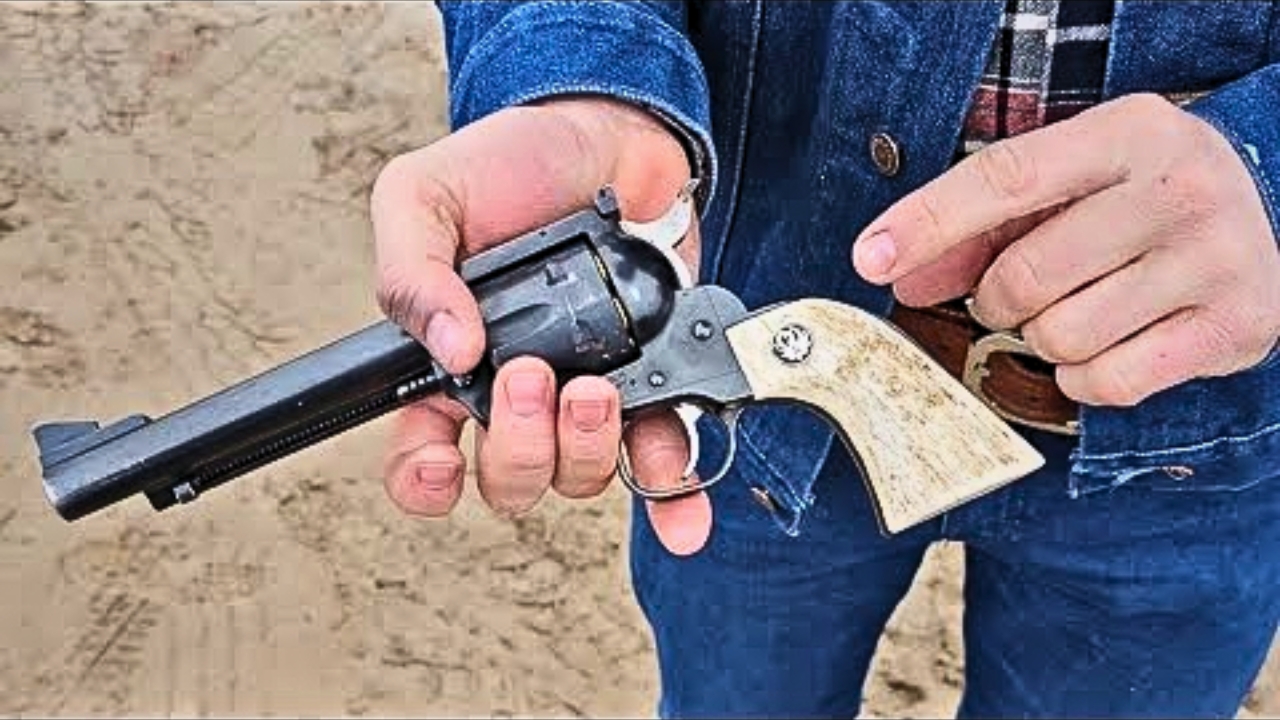
If you’ve spent time in deer camp, you’ve seen a Blackhawk. It might have a tooled leather holster and a box of handloads nearby, and it’s usually owned by a guy who knows exactly where it hits at 50 yards.
Single-actions like this last because they’re simple and overbuilt. They tolerate field use, ride well on a hip while you’re cutting firewood, and they don’t mind sitting in a drawer for a year and then being called up for business.
16. Ruger Mark II

The Ruger Mark II is the .22 pistol that taught a lot of people how to shoot, and it’s still doing that job. They’re accurate, they digest bulk ammo better than many rimfires, and they keep their zero if you aren’t constantly messing with them.
Yes, the takedown has frustrated more than one good man. Ask me how I know. But once you learn the rhythm and keep it reasonably clean, it’s a decades-long companion for squirrels, cans, and cheap practice.
17. Browning Buck Mark

The Buck Mark is another rimfire that refuses to quit. It has a good trigger out of the box, feels natural in the hand, and tends to shoot better than the average person can hold.
Long-term, the Buck Mark’s secret is that it’s not temperamental if you don’t neglect it. Keep screws properly snug, don’t let crud build into a hard varnish, and it’ll stay reliable. For a .22 that actually gets used, that matters.
18. Heckler & Koch USP

The USP is not everyone’s favorite in the hand. The grip can feel blocky, and it’s not the lightest choice for carry. But if we’re talking about a pistol that shrugs off years, the USP deserves a seat at the table.
They were built with durability as a main goal, and it shows. Magazines aren’t always as cheap as Glock mags, but they’re out there. If you want a hammer-fired pistol that feels like it was designed to be used hard, it’s a strong candidate.
19. Smith & Wesson 5906
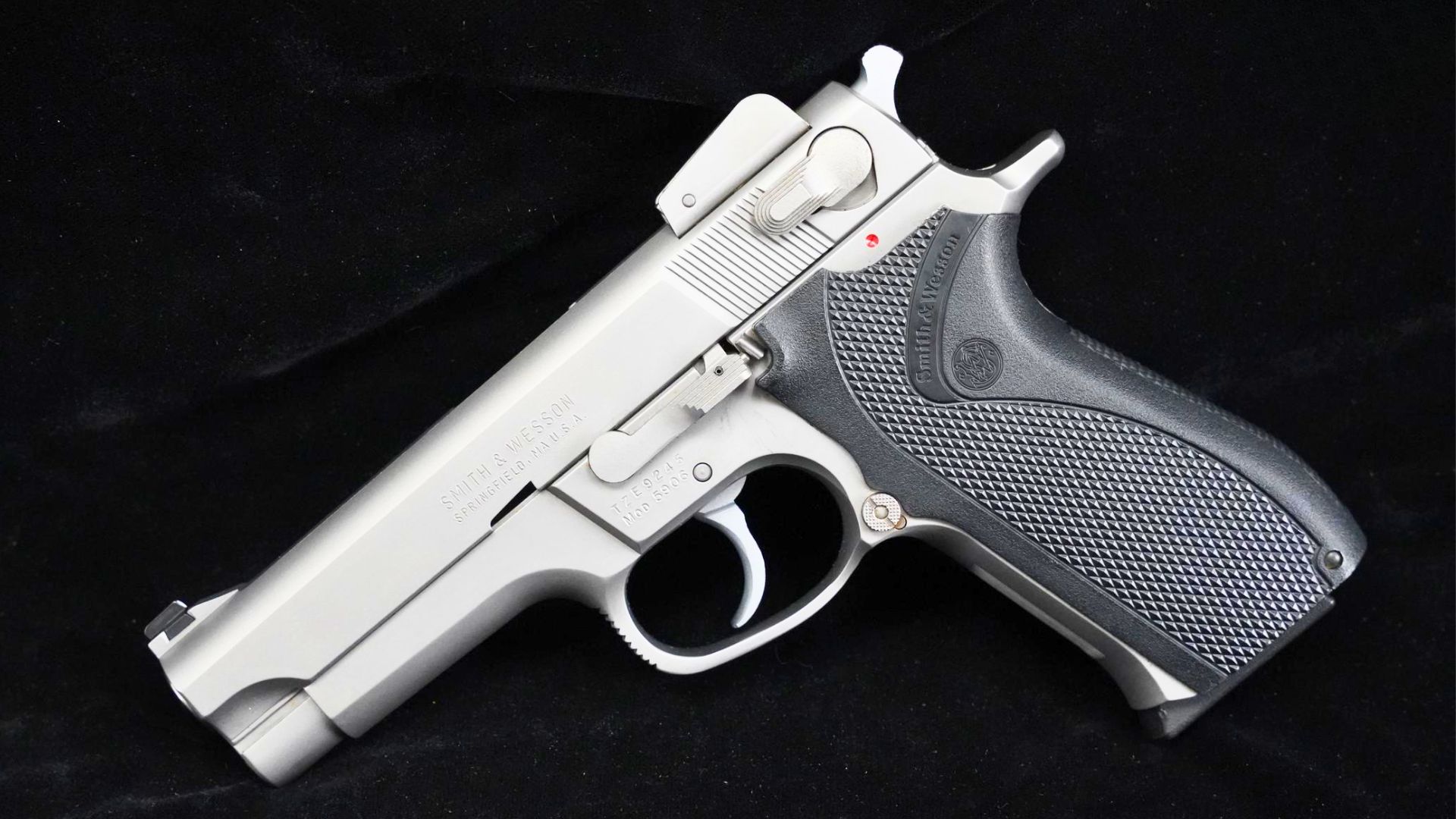
The 5906 is one of those stainless third-gen Smiths that keeps showing up in the used case looking like it survived a decade in a duty holster—because many of them did. Heavy? Yes. Reliable? Also yes.
They shoot soft, feed well, and tend to be accurate enough to make you look good. The downside is parts and armorer knowledge aren’t as common as they once were. Still, as a “keeps going” pistol, the 5906 has earned it.
20. 1911 (quality full-size Government model)

A good 1911 can run for decades and feel better doing it than most pistols. The trigger is still the benchmark, and the slim profile carries flatter than people expect when it’s in a real holster on a real belt.
But I’m not talking about bargain-bin mystery builds. The 1911 world is full of guns that are picky, and owners end up “tuning” them into headaches. Pick a quality example, use good magazines, replace springs when you should, and the platform will treat you right for a long time.
None of these are magic. They last because they’re built with enough margin, and because owners can still get magazines, springs, and basic support without begging the internet. If you’ve got one that’s been riding with you for years, keep it clean, replace wear parts before they fail, and don’t let “new and shiny” talk you out of a tool that’s already proven itself.
Like The Avid Outdoorsman’s content? Be sure to follow us.
Here’s more from us: