Photo credit: AI-generated image created using ChatGPT. Illustrative only
When a family member passes, you expect hard days and long nights. What you don’t expect is finding out the firearms he owned might get hauled off and destroyed simply because nobody wants to deal with the paperwork and responsibility.
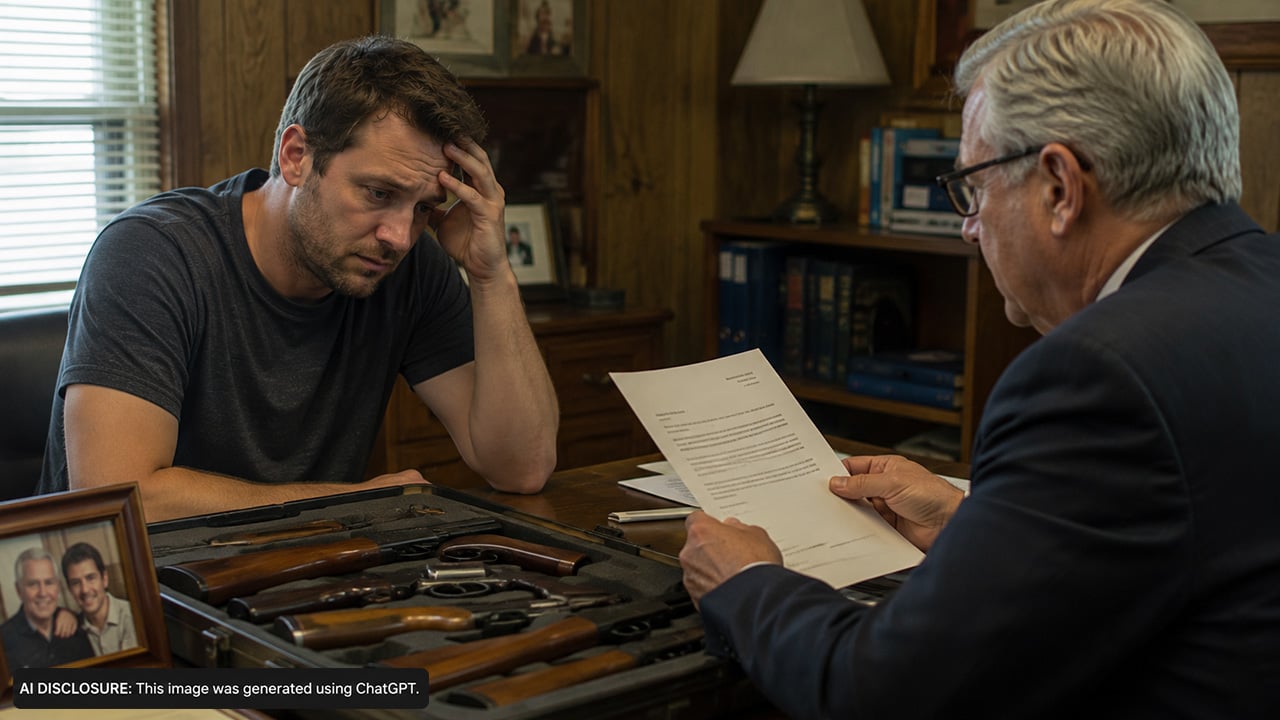
That’s where one Florida man found himself after losing the uncle he considered a father. In the original post, he explained that his uncle’s biological daughter is the estate representative. She doesn’t want the guns and initially suggested turning them in for destruction—yet she’s also willing to let him and his brother keep them if they can do it legally.
He wasn’t asking for “extra guns,” he was trying to keep a piece of his uncle
The man laid it out in plain language: legally this was his uncle, but in real life, “to me he was my dad.” That’s a common bond in the outdoors—sometimes the man who taught you to shoot, hunt, and respect firearms isn’t your biological father, but he might as well be.
When the estate rep said they could keep the guns, he said he “actually started crying.” That tells you this wasn’t about stacking up hardware. It was about hanging onto family history and the memories tied up in blued steel, worn grips, and the simple fact that those guns were part of his uncle’s life.
The estate rep’s “destroy them” idea is more common than folks think
A lot of people outside the gun world see firearms as a problem to get rid of fast—especially after a death. They don’t want the liability, they don’t know the laws, and they don’t want an argument with other relatives. So the quickest solution they can picture is turning them over to be destroyed.
That might feel like the “safe” option to them, but it can be a gut punch to the family members who understand what those guns represent. In this case, the estate representative wasn’t trying to be cruel. She simply wanted nothing to do with the guns, and her first instinct was to remove the issue entirely.
In Florida, the big question isn’t “re-registering,” it’s lawful transfer and possession
The man’s initial question was how to “re-register” the guns to himself. That wording pops up all the time, but in many places—Florida included—there isn’t a simple statewide gun registration process for most ordinary firearms the way people imagine it.
What matters in the real world is whether he can legally possess firearms and whether the transfer from the estate to him is handled in a lawful way. He noted that no one in the household is a felon and everyone is over 21, which is a good start on eligibility, but it’s not the only piece of the puzzle in any inheritance situation.
When you’re dealing with estate property, the estate representative is the one with authority to distribute assets. If she’s willing to let them go to him and his brother, the practical path is usually documenting that transfer properly through the estate process and making sure any required steps (if any apply to a particular firearm) are followed.
What people kept circling back to: stay lawful, stay documented, don’t get casual
After reading comments and doing his own research, the man said he felt much more comfortable taking ownership of the firearms that had been “bestowed upon” him. That’s the right direction—getting comfortable comes from understanding the rules and not trying to wing it.
Even in families that get along, firearms can become a point of friction if anything feels sloppy later. A simple paper trail through the estate—something that shows the guns were transferred to him—can protect everyone involved. It also keeps the estate rep from feeling like she’s “on the hook” if the guns end up in the wrong hands down the road.
The other theme was responsibility. If you take them, you own the storage, the safe handling, and the decision-making. That means keeping them secured from unauthorized access, treating every gun like it’s loaded, and being the adult in the room if other relatives start asking questions later.
His most practical takeaway: record the details like a gun owner who’s been burned before
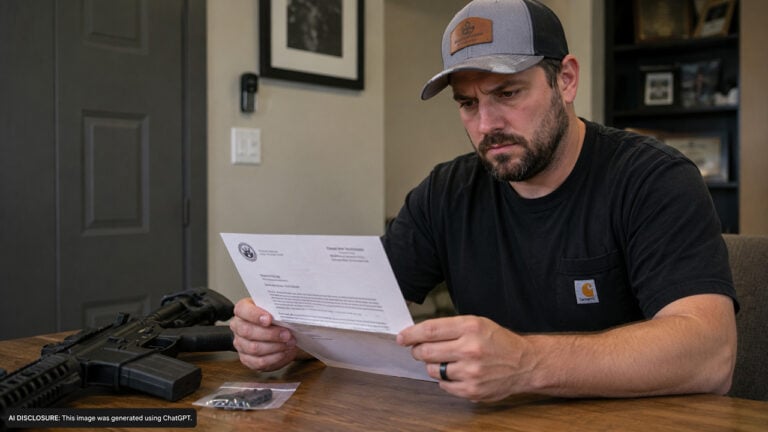
One of the smartest things in his update was simple and unglamorous: he planned to write down the make, model, and serial numbers “for our records in the event they are stolen.” That’s the kind of step people skip until they need it.
If you’ve ever had a truck broken into, dealt with a house burglary, or even watched a buddy go through an insurance claim, you know documentation matters. Photos, a list of serial numbers, and keeping that information somewhere secure can make the difference between “maybe” and “recovered,” and between a smooth claim and a long, frustrating mess.
This isn’t just about theft, either. It’s also how you keep family firearms from turning into a confusing pile years later when the next generation inherits them. A little organization now prevents a lot of heartache later.
Keeping inherited guns means stepping up, not just hanging onto them
The best part of this story is that the family seems to be working together in a tough moment. The estate representative doesn’t want the guns, but she’s willing to let them stay with the people who value them. And the man asking the question didn’t look for shortcuts—he looked for a clean way to do it right.
If there’s a lesson for gun owners here, it’s that family firearms deserve two things: respect and follow-through. Respect the person who owned them, and follow through with safe storage, solid documentation, and whatever legal steps apply where you live. Done right, those guns don’t get destroyed—they stay in the family, where they belong.
Like The Avid Outdoorsman’s content? Subscribe to our newsletter so you never miss an article.
Here’s more from us: