
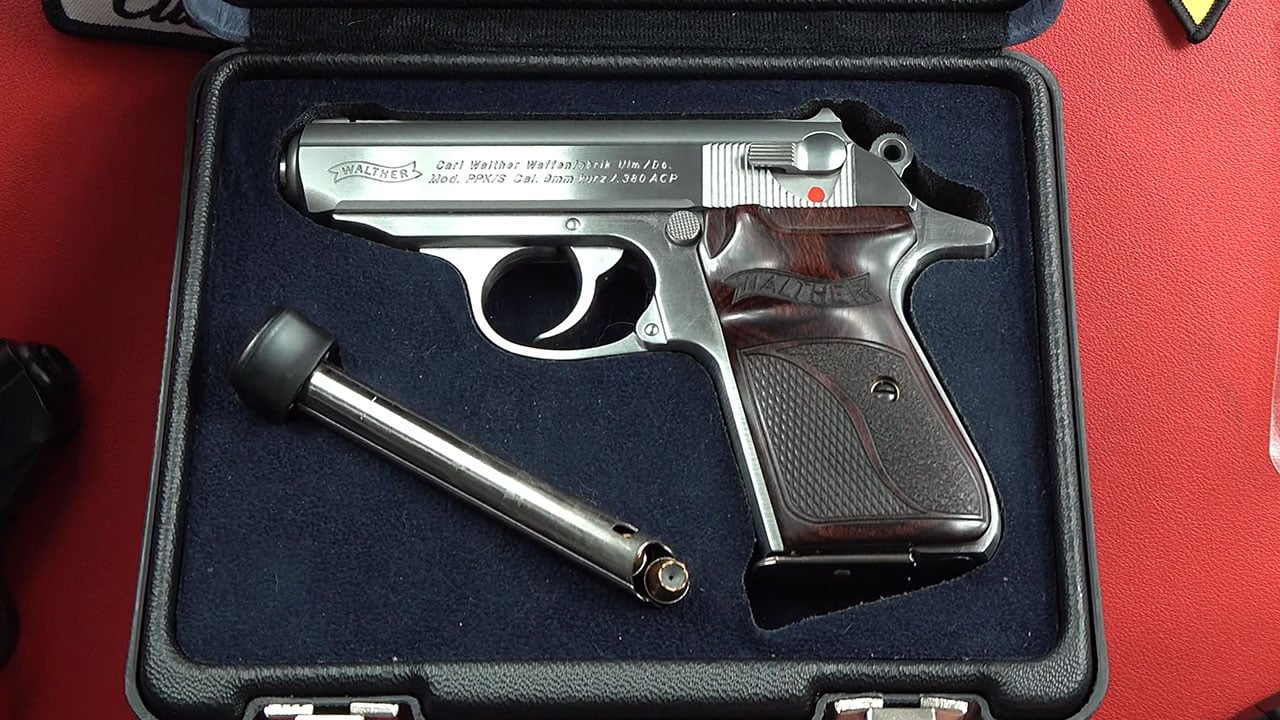
Photo credit: BERETTA9mmUSA/Youtube
Every gun safe has “the usual suspects” that sit there year after year: the polymer striker that always works, the hunting revolver you carry twice a season, the backup .22 you swear you’ll teach the kids with. And then there are the ones that quietly turned into the safe’s best-performing “investment” without anybody planning it that way.
I’m not talking about get-rich-quick flipping. I’m talking about the handguns that, over the last decade, got harder to find, got more desirable, and got a whole lot more expensive to replace—sometimes because of politics, sometimes because of supply, and sometimes because folks finally realized what they had after they sold it. Here are 20 that have climbed more than most other stuff sitting in the same safe.
1. Colt Python (modern production, 2020–present)
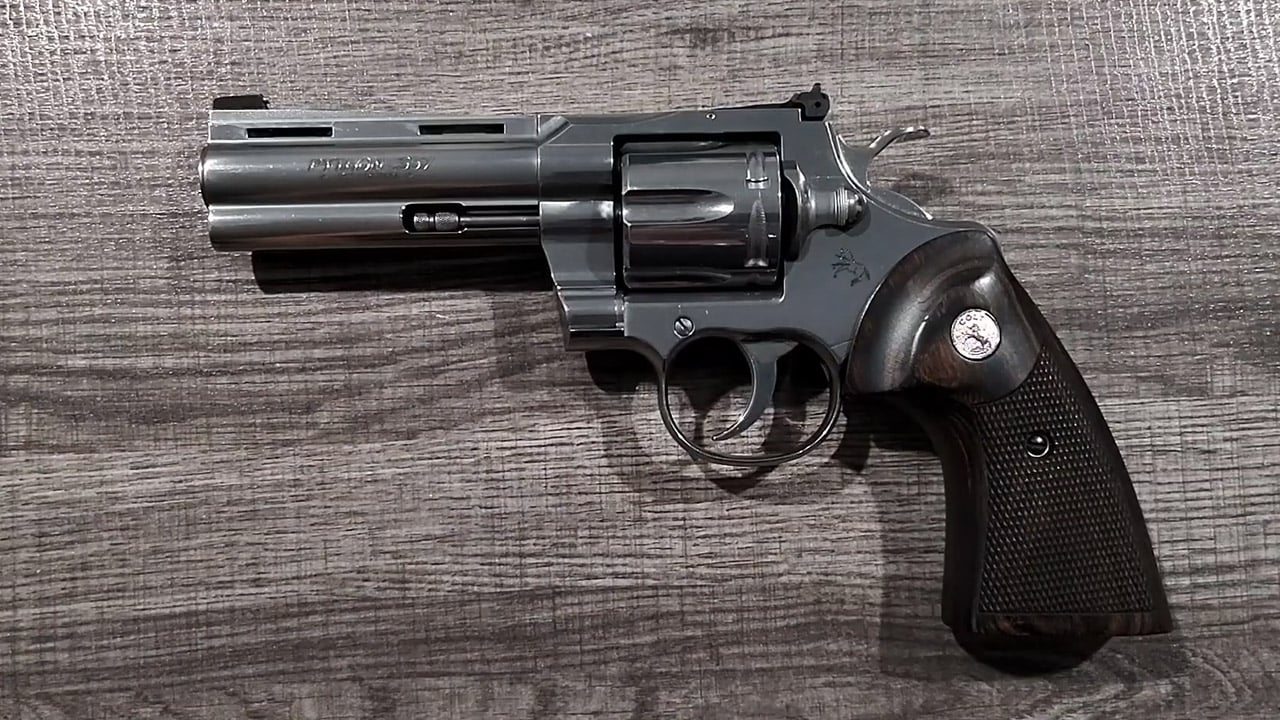
The reintroduced Python didn’t just “come back.” It came back into a market where people had already been paying silly money for older ones, and then demand ran right over supply. Walk into a shop and find one at a fair price, and it’s usually gone before the next guy finishes his paperwork.
It’s not a featherweight woods gun, and it’s not cheap to feed if you actually run .357 the way it’s meant to be run. But the name carries weight, the fit and finish is there, and collectors and shooters both want them. That combo tends to push prices up.
2. Colt Python (original production)

Older Pythons have been climbing for a long time, but the last decade has been a different gear. Condition matters more than ever, and folks who beat one up on the range in the 1990s are now staring at replacement prices that make your eyes water.
You don’t buy an original Python because it’s the most practical trail revolver. You buy it because it’s a landmark. If you’ve got one that’s honest and clean, it’s one of those “don’t get in a hurry” guns.
3. Colt Detective Special (older production)
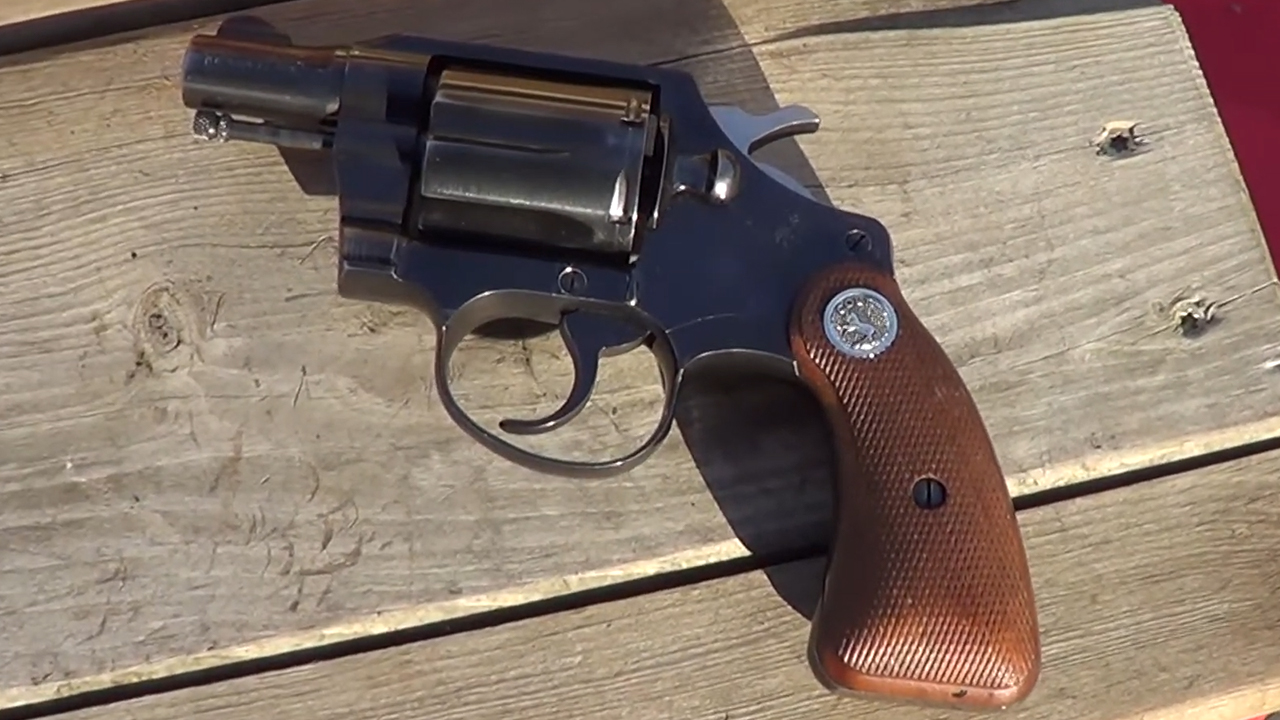
Six shots in a small-ish frame used to be a normal thing. Now it’s a novelty, and a Colt novelty at that. Detective Specials have gotten a lot of attention as more people rediscovered snub revolvers that aren’t five-shot compromises.
They carry nicely, point naturally, and they’re a great “coat pocket and dog walk” gun in the right holster. But the real driver is that they aren’t making more of them, and Colt nostalgia is a powerful force.
4. Colt Diamondback
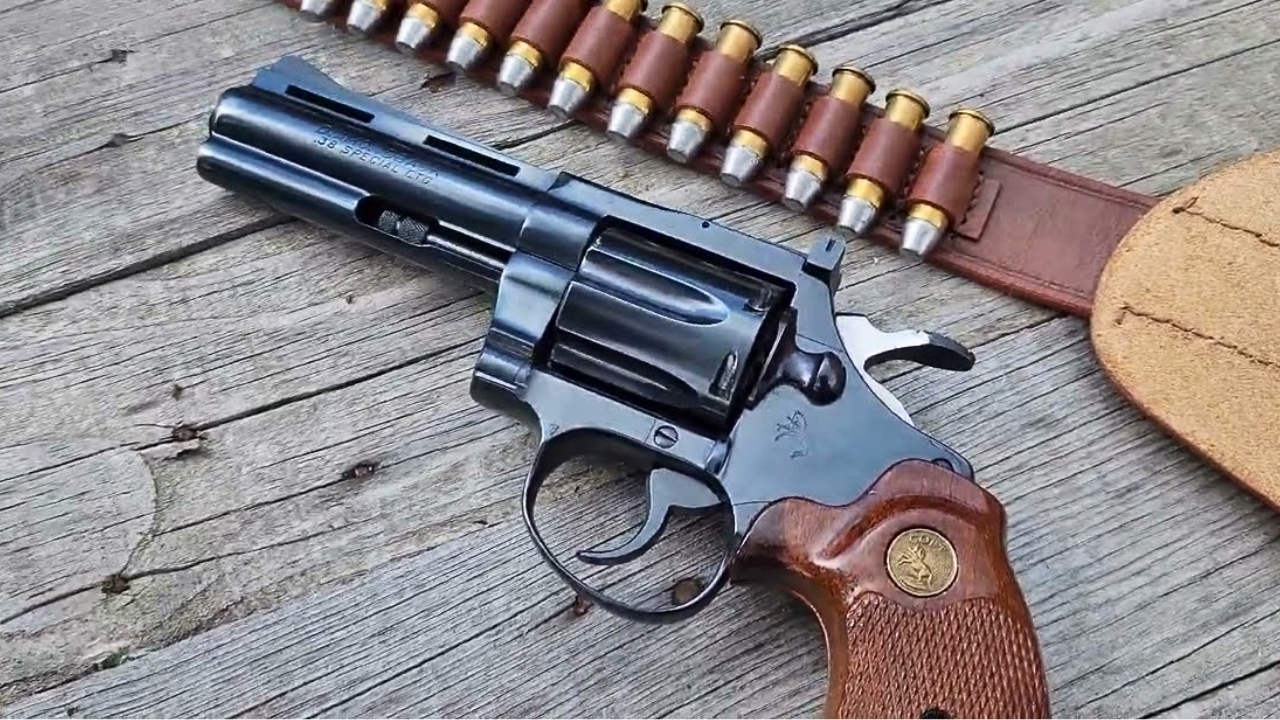
This one hurts if you let it go. Diamondbacks used to be that “cool Colt” you’d see at a gun show and think, “Maybe next time.” Next time got expensive.
They have that classic Colt look, a slick action when they’re right, and they scratch the same itch as the Python for a lot of folks who want something a little different. When collectors start chasing variations and barrel lengths, prices don’t come back down.
5. SIG Sauer P210 (modern, German or U.S. target models)

The P210 is one of those pistols that makes you understand why people say “mechanical art.” They’re not everyone’s carry gun, and the manual safety and ergonomics feel old-school compared to today’s trends.
But accuracy sells, fit sells, and rarity sells. Over the last decade, the P210 crowd has only gotten more serious, and the nicer variants have moved steadily up.
6. Heckler & Koch P7 (PSP/P7M8)

The P7 is the weird genius pistol that no company would introduce today because it’s too expensive to build and too different to explain at a gun counter. Squeeze-cocker, fixed barrel, low bore axis, and it shoots better than it has any right to for its size.
It also heats up when you run it hard, magazines aren’t cheap, and parts are not “everywhere.” Which is exactly why values climbed—limited supply, cult following, and a design that stands apart.
7. Heckler & Koch Mark 23

This one is not subtle. It’s big, it’s heavy, and it’s the opposite of what most folks want to carry. But it’s the definition of “they don’t make them like that anymore,” and it has a reputation that keeps it in demand.
If you bought one back when they were just “an expensive HK,” you’ve watched them creep into a different bracket. It’s a collector/enthusiast gun, but it’s also a real shooter if you don’t mind hauling it.
8. Heckler & Koch USP (especially .45 and compact variants)
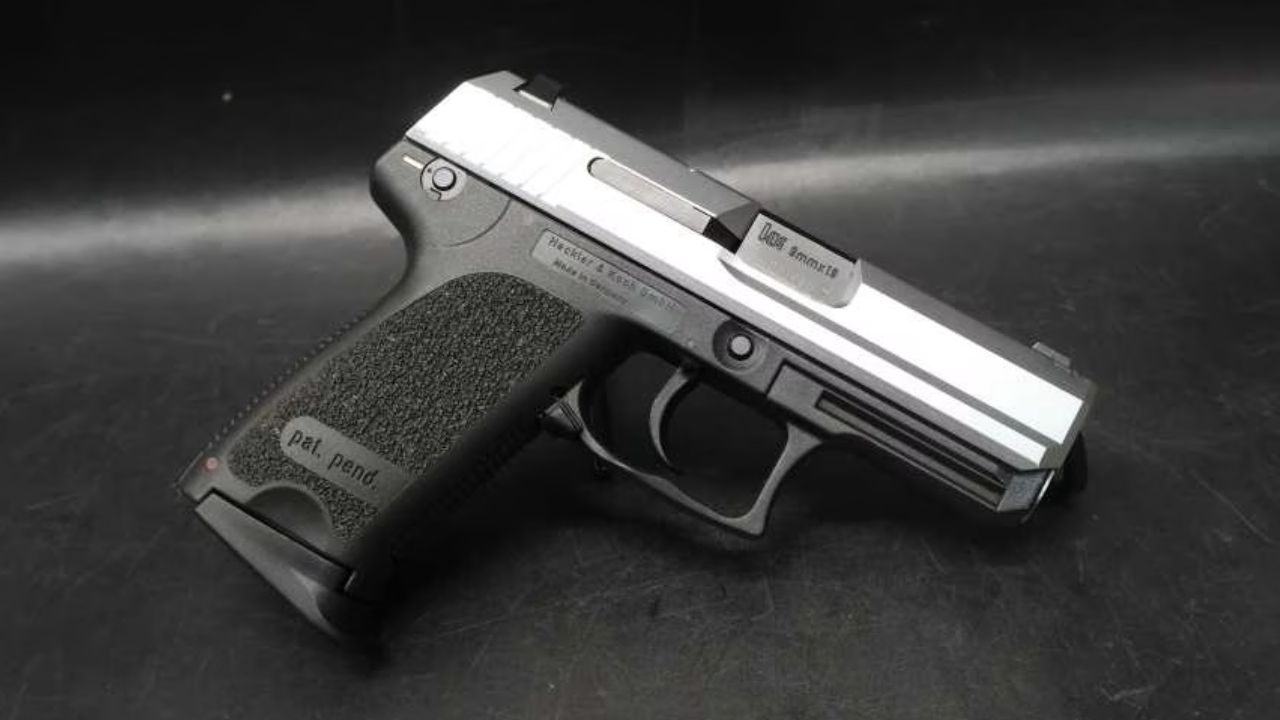
The USP isn’t rare, but the market finally started appreciating it like the durable workhorse it is. It’s one of those pistols that feels overbuilt in the hand—chunky slide, chunky frame, chunky everything.
The last decade has been good to the USP because HK isn’t chasing “budget,” and the USP has that 1990s/2000s cool factor that came back around. Try replacing a clean one with spare mags and night sights and you’ll see what I mean.
9. Glock 19 (Gen 2 and early Gen 3, “ban-era” vibe)
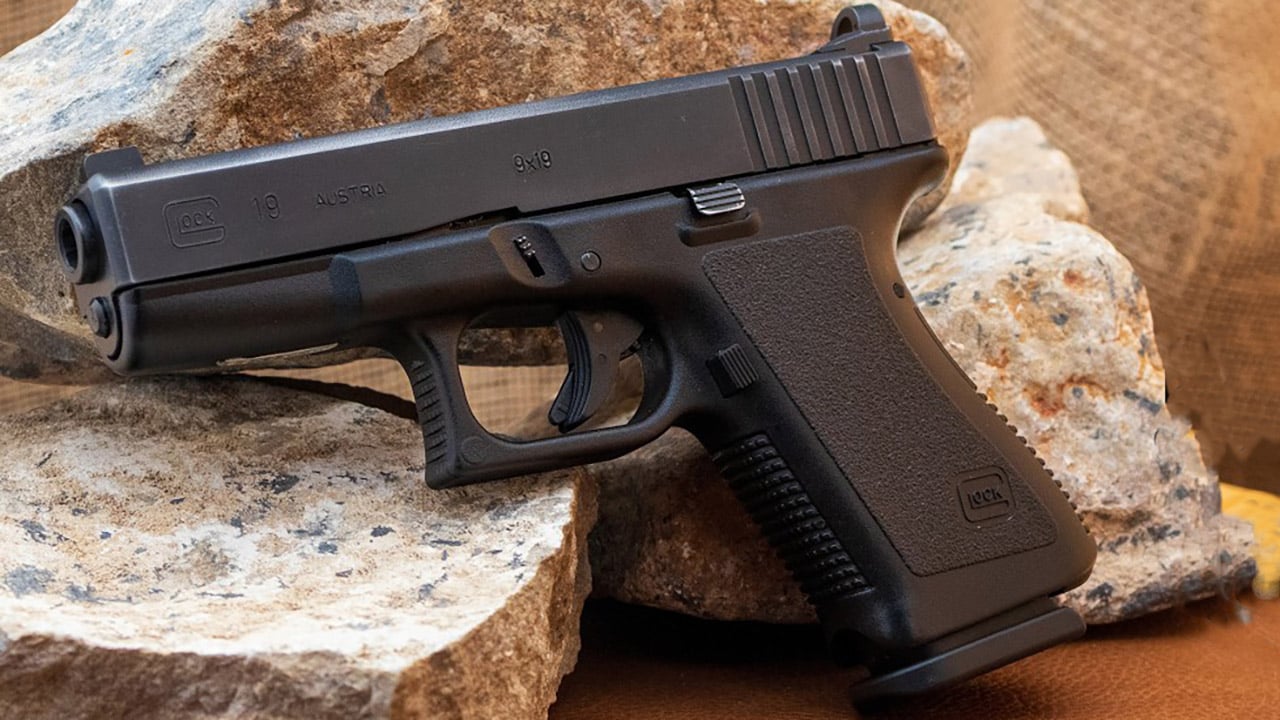
Yes, it’s a Glock. No, your brand-new one isn’t a collector piece. But Gen 2 and certain early Gen 3 Glock 19s have become their own little niche, especially for guys who like the older texture, older feel, and specific markings.
They still run forever, parts are everywhere, and they’re easy to keep as a “no drama” pistol. Values aren’t going to the moon like a Python, but they’ve appreciated more than most “ordinary” pistols people assumed would always be cheap.
10. Glock 17L (long-slide)

The 17L is one of those Glocks that feels like it should be common, but it’s not. It shows up, disappears, and then you watch the asking prices climb while you’re still thinking about it.
It’s soft-shooting, tracks well, and it’s a fun range gun that can actually perform. When supply is spotty and the “long Glock” crowd stays loud, prices do what prices do.
11. Smith & Wesson Model 29 (pinned-and-recessed era)

Dirty Harry made it famous, but the older pinned-and-recessed guns made it desirable. They have that classic Smith feel—smooth double-action, crisp single-action, and the kind of finish you don’t see on every new production revolver.
They’re not cheap to shoot, and they’re not for everyone, but they’re a staple “big revolver” that collectors and hunters both respect. Good examples don’t sit long anymore.
12. Smith & Wesson Model 19 (classic K-frame .357)
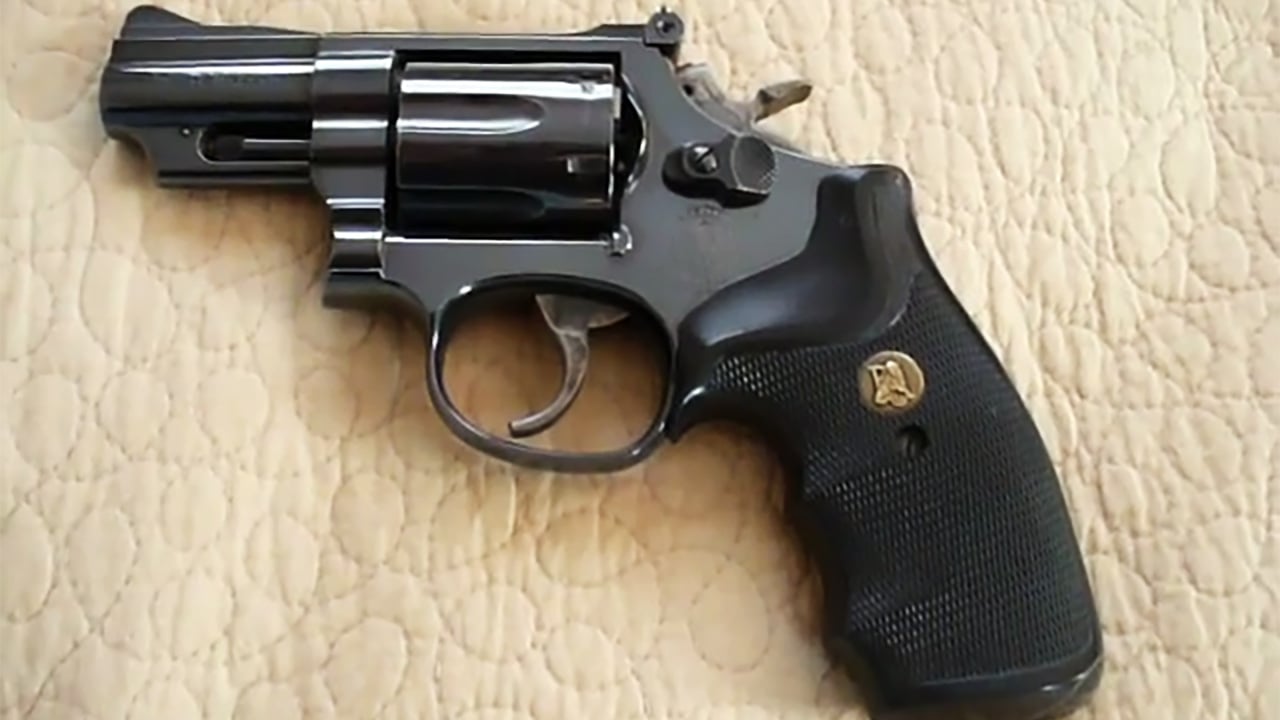
If you grew up around revolvers, you already know why the Model 19 has a following. It carries better than the big N-frames, balances nicely, and feels like it was made for a human hand.
As more shooters got interested in “real revolvers” again, the clean K-frames got scooped up. The nice ones have been steadily climbing, especially with boxes, papers, and correct grips.
13. Smith & Wesson Model 66 (stainless K-frame .357)
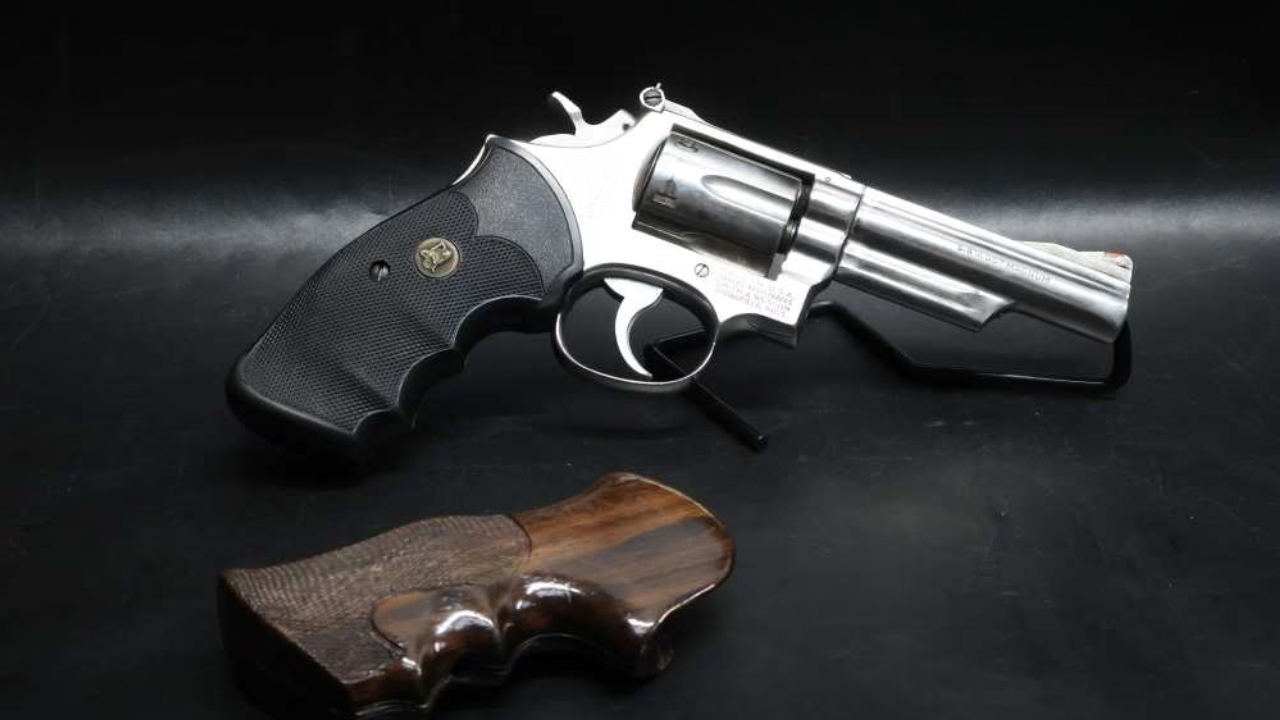
The Model 66 is what a lot of folks actually want when they say they want a .357: stainless, practical, good-looking, and not a boat anchor. It rides in a chest rig or a belt holster in the woods without feeling like punishment.
Used to be you could stumble onto one in a pawn shop for a “reasonable” number. Those days are mostly gone. Condition and dash number matter, and the market has noticed.
14. Ruger GP100 (early production and special variants)
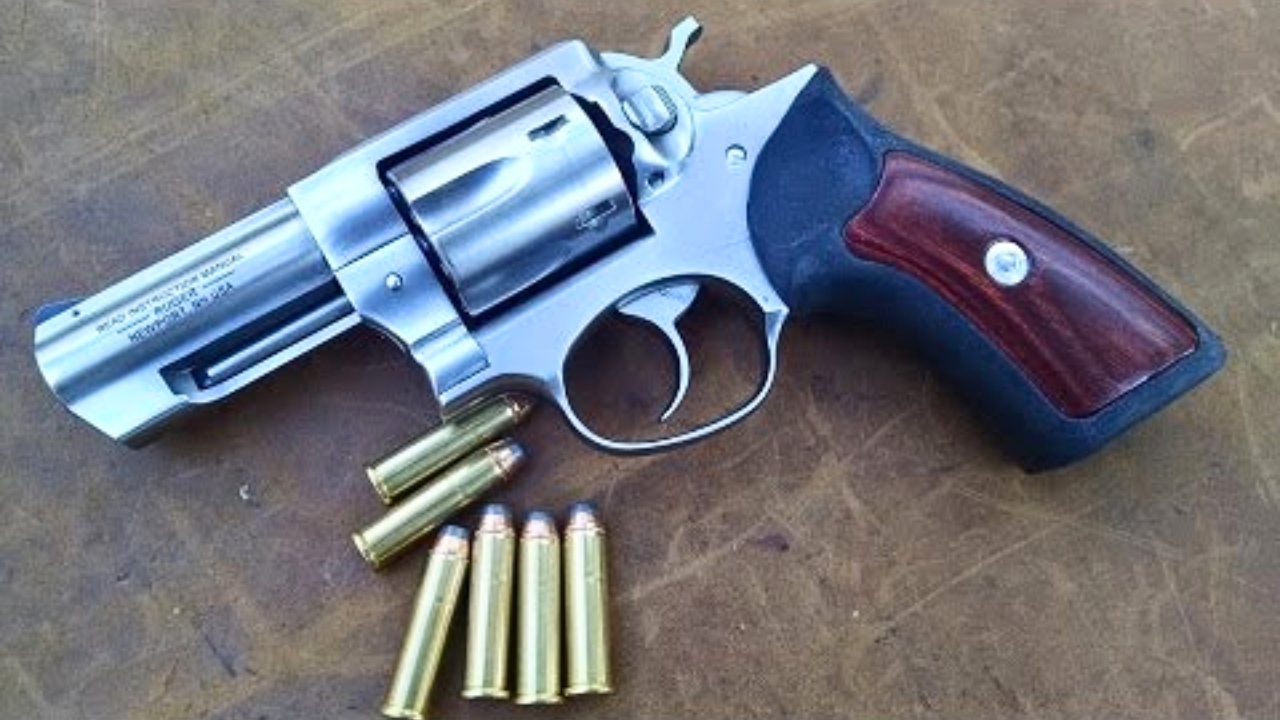
The GP100 isn’t a fragile collector piece. It’s a working revolver that can digest real .357 loads without whining about it, and that’s why a lot of outdoorsmen keep one around.
Prices have crept up because new ones cost more, and the nicer older ones don’t get cheaper. It’s also one of those guns people buy, shoot for years, and then refuse to sell once they realize it just keeps going.
15. Ruger Redhawk .44 Magnum (older stainless guns)
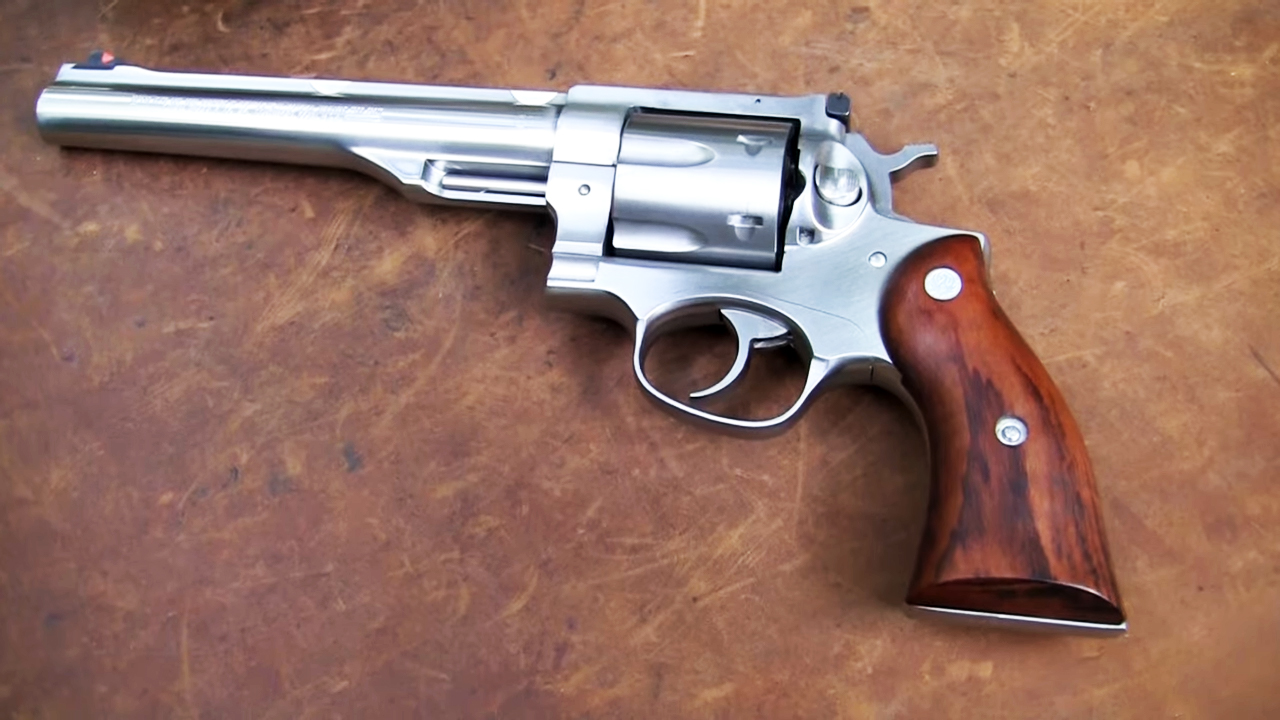
The Redhawk is a brick with a trigger, and I mean that as a compliment. If you want a revolver that can live in a tackle box, ride in a truck, get rained on, and still work, this is one of them.
Over the last decade, big-bore revolvers with a hard-earned reputation have kept value better than a lot of “new hotness” pistols. Especially when buyers are looking for something for bear country or a backup while scouting.
16. Ruger Mark II (especially Government Target models)

Ruger .22 pistols are useful, period. But the Mark II has a special place because it’s old enough to have that classic feel, and new enough to be a reliable shooter that doesn’t need to be babied.
Government Target models and cleaner examples have climbed because everybody wants a good .22 again—training, suppressor hosts (where legal), plinking, you name it. And folks figured out you can’t replace a nice Mark II for what they used to cost.
17. Browning Buck Mark (older Belgian/Utah variants, clean examples)
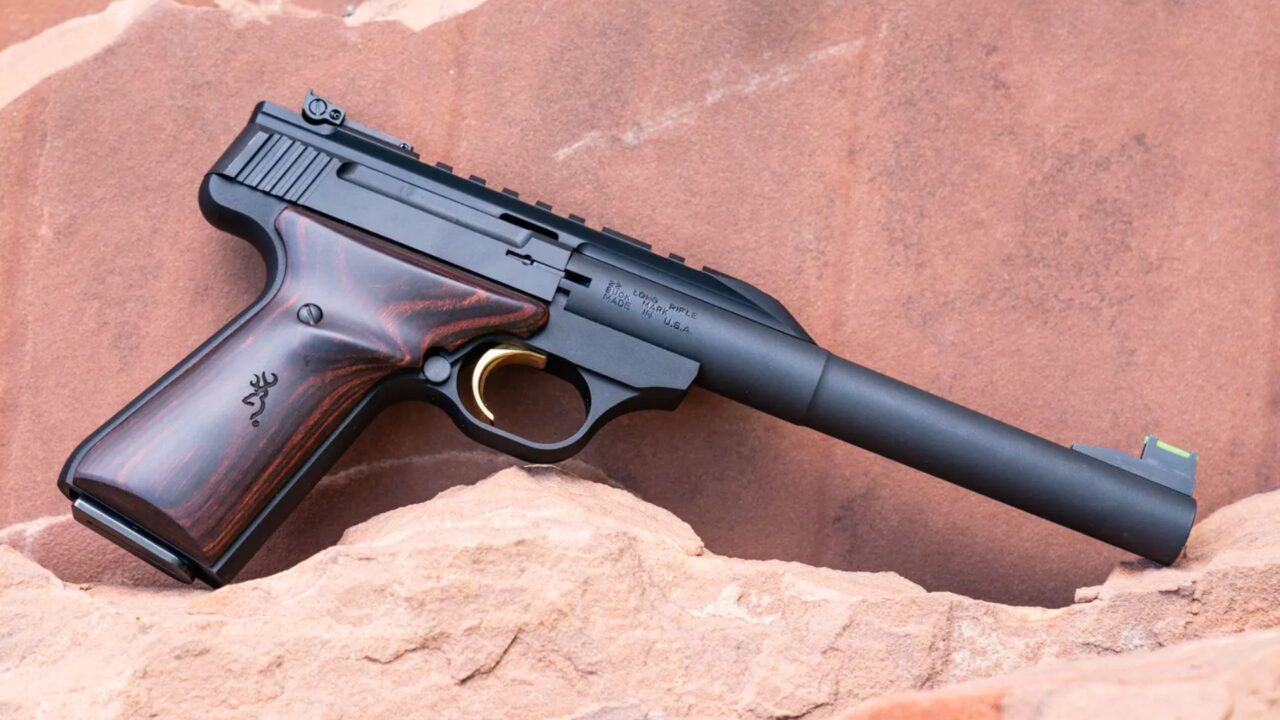
The Buck Mark has always been a shooter’s .22. Good trigger, good accuracy, and it doesn’t feel like a toy in your hands. A lot of them got run hard, which means truly clean ones stand out now.
They’re still practical, still easy to enjoy, and they’ve gained on the market because rimfire pistols that actually shoot well always find buyers. Not everything has to be “tactical” to appreciate.
18. Beretta 92FS (Italian-made, older production)

The 92FS is another one that’s not rare, but the good ones aren’t getting cheaper. Italian-made guns with certain markings and eras have their own collector pull, and the platform has a loyal following that doesn’t go away.
They’re big for concealed carry, but as a range gun, nightstand gun, or “farm pistol,” they’re easy to live with. Magazines are everywhere, parts are available, and the nostalgia factor has been real.
19. CZ 75 (pre-B and early import guns)
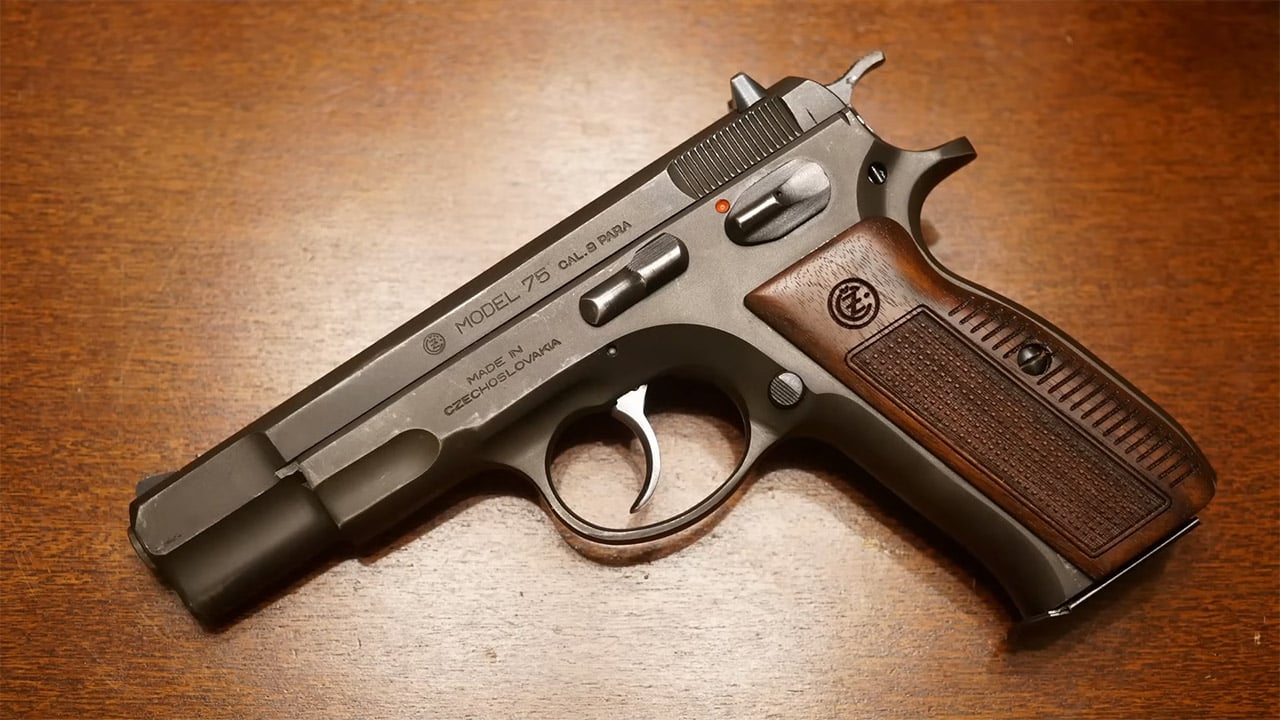
CZ 75s have been the “smart buy” for a long time, and the market finally caught up. The older pre-B guns and certain early import variants have become more sought-after as collectors started paying attention to small differences.
They point naturally, they shoot flat, and they feel like they were shaped by someone who actually shoots. If you’ve got an older one with original finish that hasn’t been tinkered with, you’ve probably watched it climb without doing a thing.
20. Walther PPK / PPK/S (older Interarms and German examples)
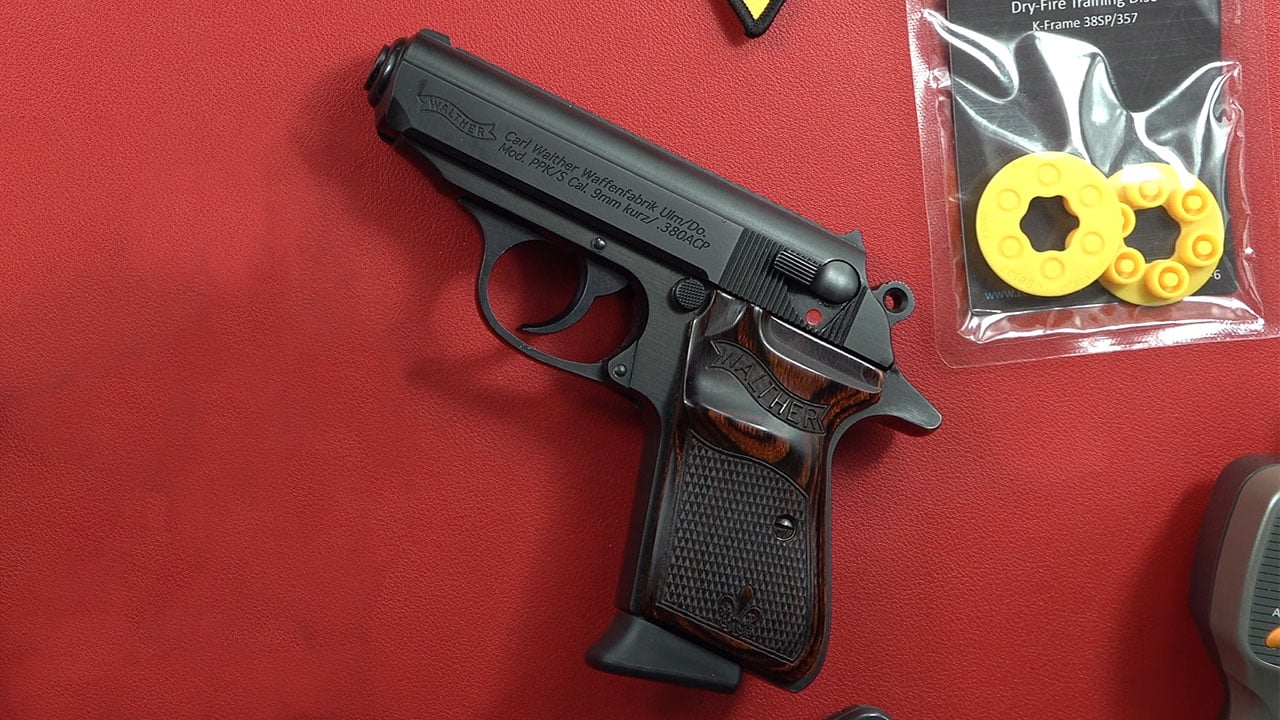
The PPK is not the world’s best shooter for the money. Bite-prone, snappy in .380, and the sights aren’t what anybody would call generous. Still, the demand never goes away because it’s iconic and it’s compact in a very old-school way.
Older German and Interarms guns, especially clean ones, have appreciated because they’re as much “heritage” as they are hardware. The kind of gun your buddy buys, carries twice, then puts back in the safe—until he looks up what they’re bringing now.
The funny part is most of these weren’t bought as “investments.” They were bought because they felt right, or because they were the one on the shelf that day, or because a guy behind the counter said, “You won’t see another one for a while.” He wasn’t wrong. If you’ve got any of these sitting in the safe, it might be worth taking a fresh look before you trade it off for the newest thing that’ll be yesterday’s news by next season.
Like The Avid Outdoorsman’s content? Subscribe to our newsletter so you never miss an article.
Here’s more from us:


