Photo credit: Colter Brog/Youtube
I have walked out of estate sales feeling like I stole something and I have walked out feeling like I got robbed. Not by the seller. By my own hesitation. You stand there with cash in your pocket, you do the math in your head, and you start talking yourself into being “responsible.” Then you get home, open your safe, and realize you just passed on a piece you will probably never see again at that price, in that condition, with that story behind it.
This is the list I replay when I’m cleaning rifles before deer season or digging for an extra box of .22 in the ammo can. None of these were magic. Some were plain. A few were downright quirky. But every one of them had that mix of usefulness, scarcity, and “they don’t make them like that anymore” that hits you later.
1. Winchester Model 70 (pre-64)
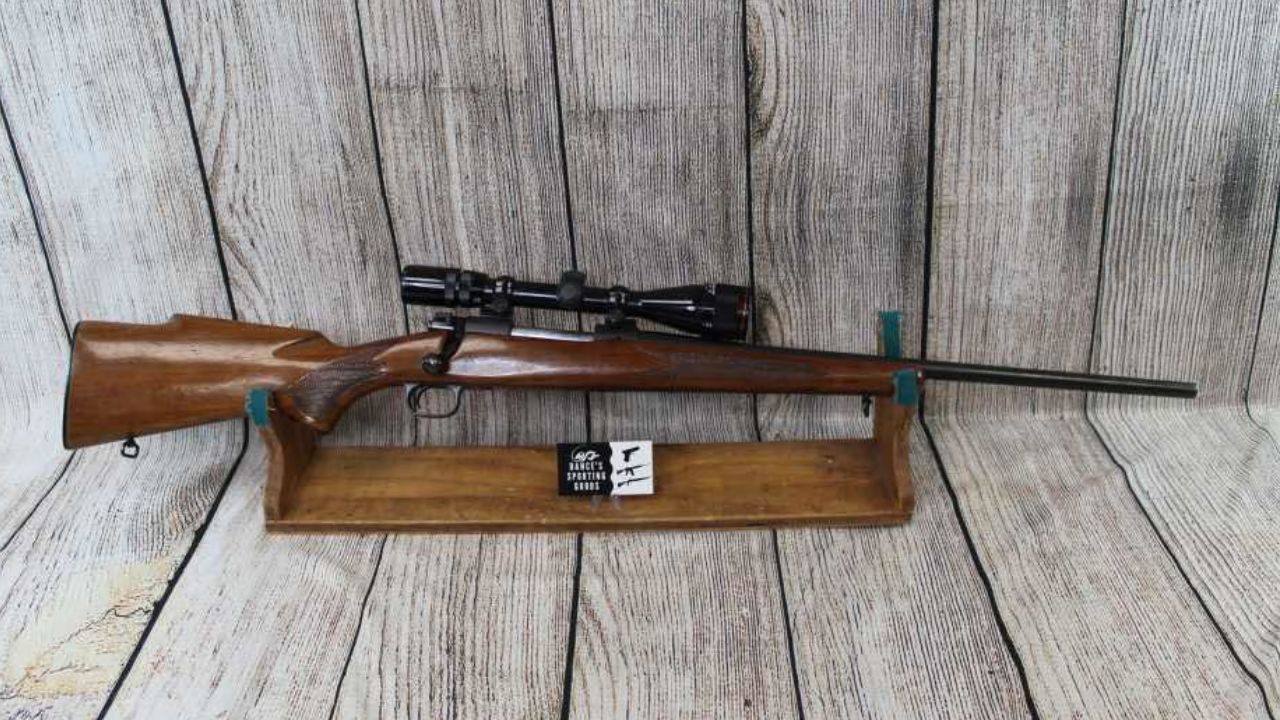
The one I handled had honest wear, not abuse. The bolt felt like it was on oiled glass, and the controlled-round feed was the kind of confidence you appreciate when you’re climbing into a stand in the dark with gloves on.
I passed because the checkering was smoothed down and I told myself I “needed a cleaner one.” I still laugh at that. A clean pre-64 costs more, and the slick-handled ones are the rifles that got carried, which is the whole point.
2. Remington 870 Wingmaster (older blued gun)
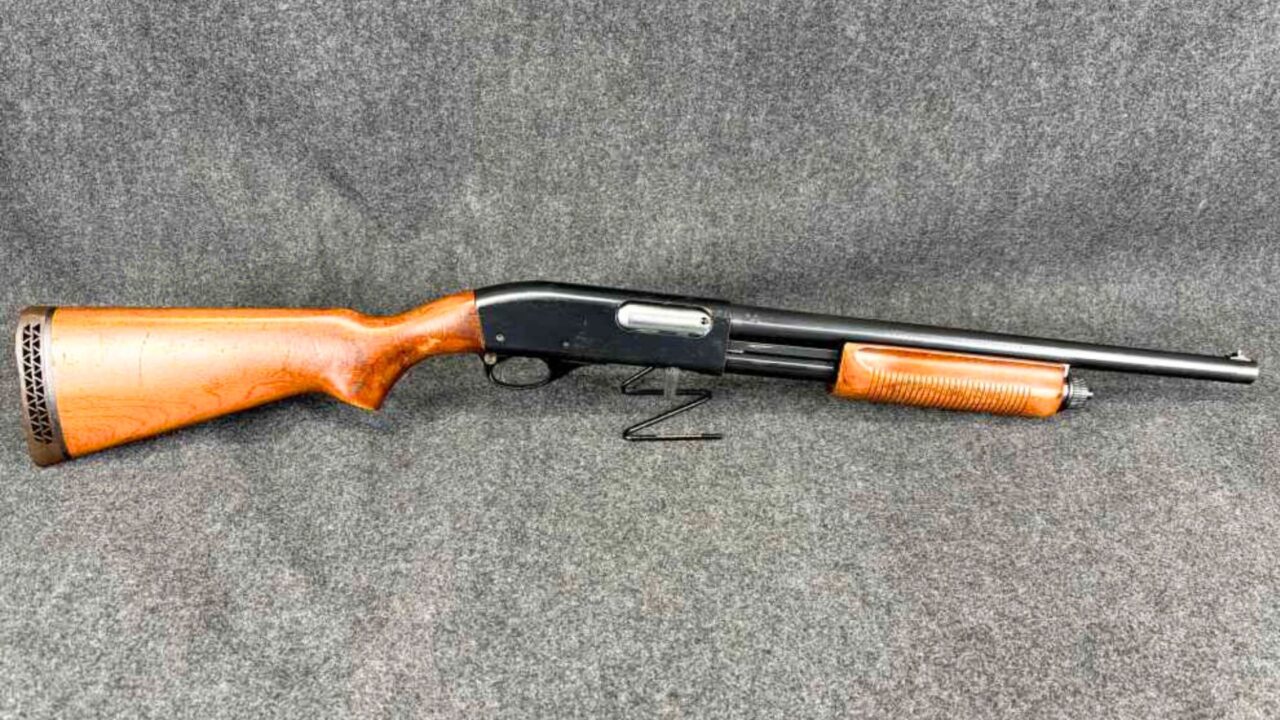
That shotgun was the definition of “boring that works.” Deep bluing, walnut that had been hunted, and an action that shut like a bank vault. You could feel the difference compared to a hard-used budget pump.
I had an 870 already, so I let it go. The problem is I had an Express, and the old Wingmasters just have a feel you can’t explain until you run one side by side.
3. Ruger M77 Mark II (stainless, boat paddle stock)
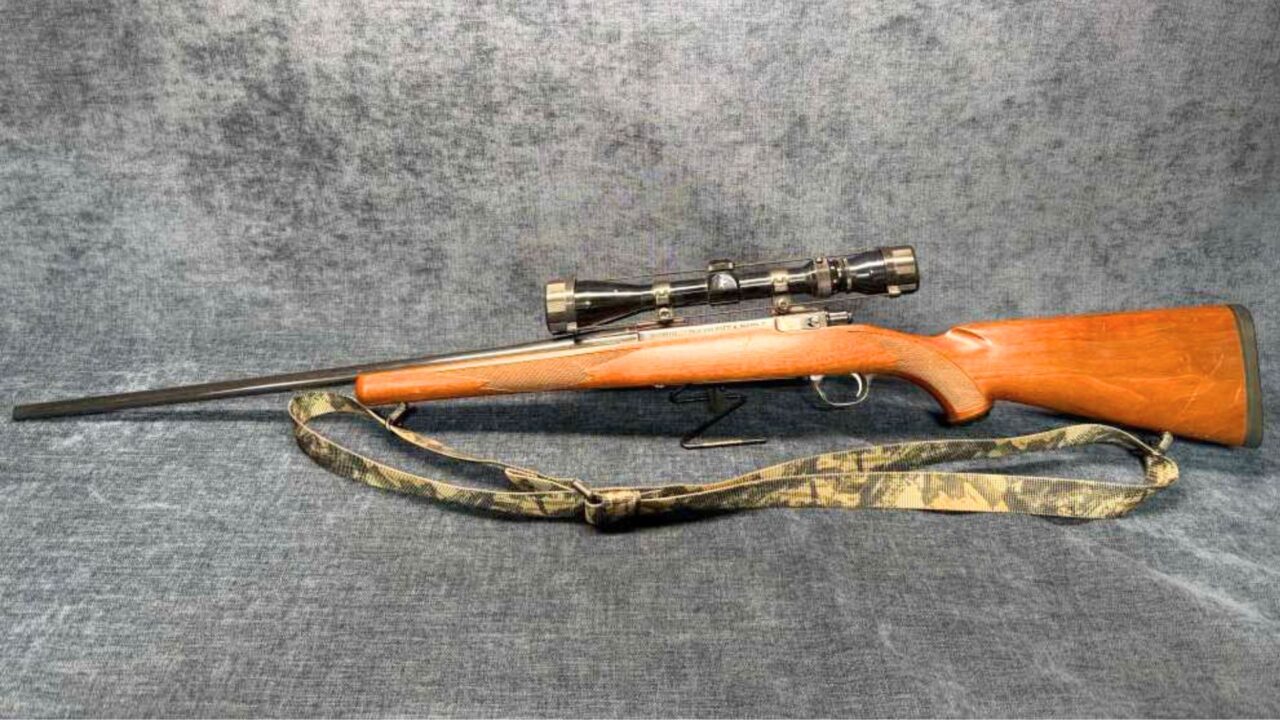
I remember picking it up and thinking it was ugly. That gray Zytel stock and the stainless barreled action looked like something you’d leave behind a truck seat. Then I shouldered it and the thing pointed like it was made for me.
Those rifles were made for bad weather and hard miles. It would have been a no-drama elk and deer gun for the rest of my life, and I wouldn’t have worried about one scratch on it.
4. Marlin 336 (JM-stamped)
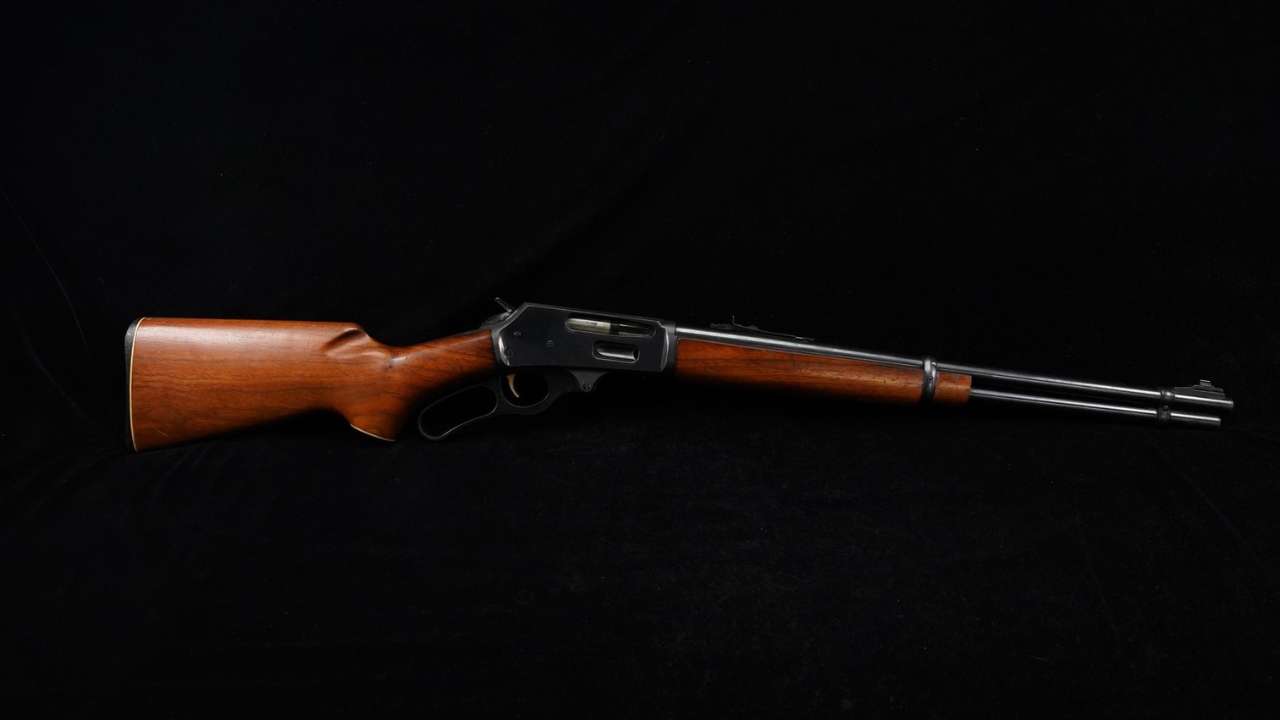
It was a deer rifle that looked like it had been in a scabbard half its life. Smooth lever throw, decent wood-to-metal fit, and that familiar balance that makes a 336 feel lighter than it is.
I told myself I didn’t need another lever gun. Then prices went where they went, and I realized a good older Marlin is the kind of rifle you buy when you see it, not when you “need” it.
5. Winchester Model 94 (pre-safety)
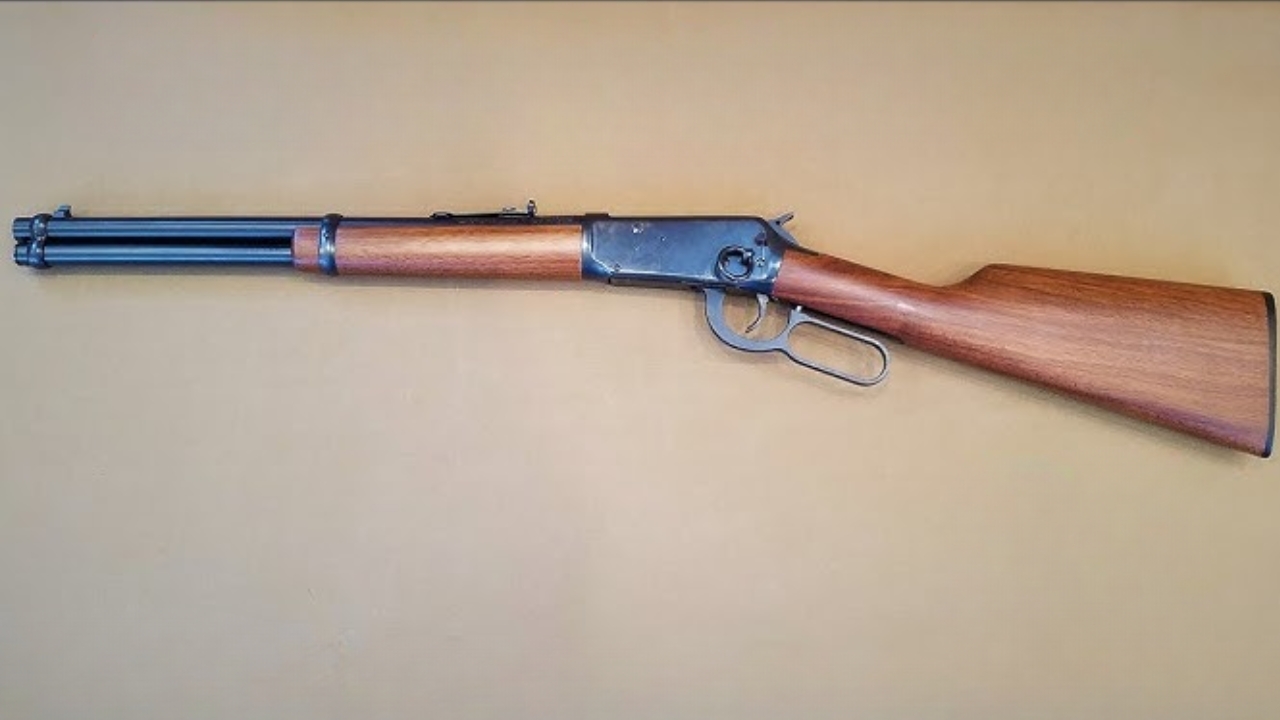
This one had a patina you can’t fake and a saddle ring that had been polished by time. The sights were simple, and the rifle carried flat against the body like it was meant to ride on a fence line.
Newer versions can shoot fine, but that old 94 handling is its own thing. It’s the rifle you grab when you’re checking calves or walking a creek and might bump a coyote on the edge of the brush.
6. Browning Auto-5 (Belgian)

I can still feel that long-recoil humpback in my hands. It had the kind of engraving you don’t see on working guns anymore, not without paying collector money. The fore-end showed a couple small lines, but nothing scary.
I passed because I didn’t want to mess with friction rings and “old shotgun quirks.” Turns out the quirk is part of the charm, and a properly set up A5 will run and run.
7. Ithaca Model 37 (featherlight)
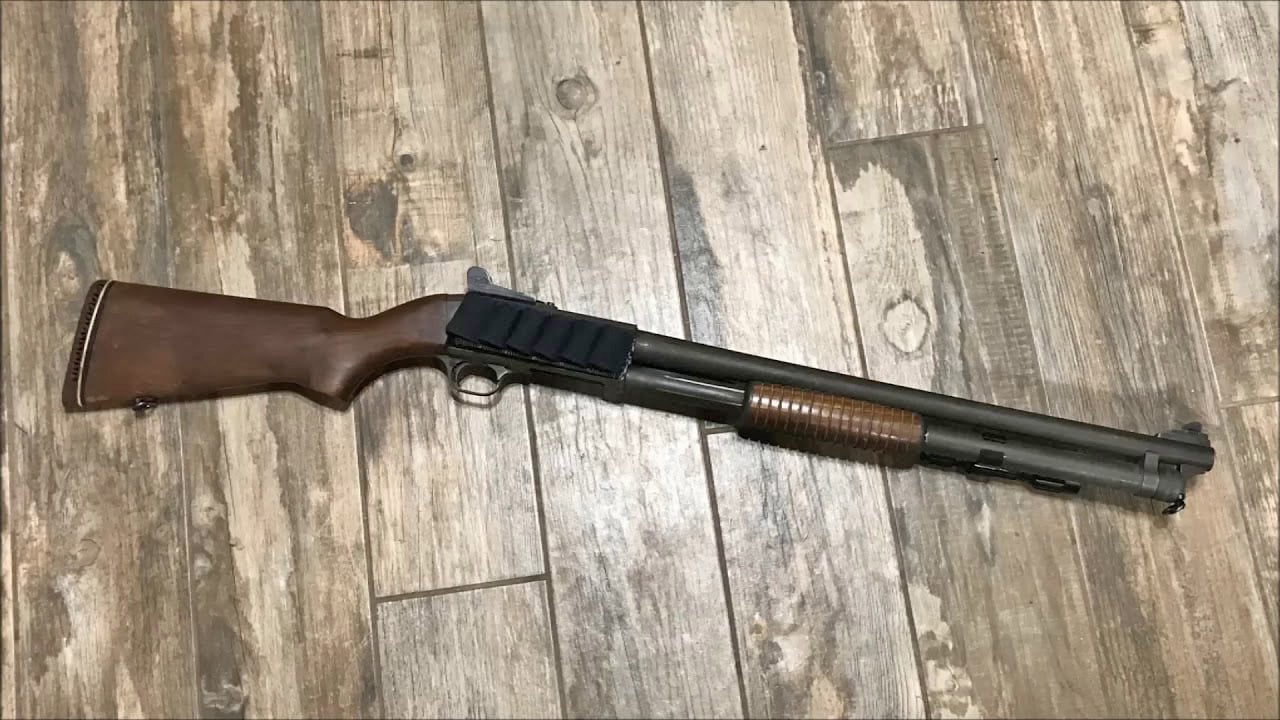
Bottom ejection is one of those features you don’t appreciate until you’re carrying in brush or shooting from odd angles. That one balanced right between the hands, and it felt trim in a way most pumps don’t.
I looked at it and thought “collector gun.” That was my mistake. A Model 37 is a hunting tool, especially if you like a shotgun that carries easy for miles and doesn’t throw empties across your buddy’s face.
8. Smith & Wesson Model 19 (pinned and recessed)
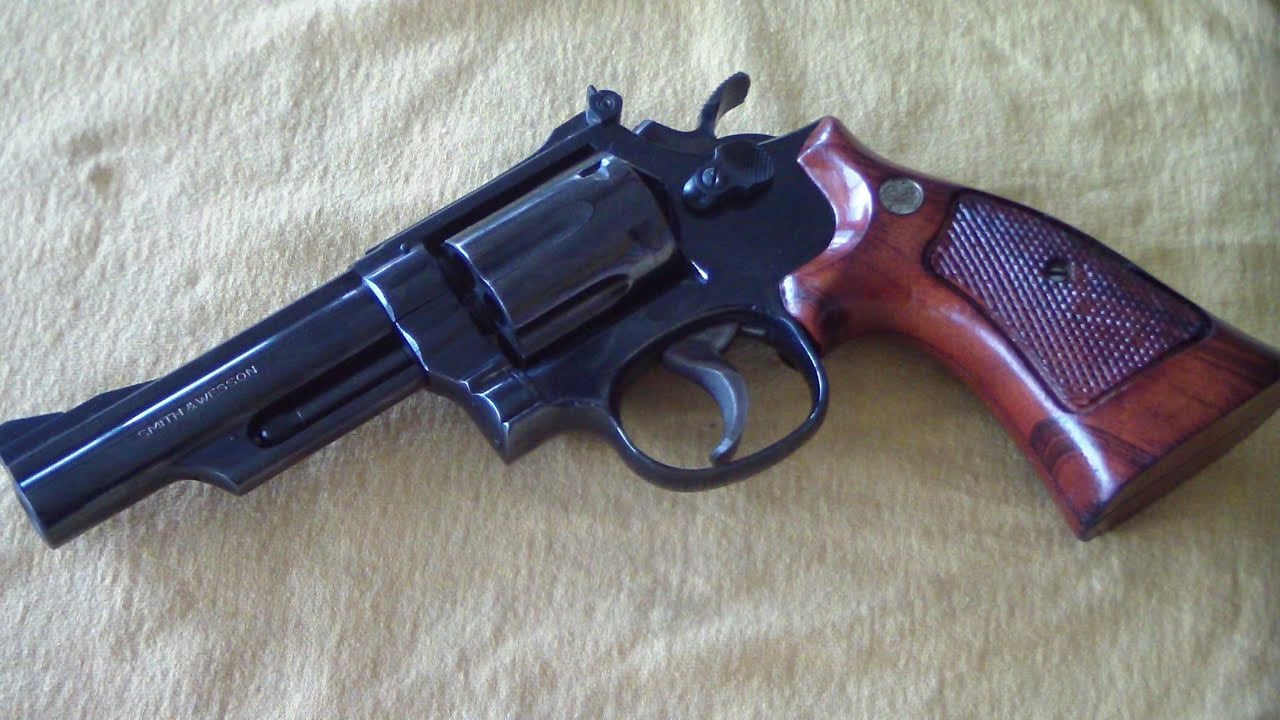
The bluing was worn on the edges, which means it got carried. The double-action pull was smooth enough you could stage it without thinking, and the timing felt right when you slowly worked the cylinder.
I let it go because I already owned a .357. That’s not the same thing as owning a Model 19 that feels like it was fitted by someone who cared.
9. Colt Python (older production)
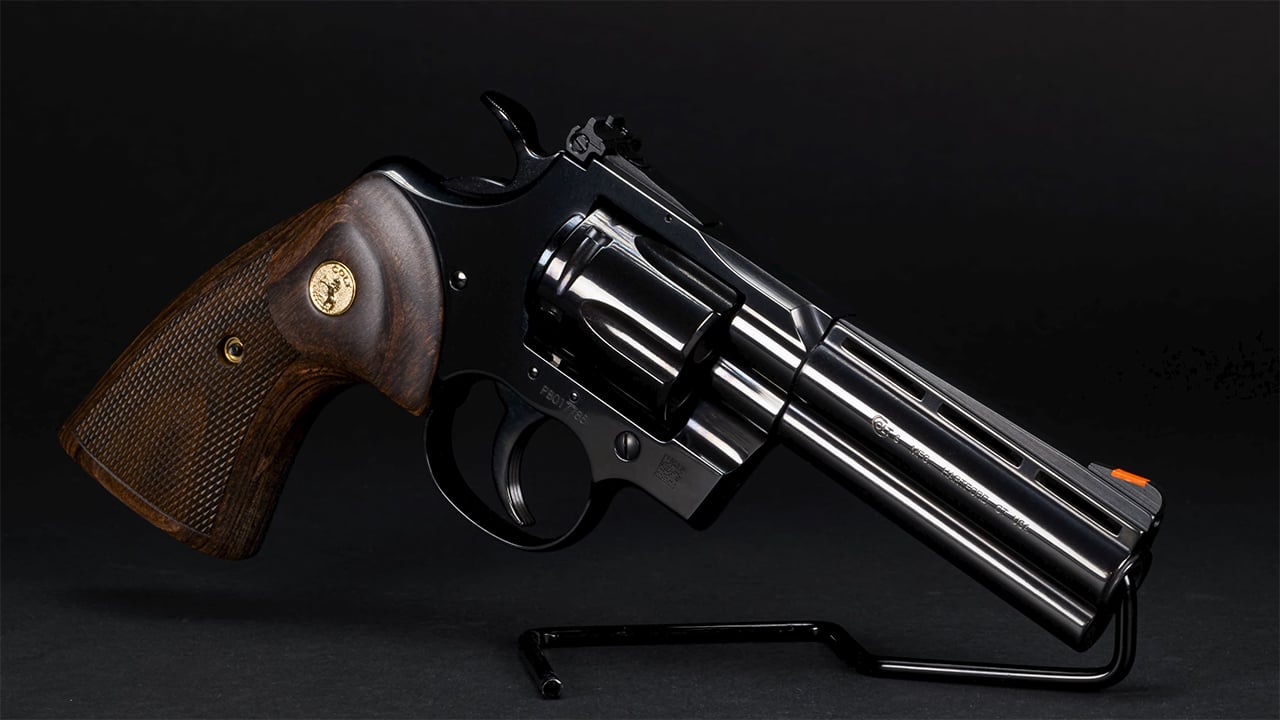
This was the one that made me swallow hard. The lockup was tight and the finish still had that deep Colt look that doesn’t show up on a lot of modern guns. It wasn’t perfect, but it was real.
I talked myself out of it because it was “too nice to use.” That was another excuse. A Python is the kind of revolver you can shoot, clean, and hand down, and it will still be special.
10. Ruger Security-Six (4-inch)

I’ve always liked these because they’re built like a fence post. Not fancy, not delicate, and they point naturally for most hands. That one had factory grips and just enough wear to prove it wasn’t a safe queen.
Try finding one now that hasn’t been “upgraded” with odd parts or overpriced because someone read the words “discontinued Ruger.” They’re not rare, but good honest ones don’t sit long.
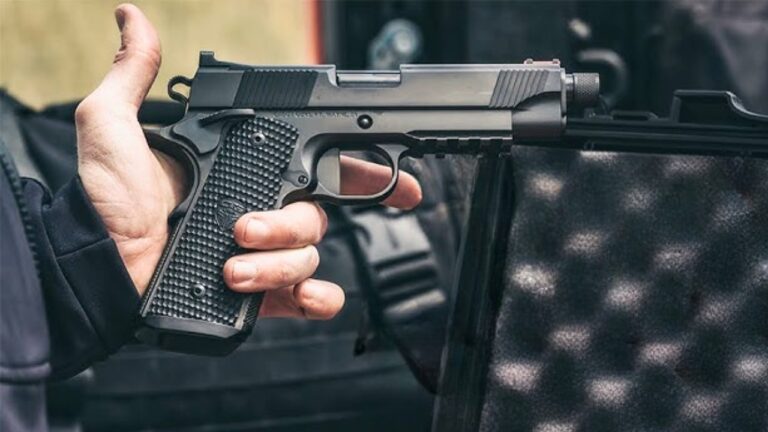
11. Browning Hi-Power (Belgian, classic lines)
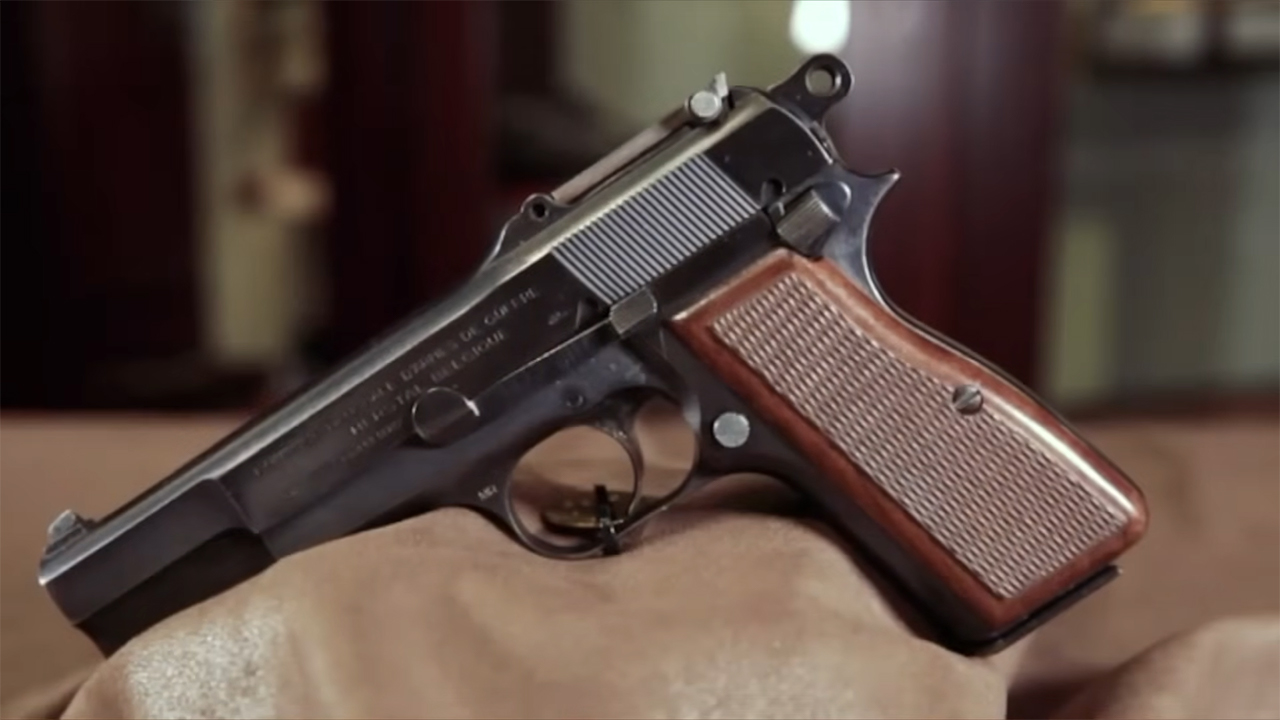
I held it and remembered why this pistol still matters. It’s slim, it carries flat, and the grip feels alive in the hand. Even folks who don’t care about history tend to grin after a magazine.
I passed because I told myself it would be a “range toy.” That’s a lazy way to judge a pistol that can still serve as a real-world carry gun if you know the platform.
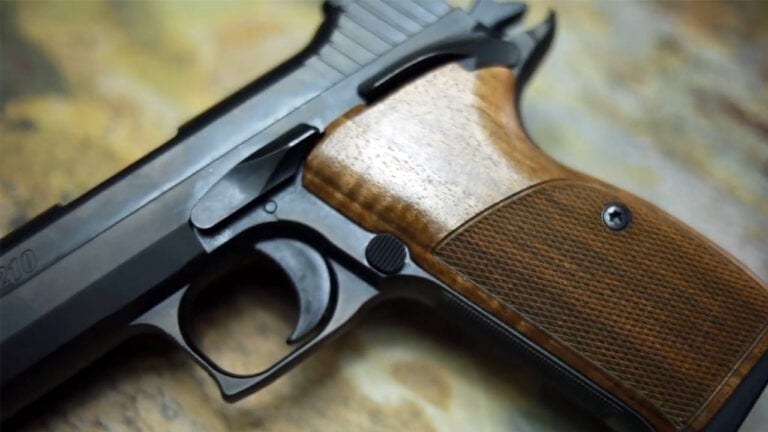
12. SIG Sauer P226 (German frame)
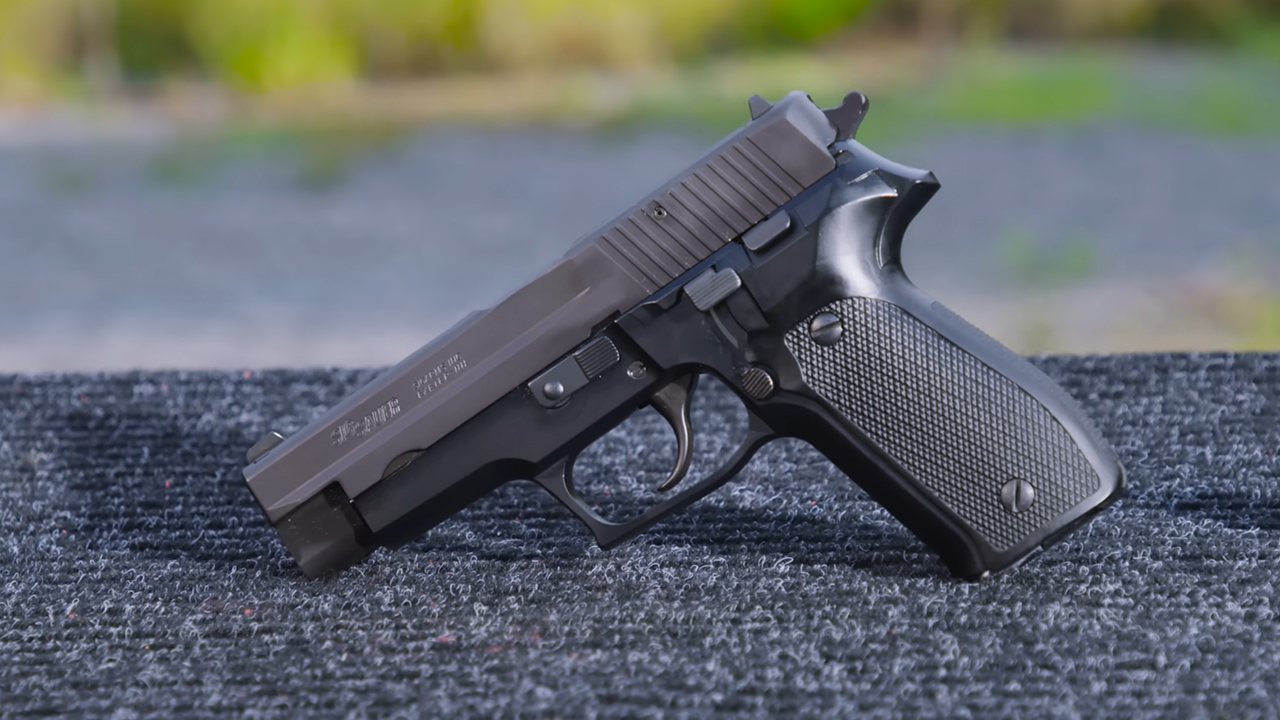
The estate sale had a P226 with a little holster shine and night sights that were clearly past their prime. But the slide-to-frame fit felt right, and the decocker was crisp.
It wasn’t cheap, and that’s why I hesitated. Then I went and priced clean older P226s later and realized the estate sale price was the cheap part.
13. CZ 75B (all-steel)
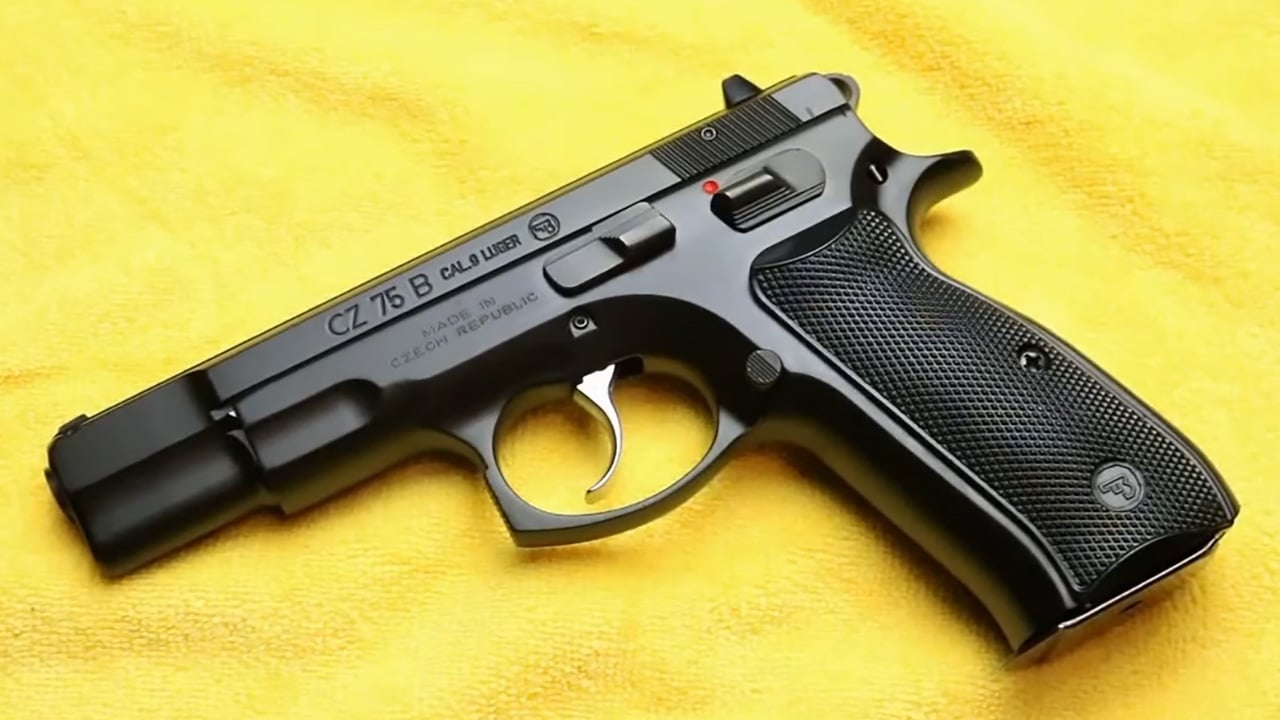
This one was a shooter’s pistol. Steel frame, low bore axis feel, and it sat in the hand like it wanted to track back to the sights. The finish had a couple scuffs, which I actually liked.
I talked myself into “I’ve got enough 9mms.” Funny how you can have enough 9mms and still not have one that shoots as naturally as a CZ 75.
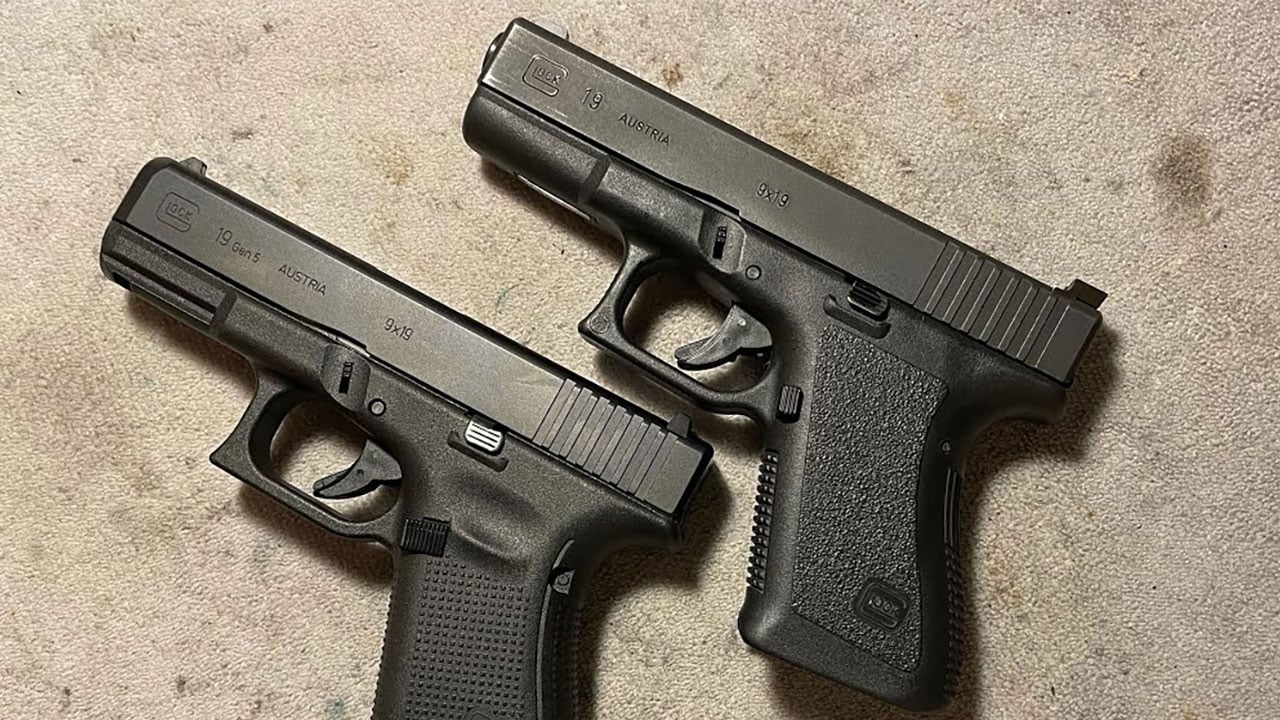
14. Glock 19 Gen 2
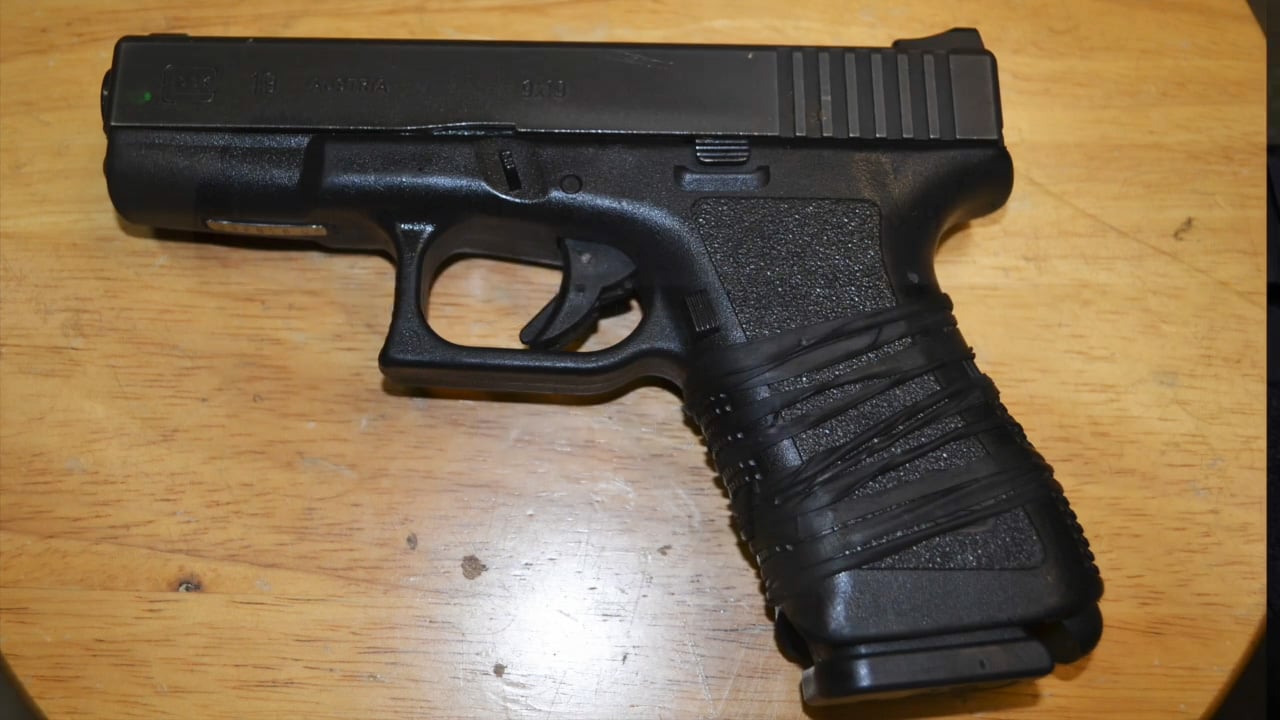
Not everything here is a walnut-and-bluing romance. That Gen 2 Glock was plain and a little shiny, and it looked like it had ridden in a glovebox for a decade. That’s exactly why I wanted it.
Early Glocks have a certain simplicity and parts are everywhere. I let it go because it didn’t feel special. Then I remembered “special” is sometimes just “it always works.”
15. Ruger 10/22 (older carbine, wood stock)

It’s hard to explain how many good days start with a basic 10/22. That one had a beat-up barrel band and dings in the stock, the kind of .22 that teaches kids and knocks over cans without fuss.
I passed because I figured I could grab one anywhere. Sure, but the older ones with decent triggers and that just-right feel are getting harder to stumble across for bargain money.
16. Marlin Model 60 (tube-fed classic)

This was the working man’s .22. Tube magazine, simple sights, and it felt like it had been leaned in a corner of a barn for most of its life. I could picture it riding behind a kitchen door.
I let it go because I didn’t want “another .22 project.” That one didn’t need a project. It needed a wipe-down, a function check, and a brick of ammo.
17. Savage Model 99 (rotary magazine lever gun)

The 99 is one of those rifles that makes you stop and look twice. Sleek receiver, lever action with a rotary magazine, and a balance that feels more rifle than carbine. The one at the sale had an old-school scope in steel rings.
I hesitated because I didn’t know enough about it on the spot. Ask me how I know: the best time to learn about a Savage 99 is before you’re staring at one with a price tag you’ll never see again.
18. Springfield Armory M1 Garand (CMP-era rifle)
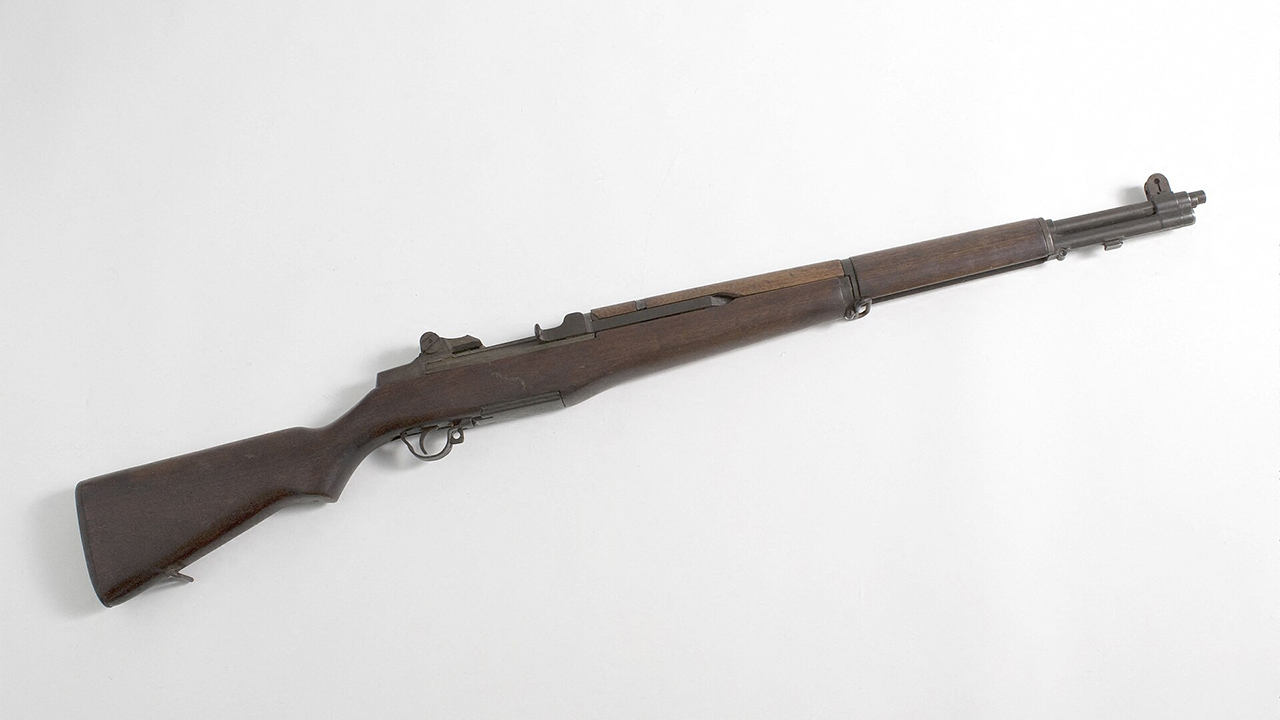
It wasn’t mint, but it was correct enough for me. The wood had handling marks and that warm look of a rifle that’s been maintained, not babied. When you run the op-rod, you can feel the whole gun is a machine, not a collection of parts.
I passed because I didn’t want to mess with “Garand stuff” and ammo choices. Later, I realized most of that is just being thoughtful and paying attention, like anything else in this life.
19. Ruger Mini-14 Ranch Rifle (older 180-series)
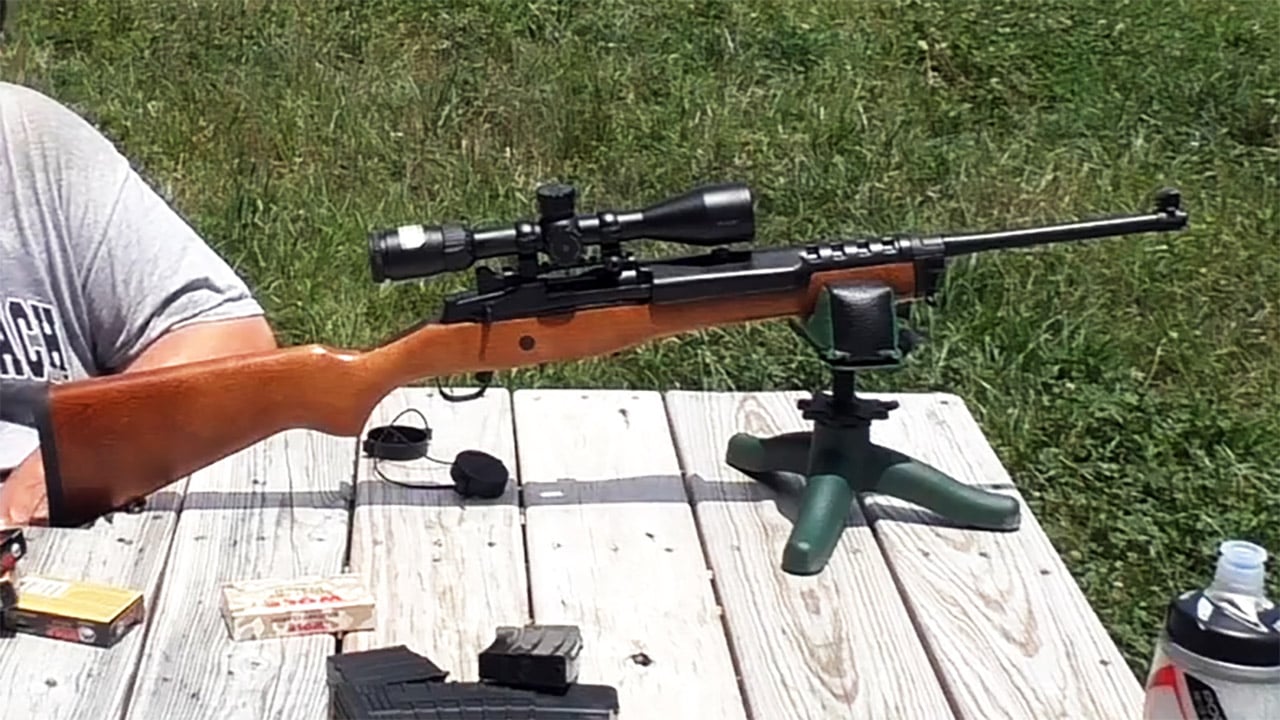
This one was not a benchrest gun, and it didn’t pretend to be. It was handy, light, and it shouldered fast. For a ranch rifle that rides in a truck, gets used on varmints, and lives a rough life, that matters more than internet groups.
The killer with older Minis is magazines. This one had a couple factory mags sitting right there with it. I walked away and later realized the mags alone were half the value.
20. Tikka T3 Lite (left-hand)

I’m right-handed, but I’m always watching for good left-hand rifles because I’ve got a southpaw in the family. That Tikka had the slickest factory bolt in the room and the kind of out-of-the-box accuracy reputation that’s earned, not advertised.
I told myself I’d “wait until we know what caliber we want.” Meanwhile, left-hand rifles don’t show up every day, and Tikkas don’t hang around long when they’re priced like a regular hunting rifle instead of a unicorn.
The lesson I took from that estate sale isn’t “buy everything.” It’s to know what you’re looking at and decide fast when the gun checks your boxes: condition, usefulness, and the likelihood you’ll ever see another one like it without paying extra. If you’re standing there with a solid classic in your hands and your only reason for passing is nerves, you’re probably about to add one more to your own regret list.
Like The Avid Outdoorsman’s content? Subscribe to our newsletter so you never miss an article.
Here’s more from us: