Photo credit: Angels Armory Forge/YouTube
Some handguns look dependable the moment you pick them up. They are expensive, beautifully finished, heavily marketed, and backed by reputations built over decades.
These are not those guns. Some were cheap when new. Others look dated, strange, or almost completely forgettable. A few came from manufacturers that have had their share of rough products. Yet these pistols developed a habit of simply continuing to work. They may not be glamorous, but reliability has a way of making an ugly or inexpensive handgun considerably more appealing.
Ruger P944
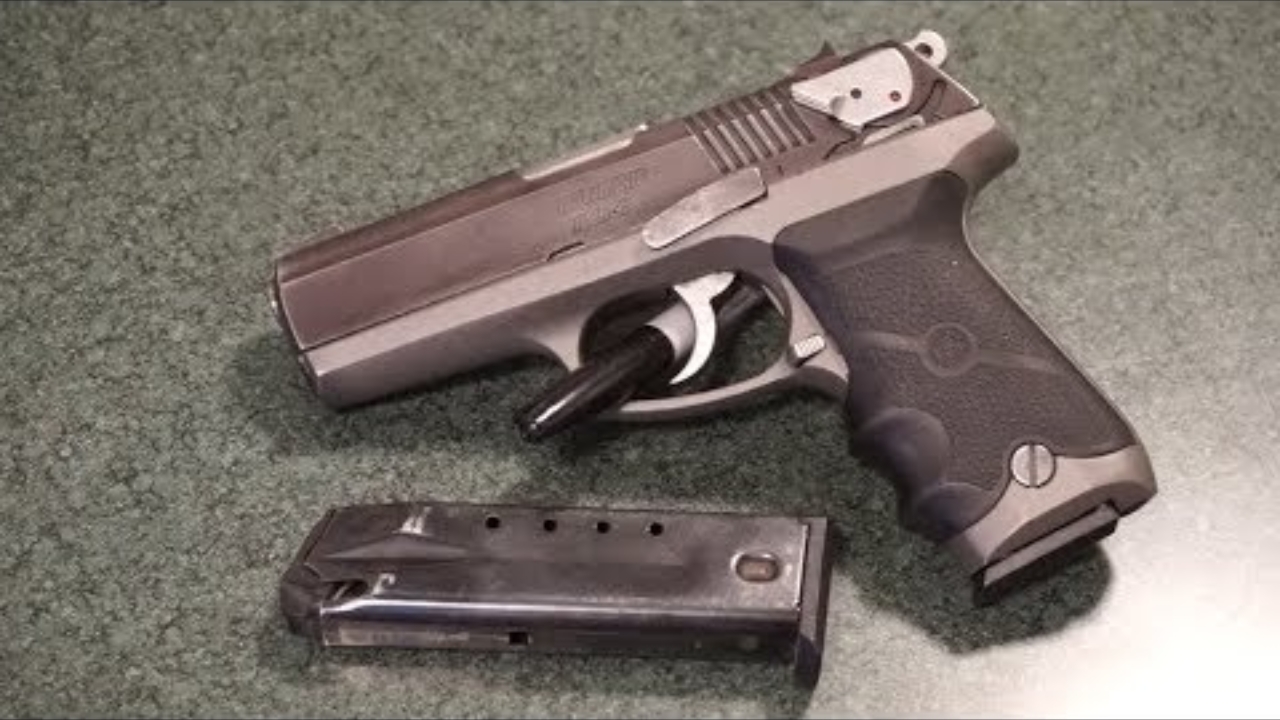
The P944 came from an era when Ruger seemed determined to make semiautomatic pistols capable of surviving things the average owner would never subject them to. It is thick, heavy, and nowhere near as refined as a modern carry gun.
That construction works in its favor. The P944 was built around .40 S&W at a time when manufacturers expected service pistols to digest plenty of full-power ammunition. The slide is substantial, the frame feels overbuilt, and there is very little about the gun that seems delicate. It will never win a beauty contest, but a clean P944 can make much prettier pistols look fragile.
Smith & Wesson Model 5946
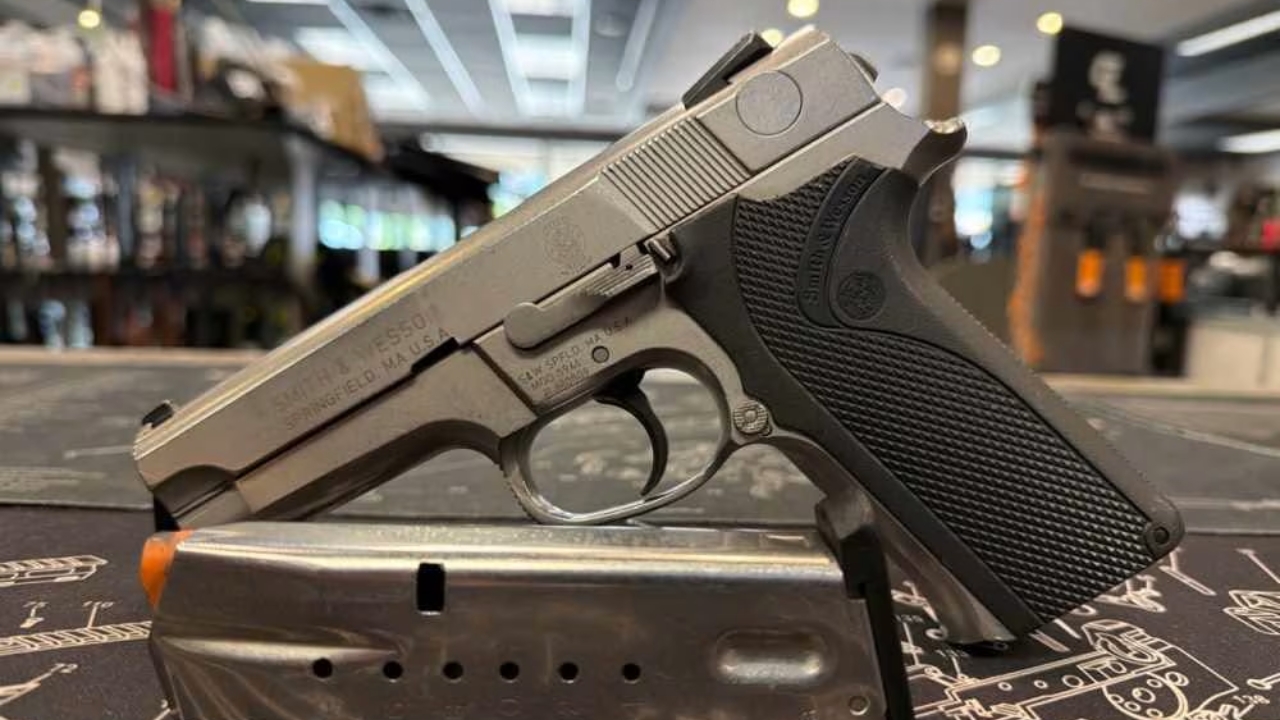
The 5946 looks like something pulled straight from a 1990s police armory because that is essentially what it was designed to be.
Its stainless-steel construction makes the pistol heavy by modern standards, and the double-action-only trigger is not going to impress anyone accustomed to light striker triggers. Reliability is where the design makes its argument. These were service pistols intended to be carried constantly and fired enough that mechanical durability mattered far more than shaving ounces. A properly maintained example can absorb a tremendous amount of shooting without becoming temperamental.
KelTec PF-9

The PF-9 feels almost too light and inexpensive to inspire confidence. The narrow frame, minimalist construction, and bargain-oriented presentation never made it feel like a premium defensive pistol.
Good examples can nevertheless be remarkably persistent. The PF-9 was one of the early truly thin 9mm carry pistols, and plenty of owners put years of use through them before the modern micro-compact wave arrived. It can be snappy and unpleasant to shoot extensively, but once you find an example that likes your ammunition, there is surprisingly little reason for it to stop working.
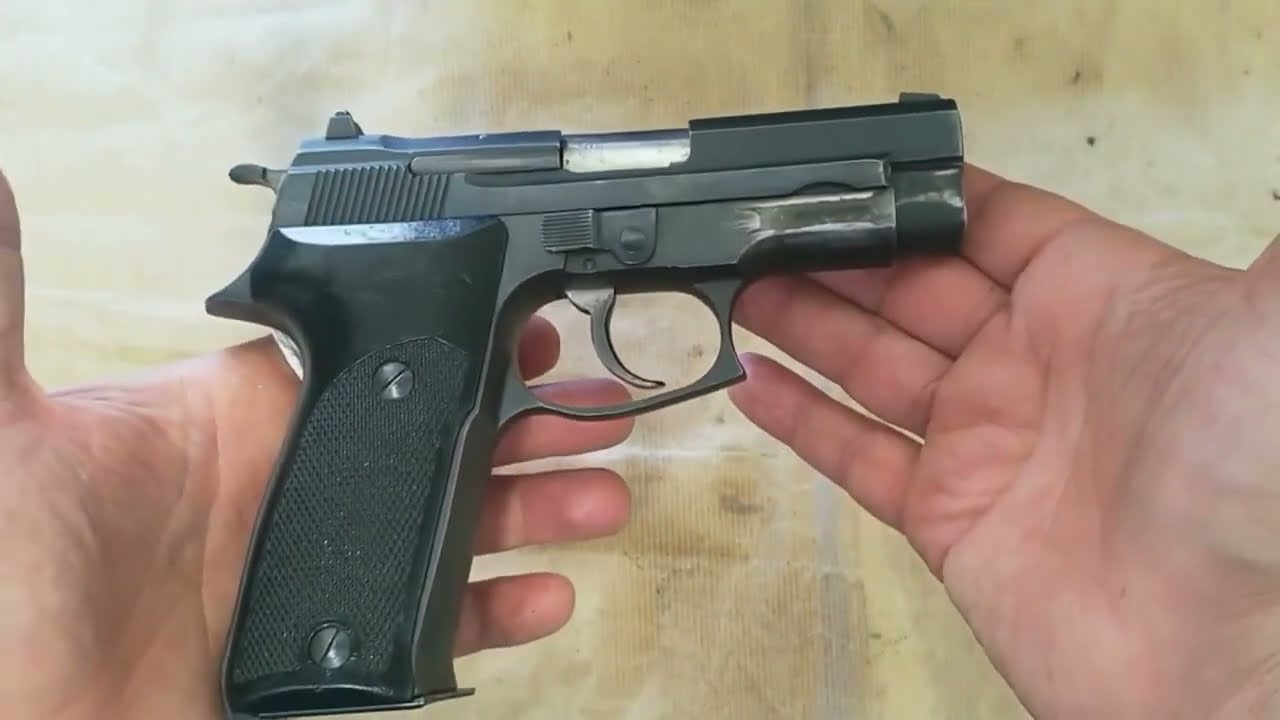
Zastava M88A

The M88A looks like the kind of inexpensive Eastern European pistol people buy because it is unusual rather than because they expect great performance.
Its Tokarev ancestry should be the first clue that it is tougher than it looks. The design is mechanically straightforward, the steel construction feels substantial, and there is relatively little going on internally compared with more complicated modern pistols. It lacks the polish of premium handguns, but crude and fragile are not the same thing. The M88A can be a remarkably durable little 9mm.
Remington RM380

Remington’s modern handgun efforts developed enough problems that anything bearing the company’s pistol branding can make buyers cautious. The RM380 got caught in that reputation.
It deserved more credit. The little .380 was based on an already established design and used an aluminum frame rather than trying to become the absolute lightest pocket gun possible. Its long trigger and tiny sights are not glamorous, but the pistol’s basic mission was straightforward concealed carry. Owners who ended up with dependable examples often discovered the RM380 was considerably more trustworthy than the Remington name’s modern handgun reputation suggested.
Astra A-80

The A-80 looks like another forgotten European service pistol from a company that disappeared before most younger American shooters ever paid attention.
That understates how serious the gun was. Astra built these pistols around a sturdy metal frame and conventional service-pistol mechanics rather than trying to produce the lightest handgun possible. The A-80 is heavy and unmistakably dated, but those characteristics can work beautifully for reliability and recoil control. It is an old pistol that feels like it expects to be used rather than protected.
Taurus PT809
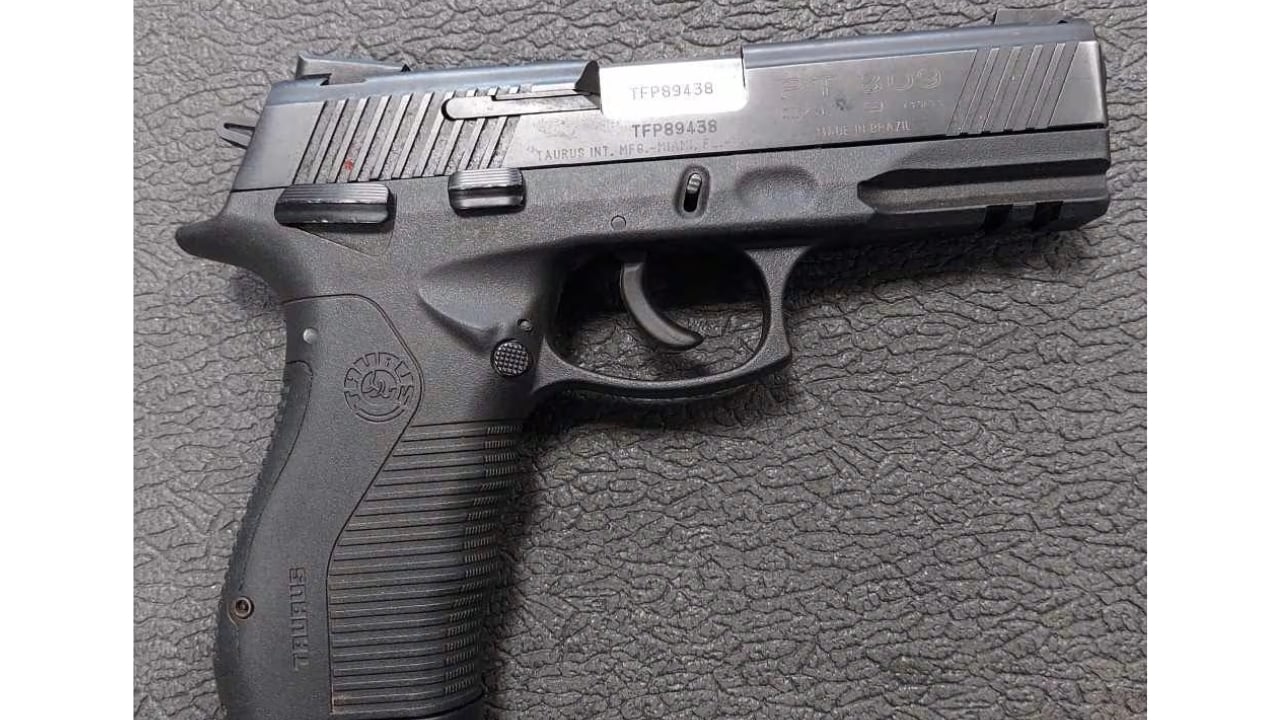
Taurus has produced enough inconsistent handgun models over the years that plenty of shooters automatically approach any older Taurus semiautomatic with suspicion.
The PT809 is one of the pistols that complicates that reputation. It is a full-size hammer-fired 9mm with a substantial grip, useful capacity, and conventional operating system. It never generated the enthusiasm of more famous duty guns, but many examples simply worked. The pistol was not expensive enough to earn prestige, yet its basic construction made it a far more serious defensive handgun than many people assumed.
FEG P9R
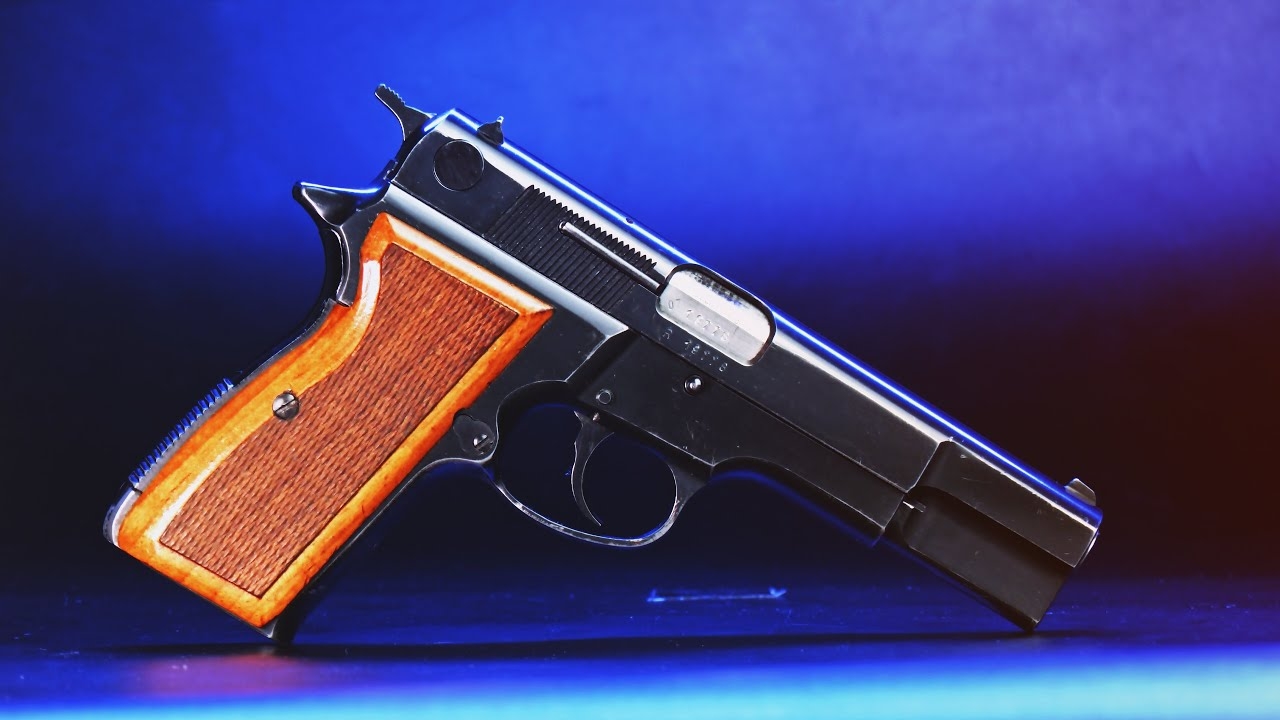
The Hungarian FEG pistols often get thrown into the generic category of cheap Cold War-era imports, which makes the P9R easy to dismiss.
Look closer and there is a sturdy all-steel service pistol underneath the utilitarian finish. The design combines influences from well-established European pistols rather than depending on anything especially exotic. It is heavy, mechanically straightforward, and built more like a duty gun than a commercial bargain pistol. That combination can translate into an astonishing amount of uneventful shooting.
Walther P1
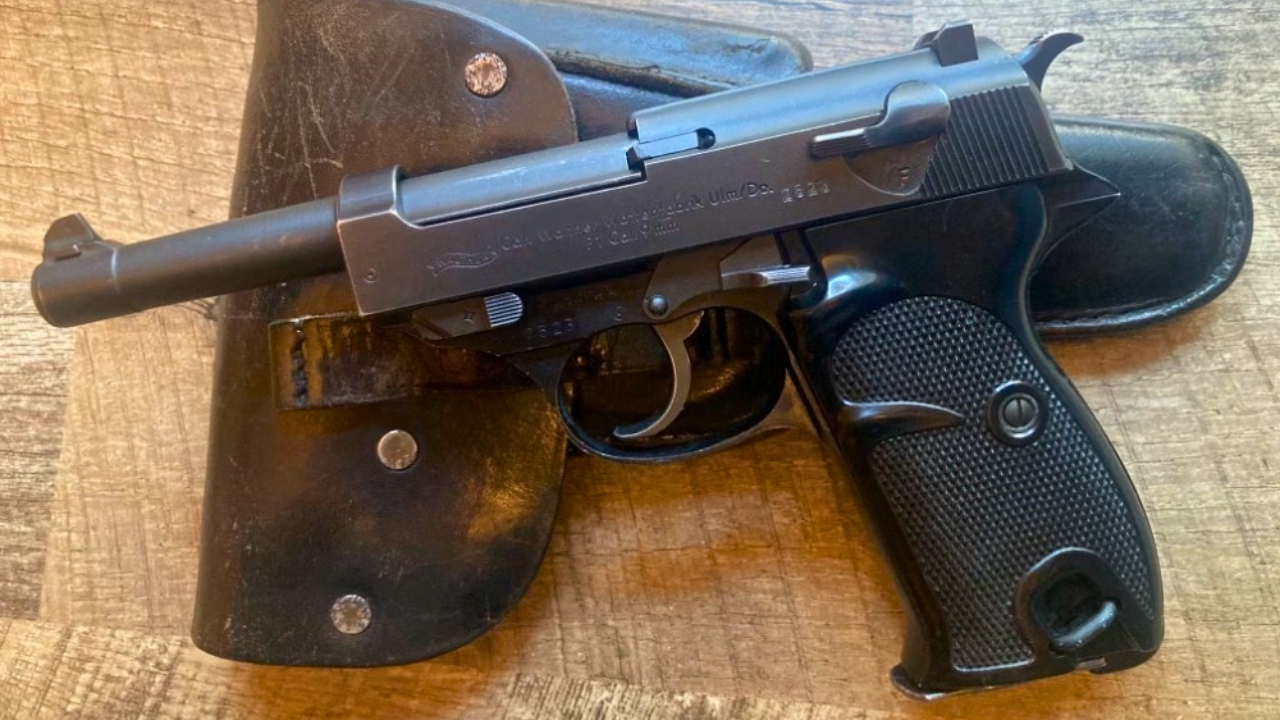
The P1 looks almost too old-fashioned to be taken seriously next to a modern duty pistol. Its roots are unmistakably tied to the P38, complete with an operating system that dates to an entirely different era.
Yet the design served for decades because it worked. The aluminum-framed P1 reduced weight while retaining the locked-breech system and traditional DA/SA operation. You need to understand that these are older service pistols rather than feed them an endless diet of ammunition they were never intended for. Treated appropriately, a good P1 can be remarkably dependable.
Girsan MC28 SA
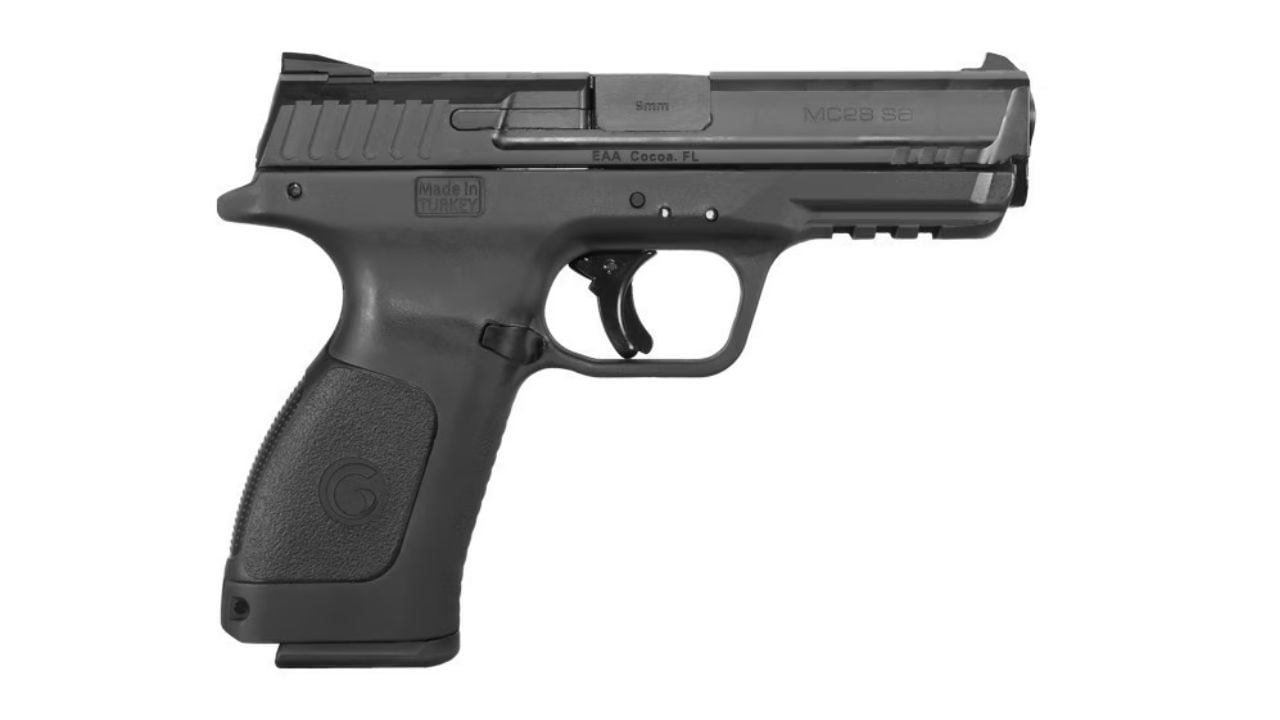
The MC28 SA has the kind of generic polymer-pistol appearance that makes it easy to walk right past at a gun counter.
That anonymity can hide a very functional handgun. The gun has a straightforward striker-fired system, comfortable dimensions, and enough grip to control 9mm easily. It never enjoyed the massive aftermarket or reputation of the market leaders, but reliability does not require either. A pistol can be inexpensive, visually forgettable, and still keep putting rounds downrange every time the trigger is pressed.
Beretta Nano

The Nano arrived during an awkward stage in concealed-carry pistol development. It looked futuristic, had very little external hardware, and then quickly became overshadowed by higher-capacity micro-compacts.
The design’s simplicity was actually one of its strengths. There were few external controls to snag or accidentally manipulate, and the pistol was built around concealed carry rather than range theatrics. The trigger was not everybody’s favorite and the capacity looks dated today, but dependable examples can be extremely stubborn little carry guns. Newer pistols made the Nano obsolete commercially, not necessarily mechanically.
Norinco Model 213
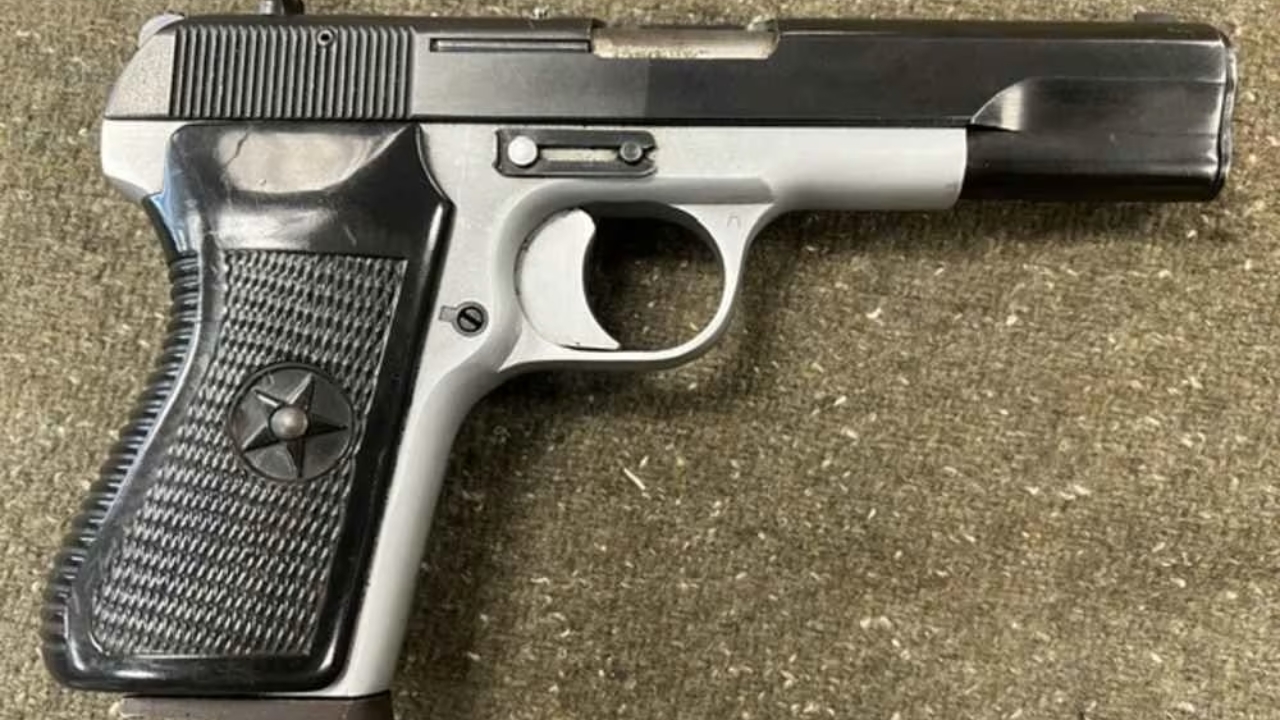
The Model 213 has all the visual refinement of a piece of agricultural equipment. Finish quality can be rough, controls feel old, and the Tokarev-derived design hardly screams premium handgun.
That is part of why its durability is so entertaining. The basic system is rugged and uncomplicated, and the 9mm chambering gives the pistol a much easier ammunition situation than many surplus designs. These were inexpensive guns that owners often treated accordingly. A surprising number kept running despite receiving very little affection in return.
Bersa Mini Firestorm 9
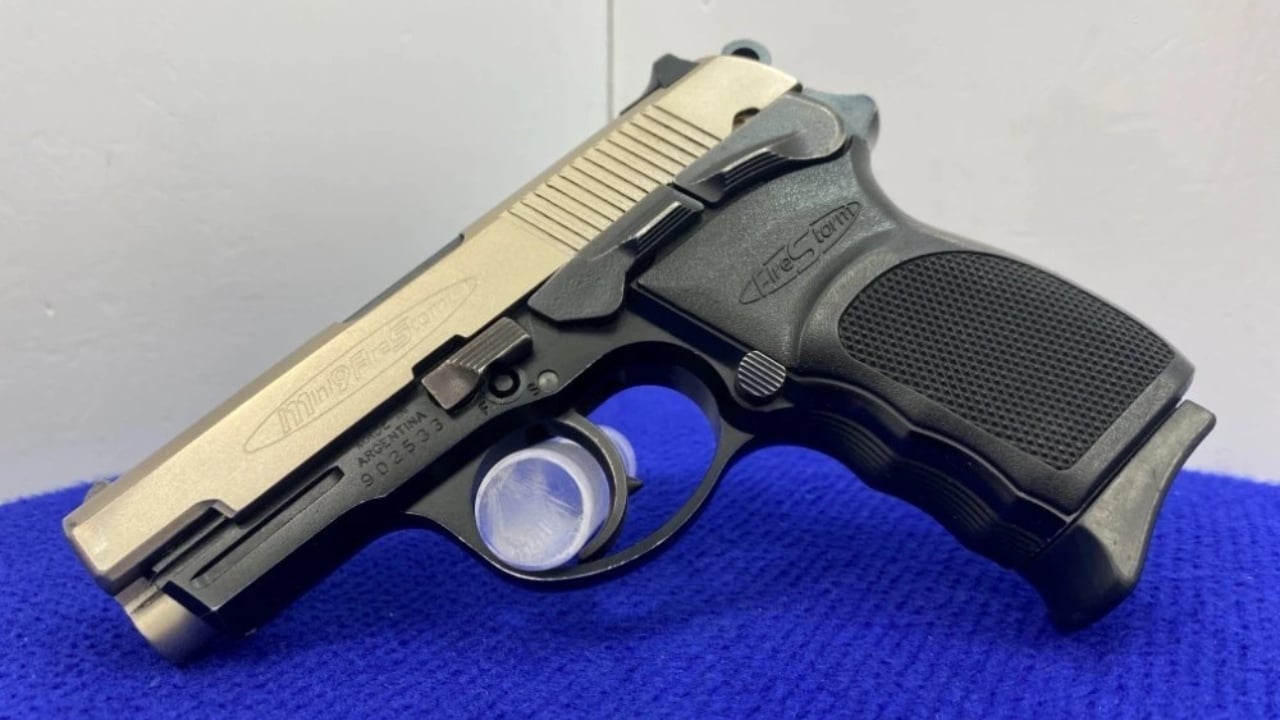
Bersa’s inexpensive pricing has always made some shooters assume its guns should be treated as disposable.
The Mini Firestorm 9 is much more substantial than that assumption suggests. Its compact metal-frame construction and traditional hammer-fired system give it a solid feel, while the gun avoids the extreme dimensions of tiny modern carry pistols. It never became a status symbol, but it did not need to. A defensive handgun that functions consistently has already accomplished the important part of the job.
Ruger P93
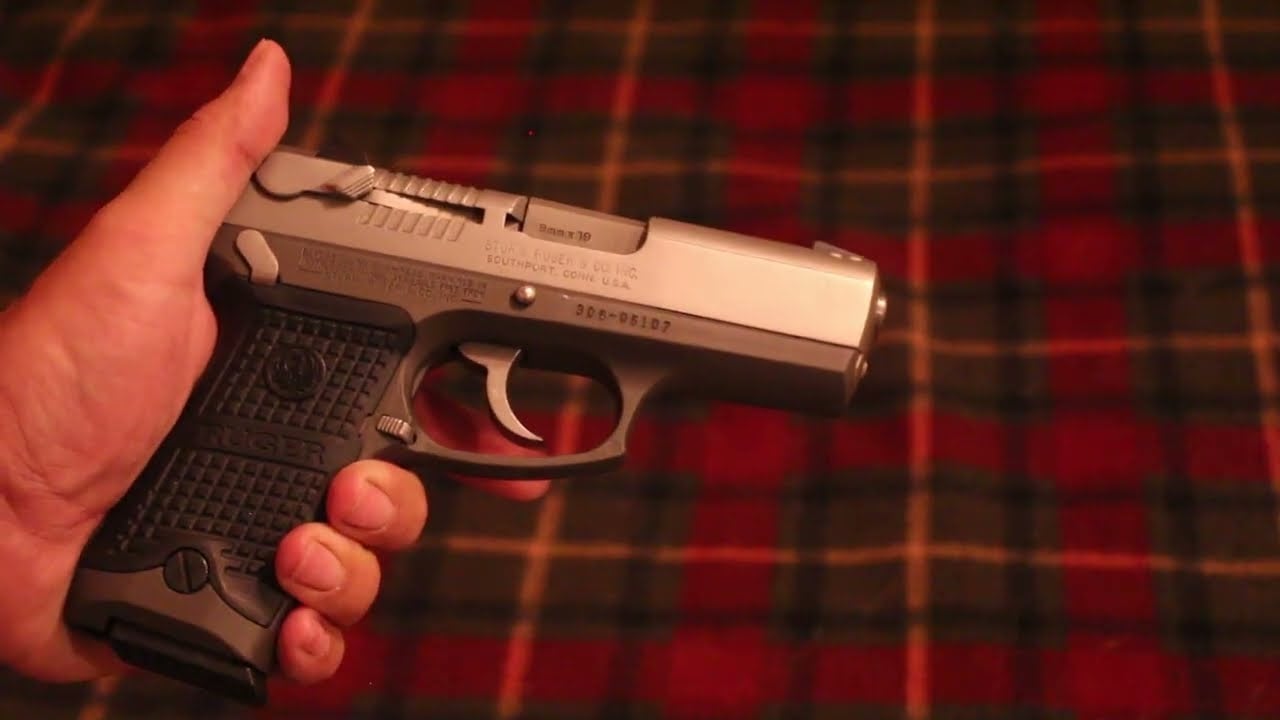
The P93 is another old Ruger that looks almost comically bulky compared with today’s sleek striker pistols.
That bulk was not accidental. Ruger’s P-series guns came from an era when the company was developing a reputation for building inexpensive semiautomatics with an enormous amount of material in all the important places. The P93 shortened the basic concept into a more manageable package without turning it delicate. These pistols often look beat up long before they actually wear out.
FN HP-DA
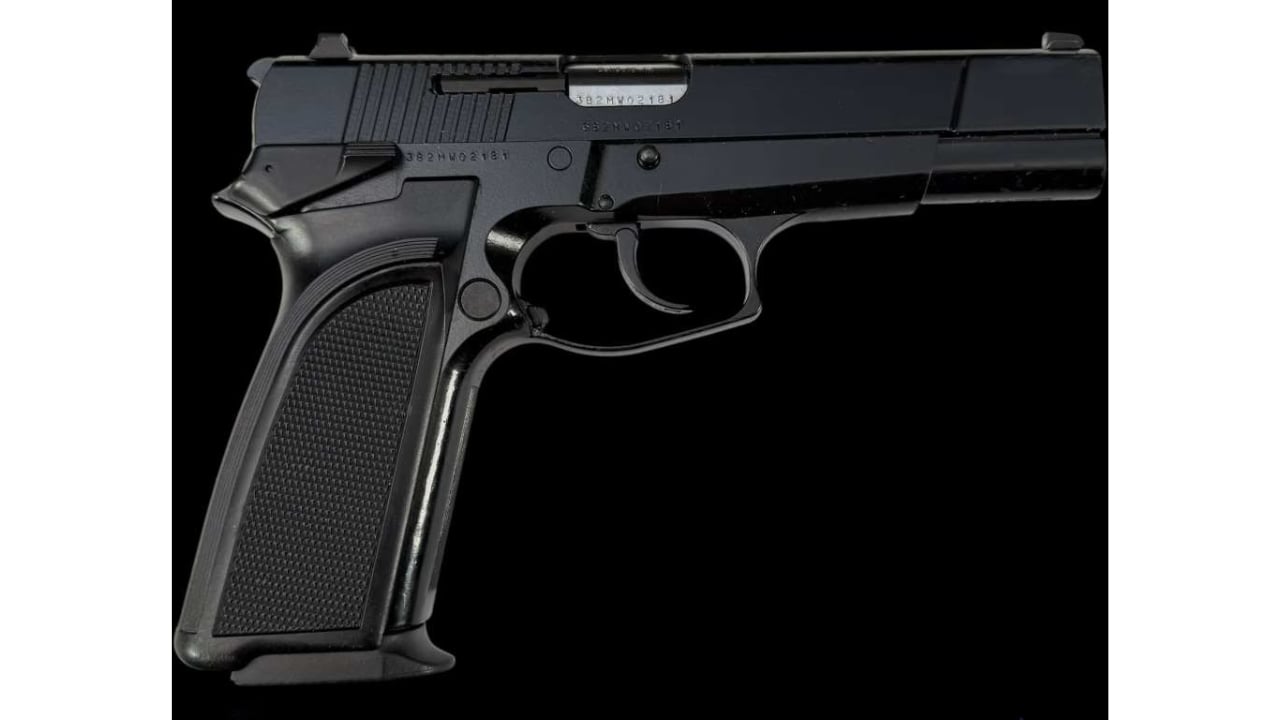
The FN HP-DA never enjoyed anything close to the fame of the Browning Hi-Power despite coming from a company with enormous experience building serious service pistols.
Its lack of popularity had more to do with timing and market competition than some fundamental mechanical weakness. The pistol used conventional DA/SA operation and a sturdy service-sized layout that feels distinctly old-school today. It is another case where an obscure model can be much more dependable than its nearly nonexistent American reputation would lead you to believe.
Kahr P9
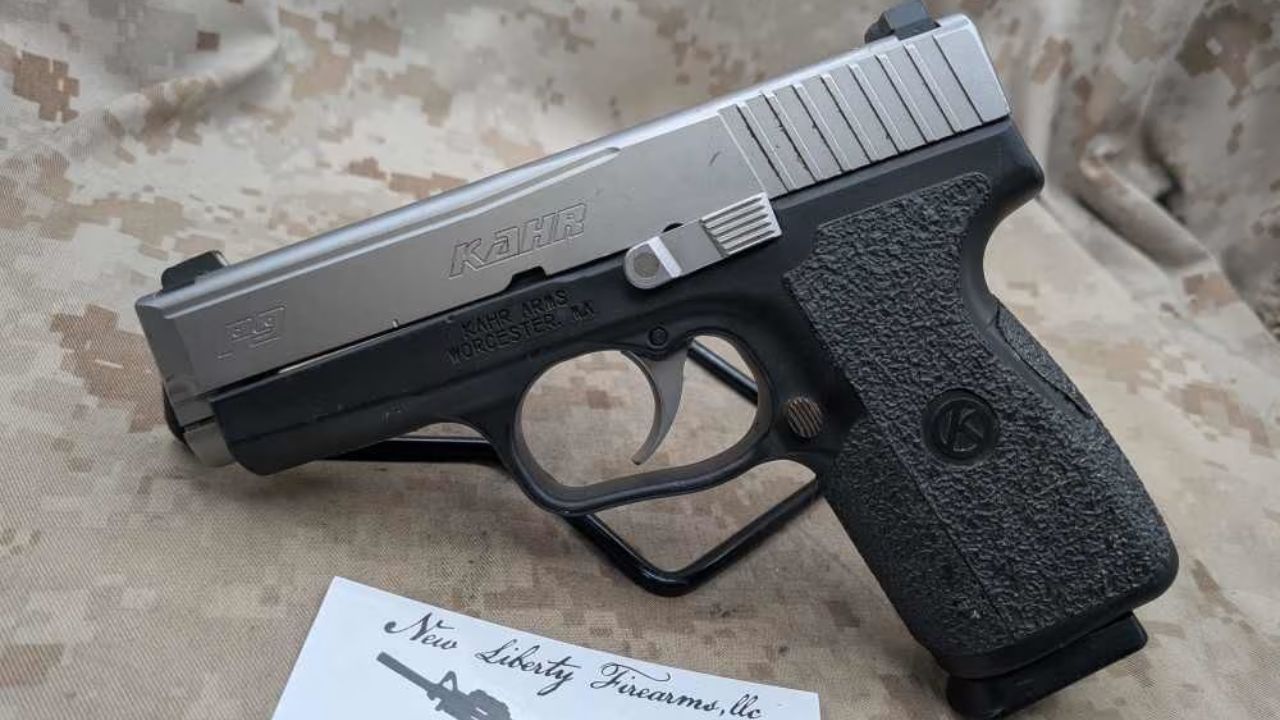
Kahr pistols have always divided shooters. The long trigger system and tight new-gun feel are completely different from what many buyers expect from a modern striker-fired pistol.
Once broken in and functioning properly, a P9 can be an impressively dependable carry gun. The design is slim, uncomplicated from the user’s perspective, and has been around long enough that its strengths are well understood. It does not need a competition-style trigger to perform its intended role. Sometimes boring consistency is much more useful.
Arcus 94

The Bulgarian Arcus 94 can look like exactly what it was often sold as: an inexpensive imported metal pistol from a manufacturer most American shooters barely recognize.
The underlying concept is much better than the branding suggests. Its Hi-Power-influenced design gives it a proven mechanical starting point, while the steel construction makes the pistol extremely substantial. Fit and finish may lack the refinement of premium European guns, but the basic operating system does not require luxury-level polishing to function.
Mossberg MC1sc

Mossberg announcing a concealed-carry pistol seemed strange enough by itself. The company was overwhelmingly associated with shotguns, and the MC1sc entered one of the most competitive categories in the handgun market.
The surprising part was that Mossberg did not simply throw together a novelty. The MC1sc was a legitimate compact defensive pistol with a straightforward striker system and practical dimensions. It never built enough momentum to challenge established handgun brands, but many shooters who actually used one came away impressed by how ordinary—and dependable—the experience was.
Tanfoglio Force 99
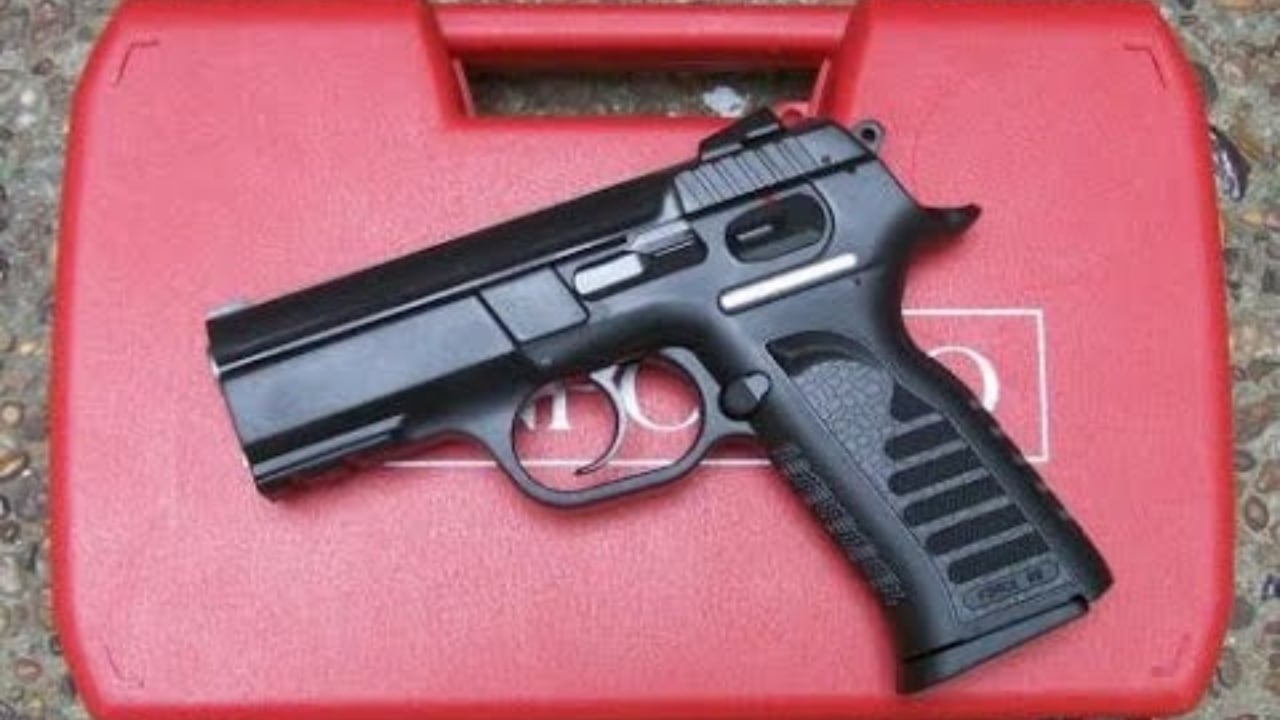
Tanfoglio is much better known for heavy competition pistols than inexpensive polymer-framed service guns, leaving the Force 99 in a strange position.
The pistol retains much of the basic mechanical thinking associated with the company’s CZ-derived designs while replacing the heavy steel frame with polymer. It is not especially glamorous, and American support has never approached Glock levels. But underneath that obscurity is a mature operating concept. It can be one of those pistols that just keeps functioning while everyone else wonders what exactly it is.
Taurus PT845
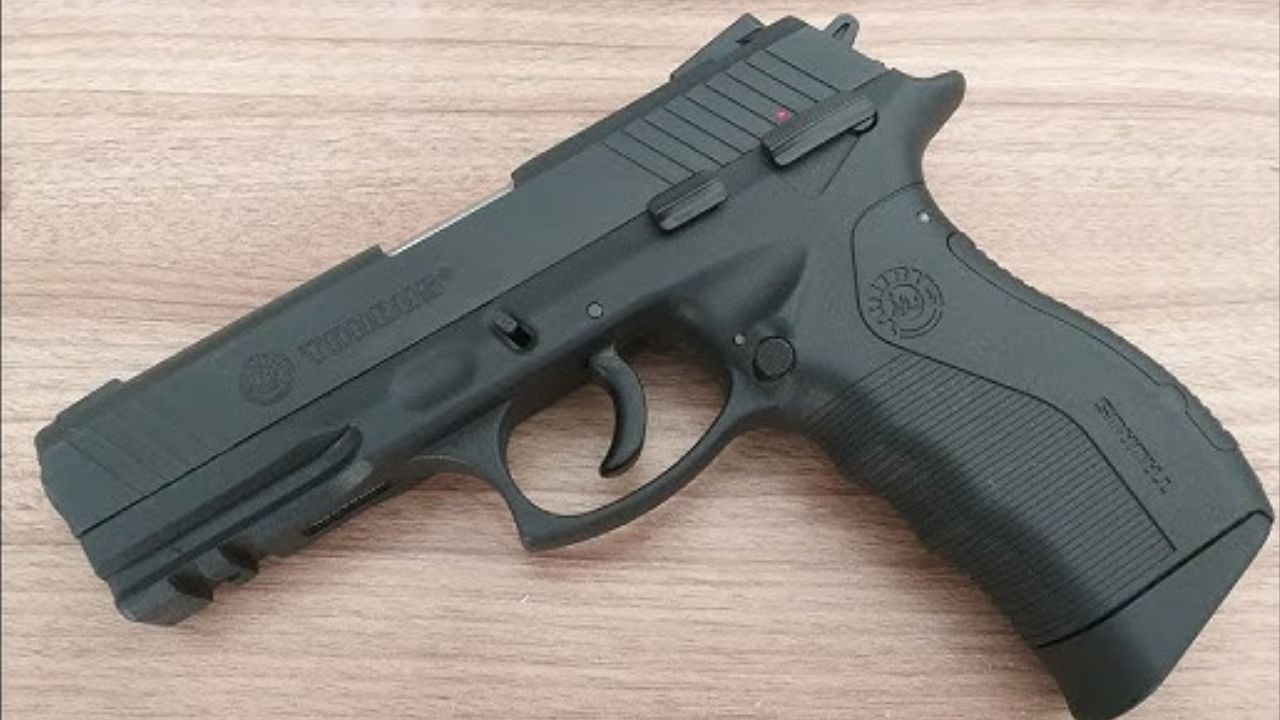
The PT845 never became one of the .45 ACP pistols everyone talked about. It arrived in a crowded market and wore a Taurus logo at a time when many shooters were particularly skeptical of the company’s semiautomatics.
Yet the gun had a lot going for it. It offered a full-size polymer frame, hammer-fired action, ambidextrous controls, and enough size to handle .45 ACP comfortably. It was not elegant, but dependable examples could absorb far more shooting than the bargain-oriented reputation suggested. For a pistol many people would have passed over without a second look, that is impressive.
Like The Avid Outdoorsman’s content? Subscribe to our newsletter so you never miss an article.
Here’s more from us: