Photo credit: Gunny Valentine/Youtube
Every now and then a rifle shows up that was clearly built with one buyer in mind: a country’s service rifle program, a police contract, a particular hunting culture, even a state-owned factory trying to hit a price point for local shooters. Then it slips across a border, lands in a gun shop rack, and suddenly a whole different crowd starts leaning on it for deer season, ranch duty, or weekend steel matches.
Some of these are ugly. Some are heavy. A few are downright oddball. But they earned fans far from the market they were intended for, usually because they do one or two things so well that folks overlook the rest. Here are 20 rifles that fit that bill.
1. Lee-Enfield No.4 Mk I

The No.4 was built to fight a war, not to impress a whitetail hunter looking for walnut and bluing. But that slick, fast bolt and the way the rifle balances in the hands is why you still see them in deer camps where military surplus used to be the working man’s gun.
.303 British isn’t the easiest cartridge to feed these days, and some old bores are rough. Still, in the brush it carries well, it points naturally, and it’ll put venison down with authority. If you find one that isn’t shot out and the headspace checks out, it’s hard not to get attached.
2. Mosin-Nagant M91/30
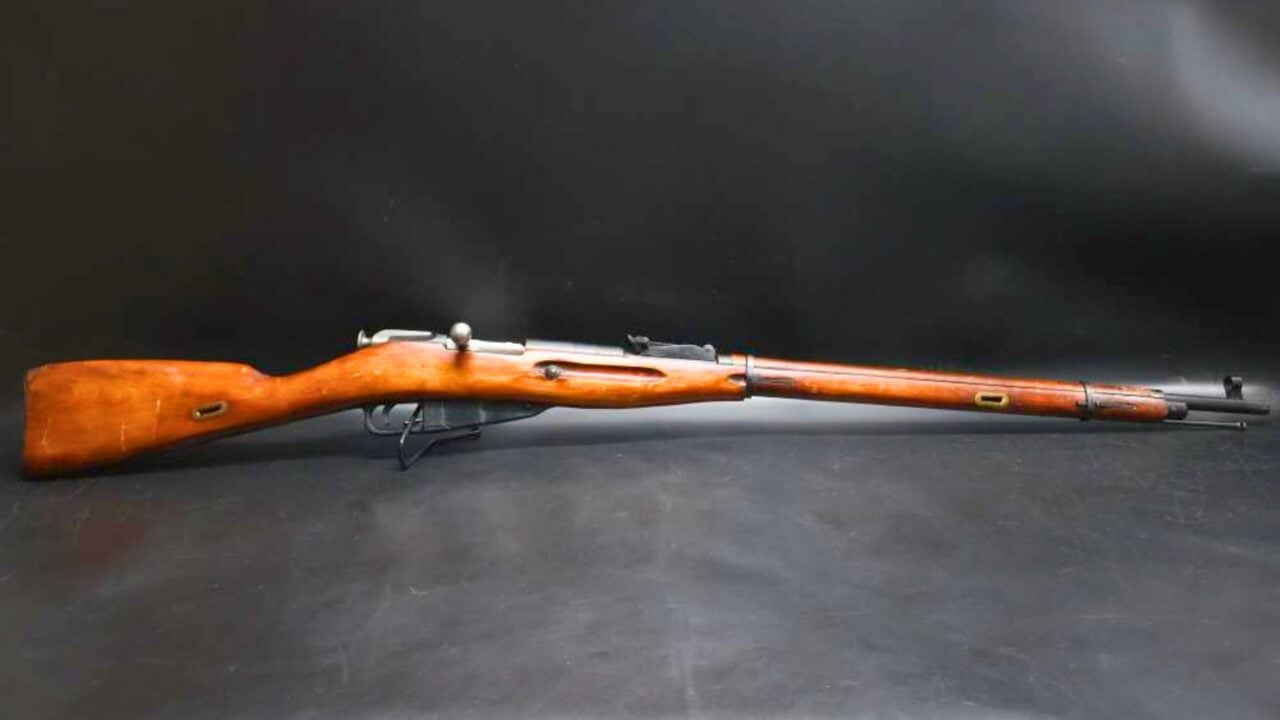
This one was never meant to be refined. It was meant to be made fast, issued fast, and used hard. And for a long time it was the cheapest way to get into a full-power rifle, which is exactly how it found its way into American closets and truck back seats.
The bolt can feel like you’re dragging it through gravel, and the sights are pure “battle rifle,” not “tight groups at 200.” But the 7.62x54R hits like it means it, and these rifles are stubbornly durable. I get why people move on from them, but I also get why some never do.
3. Swiss K31 (Schmidt-Rubin Karabiner 1931)
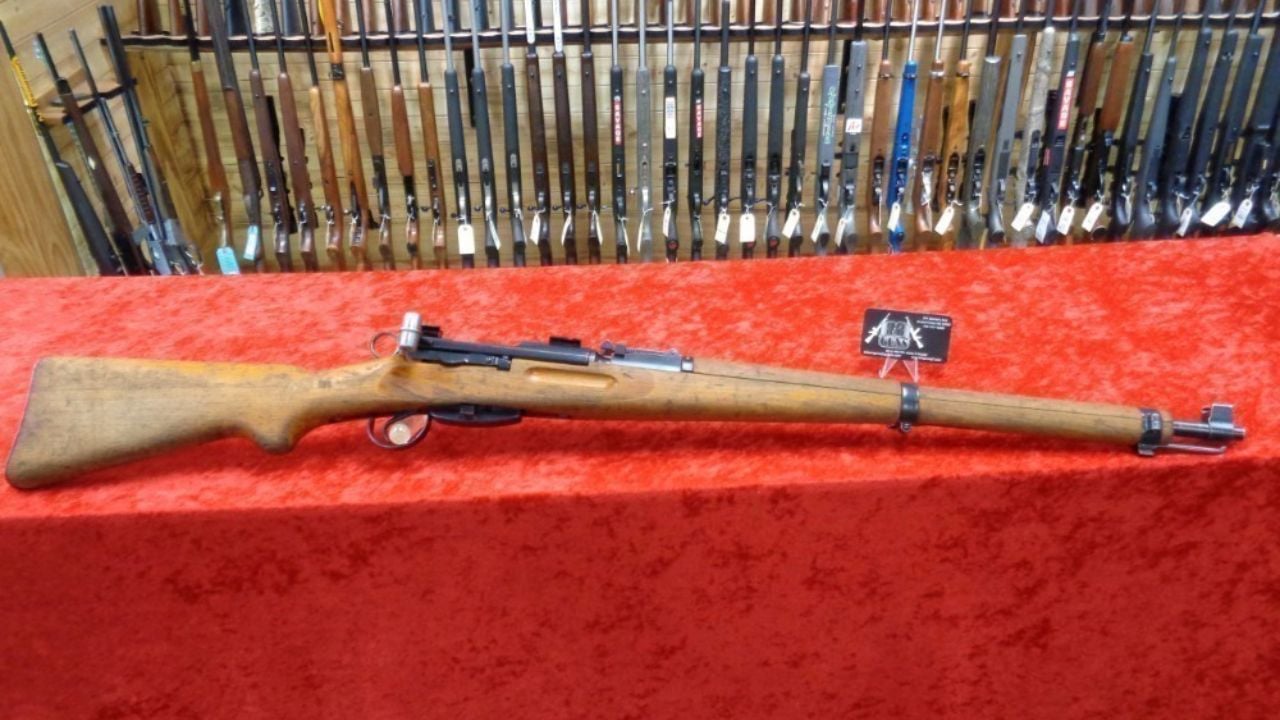
Switzerland built the K31 for a citizen-soldier system, and it shows. The machining and the triggers on many of these are shockingly good for a military rifle, like somebody cared the whole way through the process.
7.5×55 Swiss isn’t as common on small-town shelves as .308, and the straight-pull action isn’t everyone’s favorite. But if you’ve ever shot one that’s been looked after, you understand why accuracy guys and history guys both hoard them. They’re addictive in the most practical way.
4. Swedish Mauser m/96
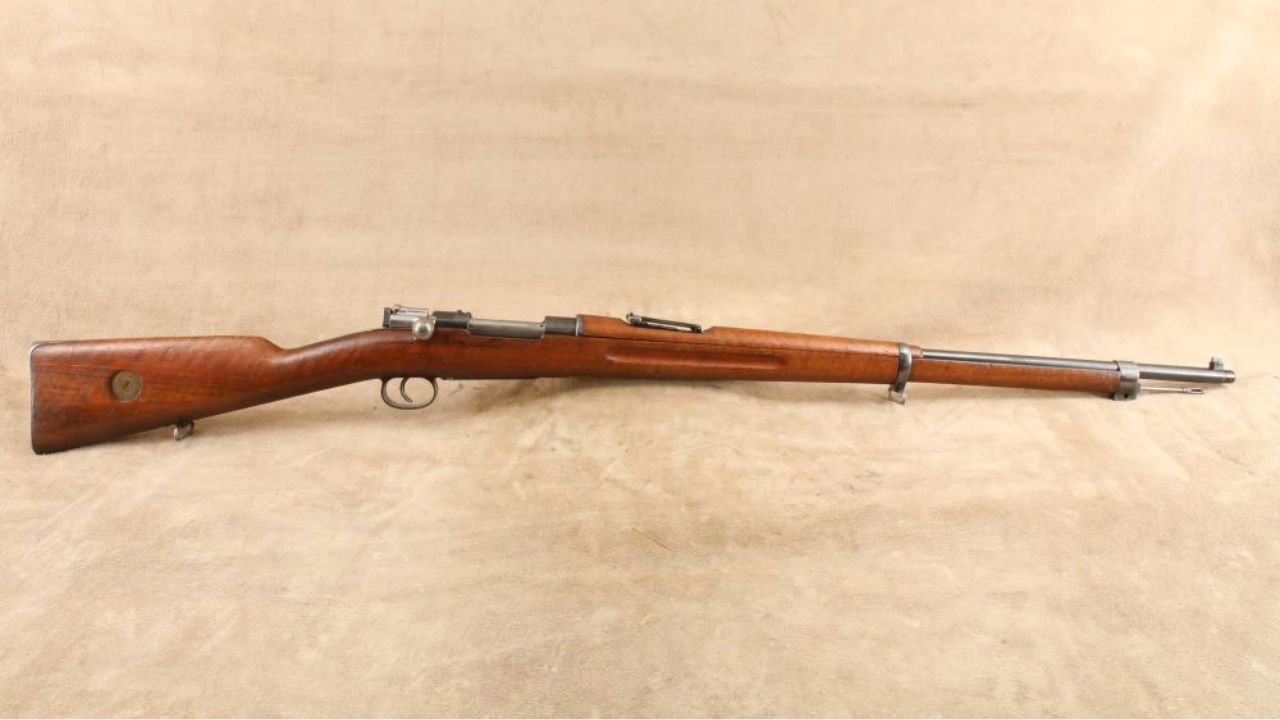
The Swedish m/96 was meant for disciplined conscripts, not for guys like us wearing wool and carrying a thermos. But the 6.5×55 cartridge and that long, steady rifle made believers out of hunters all over the place once the surplus waves hit.
They’re long, and some stocks have seen a century of dings. Still, the recoil is friendly, the accuracy is often better than it has any right to be, and the cartridge kills way above its “mild” reputation when the bullet is placed right.
5. Mauser Karabiner 98k
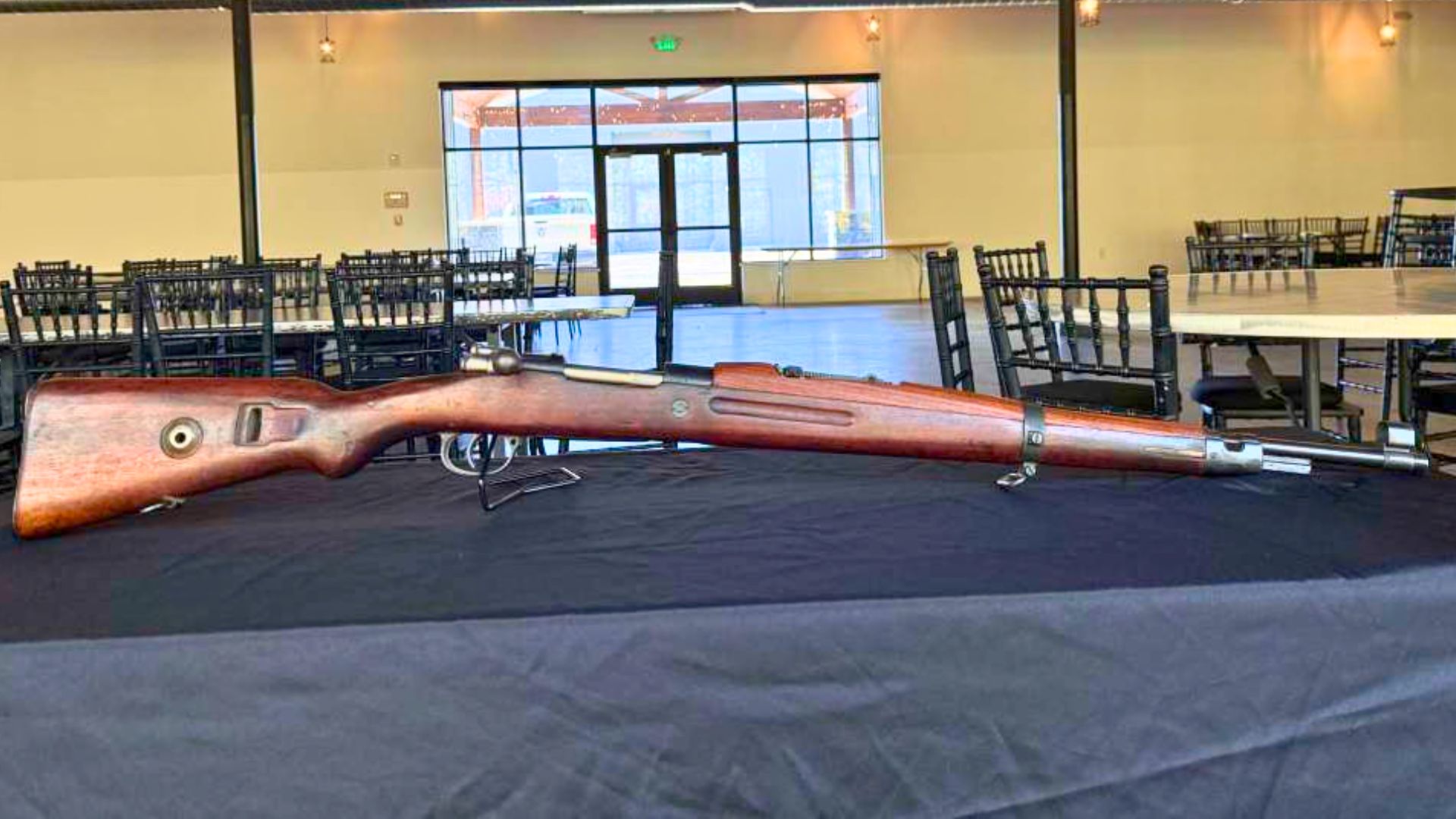
Plenty of rifles were based on the Mauser 98 action, but the 98k is the one that turned the idea into legend. It was built for war, then came home in duffel bags, got sporterized in garages, and ended up in deer stands all over North America.
Original ones are collector territory now, and I’m not telling anyone to take a matching-number rifle into the rain. But the controlled-round feed, the strength, the way that bolt feels when it’s right—there’s a reason the 98 action is still the yardstick.
6. FN FAL (FN Herstal)

The FAL was built to be a battle rifle for armies, and it got used hard across half the globe. What surprised people elsewhere was how shootable it is for a .308 semi-auto, especially compared to some of the clunkier options.
It’s not a featherweight, and parts compatibility can get confusing depending on pattern. But the ergonomics are solid, the recoil impulse is manageable, and it runs well when it’s set up correctly. As a practical “ranch rifle” for varmints and coyotes where legal, it has a weird second life.
7. Heckler & Koch G3 (and HK91 pattern)

The roller-delayed G3 family was a military solution: reliable, simple in concept, and made to be mass-produced. In civilian hands, it became a love-it-or-hate-it .308 that people kept anyway because it just keeps going.
The trigger isn’t usually great, and the recoil has that sharp slap that surprises folks used to gas guns. Still, mags used to be dirt cheap, and the rifles have a ruggedness that makes you trust them in bad weather. It’s not a “pretty” rifle. It’s a “works” rifle.
8. IMI Galil ARM
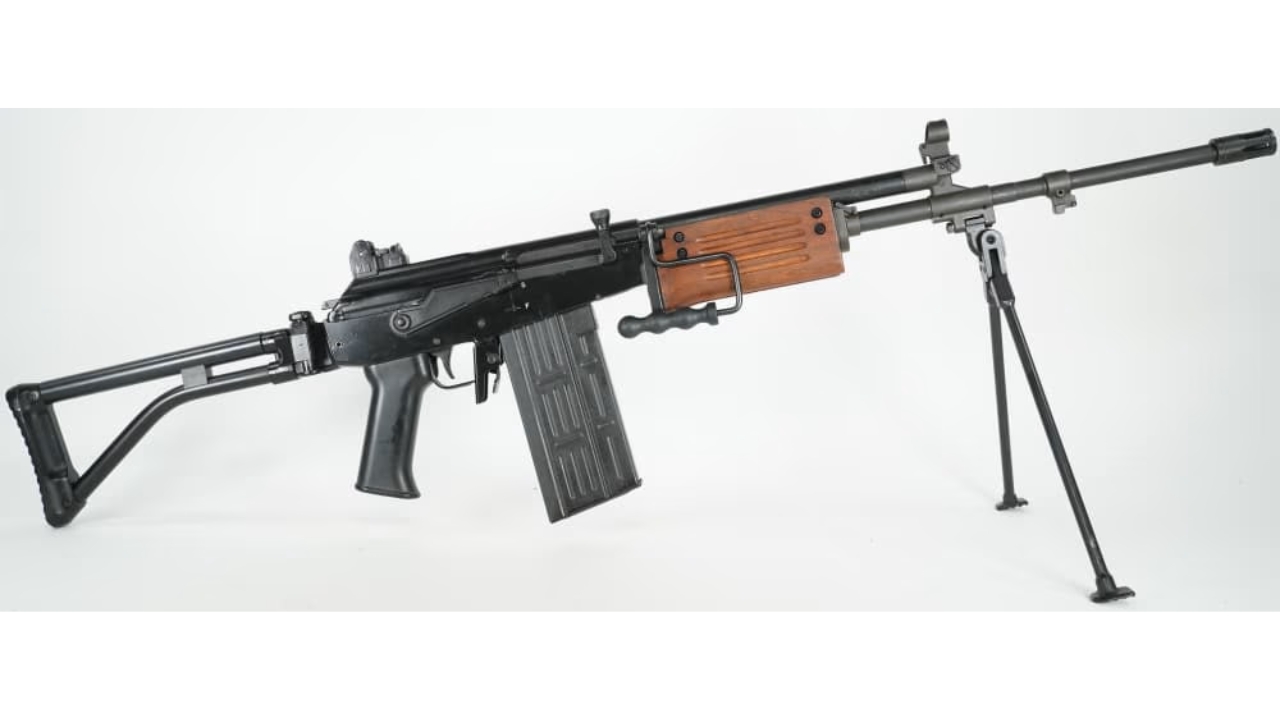
The Galil was designed for a specific climate and a specific kind of use, and it’s basically an AK’s tough cousin wearing better sights and a nicer safety. Outside its original home, collectors grabbed them first, then shooters realized they were more than just a display piece.
It’s heavy for what it is, and that matters when you’re walking fence lines. But it’s steady, reliable, and the controls are more user-friendly than a lot of AK variants. If you like old-school rugged with a little refinement, the Galil scratches an itch most rifles can’t.
9. Steyr AUG (Steyr Mannlicher)
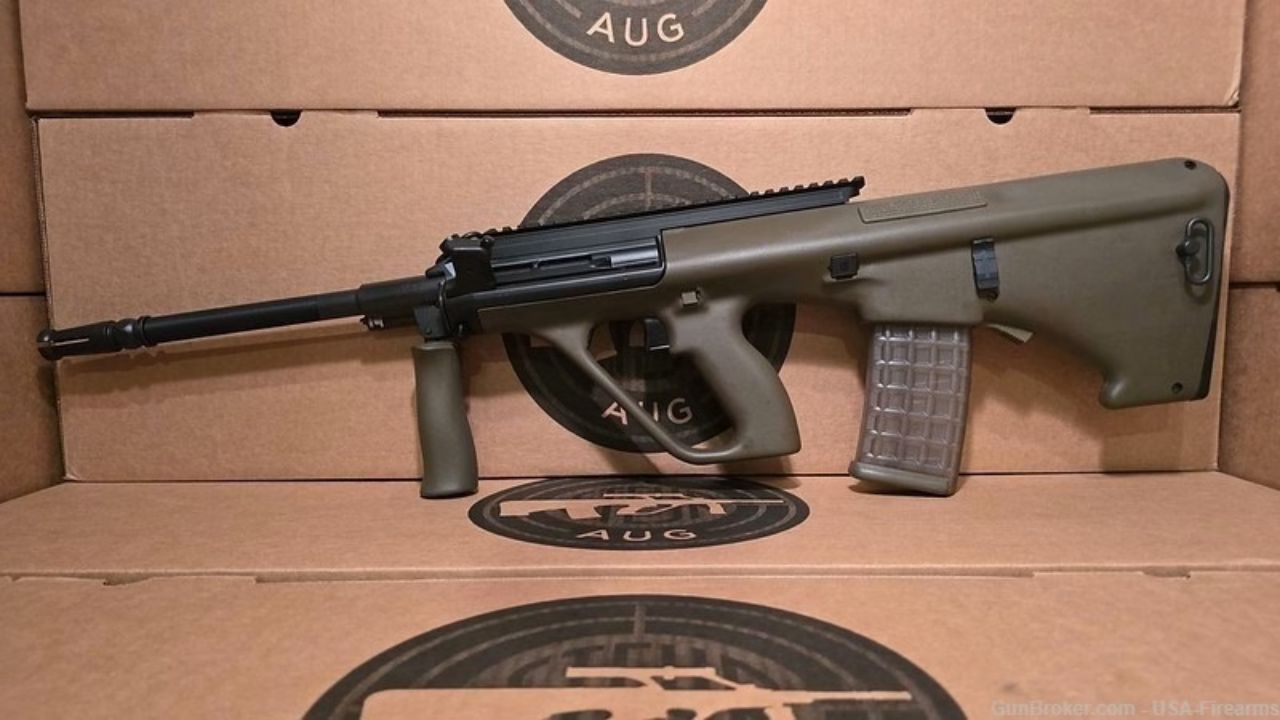
The AUG was meant as a compact service rifle with modern features before “modern” was a buzzword. Bullpups aren’t everybody’s cup of coffee, but the AUG found fans among folks who wanted a handy rifle that still had a full-length barrel.
Triggers on bullpups are what they are, and the manual of arms takes reps. Still, it carries well in vehicles, it balances close to the body, and it’s reliable. For predators, hogs, or just a do-it-all rifle where allowed, the layout makes more sense than people admit.
10. Ruger Mini-14 (Ranch Rifle)

This rifle wasn’t built for one country’s army, but it absolutely was built for a particular American market: ranchers, law enforcement, and folks who wanted a light semi-auto that didn’t scream “military.” Then it went overseas in different forms and came right back into popularity again.
The older thin-barrel guns can string shots when they heat up, and accuracy varies. But the Mini carries like a .30-30, points quick, and rides in a truck without snagging on everything. It’s not trendy. It’s useful, and that’s why it keeps surviving every “new hotness” cycle.
11. Norinco SKS (Type 56 pattern)
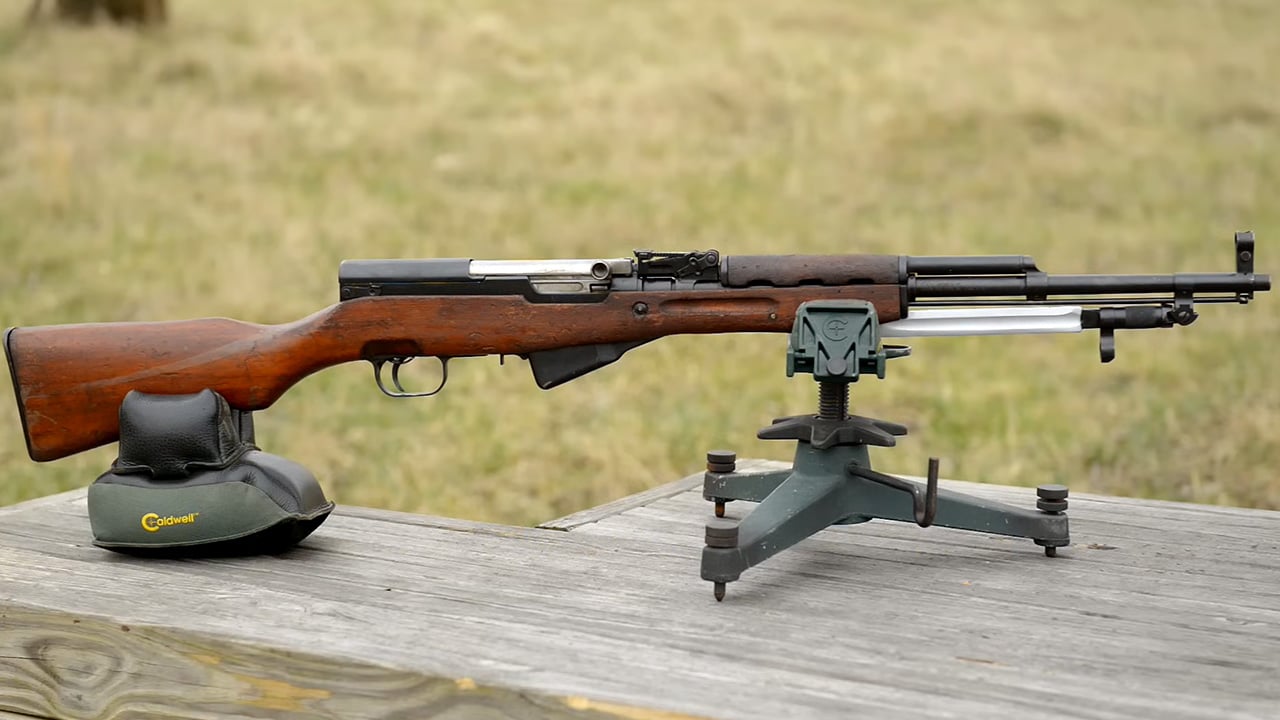
The SKS was a transitional military rifle, never meant to be a precision tool or a high-speed reload machine. Then it landed on U.S. shelves by the crate and became a first rifle for a whole generation of shooters.
It’s longer than an AK and not as modular as an AR, and stripper clips take some practice. But they’re generally reliable, the 7.62×39 is effective inside sane distances, and it’s a rifle you can hand to a new shooter without a lot of drama. It’s plain, and that’s kind of the point.
12. AKM (Kalashnikov Concern / various licensed builds)

The AKM was designed for mass armies and rough handling. It wasn’t intended to be a hobby platform. But it became one anyway, because the basic system works in dirt, rain, neglect, and general human behavior.
Accuracy is “minute of problem” more than “tiny groups,” and the safety is still awkward for some hands. But magazines are everywhere, parts are common, and it’s hard to find another rifle that shrugs off abuse like an AK. There’s a reason they show up on ranches and in hunting camps in places you wouldn’t expect.
13. CZ 527 (Česká zbrojovka) in 7.62×39
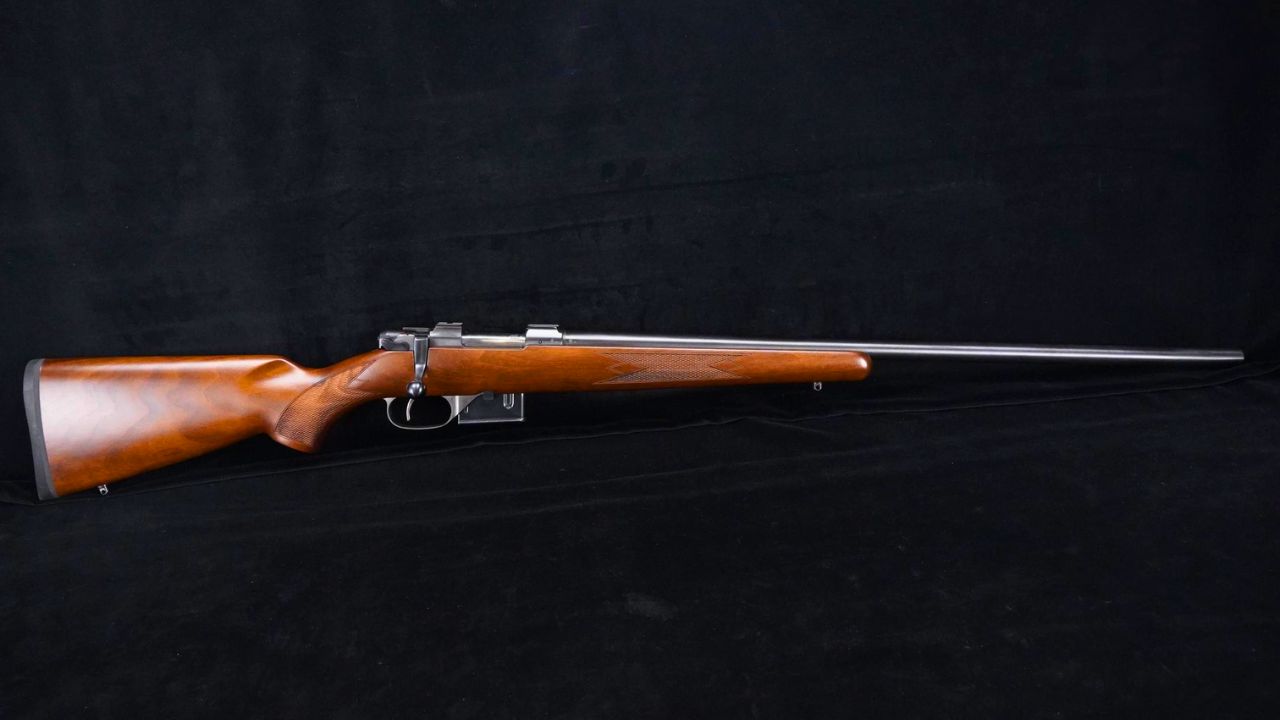
This little bolt gun was aimed at markets that appreciate compact, light rifles and intermediate cartridges. Over here it became a sleeper hit: handy, accurate enough, and just different from the sea of .223 and .308 bolt rifles.
Factory magazines aren’t as cheap as surplus AK mags, and the set trigger is something you either love or ignore. But for woods hunting, hogs, and general carry-around use, that rifle handles like it was made for it. A lot of folks realized what they had only after CZ discontinued the line. That one hurts.
14. Sako L46 / L461 “Vixen”
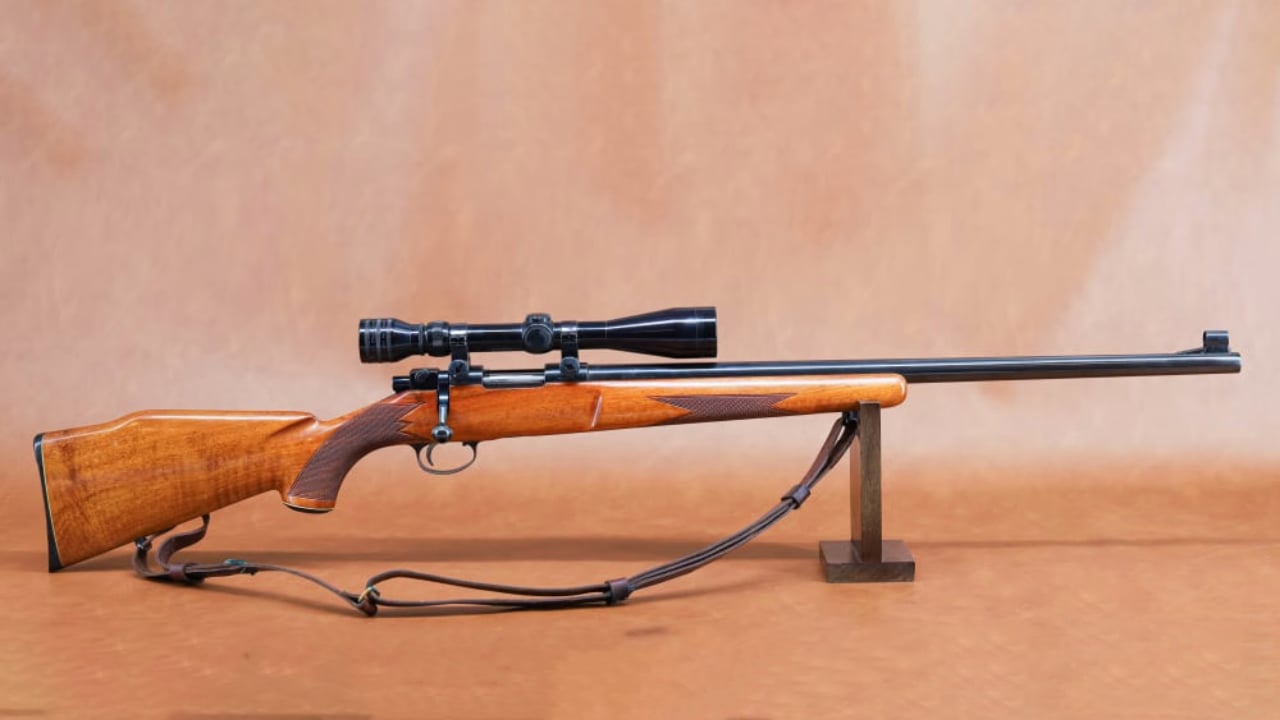
Sako built these for a European and export sporting market that values smooth actions and quality. They weren’t meant to be “budget” anything. Then American varmint and predator hunters got their hands on them and started treating them like heirloom tools.
They’re not cheap now, and you don’t want to beat one up in the back of a UTV. But the bolt feel is butter, the fit is real, and they shoot. If you’ve ever carried a nice small-action rifle all day, you understand why people hunt down these old Sakos instead of buying whatever is on the endcap.
15. Tikka T3x (Sako/Tikka)
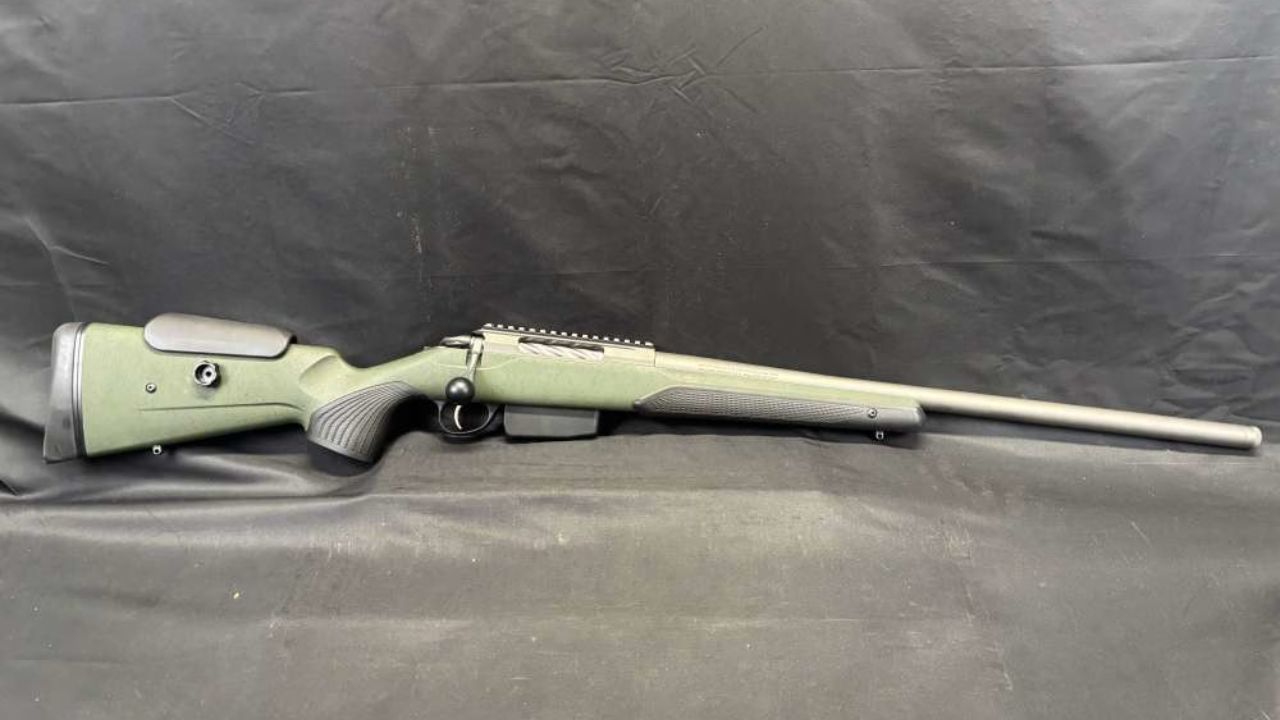
Tikka built a rifle for a market that wanted light weight, accuracy, and weather resistance without paying custom-shop money. Then it became the default “I just want it to shoot” rifle in a bunch of places that don’t care about brand loyalty.
The stock feels a little hollow to some folks, and the aesthetic is more practical than pretty. But the actions are smooth, they tend to feed well, and out-of-the-box accuracy is usually excellent. When a rifle makes sight-in day boring, it earns fans everywhere.
16. Howa 1500 (Howa Machinery)
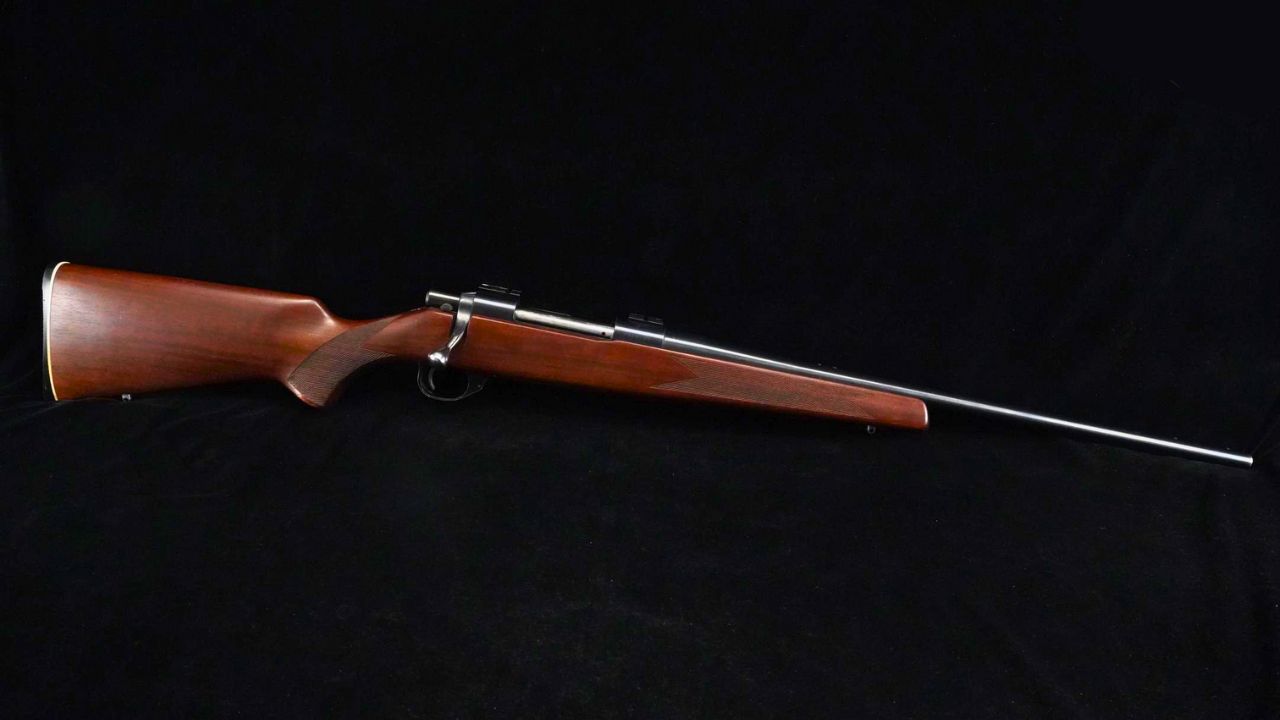
Howa built a strong, honest action that got branded and sold under different names in different markets. It wasn’t chasing fame. It was chasing function. Then shooters figured out it’s a whole lot of rifle for the money.
They can be a little heavier than the trendy mountain rifles, and factory triggers vary by era. But the actions are solid, aftermarket support is real, and they tend to shoot. As a working hunter’s rifle that can also be a budget precision trainer, the Howa quietly spread way beyond its intended lane.
17. Zastava M70 (and Zastava hunting Mausers)
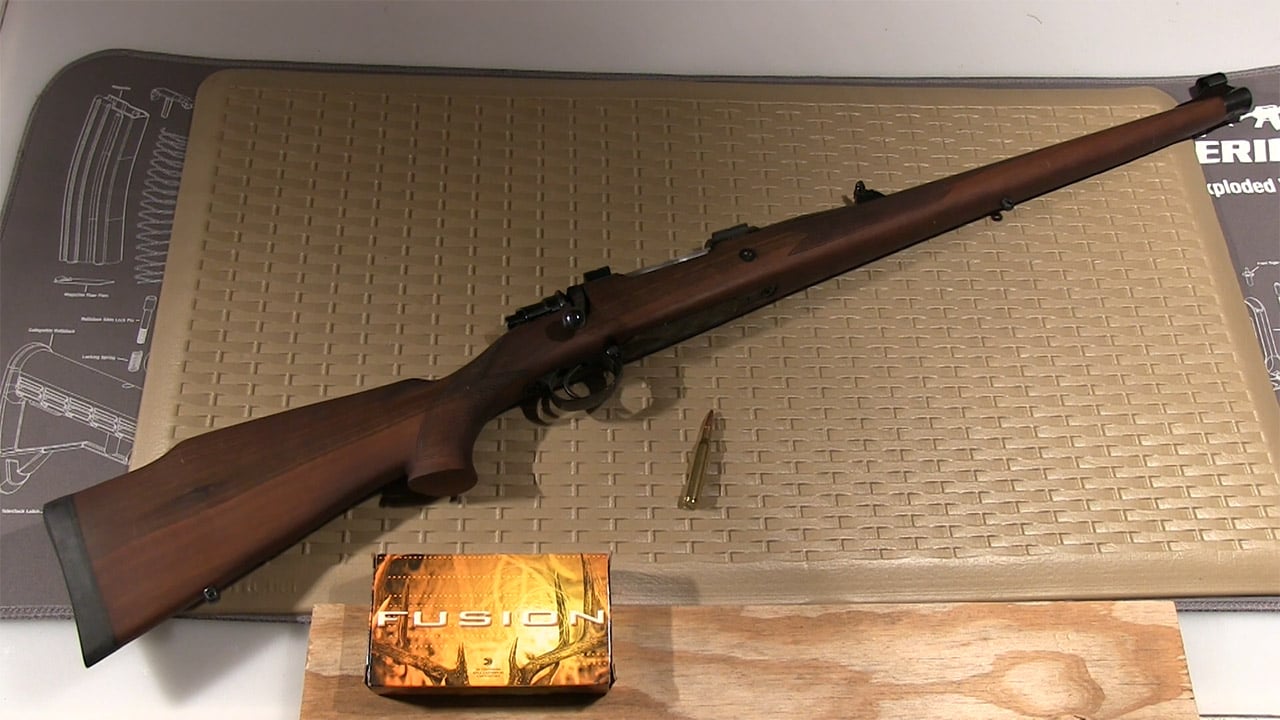
Zastava’s Mauser-pattern sporting rifles were built for export and regional markets that wanted proven actions at a fair price. In other places, they became the “buy it, hunt it, don’t baby it” rifles for guys who care more about meat than matching checkering.
The fit and finish can be a little rough compared to higher-end European guns, and you might want to check the stock bedding on some examples. But the core is there: a strong action, good feeding, and a rifle that doesn’t mind living in a truck during calving season.
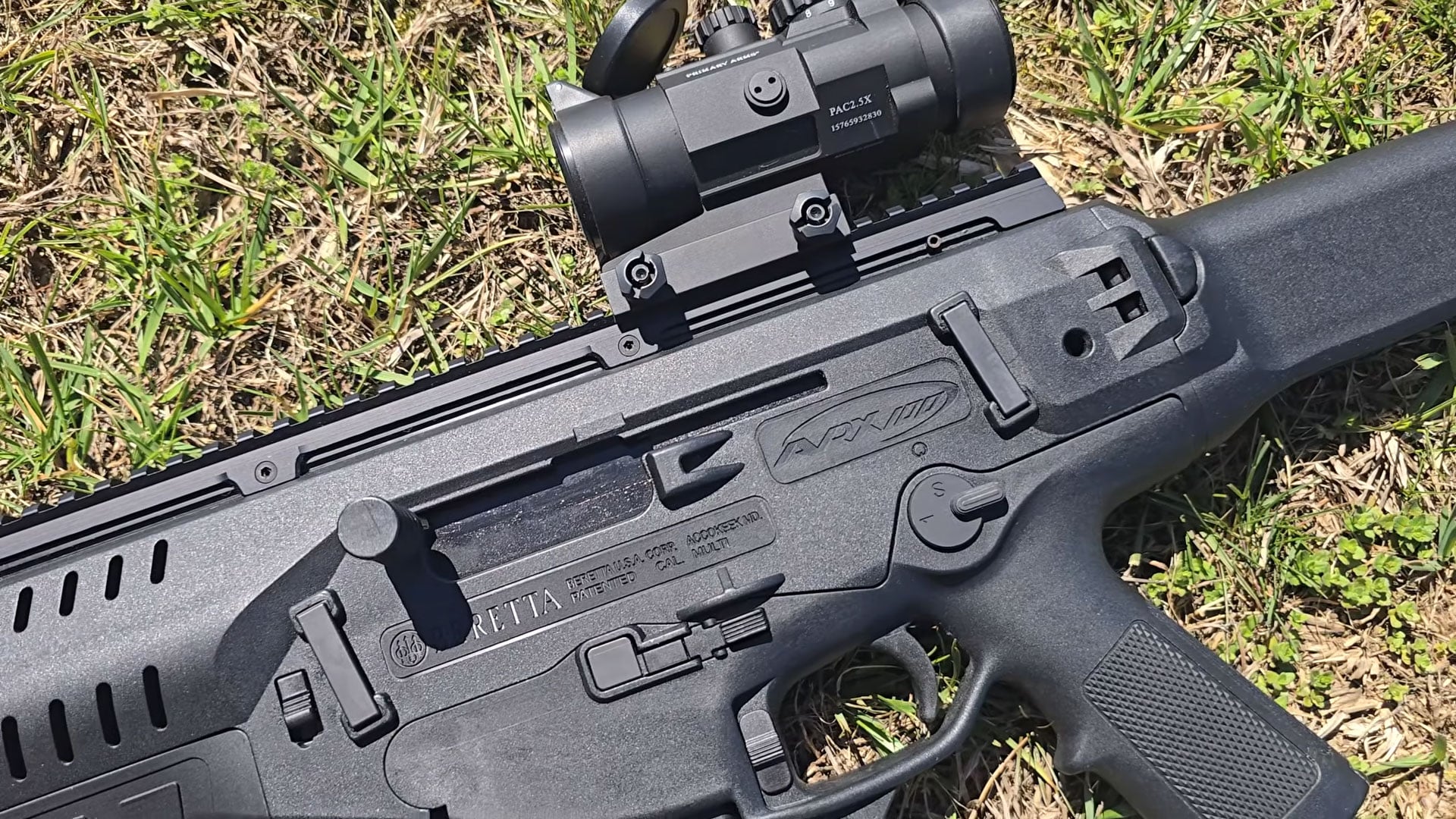
18. Beretta ARX100 (civilian ARX160 pattern)
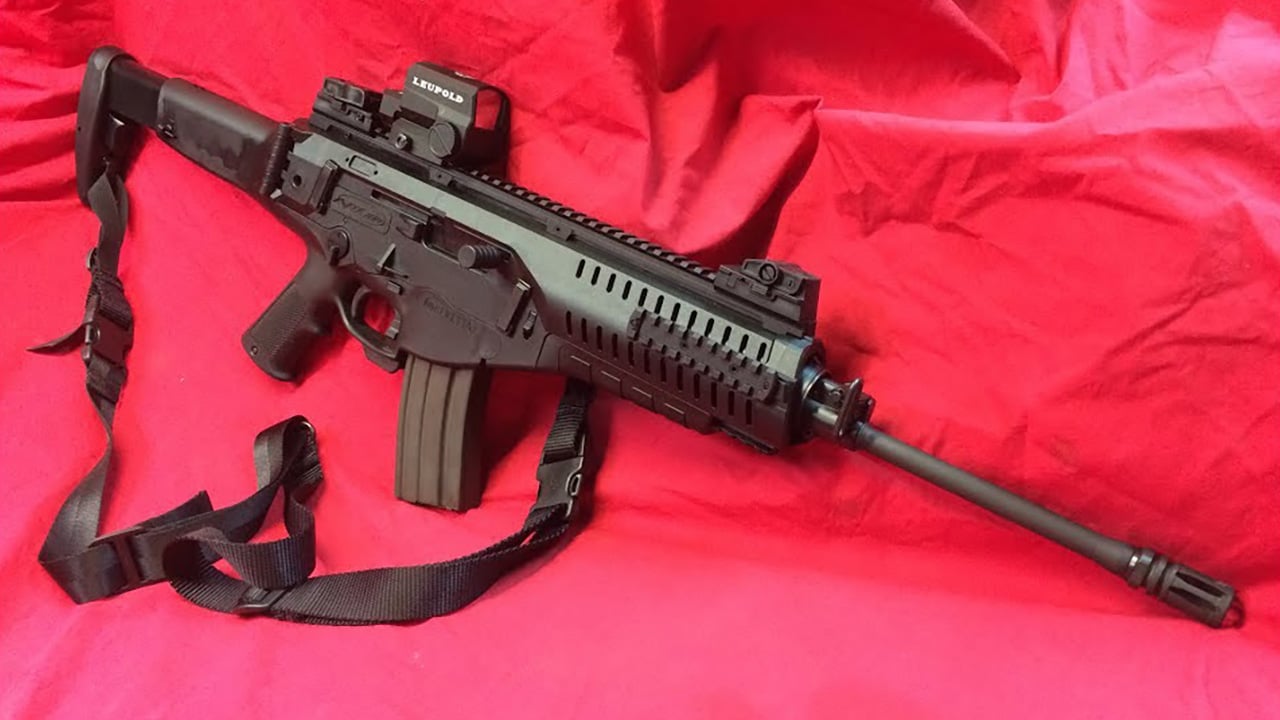
The ARX concept was built around military requirements: modular, adaptable, and user-serviceable. In civilian hands, it turned into a niche rifle that got appreciated by folks who wanted something reliable and different, especially in places where parts commonality matters less than overall durability.
Ergonomics are modern, but the feel is “polymer service rifle,” not “hand-fitted.” Some owners never warmed up to the trigger or the bulk. Still, it runs, it’s ambi-friendly, and it’s a legit option for shooters who want a piston gun without going down a never-ending upgrade rabbit hole.
19. Ruger Gunsite Scout Rifle (GSR)

This one was aimed at the scout-rifle crowd, which is a smaller market than the internet makes it sound. But the concept—short .308, handy sling points, rugged sights—ended up appealing to regular hunters and landowners who just wanted a practical rifle that carries well.
It’s not the lightest, and not everybody wants a forward optic setup. But with a conventional scope or a simple LPVO, it turns into a do-it-most rifle that you can actually tote all day. The detachable mags are a plus, and the iron sights are there when you need them, not just for looks.
20. Savage Model 110 (early long-action classics)

The Model 110 was built to be an affordable American hunting rifle, and that sounds like “one market” until you realize how far it traveled through rebrands, export, and a reputation for accuracy that didn’t care what stamp was on the barrel.
They aren’t glamorous, and plenty of them wear plain stocks and basic bluing. But they shoot, they’re easy to keep running, and they’re the kind of rifle you can hand down because it never demanded anything special from the owner. Boring rifles that work tend to get adopted everywhere.
What all these have in common isn’t hype or collector fever. It’s that they solved a real problem for somebody—reliability, accuracy, carry, cost, durability—and those needs don’t stop at a border. If you’ve got one of these that runs and shoots, I wouldn’t be quick to let it go. You might not find another that feels the same when the weather turns and the job actually needs doing.
Like The Avid Outdoorsman’s content? Subscribe to our newsletter so you never miss an article.
Here’s more from us: