Photo credit: PatrioticGenetics/Youtube
There’s a certain kind of gun-counter mistake that doesn’t show up until the “new gun smell” wears off. You trade a solid, boring pistol toward the hot new thing, walk out feeling like you upgraded your whole life, and then six months later you’re digging through old range photos thinking, “Why did I let that one go?”
Sometimes it’s because the replacement didn’t run as well. Sometimes it’s because you finally found a holster setup that worked… for the gun you traded. And sometimes you just realize the older pistol did everything you actually needed: rode in the truck, sat in the nightstand, came to camp, and never acted up.
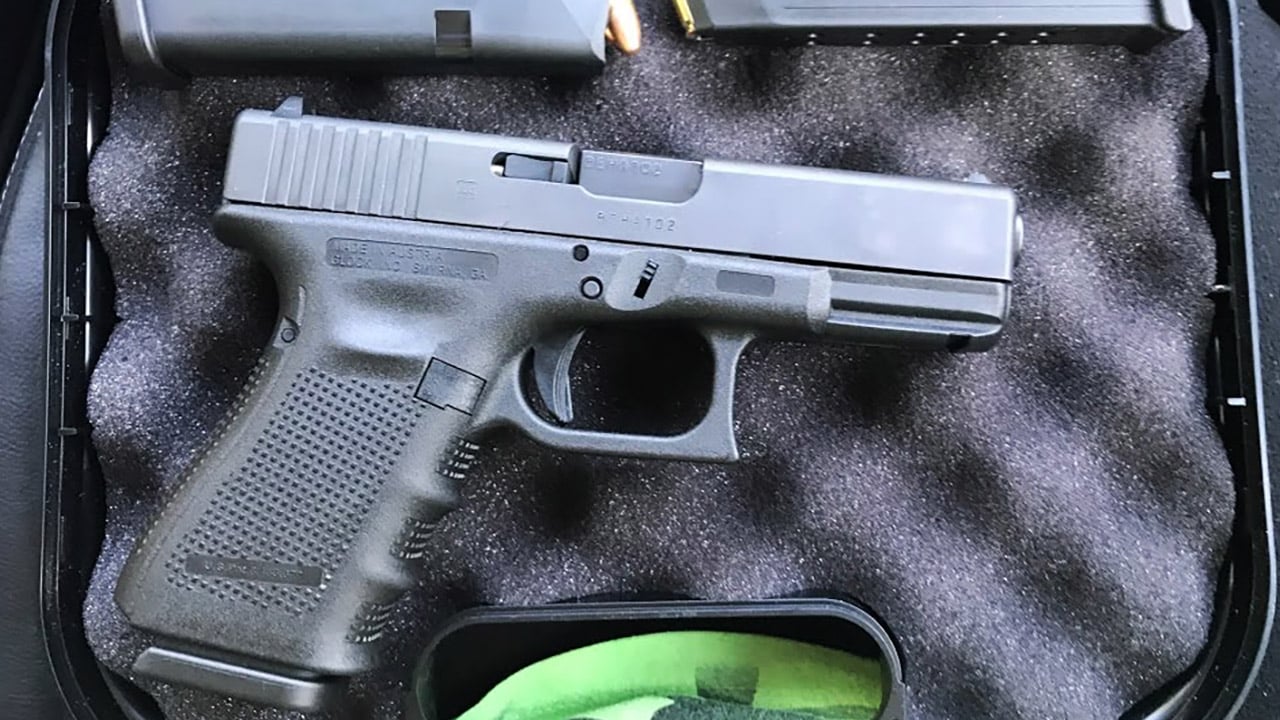
1. Glock 19 (Gen 3/4)
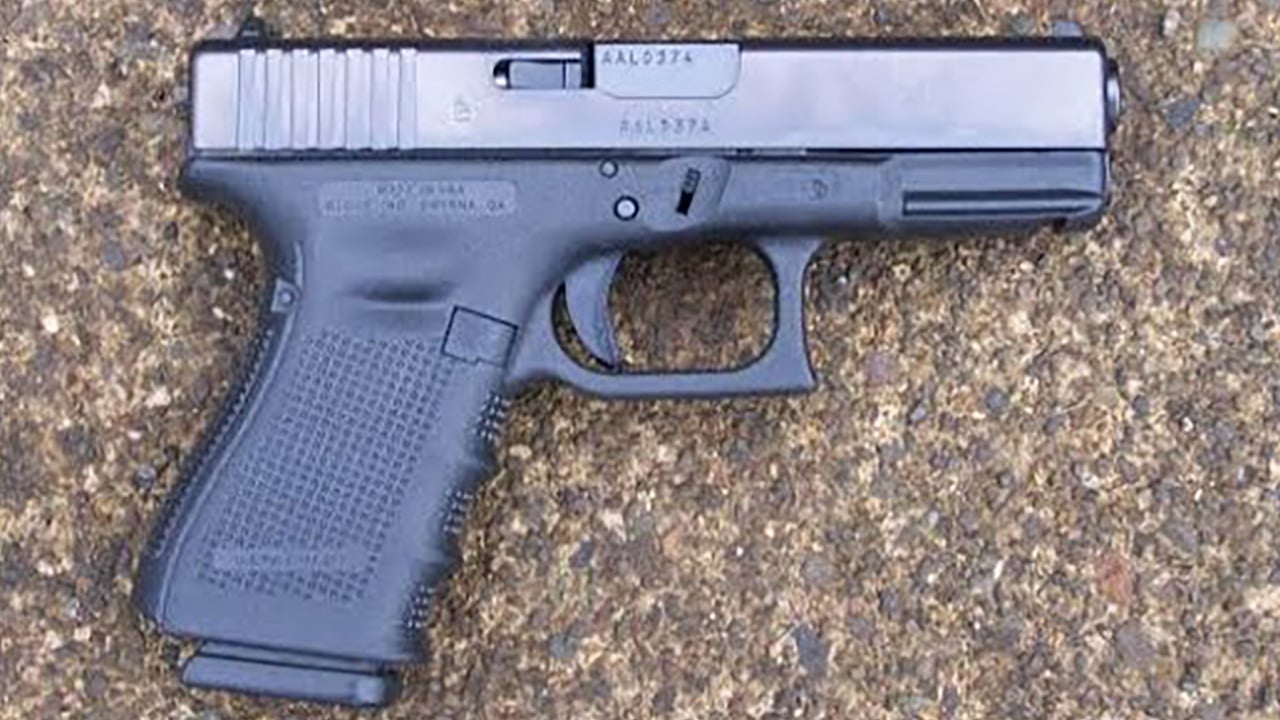
This is the classic “trade bait” because every shop has one, and everybody thinks they can do better. Then they get the newest compact wonder, put 300 rounds through it, and find out they miss the Glock’s boring consistency.
It carries easy, magazines are everywhere, and parts are basically a hardware store item at this point. The regret usually hits when you need a simple, reliable 9mm that any decent holster maker supports and any buddy can help you troubleshoot. Nothing fancy, and that’s the point.
2. Smith & Wesson M&P9 2.0 Compact
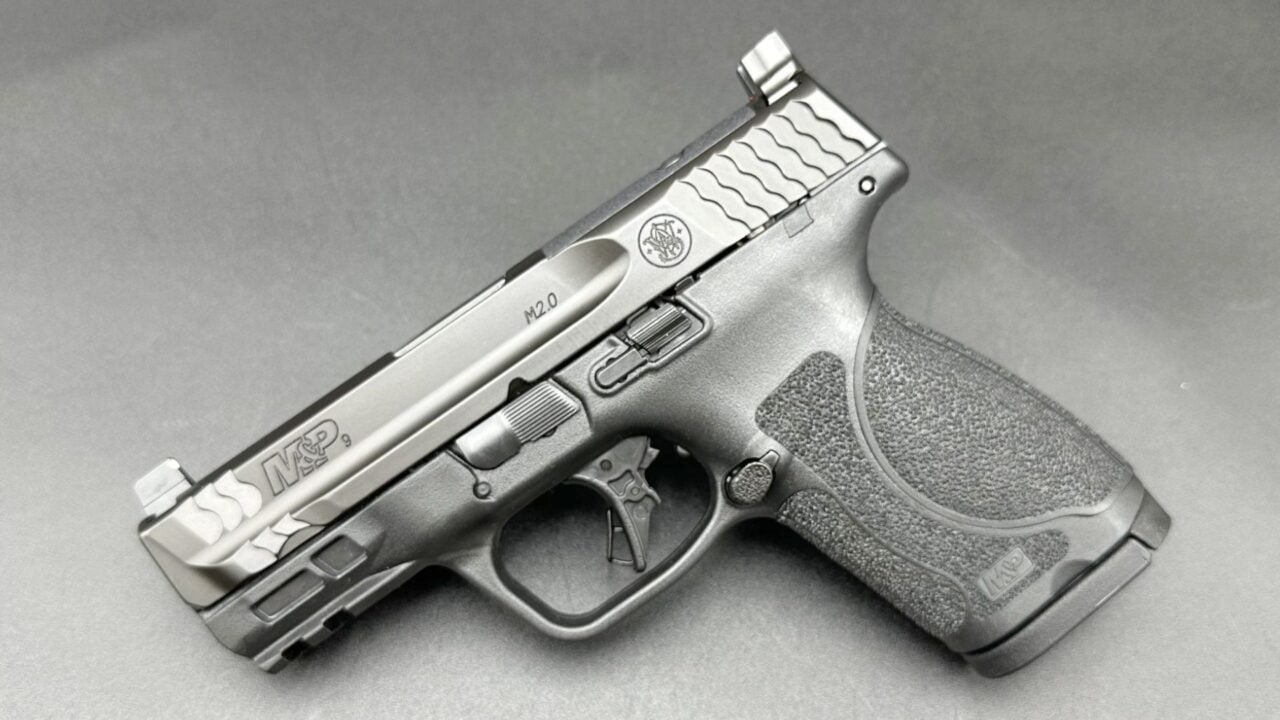
Folks dump these because the grip texture is aggressive or because they want whatever just launched with a new optics cut. Then they realize the M&P balance and recoil impulse are hard to replace at the same price.
The 2.0 series shoots flatter than it “should” for a compact. If you actually train, you’ll notice it in your split times and your hits at speed. It’s not a collector piece, it’s a work pistol.
3. SIG Sauer P365 (original)

Micro-compacts move fast, and the P365 gets traded for the XL, the X, the Macro, or the newest competitor with a cooler slide cut. Then summer carry shows up and you miss the smallest one you had that still shot like a real pistol.
The original size disappears under a T-shirt and doesn’t pull your belt around all day. When you’re running errands, working around the property, or climbing in and out of a stand, that matters more than an extra half-inch of grip.
4. Glock 43X
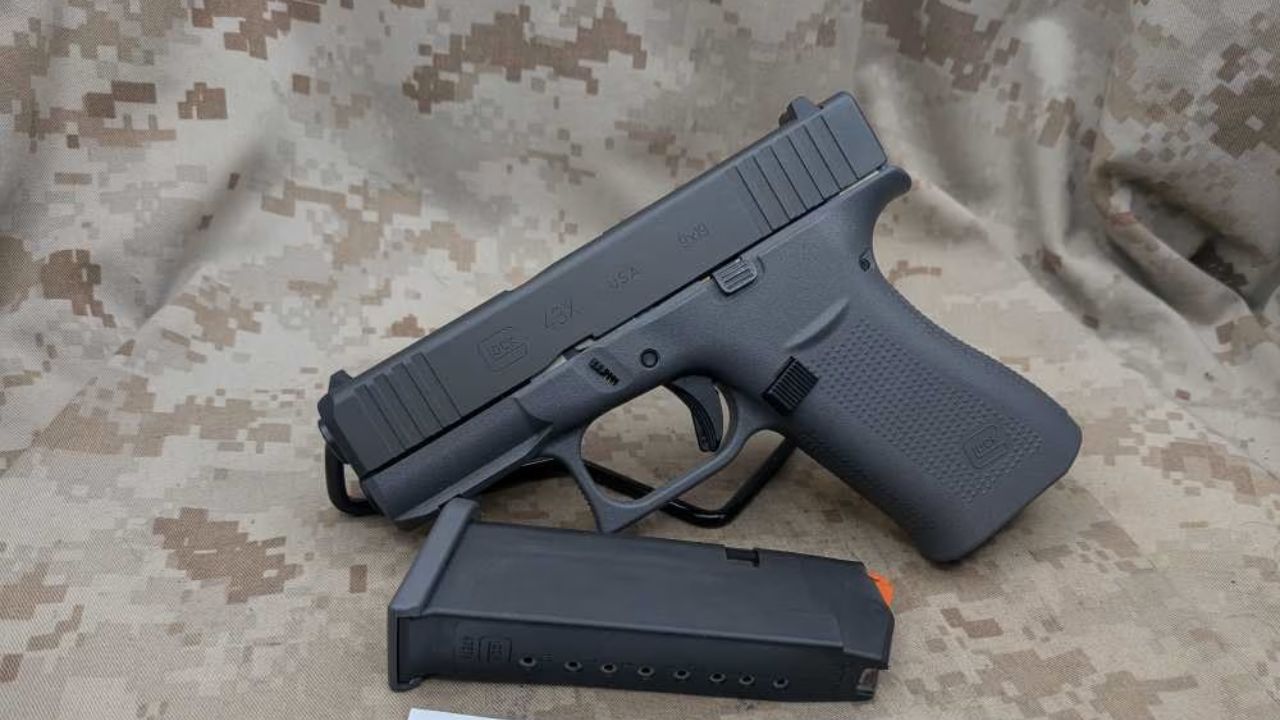
This one gets traded when somebody decides they “need” a double-stack compact again, or they chase whatever the internet is calling the best carry gun this week. Six months later they’re tired of printing and weight and they want the 43X back.
The 43X is simple, points naturally, and doesn’t require a PhD in holsters to carry comfortably. The regret is usually about comfort, not performance. You carry what you’ll actually keep on you.
5. Ruger SP101 (2.25-inch)

I get why people sell it. It’s heavier than the tiny revolvers, and it’s not as slick as a full-size .357. But it’s one of the few small revolvers that doesn’t feel like it’s trying to punish you.
It’s a “do stuff” handgun: snake loads, stout .357s, mild .38s, whatever you can find. When you’re around camp or doing chores and want something dead reliable, that chunky little Ruger starts to make a lot of sense.
6. Smith & Wesson Model 10 (K-frame .38 Special)
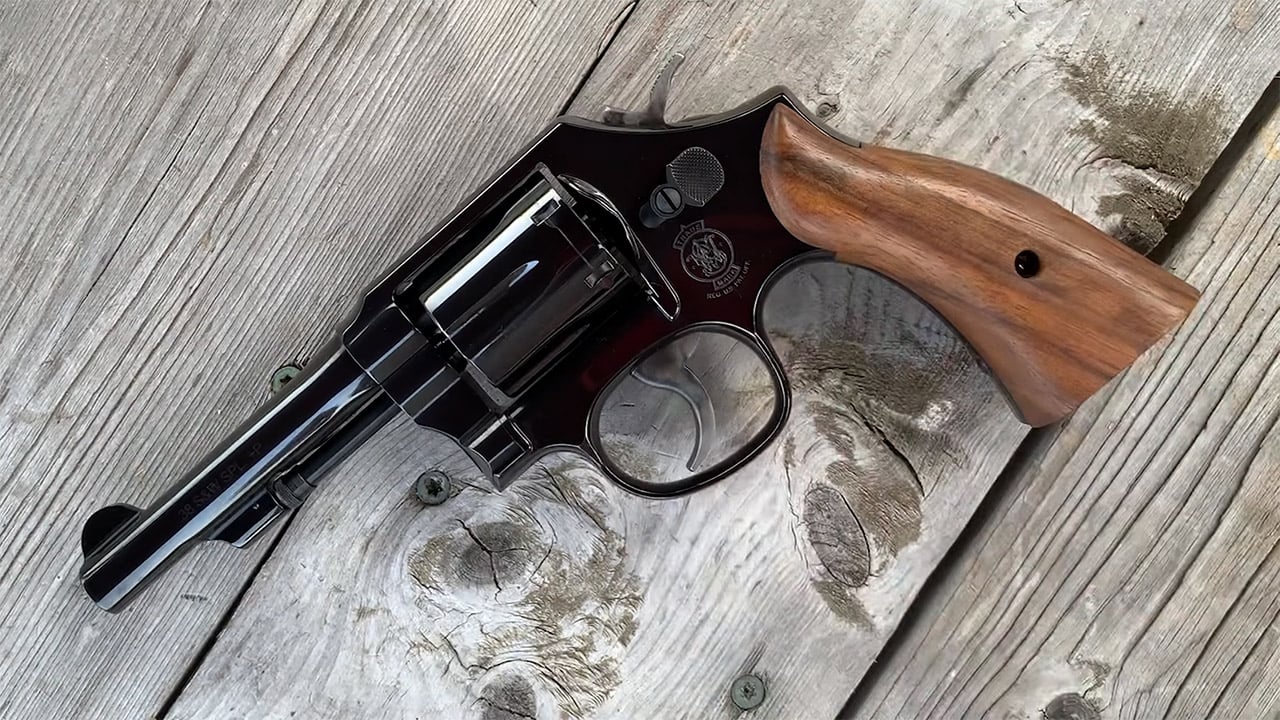
These get traded because they look old and they aren’t “tactical.” Then someone buys a lightweight snub, discovers what real recoil feels like, and suddenly the old service revolver doesn’t seem so dated.
A Model 10 points like your finger. It’s easy to shoot well, easy to maintain, and it’s the kind of gun you can hand to a new shooter without worrying they’ll get beat up by it. The regret is realizing you traded away comfort and confidence.
7. Ruger Mark IV (any standard model)
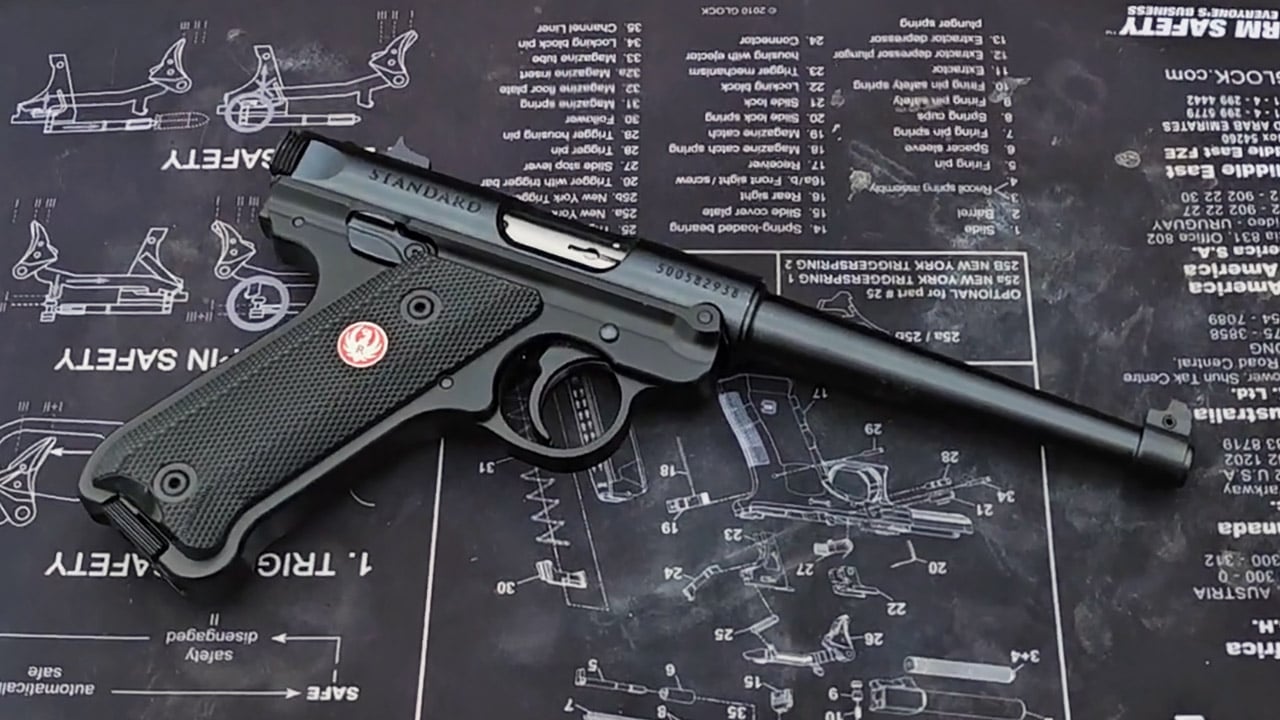
.22 pistols are the first thing folks sell when they get bored. Then ammo prices go up, or they start taking a kid or a new shooter to the range, and they realize a good .22 is the most-used handgun you can own.
The Mark IV is a range workhorse and a small-game tool where legal. It’s also the cheapest way to keep your fundamentals sharp. Selling a good .22 feels smart until you try to replace it.
8. Browning Buck Mark
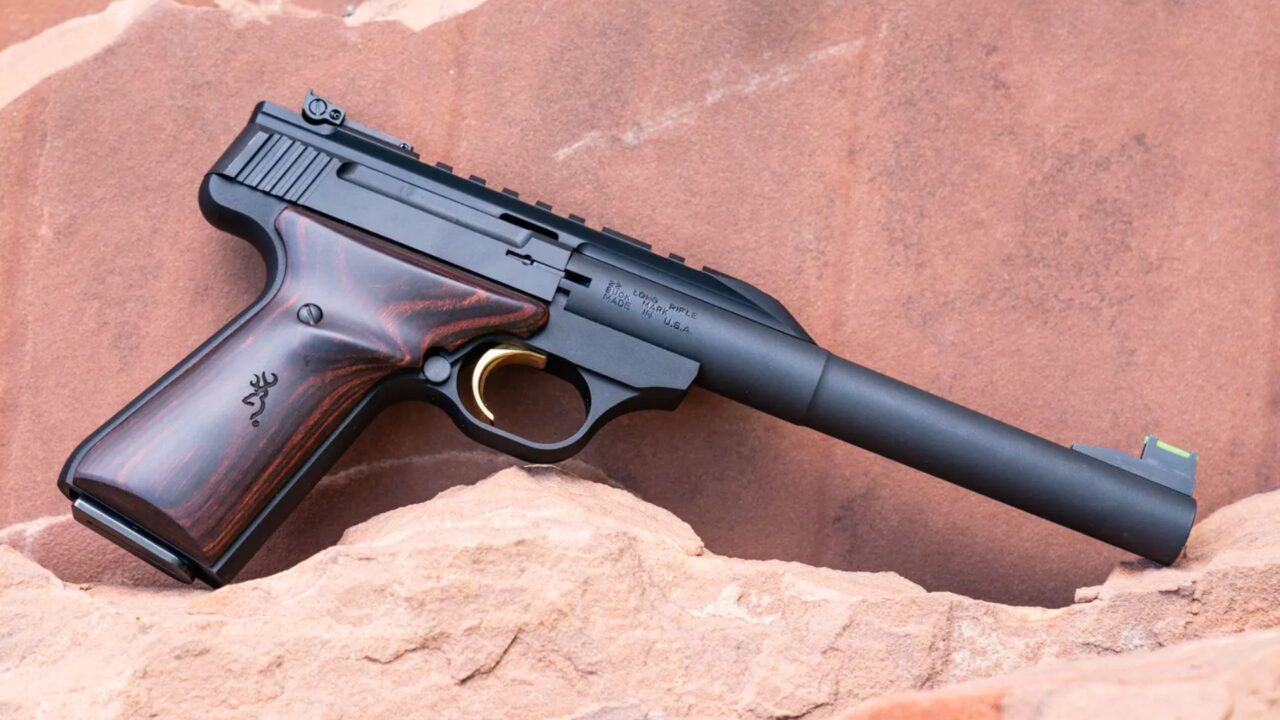
Same story as other .22s, but the Buck Mark regret is specific: it shoots better than it has any right to. People trade it for something “cooler,” and then they can’t get that same easy accuracy back.
The trigger feel and sight radius on many Buck Mark variants make them ridiculously pleasant. If you own land and shoot pests safely with a real backstop, it’s a handy tool. It’s also just plain fun.
9. Beretta 92FS
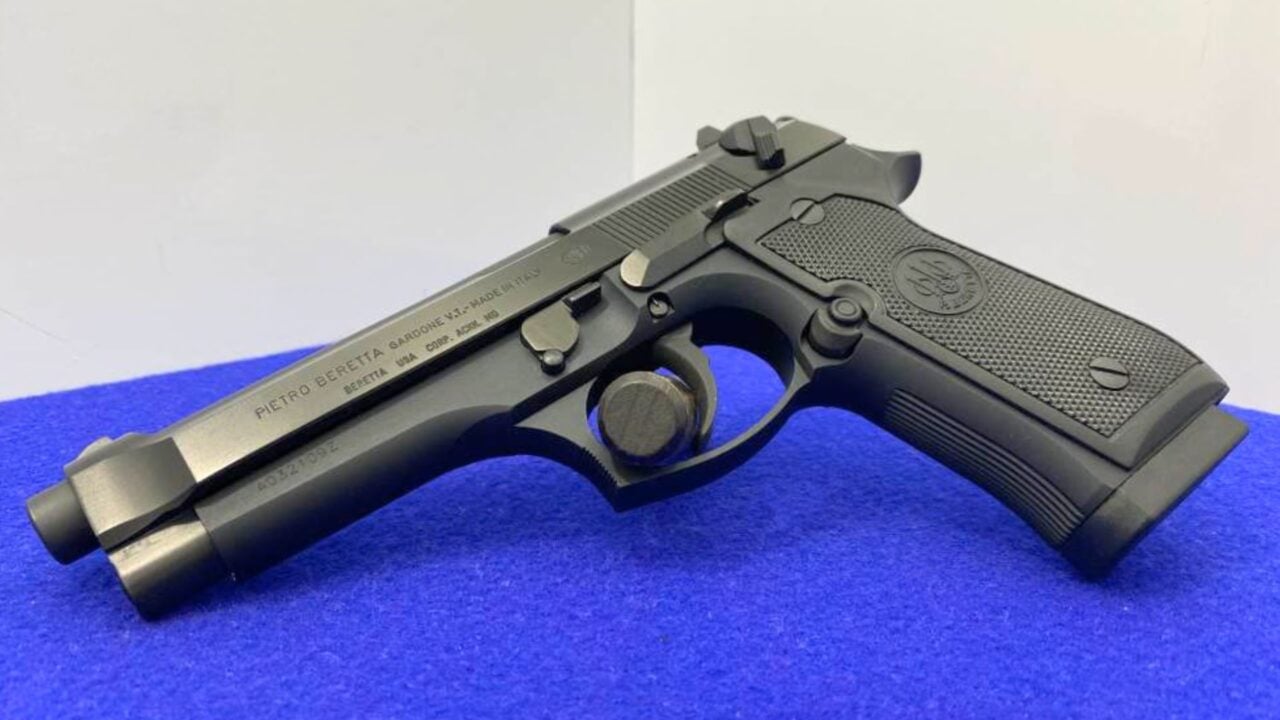
Heavy? Yep. Big? Yep. But the first time you run a 92 fast and smooth, you understand why folks keep them around. They get traded because they’re not trendy and they don’t carry like a compact.
The regret usually comes when the “upgrade” ends up snappier, pickier, or less forgiving. A 92 is steady, soft-shooting, and built for high round counts. There’s a reason so many of them are still running.
10. CZ 75B

Guys trade these chasing optics-ready striker guns, then realize they miss the way a steel CZ settles into the hand. The CZ 75B has that “points itself” feel, and it makes a lot of shooters look better than they are.
It’s not the lightest, and it’s not the easiest to mount optics on. But for a bedside pistol, a range pistol, or a “just because” pistol, it’s tough to beat. Selling one is easy; replacing the feeling isn’t.
11. CZ P-01
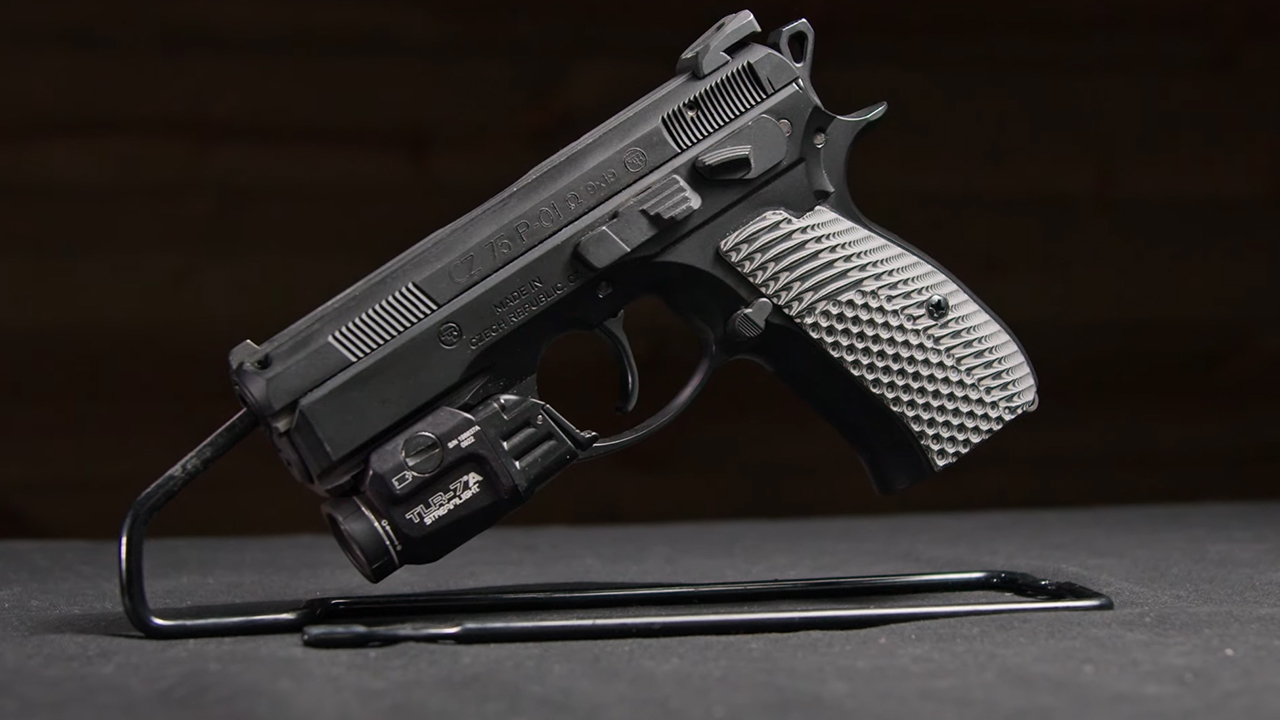
This one hurts because it’s one of the best do-it-all carry-capable DA/SA pistols out there. People trade it because they want lighter, thinner, or they’re tired of the DA/SA learning curve.
Then winter hits, they throw on a jacket, and they miss how stable and shootable the P-01 is. It’s the kind of gun you can shoot a lot without feeling like you’re wrestling it. And it’s trustworthy when it counts.
12. HK USP Compact
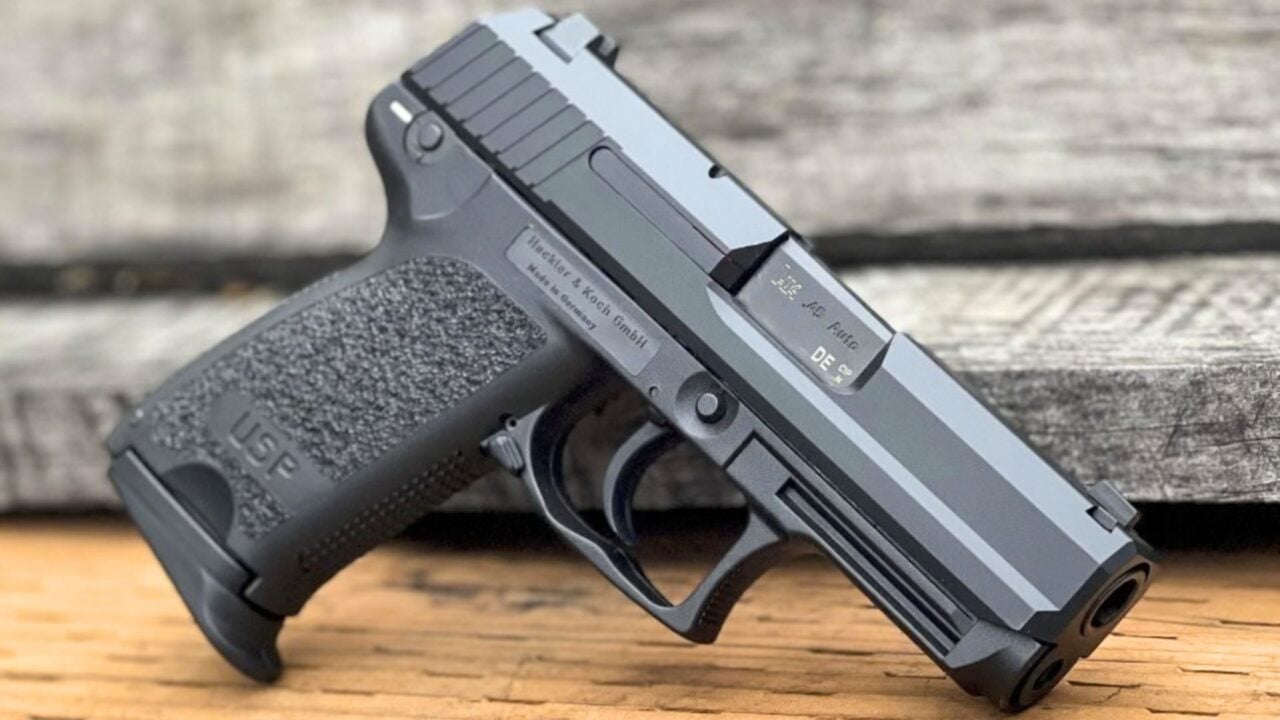
USPs get traded because the trigger isn’t modern-slick and the accessory rail isn’t the current standard on some versions. Also, they aren’t cheap, so trading one feels like “freeing up” money.
Six months later, the replacement gun is showing finish wear, or has little parts issues, and you remember the USP just ran. They’re overbuilt in a way you notice after you’ve owned a few pistols that aren’t.
13. Walther PDP Compact

This one gets traded for the next shiny thing because the market is crowded. But the PDP’s trigger and ergonomics tend to spoil folks, and they don’t realize it until they’re back on something that feels mushy or awkward.
It’s also one of those pistols that makes red dots feel natural. If you found your dot-ready groove with a PDP and then dumped it, you might spend a while trying to recreate that same “easy mode” feeling.
14. Springfield Armory XD (Service Model)

Internet chatter has pushed plenty of XDs onto trade shelves. And look, they aren’t the hottest thing going. But a lot of them have thousands of rounds with no drama, and owners forget how much that matters.
The regret usually comes from replacing a proven pistol with something unproven. The XD may be a little chunky, and the grip safety isn’t for everyone, but plenty of them just keep going. Boring is good in a defensive gun.
15. Ruger GP100 (4-inch)

Someone buys a GP100, realizes it’s not a lightweight carry gun, and trades it toward something slimmer. Then hunting season shows up, or they spend time in the woods, and they miss having a revolver that can actually handle full-power loads comfortably.
It’s a serious sidearm for rural living. If you ever run hot .357s, you’ll appreciate the weight and the way it soaks recoil. The GP100 isn’t cute, but it’s dependable.
16. Smith & Wesson 686 (4-inch)

A 686 often gets sold because it ties up money and sits in the safe. Then you take a class or you get serious about handgun accuracy and you remember why a good .357 wheelgun is such a strong teacher.
The double-action pull, the balance, the sight picture—those are real assets. And if you own one that’s tuned just right from years of use, good luck finding that same feel in a random used gun later.
17. Colt Python (modern or vintage)
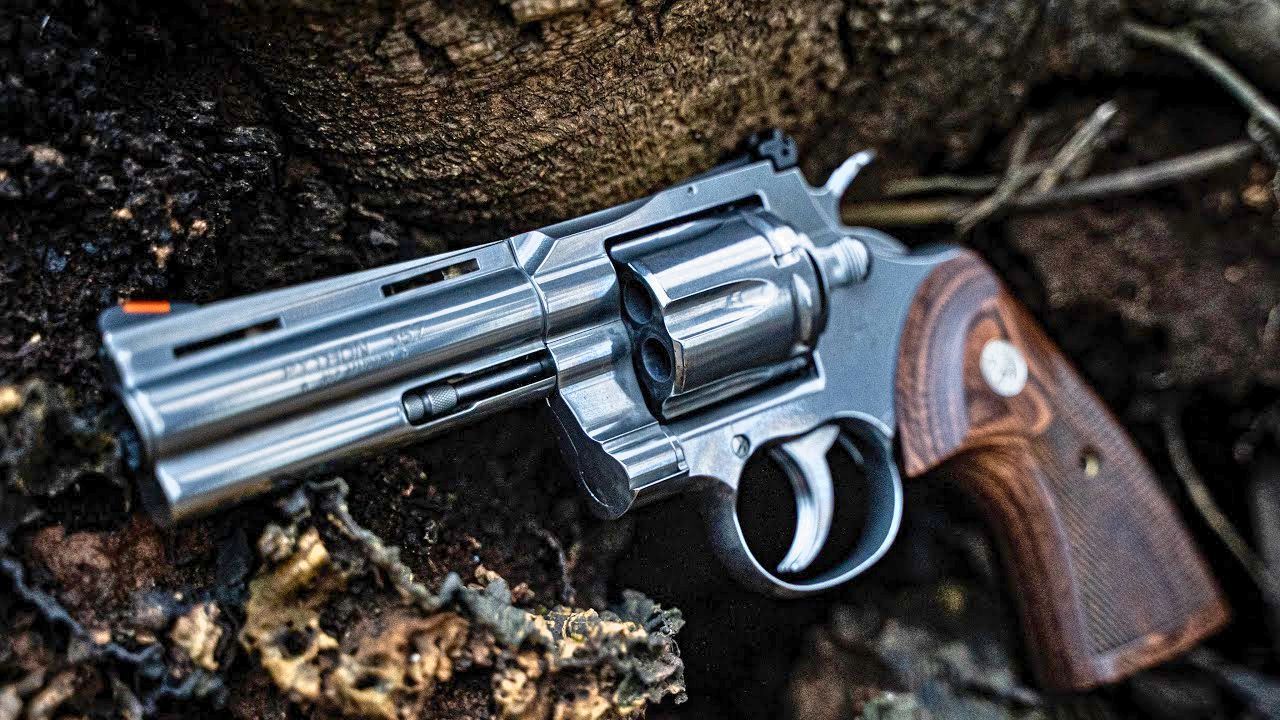
This is the “I needed cash for something practical” trade that turns into a long-term regret. I’m not saying everybody needs a Python, but if you had one and you liked it, trading it off for a polymer pistol is hard to swallow later.
The Python is part performance, part pride of ownership. Even the new ones have that smoothness folks want in a premium revolver. Regret shows up when you realize the new gun is useful, sure, but it doesn’t scratch the same itch.
18. Colt Detective Special
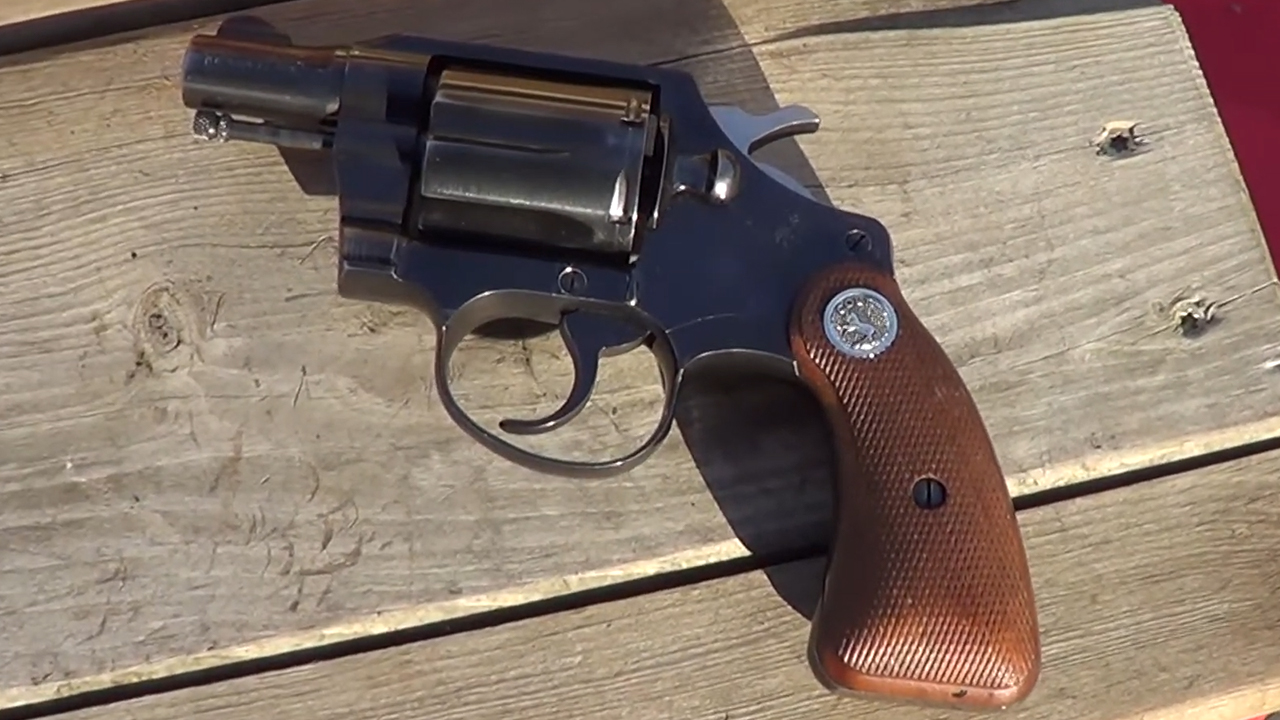
Small-frame Colts get moved along because people think all snubs are basically the same. They’re not. A Detective Special carries well but still gives you a little more shootability than the super-light pocket revolvers.
They’ve also gotten harder to find in nice shape, and “I’ll just buy another later” usually turns into “Why are they all beat up and expensive now?” If you had a clean one, that trade can sting.
19. Smith & Wesson Model 19 (K-frame .357)
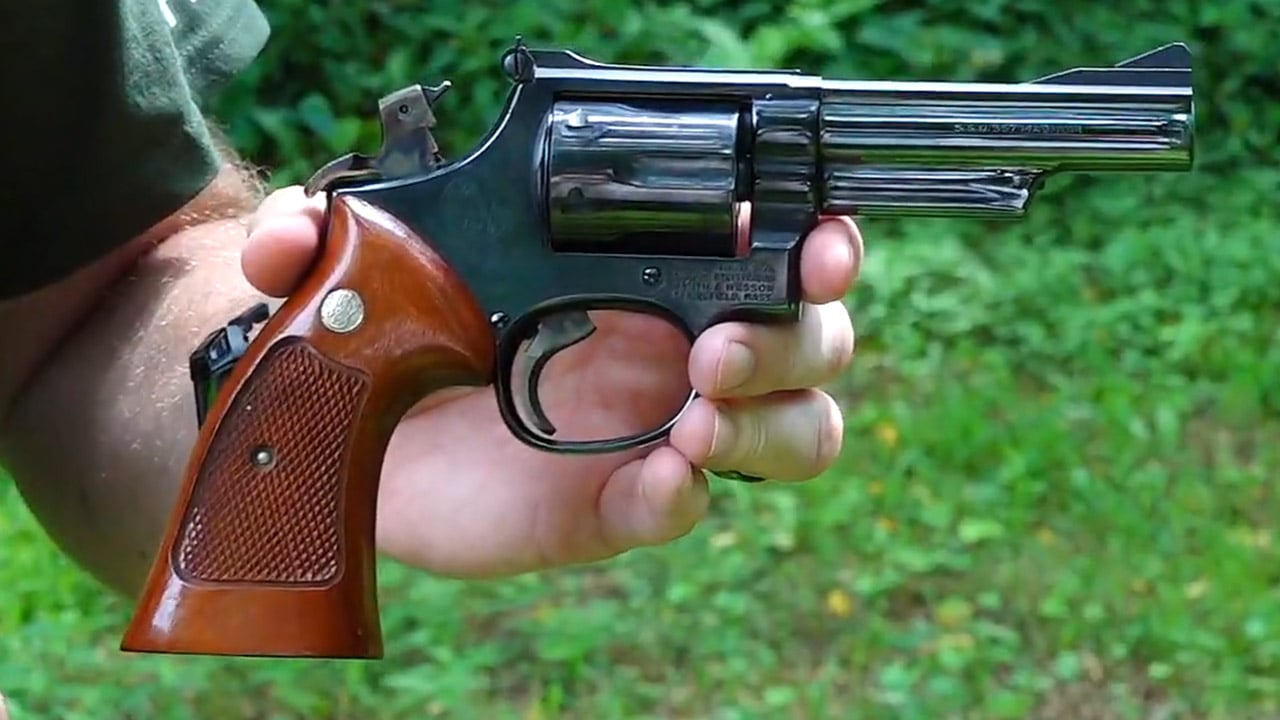
A Model 19 is one of those revolvers that feels alive in the hand. People trade them because they want a modern semiauto, or they worry about running heavy magnums all the time.
Here’s the deal: you don’t have to abuse it to enjoy it. With sensible loads, it’s an outstanding woods sidearm and one of the sweetest-carrying medium revolvers ever made. Letting one go is easy; finding another you trust is harder.
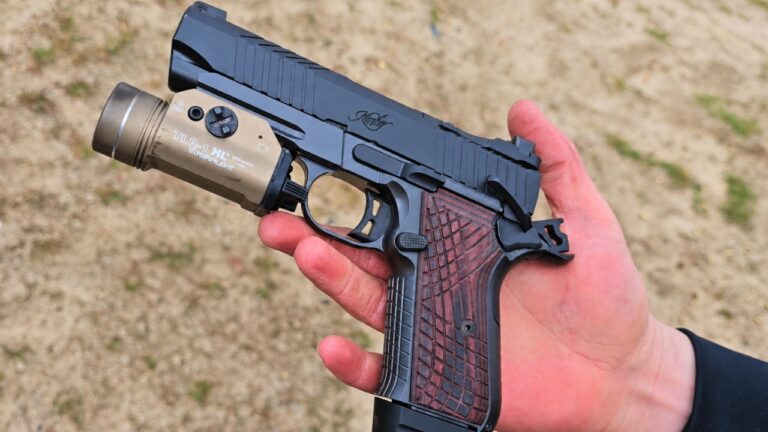
20. Kimber Custom II (full-size 1911)

1911s come and go in phases. A guy buys one, decides it’s too “high maintenance,” and trades it toward a striker gun. Then he misses the trigger, the pointability, and the way a steel 1911 carries flatter than you’d think.
Not every Kimber is perfect, and 1911s aren’t everybody’s answer. Still, a good-running Custom II is a very shootable pistol that makes accuracy feel simple. The regret isn’t always logical, but it’s real.
If you’re about to trade a handgun because it’s “old news,” do yourself a favor and slow down. Shoot it one more time. Carry it for a week. Price out magazines, holsters, and replacing it later. The new thing might be better, but a lot of the time the gun you already own is the one that actually fits your life.
Like The Avid Outdoorsman’s content? Subscribe to our newsletter so you never miss an article.
Here’s more from us: