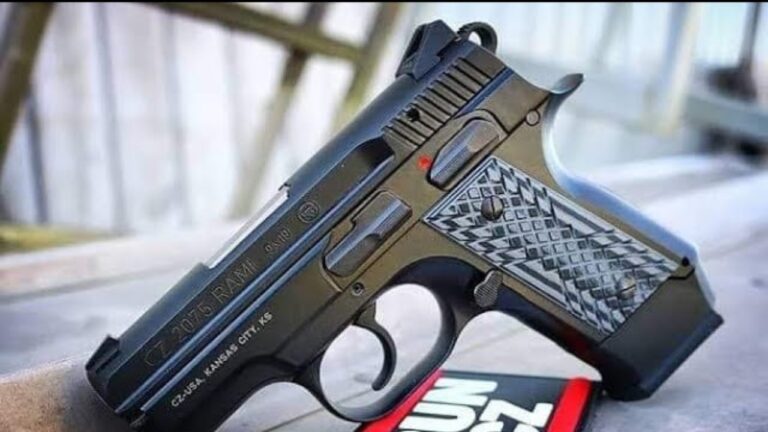
Photo credit: sootch00/YouTube
Lever-action rifles have a way of making perfectly practical gun owners sentimental. A bolt action may shoot tighter groups, a semiautomatic may hold more ammunition, and a modern chassis rifle may offer more adjustment, but none of them gives you quite the same mechanical satisfaction as cycling a lever and watching the next cartridge feed into the chamber.
The best lever guns also tend to become more personal with use. Walnut picks up marks, actions get smoother, and certain rifles eventually feel less like equipment and more like something that belongs with you every time you head into the woods. Some are excellent deer rifles, others are inexpensive rimfire plinkers, and several are simply fun enough that practicality becomes secondary. These are 20 lever-action rifles I find especially difficult not to like.
Henry Big Boy Steel .357 Magnum
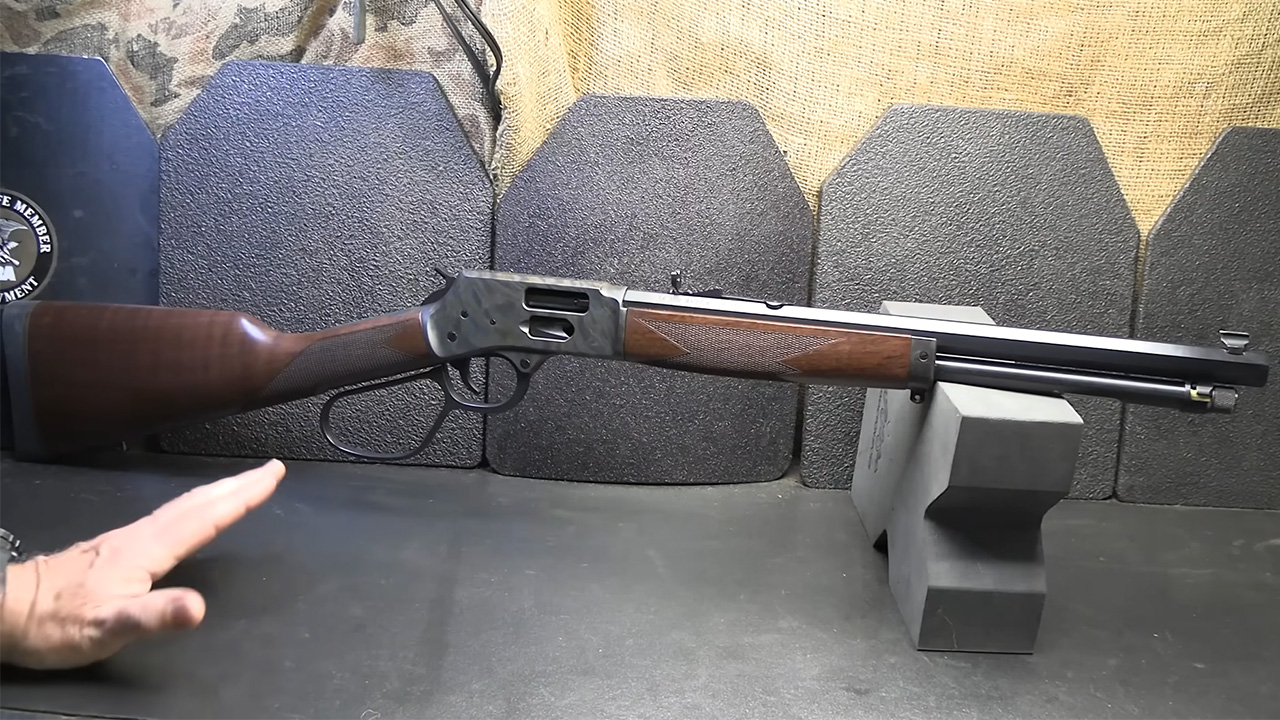
The Big Boy Steel in .357 Magnum may be one of the easiest lever rifles to recommend because almost everything about the combination makes sense. The steel receiver keeps the rifle sturdy without the visual flash of polished brass, while .357 Magnum gives you enough power for many short-range hunting and property uses without turning every range trip into an expensive event. You can also run .38 Special for mild recreational shooting.
What really makes the rifle likable is how pleasant it is to operate. The action has that smooth Henry feel, recoil with ordinary .357 loads is extremely manageable, and the rifle points naturally in the woods. Add a side gate on current configurations and the practicality improves even further. It is the kind of gun you buy for one purpose and eventually start carrying simply because you enjoy using it.
Marlin 1894 .357 Magnum

A short Marlin 1894 in .357 Magnum may be one of the most enjoyable centerfire rifles ever built. The compact receiver and pistol-caliber chambering create a rifle that feels almost ridiculously handy after carrying a conventional long-action hunting rifle. Recoil is mild, ammunition options are extensive, and the tubular magazine gives you plenty of shooting before the rifle needs attention.
I especially like the 1894 for woods hunting, property use, and general range shooting. It is powerful enough to be useful but mild enough that new shooters can actually enjoy it. The side-ejection receiver also makes conventional optics much easier than on some older lever designs. There are more powerful lever guns, but very few are as easy to shoot, carry, and simply have fun with.
Winchester Model 1873
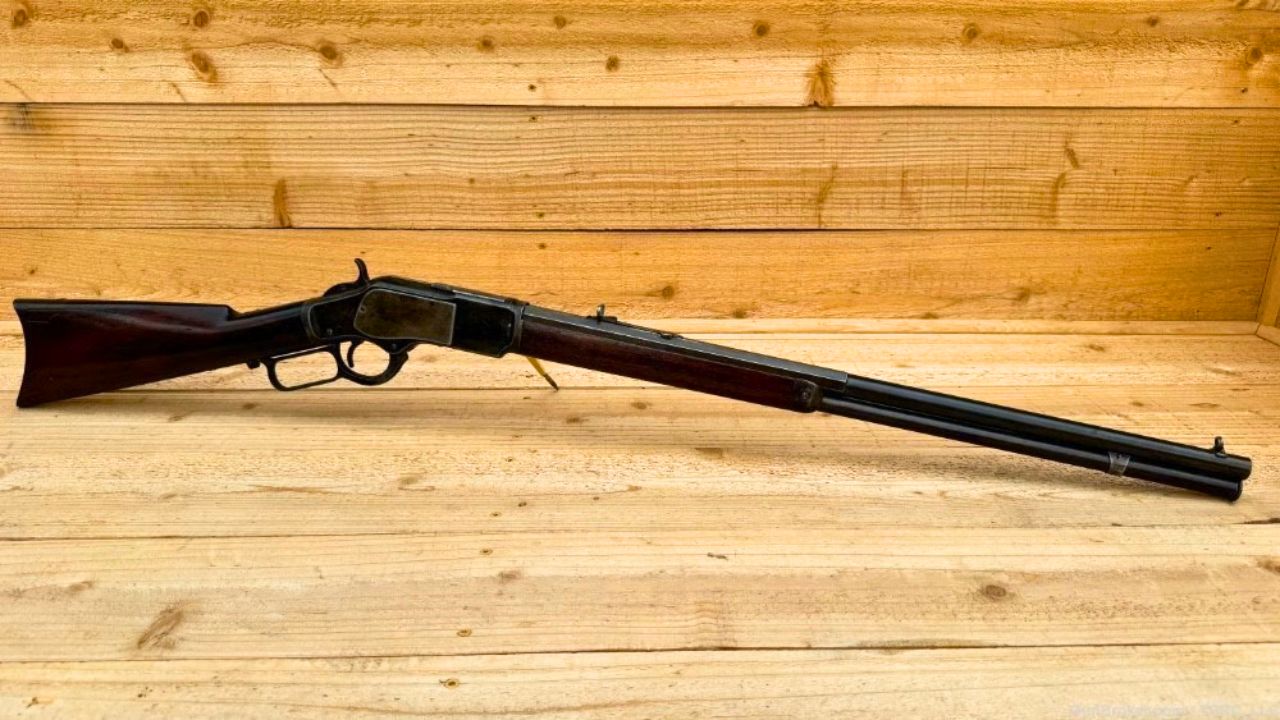
Few lever rifles have more personality than the Model 1873. The toggle-link action, straight receiver profile, and unmistakable Old West appearance give the rifle an appeal that goes far beyond practical ballistics. Cycle the action slowly and you can almost understand immediately why people become obsessed with nineteenth-century lever designs.
Modern reproductions make it possible to enjoy the experience without risking an original collector rifle. Chamberings such as .357 Magnum and .45 Colt are especially entertaining because recoil remains mild and ammunition can be paired with revolvers in the same caliber. The Model 1873 is not the rifle I would choose for maximum power or minimum weight. I would own one because shooting it makes an ordinary trip to the range feel different. Some guns are simply enjoyable machinery.
Uberti 1866 Yellowboy
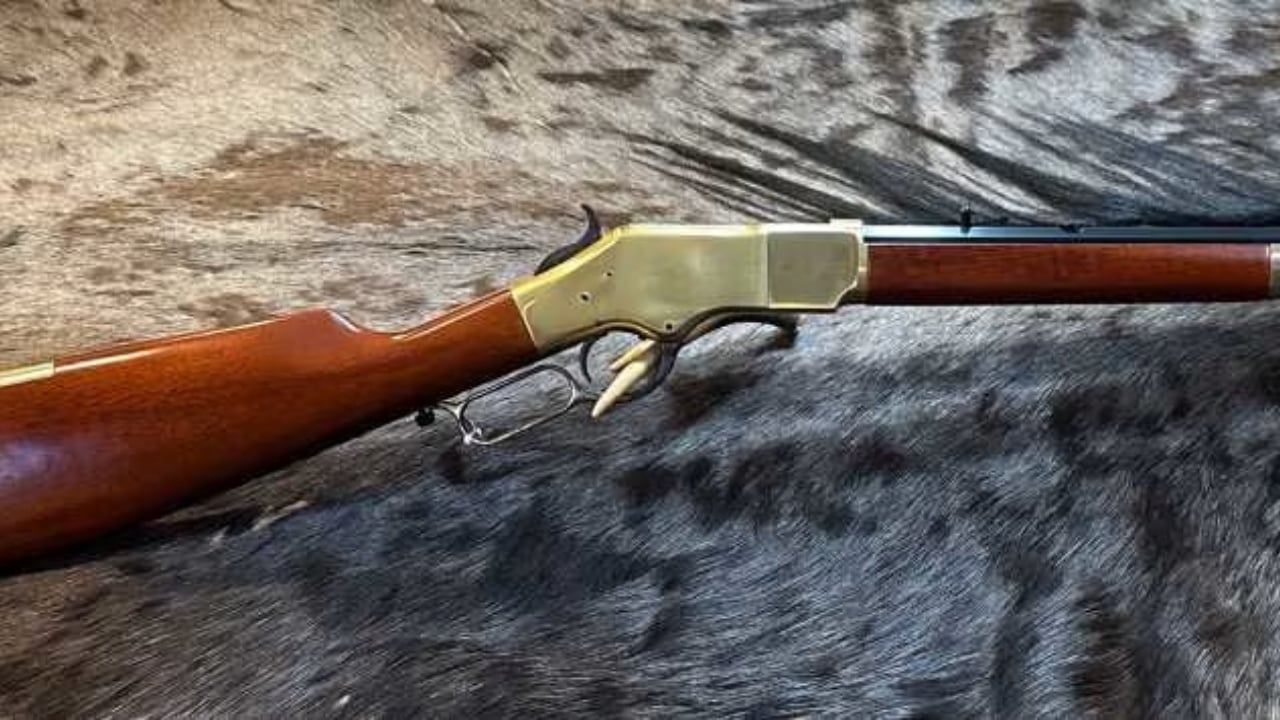
The 1866 Yellowboy may be one of the prettiest lever rifles ever reproduced. The brass-colored receiver, traditional stock, and graceful octagonal-barrel configurations make it look like something that should be hanging over a fireplace, but the real fun begins when you start running the action.
Like the later 1873, the 1866 uses a toggle-link system that produces an exceptionally smooth lever stroke when properly fitted. Mild pistol cartridges make the whole experience almost effortless. This is not a rifle for someone trying to squeeze maximum ballistic performance out of a lever gun. It is a rifle for someone who appreciates history, craftsmanship, and the sheer pleasure of cycling an old-style action. Every collection benefits from at least one rifle that exists primarily because using it makes you smile.
Browning BL-22

The BL-22 proves that a lever-action rifle does not need a centerfire cartridge to become addictive. Browning gave the little rimfire an unusually short lever throw, which allows the shooter to cycle the action without moving the firing hand nearly as much as on traditional lever rifles.
That small detail completely changes the experience. The rifle is quick, smooth, light, and ridiculously fun with .22 LR. It is also built with enough quality that it feels like a real sporting rifle rather than a children’s plinker. I particularly like the BL-22 as a rifle someone can own for decades and eventually hand down. Rimfire ammunition keeps the cost of shooting reasonable, and the lever action ensures the experience never becomes boring. A good .22 should make you want to keep shooting, and the BL-22 absolutely does.
Henry Small Game Rifle .22

Henry’s Small Game Rifle takes the company’s basic rimfire lever platform and turns it into something particularly useful for actual field shooting. The receiver-mounted aperture sight gives the rifle a much cleaner sight picture than the tiny open sights found on many rimfires, while the traditional lever action remains smooth and easy to operate.
This is exactly the kind of rifle I would want for squirrels, rabbits, or simply walking property with a handful of .22 ammunition. It is light enough to carry without thinking about it and accurate enough that the shooter quickly realizes the limiting factor is usually himself rather than the rifle.
There are cheaper .22 lever guns and there are more elaborate ones. The Small Game Rifle lands in an especially likable middle ground where the features actually help you use the gun rather than merely making it look more expensive.
Marlin 39A
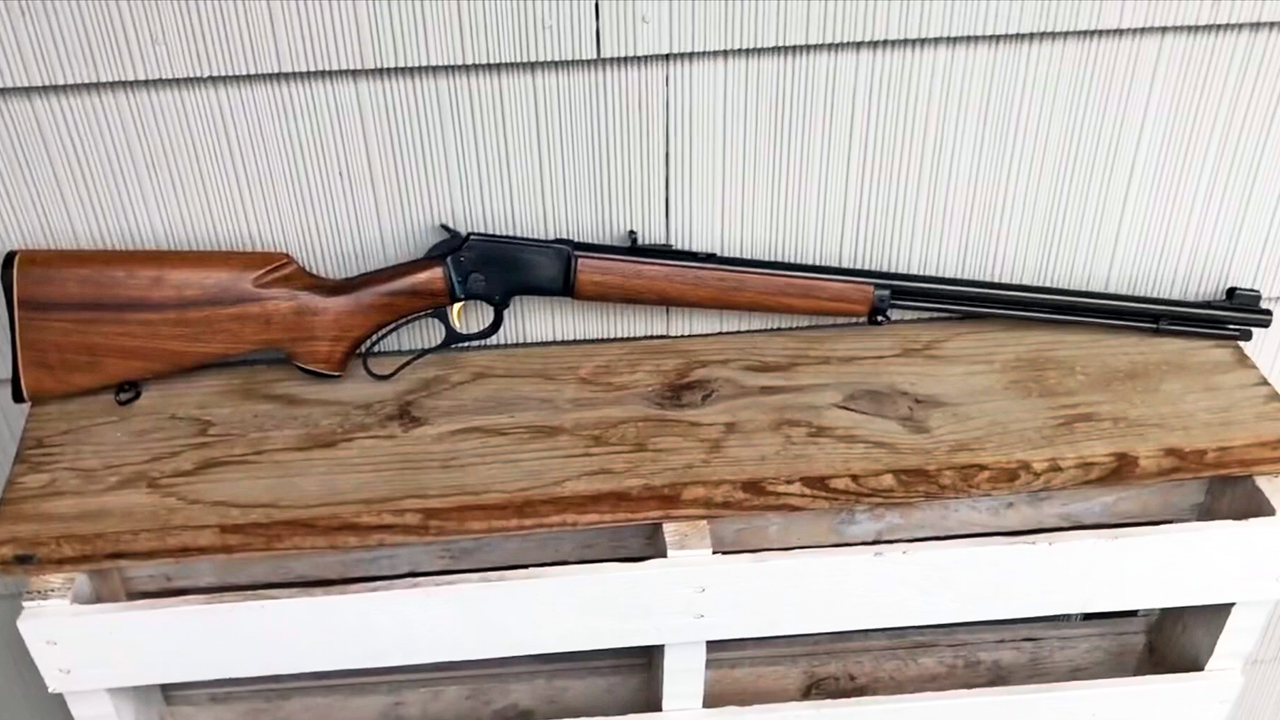
The 39A may be one of the finest traditional rimfire lever rifles ever produced. It has the weight, steel construction, and solid feel of a centerfire rifle even though it is chambered in .22. That can seem excessive until you start shooting one. The extra mass makes the rifle extremely steady, and the action can become incredibly smooth after years of use.
What makes the 39A special now is how different it feels from lightweight modern rimfires. This is not a rifle designed to shave manufacturing cost or ounces everywhere possible. It feels permanent. Plenty of examples have already served several generations and remain perfectly capable of doing it again.
A 39A may be heavier than necessary for plinking, but that is part of the charm. It feels like a serious rifle built around an inexpensive cartridge, and that combination is becoming increasingly unusual.
Winchester Model 94 .30-30
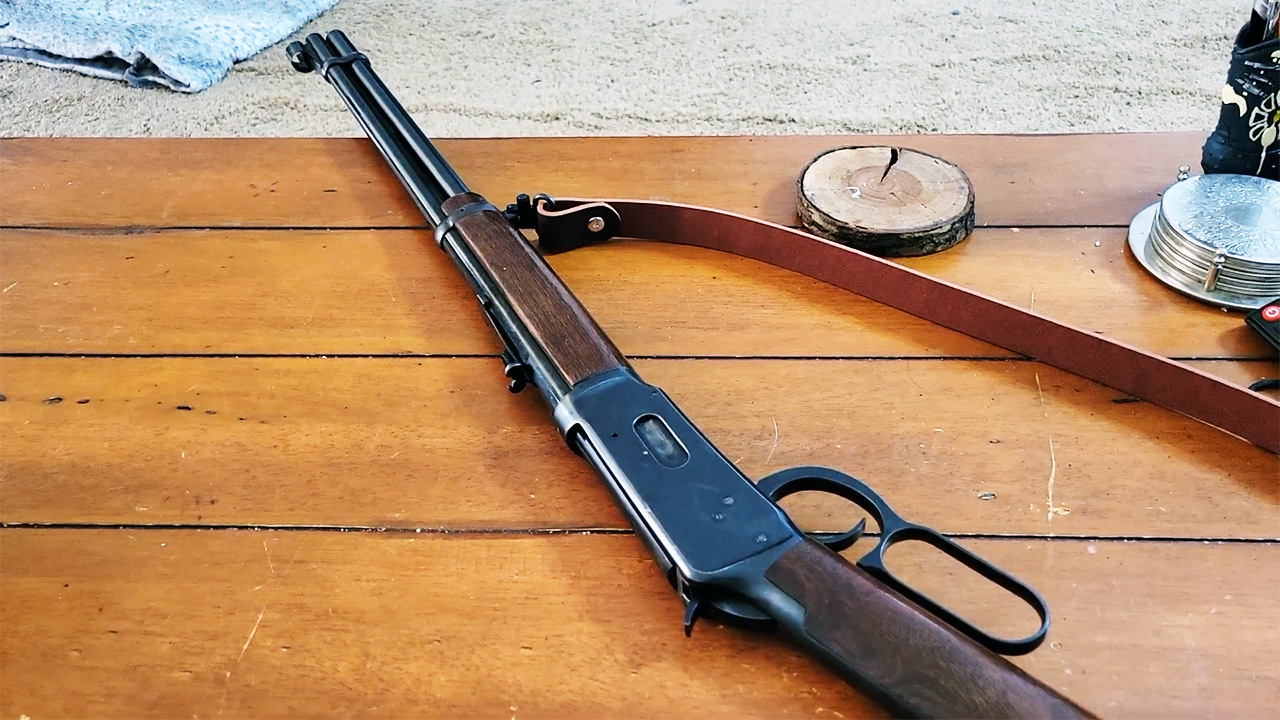
The Model 94 is so familiar that it is easy to forget just how good the basic design remains for ordinary deer hunting. The rifle is thin through the receiver, light enough to carry all day, and incredibly quick to shoulder in timber. Chamber it in .30-30 and you have a combination that has been solving the same hunting problem successfully for generations.
A Model 94 also carries better than its specifications suggest. The flat receiver sits close against the body, and the rifle does not have a detachable magazine or large bolt handle sticking out anywhere. It simply disappears against your shoulder.
There are far better rifles for long-range hunting, but in thick woods I rarely care. A quick, light lever rifle that puts the first shot where it needs to go remains extremely difficult not to appreciate.
Marlin 336 Classic
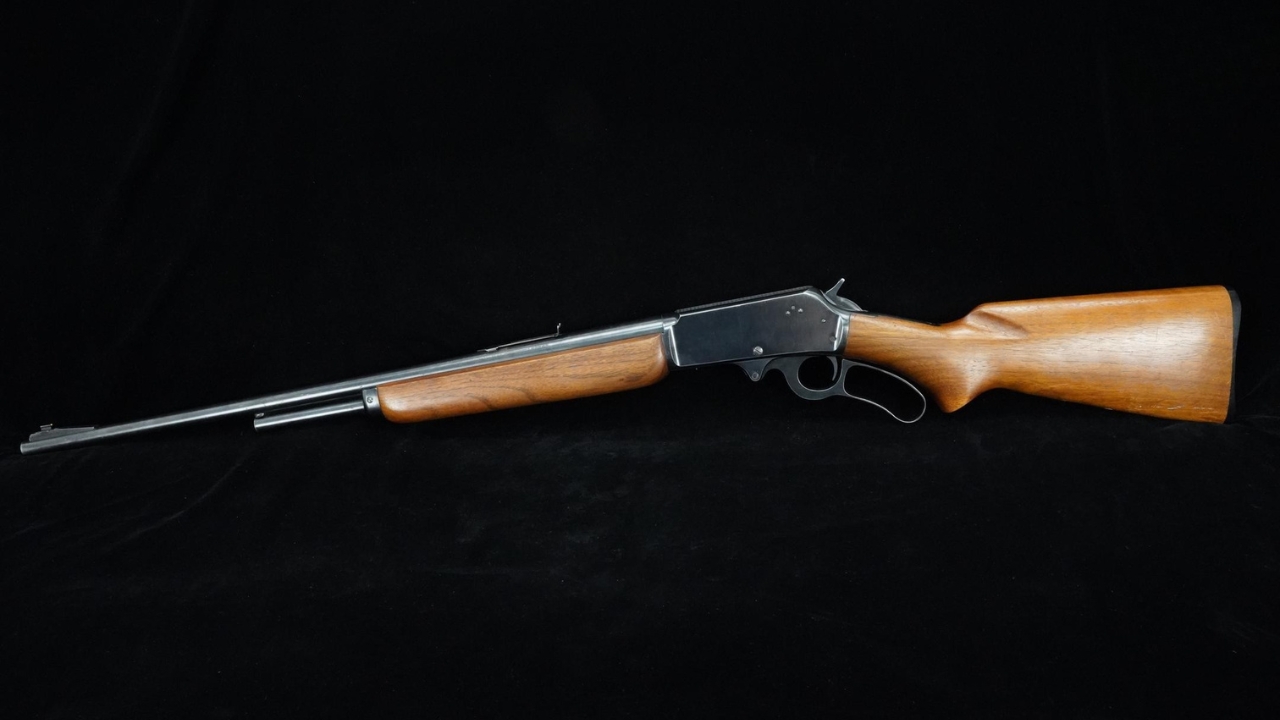
The 336 Classic takes everything people love about the traditional .30-30 woods rifle and packages it into a side-ejecting action that is exceptionally easy to live with. Mounting a conventional scope is straightforward, the receiver feels substantial, and the pistol-grip stock gives the rifle a slightly different handling character from a Winchester 94.
What I like most is the balance. The 336 is heavy enough to feel steady but still compact enough to carry through brush without becoming irritating. Recoil from .30-30 is mild, and the cartridge remains extremely capable inside the distances where most wooded-country deer are actually shot.
A good 336 rarely feels like it needs much modification. Put an appropriate optic or receiver sight on it, find ammunition it likes, and go hunting. That straightforward usefulness is exactly why so many people become attached to them.
Marlin 1895 Trapper

The 1895 Trapper takes a genuinely powerful cartridge and packages it into a short rifle that feels made for thick woods and rough country. The abbreviated barrel keeps the overall length manageable, while the stainless construction on appropriate configurations makes the rifle less worrisome around rain, humidity, and hard outdoor use.
The .45-70 is obviously more rifle than many deer hunters need, and full-power ammunition can remind you of that immediately. The upside is versatility. Mild loads can be surprisingly pleasant, while heavier ammunition gives the cartridge serious capability for larger game at sensible distances.
The Trapper is one of those guns that feels purposeful the second you pick it up. It is short, substantial, and mechanically satisfying. Even shooters who have no practical need for a .45-70 often find themselves wanting one anyway.
Henry All-Weather .45-70
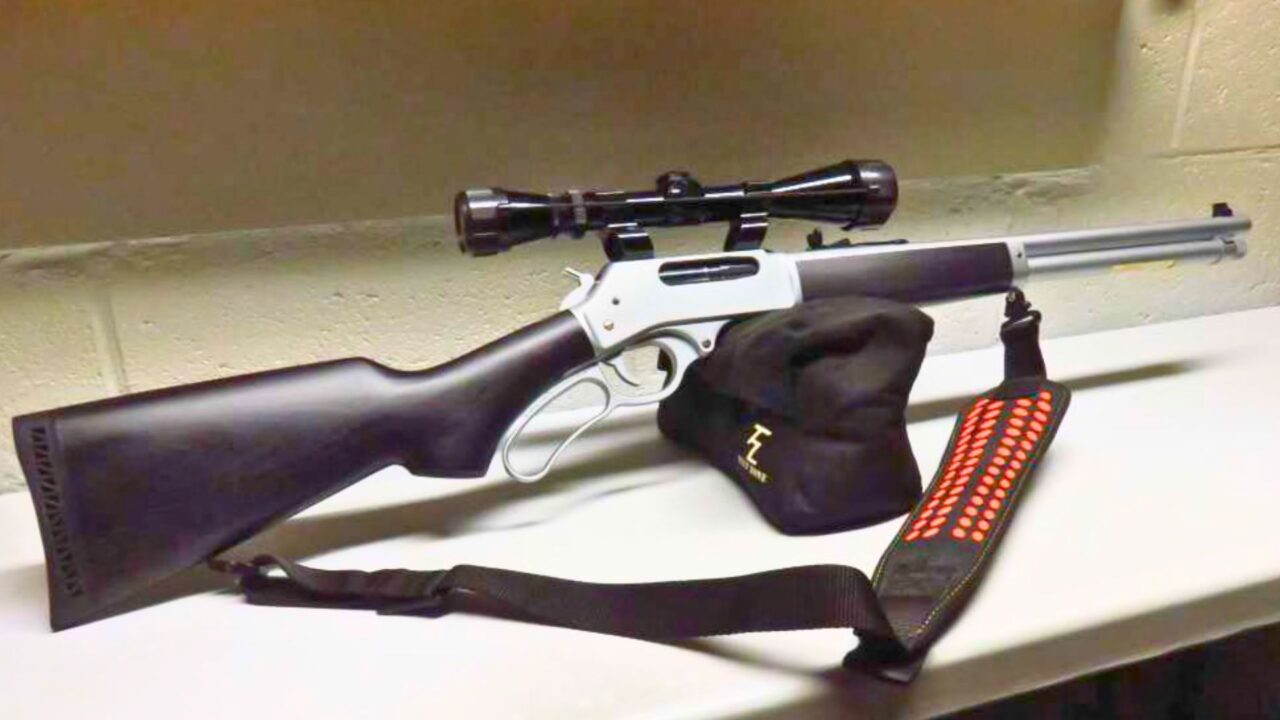
The All-Weather .45-70 is what happens when traditional lever-action appeal meets a rifle you do not feel guilty carrying in terrible conditions. Instead of polished brass or beautiful walnut that makes every scratch painful, the All-Weather configuration is designed around actually being used outdoors.
That makes a lot of sense with .45-70. This is already a cartridge associated with woods hunting, large game, and relatively close-range work. Pairing it with weather-resistant finishes turns the rifle into something you can take into a wet deer stand without constantly thinking about the finish.
The recoil can be stout with serious loads, but there is something incredibly satisfying about touching off a big slow-moving bullet from a compact lever rifle. It is not subtle, and it does not need to be. Some rifles are likable precisely because they make every shot feel like an event.
Browning BLR Lightweight ’81

The BLR is what I recommend looking at when someone loves lever actions but wants cartridges normally associated with bolt rifles. The detachable box magazine allows pointed bullets, while the rotating-bolt design gives the rifle the strength and cartridge flexibility necessary for options such as .308 Winchester and other modern hunting rounds.
That makes the BLR one of the most versatile lever rifles ever produced. You can retain the fast handling and mechanical satisfaction of lever operation without limiting yourself to traditional tube-magazine cartridges.
The action feels different from a Winchester or Marlin, and that may take a little adjustment. Once you understand what Browning was trying to accomplish, the design becomes difficult not to admire. It is a lever rifle for hunters who refuse to choose between traditional handling and modern cartridge performance.
Henry Long Ranger

The Long Ranger follows a similar philosophy to the BLR but approaches the problem in a distinctly Henry way. A detachable box magazine allows the rifle to chamber modern bottleneck cartridges and use pointed bullets, while the lever keeps the operating experience completely different from an ordinary bolt action.
I like the Long Ranger most for hunters who simply shoot lever guns more naturally. If cycling a lever feels instinctive to you, there is no requirement that you abandon that preference just because your hunting area occasionally offers longer shots.
The rifle is somewhat heavier and more mechanically complicated than a traditional .30-30, but those compromises purchase a substantial increase in cartridge versatility. It is one of those guns that makes you wonder why more companies never seriously explored the modern box-magazine lever concept.
Savage Model 99

The Model 99 was far ahead of its time. Savage used a rotary magazine that allowed pointed bullets without giving up lever operation, and the rifle was offered in cartridges that substantially expanded what a lever gun could accomplish. In many ways, it predicted the modern idea of a high-performance lever rifle decades before anyone considered that unusual.
What I love most about the 99 is the balance. The receiver is smooth, the rifle carries naturally, and good examples have a mechanical quality that immediately separates them from simpler tube-fed designs. The lever stroke has its own feel, while the internal magazine keeps the exterior clean.
Production ended long ago, which means I would hesitate before altering a good original rifle. As a shooter, though, the Model 99 still demonstrates that lever actions never had to be limited to traditional flat-nose cartridges.
Winchester Model 88

The Model 88 almost feels like Winchester asked what would happen if a lever rifle were engineered by people who secretly preferred bolt actions. The rifle uses a rotating bolt and detachable box magazine, giving it much more in common mechanically with modern centerfire rifles than with a Model 94.
That may sound like it removes some of the lever-action charm, but I think it does the opposite. You get a sleek mid-century sporting rifle with fast lever operation and cartridges suitable for serious hunting at longer distances.
The trigger arrangement can feel unusual because of the lever mechanism, and magazines deserve to be treated carefully now that production is long gone. Those are small prices to pay for a rifle with such a unique identity. Very few guns look or operate quite like a Model 88.
Sako VL63 Finnwolf
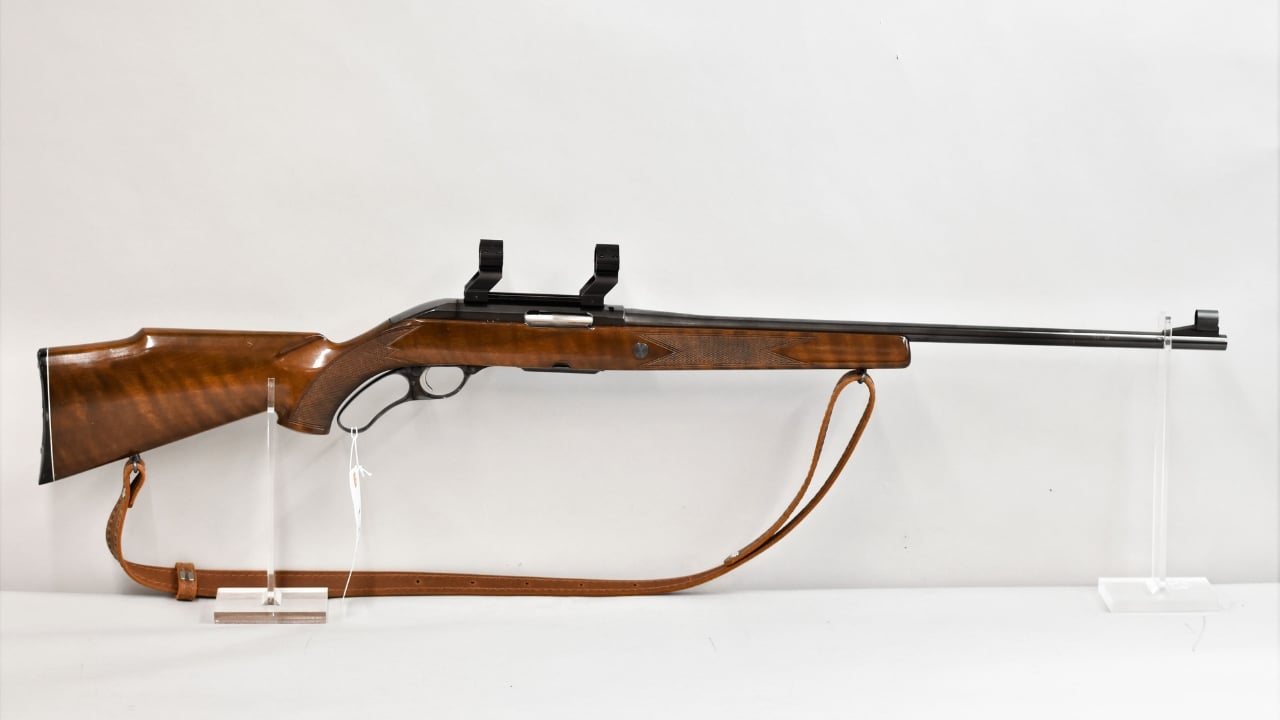
The Finnwolf is one of the most elegant answers anyone ever produced to the question of building a modern lever rifle. Sako combined Finnish manufacturing quality with a rotating-bolt system and detachable magazine, resulting in a rifle that feels almost impossibly refined compared with traditional American lever guns.
The action is the part people remember. There is very little roughness or wasted motion, and the rifle carries the polished sporting feel associated with older Sakos. Chamberings such as .308 Winchester give it genuine deer-rifle capability without relying on traditional lever cartridges.
The problem today is that Finnwolves are scarce enough that actually using a pristine one can make a collector nervous. That scarcity also proves how unusual the design really was. If Sako suddenly announced a modern version, plenty of lever enthusiasts would pay attention immediately.
Ruger Model 96/44

The 96/44 may be one of Ruger’s most unusual discontinued rifles. It combines lever operation with a rotary magazine and .44 Magnum chambering, creating something that feels almost like a lever-action version of Ruger’s classic semiautomatic .44 carbines.
The short lever throw is part of what makes it so enjoyable. There is less movement than with many traditional lever designs, and the compact rifle is extremely handy in dense cover. The .44 Magnum also provides enough capability for short-range hunting while keeping the action relatively compact.
Ruger did not build these forever, which makes them much harder to find than the design deserves. It occupies a strange niche between traditional and modern lever actions, and that is precisely why I like it. The 96/44 is different without being different merely for attention.
Smith & Wesson Model 1854
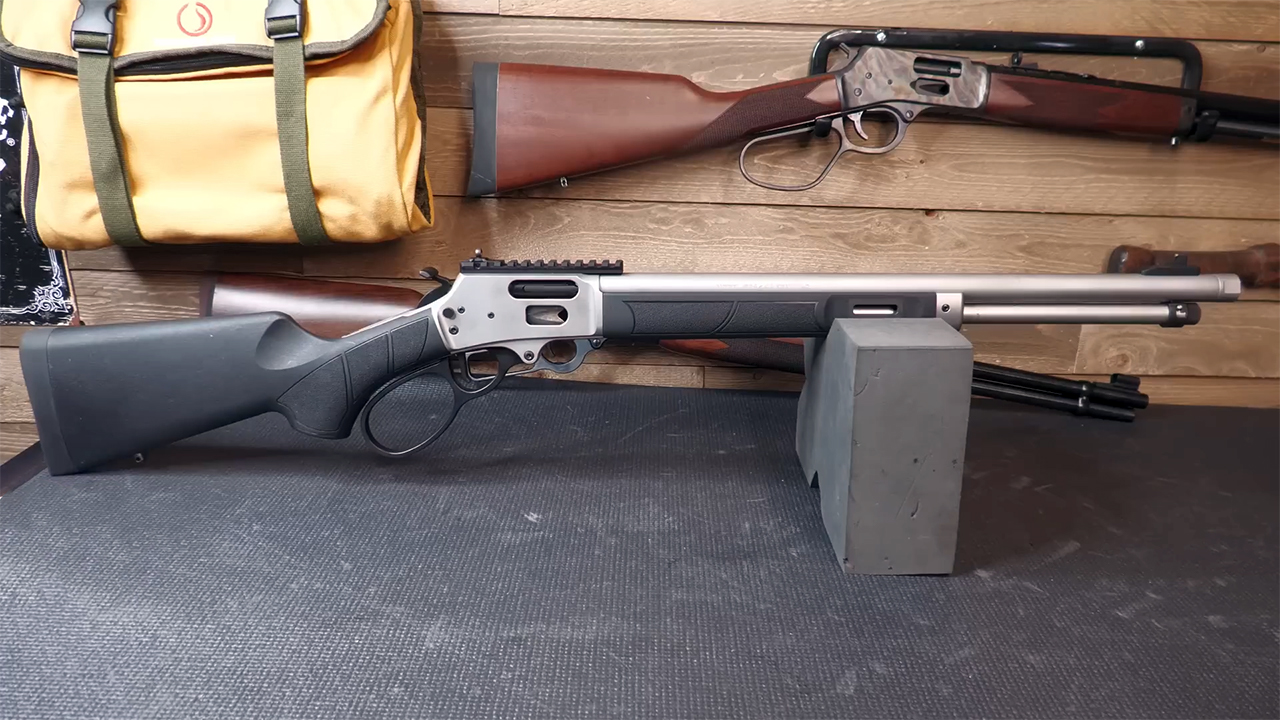
The Model 1854 represents something I love seeing: a major American handgun company deciding the lever-action market is interesting enough to enter seriously. Smith & Wesson built the rifle around a modernized lever concept with contemporary materials and features while retaining enough traditional styling that it still looks unmistakably like a lever gun.
The appeal is partly that the design is not simply another exact reproduction of a nineteenth-century rifle. Modern shooters often want better sighting options, weather-resistant construction, and easier accessory mounting without abandoning the lever.
That combination makes the 1854 especially interesting for practical woods use. Traditionalists may still prefer walnut and polished blueing, but I like having choices. Lever actions survived this long because the basic operating concept is genuinely enjoyable. There is no rule saying everything around the lever has to remain frozen in 1894.
Winchester Model 92 Short Rifle
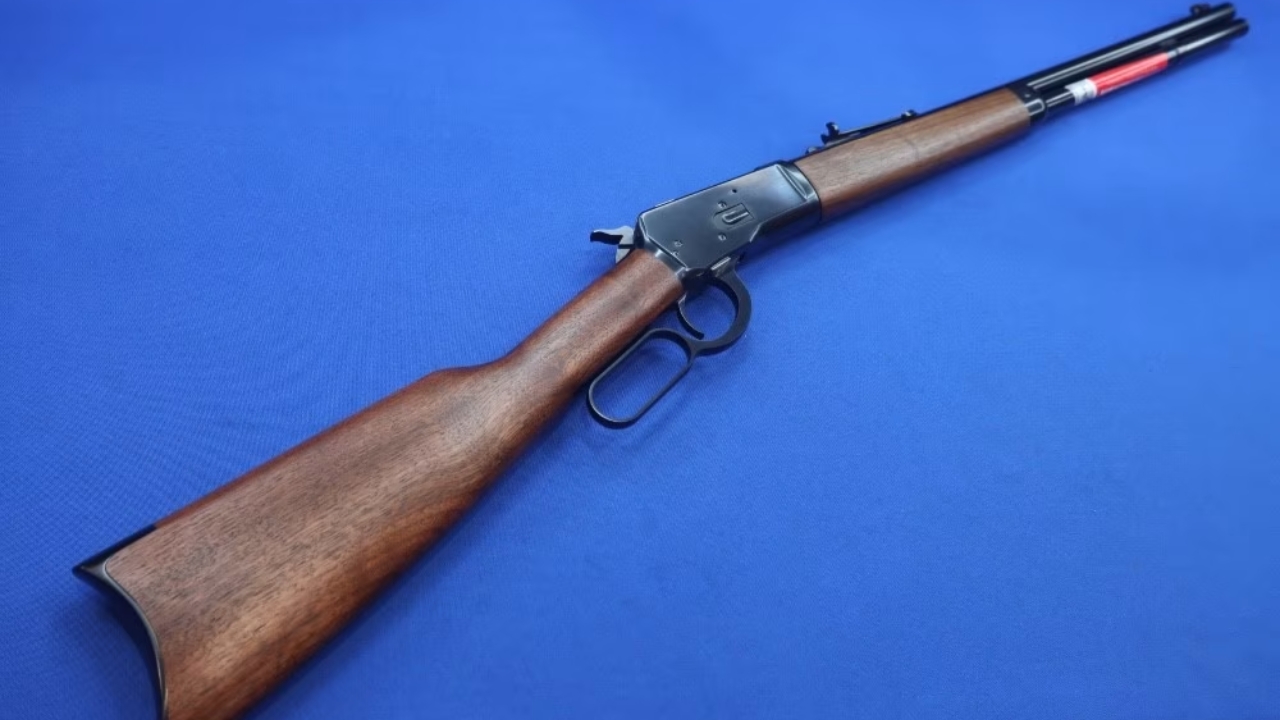
The Model 92 may be one of John Browning’s sweetest lever designs. It scaled the basic strength and smooth operation of larger Winchester actions into a compact platform for pistol cartridges, creating a rifle that feels wonderfully light and responsive.
Modern reproductions and current-production versions let shooters enjoy that experience in cartridges such as .357 Magnum and .44 Magnum without putting wear on a valuable antique. I particularly like short rifle configurations because the balance matches the cartridges so well. There is enough barrel to shoot comfortably without turning the gun into something cumbersome.
Cycle a good 92 rapidly and the entire appeal of the lever action becomes obvious. The motion is short, the rifle stays close to the shoulder, and everything happens with a satisfying mechanical rhythm that semiautomatics simply cannot duplicate.
Chiappa 1892 Alaskan

The Chiappa Alaskan takes the Model 92 concept and pushes it toward modern outdoor use. Short barrels, weather-resistant finishes, contemporary sights, and configurations intended for rough conditions give the rifle a completely different personality from a polished traditional Winchester reproduction.
I think that combination works particularly well in .44 Magnum. The rifle remains compact and powerful enough for close-range hunting, while the finish makes it something you can actually carry through wet brush without treating every raindrop like an emergency.
Traditional lever guns are beautiful, but there is something equally appealing about a lever rifle designed to get scratched. The Alaskan retains the fast Browning-derived action while removing much of the worry associated with fancy wood and polished metal. It is a lever gun you can simply use, which may be the most lovable quality of all.
Like The Avid Outdoorsman’s content? Subscribe to our newsletter so you never miss an article.
Here’s more from us: