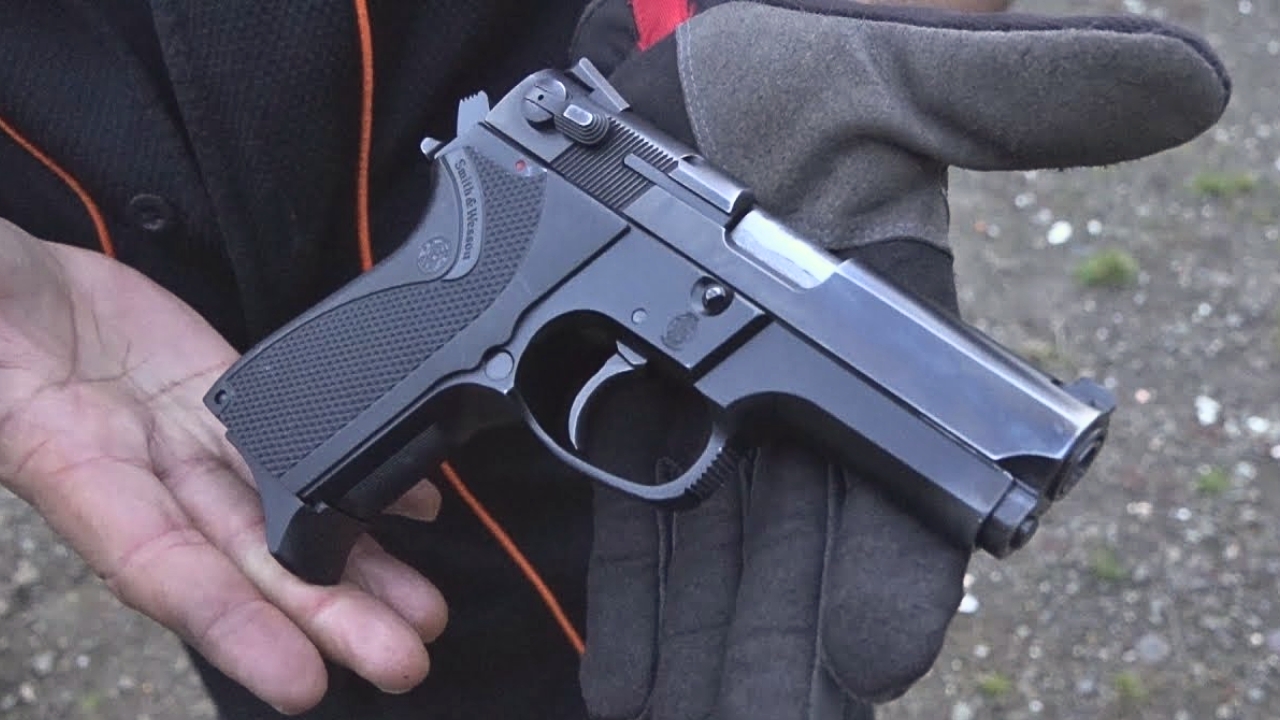
Photo credit: BERETTA9mmUSA/YouTube
Some handguns are valuable because they are rare. Others are hard to replace for a completely different reason: nobody makes anything quite like them anymore. An owner sells an old metal-frame compact, unusual revolver, or discontinued service pistol believing he can always buy another. A few years later, he discovers that the replacement either costs far more than expected or simply does not exist in the same configuration.
That is what interests me here. I am not talking only about high-dollar collector pieces. Several of these were ordinary working guns when new. What makes them difficult today is the combination of discontinued production, unusual dimensions, distinctive operating systems, scarce magazines, or features manufacturers have largely abandoned. These are 20 handguns I would think very carefully about selling because finding another one later could be much more difficult than the owner expects.
Smith & Wesson Model 439
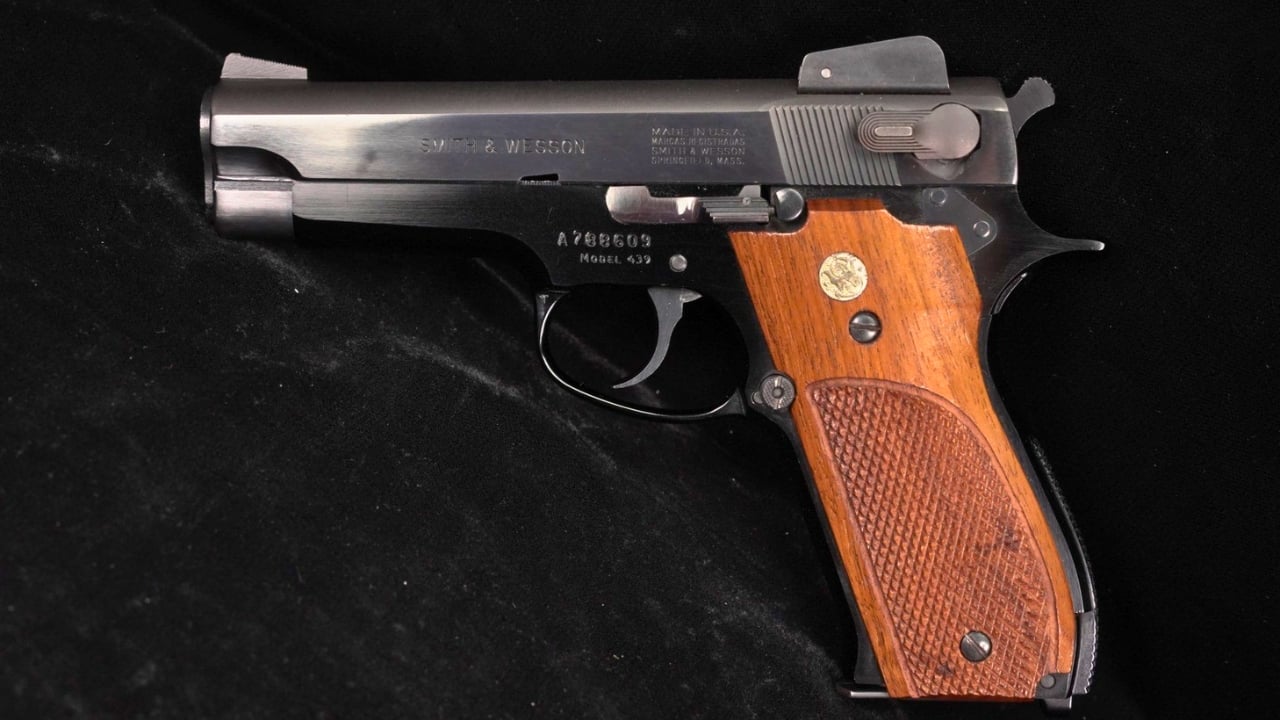
The Model 439 came from Smith & Wesson’s second generation of semiautomatic pistols, when a slim metal-frame 9mm with a traditional DA/SA trigger was considered a perfectly normal service or defensive handgun. Smith’s second-generation pistols ran from 1979 through 1988, and the 439 was the single-stack 9mm member of that family. It is exactly the type of pistol people used hard because nobody thought of it as scarce.
Try replacing that concept now. Metal frame, single-stack magazine, exposed hammer, traditional decocker, and full-service-pistol proportions have nearly disappeared as a combination. Modern slim pistols are usually polymer and striker-fired. A clean 439 therefore gives you a shooting experience that is surprisingly difficult to recreate with anything new.
Smith & Wesson Model 459
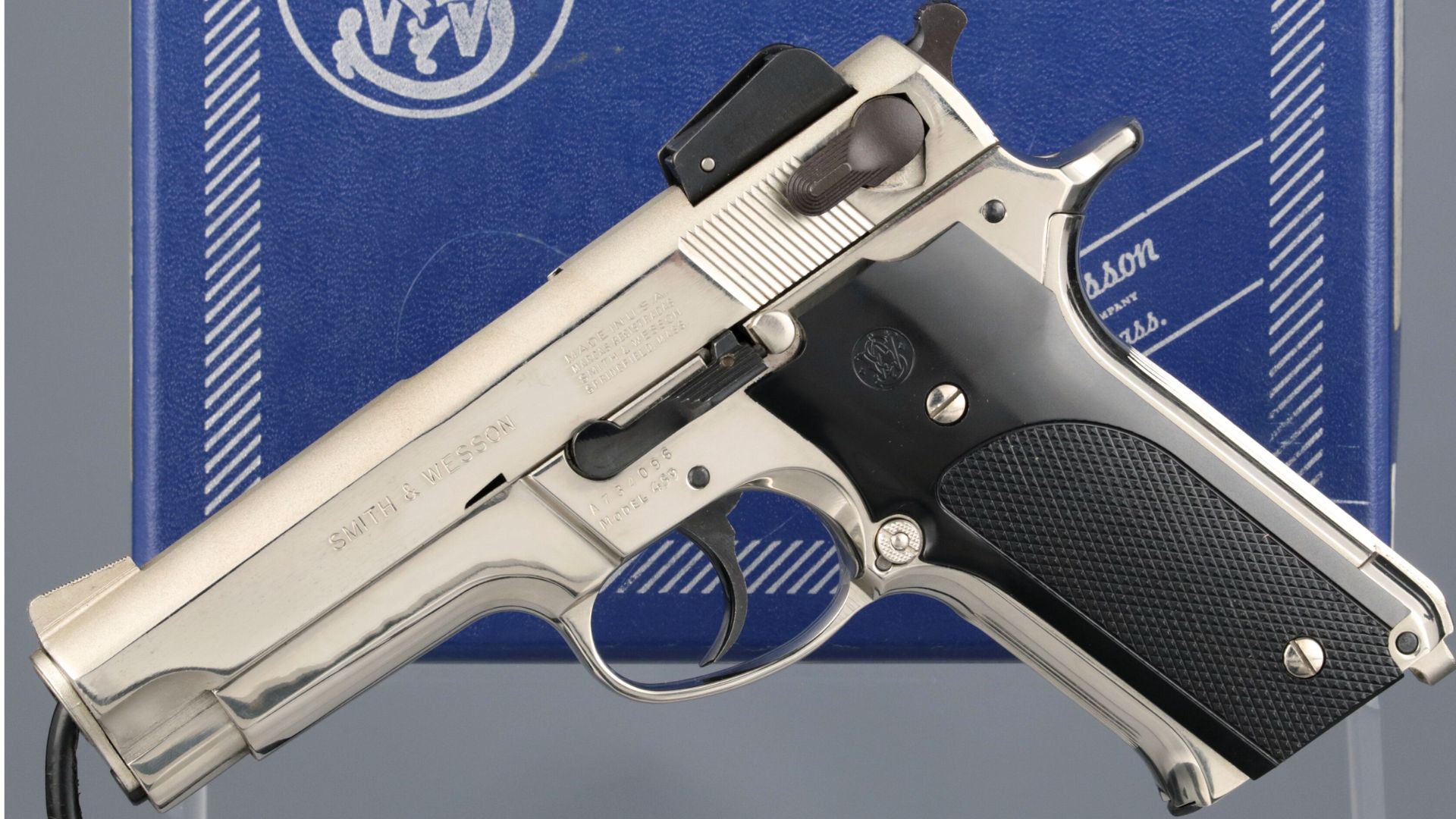
The 459 looks like an ordinary older Smith until you remember how important the double-stack 9mm service-pistol category became. It followed the Model 59 concept and belonged to Smith & Wesson’s second-generation lineup. It was also one of the pistols submitted during the U.S. XM9 service-pistol trials in the 1980s.
What makes a nice 459 difficult to replace is not simply age. These guns were police-style working pistols, so many accumulated holster wear, replacement grips, changed sights, and thousands of rounds. A sharp example with original magazines feels much less ordinary now.
You can certainly buy another high-capacity 9mm. What you cannot easily buy new is a blued, alloy-frame, traditional Smith DA/SA pistol with this exact combination of proportions and controls.
Smith & Wesson Model 6904
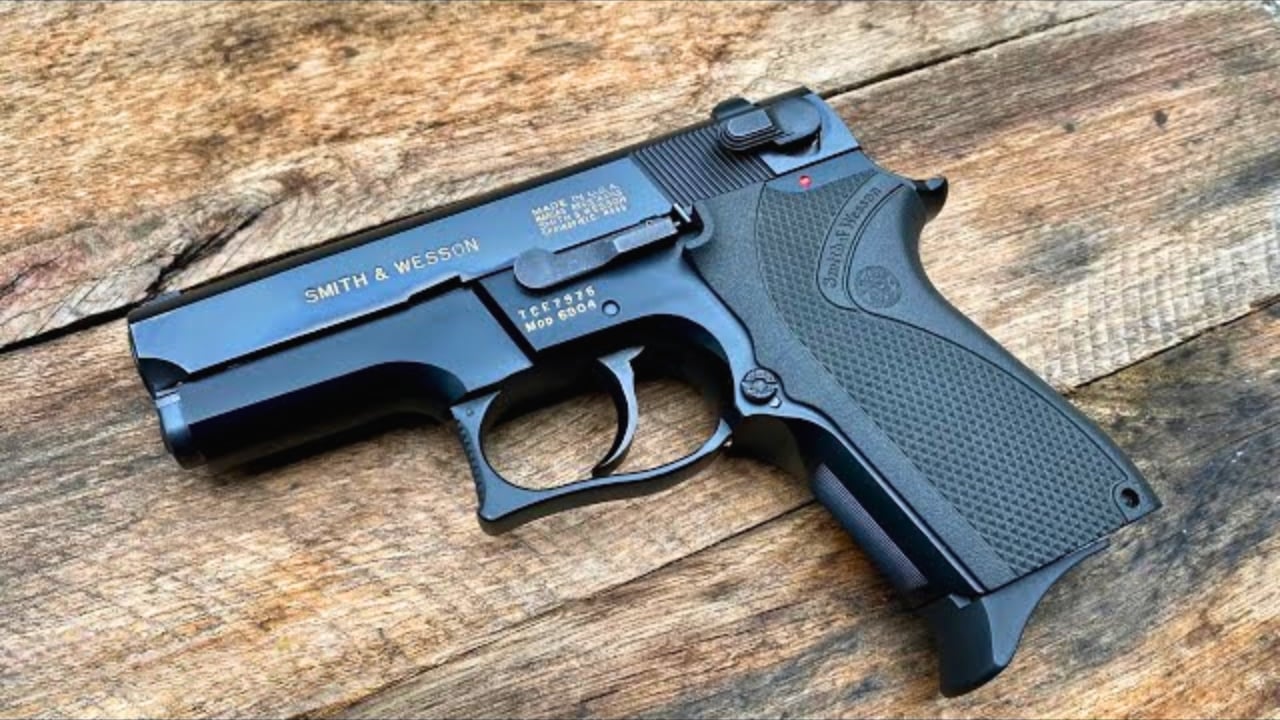
The 6904 represents one of the configurations modern manufacturers have almost completely abandoned: a compact double-stack 9mm with an alloy frame, exposed hammer, and traditional DA/SA operation. It belongs to Smith & Wesson’s third-generation semiautomatic family, a lineup that eventually included dozens of models before production ended.
That makes the 6904 especially easy to regret selling. It is short enough for concealed carry but still has enough weight and grip area that it behaves like a real service pistol on the range. Modern micro-compacts beat it on capacity relative to dimensions, but they do not feel anything like it.
The difficulty is condition. These were meant to be carried, and many were. Finding another 6904 is possible. Finding another clean one with the right magazines and little evidence of decades in a holster is another matter.
Smith & Wesson Model 4516

The 4516 took the traditional third-generation Smith formula and compressed it around .45 ACP. The result was a compact stainless-steel pistol with an exposed hammer, DA/SA trigger, and enough mass to make a big cartridge more manageable than the pistol’s dimensions might suggest.
This is exactly the kind of handgun that disappeared when polymer compact pistols took over. A stainless compact .45 built like a shortened service gun is not something manufacturers are rushing to recreate. The weight would be criticized immediately today, yet that same weight is part of why owners enjoy shooting them.
I would also think about magazines and replacement components before letting one go. A current-production pistol can be supported with one online order. A discontinued Smith from the third-generation era increasingly requires patience. Once you have a good 4516, replacing the complete ownership experience is harder than simply finding another .45.
Smith & Wesson Model 1076
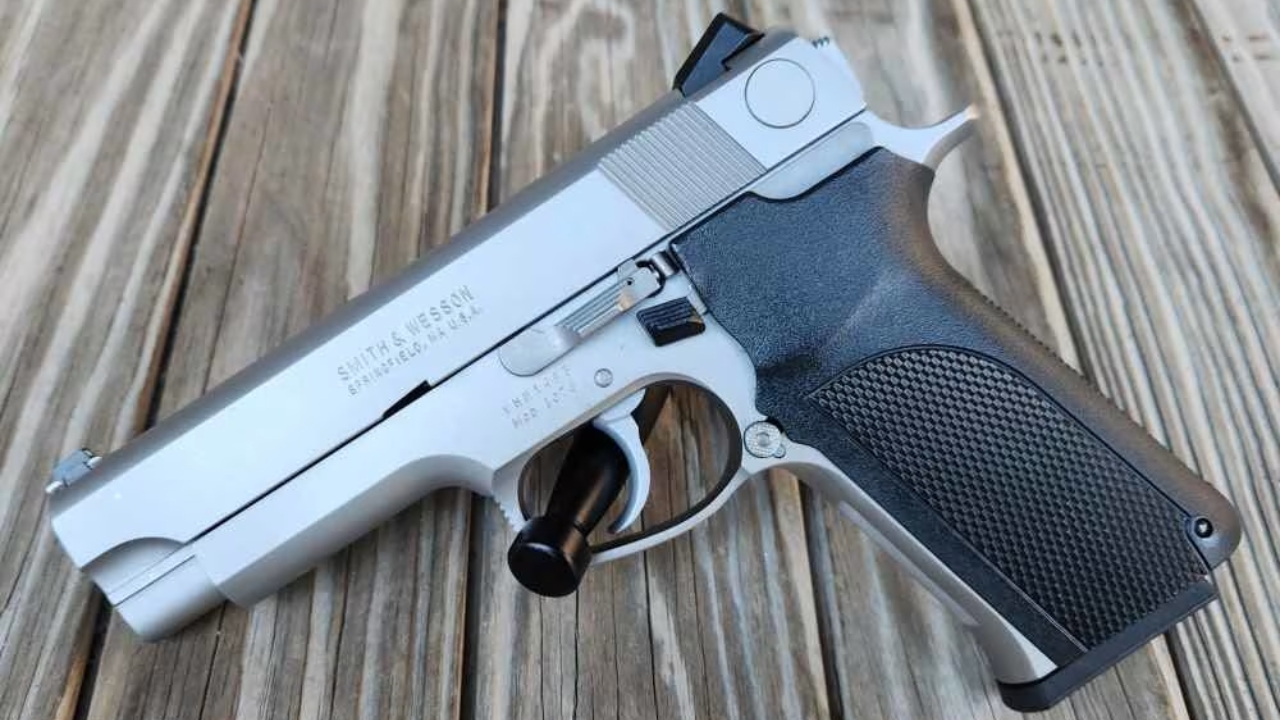
The 1076 has enough history that selling one casually would make me nervous. Smith & Wesson developed the model around FBI requirements for a 10mm service pistol, and the Bureau ultimately adopted the 1076 before reliability problems and changing ammunition preferences shortened the relationship. Production of Smith’s 10mm third-generation pistols ended in the early 1990s.
That short chapter is exactly why the pistol has become difficult to duplicate. It combines stainless-steel construction, a traditional decocking system, single-stack 10mm dimensions, and direct connection to one of the most famous law-enforcement cartridge experiments of the era.
Modern 10mm pistols are easier to find and often hold more ammunition. None of them are another 1076. A clean example is simultaneously a shooter, historical artifact, and discontinued service pistol.
Colt Viper
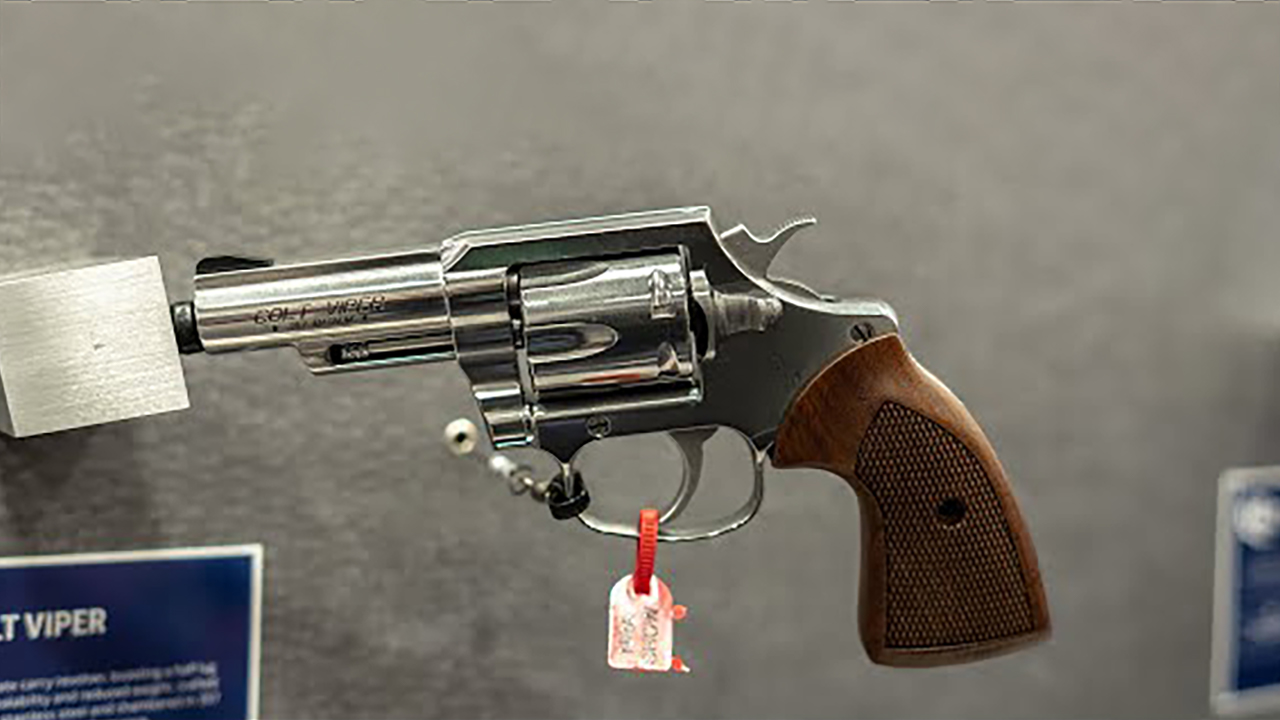
The original Colt Viper looks deceptively ordinary. It resembles other small-frame Colt revolvers of the period and can easily be mistaken for something more common by an owner who does not study the details. That is where selling one quickly can become painful.
The Viper used a lightweight frame with a longer barrel configuration that gave it a balance and appearance unlike the more familiar Detective Special or Cobra. Original production was brief enough that you simply do not encounter them constantly.
Colt has reused classic names in recent years, but a modern revolver carrying an old name does not replace an original example. Finish, stocks, markings, and mechanical condition all matter. If I had a clean vintage Viper, I would not assume finding another later would be as easy as locating another small Colt revolver.
Colt Metropolitan Mk III
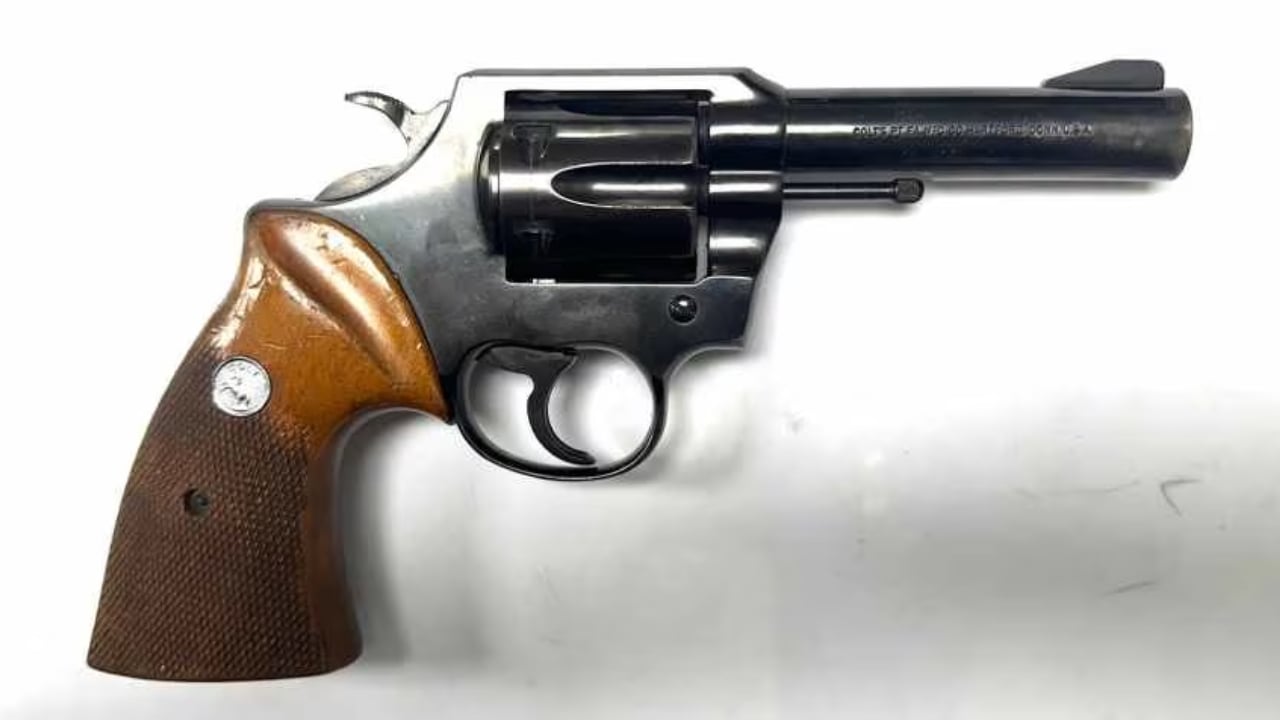
The Metropolitan Mk III is the kind of revolver even people familiar with Colt can overlook. It belonged to Colt’s Mk III double-action family and was chambered as a fixed-sight service-style revolver rather than one of the glamorous premium models collectors usually discuss first.
That lack of fame is exactly what makes it hard to replace. Owners did not treat these like Pythons. They were working revolvers, and many accumulated the kind of wear expected from practical guns. The name also does not immediately register with casual buyers, so examples can vanish before someone realizes what he passed up.
I would particularly want one that has escaped refinishing and retains its correct stocks. It occupies a very specific place in Colt’s transition toward the later-generation double-action lockwork, and modern Colt production does not recreate that exact gun.
Colt Pocket Nine
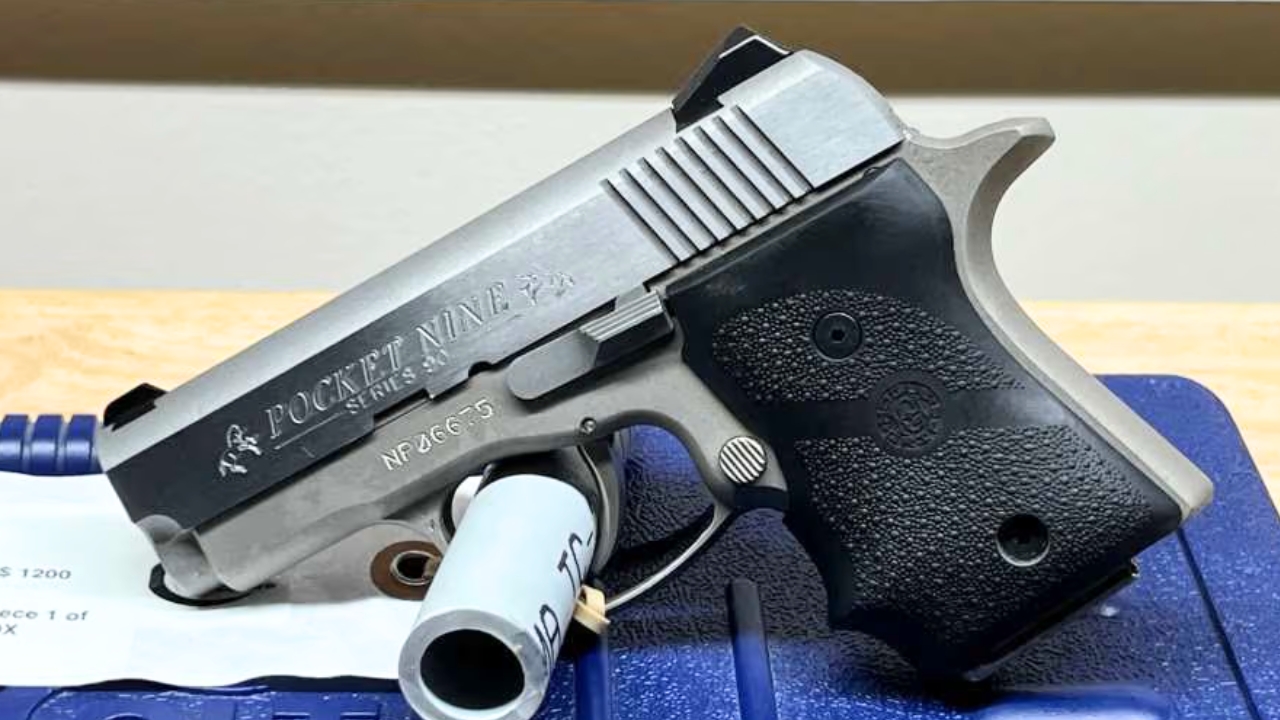
The Pocket Nine is almost custom-built for this headline. Colt introduced a tiny DAO 9mm at the end of the 1990s, produced only about 5,000 examples, and then ended the model after roughly a year. Colt’s own manual archive still lists the Pocket Nine alongside the Pony family under its Double Action Series 90 pistols.
Today you can buy smaller 9mms with more capacity, but that does not make the Pocket Nine easy to replace. It is a steel-slide, alloy-frame Colt from a tiny production window and from an era when micro 9mms were still unusual.
Parts are another concern. A discontinued pistol produced in small numbers never has the same support as a current mainstream compact. I would think twice before selling a complete Pocket Nine simply because newer pistols outperform it on paper.
SIG Sauer P225

The original P225 came from West Germany’s police-pistol trials of the 1970s and was essentially a compact single-stack member of SIG’s early P-series family. It was later overshadowed by higher-capacity designs such as the P226 and eventually disappeared from the American market.
The important word here is original. SIG later produced the P225-A1, but it was not simply another production run of the old German pistol. An original P225 or German police P6 has its own slide construction, proportions, markings, and period character.
Modern single-stack 9mms are everywhere, yet very few offer the slim metal frame, traditional SIG decocker, and old stamped-slide feel of the P225. If you enjoy that combination, selling one and expecting a current pistol to replace it can be disappointing.
Walther P88 Compact

The P88 Compact is one of those handguns you can spend years barely noticing and then suddenly realize you never see. Walther’s own archive still maintains documentation and component drawings for the P88 Compact, confirming how completely the model has moved into legacy status. Published histories generally place Compact production in the 1990s before the P88 family ended.
What is difficult to replace is the quality. It is an alloy-frame German DA/SA compact from a period when manufacturers were still willing to machine relatively elaborate metal service pistols despite the cost.
The modern Walther catalog offers excellent pistols, but none duplicates the P88 Compact’s exact character. If I had a clean one with original magazines, I would assume replacement would require patience rather than a casual trip to the next gun show.
Beretta Model 86 Cheetah
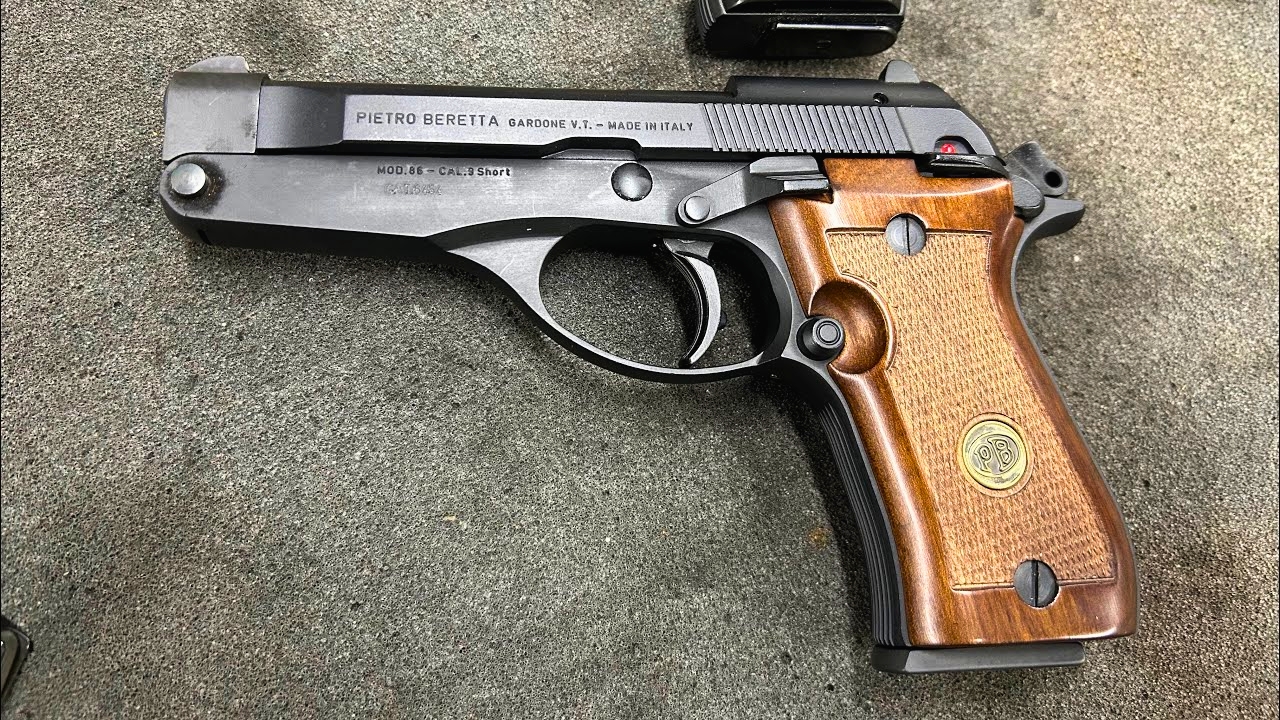
The Model 86 took Beretta’s elegant Cheetah family and added a feature that made it genuinely unusual: a tip-up barrel. That allowed the chamber to be loaded without manually cycling the slide, while the pistol retained a traditional DA/SA action and slim single-stack magazine. Contemporary descriptions identify the Model 86 as the tip-up, eight-round member of the classic Cheetah line.
There are now pistols designed specifically for easy slide manipulation, and there are modern guns inspired by the Model 86. That still does not replace an actual Beretta-built 86.
The combination of Italian manufacture, tip-up barrel, metal frame, exposed hammer, and classic Cheetah proportions is incredibly specific. Once you sell one, buying “another .380” will not scratch the same itch.
Astra Constable

The Astra Constable spent most of its life being compared with better-known Walther-style compact pistols. It was a Spanish-made DA/SA blowback handgun offered in small defensive calibers and often priced attractively enough that owners treated it as an inexpensive working gun rather than something that needed preservation.
That is exactly why good examples are becoming harder to duplicate. Astra is gone, and Spain’s once-significant commercial handgun industry is a finished chapter. The company produced the Constable family for years, but there is no factory turning out replacement pistols or endless piles of model-specific components now.
I would especially hesitate before selling one that runs well and has multiple original magazines. The gun itself may still be affordable when one appears. The difficult part is recreating the complete package after you have already let a known-good example go.
Astra A-80

The A-80 is one of the forgotten Spanish service pistols that becomes more impressive the longer you study it. Astra built it as a double-action service handgun with strong SIG influence and offered it in several chamberings, including 9mm and .45 ACP. The .45 version was particularly unusual because it combined the SIG-style operating layout with a wider magazine arrangement.
Astra eventually disappeared, taking an entire family of solid metal service pistols with it. That makes the A-80 increasingly difficult to replace with anything current.
A modern polymer .45 may be lighter and hold more ammunition. It will not give you the same steel-frame Spanish DA/SA experience. I would be especially reluctant to sell an A-80 that already had enough good magazines, because finding the accessories later may prove harder than finding another pistol.
Star Model 28 DA
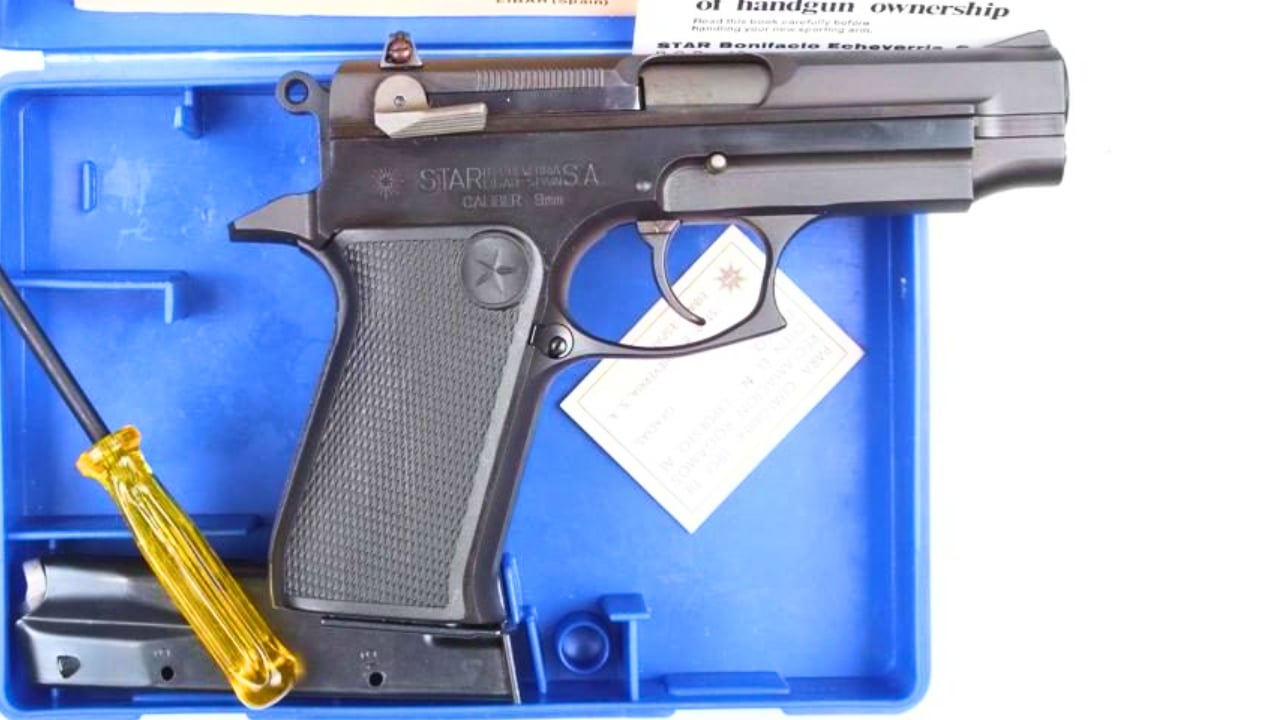
Star built far more than the single-action 1911-style pistols American shooters usually associate with the company. The Model 28 DA represented the Spanish manufacturer’s move into high-capacity double-action service pistols, putting it much closer philosophically to the Beretta, Smith & Wesson, and SIG designs competing for institutional buyers.
The problem today is that Star no longer exists. That means the pistol, magazines, extractors, springs, and other specific components are all part of a finite ecosystem. A good example may run perfectly for years, but replacing one is no longer a matter of ordering another from a distributor.
That is why I would hang onto a clean Model 28 with several magazines. It represents a part of Star history many shooters barely know exists, and obscurity becomes a problem the minute you decide you want back the gun you sold.
Steyr GB
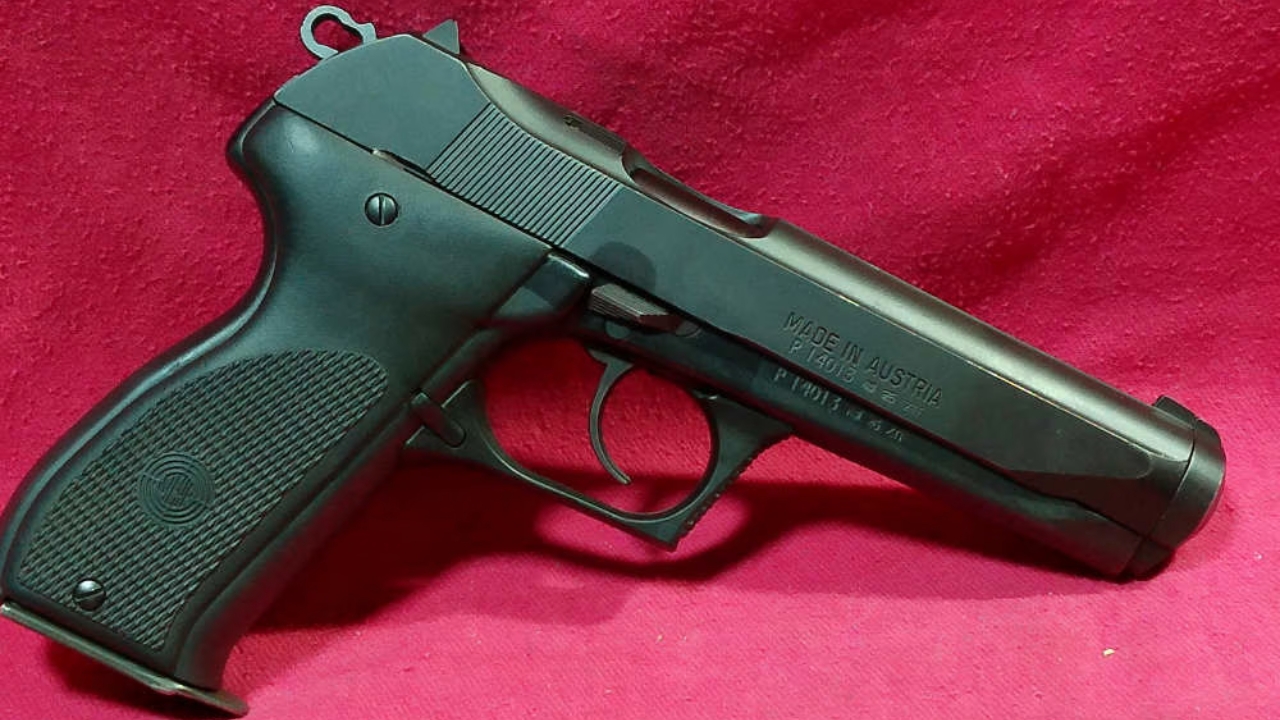
The Steyr GB is almost impossible to substitute because the entire design is unusual. Steyr developed it as a full-size military 9mm using a gas-delayed operating system rather than the more common locked-breech arrangement. It even competed during the American XM9-era service-pistol testing before Steyr withdrew it after reliability difficulties in the trials.
That unusual history is what makes the GB fascinating now. It is large, distinctive, mechanically uncommon, and tied to a service-pistol competition that ultimately produced the U.S. M9.
You can replace the role with almost any modern 9mm. You cannot replace the experience. Few production pistols use the same operating principle in the same oversized service format. If I owned one, I would assume another good GB might take a long time to find.
Ruger P944
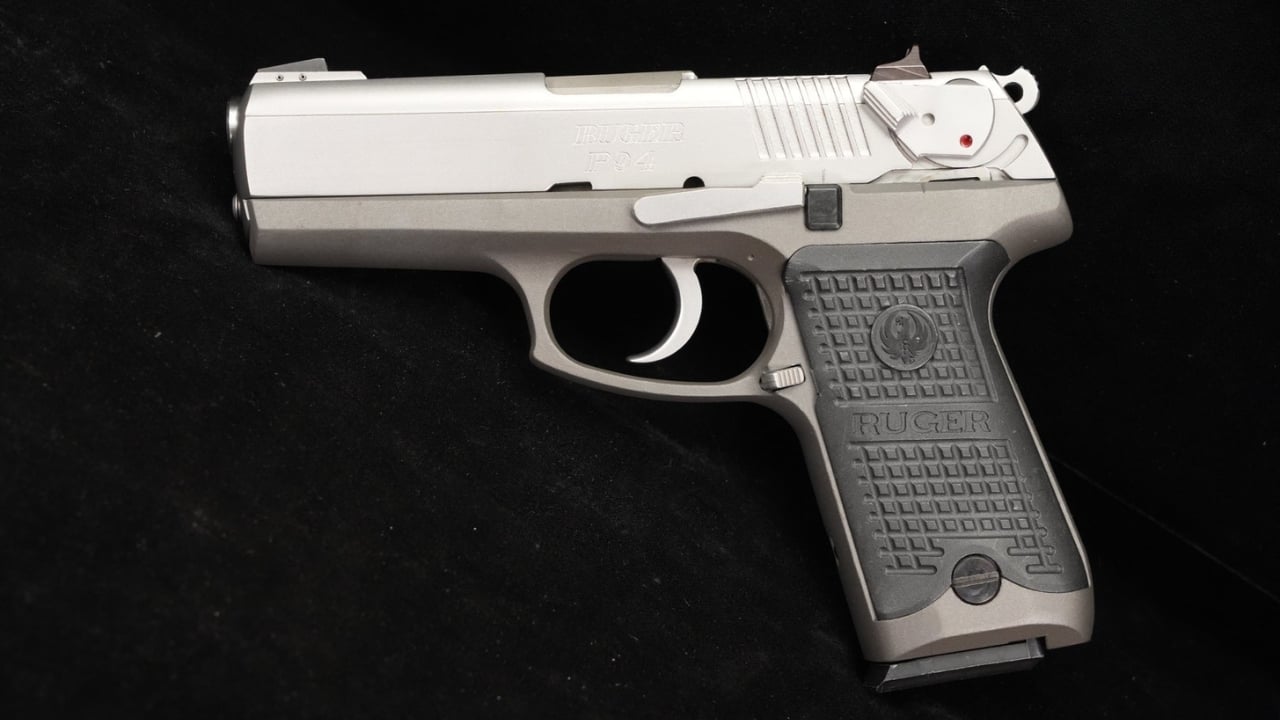
The P944 was built during Ruger’s unapologetically overbuilt P-series era. Ruger’s own production records show the manual-safety .40 S&W P944 running from the mid-1990s through 2010. It is chunky, heavy, and completely out of step with what most manufacturers want a modern compact or service pistol to look like.
That is why replacing one is surprisingly difficult. Ruger no longer builds metal-slide, substantial-frame hammer pistols in this same style. The company’s current handgun line went in a much lighter and more modern direction.
A P944 may not be rare in the traditional collector sense, but a known reliable example has qualities you cannot simply recreate with another Ruger. I would think twice before trading one for a small amount toward something newer because buying back the same kind of gun later is getting harder.
Para-Ordnance P13-45
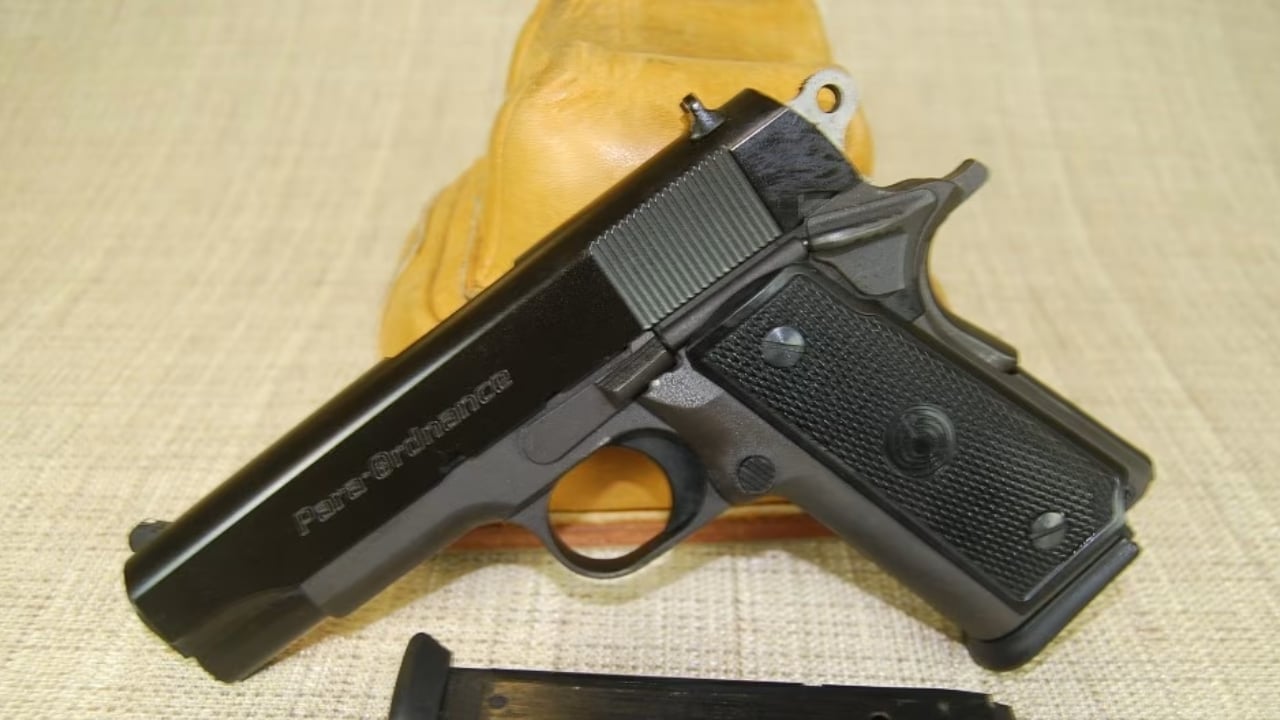
The P13-45 offered something that still is not especially common: a relatively compact, high-capacity 1911-style .45 built around Para-Ordnance’s double-stack concept. It arrived long before today’s renewed interest in double-stack 1911s and gave shooters substantial .45 ACP capacity while retaining the familiar single-action trigger and thumb safety.
Para-Ordnance eventually disappeared, and the modern double-stack 1911 market evolved in a very different direction, heavily emphasizing 9mm competition and premium carry pistols. That leaves the old P13 in an unusual spot.
You can certainly buy another double-stack 1911. Finding one with the P13’s dimensions, .45 chambering, period construction, and Para identity is another matter. Magazines also deserve consideration. If I had a reliable P13 with enough good magazines already accumulated, selling it would make far less sense than the used price alone suggests.
Kahr T9
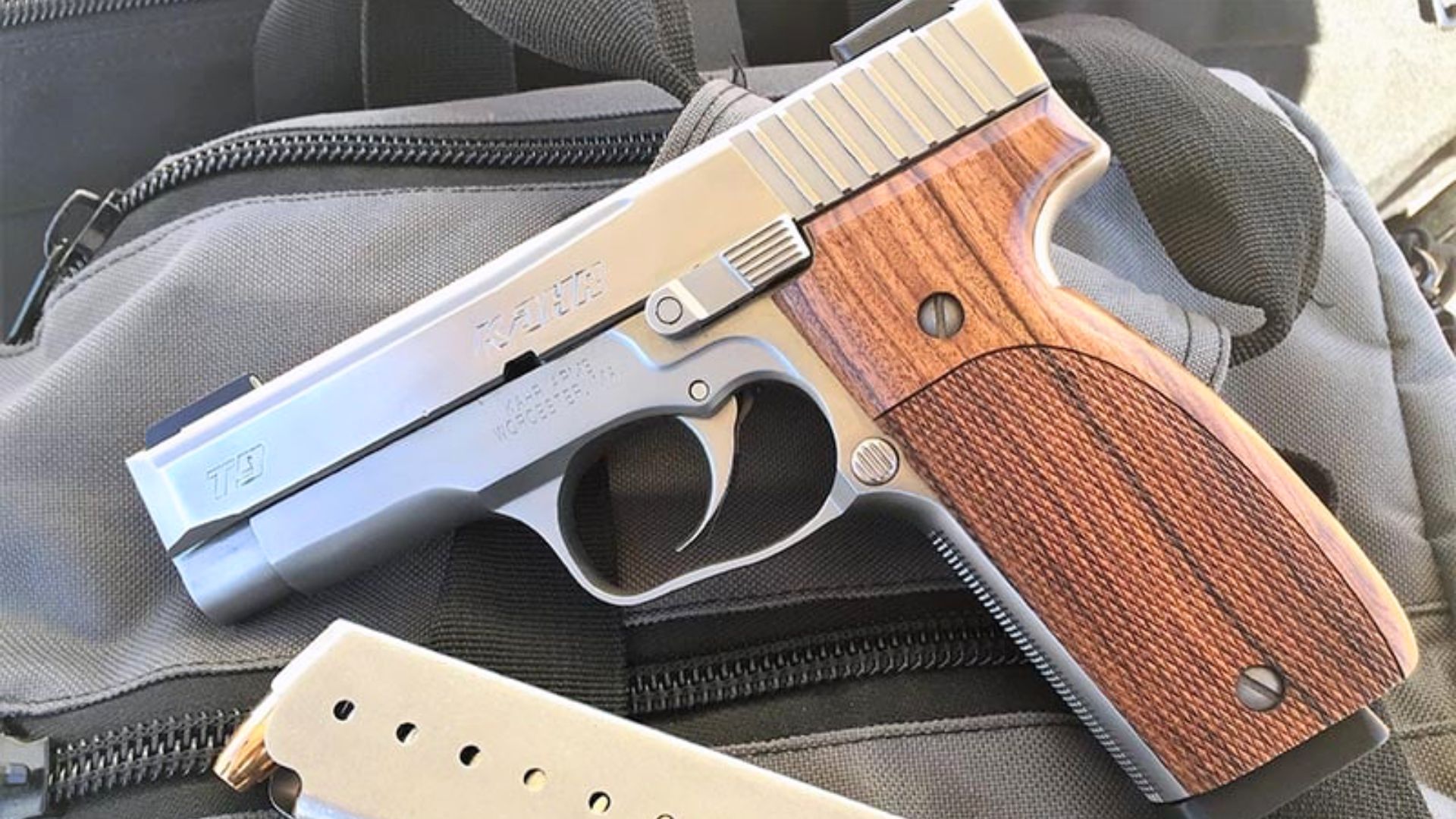
The T9 is a strange pistol in the best possible way. Kahr took the company’s famously thin single-stack architecture and stretched it into a larger steel-frame 9mm with a four-inch barrel. Older company literature described the T-series as a full-size thin-profile carry gun, and the T9 used wooden grips and an eight-round magazine rather than chasing maximum capacity.
That combination makes the T9 difficult to categorize and even harder to replace. It is too substantial to be a pocket pistol but far thinner than the typical all-steel service gun. The smooth DAO-style trigger gives it another personality entirely.
Most manufacturers abandoned this kind of pistol because buyers demanded more capacity. If you happen to like the T9’s narrow steel frame and unusual balance, there is no obvious current substitute waiting for you.
Smith & Wesson Model 242 Ti
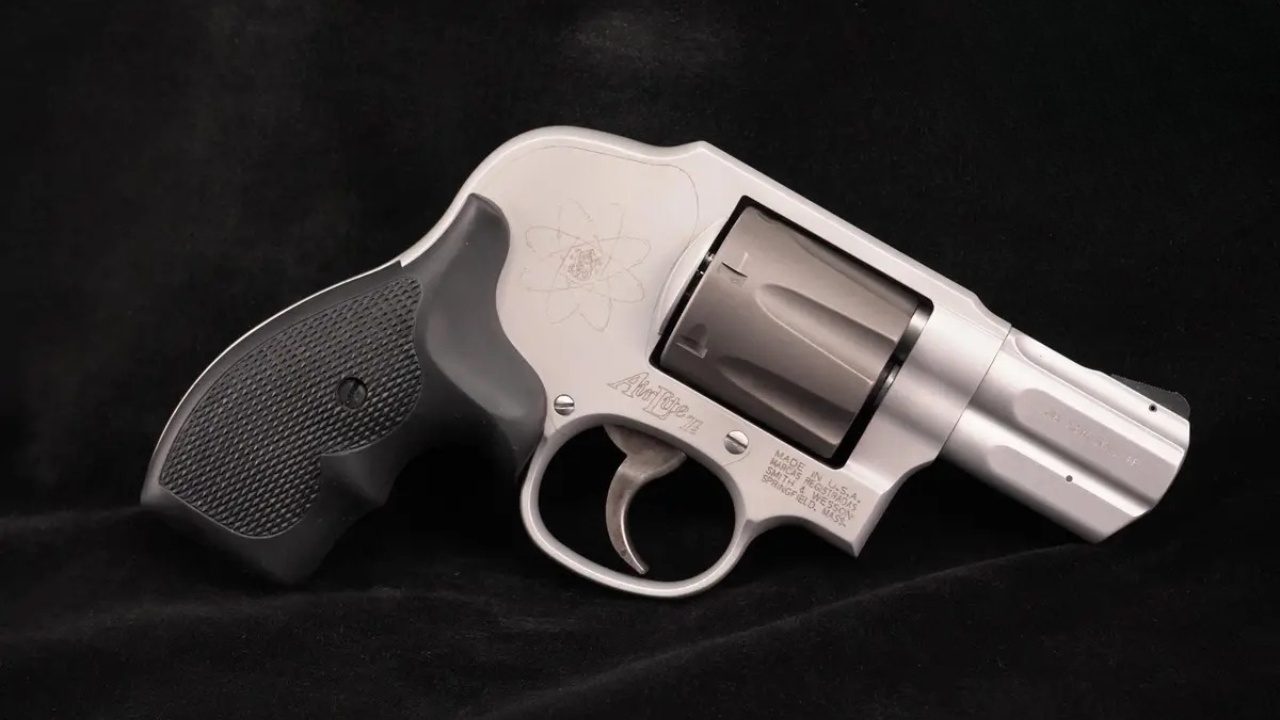
The Model 242 Ti is one of those revolvers that looks like another lightweight Smith until you realize just how specific the configuration is. It combines an L-frame-size revolver with extremely light construction, a concealed hammer, and a seven-shot .38 Special cylinder. Even experienced Smith collectors describe replacement titanium cylinders as difficult to locate.
That is exactly what “hard to replace” means. There are lightweight revolvers today and there are seven-shot revolvers today. Finding that combination in the same package is another problem.
I would treat one carefully, particularly around the titanium cylinder and finish, and I would not casually trade it just because a more modern revolver looks similar. The 242 occupies a niche Smith & Wesson has never made ordinary.
Smith & Wesson Model 296 AirLite
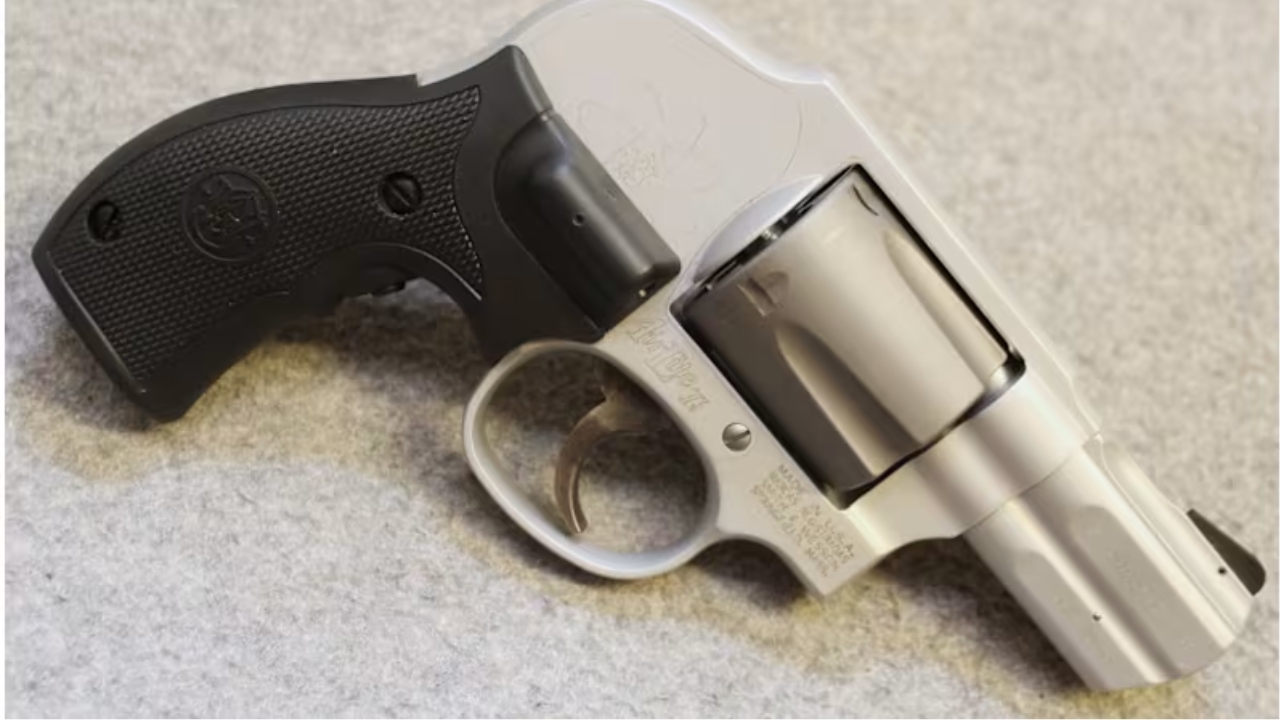
The Model 296 takes the lightweight concealed-hammer revolver idea and applies it to .44 Special, creating one of the strangest carry revolvers Smith & Wesson ever produced. The California Department of Justice’s archived safety-device listings still identify the Model 296 Centennial, a reminder of how completely the gun has moved out of normal current production.
That chambering is what makes replacement difficult. Plenty of lightweight revolvers exist in .38 Special and .357 Magnum. Lightweight enclosed-hammer .44 Specials are another matter entirely.
The 296 was never intended to be a pleasant high-volume range gun. It was a lightweight big-bore carry revolver. If that peculiar combination appeals to you, I would hang onto a good one. Modern catalogs offer many technically better choices, but virtually none recreate exactly what the 296 was trying to do.
Like The Avid Outdoorsman’s content? Subscribe to our newsletter so you never miss an article.
Here’s more from us: