Photo credit: Mark Carew/Youtube
There was a stretch where lever-actions got treated like wall-hangers. Guys traded them off for the newest polymer wonder, a long-range rig with a turreted scope, or whatever the gun-counter conversation said was “modern.” Then ammo shelves went weird, suppressors got common, straight-wall seasons expanded in a lot of places, and suddenly that handy old lever gun started looking like the smartest thing in the safe.
Here are 20 lever-actions I’ve watched folks dump as “outdated,” only to spend the next few years trying to buy back the same rifle… for more money… in worse condition… with no box.
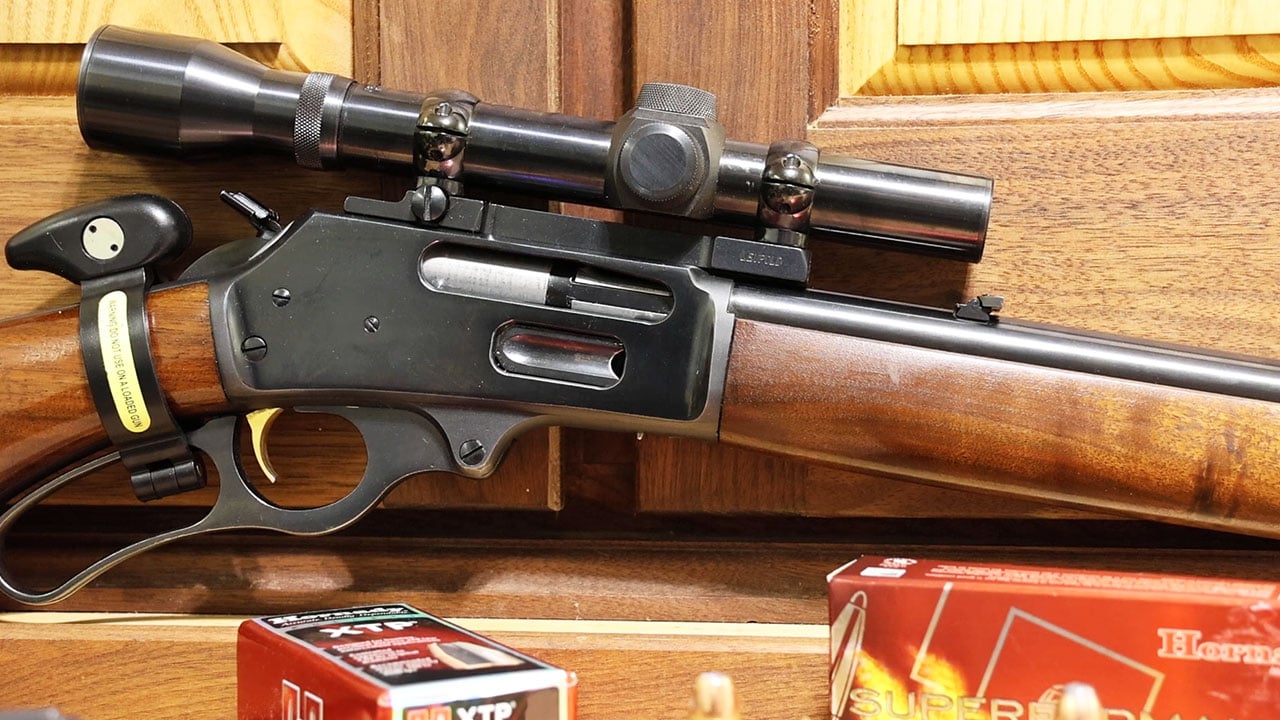
1. Marlin 336 (JM-stamped)

The old JM-marked 336 in .30-30 is the one that disappears first when somebody “simplifies” their collection. It’s also the one that comes back to haunt them when they realize a slim lever gun carries through brush better than a scoped bolt gun with a heavy barrel.
They aren’t fancy. They just run, point naturally, and hit hard enough for deer inside the distances most whitetails actually get shot. When you find one that cycles like it’s been slicked up for 40 years, it’s hard not to smile.
2. Winchester Model 94 (pre-64)
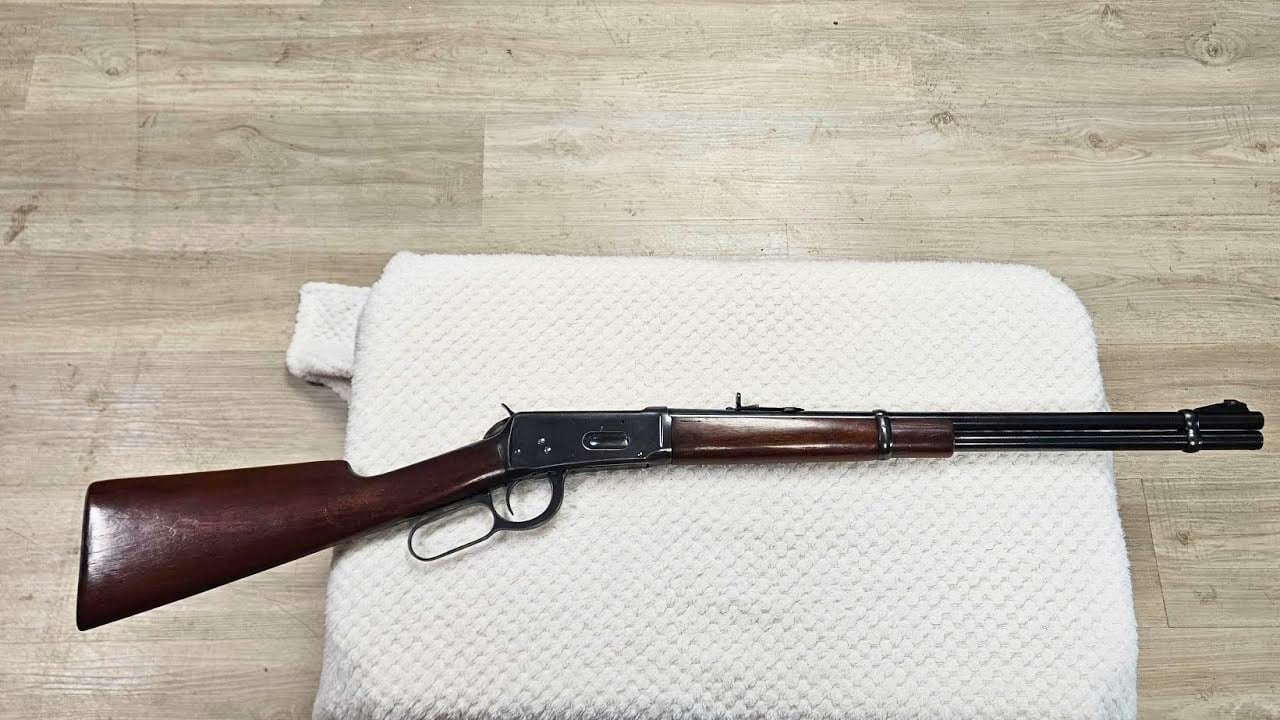
Pre-64 Model 94s got sold off for groceries, truck tires, and “upgrades” for decades. The regret usually shows up the first time a guy shoulders a clean one and remembers what a lever gun is supposed to feel like.
They’re light, they balance right between the hands, and they don’t need a bunch of accessories to be useful. The prices on honest examples aren’t getting friendlier, either.
3. Marlin 1894 (older .357 Magnum)

A .357 lever gun sounds like a novelty until you live with one. Then it becomes the rifle that’s always by the back door, always going in the truck, always the one you grab for a quick walk to check fences.
What stings is how easy they used to be to find. Now, a smooth older 1894 that feeds .38s and .357s without drama is a “don’t touch it, that one’s mine” kind of gun.
4. Winchester Model 92 (Browning/Winchester reissues and clones)
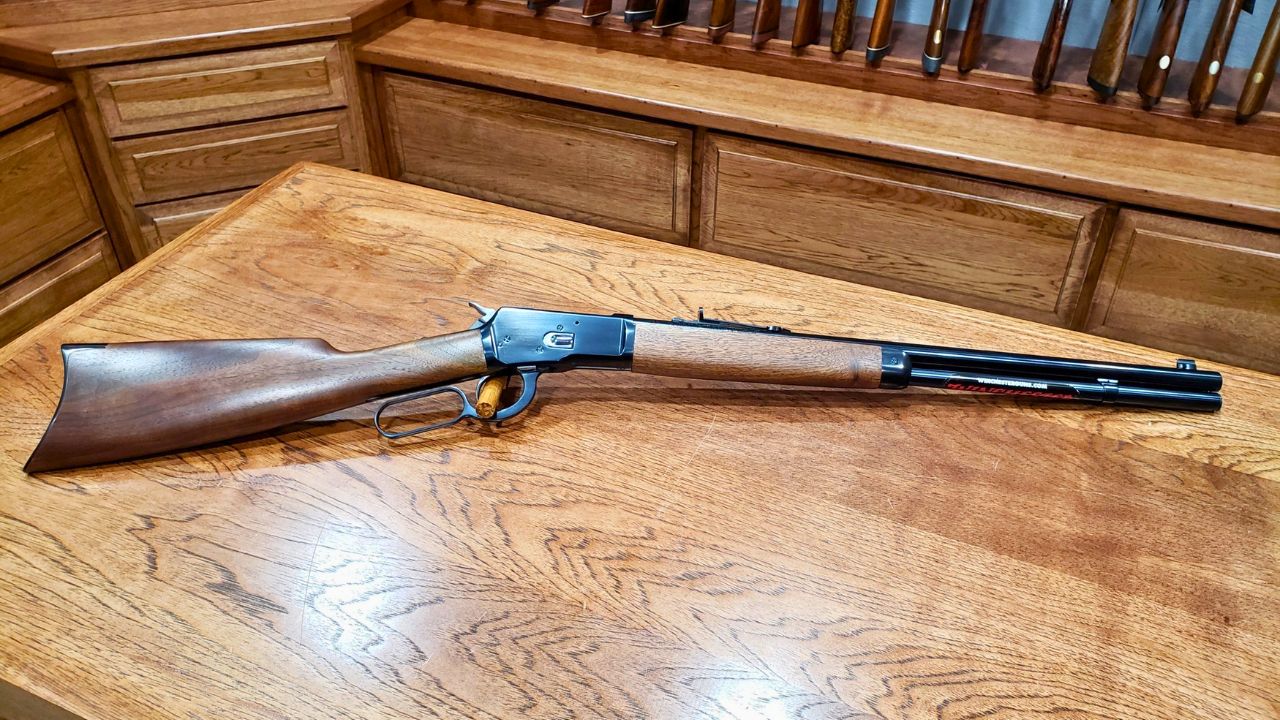
The ‘92 pattern got written off as cowboy stuff, and I get why. But it’s one of the slicker, stronger pistol-caliber actions ever made, and in .44 Mag or .357 it’s a legitimate working rifle.
Once somebody shoots one that’s timed right and not gritty, they stop laughing. It’s fast, compact, and carries like a walking stick.
5. Ruger 96/44

The 96/44 never got the respect it deserved. Folks looked at the rotary mag and thought “not a real lever gun,” then traded it away when something more traditional caught their eye.
Now they’re harder to find, magazines aren’t stacked on every shelf, and guys who hunt thick cover realize it was basically a quick-handling deer rifle that didn’t care about weather. That one hurts.
6. Savage Model 99 (especially .300 Savage)

The Savage 99 is one of those rifles that feels like it was built by people who hunted for their meat. It’s classy, yes, but it’s also practical—especially with cartridges like .300 Savage that still make a lot of sense in the woods.
People sold them because they wanted a scope-friendly receiver or they didn’t want to mess with an older rifle. Then they handled a clean 99 again and remembered: it carries flat, balances well, and doesn’t feel like a 2×4.
7. Marlin 39A

It’s “just” a .22 until you’ve spent enough time with one. The 39A is the kind of rimfire that turns an afternoon into a tradition—squirrels, tin cans, stump shooting, teaching kids, all of it.
They got traded away because a semi-auto .22 held more rounds. Then the semi-auto got picky, the 39A was gone, and suddenly “old-fashioned” looked a whole lot like “reliable.”
8. Henry Big Boy Steel (.357/.44)

A lot of folks dismissed Henry as “new” compared to Marlin and Winchester, and the brass-framed guns didn’t help that perception. The Steel models changed some minds, but plenty still sold them because they wanted a lighter rifle or a different brand name.
Then they went to replace it and realized these things shoot. The actions smooth out fast, they’re accurate enough to matter, and they’re friendly rifles for new shooters who don’t need recoil to prove something.
9. Marlin 1895 (.45-70, older Guide Gun)
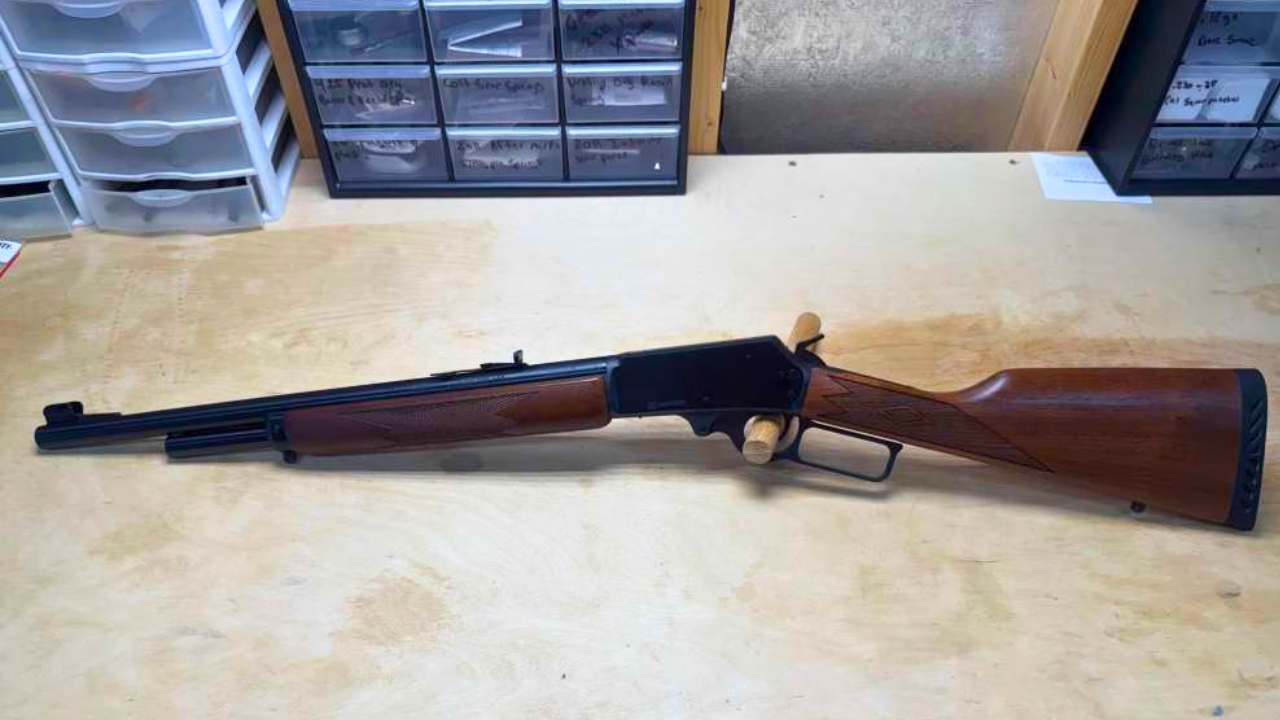
The .45-70 Guide Gun is a love/hate rifle. It’s loud, it can be mean with hot loads, and it makes you honest about practice. That’s why guys let them go after a box or two.
Then bear country trips happen, or they draw a thick-timber tag, and they start missing that short, authoritative rifle that carries like a carbine and hits like a sledgehammer. Even if you don’t “need” it, you understand it.
10. Winchester Model 88
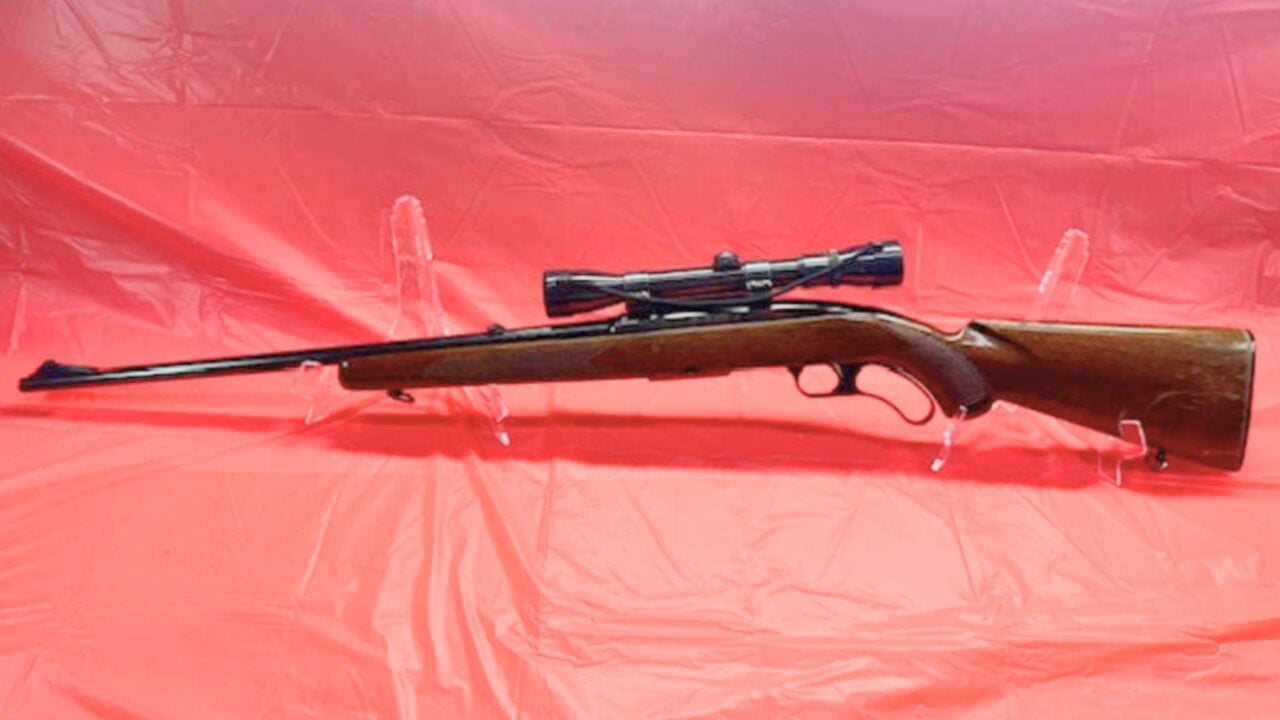
The Model 88 is what happens when lever-gun people decide they want bolt-gun ballistics and a box magazine. For years, it lived in this weird space where it wasn’t “classic” enough for the traditional crowd and not “modern” enough for everybody else.
Now the people who owned one and sold it are the same ones scanning pawn racks. A good 88 in .308 or .243 is a serious deer rifle with a lever feel, and that’s a combination you don’t replace easily.
11. Browning BLR (older steel-receiver guns)

The BLR got treated like the lever action for guys who couldn’t commit. Detachable magazine, modern cartridges, more moving parts—some folks never warmed up to it.
But if you’ve ever hunted with one in .308, .358 Win, or even .243, you know why people end up missing them. They carry well, they’re accurate, and they let you run a lever gun without giving up pointed bullets or cartridge options.
12. Marlin 444 (Model 444 / 444S)
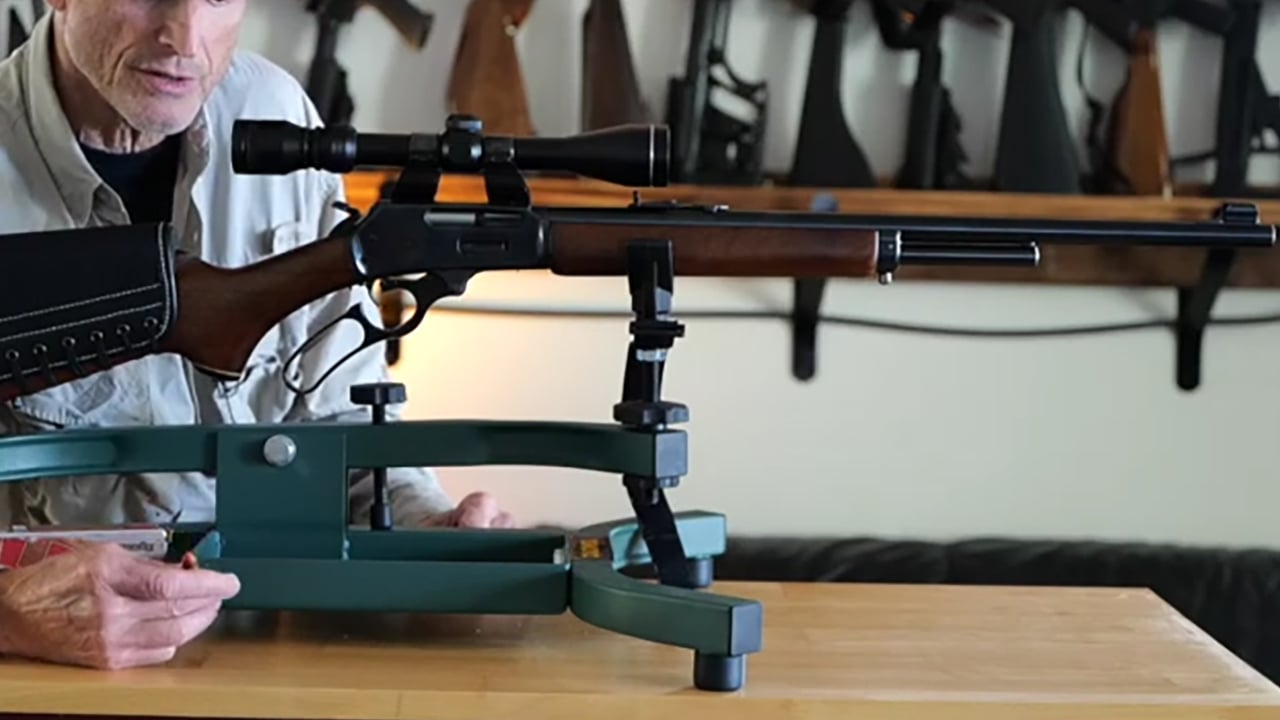
The .444 Marlin is one of those cartridges that got called “unnecessary” by people who never hunted thick woods with big bullets. So the rifles sat, then they got sold, because a .30-30 seemed “more practical.”
Later on, the same guys realize how well a .444 works for close-range deer and hogs, and how fun it is when you’re not trying to turn it into a 300-yard rifle. It’s a specialty tool, sure. It’s also a very good one.
13. Winchester Model 9422
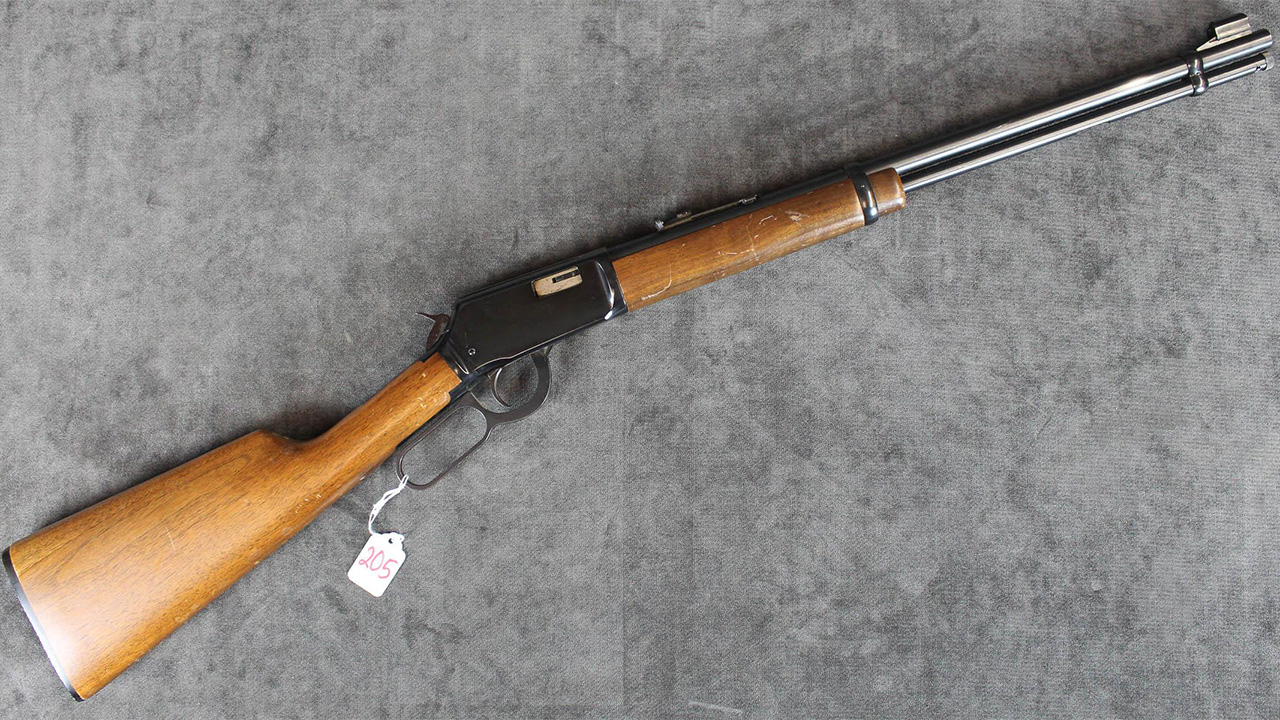
If you owned a 9422 and sold it, you probably still think about it. They are that kind of rimfire. Smooth, well-finished, and built like somebody cared.
People let them go because “it’s just a .22” and a cheaper one can do the same job. Then they go shoulder a newer budget rimfire and realize not everything is measured in muzzle velocity.
14. Rossi Model 92 (.357 or .44)

Rossi gets knocked for being rough out of the box sometimes, and that’s fair. But a decent Rossi 92 that’s been shot a little and cleaned like it should be can run surprisingly well.
Guys sold them because they wanted a “better brand” or because the fit and finish wasn’t pretty. Then pistol-caliber lever guns got expensive across the board, and that cheap beater they didn’t appreciate suddenly looks like the smartest purchase they ever made.
15. Marlin 1894 (.44 Magnum, pre-safety)
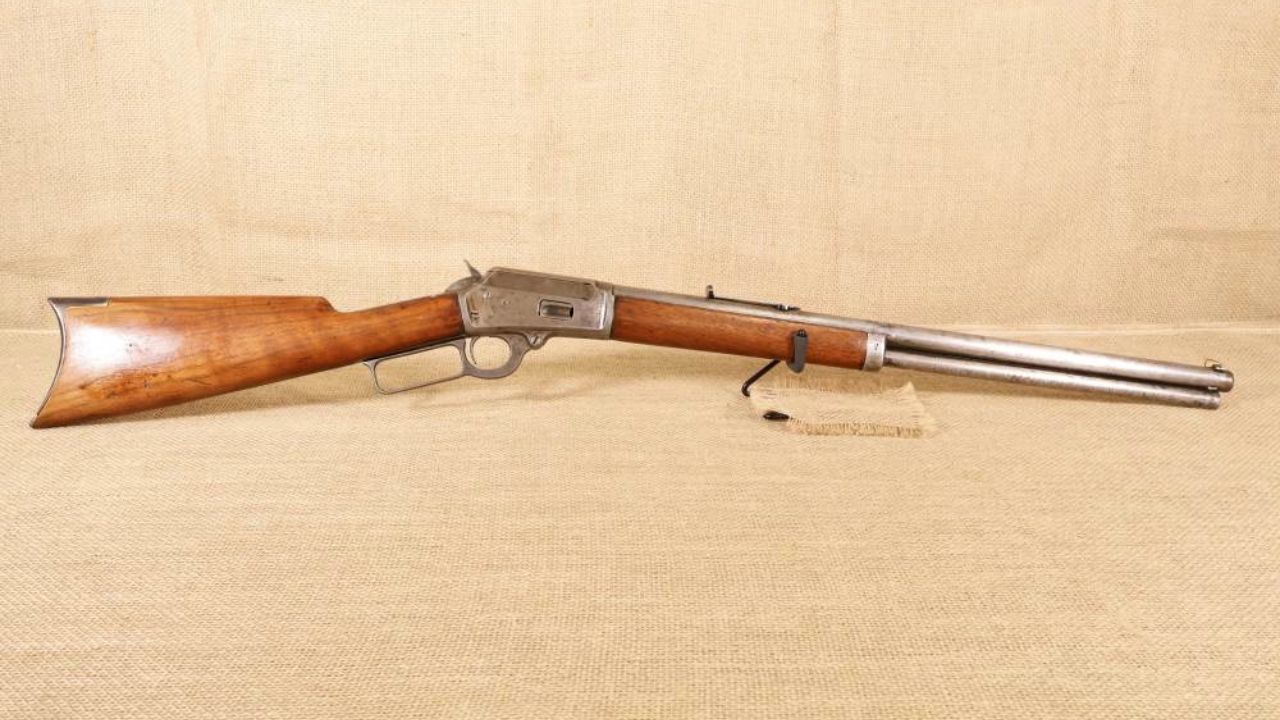
The pre-safety 1894s have a following for a reason. They’re trim, they feel right, and the controls are simple. In .44 Mag, they’re a real-world deer rifle inside the ranges most folks should keep it to anyway.
Many got sold when guys decided they were going “all rifles” with .308s and 6.5s. Then they get into a tree stand with a long bolt gun and remember what it’s like to have a short, quick rifle that doesn’t snag everything.
16. Henry H001 (Classic Lever Action .22)

This is the lever gun that gets called “entry level” like that’s an insult. The H001 isn’t a museum piece, but it’s a solid little .22 that works, and it’s one of the easiest rifles to hand to a new shooter.
People sell them because they want something threaded, something tactical, something with a magazine. Then they have a kid, a grandkid, or just a slow afternoon, and wish they still had that simple rifle that never demanded anything from them.
17. Winchester Model 71
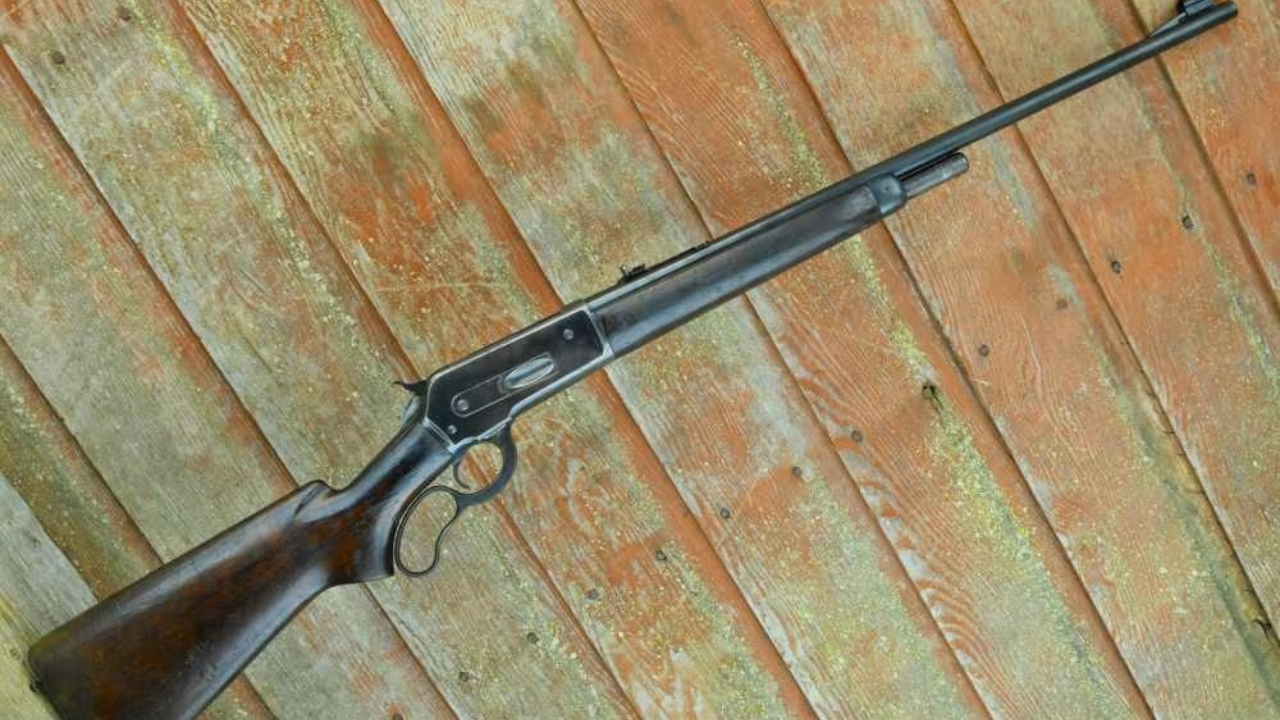
The Model 71 in .348 Win is one of those “why did I sell that?” rifles. It’s not for everyone, and ammo isn’t something you casually toss in the cart with milk and eggs.
But it’s a classic big-woods lever gun that feels like it was built for serious hunting. The regret usually sets in when someone realizes they traded a real piece of history for a plastic-stocked rifle they don’t even like anymore.
18. Marlin 1893/36 (vintage .30-30 family)
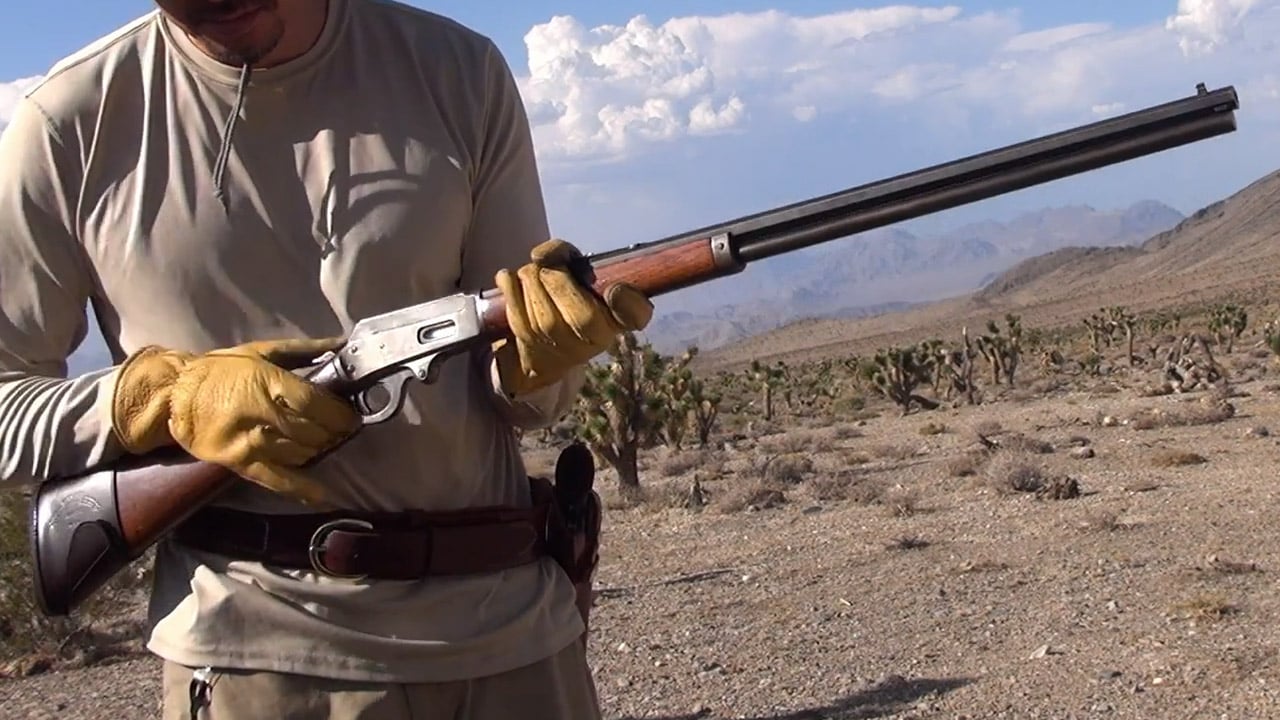
Older Marlins with honest wear marks get overlooked because the blueing isn’t perfect and the wood has dings. That’s exactly why they’re great hunting rifles—nobody is afraid to carry them.
Plenty of these got sold off when “new” meant “better.” Then a few seasons go by and you realize the old rifle killed deer just fine, didn’t care about rain, and had a trigger you actually liked.
19. Winchester Model 1895 (modern reproductions in .405 Win or .30-06)
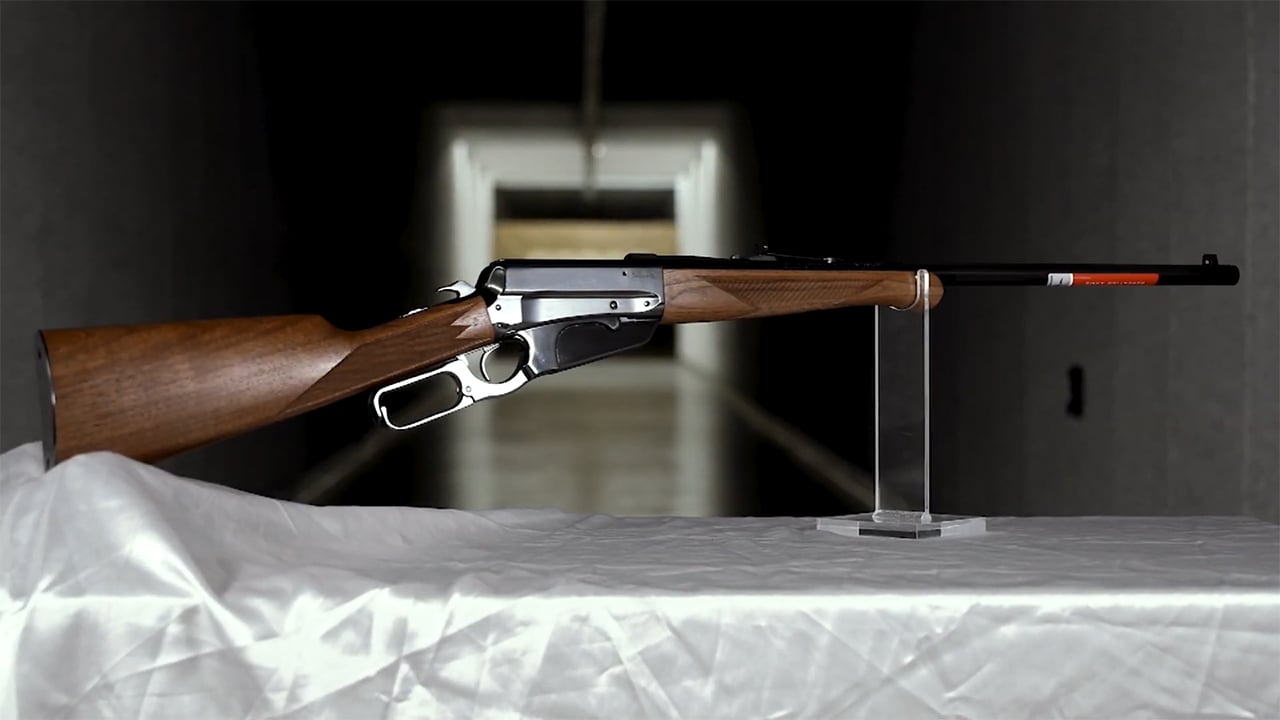
The 1895 is a lever gun that looks odd to people who only know tube magazines. It’s got a presence to it, and it also has a way of turning a range day into a conversation with every guy two benches over.
They’re not cheap, and they’re not light. But the folks who let one go usually miss the experience as much as the performance. Some rifles are just fun in a way that doesn’t show up on a spec sheet.
20. Marlin 336 (older .35 Remington)
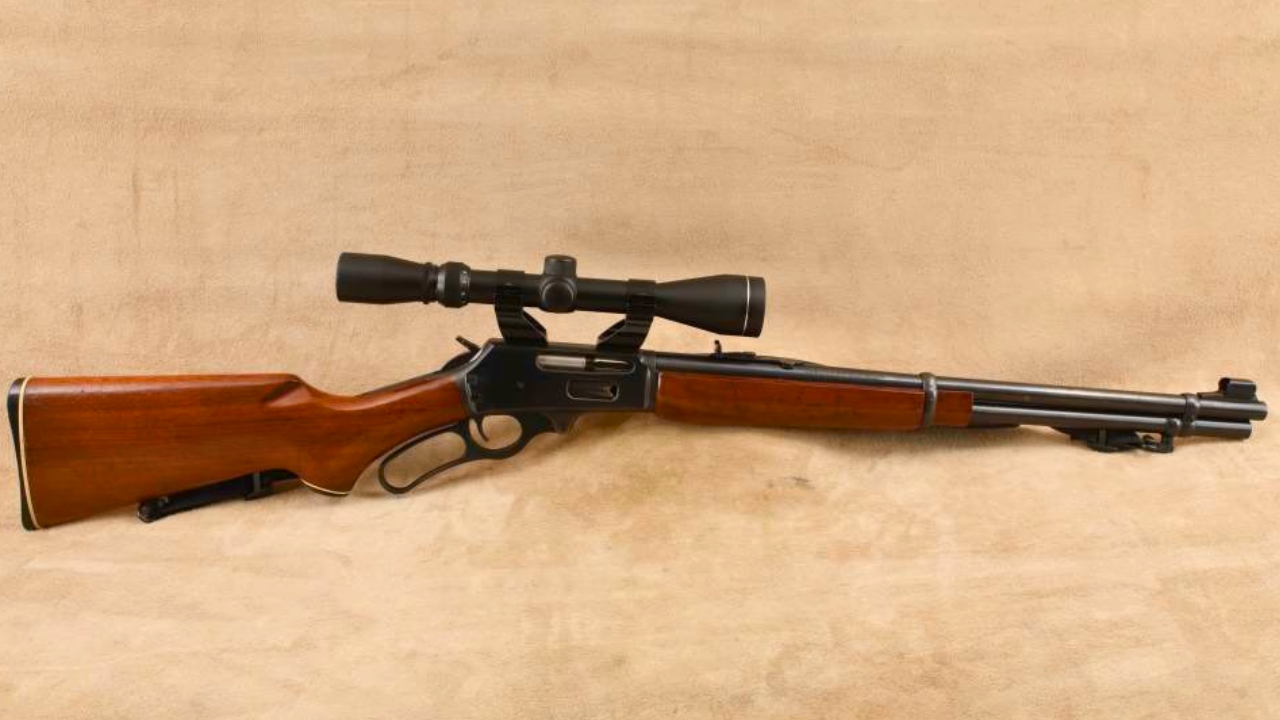
If you know, you know. A 336 in .35 Rem is one of the best whitetail woods rifles ever made, and it has been quietly making believers out of hunters for a long time.
It got treated like an oddball for years, which meant a lot of them changed hands cheap. Now ammo availability swings around, rifles are harder to find, and guys are realizing they traded away a hammer for something “flatter shooting” they never really needed.
Lever-actions aren’t magic, and they’re not the answer for every job. But they’re honest tools, and a good one tends to stick with you longer than the latest trend. If you’ve got one that feeds right, shoots straight, and feels good in the hands, I’d think real hard before you let it walk out the door.
Like The Avid Outdoorsman’s content? Subscribe to our newsletter so you never miss an article.
Here’s more from us: