Photo credit: Iraqveteran8888/Youtube
Gun guys love to talk about “investment guns,” but the truth is simpler: most firearms are tools, and tools usually depreciate. A few models, though, have a habit of getting harder to find, harder to replace, and more expensive every time you walk into a shop. Then there are the ones that feel like a deal today and a regret two years later when you try to move them.
What makes a gun climb in value while it sits? It’s usually some mix of limited supply, real-world performance, nostalgia, and parts/magazines that don’t require a scavenger hunt. What makes one stall out or drop? Hype, oddball designs, spotty QC, and “good enough” models that got built by the truckload. Here are 20 guns that tend to go one way or the other, and why.
1. Colt Python (older production)

Even folks who don’t care about revolvers know what a Python is. The older ones have that slick, bank-vault feel and a finish that modern mass production rarely nails. They’re also tied to a certain era of American gunmaking that isn’t coming back.
They appreciate because collectors keep absorbing them, and because the “I’ll buy one later” crowd keeps getting priced out. Sure, the new-production Pythons are good shooters, but the old ones have that halo effect. Condition matters a lot, and yes, the box and papers matter more than you want them to.
2. Remington 870 Wingmaster (older, smooth action guns)
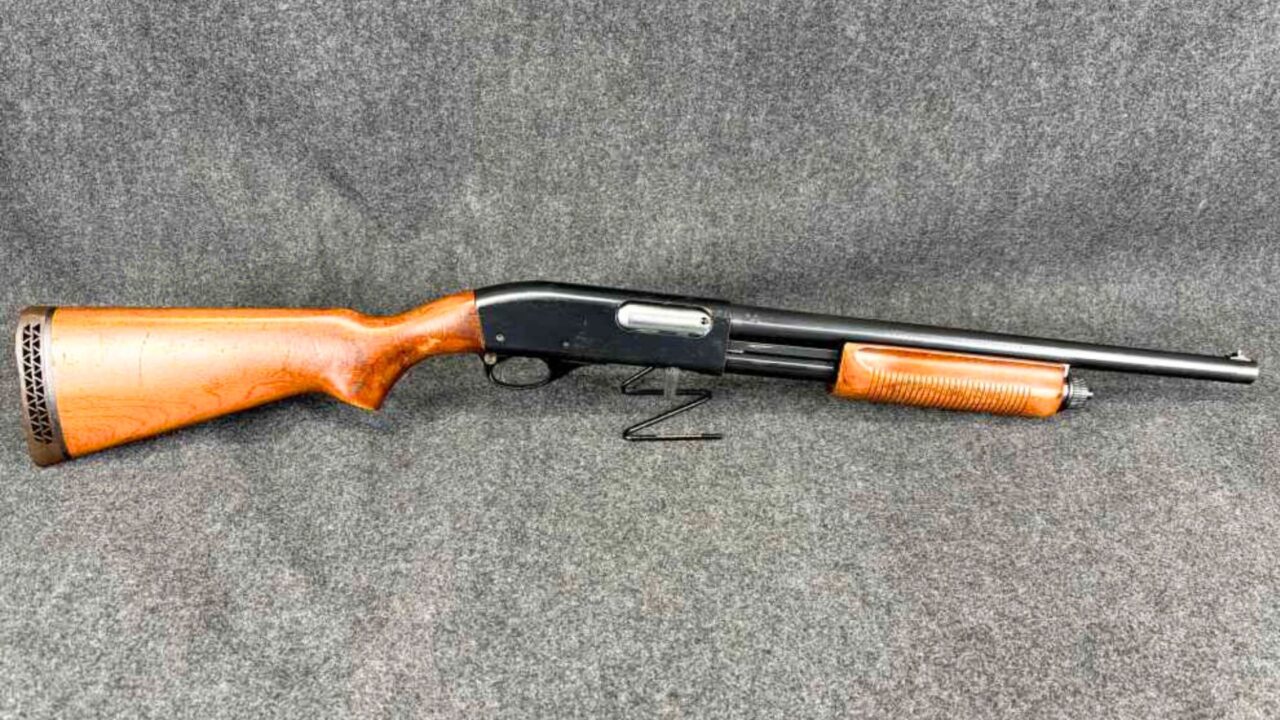
You can pick up plenty of used 870s, but the older Wingmasters with the slick action and better polish are a different animal. They point naturally, they run dirty, and they’re the kind of shotgun that gets handed down.
They climb because the supply of “good era” guns is finite, and because the 870 pattern is still useful for everything from turkey to trap. The ones that don’t climb are the rough, late-era budget builds with finish issues and gritty actions. Guys can feel the difference in about three pumps.
3. Marlin 1895 (JM-stamped, pre-Remington)

Walk a gun show and listen for the words “JM stamp.” Those pre-Remington Marlin lever guns, especially the .45-70 1895, have a following for a reason. They cycle smoother, the fit is generally better, and they just feel right in the hands.
They appreciate because they’re both collectible and useful. A .45-70 lever gun isn’t a safe queen for most hunters; it’s a woods rifle that gets carried. When a rifle can be a “want” and a “need,” it doesn’t sit on shelves for long.
4. Winchester Model 70 (pre-64)

The “Rifleman’s Rifle” nickname stuck because it earned it. Pre-64 Model 70s have that controlled-round feed feel and a level of machining that makes modern cost-cutters look sad. They’re not magic, but they’re honest.
They go up because serious hunters and serious collectors overlap here. And if you’ve ever tried to replace a clean, unmolested pre-64 in a common hunting caliber, you already know: it’s never cheaper next year.
5. Browning Auto-5 (Belgian production)
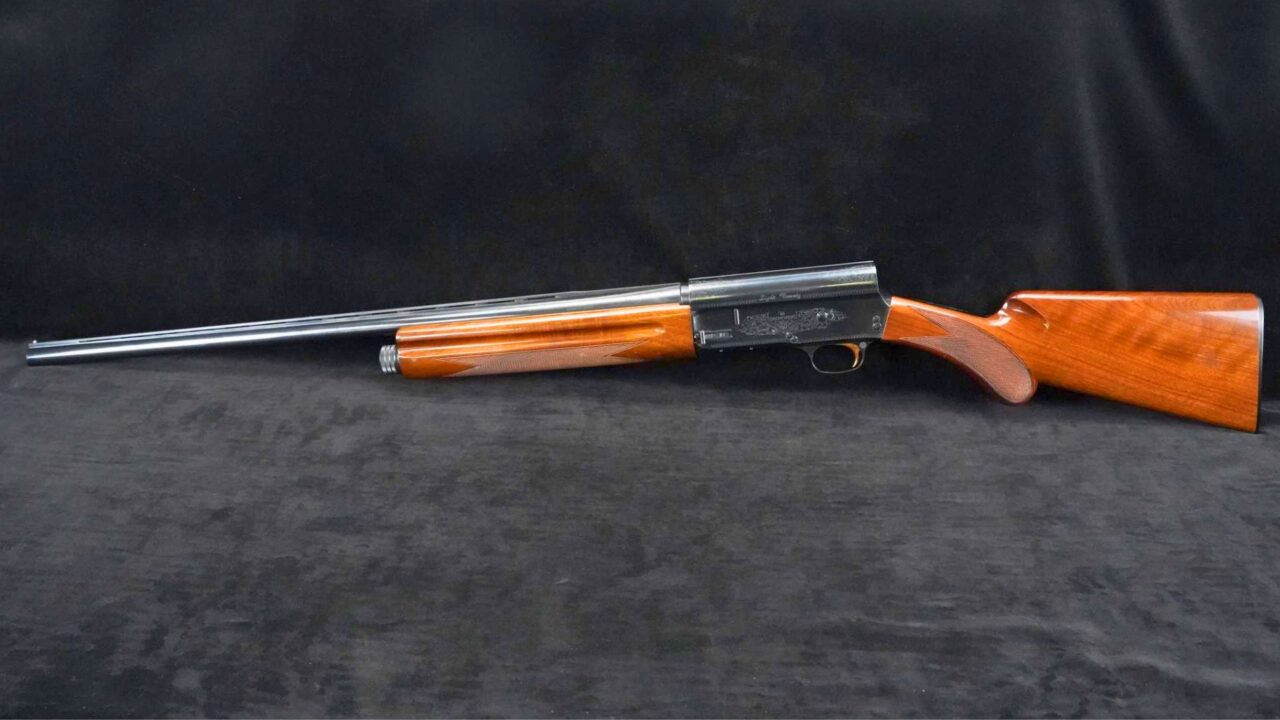
The humpback looks odd until you shoot one well. Belgian Auto-5s have history, quality, and that old-school “built to last” vibe. They’re also tied to upland traditions in a way modern plastic-stocked autoloaders just aren’t.
They appreciate because they’re not being made like that anymore, and because good examples keep getting scarcer. Recoil can be snappy compared to today’s gas guns, but collectors don’t care. They want the real thing.
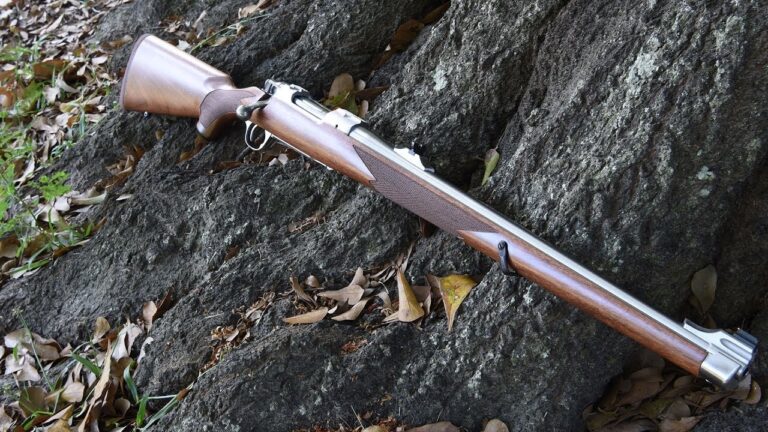
6. Ruger No. 1 (select chamberings)
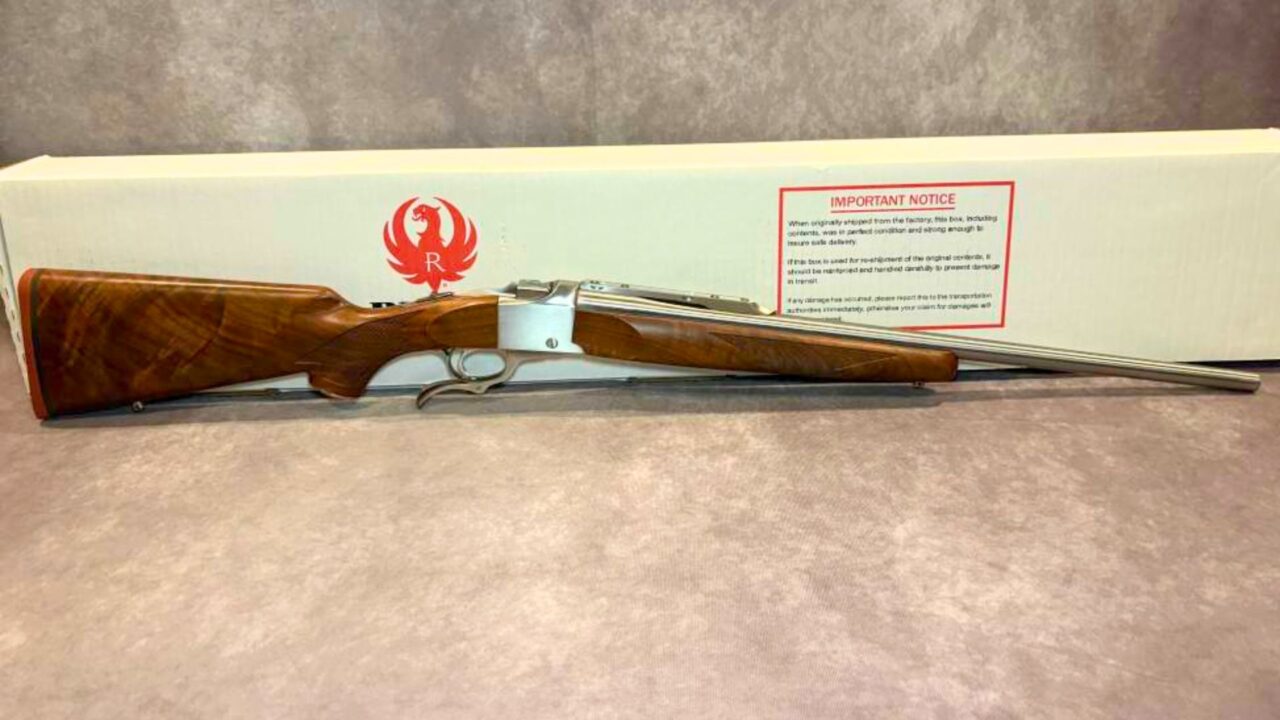
There’s nothing practical about a single-shot falling-block when you’re talking pure efficiency. Still, the Ruger No. 1 has class, and it carries like a dream. It’s a rifle you bring out because you like rifles.
Values rise on the right versions because Ruger runs batches, stops, starts, and the market chases the chamberings it loves. The rarer cartridges and nicer wood bring the money. The plain ones can sit, but they usually don’t crater unless they’ve been messed with.
7. Heckler & Koch P7

The P7 is one of those pistols that feels overbuilt in the best way. It’s compact, accurate, and different. Also, it’s discontinued, and HK fans have a long memory.
It appreciates because supply is fixed and demand stays steady, especially for clean guns with extra mags. Downsides are real: it heats up with extended shooting and parts aren’t as casual as Glock parts. Still, it’s a “buy once, cry once” pistol that rarely gets cheaper.
8. SIG Sauer P210 (Swiss/German, not the budget clones)

The P210 has a reputation for accuracy that isn’t internet make-believe. The trigger and lockup on the real-deal guns are something you notice the first time you press one off a sandbag. It’s not a duty pistol; it’s a craftsmanship pistol.
They rise because they’re expensive to make right, and because collectors and shooters both chase them. Cheap copies might scratch the itch, but they don’t pull the same collector dollars. Originals tend to keep walking upward if they’re kept clean and unmodified.
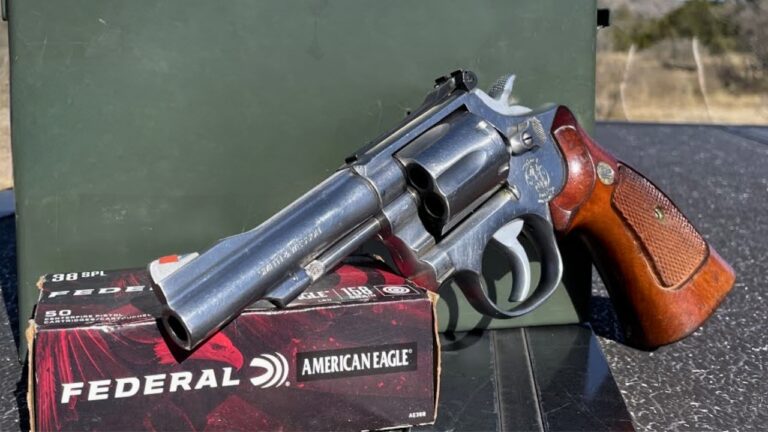
9. Smith & Wesson Model 29 (pinned and recessed era)
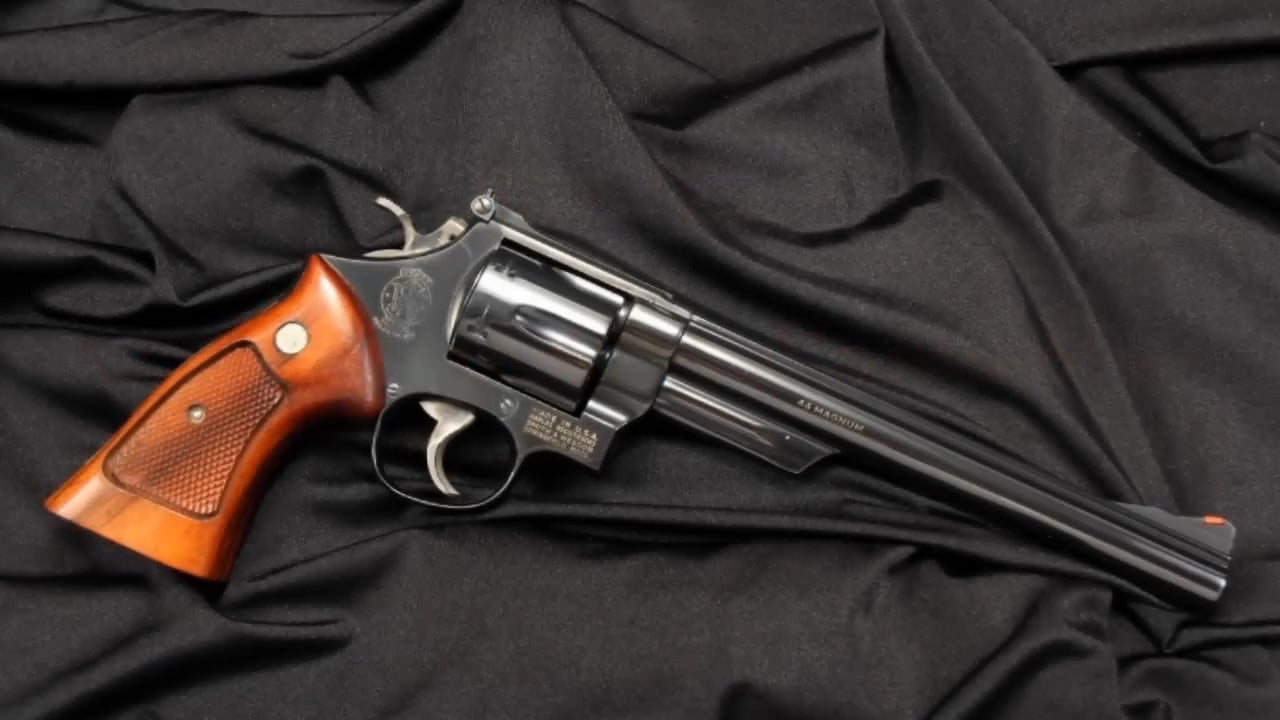
Dirty Harry did more for the Model 29 than a thousand gun writers ever could. The older pinned-and-recessed guns have a fit and finish that collectors actively hunt. And a big N-frame .44 still has a place in the woods.
They appreciate because they’re iconic and finite, and because the market separates the “classic” examples from the newer production runs. Heavy recoil loads can beat on them if you live on the hottest stuff, so condition and timing matter. The clean ones don’t last long on a table.
10. Colt Single Action Army (3rd Gen and earlier, honest condition)
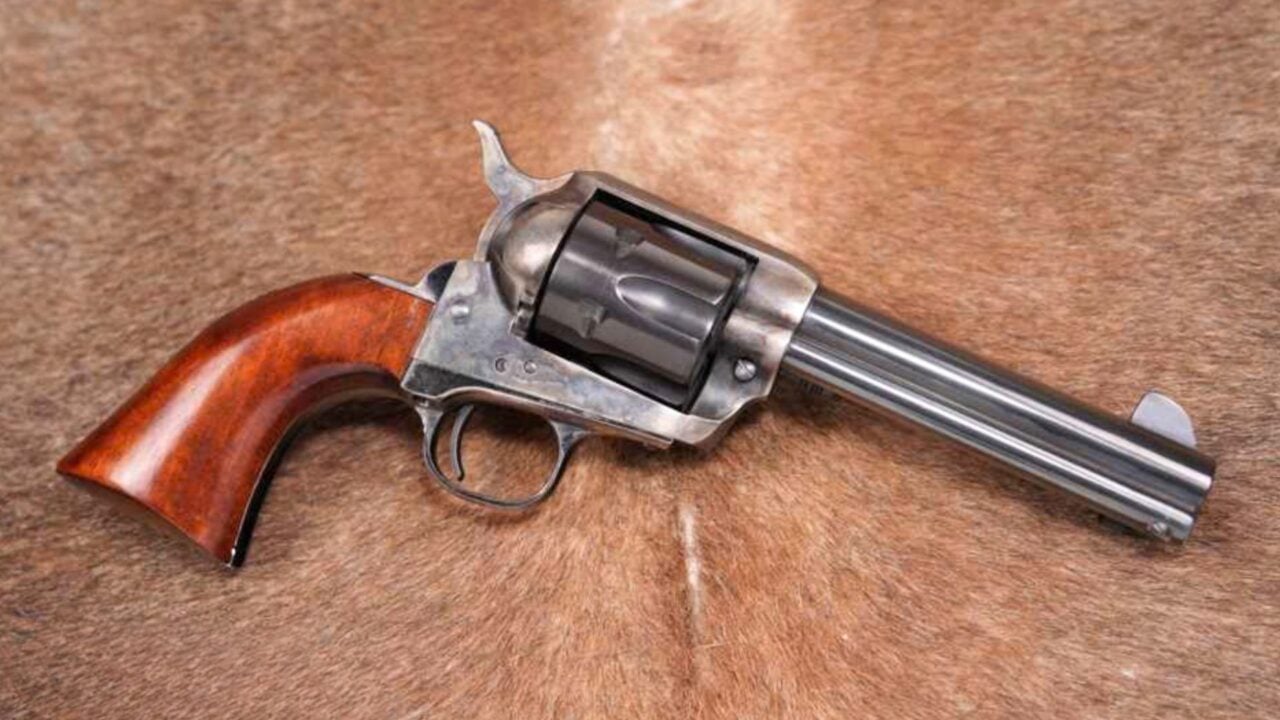
The SAA is one of those guns that doesn’t need defending. It’s Americana. Even non-shooters recognize it, and collectors treat it like a cornerstone.
They go up because they’re tied to history and because Colt pricing tends to drag the whole category upward over time. The caveat is originality—refinishes and swapped parts can hurt value fast. A “too perfect” old SAA deserves a second look.
11. Glock 19 (any generation, used)
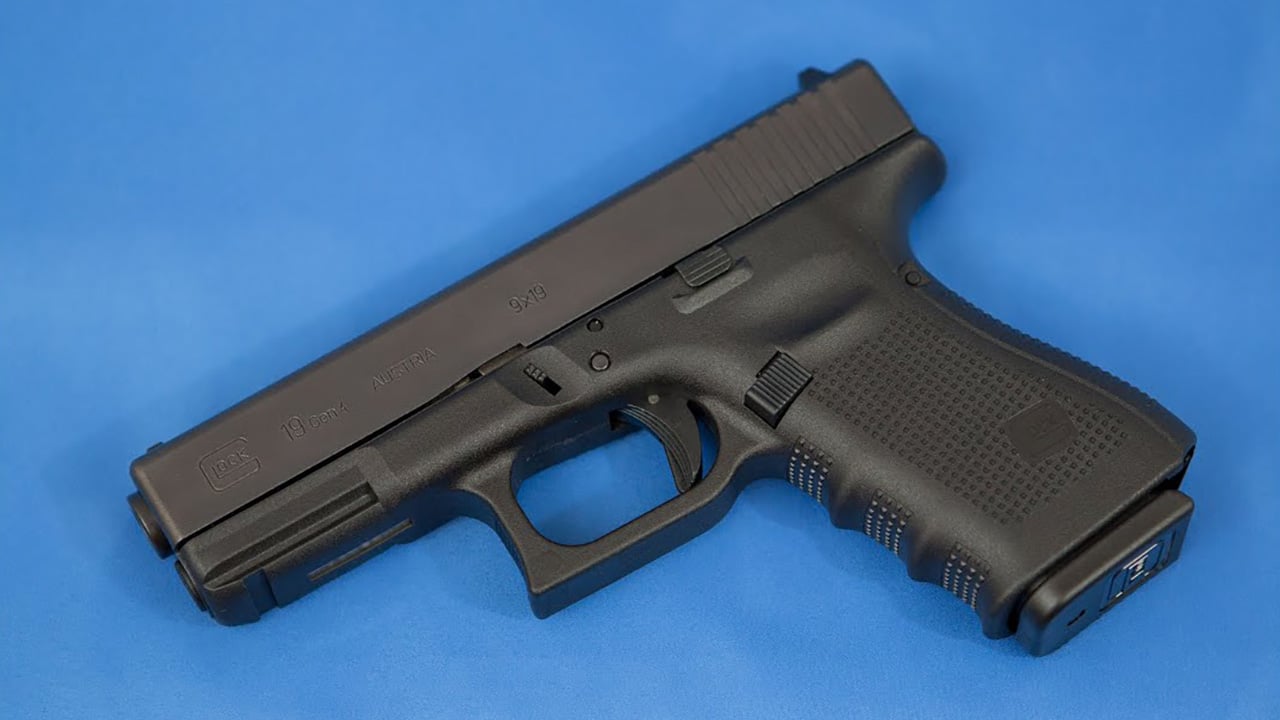
Here’s the boring answer: a used Glock 19 usually doesn’t appreciate. It’s a fantastic pistol, but there are too many of them, and new ones keep coming. I carry them, I trust them, and I don’t expect them to make me money.
They hold value decently compared to plenty of other polymer pistols, but appreciation is rare. The exception is weird limited runs or ban-state oddities, and even then you’re chasing a narrow market. For most of us, a Glock is a tool, not a stock portfolio.
12. Remington 770
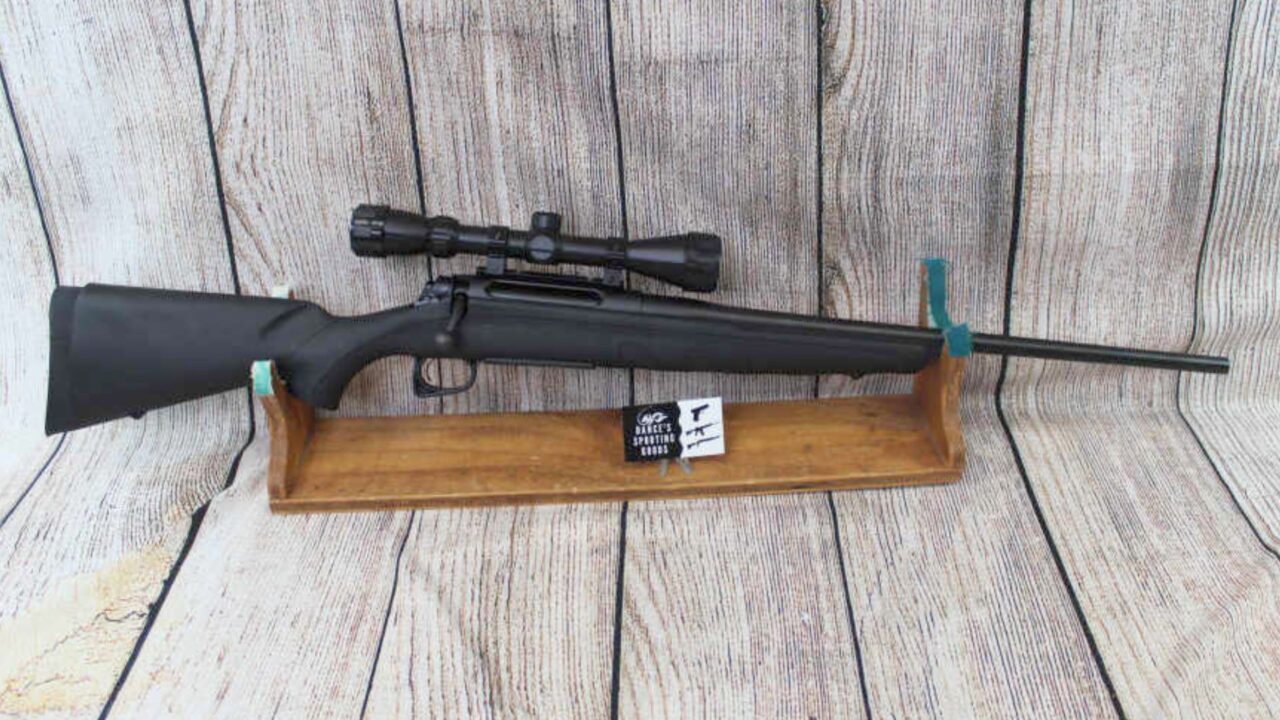
The 770 (and rifles in that lane) is where a lot of new hunters start, especially when a scope is already in the box. I get it. Budgets are real. The problem is, these rifles often feel disposable, and the market treats them that way.
They don’t climb because there’s no collector demand and the reputation is what it is. When the time comes to upgrade, it’s hard to get much back out of one. If yours shoots and you hunt with it, fine—just don’t expect “safe appreciation.”
13. Taurus Judge

This is one of those guns that sells itself on the counter. It looks cool, it sounds versatile, and it feels like it should solve problems. Then you actually shoot it and figure out what it is and what it isn’t.
They usually don’t appreciate because novelty isn’t the same as lasting demand. The resale market is crowded, and a lot of owners move them after the first couple range trips. If you love yours, keep it. If you bought it thinking it was an “investment,” that one hurts.
14. Springfield Armory XD (early models, used market reality)
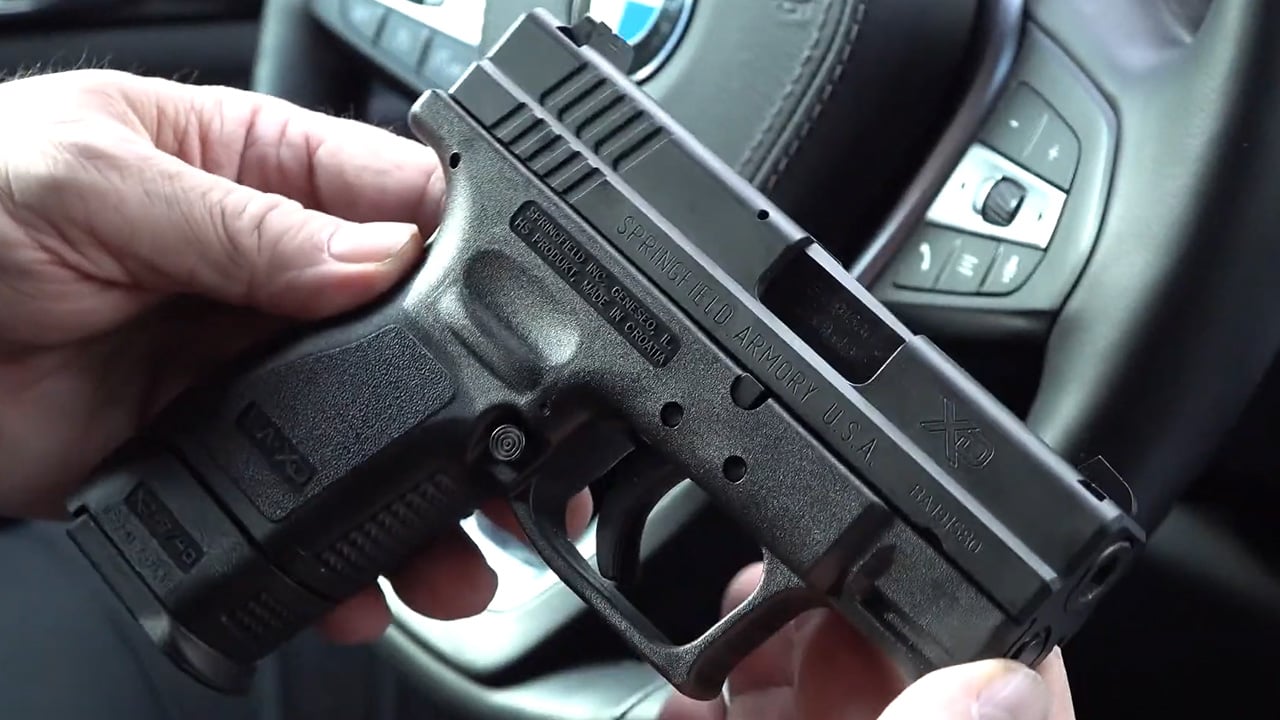
XDs have served plenty of folks just fine, but the used market can be unforgiving. The striker-fired world is crowded, and “fine” isn’t rare. Magazines and holsters exist, sure, but the cool factor isn’t driving prices up.
They don’t climb because there’s always another polymer pistol competing for the same dollars. Trade-in supply stays steady, and pricing follows. It’s not about being bad; it’s about being common in a market that’s always chasing the next thing.
15. Ruger LCP (original .380)
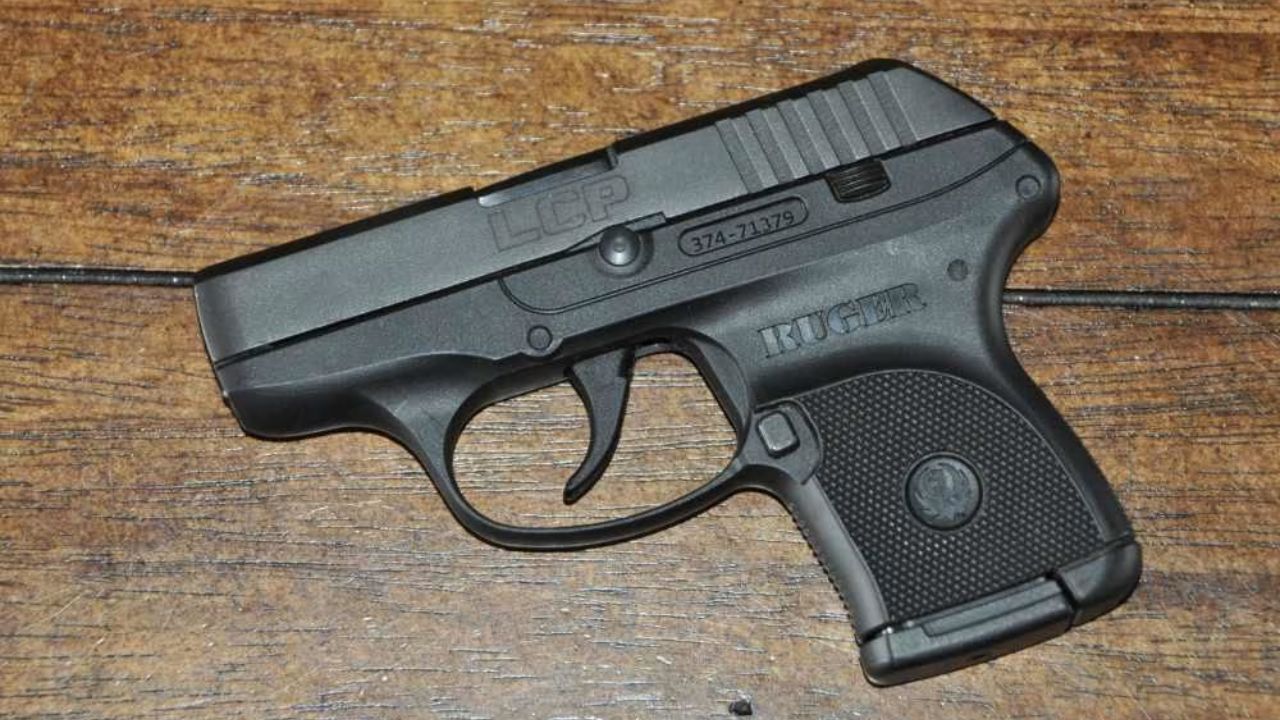
The little LCP changed what pocket carry looked like for a lot of people. It’s light, it’s easy to stash, and it works. It’s also one of those guns that gets carried hard, which means most of them end up worn.
They don’t appreciate because Ruger made a pile of them and kept improving the line. Newer versions with better triggers and sights keep older ones from climbing. As a “go everywhere” pistol, it’s great. As a safe asset, not so much.
16. Mossberg 500 (standard field models)

The Mossberg 500 is one of the most useful shotguns ever made. Parts are everywhere, it’s easy to keep running, and it’s been in more truck racks than most of us want to admit. But useful doesn’t automatically mean valuable.
Standard field guns usually don’t appreciate because they’re everywhere. Specialized variants, older oddballs, or clean guns with desirable furniture can do better, but the average 500 is a working gun. Treat it like one and it’ll treat you right.
17. Century Arms RAS47

AK buyers learn fast: not all AKs are created equal. The RAS47 has had enough controversy and enough unhappy owners that the reputation sticks. Even if an individual rifle runs, the market remembers patterns.
They don’t appreciate because buyers have safer bets, and because AK people talk. Resale is tough when everyone’s worried about longevity, parts fit, and what version they’re actually getting. If you want an AK that holds value, start with a better base rifle.
18. Ruger 10/22 (older carbines and clean early guns)

A 10/22 is about as close as we get to a universal “everybody should own one” rifle. They’re reliable, they’re handy, and they teach new shooters without beating anybody up. There’s nothing fancy about it, and that is kind of the point.
They can appreciate modestly when you’re talking older, clean examples or desirable versions, mostly because everyone wants one and they never go out of style. The trick is not turning it into a parts-bin science project if you care about value. A tasteful setup is one thing; a franken-rifle is another.
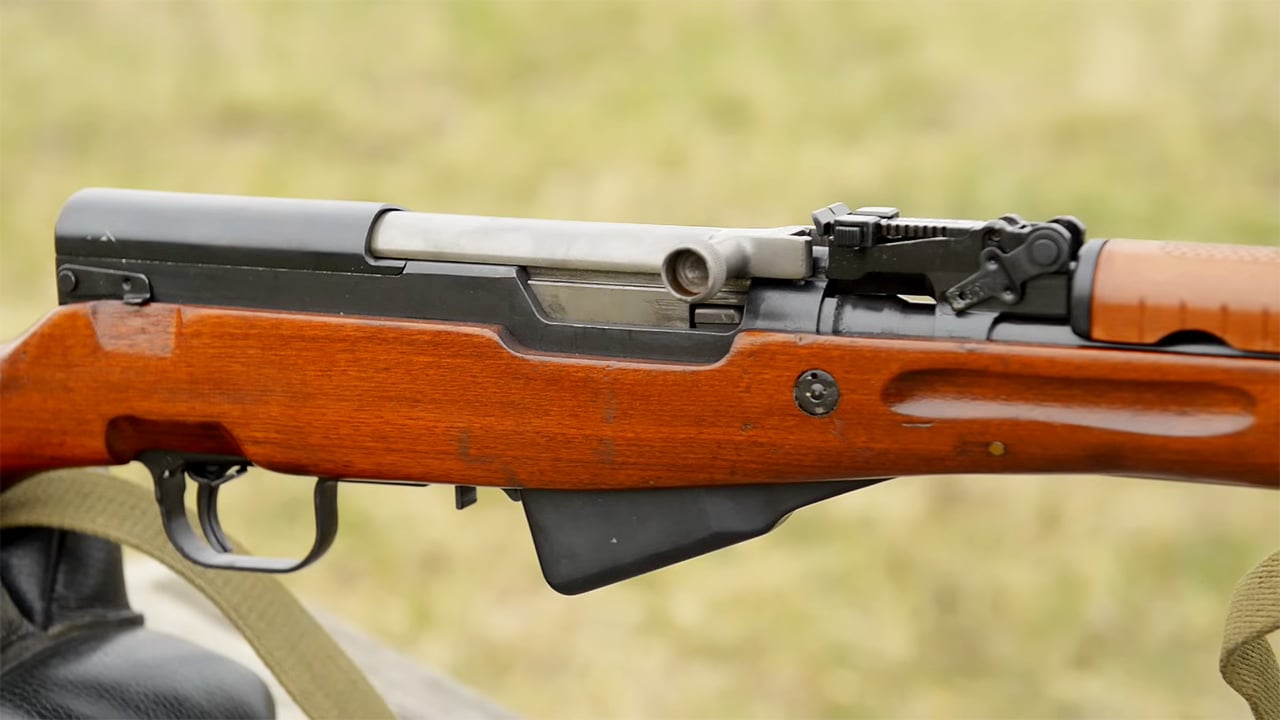
19. Norinco SKS (unmodified, matching numbers)
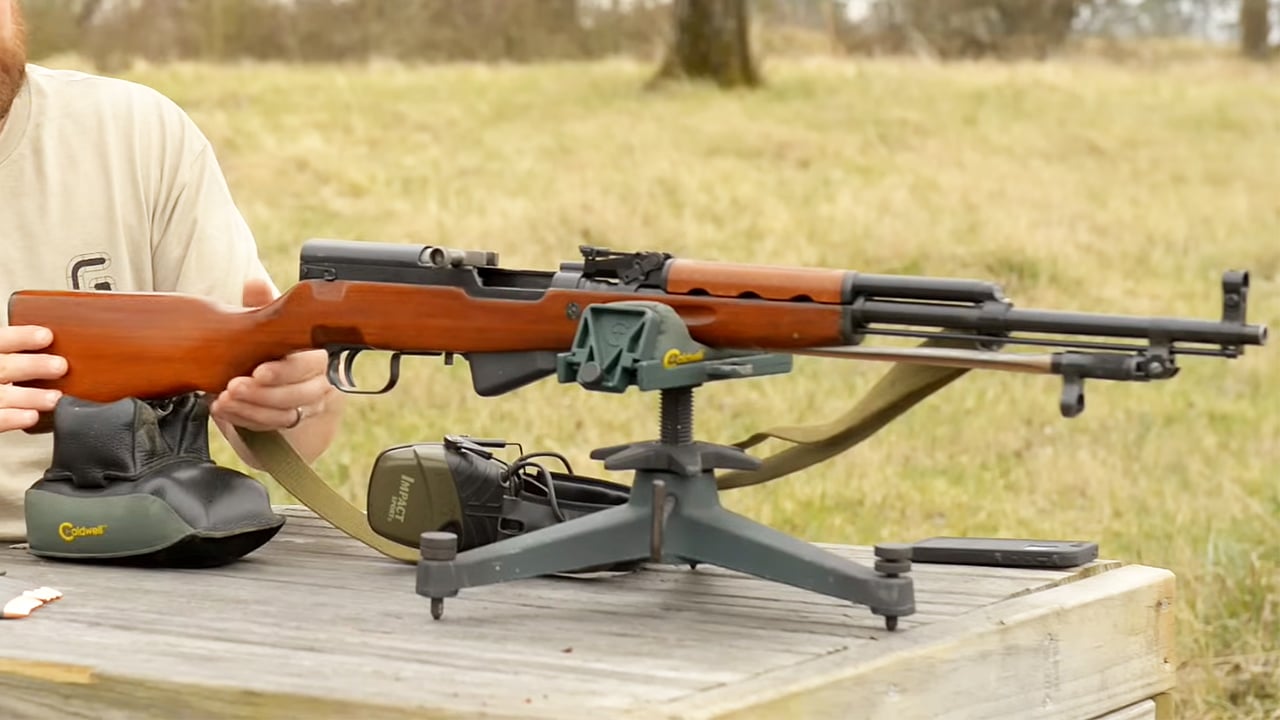
The SKS used to be the “cheap gun” leaning in the corner of every shop. Not anymore. Good, matching-number rifles with original stocks and bayonets are getting harder to find because so many were cut up, bubbafied, or just shot loose.
They appreciate because surplus dried up and nostalgia kicked in. Also, the SKS is genuinely useful—simple, rugged, and easy to feed. The ones that don’t rise are the heavily modified rifles where the original character is gone and buyers start asking, “Why not just buy something else?”
20. Colt AR-15 SP1 (early civilian Colts)
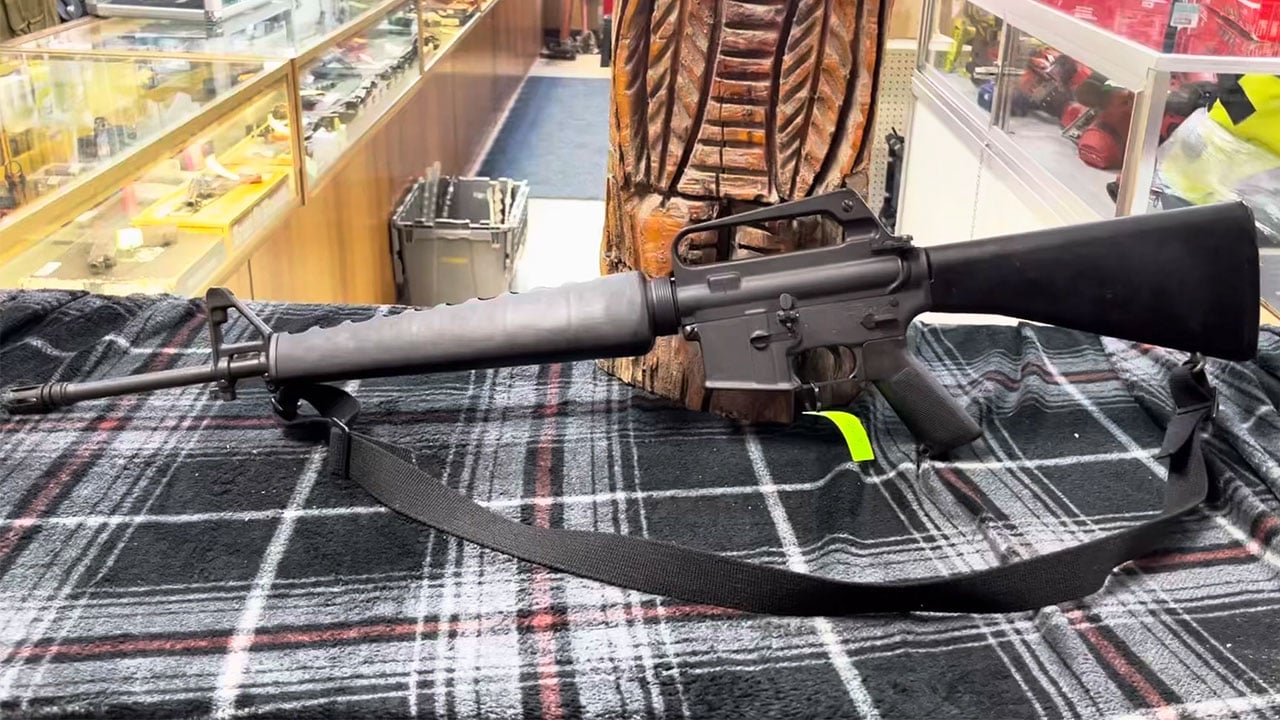
The SP1 is a time capsule. Lightweight, slick-sided, old-school Colt markings—this is the rifle a lot of folks wish they’d bought when they were “just regular AR money.” They’re not the most practical configuration for modern accessories, but collectors aren’t shopping for practical.
They climb because Colt collector demand is real and because early examples keep leaving the market for long-term safes. Originality matters here, too. If you’ve got one with correct parts and it hasn’t been “updated,” it tends to do exactly what you want a safe-sitter to do.
Here’s the straight talk: if your plan is to make money, guns are a slow, fussy way to do it. But if you buy solid models with real demand, keep them clean, don’t modify collector-grade examples, and store them right, a few will quietly get more valuable while the rest just do their job. The smart move is owning guns you actually like shooting and carrying—then any value increase is just a bonus.
Like The Avid Outdoorsman’s content? Subscribe to our newsletter so you never miss an article.
Here’s more from us: