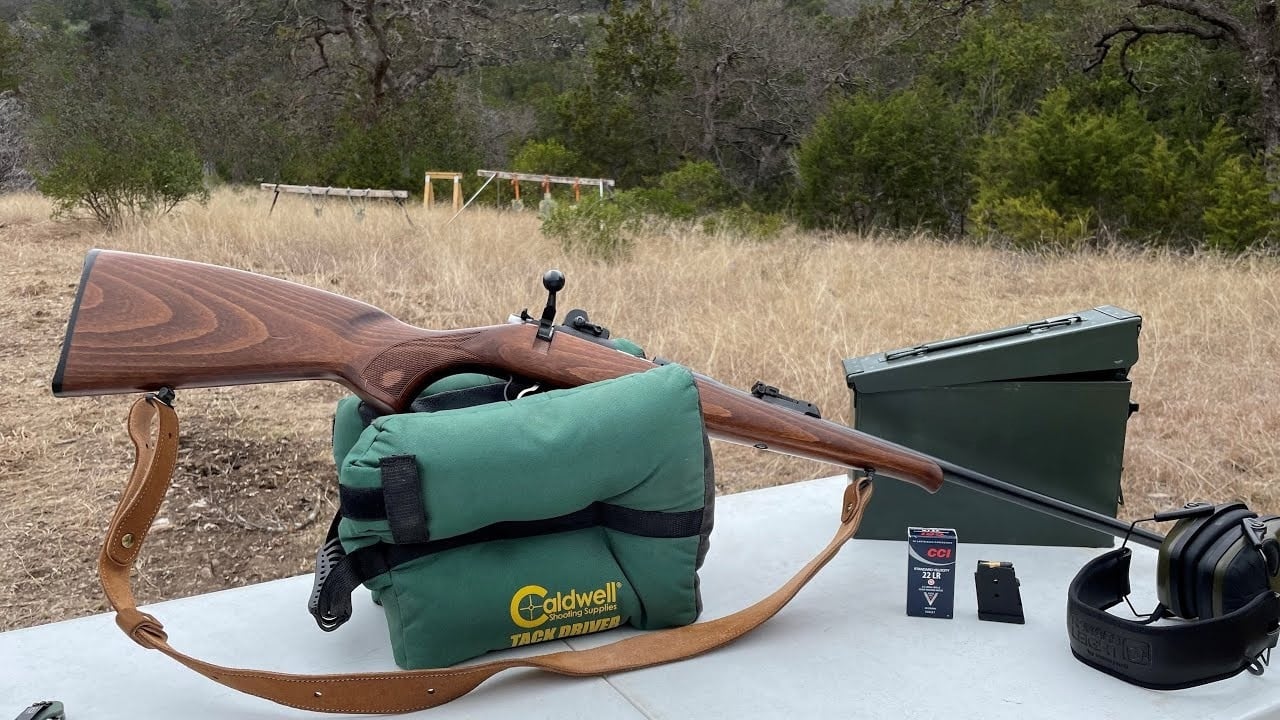
Photo credit: Tex Mex/YouTube
New firearms usually promise lighter weight, easier manufacturing, higher capacity, and better accessory support. Those improvements matter, but they do not automatically produce a better gun. Older firearms were often built with forged steel, carefully fitted parts, and designs that had already survived decades of military, police, hunting, or competitive use before anyone called them classics.
Some of these guns are heavier than current models, and replacement parts can require more searching. They also may lack optic cuts, accessory rails, adjustable stocks, or interchangeable grip panels. Even with those disadvantages, they often deliver smoother actions, better balance, cleaner triggers, and a level of durability that makes many modern guns feel disposable by comparison.
Smith & Wesson Model 19
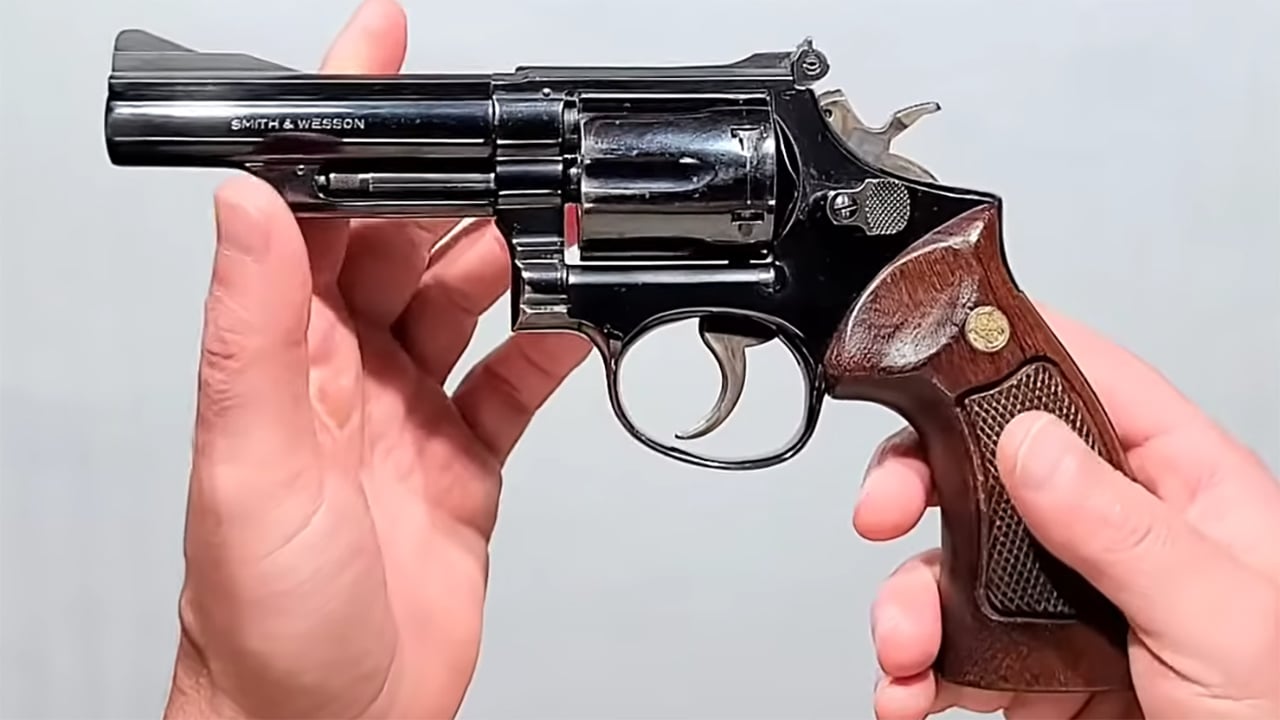
The Smith & Wesson Model 19 was developed to provide .357 Magnum power in a revolver lighter and easier to carry than the large N-frame models of the period. The result was one of the best-balanced service revolvers Smith & Wesson ever produced. Its K-frame proportions, adjustable sights, and smooth action made it equally useful in a police holster, on a trail, or at the range.
Modern revolvers may use stronger materials and improved manufacturing methods, but many do not have the same balance or trigger quality as a well-preserved Model 19. Older examples feel trim without feeling delicate, and they handle .38 Special ammunition beautifully. They were not intended for a constant diet of the hottest lightweight magnum loads, but with sensible ammunition, they remain exceptional shooters. A clean Model 19 still feels more refined than many current revolvers costing considerably more.
Colt Python
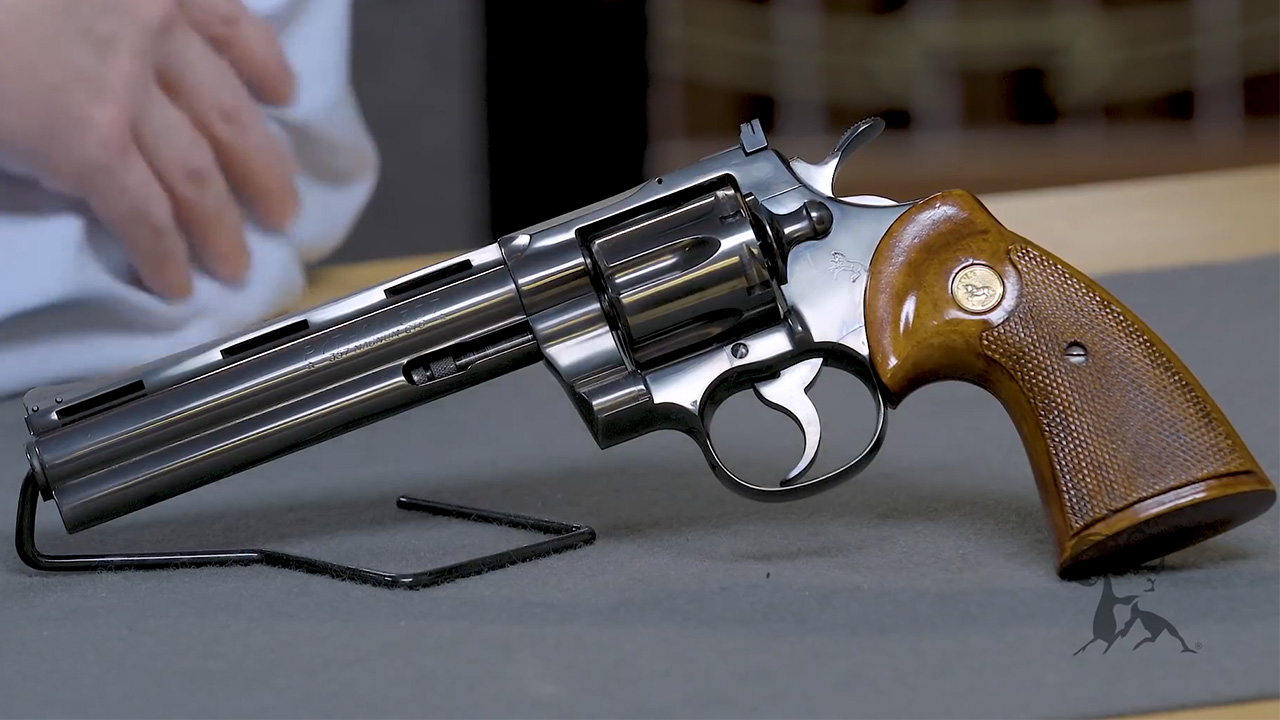
The original Colt Python earned its reputation through careful fitting, a smooth action, and a finish that few production revolvers can match today. Its ventilated rib, full underlug, and polished blue steel made it visually distinctive, but the real appeal became obvious when shooters experienced the trigger and lockup.
The older Python is not automatically more practical than every modern revolver. Parts are expensive, qualified repair work can be difficult to find, and hard use can reduce collector value. As a shooting instrument, however, a properly timed original Python offers a level of mechanical character that modern mass production rarely reproduces. New revolvers may be stronger and easier to service, but few feel as carefully assembled. The original Python remains a reminder that production guns once received attention now reserved for semi-custom models.
Ruger Security-Six
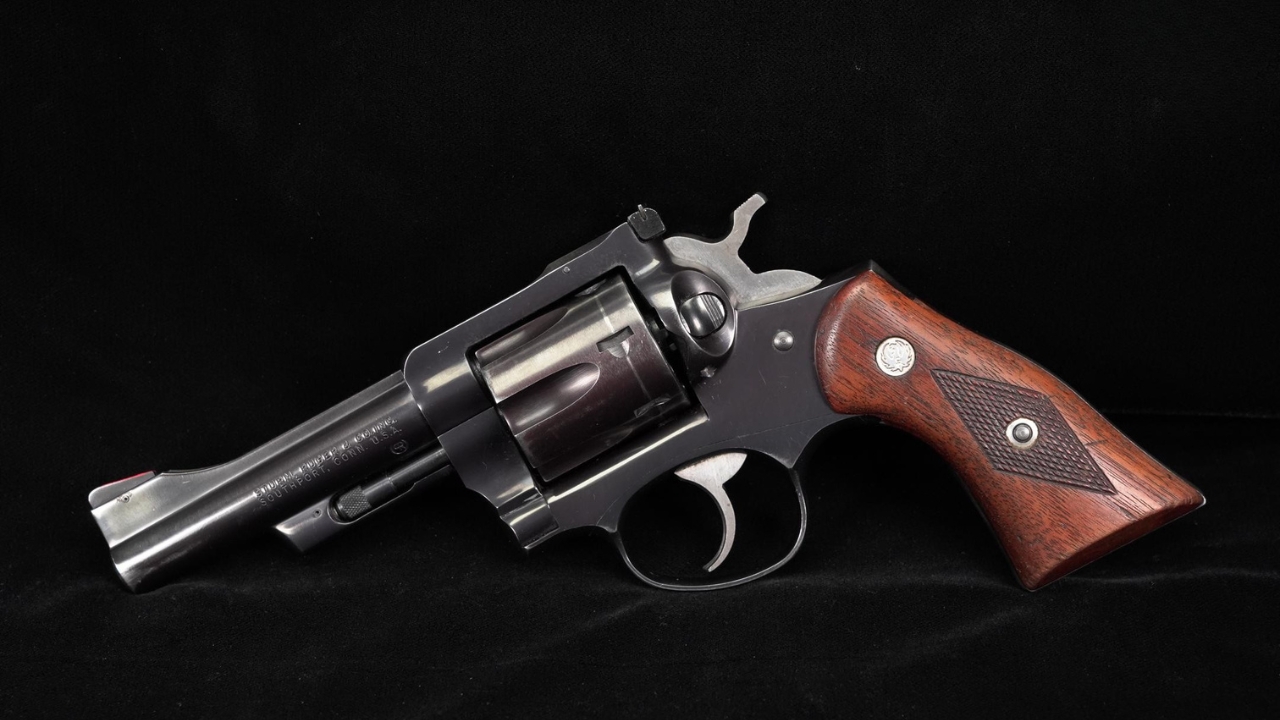
The Ruger Security-Six is one of those revolvers people ignored when used examples were inexpensive. It was strong enough for regular .357 Magnum use but trimmer and easier to carry than the later GP100. Its simple construction and solid lockup helped it build a reputation among officers, outdoorsmen, and shooters who wanted a revolver that could take abuse.
Many modern revolvers are bulkier without offering a meaningful advantage for ordinary use. The Security-Six carries naturally, points well, and has a frame size that works with both service-length and shorter barrels. Its factory trigger may not be as polished as an old Smith & Wesson, but it usually improves with use. Replacement parts are less common now, yet good examples continue running decades after production ended. Ruger has built stronger revolvers, but it may never have produced another .357 with the same balance of toughness and size.
Browning Hi-Power

The Browning Hi-Power combined a slim grip with a double-stack magazine decades before high-capacity pistols became standard. Its low-profile slide, natural pointing characteristics, and comfortable frame made it one of the most influential service pistols ever produced.
Modern handguns hold more ammunition, weigh less, and usually offer simpler controls. Very few feel as good in the hand as a properly set up Hi-Power. Removing or improving the magazine disconnect can transform the trigger, while quality sights make the pistol much easier to use than its age suggests. The design does require more maintenance than a basic polymer pistol, and older examples should not be treated carelessly with the hottest ammunition. Even so, the Hi-Power remains more elegant, better balanced, and more satisfying to shoot than most new duty pistols.
SIG Sauer P225
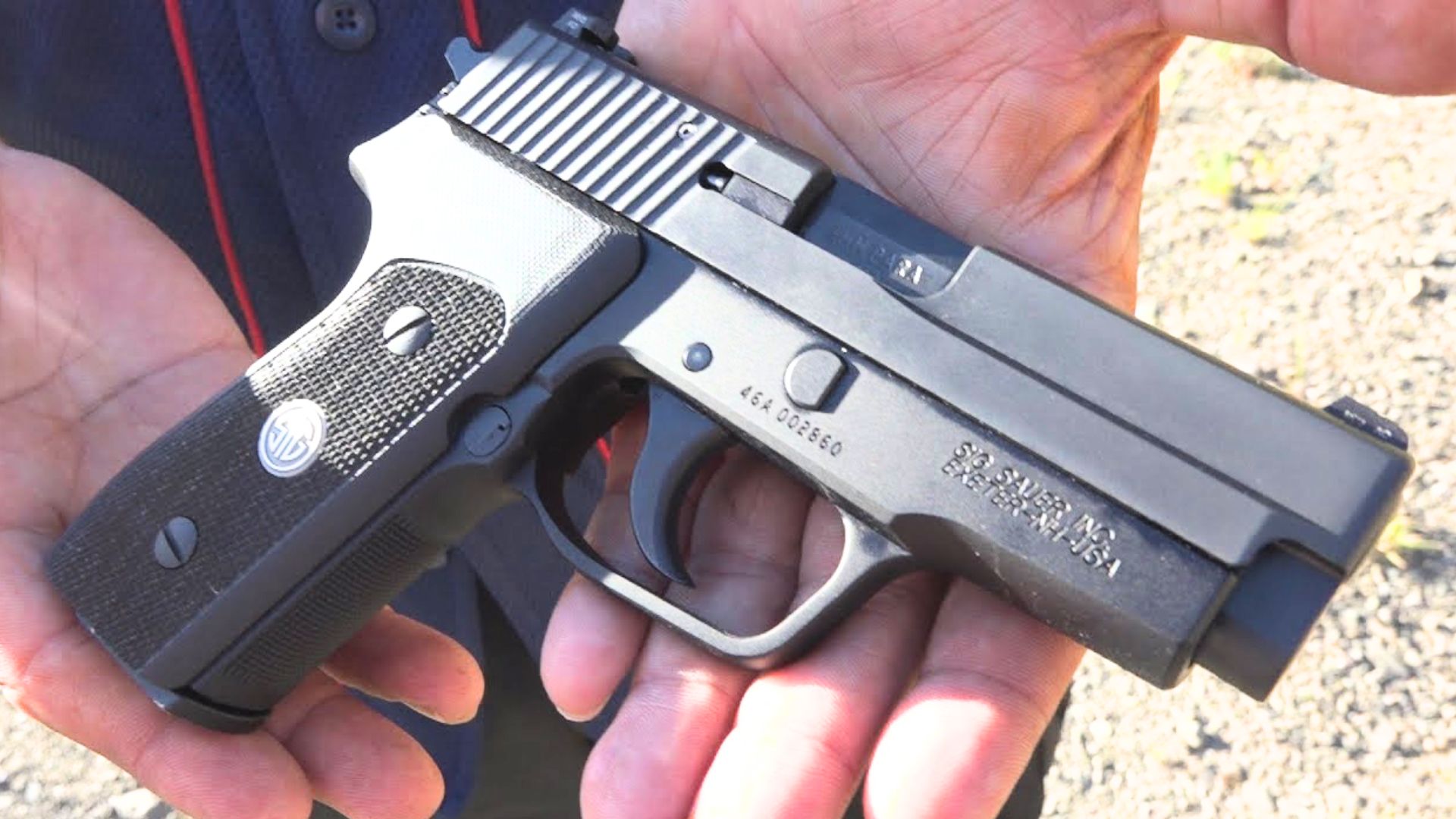
The original SIG Sauer P225 was a compact single-stack 9mm built around traditional double-action operation. It carried fewer rounds than modern pistols, but its slim grip, excellent balance, and high-quality construction made it easy to control and comfortable to carry.
The P225 feels like a serious service pistol reduced in width rather than a full-size gun cut down until it became awkward. Its double-action trigger is smooth, the single-action break is clean, and the decocker is placed exactly where it should be. New micro-compacts offer much greater capacity in a smaller package, yet many are harder to shoot well. The P225 gives up ammunition count but returns confidence, predictability, and handling. For shooters who value trigger control and balance over maximum capacity, it remains difficult to improve upon.
Smith & Wesson 5906
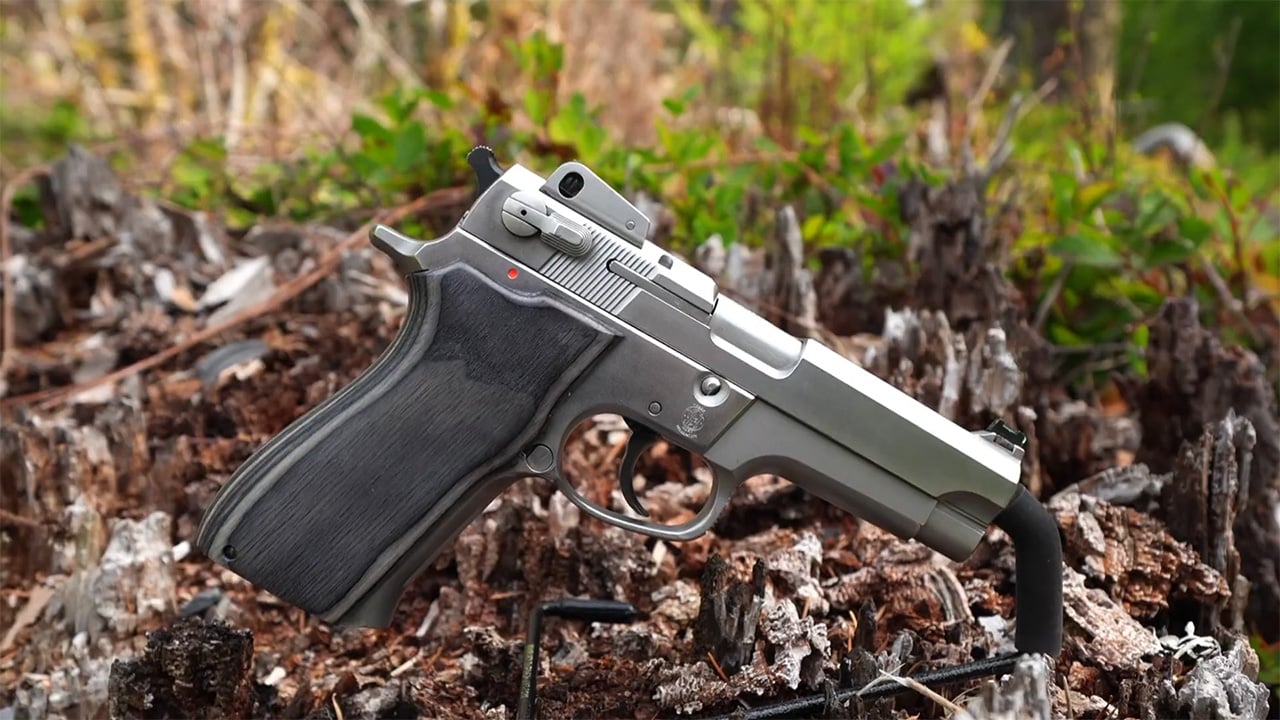
The Smith & Wesson 5906 was built during the height of the metal-framed service-pistol era. Its stainless-steel frame and slide made it heavy, but that weight helped absorb recoil and gave the pistol a stable feel during rapid fire. Police agencies used the 5906 extensively because it was durable, dependable, and built for years of daily carry.
Modern polymer pistols are lighter and easier to modify, but many feel less substantial and offer rougher triggers. A good 5906 has a smooth double-action pull, a manageable single-action break, and excellent practical accuracy. The slide-mounted safety is less fashionable today, and the pistol is heavy for concealed carry. At the range or in a home-defense role, those weaknesses matter far less. The 5906 often feels like more gun than many new pistols selling for twice what police trade-ins once cost.
Beretta Model 81 Cheetah
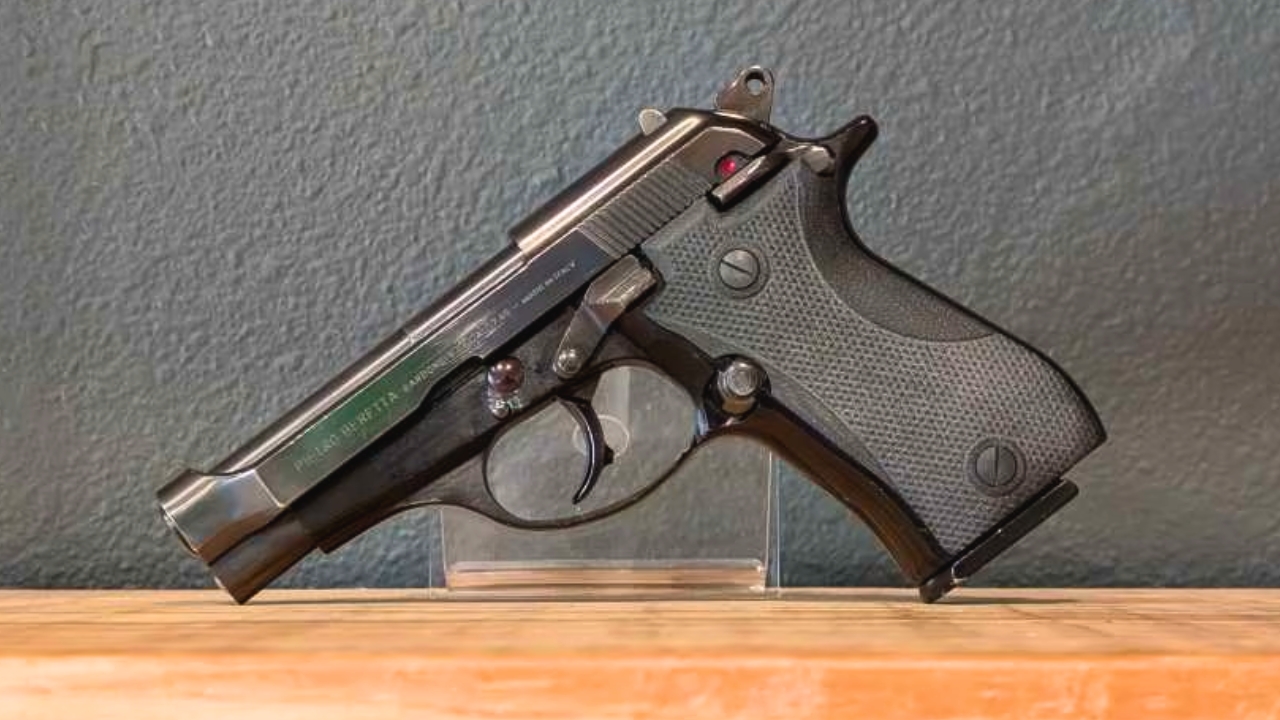
The Beretta Model 81 Cheetah is a compact .32 ACP pistol with a double-stack magazine, metal frame, and traditional double-action trigger. It was never as famous in the United States as larger Beretta service pistols, but shooters who handled surplus examples quickly understood the appeal.
Its mild recoil, comfortable grip, and excellent balance make it easier to shoot accurately than most modern pocket pistols. The .32 ACP cartridge is less powerful than current 9mm carry rounds, and the pistol is larger than many polymer micro-compacts. Those tradeoffs buy a handgun that is pleasant enough to practice with for hours. Modern carry guns often prioritize concealment so heavily that they become uncomfortable and difficult to control. The Model 81 takes the opposite approach and remains one of the best-shooting small-caliber pistols ever made.
Walther P5

The Walther P5 is one of the least appreciated classic German service pistols. It used a compact metal frame, fixed barrel, and an unusual left-side ejection system. Its design grew from the Walther P38 family but improved the older platform’s safety, handling, and reliability.
The fixed barrel gives the P5 excellent inherent accuracy, while the low bore line and comfortable grip make it easy to shoot quickly. Its capacity is low by current standards, and magazines can be expensive. The pistol also lacks the aftermarket support of more famous models. Those limitations do not change how refined it feels. Many modern compact pistols are lighter and hold more rounds, but few combine accuracy, mechanical interest, and smooth operation as well as the P5.
Heckler & Koch P7
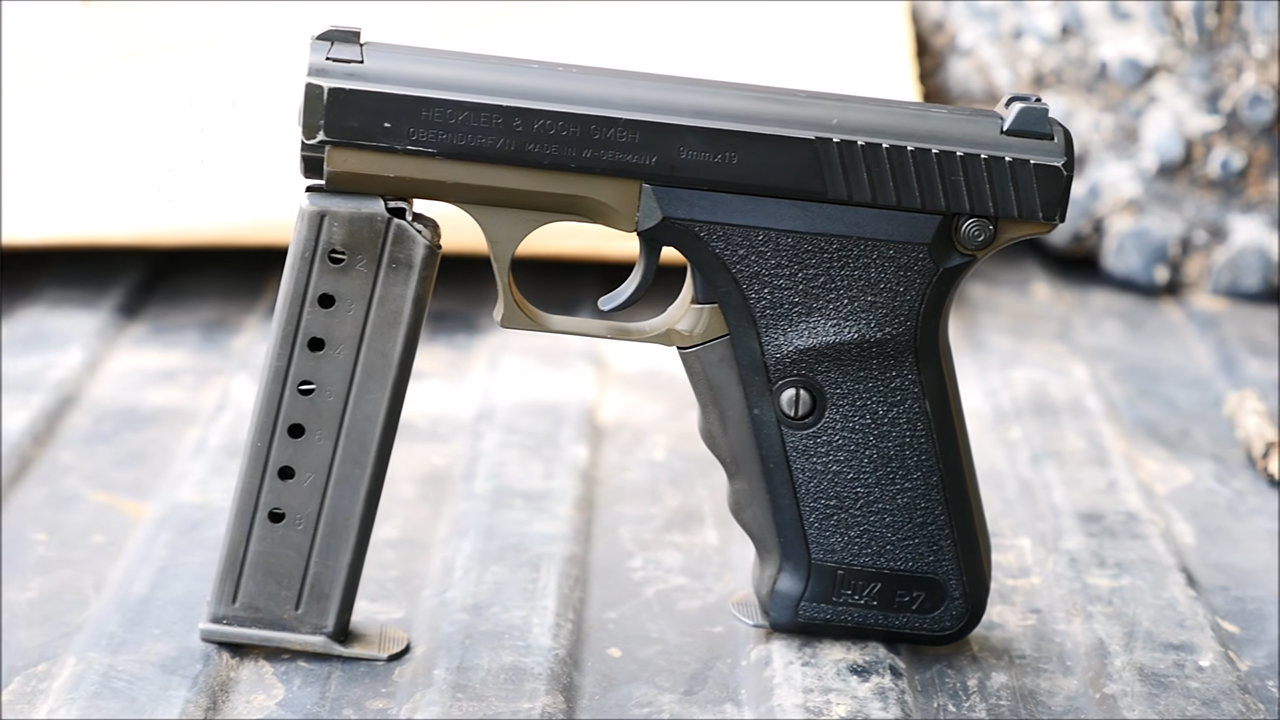
The HK P7 uses a squeeze-cocking frontstrap, fixed barrel, and gas-delayed operating system unlike almost any other service pistol. The design allows the gun to remain uncocked until the shooter grips it firmly, creating a safety system that is both fast and intuitive once learned.
Its low bore axis and fixed barrel make it exceptionally accurate and easy to control. The gas system heats the frame during extended shooting, capacity is limited, and replacement parts are increasingly expensive. Even with those drawbacks, the P7 feels more advanced than many pistols designed decades later. It conceals well, points naturally, and rewards careful shooting. Modern polymer guns are cheaper and simpler, but the P7 delivers a level of engineering and precision that few mass-market pistols attempt today.
Colt Government Model Series 70
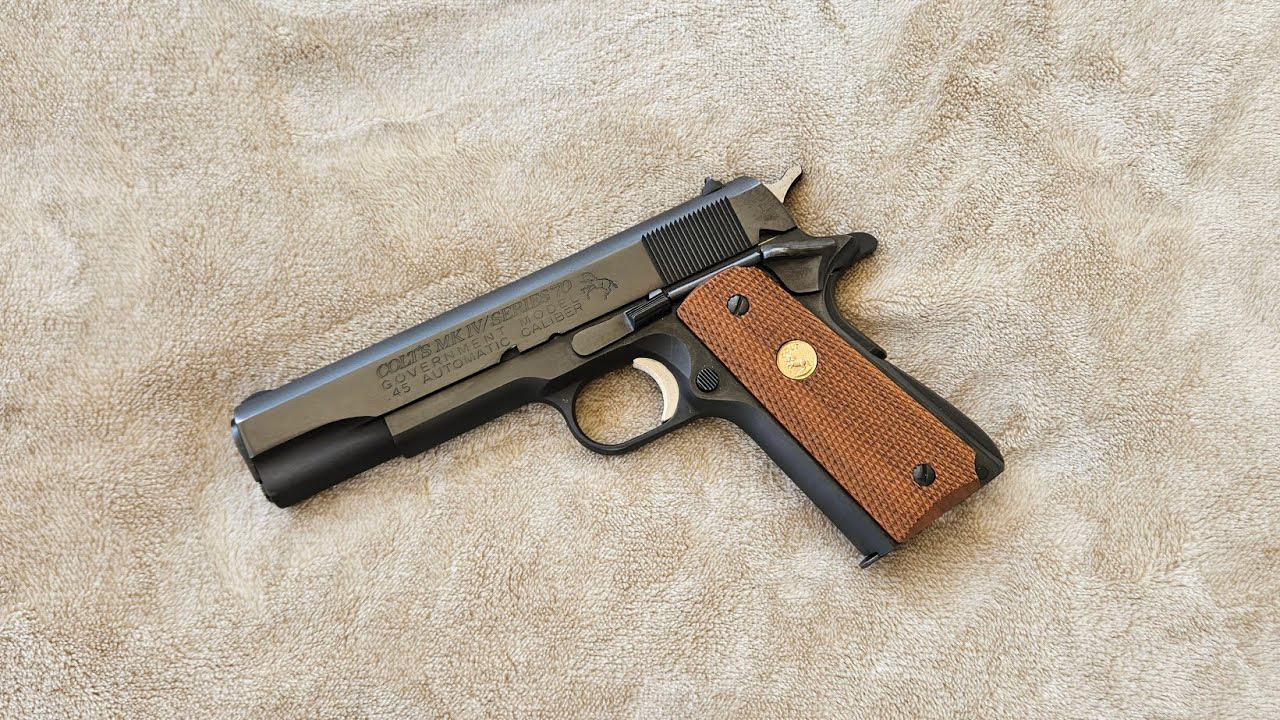
The Colt Series 70 Government Model represents the classic commercial 1911 before later firing-pin safety systems changed the trigger mechanism. Its steel frame, five-inch barrel, and single-action trigger create a shooting experience that modern polymer pistols still struggle to duplicate.
Original examples were not always fitted like custom guns, and their small sights can be difficult to use. The basic design remains outstanding. A good Series 70 points naturally, has a clean trigger, and handles .45 ACP recoil with a smooth push rather than a sharp snap. Modern 1911s may come with better sights and extended controls, but many lack the character and balance of an older Colt. A carefully maintained Government Model still feels more purposeful than many current handguns covered in unnecessary cuts and oversized parts.
Winchester Model 70 Pre-1964
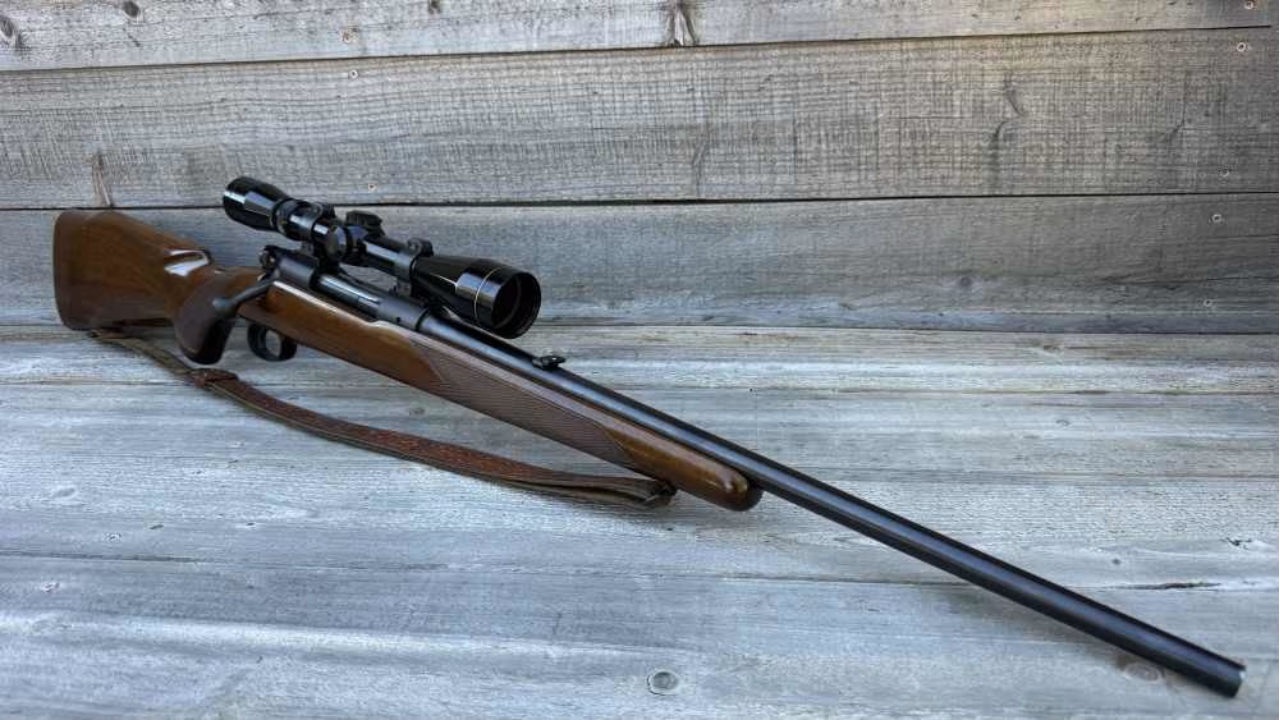
The pre-1964 Winchester Model 70 became known as the Rifleman’s Rifle because it combined controlled-round feeding, strong construction, and excellent handling. Its Mauser-inspired action, three-position safety, and refined stock design made it one of the finest American hunting rifles of its time.
New bolt actions often shoot smaller groups for less money, but accuracy is only one part of a hunting rifle. The old Model 70 feeds smoothly, carries naturally, and feels balanced from the hands rather than from a bench. Quality examples display machining and wood-to-metal fit rarely found on ordinary production rifles now. They are heavier than some current mountain rifles and too valuable for careless abuse. As complete field rifles, though, the best pre-1964 Model 70s remain more satisfying than many new guns built mainly to meet a price point.
Remington Model 700 BDL
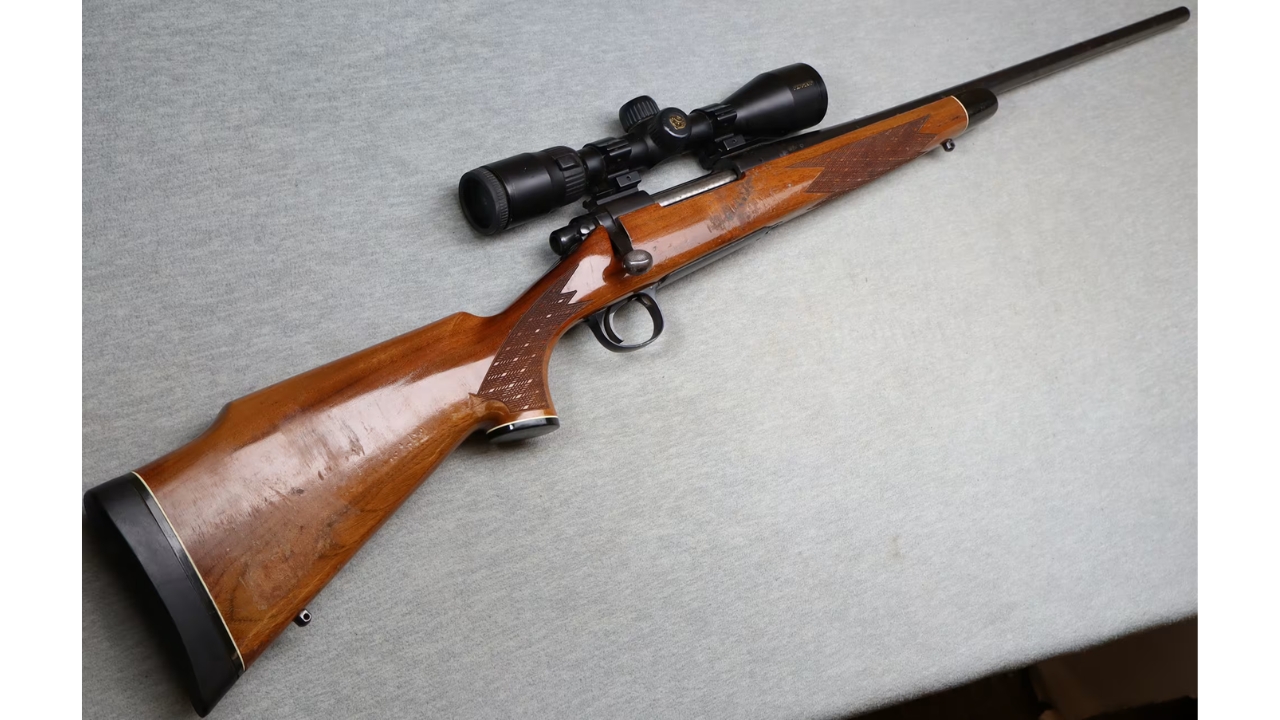
Older Remington Model 700 BDL rifles helped establish the platform as one of America’s most successful bolt actions. They combined a smooth action, attractive walnut stock, hinged floorplate, and enough accuracy for serious hunting without looking like unfinished utility rifles.
Modern budget rifles may outshoot some old BDLs on paper, but they often use flexible synthetic stocks, rough actions, and detachable magazines that feel disposable. A good older 700 BDL has weight in the right places and a stock designed to be carried as well as fired. The trigger and action are easy for competent gunsmiths to improve, and aftermarket support remains enormous. Later Remington quality became inconsistent, which only increased appreciation for rifles produced when the company’s name still represented dependable workmanship.
Sako Finnbear L61R
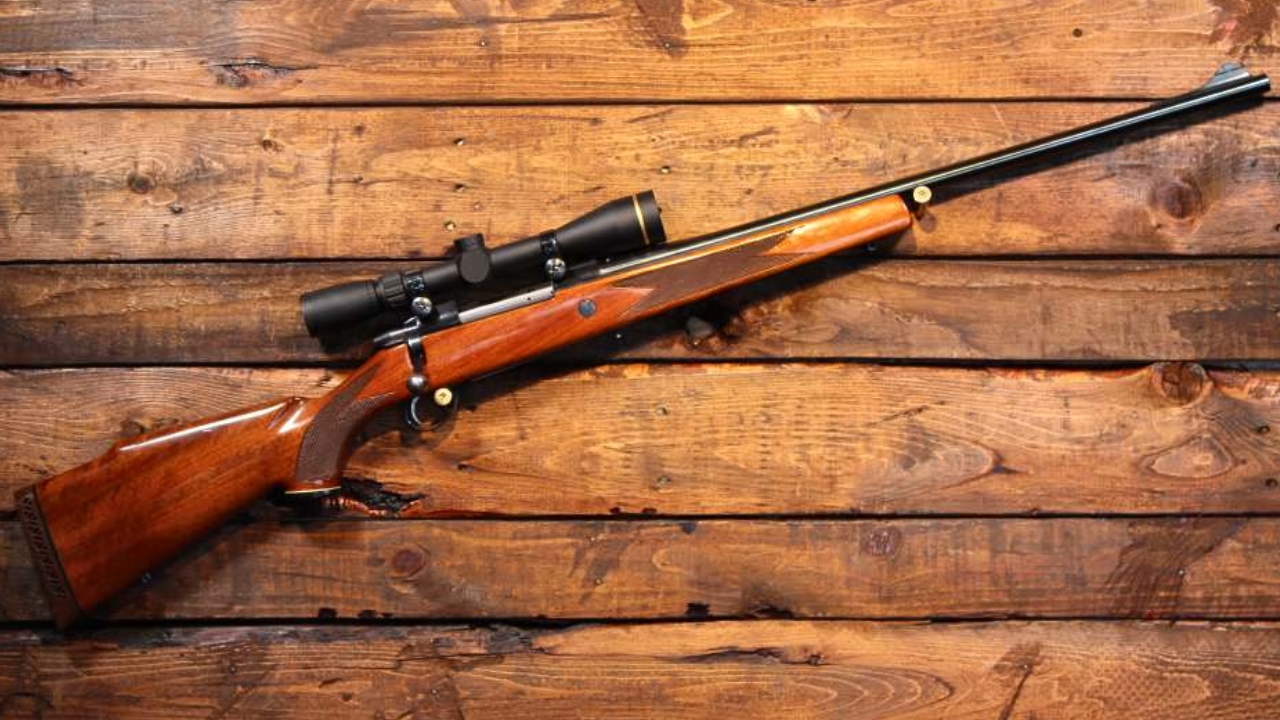
The Sako Finnbear L61R was a premium Finnish bolt-action rifle built for long cartridges and serious hunting. It offered smooth feeding, excellent machining, a strong action, and accuracy that often required no modification.
Many new hunting rifles advertise sub-minute groups, but few combine that accuracy with the same refinement. The Finnbear’s bolt movement feels deliberate and smooth, the trigger is crisp, and the stock has the proportions of a rifle designed by people who understood field shooting. It is heavier than today’s carbon-fiber rifles and lacks modern modular features. That extra weight helps it settle on target and absorb recoil. A clean Finnbear remains one of the clearest examples of an older production rifle outperforming newer guns in everything except marketing.
Husqvarna Model 1640

The Husqvarna Model 1640 is often overlooked because the Swedish company is better known today for outdoor equipment than sporting rifles. Its bolt-action rifles were lightweight, well machined, and built around practical hunting requirements rather than flashy features.
The Model 1640 carries well and has a slim, lively feel that many modern rifles lose when manufacturers add thick barrels, oversized stocks, and detachable magazines. Its controlled feeding and strong action made it dependable in the field, while the trigger and balance encouraged accurate shooting from real hunting positions. Scope mounting can require more planning, and parts are not as easy to find as they are for a Remington 700. Shooters who discover a good example often find it handles better than most new rifles in the same price range.
Savage Model 99

The Savage Model 99 gave hunters a lever-action rifle capable of using pointed bullets and stronger cartridges than traditional tubular-magazine designs. Its rotary magazine, hammerless receiver, and smooth action made it one of the most advanced sporting rifles of its era.
Modern lever guns may offer rails, threaded barrels, and synthetic furniture, but few have the elegance or mechanical sophistication of the Model 99. It balances well, carries flat, and was chambered in cartridges capable of handling a wide range of game. The action is more complicated than a Winchester 94, and repairs can require specialized knowledge. That complexity produced genuine advantages rather than decorative features. A good Model 99 remains one of the finest examples of a hunting rifle that was innovative without becoming awkward.
Winchester Model 12
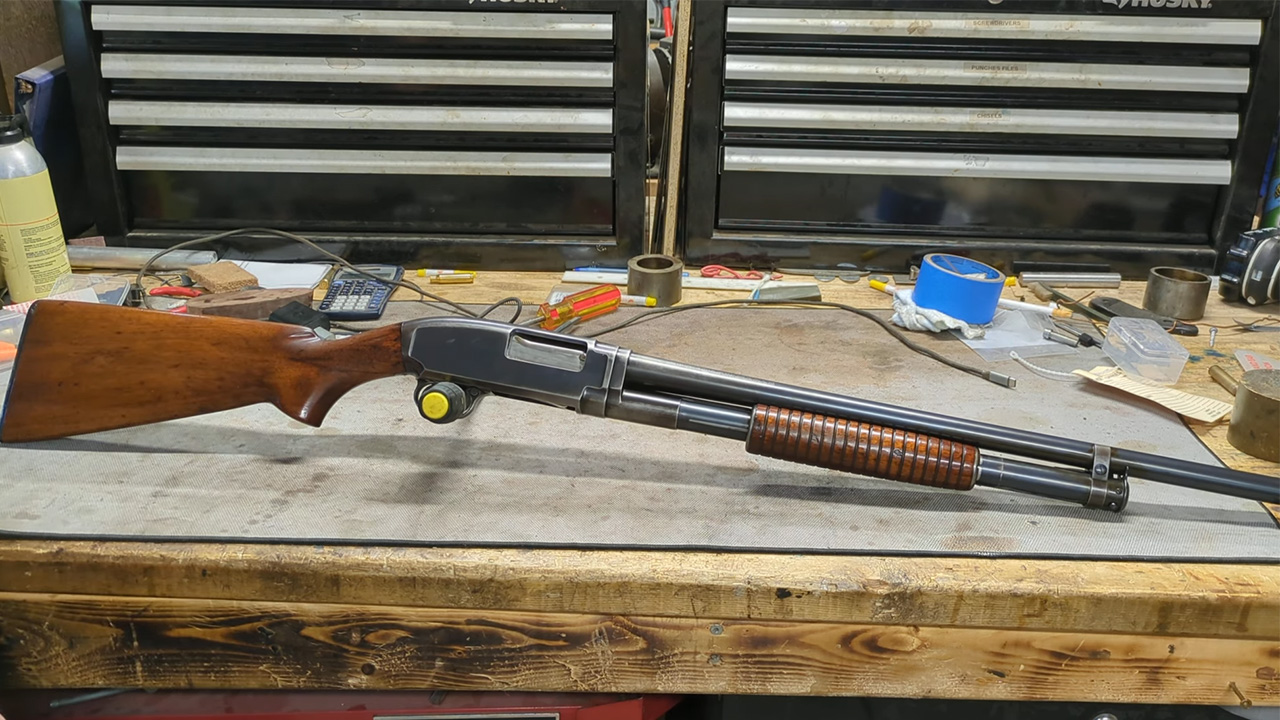
The Winchester Model 12 earned the nickname “the perfect repeater” through smooth operation, strong construction, and excellent balance. Its machined steel receiver and internal hammer gave it a clean profile, while the action became famously slick after years of use.
Most modern pump shotguns are cheaper to manufacture, easier to accessorize, and lighter to carry. Very few cycle with the same smoothness or point as naturally. The Model 12 was produced in hunting, target, and defensive configurations, proving the design could handle far more than one role. Older guns require attention to chamber length and condition, and many are now too valuable for rough treatment. When judged purely as a shotgun, however, a well-maintained Model 12 still embarrasses many new pumps built from stamped parts and plastic furniture.
Ithaca Model 37
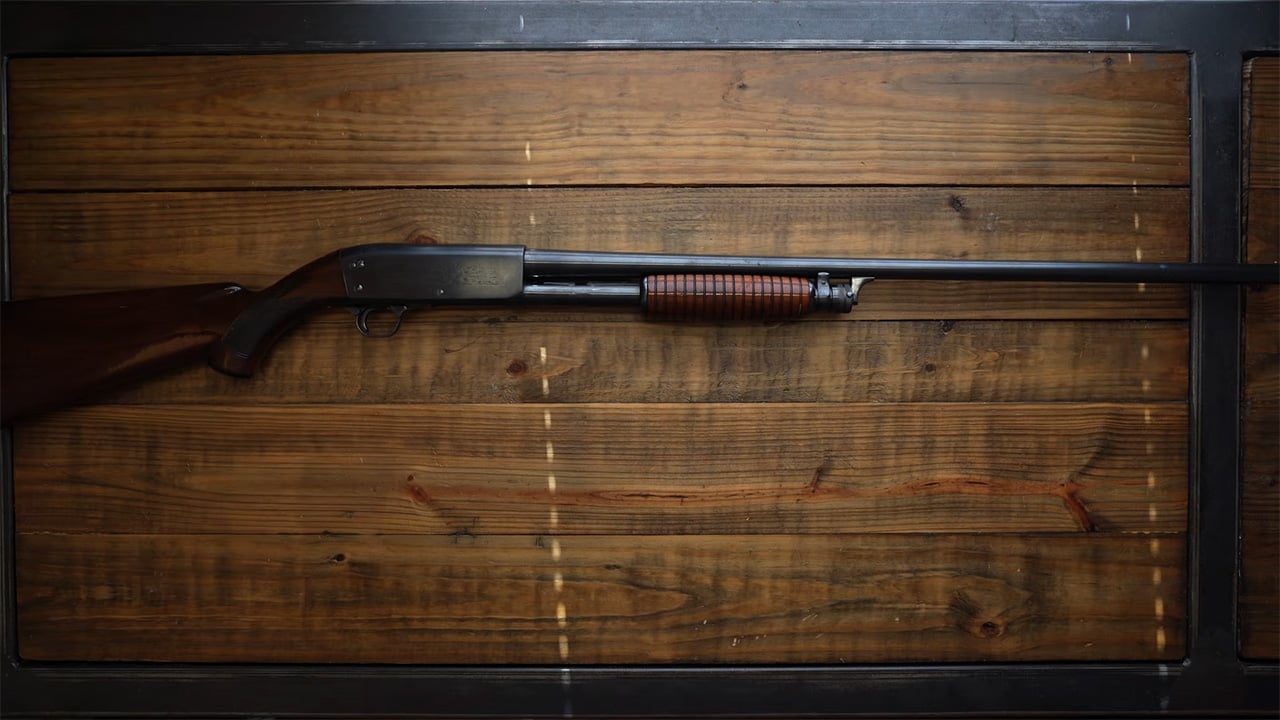
The Ithaca Model 37 is a lightweight pump shotgun with bottom loading and bottom ejection. That design keeps debris out of the receiver, works well for left-handed shooters, and gives the shotgun a slim, uncluttered profile.
Older Model 37s are especially prized for their smooth actions and excellent handling. They feel lighter and faster than many modern defensive pumps without becoming fragile. The lack of a side ejection port also makes the receiver unusually rigid. Current shotguns may offer more accessory options, but the Ithaca’s balance and speed matter more when hunting birds or carrying through thick cover. A clean older example often feels like a finished sporting arm rather than a basic pump gun waiting for aftermarket parts.
Browning Auto-5
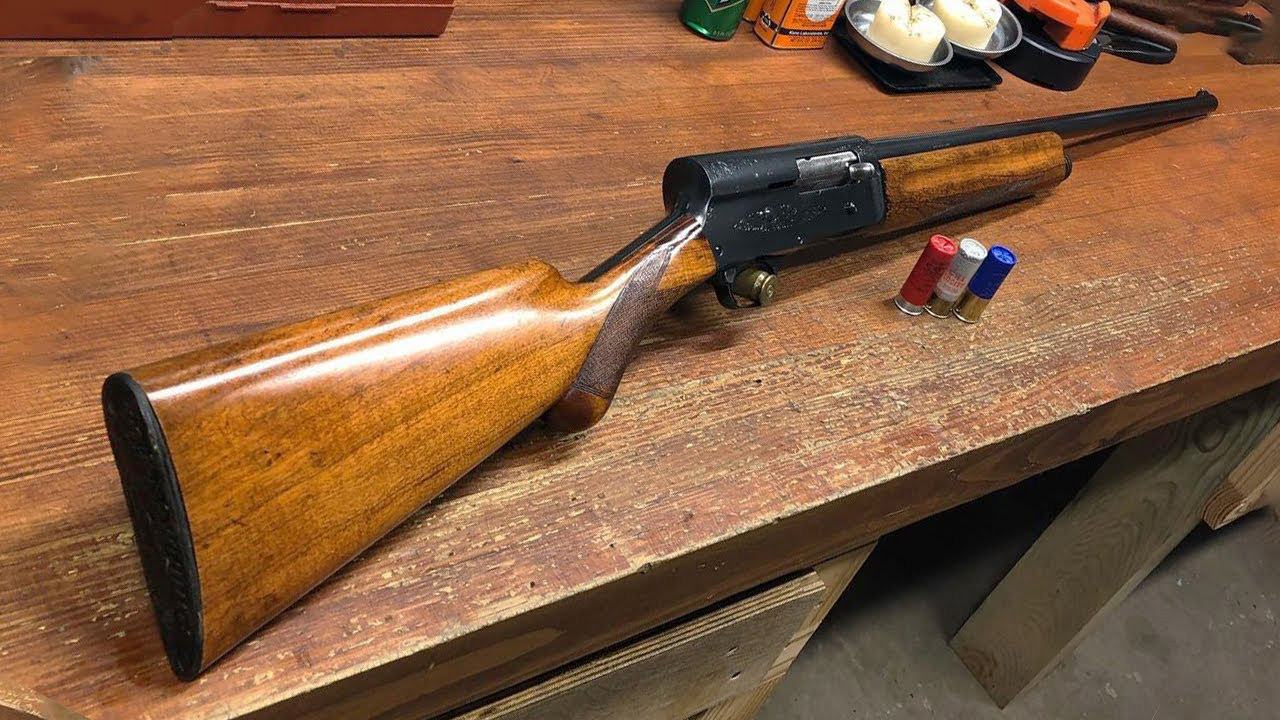
The Browning Auto-5 was the first successful mass-produced semi-automatic shotgun and remained in production for most of the 20th century. Its long-recoil action gives it a distinctive movement and recognizable humpback receiver.
The design requires the friction-ring system to be set correctly for the ammunition being used, which is more complicated than operating many modern gas guns. Once properly configured, the Auto-5 is dependable, durable, and surprisingly fast. Its receiver shape gives the shooter a clear sighting plane, while the weight helps smooth recoil and follow-through. New shotguns may cycle a wider range of loads with less adjustment, but few have the same mechanical durability or character. A Belgian-made Auto-5 still feels like a shotgun built to remain in one family for generations.
Marlin Model 39A

The Marlin Model 39A is one of the finest rimfire lever actions ever produced. Built with a steel receiver and takedown design, it feels like a full-size rifle rather than a lightweight plinker. Its tubular magazine handles multiple .22 rimfire cartridges, and the action becomes exceptionally smooth with use.
Modern .22 rifles are often more accurate for less money, but many rely heavily on polymer and aluminum. The 39A combines accuracy with balance, durability, and an action that makes every shot enjoyable. It is heavy enough to hold steadily but still carries comfortably. Production costs eventually made the rifle difficult to sell at a price the market would accept. That says more about modern manufacturing economics than the quality of the design. Clean examples now remind shooters how substantial a rimfire rifle can feel.
Ruger M77 Mark II

The Ruger M77 Mark II was built as a rugged hunting rifle with controlled-round feeding, a three-position safety, and a fixed-blade ejector. It was not usually the lightest or smoothest rifle in the store, but it was designed to remain dependable under rough conditions.
Later Ruger rifles are often less expensive and may deliver excellent accuracy, yet the older M77 Mark II feels more substantial. Its receiver, bolt, and magazine system were built for durability rather than minimum production cost. Factory triggers could be heavy, and the angled front action screw made bedding work different from other rifles. Once properly set up, the rifle became an extremely dependable field tool. Hunters who value feeding, extraction, and long-term strength often prefer it to newer rifles that look better on a specification sheet.
CZ 452
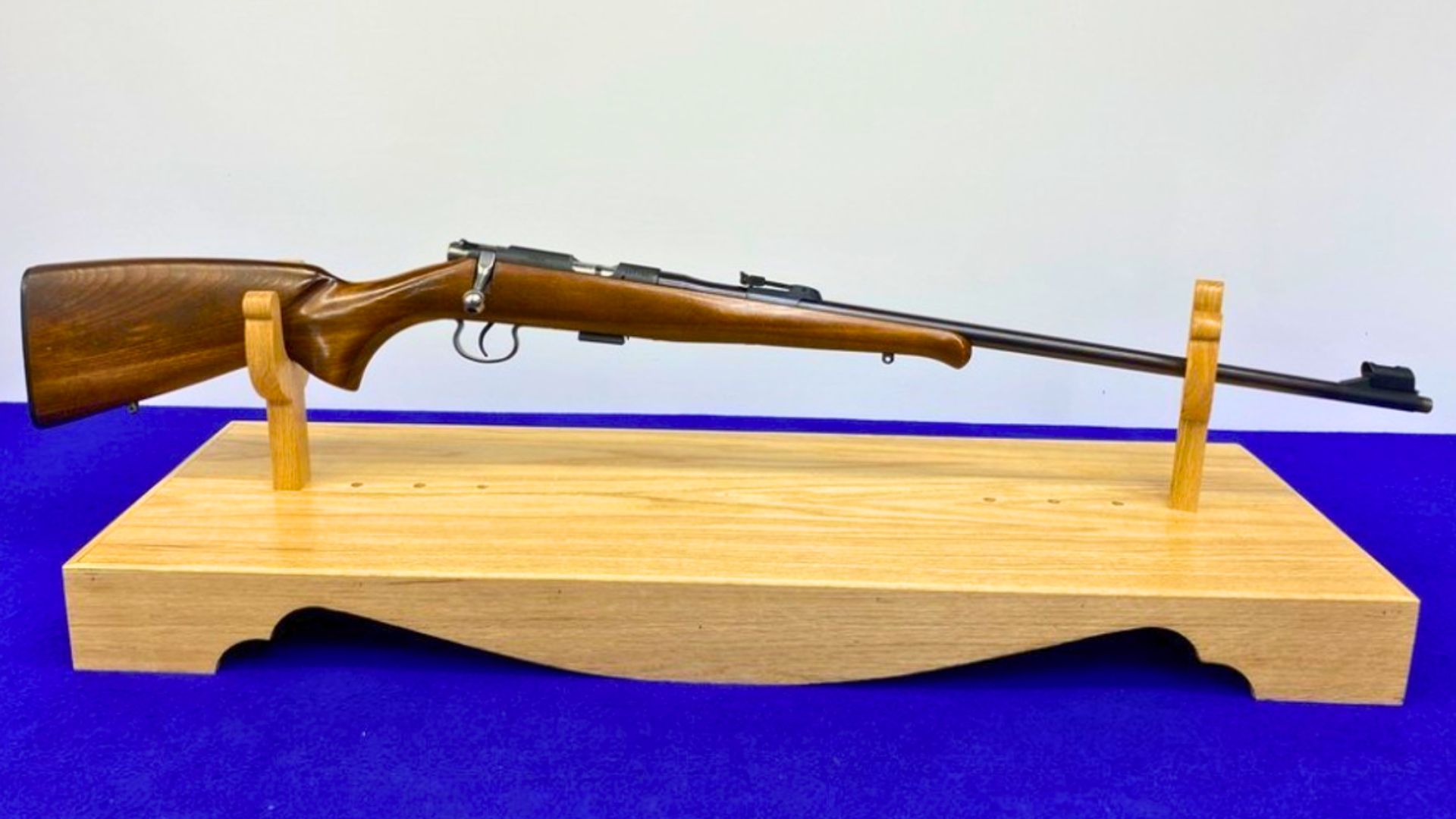
The CZ 452 built a strong reputation as an accurate, traditional rimfire bolt action. Its steel receiver, excellent barrel, and full-size proportions gave shooters the feel of a serious rifle without centerfire ammunition costs.
New rimfire rifles may come threaded, chassis-ready, or equipped with oversized adjustable stocks. The older CZ often shoots just as well while remaining lighter, cleaner, and easier to carry. The trigger can be improved with basic work, and the action has the solid feel expected from a quality European rifle. Magazines are not as inexpensive as those for mass-market .22s, but they are dependable. The 452 was eventually replaced by newer CZ models, yet many shooters still consider it the better-balanced and more appealing rifle.
Like The Avid Outdoorsman’s content? Be sure to follow us.
Here’s more from us: