Photo credit: hazman440/YouTube
The concealed-carry market moves so fast that a pistol can feel obsolete only a few years after it leaves the spotlight. Every new generation promises more capacity, a better trigger, easier optics mounting, or a slightly smaller package. That does not mean the pistols people carried 20 or 30 years ago suddenly stopped working.
Some older handguns remain remarkably practical. They may give up a few rounds to today’s micro-compacts or lack a factory optics cut, but they can still offer excellent triggers, proven reliability, manageable dimensions, and the kind of build quality that keeps owners hanging onto them. If I found a clean example of any of these, I would have no problem considering it for carry after giving it a thorough mechanical inspection and proving it reliable with the ammunition I intended to use.
SIG Sauer P239
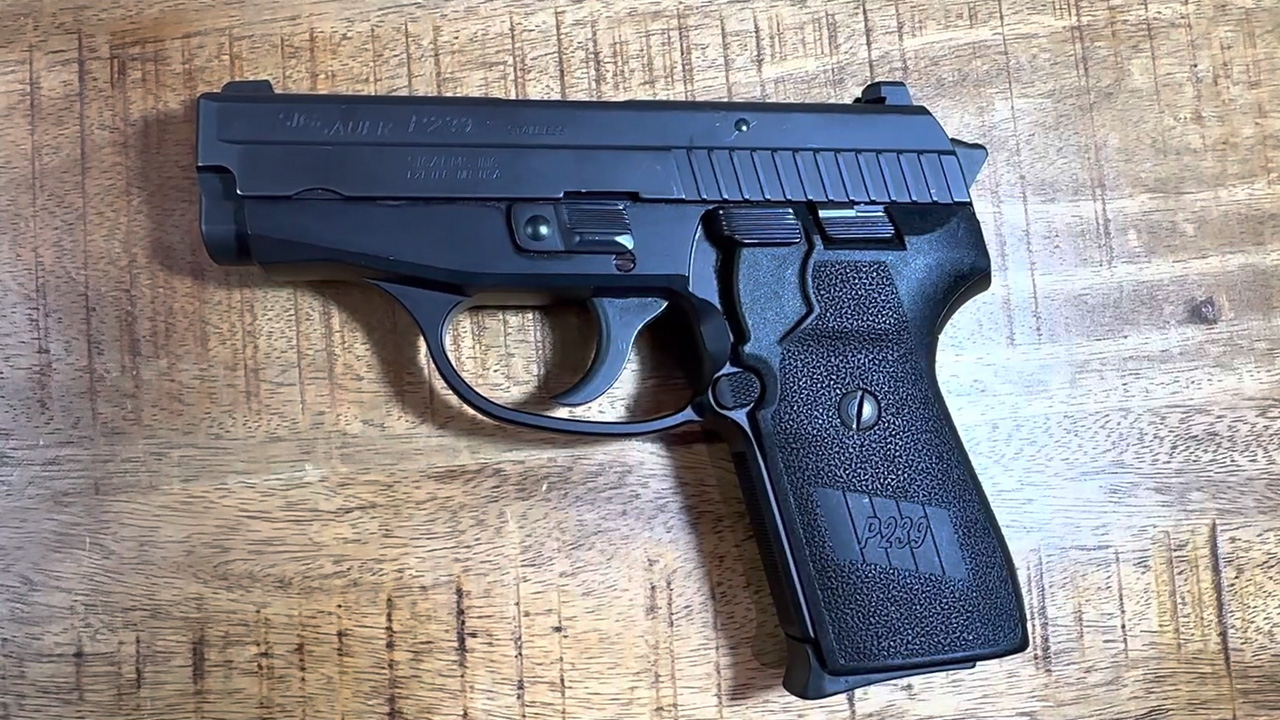
The P239 arrived during an era when a slim single-stack pistol was considered a serious concealed-carry solution rather than a capacity compromise. It is heavier than today’s polymer micro-compacts, but that extra weight makes the gun unusually pleasant to shoot for its size. The traditional SIG DA/SA trigger also gives it a very different personality from the striker-fired pistols that dominate today’s carry market.
What keeps the P239 relevant is how well it balances concealment and shootability. The grip is thin, the controls are familiar to anyone who has used classic SIG pistols, and the metal frame gives the gun a solid feel under recoil. Capacity is modest by modern standards, but if you value a smooth trigger and predictable handling more than squeezing every possible round into the magazine, a well-maintained P239 still makes an excellent carry pistol.
Smith & Wesson 3913

The 3913 is one of those pistols that makes you wonder why slim metal-frame carry guns ever went out of style. Smith & Wesson built it around a single-stack 9mm magazine, an aluminum frame, and a compact slide that disappears under clothing surprisingly well.
It is not as light as a modern polymer pistol, but it also does not feel like a flimsy little gun when you start shooting. The 3913’s narrow grip fits a wide range of hands, and the traditional double-action trigger gives you a long first pull followed by shorter single-action shots. Good examples have become more desirable, but this is still a pistol I would actually carry rather than treat as a display piece. Find one that has not been abused and you have a genuinely useful old-school concealed-carry gun.
Glock 26 Gen 3

The Glock 26 once looked incredibly small. Today’s micro-compacts have changed that perception, but the older Gen 3 version remains one of the most proven compact 9mm pistols ever produced.
Its biggest advantage is that nothing about it feels delicate. You still get the thick Glock slide and chunky grip, but you also get a pistol that can accept larger Glock magazines and has decades of aftermarket and holster support behind it. The short grip conceals easily, while the gun remains much easier to shoot well than many tiny pistols. You give up the slim profile and factory optics capability of newer carry guns, but you gain a design with an enormous track record. A clean Gen 3 Glock 26 is still a completely reasonable defensive pistol.
SIG Sauer P225

Before concealed carry became dominated by polymer frames and double-stack magazines, the P225 showed how good a slim service-style pistol could feel. The original design uses a single-stack magazine and a narrower grip than the larger P226 family.
That narrow grip is the reason the P225 still makes sense today. It feels excellent in the hand without becoming difficult to conceal, and the aluminum frame keeps its weight from becoming excessive. The traditional SIG controls are also extremely easy to understand once you spend time with them. Original P225s and surplus P6 pistols are becoming less common, so I would not buy one blindly. But a mechanically sound example with a good trigger can still serve remarkably well as a carry gun for someone who appreciates hammer-fired pistols.
Beretta 84 Cheetah

The Beretta 84 comes from a time when .380 ACP pistols were often built like scaled-down service guns rather than tiny pocket pistols. That means the Cheetah is larger than many modern .380s, but it is also much easier to hold and shoot.
The wide double-stack grip gives you a substantial purchase on the gun, and the metal frame helps take the edge off recoil. It also carries beautifully because the slide and overall profile remain relatively compact. You are not getting the lightest .380 on the market, but that is exactly why the 84 is so pleasant compared with many smaller options. For someone who wants a traditional DA/SA carry pistol with classic Beretta styling, a good older Cheetah still has plenty to offer.
HK P7
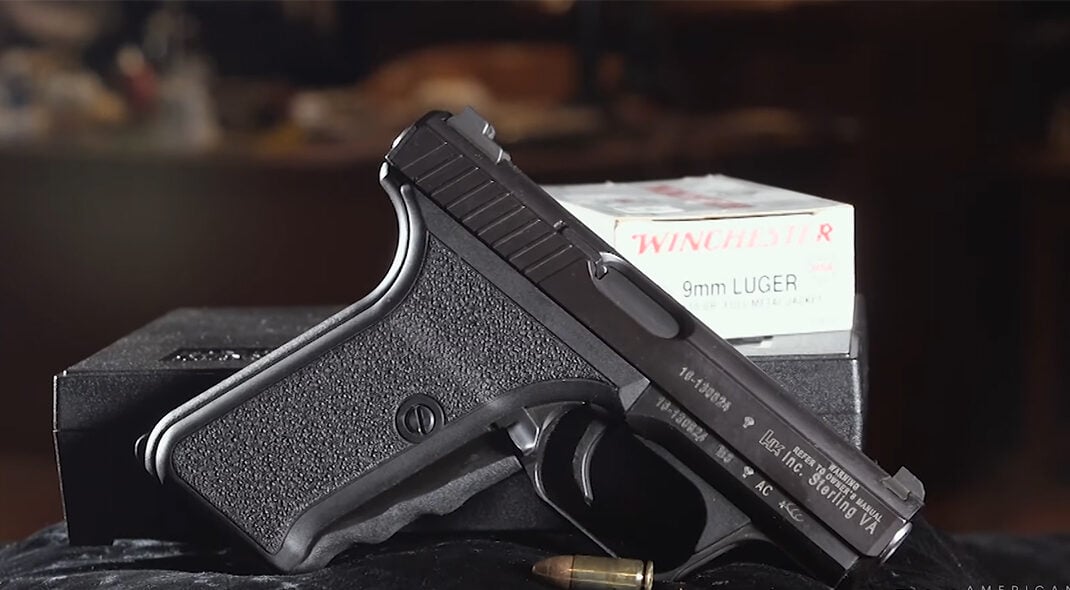
The P7 is one of the strangest carry pistols ever to become genuinely respected. Its squeeze-cocking system looks unusual until you actually use one, and then the appeal becomes easier to understand.
The fixed barrel contributes to excellent practical accuracy, while the low bore axis gives the gun exceptionally flat recoil characteristics for its era. The pistol is also remarkably slim, which makes it easier to conceal than its all-steel construction might suggest. The downside today is price. Clean P7s have become valuable enough that many owners will never consider carrying one. But purely as a handgun, the design remains brilliant. If you already own a shooter-grade P7 rather than a pristine collector example, it is still one of the most interesting old carry pistols you could put into service.
Walther P5 Compact
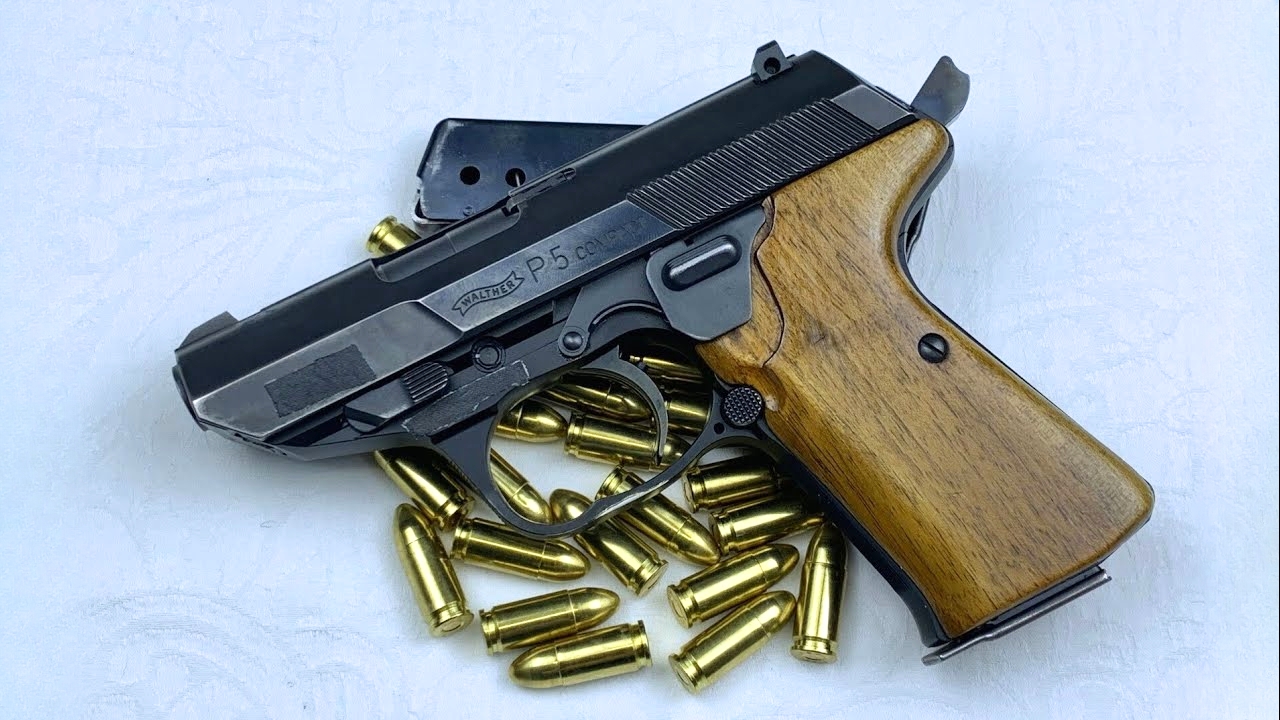
Walther’s P5 Compact never achieved the fame of the PPK, but for actual shooting I would take the P5 seriously. It is a compact DA/SA 9mm with an aluminum frame and a surprisingly refined feel for its age.
The gun has the kind of smooth handling that older European service pistols were known for. Its controls are different from the modern striker-fired norm, but once you understand them they work well. The biggest challenge today is finding magazines and replacement parts at sensible prices. That makes the P5 Compact more demanding to own than a Glock or SIG. Still, if you already have a reliable example and enough magazines to support it, there is no reason the pistol suddenly stopped being capable just because newer designs arrived.
Smith & Wesson 6906

The 6906 is a compact double-stack 9mm from Smith & Wesson’s third-generation semi-auto family. It looks blockier than today’s carry guns, but the basic dimensions remain surprisingly practical.
You get an aluminum frame, stainless slide, and enough grip length to control the pistol well under rapid fire. Capacity is also respectable for an older compact. The biggest advantage is how durable these pistols tend to be when they have been maintained properly. Many saw service with law enforcement, so I would inspect any used example carefully rather than assuming it lived an easy life. Find one with good internals and a healthy recoil spring, though, and the 6906 still offers the reliability and shootability needed for serious concealed carry.
Kahr K9
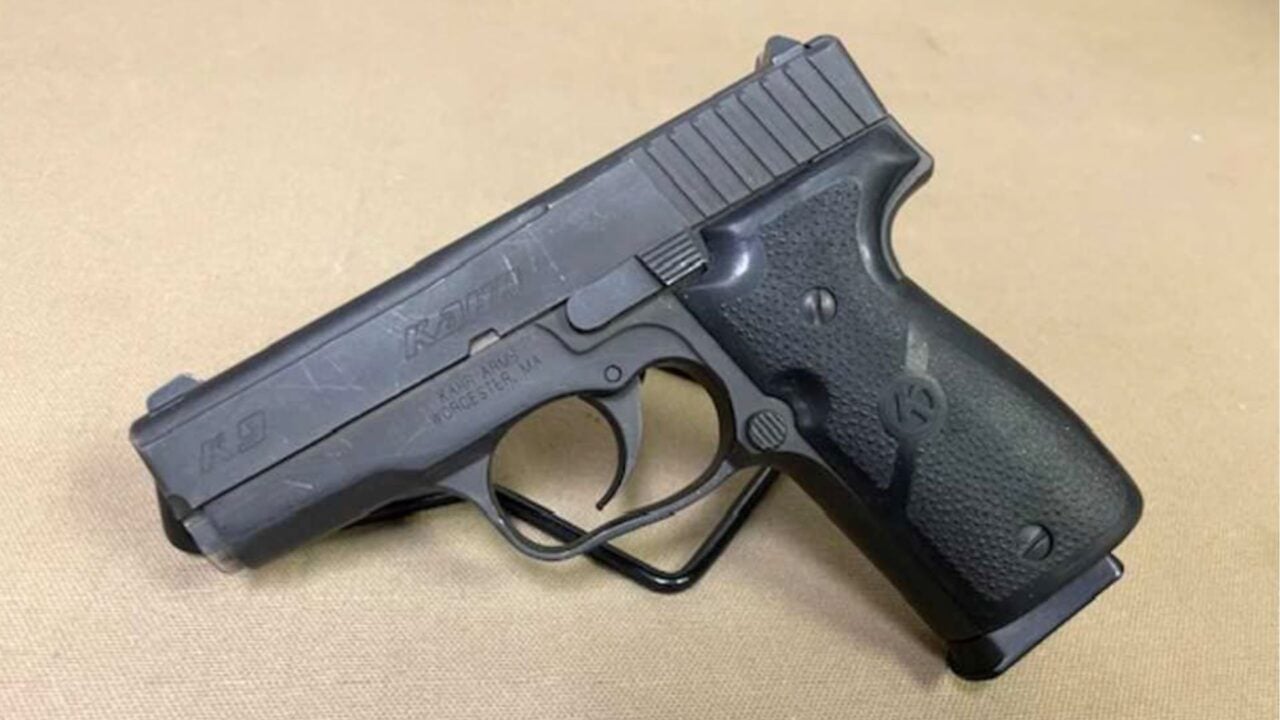
The Kahr K9 was ahead of its time. Long before slim 9mm pistols became one of the hottest categories in the industry, Kahr built a narrow single-stack pistol specifically around concealed carry.
The stainless-steel frame makes the K9 heavier than today’s polymer Kahrs, but that weight helps make the gun extremely soft shooting for its dimensions. The trigger is long and smooth rather than short and crisp, which takes some adjustment but works well for deliberate defensive shooting. Capacity is limited, yet the pistol remains slim enough to disappear under light clothing. If you prefer a substantial metal gun over an ultralight polymer micro-compact, the K9 remains one of the best older choices available.
Browning Hi-Power
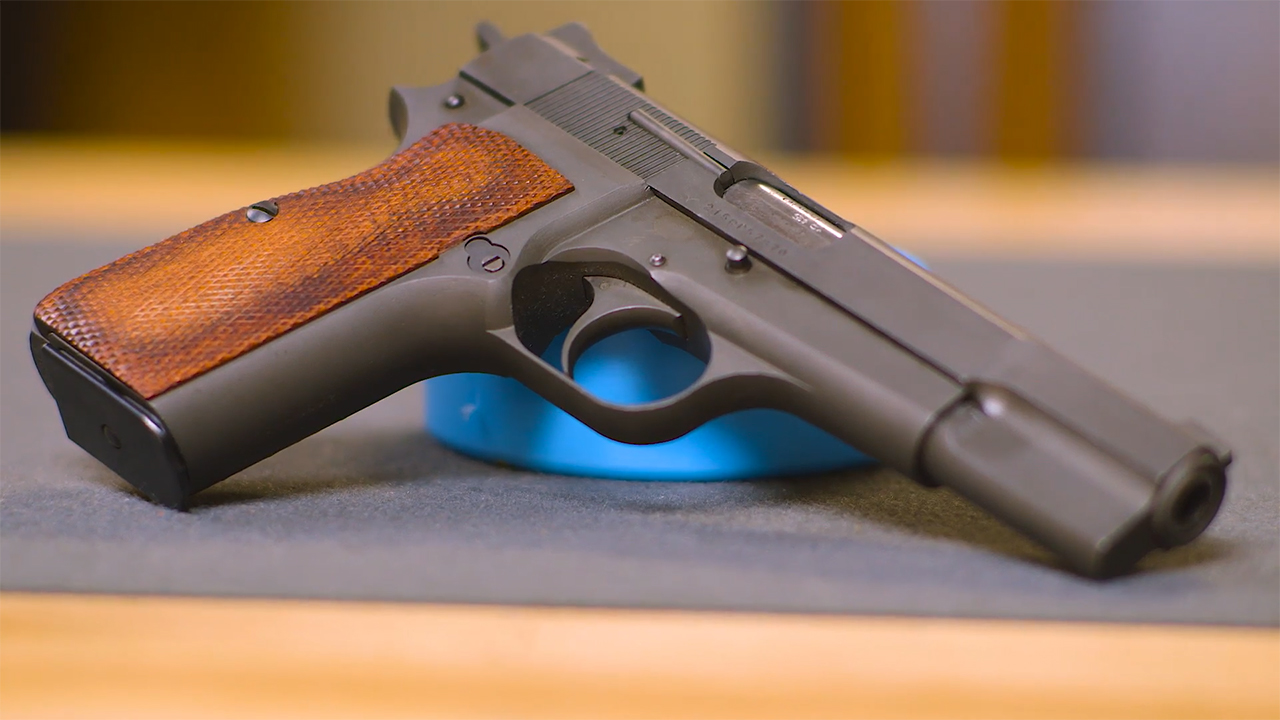
The Hi-Power is larger than most people think of when they hear “carry pistol,” but generations of armed professionals carried full-size handguns every day. The Hi-Power remains one of the easiest full-size pistols to conceal because its slide and grip are relatively slender.
Its ergonomics are still excellent. The grip fills the hand without becoming bulky, and the pistol points naturally for many shooters. Older factory triggers can be heavier than people expect, especially when the magazine disconnect remains installed, but a good example still shoots beautifully. I would not choose a pristine collectible Hi-Power for daily carry, but an honest shooter-grade pistol with some finish wear is another story. It remains flatter and more graceful than many modern service pistols while providing excellent control.
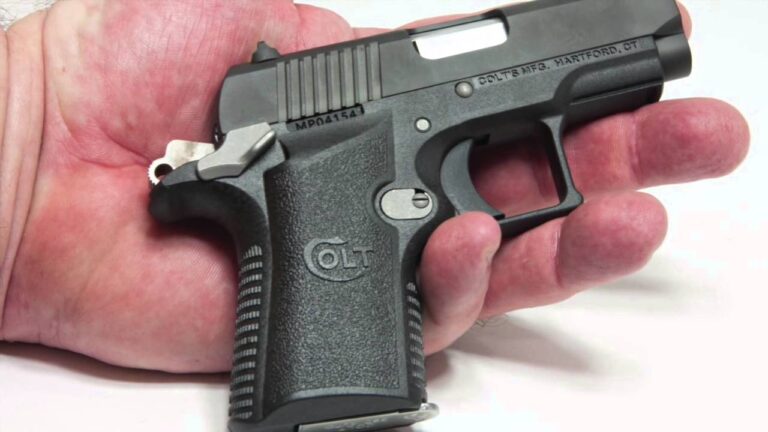
Colt Defender
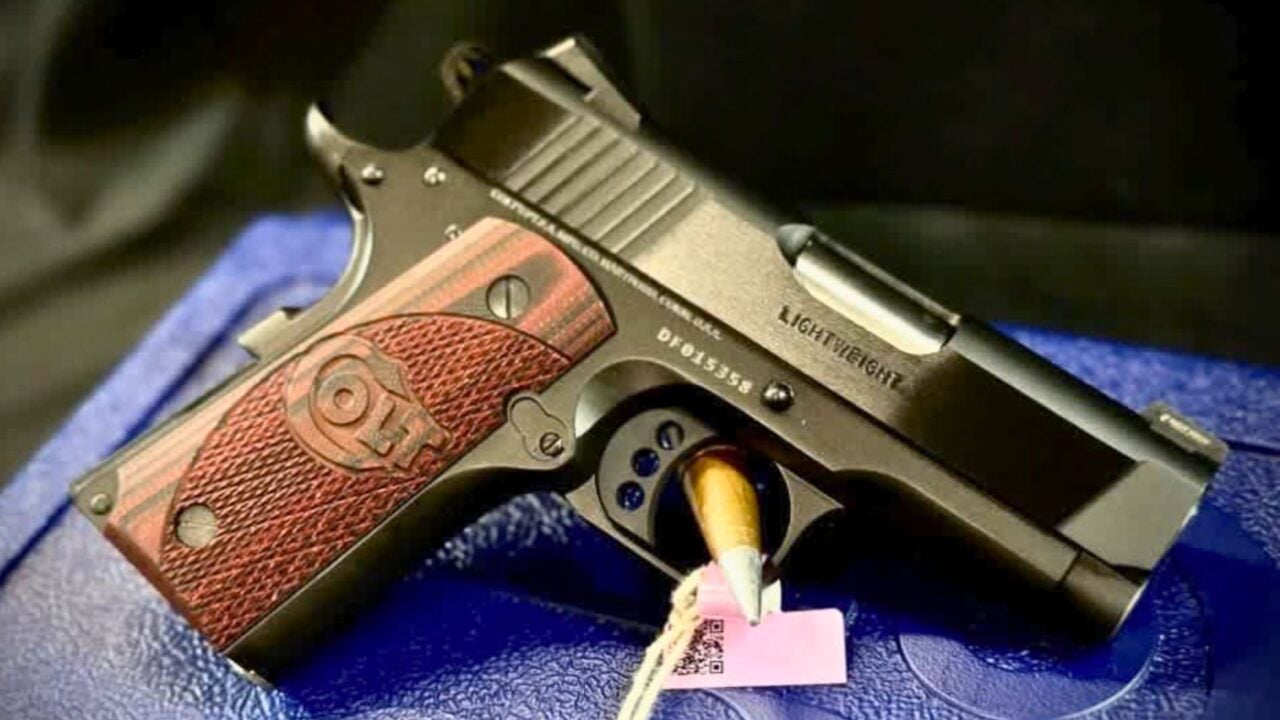
The Defender helped prove that a compact 1911 could be more than a novelty. With its short barrel, aluminum frame, and .45 ACP chambering, it offered 1911 shooters a pistol that was much easier to conceal than a traditional Government model.
You have to be more selective with short 1911s than with many modern striker-fired guns because they can be less forgiving of worn springs, questionable magazines, or poor maintenance. That does not make the Defender irrelevant. A properly functioning example gives you the familiar 1911 trigger, thin profile, and strong ergonomics in a package that carries exceptionally well. If I owned one that had demonstrated complete reliability, I would still consider it a viable concealed-carry pistol today.
Beretta 92 Compact

The standard Beretta 92 is a large pistol, but the older Compact versions bring the design into much more manageable territory. They still are not small by modern standards, yet they combine a shorter grip and slide with the familiar Beretta operating system.
That gives you excellent shootability. The open-top slide, large controls, and smooth DA/SA trigger make the 92 Compact easy to run, particularly for shooters who dislike tiny pistols. It is heavier and wider than today’s micro-compacts, so you need the right belt and holster. In exchange, you get a pistol that behaves far more like a service gun on the range. For someone willing to carry a little extra weight, an older 92 Compact can still be an excellent defensive sidearm.
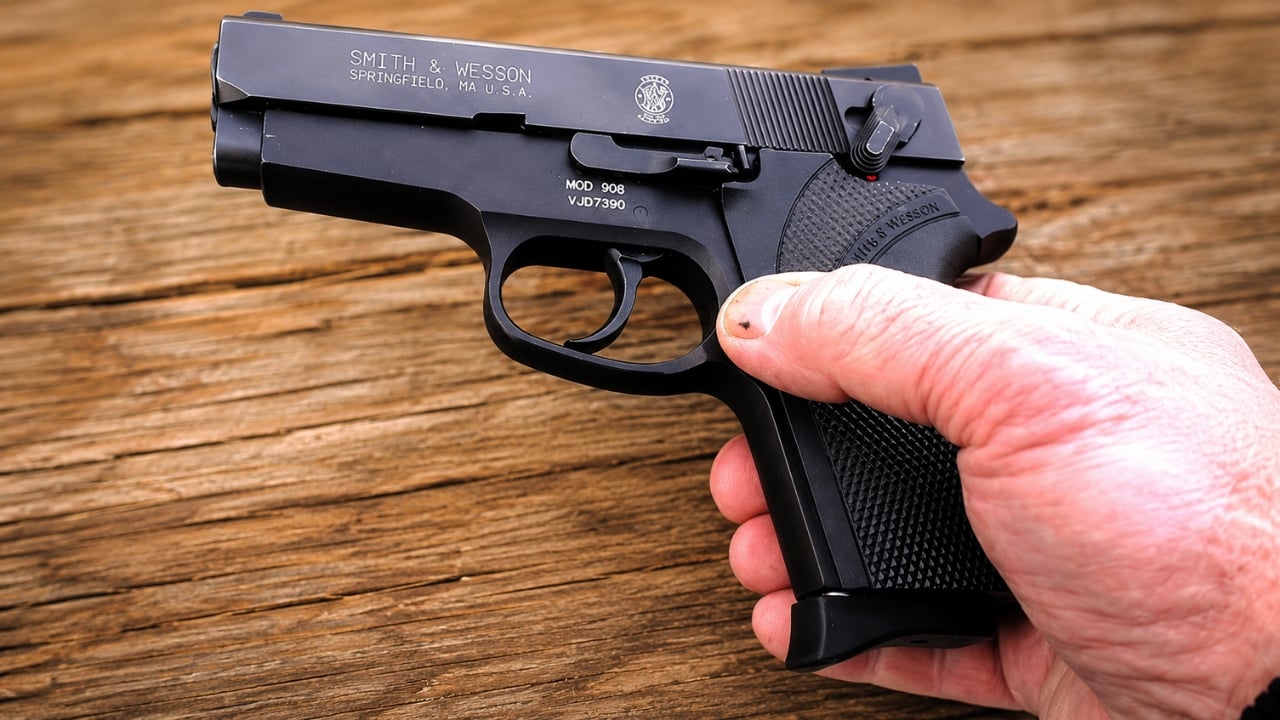
Smith & Wesson 908
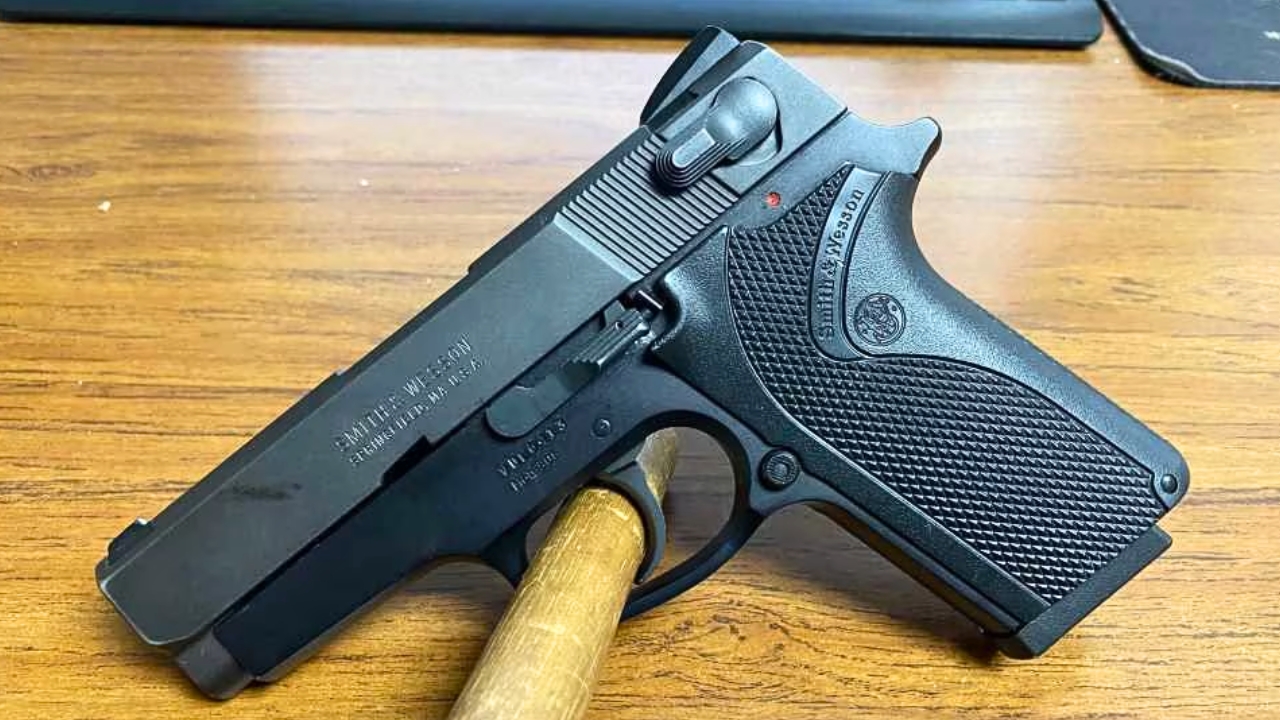
The 908 never became one of Smith & Wesson’s most famous pistols, which is exactly why it remains interesting. It was essentially a more affordable single-stack 9mm built during the company’s third-generation semi-auto era.
The pistol has a slim aluminum frame and a traditional DA/SA system that makes it surprisingly practical for carry. Its appearance is dated, and the magazine capacity will not impress anyone accustomed to modern micro-compacts. What it does offer is a narrow grip, manageable recoil, and a solid mechanical design. The biggest concern today is parts availability, so I would not buy one without considering long-term support. But if you already own a reliable 908, there is no reason to think it has suddenly become ineffective.
Star BM
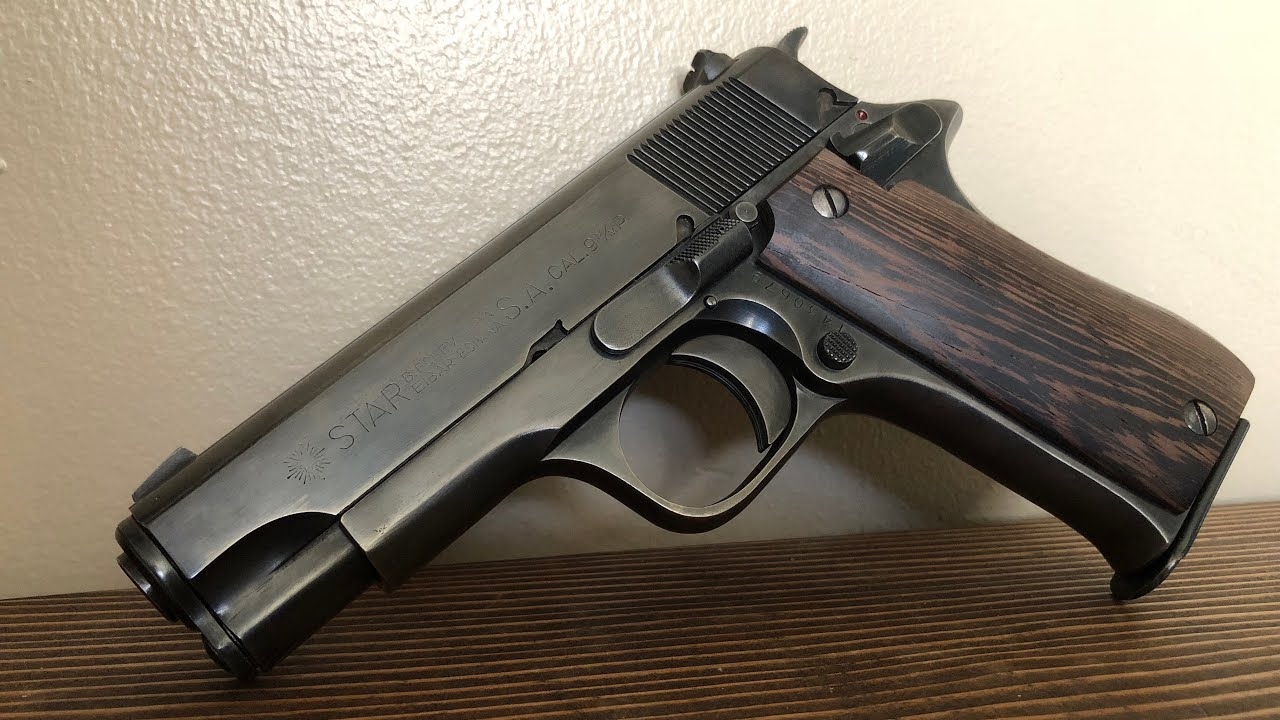
The Spanish-made Star BM is another pistol that remained cheap for years because people underestimated it. The design resembles a compact 1911 at first glance, although the internal system is different.
Its all-steel construction gives the little 9mm more weight than expected, which makes it extremely pleasant to shoot. The grip is thin, the trigger is good on many examples, and the overall size works surprisingly well for concealed carry. The catch is that these pistols are old enough that springs, magazines, and extractor condition matter. I would not grab a surplus BM and immediately trust my life to it. But a thoroughly inspected example that has proven reliable can still be an effective carry gun for someone who appreciates compact steel pistols.
Walther PPK/S

The PPK/S is not the easiest .380 to shoot, and it certainly is not the lightest. Yet there is a reason people continued carrying this style of pistol long after polymer alternatives appeared.
The gun is extremely flat, which is one of the most important characteristics for concealment. Its fixed-barrel blowback design can make recoil sharper than you might expect from a .380, but the weight helps control the gun once you become accustomed to it. Older examples also have that traditional DA/SA trigger and slide-mounted safety that require more practice than a modern striker-fired pistol. If you shoot it well and have a reliable example, though, the PPK/S remains a legitimate concealed-carry option rather than merely a piece of firearms history.
CZ 75 Compact

The CZ 75 Compact proves that an older design can remain relevant simply because the basic proportions were right from the beginning. It takes the famous CZ 75 layout and trims it into a smaller package without turning it into a difficult little pistol.
The steel frame adds weight, but that is an advantage when you start shooting quickly. Recoil stays manageable, the grip feels substantial, and the pistol balances extremely well. It is thicker and heavier than most modern carry guns, so I would not recommend it to someone obsessed with minimum weight. For shooters who care more about shootability than saving every ounce, though, the Compact remains extremely competitive. A good older one can still serve as an excellent belt gun.
Astra A-75

The Astra A-75 never developed the following enjoyed by SIG, Beretta, or CZ, but it deserves more attention from people who like older compact pistols.
The gun was offered in several chamberings and combines a compact profile with traditional metal-frame construction. It feels substantial in the hand and has the kind of heft that makes a small pistol easier to control. The downside is obvious today: Astra is gone, so parts and magazines can be a challenge. That means I would buy carefully and make sure I had enough support to keep the gun running. If those concerns are handled, though, the A-75 remains a surprisingly practical old carry pistol that many shooters have forgotten completely.
Smith & Wesson 457
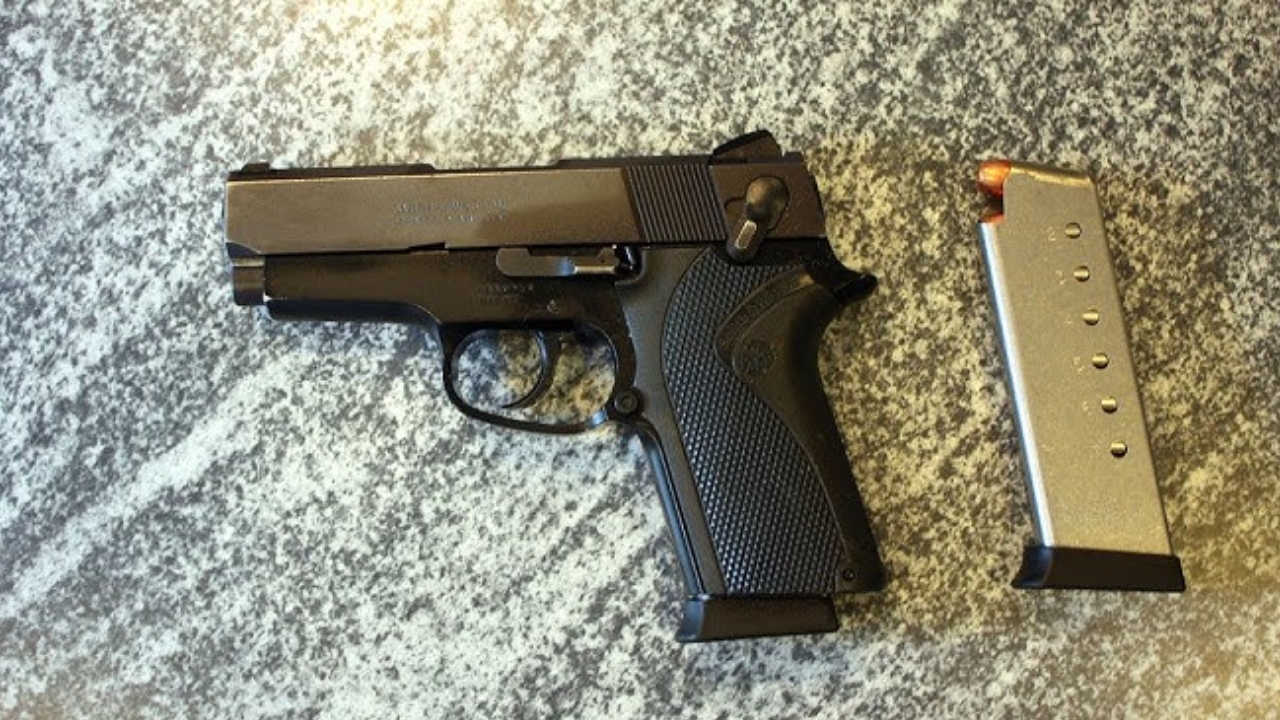
The 457 was built during an era when a compact .45 ACP did not need to hold a dozen rounds to be taken seriously. It combines an aluminum frame, short barrel, and single-stack magazine into a pistol that carries far easier than a full-size .45.
Its controls and DA/SA trigger are pure third-generation Smith & Wesson. The gun is not especially glamorous, and that may be part of what makes it interesting. It was designed to do a job rather than win beauty contests. The larger caliber and relatively compact frame mean recoil is more noticeable than with a full-size pistol, but the gun remains manageable with practice. If you want an old-school compact .45 without moving into a short 1911, the 457 remains worth a look.
Ruger P95
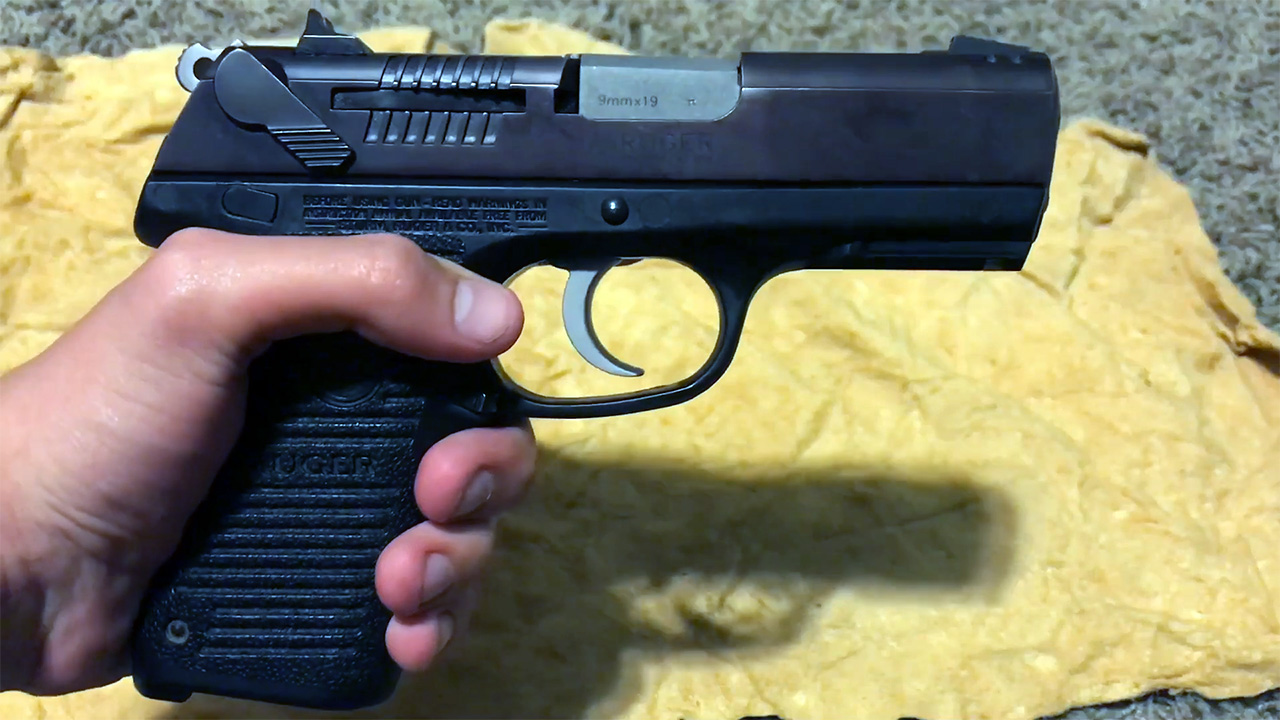
The P95 will never win an award for being thin or elegant. It is chunky, inexpensive-looking, and unmistakably a product of the era in which Ruger built pistols to survive abuse rather than impress people on social media.
Oddly enough, that is exactly why I still like it. The P95 developed a reputation as a durable, reliable 9mm that could tolerate a lot of shooting. It is bigger than the average modern concealed-carry pistol, but people carry pistols that size every day with a good holster. The grip is comfortable, recoil is mild, and the pistol costs far less on the used market than many guns with more fashionable names. It is not ideal for deep concealment, but as a dependable belt-carried pistol it still makes sense.
SIG Sauer P228

The P228 may be one of the best examples of an older compact pistol that never really became outdated. It takes much of the feel of the larger SIG service pistols and puts it into a size that works exceptionally well for concealed carry.
The aluminum frame keeps the weight reasonable, while the grip provides enough room for a full firing grip. The DA/SA trigger system requires more practice than a striker-fired pistol, but experienced shooters often appreciate the control it provides. Original P228s have also become increasingly desirable, so I would avoid carrying a pristine collector-grade example. A well-used shooter with honest finish wear is different. Mechanically sound P228s remain accurate, controllable, and extremely practical carry guns even after all these years.
Like The Avid Outdoorsman’s content? Be sure to follow us.
Here’s more from us: