Photo credit: Andreas Schnabl/Pexels.com
Some hunting breeds disappear from the spotlight because they stop being useful. Others simply get crowded out by newer favorites, changing hunting styles, or breeds that are easier to find. That does not mean the old dogs suddenly forgot how to work. In plenty of cases, the breed still has exactly the kind of nose, toughness, range, retrieving instinct, or versatility hunters need.
The problem is visibility. Once fewer breeders produce working lines and fewer hunters talk about them, a good breed can start looking obsolete even when the field performance is still there. These 20 hunting dogs deserve another look because their original jobs still exist, and many of them offer traits modern hunters would appreciate if they were easier to find.
American Water Spaniel

The American Water Spaniel was developed for hunters who needed one compact dog capable of flushing birds and retrieving from water. That combination still makes a lot of sense, especially for hunters working small boats, marsh edges, and tight cover.
The breed is smaller than a Labrador but still has enough drive and toughness to work cold water and thick vegetation. That makes it practical for hunters who do not want a large retriever taking up half the truck or boat. Its biggest problem is simply rarity. Very few hunters see them anymore, so the breed gets overlooked in favor of more common spaniels and retrievers. For someone wanting a compact all-around bird dog, the American Water Spaniel deserves far more attention than it gets.
Curly-Coated Retriever

The Curly-Coated Retriever is one of the oldest retriever breeds, but it has been pushed deep into the background by Labs and Goldens. That is unfortunate because the breed was built for serious waterfowl work.
Curlies tend to be athletic, durable, and confident in rough conditions. Their tight coat provides useful weather protection without the heavy feathering of some other retrievers, and they can work both water and upland cover. They are often more independent than a Lab, which may not suit every handler, but that independence can be useful on long retrieves or difficult terrain. Hunters wanting a tough retriever with a little more grit should be looking at them again.
Flat-Coated Retriever

Flat-Coats once had a much stronger presence in serious retrieving circles, but their popularity has faded compared with Labradors and Goldens. The breed still has plenty of working ability, especially for hunters who value an energetic, athletic retriever.
They tend to be fast, enthusiastic, and eager to carry game. A good working Flat-Coat can retrieve waterfowl, handle upland birds, and stay active through long days without feeling heavy or slow. Their cheerful temperament also makes them easy to enjoy outside hunting season. The main issue is that fewer people think of them as working dogs anymore. With the right breeding focus, the Flat-Coat deserves to reclaim more of the field reputation it once had.
Irish Water Spaniel

The Irish Water Spaniel is a serious water dog hidden behind an unusual appearance. The curly coat, rat-like tail, and tall spaniel frame make it look different from almost anything else in the field, but the breed was developed around hard retrieving work.
These dogs can handle cold water, retrieve birds, and work cover with much more athleticism than their appearance suggests. They are also large enough to deal with rough conditions without becoming as bulky as some retrievers. The breed has become rare enough that many hunters have never seen one work, which is a shame. If more breeders emphasized field ability again, the Irish Water Spaniel could fill a very useful niche for hunters wanting a versatile water dog.
Sussex Spaniel
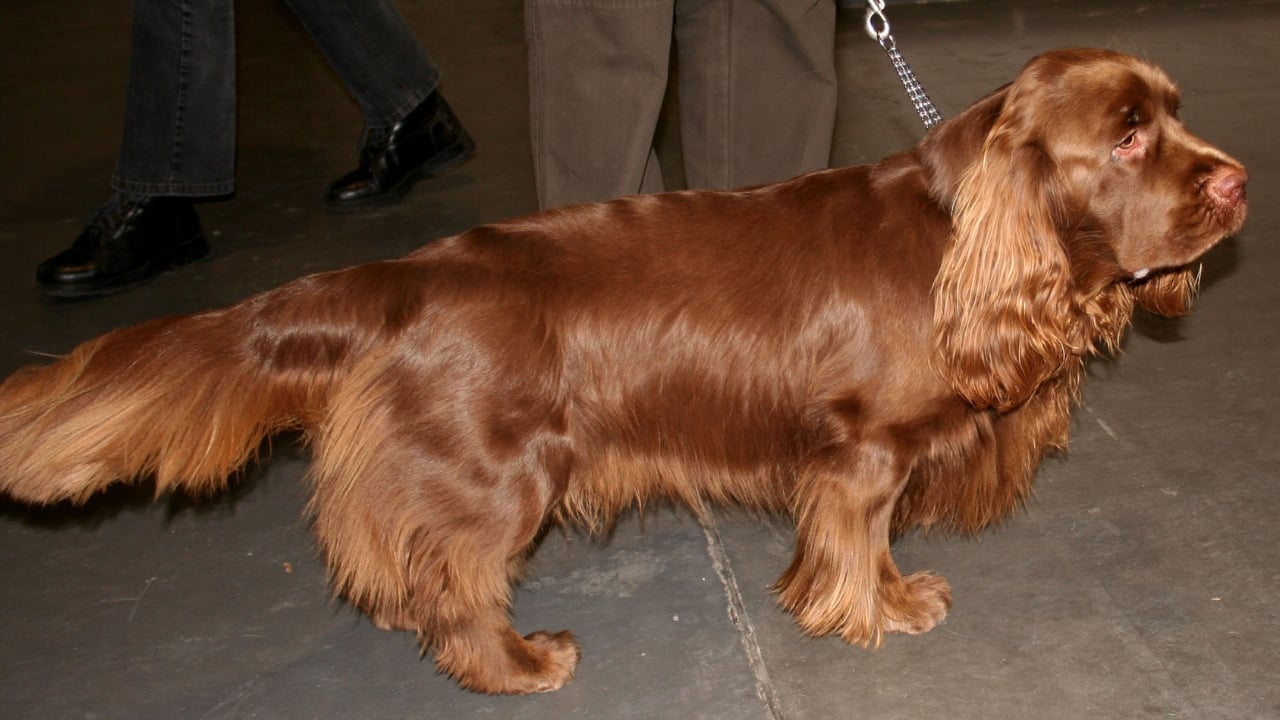
The Sussex Spaniel works at a slower, more deliberate pace than many modern flushing dogs, and that may be exactly why it deserves another chance. Not every hunter wants a dog exploding through cover at maximum speed.
The Sussex was developed to work dense vegetation methodically while staying close enough for the gun. Its low build helps it push through thick cover, and its steady style can be useful when hunting birds that hold tight. Modern field trials often reward speed and flash, which does not favor a breed like this. In real hunting conditions, though, a slower dog that stays in range and thoroughly works cover can be extremely effective. The Sussex deserves more credit for doing the job its own way.
Clumber Spaniel
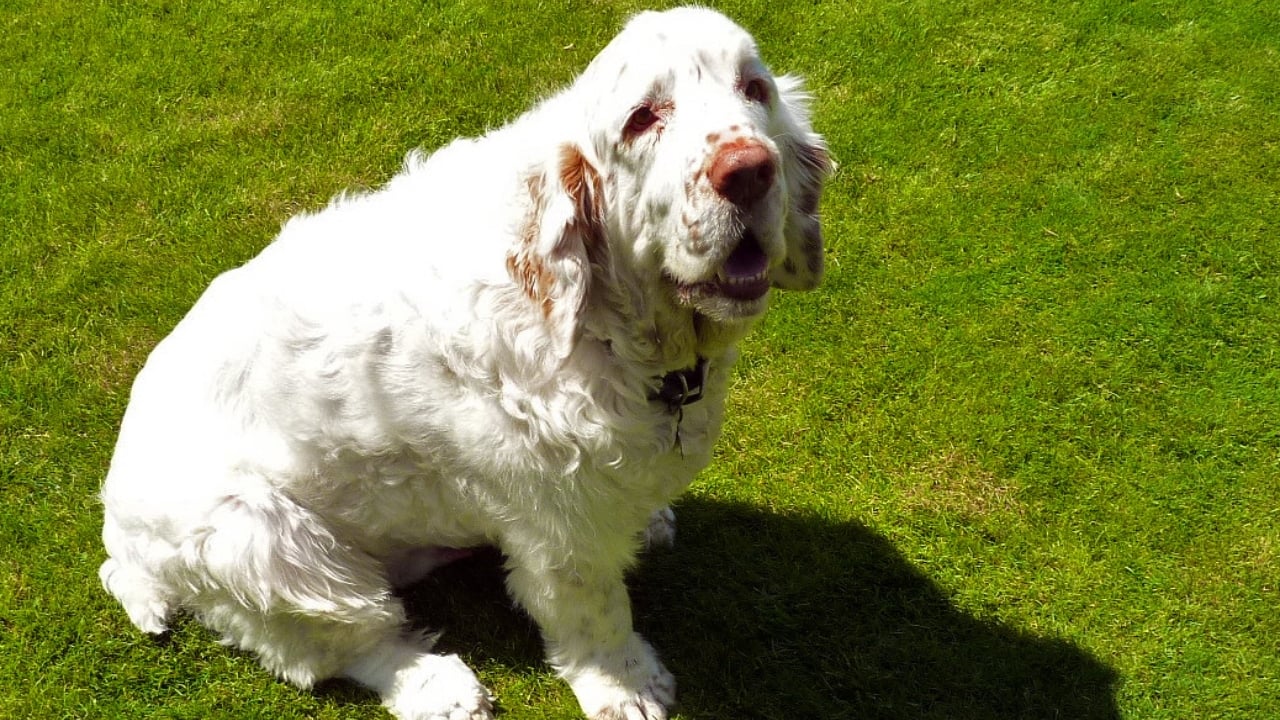
Clumbers are heavy, low-slung flushing dogs that were built for methodical hunting rather than speed. They can push through dense cover, stay close to the hunter, and use their nose carefully instead of racing through a field.
That style has become less fashionable, but it is still useful. Hunters working thick pheasant cover, woodcock habitat, or smaller parcels may actually prefer a dog that does not range aggressively. Clumbers also tend to be calmer around the house than many high-drive sporting breeds. The tradeoff is that they are heavier and need careful conditioning. For hunters who value a deliberate flush over pure speed, the breed still has a legitimate place and deserves more working attention.
Field Spaniel
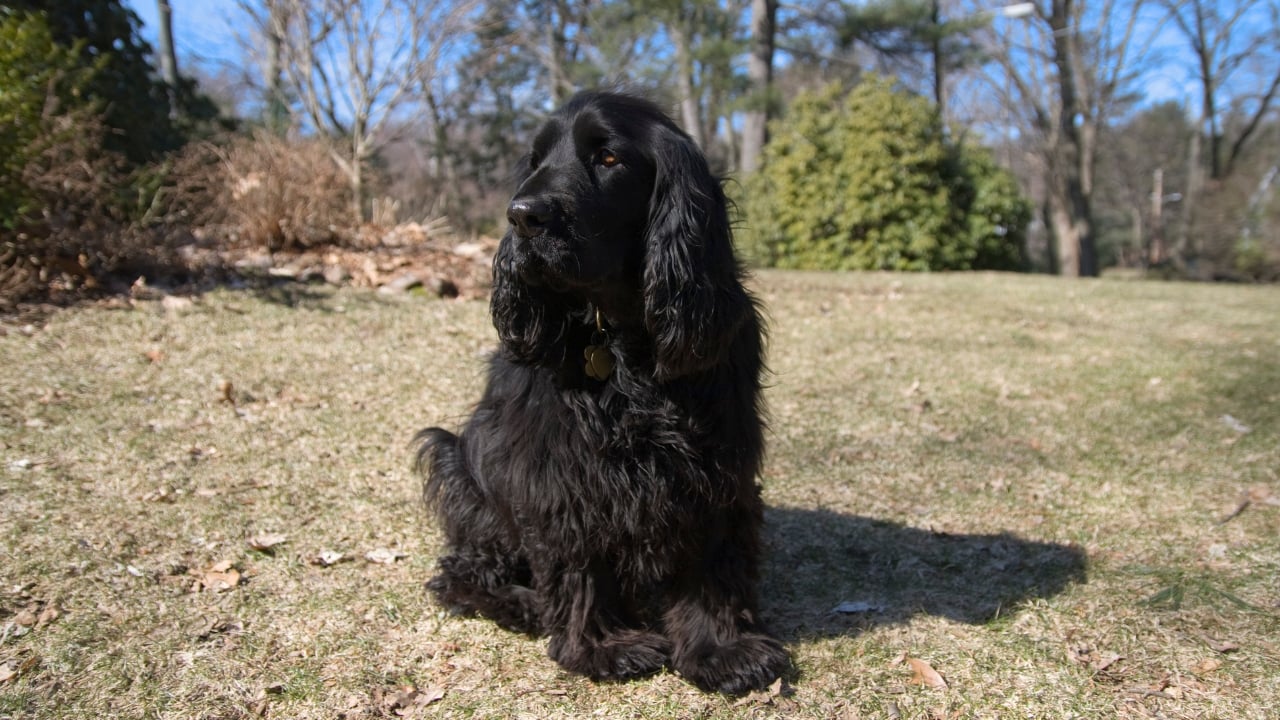
The Field Spaniel has never had the popularity of the Springer or Cocker, but it offers an appealing middle ground. It is larger than a Cocker without becoming as big as many retrievers, and it was developed as a practical sporting dog rather than a decorative companion.
A working Field Spaniel can flush birds, retrieve, and handle thick cover while staying relatively close. The breed also tends to have a more moderate personality than some hard-charging field dogs, which can make it easier to live with for hunters who want a family dog too. The problem is finding serious working lines. More field-focused breeding could make the Field Spaniel a very attractive option again for upland hunters.
English Setter

English Setters are hardly unknown, but they have lost ground to faster and more fashionable pointing breeds in many parts of the country. That is unfortunate because a good Setter is still one of the most elegant and effective upland dogs you can hunt behind.
They have excellent noses, natural range, and a style that works beautifully on grouse, quail, and other upland birds. Different lines can be tailored toward tighter woods work or larger open-country casts. Their biggest challenge is that hunters often assume they require more grooming and maintenance than shorthaired pointers. That is true to a degree, but a well-bred working Setter brings a combination of nose, style, and cooperation that deserves more modern attention.
Gordon Setter
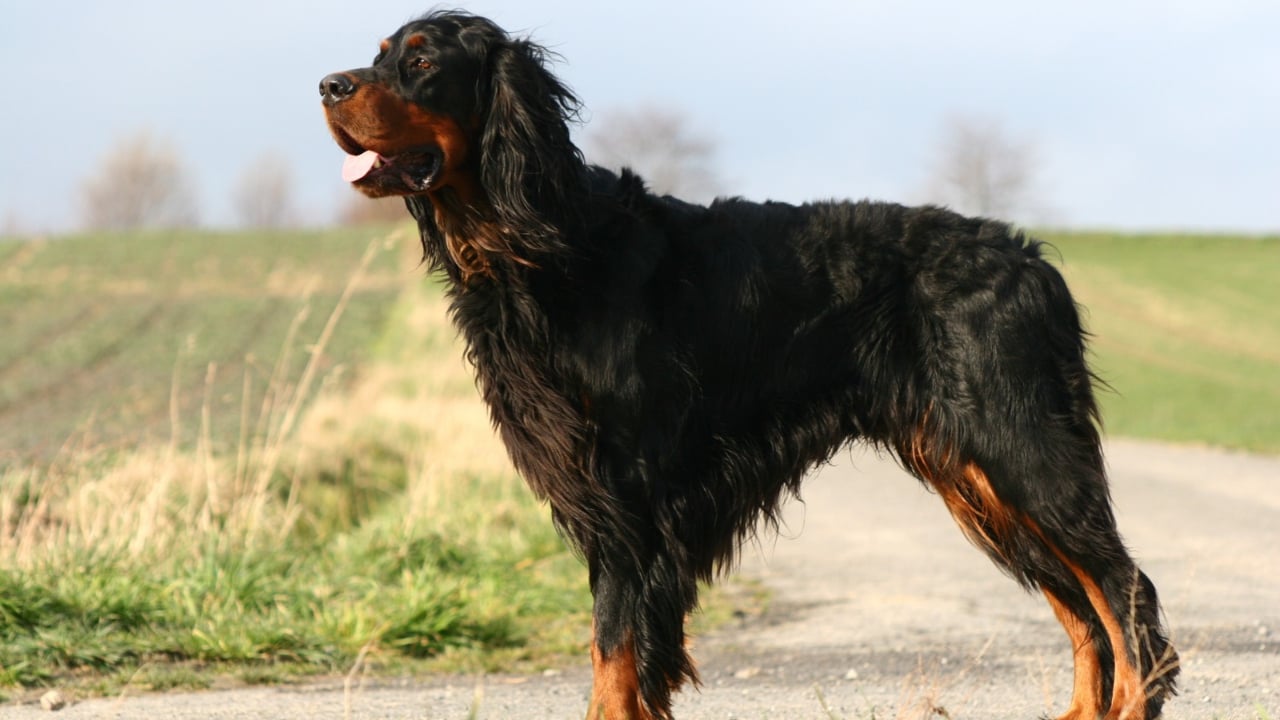
The Gordon Setter is heavier and more deliberate than many modern pointing dogs, which is one reason it has fallen behind in popularity. For hunters working rough woods and cooler climates, though, those same traits can be valuable.
Gordons tend to have good noses, strong endurance, and a more methodical hunting style. They are not usually as fast or wide-ranging as the sleekest field-trial pointers, but they can be very effective where control and thoroughness matter. Their darker coat also makes them easy to spot in snow and pale cover. The breed needs more working breeders and more hunters willing to judge it by practical hunting rather than competition speed.
Irish Red and White Setter
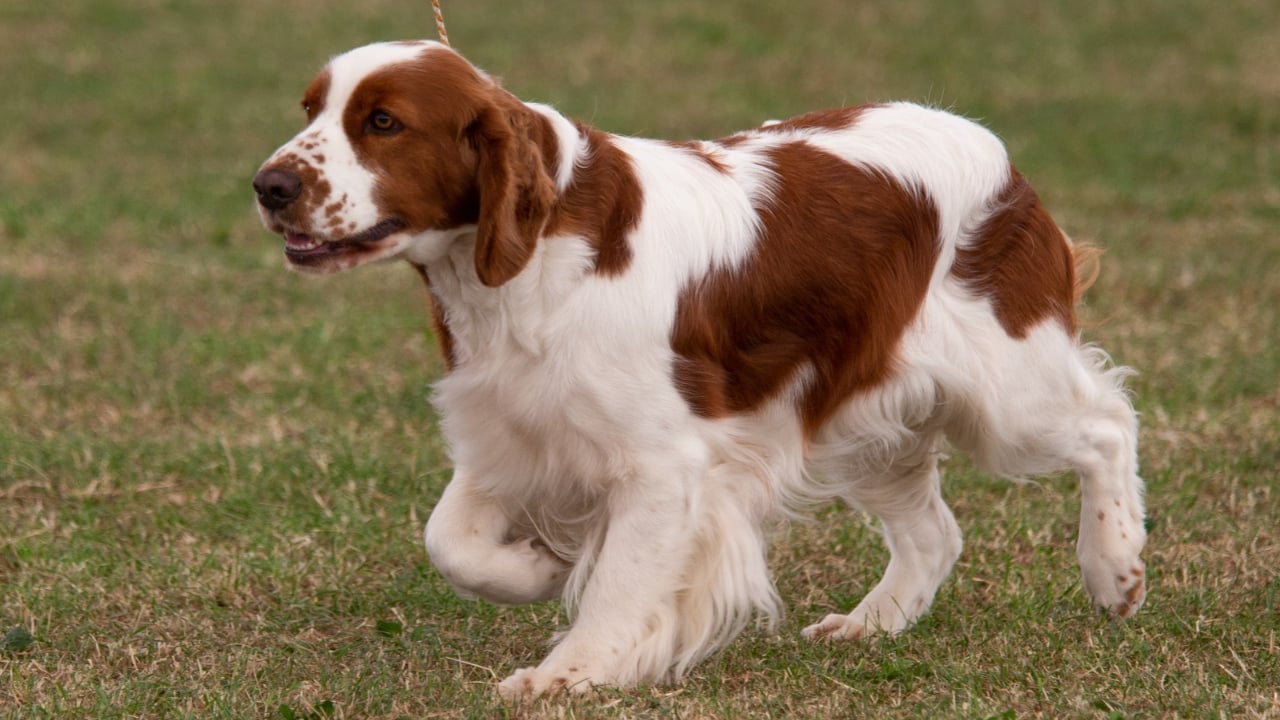
The Irish Red and White Setter predates the more famous solid-red Irish Setter, yet it remains far less common. That is a shame because the breed was built as a genuine bird dog with a strong nose and useful field range.
Its white coat also makes it easier to see in cover, which is a practical advantage rather than just a cosmetic difference. These dogs can be athletic, stylish, and effective on upland birds without being quite as extreme as some modern trial-oriented breeds. The biggest obstacle is scarcity. Hunters rarely choose a breed they cannot find locally. More working litters and better visibility could bring the Red and White Setter back into serious upland conversations.
Wirehaired Pointing Griffon
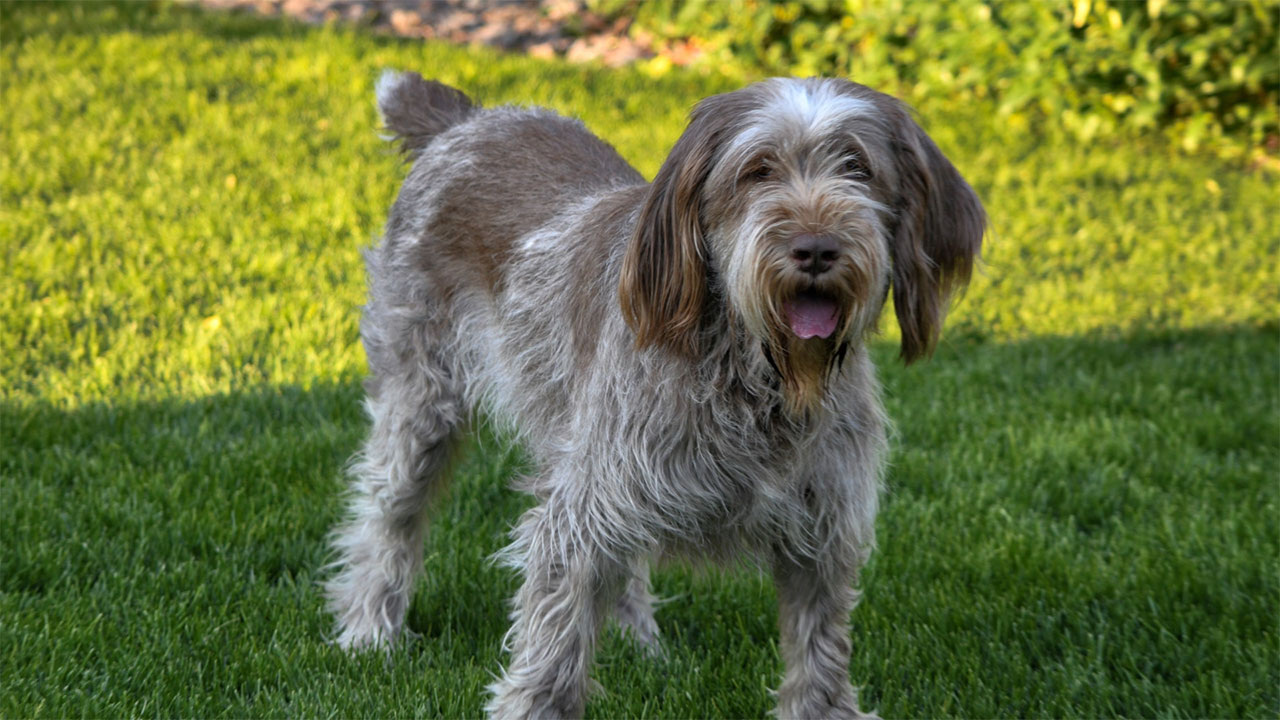
The Griffon has gained some ground in recent years, but it still deserves more attention from hunters who want one dog to do several jobs. It can point upland birds, retrieve waterfowl, and work rough cover without needing multiple specialized dogs.
Its harsh coat provides useful protection in briars and cold weather, and many Griffons stay relatively cooperative compared with harder, more independent versatile breeds. They are not usually the fastest dogs in the field, but they tend to work intelligently and remain connected to the handler. For hunters who split time between upland cover and wetlands, the breed offers a practical level of versatility that should make it more common than it is.
Spinone Italiano

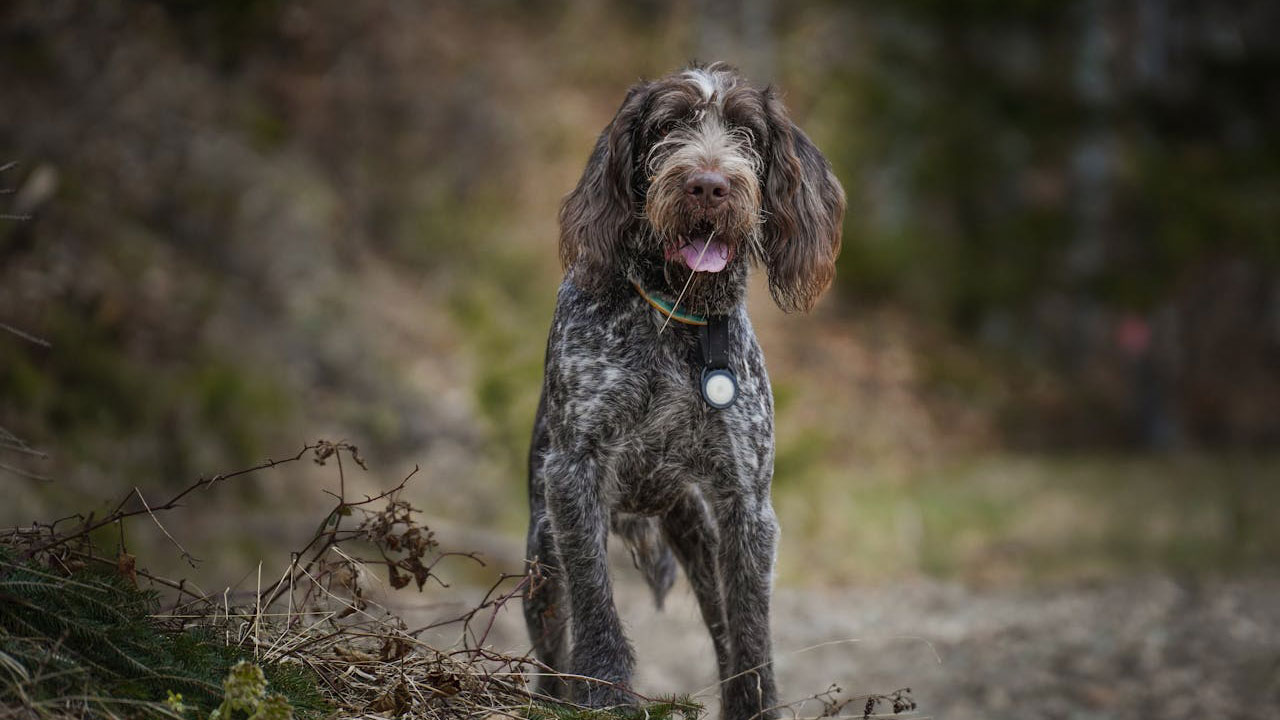
The Spinone is another versatile pointing breed that suffers because it is not flashy. It tends to hunt at a more deliberate pace and uses a careful nose rather than racing across ground.
That style can be excellent in thick country, especially where birds hold tight and hunters want a dog that stays manageable. Spinoni can point, retrieve, and work water, giving them true all-around ability. They are also generally calmer than some high-drive continental breeds, which makes them easier family companions for many hunters. The breed may never dominate field trials, but real hunting is not a footrace. A thoughtful, steady dog has plenty of value, and the Spinone deserves a stronger comeback.
Small Münsterländer
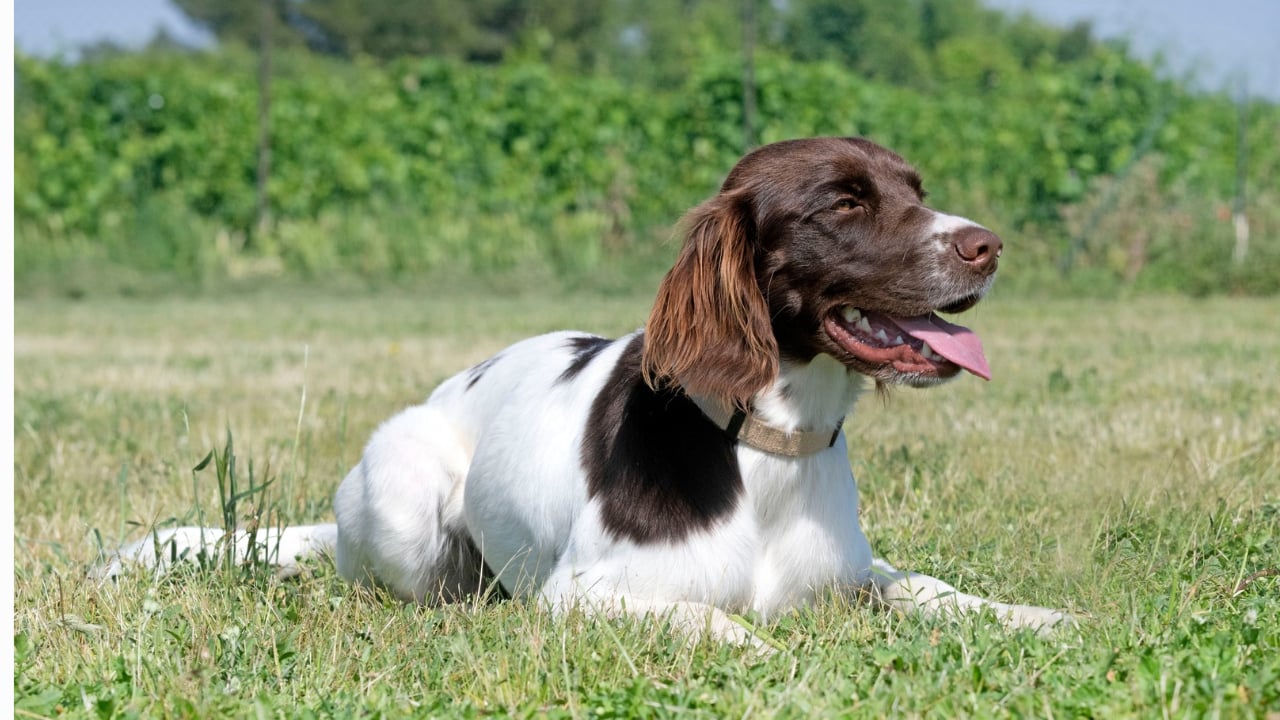
The Small Münsterländer is still relatively uncommon in the United States despite offering exactly what many modern hunters say they want: a medium-size versatile dog that can point, retrieve, track, and work water.
They tend to be athletic without being oversized and often maintain good cooperation with the handler. That makes them useful for hunters who move between pheasant fields, grouse woods, and duck water during the same season. Their smaller size also makes travel and home life easier than with some larger versatile breeds. The breed has a dedicated following, but wider availability could make it a much more serious competitor in the American hunting-dog market.
Large Münsterländer
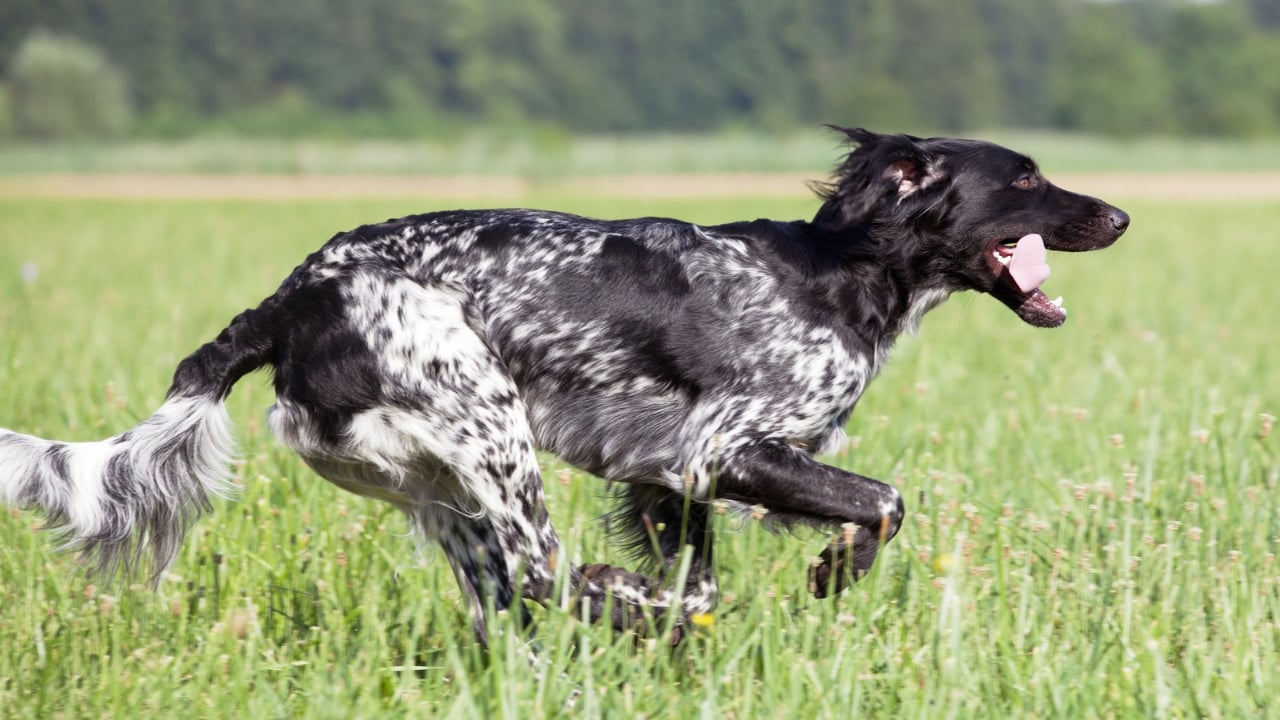
The Large Münsterländer offers many of the same versatile traits in a bigger, stronger package. These dogs can point, retrieve, track wounded game, and work water with enough endurance to handle long hunting days.
Their black-and-white coats are distinctive, but appearance is not the main reason to pay attention. The breed was developed around practical hunting versatility, and many lines still maintain strong working standards. They remain uncommon enough in the United States that most hunters never get a chance to see one work. Given the growing interest in one-dog-does-everything breeds, the Large Münsterländer deserves a much larger audience.
Bracco Italiano
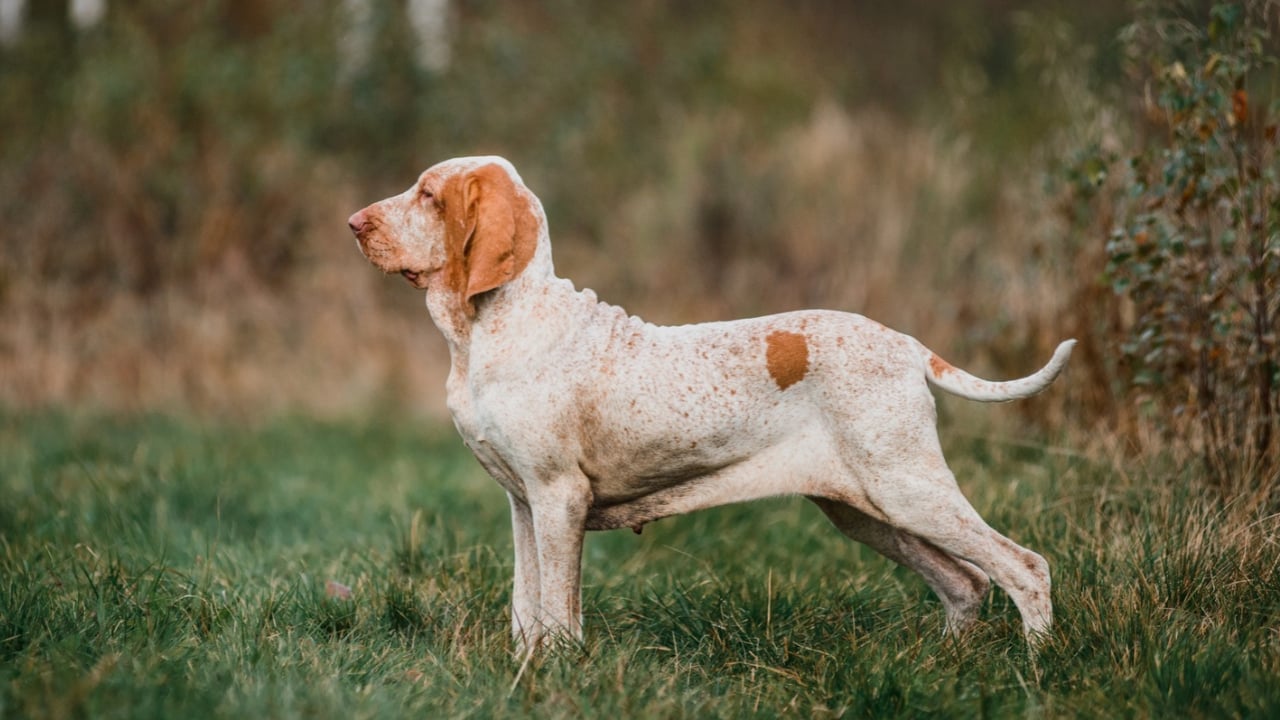
The Bracco Italiano has an ancient hunting history but only recently started getting more attention in the United States. Its heavy head and loose skin can make people assume it is slow or awkward, but that does not tell the whole story.
A good Bracco can cover ground efficiently, point naturally, and work with a deliberate style that suits real hunting extremely well. They also tend to remain connected to the handler instead of disappearing over the horizon. That balance can be appealing for hunters who want a pointing dog without extreme range. The breed is still uncommon enough that many people judge it by appearance rather than performance. More field exposure would change that quickly.
Pointer
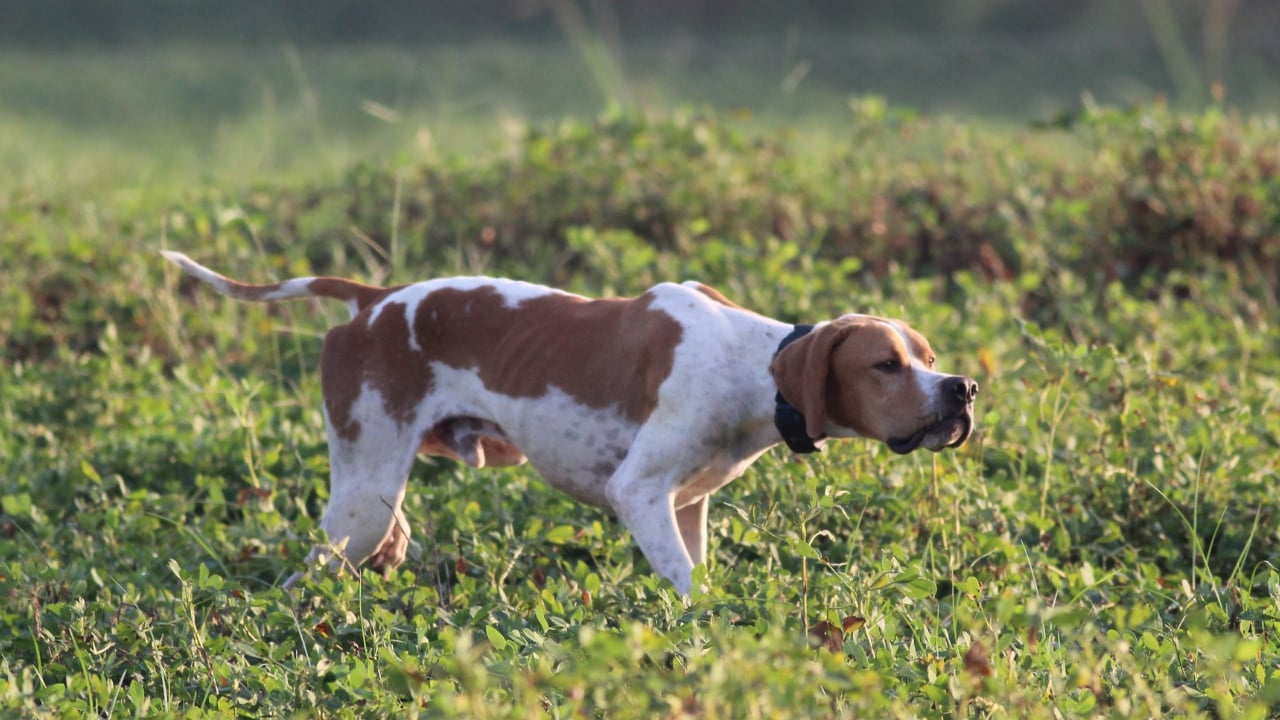
The English Pointer once defined serious upland hunting in many parts of the country, and while the breed remains important, it has lost some mainstream attention to German Shorthairs and versatile continental dogs.
That does not make the Pointer any less exceptional at its core job. Few breeds combine speed, nose, range, and intensity on birds as well. In open country, a good Pointer can cover enormous ground efficiently and lock up birds with confidence. The breed is more specialized than some modern hunters prefer, but specialization is not a weakness when the job is upland pointing. Hunters who care primarily about finding birds should not overlook one of the best tools ever developed for that exact purpose.
American Foxhound

American Foxhounds were once much more visible in traditional hunting culture, but changing land access and hunting styles have reduced their role. That does not mean their endurance and scenting ability have become less impressive.
These dogs were built to run for hours, follow scent across huge areas, and work as part of a pack. Their independence and range make them difficult for suburban owners, but those same traits are valuable in the right hunting setting. The biggest challenge is that large tracts suitable for running hounds are harder to find. Where the land and laws allow it, though, the American Foxhound still does exactly what it was created to do.
English Foxhound
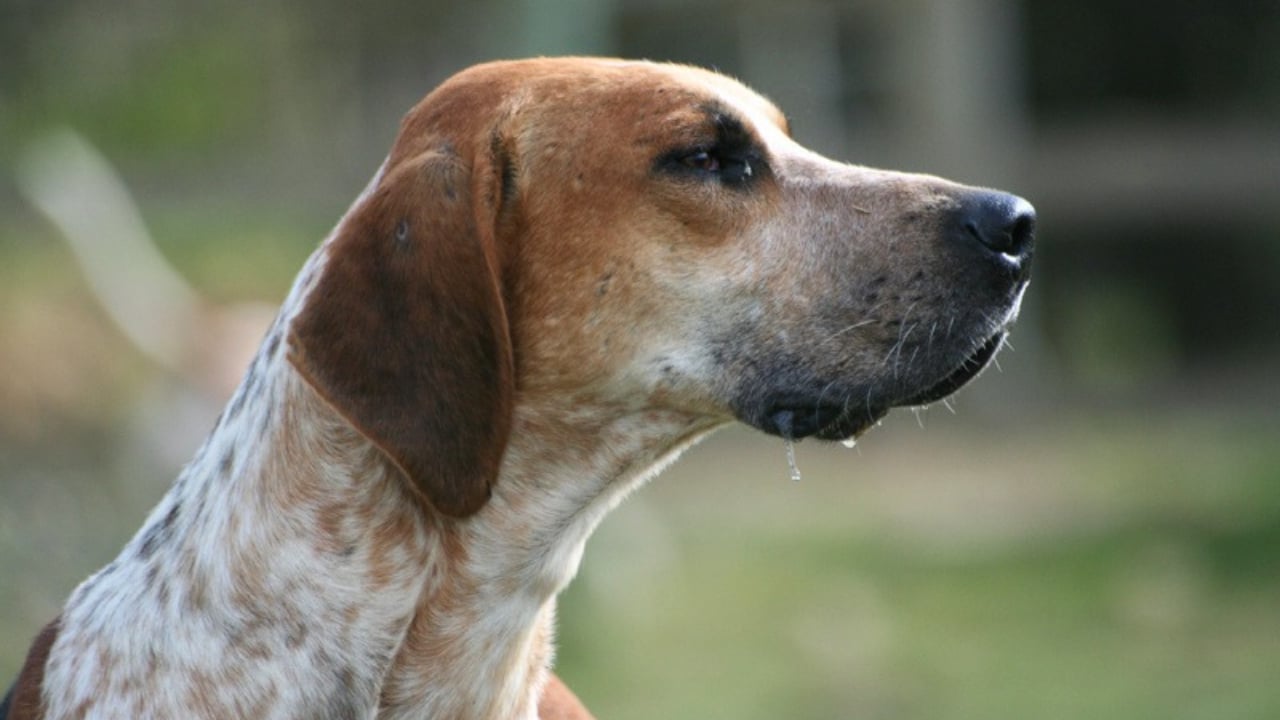
The English Foxhound is another breed whose decline has more to do with changing hunting traditions than with working ability. It was developed around endurance, pack cooperation, and the ability to keep scent over long distances.
The breed is powerful, steady, and capable of covering ground all day. That makes it poorly suited to ordinary pet life but perfectly logical in traditional hound work. Modern hunters rarely need a full foxhound pack, which is why the breed has become more specialized and less visible. Still, the underlying traits are exceptional. With more attention in legal scent-hunting and tracking roles, the English Foxhound could remain much more relevant than it is today.
Otterhound
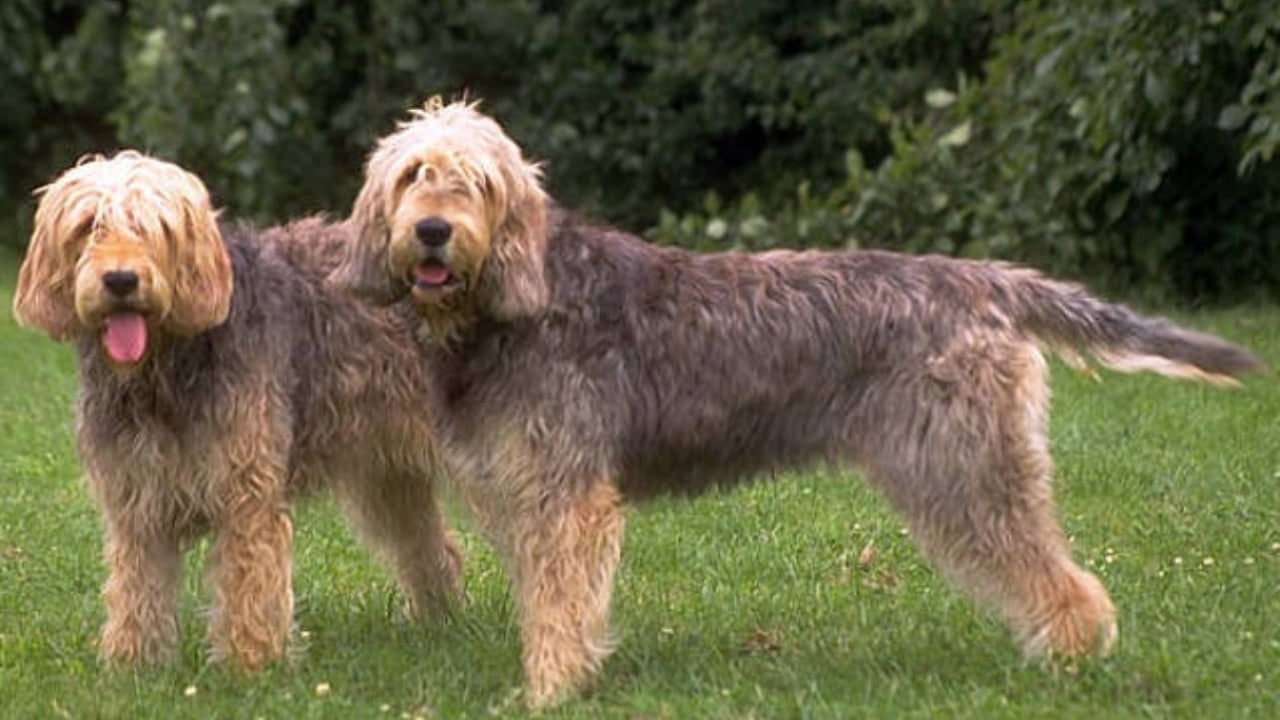
The Otterhound may be one of the rarest working hounds left, and its original job has largely disappeared. Historically, it was bred to follow otter scent through water and across difficult country, requiring a powerful nose, webbed feet, and a weather-resistant coat.
That exact job is gone in many places, but the traits are still useful. Otterhounds have tremendous scenting ability, endurance, and comfort around water. With careful breeding and new working outlets such as tracking or scent sports, the breed could retain far more purpose than simply surviving as a rarity. Losing a working breed because its original quarry changed would be a waste of generations of useful traits.
Welsh Springer Spaniel
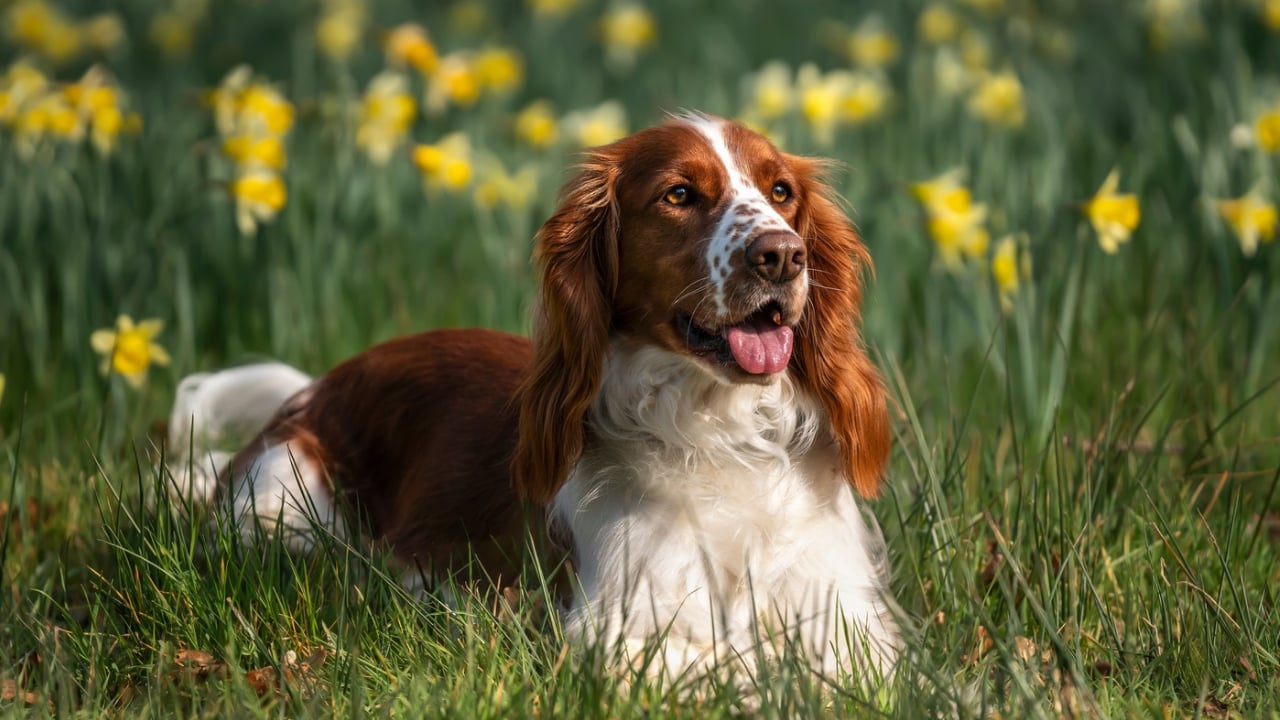
The Welsh Springer has lived in the shadow of the English Springer for a long time, but it remains a capable flushing and retrieving dog with a strong hunting background. Its slightly more moderate style can be a good fit for hunters who want a dog that works closely rather than ranging aggressively.
They are athletic enough for long days, small enough to handle easily, and equipped with enough coat to work rough weather and cover. Welsh Springers also tend to bond closely with their people, which can make training very rewarding. The breed needs more field-focused attention because it offers a practical middle ground between compact flushing dogs and larger retrievers.
Like The Avid Outdoorsman’s content? Subscribe to our newsletter so you never miss an article.
Here’s more from us: