Photo credit: Academy Sports
Some pistols sound perfect when people talk about them online. They are reliable, popular, easy to carry, priced right, or backed by a brand everybody knows. Then you finally shoot one and realize the recommendation skipped over the part where the trigger feels strange, the recoil is sharper than expected, or the grip just does not work for your hands.
That does not mean every pistol here is bad. Some are dependable. Some are easy to carry. Some make sense for the right person. The problem is that they get recommended so often that new buyers expect them to feel better than they do once the first magazine is loaded.
Glock 43

The Glock 43 still gets recommended because it is small, simple, and easy to trust. It has Glock reliability in a slim single-stack package, which made it a big deal when it first hit the carry market. For someone who wants a pistol that disappears under light clothing, it still has a place.
Then you shoot it and realize how much has changed. The grip is short, capacity is limited, and the recoil feels sharper than the size suggests. It is not uncontrollable, but it does not give much back to the shooter either. Newer carry pistols offer more rounds, better texture, better sights, and a more forgiving grip without being much harder to conceal.
Ruger Max-9

The Ruger Max-9 gets recommended because it checks the modern carry boxes at a fair price. It is slim, optics-ready on many versions, has good capacity for its size, and comes from a brand people trust. On paper, it looks like a smart budget-friendly alternative to more expensive micro-compacts.
At the range, it can feel less polished than the spec sheet suggests. The trigger is not especially clean, the grip can feel narrow and abrupt under recoil, and the whole pistol feels more practical than enjoyable. It works, but it does not always make you want to keep shooting it. That matters for a carry gun people actually need to practice with.
Smith & Wesson SD9 VE
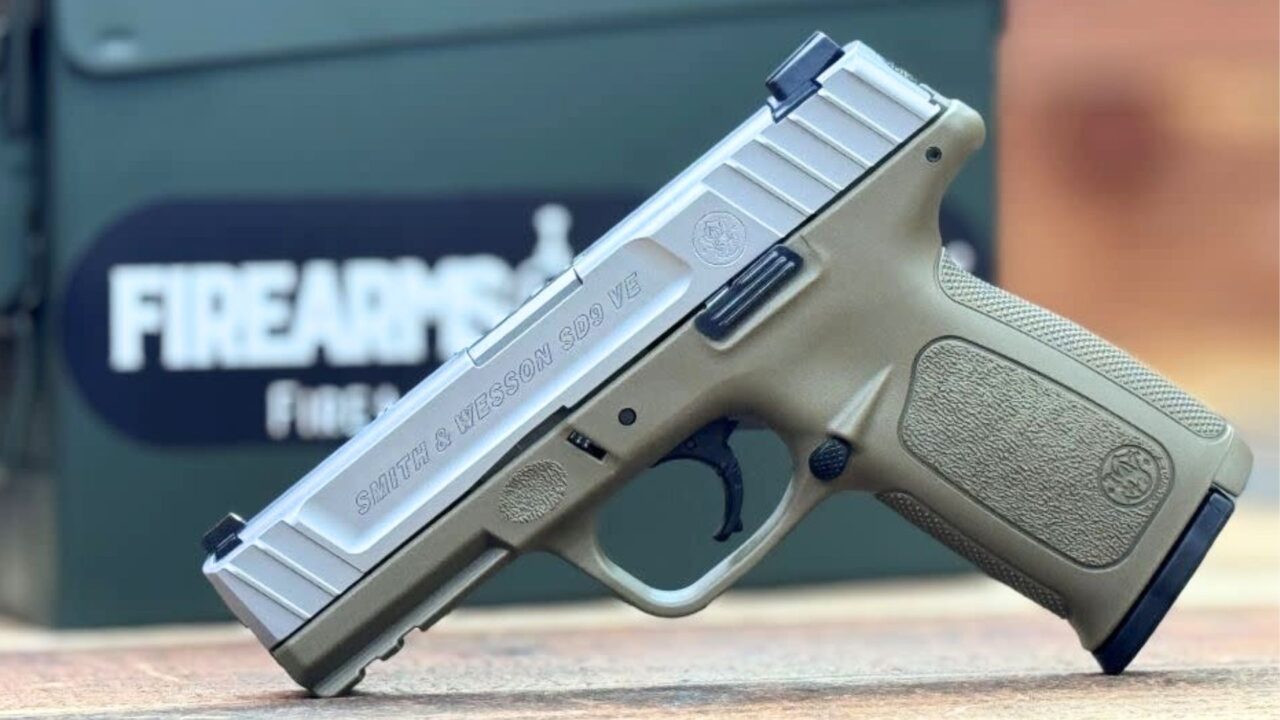
The Smith & Wesson SD9 VE gets recommended because it is affordable, full-size enough to shoot better than tiny carry guns, and backed by a familiar name. A lot of buyers see it as a basic defensive pistol that costs less than the big-name striker guns. That is a fair reason to notice it.
The problem shows up when the trigger starts doing most of the talking. The SD9 VE has a heavy, long trigger that makes the gun feel cheaper than it needs to. It can be reliable and still not be pleasant. Many shooters would rather spend a little more and get an M&P, Glock, CZ, or Canik that feels much better every time the trigger breaks.
SCCY CPX-2

The SCCY CPX-2 gets recommended in budget carry discussions because it is inexpensive, compact, and usually easy to find. For someone who needs a handgun at the lowest possible price, it looks like a way to get into concealed carry without spending much. The lifetime warranty also gives buyers some comfort.
Actually shooting it is where the shine wears off. The long double-action trigger, blocky feel, and snappy recoil make it hard for many people to shoot well. It may fill an emergency budget role, but it is not a pistol most people enjoy training with. A carry gun that discourages practice is always a tough recommendation.
Beretta APX A1 Carry
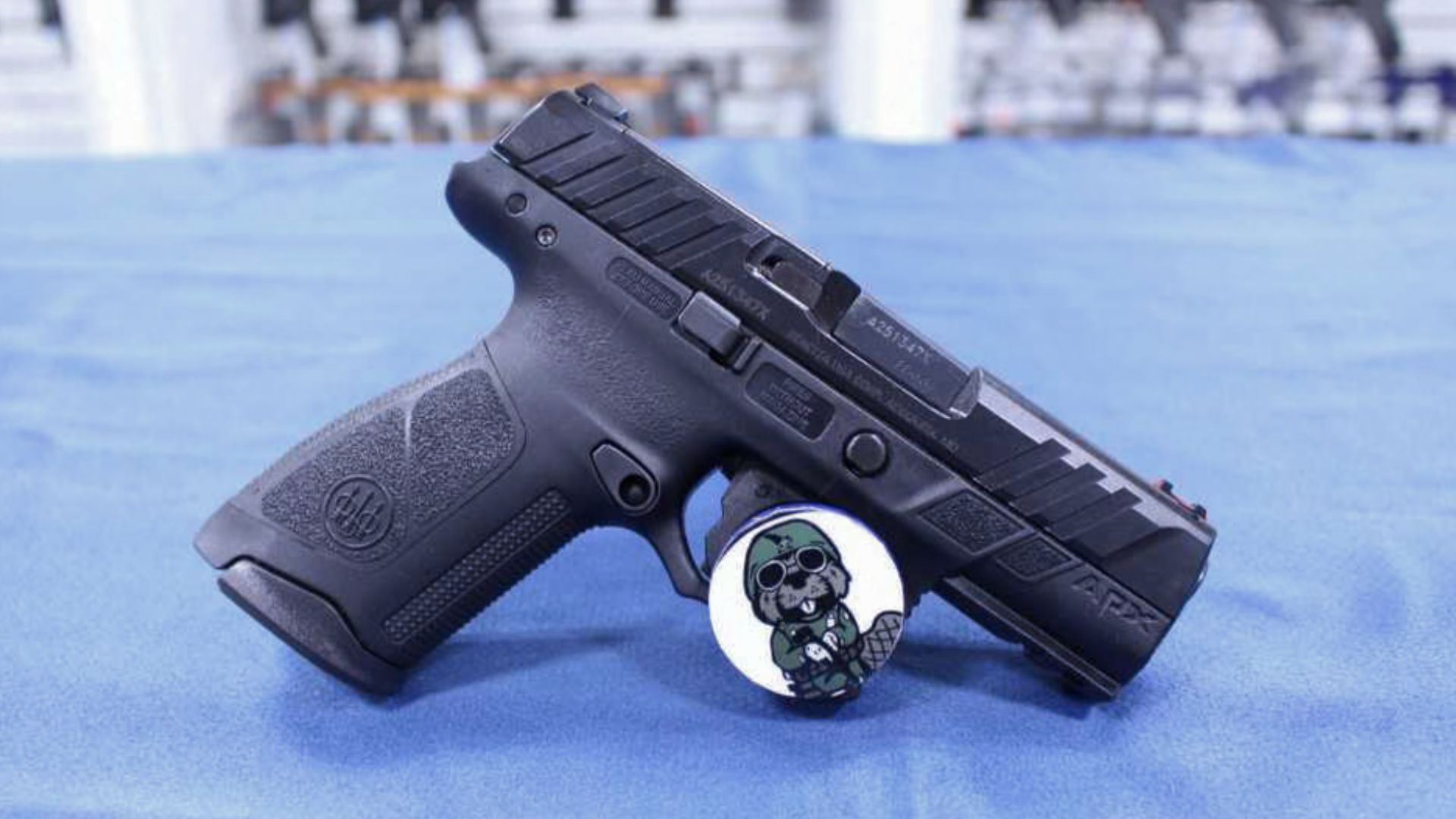
The Beretta APX A1 Carry sounds like it should be an easy recommendation. It comes from Beretta, carries small, and offers a modern striker-fired option for people who want something different from the usual micro-compact crowd. The updated version also looks better than the original Nano-style design.
The shooting experience still leaves a lot of people cold. The trigger can feel heavy and awkward, recoil feels more noticeable than expected, and the grip does not give much room to work with. It is not useless, but it does not feel like Beretta’s strongest effort. The name gets it recommended more often than the actual range experience should.
Taurus GX4
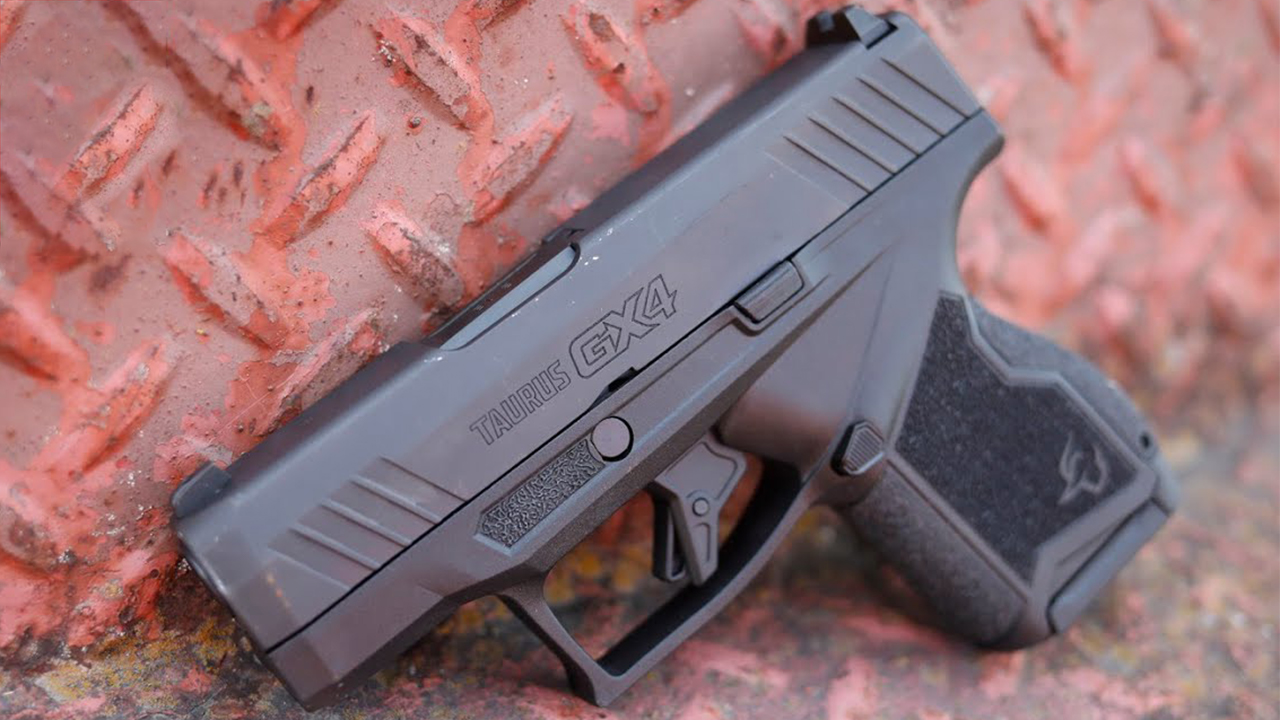
The Taurus GX4 gets recommended because it gives buyers serious micro-compact features without premium pricing. It is small, holds a respectable number of rounds, and feels more modern than older Taurus carry pistols. For the money, it is easy to see why people bring it up.
The problem is that the GX4 can feel harsher and less refined once you start shooting it fast. The grip is short, recoil feels abrupt, and the trigger does not win everyone over. It may be a good budget carry option, but it is not the easy-shooting bargain some fans make it sound like. Cheap and capable still does not always mean pleasant.
KelTec PF9

The KelTec PF9 has been recommended for years because it is thin, light, and affordable. It was one of those pistols that made sense when people wanted a carry gun that would not pull their pants down or empty their wallet. Its simplicity is part of the appeal.
Then the range session starts. The PF9 is sharp, small, and unforgiving, with a long trigger and a grip that does little to calm the recoil. It is a pistol people carry more than they shoot, and that tells you something. It served a purpose, but there are much better options now for anyone who actually plans to practice.
Diamondback DB9

The Diamondback DB9 gets recommended by people who want the smallest possible 9mm carry pistol. It is extremely compact, very light, and easy to hide in situations where larger guns are difficult. For deep concealment, that tiny size is the selling point.
The downside is that shooting it feels like the price of making a 9mm that small. The recoil is sharp, the grip is minimal, and the gun gives the shooter very little margin for error. It is not the kind of pistol most people want to put several boxes of ammo through. A defensive pistol can be easy to hide and still be hard to shoot well.
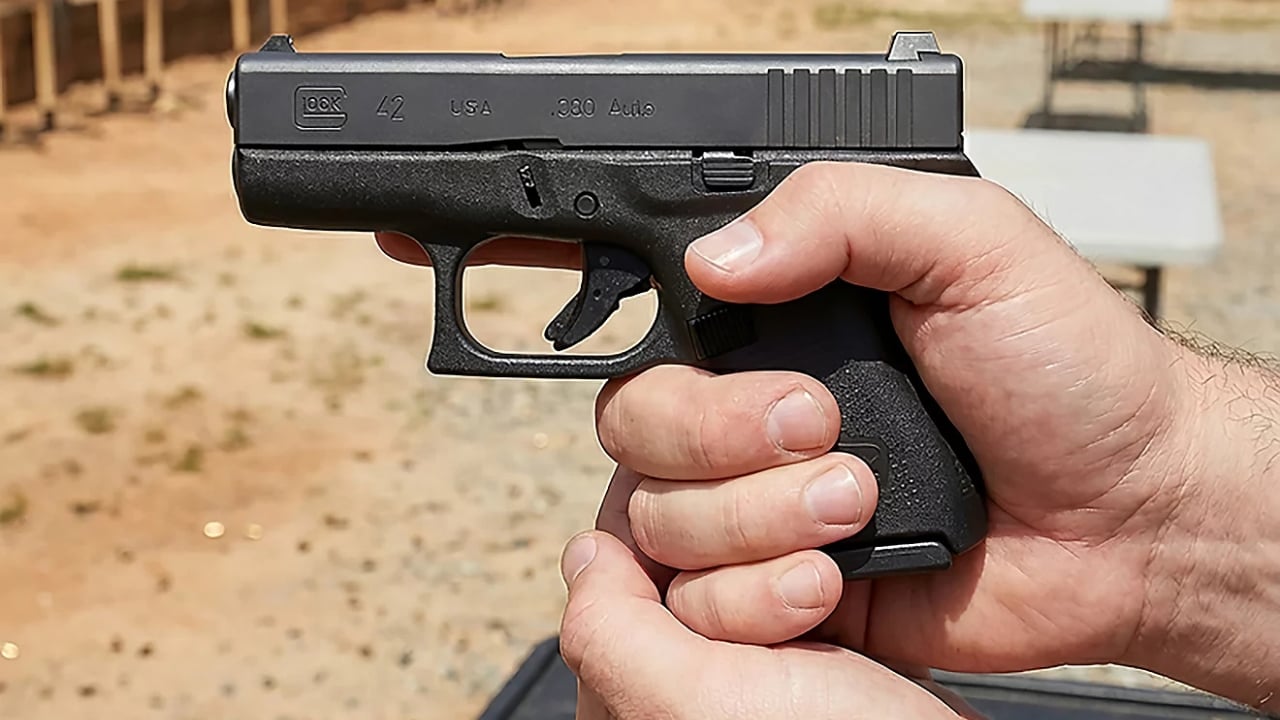
Glock 42

The Glock 42 gets recommended because it is one of the softest and most trustworthy small .380 pistols around. Compared with many pocket .380s, it is easier to control and has the simple Glock layout people already know. For recoil-sensitive shooters, it can be appealing.
The disappointment comes from what it costs in size. The Glock 42 is larger than many people expect for a .380, yet it still gives limited capacity and pocket-pistol performance. Once shooters compare it to small 9mm pistols or smaller .380s, it can feel stuck in the middle. It shoots fine, but not always well enough to justify the tradeoff.
Walther PPS M2
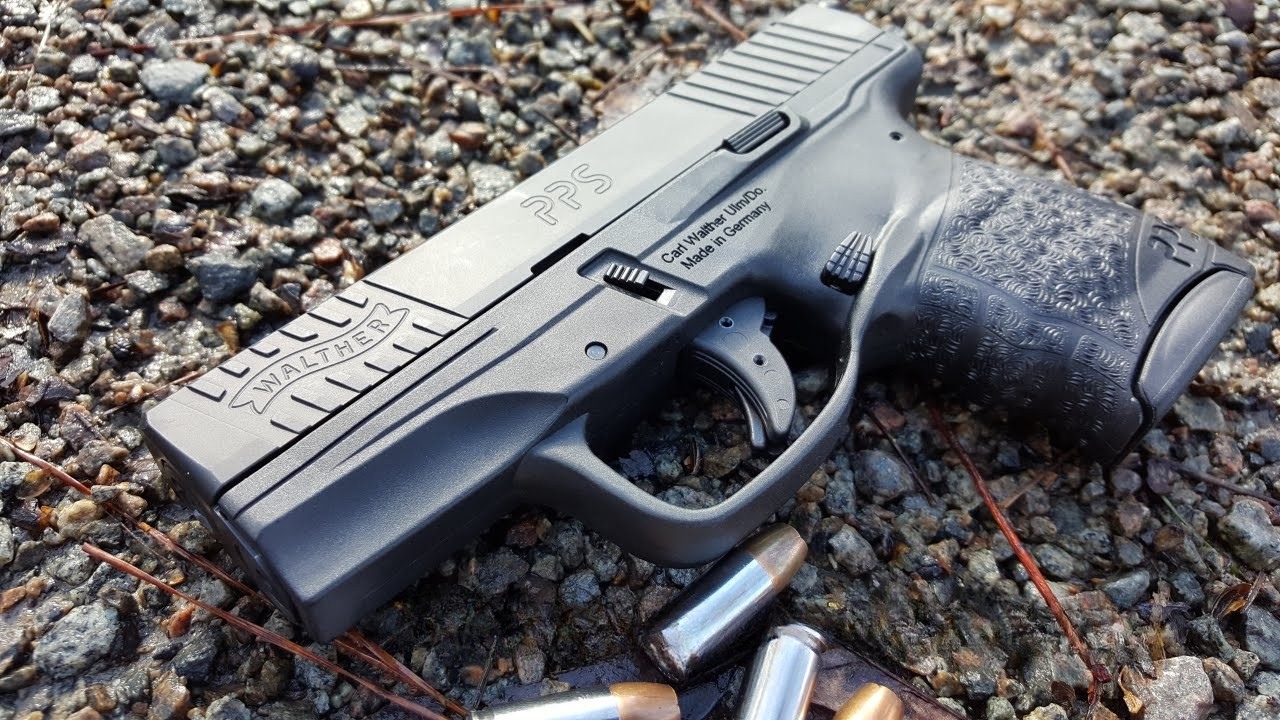
The Walther PPS M2 gets recommended because it feels good in the hand and has a clean, slim profile. It was one of the better single-stack carry pistols before the high-capacity micro-compacts took over. The grip shape is still one of its strongest features.
At the range, it is easy to see why some people like it, but also why it feels dated. Capacity is low by modern standards, the trigger is only decent, and the recoil impulse is not as soft as the grip might make you expect. It is not a bad pistol. It is just hard to recommend with the same confidence now that smaller guns hold more rounds and shoot just as well.
Springfield XD-E
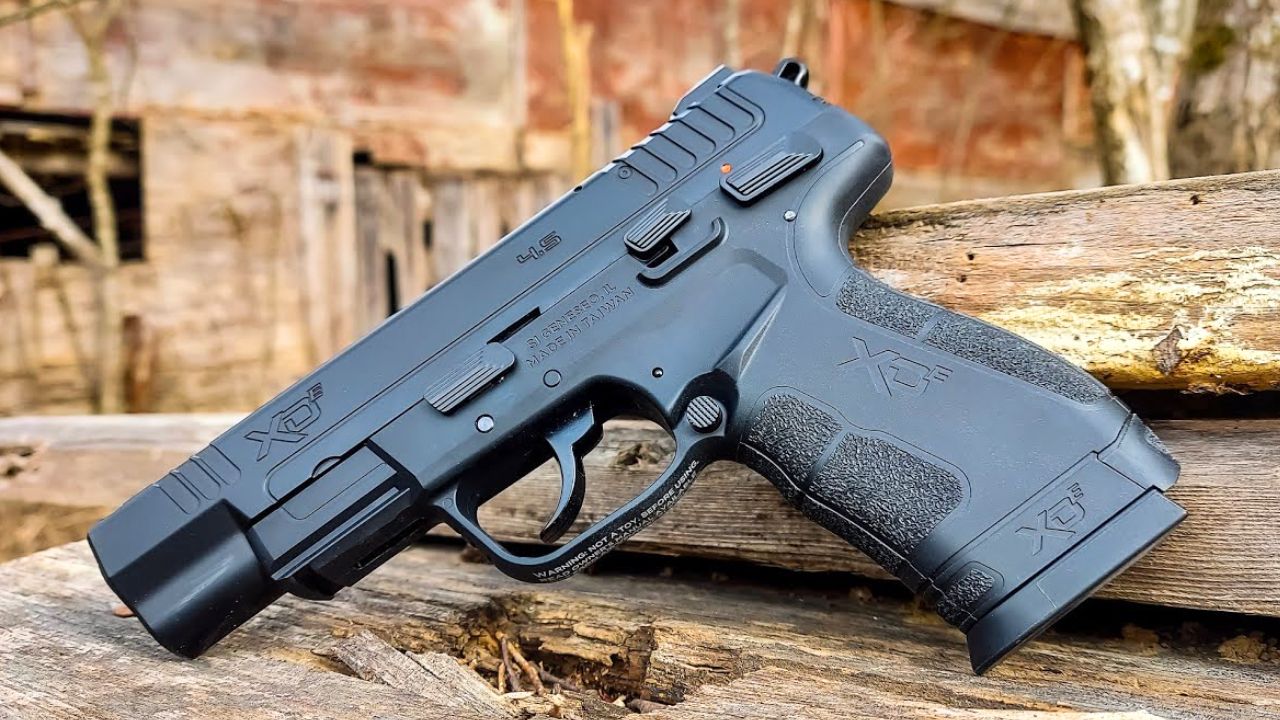
The Springfield XD-E was recommended by people who wanted a slim hammer-fired carry gun in a striker-dominated market. The DA/SA setup, manual safety, and compact profile made it interesting. For shooters who did not want another Glock-style pistol, it stood out.
The actual shooting experience was not as convincing. The double-action pull is heavy, the grip feels narrow, and the slide is tall for a small carry gun. It is different, but different does not automatically mean better. Many shooters who wanted to like it found that it carried better than it shot.
Bersa Thunder 380

The Bersa Thunder 380 gets recommended because it is affordable, traditional, and has that Walther PPK-style look without the premium price. It is easy to understand, easy to find, and comfortable for shooters who like metal-framed pistols with external hammers.
Once people shoot it next to newer options, the excitement can fade. The blowback action gives more recoil than some expect from .380 ACP, the controls feel dated, and the sights are not great. It has charm, but charm is not the same as performance. For the size and weight, many shooters expect more than the Thunder 380 delivers.
Ruger EC9s
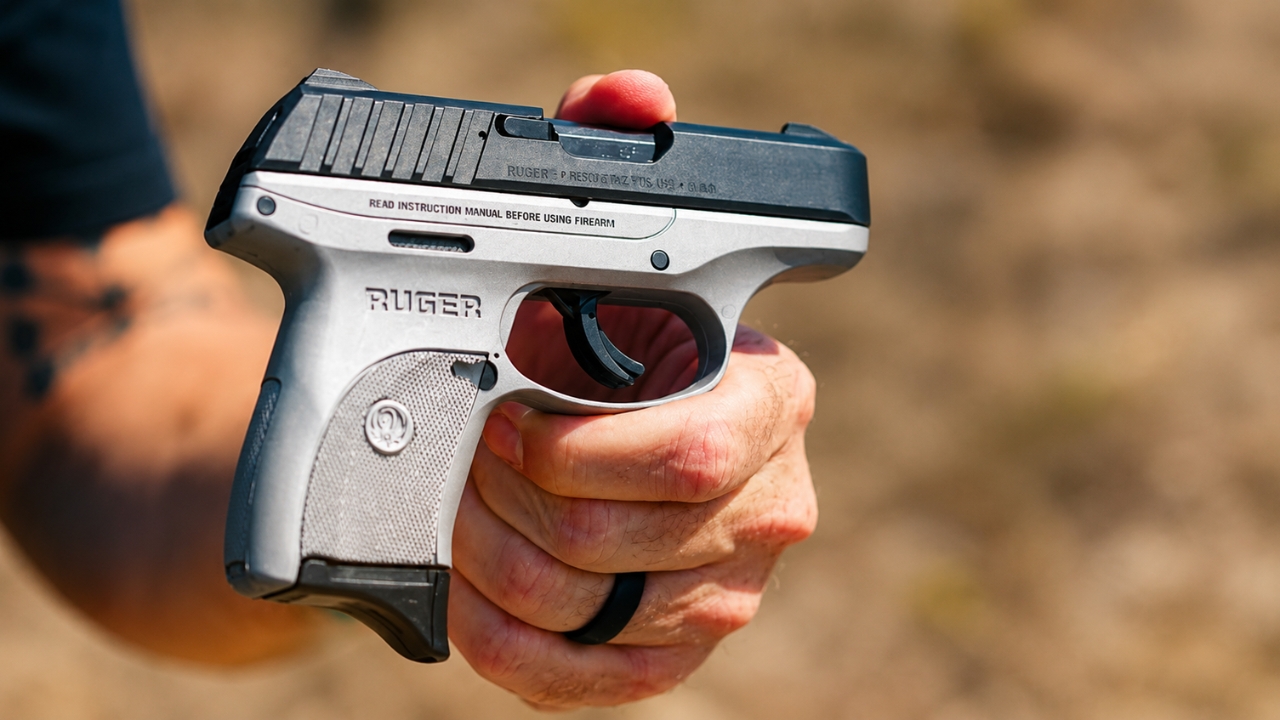
The Ruger EC9s gets recommended because it is inexpensive, slim, and easy to carry. It gives buyers a 9mm from a trusted brand without forcing them into a high price range. For someone who wants a simple budget carry gun, it sounds like an obvious pick.
Shooting it is where the budget nature becomes harder to ignore. The sights are basic, the trigger is nothing special, and the little frame can feel jumpy in the hand. It is functional, but not very inspiring. If a shooter can afford to step up even a little, there are carry pistols that make practice much less of a chore.
CZ P-10 S

The CZ P-10 S gets recommended because it brings CZ’s striker-fired feel into a smaller carry pistol. The grip texture is aggressive, the trigger is better than many competitors, and the brand has a strong reputation among people who care about shootability.
The issue is that the small version loses some of what makes the larger P-10 pistols so good. The grip is short, the texture can feel harsh, and recoil feels snappier than people expect from a CZ. It is still a capable pistol, but it does not always shoot like the glowing recommendations suggest. The compact and full-size versions often leave a better impression.
SIG Sauer P938

The SIG Sauer P938 gets recommended because it is small, metal-framed, and has a crisp single-action trigger. People who like 1911-style controls are drawn to it, and it feels more premium than many pocket-sized carry pistols. It also has a strong following among shooters who dislike striker-fired guns.
The problem is that it asks a lot from a tiny pistol. The controls are small, the grip is cramped, and the recoil can feel sharp for a gun that looks so refined. It is accurate in careful hands, but not always easy to run quickly. People recommend it for the trigger and build quality, then forget to mention that it still shoots like a very small 9mm.
Kimber Solo

The Kimber Solo was recommended heavily when shooters wanted a stylish micro 9mm that did not look like another plain polymer carry gun. It had clean lines, a premium feel, and the Kimber name behind it. At the counter, it felt like a classy answer to concealed carry.
Then too many shooters found out it could be picky, snappy, and frustrating. The Solo never built the kind of trust a carry pistol needs, especially when simpler options ran with less drama. It was easy to want and harder to love. A carry pistol can look refined and still disappoint once reliability and shootability enter the conversation.
Remington RM380

The Remington RM380 gets recommended by people who like a small .380 with a slightly sturdier feel than the tiniest pocket pistols. It is compact, smooth-sided, and simple enough for deep carry. For buyers who found it cheap, it seemed like a practical little defensive gun.
The range experience is less exciting. The trigger is long, the sights are minimal, and the pistol does not give much feedback that inspires confidence. It can function as a pocket gun, but it is not something most shooters want to practice with for long. That makes it hard to recommend over newer .380 and small 9mm options.
Stoeger STR-9

The Stoeger STR-9 gets recommended because it offers a low-cost striker-fired pistol from a company tied to a respected larger family of brands. It looks modern, holds plenty of rounds, and gives budget buyers something that feels more serious than bargain-bin pistols of the past.
But once you shoot it, the STR-9 can feel ordinary in a crowded field. The trigger, grip texture, sights, and overall handling do not really separate it from the pack. It is not terrible, but it does not give many shooters a reason to choose it over better-supported options. Being affordable helps, but it does not make the gun memorable.
Mossberg MC1sc

The Mossberg MC1sc got attention because Mossberg jumping back into handguns was interesting on its own. It is slim, light, and meant to compete in the everyday carry market. The clear magazines also gave it a little extra talking point when people first handled it.
The problem is that the shooting experience is just fine, not special. The grip is small, recoil feels typical for the class, and the pistol does not bring enough advantages to stand out from stronger carry guns. People recommend it because they want Mossberg’s pistol line to succeed, but the MC1sc does not always reward that enthusiasm at the range.
Honor Defense Honor Guard
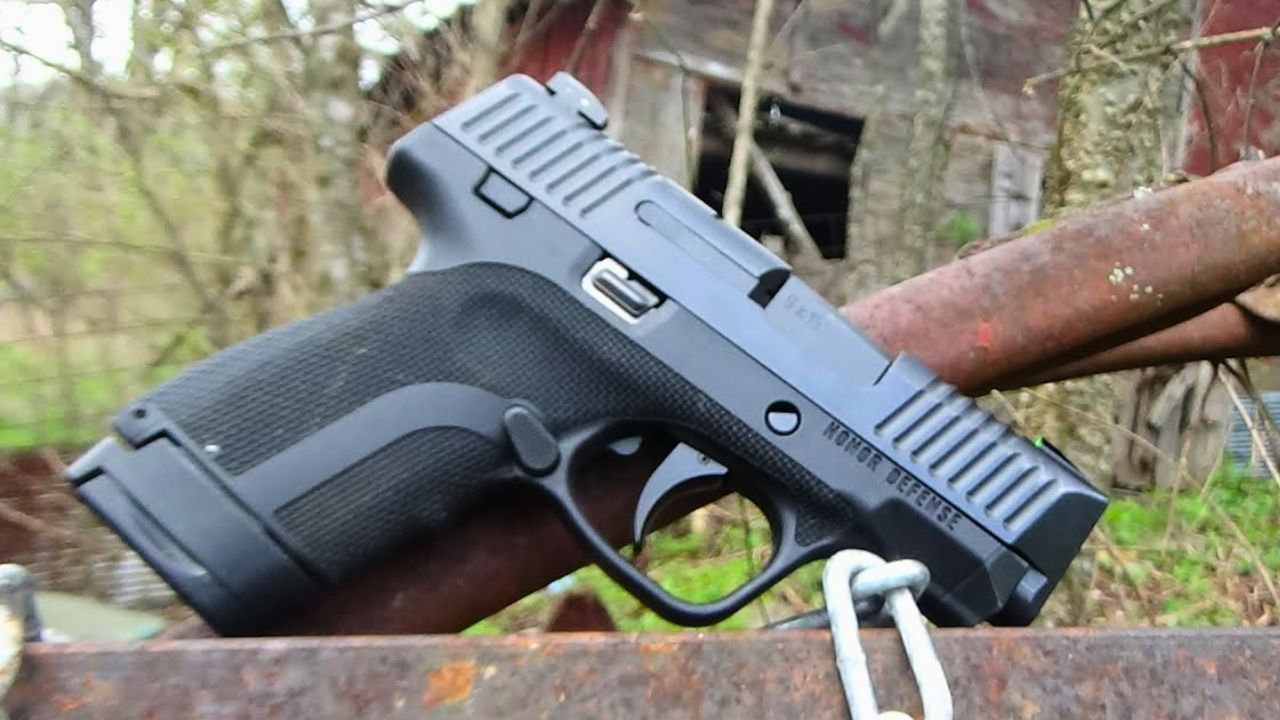
The Honor Guard was recommended for a while because it looked like a serious American-made carry pistol with good texturing and practical features. It had the right size, the right basic shape, and enough marketing behind it to make people curious. Some shooters liked that it was not another option from the same few big brands.
Actually shooting it did not always match the pitch. The trigger was not especially impressive, recoil felt sharp enough to notice, and the brand never built the broad confidence that more established pistols had. It was not the worst idea, but the recommendation often sounded stronger than the pistol felt in real hands.
Like The Avid Outdoorsman’s content? Be sure to follow us.
Here’s more from us: