Photo credit: WHO_TEE_WHO/Youtube
Before “concealed carry” was a sticker on the back glass and a whole aisle at the gun shop, it was just what careful, normal folks did. A revolver in a coat pocket on a cold walk to the barn. A flat little auto in a tackle bag on the way to town. Something reliable that didn’t print like a brick and didn’t demand a bunch of attention.
These are the handguns that pushed that idea forward—sometimes on purpose, sometimes by accident. A few are classics everybody recognizes. Others are the oddballs that proved a point: smaller can still run, lighter can still shoot, and boring can still save your hide.
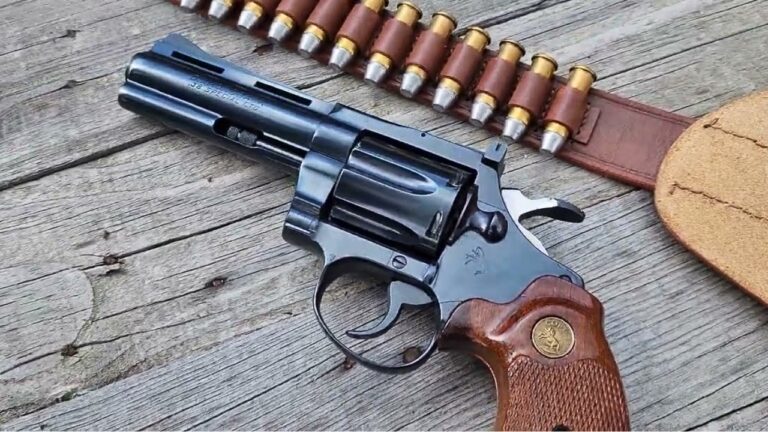
1. Colt Detective Special
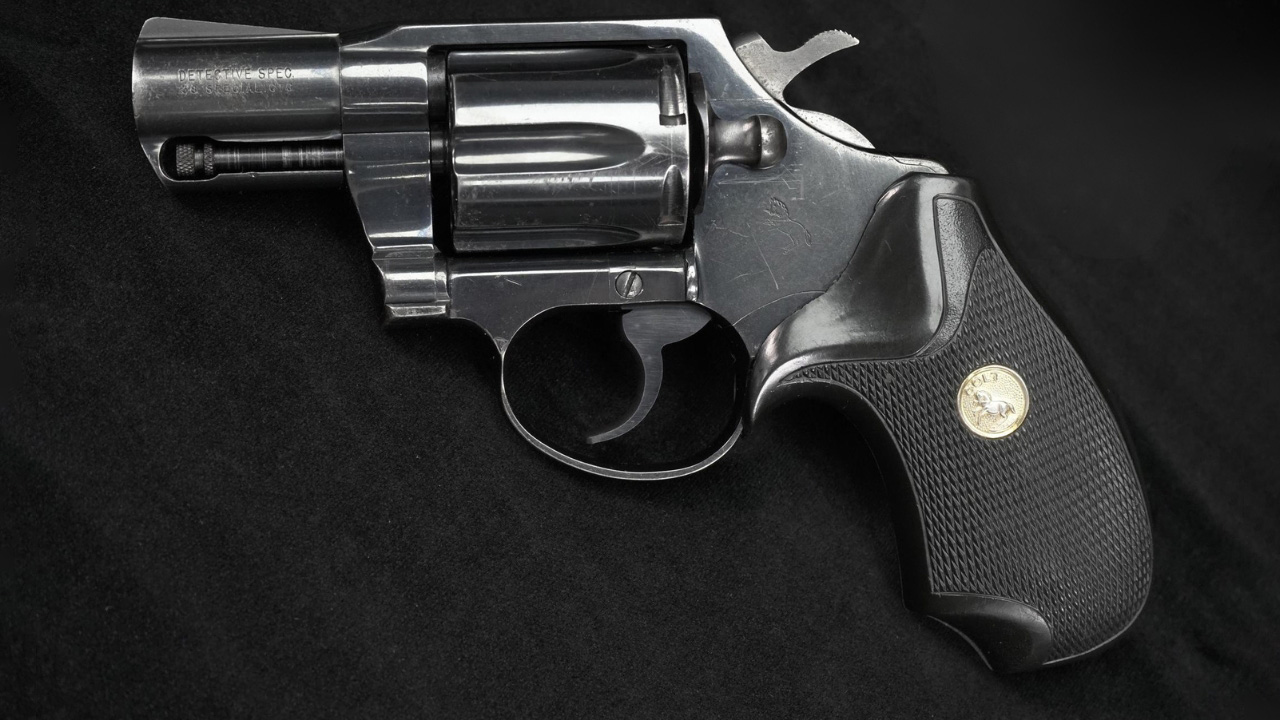
The old six-shot snub that set the pattern: short barrel, real sights, real trigger, and a cylinder that carried better than you’d think in a coat pocket. It wasn’t “micro” anything, but it was the kind of gun a working man could actually live with day after day.
What made it matter was capacity and shootability. Six rounds in a snubnose was a big deal for a long time, and the Detective Special tended to point naturally. The downside is weight, especially compared to the modern featherweights, but weight also keeps the gun from beating you up.
2. Smith & Wesson Model 36 Chief’s Special
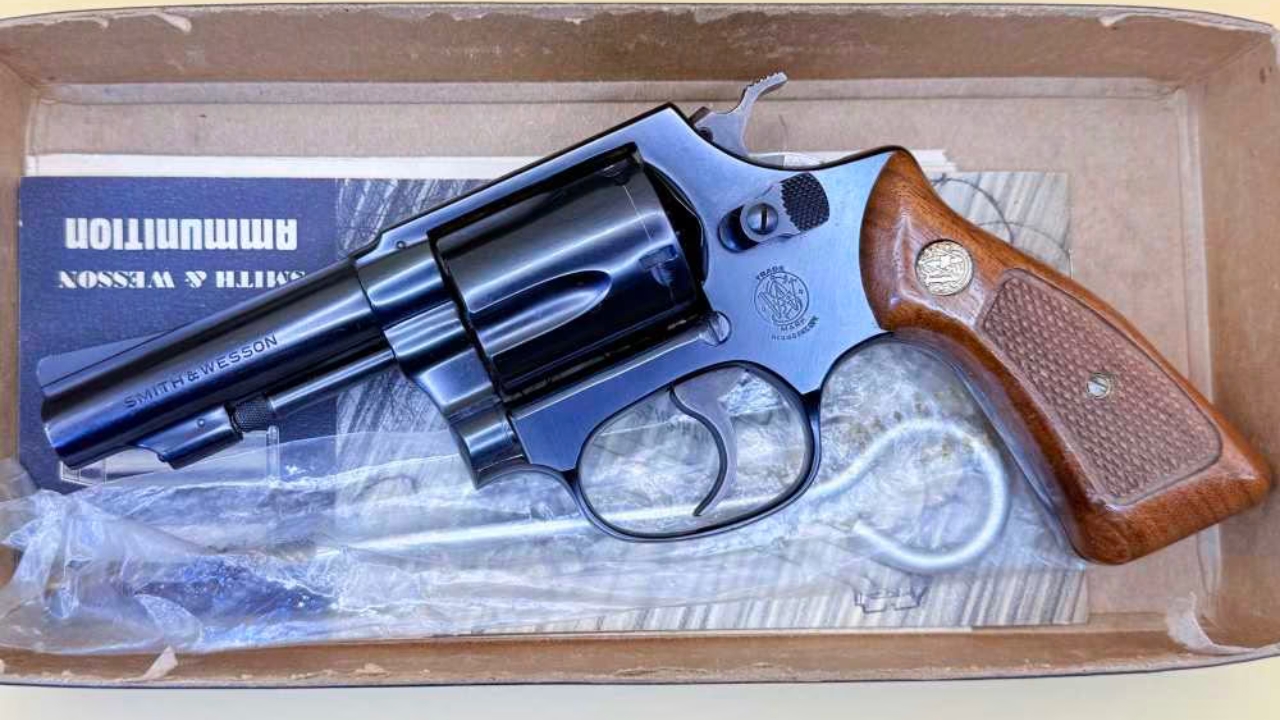
If you’ve ever handled one that’s been carried hard and shot just enough, you know the feel. The Model 36 helped normalize the idea of a small, dependable revolver that didn’t need excuses.
Five shots isn’t flashy, and the sights are what they are, but the gun carries clean. In a good pocket holster it disappears better than a lot of “compact” autos. Also, a decent J-frame trigger teaches you to shoot, which is not a bad thing.
3. Smith & Wesson Model 10 (Military & Police)
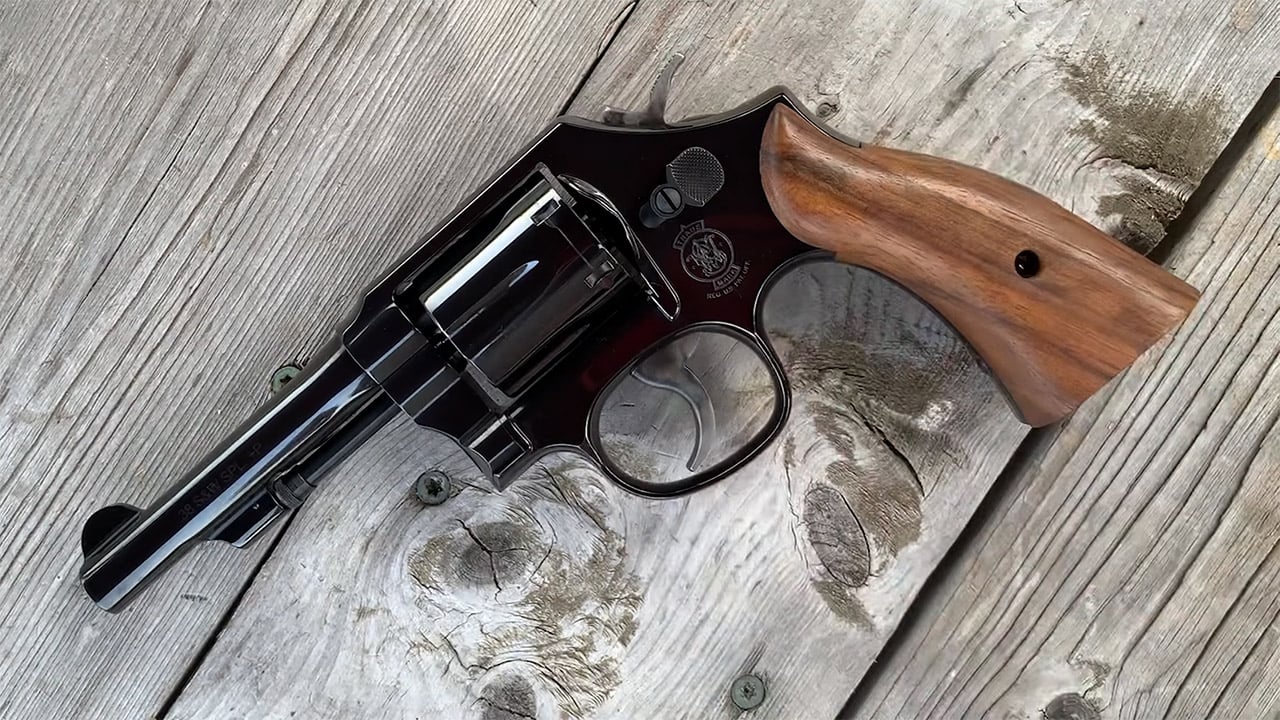
This one sounds big for the topic, but a lot of early “carry” was a service-size revolver under a coat, in a glovebox, or on a simple belt rig when nobody talked about cover garments. The Model 10 earned trust the slow way—by always working.
It’s not a modern concealment answer unless you dress around it, but it shaped expectations: a defensive handgun should be boringly reliable, easy to feed, and easy to maintain. The Model 10 did all of that with plain .38 Special and a trigger that made sense.
4. Colt Cobra (original alloy-frame)
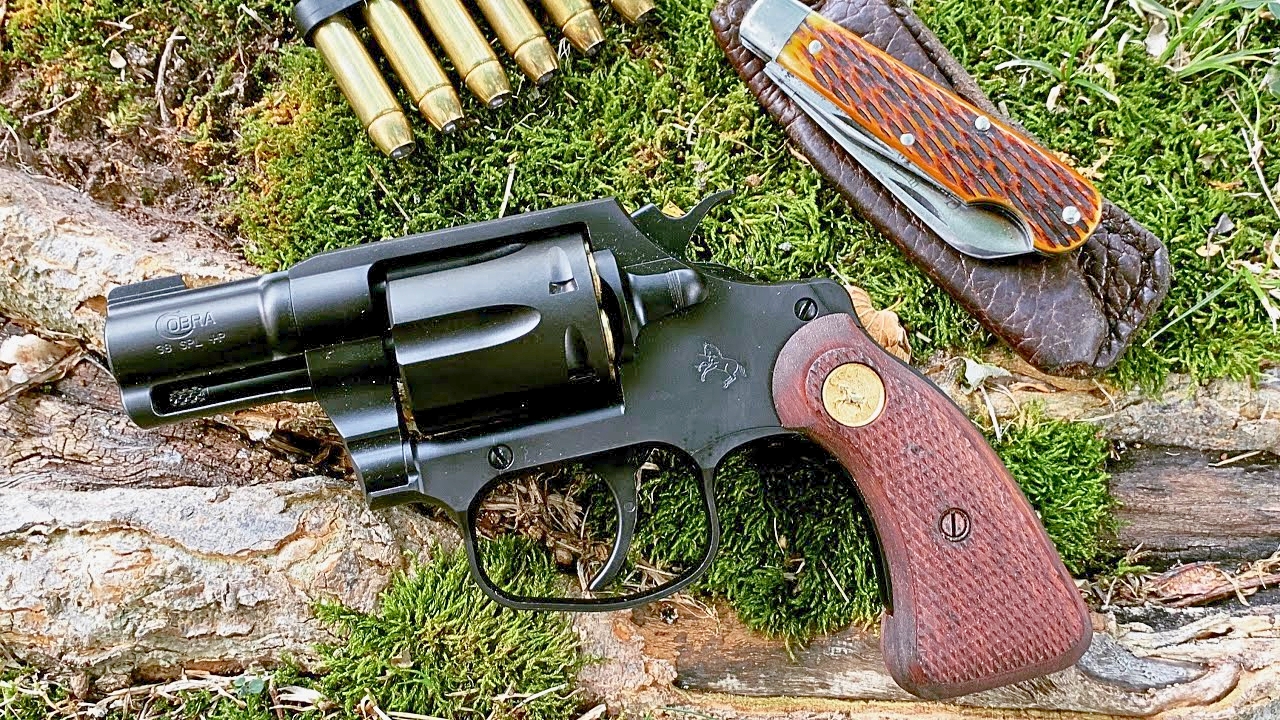
Take the Detective Special idea and shave weight. That’s the Cobra. It was one of the earlier “light carry” revolvers that still felt like a serious gun instead of a compromise.
Carrying all day is where it shines. It’s also where you learn the tradeoff: lighter guns are snappier, and a steady diet of hot loads isn’t what these were built around. Still, for normal .38 work, it’s a sweet spot.
5. Walther PP
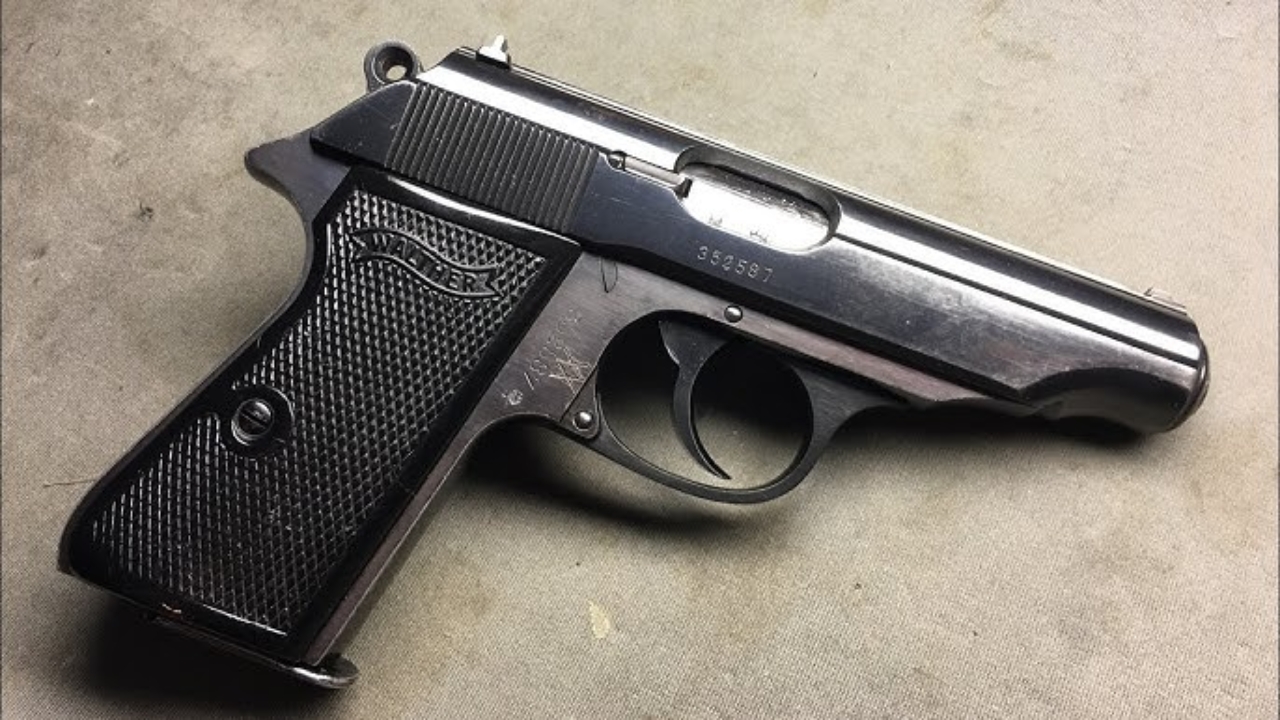
The PP was an early lesson in “flat carries better.” Slim auto, decent sights for its day, and a DA/SA system that a lot of later guns borrowed from. Whether you love the manual of arms or not, it proved a compact auto could be a serious daily companion.
The heel magazine release is slow by modern standards, and the .32/.380 chamberings weren’t exactly barn-burners. But the PP made concealed carry feel less like a trench-coat thing and more like a practical choice.
6. Walther PPK
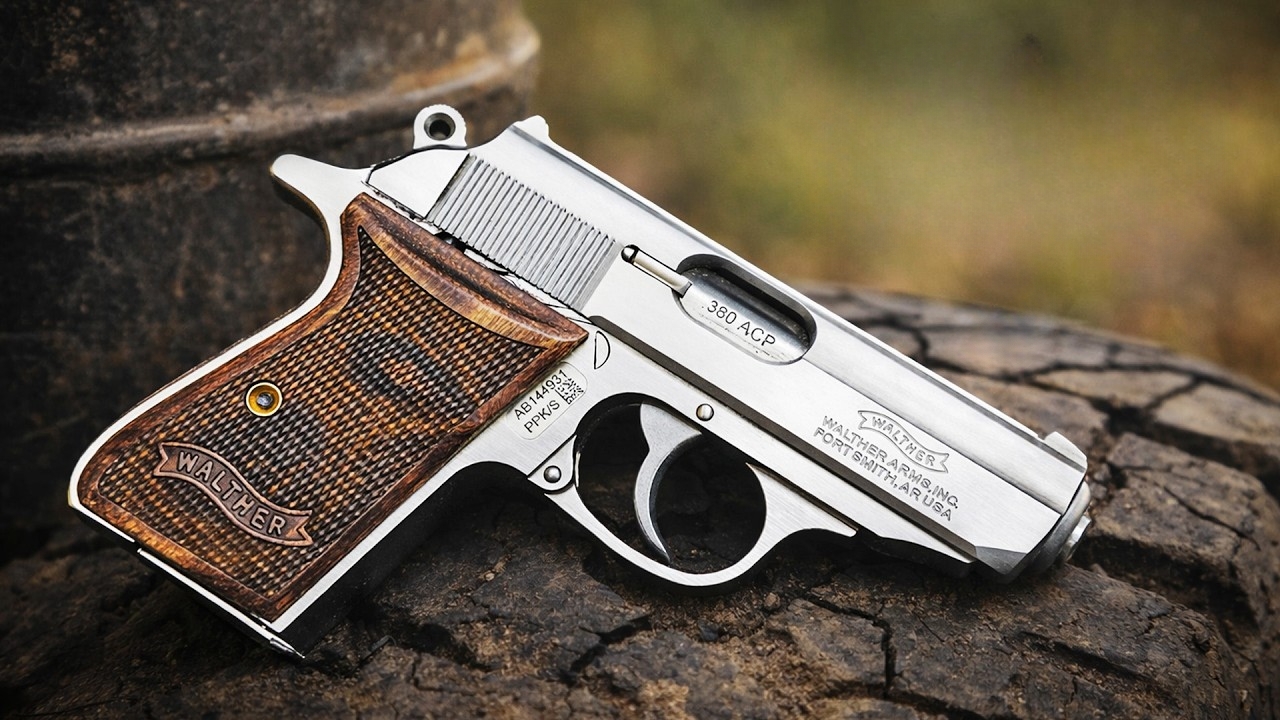
Smaller than the PP and easier to hide, the PPK is famous for reasons that have nothing to do with a range day. In real hands, what it changed was the appetite for true concealability in an auto pistol.
It’s not the softest shooter, and bite is real on some versions. But it carried in places revolvers struggled, and it made “pocket auto” a normal phrase long before polymer took over.
7. Colt 1903 Pocket Hammerless
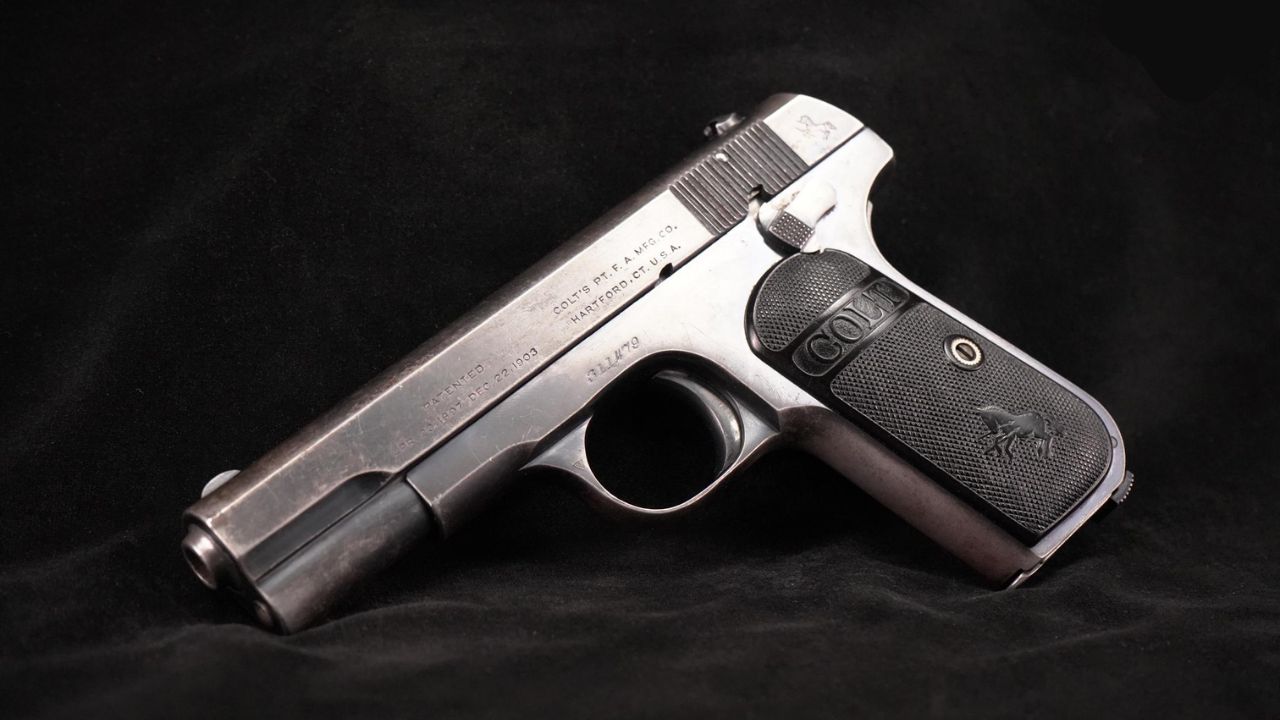
There’s nothing “hammerless” about it if you know what you’re looking at, but it is slick. The 1903 carried clean in a pocket, came out without snagging, and had an easy-on-the-eye profile that a lot of later pistols copied.
It’s also one of those guns that reminds you accuracy matters. The triggers tend to be decent, the sights are small but usable, and the gun points well. In .32 ACP it’s mild, controllable, and more shootable than plenty of newer tiny guns.
8. FN Browning Model 1910
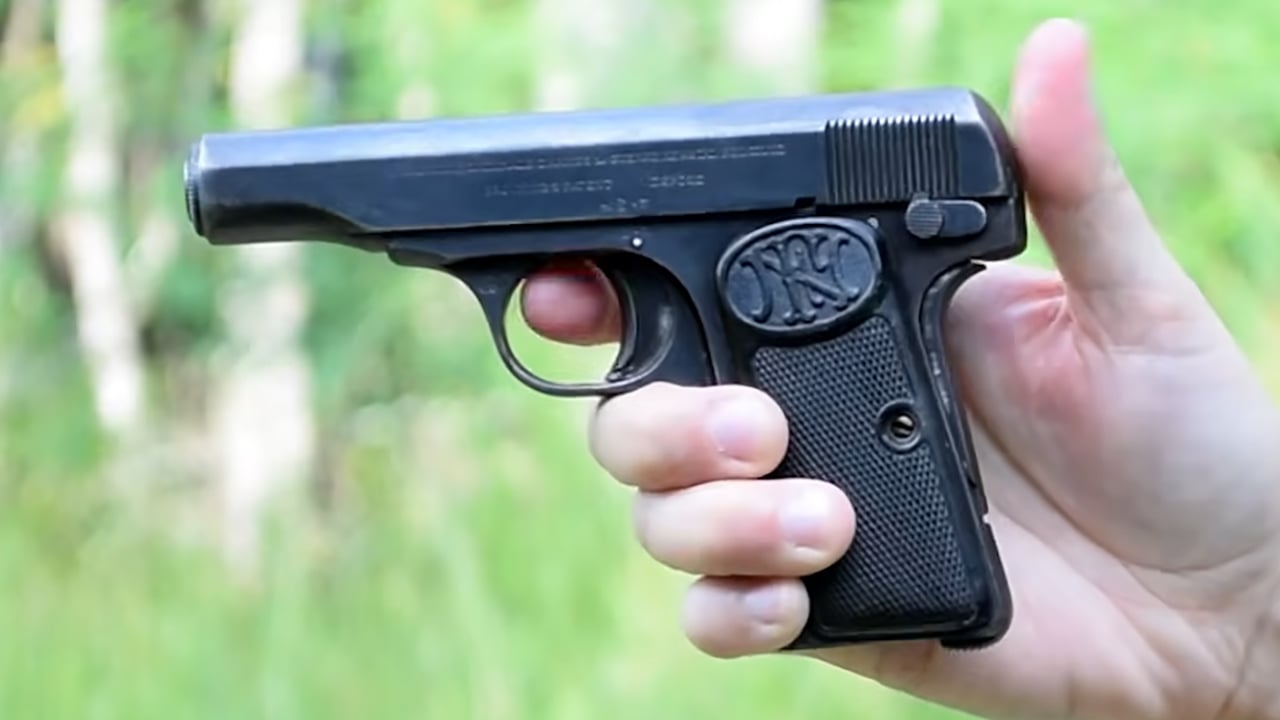
Compact, simple, and influential in that early European-auto way. The 1910 showed what a small, striker-fired-ish (technically internal hammer) design could do when it was built to be carried, not just shot off a bench.
It’s not a modern defensive standard, but the format—short grip, flat profile, easy carry—set a lot of expectations. Also, it’s one of those pistols that makes you appreciate good magazines. When they’re right, the gun runs.
9. Colt Government Model 1911
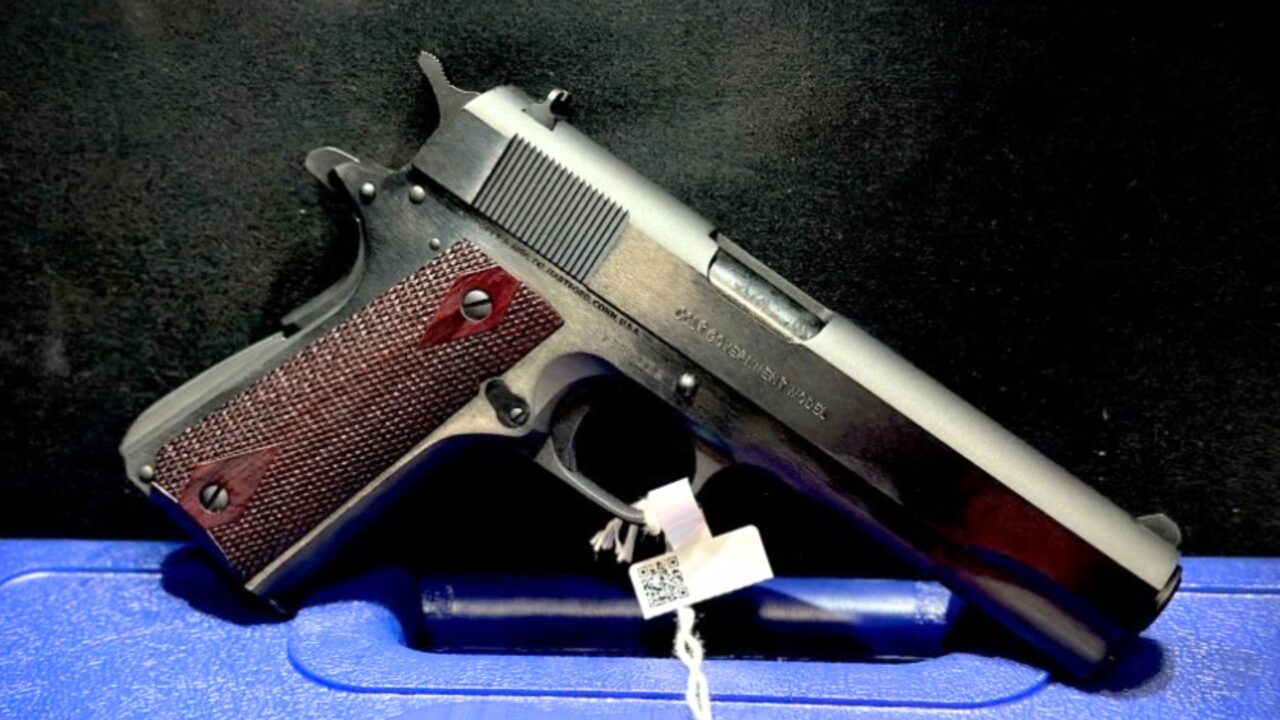
This is the “full-size doesn’t mean uncarryable” entry. A steel 1911 is heavy, yes. It also rides flatter than many thick double-stacks, and a good belt and holster make a believer out of you.
For generations, the 1911 taught folks what a crisp trigger and real sights could do under pressure. The safety system takes commitment and practice, and cheap mags can ruin your day. But as a carry standard, it set the bar for shootability.
10. Browning Hi-Power
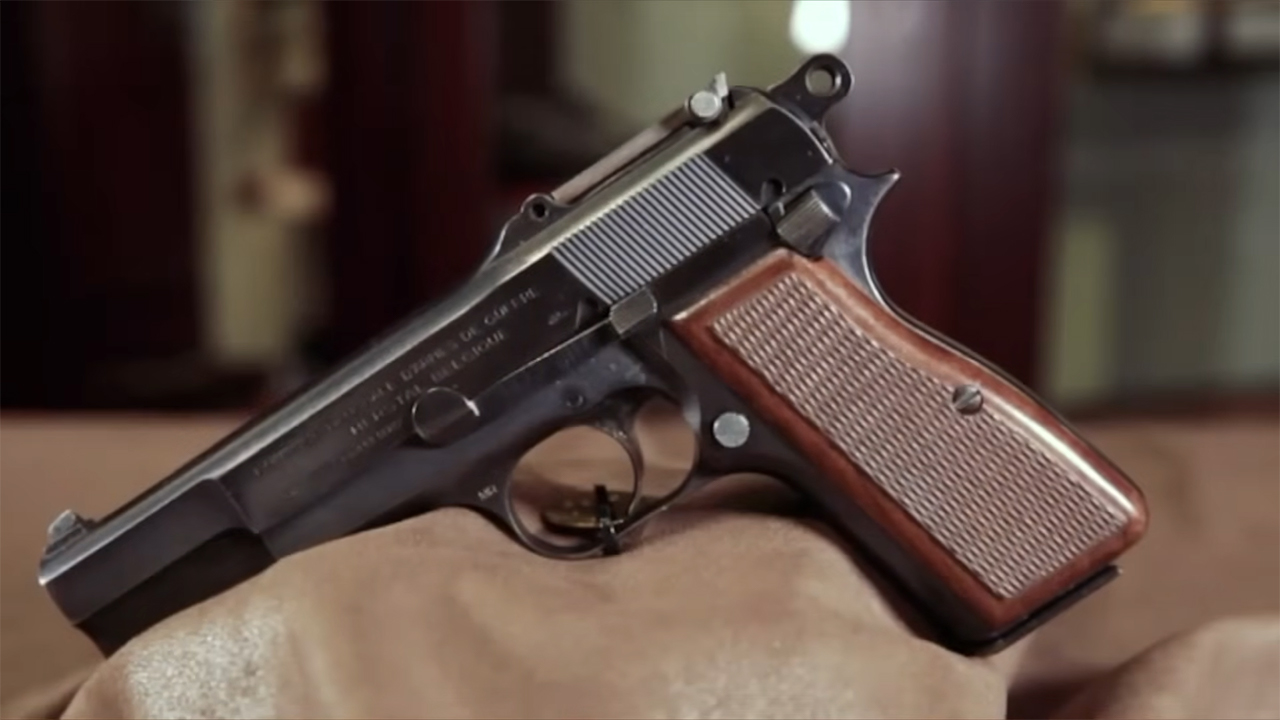
If the 1911 was the accuracy-and-trigger benchmark, the Hi-Power was the capacity wake-up call. Thirteen rounds in a reasonably slim pistol was a big deal, and it carried better than its capacity suggests.
Some examples have a crunchy trigger thanks to the magazine disconnect, and the small safety can be a love-or-hate deal. Still, it changed what “enough ammo” looked like for a whole slice of serious handgunners.
11. Smith & Wesson Model 39
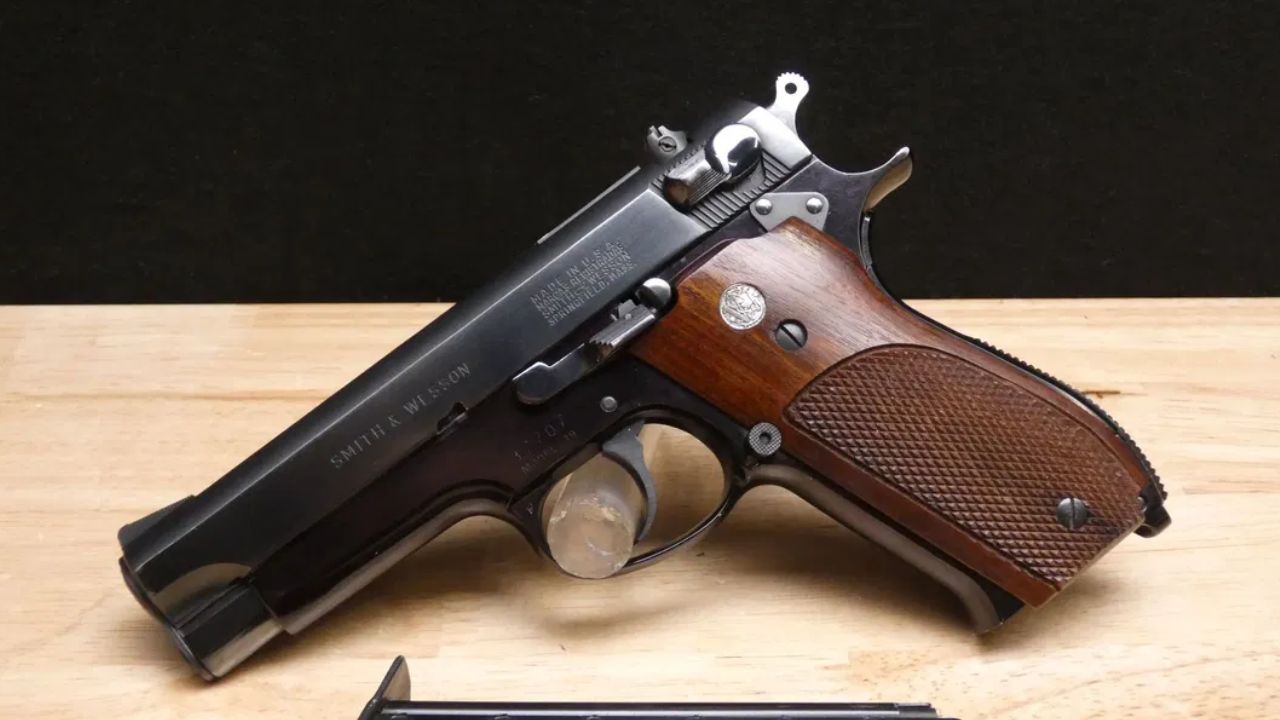
Single-stack 9mm, DA/SA, and American-made. The Model 39 doesn’t get talked about like it should, mostly because later guns refined the idea. But it helped bridge the gap between old-school revolver carry and modern semi-auto carry.
It carried slim and shot soft. Magazines and parts aren’t as easy as they once were, but the concept mattered: you could have a concealable 9mm that didn’t feel like a brick and didn’t require a custom tailor.
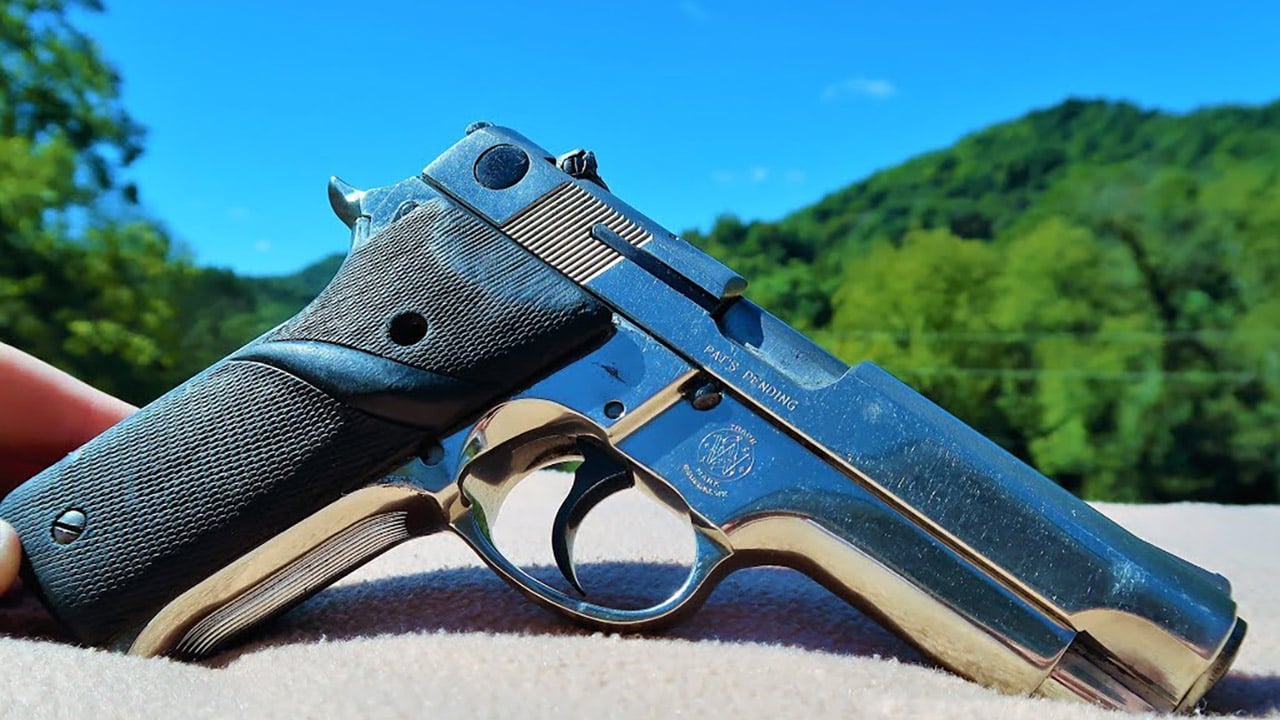
12. Smith & Wesson Model 59
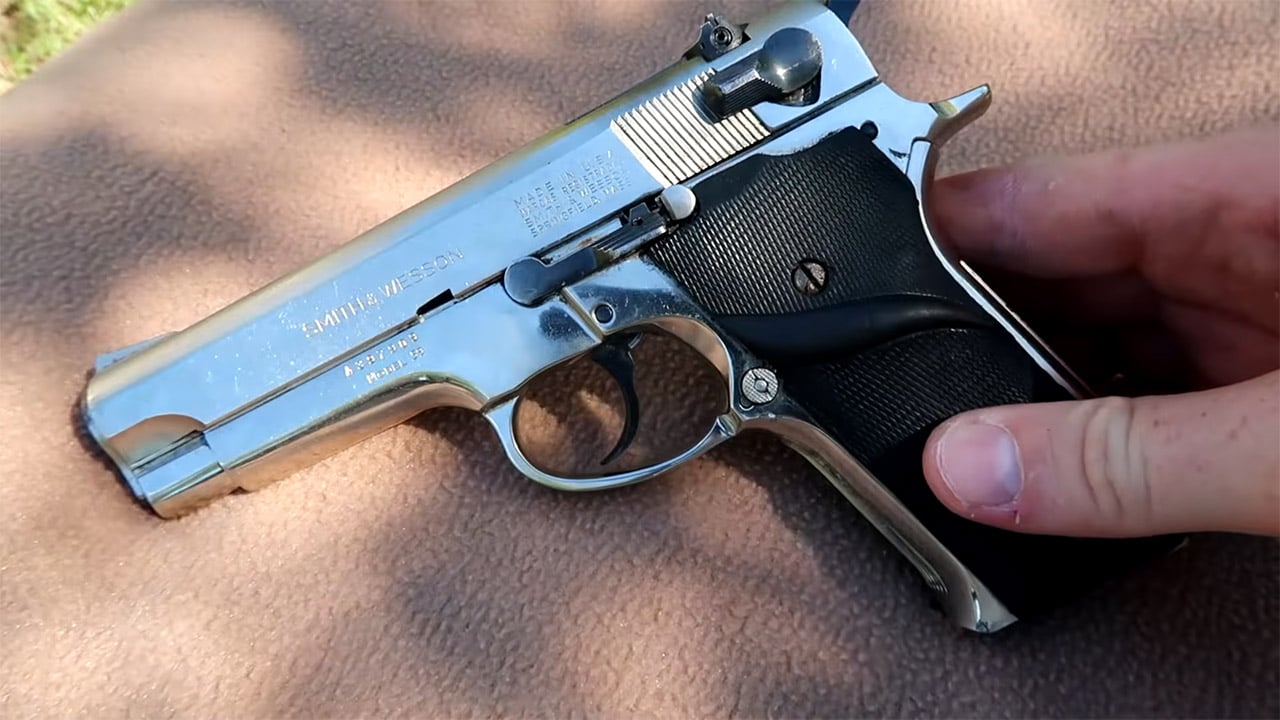
Take the 39 and widen it for double-stack capacity. The Model 59 brought “more rounds” into the normal-guy conversation without turning the gun into a boat anchor.
It’s thicker than the single-stacks and the grip can feel blocky, especially for smaller hands. But it showed the market there was demand for higher capacity in a practical carry-sized pistol. A lot of what came after followed that demand.
13. SIG Sauer P220

The P220 helped legitimize the DA/SA service pistol that could still be carried concealed by a regular person with a decent belt. It also brought a level of mechanical smoothness that made a lot of shooters picky afterward.
It’s not tiny, and in .45 it’s not light. But the reliability reputation and the way it shoots made it a “serious use” pistol that plenty of folks tucked under a jacket without a second thought.
14. SIG Sauer P225 (P6)
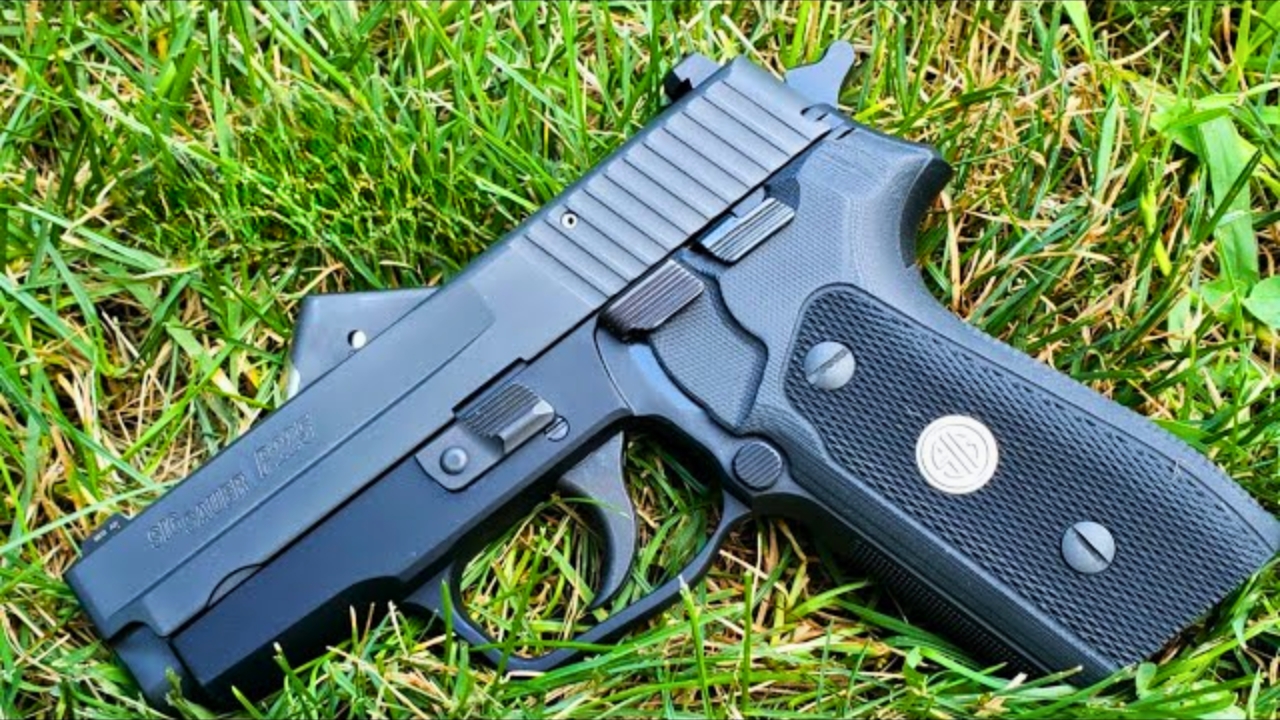
This is one of my favorite “quietly right” carry guns. Slim, balanced, and in 9mm. The P225 doesn’t scream for attention, which is kind of perfect for a carry piece.
It points naturally and the grip fits real hands. Magazines used to be the pain point, but they’ve gotten easier to source. If you find one that’s been maintained, it’s still a practical daily gun, not just a nostalgia buy.
15. Heckler & Koch P7
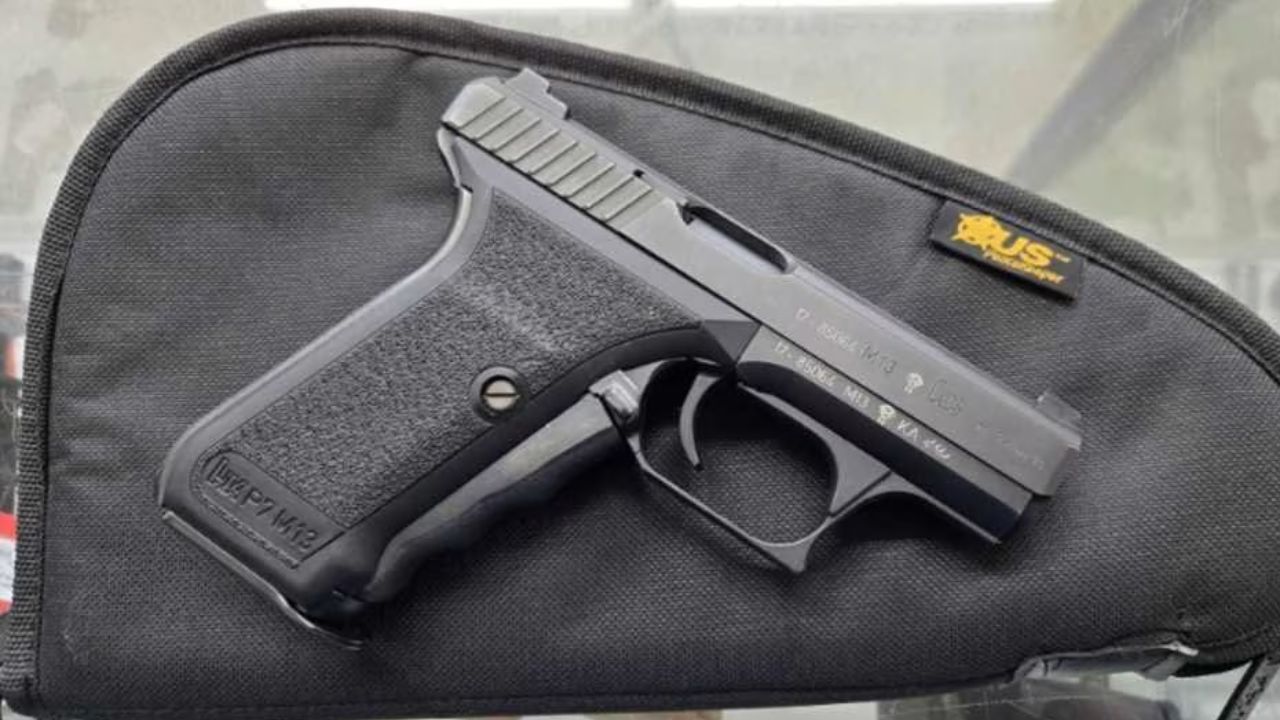
The P7 was ahead of its time in a way that still feels weird. Flat, accurate, and fast, with that squeeze-cocker system that’s either genius or something you never warm up to.
It carries great and shoots better than it has any right to for its size. The downsides are heat during extended strings and the cost of entry now. Still, it showed you could carry a compact pistol that shot like a duty gun.
16. Beretta 92 Compact
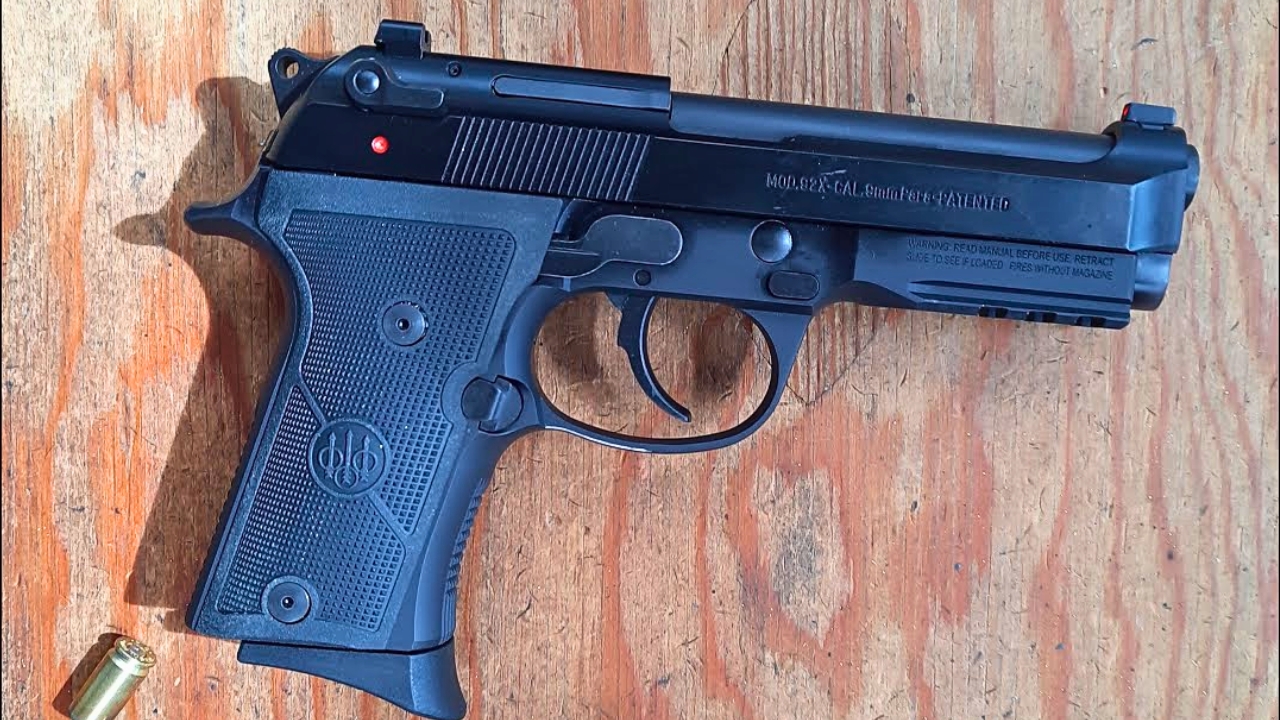
The full-size 92 is a lot of gun. The Compact trims it into something you can actually conceal with effort, and for a long stretch it was one of the more “shootable” compacts out there.
It’s not thin, and the slide-mounted safety/decocker is a training issue for some. But the reliability and soft recoil made it a strong choice for folks who wanted a carry gun that didn’t punish them at practice.
17. Glock 19
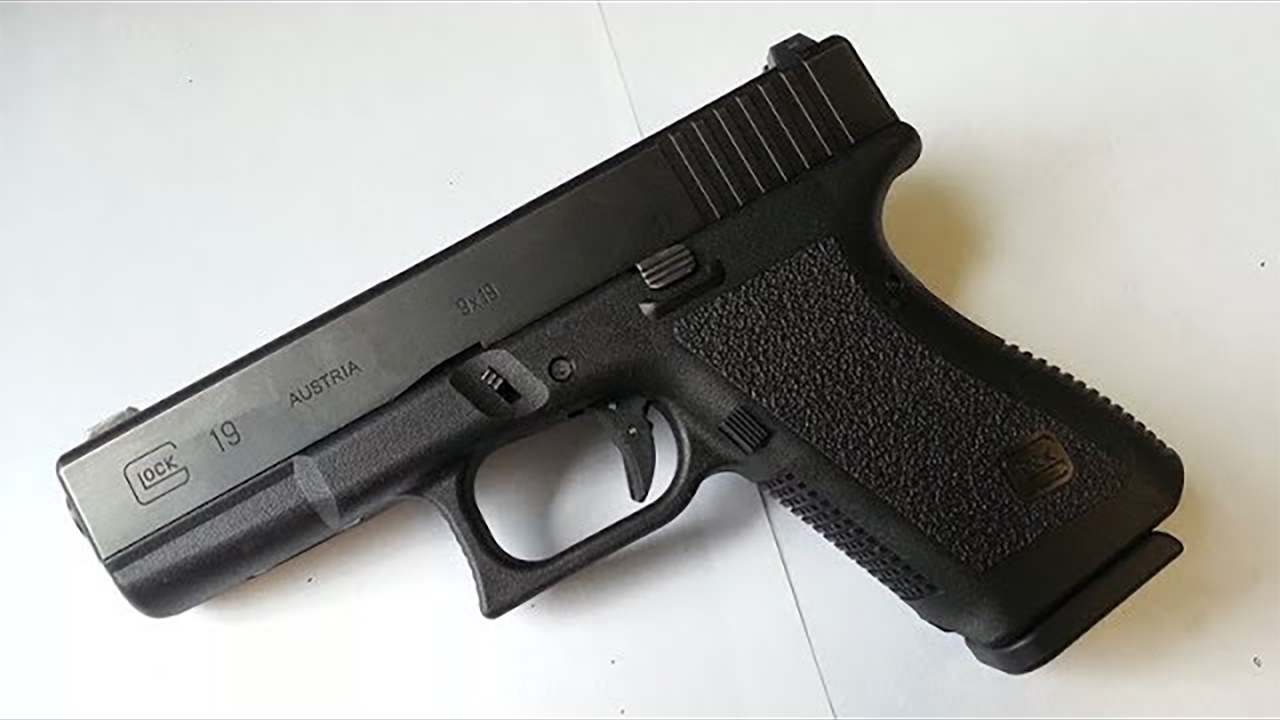
The Glock 19 didn’t invent the idea of a do-it-all pistol, but it made it normal. It’s the size that fits the most people, carries in the most places, and still shoots like a service gun.
It changed concealed carry by making “reliable, simple, lightweight” the expectation, not a luxury. Mags are everywhere, parts are everywhere, and everybody makes a holster for it. It’s not romantic. It’s just effective.
18. Glock 26
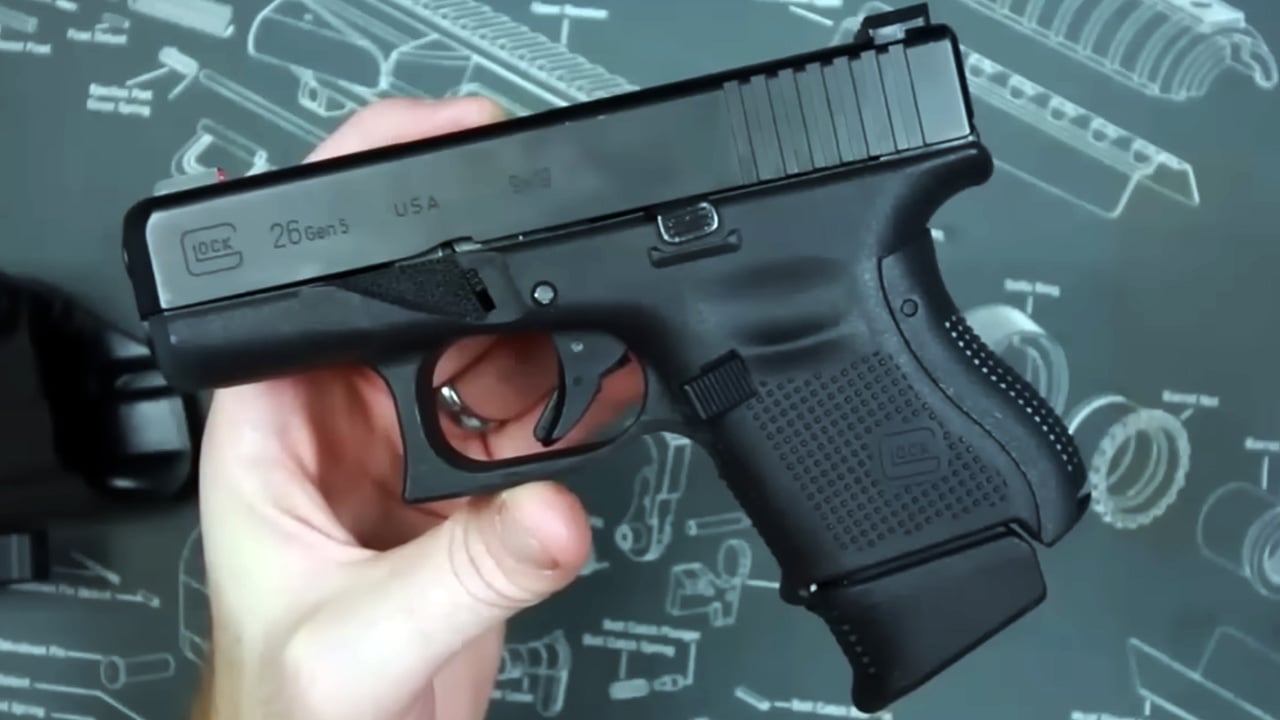
When the 26 hit, it made the “subcompact double-stack” a standard option instead of a niche. Short grip, short slide, still a real 9mm that feeds from bigger mags if you want it to.
The little grip is what it is, and some folks need a pinky extension to shoot it well. But it carries in places a 19 can be a chore, and it runs with the same kind of boring dependability. That matters more than internet arguments.
19. Kel-Tec P-32
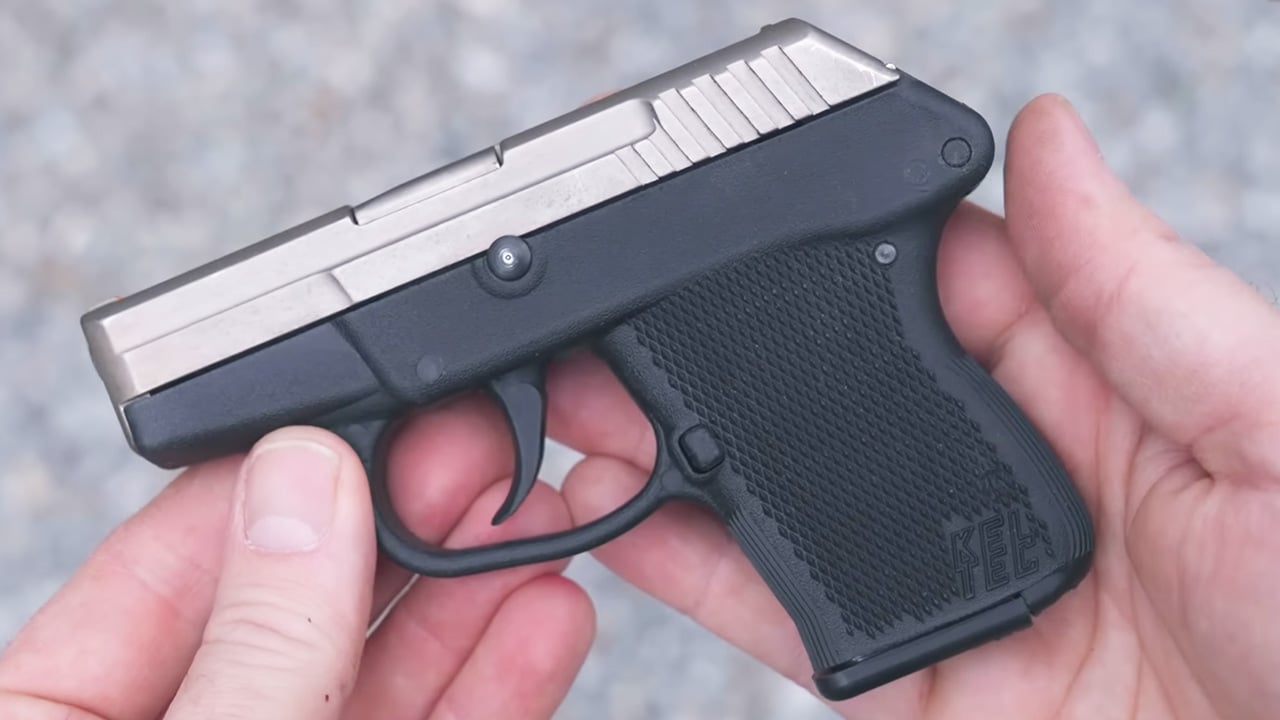
This is where the modern pocket pistol era really took off. The P-32 was light enough that you’d actually carry it when you were “just running to town.” That’s the whole point of a deep concealment gun.
It’s not a range toy. The sights are small and the gun is thin and snappy in a way that surprises people. But it changed behavior. A gun that’s easy to carry gets carried, and the P-32 proved there was a market for that.
20. Ruger LCP
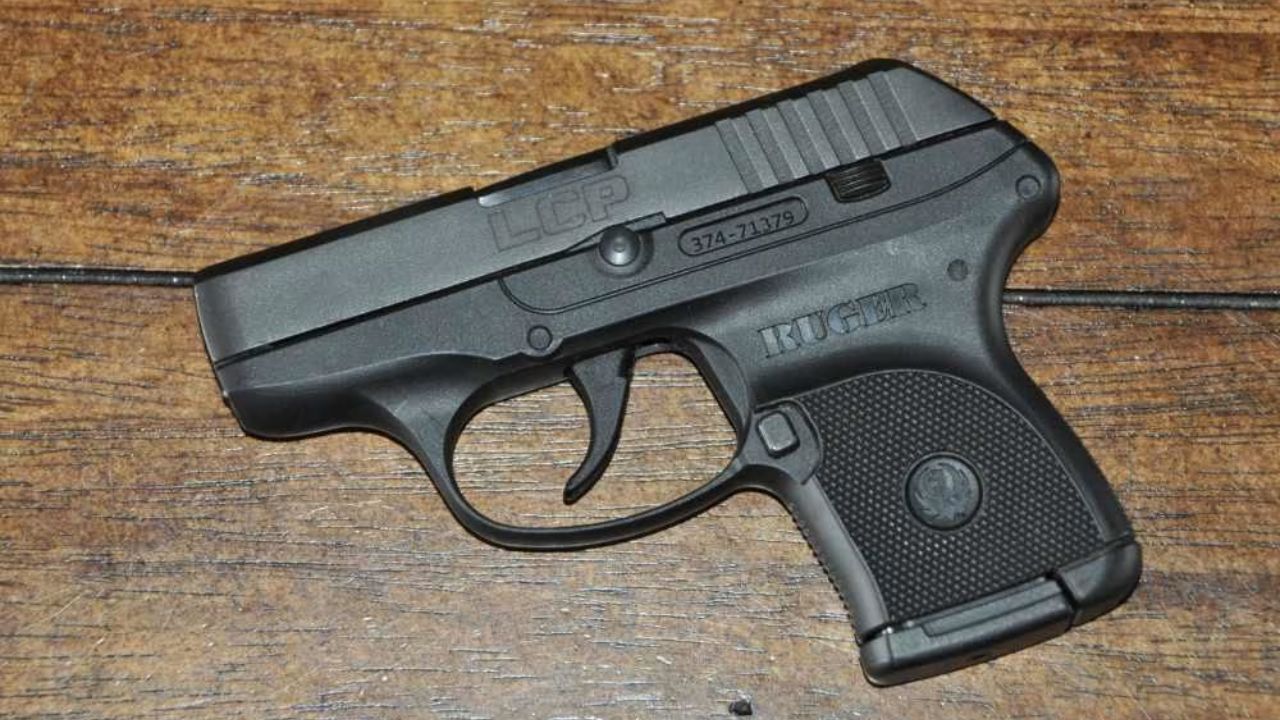
The LCP made the .380 pocket pistol mainstream in a way that’s hard to explain if you didn’t live through it. Suddenly, every brand had a tiny .380, and every holster maker had a pocket rig for it.
It’s not pleasant for long practice sessions, and tiny guns can be picky about grip and ammo. But the LCP shoved concealed carry into everyday life—shorts, light shirts, quick trips—where bigger pistols stayed home. Ask me how I know.
What all of these have in common isn’t caliber or capacity or some magic feature. It’s that they made carry more realistic for more people—flatter, lighter, more reliable, or simply easier to live with. If you’re picking your own, don’t get hypnotized by trends. Find the one you will actually carry, actually shoot, and actually keep fed with magazines you can still buy five years from now.
Like The Avid Outdoorsman’s content? Subscribe to our newsletter so you never miss an article.
Here’s more from us: