Photo credit: Alfalfa61/Youtube
Walk the used-gun counter long enough and you start noticing the quiet shifts. Not the obvious stuff everybody argues about online, but the revolvers that used to sit there for months and now disappear between coffee and lunch. Half the time the clerk shrugs and says, “Guy came in and paid cash,” like it’s no big deal.
What’s driving it? A mix of fewer new revolvers being made in big numbers, older craftsmanship that’s hard to replace, and a whole lot of folks realizing a good wheelgun is still handy on a ranch, in a truck, or in the nightstand. Here are 20 models I’ve watched creep up in price while most people were looking the other way.
1. Smith & Wesson Model 19 (K-frame .357)
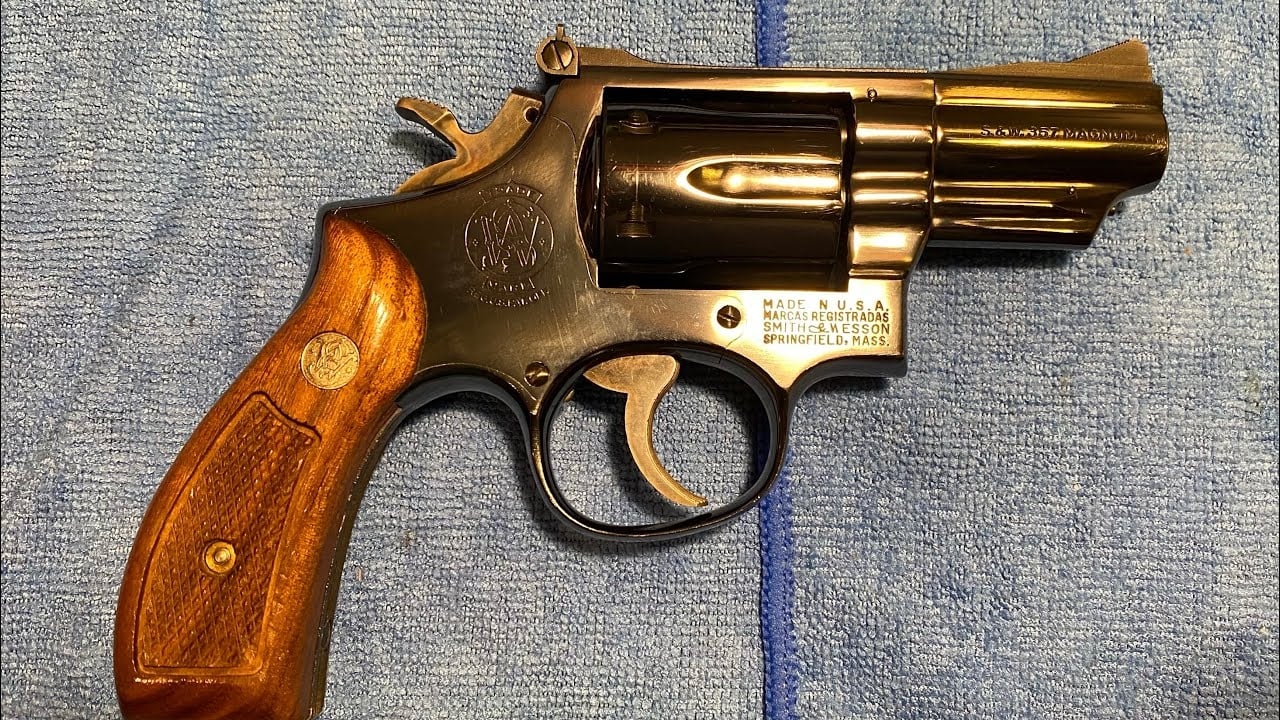
The Model 19 used to be the “nice, but not collector-nice” .357. Not anymore. Clean examples with good timing and honest bluing are getting harder to find, and folks who actually shoot them like the way they balance.
It’s a carryable revolver that still points like a fighting gun instead of a boat anchor. Yes, you can beat them up with hot 125-grain loads, and yes, that’s on you. Treated like a working revolver, they last and they’re not getting cheaper.
2. Smith & Wesson Model 66 (stainless Model 19)
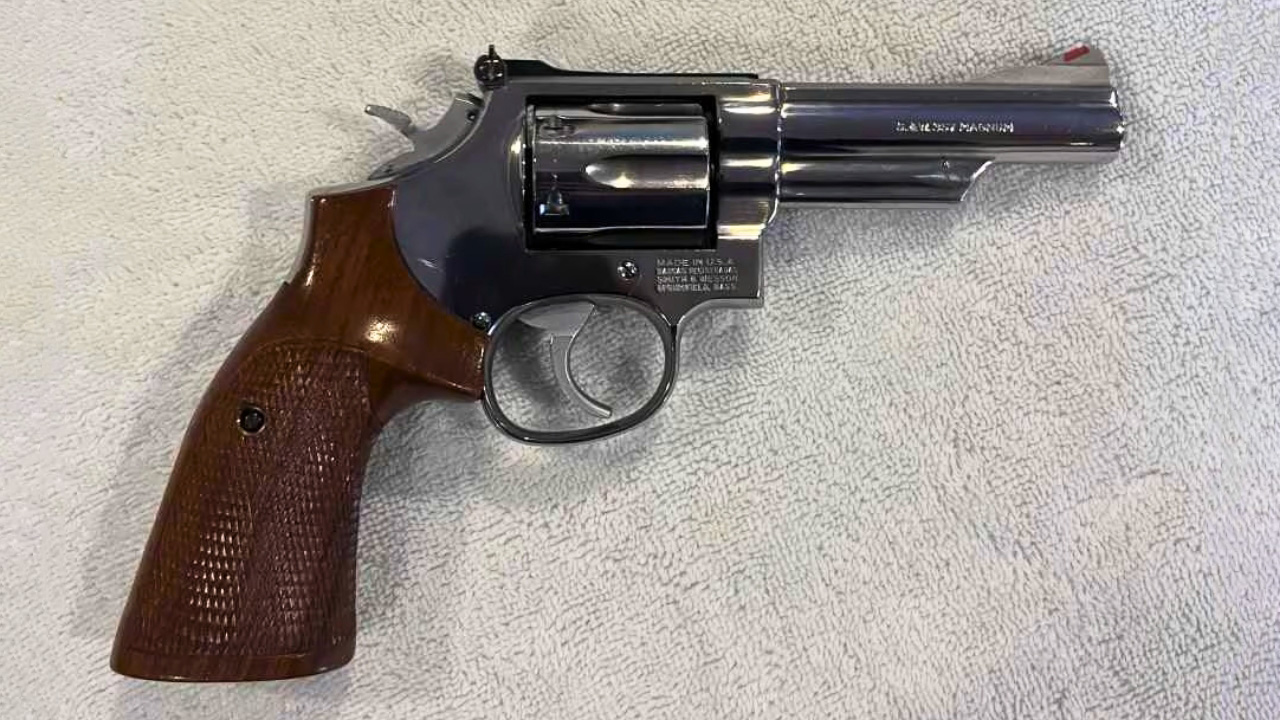
Stainless guns tend to get used hard and wiped down quick, which means the pretty ones now stand out. The 66 has the same feel as the 19, just built for guys who sweat, hunt in the rain, and don’t baby gear.
I see more folks chasing older pinned-and-recessed examples, but even the later ones are rising. It’s the kind of revolver a person buys “for the woods” and then realizes it’s good for everything.
3. Smith & Wesson Model 27 (N-frame .357)
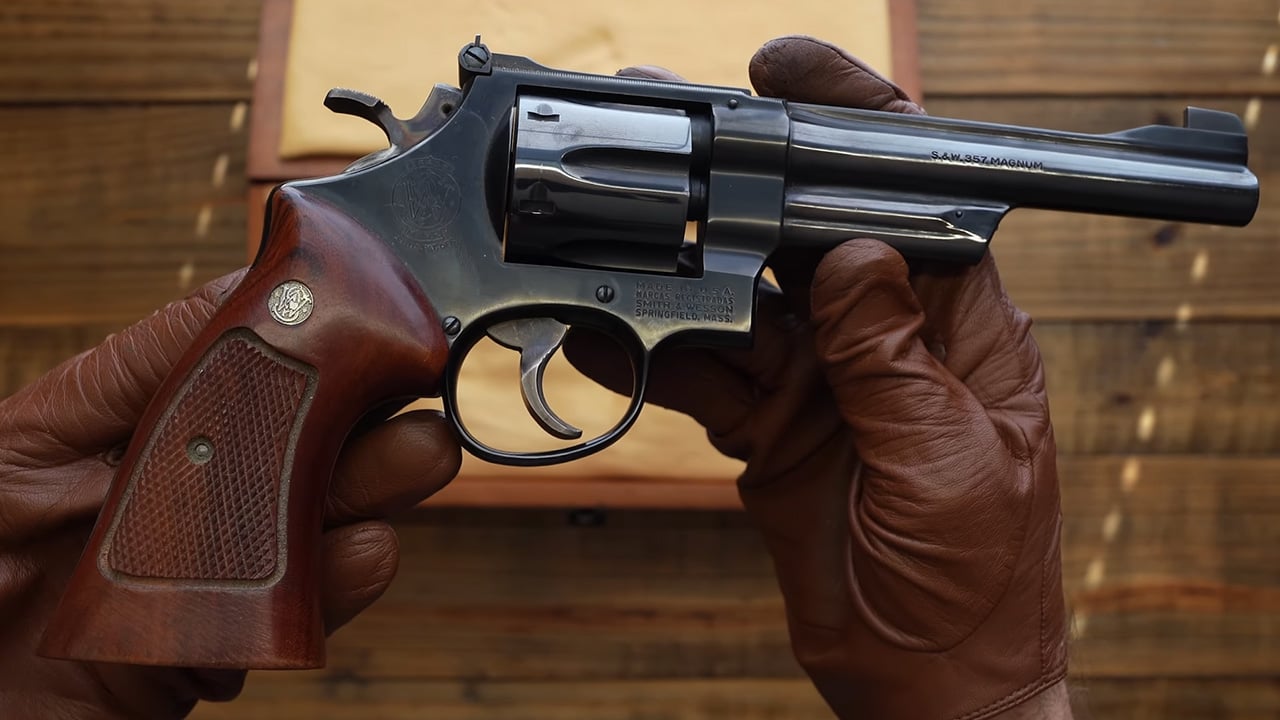
The Model 27 is what happens when a company decides to make a duty gun like it’s a luxury item. Deep bluing, checkering, that old-school confidence when you close the cylinder—hard not to like.
They’re heavy, sure, but they soak up recoil and feel like a bank vault. When nice ones show up with the original stocks and no amateur gunsmithing, the price jump is real.
4. Smith & Wesson Model 28 Highway Patrolman
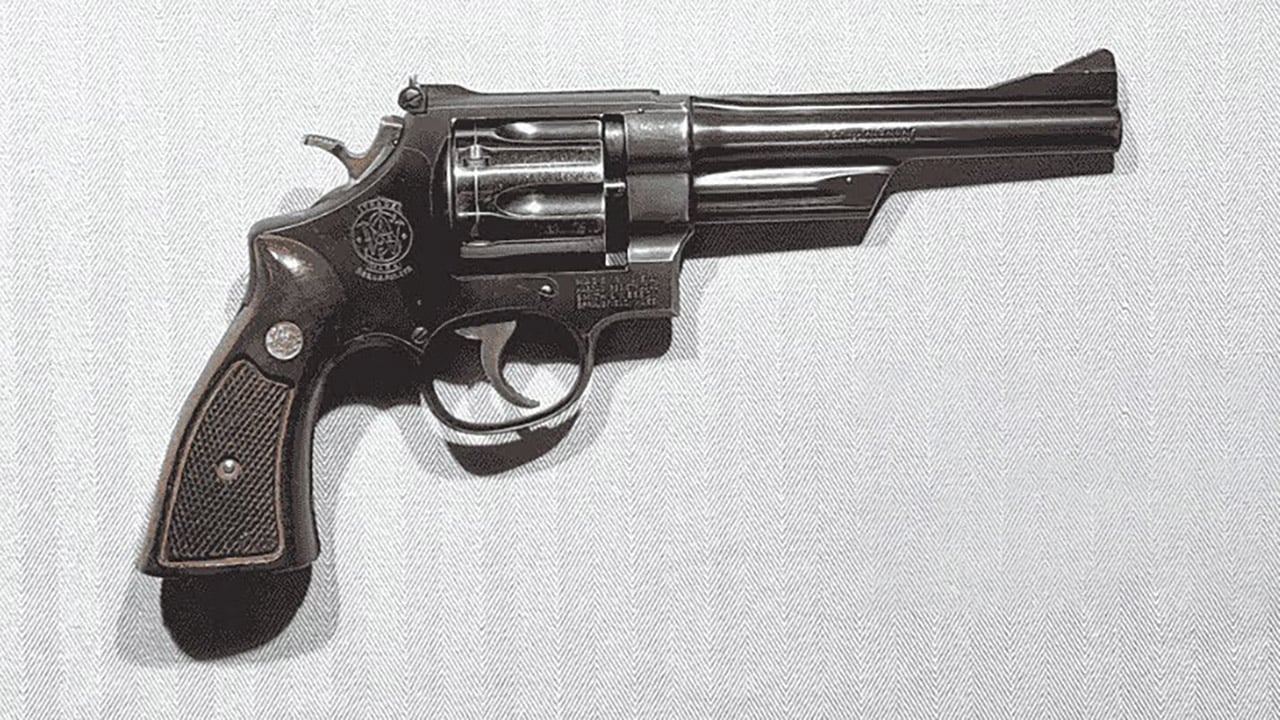
This one used to be the “smart buy” Model 27. Same basic bones, less polish. Lately, that smart buy is getting less smart because everybody figured it out.
The 28 is a workhorse .357 that begs to be shot, and a lot of them were. Finding one that hasn’t been rode hard and put away wet is tougher than it used to be.
5. Smith & Wesson Model 13 (fixed-sight K-frame .357)
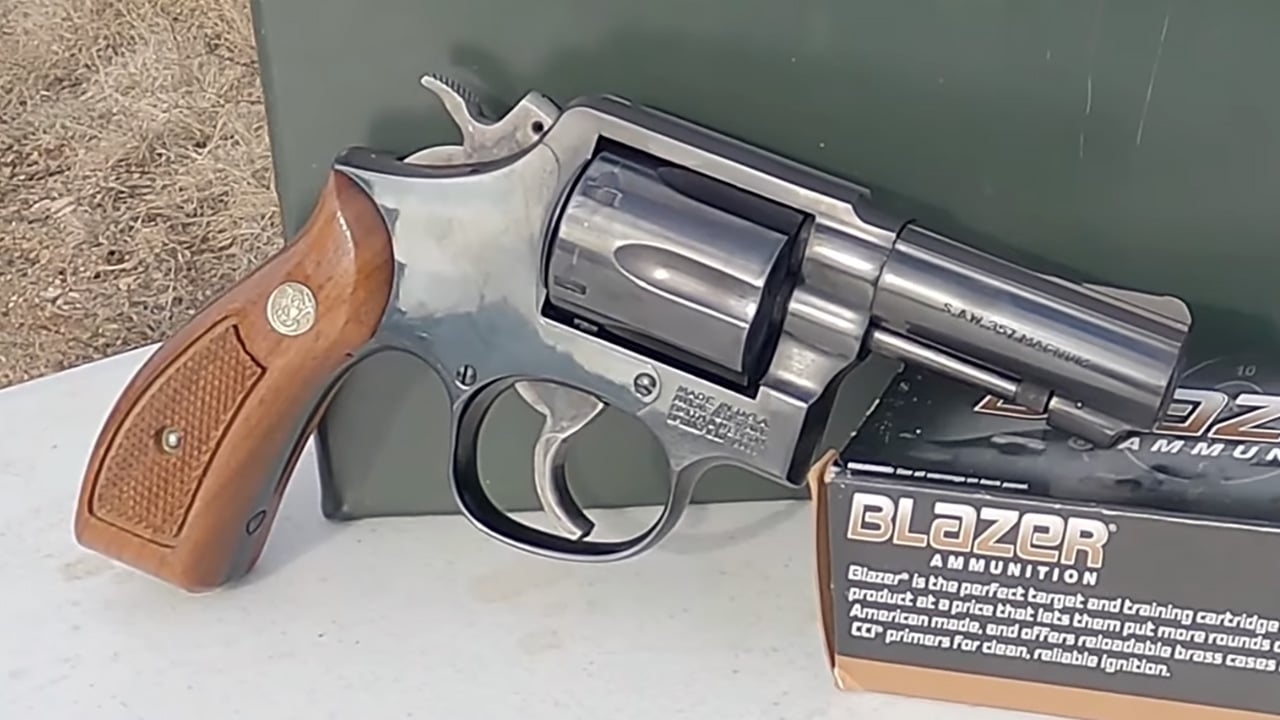
Fixed sights, clean lines, no nonsense. The Model 13 is one of those revolvers you don’t fully appreciate until you carry it a while and stop snagging adjustable rear sights on everything.
The “FBI gun” talk didn’t hurt values, but the real reason they climb is utility. A good one feels slim on the belt, shoots straight, and doesn’t need babysitting.
6. Smith & Wesson Model 10 (Military & Police)

The Model 10 is plain like a hammer, and for years it was priced like one. Police trade-ins were everywhere. Now the trade-in pipeline isn’t what it was, and clean older guns are getting scooped up by people who want a simple .38 that just works.
The action on a well-worn Model 10 can be butter-smooth. That kind of trigger is not a “feature” you can always buy new off the shelf anymore.
7. Smith & Wesson Model 15 (Combat Masterpiece)
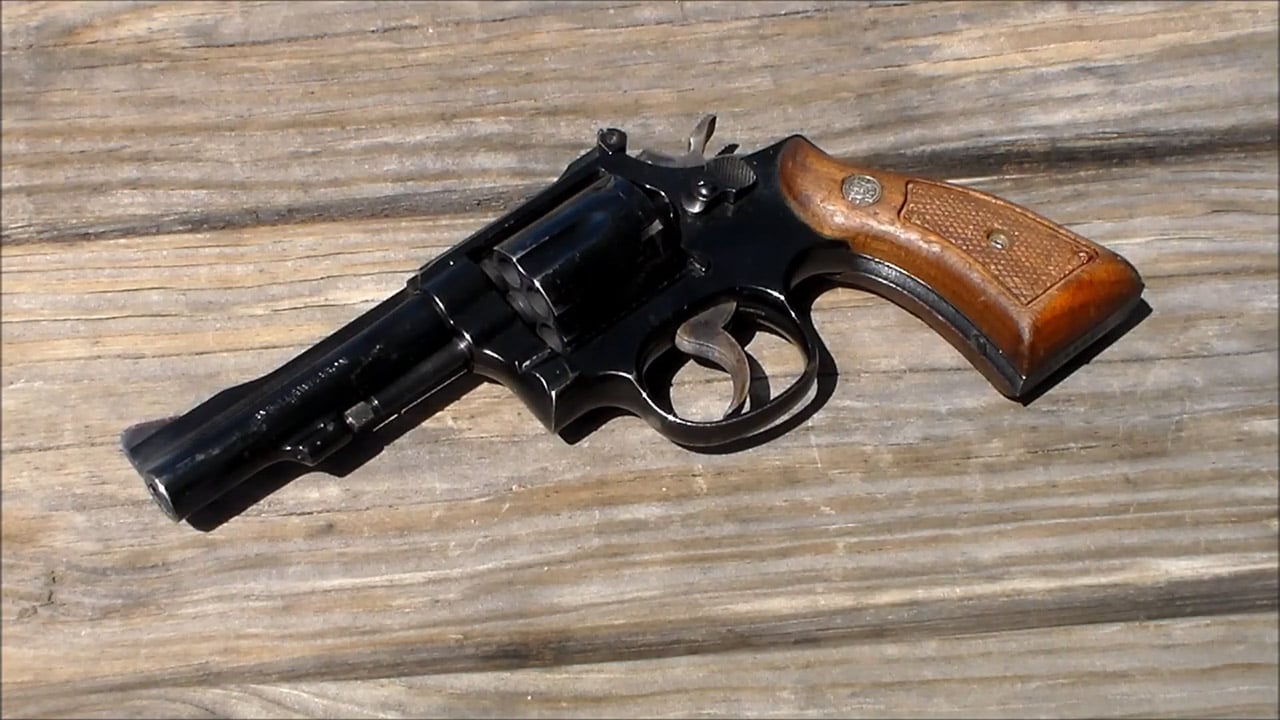
Target sights on a K-frame .38 sounds boring until you shoot one. The Model 15 is a tack driver with manners, and it’s one of the best “teach a new shooter” revolvers ever made.
They’re also the kind of gun folks sell when they decide to “simplify,” and then regret later. Clean examples with tight lockup don’t sit around long now.
8. Smith & Wesson Model 36 Chief’s Special
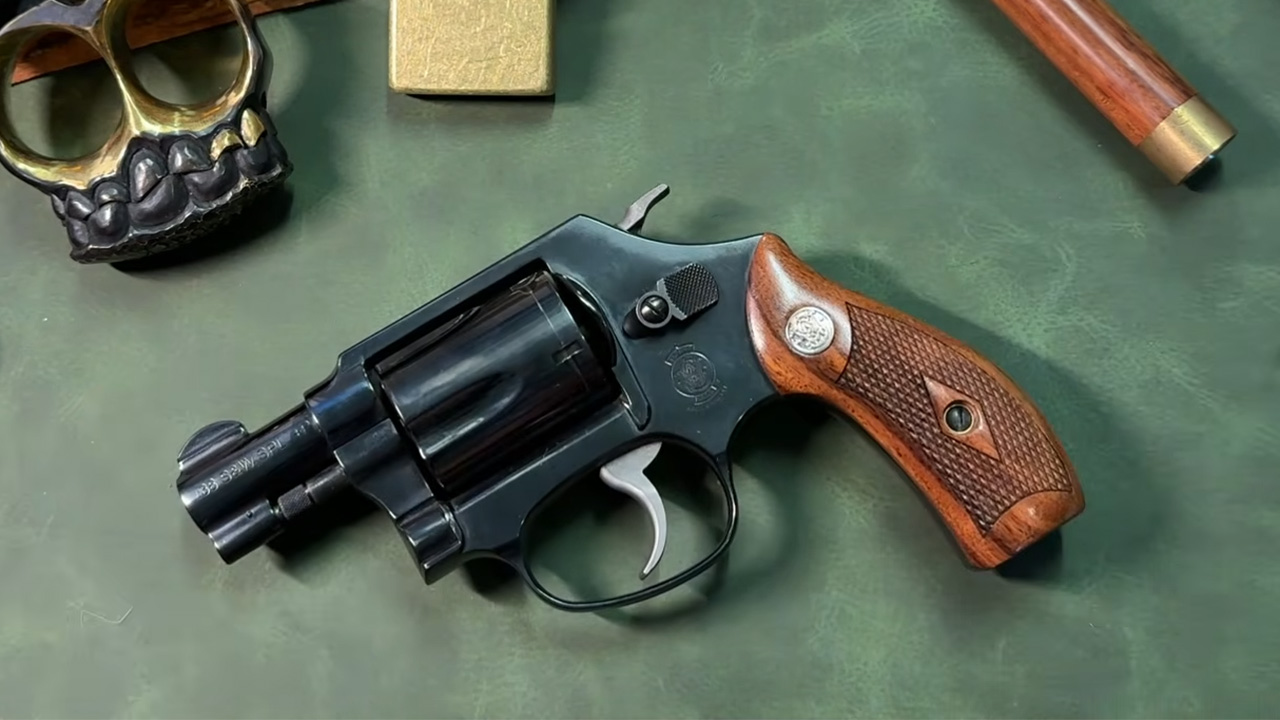
Five-shot J-frames have been carried so much they’re almost disposable to some folks. The older Model 36s, especially the nicer blued ones, are starting to get treated like the classics they are.
They’re not range toys. They’re “runs to town” guns, tackle-box guns, and coat-pocket guns. And when you find one that hasn’t been abused with +P forever, you’re looking at a little piece of American carry history.
9. Smith & Wesson Model 60 (stainless J-frame)

The Model 60 is what you buy when you want a small revolver but you’re tired of fretting about rust. Older 60s have that solid feel without being huge, and the stainless finish makes them honest working guns.
I’ve watched prices climb on the early, no-lock guns in particular. Folks want a small-frame revolver they can actually keep for life, not one they’re nervous about.
10. Colt Python (older production)
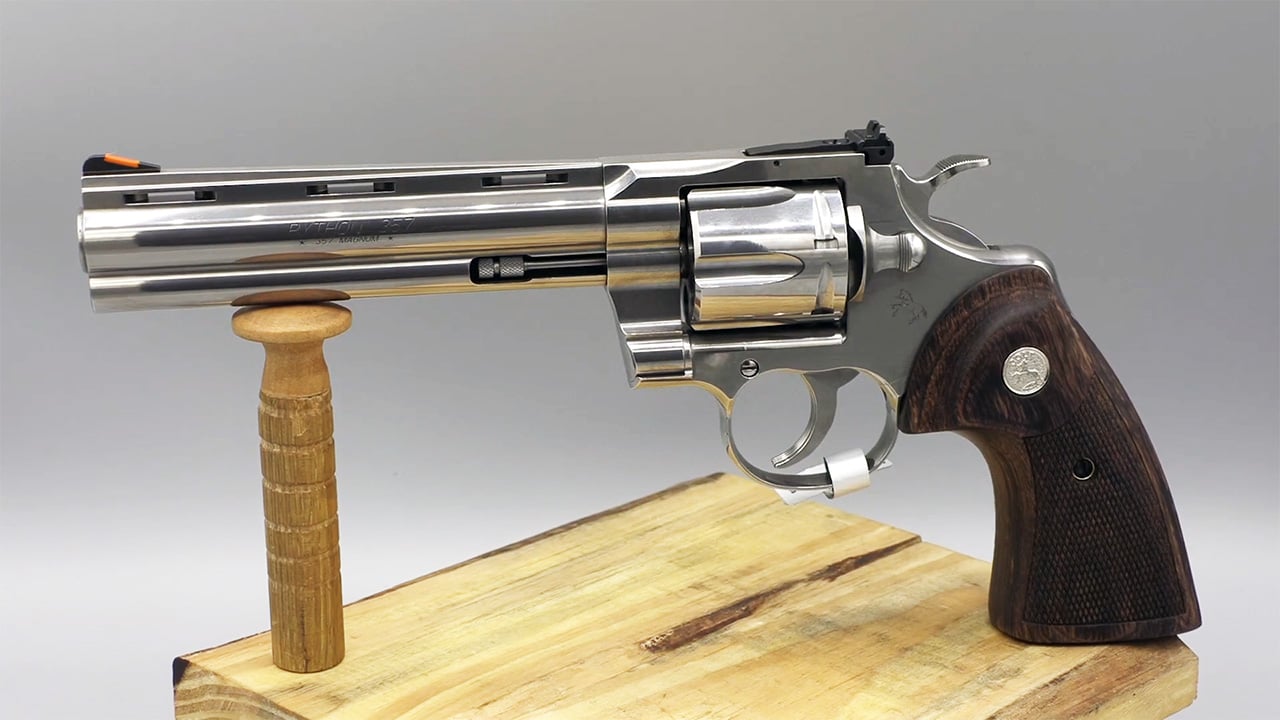
The Python is the loudest “quiet riser” on this list, if that makes any sense. Everybody knows it’s expensive, but a lot of folks don’t realize how fast clean older ones keep stepping up anyway.
It’s not just the name. It’s the feel of the action and the way the whole gun seems to glide. They’re also not the revolver you buy to experiment with backyard tinkering—leave them alone and they hold value like a fence post holds wire.
11. Colt Detective Special

Six shots in a snubnose is still a big deal, and Colt’s older D-frames have a following that doesn’t quit. Detective Specials were once the “cool grandpa gun” that you could still find for sane money.
Now people are realizing they’re practical, not just nostalgic. The good ones carry well, and the ones with sharp checkering and clean rollmarks tend to get priced like a “keeper.”
12. Colt Diamondback (.38/.22)
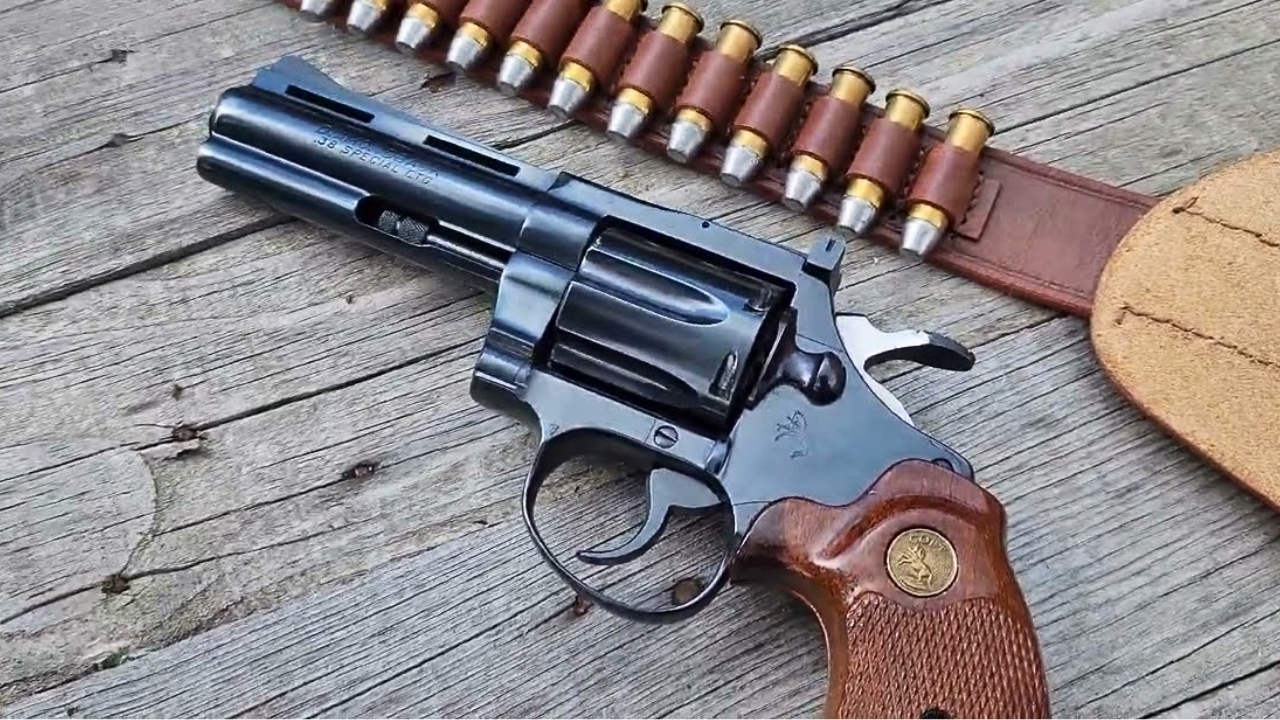
Diamondbacks have that mini-Python look and feel, and that’s exactly why they’re climbing. They’re not common, and the ones that are common are often worn.
As a shooter, they’re fun and accurate. As a collectible, they’re a little fragile in the sense that parts and true Colt know-how aren’t on every street corner. That scarcity pushes the price.
13. Colt Trooper Mk III
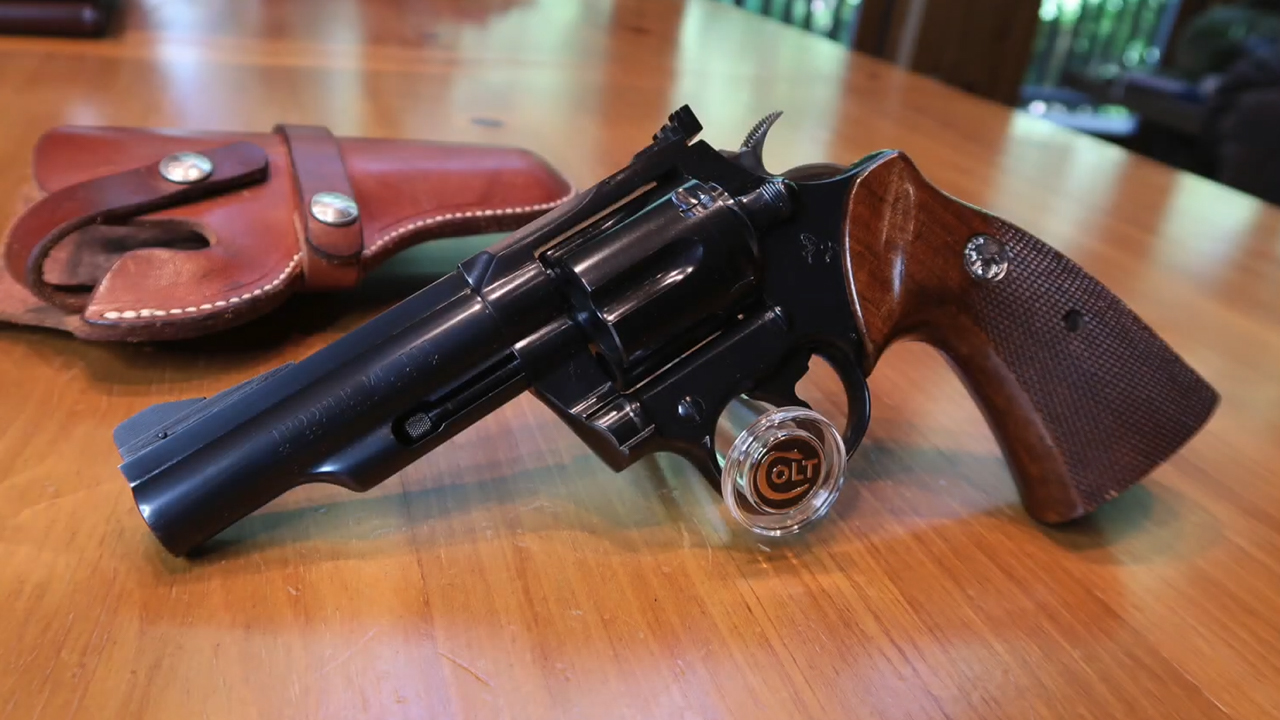
The Trooper Mk III used to be the “Colt you buy to actually shoot” because it wasn’t priced like a Python. That gap has been closing.
They’re solid revolvers with a different action feel than the older Colts, and they don’t get the same glassy trigger reputation. Still, they’re Colts, they’re durable, and the supply isn’t growing.
14. Ruger Security-Six
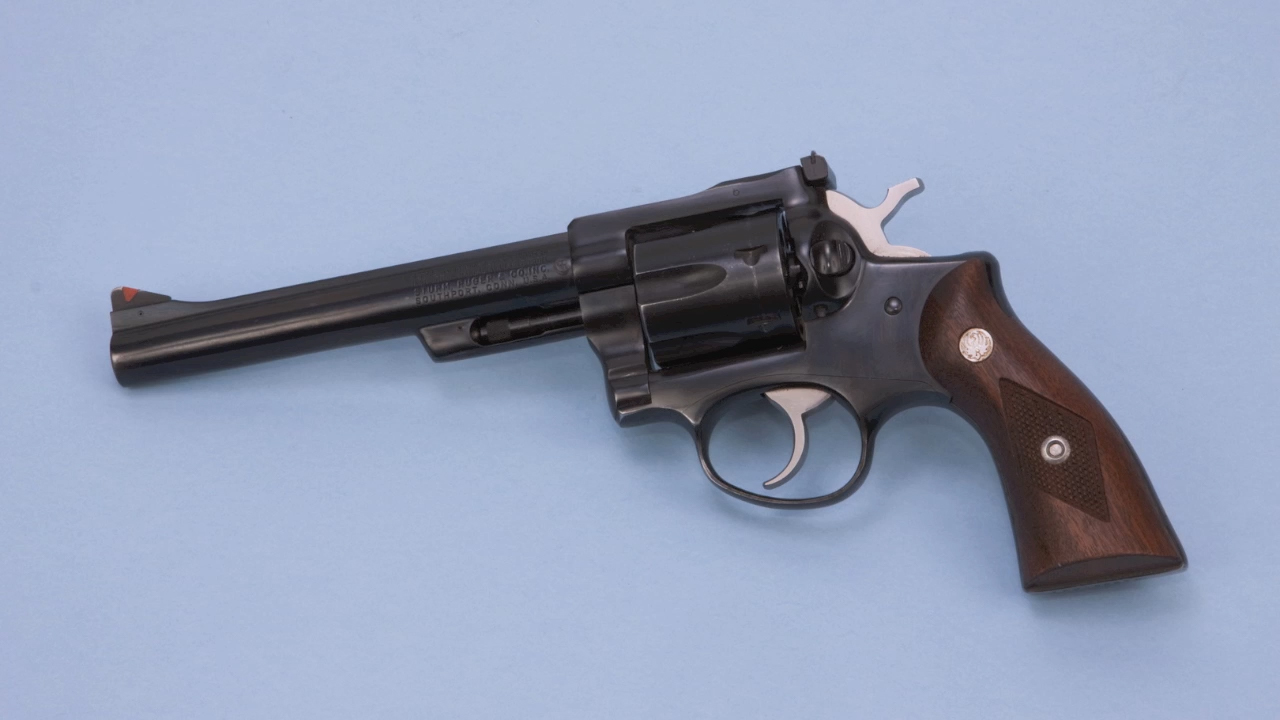
If you’ve ever handled a Security-Six that’s been carried a lot and cleaned a little, you know the type: worn blue, tight lockup, and it just keeps going. Ruger stopped making them, and every year that matters more.
They fit a sweet spot for folks who want a .357 that’s strong but not oversized. I see them bought up fast when they’re priced like it’s still 2010.
15. Ruger Service-Six
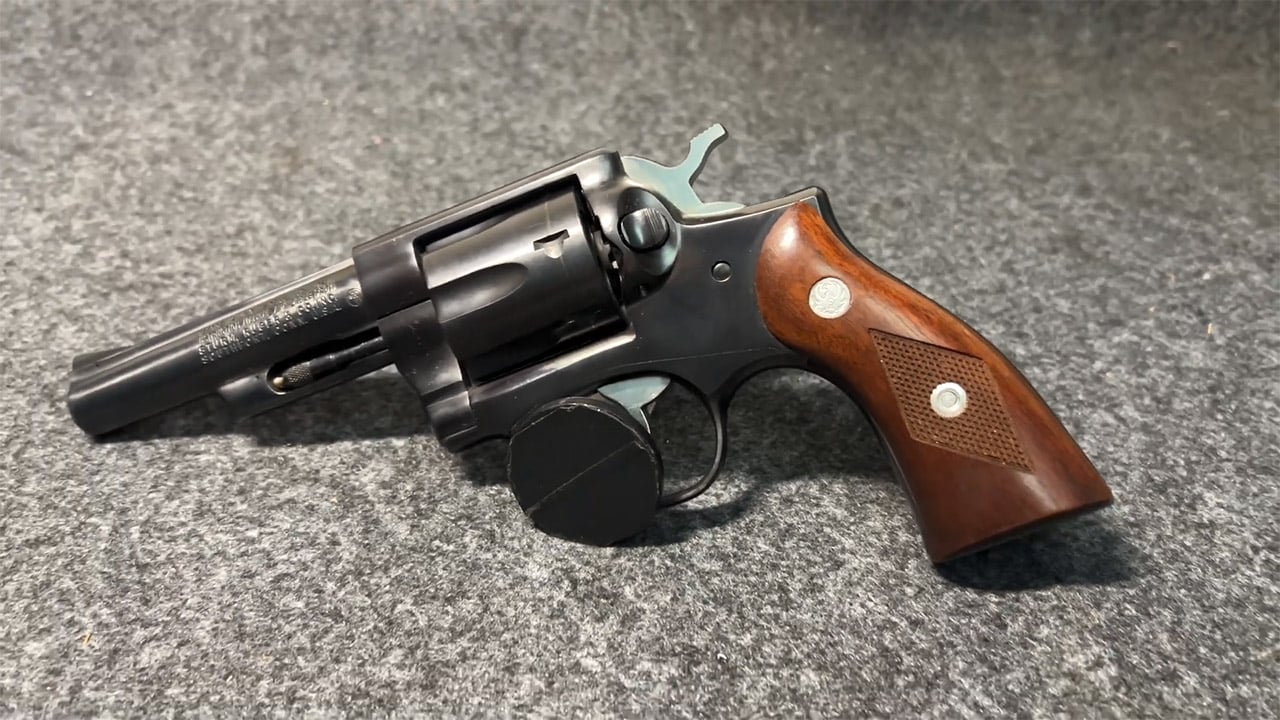
The Service-Six is the plainer sibling, and for a long time that made it the bargain. Fixed sights, duty vibe, nothing fancy. There is nothing fancy about it, and that is kind of the point.
These are revolvers you can toss in a truck console (in a proper holster, secured) and not feel like you’re abusing a museum piece. The market is catching on to that usefulness.
16. Ruger Speed-Six
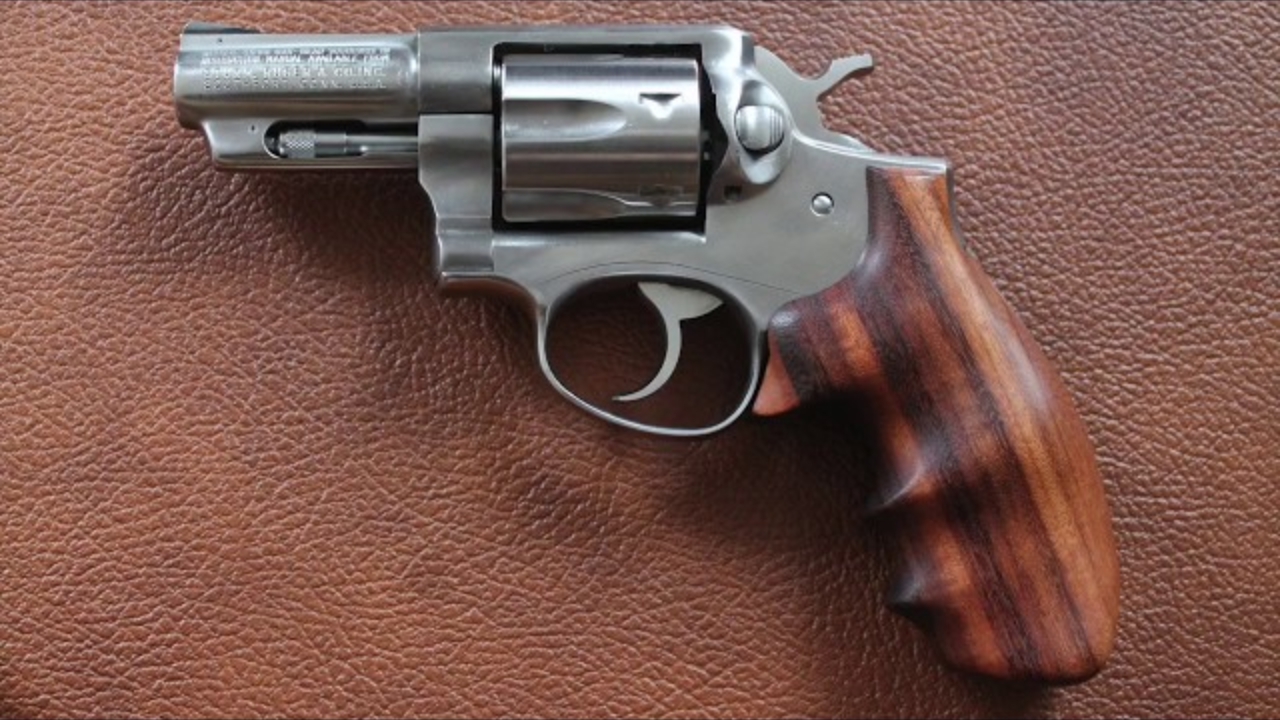
The Speed-Six has a loyal following because it carries like a real belt gun, not a brick. It’s also one of those models that got overlooked for years because it didn’t have a trendy name.
Now the word is out, and the clean ones go quick. If you find one that hasn’t been “customized” with questionable parts, you’re staring at a revolver that’s only getting harder to snag.
17. Ruger GP100 (early production, especially stainless)
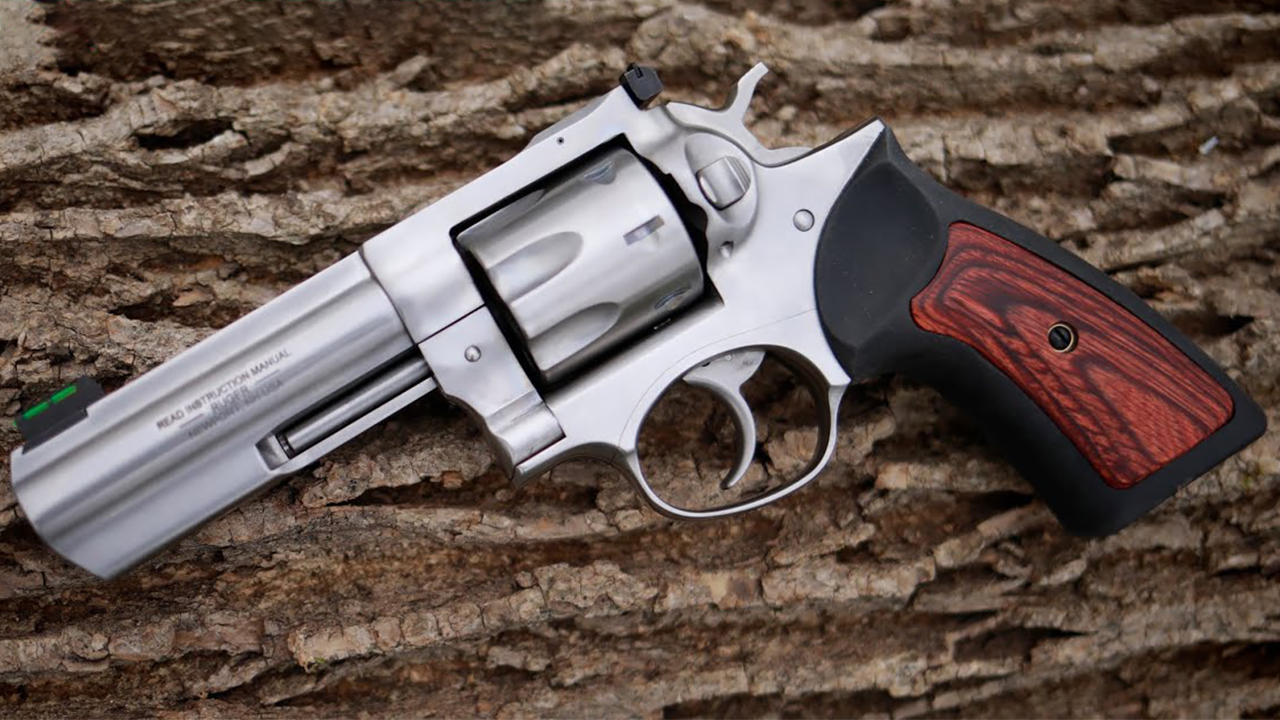
The GP100 isn’t rare, but certain versions are getting pricier anyway. Early guns with good fit, clean bores, and no abuse are being treated like long-term keepers by guys who shoot a lot of .357.
It’s heavy, and that’s why it works. A GP100 on the hip during chores is a comfort blanket for coyotes, feral dogs, and the “what was that noise” moments.
18. Ruger Redhawk (.44 Magnum)
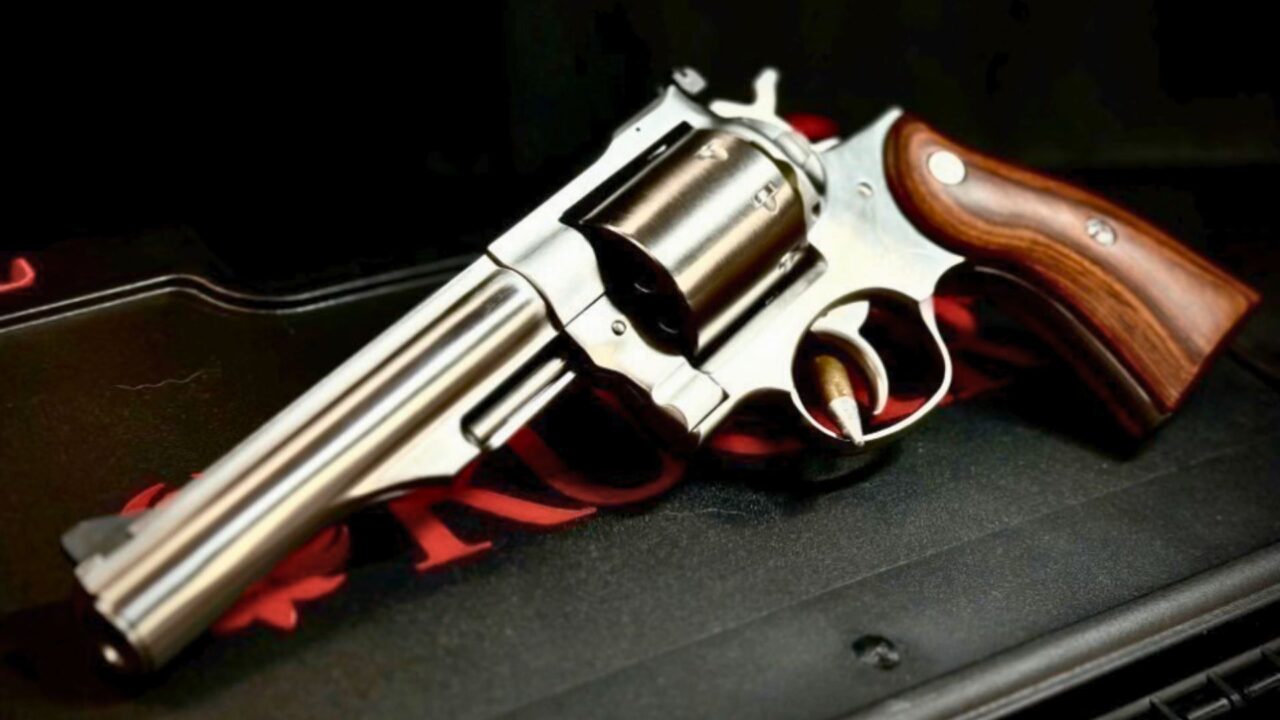
The Redhawk is not subtle. It’s big, it’s strong, and it’s meant for real .44 Magnum use, not just a box a year. That reputation keeps pushing them up.
When handgun hunting gets popular again in pockets of the country, the same old names get searched. Redhawks get bought by people who actually plan to practice, and that keeps demand steady.
19. Dan Wesson Model 15 (interchangeable barrel .357)
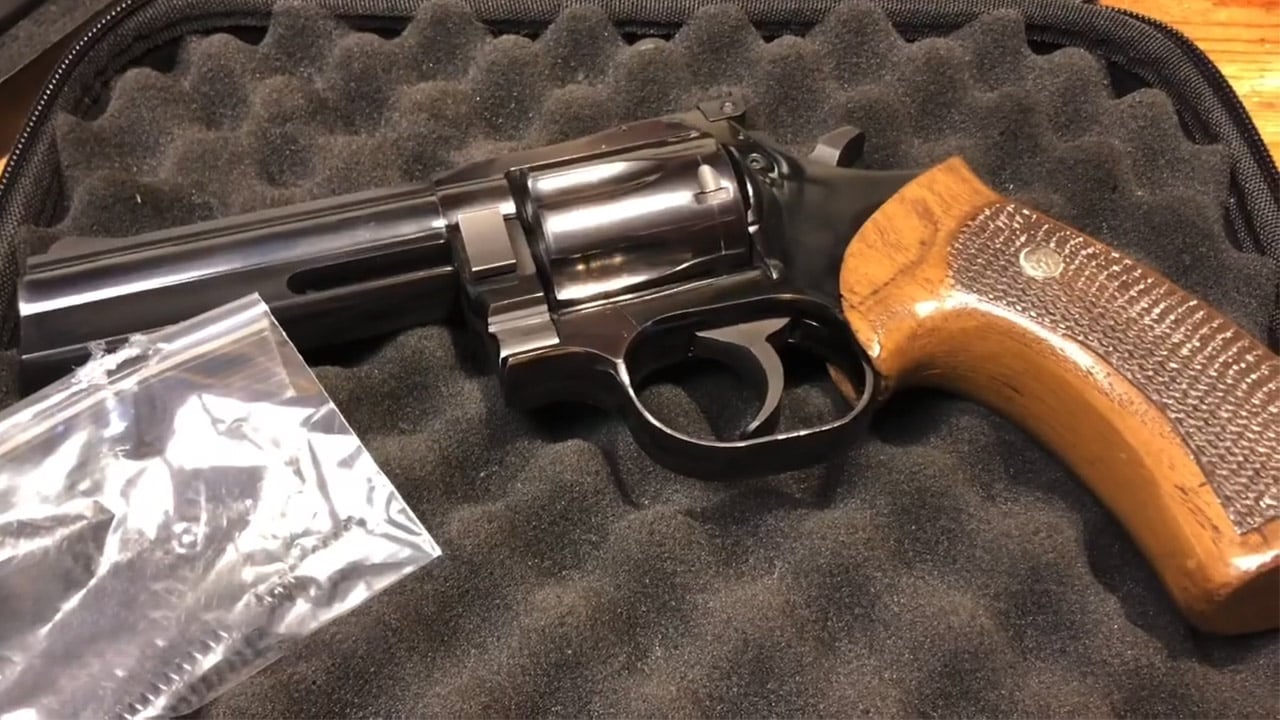
Dan Wessons used to be the “weird but accurate” revolver that sat on tables at gun shows. Not anymore. Once folks realize how well they shoot and how well-made they are, the “weird” becomes “I need one.”
Complete setups with multiple barrels and the right tools are where the real price jumps show. Piecing one together later is doable, but it’s rarely cheap.
20. Harrington & Richardson Model 999 Sportsman (.22)
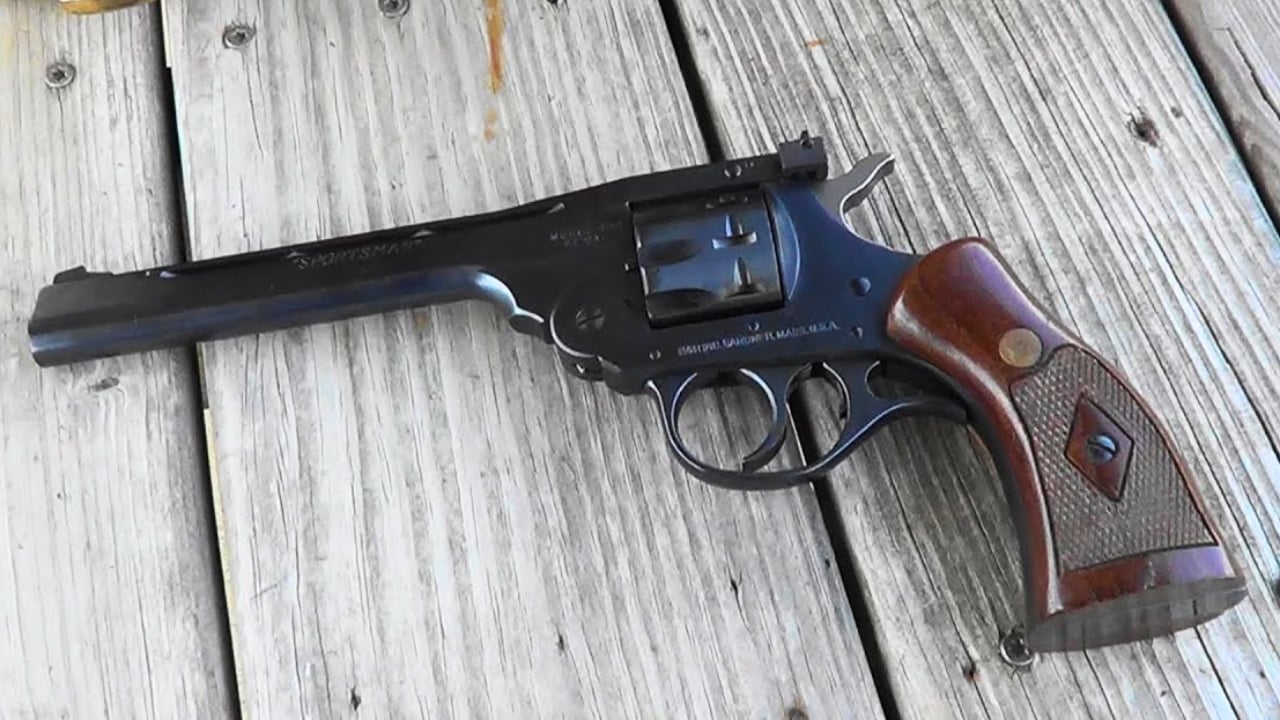
A good .22 revolver is one of the most useful guns a outdoorsman can own, and the H&R 999 is one of the cooler ones. Nine-shot, top-break, and it just has personality.
They’re not built like a modern tank, and you shouldn’t treat them like one. But for potting pests around the barn (where legal and safe), plinking, and teaching, they’re a joy. And the nice ones aren’t sitting at “cheap .22” prices anymore.
None of this means you should run out and buy whatever you see. Condition matters, timing matters, and “all original” usually matters more than people want to admit. But if you’ve got one of these sitting in the safe and you’ve been thinking about trading it toward the new hot thing, I’d slow down a minute. The revolvers that quietly earn their keep have a funny way of becoming the ones you can’t replace later without wincing.
Like The Avid Outdoorsman’s content? Subscribe to our newsletter so you never miss an article.
Here’s more from us: