Photo credit: Academy Sports
Price and shooting performance are not always closely connected. Spend enough money and you can absolutely buy better machining, nicer finishes, premium materials, and more refined features. What you do not automatically buy is a pistol that you personally shoot better.
Some relatively inexpensive handguns simply have excellent triggers, comfortable grips, low recoil, or enough weight to make fast, accurate shooting surprisingly easy. Put one beside a pistol costing twice as much and the cheaper gun can sometimes produce the tighter groups and faster follow-up shots. These 20 pistols are proof that a bigger price tag does not guarantee a better day on the range.
Smith & Wesson SD9 2.0
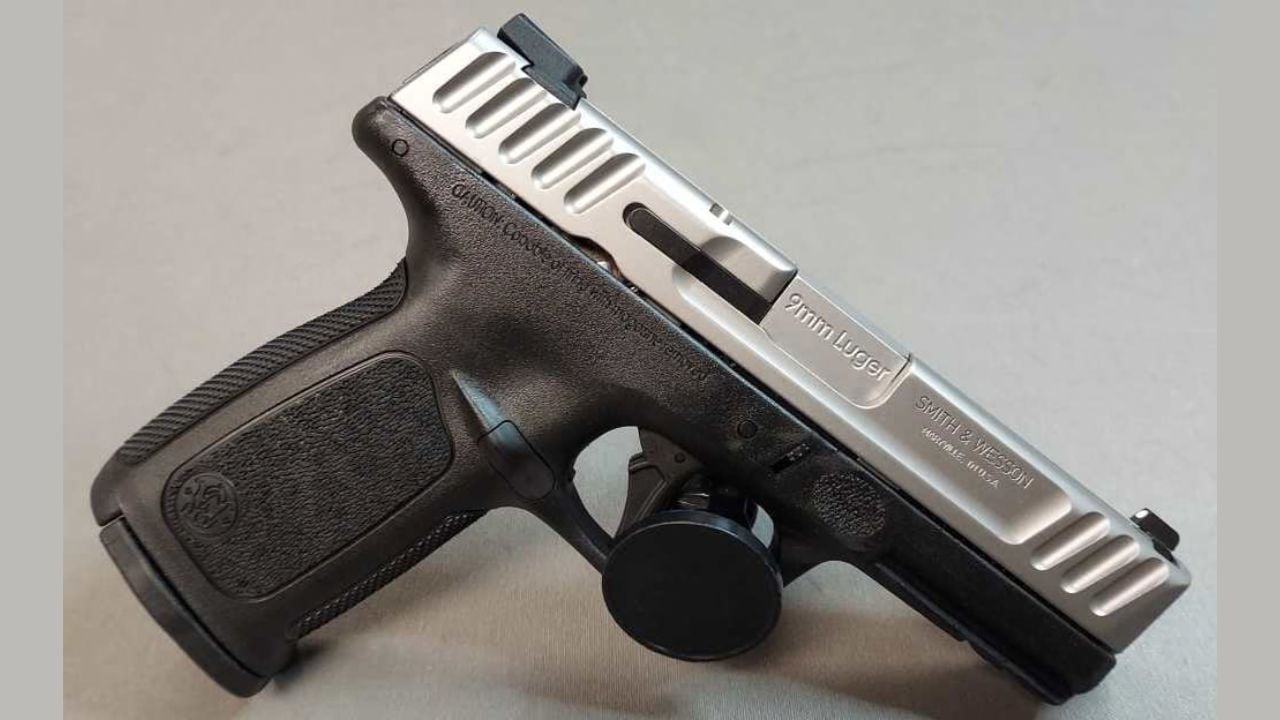
The SD series has spent years being treated like the pistol someone buys only because they cannot afford an M&P. That reputation makes it easy to underestimate the newer SD9 2.0.
Smith & Wesson improved the trigger considerably compared with the older SD pistols, and the basic ergonomics were never bad to begin with. You get a full enough grip to control the gun, manageable 9mm recoil, and a straightforward striker-fired platform without paying premium defensive-pistol money. Put one in the hands of a competent shooter and it can embarrass much more expensive compact pistols that are harder to hold onto or come with worse triggers.
Canik SFx Rival

The Rival built its reputation by giving shooters competition-oriented performance without requiring competition-pistol money.
The trigger is the main attraction. It is light, crisp, and has a short reset that makes rapid shooting easy. The longer slide and full-size grip also help keep the pistol settled during strings of fire. You can spend considerably more on metal-framed competition guns and still discover that the Rival produces better results in your hands. That is exactly why it became such a popular entry point for shooters who care more about the timer and target than the logo.
Rock Island Armory STK100
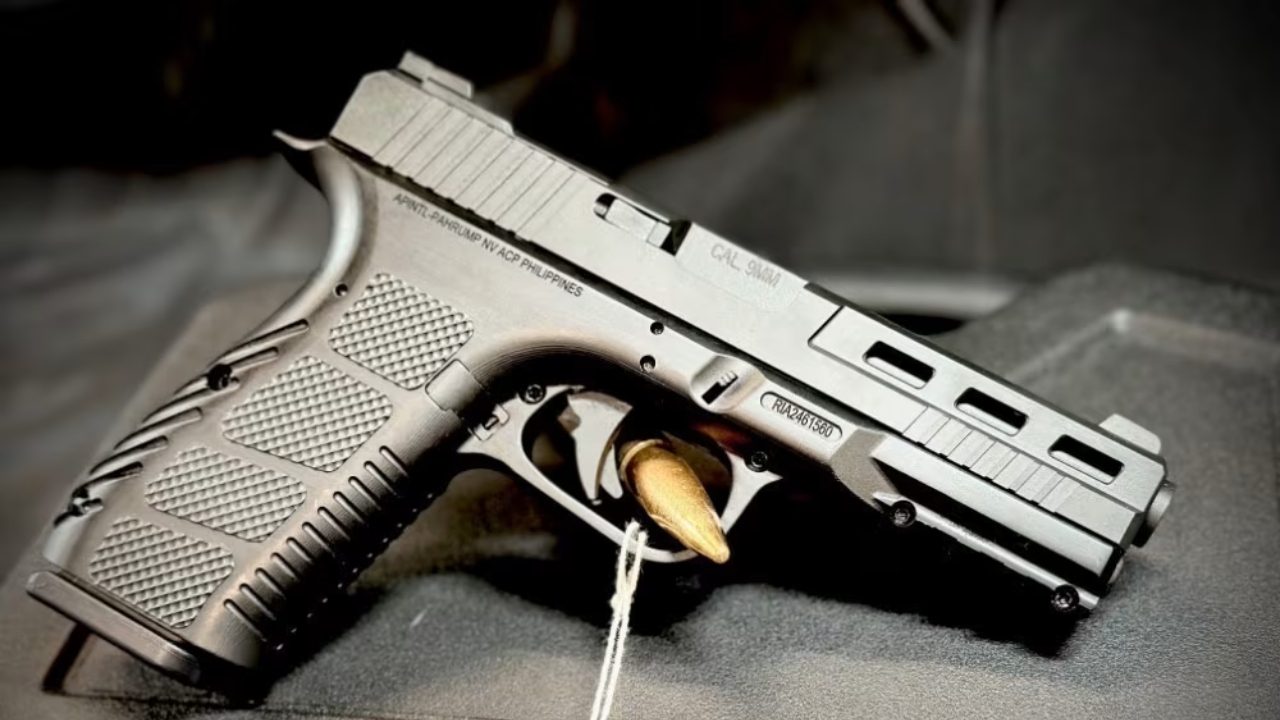
The STK100 never became a major mainstream pistol, which is unfortunate because its construction gives it an advantage many similarly priced guns do not have.
Instead of a typical polymer frame, the STK100 uses an aluminum frame that adds useful weight without turning the pistol into a brick. That helps reduce movement during recoil and makes fast follow-up shots easier. The Glock-like operating concept also feels familiar immediately. It is not a luxury pistol, but on the firing line it can feel much more composed than its price suggests.
Tisas PX-9 Gen 3
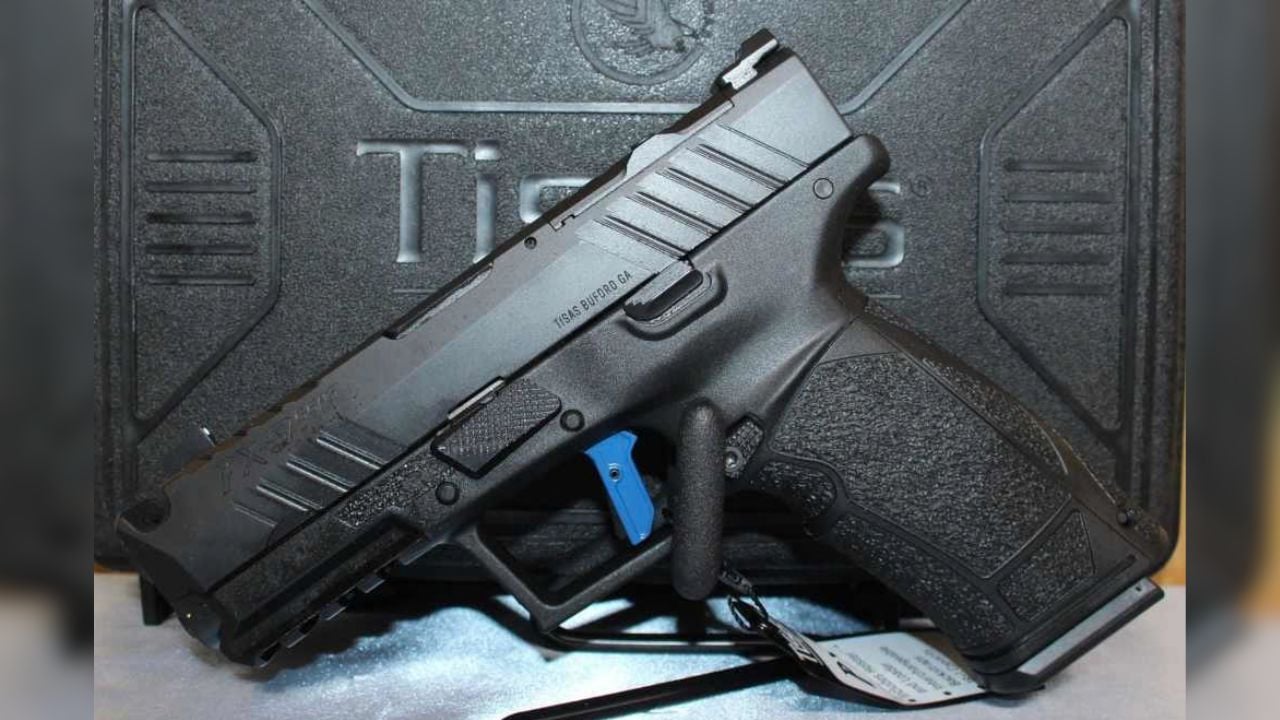
The PX-9 Gen 3 is easy to dismiss because Tisas is better known in the United States for affordable 1911s.
The pistol itself deserves more attention. A comfortable grip, usable trigger, generous capacity, and practical dimensions make it extremely easy to shoot for the money. It is the kind of gun that can surprise someone who walks onto the range carrying a much more expensive striker pistol. Expensive materials are nice, but a pistol that fits your hand and tracks well can matter considerably more.
Girsan Regard MC
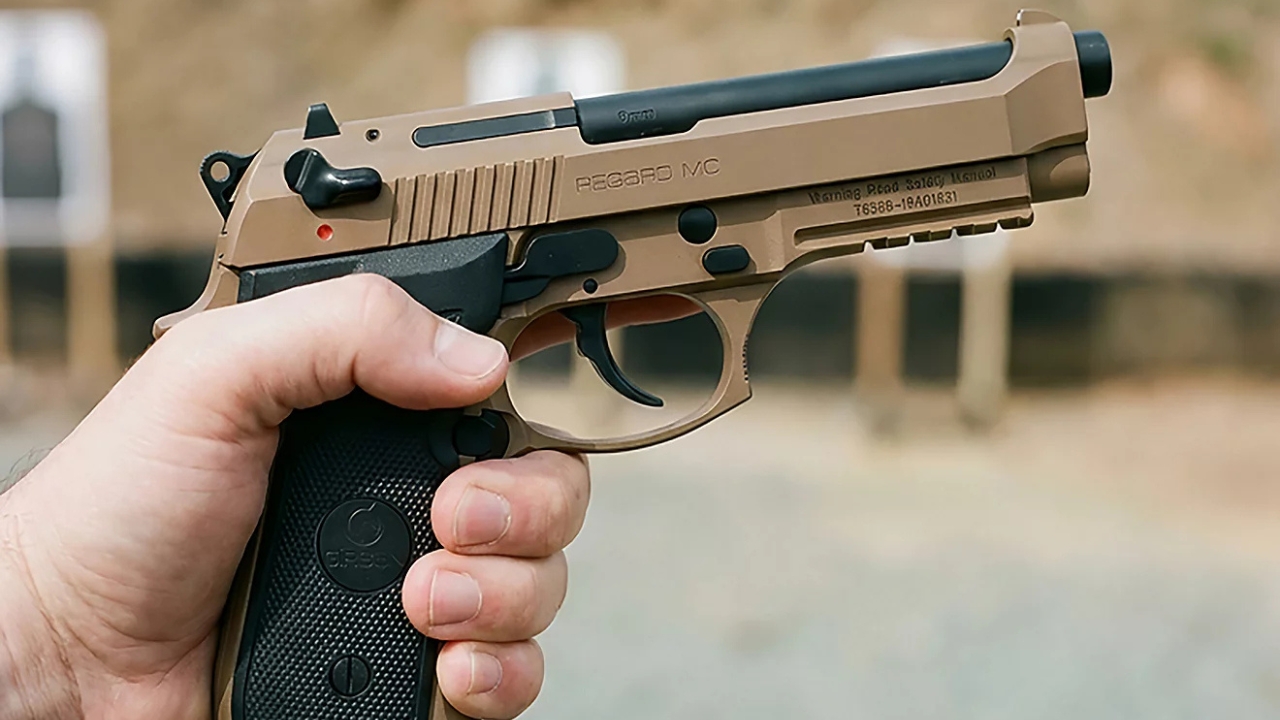
The Regard MC lives in the shadow of the Beretta 92 because there is no mystery about where the basic design inspiration comes from.
That comparison actually helps explain why it shoots so well. The large metal frame, substantial slide, and full-size grip make ordinary 9mm ammunition extremely manageable. You do not get the same name recognition or refinement as an expensive Beretta configuration, but targets cannot read rollmarks. A good Regard can deliver the soft-shooting experience people often spend considerably more money trying to obtain.
Taurus 1911

The Taurus 1911 rarely gets included in conversations about desirable 1911s because buyers tend to move quickly toward Colt, Springfield, Kimber, or considerably more expensive manufacturers.
At the range, the difference can shrink dramatically. A full-size steel 1911 already has several advantages working in its favor: substantial weight, an excellent grip angle, and a straight-moving single-action trigger. If a Taurus example is properly fitted and running well, there is nothing preventing it from punching tight groups right beside pistols costing much more.
SDS Inglis P-35
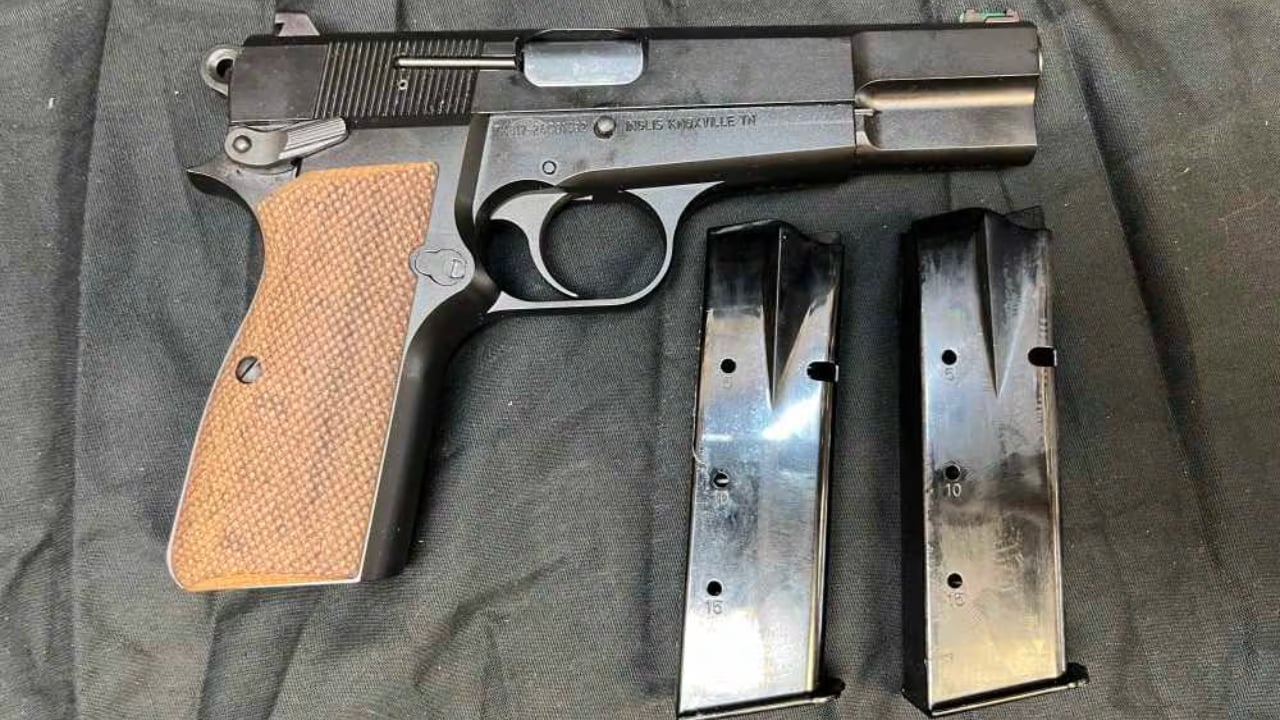
The resurgence of Hi-Power-style pistols has created some expensive options, but inexpensive reproductions can capture much of what makes the design pleasant to shoot.
The Inglis P-35 gives the shooter the classic slim grip, steel-frame weight, and natural pointing characteristics associated with the Hi-Power pattern. You can certainly spend more for nicer machining and finishing. That does not mean the more expensive gun will put rounds closer together. For shooters who simply want the Hi-Power experience on the firing line, the cheaper pistol can make a compelling argument.
Ruger American Competition
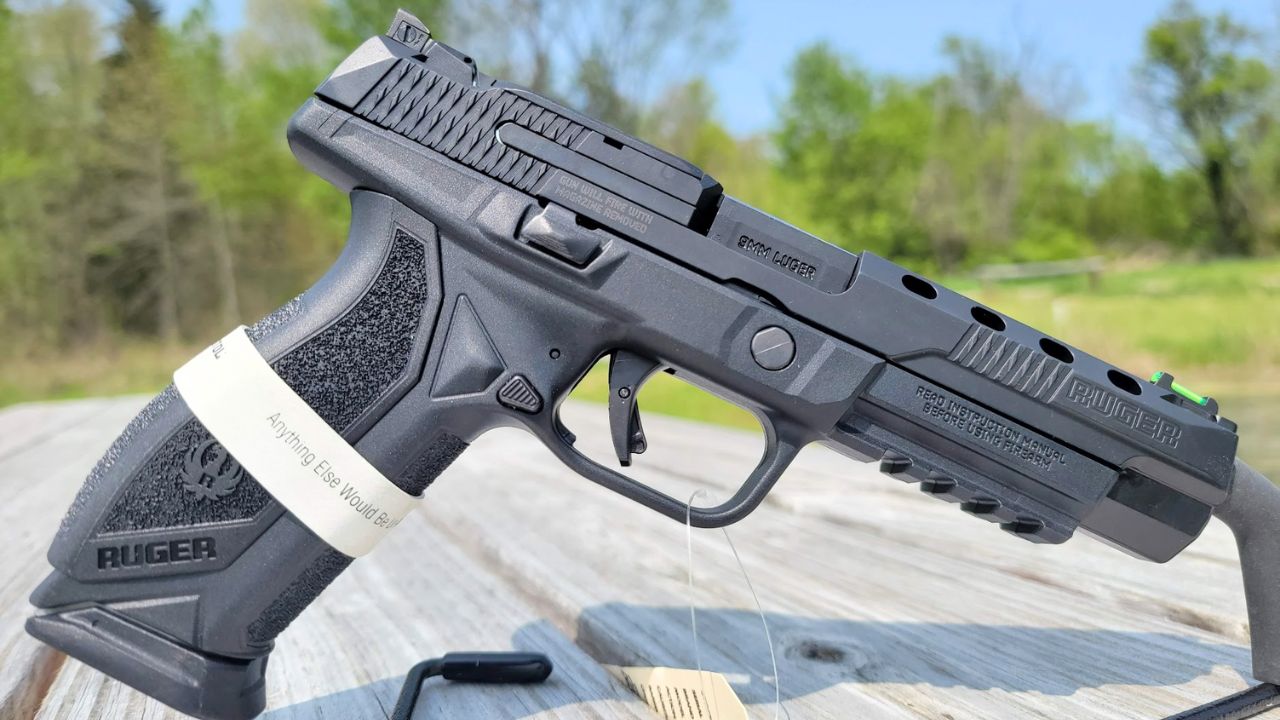
The Ruger American pistol never became one of the company’s biggest handgun successes, but the Competition version showed that the underlying design could be a very capable range gun.
The longer slide, full-size grip, and added mass give the shooter a stable platform that handles rapid strings well. Ruger’s reputation for practicality also means the gun was never priced like an exotic competition pistol. It may not have the prestige of a race-oriented metal handgun, but practical accuracy is determined by what happens on the target.
EAA Girsan MCP35 Match
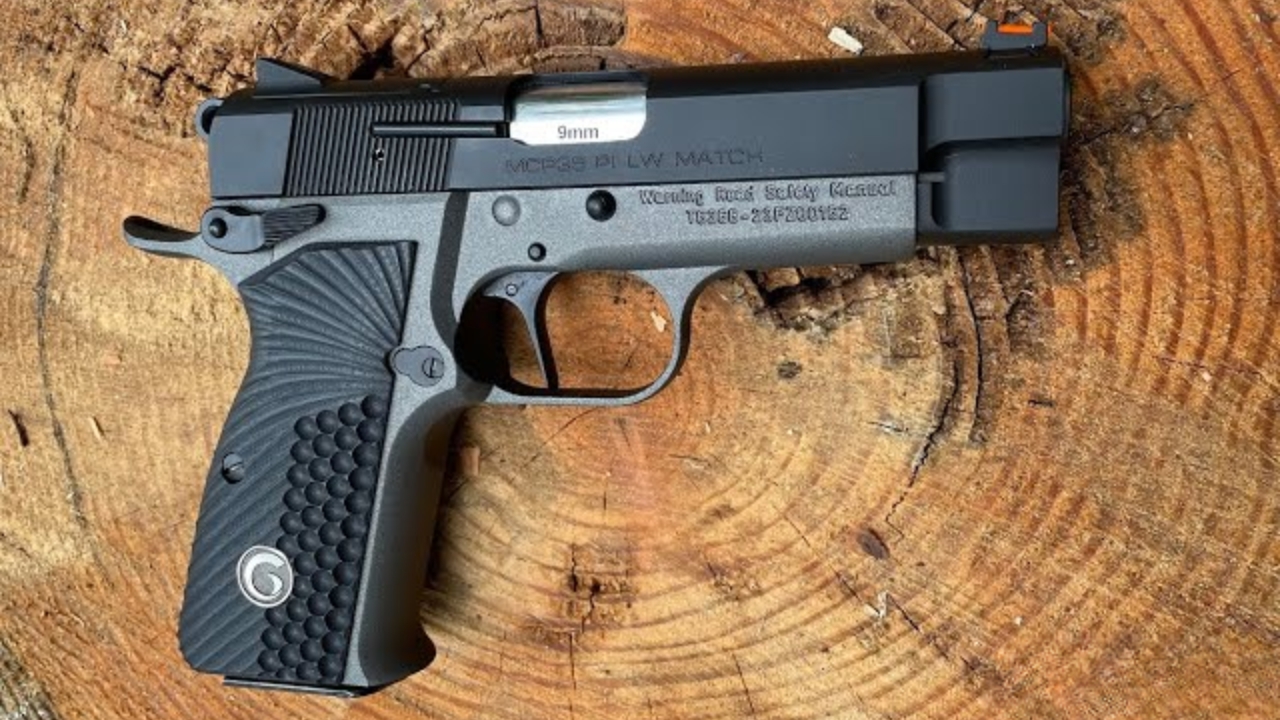
The MCP35 Match takes the basic Hi-Power concept and pushes it more toward range use without immediately jumping into premium-pistol pricing.
That gives shooters a heavy steel pistol, comfortable grip, useful sights, and a single-action system that can perform extremely well when the shooter does his part. More expensive Hi-Power interpretations may offer nicer finishing or stronger brand recognition, but the Girsan can make the price difference difficult to see once both guns are putting holes in paper.
Taurus TH45
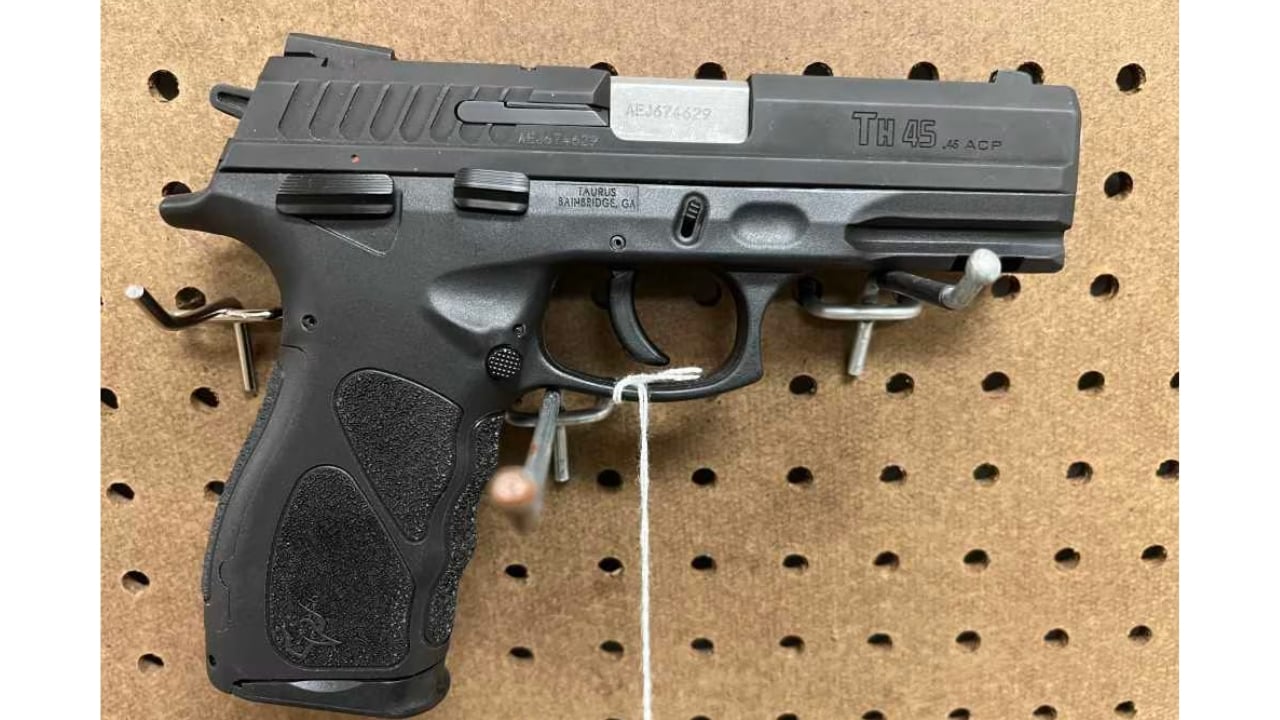
Affordable .45 ACP pistols often make compromises in either ergonomics or shootability. The TH45 takes a more traditional approach with a large frame and hammer-fired action.
That size works in its favor on the range. There is plenty of grip to control, and the substantial pistol makes the .45 ACP cartridge less punishing than it feels in compact guns. A more expensive .45 may look prettier or have a more recognizable name, but a shooter who handles the Taurus well may still produce the better target.
Canik TP9SF Elite
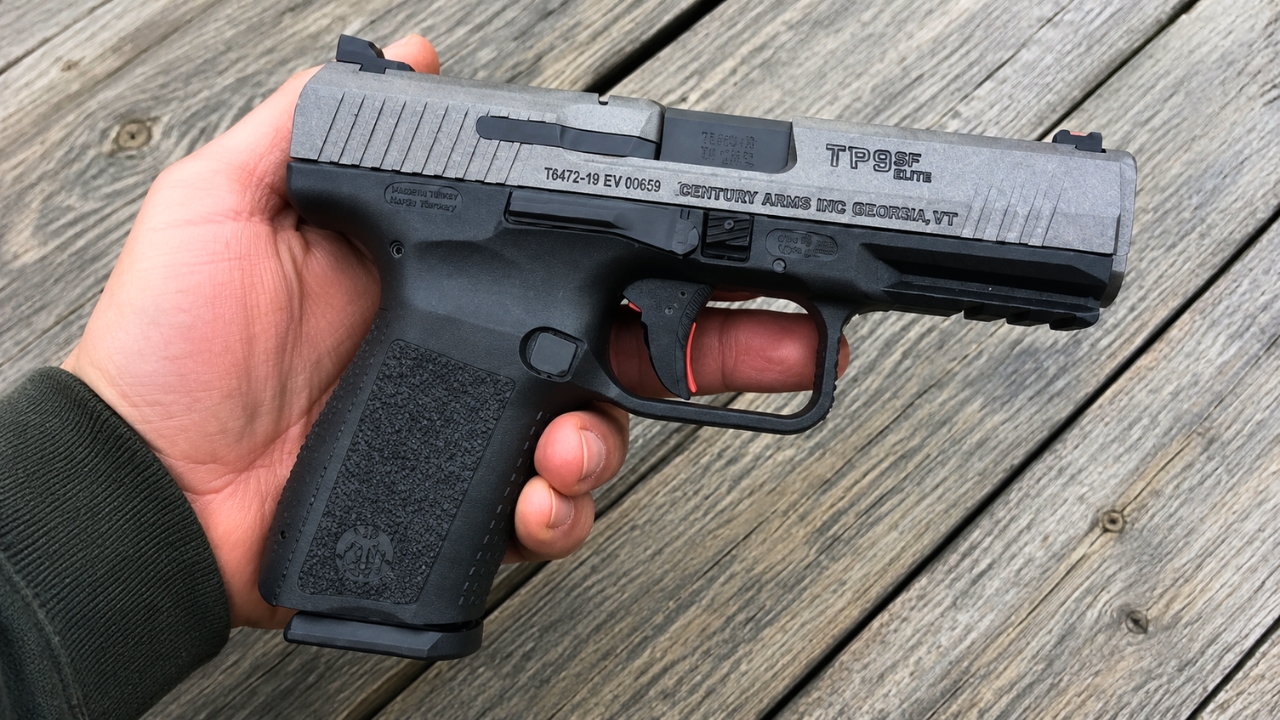
The TP9SF Elite helped establish Canik’s reputation for giving buyers unusually good triggers at modest prices.
Its compact dimensions remain large enough for solid control, while the trigger makes accurate shooting easier than the price tag would lead many people to expect. Put it beside a premium carry gun with a heavy or vague trigger and the Canik can immediately feel easier to shoot. That does not make it the better gun for every purpose, but it can absolutely be the better gun when score and group size are what matter.
Rock Island Armory M1911 GI Standard
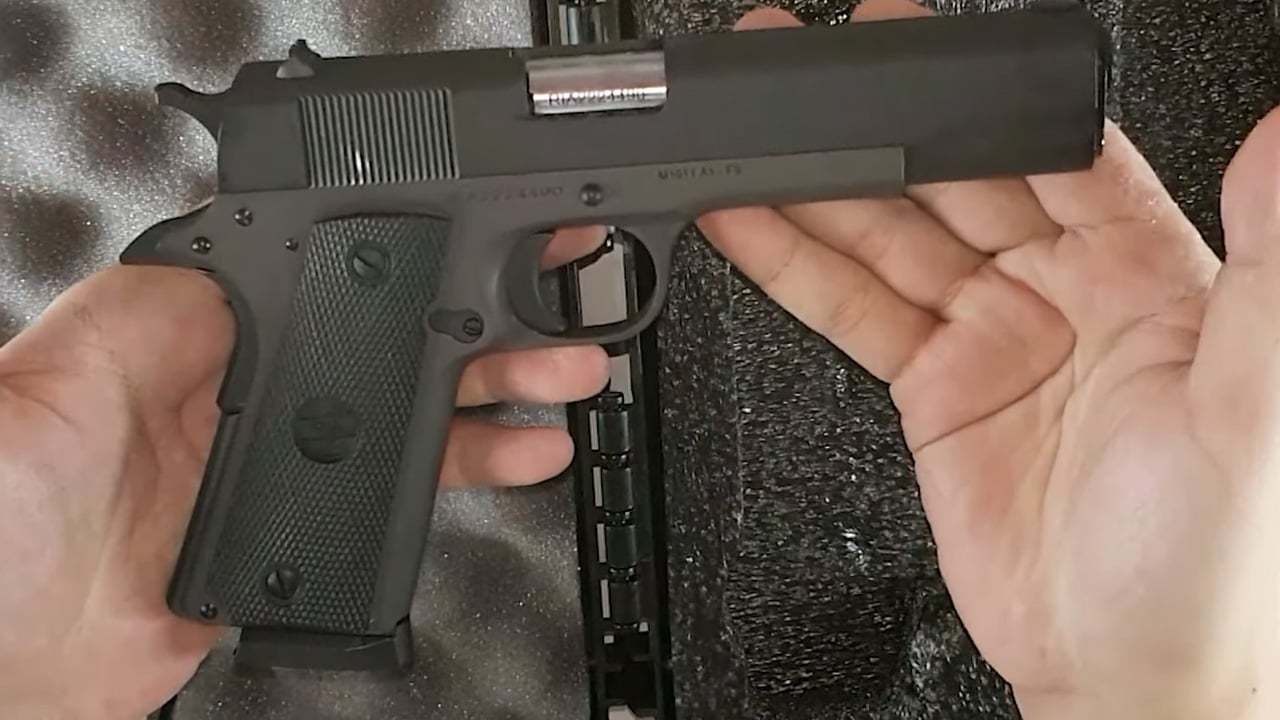
A basic GI-style Rock Island 1911 does not look like a pistol that should embarrass expensive modern handguns.
Then you remember what the design gives you. The steel frame absorbs recoil, the grip is thin, and even a basic single-action 1911 trigger can make precision shooting easier than many striker triggers. Sights on the simplest models can be limiting, but at ordinary handgun distances a competent shooter can still wring impressive accuracy from one. Expensive does not always mean easier to shoot.
Bersa Thunder 22

The Thunder 22 is not a sophisticated target pistol. It is a compact, inexpensive rimfire with traditional controls.
That does not prevent it from being remarkably entertaining and easy to shoot well. Low recoil allows shooters to focus almost entirely on trigger control and sights, while the metal frame gives the little pistol more stability than many lightweight rimfires. Someone can spend several times as much on a tactical-looking .22 and still discover that the basic Bersa groups just as well in his hands.
Grand Power P1

Grand Power has always suffered from limited recognition in the American market, and the P1 is one of the models most shooters never get around to trying.
The rotating-barrel operating system gives the pistol a very flat and controlled feel under recoil. Add a comfortable grip and a good hammer-fired trigger and the result is a compact pistol that can shoot far above its market position. A more famous German or American DA/SA pistol may cost substantially more without necessarily being easier to shoot quickly.
EAA Witness Elite Match

The Witness Elite Match has long been one of the less expensive ways to get into a heavy, single-action, competition-oriented metal pistol.
That basic formula works. Weight keeps the gun stable, the trigger lends itself to accurate shooting, and the CZ-derived ergonomics make it easy to establish a consistent grip. Premium competition pistols offer better fitting and finishing, but those improvements can become surprisingly difficult to detect on a casual range target. A well-running Witness can make an expensive pistol owner wonder where the extra money went.
Taurus PT1911 9mm
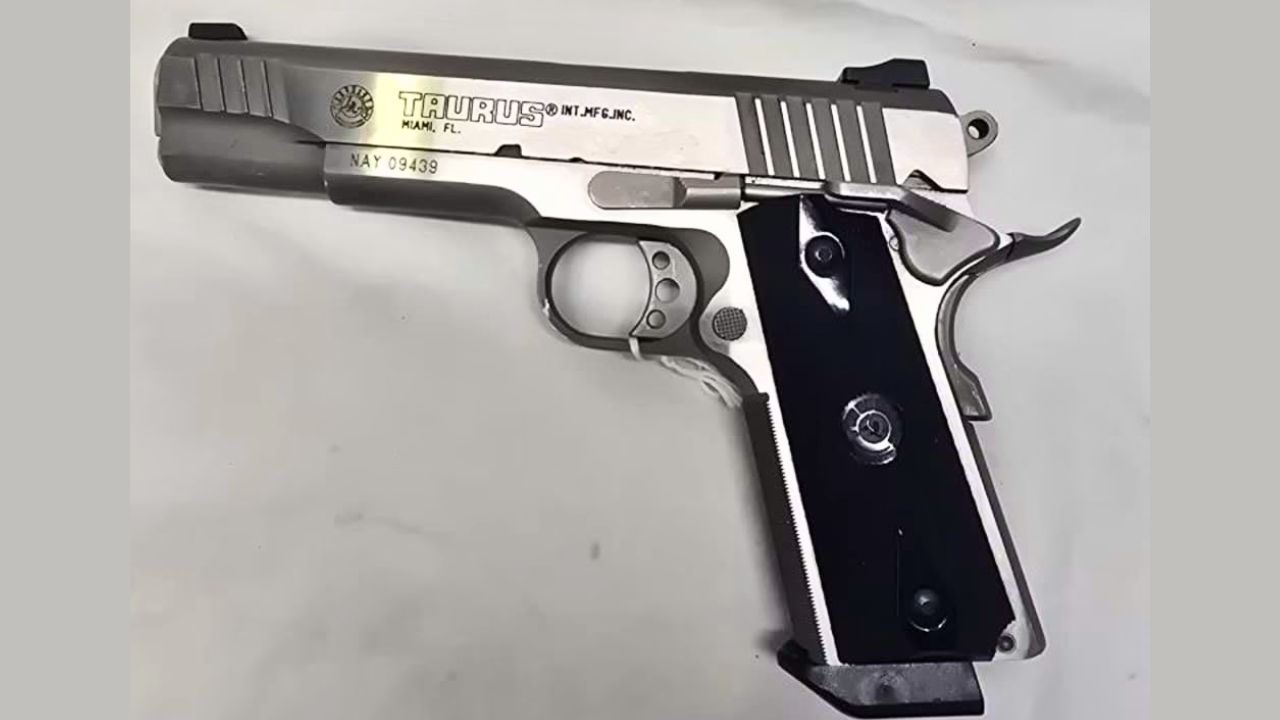
The 9mm version of Taurus’s 1911 formula stacks several shooter-friendly characteristics on top of each other.
You get the weight of a steel 1911, the light recoil of 9mm, and a single-action trigger. That makes the pistol extremely easy to keep flat during rapid fire. There are vastly more expensive 9mm 1911s available, and many are unquestionably nicer guns. But if the question is simply which pistol lets an individual shooter make a tight group quickly, the Taurus can perform far above its price.
Browning Buck Mark Camper
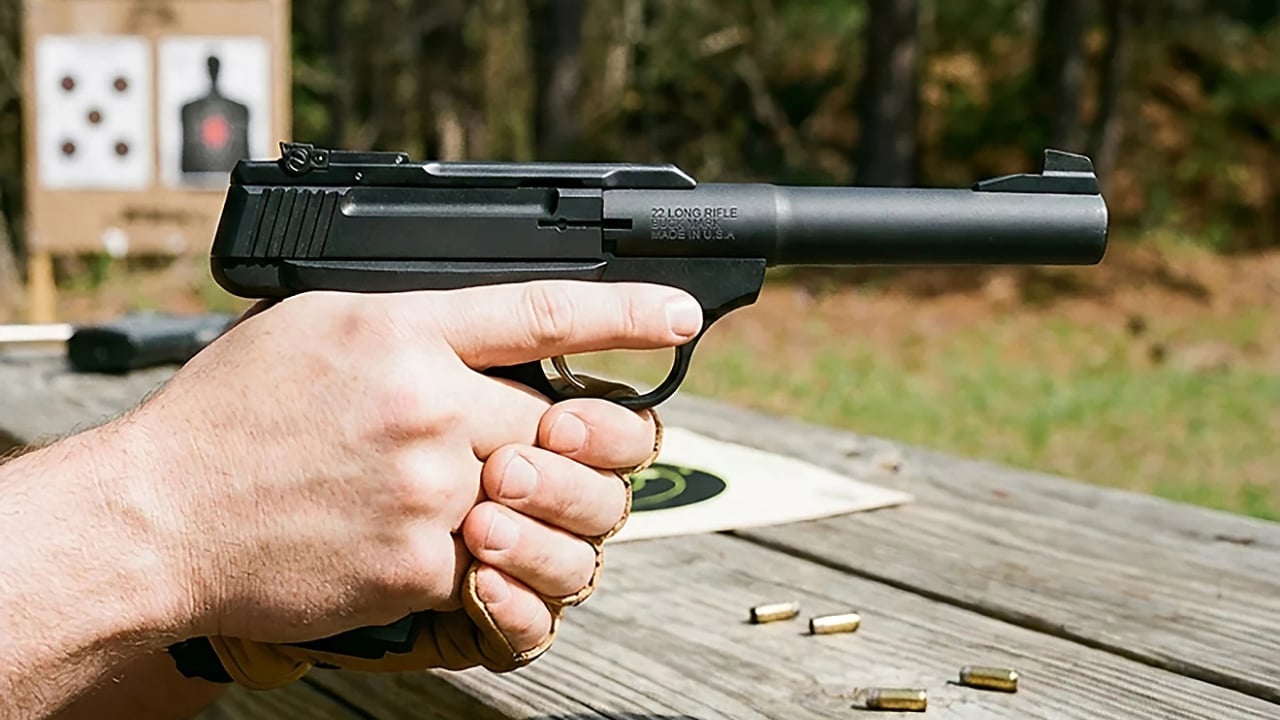
The Camper is deliberately less elaborate than the more expensive Buck Mark variants, but mechanically it retains the characteristics that make the platform such a good shooter.
The fixed barrel, comfortable grip, and good trigger make accuracy come easily. A shooter can spend far more on a premium rimfire pistol and gain better sights, nicer grips, or more specialized features without seeing a dramatic change on the target. The Camper is a good reminder that the inexpensive version of an inherently accurate design can be all you really need.
Ruger 22/45 Target
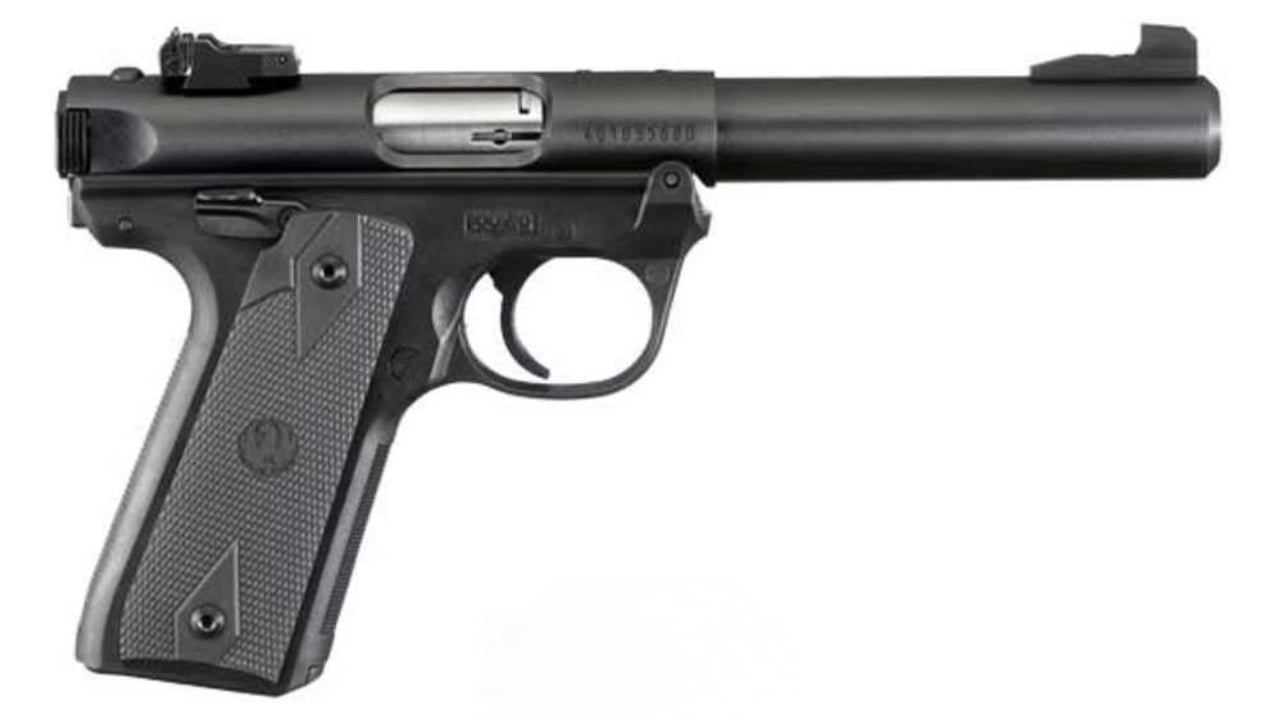
The 22/45 Target is not the flashiest version of Ruger’s rimfire pistol, and that actually helps the value proposition.
The grip angle mimics the 1911, the barrel and receiver provide plenty of stability, and .22 LR recoil is almost irrelevant. It is easy for an ordinary shooter to produce groups that would require considerably more effort with an expensive centerfire handgun. Even compared with premium rimfire pistols, the Ruger often gives away very little in practical accuracy for the average owner.
Springfield Armory XD-M Elite 5.25

The 5.25-inch XD-M Elite was built around shooting performance rather than concealed-carry convenience.
That long slide gives you a generous sight radius with irons, while the full-size grip and substantial frame make rapid 9mm strings easy to manage. The XD line has fallen out of fashion compared with newer striker pistols, which can make these particularly interesting when found at good prices. A fashionable compact may cost more and still be noticeably harder to shoot well.
Jericho 941 PSL
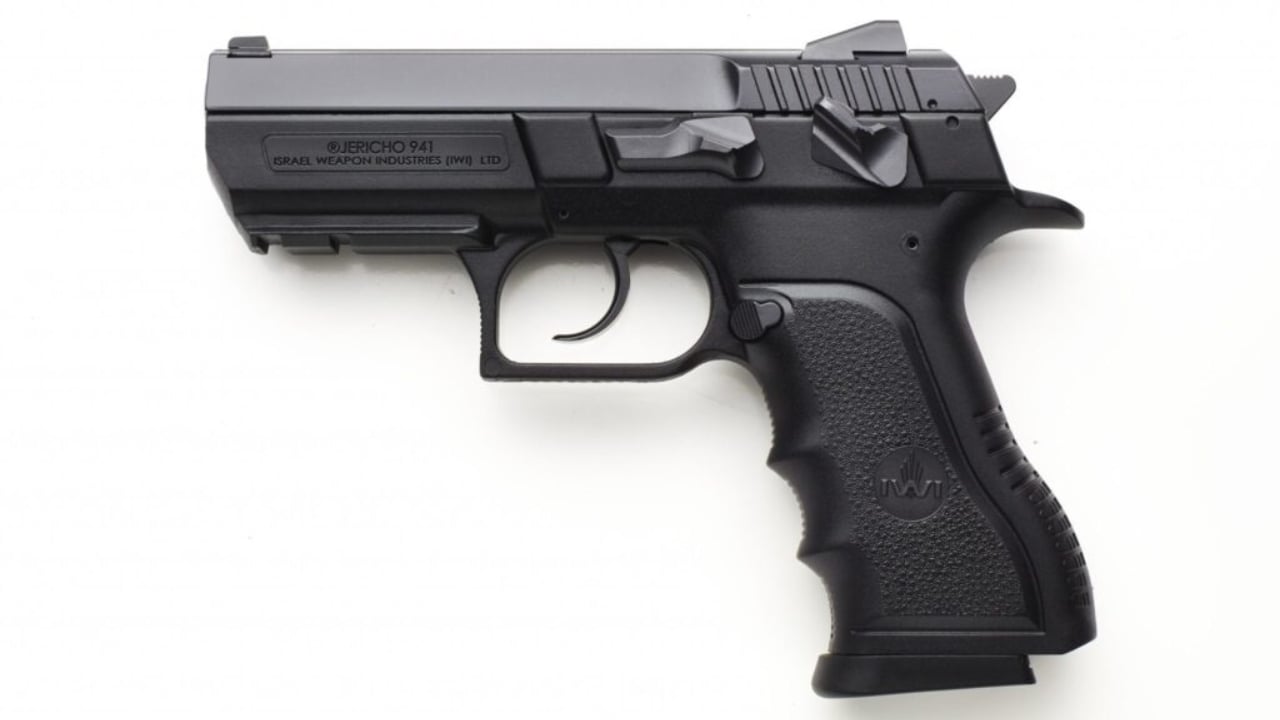
The polymer-framed Jericho PSL never received the attention of the classic steel Jerichos, but taking weight out of the design did not erase the excellent basic ergonomics.
The pistol still benefits from the CZ-pattern layout and a grip shape that lets many shooters establish a strong hold naturally. Its lower market profile means it can deliver a lot of shooting performance without commanding premium money. It may not have the prestige of an expensive European service pistol, but prestige has never tightened a group by itself.
Like The Avid Outdoorsman’s content? Subscribe to our newsletter so you never miss an article.
Here’s more from us: