Photo credit: Patrick E. Kelley/YouTube
Some pistols have terrible showroom appeal. They are from the wrong brand, look a little strange, lack a huge aftermarket, or sit beside a more famous model that gets all the attention. Most buyers handle them for 30 seconds and move on.
Shooting can completely change the conversation. A good trigger, unexpectedly soft recoil, excellent grip geometry, or unusually natural pointing characteristics can turn a pistol you never considered into one you suddenly want. These 20 handguns rarely dominate the recommendations, but they have a way of making a much stronger argument once there is ammunition in the magazine.
Steyr C9-A2 MF

Steyr continues doing things differently from almost everyone else, and the C9-A2 is a perfect example. The grip angle, extremely low bore axis, and unusual sight arrangement can make the pistol look downright strange in the display case.
Fire it and those choices start making sense. The pistol sits extremely low in the hand and tracks predictably during rapid strings. The grip also locks your hand into place better than photographs suggest. Some shooters will never warm up to Steyr’s unconventional sights, but the gun deserves to be judged on the firing line rather than by its appearance.
CZ 40B
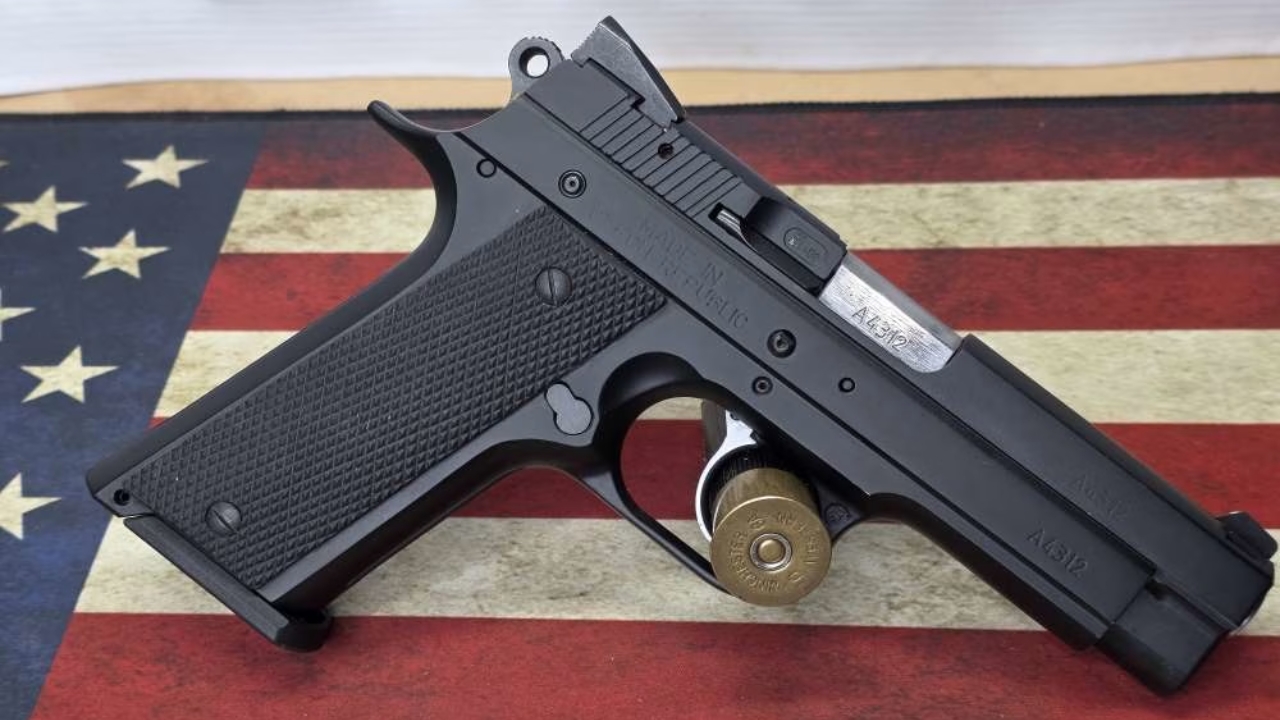
The CZ 40B is one of those pistols that makes you wonder why it never became more popular. Its distinctive frame shape and .40 S&W chambering certainly did not help it age gracefully in the marketplace.
The shooting experience is considerably better than its forgotten status suggests. The metal frame gives the gun useful weight, the grip is comfortable, and the traditional hammer-fired action feels substantial. It comes from a period when CZ was experimenting with designs beyond the familiar 75 family, and a good example can be an unexpectedly satisfying range pistol.
Browning Pro-9
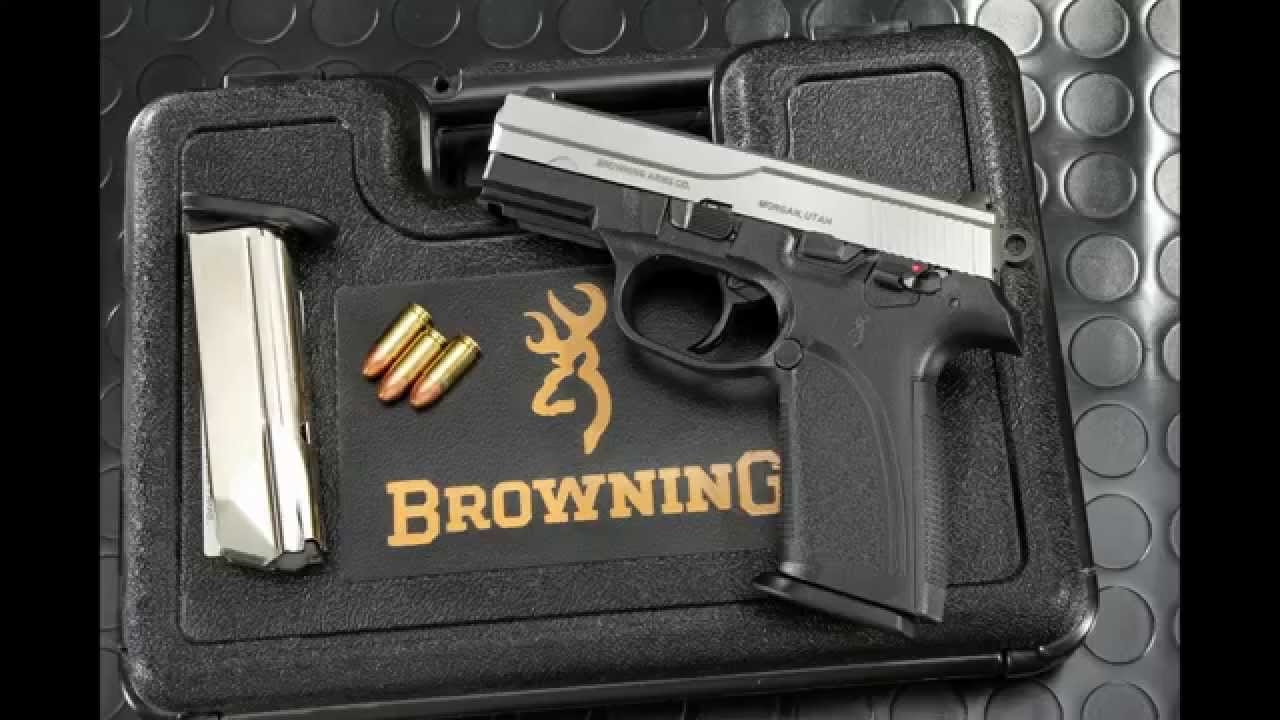
The Pro-9 entered a brutally competitive service-pistol market and never managed to establish a lasting identity in the United States.
That is unfortunate because the pistol is considerably nicer to shoot than its low profile suggests. The ergonomics are comfortable, the hammer-fired action gives it an old-school service-gun feel, and the overall package is nicely balanced. It lacks the instant recognition of a Beretta or SIG, but once someone actually shoots one, the Browning name suddenly makes a lot more sense on the slide.
Smith & Wesson Model 910
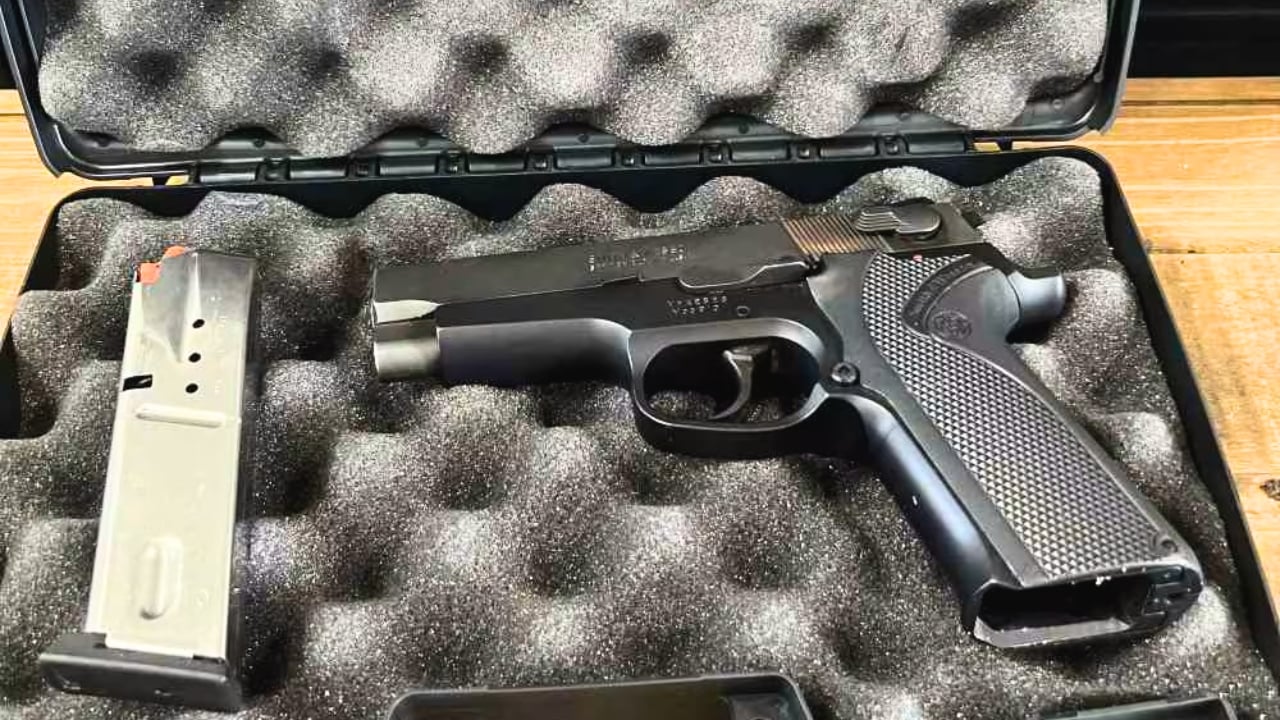
The Model 910 looked like the economy version of Smith & Wesson’s more prestigious metal-framed semiautomatics because that is basically what it was.
At the range, the distinction matters much less. The pistol has enough size and weight to make 9mm extremely manageable, while the traditional DA/SA action rewards a shooter who learns it. It is not beautifully finished and nobody is going to confuse it with a Performance Center gun. But a mechanically sound 910 can be one of those inexpensive older pistols that simply shoots better than people expect.
Ruger SR40c
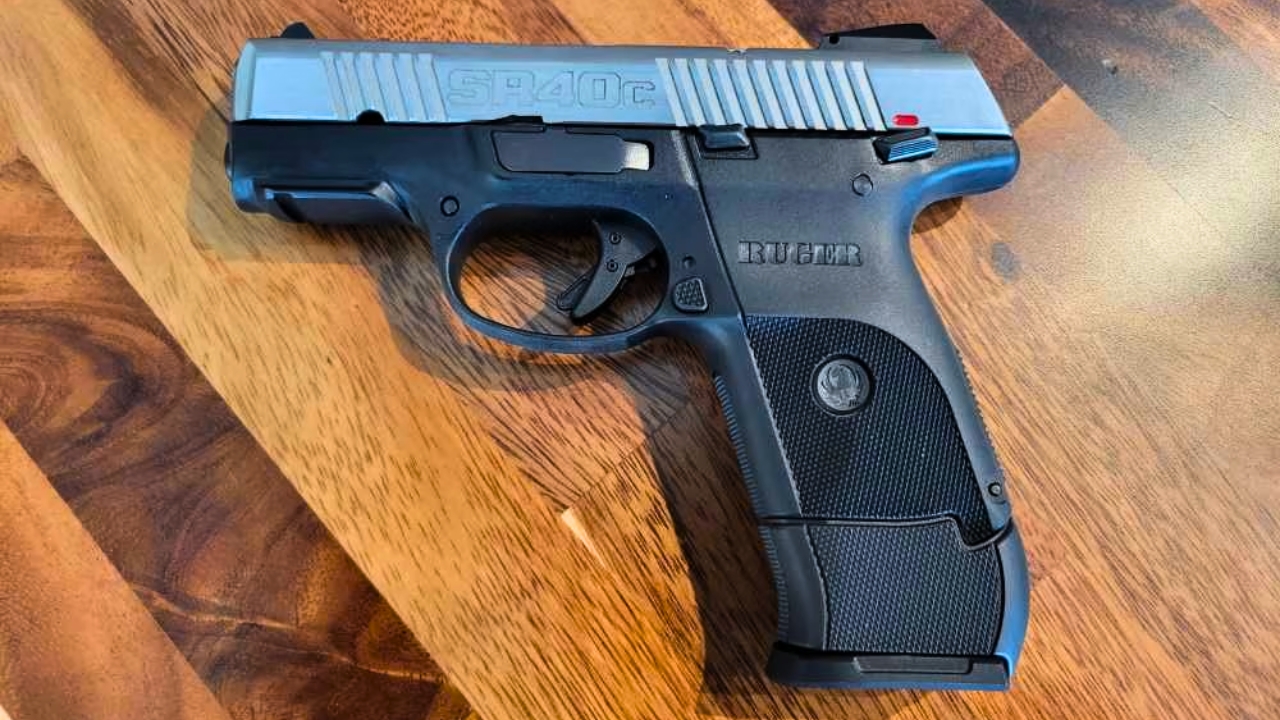
The SR40c got caught in two market shifts at once. Ruger’s SR-series disappeared, and .40 S&W lost much of its popularity.
That makes it easy to overlook what is actually a remarkably manageable compact pistol. The grip is fairly slim, the controls are straightforward, and the compact frame does not feel as awkward under recoil as some small .40s. People expecting a snappy, outdated carry gun can be surprised by how controllable it feels. The cartridge may have lost fashion points, but the pistol did not forget how to shoot.
Taurus PT911
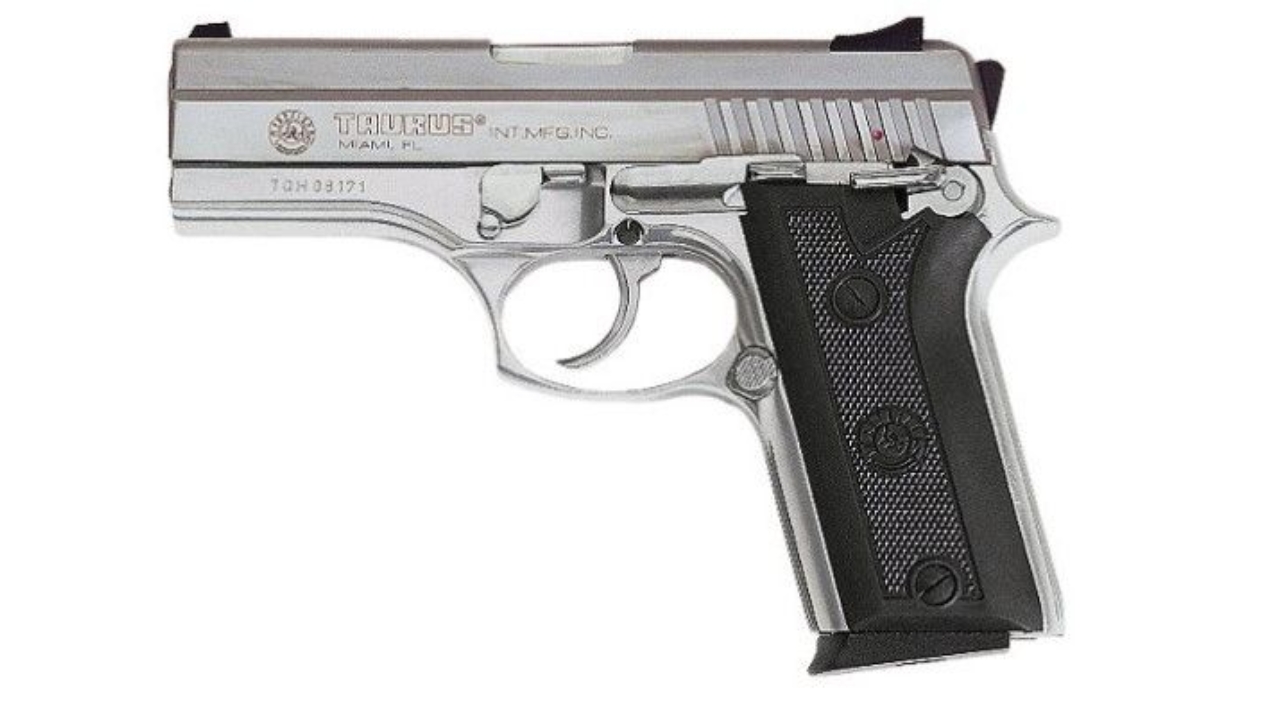
The PT911 came from an era of Taurus semiautomatics that many modern shooters barely remember. That alone is usually enough to make someone skip over one in a used case.
Handle a good example and there is more substance than expected. The metal frame gives it a planted feel, while the compact proportions and hammer-fired action create a shooting experience closer to older service pistols than current budget guns. Taurus’s reputation has always varied from model to model, and the PT911 is one of the guns worth evaluating individually rather than dismissing by logo.
FN Forty-Nine
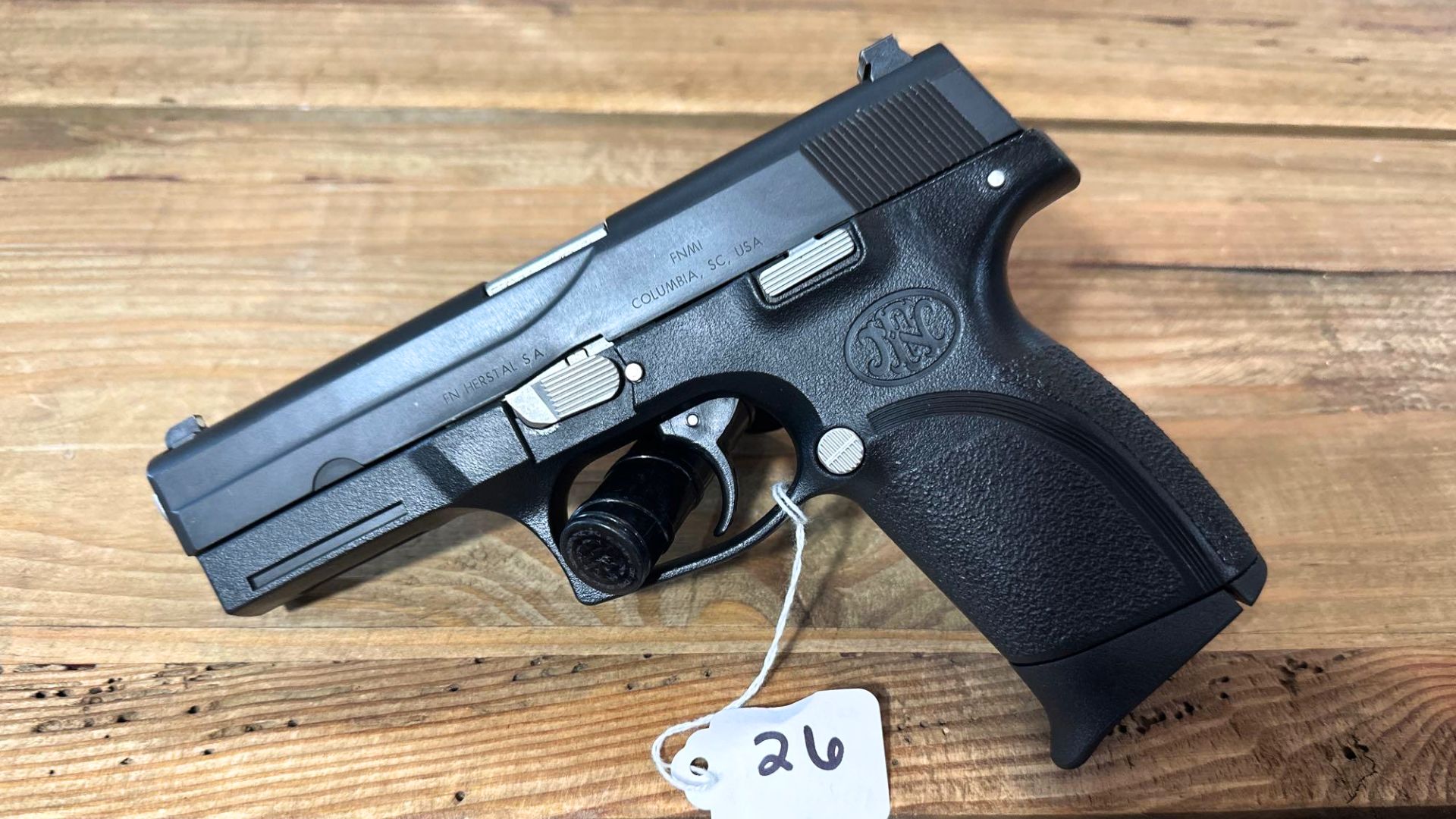
The FN Forty-Nine never achieved anything close to the recognition of FN’s later handgun families. Its styling was plain, its trigger system was not fashionable, and it arrived without the kind of personality that creates an enthusiast following.
What it did have was the feel of a pistol designed as serious equipment. The controls are straightforward, the frame fills the hand well, and the gun tends to feel more composed during shooting than its forgettable appearance suggests. It is not a pistol most people specifically go searching for, which is precisely why shooting one can be such a surprise.
Smith & Wesson Model 5903
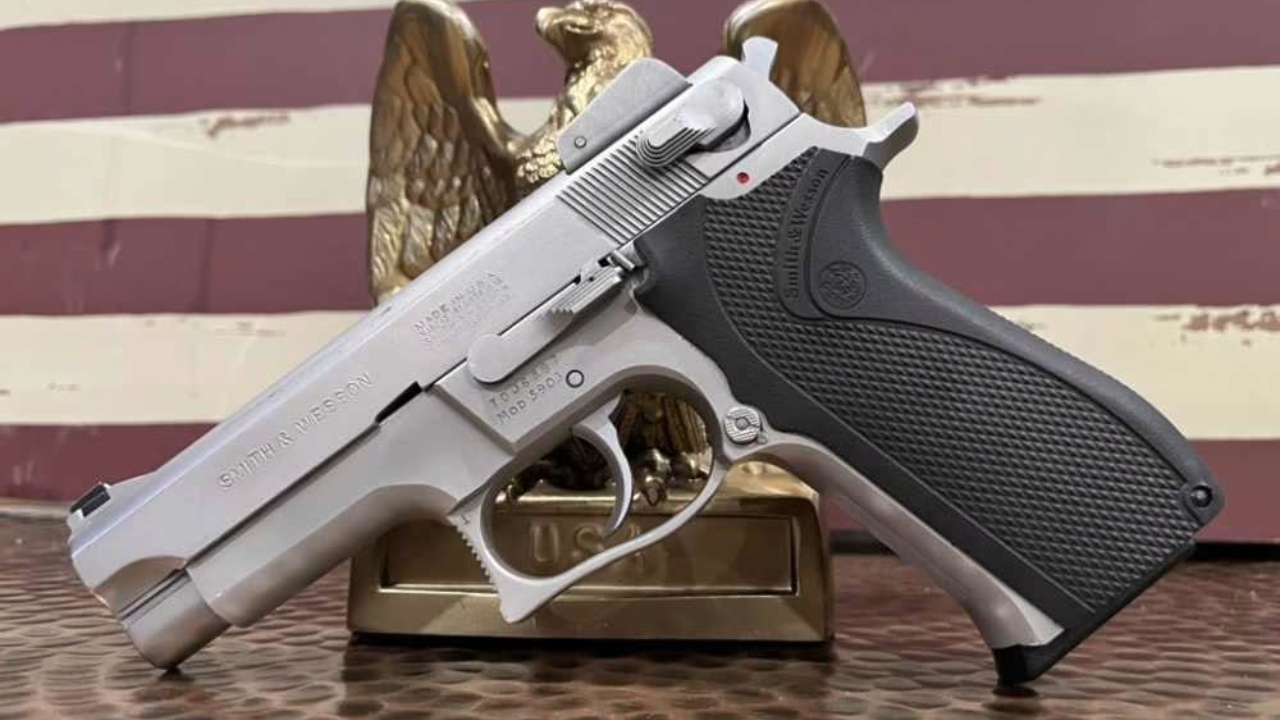
The Model 5903 lives in the shadow of heavier stainless third-generation Smiths that collectors tend to talk about more often.
Its aluminum frame gives it a useful advantage. You retain the familiar high-capacity Smith layout without carrying quite as much steel around. On the range, the pistol balances nicely and has the reassuring feel of an old service handgun. It is not especially exotic, but that is part of the charm. Sometimes an ordinary-looking pistol turns out to be unusually pleasant once you start shooting.
Walther P99 DAO

The P99 is usually remembered for its more distinctive trigger configurations, which leaves the DAO version almost completely ignored.
The long trigger does not sound exciting on paper, especially in an era where buyers obsess over short resets. Give the pistol some time, however, and its excellent ergonomics become impossible to miss. The grip shape, low weight, and natural pointing characteristics can make the gun surprisingly easy to run once the trigger technique is learned. It is a reminder that an unconventional trigger does not automatically equal a poor shooting pistol.
Beretta 87 Target
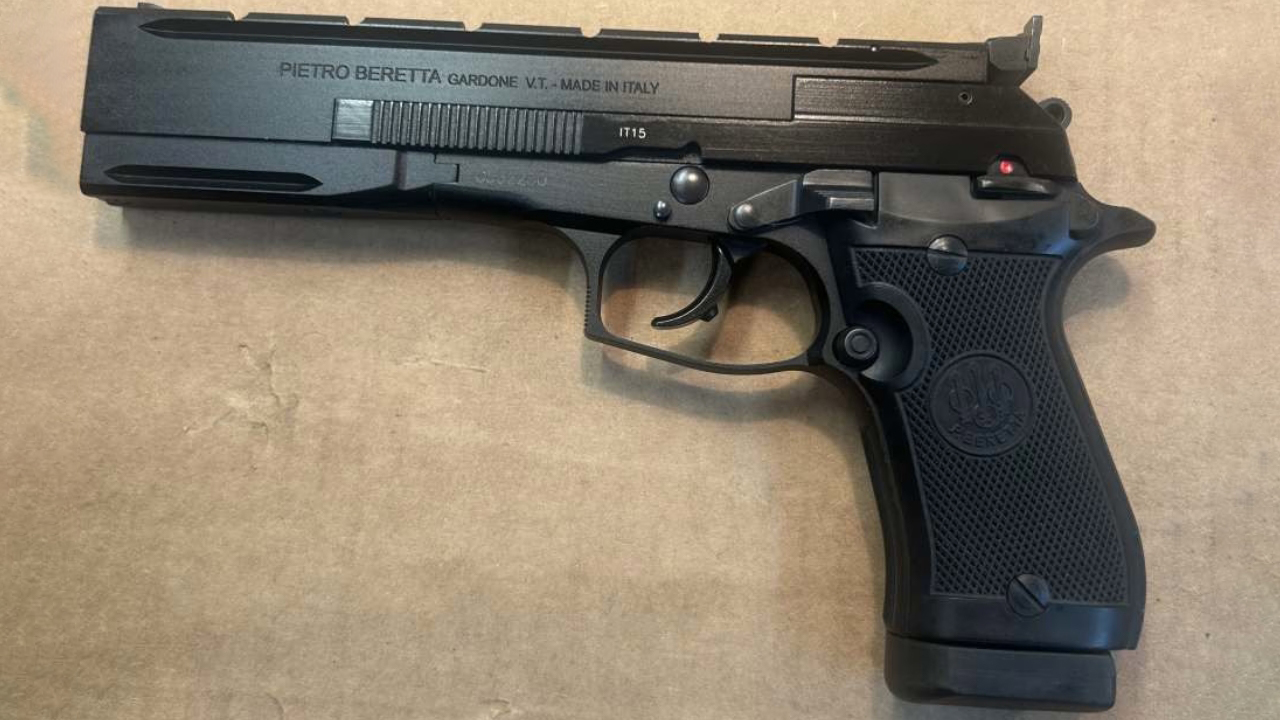
The Model 87 Target looks almost oversized and elaborate for a .22 LR pistol, especially compared with today’s lightweight polymer rimfires.
That appearance starts making sense immediately on the range. The substantial frame, long barrel, and target-oriented setup make the gun exceptionally stable. It has the refined mechanical feel associated with Beretta’s older metal pistols while barely moving under recoil. Shooters who dismiss it because they already own a cheaper .22 may change their minds after seeing what it does to a target.
CZ 85 Combat
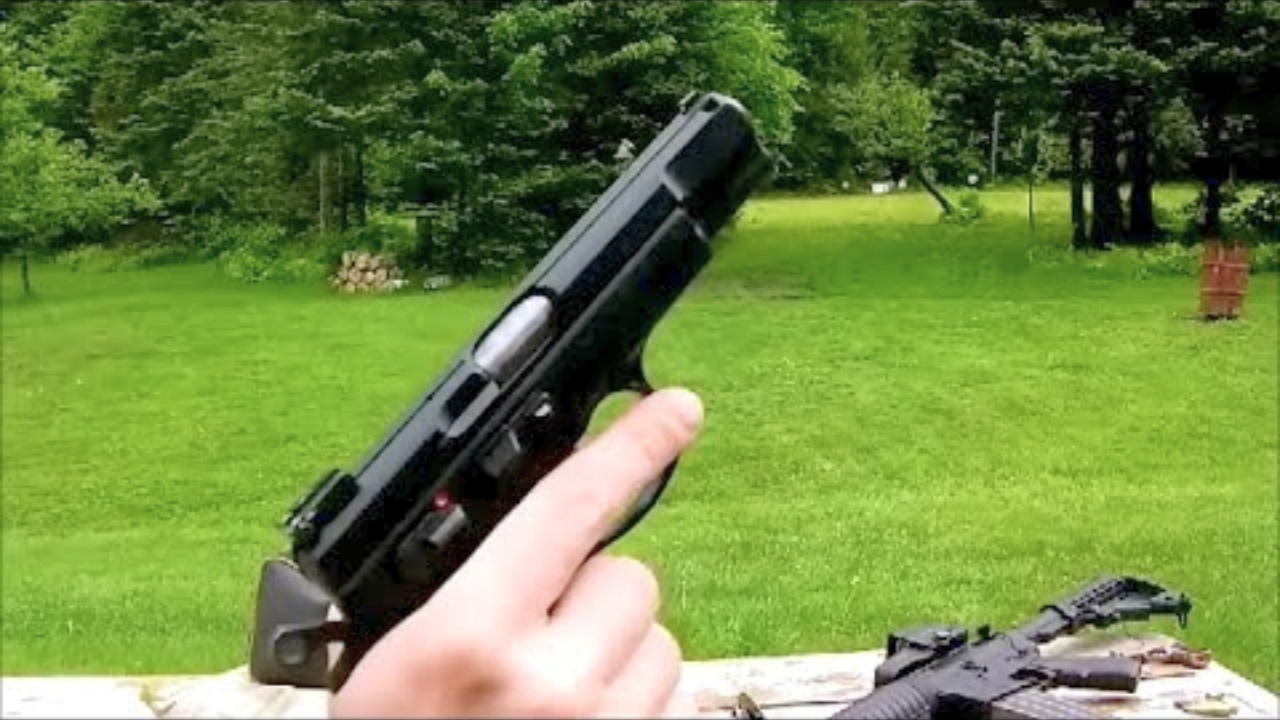
The CZ 85 Combat never escaped the enormous shadow cast by the CZ 75. To many buyers, it looks like another variation of a pistol they already understand.
The differences become more meaningful while shooting. The controls are friendly to both hands, the all-steel frame keeps the gun planted, and the classic CZ grip makes it exceptionally comfortable through long sessions. It is the kind of pistol that does not need a dramatic gimmick. Shoot one well and suddenly its relative obscurity becomes harder to explain.
SIG Sauer P239
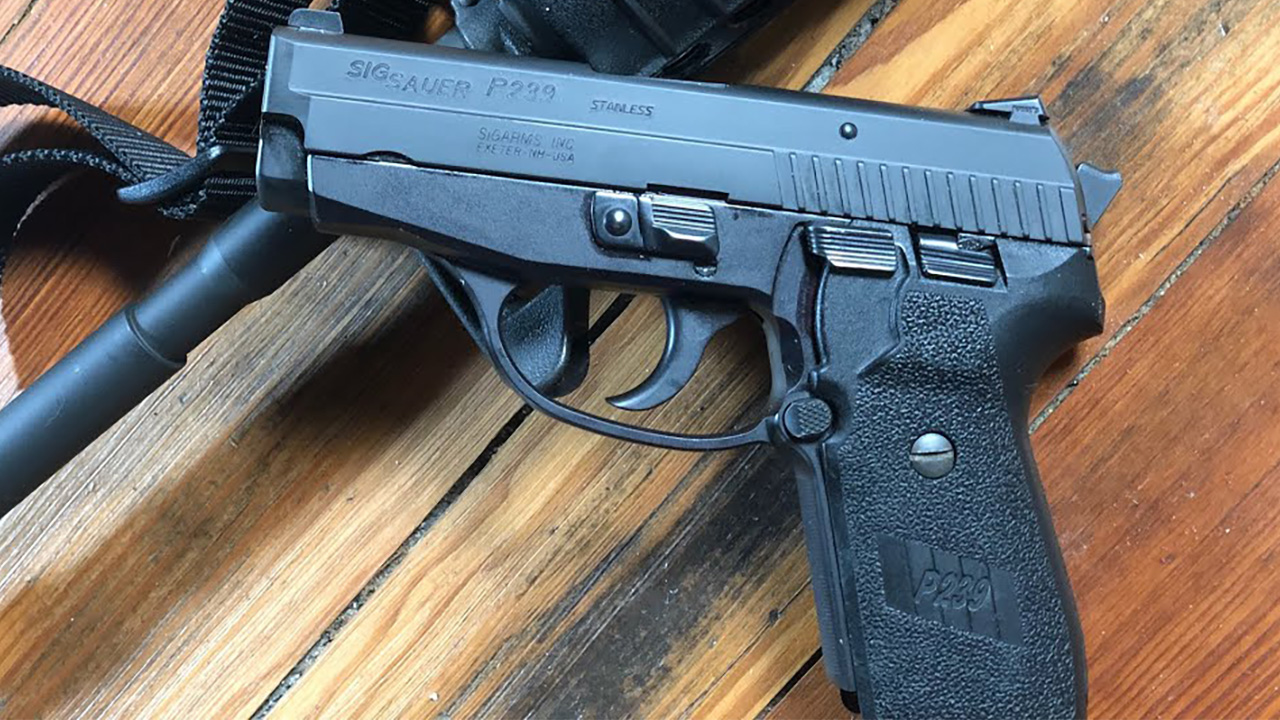
The P239 platform was eventually crushed by smaller pistols carrying considerably more ammunition. On a specification sheet, the old single-stack SIG has almost no way to win.
The range is different. Its slim metal frame fits the hand beautifully, and the pistol has enough weight to make recoil very manageable. The traditional SIG trigger system also gives it a mechanical refinement tiny modern carry guns often lack. A shooter may never choose one over a micro-compact for maximum capacity, but firing one makes the attraction of the older format immediately obvious.
Sphinx SDP Compact
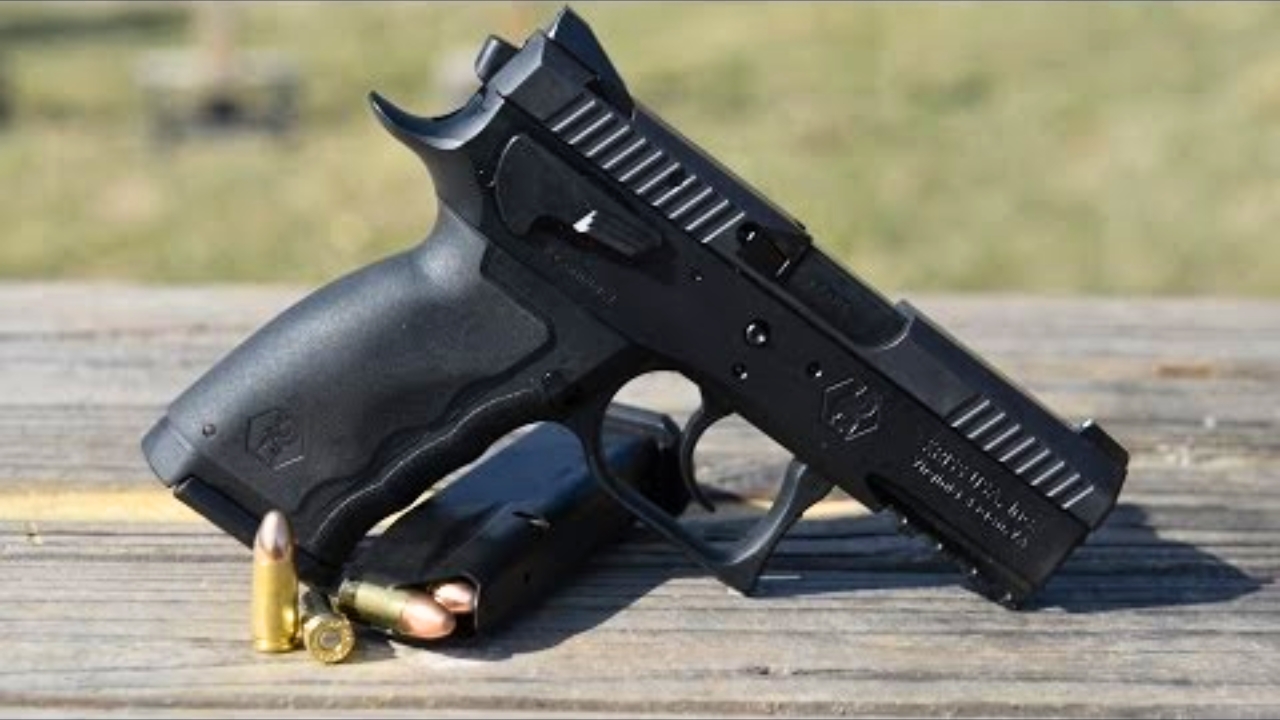
Sphinx never had enough American market presence to become a household handgun name, which left the SDP Compact overlooked despite impressive construction.
Pick one up and it feels much more expensive than the brand recognition suggests. The frame design, tight machining, and CZ-influenced ergonomics create a remarkably composed shooting experience. It has enough weight to stay settled without feeling enormous. Many shooters who encounter one for the first time quickly realize the obscurity of the name has almost nothing to do with the quality of the pistol.
Arsenal Strike One Speed
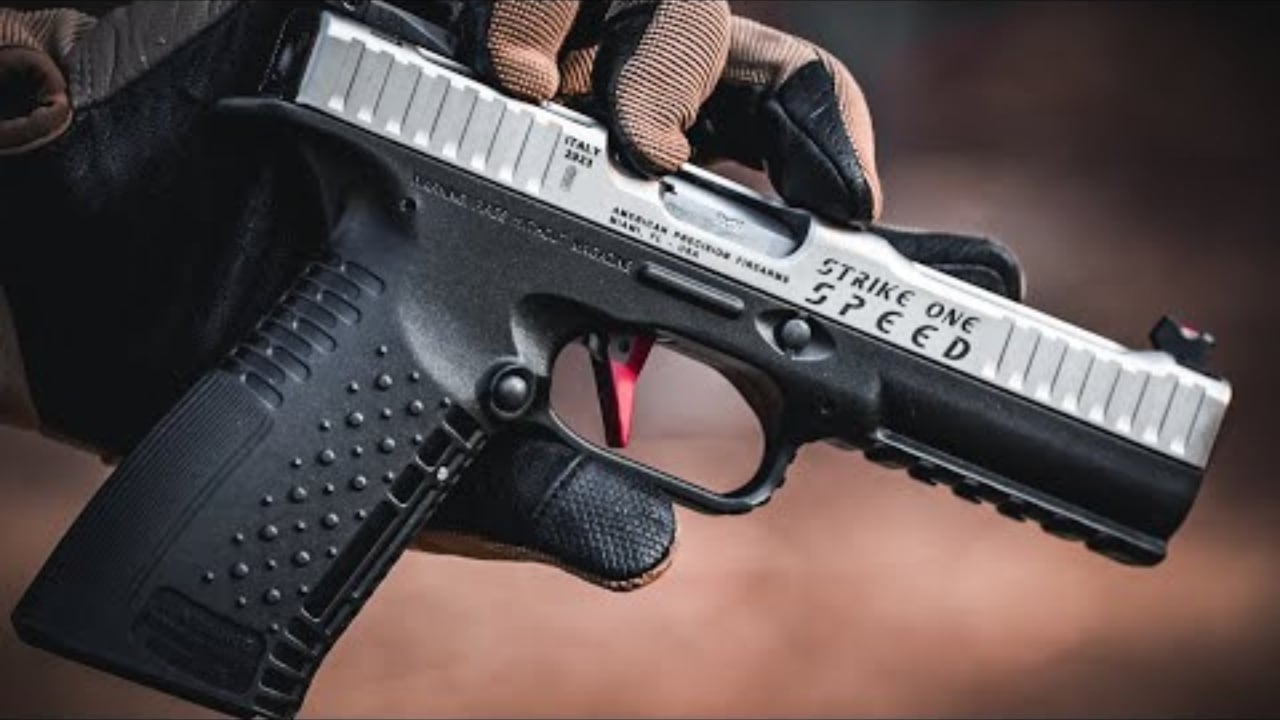
The Strike One family has always looked unusual because of its extremely low-sitting action and unconventional internal design.
The Speed version makes the purpose clearer. Its low bore relationship and competition-oriented configuration give the gun an exceptionally flat feel when shooting quickly. People accustomed to conventional striker pistols may initially find the shape strange, but the design becomes easier to appreciate once the sights barely seem to move. It is the sort of pistol that needs live ammunition to explain itself.
Lionheart Regulus
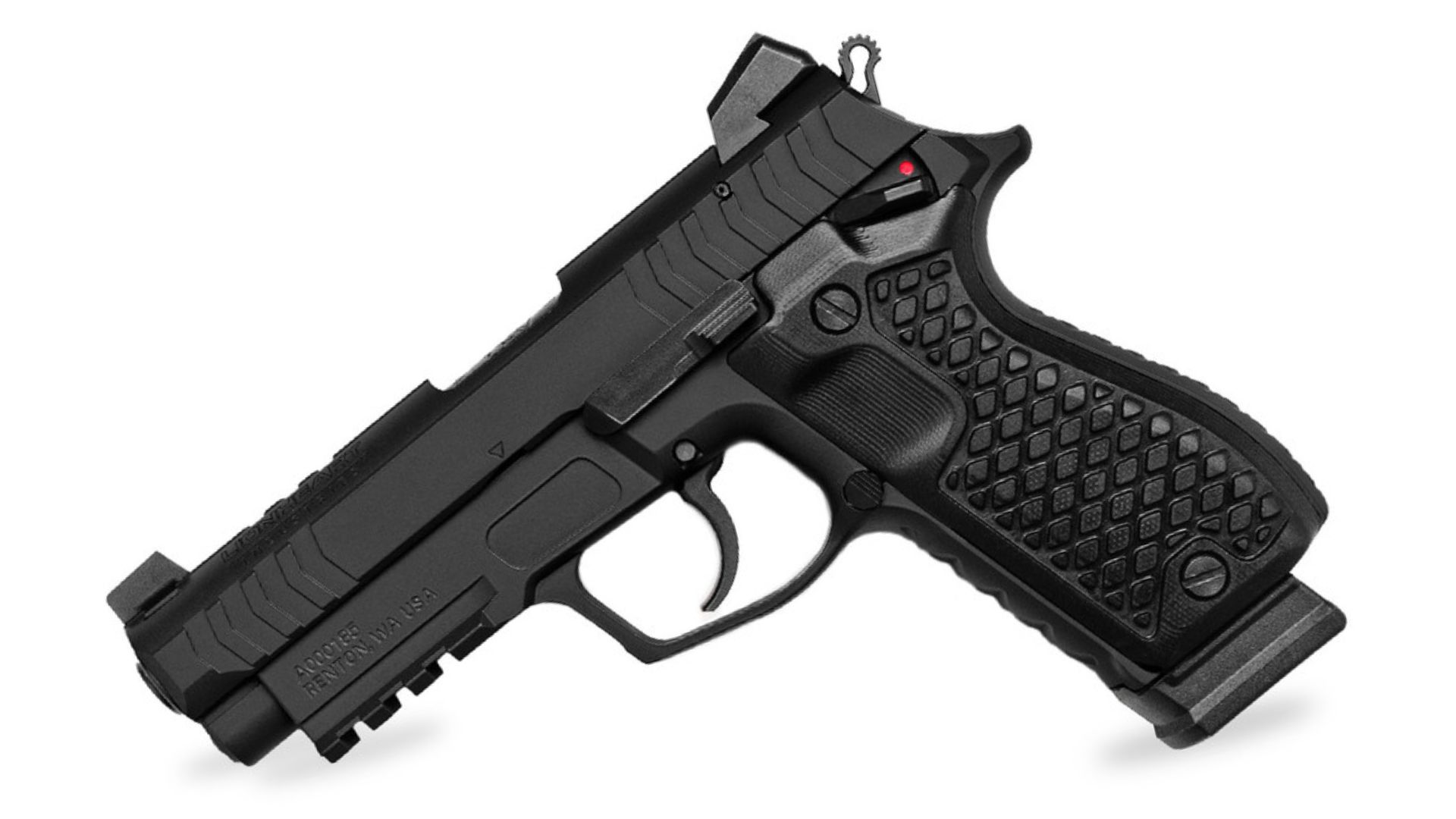
Lionheart pistols have never enjoyed the distribution or name recognition necessary to become mainstream choices.
The Regulus nevertheless offers a shooting experience that immediately feels different from another polymer striker gun. Its metal construction and hammer-fired operating system give it a substantial feel, while the trigger system rewards shooters who spend some time learning it. The gun has an almost boutique character without being one of the names everyone at the range recognizes. That makes the first magazine particularly surprising.
Bersa TPR9 XT
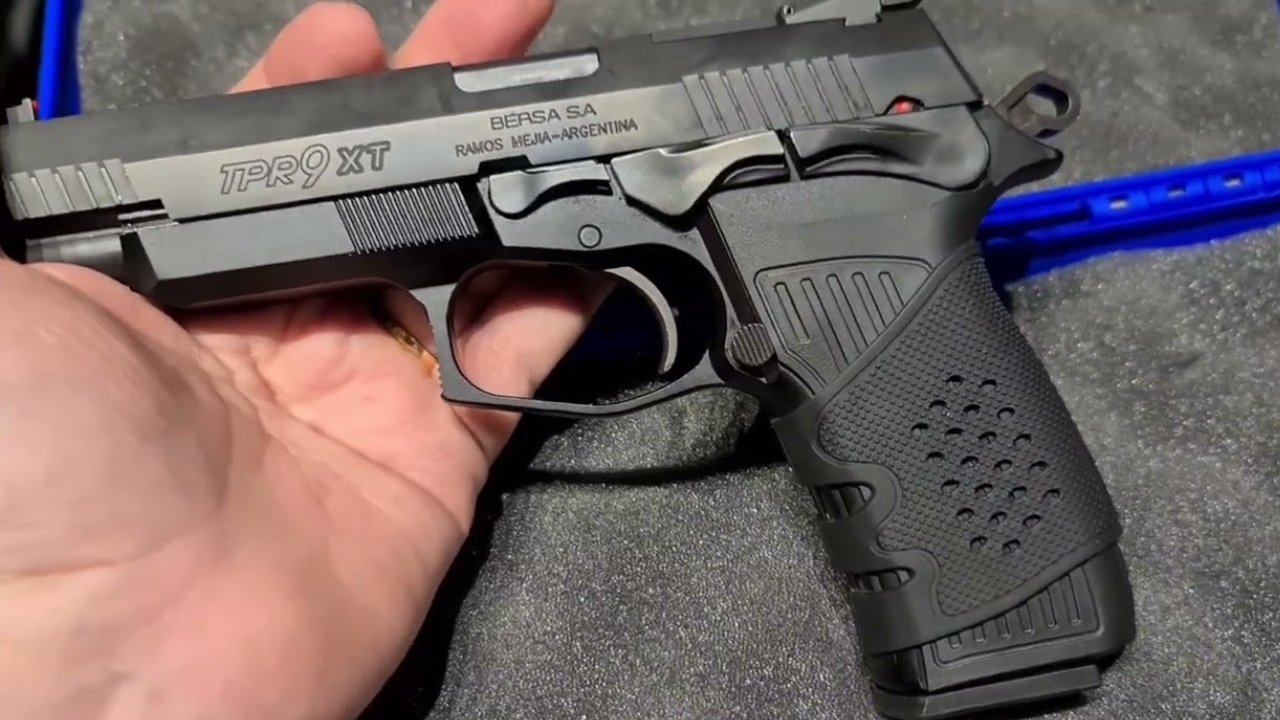
The ordinary Bersa name still makes many shooters think about inexpensive compact .380s. The TPR9 XT is a completely different animal.
Its longer, competition-oriented configuration gives you more weight, a generous grip, and a pistol designed around being shot rather than carried discreetly. That makes it exceptionally manageable during rapid strings. The gun may lack the prestige of better-known competition pistols, but the target does not care. It is one of those guns that can change someone’s opinion of an entire brand.
Grand Power X-Calibur
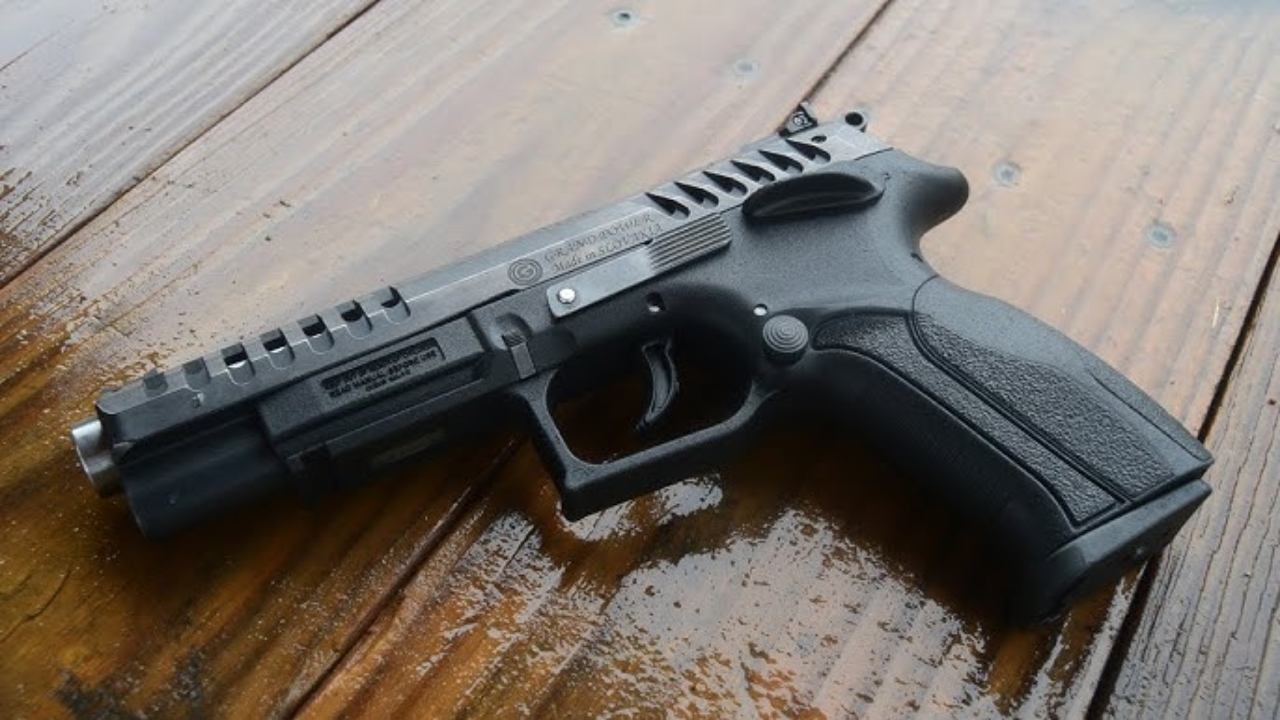
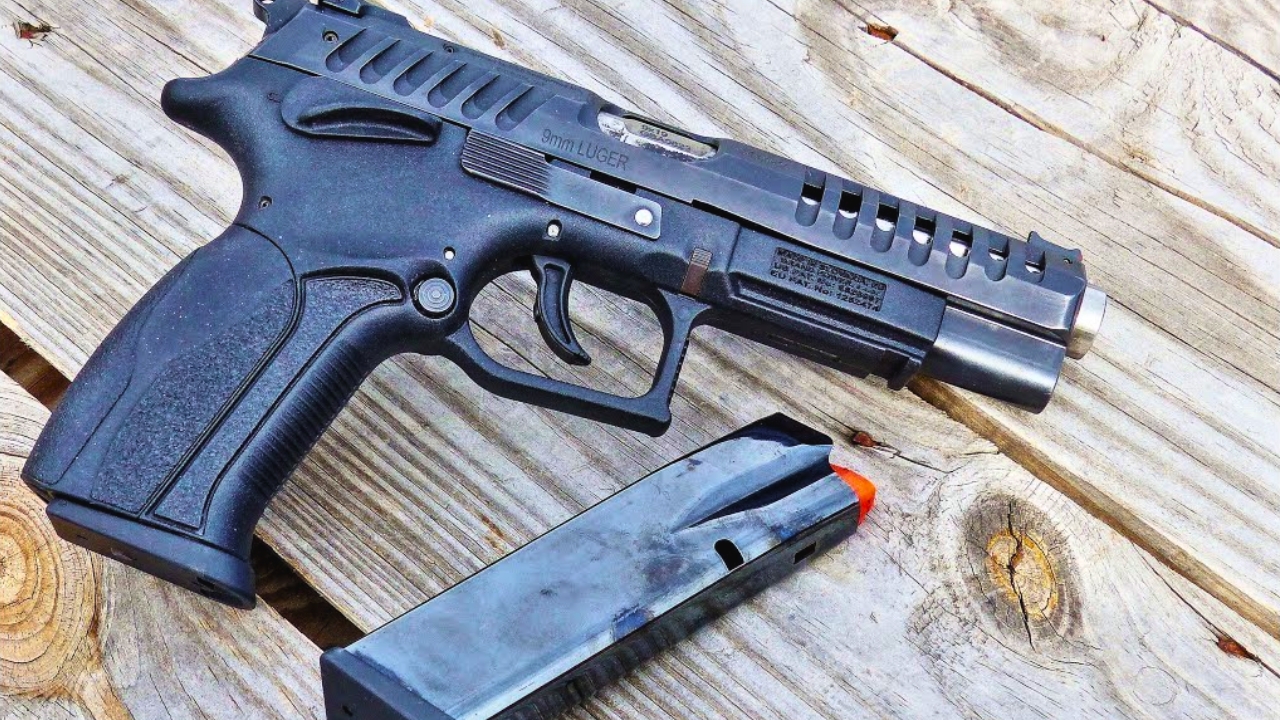
The X-Calibur looks aggressive enough to attract attention, but Grand Power’s relatively small American footprint means plenty of shooters never get beyond seeing one online.
Actually firing it explains why owners become enthusiastic. The rotating-barrel system helps produce a very controlled recoil impulse, while the large frame and competition-focused trigger make quick accurate shooting remarkably natural. There are much more famous pistols occupying the same general role, but the X-Calibur can make them feel ordinary once you spend some time with it.
Smith & Wesson Model 952-2
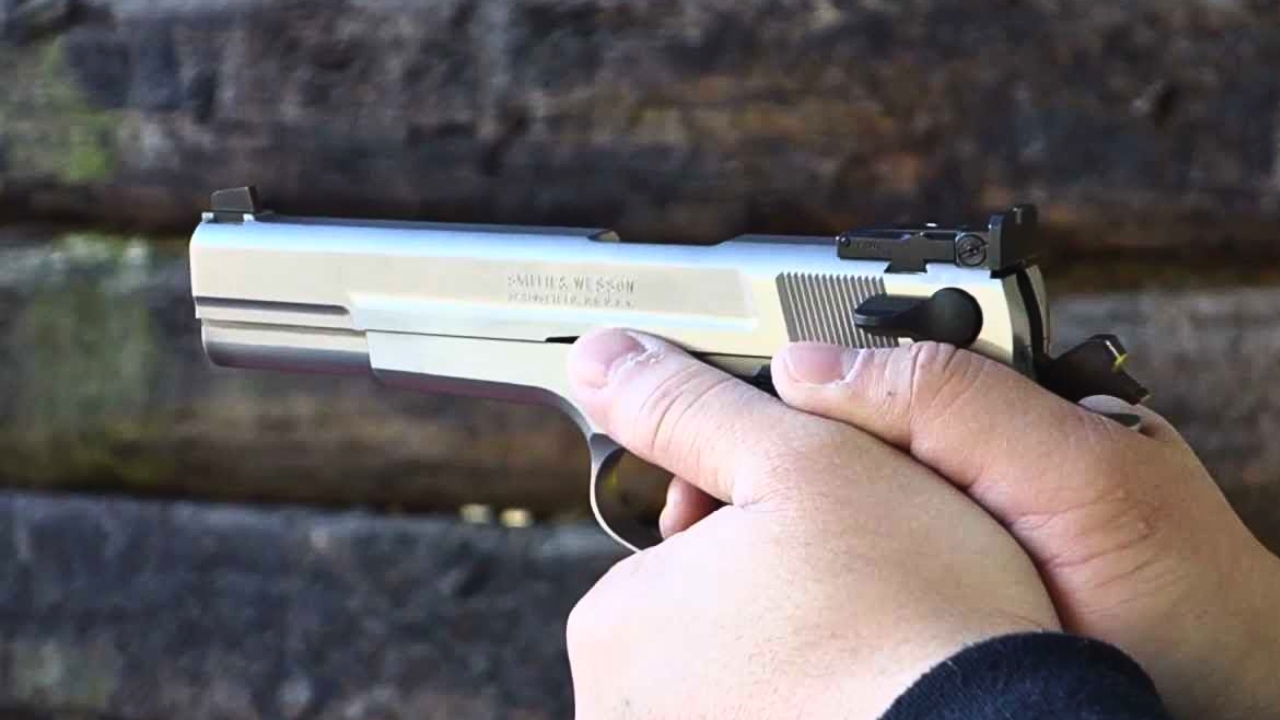
The 952-2 does not make sense to someone evaluating pistols solely by capacity, weight, or defensive features. It is a specialized single-stack 9mm built around precision.
That specialization is exactly what becomes obvious when you shoot one. The trigger and mechanical accuracy give it a level of refinement that an ordinary service pistol cannot easily replicate. It is not practical by modern defensive standards and does not need to be. The first good group usually explains why shooters who know these pistols take them seriously.
STI Trojan 9mm
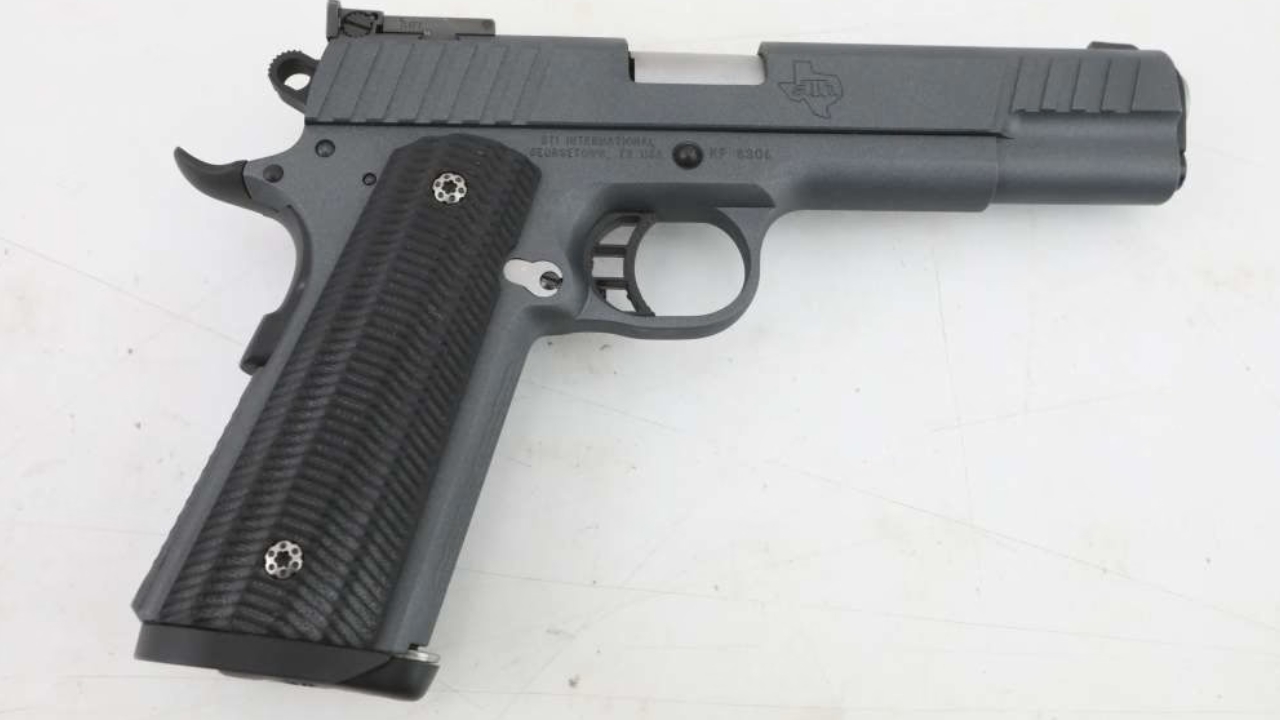
Before double-stack 2011-style pistols dominated conversations around STI, the company built excellent traditional single-stack guns such as the Trojan.
The 9mm version is particularly enjoyable because you combine a full-size steel 1911 with an extremely mild cartridge and a good single-action trigger. There is almost nothing fighting the shooter. It may look plain next to modern compensated double stacks, but once rounds start landing in the same ragged hole, the absence of flashy features stops mattering.
Walther PP Super
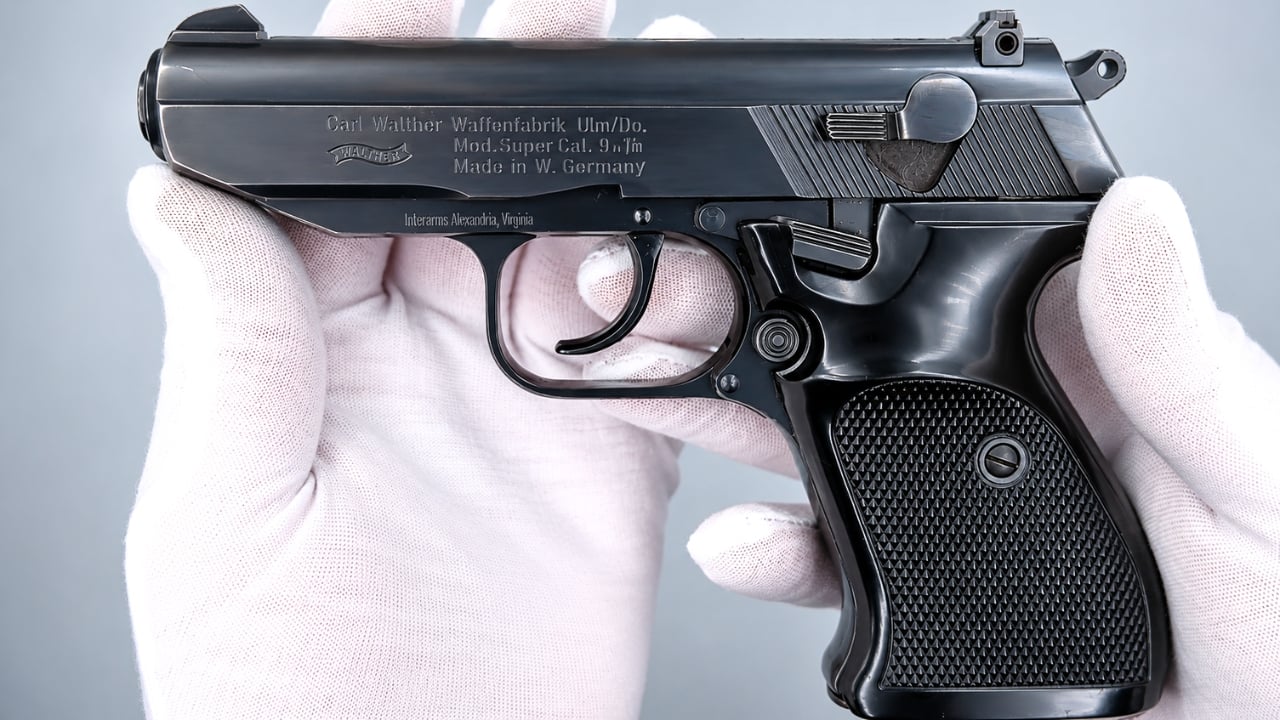
The PP Super is unusual enough that many shooters have never encountered one, and its original 9x18mm Ultra chambering did nothing to help widespread popularity.
The pistol itself is far more interesting than that obscurity suggests. Its fixed-barrel design, metal construction, and substantial dimensions create a soft, controlled shooting experience. It represents an era when Walther was experimenting with ways to modernize the police pistol without abandoning traditional metal construction. It may never be the practical choice today, but shooting one makes it much easier to understand why collectors and Walther fans remember it.
Like The Avid Outdoorsman’s content? Subscribe to our newsletter so you never miss an article.
Here’s more from us: