Photo credit: TGS Outdoors/YouTube
Some discontinued guns make perfect sense in hindsight. Sales were weak, the design had obvious problems, or something clearly better replaced it.
Others still leave you wondering what the manufacturer was thinking. These were guns that filled legitimate niches, offered designs that remain difficult to duplicate, or simply provided a combination of quality and usefulness that the current market has not replaced particularly well. If manufacturers announced tomorrow that these 20 were coming back essentially as they were, I suspect plenty of shooters would be ready to buy.
Ruger 10/22 Magnum
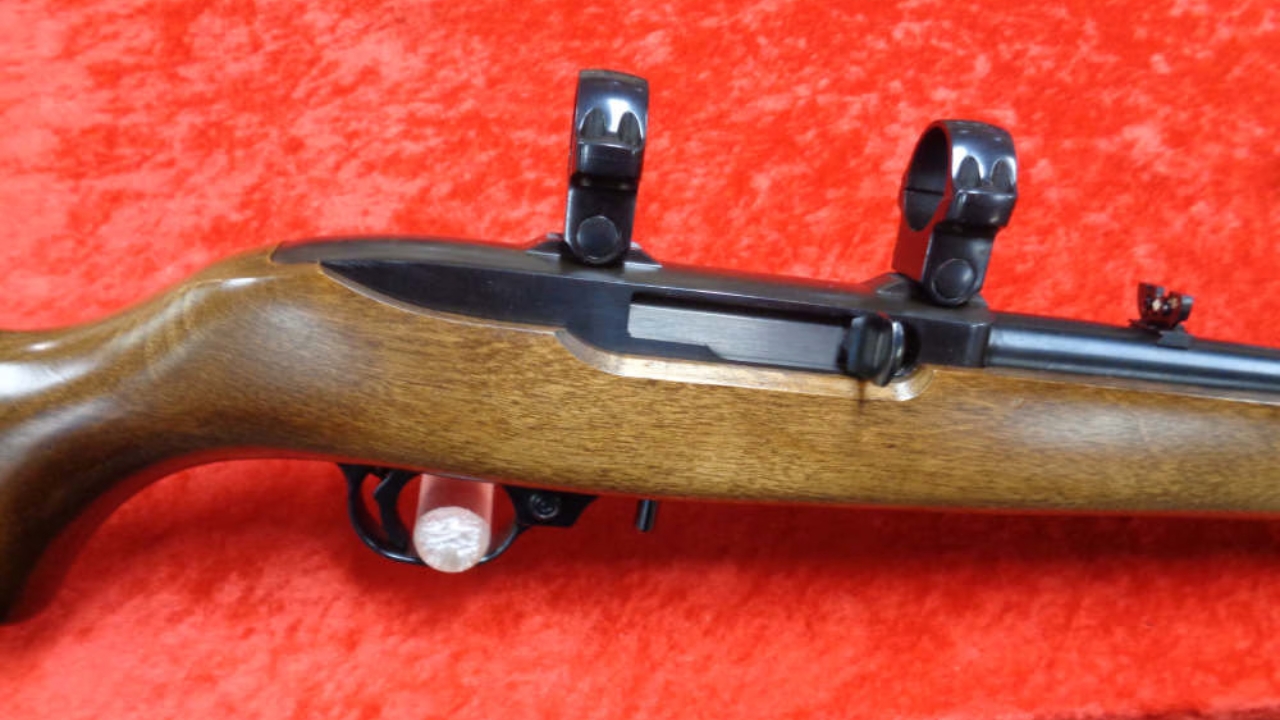
The standard 10/22 became one of America’s most successful rimfire rifles, which makes Ruger’s decision to abandon the .22 Magnum version particularly painful.
The 10/22 Magnum gave shooters the familiar rotary-magazine concept and semiautomatic handling of the classic Ruger while stepping into a considerably more capable rimfire cartridge. It was useful for varmints, property work, and shooters who simply wanted more reach than .22 LR provided. Today, semiautomatic .22 Magnum rifles exist, but the combination of traditional 10/22 styling, Ruger familiarity, and magnum-rimfire capability still feels like a product that should be sitting in the catalog.
Ruger No. 3
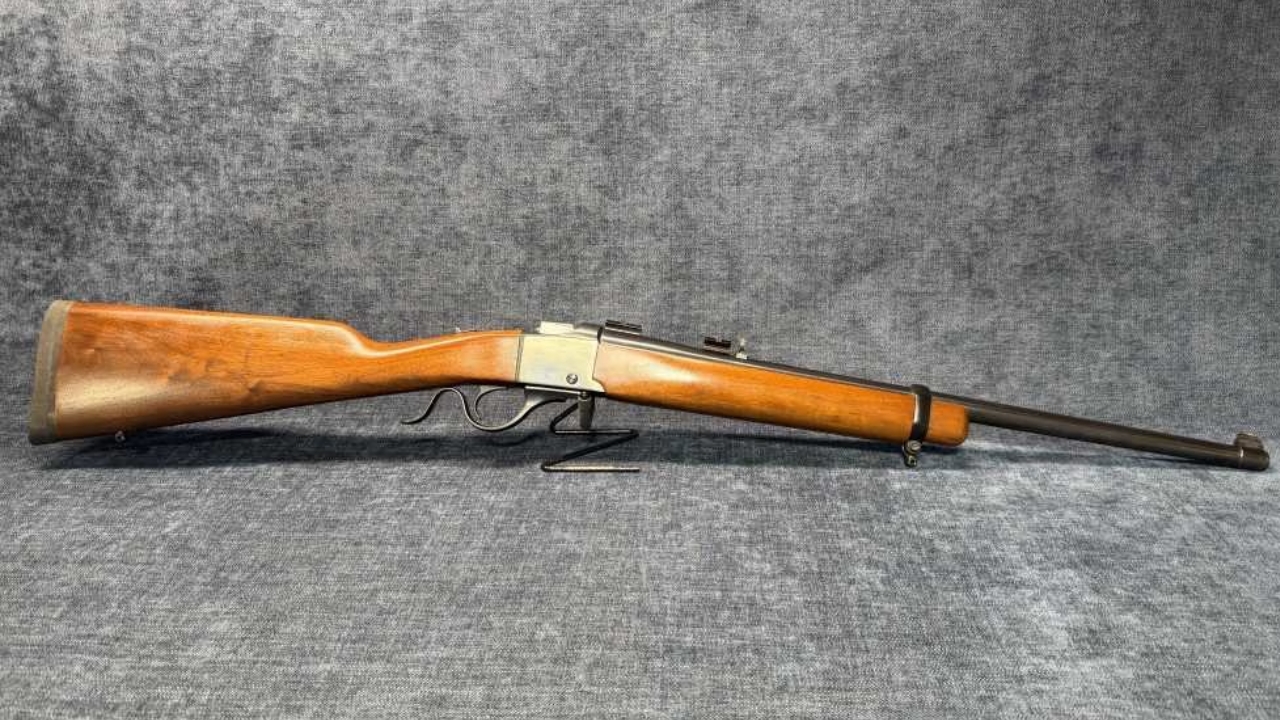
The No. 3 was the practical, less elaborate relative of Ruger’s No. 1 falling-block rifle. It offered the same general single-shot concept without all the premium embellishment.
That is exactly why it deserves another chance. A strong, compact single-shot rifle with relatively straightforward furniture could fill a useful space between inexpensive break-actions and expensive traditional falling blocks. Modern shooters have rediscovered short rifles and unusual chamberings, making the basic No. 3 concept arguably more appealing today than it was when Ruger discontinued it.
Remington Model 673 Guide Rifle
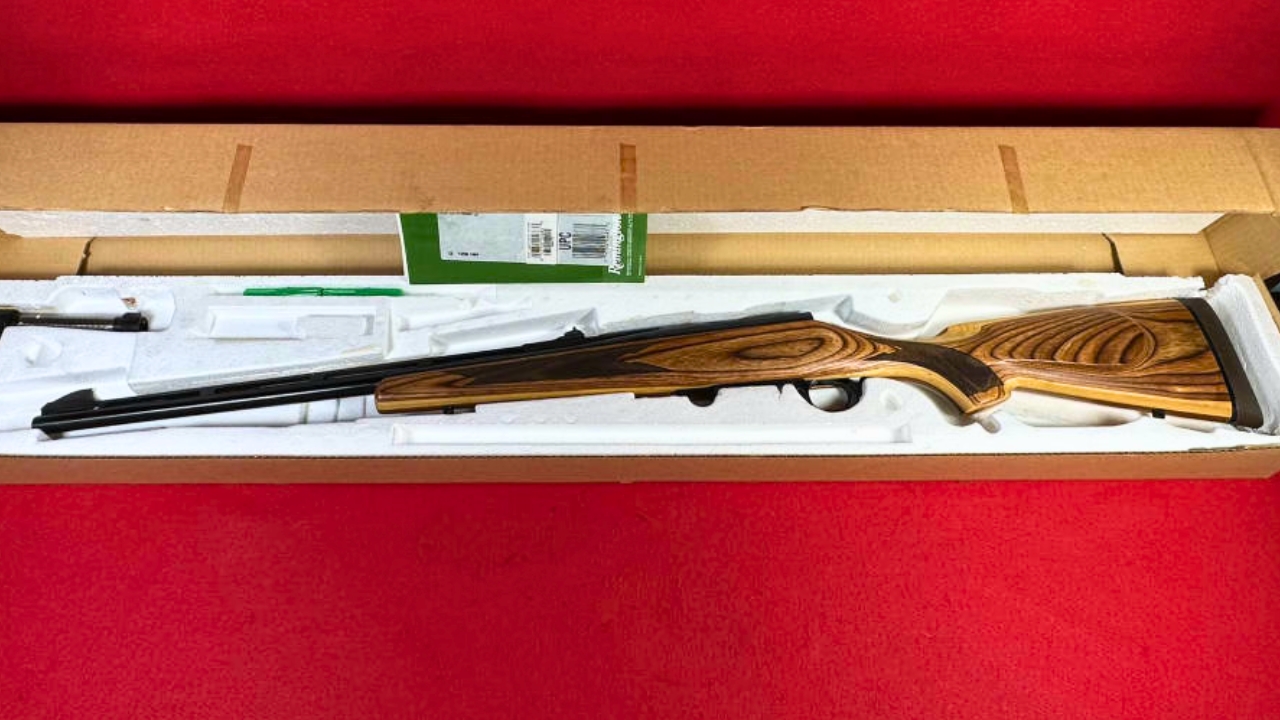
The 673 Guide Rifle was short, distinctive, and built around exactly the sort of woods-hunting role that has become fashionable again.
Its laminated stock, short barrel, ventilated rib, and powerful chamberings gave it a personality few current bolt guns possess. It looked unconventional, but it was also genuinely useful for hunters operating in thick cover where a long precision-style rifle is more burden than advantage. With today’s renewed interest in compact hunting rifles, the 673 feels less like an outdated experiment and more like a gun discontinued before its moment arrived.
Sako Finnwolf
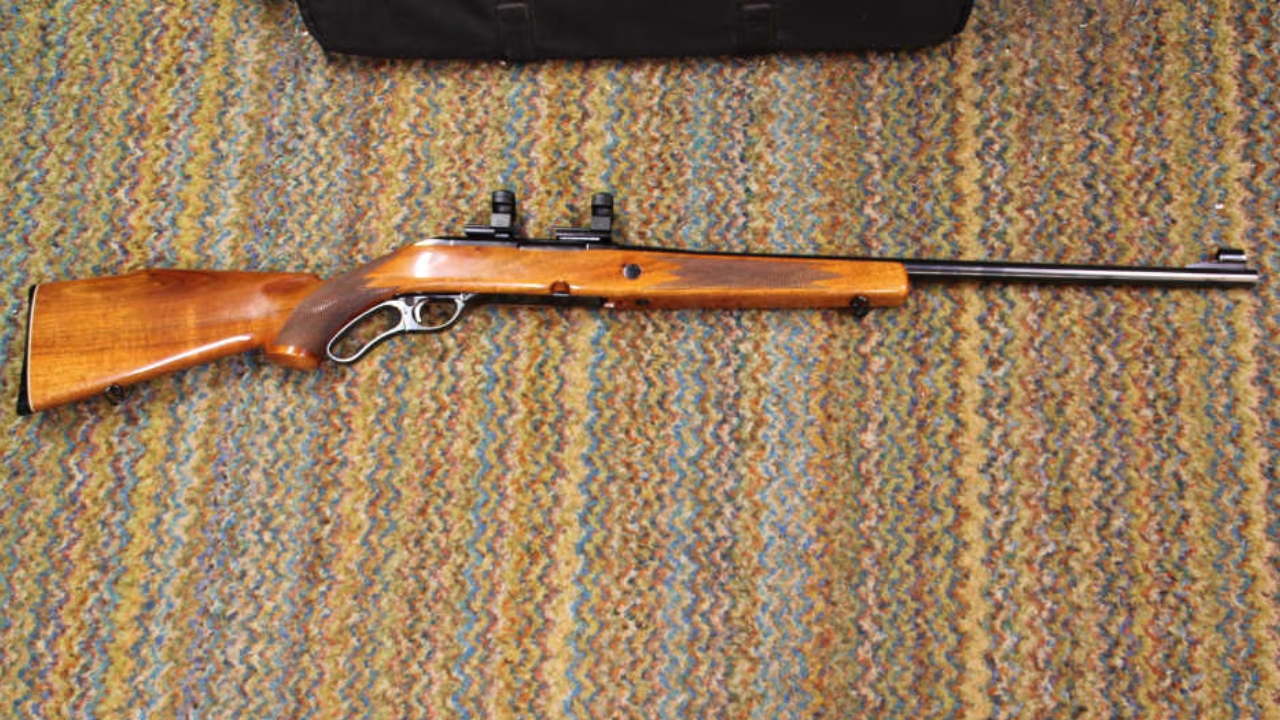
A lever-action rifle built with Sako levels of refinement sounds like something that should sell itself today.
The Finnwolf used a detachable box magazine, allowing it to use pointed centerfire ammunition without the limitations associated with traditional tubular-magazine lever guns. It also had a slick action and the kind of workmanship that made older Sakos special. Modern lever guns are experiencing another surge in popularity, yet a refined lever-action hunting rifle in cartridges like .308 Winchester remains surprisingly unusual. Bringing the Finnwolf concept back would make far more sense now than abandoning it did decades ago.
Winchester Model 9410
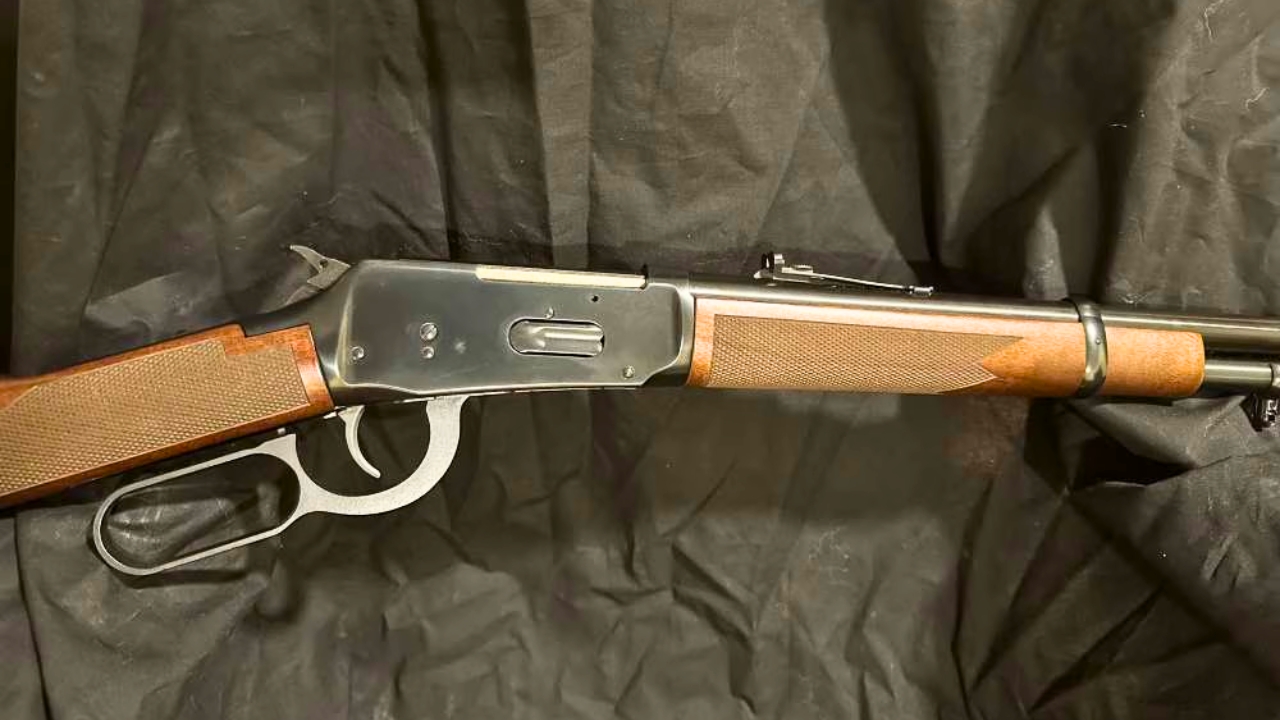
A lever-action .410 shotgun sounds strange until you spend a few minutes imagining what you could do with one.
The 9410 combined the familiar Model 94-style lever operation with a light shotgun cartridge that made it useful for small game, pests, and pure recreational shooting. It was never going to replace a conventional field shotgun, but it did not have to. Firearms this entertaining tend to develop loyal owners precisely because nothing else does the same thing. With lever guns hotter than they have been in years, the absence of a mainstream 9410-style shotgun feels like a missed opportunity.
Marlin Model 922M
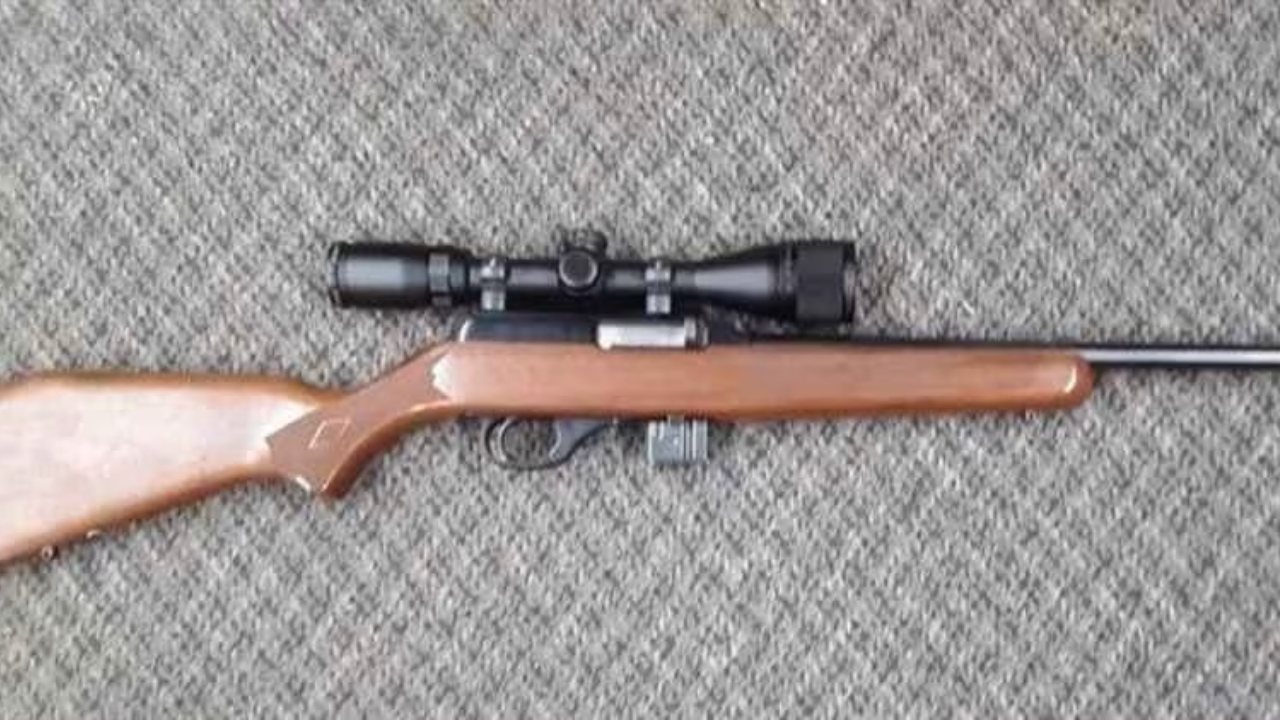
The 922M was a semiautomatic .22 Magnum that looked and handled more like a traditional sporting rifle than many current rimfire magnums.
That alone makes its disappearance unfortunate. A wood-stocked semiautomatic .22 WMR makes tremendous sense for farm and varmint use without forcing the owner into a tactical-looking platform. The magnum rimfire market has never been enormous, but it remains large enough that shooters regularly search for reliable semiautomatic options. A modernized 922M could fill that role nicely.
Browning Double Automatic
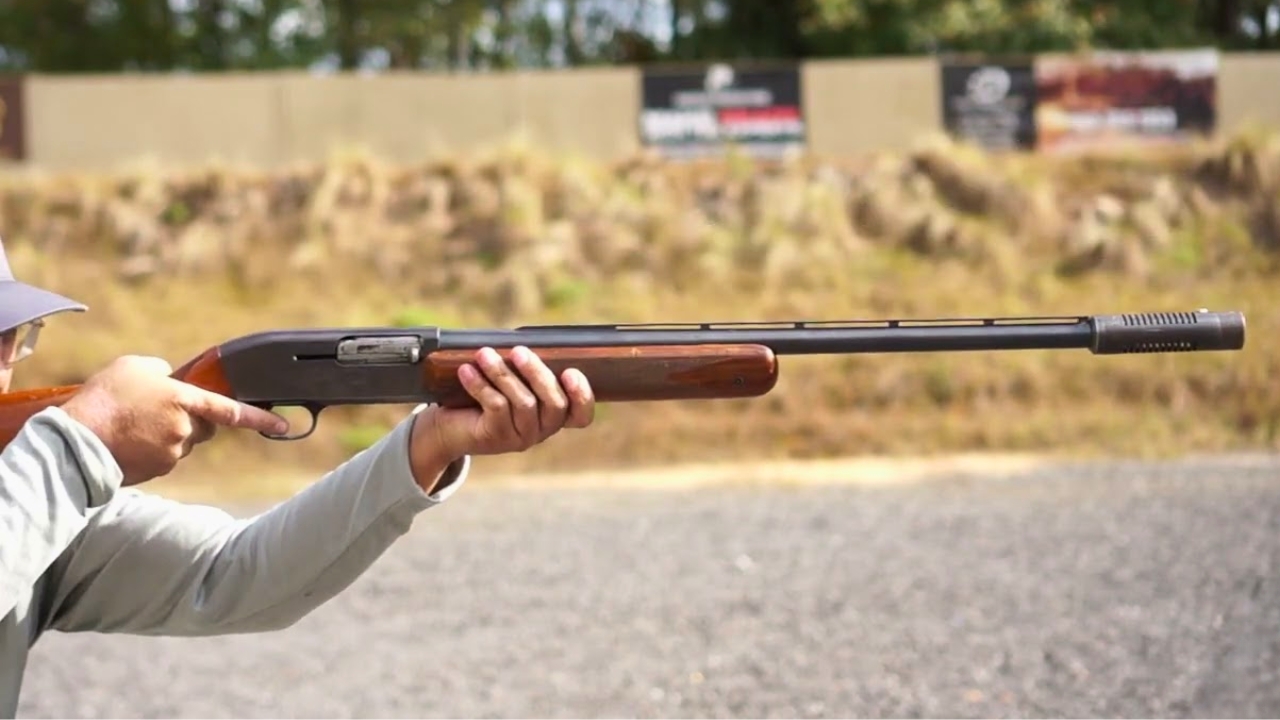
The Double Automatic is one of the most interesting sporting-shotgun designs Browning ever sold. Its two-shot capacity may look limiting today, but the gun was extremely light, fast handling, and mechanically distinctive.
Not every shotgun needs to hold five shells. For upland hunting and recreational use, the Double Auto’s balance and quick second shot were the entire point. Modern shotgun catalogs have become increasingly standardized around similar semiautomatic actions. Bringing back something genuinely different would give shooters a reason to get excited beyond another camouflage pattern or minor stock revision.
Winchester Model 50
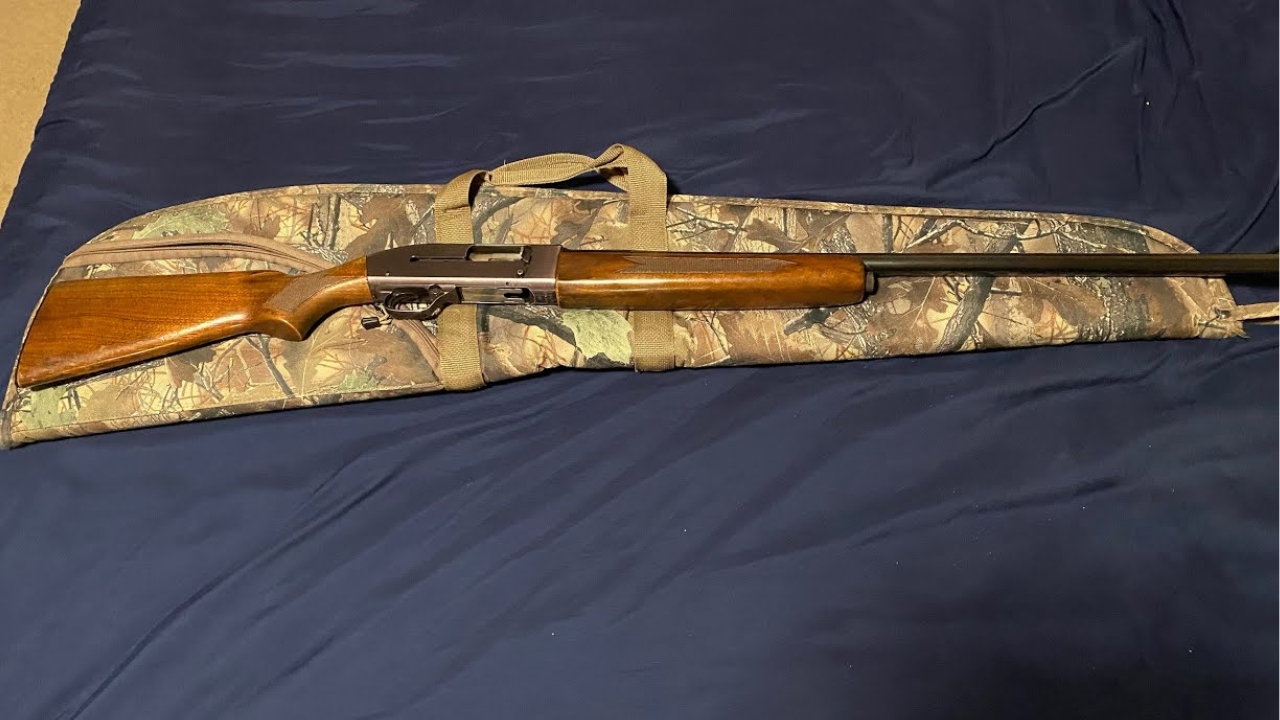
The Model 50 was an unusual semiautomatic shotgun whose operating system separated it from the more familiar designs that eventually dominated the market.
Its floating-chamber concept gave it a distinctive recoil impulse, while the traditional walnut-and-steel construction made it feel like a classic sporting shotgun. It would probably require modernization to make economic sense today, but the basic idea of a soft-shooting traditional autoloader still has plenty of merit. The Model 50 disappeared into Winchester history when it could have evolved into something even better.
Winchester Model 59
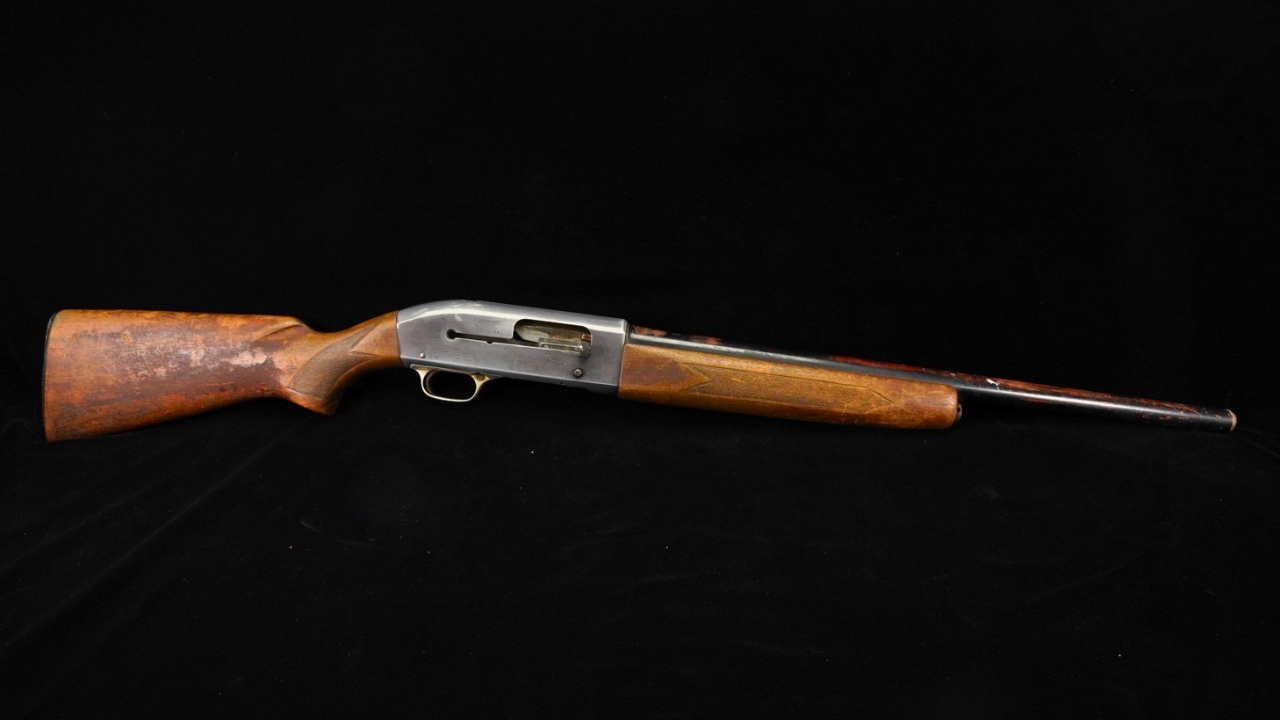
The Model 59 pushed lightweight shotgun construction remarkably hard for its era, including the use of a fiberglass-wrapped barrel.
That technology seems far less strange now that modern firearms routinely use carbon fiber and other lightweight composites. The Model 59’s execution belonged to another era, but the underlying objective was absolutely right: build a field shotgun that hunters barely notice carrying. A modern interpretation using today’s materials could be exceptionally interesting.
Remington Sportsman 58

The Sportsman 58 sits in the forgotten space between Remington’s earlier autoloaders and the massively successful 1100.
The gas-operated concept was important because it helped establish the direction Remington would eventually take with semiautomatic shotguns. A modern Sportsman-style gun positioned as a straightforward American-made gas autoloader could make plenty of sense. The market has room for a dependable field shotgun without turning every model into either a bargain-basement gun or an expensive premium platform.
Ithaca Mag-10
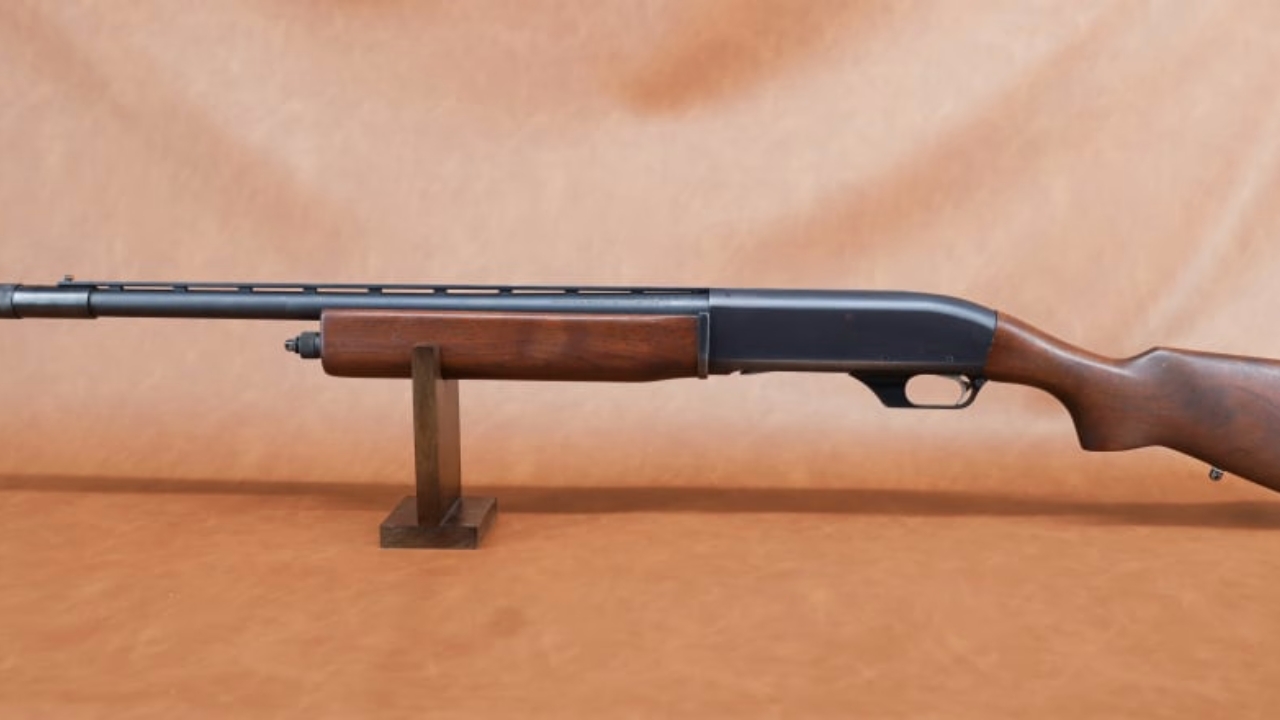
The Mag-10 was unapologetically specialized. It was a huge semiautomatic shotgun designed around the 10-gauge magnum cartridge.
That market shrank dramatically once 12-gauge 3½-inch loads became common, but there is still something appealing about a purpose-built 10 gauge. Waterfowl hunters who enjoy specialized equipment have few options today, and a semiautomatic 10 gauge is especially unusual. Nobody needs one, but firearms have never survived entirely because of need. The Mag-10 offered capability and character that another 12 gauge does not really replace.
Marlin Model 90
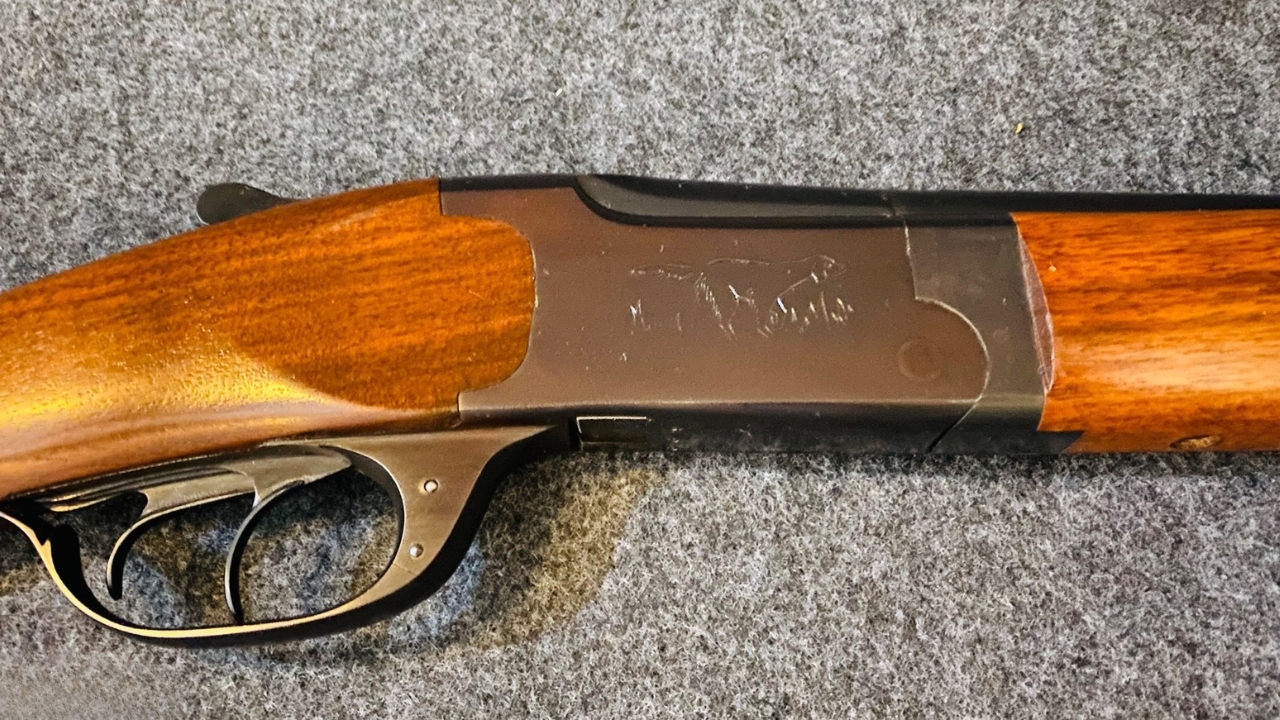
The Model 90 was an American over-under that offered a straightforward double-gun layout without moving into the premium European price category.
That concept feels increasingly relevant. Quality over-unders have become expensive, while inexpensive imports dominate the lower end. A domestically produced, workmanlike over-under built primarily for hunting rather than engraving and prestige would have obvious appeal. Marlin’s Model 90 proved the basic idea once. It would be interesting to see what a modern manufacturer could do with it now.
Star PD
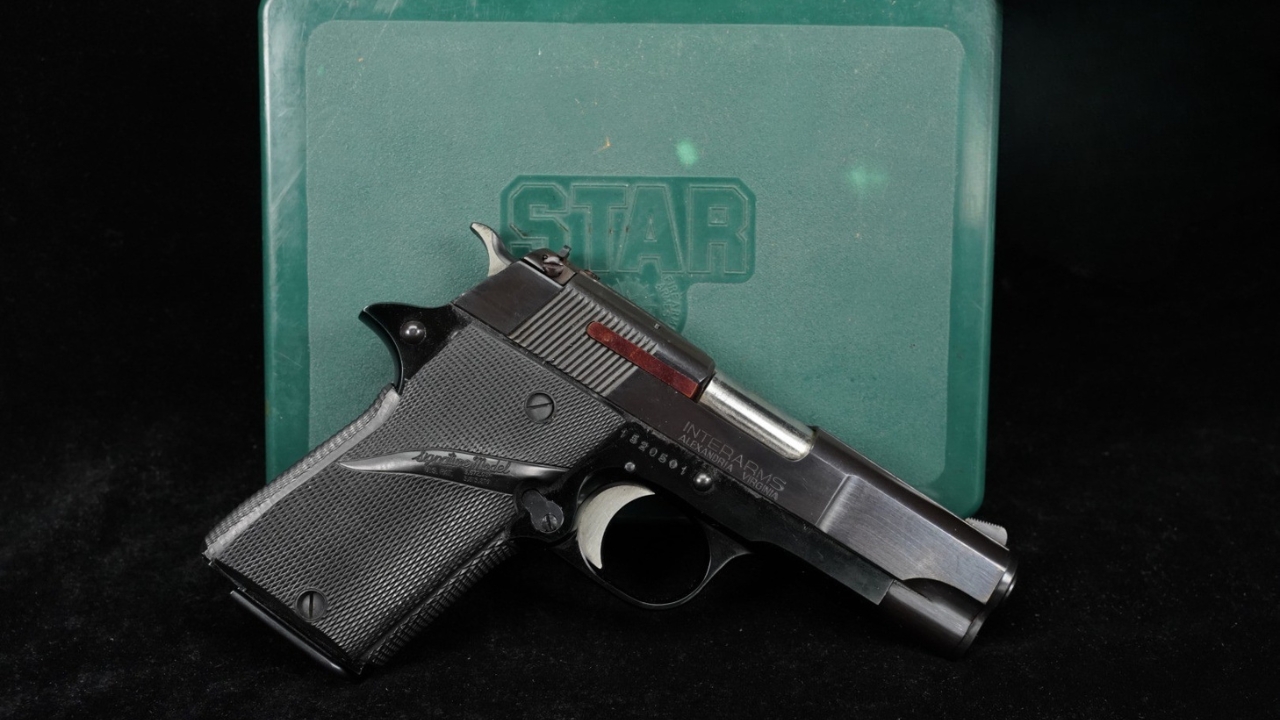
The Star PD was remarkably forward-thinking: a lightweight, compact .45 ACP single-action pistol long before compact defensive .45s became commonplace.
It had limitations, including parts that required sensible maintenance, but the overall concept was excellent. The gun gave shooters 1911-like controls in a significantly more carry-friendly package. A modern version with updated metallurgy and improved durability could be extremely appealing. Instead, the PD disappeared along with Star, leaving behind a design that deserved further development.
Smith & Wesson Model 745
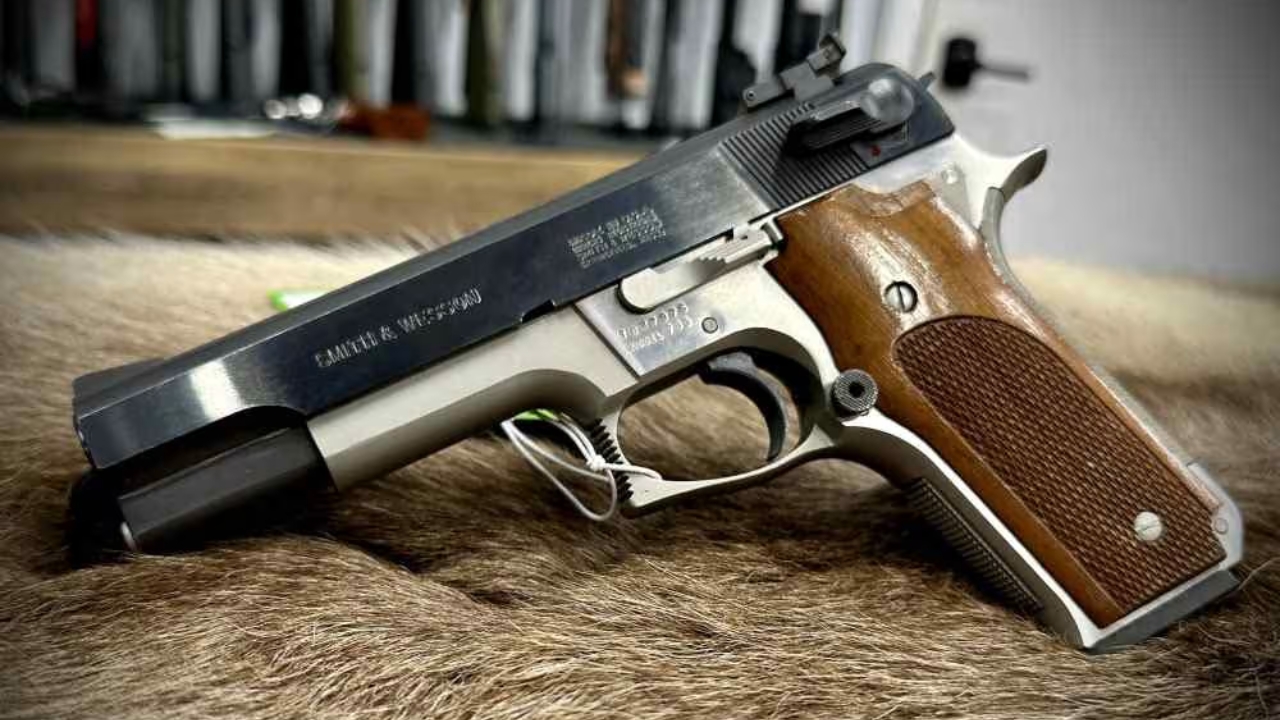
The Model 745 was a single-action competition-oriented variation of Smith & Wesson’s metal-framed semiautomatic family.
That alone makes it something the company should revisit. Smith & Wesson builds excellent modern polymer pistols, but there is room for a full-size metal single-action 9mm or .45 that is not simply another 1911. The 745 had real personality and a mechanical identity distinctly different from most current pistols. Letting the entire concept disappear left a gap in the lineup that still exists.
Colt Pocket Nine
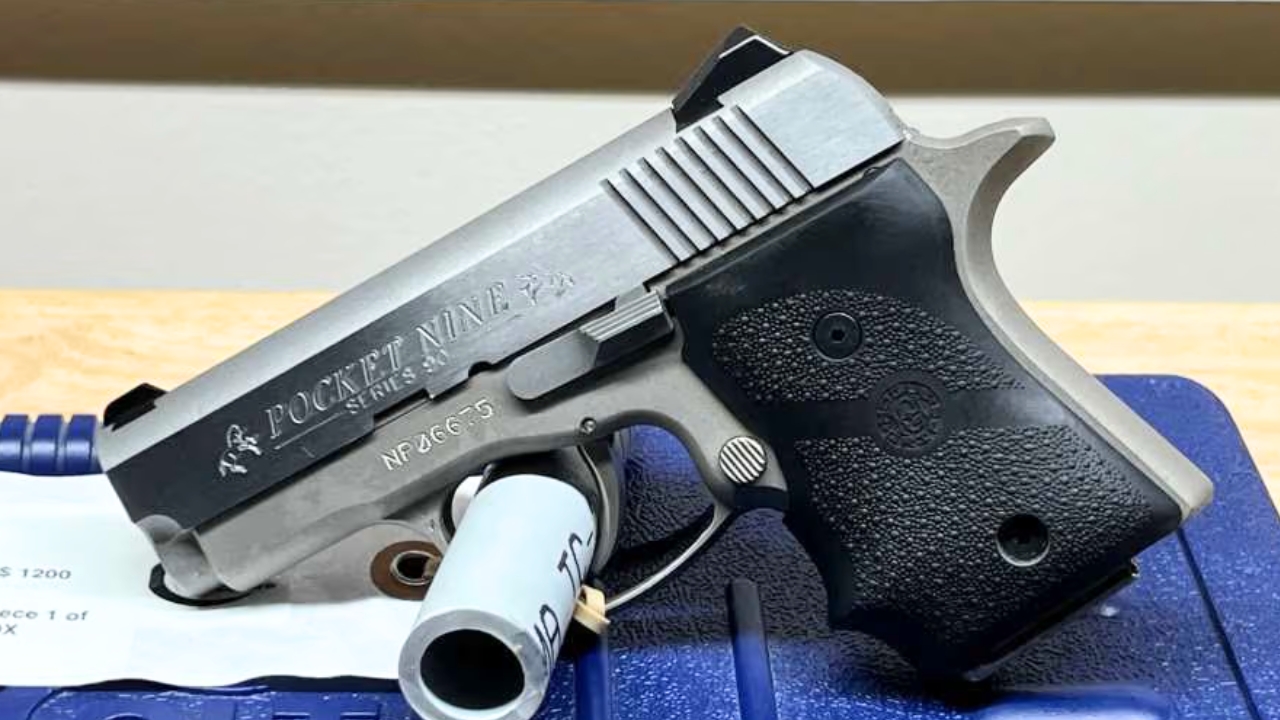
The Pocket Nine appeared before the modern micro-9mm revolution proved just how much demand existed for genuinely small 9mm carry pistols.
Its execution had room for improvement, but the timing was almost prophetic. Colt had a compact 9mm concept years before nearly every major manufacturer began fighting over that exact market. Instead of developing it through additional generations, the company abandoned it. A properly modernized Colt pocket 9mm could have become one of the brand’s defining carry pistols.
Beretta 8000 Cougar Inox
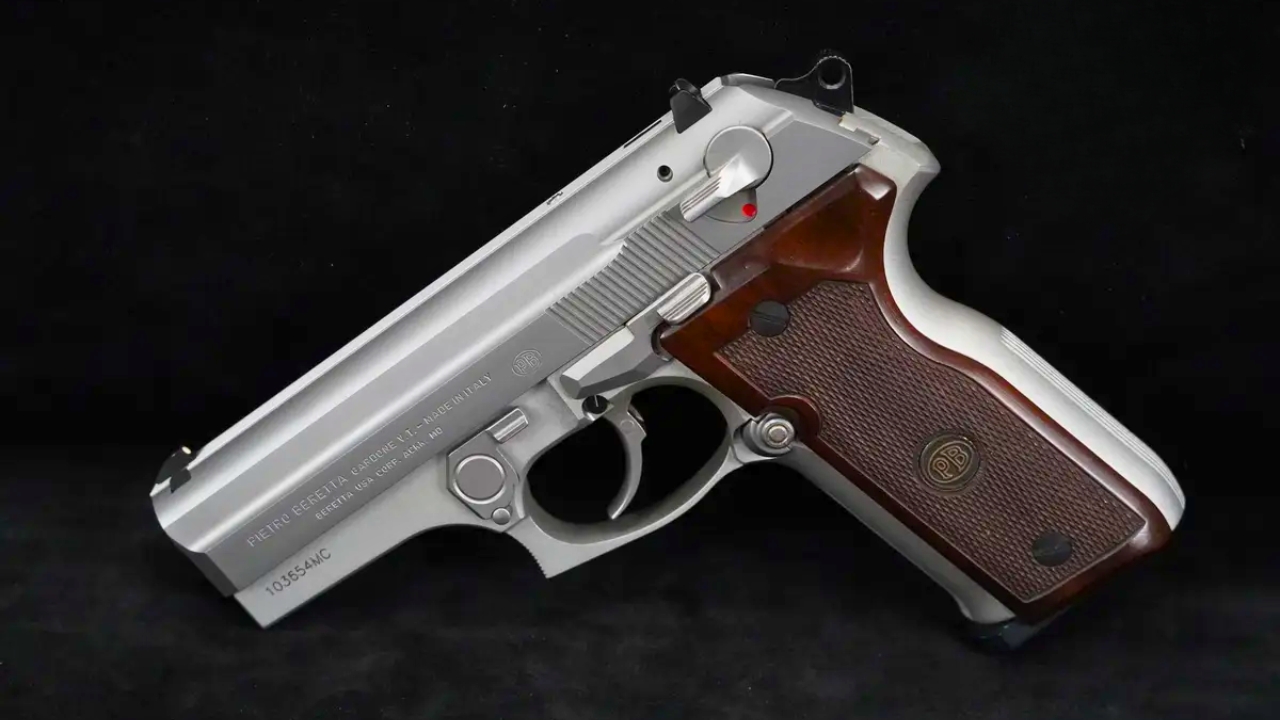
The Cougar’s rotating-barrel action gave Beretta a compact metal-framed platform that felt distinctly different from the larger 92 series.
The stainless Inox versions were especially attractive because they combined that unusual operating system with the sort of finish people associate with classic Beretta pistols. The PX4 continued the rotating-barrel concept, but it did so in a polymer-framed gun with a completely different personality. There is still room for a compact metal DA/SA Beretta that is neither a tiny pocket pistol nor another full-size 92.
SIG Sauer P225

The original P225 offered something today’s SIG catalog largely lacks: a thin, compact, metal-framed DA/SA pistol with classic SIG proportions.
Yes, capacity is low compared with modern micro-compacts. That is not the entire measure of a handgun. The narrow grip makes the P225 exceptionally comfortable for many shooters, and the pistol retains the balance and trigger system that made classic SIGs desirable. A modernized version that retained the original character instead of chasing maximum capacity would still have a market.
Walther P99c
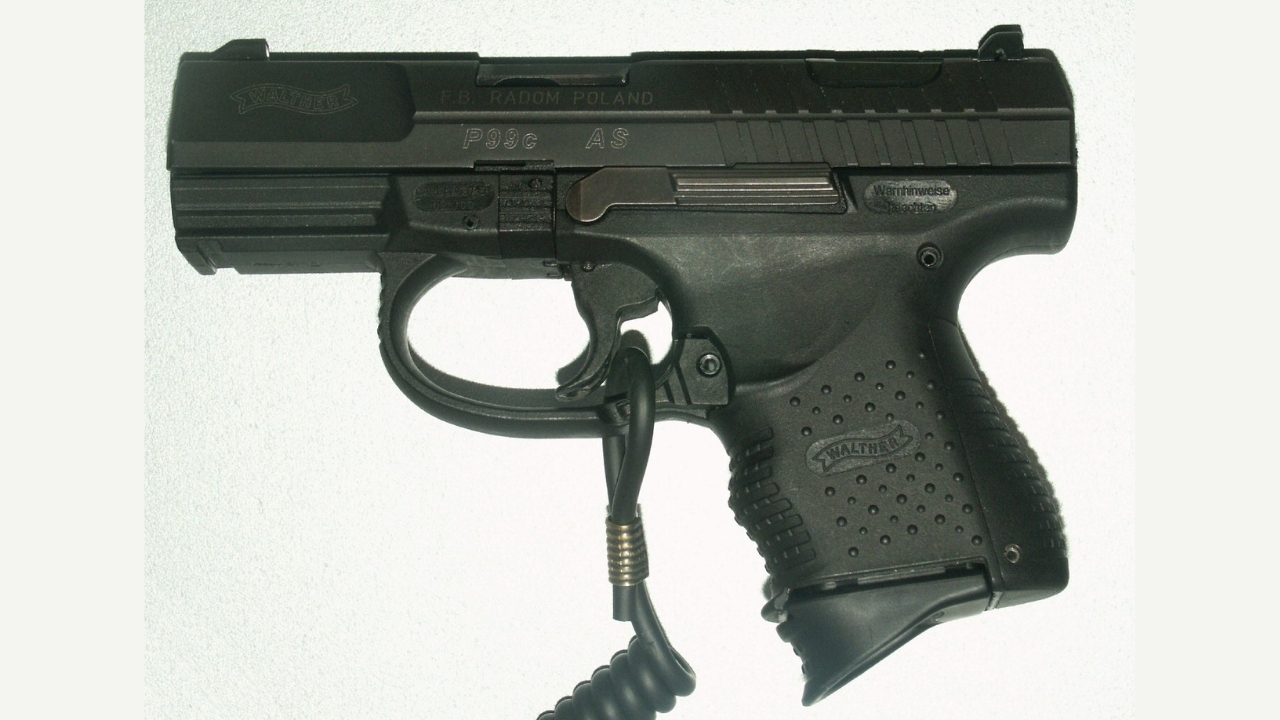
The compact P99 was one of the more interesting concealed-carry pistols of the pre-micro-compact era.
Its ergonomics were excellent, and the P99 trigger system offered something genuinely different from the uniform striker triggers that dominate today’s market. Walther eventually simplified its lineup around newer platforms, but that also eliminated one of the few striker pistols with a truly distinctive operating system. A modern P99c with current capacity and optics compatibility would immediately stand out in a market full of mechanically similar competitors.
Browning BDM
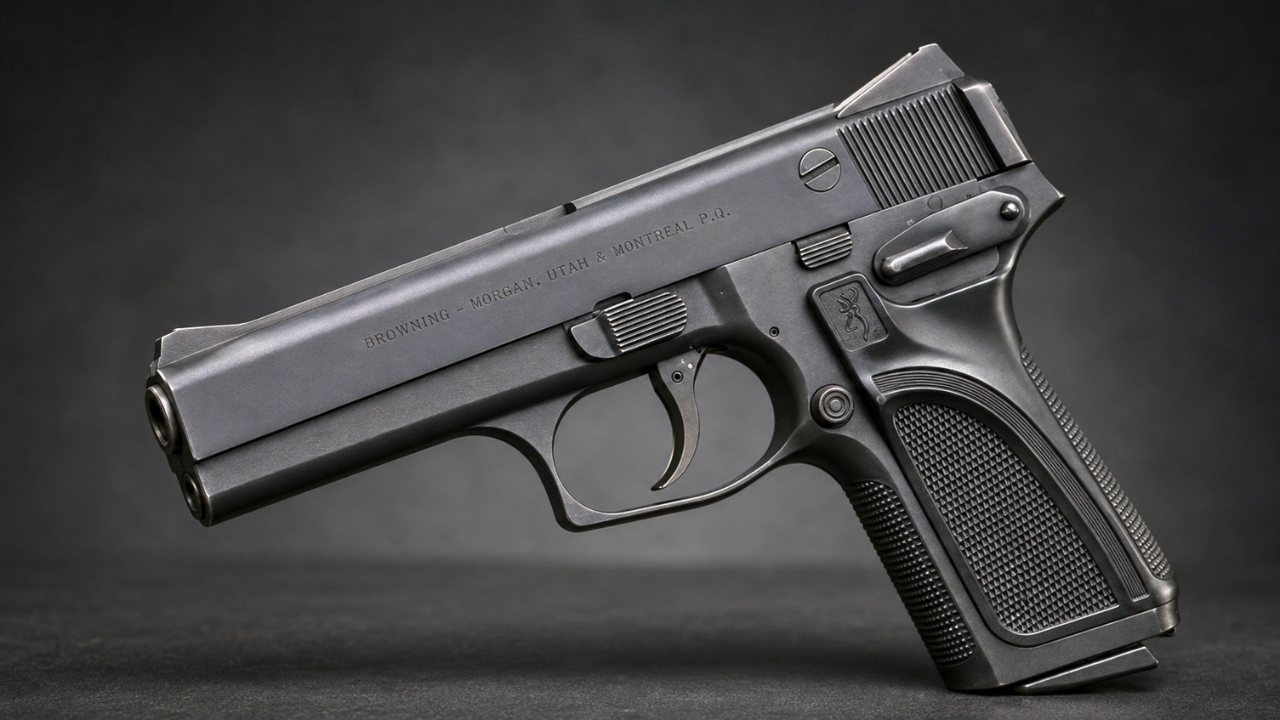
The BDM was unusually thin for a full-size double-stack 9mm and had one of the strangest control systems Browning ever put on a pistol.
That oddness probably hurt it commercially, but the underlying dimensions were impressive. Modern shooters constantly chase thinner pistols that still hold useful amounts of ammunition, which was exactly the direction the BDM explored decades earlier. A redesigned version with simplified controls and modern sights could have turned an overlooked experiment into a genuinely competitive service pistol. Discontinuing it entirely left an interesting idea unfinished.
Like The Avid Outdoorsman’s content? Subscribe to our newsletter so you never miss an article.
Here’s more from us: