Photo credit: LT Arms/Youtube
You see it at gun shows, estate tables, and in the back of a safe when a buddy says, “Take what you want, I’m downsizing.” A revolver that looks plain, worn, even forgettable. Then somebody flips the cylinder out, checks a marking under the crane, notices an odd barrel length, or spots a set of grips that do not match the era. Suddenly the “old wheelgun” is not old at all. It is scarce, desirable, or just flat misunderstood.
Appraisers get plenty right, but revolvers are a trap. Small production changes, law enforcement contract runs, oddball calibers, and refinishes can turn a sleeper into a heartbreaker. Here are 20 revolvers that keep getting misread until the details catch up.
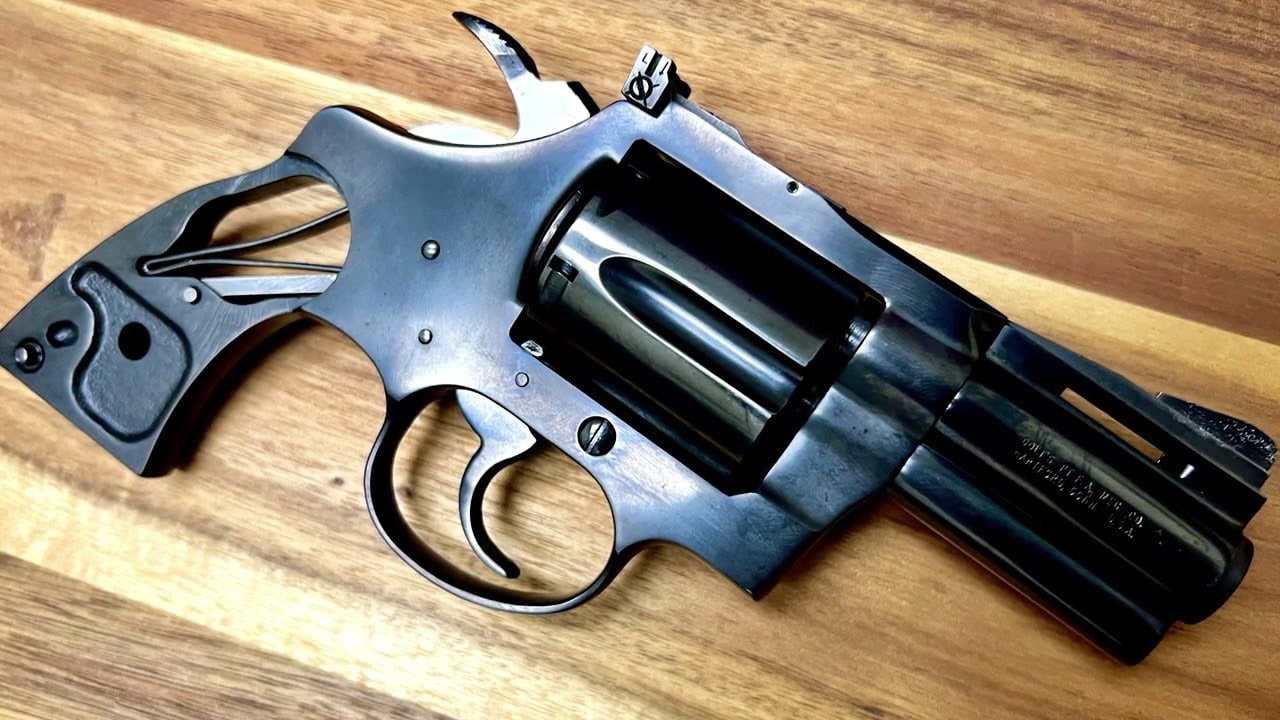
1. Colt Detective Special (early series)

The Detective Special is the kind of revolver that gets shrugged off because everyone has seen one in a sock drawer somewhere. The problem is that “one” could be an early-series gun with the kind of finish and little machining cues that collectors actually chase. If the appraiser treats it like any other well-used snub, you can get an estimate that feels like pawn-shop math.
Early examples with original blue, correct small parts, and the right style of grips can jump way past the “just a carry revolver” category. A refinish can crush it, too, and not everyone recognizes a polished-over rollmark or rounded edges. The Detective Special is also one of those guns that got carried a lot, so honest holster wear is normal. The trick is separating wear from tampering.
2. Colt Python (older, honest-wear guns)
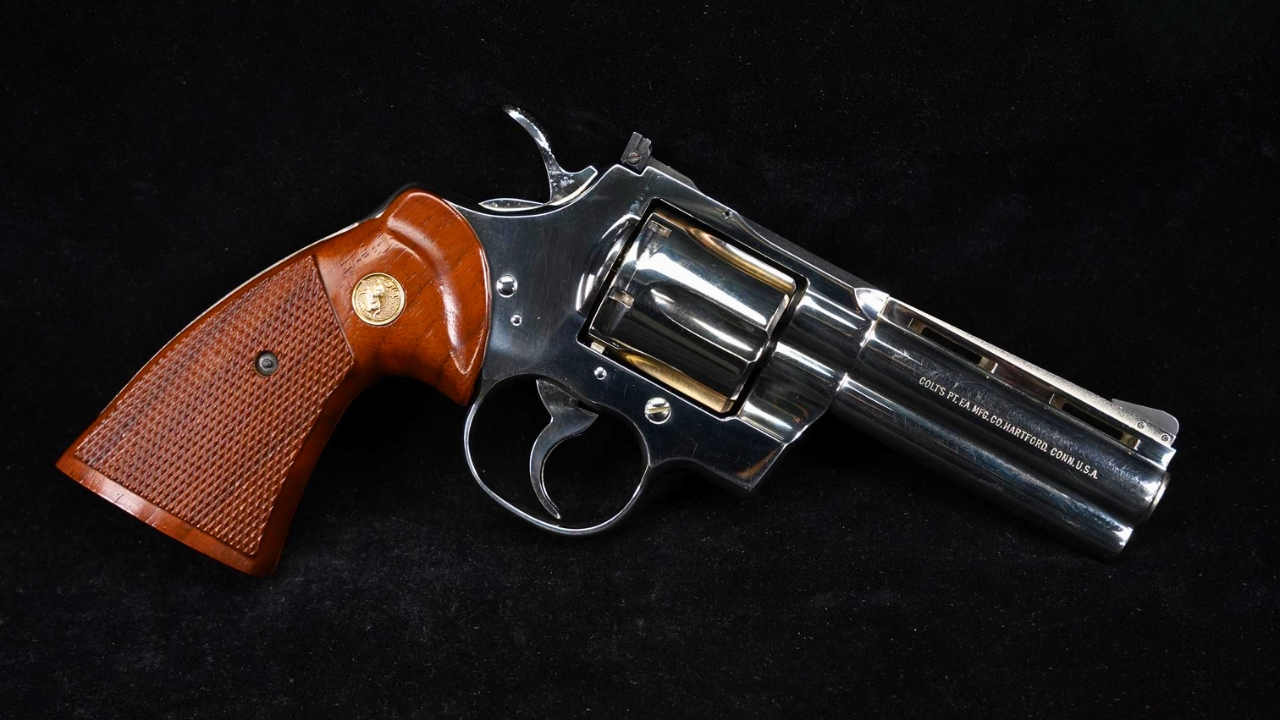
Pythons get overhyped online, but they also get underappraised in person when they look rough. A Python with thin blue, a dinged rib, and a couple handling marks can look like any used .357 to someone who is not paying attention. Then you check the barrel address, the era-correct features, and whether the finish is factory or someone’s garage project.
What makes this one tricky is that “good shooter grade” still means serious money, and parts-correct guns matter. Replacement grips and swapped sights are common, and an appraiser can miss those details in a hurry. If the timing is right and the lockup is still tight, worn cosmetics do not automatically mean worn out. That old snake can still bite, price-wise.
3. Colt Official Police (pre-war examples)

The Official Police is a workingman’s Colt, and that is exactly why it gets misread. They were carried, bumped around in cars, and stored in leather. A lot of them look tired. An appraiser sees “service revolver” and mentally assigns it a boring number.
But pre-war production, certain barrel lengths, and original matching-number parts can make them more than just nostalgia. The old Colt action has a feel you do not get in modern guns, and collectors notice when it has not been messed with. Also, plenty of Official Police revolvers were refinished by agencies, which can be legit history but hurts collector value. The wrong call either direction is easy if you do not slow down and look.
4. Smith & Wesson Model 27 (pinned-and-recessed .357s)
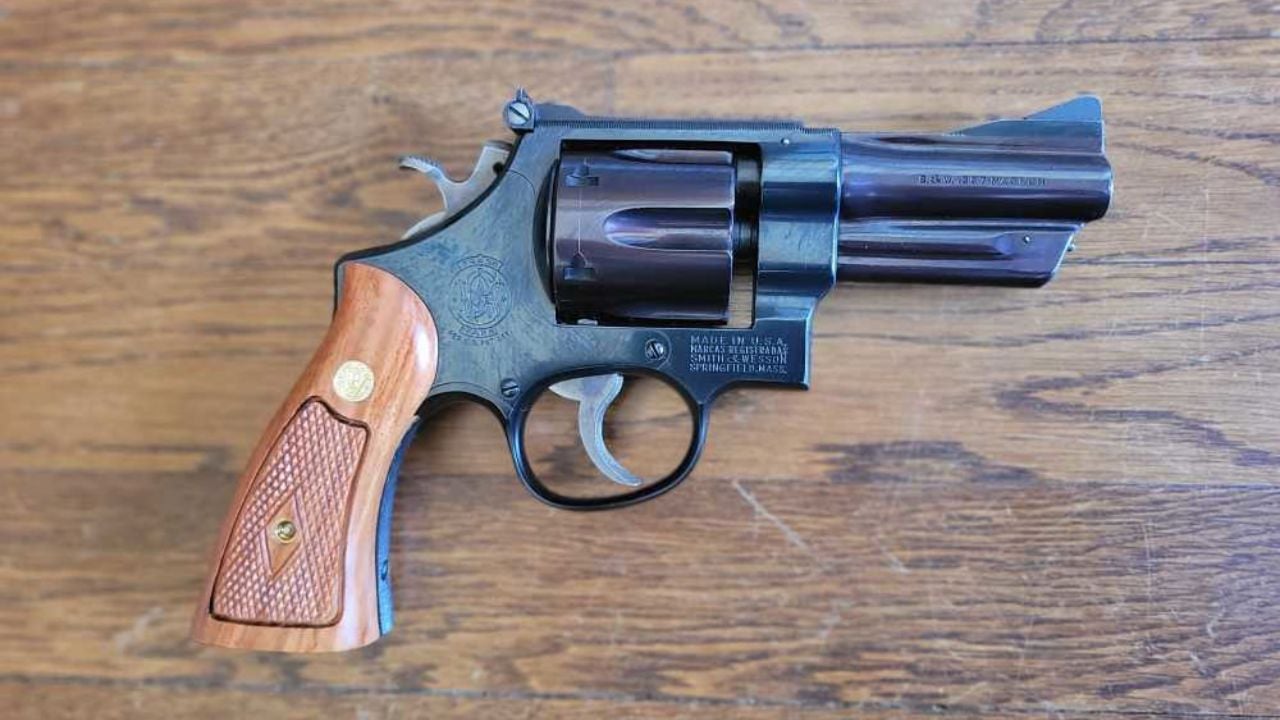
Model 27s are the classic “looks like a big old revolver” problem. If you are not used to N-frames, you might not appreciate what you are holding. A 27 that has lived in a nightstand for 40 years can look too clean to be special, especially if the box is gone and the owner calls it “my .357.”
The pinned barrel and recessed cylinder era matters to a lot of buyers, and a correct 27 with its original finish and sights can bring real money. The other piece is that these guns often have target stocks swapped around over the decades. Correct period stocks are not just decoration; they are a big part of the package. This is one where “just a Smith” can be an expensive mistake.
5. Smith & Wesson Model 28 Highway Patrolman

The Model 28 is the 27’s blue-collar cousin, and that is why appraisals get lazy. A worn 28 with the matte finish can look like it was made to be ignored. Folks see the utilitarian topstrap and think it should be cheap, like a generic surplus gun.
But clean 28s are getting harder to find because they were actually used. The N-frame soaks up .357 recoil in a way a lot of newer shooters have never experienced, and they make excellent field revolvers for someone who wants power without punishment. Values have climbed quietly, and they do not always show up in quick “book” estimates. If it still has crisp edges and the right hammer/trigger setup, it is not a throwaway.
6. Smith & Wesson Model 19 (combat Magnum reality check)
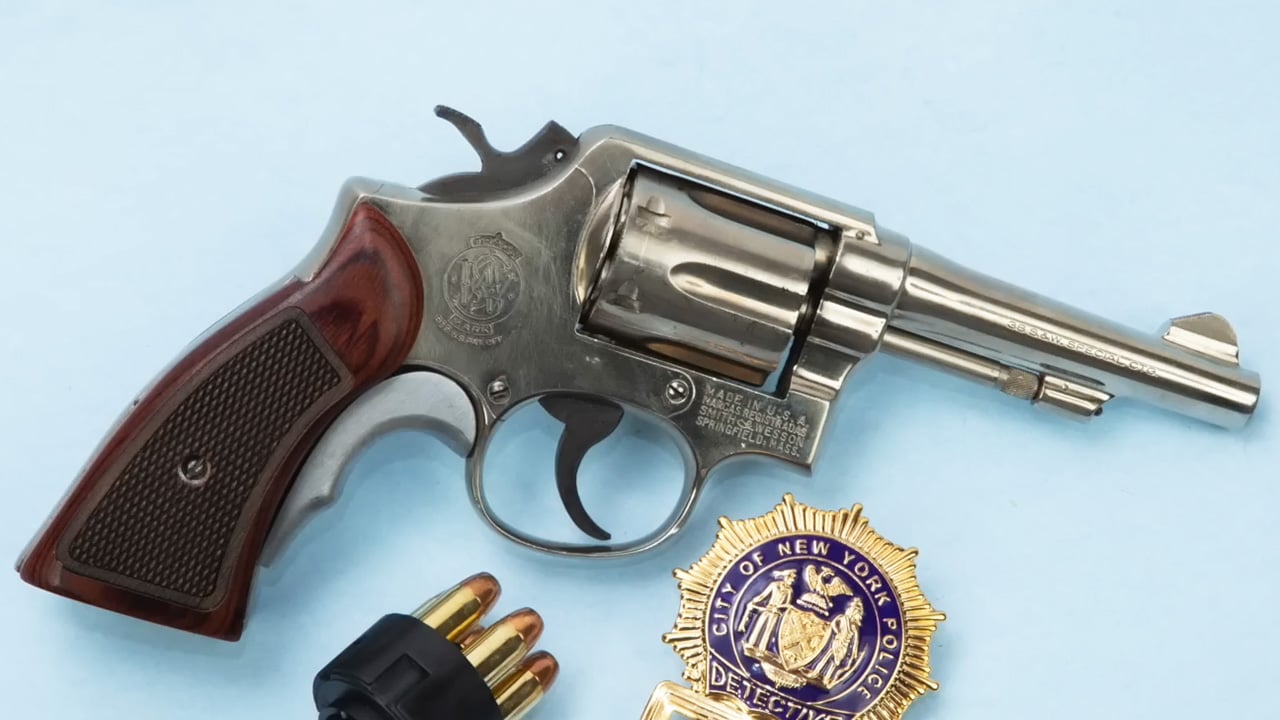
A Model 19 can look like nothing special because there are so many K-frame .357s floating around. Appraisers also get hung up on the “cracked forcing cone” talk and knock them too hard even when the gun is fine. Yes, you can abuse them with a steady diet of hot, light-bullet Magnums. Most owners did not.
A nice Model 19 with correct features for its dash number has real demand because it carries well and points naturally. It is one of those revolvers that feels “right” in the hand. If you find one with original finish and no screwdriver damage, it deserves more respect than a generic used-gun tag. Condition and configuration matter, and quick appraisals miss both.
7. Smith & Wesson Model 10 (early, tapered-barrel and pre-model guns)
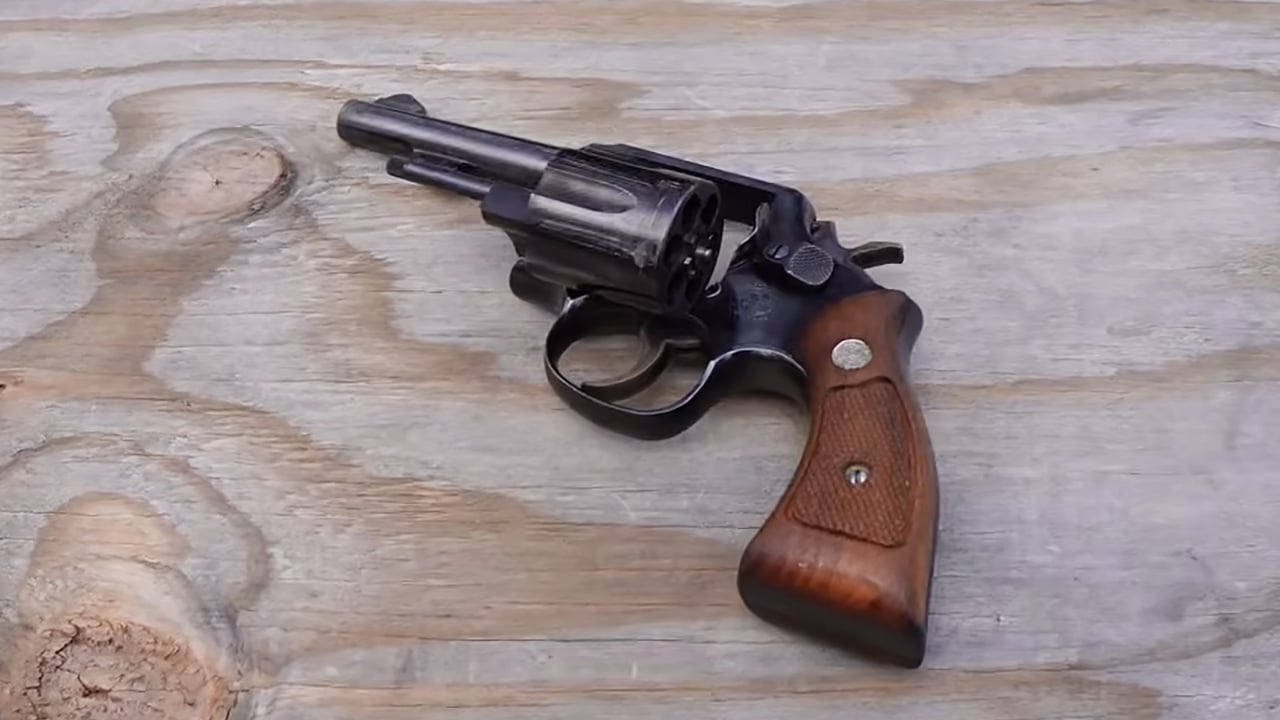
The Model 10 might be the most underestimated revolver on this whole list. It is so common that people treat it like a $250 beater by default. But the earlier “pre-Model 10” guns and certain configurations have collector pull, especially when they are not refinished and the markings are sharp.
These are also revolvers that got department stamps, unit numbers, and weird grip swaps, which can either add interest or subtract value depending on what was done. From a shooter standpoint, a tight Model 10 is about as honest as a handgun gets. It is not glamorous, but it is useful. Appraisers who only chase flashy names forget that the market loves clean, original examples of the classics.
8. Smith & Wesson Model 14 K-38 Target Masterpiece
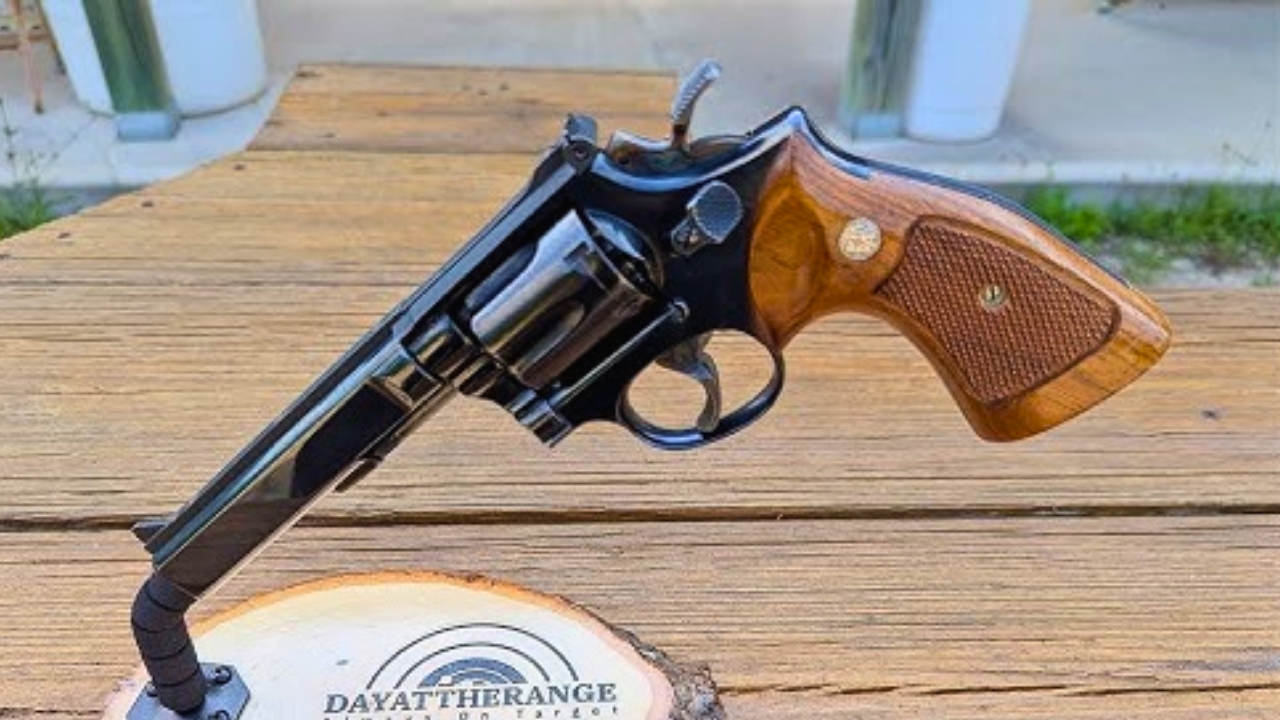
The K-38 looks like a long-barreled .38, which does not excite people who only think in .357 and .44. That is why it gets undervalued. If you have ever shot a good one, you know what it is: a precision revolver that makes you look better than you are on the range.
Collectors and serious target shooters chase them because the trigger and balance are hard to replace with modern equivalents. Many have been “improved” with aftermarket sights or refinished to look new, and that can ruin the collector side. A correct, clean Model 14 is not loud in the display case, but it is quietly expensive. If the bore is bright and the action is smooth, do not let anyone call it just an old .38.
9. Smith & Wesson Model 36 Chiefs Special (no-dash, early details)
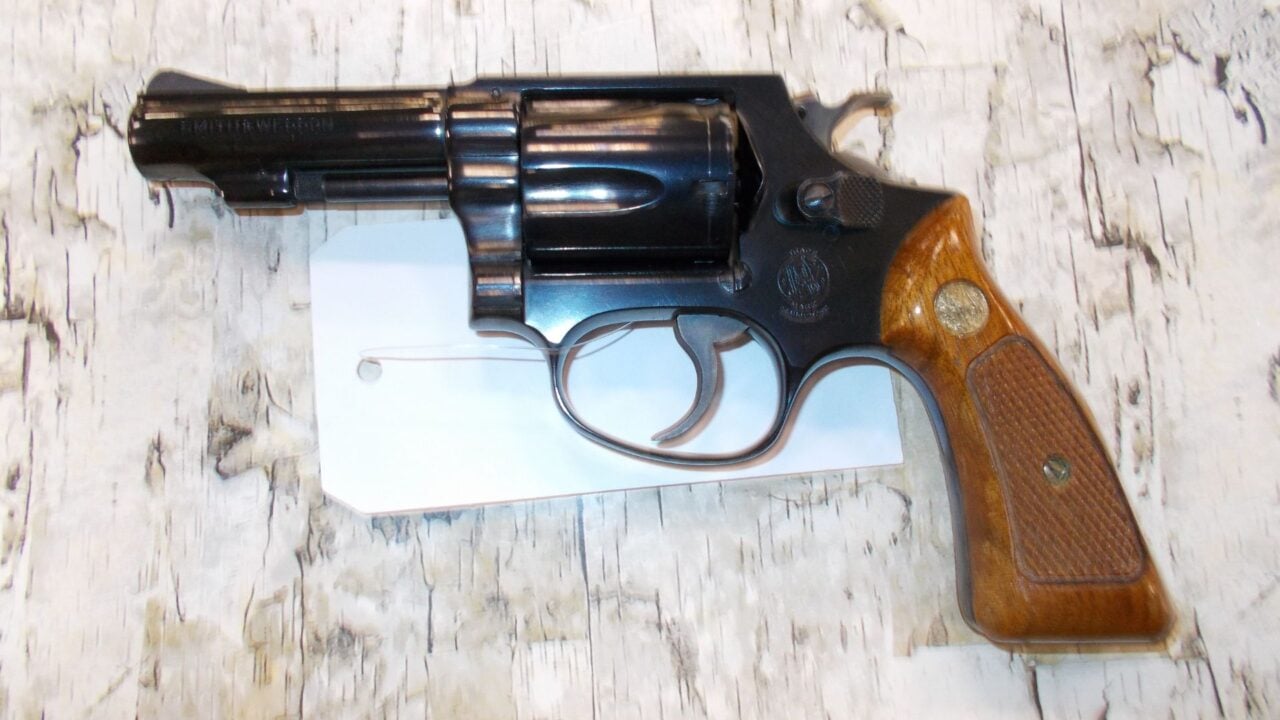
J-frame .38s are everywhere, so the Model 36 gets treated like a generic snubnose. Early no-dash guns, flat latches, and certain small changes are where appraisers get tripped up. The difference between “common carry gun” and “desirable early example” can be a couple details that are easy to miss under poor lighting.
Also, these got carried. Pocket lint, holster wear, and dull bluing are normal. What is not normal is buffed edges, washed-out stamps, or a sloppy refinish that tries to hide pitting. A clean, original Chiefs Special is one of those revolvers that keeps climbing because new production doesn’t feel the same. It’s small, handy, and it has history.
10. Smith & Wesson Model 49 Bodyguard (shrouded-hammer snub)
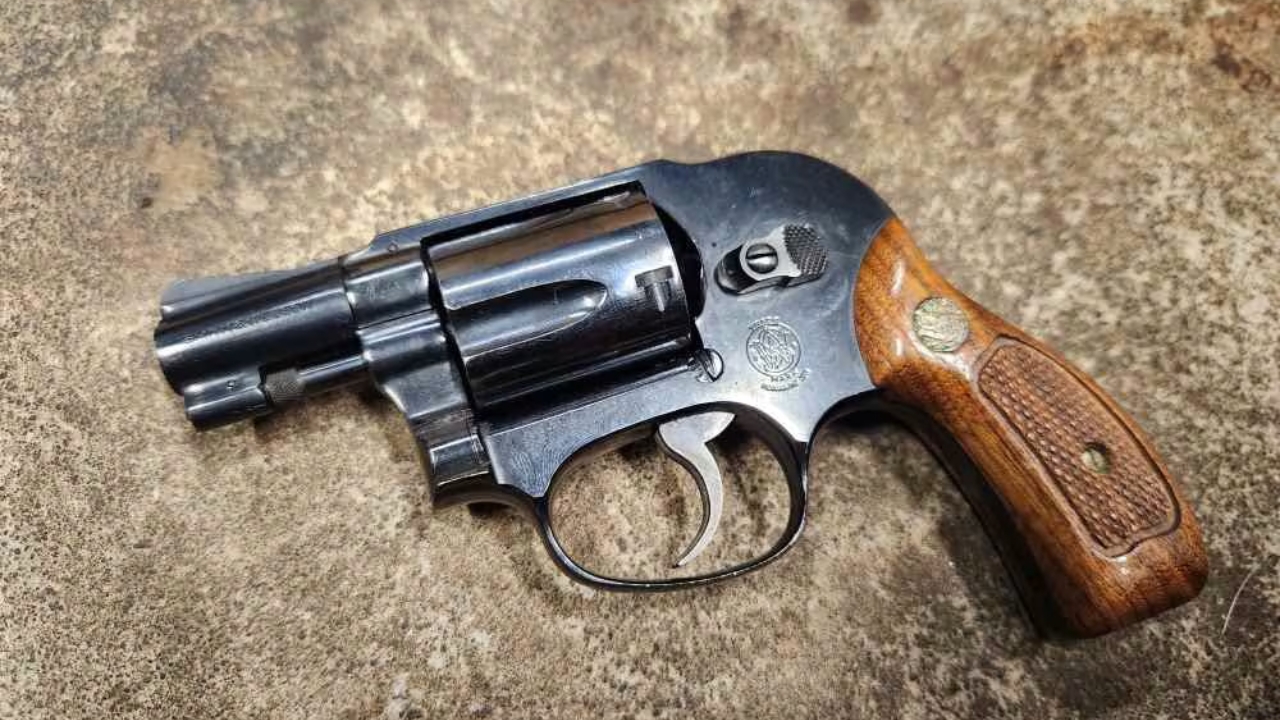
The Model 49 is a sleeper because it looks like an odd little snub with a humpback. Appraisers sometimes lump it in with later alloy guns or modern internal-lock versions and miss what an all-steel early Bodyguard is bringing. It is a very “carryable” revolver that still lets you thumb-cock if you want to, and that combination has a following.
Condition matters a lot here because these were pocket guns. Dings and rust freckles show up fast. Original grips and correct parts are important, and so is whether it has been “cleaned up” too aggressively. When you find a tight, clean Model 49, it tends to sell quickly. Underestimate it and you will watch it walk away.
Free for gun owners: If something happened to you tomorrow, would your family know where the guns are, who has the safe combination, or what to do first? Our free Gun Owner’s Family Checklist walks them through it. It takes about 15 minutes to fill out. Get your free copy here.
11. Ruger Security-Six (early low-back and police guns)
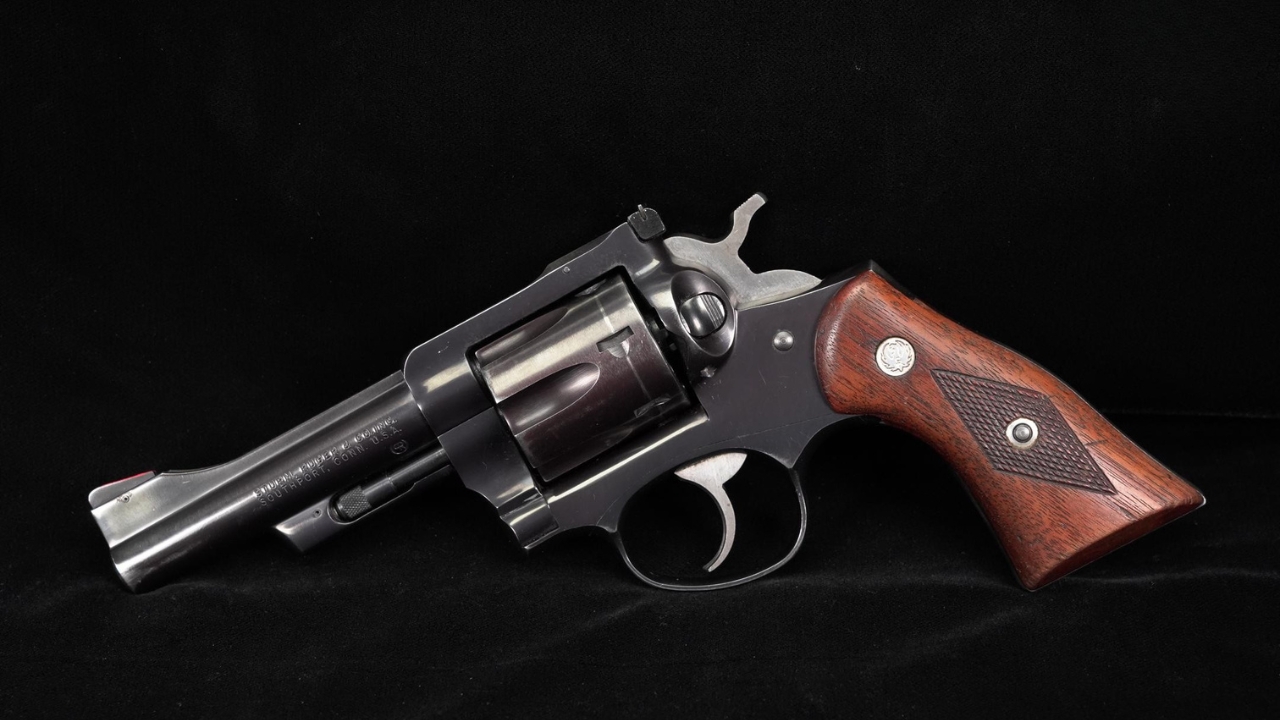
The Security-Six family is one of those revolvers that looks like plain Ruger utility. That is not an insult; it is what they were built for. The issue is that the market has finally realized they are tough, smooth enough, and sized just right for belt carry in the woods. Appraisals still lag behind demand in some places.
Early production variations and certain contract markings can matter, and a lot of these guns have lived hard lives. A Security-Six with a clean forcing cone, tight lockup, and minimal endshake is a great find. Parts support is not what it used to be, so an unmolested example is more valuable than a “fixed by a buddy” gun. These are not rare, but the good ones are not stacking up like they used to.
12. Ruger Speed-Six (true snub .357 that is not tiny)
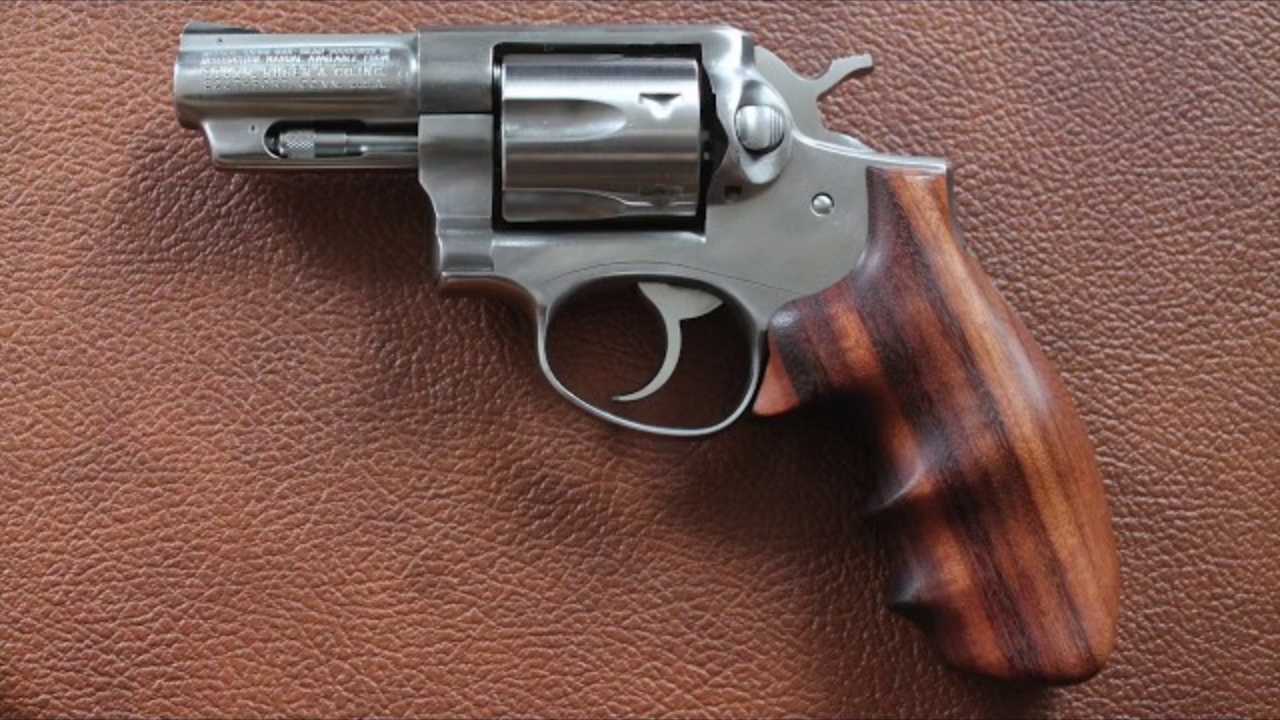
A Speed-Six can sit on a table looking like a chunky, outdated snubnose. Then you pick it up and realize it balances better than you expected and actually fills the hand. Appraisers sometimes treat it like any other used Ruger and miss that clean Speed-Six snubs are getting thin on the ground.
This is one of those revolvers that makes sense for a truck gun or a woods carry piece when you want .357 but do not want a featherweight. Recoil is manageable, and the gun is durable. What hurts value is heavy polishing, replacement parts, and neglected timing from a steady diet of hot loads. When it is right, it is a practical revolver with a growing fan base.
13. Ruger Service-Six (fixed-sight workhorse with quiet demand)
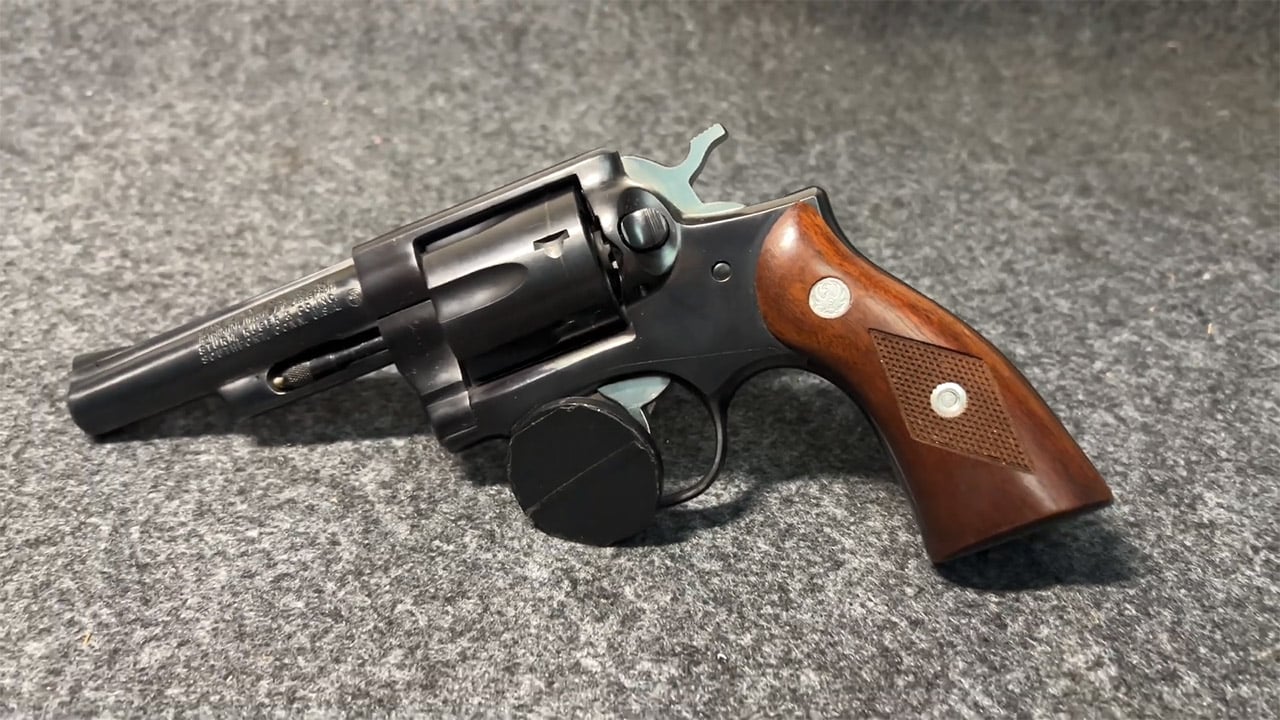
The Service-Six does not have the romance of a Colt or the collector mania of certain Smiths. It looks like a duty revolver because it is one. That plainness makes it easy for an appraiser to undervalue, especially if they only look at finish wear and not mechanical condition.
A tight Service-Six is a seriously useful handgun for ranch chores, trail carry, and general “leave it in the console” duty, assuming you store it safely and legally. Fixed sights are not sexy, but they are sturdy. Original grips and clean screws help, and so does documentation if it was an agency gun. This one is about utility meeting nostalgia, and the price keeps creeping up even if the gun still looks like it wants to go to work.
14. Ruger Blackhawk “three-screw” (Old Model)
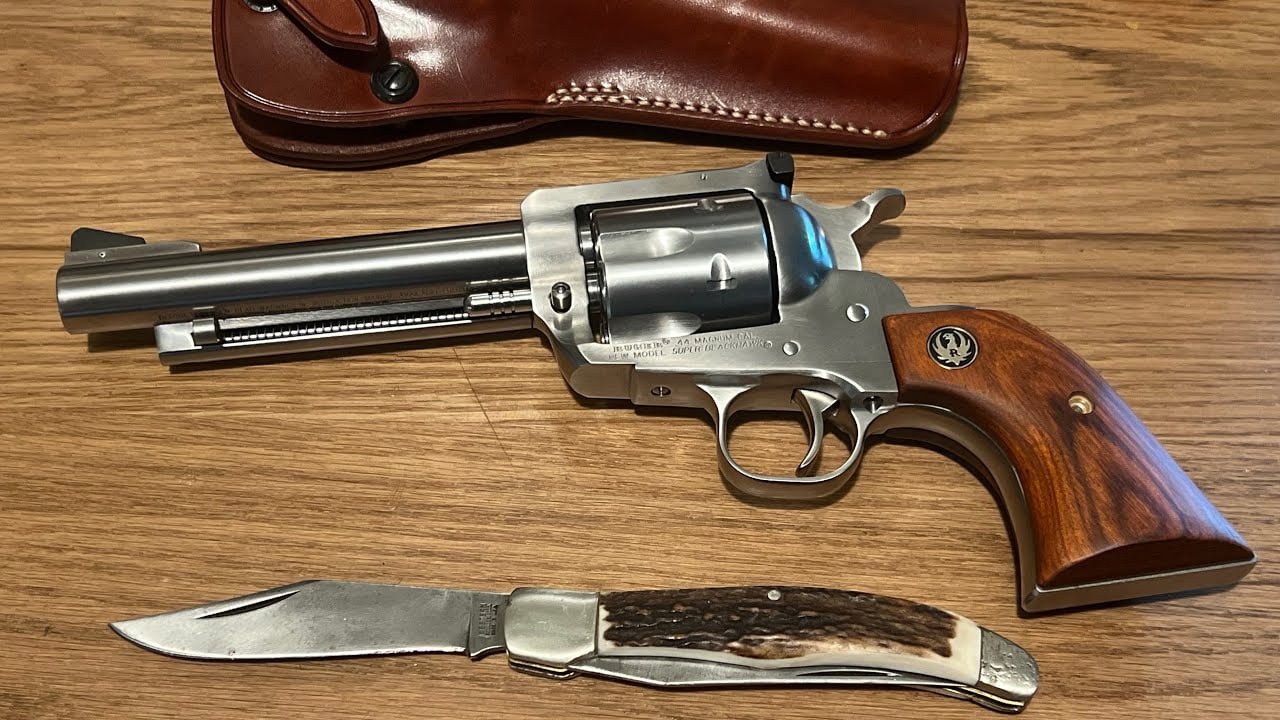
Old Model Blackhawks can get misappraised because they just look like single-actions. If the appraiser does not know the “three-screw” era and the collector interest around original configuration, they may price it like a modern production gun. That one hurts, because the difference can be meaningful.
Now, there is also the safety conversion issue. Many of these have been updated, and while that can make them safer for some uses, it can change collector interest. A clean, original Old Model with its parts and paperwork tends to bring attention. They are not light, and they are not for everyone, but they are accurate, durable revolvers that still make sense as a hunting sidearm. The details drive the value, not the fact that it is “just a Blackhawk.”
15. Ruger Vaquero (original, large-frame in “cowboy” clothes)
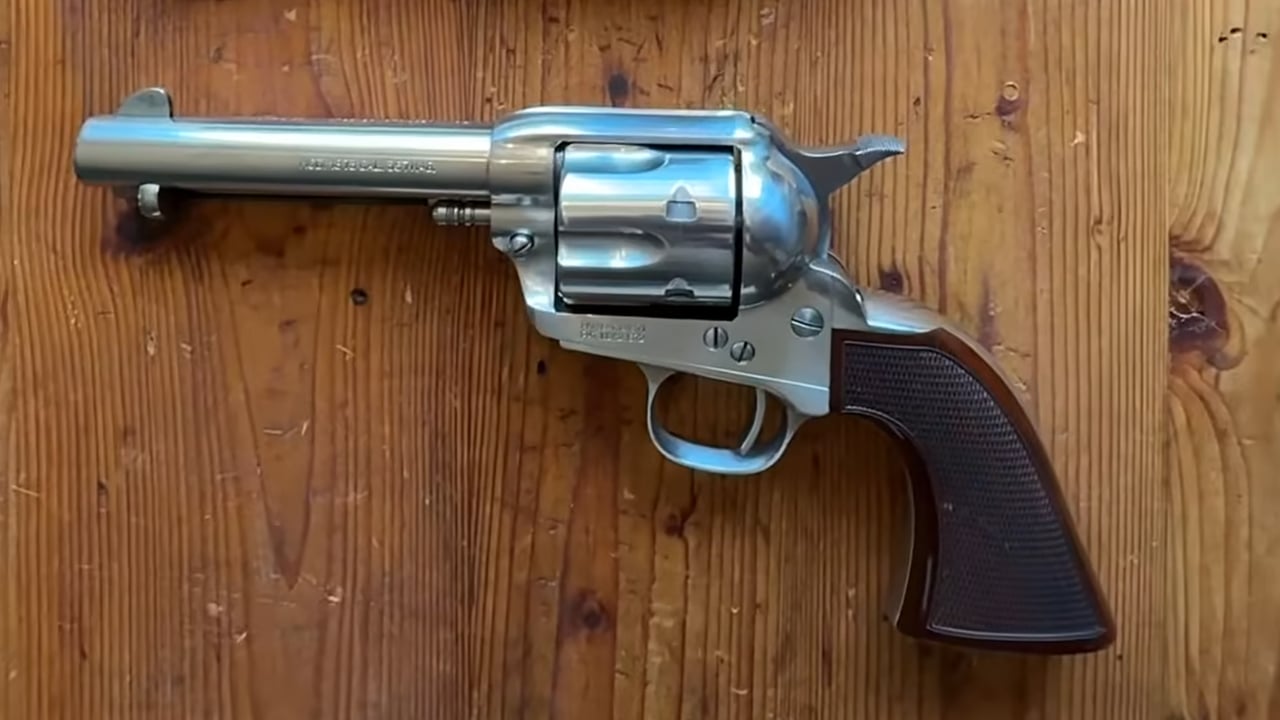
The original (large-frame) Vaquero gets mixed up with the New Vaquero all the time, and appraisers sometimes do not separate them. They look similar across a counter. But the older, heavier Vaquero is built more like a .44 Magnum Blackhawk underneath, and that changes how shooters and handloaders think about it.
It is also common to see these with honest wear from horseback carry, ATV duty, or just being a fun range gun. The finish might be scratched and the grips might be swapped, but the underlying strength and shootability matter. Certain distributor runs and finishes bring more money, too. If you want a rugged single-action that you do not baby, the big Vaquero is hard to replace with something “equivalent” at the same price.
16. Dan Wesson Model 15 (interchangeable-barrel .357)
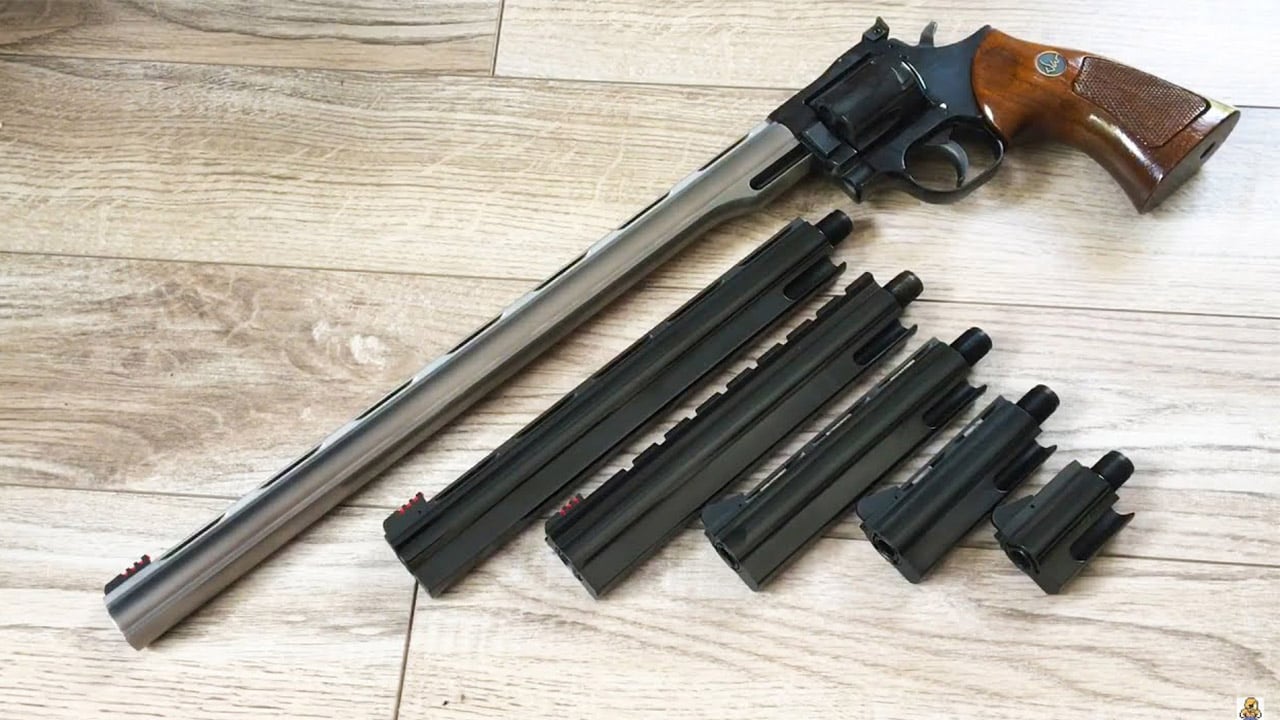
Dan Wesson revolvers can look like weird science projects to people who have never handled one. An appraiser sees a shrouded barrel and a nut at the muzzle and assumes “parts gun” or “oddball.” Then you open the case and there are extra barrels, shrouds, gauges, and tools. That package is the whole point, and it changes everything.
A complete setup can be worth far more than a lone revolver, but sets get separated over time. Even as a standalone gun, a good Model 15 has accuracy and a strong reputation among shooters who know. Timing and lockup still matter like any revolver, and missing specialty parts can be a pain. Underestimating a Dan Wesson is usually just admitting you have not spent much time around them.
17. Dan Wesson Model 44 (big-bore sleeper with serious fans)
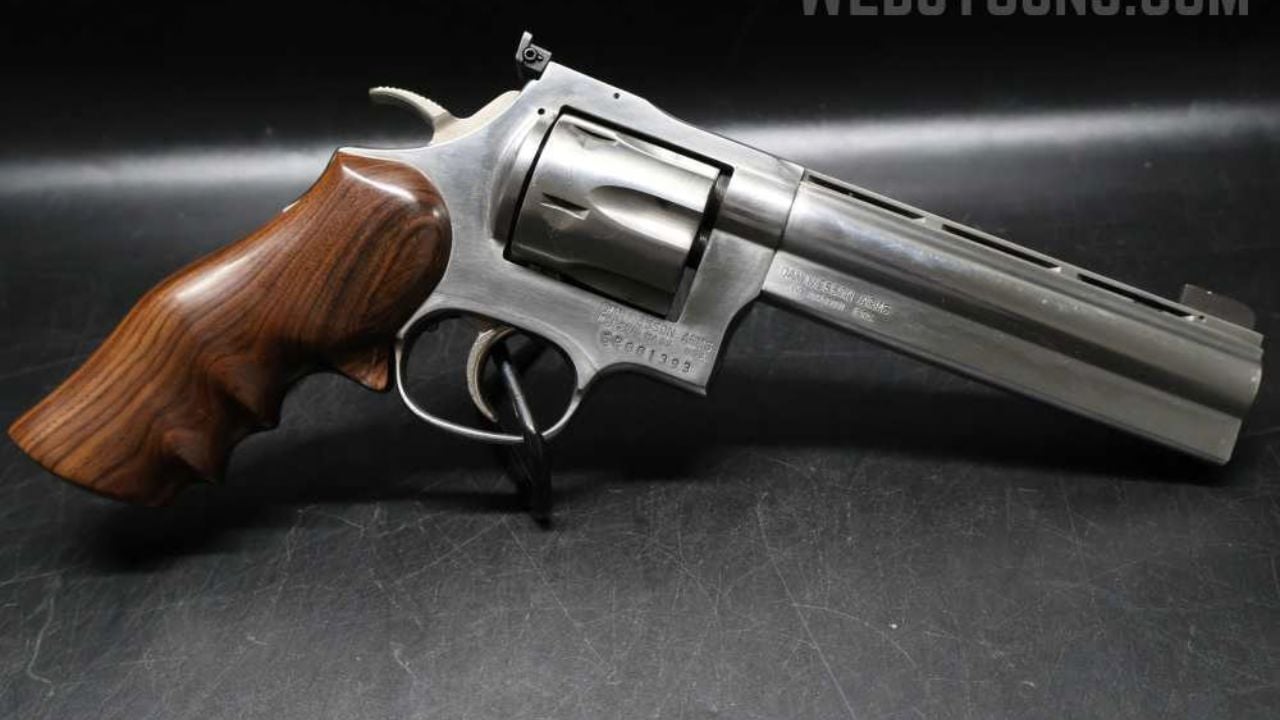
The Model 44 is another one that gets brushed aside because the name does not hit casual buyers like “Smith” or “Colt.” But handgun hunters and big-bore revolver nuts pay attention. If it comes with multiple barrel assemblies, it can become a bidding situation fast, especially when everything is clean and correct.
These revolvers are not dainty. They are built for full-power shooting, and they tend to handle heavy loads well. Appraisers sometimes penalize them for being “uncommon,” when uncommon is exactly what some buyers want. The catch is verifying what is actually included and what condition the barrels are in. A pitted bore or missing parts can drag it down. A clean, complete rig is a different story.
18. Harrington & Richardson Model 999 Sportsman
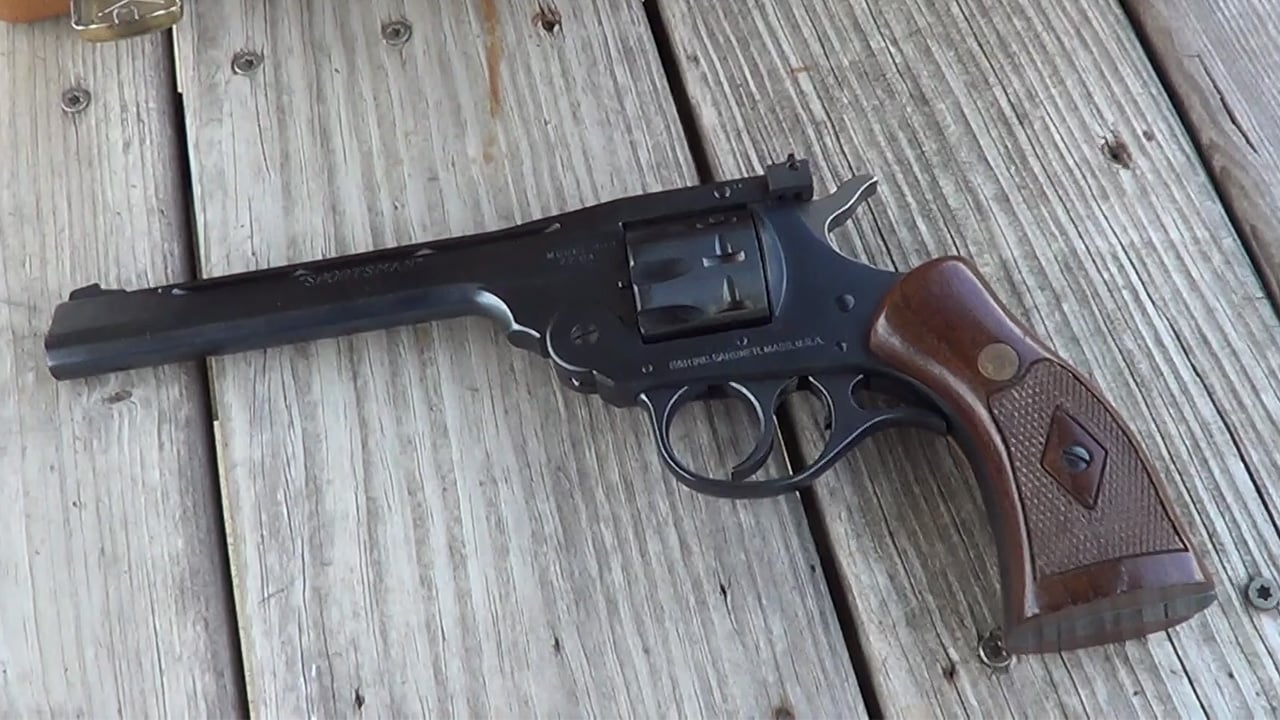
The H&R 999 is the kind of .22 revolver that gets written off as a cheap tackle-box gun. It has that top-break look that makes people assume “junk” if they have only handled modern rimfires. Then you shoot one that is tight and it surprises you. The trigger can be better than it has any right to be, and the gun has real old-school charm.
Condition is everything, because plenty were neglected. A clean, crisp 999 with strong lockup and a good bore has collector interest that appraisers sometimes miss because they are stuck on brand prestige. It is not a target pistol replacement, and it is not a premium Smith K-22, but it is a quality plinker from a time when even “regular” guns had some pride in them. The right example is worth more than a shrug.
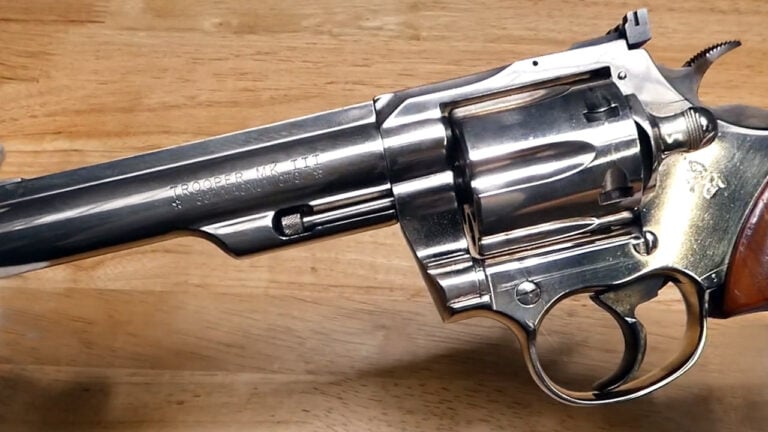
19. Colt Diamondback (small Python energy, big price swings)
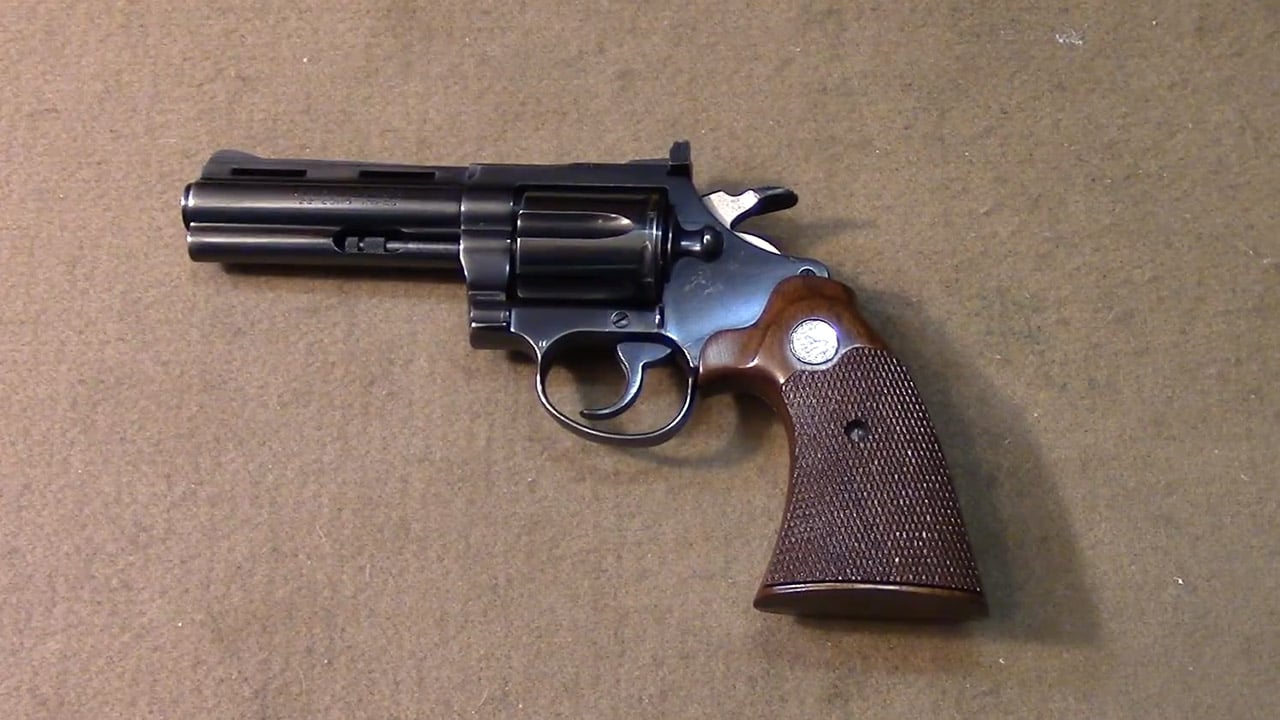
Diamondbacks are a classic case of “looks like a fancy .38.” If the appraiser does not know what they are looking at, they may treat it like any other older Colt with a vent rib. But the market has been strong on these for a while, and small differences in caliber, barrel length, and condition matter a lot.
These also suffer from bad refinishes because owners wanted them shiny again. A refinish can look great to the untrained eye and still cut collector value hard. Original finish with sharp edges and clean markings is the ticket. The action feel is another tell; Colts that have been monkeyed with can feel odd or unsafe. If you have one, do not let a quick glance decide its fate.
20. Smith & Wesson Model 586 no-dash (early L-frame .357)
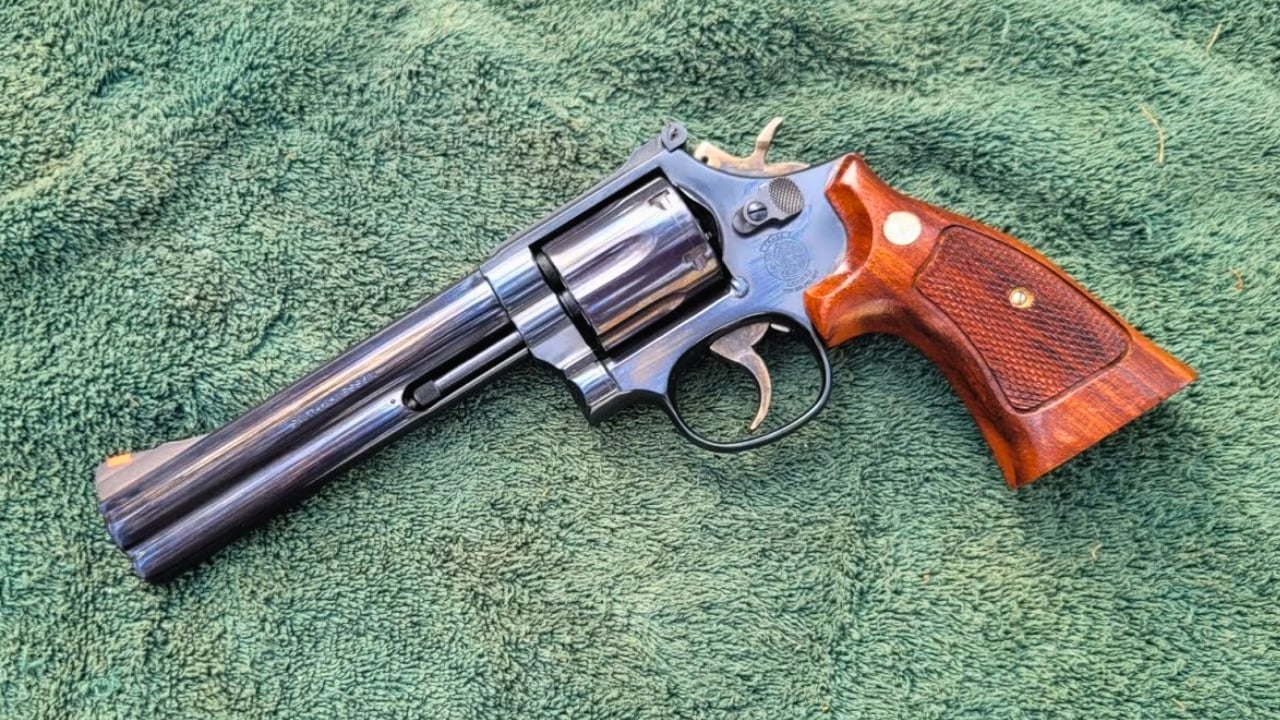
The early 586 is easy to misread because it looks like a “normal” modern-ish revolver. Stainless 686s get most of the talk, and a blued 586 can sit there unnoticed. But no-dash and early examples have their own following, and clean guns with original parts keep appreciating.
This is also a place where an appraiser can get spooked by old recall chatter and treat every early gun like it is problematic. A properly sorted 586 is one of the best all-around .357s ever made: good balance, controllable recoil, and durable enough for real shooting. If it still has that smooth L-frame trigger and the gun hasn’t been hacked on, it deserves better than “used revolver” money. These are shooters that quietly turned collectible.
If you’re trying to put a fair number on a revolver, slow down. Open the cylinder, look under the crane, check the barrel markings, and pay attention to grips, finish edges, and screw heads. Boxes, papers, and extra parts matter more than most folks want to admit. And if you’re the one selling, don’t be in a hurry just because it “doesn’t look like much.” Revolvers have a way of hiding their value until somebody knowledgeable picks them up and smiles.
Like The Avid Outdoorsman’s content? Subscribe to our newsletter so you never miss an article.
Here’s more from us: