Photo credit: Georgiaboy44/Youtube
There’s a kind of wear that kills value, and there’s a kind that proves a revolver lived an honest life. Holster shine on the muzzle, bluing rubbed thin on the cylinder, a grip that’s smoothed by a thousand days on the belt—none of that scares me. If anything, it’s usually the revolvers with a little road dust on them that bring the most money, because collectors and shooters both know what it means: somebody trusted it.
The trick is separating “honest wear” from abuse. Honest wear is edge thinning, carry marks, light handling dings, and clean mechanical function. Abuse is a buggered screw, peened sideplate, a cylinder that doesn’t lock up right, or timing that’s starting to drift. With that out of the way, here are 20 wheelguns that often get more desirable once they’ve got real-world miles on them—and in plenty of cases, they’ll bring more than they ever did sitting new in a display case.
1. Colt Python (pre-2000)
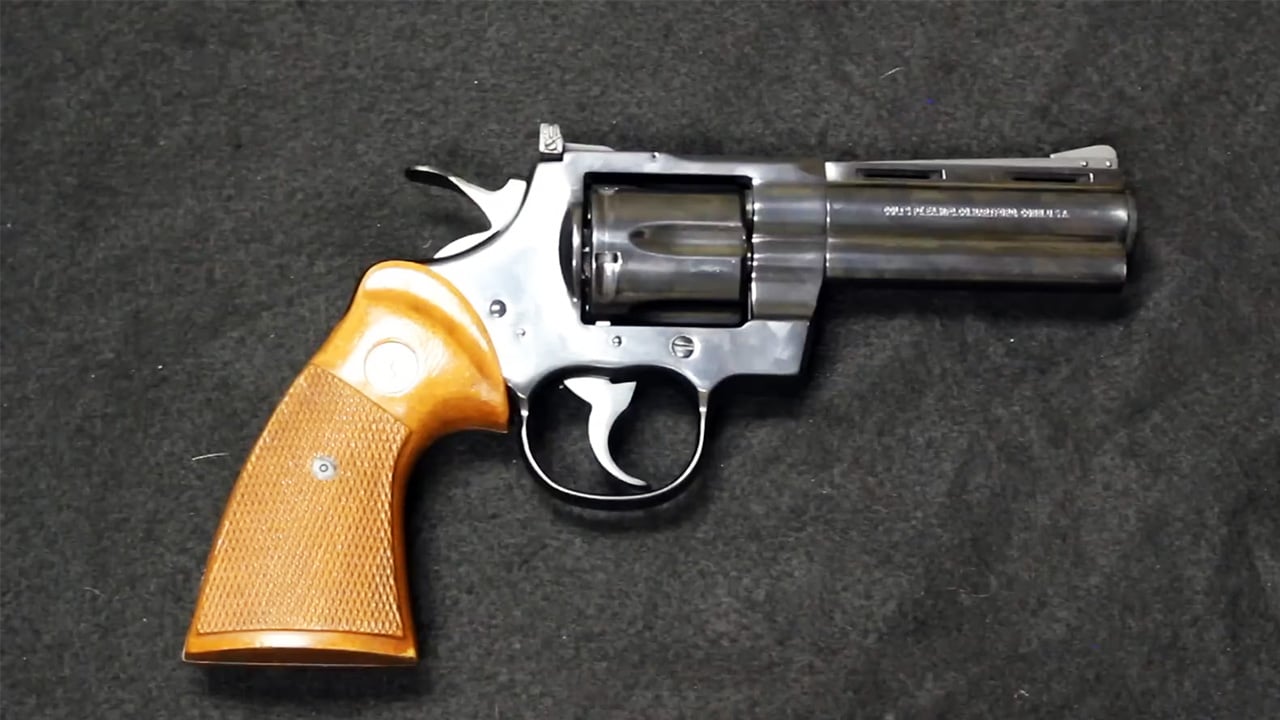
If you’ve ever handled a good older Python, you know why folks get quiet when the cylinder clicks shut. The action stacks in a way that’s hard to describe until you feel it, and the finish and polish were on another level.
Light holster wear on a real-deal, older Python doesn’t bother serious buyers much. In fact, it reassures them it’s not a “mystery safe queen” with a story. The key is originality—correct grips, correct barrel, and no backyard “action job.”
These got carried by working people, and that’s part of the appeal. A little honest rub on the muzzle often looks right, like it belongs there.
2. Colt Detective Special (2-inch)

This is one of those revolvers that feels like it was designed by someone who actually carried a gun every day. The Detective Special hides well, points naturally, and still gives you six shots in a package a lot of folks forget existed.
The older ones with finish wear tend to bring strong money because they’re harder to find un-messed-with. A mint example can be suspicious—because so many were carried, and carrying leaves marks.
Check lockup and timing, because small-framed Colts can get out of spec if they were shot loose. But if it’s tight, honest wear is just character.
3. Colt Diamondback (.38 Special or .22 LR)
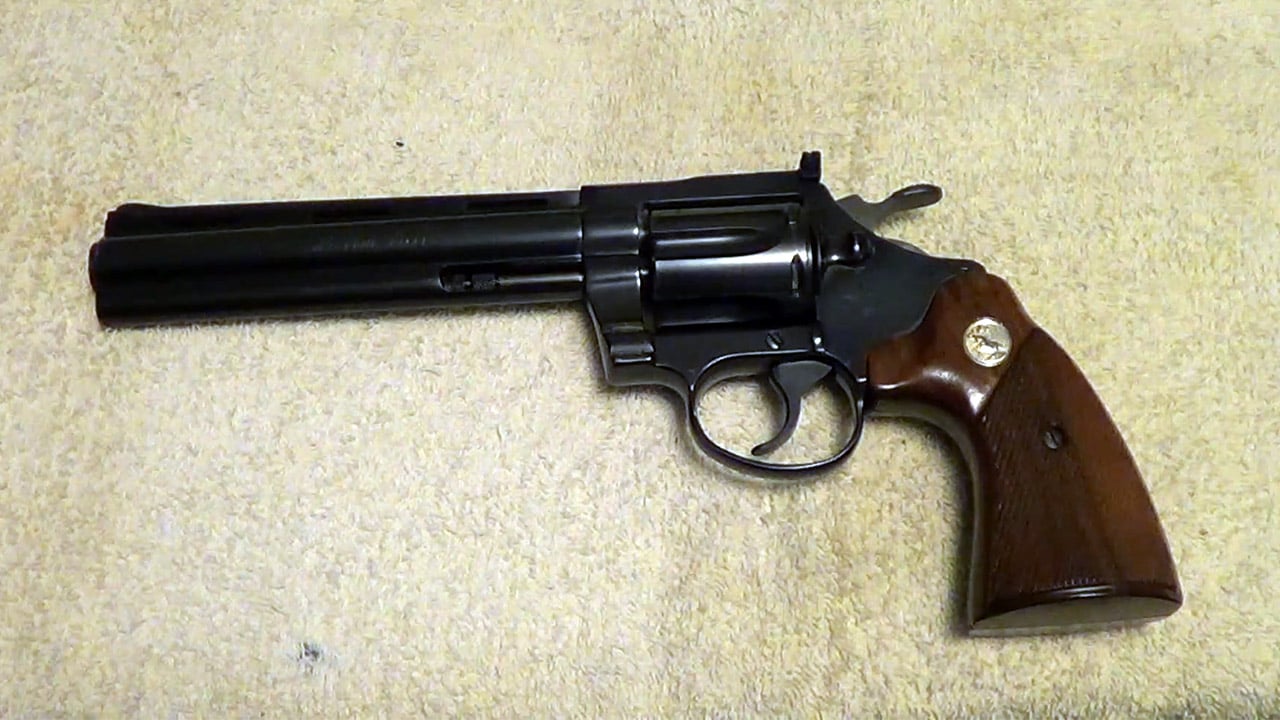
A Diamondback is like a “sport coat” revolver. Slim, sharp lines, ventilated rib, and a look that screams classic American handgun.
These have climbed so much that even well-worn examples can outpace what they cost new by a mile. A little thinning on the edges is common and doesn’t hurt the vibe.
What does hurt is refinishing. A worn original usually beats a shiny redo, and buyers know it.
4. Smith & Wesson Model 19 (Combat Magnum)
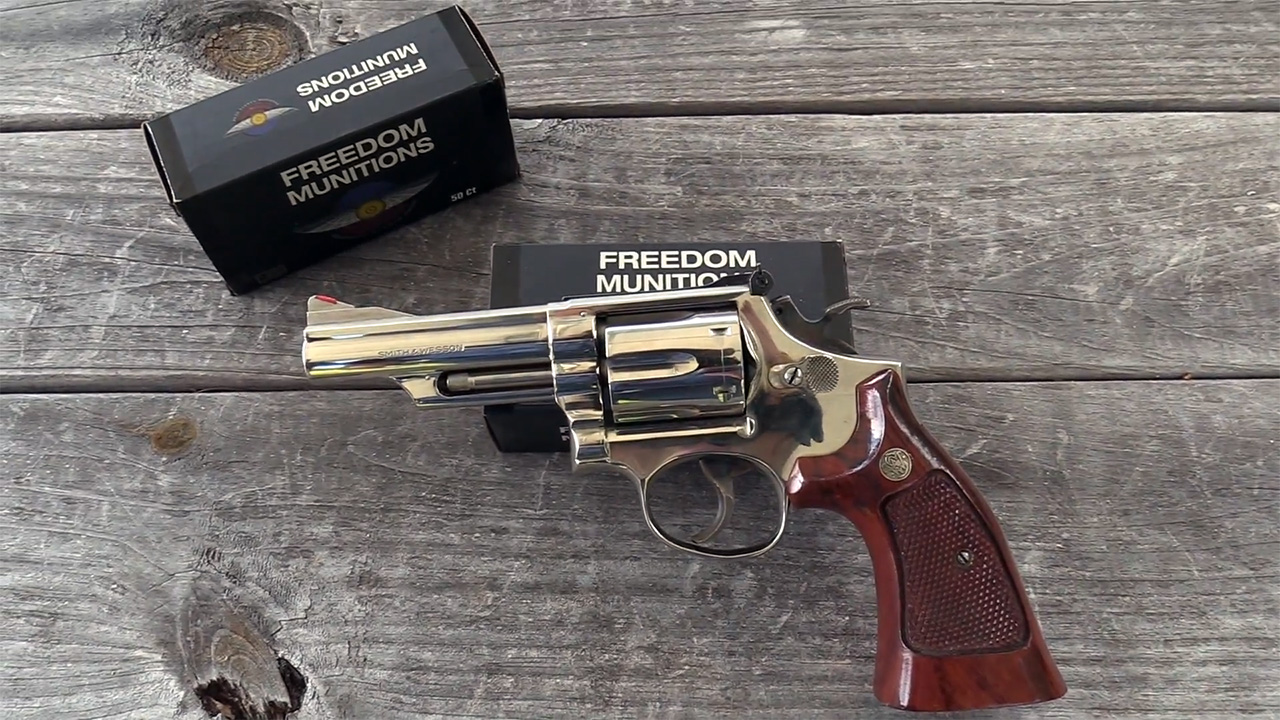
The Model 19 is one of the most “carryable” .357s ever made. It balances like a .38, but it’ll do serious work with magnums when you need it.
These often show holster wear because they were actually worn. That’s the whole point of the Combat Magnum. A clean bore, tight cylinder, and sharp edges on the forcing cone matter more than perfect blue.
With the prices on pinned-and-recessed era Smiths, a nice used Model 19 can feel like money in the bank, especially if it hasn’t been bubba’d.
5. Smith & Wesson Model 27 (Highway Patrolman’s fancy cousin)

The Model 27 is the “Cadillac” N-frame .357 with that deep polish and checkering on the topstrap on many versions. It’s big, heavy, and not pretending to be modern.
Because it’s a working gun at heart, honest wear looks right on it. A little muzzle wear from a duty holster just fits the story.
It’s also one of those revolvers that makes new shooters grin and say, “Oh… now I get it.” That keeps demand high.
6. Smith & Wesson Model 10 (Military & Police)
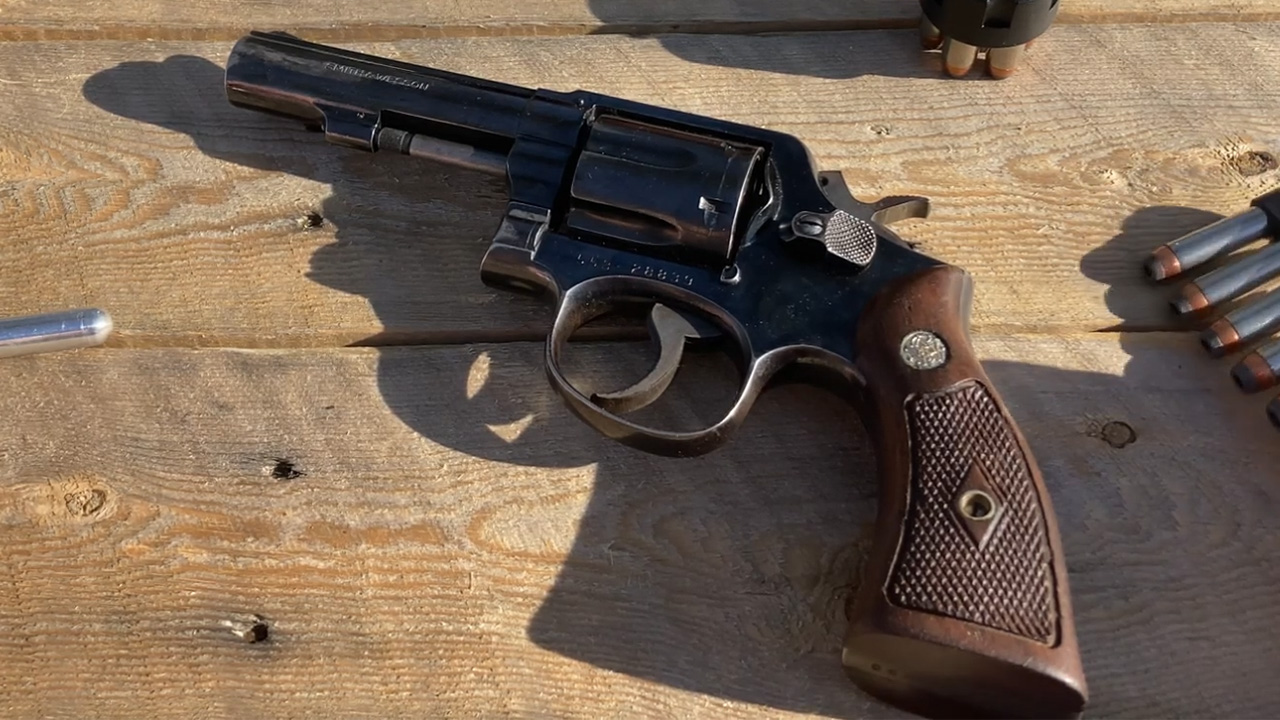
Nothing fancy here, and that is kind of the point. The Model 10 is a service .38 that fed families and rode in gloveboxes for generations.
Worn Model 10s are often the best buys in the whole used revolver world, and they’ve been climbing because people finally realized they’re not making any more like that. When you see one with holster shine and a smooth double-action, it’s usually been cared for.
Parts and knowledge are everywhere. A clean, honest Model 10 is the revolver equivalent of a good hammer: it just works.
7. Smith & Wesson Model 15 (Combat Masterpiece)
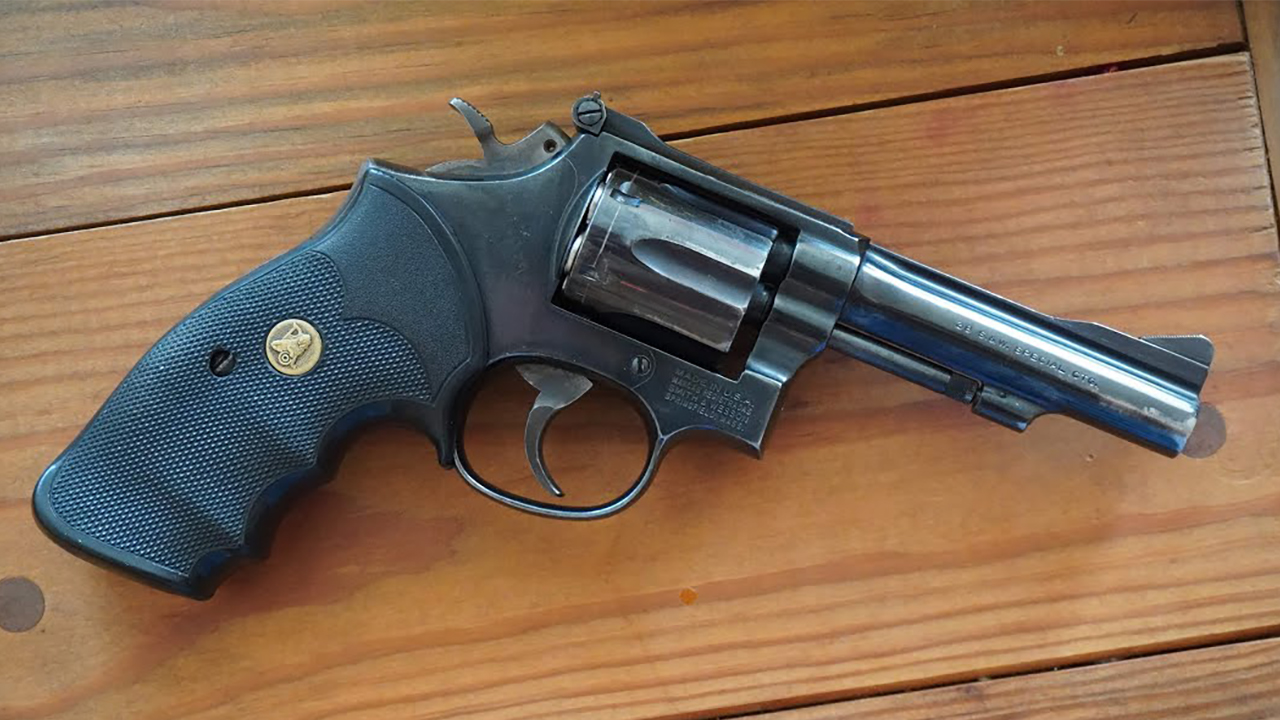
If you like a K-frame that shoots like it has a brain, the Model 15 is hard to beat. The sights are usable, the balance is right, and .38 Special is still a practical cartridge.
These were police guns, training guns, and “one revolver for everything” guns. So wear is common, and it doesn’t scare off the folks who know what they are.
A clean trigger and a tight lockup matter more than perfect cosmetics, especially on a revolver built to be carried and shot.
8. Smith & Wesson Model 29 (classic .44 Magnum)
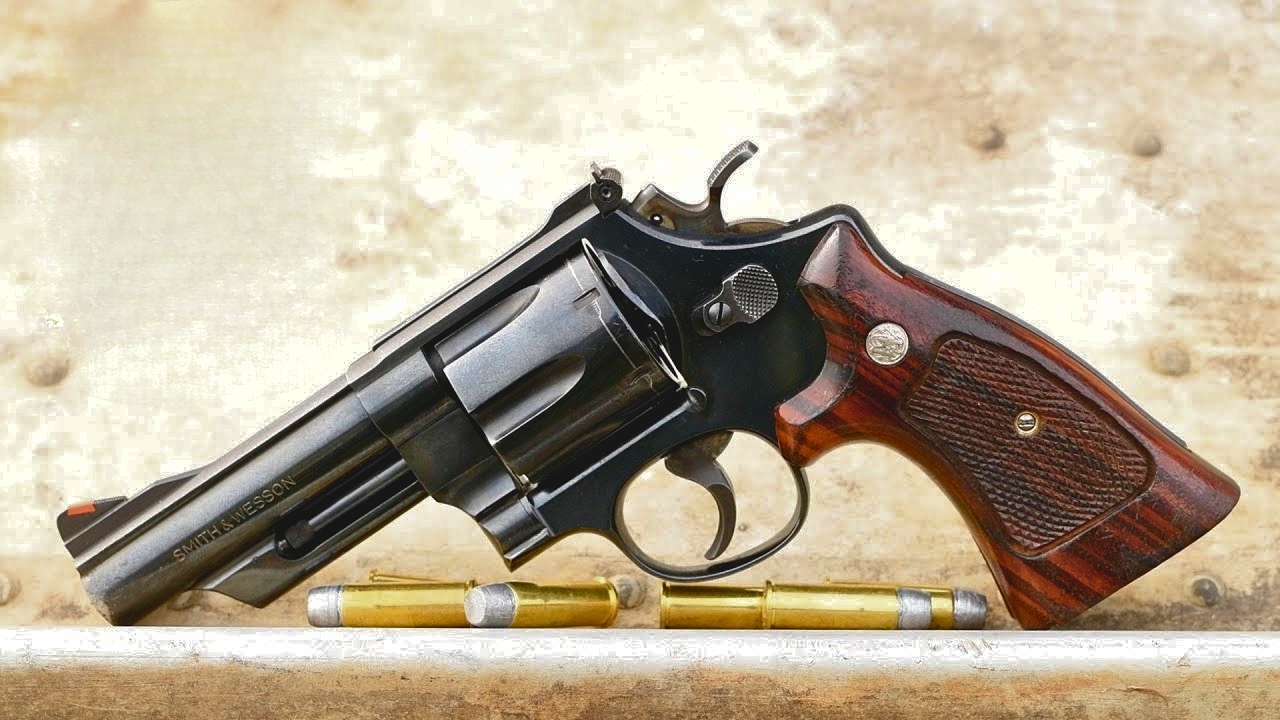
Everybody knows the Model 29, even folks who don’t care about guns. But the ones that bring real interest are the earlier variants with honest carry marks and no weird modifications.
A Model 29 that’s been hunted with—scuffs on the cylinder, rubbed edges—feels real. It also tells you it likely wasn’t just hammered with max loads nonstop, because most hunters don’t shoot a box of .44 mag every weekend.
There’s also something about an older N-frame that just sits in the hand right. New or old, that doesn’t go out of style.
9. Smith & Wesson Model 36 (Chief’s Special)
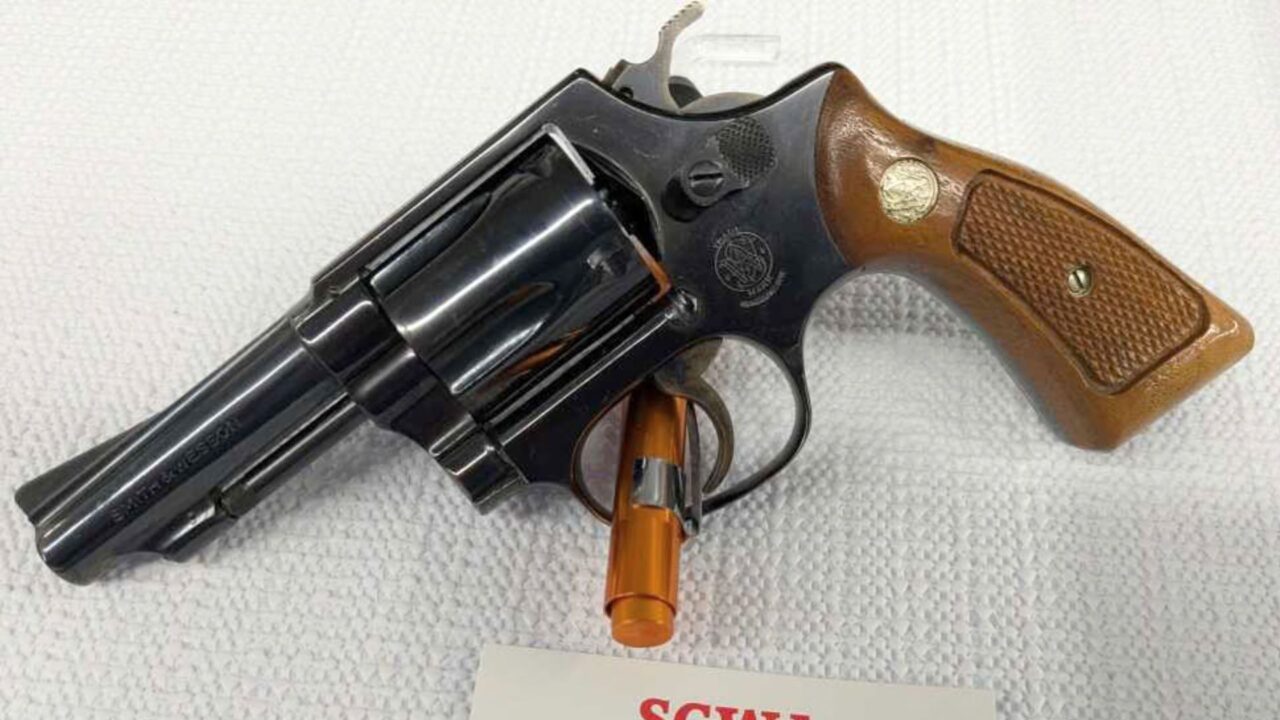
A steel J-frame with a bit of weight is still a comforting thing in a pocket or on an ankle. The Model 36 has probably ridden more miles than most pickup trucks.
Because these were carried constantly, truly pristine examples aren’t as common as you’d think. That makes a clean, original gun with normal wear a very attractive middle ground—usable, collectible, and not too precious.
Watch for endshake and general looseness. If it’s tight, wear is just proof it did its job.
10. Smith & Wesson Model 642 (Airweight Centennial)
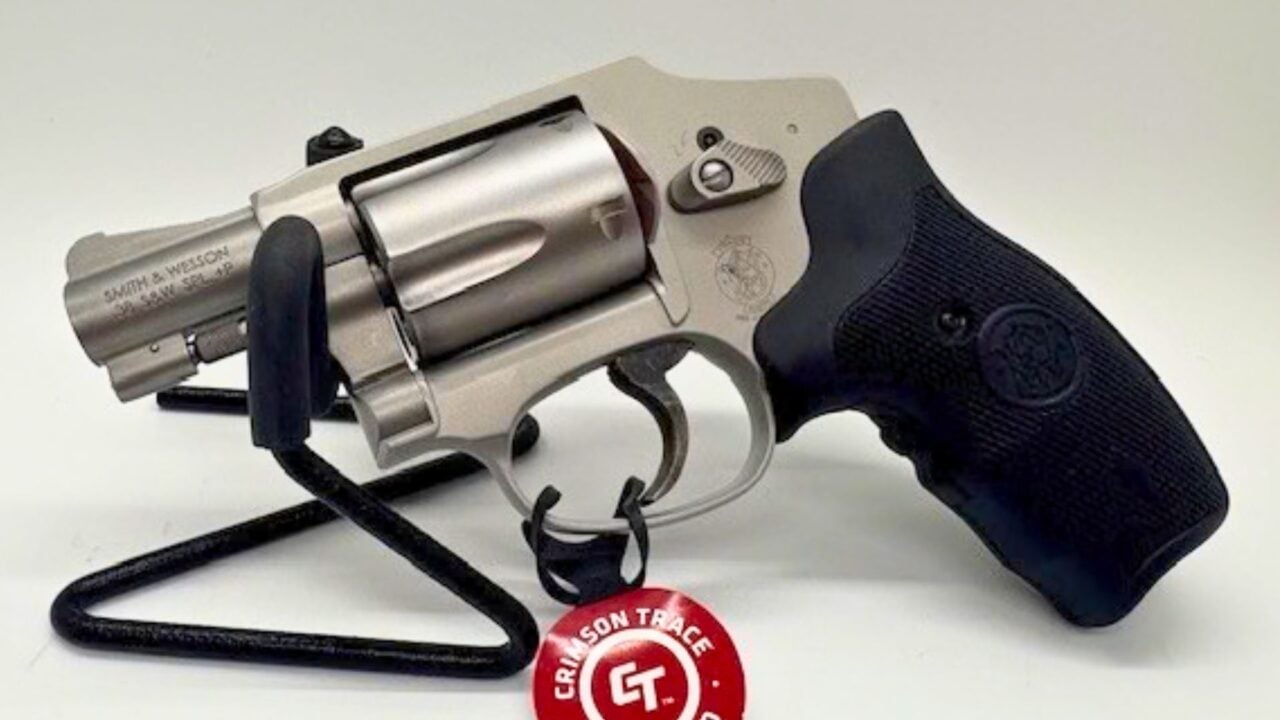
This one isn’t “collector pretty,” but it’s a revolver that earns its keep. A 642 with rubbed corners usually means somebody actually carried it, which is what these are for.
With the way the market has gone, even common carry revolvers are not staying cheap. A well-used 642 with a smooth trigger can bring surprising money because a good one is a known quantity.
Just don’t confuse carry wear with neglect. Lint-packed internals and rust under the grips are a different story.
11. Ruger GP100 (4-inch)
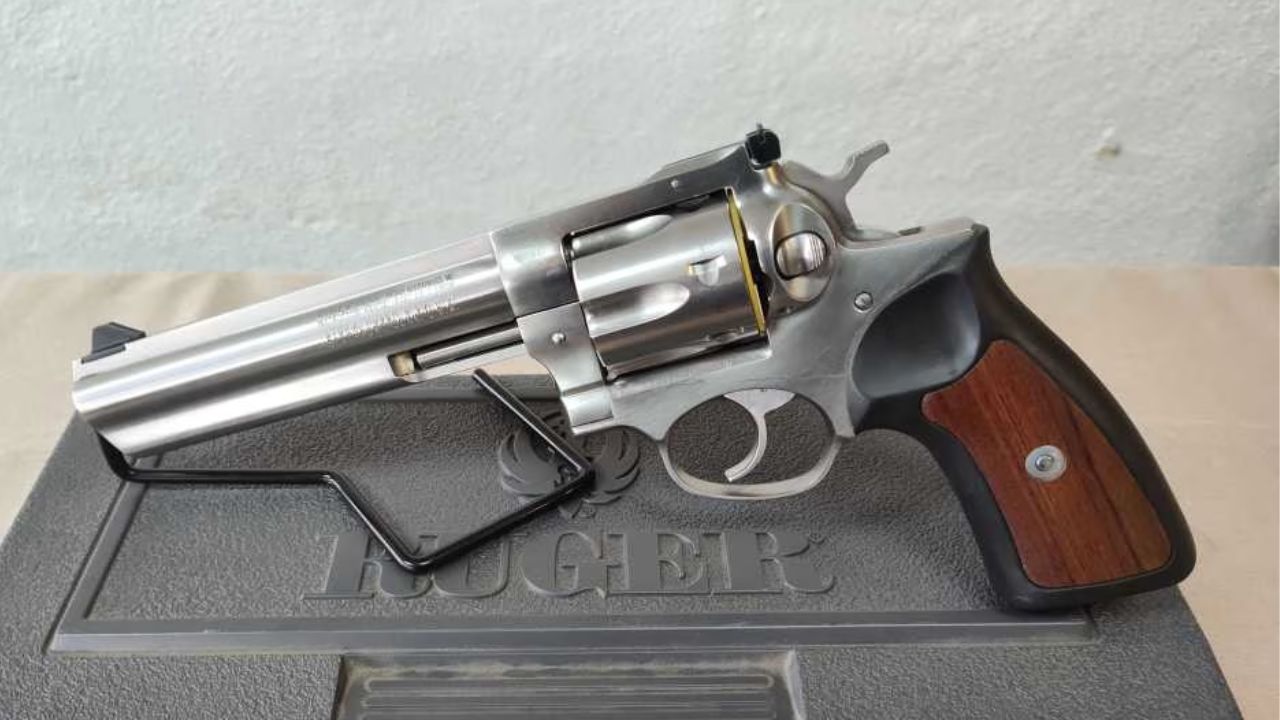
The GP100 is a work boot. It’s not trying to be a dress shoe, and it doesn’t need to be.
Used GP100s with holster wear move fast because they’re tanks, they digest magnums without drama, and they’re still supported. A little finish wear is almost expected, especially on blued guns that rode in a truck or on a belt.
The older ones with a good trigger feel like they’ve been “broken in” the right way. That’s worth paying for.
12. Ruger Security-Six (and Speed-Six)

Ruger’s old Six-series revolvers have a loyal following for a reason. They carry a bit trimmer than a GP100 and still handle .357 in a way that makes sense for real use.
These were duty guns and outdoors guns. Worn bluing and smooth grips are common, and that doesn’t stop buyers—because finding one unaltered and mechanically solid is getting harder.
Ask me how I know: the day you sell a good Security-Six is the day you start watching listings and realizing what you had.
13. Ruger Blackhawk (Old Model and New Model)
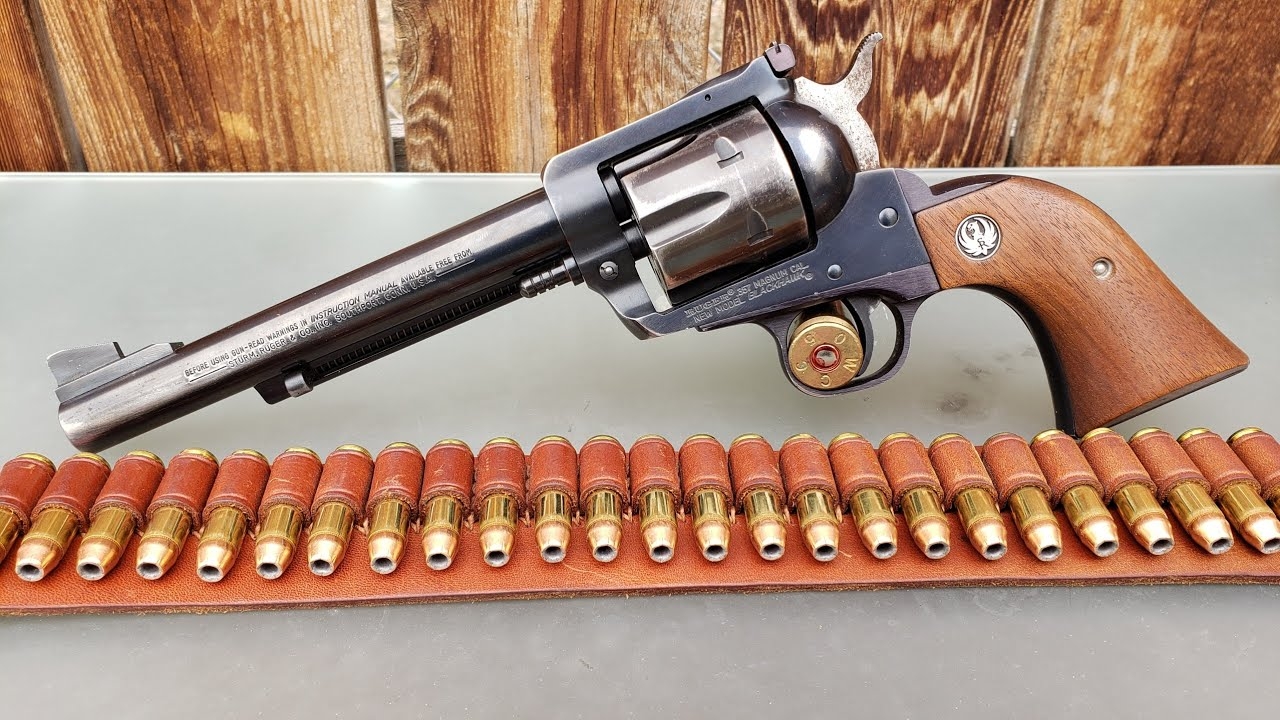
A Blackhawk with honest wear just looks right. These are belt guns, range guns, and hunting sidearms that bounce around in leather and ride in scabbards.
Because they’re so durable, a lot of the value comes from “still tight, still correct, still shoots straight.” Finish wear rarely bothers anyone unless it’s paired with neglect or corrosion.
And if it’s in a practical caliber like .357, .41, or .45 Colt, there’s always another outdoorsman looking for one.
14. Ruger Super Blackhawk (.44 Magnum)
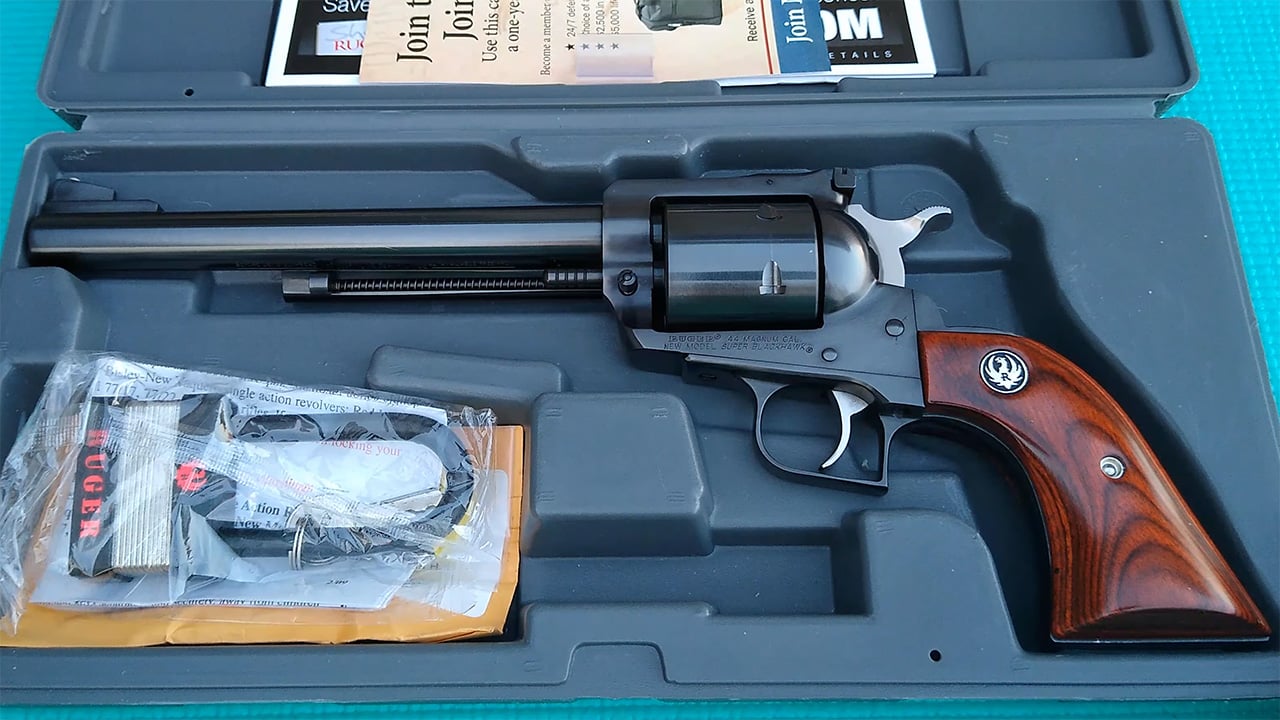
This is the revolver that taught a lot of folks what recoil really is. It’s big, it’s strong, and it belongs in a chest rig or a good belt holster when you’re in rough country.
A Super Blackhawk with rubbed edges and a few dings often has a hunting story behind it. That doesn’t lower the appeal—it increases it, as long as it wasn’t abused.
These are also easier to keep running than a lot of “collector” revolvers. That matters when you actually shoot your guns.
15. Ruger SP101 (2.25-inch or 3-inch)
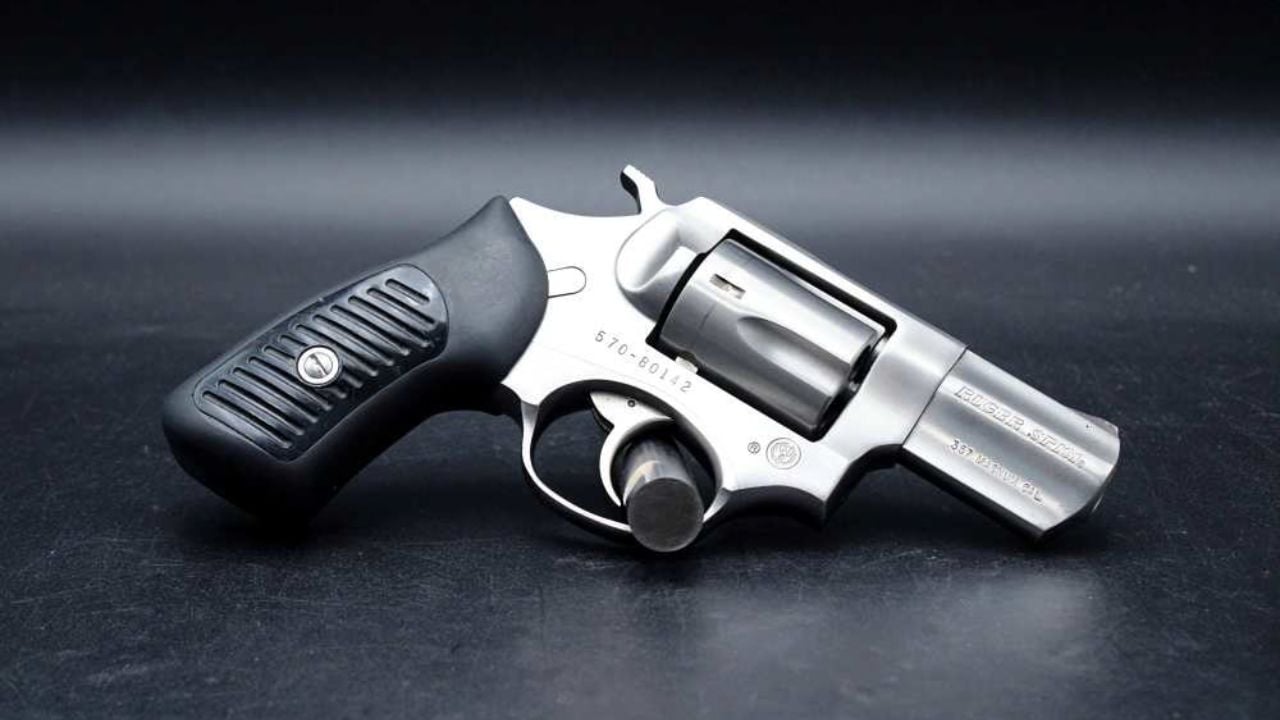
The SP101 is one of the best compromises ever made: small enough to carry, stout enough to shoot. It’s heavier than the featherweight snubs, and that extra weight buys you control.
Because it’s a practical carry revolver, you see plenty with the typical holster burnishing. That rarely hurts value, especially on the 3-inch versions that everybody seems to want now.
If the trigger feels smoothed out from use, that’s a bonus, not a defect.
16. Ruger Redhawk (.44 Magnum)
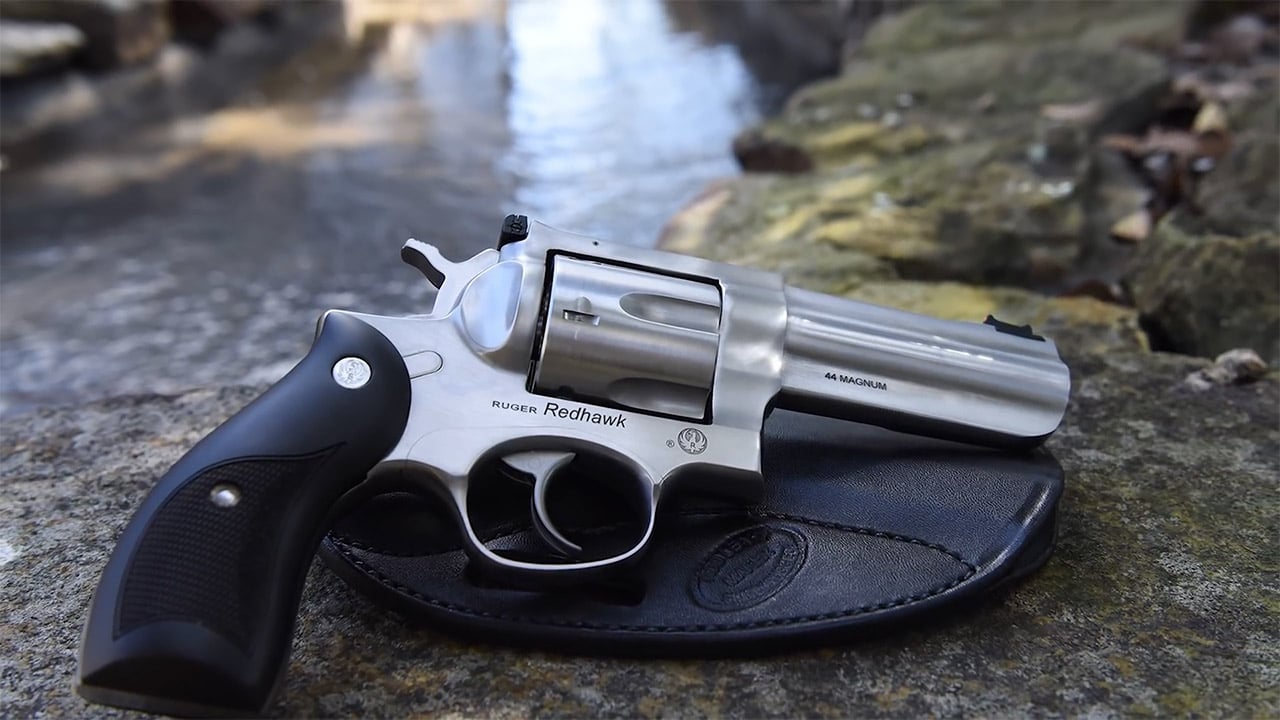
The Redhawk is not subtle. It’s the revolver you bring when you want the gun to outlast you.
Finish wear on a Redhawk is almost a badge. These get used hard in the field—bear country, hog hunts, farm carry—and a little honest wear tells you it wasn’t a safe ornament.
What matters is that the cylinder locks up like it should and the screws aren’t chewed up. A clean, worn Redhawk sells itself.
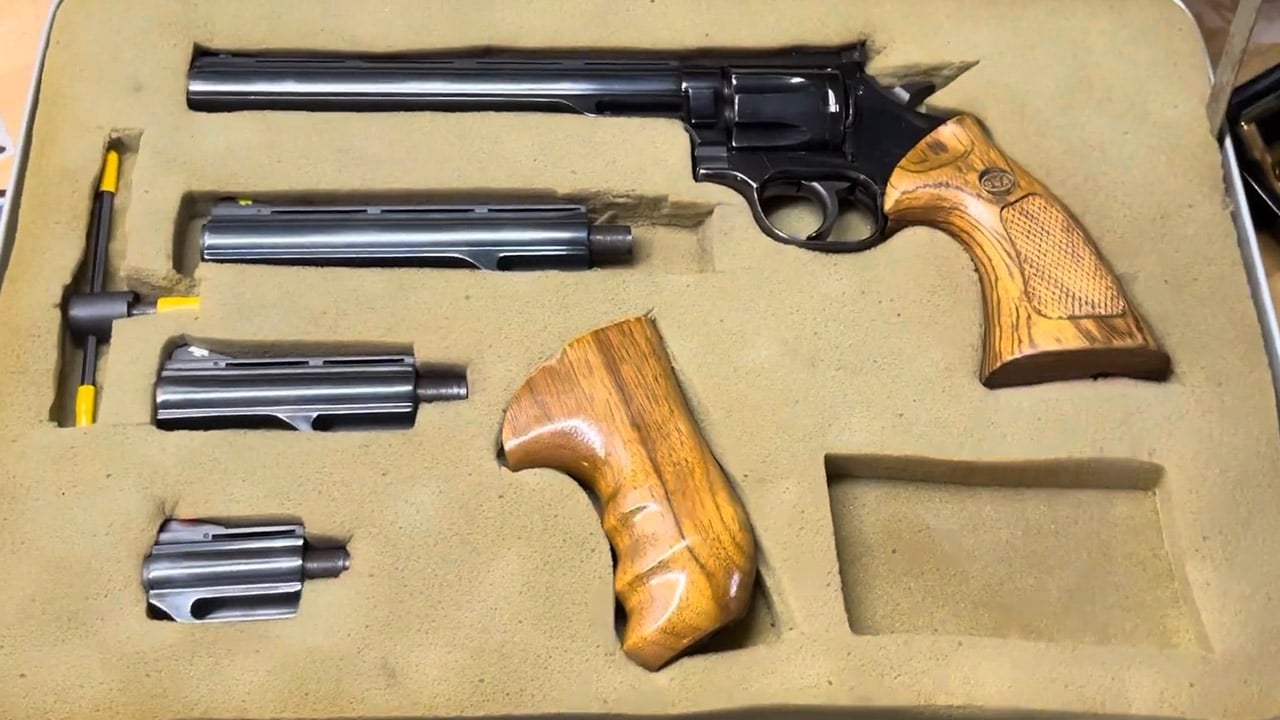
17. Dan Wesson Model 15 (.357 Magnum)
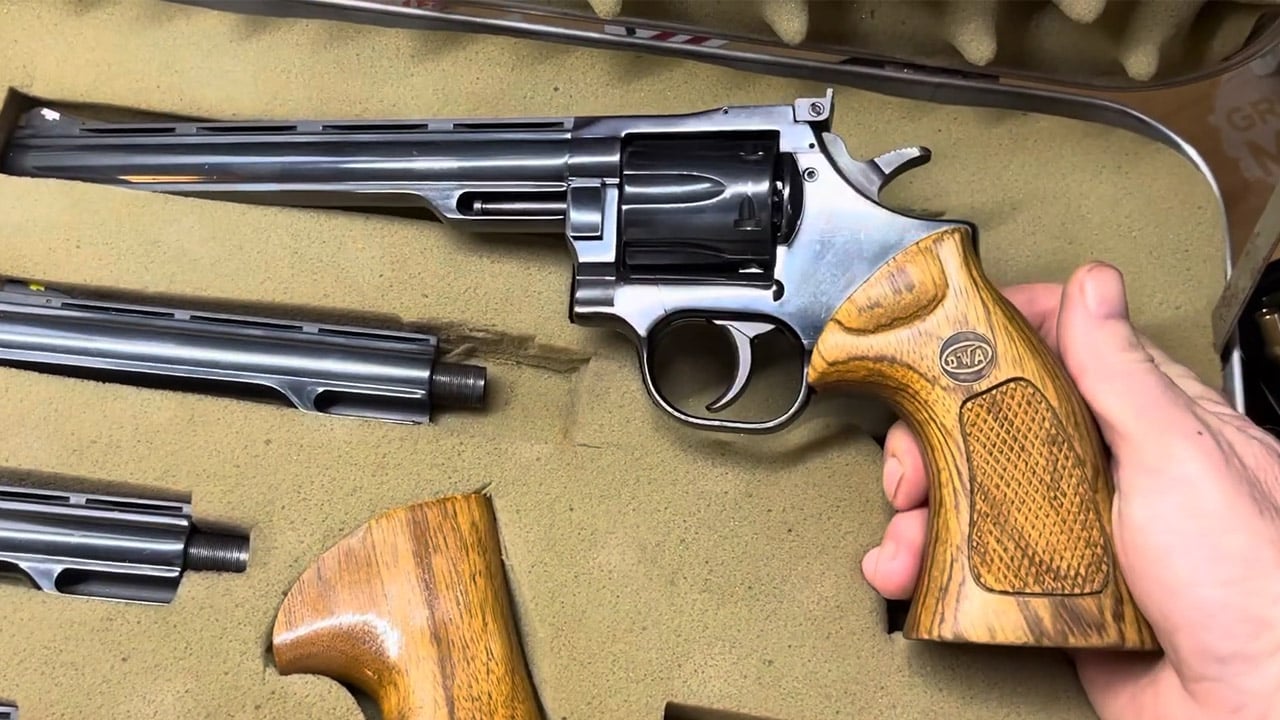
Dan Wessons are one of those “if you know, you know” revolvers. They’re accurate, robust, and they have a reputation for shooting better than they look.
A Model 15 with honest wear can bring serious money now because folks have caught on, and the supply is not endless. The good ones often show use because they were bought by shooters, not just collectors.
Original parts and clean workmanship matter here. Avoid anything that looks like it was experimented on.
18. Colt Single Action Army (3rd Gen and earlier)
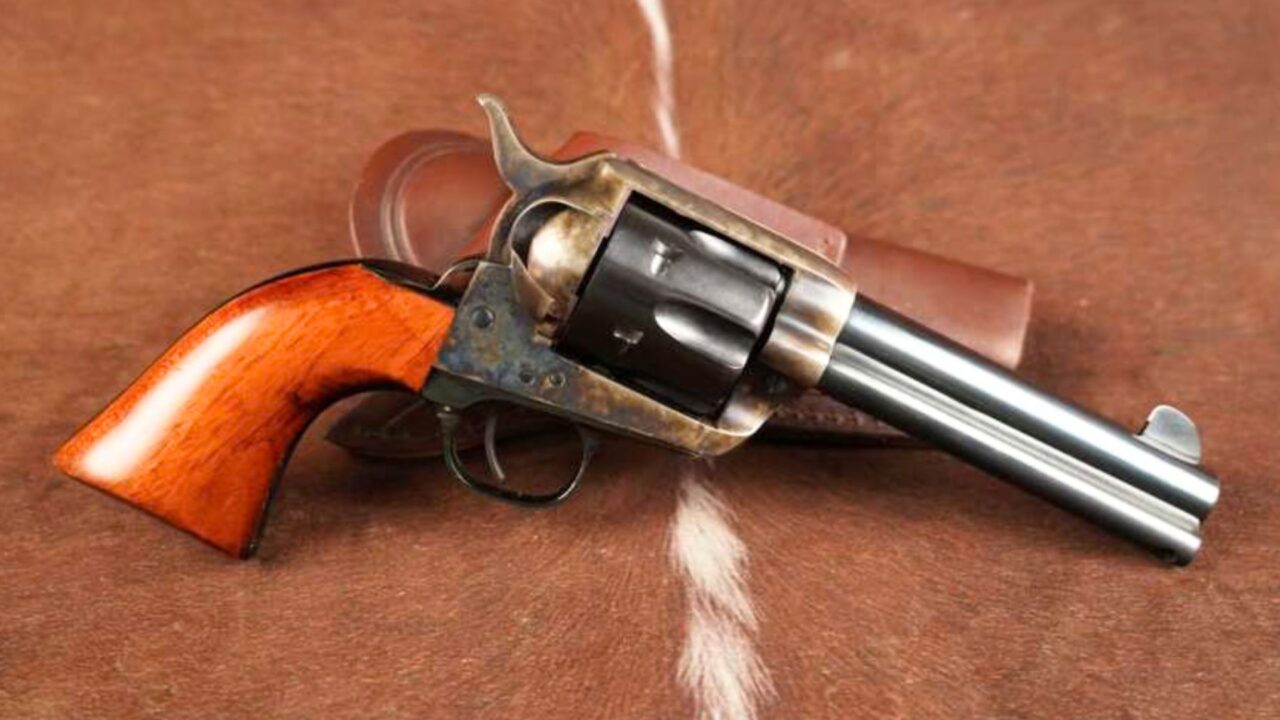
A real SAA with worn finish and crisp markings is about as classic as it gets. When you see one that looks like it’s been on a ranch, it has a pull you can’t fake.
Original, honest wear is often preferred over a refinish, because it proves age and authenticity. The cowboy-action crowd, collectors, and plain old history buffs keep these in demand.
These aren’t “cheap shooters,” so condition still matters. But honest wear doesn’t scare the right buyer—it attracts them.
19. Smith & Wesson Model 586/686 (L-frame .357)
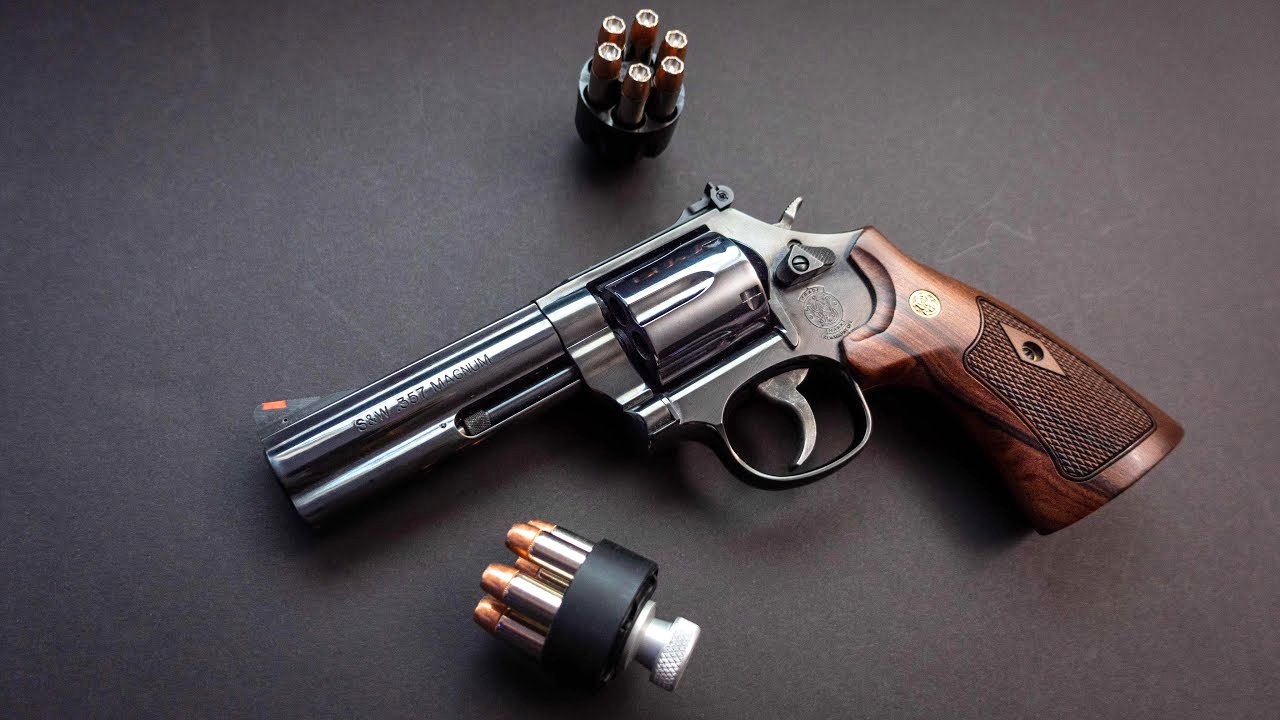
The 586 and 686 were the answer to a real-world problem: folks loved K-frames, but they wanted to shoot a steady diet of .357 without beating the gun up. The L-frame did that with better longevity.
Because these were used—range time, duty holsters, hunting rigs—you see a lot with normal edge wear. They still bring strong money because they’re excellent shooters and they’re not getting any cheaper.
A turn line on the cylinder is normal. A revolver without one usually hasn’t been used much, and that’s not always a selling point if you’re buying to shoot.
20. Smith & Wesson Model 12 (Airweight K-frame .38)
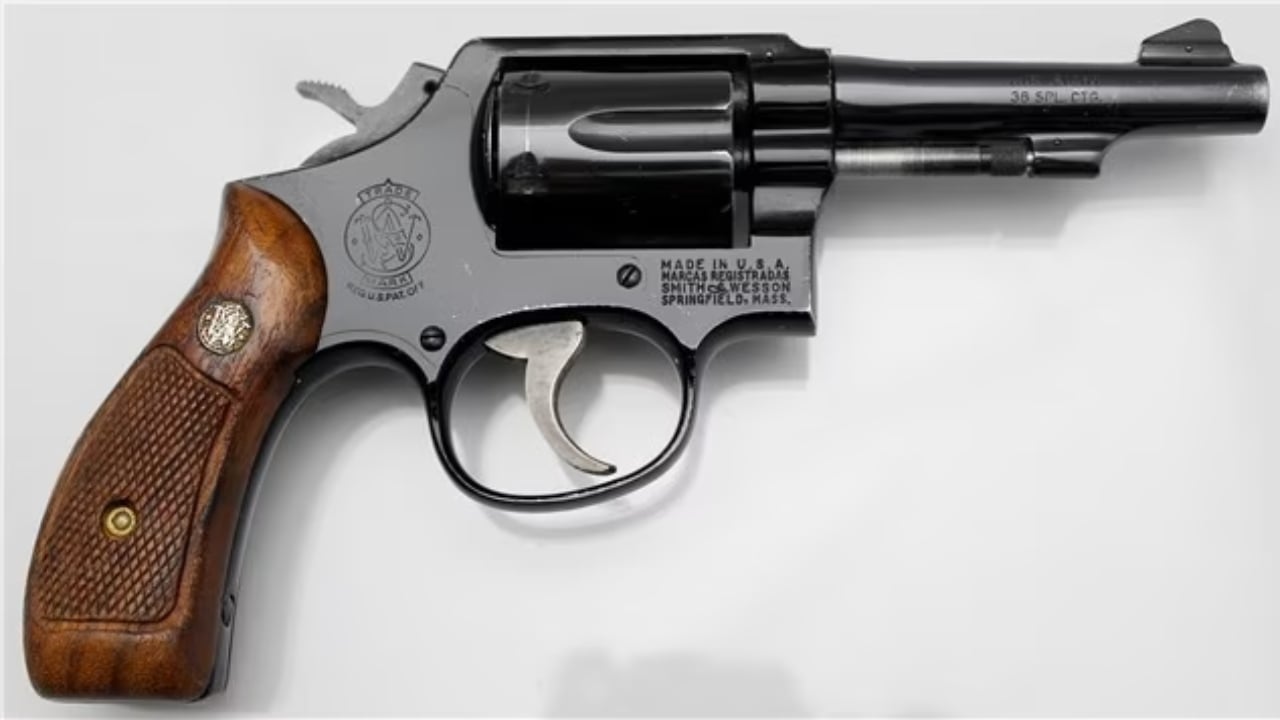
The Model 12 is one of those underrated revolvers that gets expensive the moment you try to replace it. It’s a K-frame you can actually carry all day without feeling like you’ve got a boat anchor on your hip.
Most Model 12s show wear because they were carried, and that’s exactly why they’re desirable now. They’re not common, and they fill a niche that modern guns don’t always match—light, handy, still shoots like a real revolver.
These are not meant for constant hot-rodding with heavy loads. Treat it like the lightweight .38 it is, and a worn one can still be a gem.
Here’s the bottom line: honest wear tells a story, and with the right revolvers it also signals something practical—these guns were carried because they worked. If you’re shopping used, don’t get hypnotized by cosmetics. Check lockup, timing, bore, and screws, and pay attention to whether the wear looks like normal life or hard neglect. A revolver that’s been there and done that can be the one that holds its value best, because it already proved it belongs on a belt instead of a pedestal.
Like The Avid Outdoorsman’s content? Subscribe to our newsletter so you never miss an article.
Here’s more from us: