Photo credit: TFB TV/Youtube
Every rifle guy I know has at least one in the safe that’s almost perfect… except for that one thing. The one thing you learn to live with, then spend the next five years fixing, tuning, shimming, bedding, polishing, swapping stocks, swapping optics, swapping magazines, and still muttering about it at the range. What makes these rifles interesting isn’t that they’re junk. It’s that they do a lot right, often enough to keep you loyal, while one stubborn flaw keeps you tinkering.
Here are 20 rifles that earn real respect in the field, even if their owners have to “work around” a specific headache for way too long.
1. Ruger Mini-14 (older thin-barrel Ranch Rifle)

The Mini-14 carries like a dream and points fast, especially in the woods or around a farm where shots are quick and distances are honest. Reliability is usually solid, and the manual of arms is simple enough that it feels natural even for folks who didn’t grow up on ARs. It’s also one of those rifles that just looks right behind a truck seat or on a ranch rack.
Then the older thin barrels start heating up and you watch groups walk across the target like they’ve got a mind of their own. Cold-bore it might print fine, but string a few shots and it turns into “minute of coyote” real quick. Owners spend years chasing accuracy with ammo experiments, gas bushings, barrel struts, and optics swaps. You can make them better, but you never fully forget what it is.
2. Remington 700 (Walker trigger era)

The Model 700 became a default hunting rifle for a reason. The action is smooth, the aftermarket is endless, and you can build one into basically anything from a light deer rifle to a long-range rig. There’s nothing fancy about it, and that is kind of the point. Plenty of them shoot well with basic factory ammo and a decent scope.
The shadow hanging over certain years is the old trigger design and the worry it brings. Even when a rifle behaves perfectly, a hunter who knows the background tends to handle it with extra caution, and a lot of owners end up budgeting for a replacement trigger just for peace of mind. It’s not that the rifle can’t be trusted; it’s that nobody wants a question mark when a cold finger meets a trigger in November.
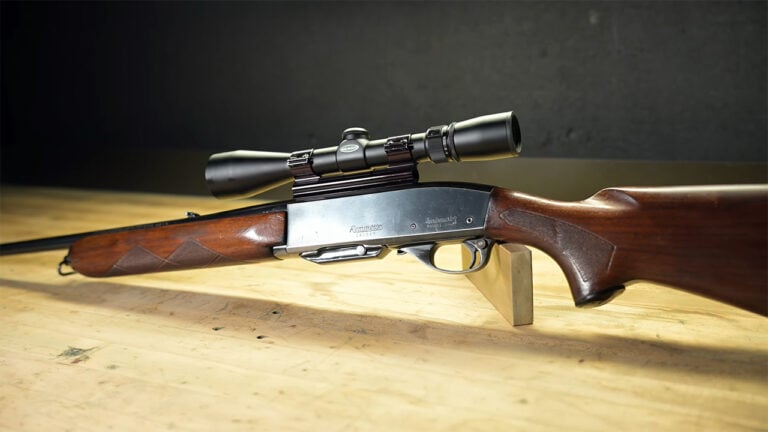
3. Remington 742 Woodsmaster

If you grew up around deer camps, you’ve seen a 742 that’s put meat in the freezer for decades. Fast follow-up shots, soft recoil, and a familiar feel make it easy to understand why they were popular. In the right hands, they’re deadly on whitetails in timber and cutovers.
The “work-around” comes from wear in the action rails and the reputation for turning into a jam-o-matic when they’re dirty, dry, or simply tired. Owners baby them, keep them surgically clean, and hoard spare magazines like they’re gold. Once one starts acting up, the fix isn’t always simple or cheap, and plenty of gunsmiths don’t want the job. The ones still running are often running because somebody treats it like a classic car.
4. Ruger American Rifle (rotary magazine versions)
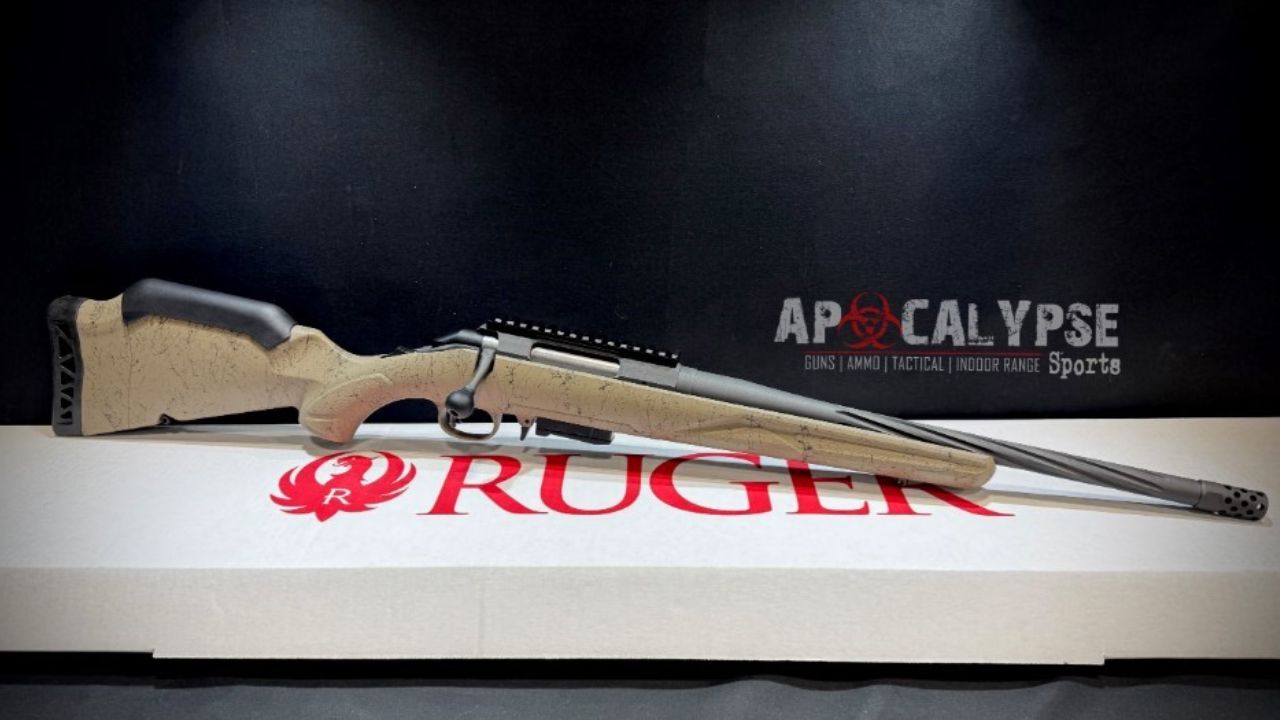
Accuracy for the money is what made the Ruger American a modern staple. They’re light, they shoot, and they’re honest working rifles that don’t punish your wallet. As a “buy it, sight it, hunt it” option, it’s hard to argue.
The sticking point is usually the magazine system on certain versions. The rotary mags can be finicky about seating, and the latch feel isn’t always as positive as you want when you’re loading in the dark. Owners end up practicing the exact angle and pressure it takes, or they migrate to versions that take AICS mags just to stop thinking about it. It’s a small thing until you’re cold, gloved up, and trying not to rattle around in a stand.
5. Savage Axis
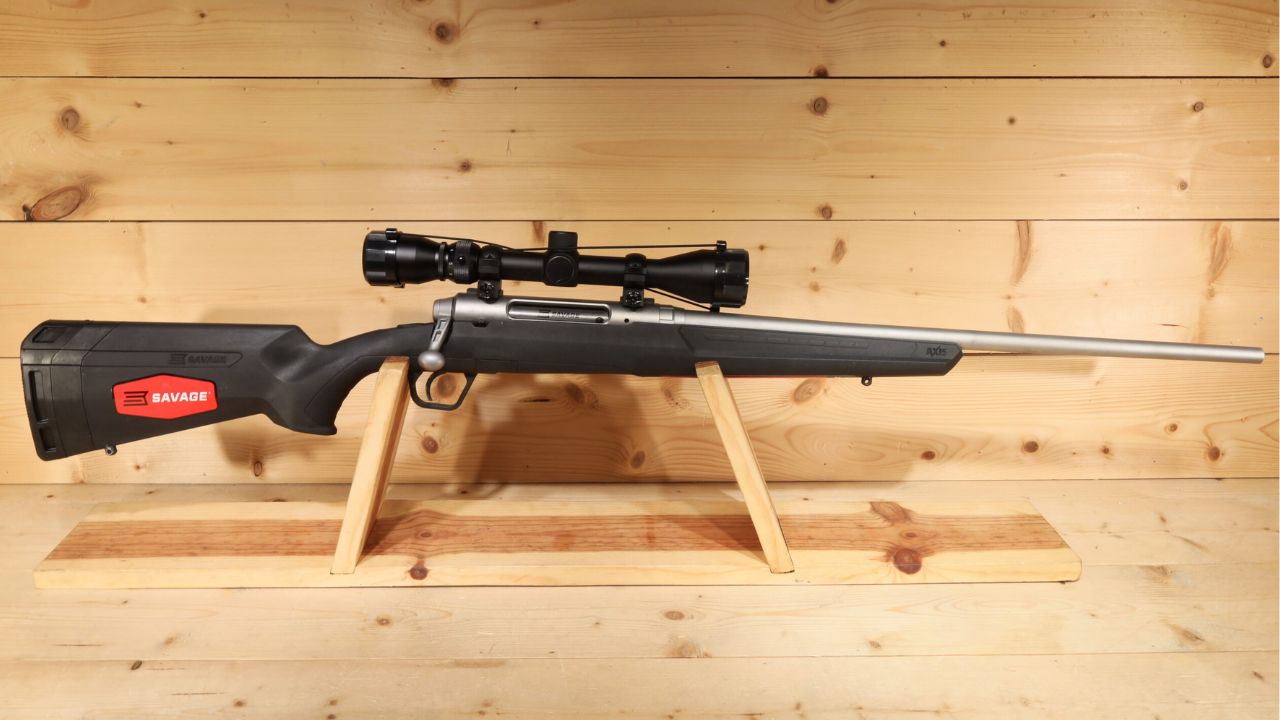
The Axis is one of those rifles that surprises people. A plain-looking budget bolt gun that often shoots way better than it has any right to. For a new hunter or a guy who wants a “leave it in the truck” deer rifle, it does the job with minimal drama.
But the factory stock and overall feel are where owners start “improving” things. The forend can be flexible enough to mess with consistency if you load it on a bipod or rest it hard. The trigger on older ones can feel like a staple gun until it’s adjusted or replaced. Folks end up swapping stocks, adding pillars, or chasing little accuracy gremlins that aren’t really the barrel’s fault. It’s still a bargain, but it tends to turn into a project rifle.
6. Mossberg Patriot

The Patriot is another rifle that gets you hunting without taking out a loan. They’re generally light, they shoulder well, and plenty of them will put three shots into a respectable group with the right ammo. For a basic whitetail rifle, that’s enough for most people most of the time.
The complaint you hear is the bolt feel and the occasional roughness in cycling, especially when you’re running it fast. It’s not usually a “won’t work” problem, more of a “this feels cheaper than I want” problem. Owners learn to run the bolt with authority, keep it clean, and sometimes polish contact points with careful gunsmith attention. If you treat it like a controlled-round-feed safari rifle, you’ll be disappointed. If you treat it like an affordable tool and learn its rhythm, it’s fine.
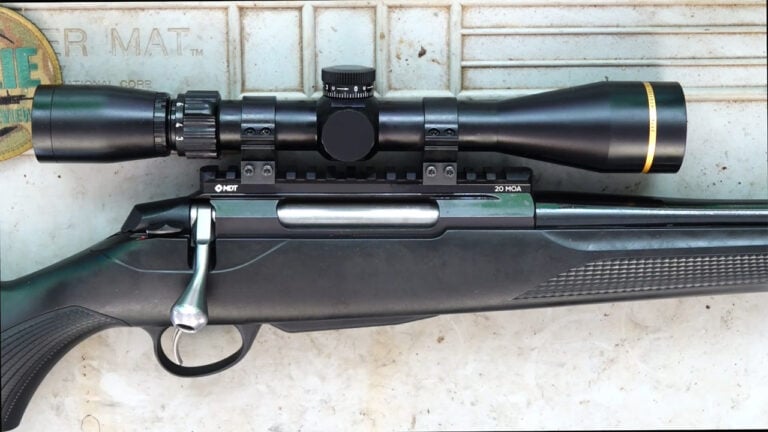
7. Tikka T3x (factory recoil lug and plastic bits)

Tikkas have earned their reputation for smooth actions and out-of-the-box accuracy. They’re the rifle you hand to a buddy who swears he “can’t shoot,” and suddenly he’s stacking groups. They carry well in the mountains and don’t feel like a boat anchor on long walks.
The thing owners grumble about is the use of polymer components in spots where traditionalists want steel, and the recoil lug setup that makes stock swaps more involved than expected. Guys buy one because it shoots, then immediately start planning a chassis or a different stock, and that’s where the little design quirks show up. None of it ruins the rifle, but it sends people down a rabbit hole of parts and fitment they didn’t expect from a rifle that already shot great.
8. CZ 527 (set trigger and discontinued magazines)
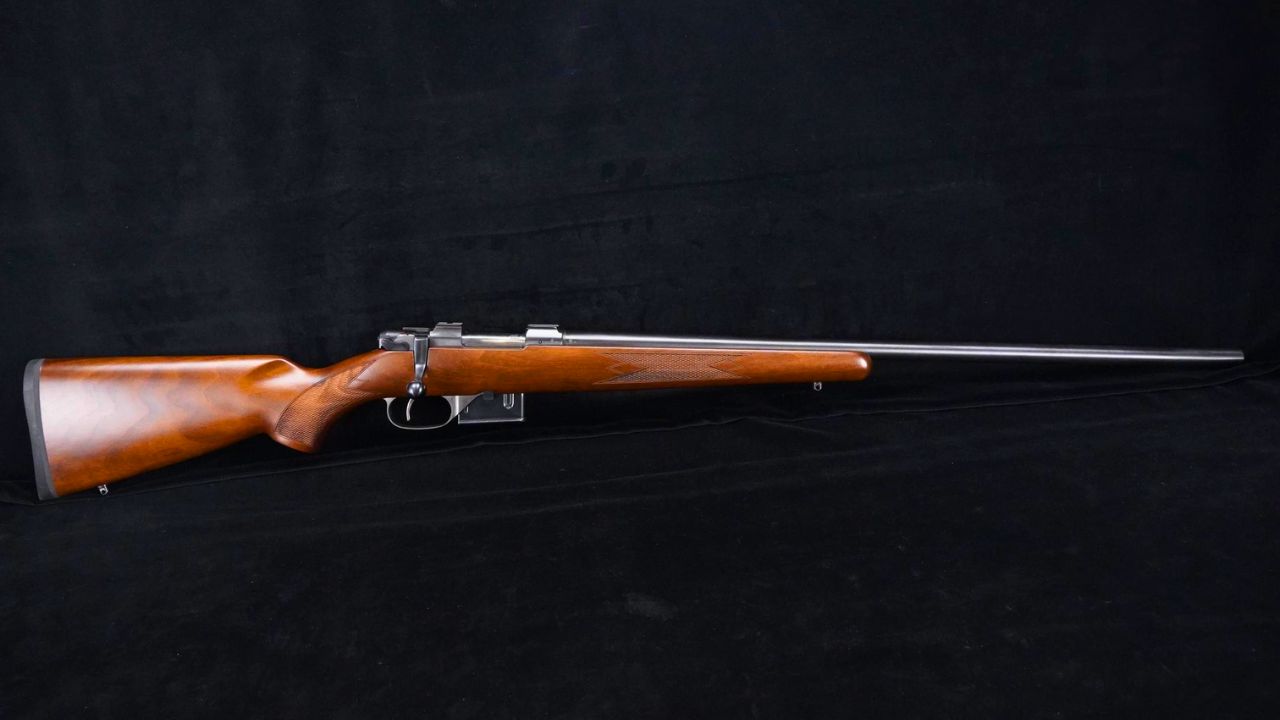
The CZ 527 is one of the most likeable little bolt guns ever made. Handy, accurate, and it just feels like a “real rifle” scaled down right. In .223 or 7.62×39 it’s a joy for calling predators, farm work, and general woods roaming.
Two problems keep owners tinkering. The protruding detachable magazine can snag on things, and once CZ discontinued the line, good mags became something you guard like your last box of primers. The set trigger is a love-it-or-hate-it feature, and some folks spend time adjusting and learning it so it’s safe and predictable under stress. Ask me how I know. If you get one dialed in and you’ve got spare mags, you hang onto it.
9. Springfield Armory M1A (standard models)
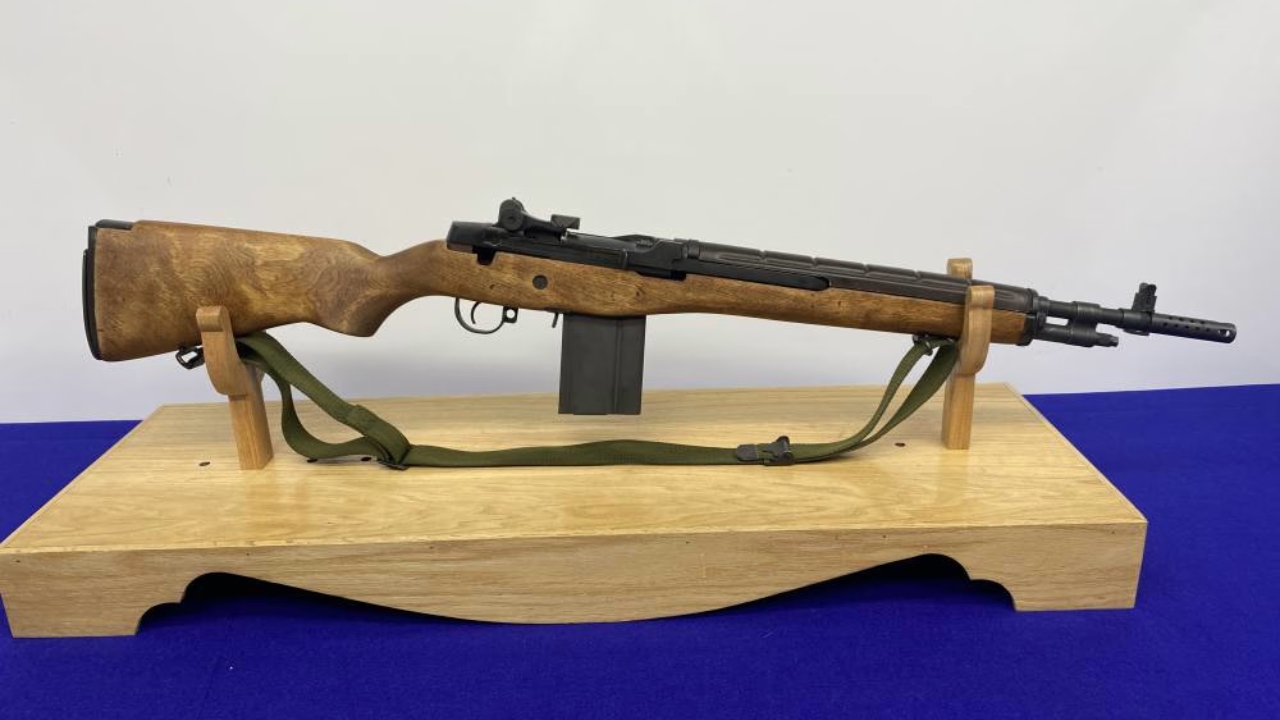
An M1A has a certain pull that’s hard to explain to someone who hasn’t carried one. The balance is good, the iron sights are excellent, and it feels like a serious rifle with real history behind the shape. For range days and practical field use inside sane distances, it can be a lot of fun.
The headache is optics mounting and consistency. Getting a scope to sit low, stay tight, and return to zero can be more effort than it should be, and some rifles are picky about keeping good groups once they heat up. Owners chase mounts, rings, torque specs, bedding, and sometimes different stocks to settle things down. The rifle itself can be excellent, but turning it into a modern scoped setup often becomes a long-term project instead of a simple upgrade.
10. Ruger Gunsite Scout

The Gunsite Scout is a practical rifle in a world that loves specialized gear. Short, handy, controlled-round-feed, and typically reliable. In .308 it hits hard enough for most North American hunting and it’s easy to carry through brush or around a ranch.
Where it gets complicated is the whole “scout scope” concept and the real-world inconvenience of the forward optic setup for many shooters. Some owners love it. Others spend years trying different long-eye-relief scopes, rings, and backup sight setups before finally deciding to mount a conventional scope or run irons. The detachable magazine can also be a love-hate deal depending on the mag style and availability. It’s a great idea, but plenty of folks end up configuring it three different ways before it settles into what they actually want.
Free for gun owners: If something happened to you tomorrow, would your family know where the guns are, who has the safe combination, or what to do first? Our free Gun Owner’s Family Checklist walks them through it. It takes about 15 minutes to fill out. Get your free copy here.
11. Winchester Model 94 (top-eject, older angle-eject issues)
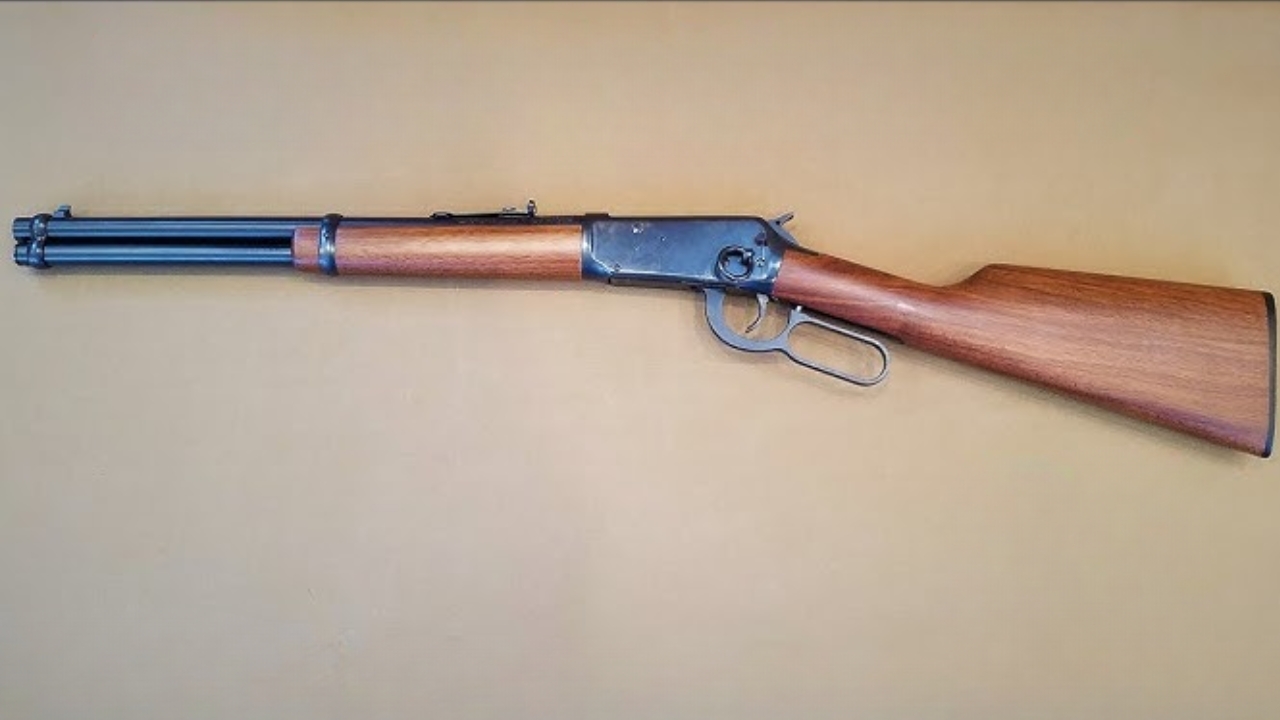
A Model 94 is still one of the best woods rifles ever made. It carries flat, comes up quick, and doesn’t feel like a fence post in your hands. For whitetails inside 150 yards, it’s hard to beat the way a good lever gun moves through cover.
The long-term “work-around” is optics. Top-eject models fight you on scope mounting, and even angle-eject rifles often end up with awkward cheek weld and high-mounted glass. Many owners try receiver sights, scout mounts, offset mounts, and every combination of rings you can think of. Half the time they circle back to irons because it’s what the rifle wants. If your eyes still handle iron sights, life is simple. If they don’t, you’ll be experimenting for a while.
12. Marlin 336 (post-Remington “Remlin” rough years)

The 336 is a classic hunting tool, and a good one is almost boring in how well it works. .30-30 is still a hammer in thick country, recoil is friendly, and the rifle just feels right slung over a shoulder. A clean 336 with a good load will drop deer like it always has.
The rough patch came from certain production years where fit and finish could be inconsistent. Owners end up deburring sharp edges, smoothing actions through use, and sometimes addressing sight alignment or wood-to-metal fit that should’ve been better. The frustrating part is the core design is so good you can tell what it should be. That one hurts, because you’ll shoot it, like it, and still find yourself thinking, “Why did they let this out of the factory like that?”
13. Henry Long Ranger (magazine availability and caliber choices)
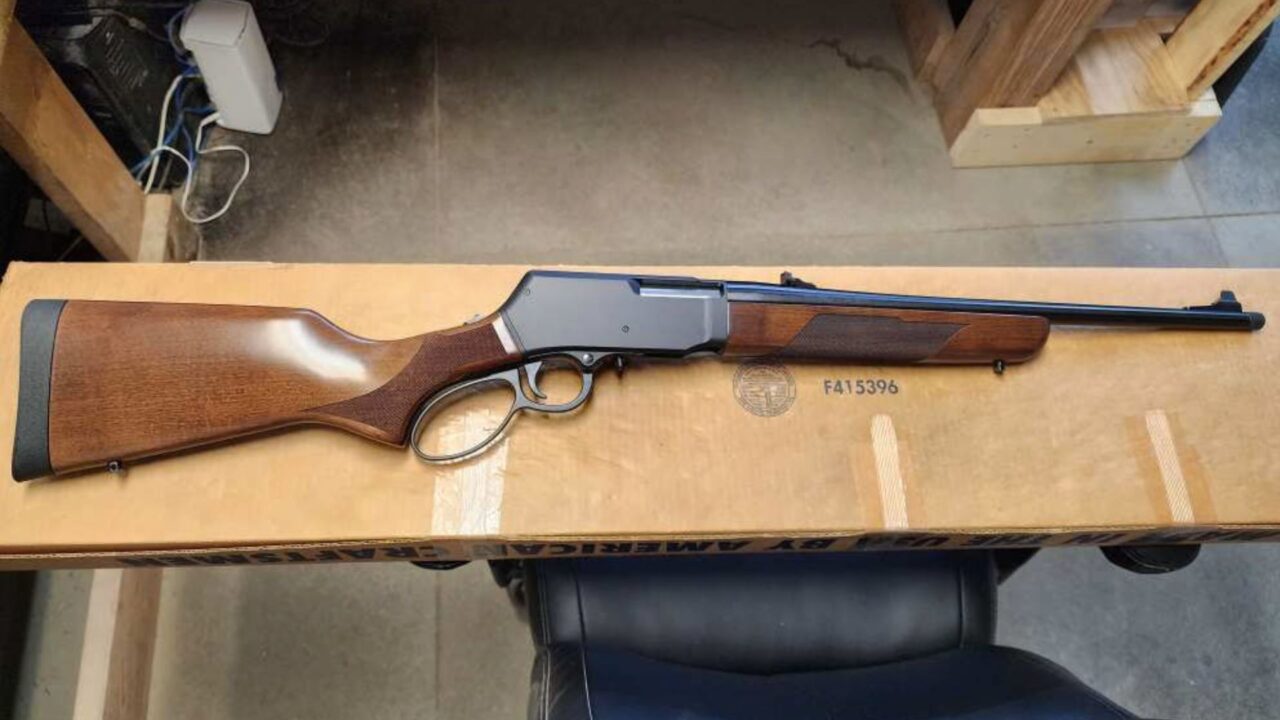
The Long Ranger is a lever gun that behaves more like a modern rifle. Box magazine, spitzer bullets, good accuracy potential, and a smoother path to mounting optics than traditional tube-fed levers. For folks who want a lever gun that stretches its legs, it’s a smart concept.
The snag is that magazines and certain chamberings can be harder to find than they should be, depending on when you’re shopping. Owners often buy extra mags early and then spend years trying to locate more, or they baby the ones they have. Some also realize the rifle sits in a weird niche: not quite a classic lever feel, not quite as simple as a bolt gun. It’s excellent when it matches your needs, but it can take a while to figure out whether you bought a solution or a hobby.
14. Browning BAR (hunting models)

The hunting BAR is a soft-shooting semi-auto that makes quick, accurate follow-up shots feel easy. In .30-06 or .308 it’s a legitimate deer and elk rifle, and they tend to balance better than you’d expect. For some shooters, it’s the difference between enjoying recoil and enduring it.
The “work-around” is weight, maintenance complexity, and parts/service considerations. It’s not a rifle most owners want to strip down on the kitchen table, and when something feels off, you’re often looking for a specialist. Add in magazine cost and availability, and you’ll see why BAR owners tend to be committed. They’ll also tell you the truth: it’s not the rifle you grab for a five-mile mountain hunt unless you really love it. Great rifle, but it asks more of you than a basic bolt gun.
15. AR-15 (early Ruger AR-556 and similar carbine-gas setups)

A basic AR is hard to beat for utility. Easy to shoot, easy to mount optics and lights, magazines everywhere, and parts are plentiful. For varmints, training, and general rifle work, it’s a platform that just makes sense in 2026.
Some of the earlier budget carbines run over-gassed, which means more recoil impulse than necessary and a rifle that can feel harsher than it needs to be. It still runs, and that’s why owners keep them, but the “years working around it” comes from chasing smoothness with buffers, springs, and different ammo. Nothing here is unsafe when kept stock and in spec, but the quest to make it feel like a higher-end gun is real. Once you shoot a properly tuned rifle, you start noticing the slap.
16. AK-pattern rifles (Century Arms RAS47 era)

A good AK is a working man’s rifle: simple, durable, and forgiving. When they’re right, they run dirty, feed anything, and handle rough conditions without drama. For hogs, ranch defense, or just a rifle you don’t baby, the appeal is obvious.
Some specific production runs, like the RAS47 era, have enough mixed reputation that owners end up constantly monitoring wear, checking function, and wondering if they got a good one or a lemon. Many run fine for casual use, but the uncertainty is the problem. Owners compensate by limiting round counts, being picky with mags, and staying on top of inspection and maintenance more than an AK owner expects. If you have one that’s been solid, you probably keep it. If you don’t, you learn fast why “cheap AK” can be a long-term headache.
17. Ruger 10/22 (factory trigger)
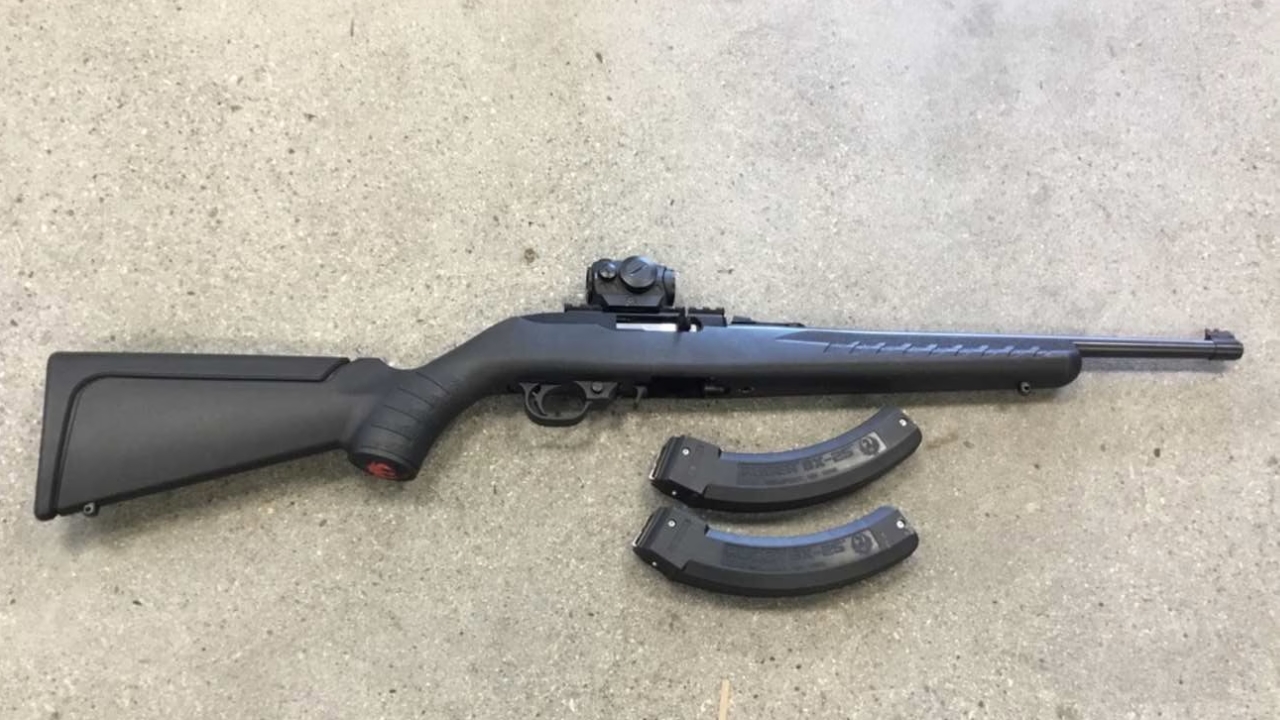
The 10/22 might be the most useful .22 rifle ever sold. It’s light, handy, accurate enough for squirrels, and the rotary mag design is still one of the best ideas in rimfire. Every farm kid, every new shooter, and plenty of serious hunters have used one for something.
And then there’s the trigger. A factory 10/22 trigger is often serviceable, but it’s rarely crisp, and once you start shooting tighter groups or trying headshots on squirrels, you notice it. Owners spend years trying different springs, polishing, swapping housings, or just learning the break and accepting it. The aftermarket is endless, which is great, but it also means the rifle becomes a constant “one more upgrade” project. It’s still a rifle I’d never be quick to let go of.
18. Winchester XPR (bolt throw and feel)
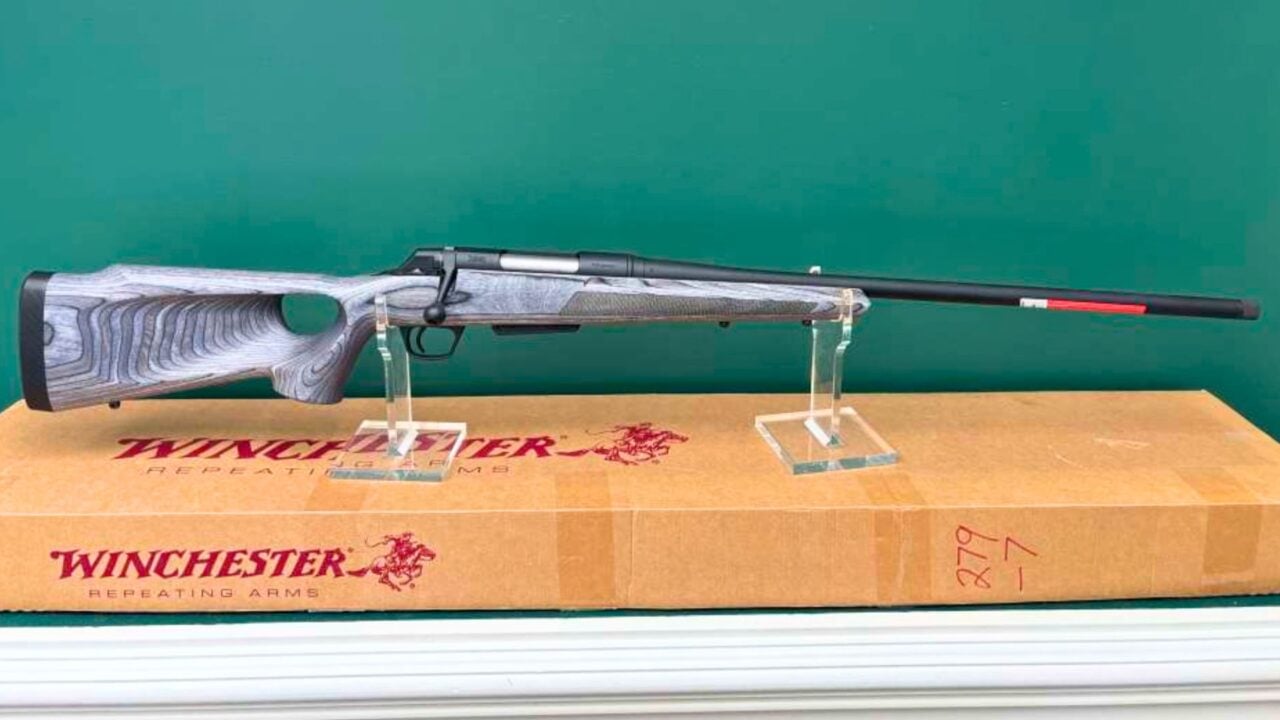
The XPR is one of the more underrated budget hunting rifles when it comes to pure results. Many of them shoot very well with standard hunting ammo, they’re not overly heavy, and they handle like a modern tool. If you’re the type who hunts more than you tinkering, an XPR can be a good match.
The complaint you’ll hear is the bolt lift and overall feel. Some are slick, some feel a little stiff or “springy,” and it can be noticeable when you’re trying to run it quietly or quickly. Owners learn where the rifle likes to be lubricated, how much force it wants, and what ammo feeds the smoothest from the magazine. It’s not glamorous, but it works. The rifle often stays in the lineup because it keeps putting the first shot where it needs to go.
19. Weatherby Vanguard (weight and long-action feel)
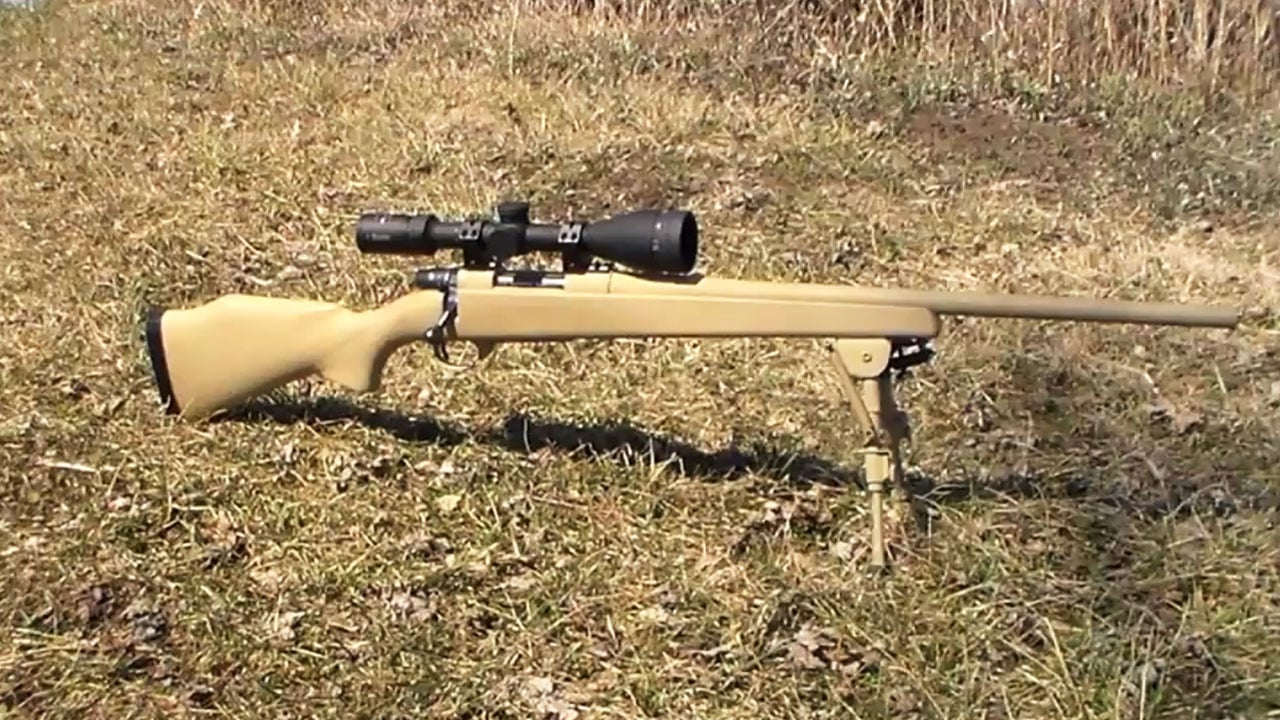
The Vanguard is a steady, accurate rifle with a reputation for being dependable and shooting well with factory ammo. The two-stage trigger on newer ones is generally decent, and the rifle feels like it was built to last. If you sit in a box blind or hunt from a stand, the weight can even be a benefit.
Carry one all day in hills, though, and you’ll understand why owners talk about “working around” it. The heft and the long-action feel, even in some chamberings that don’t need it, can make the rifle feel bigger than necessary. Folks start looking at slings, lighter scopes, trimming accessories, and trying to balance it better. It’s a rifle that often shoots like a dream but carries like a chore. If your hunts are short walks, you won’t care. If they aren’t, you will.
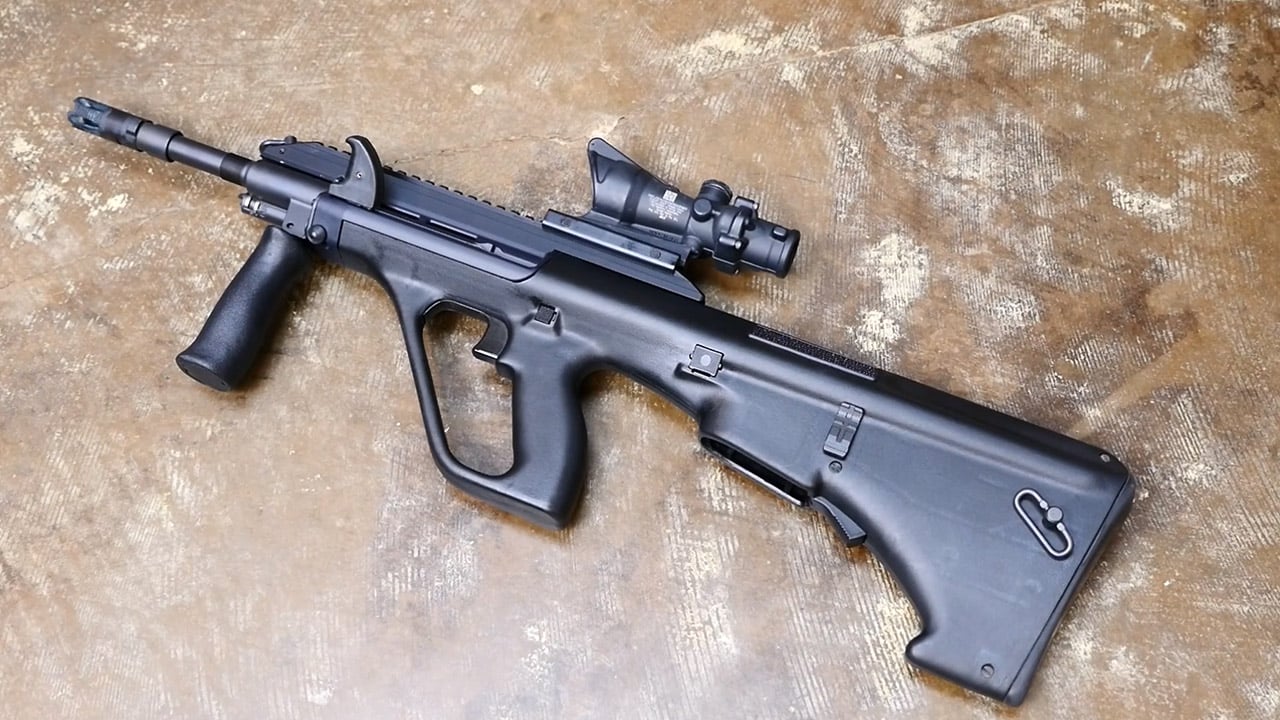
20. Steyr AUG (modern production)

The AUG is compact, reliable, and surprisingly accurate for what it is. Bullpup balance makes it easy to maneuver in tight spaces, and as a practical semi-auto rifle it has real strengths. It also has a “cool factor” that doesn’t wear off as fast as you’d think.
The part owners spend years adapting to is the trigger and the ergonomics. Bullpup triggers are rarely great, and the AUG is no exception. Then you add the manual of arms differences, the way it reloads, and the fact that some accessories and optic setups feel specific and expensive. Owners usually get the rifle running exactly how they like it, but it takes time, range reps, and sometimes a few purchases they didn’t plan on. When it clicks, it’s excellent. Getting to “click” can be the long road.
None of these rifles are hopeless. Most are the kind you keep because they do something you value: they carry right, they shoot right, they run in bad weather, or they just feel like home. The trick is being honest about the one thing you’re willing to tolerate. If you know the flaw going in, you can plan around it, budget for it, and keep the rifle safe and dependable. If you ignore it, you’ll be chasing it forever.
Like The Avid Outdoorsman’s content? Subscribe to our newsletter so you never miss an article.
Here’s more from us: