Photo credit: Ozzie Reviews/Youtube
Estate sales are funny. One table will have cookie jars and costume jewelry, and the next table has a rifle that somebody hunted with for 40 years sitting in a soft case like it is no big deal. The family wants the house cleared. The guy running the sale doesn’t want drama. And a whole lot of solid rifles wind up tagged like they’re just “old hunting guns.”
The next owner, though, is usually a shooter. He knows what parts cost, what ammo costs, and what it takes to replace a rifle that already has a slick bolt and a decent trigger. Here are 20 rifles I keep seeing go cheap at estate sales, then bring real money later once they’re cleaned up, checked over, and put in front of the right buyer.
1. Winchester Model 70 (pre-64)

If you’ve ever cycled a clean pre-64 Model 70, you know why guys get protective about them. The controlled-round feed action feels like it wants to run, and the rifle points like a proper hunting rifle should. At estate sales, they show up with honest wear, maybe a dinged stock, and sometimes an old 4x scope that makes it look “dated.” That’s where the bargain happens.
The mistake is thinking “old bolt gun equals cheap bolt gun.” A pre-64 isn’t just nostalgia. It’s a desirable action for hunters and collectors, and it carries a name that still means something. Even when the metal has some freckles, a lot of them clean up fine and shoot better than folks expect with modern ammo. Verify it’s actually pre-64, check the bore, and don’t assume the tag price reflects what it’s worth.
2. Remington 700 BDL (older walnut/blue)
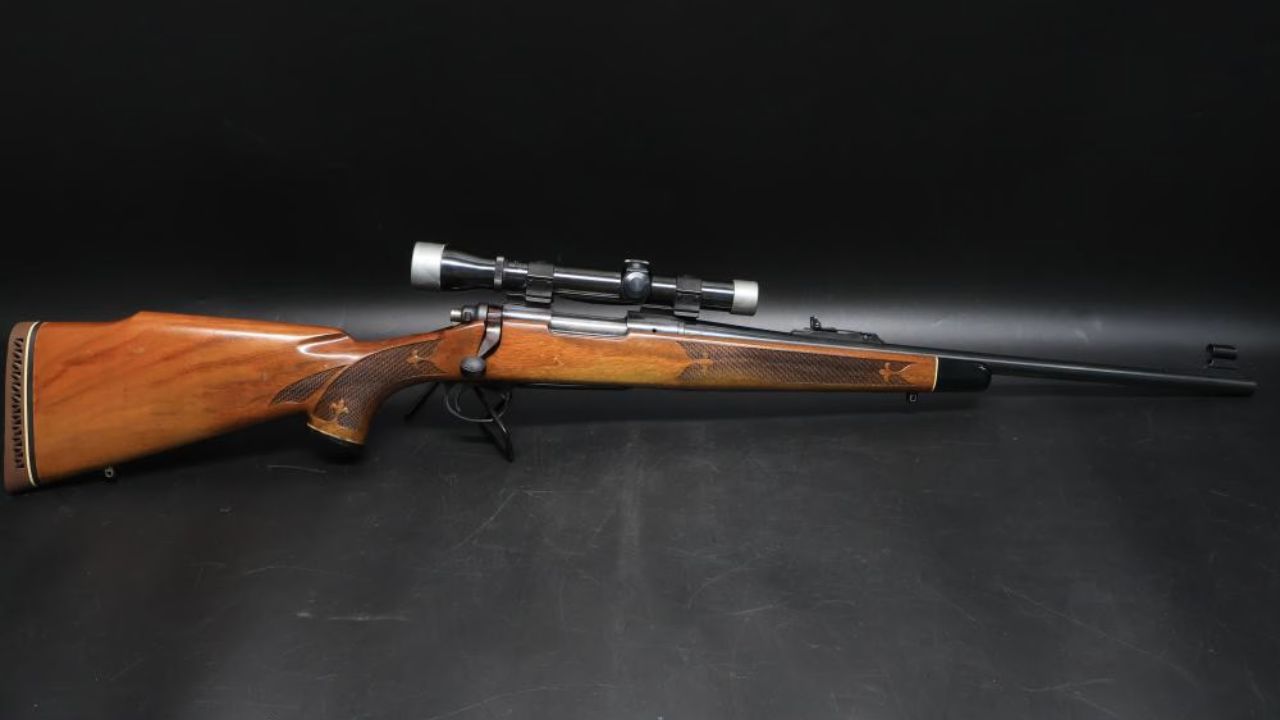
Old 700 BDLs get dismissed because there are so many 700s out there. But the earlier walnut-and-blued guns with the floorplate and decent checkering have a different feel than the newer budget stuff. They balance well, ride in one hand nicely, and they tend to shoot. At an estate sale they’re often sitting next to a stack of unopened .30-06 like the rifle is just part of the “hunting stuff.”
Where the next owner cashes in is the broad market for 700s. Parts are everywhere, gunsmiths know them, and there’s always somebody wanting a clean BDL for a classic deer rifle build. The key is not getting starry-eyed if it’s been “kitchen-table modified.” Look for butchered screws, buggered scope base holes, and a crusty bore from decades of oily patches. A clean one, even plain, rarely stays cheap for long.
3. Ruger M77 Mk II (stainless/synthetic)
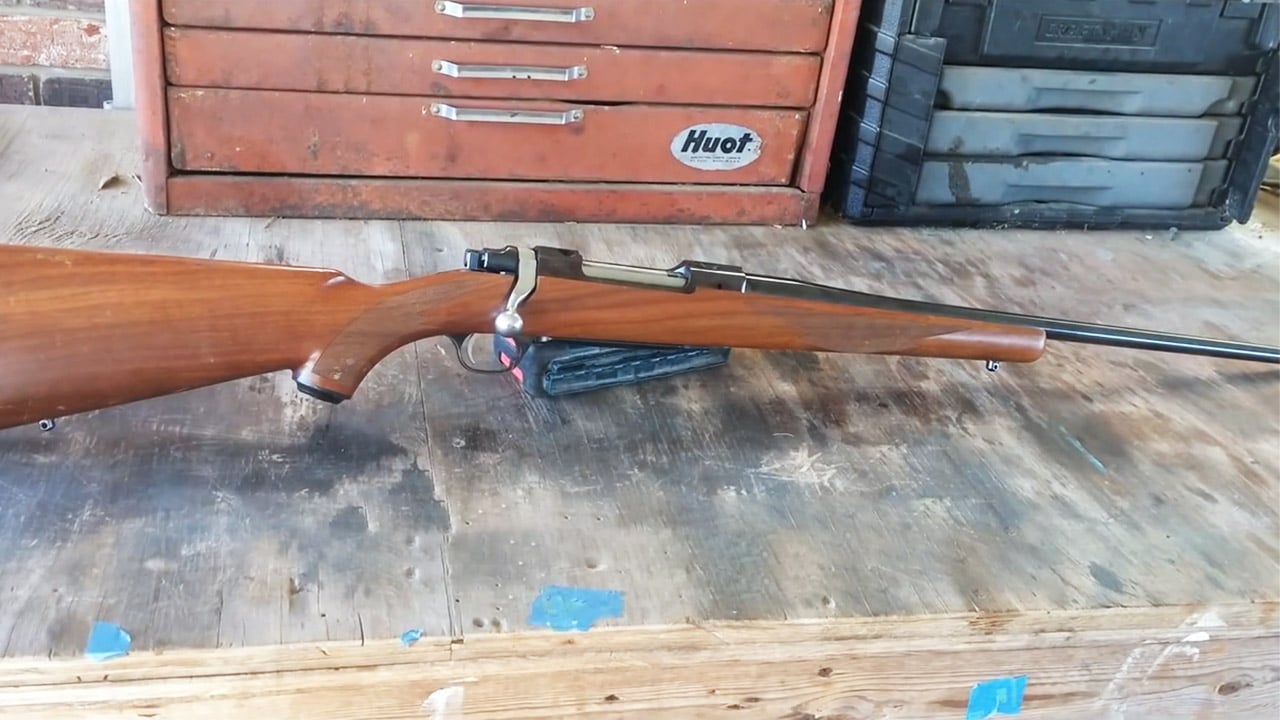
The M77 Mk II isn’t glamorous, and that’s exactly why it gets underpriced. Stainless with a synthetic stock screams “boring working rifle,” so families assume it isn’t collectible. In reality, it’s the kind of gun that lives behind truck seats, rides four-wheelers, and still goes bang when it’s cold and wet. The controlled-round feed and stout extractor have saved more than a few hunts.
They also hold up. You’ll see them with scuffed stocks and faded scope caps, but the actions are usually solid. Magazines aren’t a problem because it’s typically a hinged floorplate, and Ruger rings are a nice bonus if they’re still with the rifle. The next owner often just swaps a tired scope and heads to the range. When someone later wants a no-nonsense elk or bear woods rifle, these bring more money than the estate-sale sticker ever suggests.
4. Savage 99 (especially .300 Savage)

The Savage 99 is one of those rifles that non-gun folks look at and call “an old lever gun,” then price it like a worn-out .30-30. That rotary magazine and sleek receiver are a different animal. They carry flat, slip through brush well, and they have a classic look without being fragile. You see a lot of them with worn bluing and smooth stocks from years of being carried, not neglected.
The value jump happens because good 99s are getting harder to find in nice shape, and collectors pay attention to details like serial ranges, checkering patterns, and sight setups. Even hunters who don’t collect like them because they’re handy, fast, and accurate enough for real woods work. Watch the bore, make sure the action locks up tight, and understand ammo availability if it’s an oddball chambering. A clean .300 Savage 99 at a low estate-sale price is one of those “don’t overthink it” buys.
5. Marlin 336 (JM-stamped)
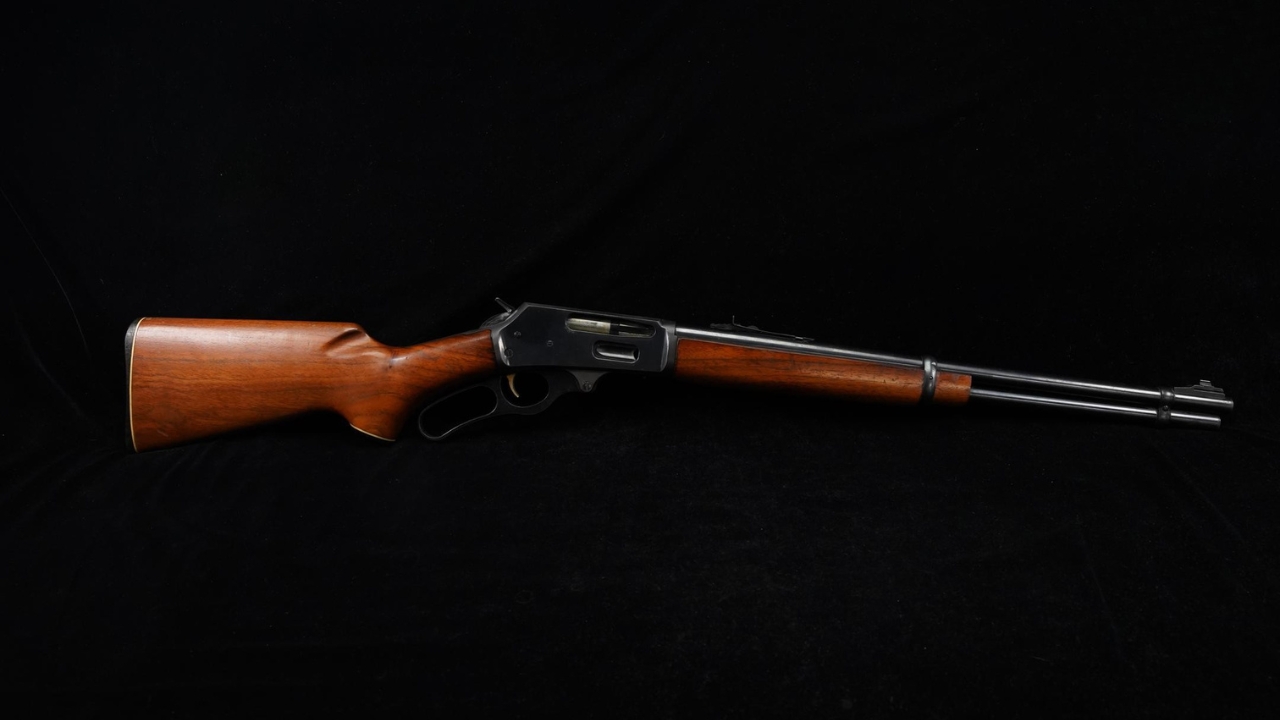
I get why families price lever guns low. Grandpa’s deer rifle looks simple, and the new crowd is chasing tactical stuff. But a JM-stamped Marlin 336 is still the woods rifle in a lot of places, and the older ones have a smoothness that’s hard to fake. The safety debate doesn’t matter much in the field; what matters is how it shoulders and how quick it is on a deer slipping through timber.
These also have a strong “regional demand” factor. In states where shots are close and brush is thick, a clean 336 doesn’t sit long when it’s on a rack. The next owner can add a good sling, maybe a peep sight, and it’s ready for season. Look for cracked stocks around the tang, check that the lever closes tight, and don’t ignore a rough crown. Even with cosmetic wear, the right 336 often sells later for a whole lot more than what it brought in an estate-sale pile.
6. Winchester Model 94 (pre-64)

The pre-64 Model 94 has that “everybody’s granddad had one” vibe, which weirdly makes it easier to underprice. Folks treat it like a common antique. But pre-64 Winchesters still pull collectors, and even hunters want them because they’re light, fast, and they just feel right. Pick one up and you immediately notice the slimness compared to a lot of modern lever guns.
Condition is everything, and estate-sale guns are often honest: worn bluing, smooth wood, maybe a saddle ring on a carbine that’s been carried a million miles. That doesn’t always hurt value the way people think. What kills it is extra holes drilled in the receiver, home-done cold blue, or a hacked-up rear sight area. If it’s original and mechanically sound, the next owner can usually turn it around for a healthy profit, or just keep it as a rifle that’s still a pleasure to carry.
7. Ruger No. 1 (any common hunting chambering)

Single-shots confuse estate sale pricing. A Ruger No. 1 looks “old fashioned,” and if the family isn’t into guns, they assume it’s less valuable because it only holds one round. Meanwhile, there’s a loyal crowd that loves these rifles for the looks, the balance, and the challenge of making one shot count. They’re also compact for the barrel length, which is nice in stands and blinds.
No. 1 values swing wildly depending on chambering, configuration, and condition, which is why estate-sale tags are often wrong. A clean example in a common cartridge like .270 or .30-06 tends to move fast when advertised correctly. Check the fore-end fit and look for signs of amateur bedding work, because some owners chase accuracy with mixed results. Even so, an unmolested Ruger No. 1 with decent wood is rarely a “cheap rifle” once it hits the broader market.
8. Browning BAR (Safari / early sporting models)

The sporting Browning BAR gets overlooked because folks mix it up with military-style “BAR” talk or they assume all semi-auto hunting rifles are jam-prone. The reality is many of these run very well if they’re kept reasonably clean and fed decent ammo. They’re heavier than a bolt gun, sure, but that weight helps on recoil, and they shoot softly for cartridges like .30-06.
At estate sales, the BAR often wears an old scope in high rings, and the whole setup looks clunky. That makes buyers hesitate. The next owner cleans it properly, verifies the gas system isn’t gunked up, and suddenly it’s a smooth-shooting deer rifle with real appeal. Magazines and certain parts can be pricier than bolt-gun parts, which is why you inspect carefully. But when they’re right, they bring more money than you’d expect, especially from hunters who want semi-auto follow-up shots without stepping into tactical territory.
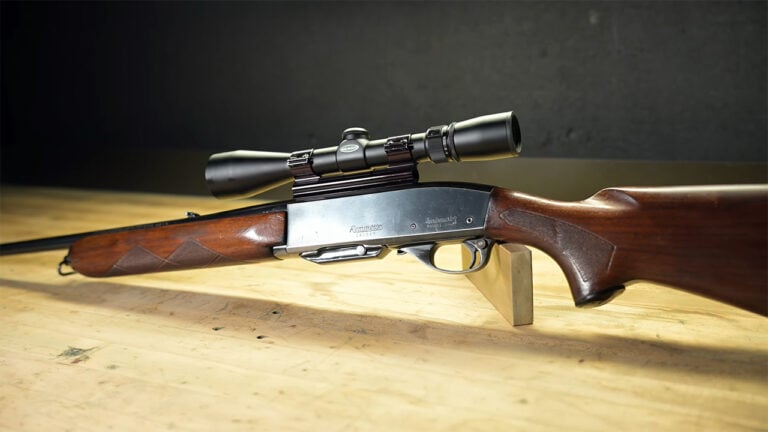
9. Remington Model 742/7400 (in .30-06)

These are a gamble, and that’s exactly why they go cheap. The 742 and 7400 have a reputation: some run forever, some get finicky, and when they wear out they can be a headache. So families price them low, and buyers either avoid them or buy them as “a cheap deer rifle.” Still, plenty of them are out there taking deer every fall.
The “fraction of the value” angle often comes from parts guns and clean examples. A well-maintained 7400 with a good bore and a smooth action can sell surprisingly well in areas where they’re common. And even a rough one can be valuable to someone needing a magazine, wood, or small parts to keep another rifle running. If you’re buying one to hunt with, inspect the action rails and look for signs of hard use. If you’re buying it to resell, you’d better know what you’re looking at, because not every cheap semi-auto is a bargain.
10. Springfield Armory M1A (standard models)

M1As show up at estate sales more than you’d think, usually because they were “the one nice rifle” a guy bought and then didn’t shoot much. The family sees a wood-stocked .308 that looks like a big old military rifle and slaps a price on it that’s closer to a generic hunting gun. Then somebody who knows what they are walks off with it, and that one hurts for everyone else in line.
The reason they bring real money later is simple: they’re expensive to replace, magazines are a whole market by themselves, and there’s steady demand from shooters who want a traditional semi-auto .308. Condition matters—look for a rifle that hasn’t been messed with by kitchen-table “match tuning.” Also pay attention to included mags and accessories, because that’s often where the hidden value is. Even if you’re not an M1A guy, you can recognize when one is priced like a plain deer rifle and act accordingly.
Free for gun owners: If something happened to you tomorrow, would your family know where the guns are, who has the safe combination, or what to do first? Our free Gun Owner’s Family Checklist walks them through it. It takes about 15 minutes to fill out. Get your free copy here.
11. Ruger Mini-14 (older Ranch Rifle)

Mini-14s live in a weird spot. For years they were the rifle you bought when ARs were expensive or politically complicated, and that history still follows them. At estate sales, an older Mini often gets treated like an oddball ranch gun, especially if it has a flimsy folder stock or a dated scope mount setup. Folks don’t always realize what clean Minis bring when they’re original and working right.
Accuracy varies by era and barrel profile, so you don’t buy one purely on hype. What you do get is a handy rifle with great handling, simple manual of arms, and decent reliability with quality magazines. And magazines are the whole deal here—factory mags matter. The next owner often sorts the mag situation, replaces tired springs, and sells it into a market of buyers who want a practical .223 that isn’t an AR. In certain states and areas, that demand stays strong, and the prices reflect it.
12. Colt AR-15 SP1
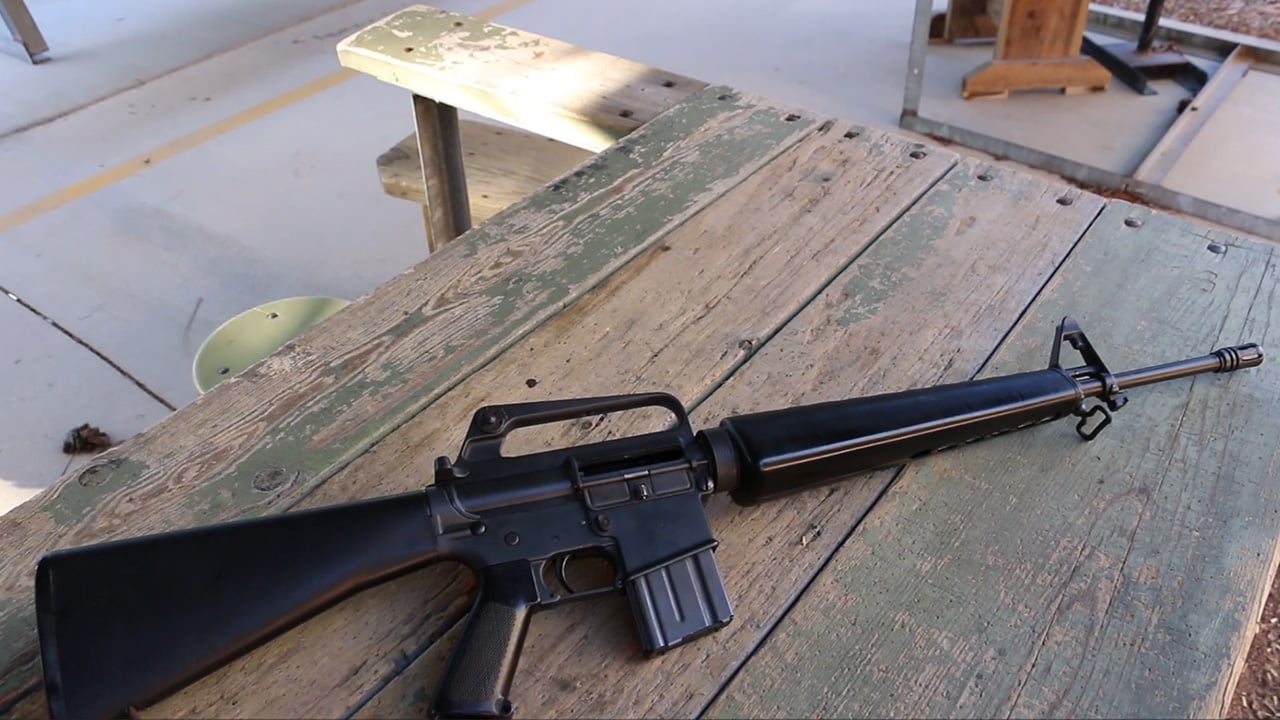
An SP1 can look like “just an old AR” to someone cleaning out a closet. Skinny handguards, old-school slick-side vibe, maybe an equally old carry-handle scope. It doesn’t scream modern performance, so it gets tagged like a used black rifle and not like a Colt collectible. The next owner, though, knows exactly what the rollmark means to the right crowd.
These bring real money when they’re correct and not pieced together from random parts. Estate sales sometimes include extra magazines, an original box, or an old sling, and the seller doesn’t assign any value to that. If you’re looking at one, check for non-factory modifications and mismatched uppers/lowers. The market is picky. But a clean SP1 with proper features is one of those rifles that can jump from “cheap estate-sale AR” to “collector-priced Colt” the moment it hits a wider audience.
13. SKS (Russian and early imports)

SKSs get underestimated because they were once stacked like cordwood at gun shows. A lot of buyers still have that old price in their head, and families often price them like they’re all the same. They aren’t. A clean Russian SKS, or an early import with matching numbers and original furniture, is a different animal than a beat-up, bubba’d rifle with a plastic stock and a detachable magazine that never ran right.
The “fraction” part happens when the estate sale doesn’t separate the good from the questionable. The next owner wipes off the cosmoline, verifies the serials, and suddenly it’s a rifle collectors actually want. Even the more common variants have value when they’re unmodified and include the right accessories. Check the bore, the gas system, and the safety function like you would with any surplus rifle. The SKS is simple, durable, and fun, and that steady demand keeps prices higher than many estate-sale tags suggest.
14. M1 Garand (CMP-era rifles)

An M1 Garand in the corner of a gun cabinet can look like just another long military rifle to someone who doesn’t shoot. But Garands have a real following, and documentation matters. Estate sales sometimes include old paperwork, clips, slings, and ammo that’s appropriate for the rifle, and it all gets lumped into one low number to make it go away quickly.
The next owner usually knows what to check: overall condition, correct function, and whether it’s been messed with. Even a “mixmaster” Garand can bring strong money if it’s in good shape. There’s also the simple fact that they’re not getting cheaper to replace. If you buy one, you still treat it like any older rifle—get it inspected if you’re not confident, and don’t feed it random hot loads without understanding the platform. But as a piece of American rifle history that still shoots well, it’s a classic estate-sale sleeper.
15. CZ 527 (in .223 or 7.62×39)

The CZ 527 is one of those rifles that owners quietly love, then families quietly sell because it looks like “a small bolt gun.” It’s trim, light, and it carries like a walking varmint rifle should. The set trigger is a big part of the charm, and when you find one that hasn’t been abused, it’s hard not to grin after a few shots off bags.
They also got harder to find, which pushes used prices up. Estate sales don’t always track that. A 527 in 7.62×39 is especially interesting because it can be a mild, practical woods rifle with cheap ammo for range days, and it’s just different enough that folks seek them out. The detachable magazine is a love-it-or-hate-it setup, and replacements aren’t always cheap, so make sure it’s included. If it is, a clean 527 rarely stays underpriced once it hits serious buyers.
16. Ruger 10/22 (older walnut-stock carbines)
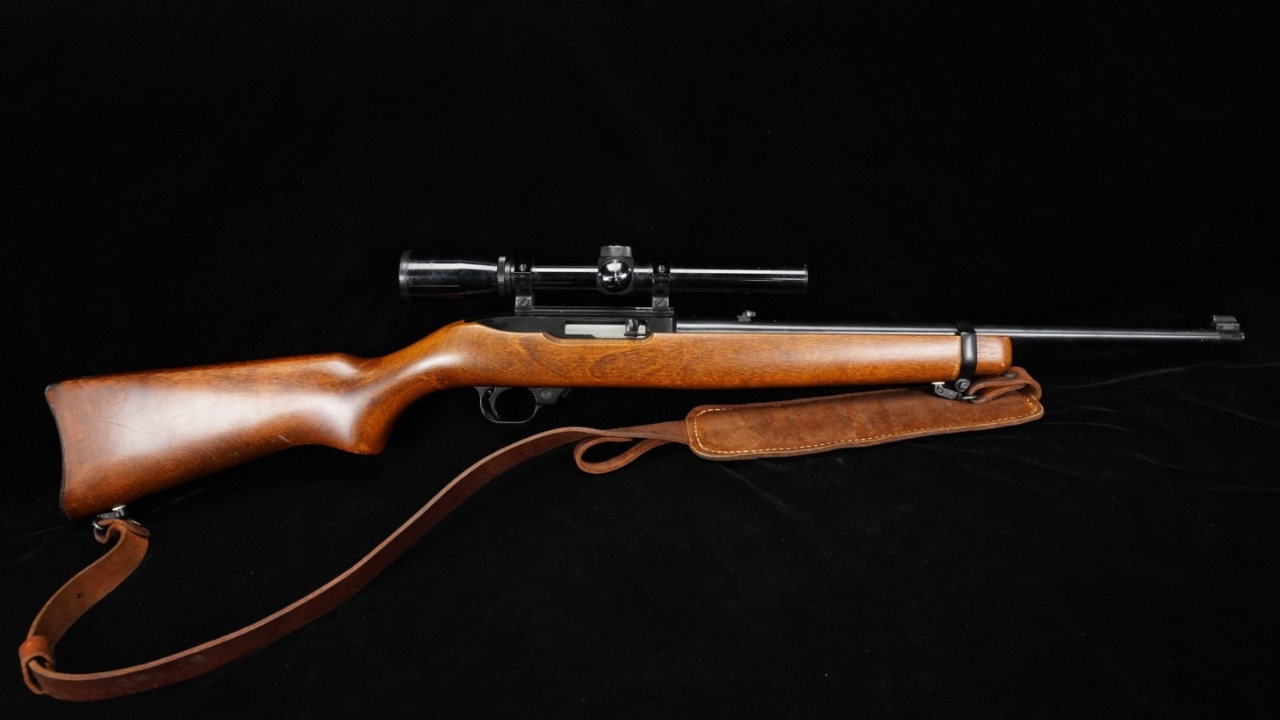
Everybody thinks they know the 10/22, which is why they get thrown on an estate-sale table like they’re disposable. But older walnut-stock carbines in nice shape have a following, and even the plain ones are endlessly useful. There is nothing fancy about it, and that is kind of the point. They’re the rifles that teach kids, ride in tractors, and still get pulled out to pop pests around barns.
The next owner often wins twice: first by getting a solid .22 for cheap, and second because the 10/22 ecosystem is huge. Even if you never modify it, a clean, reliable 10/22 holds value because everyone can use one. Look for rust under the barrel band area, check that the bolt cycles smoothly, and make sure the magazine fits and feeds. A cheap 10/22 is rarely a bad buy if it’s mechanically sound, and it’s one of the easiest rifles to resell later without taking a bath.
17. Marlin Model 60 (older tube-fed rifles)
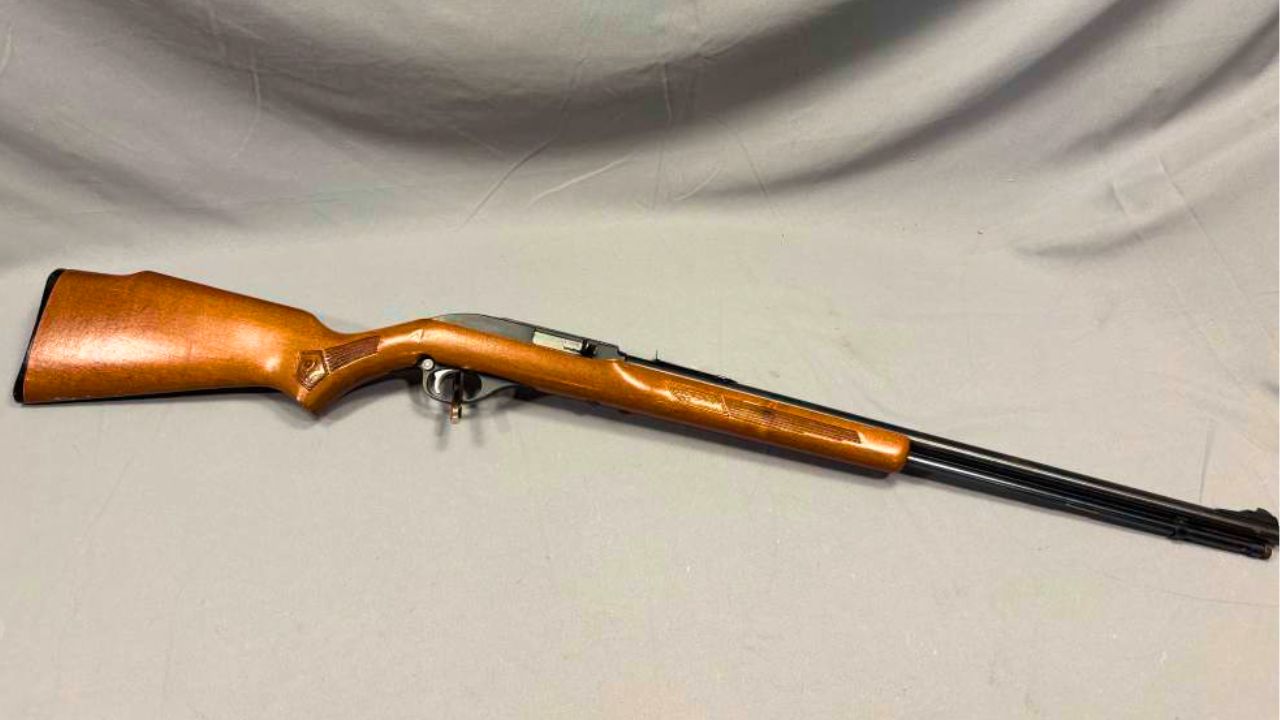
The Marlin 60 is another .22 that gets priced like a toy. You’ll see them with squirrel-hunting scratches and a cheap scope, and folks assume they’re worn out. The truth is, many of them will still shoot tiny groups with the ammo they like, and the tube feed is handy for a rifle that’s going to live in a corner of the shop. They’re light, quiet, and perfect for pest work where you’re not burning through magazines.
What drives the later value is simple utility and nostalgia. Plenty of shooters learned on a Model 60, and they’ll pay more than estate-sale money for a clean one. You do need to check function—some get gummed up from years of .22 crud and lack of deep cleaning. Also make sure the inner tube is present and not bent. If it cycles and the bore is decent, the next owner can enjoy it immediately or move it quickly to someone who misses the rifle they grew up with.
18. Winchester Model 52 (target rifles)
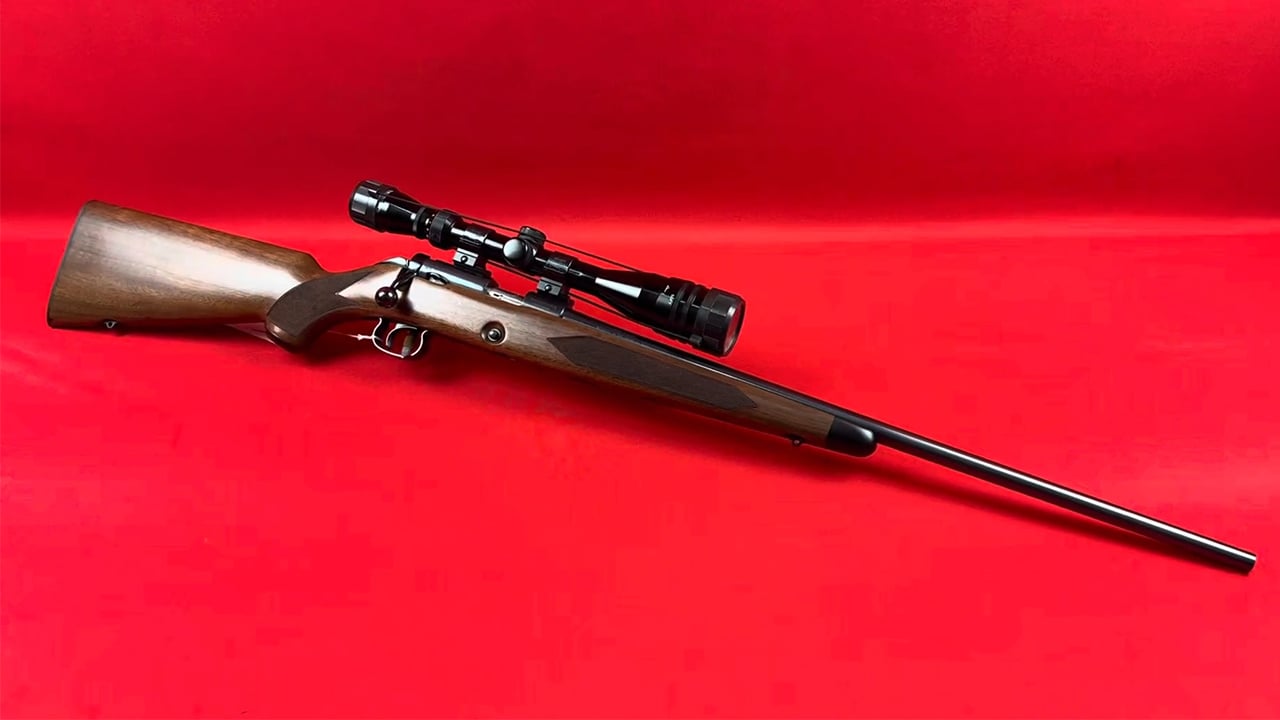
Target .22s can look like boat anchors to an estate-sale crowd. A Winchester Model 52, with its heavy barrel and serious iron sights, doesn’t fit the “deer rifle” picture, so it gets ignored. That’s a mistake. The Model 52 is one of those rifles that feels like a precision instrument when you run the bolt. Everything about it is built for deliberate shooting.
Collectors and serious rimfire shooters know what they are, and they’ll pay accordingly, especially for clean examples with original sights and accessories. Even a rifle with some stock dings can bring strong money if the metal is right and the bore is sharp. This is one where you want to slow down and actually inspect it: make sure it hasn’t been drilled and tapped in ugly ways, and look for missing sight parts that are expensive to replace. Estate sales often price them like “old .22,” but the market doesn’t.
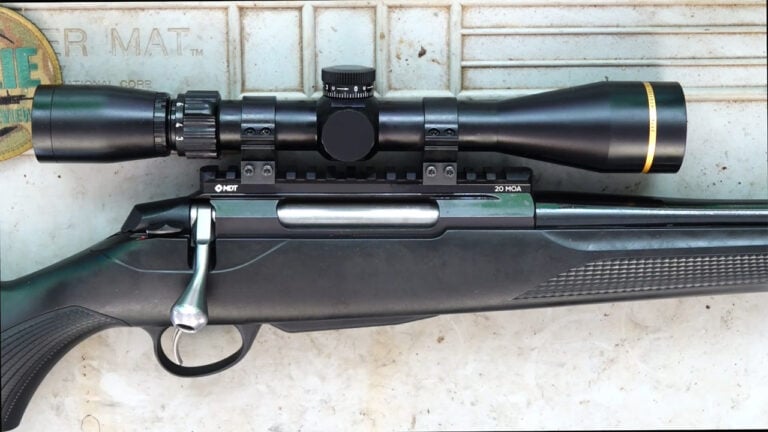
19. Tikka T3 (Lite and Hunter models)
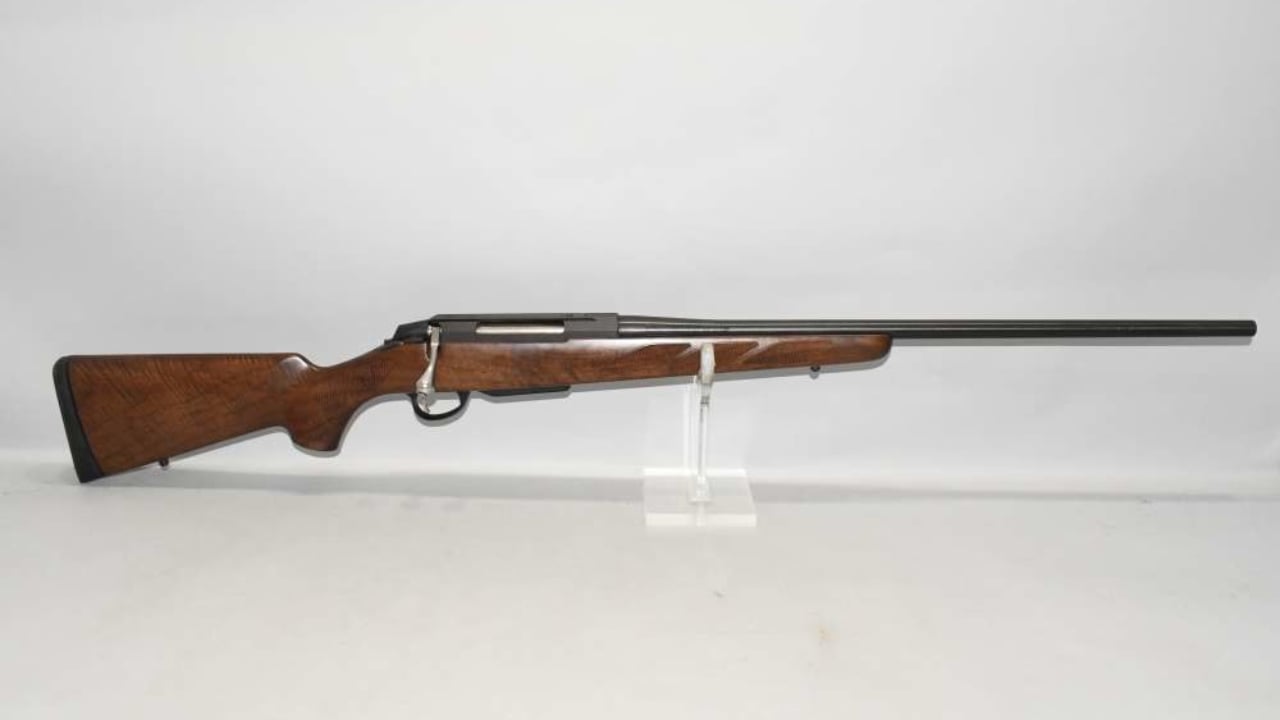
Tikkas aren’t old classics, but they still show up at estate sales because they’re the kind of rifle a guy buys when he’s tired of fighting accuracy problems. They’re light, the bolts are slick, and most of them shoot right out of the box. When an estate has several rifles, the Tikka can get priced too low because it lacks the nostalgia factor of walnut and bluing. It looks like a plain modern tool.
The next owner appreciates what matters: good factory barrels, consistent triggers, and real-world accuracy without a lot of tinkering. They’re also easy to carry all day, which is something you notice around mile three on a ridgeline. Check the magazine and make sure it locks up properly—factory magazines cost more than bargain-bin stuff. If the rifle is clean and the scope isn’t junk, a T3 at estate-sale pricing is one of the quickest flips out there, because plenty of hunters want a rifle that just flat works.
20. Weatherby Vanguard (Series 1 and Series 2)
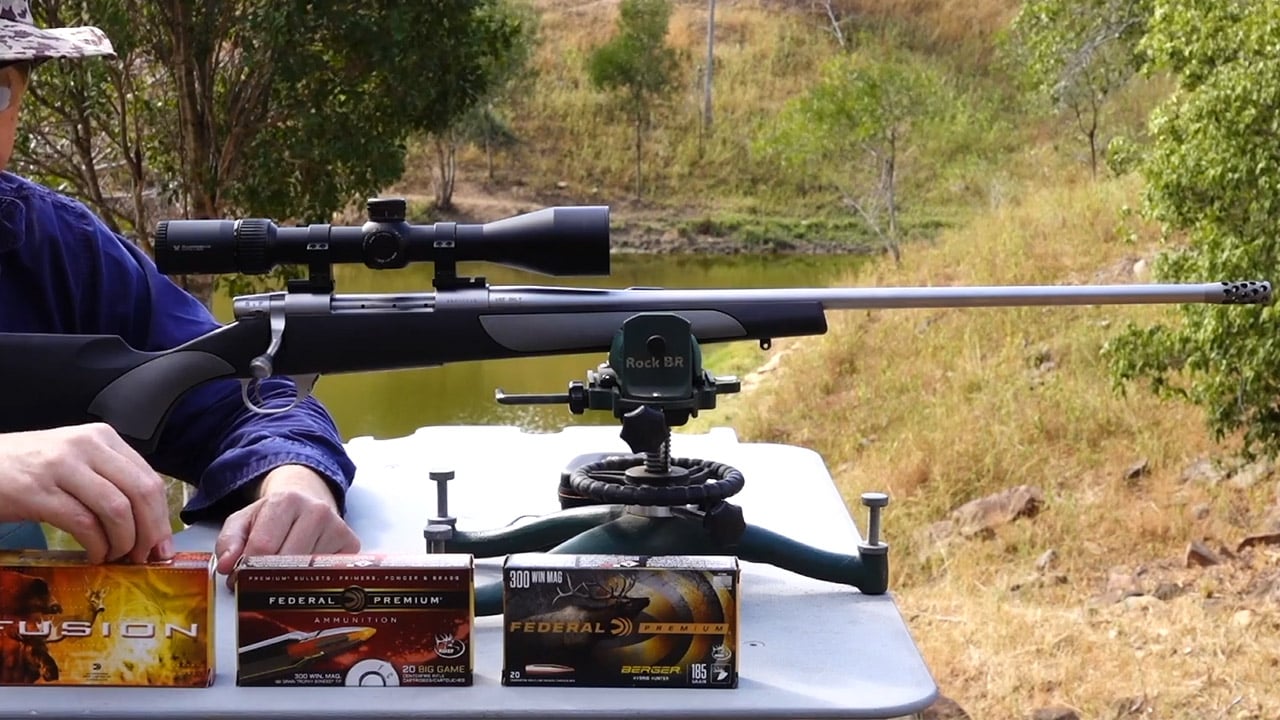
The Vanguard gets treated like “just another bolt gun,” and sometimes it even sits under a Weatherby name that makes non-gun folks assume it’s flashy. In reality, the Vanguard is more workhorse than show pony. They tend to be a little heavier than the ultra-light trend, which helps them shoot steady. And the actions generally feel solid, not rattly.
Estate-sale bargains happen when a Vanguard is wearing a cheap scope and has a few safe dings. Buyers see the whole package and judge it by the weakest link. The next owner swaps optics, checks torque on the mounts, and suddenly it’s a very capable hunting rifle. They’re also common enough that buyers aren’t scared of them, which helps resale—someone is always looking for a dependable .270, .308, or .30-06. Inspect the crown, verify feeding and ejection, and don’t let “plain” fool you. Plain rifles kill a lot of deer.
If you’re shopping estate sales, remember what you’re really buying: not just a firearm, but how hard it is to replace that exact mix of condition, smoothness, and included extras. Bring a bore light, keep your muzzle discipline, and don’t get in a hurry just because other folks are hovering. Some rifles are overpriced everywhere. These, though, are the ones that too often get tagged like clutter—and then the next owner smiles all the way home.
Like The Avid Outdoorsman’s content? Subscribe to our newsletter so you never miss an article.
Here’s more from us: